

I'm Laurence, a professional travel photographer since 2010. Jess and I write this site from our own travels.
Baton Rouge was not on our radar when we planned our road trip through the American South. We knew New Orleans was the destination everyone talked about, but Baton Rouge was on our route and we decided to stop. If New Orleans is on your route too, our guides to the best things to do in New Orleans and our 3 day New Orleans itinerary cover the city in detail.
I’m glad we did. Louisiana’s capital turned out to be one of the more interesting stops on that whole trip. The history here runs deep, the architecture is striking, and several of the museums we visited were free. It’s not flashy in the way New Orleans is flashy, but it has real substance.
That trip was part of a longer road trip through the Deep South, which took us through five states and over 2,000 miles of driving. We started in Charleston and finished in New Orleans just in time for Mardi Gras. Baton Rouge was one of the highlights.
That visit was a few years back now, but most of what’s in this guide (the architecture, the museums, the riverfront, the Mardi Gras parades) hasn’t changed. Where things have moved on (the food and accommodation scenes, the USS Kidd’s current away-for-repairs status), I’ve flagged it.
We spent a few days here and covered a lot of ground. Most of the main attractions are clustered in the downtown area, which is pretty compact and walkable. Here’s how I’d suggest spending a weekend, based on what we found.

Table of Contents:
Quick Take: A Weekend in Baton Rouge
- How long? Two days covers it comfortably. Day one for the downtown historical core, day two for the museums and gardens beyond.
- Best time to visit? February for Mardi Gras parades, or March to May for cooler weather and crawfish season before the summer humidity hits.
- Walking or driving? Downtown is walkable, with most main sights within a 15 to 20-minute walk. You’ll need a car for Day Two.
- Worth visiting? Yes, especially if you’re road-tripping the South. Concentrated history, several free museums, Mississippi River views, and a more relaxed pace than New Orleans.
A Weekend in Baton Rouge
The good news about Baton Rouge is that the downtown area is very walkable. The major historical sights line up roughly north to south along the Mississippi River, which means you can start at one end and work your way down without much backtracking.
Here’s how I’d plan a weekend visit, starting with the Capitol Park area in the north and working south toward the riverfront.
Morning: Capitol Park
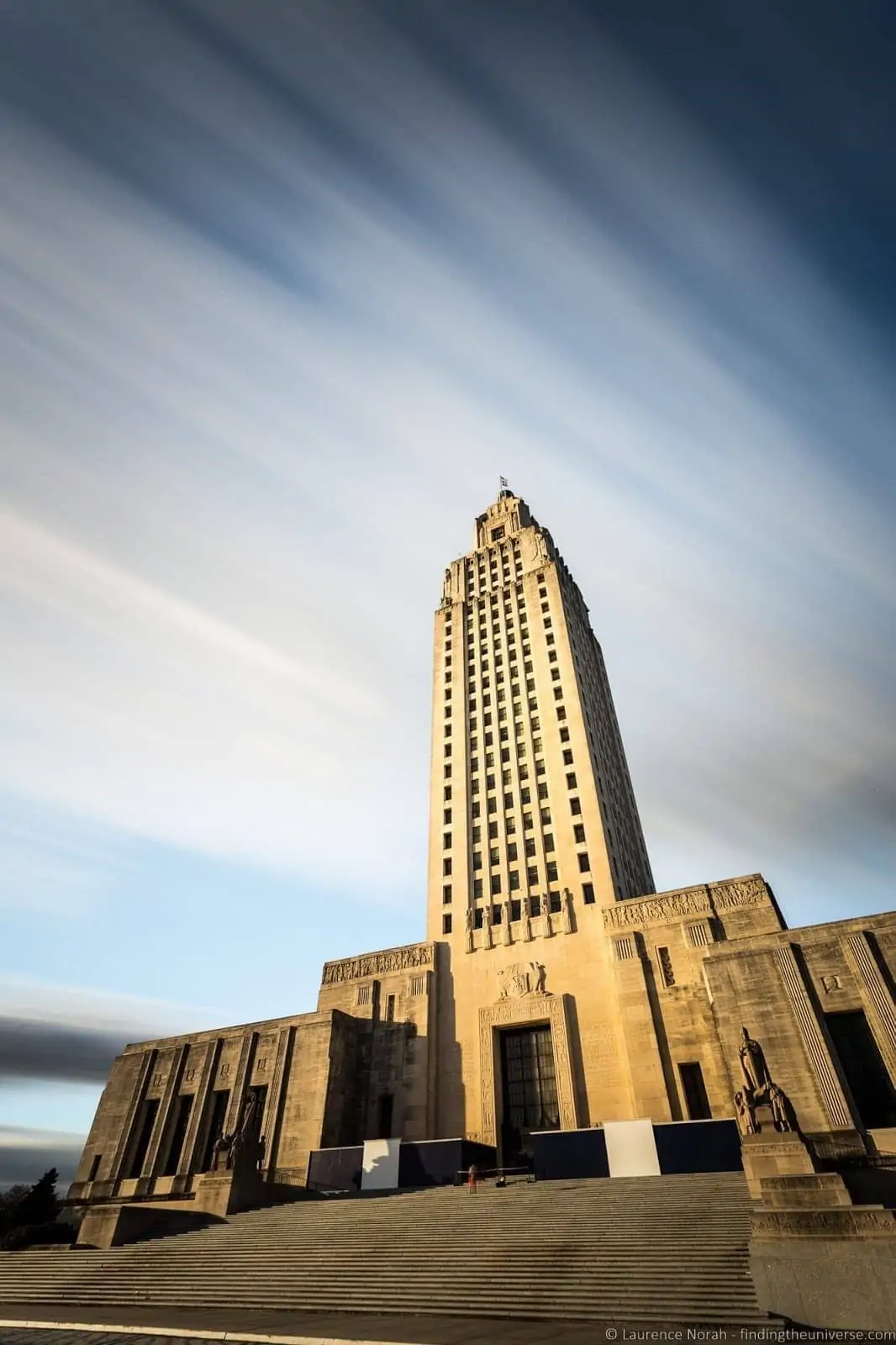
I’m a big fan of getting to the top of a high building when visiting a new place in order to get oriented, and Baton Rouge has the perfect location for this. The State Capitol building is the tallest state capitol in the United States at 34 storeys, and there’s a free observation deck on the 27th floor with views across the city and the Mississippi River.

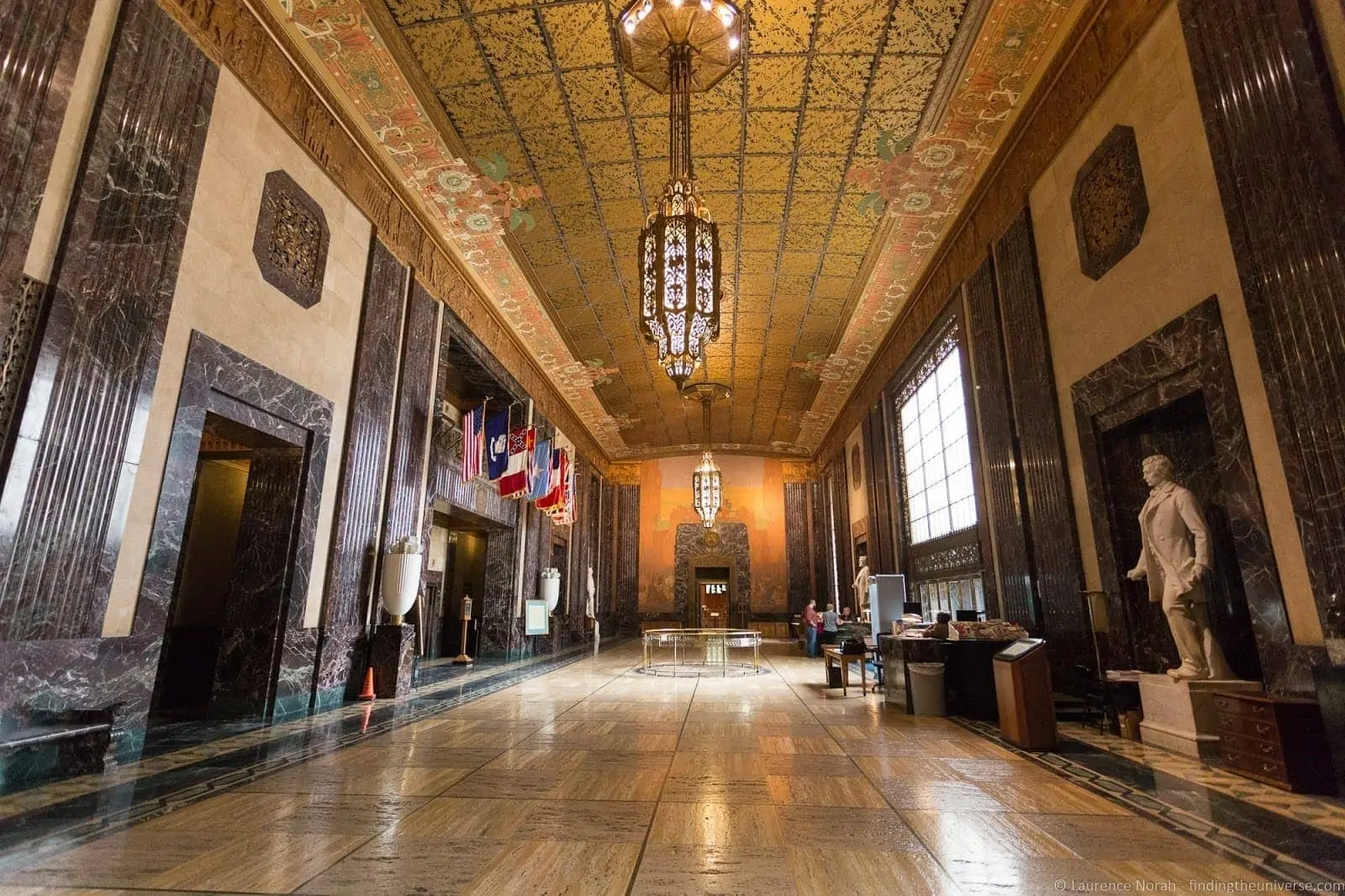
The building itself is worth some time too. Built in an Art Deco style in the early 1930s under the direction of Governor Huey P. Long, it’s a National Historic Landmark and quite different from the classical dome-style capitols you see in most states. Inside, the memorial hall is the first thing you see: four storeys high, filled with marble and detailed decoration, with a massive bronze relief map of Louisiana set into the floor.
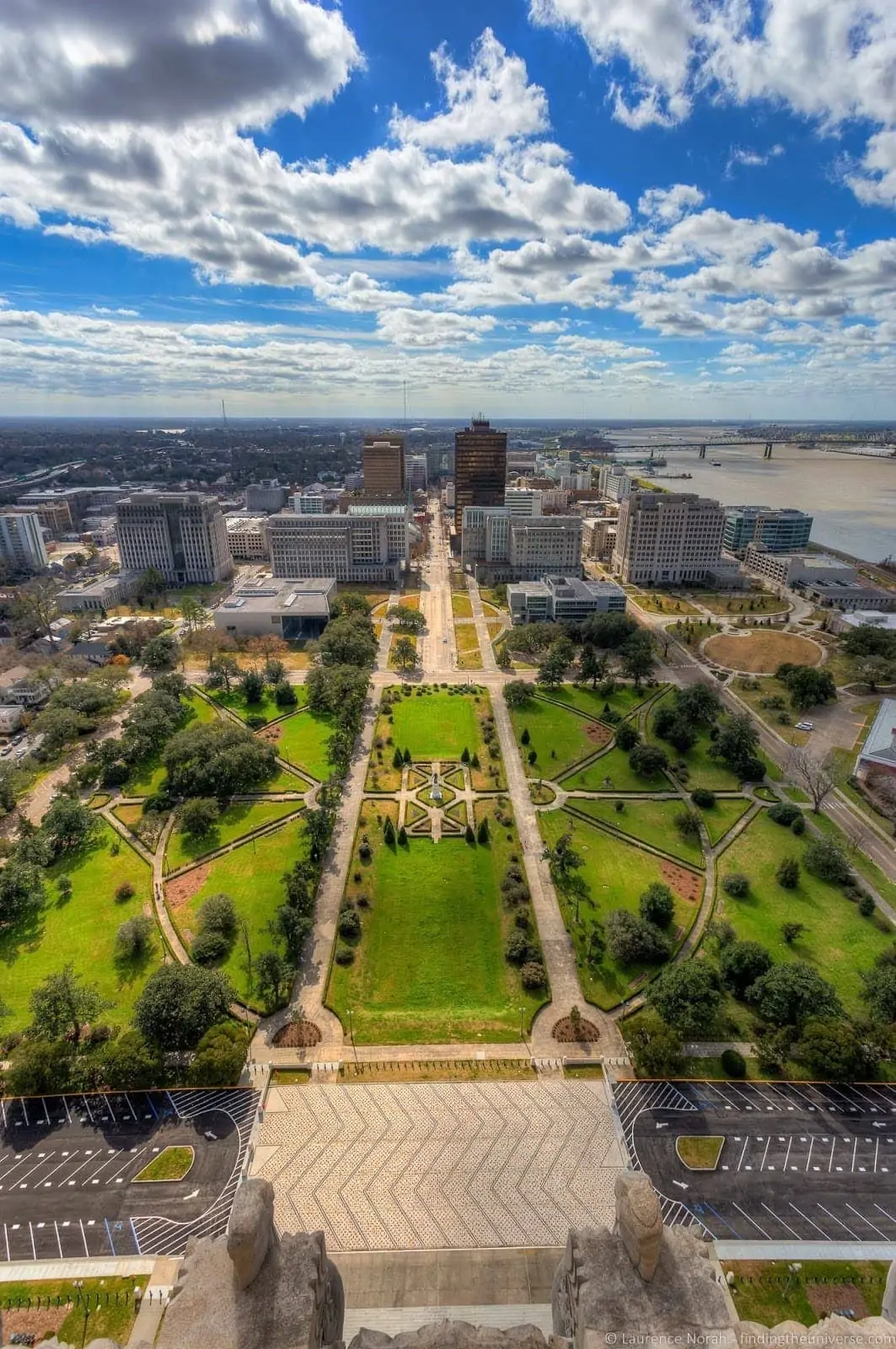
This is a working state government building, so you can also visit both the House of Representatives and the Louisiana State Senate chambers. We were there on a weekend, so no politics was happening, but we were still able to walk through the chambers and tour the building. Admission is free.
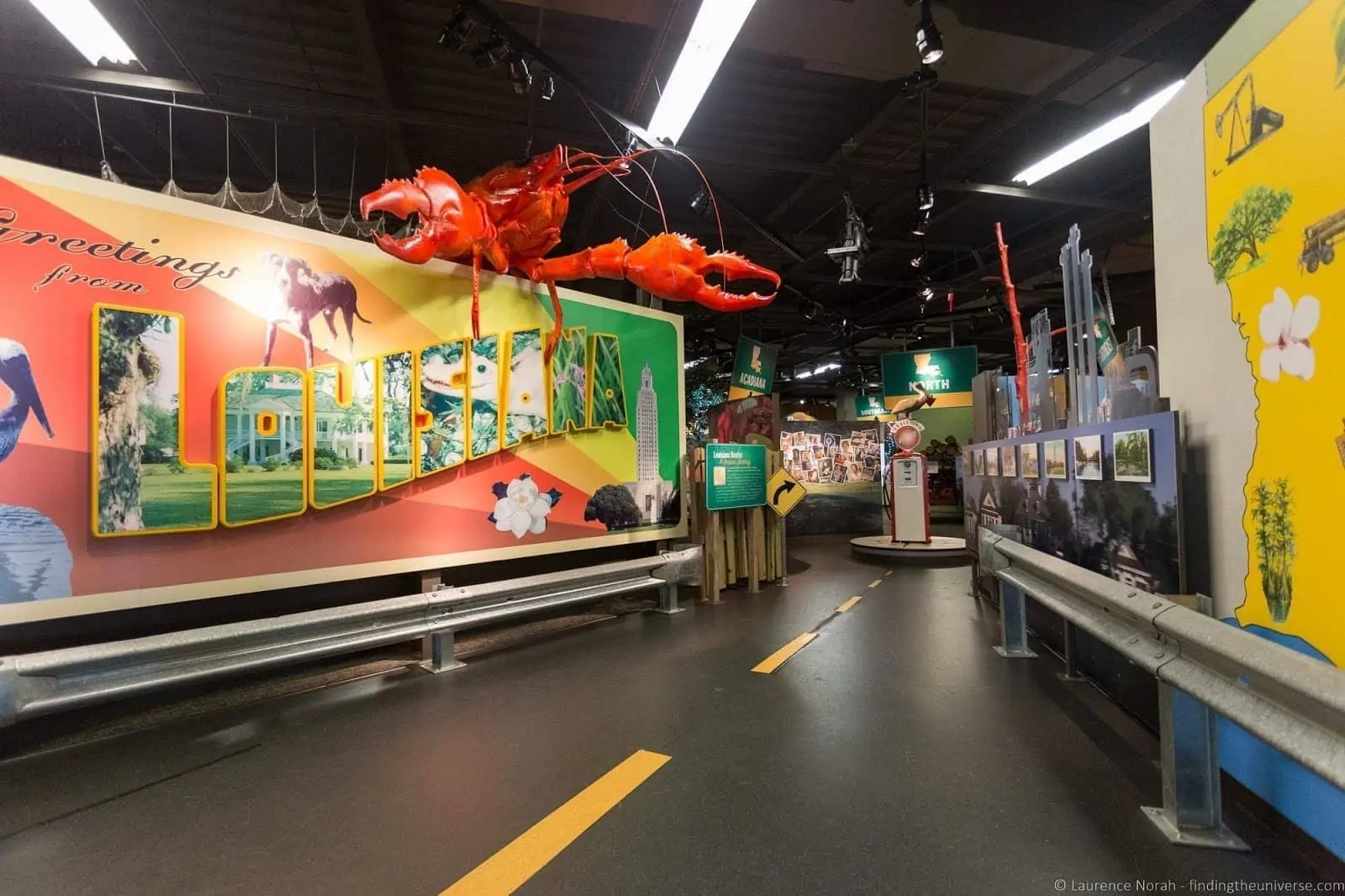
From the State Capitol, it’s a short walk south to the Capitol Park Museum. This is one of the best museums in Baton Rouge and covers the full sweep of Louisiana history, from the Native Americans and early settlers through slavery and civil rights, right up to the music and culture the state is known for.
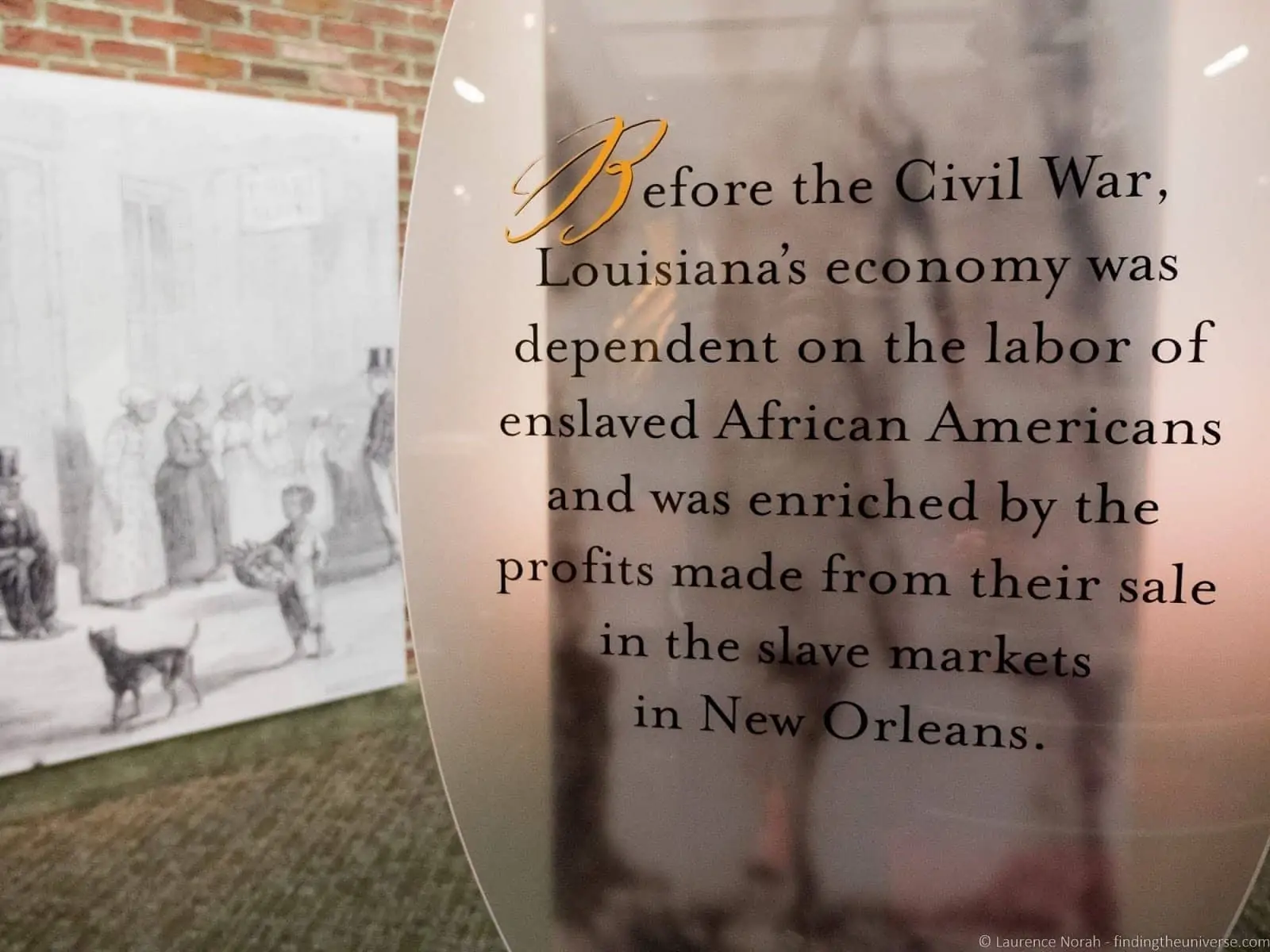
The museum really does cover a lot. There’s a 48-foot shrimp trawler hanging from the ceiling, a rare Civil War-era submarine, exhibits on the Baton Rouge bus boycott of 1953 (which predated the more famous Montgomery boycott by two years), and rooms dedicated to Louisiana’s musical heritage. You could easily spend half a day in here. The admission is very reasonable and the museum is open Tuesday to Saturday, 9am to 4pm.

While you’re in the Capitol Park area, the Old Arsenal Museum is a five-minute walk from the State Capitol, surrounded by gardens. Built in 1838 as a powder magazine, it’s one of the best surviving examples of its kind in the US. It doesn’t take long to visit and admission is free. Regular opening hours are Thursdays from 9am to 3pm, but you can also arrange individual or group tours by appointment on other days. Call ahead to check.

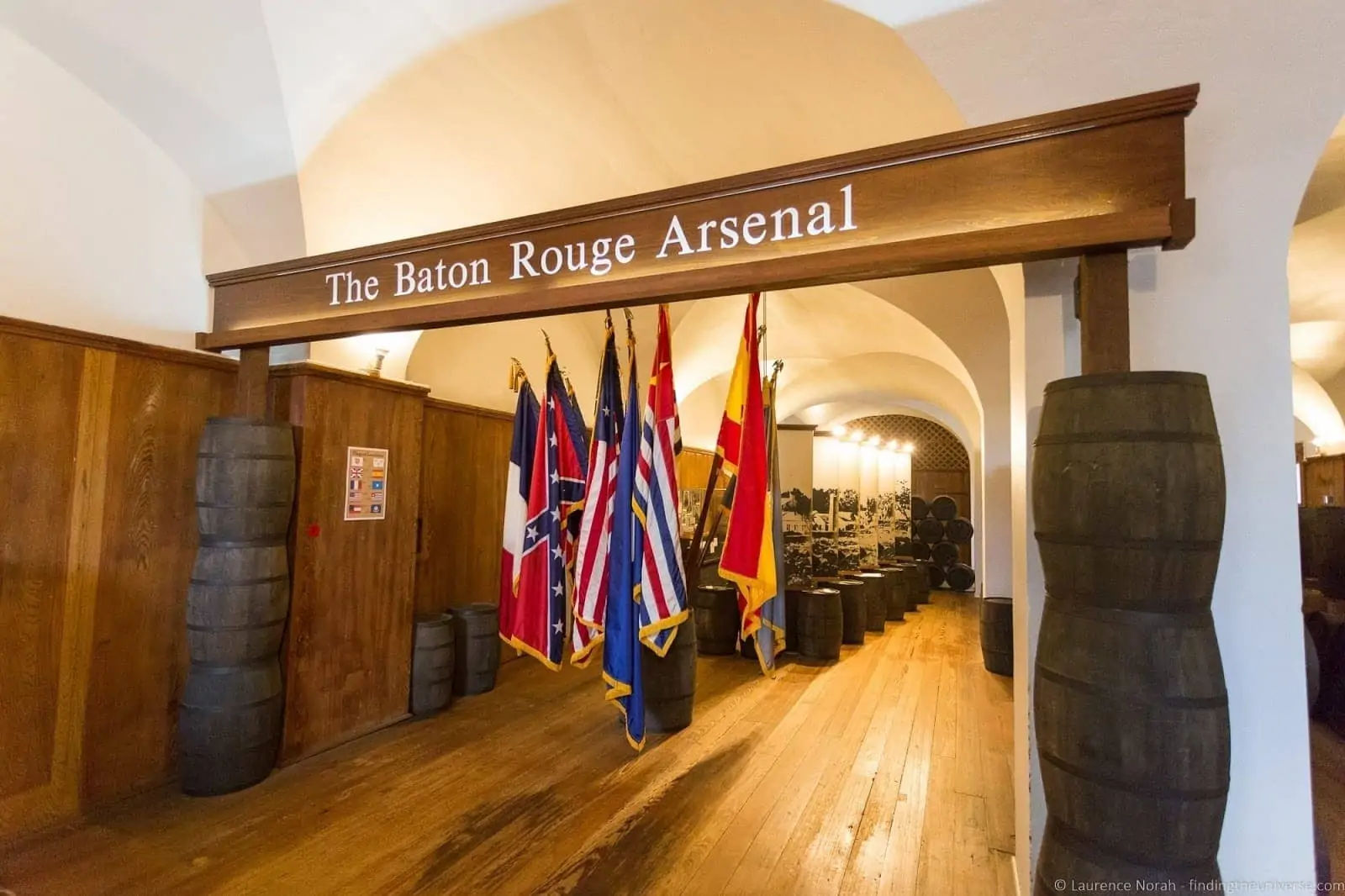
Afternoon: Downtown’s Historic Core
From Capitol Park, walk south along the river toward downtown. Within about 15 minutes you’ll reach a cluster of attractions that are all within a few blocks of each other.
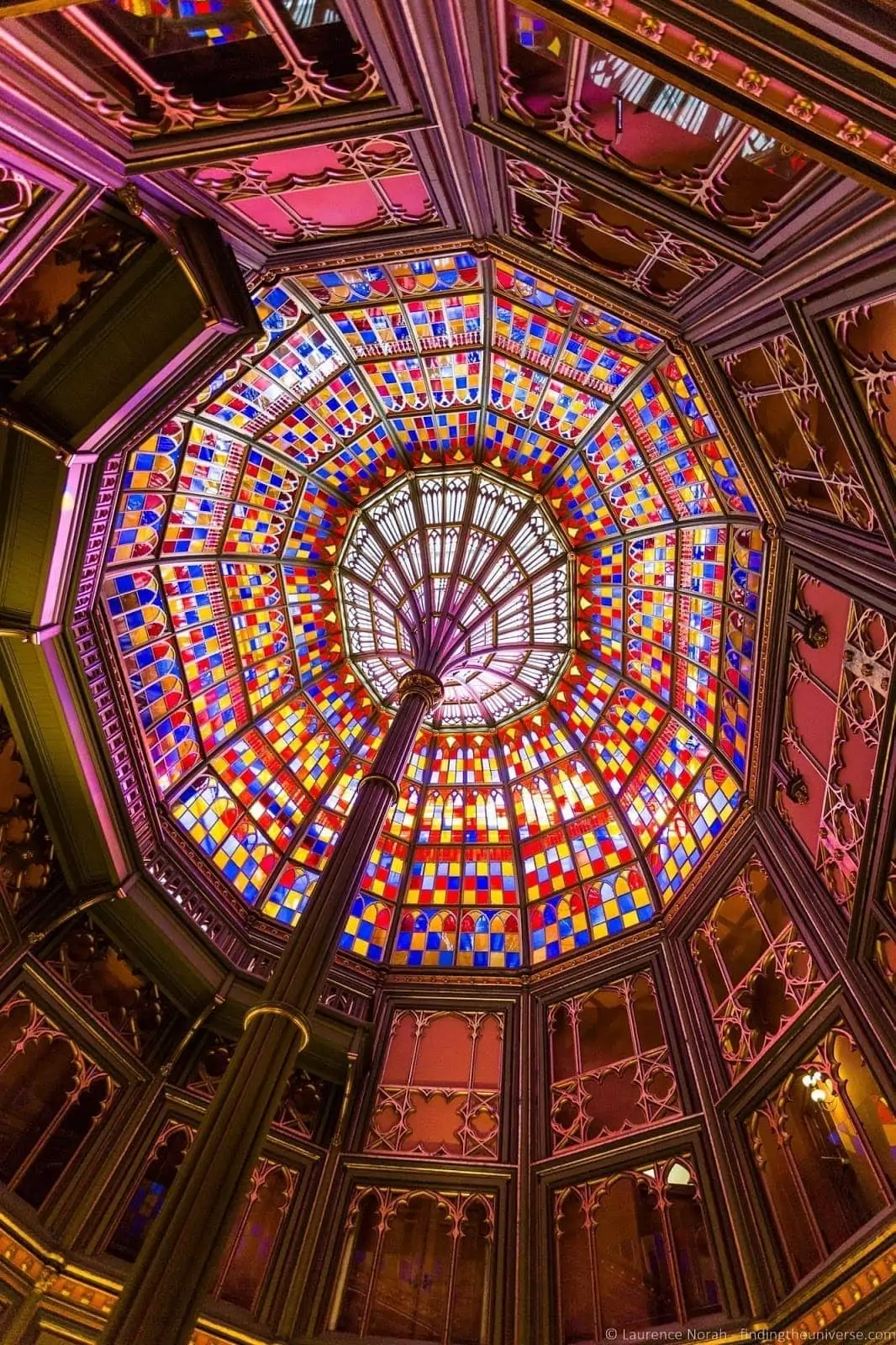
The star here is the Old State Capitol. Where most states copied the classical dome design from Washington when building their capitols, Louisiana went in a completely different direction. The architect chose a Gothic Revival style, and the result looks like a medieval castle, complete with turrets and crenellations. It’s one of the most unusual government buildings I’ve seen anywhere.

Built in the 1850s, the Old State Capitol served as Louisiana’s seat of government until the current building replaced it in the 1930s. It survived fire during the Civil War, fell into disrepair, and was eventually restored in the 1990s. Today it’s the Museum of Political History, and admission is free.
Our favourite parts were the stained glass dome, reached via a cast-iron spiral staircase, and the 12-minute “Ghost of the Castle” theatrical experience about Sarah Morgan Dawson, a young Baton Rouge woman who lived through the Civil War. The show costs $3 per person and runs every 20 minutes or so.
A few minutes’ walk east from the Old State Capitol is the Old Governor’s Mansion. This Georgian Revival house was built in 1930 under Governor Huey Long, and according to local legend, Long wanted it to resemble the White House so he’d feel at home when he got to Washington. Whether or not that’s true, it’s a handsome building with a marble staircase, hand-painted French wallpaper, and rooms dedicated to the nine governors who lived here between 1930 and 1963.
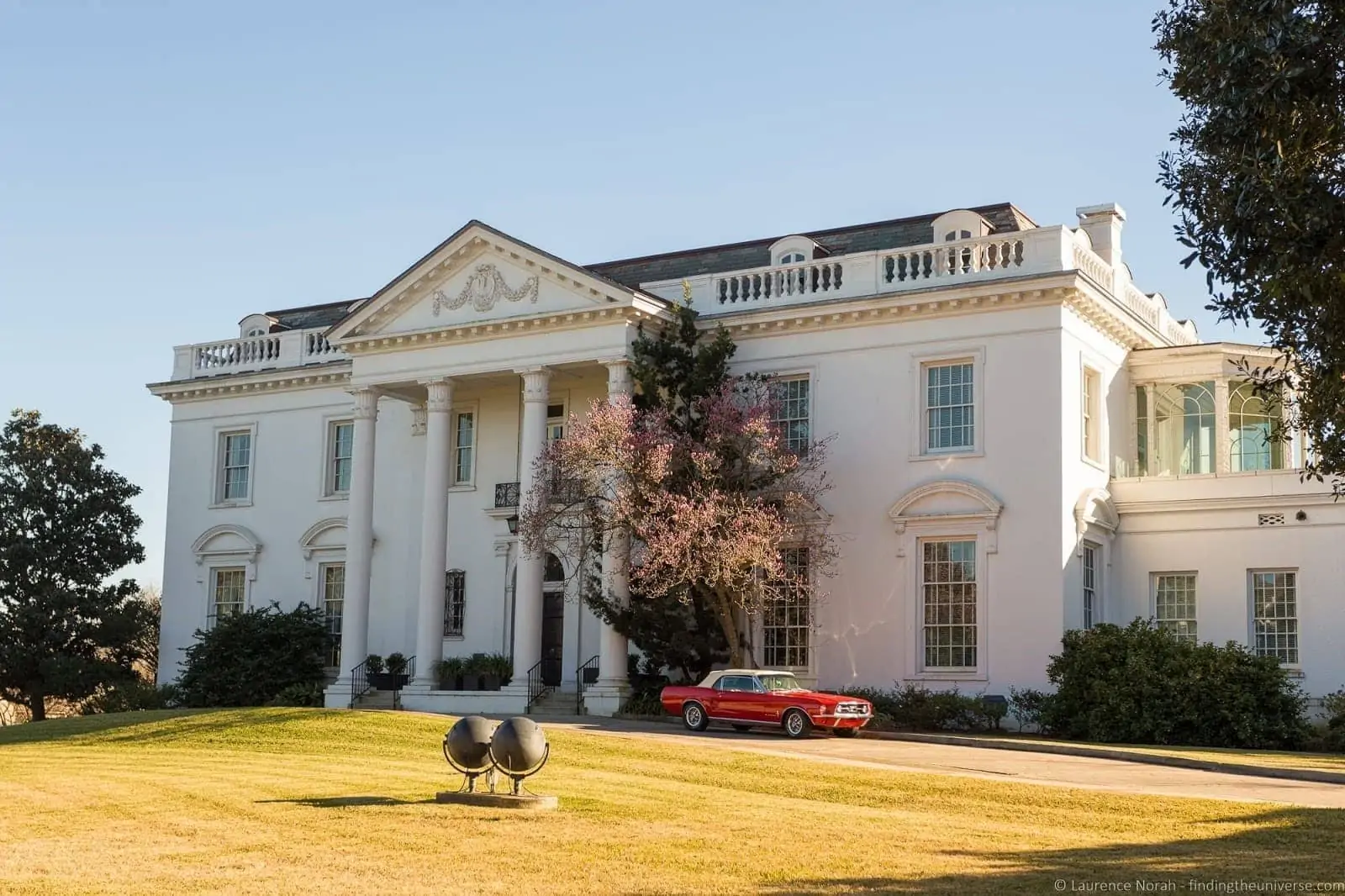
We unfortunately arrived after the last tour of the day, so we only saw the exterior and grounds. If you time it right, self-guided tours run Monday to Friday, 9am to 4pm, and on the first Sunday of each month from noon to 4pm. Admission is free.
Also in this area, the Louisiana Art and Science Museum sits right on the riverfront in a converted 1925 railway station. We didn’t make it inside on our visit, but it’s consistently one of the highest-rated attractions in Baton Rouge. The museum has art and science exhibits (including a real Egyptian mummy), and the Irene W. Pennington Planetarium is the largest in the state. It’s open Wednesday to Sunday.
Next door, the Shaw Center for the Arts is a contemporary performing arts and gallery space that’s home to the LSU Museum of Art. It’s also where you’ll find Tsunami, the rooftop restaurant on the sixth floor with panoramic views of the Mississippi River. It’s one of the best spots in the city for sunset drinks.
Late Afternoon: The Riverfront and USS Kidd
Keep walking south along the riverfront and you’ll reach the USS Kidd Veterans Museum. Named after Rear Admiral Isaac C. Kidd, who was killed aboard the USS Arizona at Pearl Harbor, the Kidd is a World War II Fletcher-class destroyer that survived a kamikaze attack in the Pacific. She’s one of only two surviving US destroyers preserved in her WWII configuration.


We ran out of time to go aboard during our visit, but anyone with an interest in naval history should plan for at least an hour here.
Important note for 2026 visitors: The USS Kidd is currently away from Baton Rouge. The ship has been at a shipyard in Houma since 2024 for a $16 million overhaul, and was originally scheduled to return for a Memorial Day weekend homecoming on May 23, 2026. That homecoming has been postponed: officials announced on May 7, 2026 that Mississippi River levels are too low to dock the ship, and as of late June 2026 the ship has still not returned. River levels remain well below the required threshold and no new return date has been announced. The shoreside museum remains open daily 9:30 AM to 3:30 PM with reduced admission ($8). Check the USS Kidd website for the latest on the ship’s return.
Once you’ve visited the USS Kidd (or its museum), the riverfront itself is the place to be as the afternoon turns to evening. This was my favourite part of our time in Baton Rouge. I made a point of coming down to the river for sunset every night that I could, and the colour displays over the Mississippi with the bridge in the background were gorgeous.
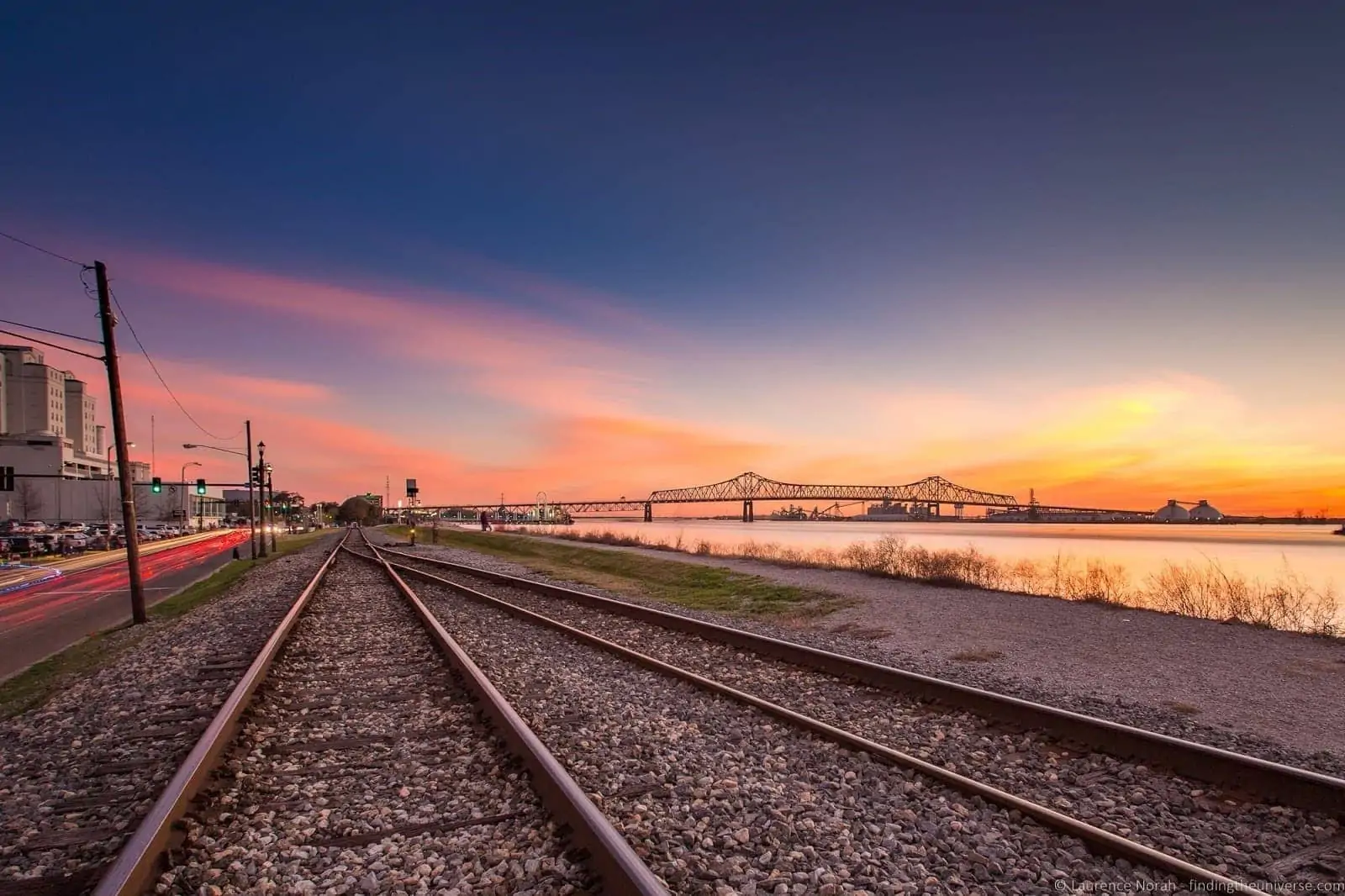
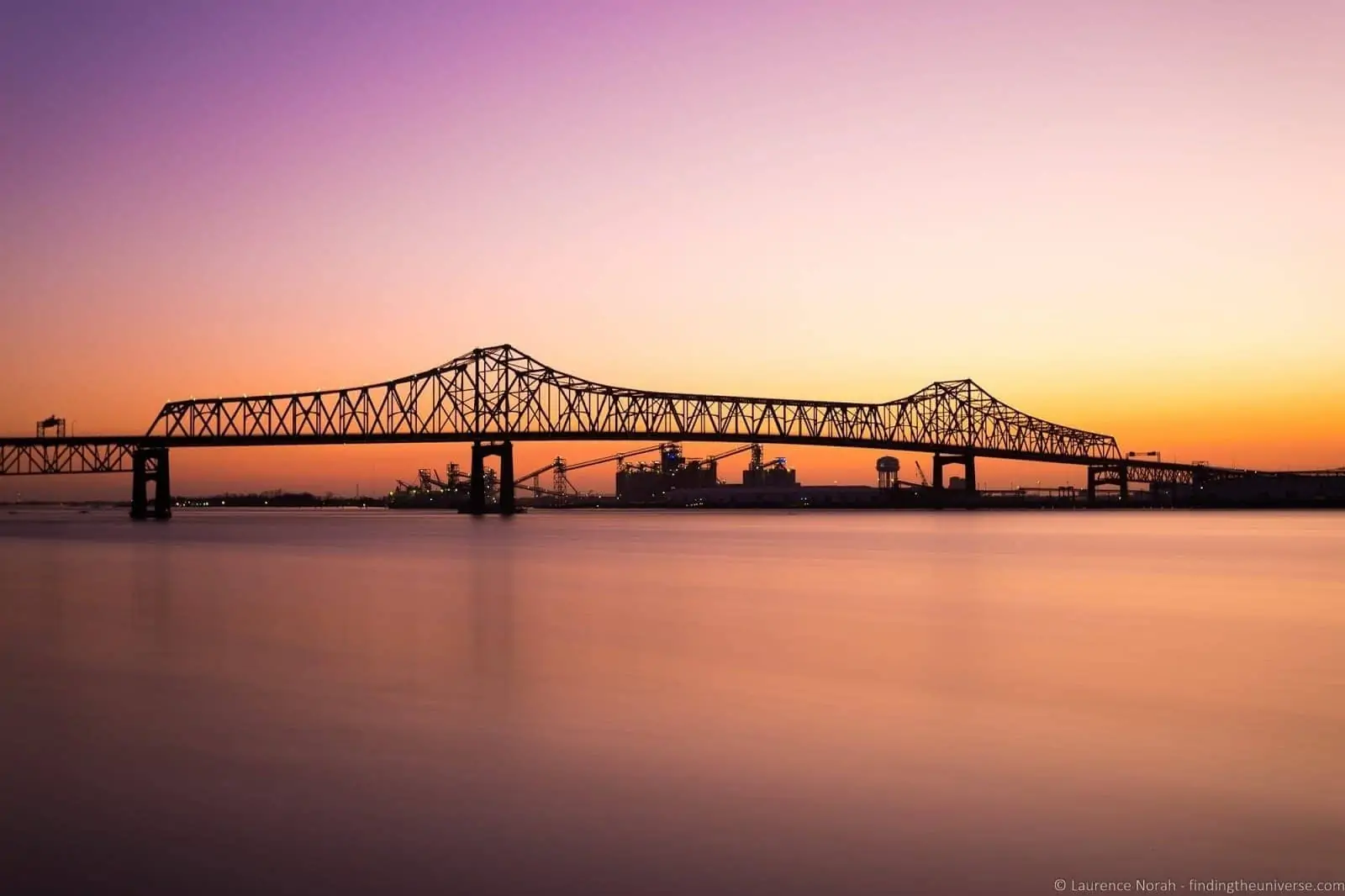
If you’re a photographer, the riverfront at dusk is the strongest shot in Baton Rouge. The Horace Wilkinson Bridge (the cantilever span that carries Interstate 10 across the Mississippi) lights up against the fading sky, and the curve of the river puts it at a flattering angle from the levee path north of the USS Kidd.
A few practical notes from working this spot. Arrive 30 to 45 minutes before sunset; the bridge lights come on around civil twilight, when there’s still enough sky colour to balance the artificial light, and past that the contrast goes hard and you lose the gradient that makes the shot work. A tripod is essential because this is a long-exposure scene. The shot above was two minutes at f/8, ISO 100, on a 17-40mm zoom set to 40mm. Long exposures like that render the river surface smooth as glass and pull clean trails out of any traffic crossing the bridge; hand-held at dusk just gets noisy.
The 40mm focal length gave a comfortable composition with the bridge filling the frame. Wider includes more riverbank in the foreground; 70 to 200mm compresses the bridge against the sky for a more graphic look. Either works. The paved levee path north of the USS Kidd has the cleanest sight line, and you’ll usually have it to yourself in the late evening. Different evenings give different palettes (pink and gold one night, deep purple and steel grey the next), but the bridge anchors the shot every time.
Day Two: Beyond Downtown
For a second day in Baton Rouge, you’ll need a car. The attractions south and east of downtown are spread out, but they’re worth the short drive.
Magnolia Mound Plantation is about a mile south of downtown, near the LSU campus. This is a very different experience from the grand plantation homes that line the River Road between Baton Rouge and New Orleans. Built in 1791, it’s one of the oldest buildings in Baton Rouge, and it looks it. Where places like Oak Alley were designed to impress, Magnolia Mound is the house as it was actually lived in: a French Creole home that grew over time as the family expanded.
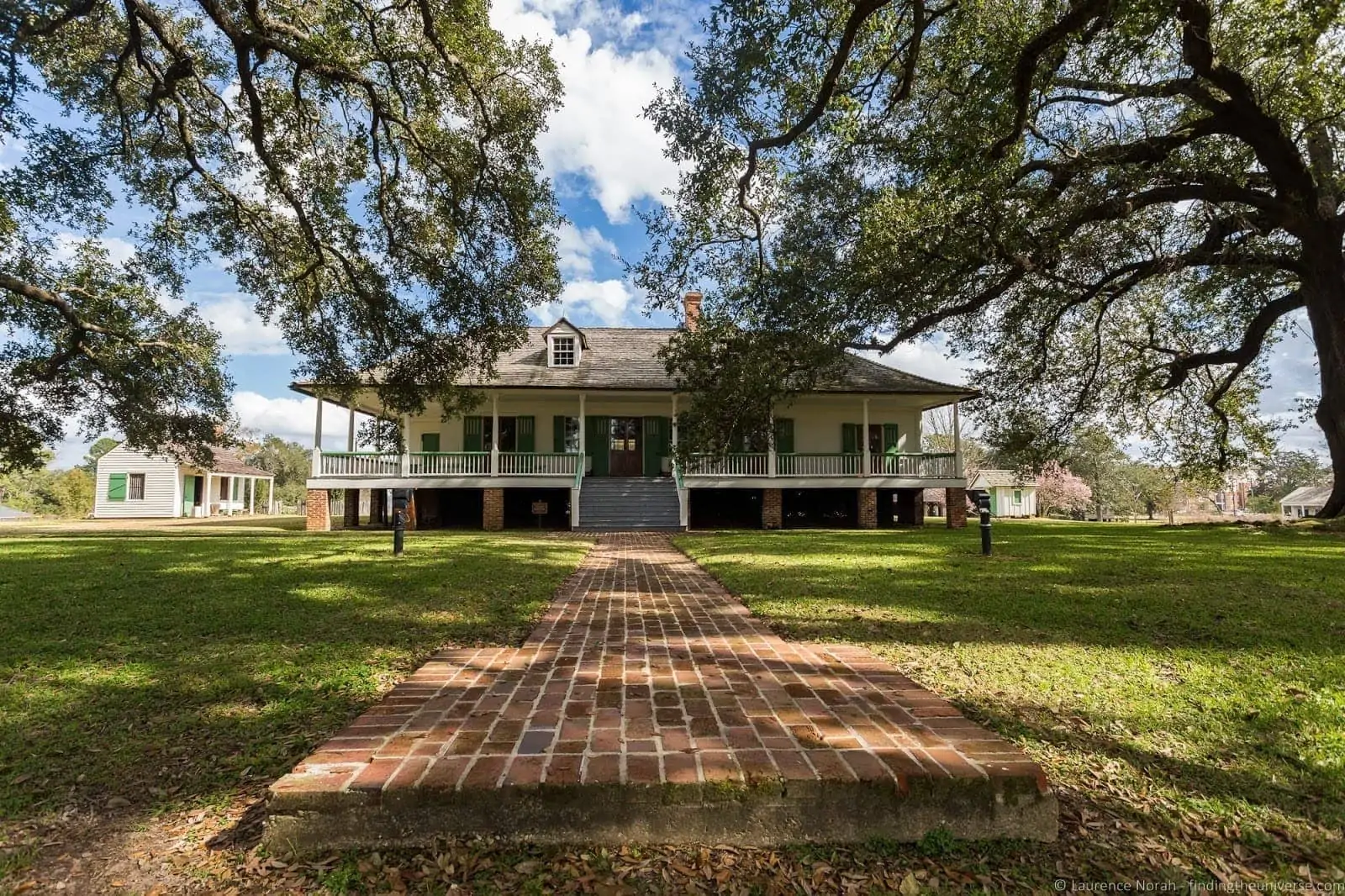
It’s important to remember that this was a slave plantation. The house was built by enslaved people, and the property includes a reconstructed slave cabin that gives some sense of the conditions they lived in. Magnolia Mound does a decent job of telling both sides of the story, and the guided tours are well reviewed. Admission is $12 for adults, $9 for seniors, and $5 for children aged 5 to 17. Open Monday to Saturday 10am to 4pm, and Sundays 1pm to 4pm.
If you’re interested in visiting more Louisiana plantations, Jess has written a comprehensive guide to the River Road plantations between Baton Rouge and New Orleans.
Further out from downtown (about 15 minutes’ drive), the LSU Rural Life Museum is a large open-air museum dedicated to 18th and 19th century rural Louisiana. It has over 30 buildings you can walk through, from plantation homes to a working blacksmith shop, plus a huge collection of tools, furniture, and everyday items from the period.
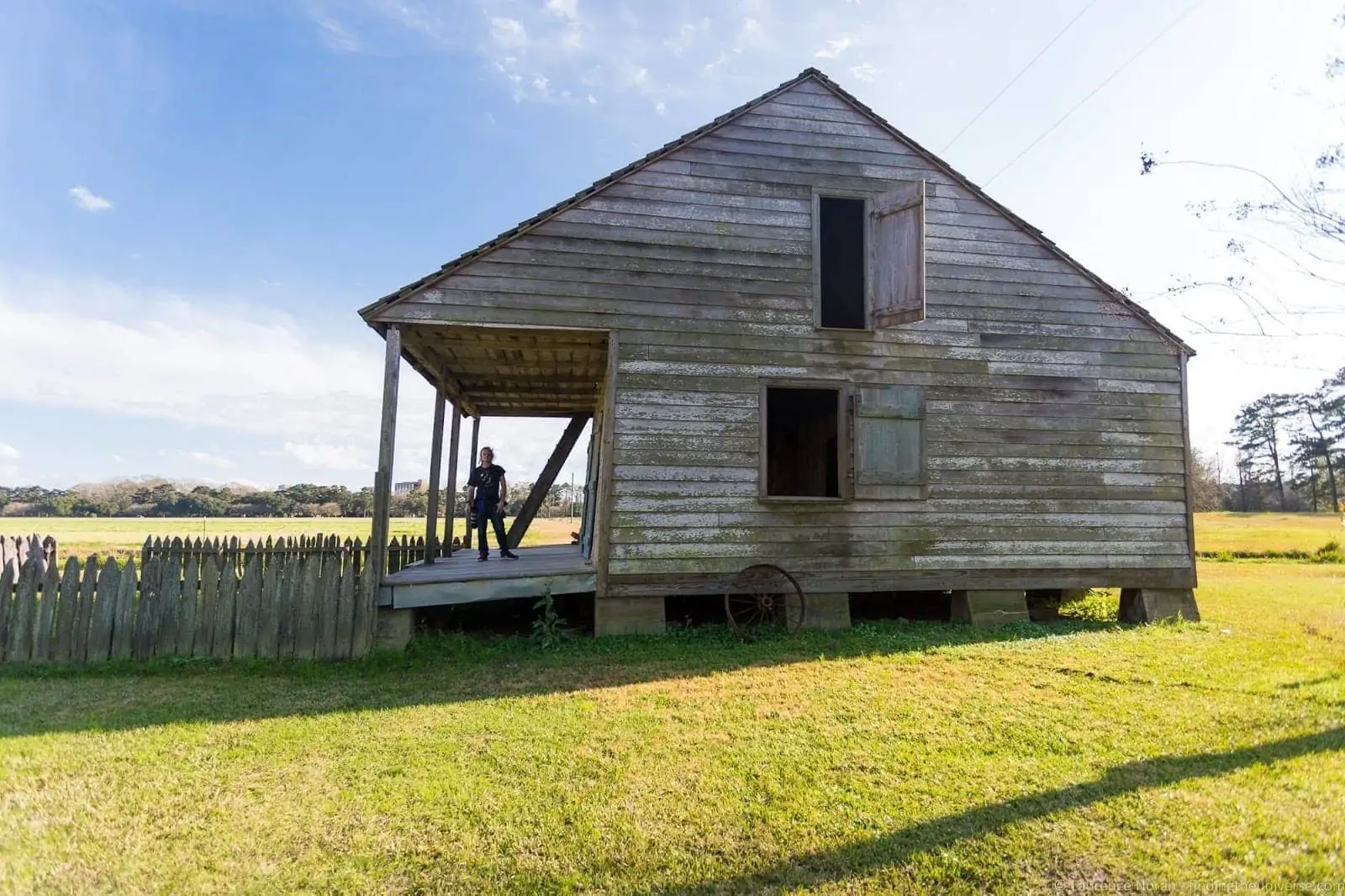
We found it a really peaceful and informative place, and if you’ve got an interest in how people lived off the land in this part of the world, you’ll find plenty to explore. The museum does a good job of presenting the realities of the period, including the history of slavery in rural Louisiana. Admission is $12 for adults.
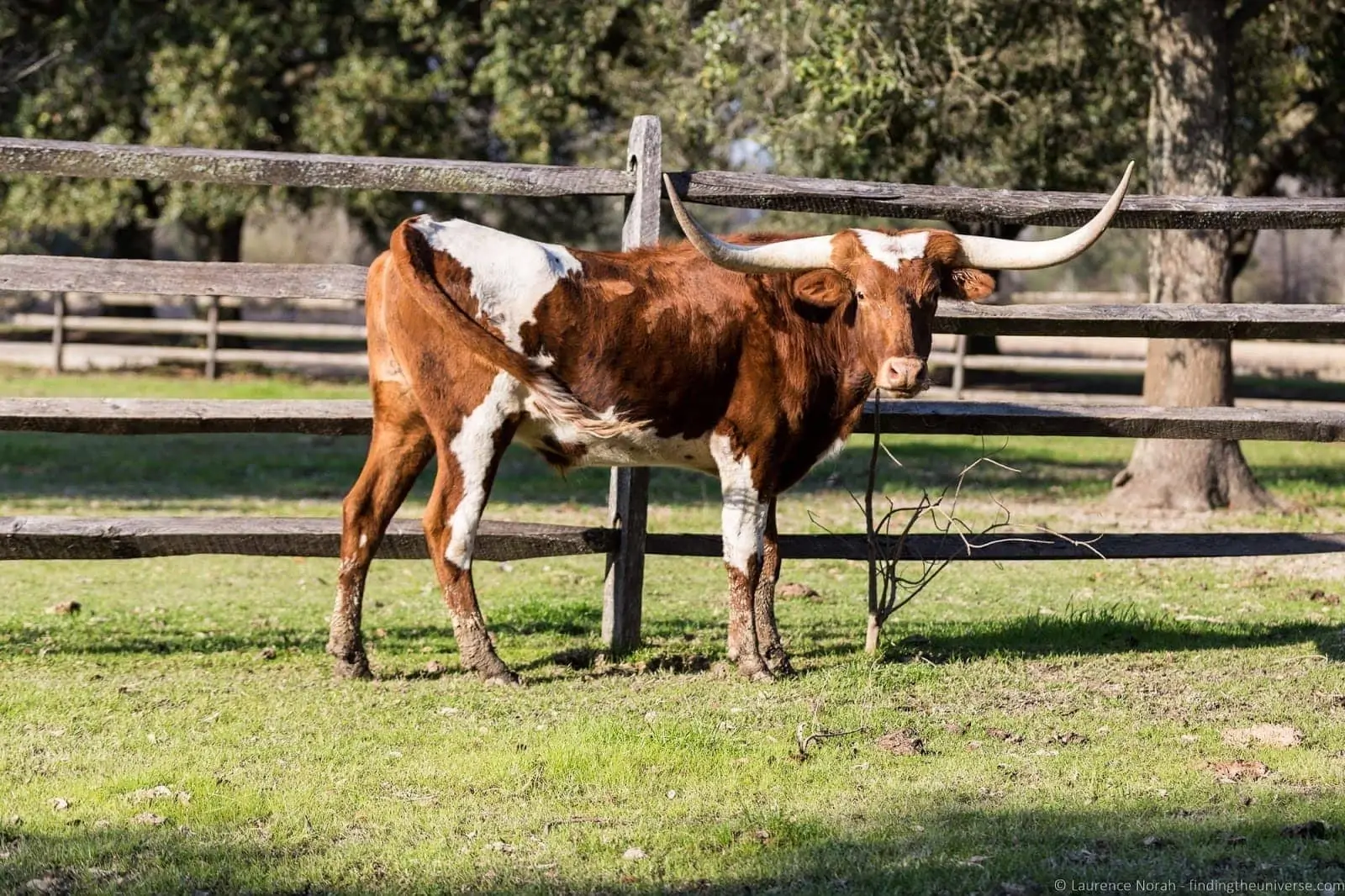
While you’re in the area, the LSU campus itself is worth a wander. It’s one of the more attractive university campuses in the South, and if you’re visiting during football season, an LSU game at Tiger Stadium is an experience in itself. You can also visit the habitat of Mike the Tiger, LSU’s live Bengal tiger mascot, which is near the stadium and free to visit.
Mardi Gras in Baton Rouge
If you happen to visit during the Mardi Gras season (typically January to March, depending on when Easter falls), Baton Rouge has its own Mardi Gras parades. A lot of people think Mardi Gras is a New Orleans thing, but parades happen across Louisiana and several other southern states.
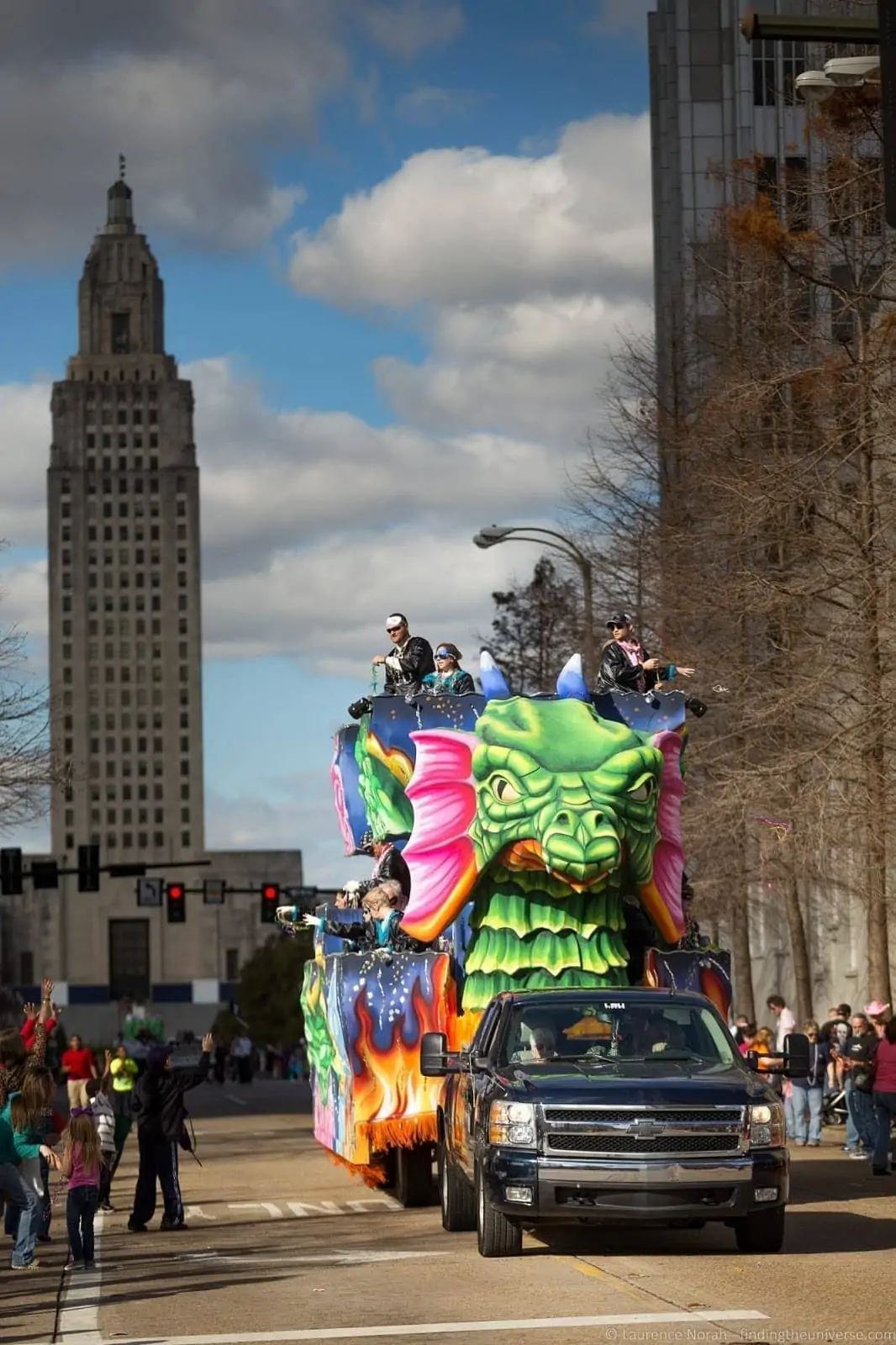
We attended a couple of parades in Baton Rouge, one during the day and one in the evening, and found them to be a really family-friendly and relaxed atmosphere compared to what you might expect from New Orleans. There were plenty of throws for everyone and it was easy to find a good spot to watch.

Baton Rouge has several parades spread across the season, including Krewe of Artemis, Krewe of Orion, and the Mid City Gras parade. The most famous (and most adult) is Spanish Town, which is known for its irreverent political satire. We didn’t stay long enough to catch that one, but it has quite the reputation.
If you’re looking for a Mardi Gras experience without the intensity of New Orleans, Baton Rouge is a pretty solid choice. You can find parade schedules and dates on the Visit Baton Rouge website.

More Things to Do in Baton Rouge
If you have extra time, or if some of the above don’t fit your schedule, here are a few more options to consider.
The Bluebonnet Swamp Nature Center is a 103-acre BREC facility with boardwalks through a cypress-tupelo swamp, live animal exhibits, and walking trails. It’s a good option if you want to see some Louisiana wetland wildlife without leaving the city.
The Baton Rouge Zoo is about 15 minutes north of downtown and makes a good half-day trip, particularly if you’re travelling with children.
Baton Rouge has a growing craft brewery and distillery scene. Local options include Rally Cap Brewing and Oxbow Rum Distillery if you’re interested in seeing what’s being produced locally.
The Mid City neighbourhood is where you’ll find vintage shops, record stores, and some of the city’s more interesting independent restaurants. It’s a good area to explore on foot if you want a break from the historical sights.
On the first Sunday of each month, several Baton Rouge museums offer free admission, including the Capitol Park Museum, Louisiana Art and Science Museum, Old State Capitol, Old Governor’s Mansion, and Magnolia Mound. If your visit happens to fall on a First Free Sunday, it’s an excellent deal.
Where to Eat in Baton Rouge
Our visit to Baton Rouge was some years back, and the food scene has changed since then. But Cajun and Creole cooking is in this city’s blood, and a few spots come up again and again in local recommendations.
Coffee Call has been making beignets and café au lait since 1976, and it’s the Baton Rouge equivalent of Café du Monde in New Orleans. Their speciality is beignet fingers rather than the square New Orleans style. If you only do one food-specific thing in Baton Rouge, this is probably the one.
The Chimes, just off the LSU campus, is a Baton Rouge institution for Cajun and Creole staples like crawfish étouffée, BBQ shrimp, and gumbo. They also have one of the larger beer selections in the city.
For a sunset dinner with a view, Tsunami on the rooftop of the Shaw Center for the Arts overlooks the Mississippi River and the downtown skyline. It’s probably the most scenic dining spot in Baton Rouge.
More broadly, Baton Rouge is a really good eating city. You’ll find po’boys, boudin, crawfish (in season, roughly February through May), and red beans and rice on menus all over town. The Red Stick Farmers Market, held every Saturday downtown, is worth a stop if your timing works.
Where to Stay in Baton Rouge
We stayed at the Hampton Inn and Suites Baton Rouge Downtown. This was an easy walking distance from all the sights in town, and just one block from the river, which meant I could pop out and catch those sunsets.

The rooms were comfortable and quiet, the included breakfast was excellent, and free coffee was available all day. The only downside was that parking wasn’t included. There’s a garage across the street for around $15 per night.

There are plenty of hotels to choose from in Baton Rouge. Some other options to consider for your stay:
- Watermark Baton Rouge is a 4-star hotel in a converted 1920s bank building. The original marble staircases and hand-painted ceiling murals are still intact, and its central location makes it one of the more interesting places to stay in the city.
- Courtyard by Marriott Baton Rouge Downtown is a newer hotel (built 2018) right in the downtown area, within walking distance of the Old State Capitol and Shaw Center. It has an on-site bistro, a Starbucks in the lobby, and a fitness centre.
- Hotel Indigo Baton Rouge is a well-rated 3-star hotel with a central location, an on-site restaurant, and a free airport shuttle.
When to Visit Baton Rouge
If you’re planning on visiting for Mardi Gras, you’ll need to check the dates, which change every year depending on Easter.
Otherwise, the most comfortable times to visit are spring (March to May) and autumn (October to November). Average temperatures in spring sit around 21°C / 71°F, and the humidity hasn’t kicked in yet. Louisiana summers are hot and humid, which makes outdoor sightseeing hard work. We were there in early February, and while the days were pleasant, evenings cooled down enough to need a jacket.
If you’re visiting between late February and May, you’ll also be in crawfish season, which is a good enough reason to visit on its own.
Getting To and Around Baton Rouge
Baton Rouge is a wonderfully walkable city in the downtown area. The major attractions on our itinerary above are all within a 15 to 20-minute walk of each other.
For the sights outside downtown (Magnolia Mound, LSU Rural Life Museum, the LSU campus), you’ll need a car. We drove through Baton Rouge as part of our Deep South road trip, so we had a car with us.
If you’re flying in, Baton Rouge Metropolitan Airport is small but functional. Some visitors fly into New Orleans (about 80 miles southeast) for better flight options and drive up. We usually compare car hire prices with Discover Cars, which checks all the major hire companies to find the best deal.
What to Pack for a Weekend in Baton Rouge
What we take for a weekend in Baton Rouge. Warm, humid and spread out, so a little kit makes a weekend of walking the Capitol grounds and the riverfront easier.
| What to bring | Why | Price |
|---|---|---|
| INIU P50 power bank | A day out around downtown and the riverfront with the phone out for maps and photos runs it flat. This one is airline-safe. | Check price on Amazon |
| Lonely Planet American South guidebook | Covers Louisiana alongside the wider Deep South, handy if Baton Rouge is one stop on a bigger Southern road trip. | Check price on Amazon |
| Reusable water bottle | Baton Rouge summers are hot and humid. Keep a refillable bottle topped up as you walk. | Check latest price |
Baton Rouge: Frequently Asked Questions
Is Baton Rouge worth visiting?
Yes, particularly if you’re road-tripping through the South. Baton Rouge is Louisiana’s capital and it has a concentration of free museums, historical architecture, and Mississippi River views that surprised us. It’s not as immediately dramatic as New Orleans, but it rewards a slower look. We spent a few days here and wished we had more time.
How many days do you need in Baton Rouge?
Two days works well for most visitors. That gives you a full day for the downtown walk (both capitol buildings, the museums, the riverfront at sunset) and a second day for the sights that need a car, like Magnolia Mound and the LSU Rural Life Museum. If you’re visiting during Mardi Gras or want to explore the food scene in more depth, three days is better.
What is Baton Rouge known for?
Baton Rouge is known as the capital of Louisiana, for its Art Deco State Capitol (the tallest in the US), for LSU and its football culture, and for its position on the Mississippi River. It’s also known for strong Cajun and Creole food, its connection to the civil rights movement, and as a more relaxed alternative to New Orleans for Mardi Gras celebrations.
What is the best time to visit Baton Rouge?
Spring (March to May) and autumn (October to November) offer the most comfortable weather. Louisiana summers are hot and humid, which makes sightseeing tiring. The Mardi Gras season in late winter is a good time if you want to catch the local parades. Late February to May is also crawfish season, which is a food highlight.
How do I get around Baton Rouge?
A car is the most practical option for getting around Baton Rouge. Public transport is limited and some attractions are spread across the city. The downtown area itself is very walkable, and you can cover most of the main historical sights on foot. Parking is generally easy and affordable compared to larger cities.
Is the USS Kidd open for tours in 2026?
The ship has been away from Baton Rouge since 2024 for a major overhaul. A planned May 23, 2026 homecoming was postponed in early May after Mississippi River levels failed to rise high enough to dock the ship, and as of late June 2026 the ship has still not returned, with no new return date set. The shoreside museum remains open with reduced admission ($8) and normal hours (9:30 AM to 3:30 PM daily) while the ship is away. Check the USS Kidd website for the latest before visiting.
Do I need to book Baton Rouge attractions in advance?
Generally no. Baton Rouge’s main attractions all accept walk-up admission for individual visitors. The State Capitol observation deck is free and open daily; the Old State Capitol is free Tuesday to Sunday; the Capitol Park Museum, Magnolia Mound Plantation, and the LSU Rural Life Museum all sell tickets at the door. Group tours and school visits to Magnolia Mound need at least four weeks’ notice. The exception is Mardi Gras parade season, when downtown hotels book up; secure those a few months ahead.
What’s the best photography spot in Baton Rouge?
The Horace Wilkinson Bridge at dusk, shot from the levee path north of the USS Kidd. The cantilever span lights up against the fading sky, and the curve of the Mississippi puts it at a flattering angle. Bring a tripod (this is a long-exposure scene), aim to arrive 30 to 45 minutes before sunset, and a 35 to 50mm focal length works well from this vantage point.
Further Reading for Your Baton Rouge Trip
We’ve written a number of guides on travel in the USA and beyond that you might find useful for planning your trip:
- Our trip to Baton Rouge was part of a larger trip. Check out our suggested itinerary for a Deep South road trip.
- We’ve written a guide to how much it costs to travel in the USA.
- If you’re planning on taking a road trip and are new to driving in the USA, this post has some tips for driving in the USA.
- If you’re interested in visiting plantations along the River Road, check out our comprehensive guide to the River Road plantations of Louisiana.
- We’ve also written city guides for New Orleans, Savannah, and Charleston.
- We’ve visited a lot of other cities in the USA. See our guides to Huntsville, Albuquerque, Houston, Dallas, Omaha, and Santa Fe to get started.
- Pick up a copy of Lonely Planet’s guide to Louisiana and the Deep South for more trip planning.

Dean says
What a fantastic travel guide! I am new to the Baton Rouge area but have loved it so far. I can’t wait until I have a weekend free and can explore my new city and find some hidden gems. I’ll start with places you mentioned!
Laurence Norah says
Thanks Dean, enjoy your time in Baton Rouge!
Joy says
I happened on this blog just when I was wondering about places to visit while in new Orleans and baton rouge and just like “rubbing the kettle” , my wishes were delivered. Thank you for a very informative and precise blog.
Laurence Norah says
Our pleasure Joy, thanks for letting us know!
David Ambrogio says
Great list! Baton Rouge is full of great stuff to do for such a small city..I guess that’s why so many of us call it home 🙂
Laurence Norah says
Thanks David!
Michelle Murphy Muse says
Thanks for this! You gave me some great ideas for our upcoming trip in July. My husband is competeing in the Masters National track meet!
PiotrekKulczycki says
Beautiful place! Your photos are incredible! 🙂