
I'm Laurence, a professional travel photographer since 2010. Jess and I write this site from our own travels.
I have visited Sri Lanka multiple times over the years, starting with a short trip that left me convinced I needed to come back for longer, and then doing exactly that on several occasions since. It is easy to underestimate from the outside, a relatively small island off the southern tip of India, easy to overlook when you are planning a big Asia trip. But in terms of what it packs in per square mile, I think it is hard to beat.
In two weeks you can watch hundreds of wild elephants gather at a national park waterhole, climb an ancient rock fortress at sunrise, ride a train through some of the prettiest hill country in Asia, and finish off on a southern beach with something cold in your hand trying to decide if you really need to do anything else at all. The answer is usually no, but Sri Lanka has a way of making you want to see just one more thing.
This itinerary covers what Jess and I think is a good route for two weeks, taking in Colombo, the cultural triangle in the north, the hill country around Kandy, a detour south through Ella, the colonial fort town of Galle, and the far south for whale watching and leopard spotting. It is based on my own trips around the island, and I will be upfront about which bits I have done personally and which bits I am recommending based on research rather than experience (there is one stop in particular that is on my list but that I have not got to yet).
A quick warning before we get going: two weeks in Sri Lanka is enough to feel like you have properly arrived somewhere, but it is not going to be enough to see everything. Sri Lanka is one of those places where a second or third trip starts to feel inevitable. Consider yourself warned.
Table of Contents:
Why Visit Sri Lanka?
The shorthand comparison I hear most often is that Sri Lanka is like a condensed version of Southeast Asia, with beaches, mountains, wildlife, ancient ruins and great food all within a compact space you can actually get around without spending half your holiday on overnight buses. Having now travelled fairly widely across Asia, I think that is a reasonable summary, though it rather undersells how distinct Sri Lanka feels as a place.
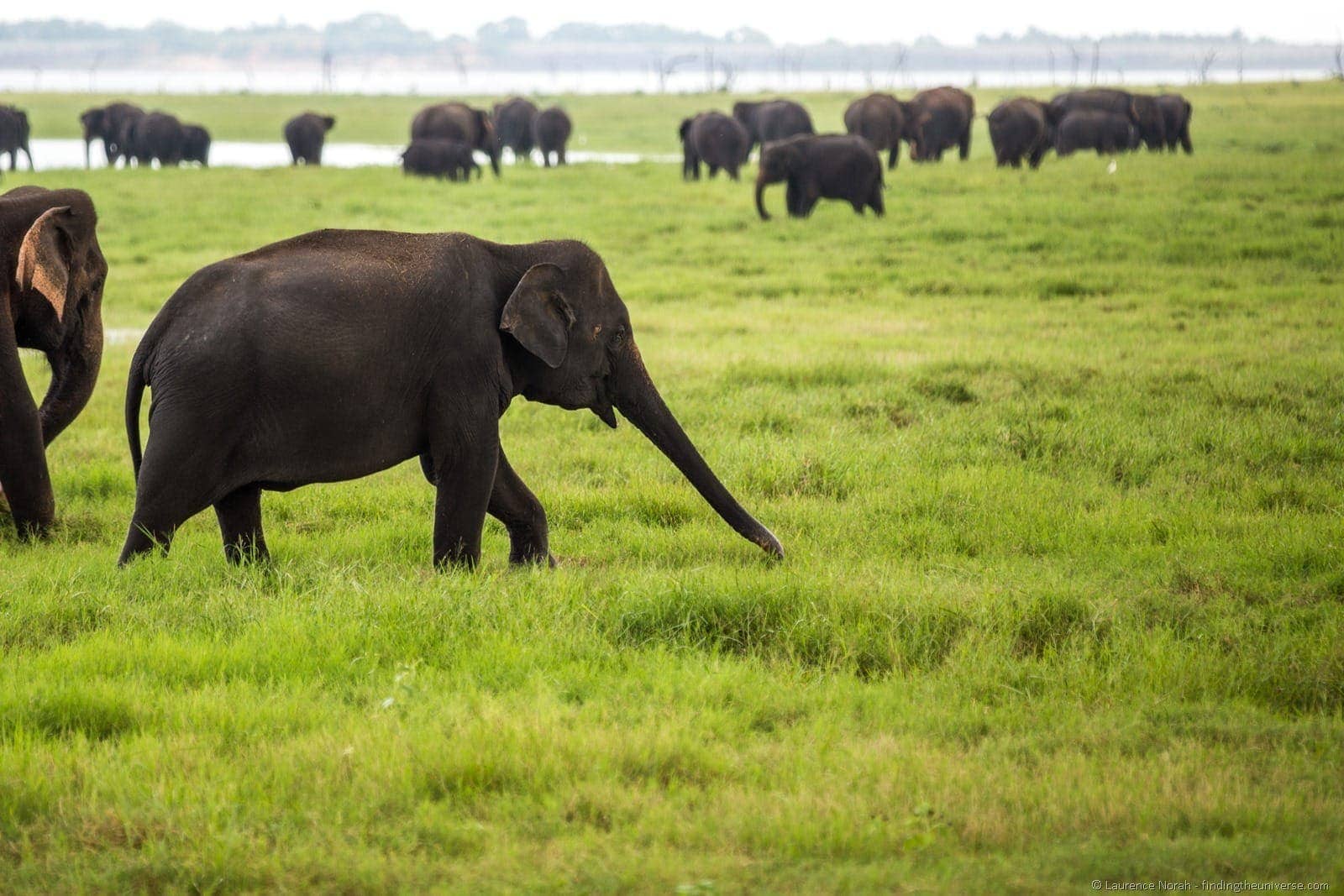
What makes it different from its neighbours is the range of things within reach of each other. On one trip, we watched a herd of wild elephants gather at Minneriya in the late afternoon light, ate a very good fish curry in Galle a few days later, and were on a whale watching boat off the southern coast not long after that. You can cover a lot of very different ground in Sri Lanka without feeling like you have spent the trip in transit.
The food is another reason to come, particularly if you like curry (which I do, a lot). Sri Lankan curry is its own thing, coconut-heavy and often hotter than you expect, and the hoppers (bowl-shaped rice pancakes that turn up at breakfast with an egg cracked into the middle) are something I still think about. There is also a warmth to the people here that makes travelling around feel comfortable, particularly if you are new to Asia.
One piece of context worth knowing. Sri Lanka went through a severe economic crisis in 2022, and tourism has been an important part of the recovery. The people you meet in guesthouses, restaurants and on tours are often building back from a really hard few years. I mention it not to be gloomy about it but because it is one more reason to travel there now rather than waiting.
When is the Best Time to Visit Sri Lanka?
This is not quite as simple a question as it sounds, because Sri Lanka actually has two monsoon seasons that affect different parts of the island at different times. What this means in practice is that while it is always raining somewhere on the island, it is also always sunny somewhere else. I quite like this as a feature rather than a bug.
For the itinerary below, which covers the cultural triangle, hill country, west coast and the south, the best time to visit is broadly December through to the end of March. In these months the west and south coasts are at their best, the hill country is clear, and the cultural triangle sites are dry and a bit more comfortable to explore. This is also peak season of course, so accommodation prices are higher and the popular spots busier.
If you want to travel outside peak season, April through to early June can work reasonably well, with the advantage of fewer tourists and better prices. July and August bring the southwest monsoon, which means heavy rain on the west coast and in the hill country. The east coast is actually at its best during these months if you want to swap the route around and head to Trincomalee or Arugam Bay instead.
The period I would avoid if you can is October and November, when the inter-monsoon rain can turn up pretty much anywhere on the island and the weather is at its least predictable. Prices are cheaper, but there is a decent chance a big chunk of your trip will be wet.
Temperature-wise there is not a huge amount of variation across the year, given how close to the equator Sri Lanka sits. Expect around 28 to 30 degrees Celsius on the coast, dropping to 18 to 22 degrees in the hill country around Kandy and Nuwara Eliya. Humidity is high everywhere at sea level, so pack light, breathable clothing, and bring a thin layer for the hills.
A 2 Week Sri Lanka Itinerary
Here is a night-by-night breakdown of the full two weeks, followed by each destination in detail. If you just want the overview, the summary at the end of the article has the whole thing in one list.
- Night 1: Colombo
- Nights 2-4: Sigiriya / Habarana (cultural triangle)
- Night 5: Kandy
- Nights 6-7: Ella (hill country)
- Nights 8-10: Galle
- Nights 11-12: Tangalle or Mirissa (south coast beach)
- Night 13: Tissamaharama (for Yala safari)
- Night 14: Back to Colombo for flight home
You could also flip Ella and Kandy around, or skip Tissamaharama if you are not doing a Yala safari, or base yourself in Mirissa for the whole southern stretch. The route below is what I would do if I were planning a first trip, but Sri Lanka rewards being a bit flexible once you are on the ground.
Night 1: Colombo
A lot of people arrive in Colombo and immediately start thinking about how quickly they can leave. I would encourage you to resist that, at least for a day. Colombo rewards a bit of time, both as a way to recover from what is usually a long-haul flight and as an introduction to Sri Lankan food, culture and pace of life before you head into the countryside.
The city sprawls along the western coast, and the most rewarding way to explore it is on foot in the areas around Fort, Pettah and the Galle Face Green. The National Museum is worth a couple of hours if you want some context for the archaeological sites you will be visiting later in the trip. Viharamahadevi Park is a pleasant green space in the middle of the city and a good spot to sit for a while and watch the world go by. The Gangaramaya Temple is one of the more interesting religious sites in Colombo, an eclectic mix of architectural styles reflecting decades of donations from Buddhist communities around the world.
The food is one of the best reasons to spend a day in Colombo. If you only do one thing food-wise, find somewhere that does a proper rice and curry lunch, where you get a plate of rice surrounded by five or six small dishes of different curries and sambols. It is one of the best introductions to Sri Lankan food you can have, and it will cost you next to nothing. Beyond that, the city has genuine variety, from local curry houses to contemporary Sri Lankan cooking, and a café scene that has built up considerably since the country reopened.
On a previous trip I stayed at the Cinnamon Lakeside, which has a good pool and pleasant lake views and is well located for getting around the city. The Cinnamon Red is another option worth a look, with a rooftop pool on the 23rd floor that has views across downtown. Both sit in the mid-range bracket. For budget options, there are plenty of guesthouses in the Kollupitiya and Bambalapitiya areas for a fraction of the price. You can check current availability on Booking.com here.
One night in Colombo is plenty for this itinerary. It is enough to get your bearings, eat well, and head into the cultural triangle the following morning feeling like the trip has properly started rather than still in transit mode.
Nights 2-4: Sigiriya / Habarana (Cultural Triangle)
Once you are acclimatised and slightly more relaxed, head north into what is known as Sri Lanka’s cultural triangle, around four to five hours’ drive from Colombo. Base yourself near Sigiriya or in the town of Habarana, which puts you within striking distance of the three major UNESCO sites in the region plus Minneriya National Park.
Three nights here gives you enough time to see the major sights without feeling rushed. My suggested breakdown: Day 1 Sigiriya (and Pidurangala if you have energy), Day 2 Polonnaruwa by bike, Day 3 Dambulla cave temples plus a Minneriya afternoon safari.
Sigiriya
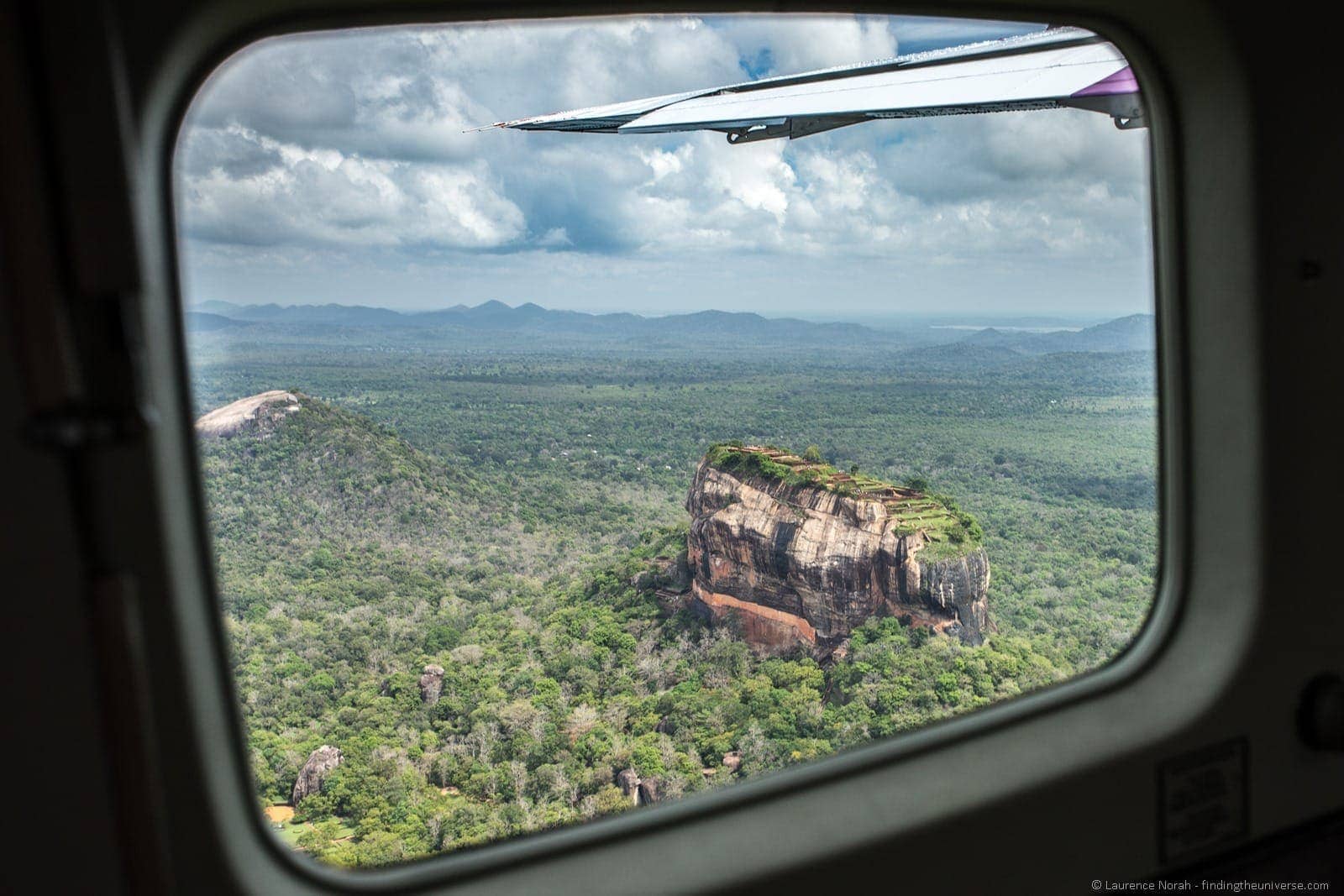
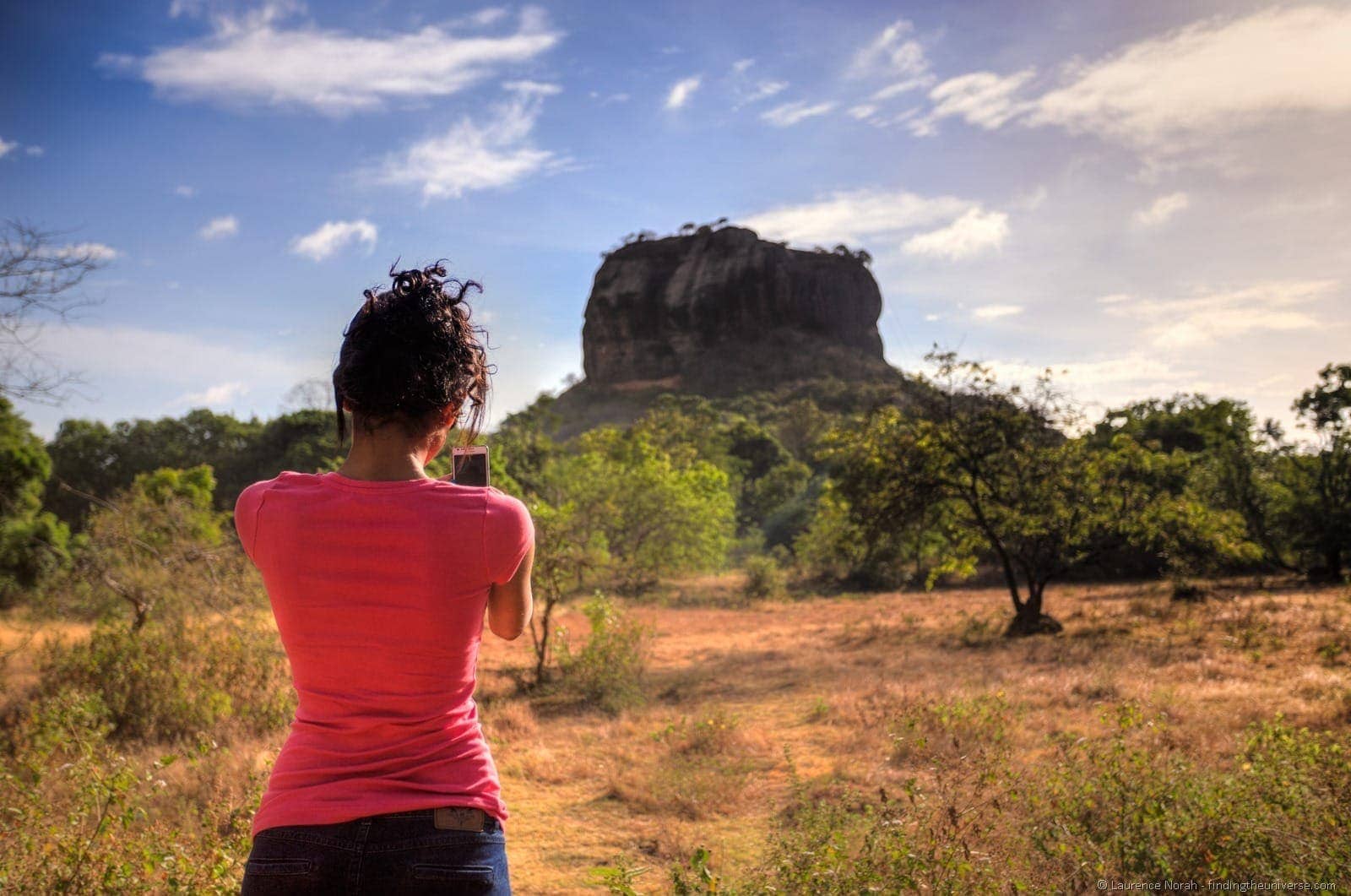
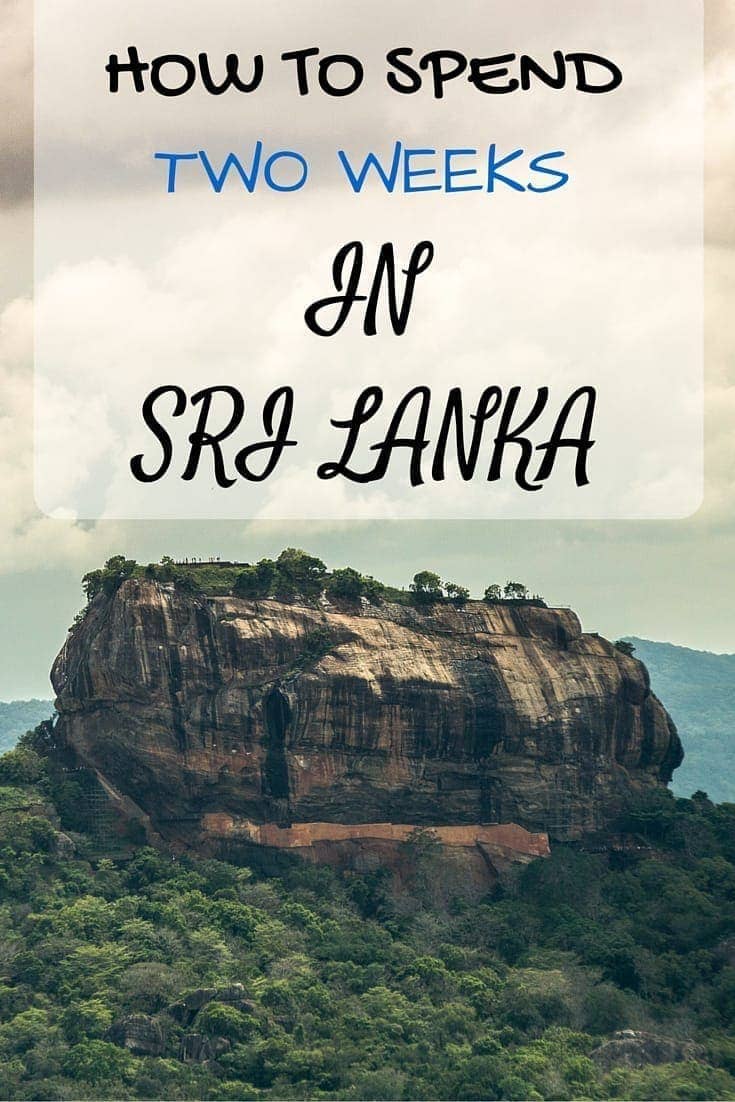
An absolute must when coming to Sri Lanka. This giant rock rises 200 metres above the surrounding plains, and served as the palatial fortress of one of Sri Lanka’s early kings in the 5th century AD.
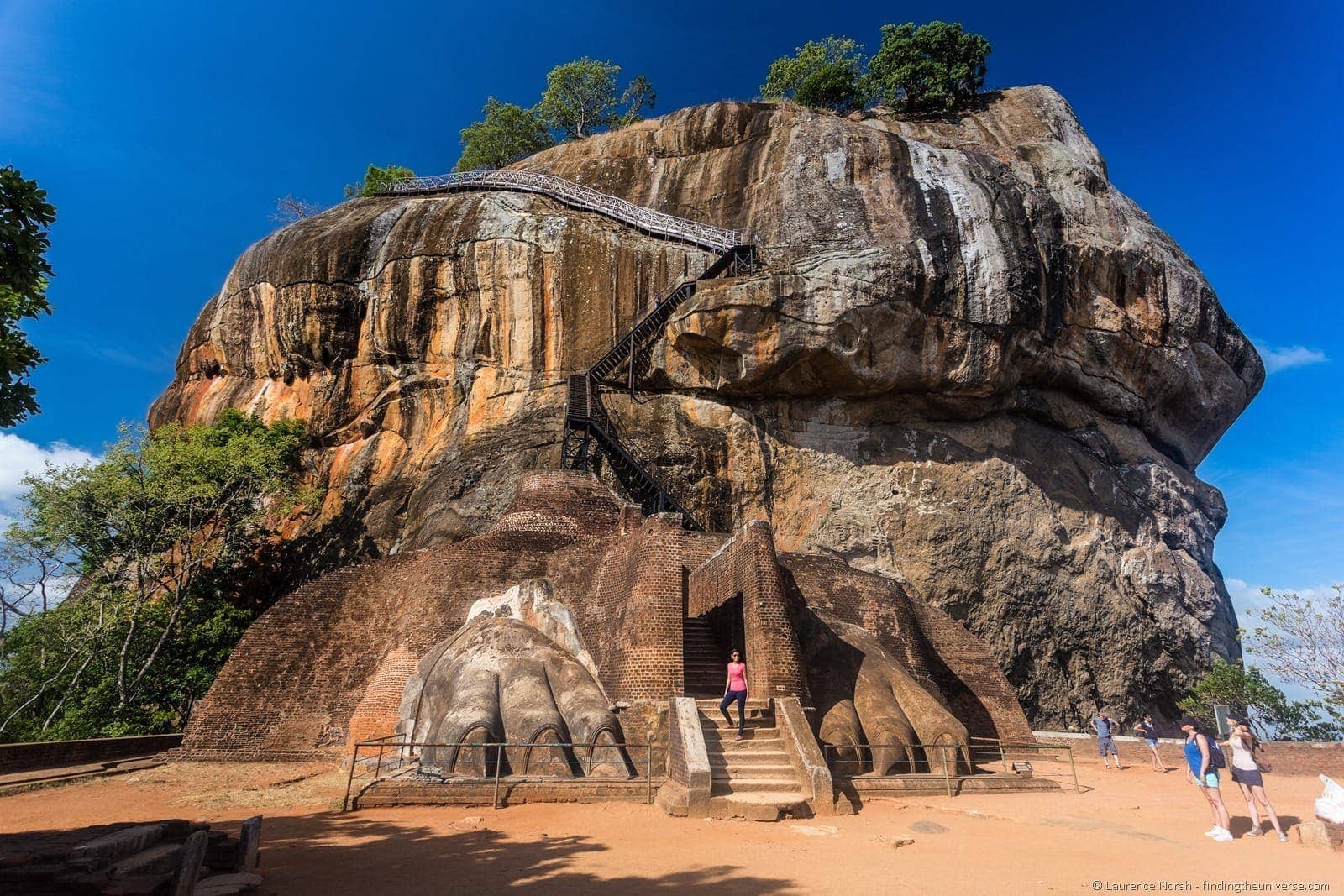
It is a UNESCO World Heritage Site, and very rewarding to visit, with ruins, frescoes, and of course the rock itself, which you climb to the top of via a series of somewhat hair-raising staircases bolted onto the side. I would give it half a day and arrive as close to the 7am opening as you can manage, both to beat the crowds and to beat the heat. By mid-morning both are considerable.
The entry fee for foreign adults is USD 35 as of April 2026, which feels steep and is a common complaint. It is worth it, I think, but budget-minded travellers should know about Pidurangala Rock next door, which costs around LKR 1,000 to climb and gives you the best view of Sigiriya itself. Many people do both. You can book Sigiriya tickets directly on the official Central Cultural Fund site or buy them at the gate.
Polonnaruwa
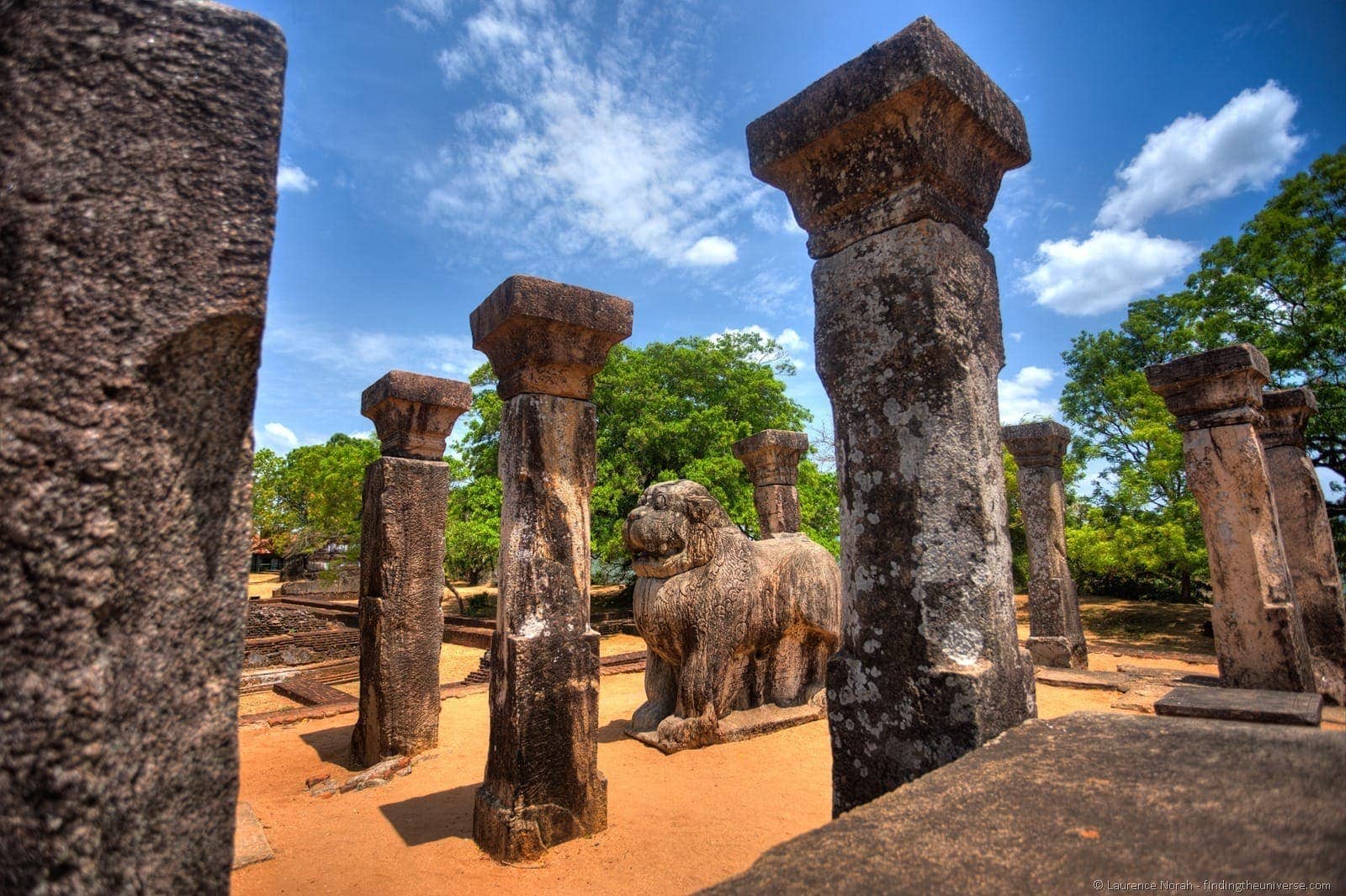
Another UNESCO site, and the second of Sri Lanka’s ancient kingdoms, dating back to at least 1070 AD. It is one of the best-preserved archaeological sites in the country, with temples, stupas, palace ruins and some of the finest Buddhist rock carvings on the island. Entry is USD 30 for foreign adults.
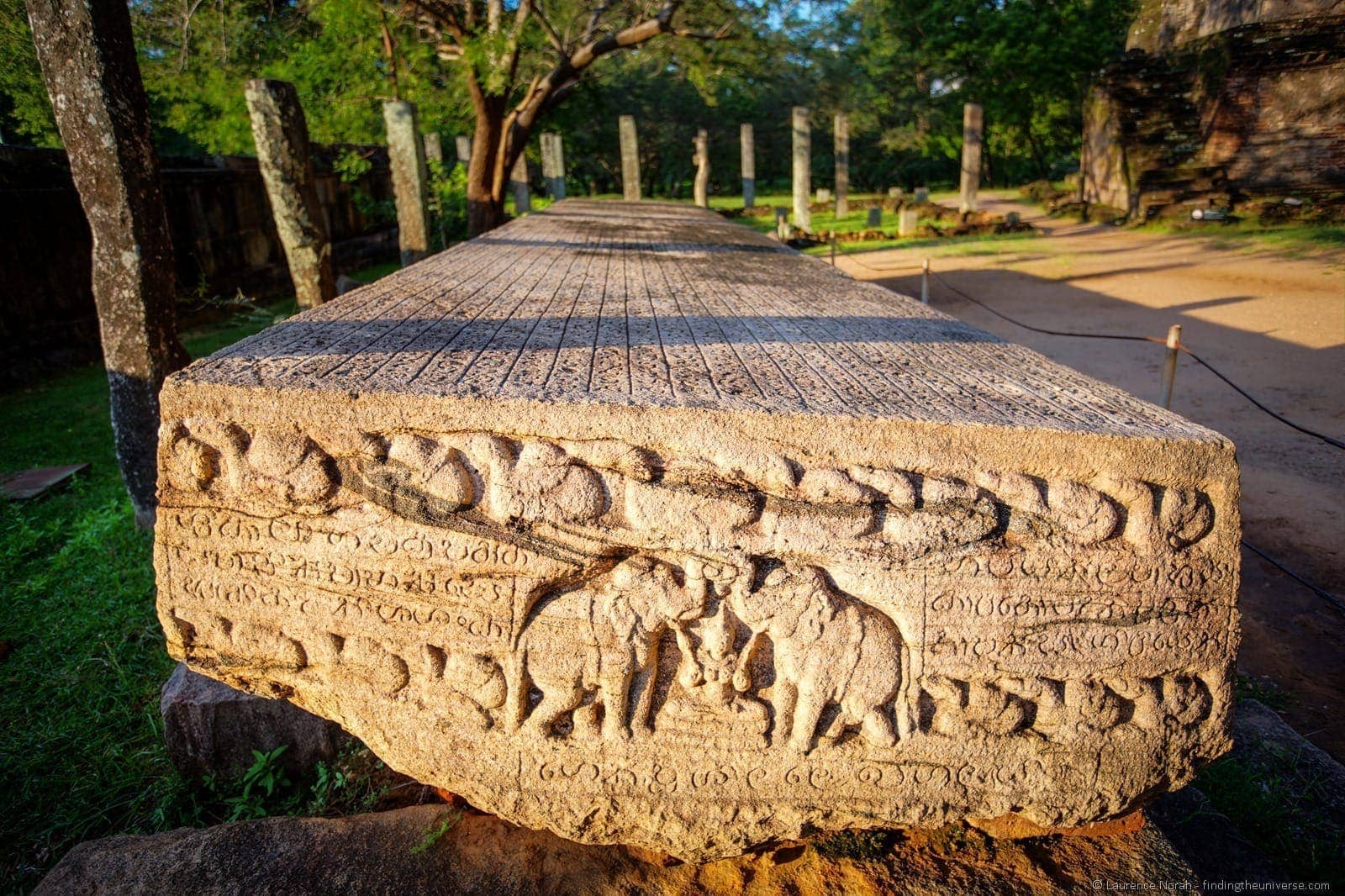
It is quite spread out, so you will need some form of transport to get around. Hiring a bicycle from near the entrance is the classic way to do it, and the best if you are there in the cooler part of the day. A tuk-tuk driver who hangs around outside can also take you between the main groupings for a fixed price. Give it three to four hours to do it properly.
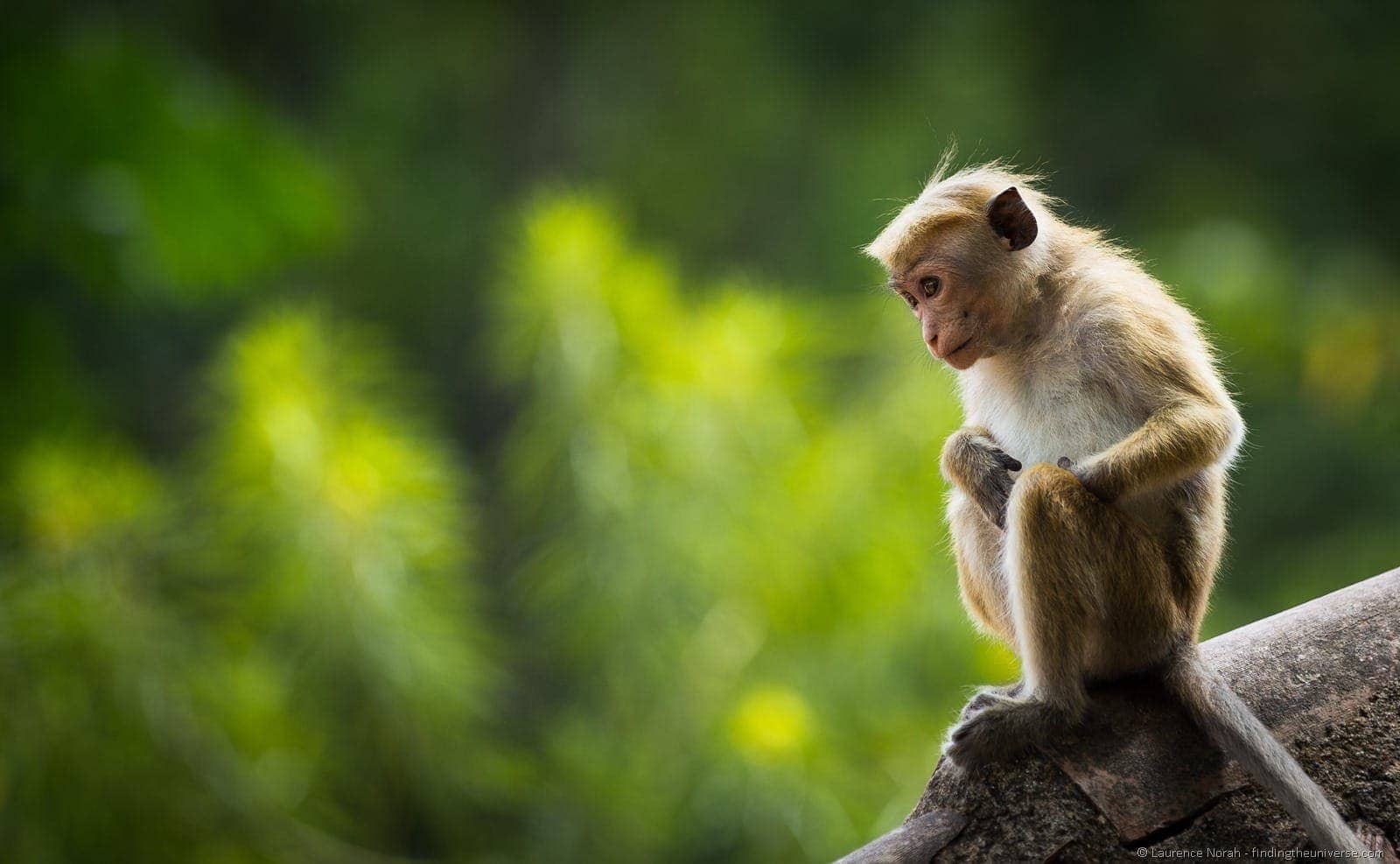
A couple of practical things worth knowing. First, tickets are sold at the Archaeological Museum, which is the main entrance point rather than somewhere tucked away inside. There is no ticket booth further in, so if you head straight for the ruins, you will be turned back and have to walk back to the museum. Second, keep an eye on your belongings around the site, particularly if you are arriving by tuk-tuk. The macaque monkeys here are well known for jumping into parked tuk-tuks and taking anything that looks interesting, food or not. Visitors have reported losing sunglasses cases, water bottles and snacks this way. If you are being dropped off by a driver, make sure nothing is left sitting in the open, and avoid carrying food in outer pockets while you walk around.
Dambulla Cave Temples
The third UNESCO site in this area, and arguably the most visually striking. The cave temple complex has been a site of pilgrimage for over two thousand years. The five main caves are packed with Buddha statues and painted ceilings, most of the murals dating from the Kandyan period (18th century) and in remarkable condition. Entry is LKR 2,000.
The climb up to the caves from the main gate is longer and hotter than it looks from the car park, and you will be removing shoes at the top, so a pair of socks in your bag is not a bad idea for the hot stone floor. A couple of hours is plenty here.
One specific pitfall worth heading off. Google Maps has a few pins in the Dambulla area and the one that looks most obvious from the main road will take you to the Golden Temple, which is the large modern gold Buddha statue at the base of the complex. That is not where you buy tickets. You want to aim for the pin labelled “Cave Temple Entrance” or “Dambulla Cave New Car Park”, which is the actual ticket office. If you end up at the Golden Buddha pin and start walking up, you will climb a lot of stairs only to be turned away at the top and sent back down the other side to buy tickets. Getting this right the first time saves you a very sweaty lap.
Minneriya National Park (elephant safari)
If all that history is getting to be a bit much, this region has a magnificent natural attraction too, in the form of the Sri Lankan wild elephant. These are a subspecies of the Asian elephant, so slightly smaller than their African cousins, and Sri Lanka has one of the highest densities of wild elephants in Asia.
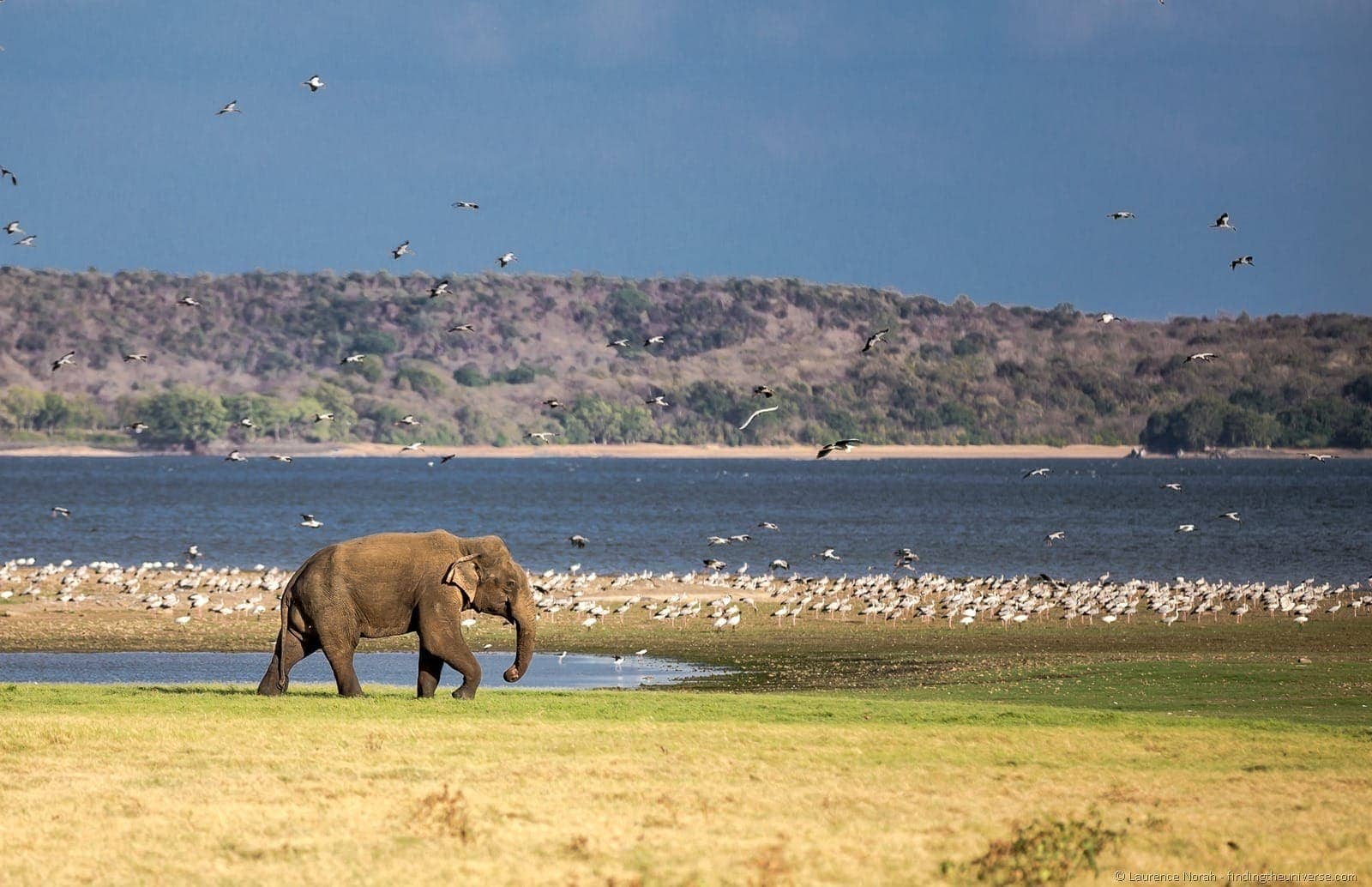
The best way to see them is a jeep safari, and Minneriya is one of the best spots for this, particularly from August to October when the famous “Gathering” brings hundreds of elephants together at the receding waterhole. Outside those months your guide may take you to the neighbouring Kaudulla National Park, which shares the same elephant population, depending on where the herds are that week. I visited in the afternoon and saw literally hundreds of elephants from the back of a jeep, which was as thrilling as it sounds.
A half-day safari works out to around USD 40 to 60 per person including park entry, jeep hire and the driver. Your guesthouse can arrange one easily, or you can book through GetYourGuide.
Where to Stay
I stayed at the Habarana Village by Cinnamon on a previous trip. It is a chalet-style property with an open-plan restaurant and a good pool, and it works well as a base for all the above. Worth checking current reviews before booking as my stay was some years ago now. If you are looking for something more atmospheric, the area around Sigiriya itself has some lovely boutique guesthouses and eco-lodges, often for less than the big resort hotels. Browse current options on Booking.com to see what is available for your dates.
Night 5: Kandy
From Sigiriya or Habarana, the drive south to Kandy takes around two and a half hours, and the landscape changes noticeably as you head up into the hills. The temperature drops a few degrees, the air feels different, and the scenery changes from the dry scrub of the cultural triangle to the green slopes and tea plantations of the central highlands.
Kandy is Sri Lanka’s second largest city and has been a UNESCO World Heritage Site since 1988, primarily because of the Temple of the Sacred Tooth Relic. The temple houses a tooth said to belong to the Buddha, brought to Sri Lanka in the 4th century AD, and it draws pilgrims from across Asia year-round. Even if religious sites are not usually your thing, it is worth visiting for the atmosphere alone, particularly during the evening puja ceremony when the drumming and chanting fill the temple complex. Entry for foreigners is LKR 2,000.
Dress modestly (shoulders and knees covered), expect to remove your shoes, and arrive around 5pm if you want to catch the evening puja. A sarong is handy if you think you might struggle with the dress code; you can also hire one at the entrance.
Beyond the temple, Kandy is a pleasant place to spend a day or two. The lake in the middle of the city is good for an evening walk (roughly 3.5 km around), the Royal Botanical Gardens at Peradeniya just outside the city are a solid couple of hours, and the market area near the clock tower is good for spices, tea and the small things you find yourself buying in Sri Lanka without really meaning to.
One night in Kandy is enough for this itinerary if you are moving on to Ella by train the next day, though it does force a choice. The Peradeniya Botanical Gardens are a 20-minute drive out of the city centre plus a solid two hours on-site, and the Temple of the Tooth evening puja is essentially a fixed late-afternoon commitment. Doing both plus the lake walk in a single night is tight. If you want a proper afternoon at Peradeniya and the evening puja experience, a second night is worth it. If you want to linger or take a cooking class (Kandy has a good range of these), that is another easy justification. For accommodation in Kandy, the small hotels and guesthouses in the hills above the lake have the best views, and booking somewhere with a view is worth the marginal extra cost.
Optional extra night between Kandy and Ella: Nuwara Eliya
One detour worth flagging for anyone with an extra night to spare before heading on to Ella. Nuwara Eliya sits between Kandy and Ella in the high tea country, at around 1,900 metres, and has a faintly surreal colonial-era character that has earned it the nickname “Little England”. It is cold by Sri Lankan standards (evenings can actually need a jumper), and the appeal is a mix of tea plantations, a Tudor-style post office, Gregory Lake, and the general oddness of finding half-timbered buildings in the tropics. Most two-week itineraries that include it slot in one or two nights here, breaking up what is otherwise a long train day with a tea factory tour and a walk through the plantations. If you are a serious tea drinker or the idea of a cool-climate pause appeals, it is worth the extension. I have not spent the night here myself, so this is a recommendation based on research and people who have. I would not add it at the expense of time in Ella or on the south coast, but if you can stretch the trip to sixteen or seventeen days, it slots in naturally.
Nights 6-7: Ella (Hill Country)
I should be upfront here. Ella is on my list but I have not been there yet, so this section is based on research, talking to people who have visited, and knowing the Sri Lanka context rather than my own personal experience. I have included it because every decent two-week Sri Lanka itinerary I have seen puts Ella at the centre of the trip, and skipping it would be a bit odd. When I get there myself I will come back and rewrite this section.
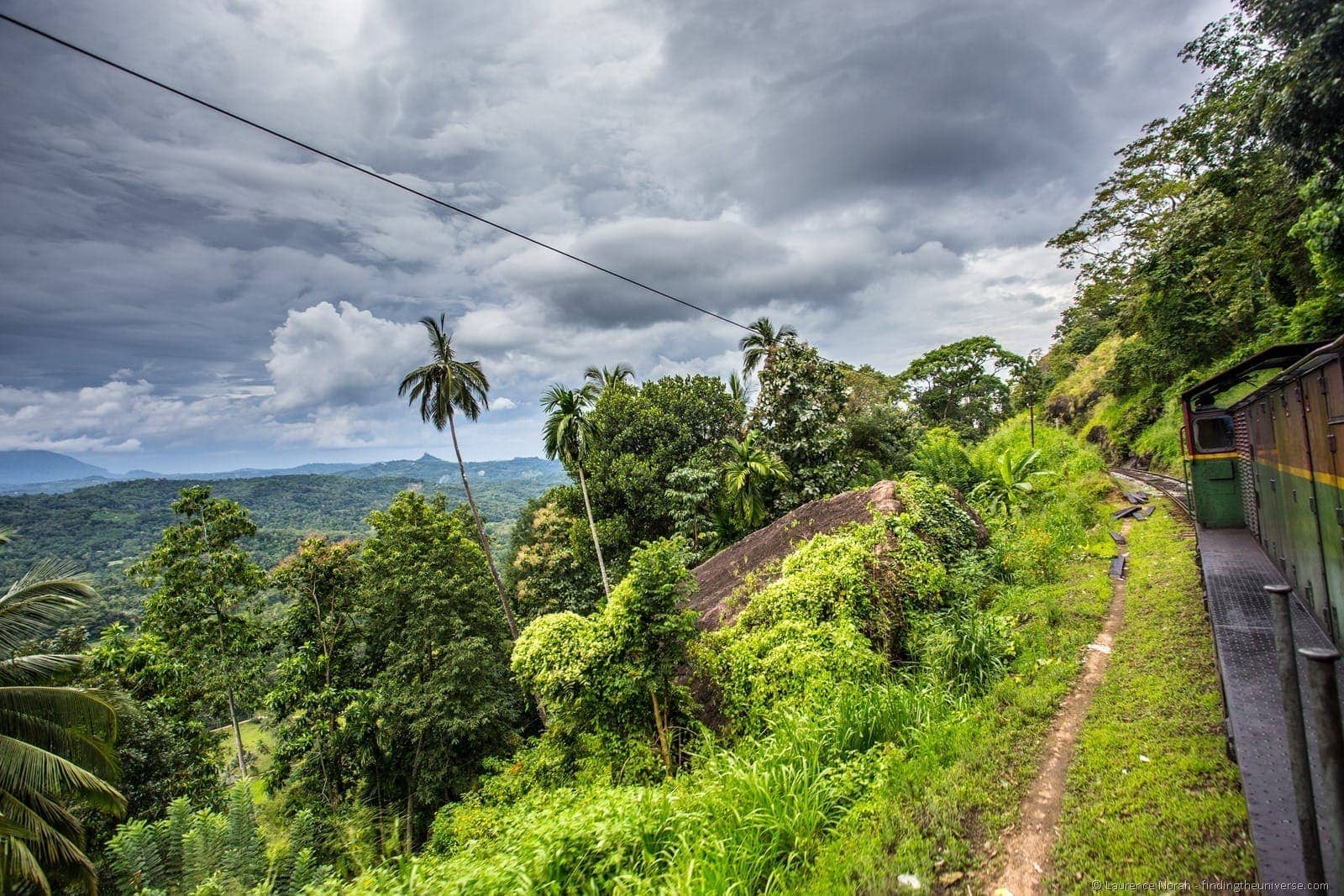
From Kandy, the classic way to arrive in Ella is by train, which is widely considered one of the most scenic railway journeys in Asia. The route winds through tea plantations, across old stone viaducts, and through tunnels carved out of the central highlands, slowing through small stations where vendors sell snacks and short eats through the windows. Total journey time is around six to seven hours from Kandy to Ella, and you want to be in a seat on the right-hand side heading south for the best views.
An important note as of August 2026: the full Kandy to Ella line is currently suspended following damage from Cyclone Ditwah in late November 2025. The line suffered significant damage including landslides and washouts across multiple sections, and Sri Lanka Railways is working through a major reconstruction programme. The earlier mid-2026 restoration target has slipped; current estimates point to early 2027, though Sri Lanka Railways has not confirmed a firm date. Since 20 June 2026, the shortened scenic service has run from Nanu Oya to Badulla via Ella. It previously started three stations further along the line at Ambewela, and was extended back to Nanu Oya once the landslide damage on that stretch was repaired. That is worth knowing, because Nanu Oya is the railhead for Nuwara Eliya, so you can join the train at a town people actually stay in rather than a remote halt. The tourist-focused Ella Odyssey resumed on the shortened route in January 2026. If you are travelling in the window while repairs continue, the practical workaround is to take a driver from Kandy to Nanu Oya (around three to four hours by road) and pick up the train there. You still get the best scenic section of the ride, just with the first leg by road. Check the official Sri Lanka Railways site or ask your guesthouse for current status before you travel. The rest of this section describes the full journey as it normally runs, which is what most travellers will be planning around by the time they actually arrive.
Book train tickets in advance if you can. First-class observation car seats sell out weeks ahead in peak season. You can book through Sri Lanka Railways’ own seat reservation system, which is reached from the site linked above, or through a third-party booking site like 12Go, which is slightly more expensive but easier to use. Your guesthouse can often also arrange tickets for a small fee, and that is probably the simplest option if you are already in the country.
There are two different services to know about. The regular daily trains run to a standard passenger timetable with no photo stops, and this is what most people mean when they talk about “the Kandy to Ella train”. The Ella Odyssey is a tourist-focused service introduced in 2022 that runs the same route but schedules brief stops (two to ten minutes) at the most scenic points, including the Nine Arch Bridge, so you can actually get photos rather than hanging out the door trying to snatch one. The Odyssey runs on a more limited weekly schedule, so if you want it specifically, check which days it is operating before you finalise your dates.
Ella itself is a small hill town that has grown quickly in recent years as the train ride has become a social-media staple. It sits at around 1,000 metres of altitude, so it is cooler than the coast and the evenings can be properly chilly by Sri Lankan standards. Two nights gives you time to do the main walks without feeling rushed.
The three things Ella is known for:
- Nine Arch Bridge. A colonial-era railway bridge in the jungle just outside Ella, built without steel in 1921. The classic photo is of a blue train crossing the bridge from below. Even with the current Kandy line disruption, trains are still running on the shortened Nanu Oya-Badulla route via Ella, so you can still catch a crossing. Timetables have shifted around post-cyclone though, so check locally on the day (guesthouse staff tend to know the current arrival windows) rather than relying on older blog posts for specific times.
- Little Adam’s Peak. A relatively easy hill climb (around an hour up) with panoramic views over the surrounding tea country. Not to be confused with the full Adam’s Peak pilgrimage, which is a much more serious overnight trek near Hatton.
- Ella Rock. The bigger, harder climb, three to four hours round trip, best done at sunrise with a guide as the trail is not well marked.
Food in Ella leans towards the backpacker end of things, with lots of cafés serving good Sri Lankan curry alongside standard travel-board fare. Matey Hut and Café Chill tend to get mentioned a lot, though I cannot vouch for either personally. For accommodation, the town has a strong range of mid-range guesthouses and boutique hotels, often with valley views that make paying a bit more worthwhile. Check current availability on Booking.com.
From Ella, the easiest way to continue south to Galle is to hire a driver for the day (around five to six hours). The train does not connect Ella to the south coast directly, and the bus route is long and uncomfortable.
Nights 8-10: Galle
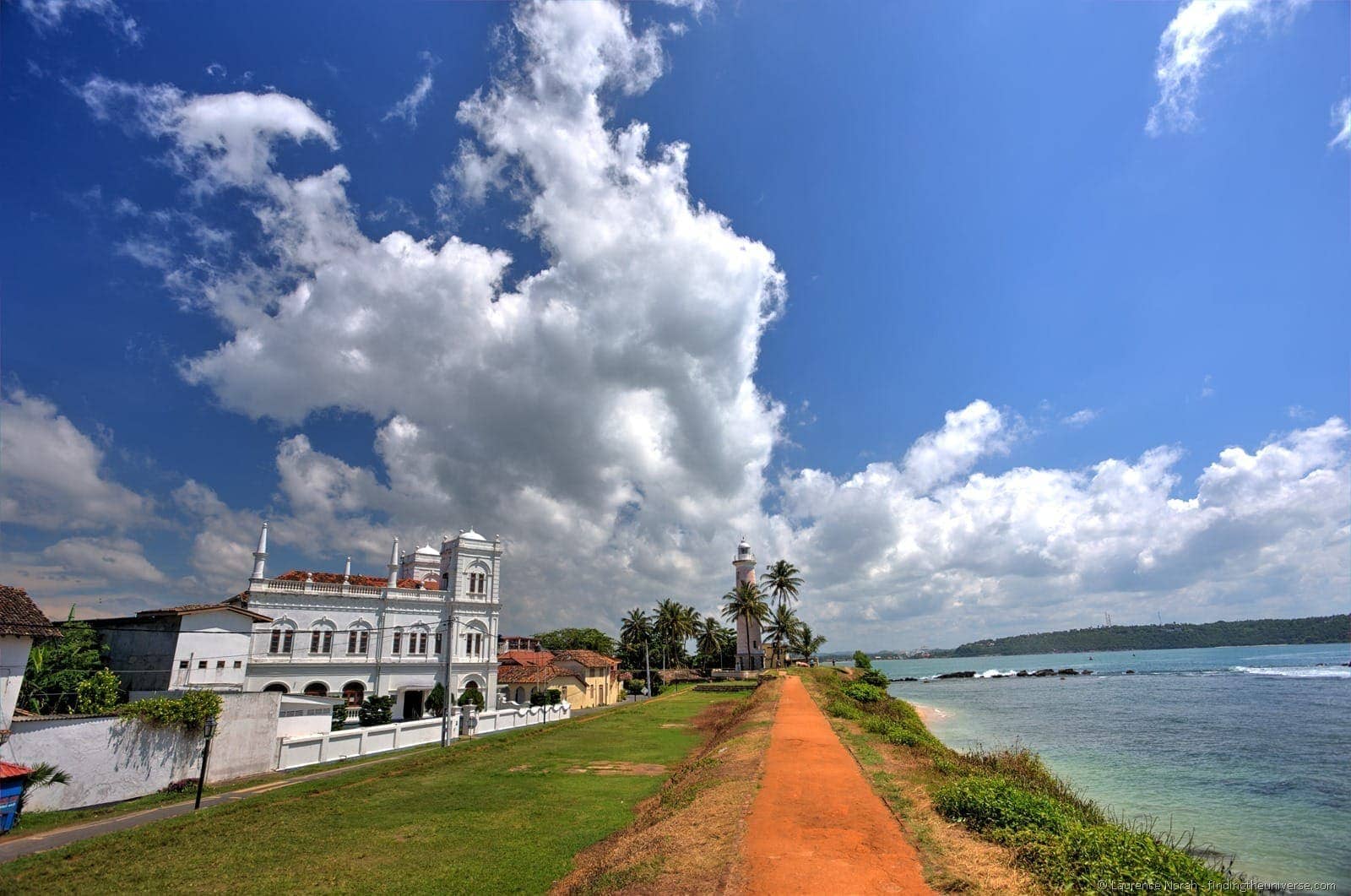
Galle rewards slowing down. The old fort, a Dutch colonial walled city that dominates the headland at the southern end of the modern town, is one of the best-preserved examples of European colonial architecture in Asia and a lovely place to explore on foot. The streets inside the fort walls are lined with old Dutch townhouses, many converted into small hotels, restaurants and shops. It is easy to spend a full day wandering without any particular plan, which is pretty much what I would advise.
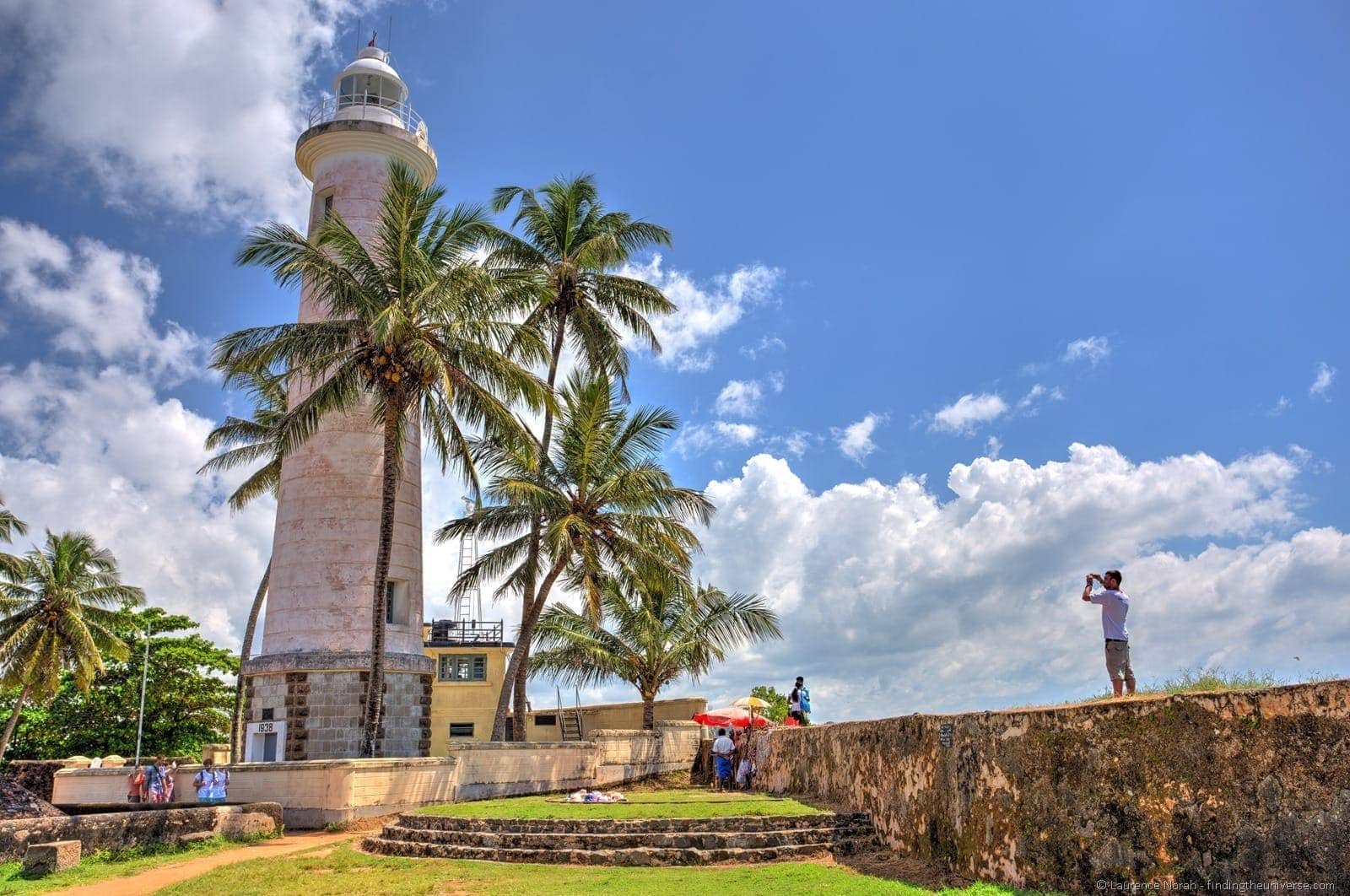
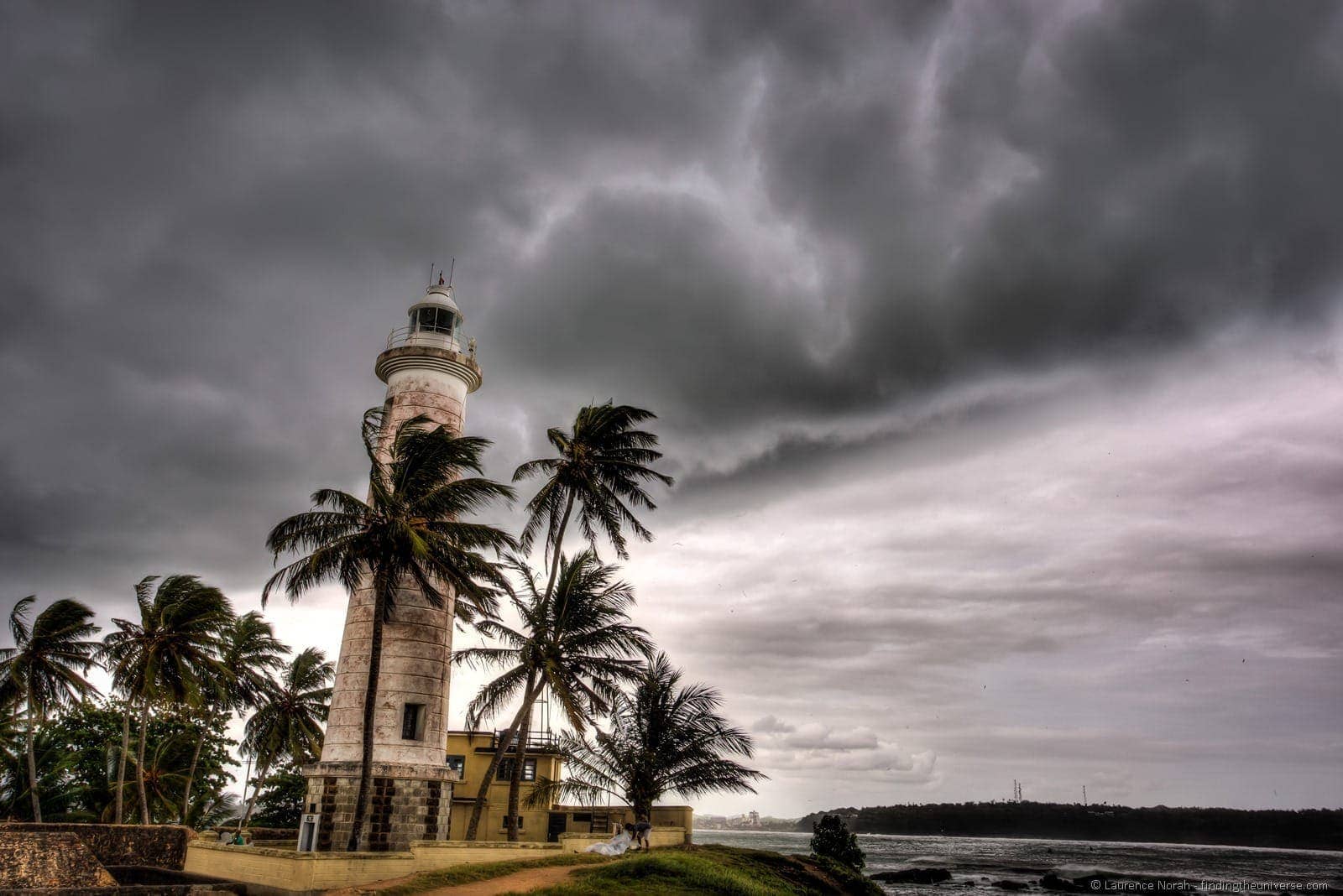
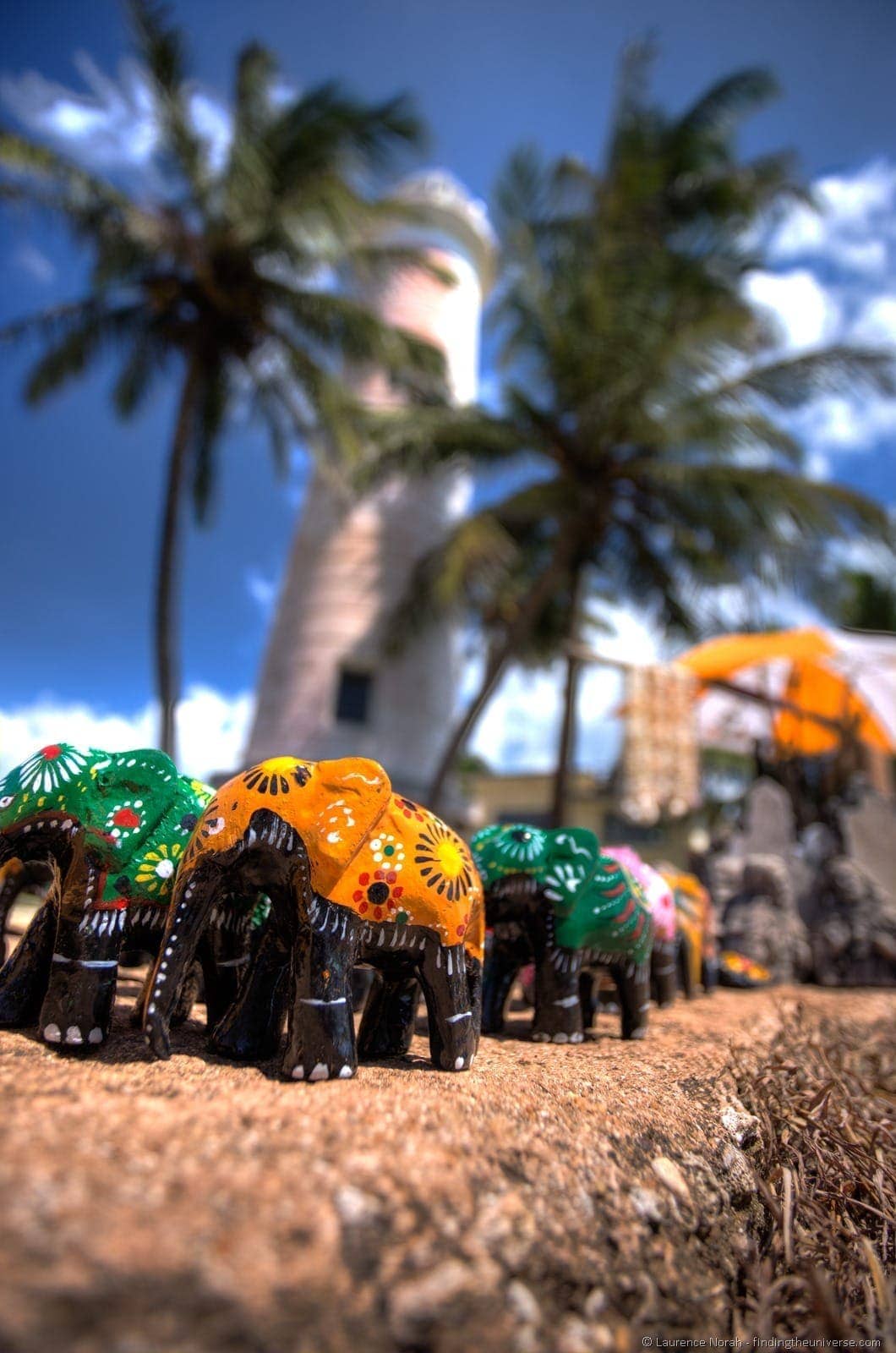
I have visited Galle a couple of times, and the thing that has stayed with me most is not any single sight but the overall feel of the place in the early morning, when the fort is quiet and the light is good for photography. The lighthouse at the southern tip of the fort, the old gate, and the ramparts looking out over the Indian Ocean are all worth your time with a camera. The best light is the hour after sunrise, before the tour groups arrive from the cruise ships and the south coast resorts.
The best beaches on the south coast are not in Galle itself but a short distance away in either direction. Unawatuna, about fifteen minutes east, has the calmest swimming and the best budget options. Hikkaduwa, about 20 minutes west, has better surfing and a livelier beach scene. Either works for a half-day trip out of Galle.
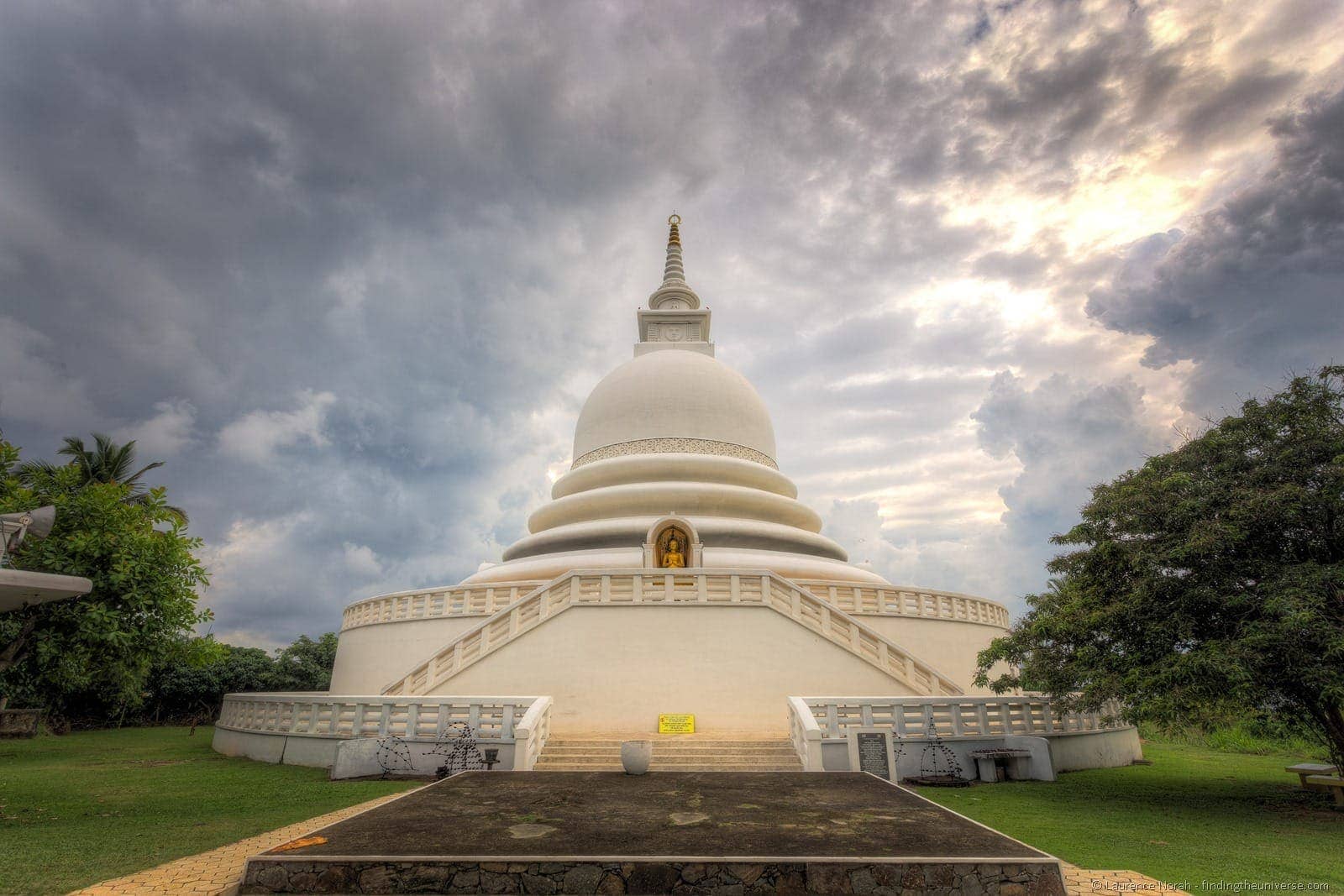
Three nights in Galle gives you time to explore the fort properly, do a half-day at a nearby beach, and still have an evening or two to sit in a good restaurant and eat well. The seafood along this stretch of coast is excellent, and the food scene inside the fort walls is probably the best in Sri Lanka outside Colombo. Budget travellers eat well outside the fort walls, where local restaurants are a fraction of the tourist-zone prices.
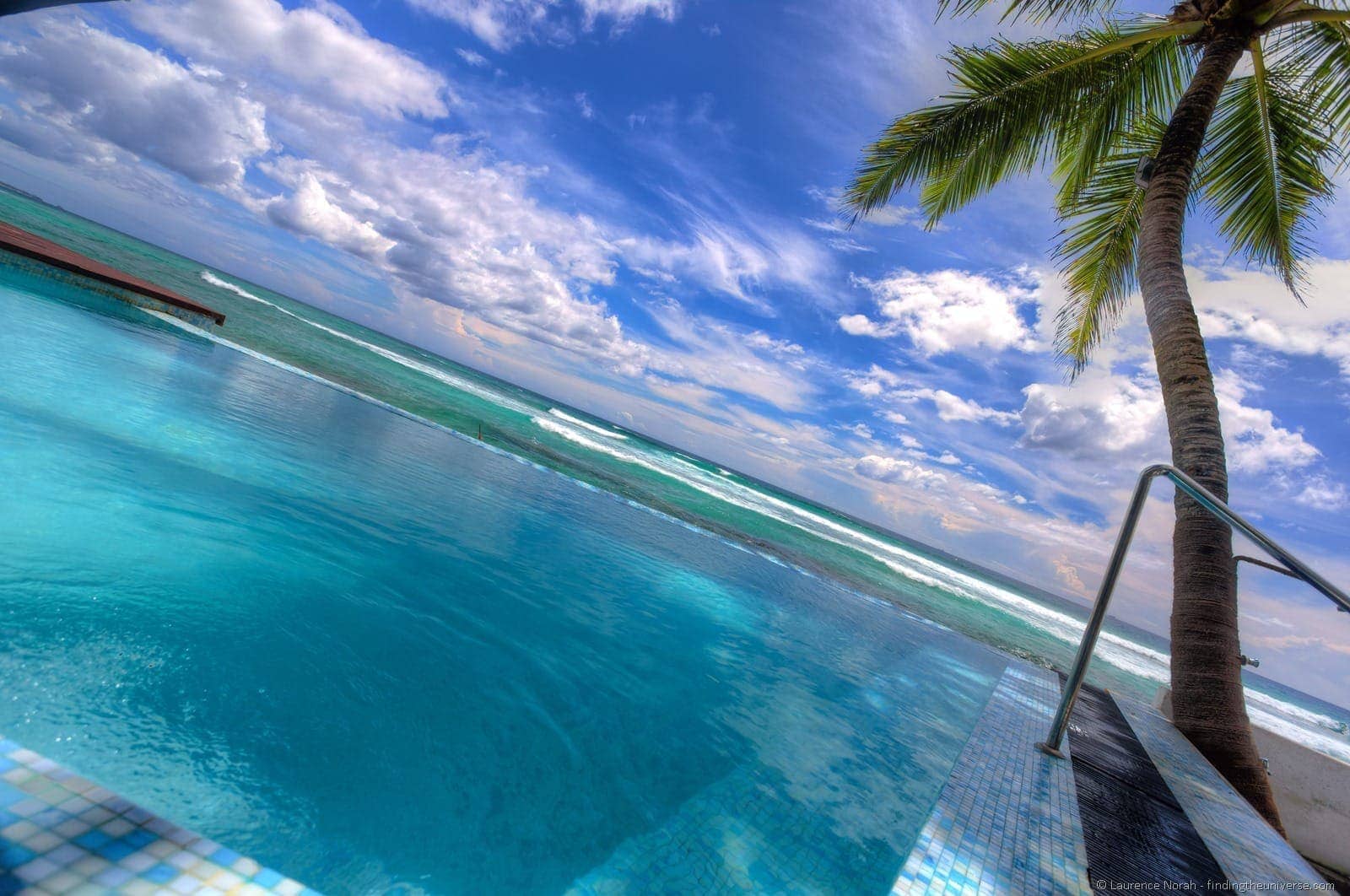
For accommodation, staying inside the fort itself is worth doing for at least a night if your budget stretches to it, because the experience of being in the old city after the day visitors have left is quite different from the daytime. There are good guesthouse options outside the fort walls too at more affordable prices. On one previous trip I stayed at Cantaloupe Levels and Cantaloupe Aqua near Galle, both pleasant properties at different ends of the budget, though I would check current reviews before booking as it has been a few years. Browse current Galle options on Booking.com.
Nights 11-12: Tangalle or Mirissa (South Coast)
From Galle, the coast road heads further east, and the further you go the more deserted and lovely the beaches become. This is where the south coast delivers on its reputation: palm-backed sand, warm clear water, and small places serving good seafood at candle-lit tables. It is very easy to lose a few days here if you let it.
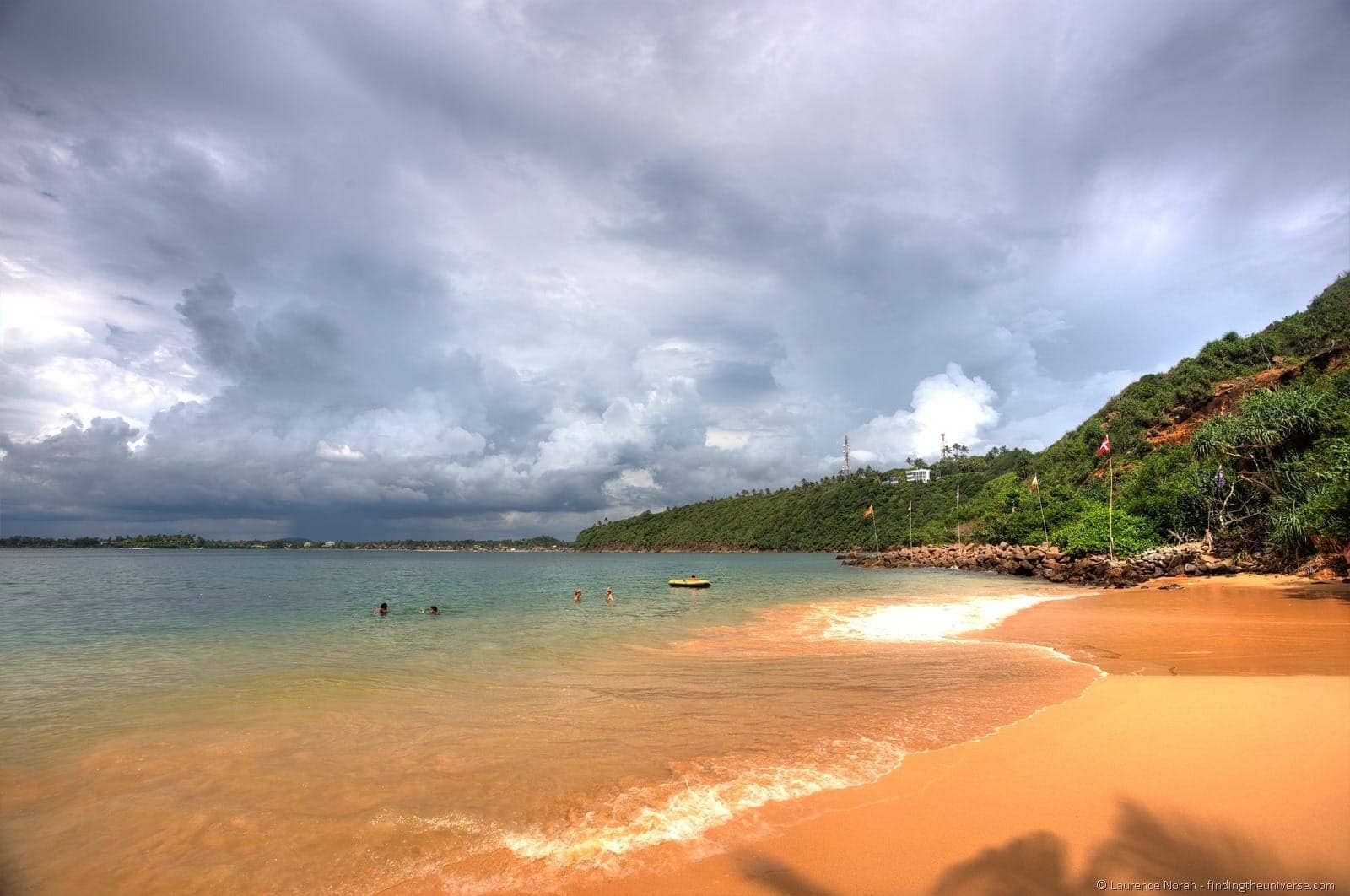
Two options for your base. Mirissa is the busier of the two, with a curved bay, a well-developed backpacker scene, and good swimming. It is the launching point for whale-watching boats (more on which below), and a good choice if you want a bit of life in the evenings. Tangalle, about an hour further east, is quieter and more spread out, with several smaller beaches separated by headlands. The pace is slower and the scene is more hammock than bar.
My preference would be Tangalle for the peace and Mirissa as the launching point for whale watching, but there is no wrong answer here. Two nights in either is plenty. If you want to visit both, it is easy enough to day-trip between them.
Whale Watching from Mirissa
The seas off the southern coast of Sri Lanka are filled with marine life, but the big draw is the whales, particularly blue whales. The Mirissa whale season runs roughly November through April, with peak sightings December to March and the blue whale peak between February and mid-March when krill feeding brings them into the area. Outside those months the seas get rough with the southwest monsoon and most operators stop running entirely between May and July. If your trip falls outside the Mirissa window, the east-coast alternative is Trincomalee, where the season runs roughly May to October, though that is a long way from this itinerary.
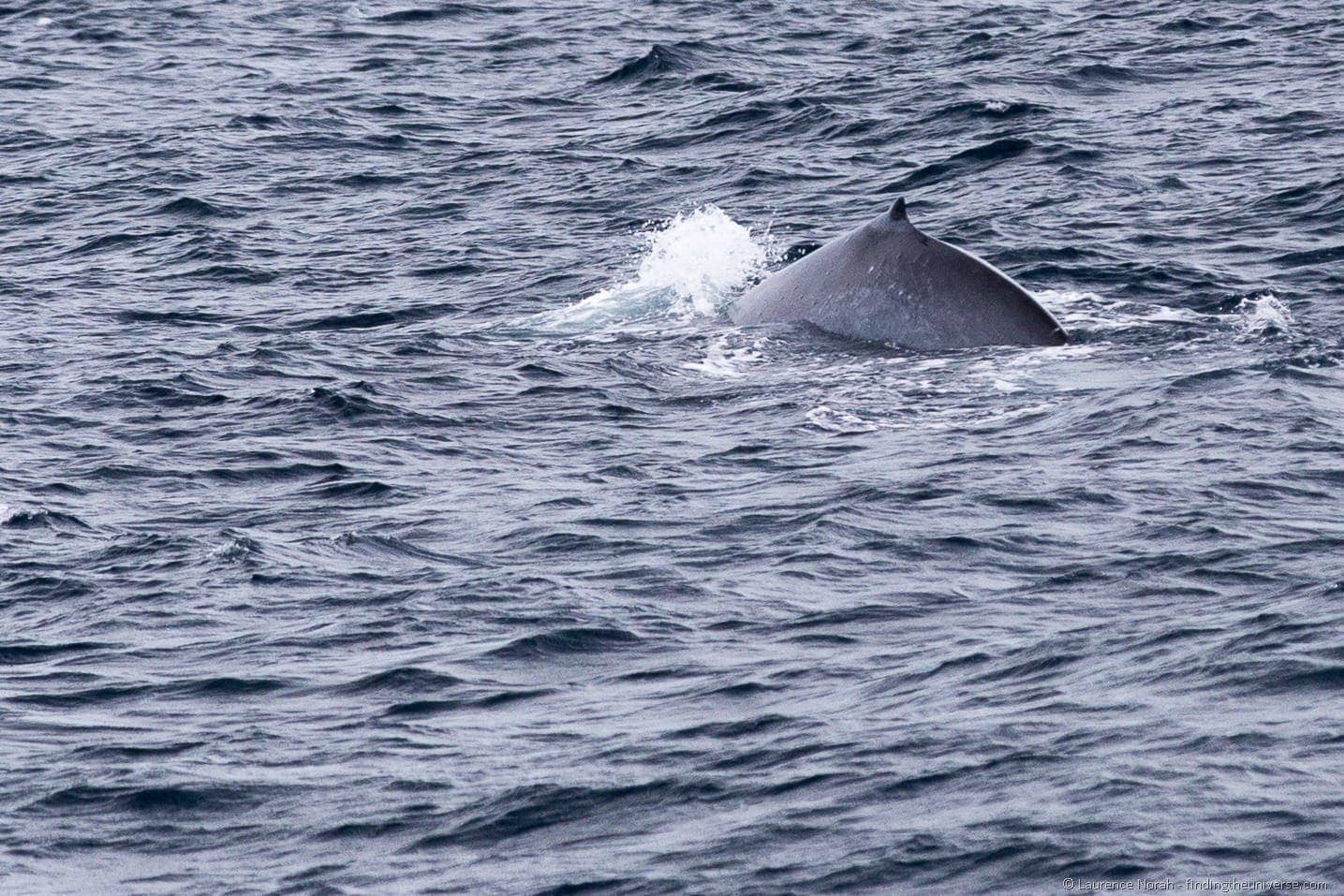
I took a trip from Mirissa with Raja and the Whales, and I was impressed by how the operator put the whales first. The captain explained he was not going to get too close or “chase” the whales, as several of the boats around us were doing. They also work with local scientific organisations, collecting data on the whales on each trip, and at one point the captain even hailed a passing tanker to deliver a verbal dressing-down for illegal waste dumping, which was unexpected but fair.
We had a thrilling morning out, saw blue whales, dolphins and turtles, and the crew kept us going with eggs, toast, cake, and for those who needed them, sea sickness tablets. Very much recommended. Boats usually leave before dawn, so book accommodation close to the harbour if you can.
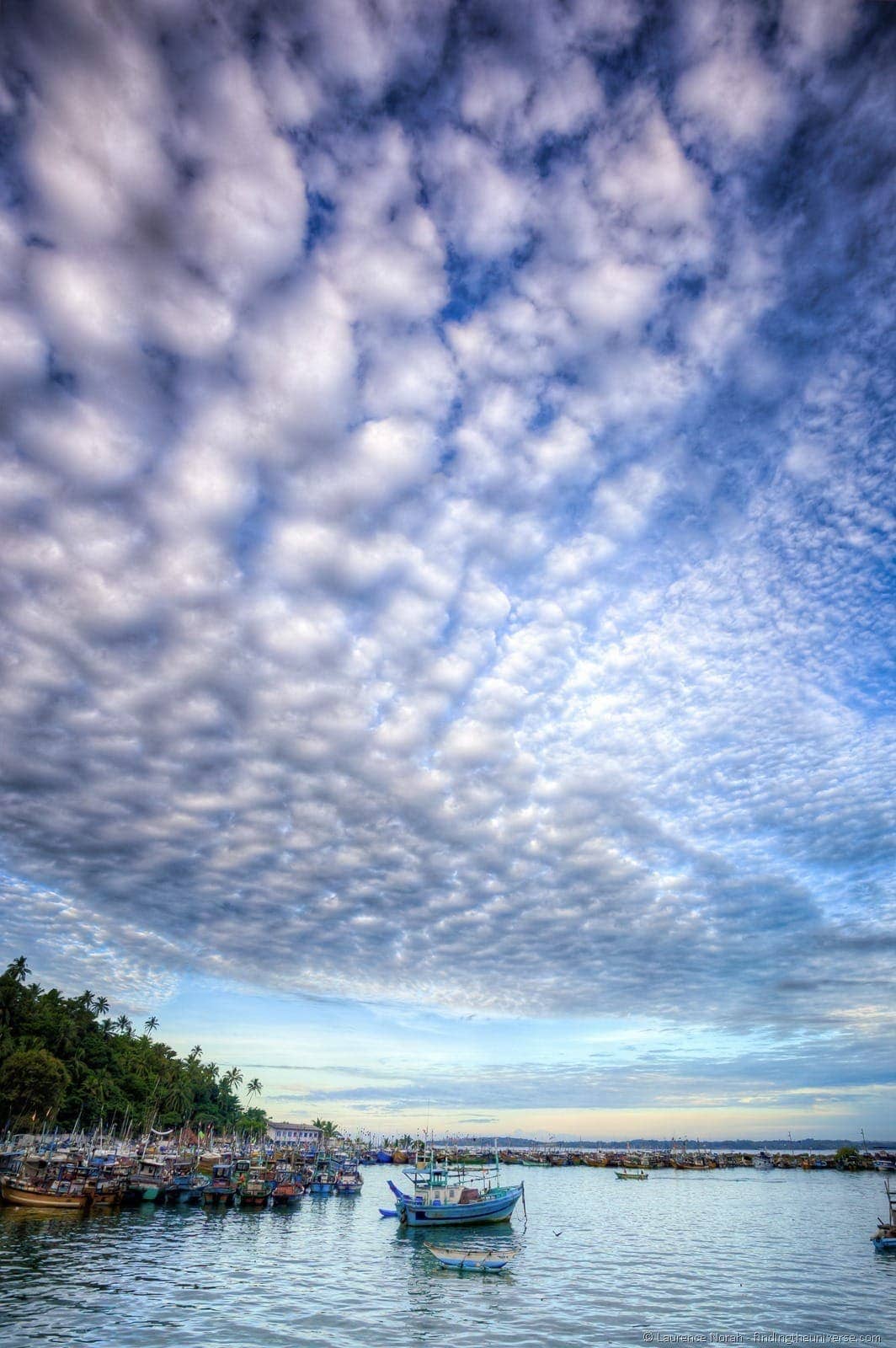
For accommodation along this stretch, Mirissa has more options clustered near the beach, while Tangalle spreads across a longer coastline with smaller, often family-run properties. Both have options for every budget from simple guesthouses to high-end beach resorts.
Night 13: Tissamaharama (for Yala Safari)
If you have the time, one night in or near Tissamaharama (“Tissa” locally) lets you do an early-morning safari in Yala National Park, Sri Lanka’s most famous wildlife reserve. Yala has one of the highest leopard densities anywhere in the world, and although leopard sightings are never guaranteed, your odds here are pretty good, particularly on a half or full day safari in the busier Block 1.
Beyond leopards, you can also reasonably expect to see elephants, sloth bears, crocodiles, water buffalo, peacocks and a frankly absurd variety of birds. It is one of the most rewarding wildlife experiences anywhere in Asia, and the landscape of dry scrub and lagoons is interesting in its own right.
The cost structure for Yala is a bit complicated. You pay the park entrance fee separately from the jeep hire, plus various service charges and taxes, and the per-person rate varies based on how many people share your jeep. For two foreign adults on a shared half-day safari, expect around USD 70 to 90 per person all-in. A private full-day safari works out to USD 140 to 180 per person for a couple. Your guesthouse in Tissa can arrange a jeep, or you can book ahead with an operator.
Start early, and by early I mean pre-dawn. Jeeps line up at the gate before 6am and the animals are most active in the first two hours of daylight when temperatures are cooler and the park is at its quietest. This is worth engineering your timings around. An afternoon safari is possible and is what you will end up doing if you arrive at Tissa mid-morning on Day 13, but the sightings tend to be fewer and the light is harsher for photography. If you have the flexibility, arrive at Tissa the afternoon before, rest, and go out pre-dawn the following morning. You then have the rest of the day for the drive back towards Colombo.
If you are short on time, you can skip this leg and simply head back towards Colombo from the south coast, but given that wildlife is one of Sri Lanka’s real strengths, I would recommend making the effort.
Night 14: Colombo (or close to the airport)
From Tissa or the south coast, the drive back to Colombo takes four to five hours on the southern expressway, which is actually a very decent road and makes this a lot less of a slog than it used to be. Depending on your flight time, you might stay your final night back in Colombo (and use the evening for last-minute shopping and a final proper rice and curry), or stay at one of the airport hotels in Negombo if you have an early-morning departure.
Negombo is a beach town about 15 minutes from Bandaranaike International Airport. It is not the prettiest stretch of coast in Sri Lanka, but it is convenient, and there are plenty of reasonable guesthouses and hotels if all you need is somewhere to sleep before a flight.
Sri Lanka Itinerary Overview
- Night 1: Colombo
- Nights 2-4: Sigiriya / Habarana (Sigiriya, Polonnaruwa, Dambulla, Minneriya)
- Night 5: Kandy
- Nights 6-7: Ella (hill country, scenic train, Nine Arch Bridge, Little Adam’s Peak)
- Nights 8-10: Galle (fort, south coast beaches)
- Nights 11-12: Tangalle or Mirissa (south coast beach, whale watching)
- Night 13: Tissamaharama (Yala safari)
- Night 14: Colombo / Negombo (for departure)
How Much Does It Cost to Travel in Sri Lanka?
Sri Lanka’s reputation as a budget destination is mostly deserved, though a few costs can catch you off guard if you are not expecting them, and things have shifted a bit post-2022 as prices have adjusted to the weaker rupee.
Accommodation ranges from around USD 15 to 25 per night for a clean, comfortable guesthouse or homestay, USD 40 to 80 for a mid-range hotel with a pool, and USD 150+ for the nicer boutique properties inside the Galle fort or around Sigiriya. Coastal areas like Galle and Mirissa tend to be pricier than inland locations, and prices across the board are higher December to March.
Food is where Sri Lanka is still a bargain. A meal at a local restaurant or curry house typically costs USD 2 to 6, and the quality is often very good. Tourist restaurants on the coast charge more, but even then you are rarely looking at more than USD 10 to 15 for a main course.
Entrance fees are the thing to watch. Sri Lanka charges foreign tourist prices significantly higher than local prices at most headline attractions, and they add up quickly. As of April 2026, Sigiriya is around USD 35 per person, Polonnaruwa around USD 30, Dambulla LKR 2,000, and Temple of the Tooth LKR 2,000. The Central Cultural Fund (which runs most of these sites) sets prices in LKR tied to the daily exchange rate, so USD figures shift a bit month to month; check the official CCF pricing page before travelling. If you are doing three or four major cultural triangle sites plus Yala, budget USD 200 to 250 per person just for entry fees for that section of the trip.
Transport is generally affordable. The train network is scenic and cheap, tuk-tuks are cheap for short hops within a town, and hiring a private driver for longer journeys works out to roughly USD 60 to 90 per day, which split between two people is good value for the convenience.
As a rough overall guide, a couple travelling at a mid-range pace, staying in decent guesthouses, eating a mix of local and tourist restaurants, and visiting the main sights, should budget around USD 100 to 150 per day for both of you, excluding flights. Backpackers can do it on considerably less; luxury travellers can spend multiples of that without running out of options.
Where to Stay in Sri Lanka
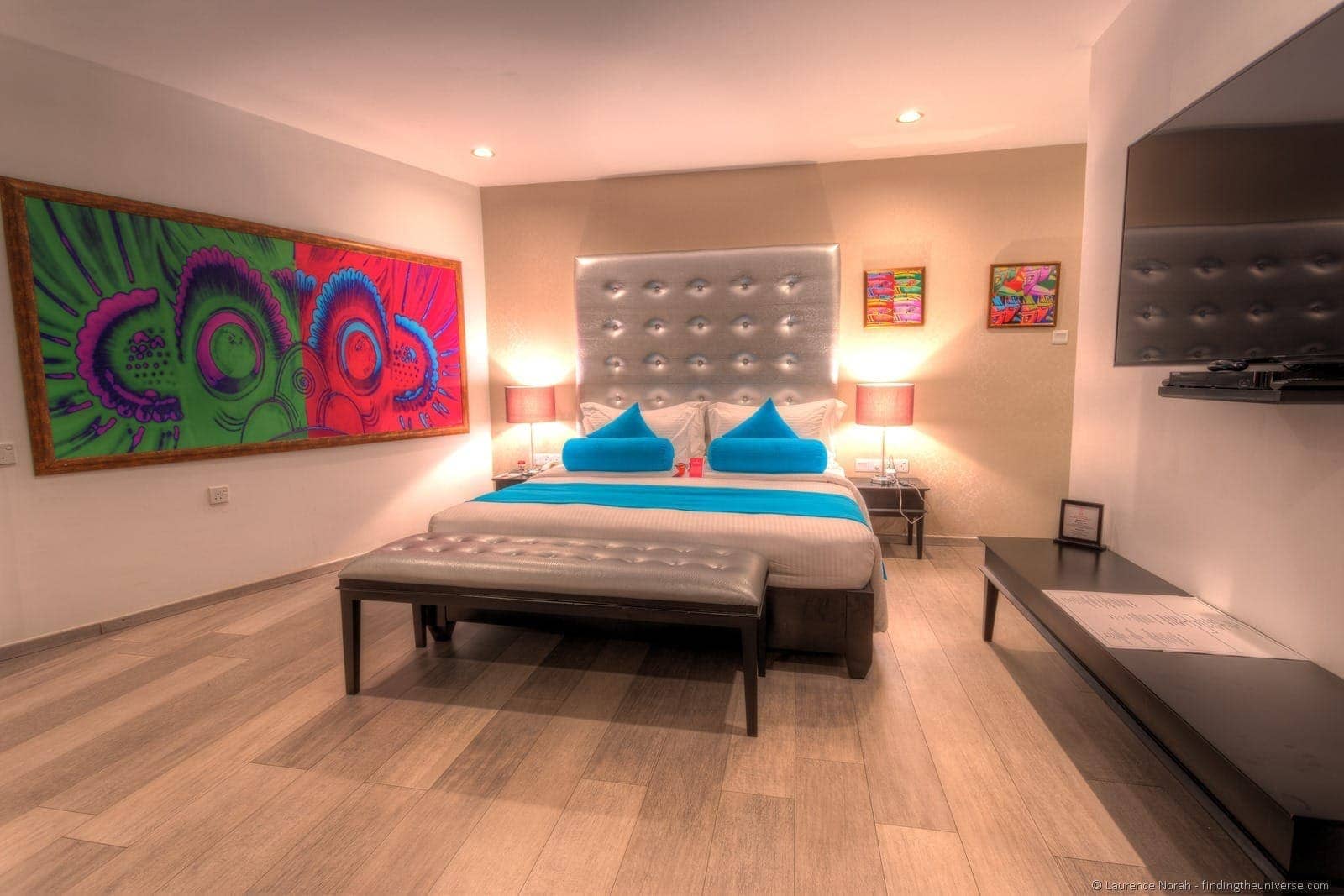
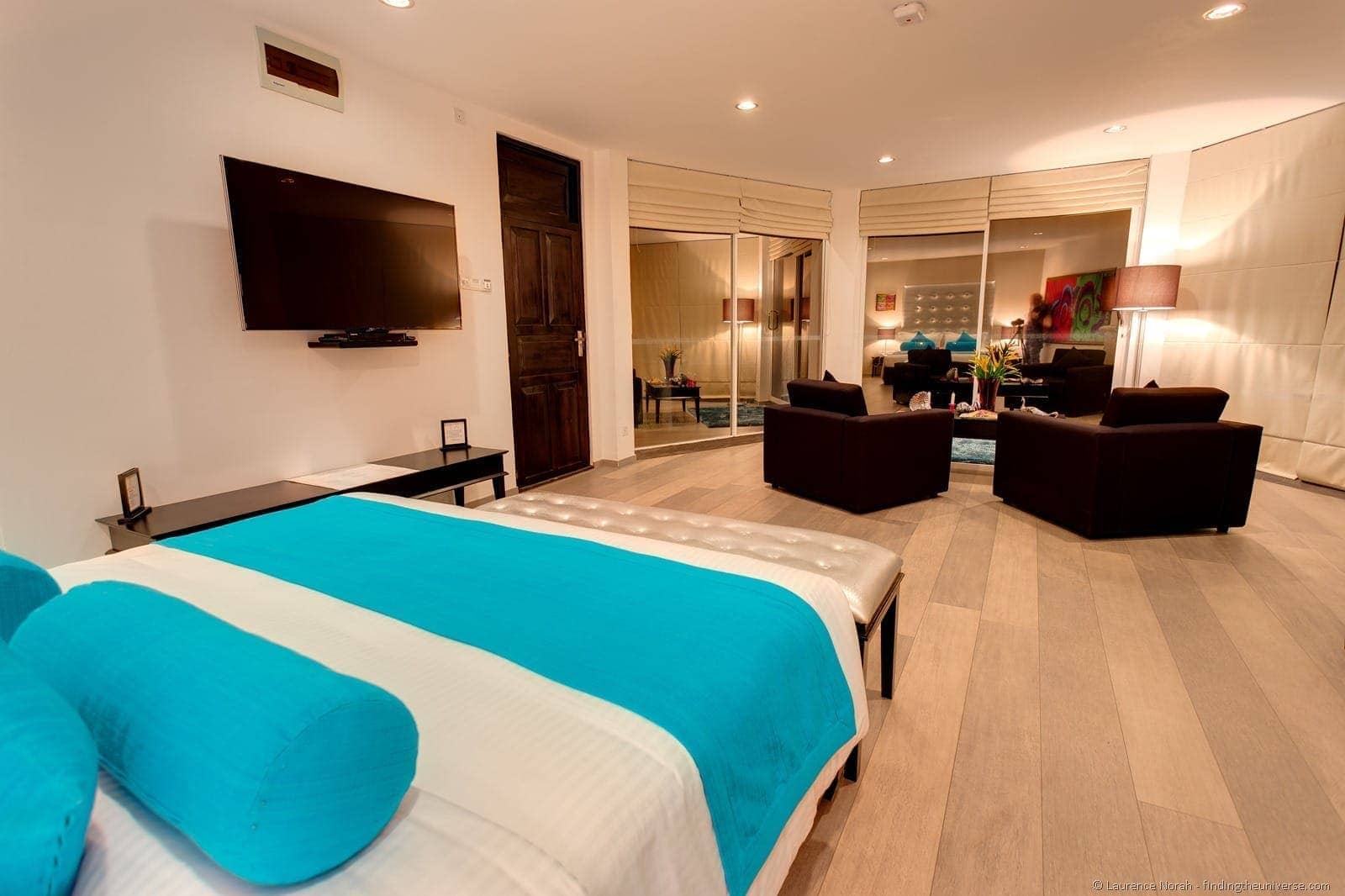
There is no shortage of accommodation options in Sri Lanka, from upscale hotels, to boutique guesthouses, to hostels and B&Bs. Prices are not extravagant, but Sri Lanka is not quite the rock-bottom bargain some older guidebooks suggest either.
On previous trips I have stayed at several Cinnamon Hotels properties around the island, along with a couple of the Cantaloupe properties down south. Both chains have a good range of three to five star options and were reliably comfortable on the trips where I stayed. I would check current reviews before booking as my stays were some years ago now.
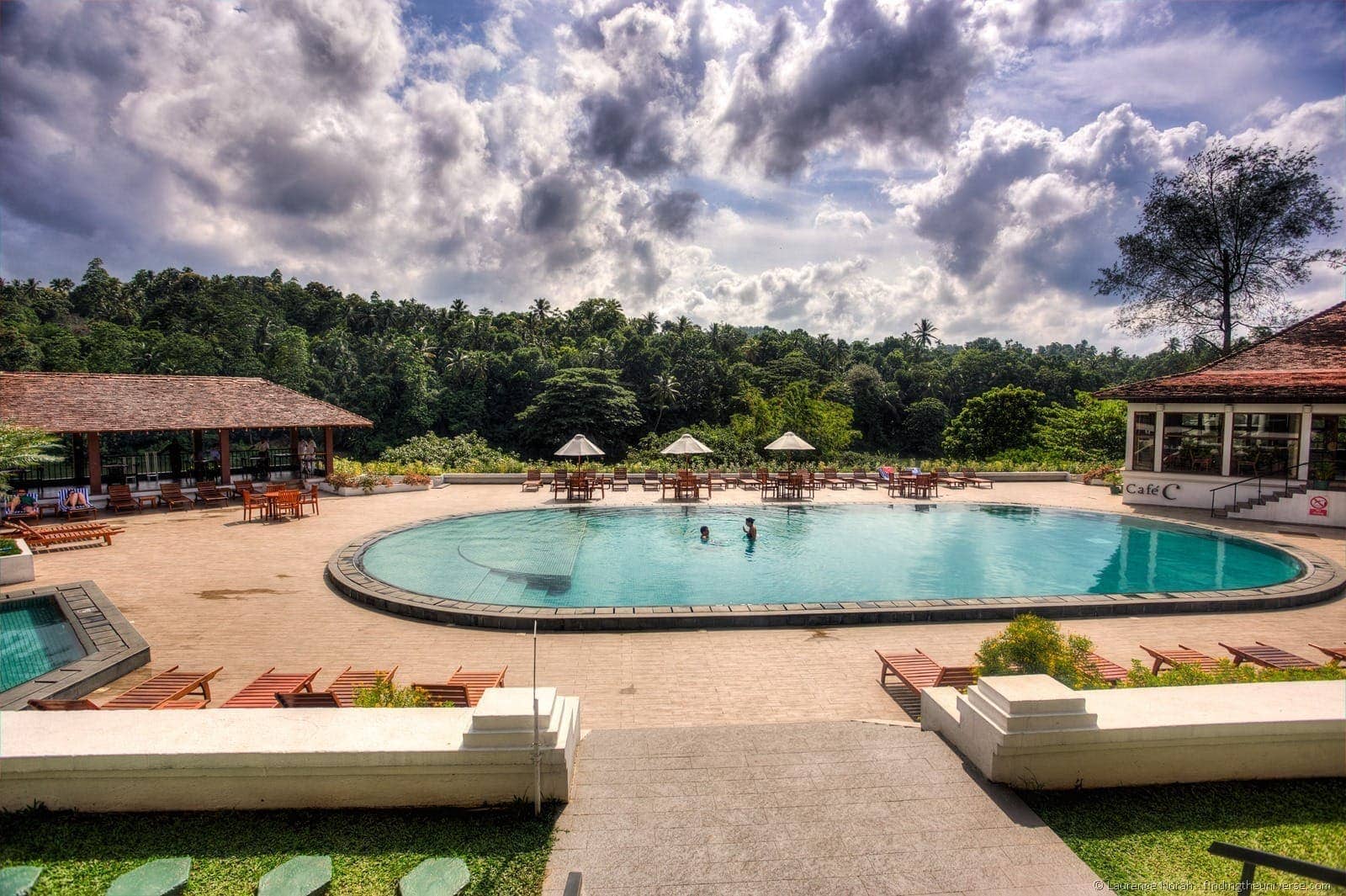
There are of course plenty of other options depending on budget. The small boutique guesthouses scattered around Sigiriya, Galle, Ella and the south coast are often better value (and more characterful) than the bigger resort properties, and often run by families who put a lot of care into the experience. Booking.com has the broadest inventory for Sri Lanka and is where I would start.
Getting Around Sri Lanka
There is an extensive road network in Sri Lanka, some of it excellent (the southern expressway from Colombo down through Galle and on to Matara) and some of it noticeably rougher. Being a passenger can be a slightly hair-raising experience at times, though as the roads are often slow, the speeds involved tend to be slow too.
Hiring a Driver
For this itinerary, the most practical option is hiring a private driver, either for individual legs or for the whole trip. A driver will pick you up in the morning, wait for you at sights, and take you onwards at the end of the day. Prices range from around USD 60 to 90 per day including fuel, with the upper end getting you an air-conditioned minivan and a driver with decent English. Your hotel can arrange one easily, or you can pre-book through a local operator before you travel.
If you are travelling as a couple or a small group, this works out cheaper than renting a car yourself (and considerably less stressful).
PickMe and Uber
For shorter trips within Colombo and the other major towns, the PickMe app is what you want. It is the local equivalent of Uber, works with both tuk-tuks and cars, and is considerably cheaper and less hassle than negotiating with tuk-tuk drivers on the street. Uber also operates in Colombo, but PickMe tends to have better coverage. Download the app before you arrive.
One thing worth flagging here, which readers have let us know about and which has been widely reported in the Sri Lankan press through late 2025 and into 2026. In several tourist hotspots, non-app tuk-tuk drivers have organised into informal groups (referred to locally as the “three-wheeler mafia” or sangam) that actively push back against PickMe and Uber. In practice, this can mean you book a PickMe ride, the driver arrives, and local tuk-tuk drivers surround the vehicle and pressure your driver to back out, sometimes aggressively. The pattern shows up most often in Ella, Mirissa, Nuwara Eliya and around Weligama, and can be particularly difficult to get a ride at night in these areas. This is not a universal experience and most PickMe rides go fine, but it is worth being aware of rather than surprised by. If you hit trouble in a tourist centre, walking a bit away from the main drag before booking often helps, and being patient about pickup times (rides can take longer to match outside Colombo) saves frustration.
Trains
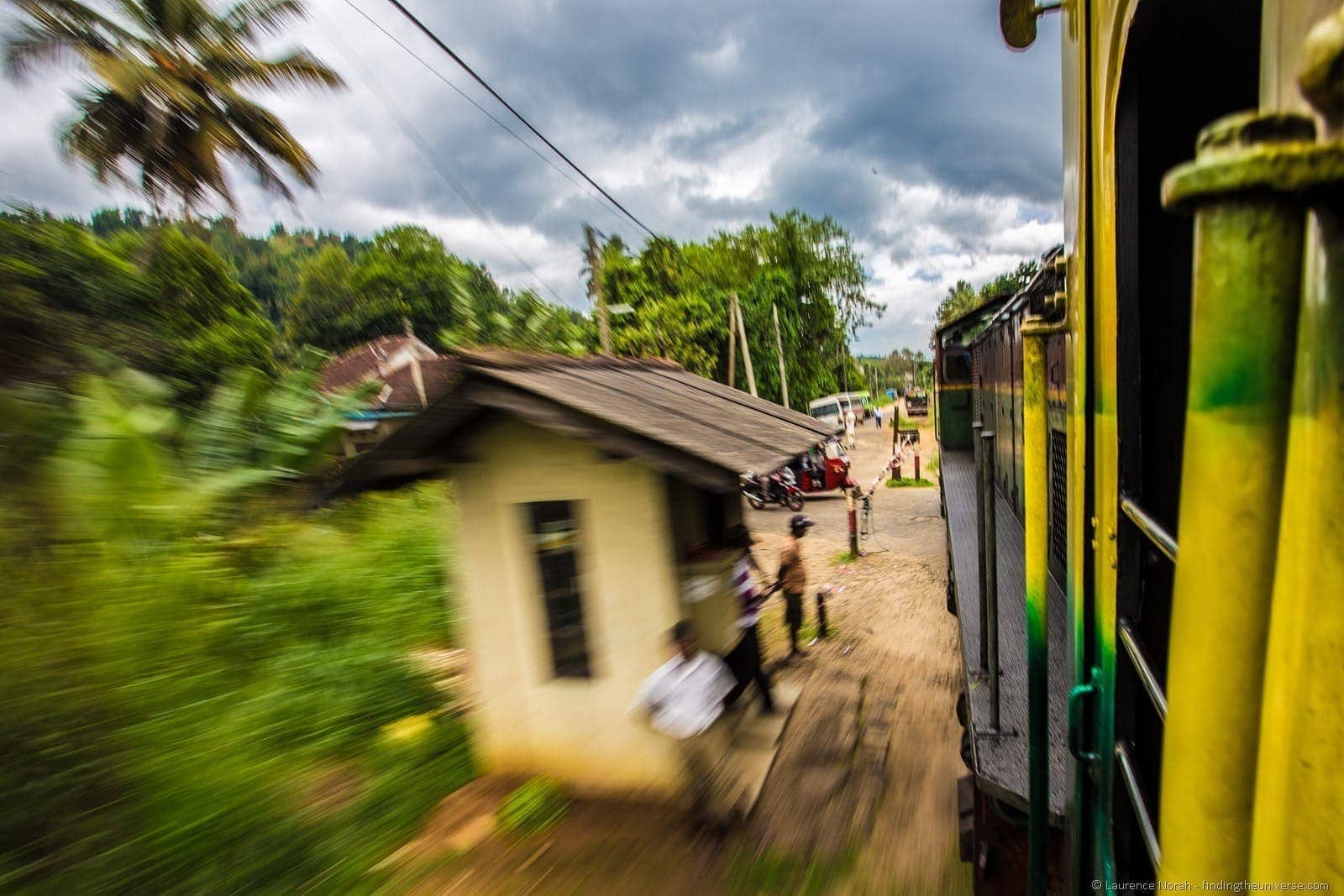
The train network is scenic and inexpensive, and in some cases (Kandy to Ella being the obvious one, once the line fully reopens post-cyclone) the journey itself is the point. Air-conditioned first-class observation car seats on the popular tourist routes sell out well in advance in peak season. Normal second-class and third-class carriages are considerably cheaper and you can buy tickets on the day. Sri Lanka Railways runs the official site, which posts current service notices. As of August 2026, the full Kandy to Ella service is still suspended following Cyclone Ditwah damage in late 2025, with a shortened Nanu Oya to Badulla service running via Ella in the meantime, extended back from Ambewela on 20 June 2026. See the Ella section above for how to work around this while repairs continue.
Tuk-Tuks and Self-Drive
For short hops around town, tuk-tuks are cheap and everywhere. Use PickMe or agree a price before getting in. Note that the three-wheelers are as terrifying as they look if the driver is enthusiastic.
Renting a tuk-tuk to drive yourself around the country has become a popular option in recent years, particularly with younger travellers who want maximum flexibility. Companies like tuktukrental.com handle the paperwork, including the required Sri Lankan driving permit, and deliver the tuk-tuk to you. Expect to pay around USD 25 to 35 per day for a week or two. Speed is capped at 40 km/h and the learning curve is real, so it is not something I would recommend for very short trips or for people who do not want a minor daily adventure. For this two-week itinerary, a driver is probably the better use of your time.
Buses
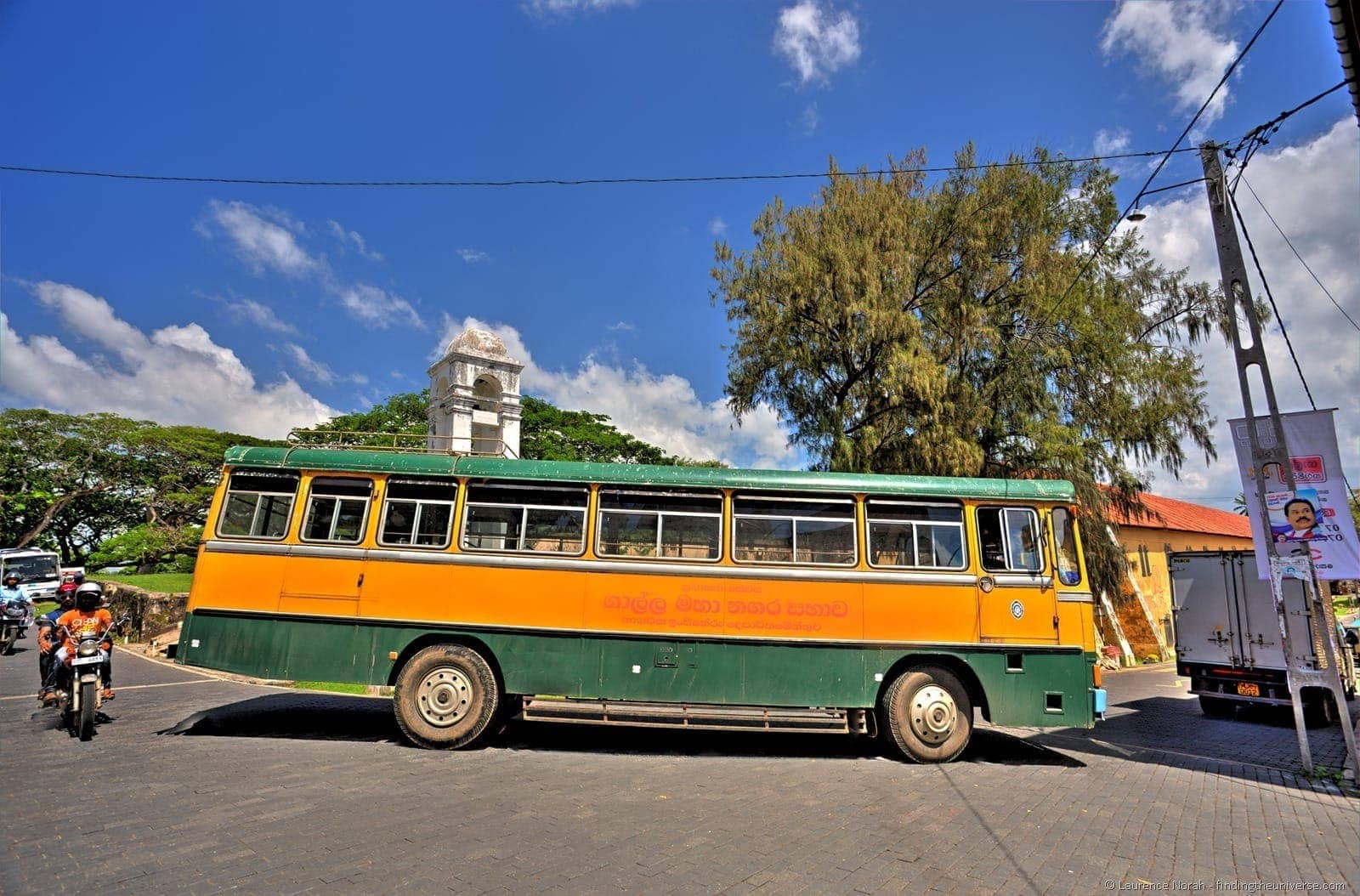
The cheapest way to get around is by public bus, with services running pretty much everywhere. They are crowded, slow and uncomfortable, but at the very least, they are an experience. Some routes have more expensive air-conditioned buses with guaranteed seating, which travel on the same roads and so are not really any faster, but are considerably more comfortable.
Practicalities
Currency
The local currency in Sri Lanka is the Sri Lankan Rupee (LKR), which is easily exchangeable for most major world currencies at banks, exchange counters and ATMs across the country.
Credit cards are accepted at larger hotels, restaurants and tourist-facing shops, but cash is the default for smaller guesthouses, local restaurants, tuk-tuks, market purchases and entrance fees at some smaller attractions. ATMs are available in all major towns but can be unreliable in rural areas, so it is worth withdrawing cash before leaving a major city.
Electricity
Sri Lanka uses a 230V/50Hz system. Slightly confusingly, different places use different types of plug. Some properties use British three-pin square plugs (Type G), others use the three-pin round plug design (Type D) found in India. Most modern hotels have both.
Either way, you are going to need an adapter unless you are coming from a country that already uses one of these plug types. A good universal travel adapter will cover you for both. We have a full guide to the best travel adapters if you want recommendations.
Tipping
Tipping is part of life in Sri Lanka. For porters, around LKR 100-200. For restaurants, a 10% service charge is often added automatically, so check the bill first; if not, 10% is standard for good service. Drivers on multi-day trips generally expect a tip of a few dollars per day on top of the agreed rate.
Safety
Sri Lanka is generally a safe destination for tourists. The civil war ended in 2009 and the country has welcomed visitors in increasing numbers ever since. The 2019 Easter Sunday bombings were a significant security event but security has been markedly strengthened since then. As always, follow the advice of your country’s foreign office or state department before travelling, and register with them if relevant.
Violent crime against visitors is uncommon. Petty theft and scams are the more realistic risk. Use hotel safes for valuables, agree tuk-tuk prices before you get in (or use PickMe), and be cautious about third-party websites that claim to process ETAs or tickets with inflated fees. Apply directly on official sites.
Health
Tap water in Sri Lanka is not generally safe to drink, so stick to bottled water (widely available) or travel with a water purifier. Sri Lanka is officially malaria-free as of 2016, but dengue fever is present year-round, particularly during and after the monsoon rains, and dengue is not something you want to catch. Use a good DEET-based mosquito repellent, cover up at dawn and dusk, and use a mosquito net if one is provided at your accommodation.
Check with your doctor about recommended vaccinations well before you travel. Typhoid, Hepatitis A, and a tetanus booster are the usual ones for Sri Lanka, and depending on your plans you may also want Japanese Encephalitis or Rabies cover. For current health advice, the UK’s Fit for Travel site is a useful reference, as is the US CDC page on Sri Lanka.
Finally, Sri Lanka is a tropical country with a hot climate, and the biggest practical health risk is dehydration, which can make you unwell surprisingly quickly. Drink a lot more water than you think you need, especially on climbing days like Sigiriya or Pidurangala. Read my guide on how to spot the signs of dehydration and avoid it for more.
Visas and ETA
Most visitors to Sri Lanka need an Electronic Travel Authorization (ETA) before they can enter the country, and this must be applied for online in advance rather than on arrival. Since 25 May 2026, the tourist ETA has been free for nationals of 40 countries, including the USA, UK, Canada, Australia, New Zealand, Japan, South Korea, China and India. Twelve EU countries are on the list (among them Germany, France, Italy, Spain and the Netherlands), but Ireland, Portugal and Greece are not, so check the full list on the official site. The free ETA is valid for 30 days with double entry. Staying longer means a paid extension through the Department of Immigration and Emigration, for up to a total of 270 days.
Apply through the official government portal at eta.gov.lk. The process takes a few minutes, approval usually arrives within a few hours, and you will want to do it at least a few days before you travel. The ETA is still mandatory on the free scheme, so you need an approved one before you fly, whichever passport you hold.
If your passport isn’t on the list, the standard ETA rules still apply, so check the requirements and any fee for your nationality on eta.gov.lk when you apply. Either way, apply directly through the official government site and avoid third-party processors, which charge for an application most readers can now make for free.
Internet Access
Sri Lankan internet is passable rather than fast, and hotel Wi-Fi is often flakey, but you can get online pretty much everywhere you will be travelling.
If you have an unlocked phone, picking up a local SIM card at the airport on arrival is cheap and easy. Dialog and Mobitel are the main networks; both offer tourist packages with generous data for around LKR 1,500 to 2,500 for a couple of weeks. Alternatively, an eSIM is a good option if your phone supports it, and you can activate it before you land. We use Airalo regularly for this kind of thing. See our Airalo review for more on how that works.
Cultural Considerations
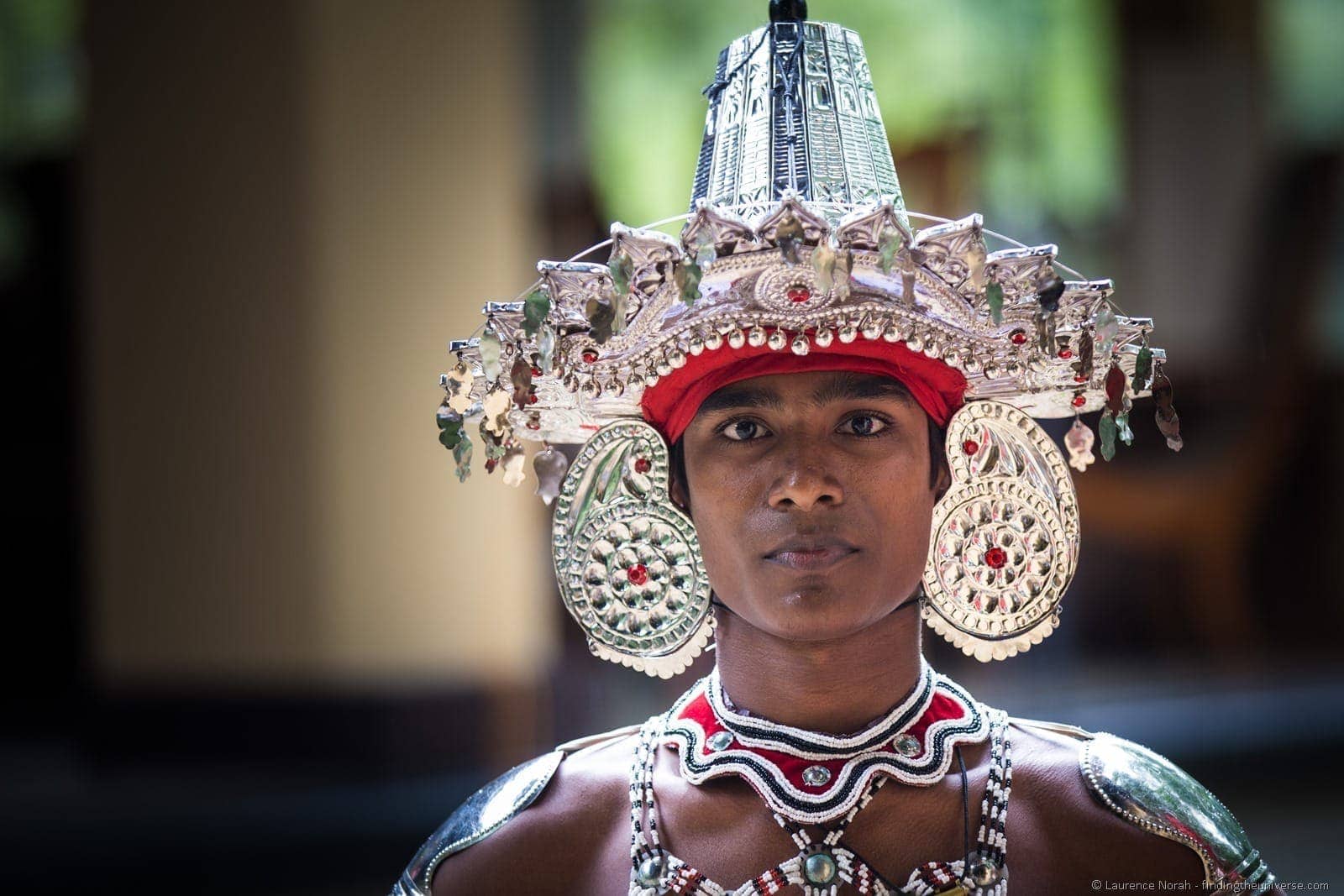
Sri Lankan society is fairly modest, so dress appropriately, particularly at religious sites. Shoulders and knees should be covered at temples. You will need to remove footwear and hats to enter temples, and you should be respectful about images of the Buddha. It is considered rude to stand with your back to a Buddha statue for photos, so keep that in mind when composing shots. Do not get a tattoo of the Buddha; this is taken seriously and people have been refused entry or deported for it.
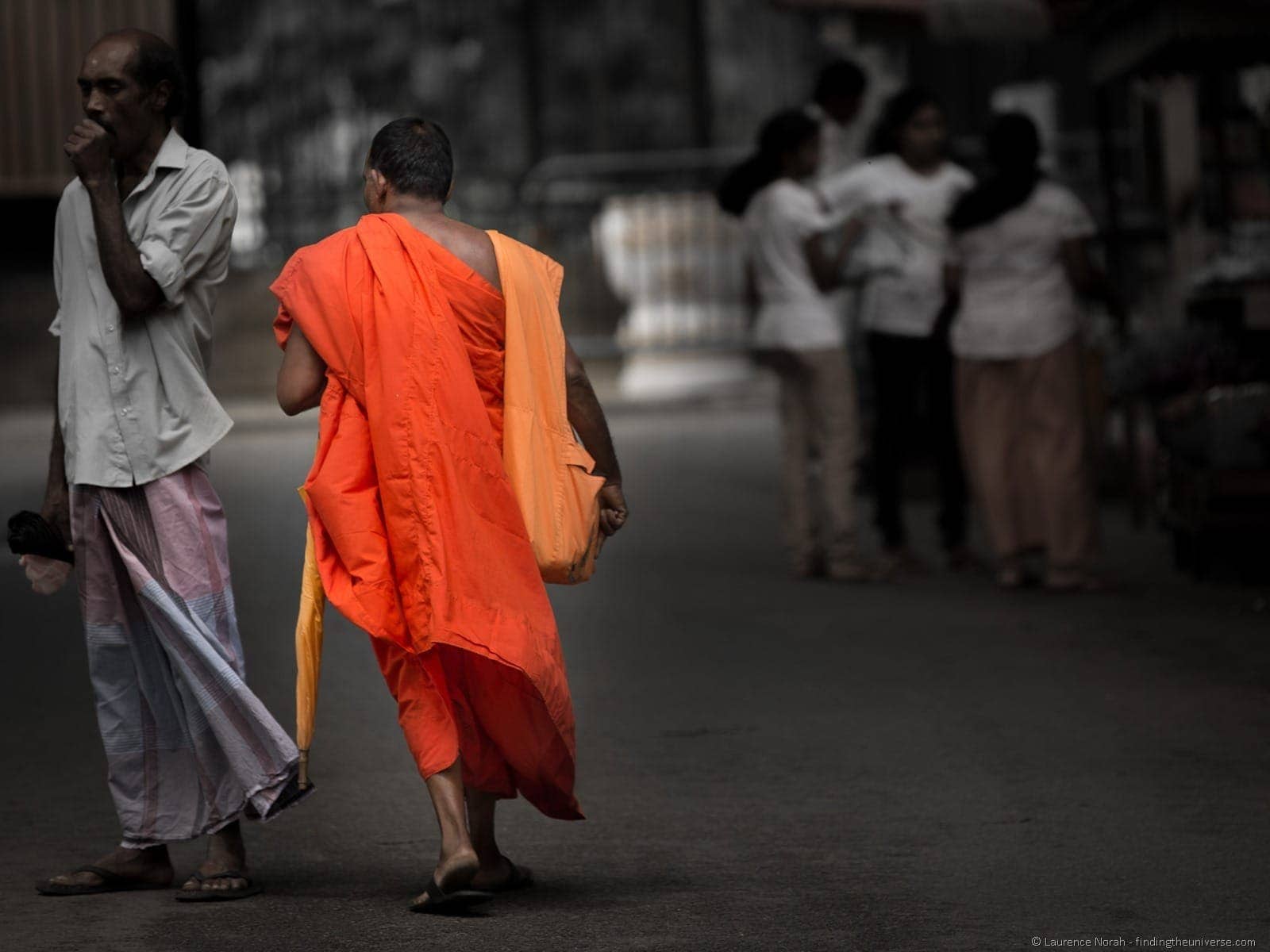
Swimwear is fine on the beach but not for general wear about town or in villages. A sarong or lightweight wrap is useful to have in your day bag for temple visits.
Language
There are two official languages in Sri Lanka, Sinhala and Tamil. As a visitor, you will find English is widely spoken across tourist areas, hotels, restaurants and by drivers, so you can get around comfortably without any local language skills. Learning a few words of Sinhala (ayubowan for hello, stuti for thank you) goes down well though.
What to Pack for Sri Lanka
Sri Lanka’s combination of heat, humidity, cultural sites and outdoor activities means what you pack matters more than you might expect.
Clothing should be lightweight and breathable. Linen and moisture-wicking fabrics are worth investing in if you do not already have them. You will want to cover shoulders and knees when visiting temples and religious sites, so having at least one or two outfits that can do that without being uncomfortably hot is useful. A lightweight scarf or sarong is handy to carry as a cover-up and takes up almost no space.
For the hill country section around Kandy and Ella, pack a light layer for the evenings. Not cold by most standards, but noticeably cooler than the coast after dark, and having something to throw on makes the evenings more comfortable.
Sun protection is important year-round. Bring a high-factor sunscreen and reapply it more often than you think you need to, particularly at the cultural triangle sites where there is not much shade. Reef-safe sunscreen is worth using if you are spending time in the ocean on the south coast.
Mosquito repellent is worth having, particularly for the national parks and more rural areas. DEET-based repellent is the most effective option. Malaria risk is low in most tourist areas but dengue fever is present, so covering up at dawn and dusk and using repellent is sensible.
Comfortable walking shoes are essential for Sigiriya, Polonnaruwa and Little Adam’s Peak, all of which involve walking on uneven ground. Sandals are fine for the coast but you will be grateful for proper shoes in the cultural triangle and the hills.
A small dry bag or waterproof cover for your camera and phone is useful given the humidity and the possibility of afternoon rain, particularly in the hill country. If you are visiting in shoulder season, a compact rain jacket takes up very little space and earns its place in the bag.
Finally, cash. ATMs can be unreliable in smaller towns and near national parks, so carry more Sri Lankan Rupees than you think you will need whenever you are leaving a major city.
Getting to Sri Lanka
Most international flights arrive at Bandaranaike International Airport (CMB), around 35 km north of Colombo near the coastal town of Negombo. Sri Lankan Airlines, the national carrier, has direct flights from a range of destinations in Europe, Asia and the Middle East. Emirates, Qatar, Etihad and Singapore Airlines all connect via their respective hubs, and are usually your best bet if Sri Lankan Airlines does not fly direct from your nearest airport.
From the US there are no direct flights to Colombo, so you are looking at a connection through the Middle East or Asia. From the UK and Europe, direct Sri Lankan flights and one-stop options via Dubai, Doha or Istanbul are all available.
When searching for flights, I tend to start with Skyscanner and Google Flights for an overview, then book direct with the airline once I have identified the route and price I am happy with. Booking direct also makes changes and cancellations easier if anything goes wrong.
Frequently Asked Questions
Is two weeks enough time for Sri Lanka?
Two weeks is a good amount of time for a first trip to Sri Lanka. It covers the cultural triangle, Kandy and the hill country including Ella, the south coast around Galle, and time for a Yala safari without feeling like you are racing from one place to the next.
If you have less time, ten days works but you would need to cut something, usually either the south coast beach time or Yala. If you have more than two weeks, the east coast (Trincomalee, Arugam Bay) or the far north (Jaffna) opens up as additions, particularly between June and September when the east is at its best.
Do I need a visa to visit Sri Lanka?
Most visitors need an Electronic Travel Authorization (ETA), which must be applied for online before you travel at eta.gov.lk. Since 25 May 2026 it has been free for nationals of 40 countries, including the USA, UK, Canada, Australia and New Zealand, and it allows double entry for up to 30 days.
The free ETA is still mandatory, so apply a few days ahead of travel rather than at the last minute, and only through the official government site. If your passport isn’t on the list, check the requirements and any fee on eta.gov.lk.
Do I need a car or driver for this itinerary?
You do not strictly need one. Trains, buses and PickMe/tuk-tuk combinations can get you between all the stops on this itinerary, and plenty of backpackers travel Sri Lanka this way without issue.
That said, hiring a private driver for the between-stop legs makes the trip considerably more relaxed, particularly for the cultural triangle where the sights are spread out. My usual approach is a combination: train for the scenic routes (Kandy to Ella, once the full line reopens), a driver for longer overland transfers, and PickMe or tuk-tuks for local hops around each base. With the current Kandy-Ella train disruption, the most practical setup is a driver Kandy to Nanu Oya, then the shortened train down to Ella, which still captures the best scenic section. Expect to pay around USD 60 to 90 per day for a driver including fuel.
Is Sri Lanka safe to visit?
Yes, for the most part. Sri Lanka is a safe destination for tourists. The civil war ended in 2009 and the country has been welcoming visitors in large numbers ever since. Security was strengthened considerably after the 2019 Easter Sunday bombings.
The usual common-sense precautions apply. Be aware of your belongings in crowded places, agree tuk-tuk fares before getting in (or use PickMe), apply for your ETA on the official site, and check your government’s travel advisory before you go.
What is the best time of year to visit?
For this itinerary covering the west and south coasts, cultural triangle and hill country, December to March is peak season with the best weather and the highest prices. April and early June can be good shoulder-season options with fewer crowds and lower costs.
July and August bring heavy rain to the west and south but are actually the best time for the east coast if you want to swap the route around. October and November are the most unpredictable months and probably best avoided if you have a choice.
What currency does Sri Lanka use, and can I use cards?
The local currency is the Sri Lankan Rupee (LKR). Cards are accepted at larger hotels, restaurants and tourist-facing shops, but cash is the default for smaller guesthouses, local restaurants, tuk-tuks, and market purchases.
Carry more cash than you think you need when heading to rural areas or the national parks. ATMs are available in most towns but can be unreliable in smaller places, so withdraw before leaving a major city.
Is Sri Lanka expensive?
Sri Lanka is not the rock-bottom budget destination some older guidebooks suggest, but it is still very reasonable by international standards. Expect to spend around USD 100 to 150 per day for a couple travelling at a comfortable mid-range pace, excluding flights.
The things that will catch you off guard are the entrance fees at the big cultural and wildlife sites. Sigiriya alone is USD 35 per person, and a Yala safari can be USD 70 to 90 per person. Budget these separately from your day-to-day spending.
Further Reading
Two weeks in Sri Lanka goes quickly. That is both a warning and, in a strange way, part of the appeal. The country covers a lot of ground in a small space, and by the time you have climbed Sigiriya in the early morning light, taken a jeep through Minneriya as the elephants gather at the waterhole, eaten your way down the south coast, and sat on the ramparts in Galle watching the sun go down over the Indian Ocean, you will have a fairly clear sense of why people keep coming back.
If you have questions about any part of the itinerary, or want advice on adjusting it to fit a different timeframe or travel style, leave a comment below and I will do my best to help. And if you have already been and have tips of your own, I would love to hear them.
Looking for more reading to help plan your Sri Lanka trip? Here are some resources:
- Jess’s 1 week Sri Lanka itinerary, which focuses on a more luxury trip
- My four day Sri Lanka trip report, covering a shorter private-tour trip with a tea and leopards focus
- The Rough Guide’s Sri Lanka section
- Wikivoyage’s Sri Lanka page
If you prefer something offline-readable, these are the most recently updated guidebooks for Sri Lanka:
And that is it! I hope this post is useful for planning your own two-week Sri Lanka itinerary. Have you been to Sri Lanka, or is it on your list? Let me know in the comments below.
Ajay says
Lovely article
Laurence Norah says
Thank you 🙂
Leah Drey says
Hi!
Thanks for sharing this. I just have a few questions about getting back from Yalla to the airport/
– Can you share how long it would take to get from Yala to the airport? Google is failing me.
– Would you recommend driving or alternative method of transport to get back to the airport?
– Would it make sense to return from Colombo airport or do any of the others make more sense?
Laurence Norah says
Hey Leah,
So it’s around a 6 hour drive from Yala if I recall correctly. Driving is likely to be the best option, I believe there are also flights from a nearby airport from Yala to Colombo, but I’m not sure how regular they are.
When you say return from, do you mean fly from out of Sri Lanka? I think that’s the only logical option to be honest. A new international airport, Mattala, did open in 2013, but I don’t think there are any scheduled flights from there.
Have a great trip!
Laurence
Chris says
Hi Keith Forbes
I’m also taking my 2 teenage daughters to Sri Lanka at Xmas next year so I’d love to know what your daughters thought of the trip and what their favourite parts of it were.
keith forbes says
Lawrence,
Thanks for taking the time to put this all together. Great information and really well structured.
We’re travelling to Sri Lanka for NYE this year thru to mid Jan with two 16yr olds and a 13 year old – all girls. Any tips on Galle or nearby for NYE? Also is there a central resource for train travel between the key locations?
We arrive after lunch so we’re thinking of getting the train south (skipping Colombo) a few days around Calle then onto Yala, up to Kandy and if we have time Habarana and surrounds or maybe Colombo for a few days.
Thanks,
Keith
Laurence Norah says
Hi Keith,
My pleasure! For train travel, I always like the man in seat 61, and he has a good entry on Sri Lanka which should be useful:
https://www.seat61.com/SriLanka.htm
I’ve not stayed in Sri Lanka for New Years, so can’t comment, but the Galle area is lovely, as are the surrounds. It sounds like your itinerary is a good one! Have a great trip 🙂
Zahava says
Hi Laurence. That’s The best blog I found, regarding Sri Lanka. Thanks!
We are planning a 2 weeks trip during the Christmas break, with 3 children 11, 16, 20.
I Was wondering what itinerary would you choose if we would like to spend the last week relaxing at the beach?
Also, one of my daughters is Celiac, do you think the hotels you recommended will be able to
Attend her needs of should we look for a more upscale hotels for that reason?
Zahava. London.
Laurence Norah says
Hi Zahava,
Thanks very much! So for that time of year, the south west of the country is going to be in its dry season, so you should have better weather in the south west of the country. So I would suggest the region of the coast from Galle and south would be the best option, it has some great beaches and you should get the best weather. Just be aware that prices will be a bit higher in this region at this time of year.
If it was me I would probably follow this itinerary fairly closely, as the last week is easily adjustable to take in more beaches and less sight-seeing 🙂
I’m not an expert of Celiac travel, but I do know friends of mine who travel do find the higher end hotels are often better equipped to deal with this sort of thing. It might be worth reaching out and asking before booking anything, just to be sure.
Have a great trip!
Laurence
Susie S says
Thanks for the great write up! You mentioned one option for getting around would be to hire a driver. Can you recommend how to book a driver? For example, from Colombo to Habarana and from there to Kandy. And Kandy to Ella. Thanks!
Vicki Majella Hansford says
Hi Laurence I really like you blog
Do you think it is necessary to pre book accommodation before we leave Australia or,can you rock up in places and be sure to find something
Thanks Vicki
Laurence says
Hi Vicki!
I think in many cases you can just rock up, although it depends on the time of year and where you are visiting. We also generally find we get better deals by booking in advance for some reason. So yes, you should be fine, with caveats 😉
Have an awesome trip 😀
Amar Hussain says
Great post Laurence. Looks like you had better weather in Galle than we did!
One thing missing from your itinerary is the Kandy to Ella train ride which is super scenic. The times, fares and how far in advance it books up stumps a lot of people as there isn’t a lot of accurate information online.
I’ve put up an itinerary here and it includes all the info for the train ride – http://gapyearescape.com/backpacking-sri-lanka-two-week-travel-itinerary/
Laurence says
Thanks Amar – yes, we had a great trip and wonderful weather most of the time. Thanks for sharing your post, much appreciated!
Green Global Travel says
Thanks for sharing these great pictures and travel tips! It’s always important to know what kind of plug is needed and if tipping is normal. – Janeen
Laurence says
My pleasure, thanks for commenting 🙂
Laurence says
I completely agree, the mid-range options are excellent value for money 🙂