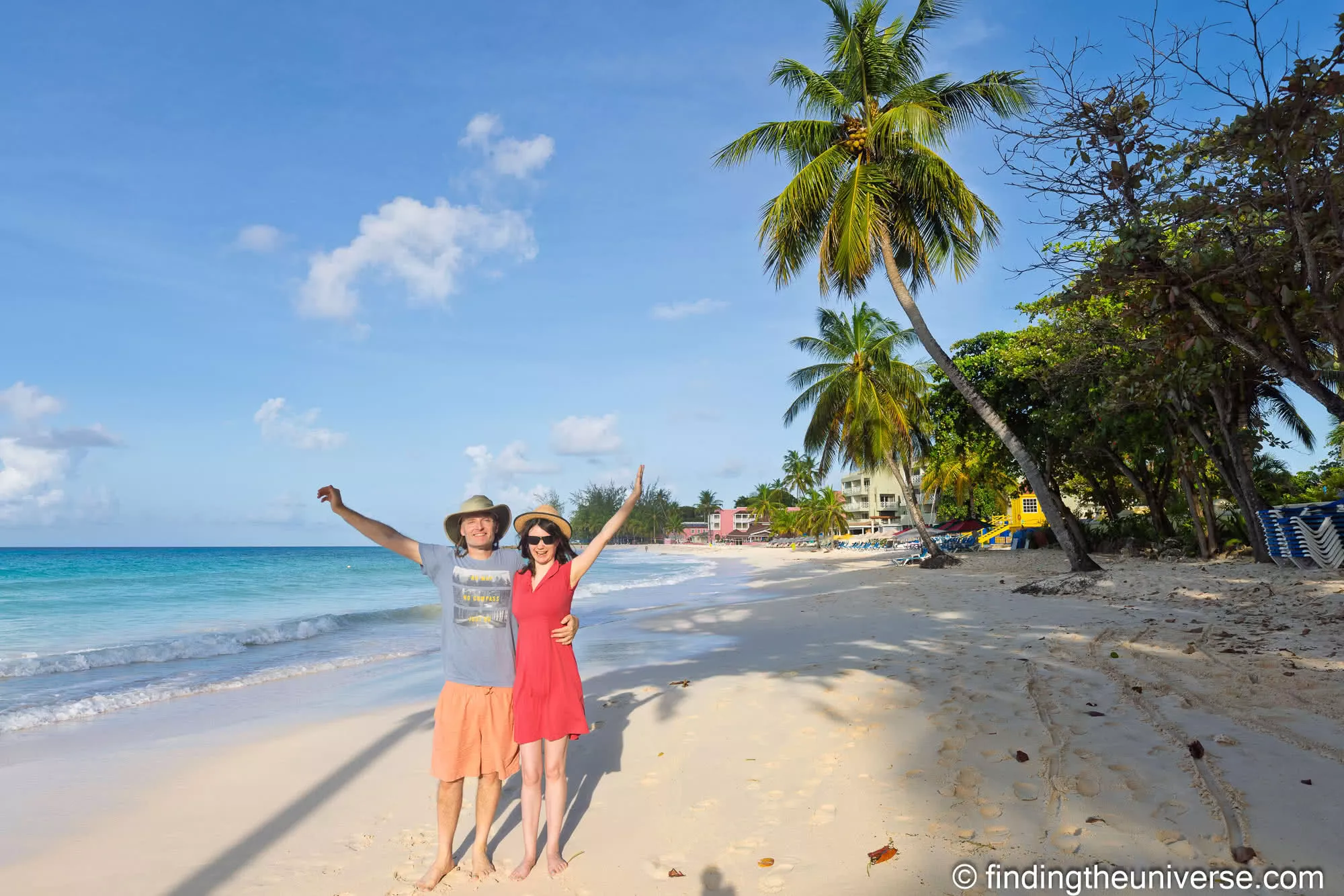
Jess and I spent two weeks driving around Barbados, and by the end of it we’d covered pretty much every corner of the island. We’d eaten our way through Bridgetown, watched racehorses swim at sunrise, got sunburnt on a catamaran (well, Jess did, but I’m getting to that), photographed the wild rock formations at Bathsheba, and drunk more rum punch than any reasonable person should admit to in writing.
Two weeks is a lot of time on a small island, and it gave us the chance to properly get to know the place. The quiet bits, the loud bits, the bits where the Atlantic tries to rearrange the coastline. But if we had to do it all again in just one week, this is the itinerary we’d follow.
A week is the sweet spot for Barbados. Five days is fine if that’s all you’ve got. Ten days is lovely if you can swing it. But seven is about right, and this guide is built around exactly that, with a mix of beach time, sightseeing, and the experiences that make Barbados feel like more than just another holiday with a tan line. We’ve also included advice on how to shorten it to five days or stretch it to ten, depending on your appetite for either efficiency or rum.
For more detailed information on things like visas, currency, health advice, and what to pack, see our full Barbados planning guide. And for more on the individual activities we recommend, our guide to things to do in Barbados covers everything in much more detail.
Table of Contents:
How This Itinerary Works
Our itinerary is based from a single location for the whole week. Barbados is a small island (you can drive from one end to the other in under two hours), so there’s no real need to move hotels mid-trip. We’ve designed each day so the driving makes sense and you’re not criss-crossing the island unnecessarily.
We’d recommend basing yourself on the south coast around St. Lawrence Gap. It’s the most practical base for this itinerary: close to Bridgetown and Oistins, with great beaches, loads of restaurants, and good value accommodation. If you’d prefer somewhere quieter and more upscale, the west coast around Holetown is a lovely alternative, though you’ll have slightly longer drives on the first few days.
We’d strongly recommend renting a car for at least the sightseeing days. Having your own wheels gives you the freedom to stop at that beach you spotted from the road, or to change your plans when the weather shifts (which it does, frequently, and without much warning). We rented from both Stoutes Car Rental and Sun Cars, and had a good experience with both. You can also compare prices across providers on Discover Cars.
The Friday rule. The single most important bit of timing in this whole itinerary: try to arrange your week so that one of your evenings falls on a Friday, and use that evening for the Oistins Fish Fry. Friday is when the village comes properly alive (other nights are quieter and more local), and missing it would be a bit like going to Paris and skipping the croissants. If your trip starts on a day that doesn’t line up neatly, just shuffle the day order accordingly. Day 2 in our plan is the Oistins day, but it could just as easily be Day 4 or Day 5.
Day 1: Arrive and Settle into the South Coast
Your first day is deliberately light. You’ve just arrived on a tropical island, possibly after a long flight, and the worst thing you can do is try to cram in sightseeing when your body is still working out what time zone it’s in and exactly why so much sweat is pouring out of you.
Pick up your rental car at the airport (Grantley Adams International is in the southeast corner of the island, roughly 20 minutes from the south coast), and drive to your accommodation. You’ll be driving on the left, which will either feel perfectly natural or properly terrifying depending on where you’re from.
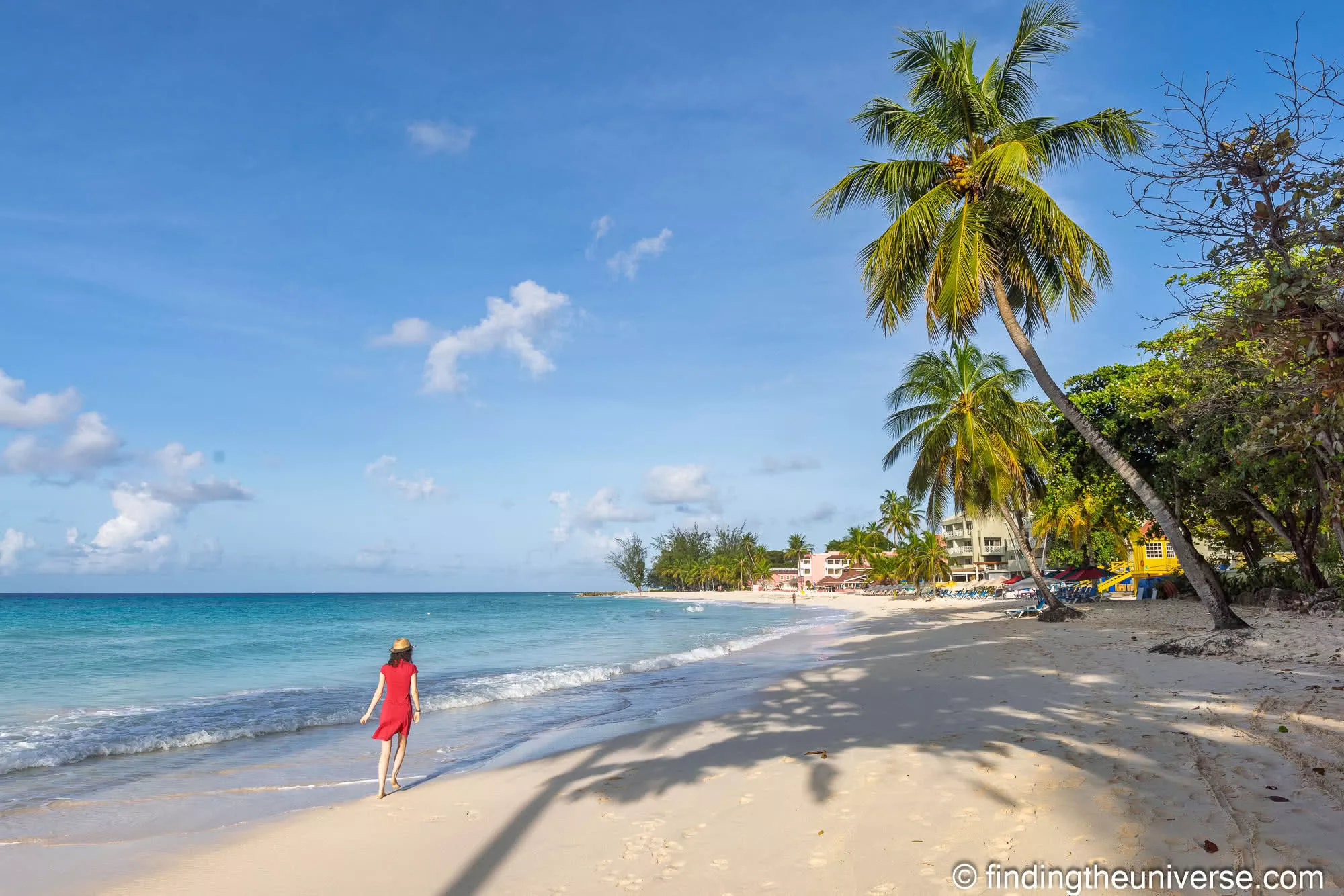
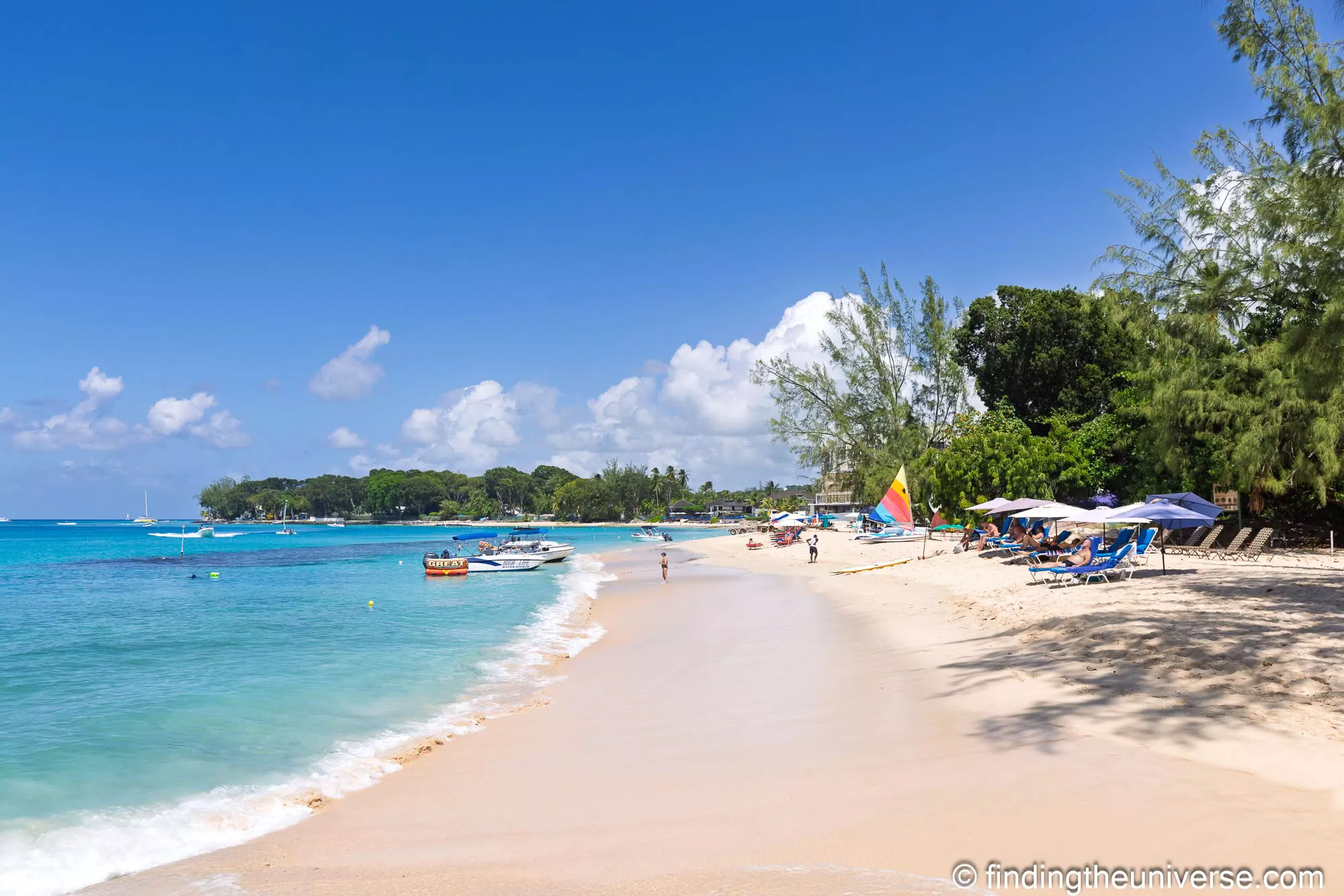
Once you’ve dropped your bags, head straight for Dover Beach. It’s one of the best beaches on the south coast: soft white sand, calm swimming, and it’s usually patrolled by lifeguards during the day. Sun loungers and umbrellas are available to rent if you want them, or you can just find a spot and claim it. We opted for claiming.
Spend the afternoon doing exactly what you came here to do: swimming, reading, and doing as little as humanly possible.
For dinner, wander along St. Lawrence Gap. There are plenty of restaurants here, from casual spots to slightly fancier options. If you want to try some Bajan food on your first night, Cocktail Kitchen in the Gap is a good shout. We didn’t actually eat here ourselves, but it’s well known for its Bajan cooking and gets consistently good reviews from people we’ve spoken to.
Photography note: The south coast faces south (the clue is in the name), but depending on the time of year you visit you should still be able to see the sun set into the water from the east end of Dover Beach. Otherwise, the west coast is the best bet for watching a sunset, which we’ll do later in this itinerary.
Day 2: Bridgetown, Mount Gay, and the Oistins Fish Fry
This is your culture and food day, and if you’ve timed it right, it ends with one of the best evenings you’ll have in Barbados. If Day 2 of your visit doesn’t fall on a Friday, rearrange this itinerary so it does.
Start the morning in Bridgetown. Historic Bridgetown and its Garrison are together a UNESCO World Heritage Site, and there’s more to it than you might expect from a Caribbean capital city. The Garrison Historic Area is well worth exploring on foot, and the Barbados Museum is the best place on the island to learn about its history, from the early inhabitants through colonisation, slavery, and independence. Most of the museum is not air-conditioned, so go early before the heat makes thinking difficult. We went mid-morning and regretted that decision within about ten minutes.
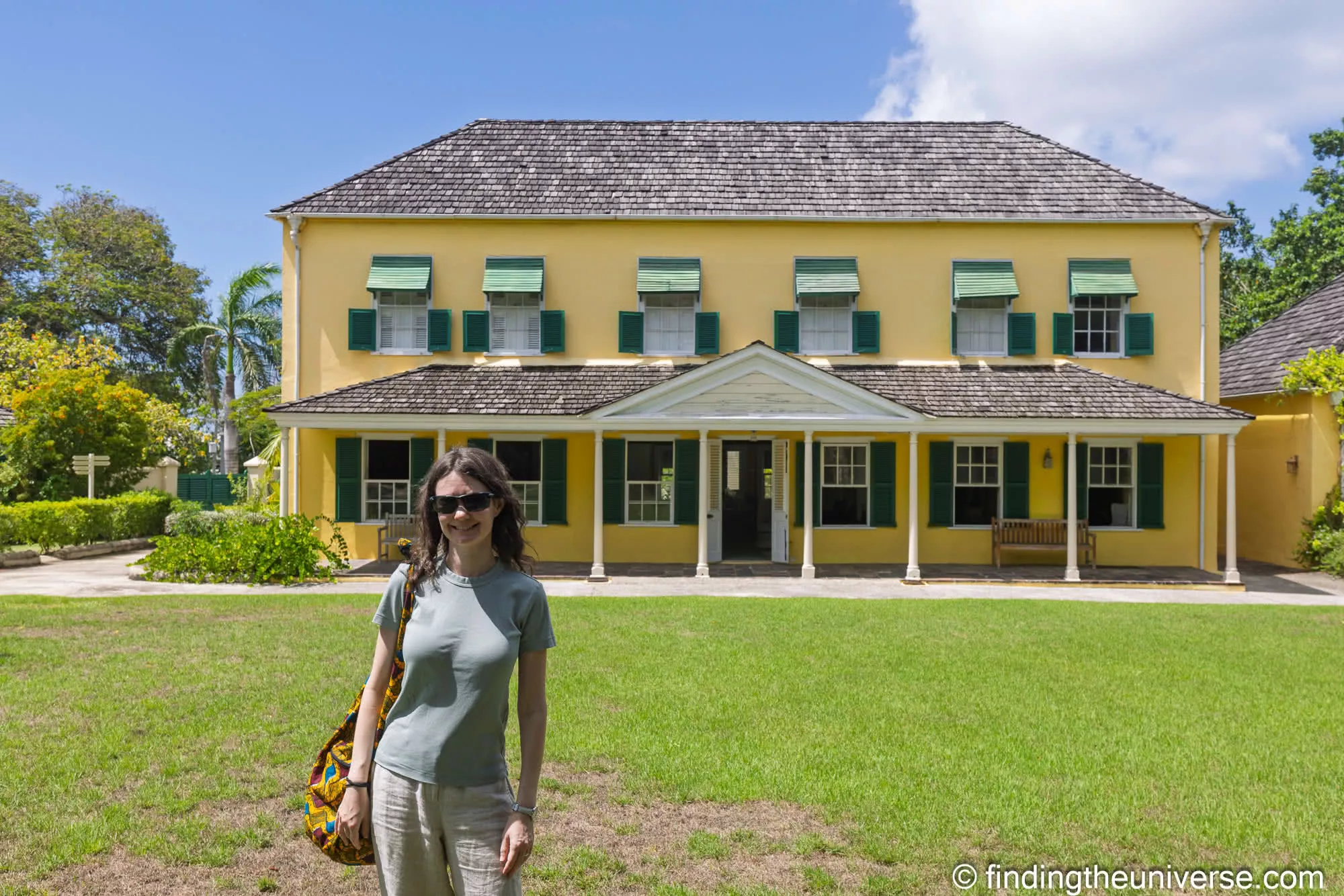
From there, wander through the historic streets around the Parliament Buildings and National Heroes Square. If you’re interested in the story of George Washington’s visit to Barbados (the only country outside the US he ever visited, which is a pub quiz fact worth filing away), the George Washington House is nearby and has some good exhibits, including tunnels beneath the grounds.
For lunch, we’d recommend Mustor’s Restaurant in Bridgetown. It’s a proper Bajan spot with local dishes at reasonable prices, and it was one of our favourite meals on the island. We had the flying fish and cou-cou (the national dish, and worth trying at least once) and it was excellent. The kind of place where you walk in and immediately know the food is going to be good.
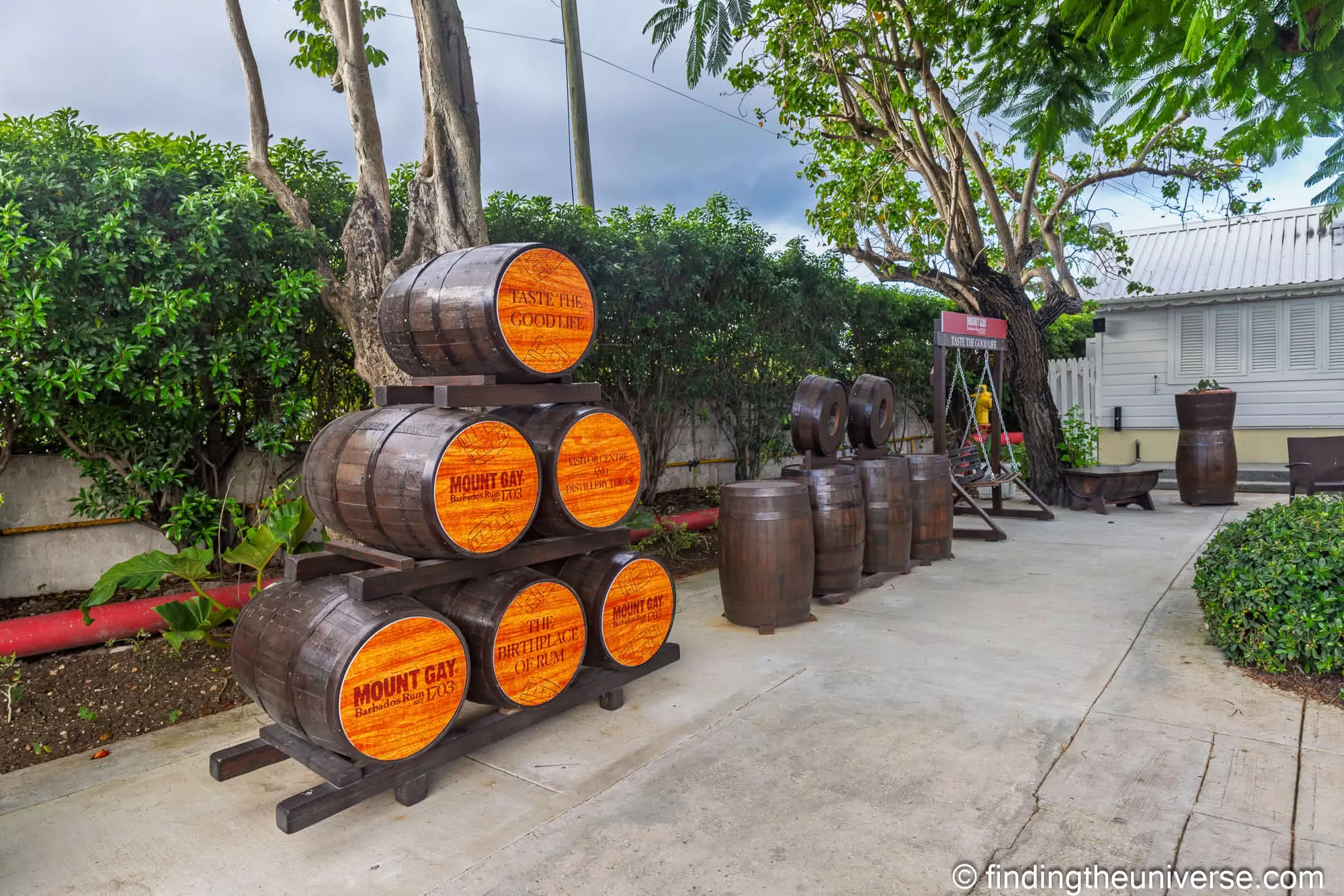
After lunch, make the short drive to the Mount Gay Rum Visitor Centre, which is essentially next door in Bridgetown’s Spring Garden area. This is our recommendation for most visitors who want a rum experience without the longer drive to the actual distillery in the north. You’ll learn about the history of rum production in Barbados (Mount Gay has been going since at least 1703, which is a frankly alarming amount of rum), watch an informative video, and of course there’s a tasting. Various tour packages are available.
From Mount Gay, it’s a five-minute drive back to Pebbles Beach in Carlisle Bay for a quick swim to burn off the rum. Pebbles is a good spot for calm water and you’ll get a different angle on the capital from the sand. Stay long enough to dry off, then head back to your accommodation for a rest before dinner.
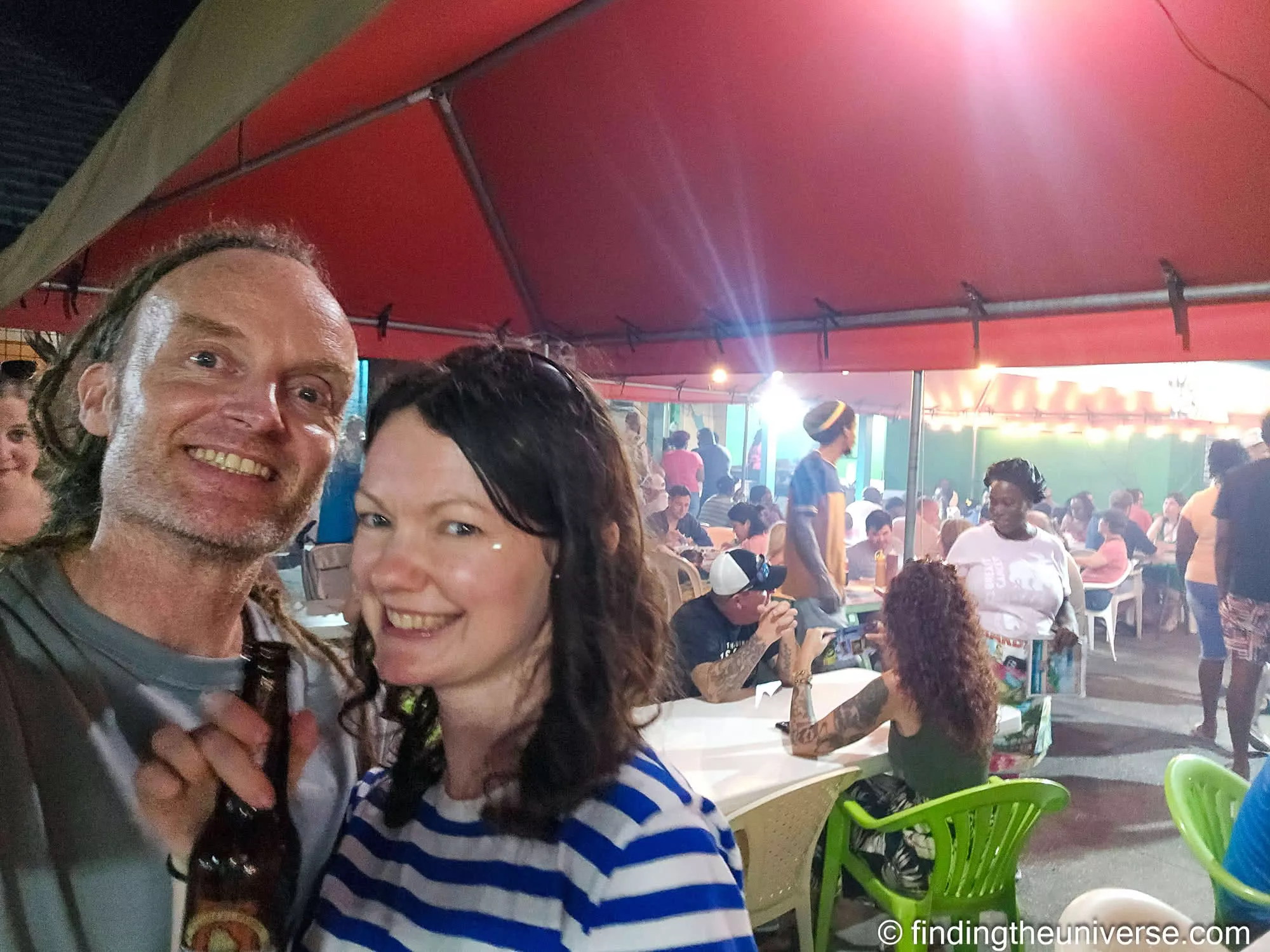
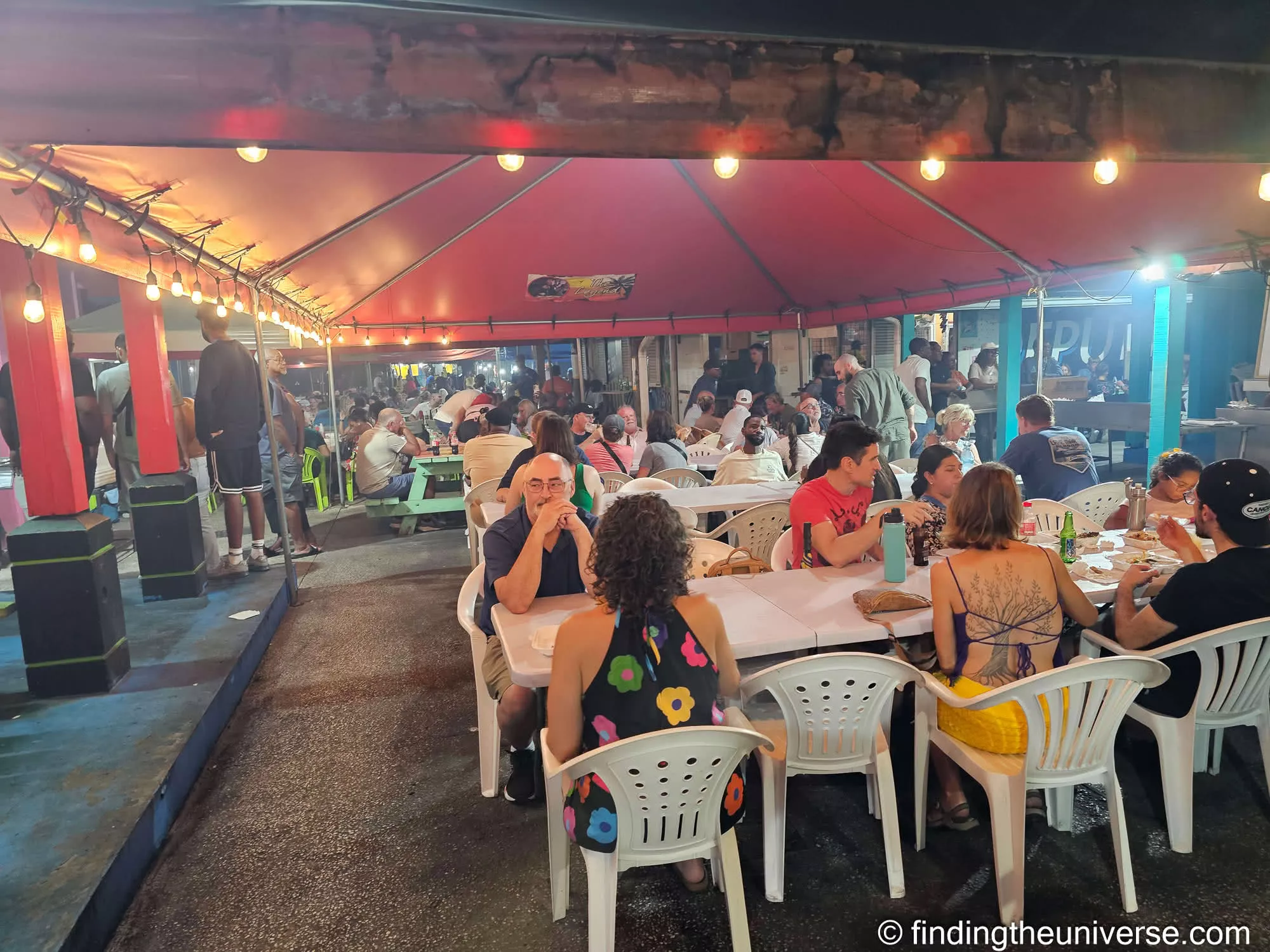
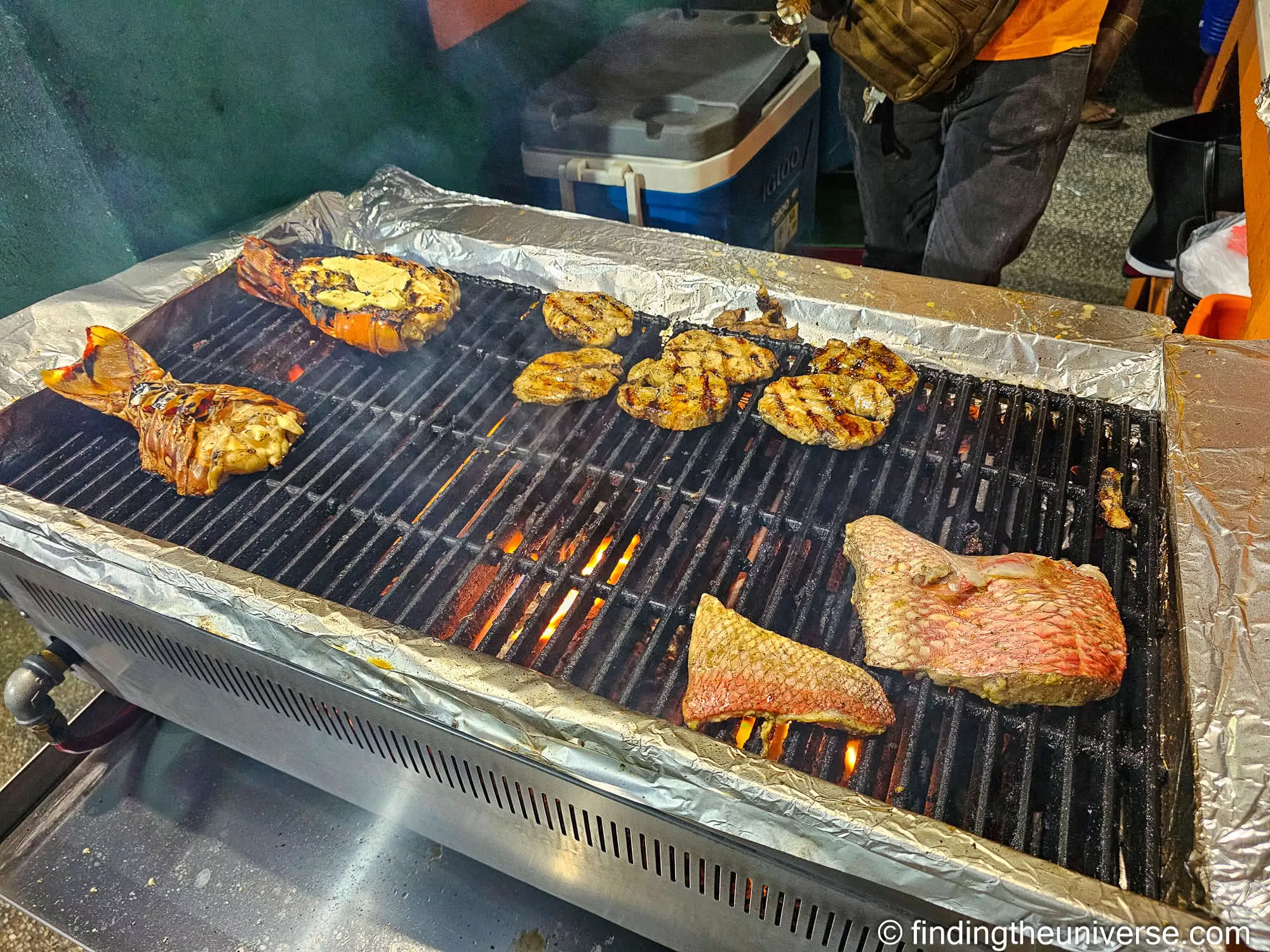
Friday evening: the Oistins Fish Fry. Right then. This is the big one. Every Friday night, the small fishing village of Oistins transforms into the liveliest place on the island. Food stalls serve up freshly grilled flying fish, mahi mahi, tuna, and more, the rum punch flows freely, and live music keeps things going well into the night. It’s chaotic and brilliant.
Get there around 5:30pm to 6pm to beat the worst of the crowds and get a table. Most stalls are cash only, so bring plenty of BBD. Budget around BBD $50 per person for a plate of food and a drink or two, though prices have crept up in recent years so bring more if you want a second rum punch or three. Wander around and check out several stalls before committing, as prices and portions vary quite a bit. The stalls further from the main stage tend to be better value, which is true of pretty much every food event I’ve ever been to.
If your trip doesn’t include a Friday, Saturday is the next best option, though it’s a quieter, more local affair. You can still eat at Oistins any day of the week, but Friday is the full experience. We go into much more detail on the Oistins Fish Fry, including food options and prices, in our guide to things to do in Barbados.
Day 3: Catamaran Cruise
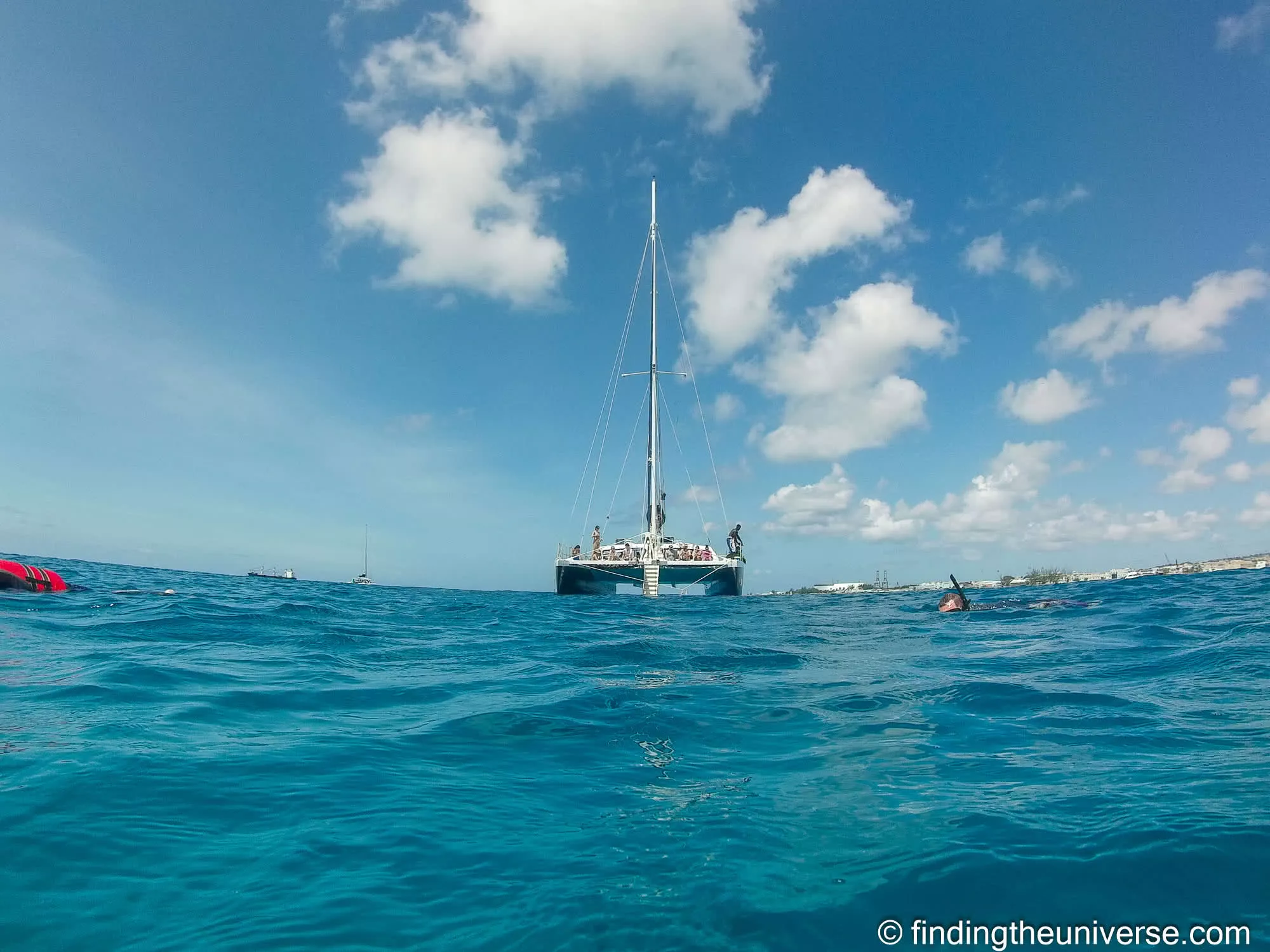
This is the day most visitors to Barbados remember the longest. A catamaran cruise along the west coast, with stops to snorkel around shipwrecks and swim with sea turtles, is one of the best things you can do on the island. It’s also the day Jess became a cautionary tale about sunscreen, but we’ll get to that.
We’ve taken two boat trips in Barbados: one on a larger catamaran (around 30 people) and one on a smaller catamaran (just 9 of us). Both were brilliant, but we preferred the smaller boat. It was more intimate, we got to chat with everyone on board, and the snorkelling felt less rushed. The larger boat was more of a party atmosphere, with louder music and more people jumping off the sides, so if that’s your thing, go for the bigger option. No judgement. (Some judgement.)
Most cruises depart from Bridgetown in the morning, last around five hours, and include a buffet lunch and unlimited drinks. You’ll visit two or three snorkelling spots, and we saw turtles on both of our trips. The snorkelling around the shipwrecks was a highlight for me, partly because shipwrecks are inherently cool and partly because I find swimming with turtles strangely emotional, which is not something I expected to write in a travel guide.
Now, about sun protection. Please take this seriously. Jess put on sunscreen and covered up, but she has very fair skin and the sun out on the water was more intense than either of us expected, especially with the reflection. She still got sunburnt, and it put a dampener on the next few days. Wear a high SPF, reapply it frequently, and seriously consider a UV rashguard for the water. We both have a rashguard like this as well as this lower cost option, and they’re now non-negotiable on boat days. Learn from our mistake rather than making your own.
You’ll be picked up from and dropped off at your hotel. After a morning on the water (usually with unlimited drinks, which does exactly what you’d expect to your afternoon plans), the rest of the day is best spent doing very little. Find your favourite beach and recover.
We go into much more detail on our catamaran experiences, including comparisons between large and small boats, in our guide to things to do in Barbados.
Day 4: The Wild East Coast
Today is a complete change of pace, and this part of the island was our favourite of the whole trip. The east coast of Barbados is nothing like the calm, turquoise waters of the south and west. This is the Atlantic side, with crashing waves, dramatic rock formations, and the kind of raw, wild beauty that makes you stand there for a while with your mouth slightly open.
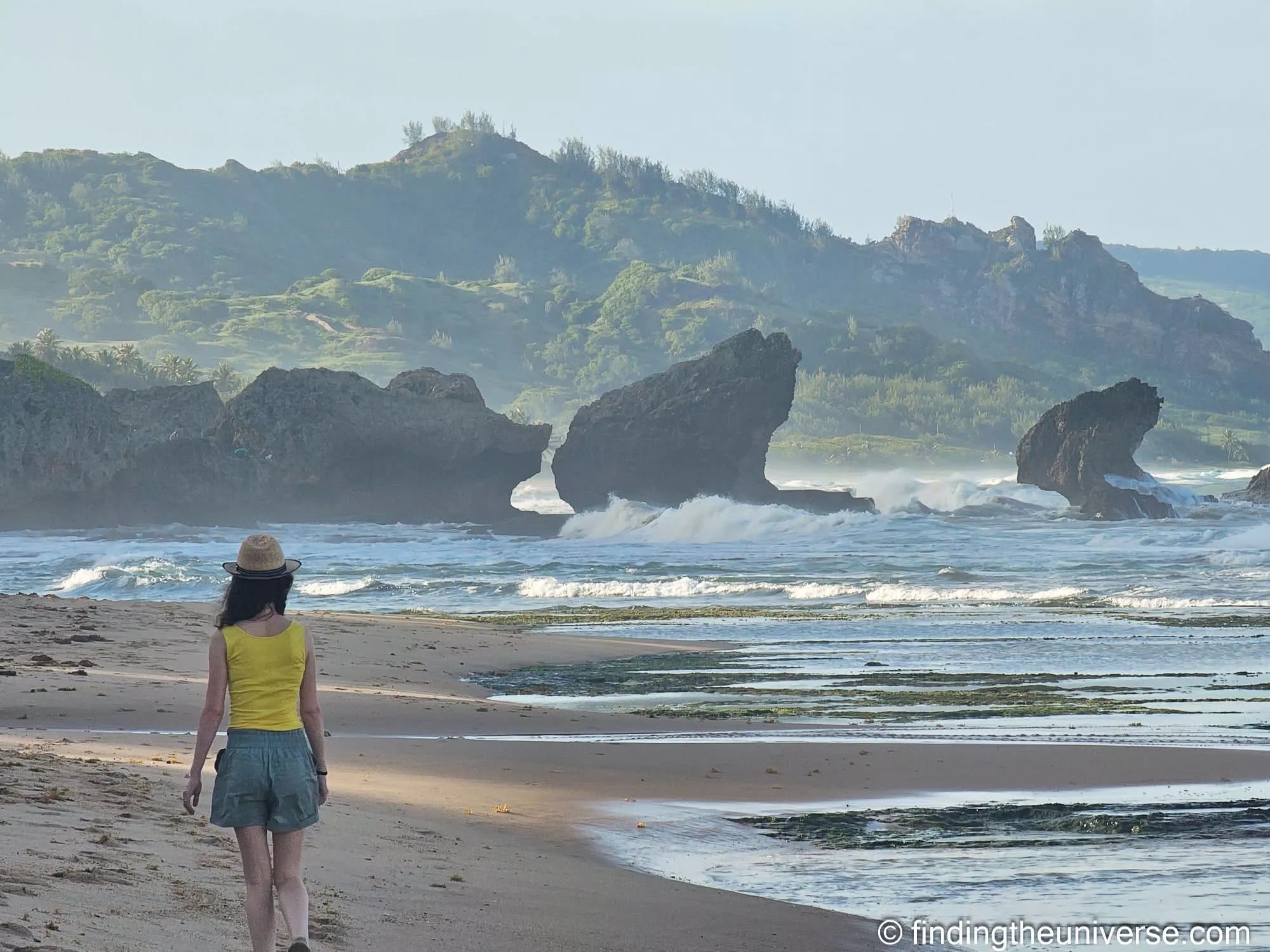
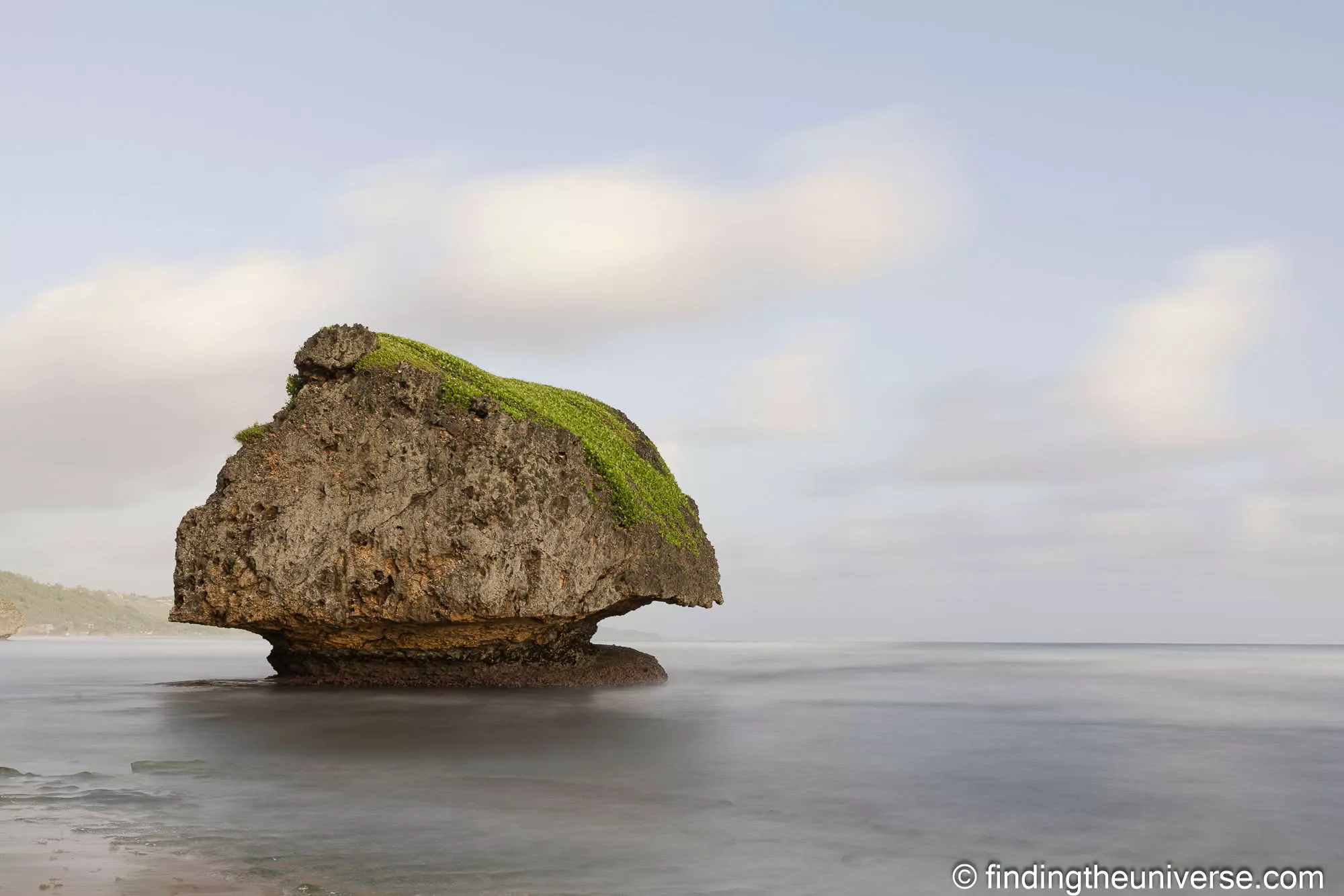
Drive across to Bathsheba, which takes around 40 minutes from the south coast. The rock formations here are something else (so are the roads to get here). Huge boulders shaped by centuries of Atlantic surf, scattered along the beach like they’ve been dropped there by a giant who lost interest. The beach is spectacular to walk along (though not safe for swimming), and this is also one of the best surf spots in Barbados. Watching the surfers tackle the waves at the Soup Bowl is good entertainment, especially for those of us whose own surfing ability extends to standing up briefly before falling over.
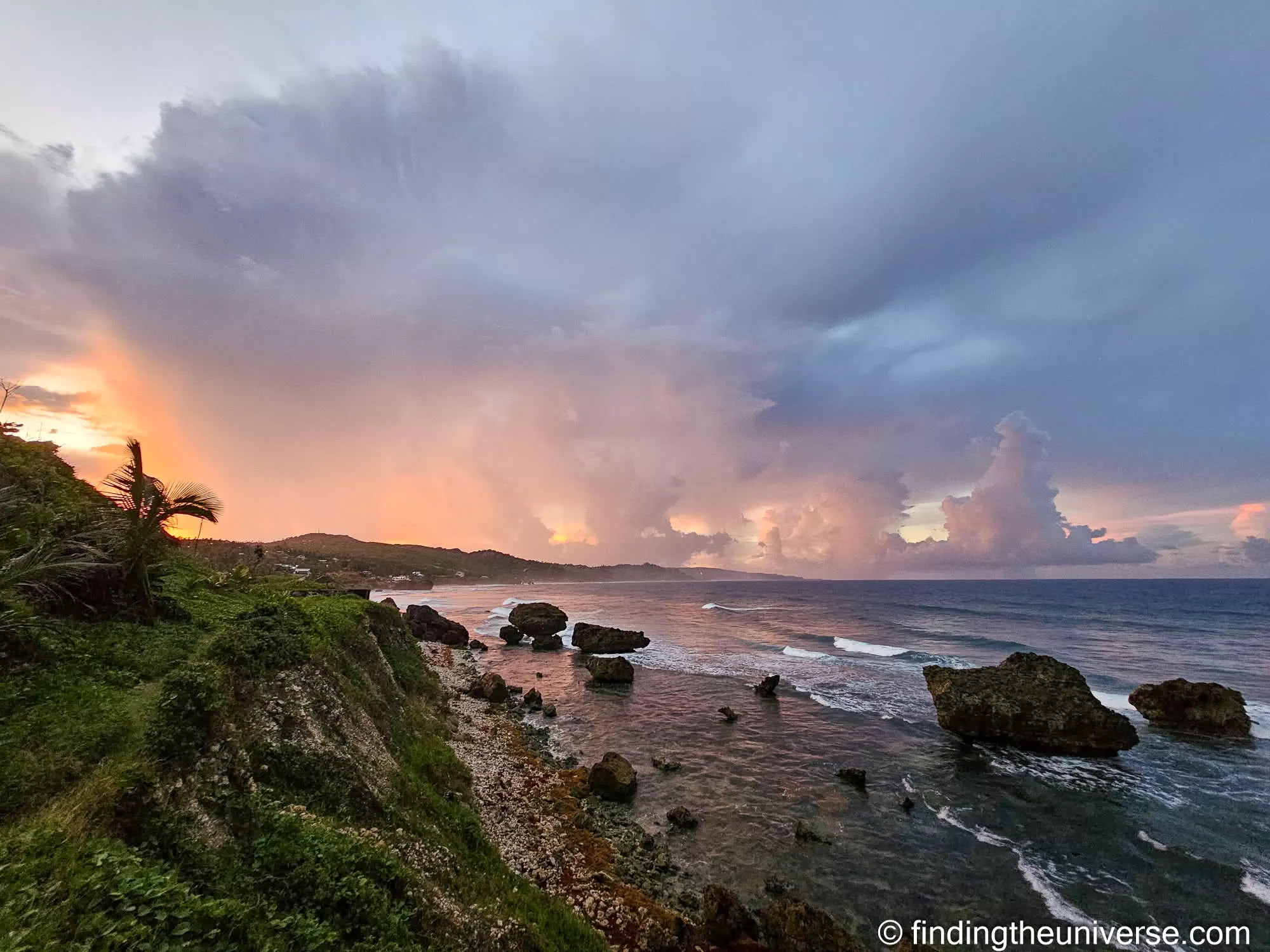
Photography note for Bathsheba. If you’re into photography, this is the standout location of the whole trip, and it’s worth working the day around the light. I shot here at both sunrise and sunset during our two weeks, and the rocks come alive in low-angle light in a way they just don’t at midday. The early-morning light is particularly lovely (and the beach is empty, which never hurts), so if you can drag yourself out of bed for a 6am start and a pre-breakfast drive, you’ll thank me. Late afternoon is the easier option and almost as good. I may have spent slightly too long here with my camera. Jess was patient about it. For a while.
For lunch, the Atlantis Historic Inn has an excellent restaurant right on the coast, and we can vouch for the food. Every meal we had there was good, and the setting is hard to beat. The Sunday Bajan buffet is meant to be the standout (we left on a Sunday and didn’t make it, which I’m still annoyed about), so try to time your visit around that if you can. Round House nearby is another well-regarded option.
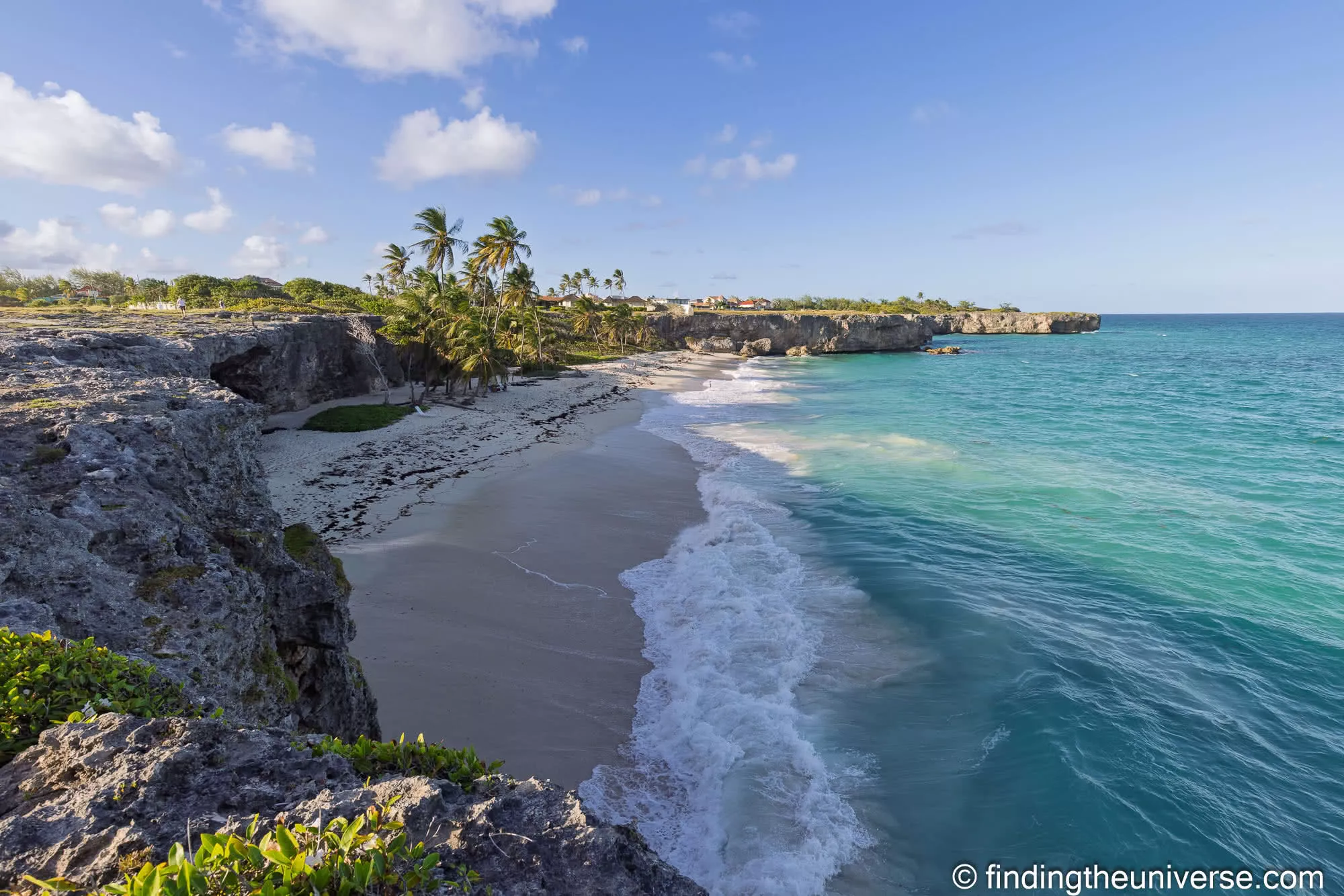
On your way back to the south coast, stop at either Bottom Bay or Crane Beach. Bottom Bay is enclosed by coral cliffs with coconut palms overhead, and it’s one of the most photogenic beaches on the island. Crane Beach, below the historic Crane Resort, is popular for boogie boarding. Both are worth a stop, but pick one rather than trying to squeeze in both. You’ll thank me when you’re not rushing.
If Harrison’s Cave is on your list, it’s roughly on the route between the east coast and the south coast. We visited the visitor centre but didn’t do the cave tour ourselves (a decision I slightly regret in hindsight). It’s well reviewed and popular, especially with families, so if it interests you this is the logical day to fit it in. You can book tickets in advance as slots do fill up.
Day 5: The West Coast and Sunset
After a few days on the south coast, today you head west for a change of scenery. The west coast is the calm, Caribbean-facing side of the island, with sheltered beaches and the kind of sunsets that make you reach for your camera and then put it down again because some things are better just watched.
Of course, I didn’t put my camera down. I took about 400 photos. This probably surprises nobody.
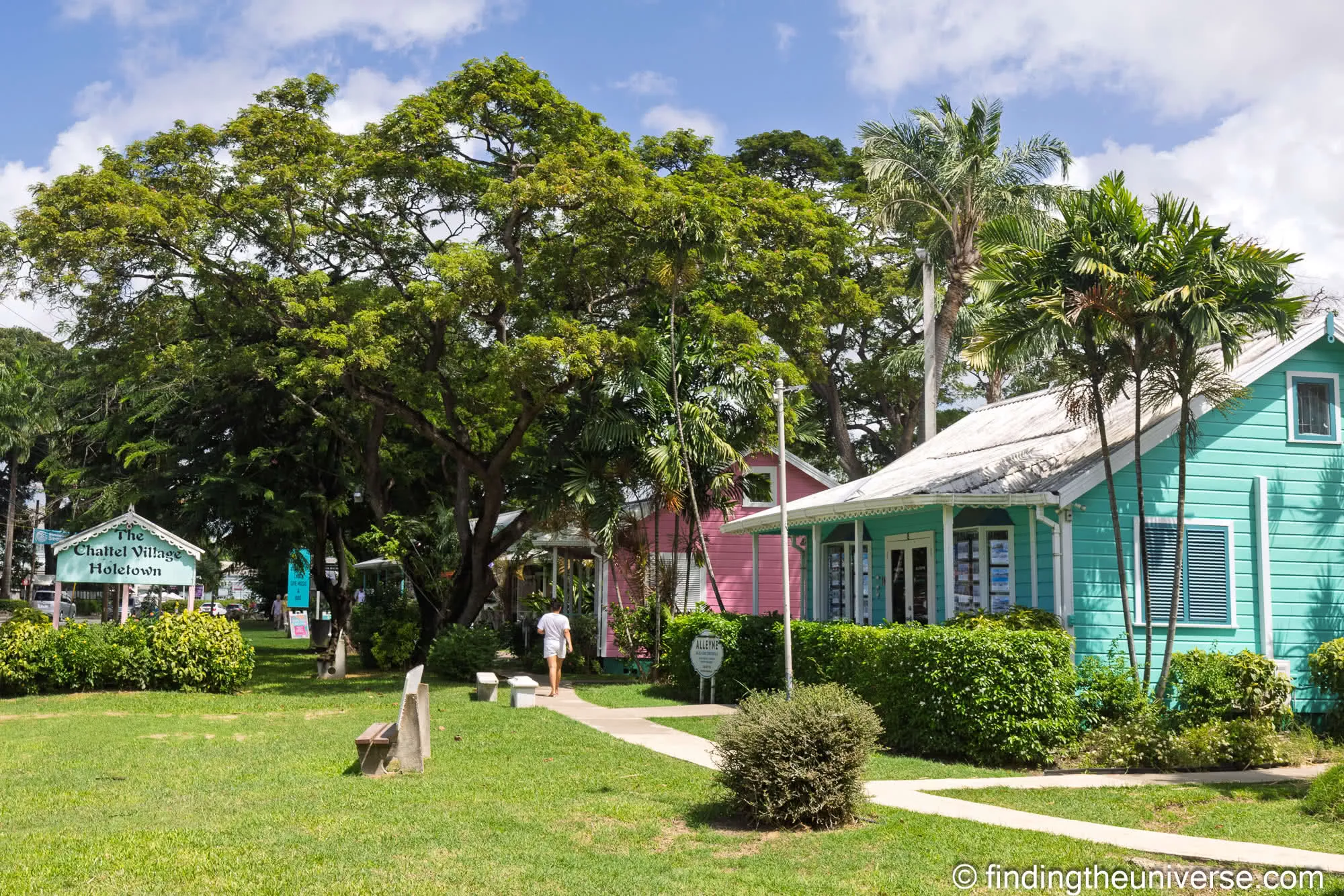
Drive up the west coast to Holetown, which takes around 30 minutes from the south coast. It’s a pleasant little town with some decent shops (the Chattel Village and Limegrove are both worth a look) and several good restaurants. If you’re craving something beyond Bajan food, La Baguette in Holetown does excellent pastries and proper coffee. I default to a pain au raisin but the whole counter is good. Have brunch or an early lunch here and take your time wandering around.
After lunch, find a west coast beach for the afternoon. Paynes Bay and Mullins Beach are both excellent options with calm, clear water. The water on this side of the island feels different to the south coast: warmer, calmer, and so clear that you can see your feet from chest depth. It’s a bit ridiculous.
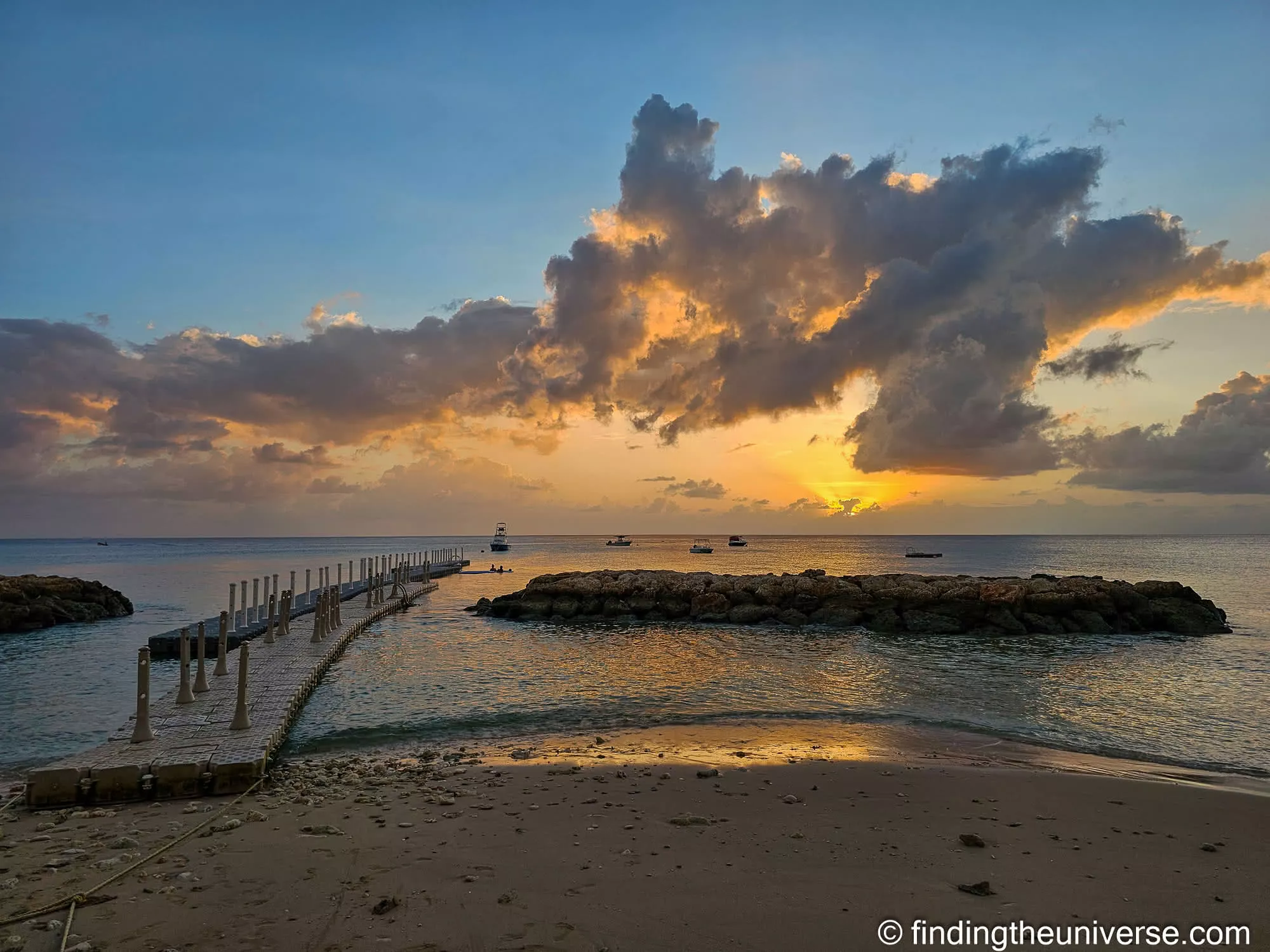
Stay for the sunset. This is the side of the island where the sun drops into the sea, and it’s worth planning your afternoon around it. A quick note on timing: in November and December sunset is around 5:35pm. In October (when we were there) it’s closer to 5:50pm, by March it’s pushed back to around 6:10pm, and in June it’s out around 6:25pm. Plan accordingly. Grab a drink, find a spot on the sand, and watch the sky turn orange. The drive back to the south coast takes around 30 to 40 minutes, so you’ll be back in time for a late dinner.
If you’d rather combine sunset with dinner on the west coast, The Fish Pot at Little Good Harbour past Speightstown is excellent. We watched the sunset over dinner here and it was one of our best meals on the island. The fish is the obvious order. The kind of meal where you keep saying “this is really good” between mouthfuls, which is very annoying for your dining companion but impossible to stop doing. Just be aware it’s a bit further north, so the drive back is closer to 50 minutes, and the roads aren’t well lit at night. Take it slow.
Day 6: The North: Abbey, Windmill, Cave, and Wildlife
This is a full sightseeing day, and the one where you’ll see the most of the island’s interior and northern tip. The drive from the south coast to St. Nicholas Abbey takes around 50 minutes, but once you’re up there the stops are all clustered together, so it doesn’t feel like you’re spending the day in the car.
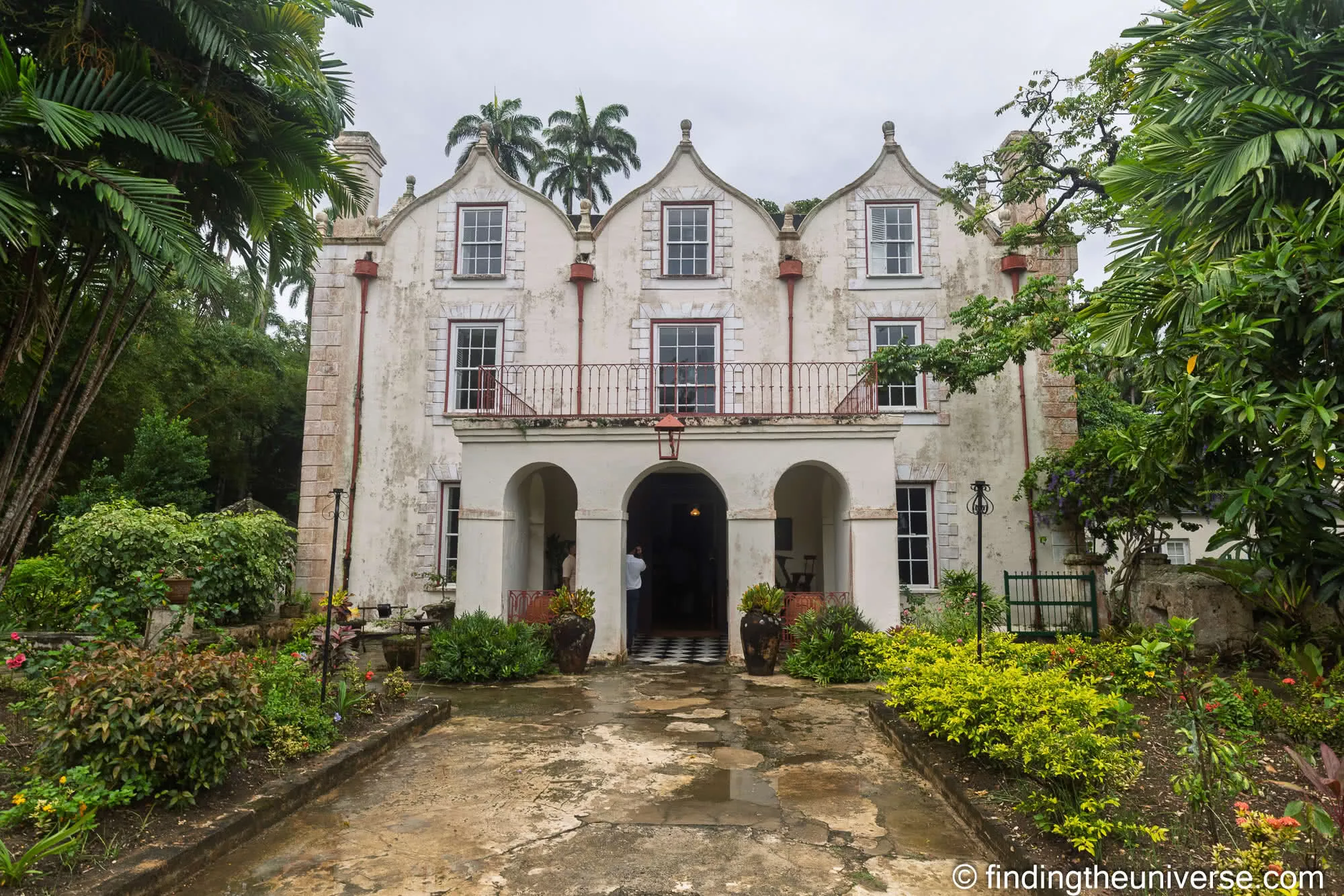
Start with St. Nicholas Abbey, one of three surviving Jacobean mansions in the western hemisphere (which sounds more exclusive than it is until you realise how few Jacobean mansions anyone built anywhere). The grounds are lovely, there’s a short rum distillery tour with tasting included, and you can take a ride on the restored heritage steam railway to a viewpoint (or walk up in about five minutes, which is what we did, because we are cheap and also it was right there).
A heads-up on this one. St. Nicholas Abbey is popular and well-reviewed, but it’s pricey for what you get. And there’s minimal information about the enslaved workers whose labour built the wealth of the place, which feels like a significant gap. The house itself is beautiful and the rum is good, but go in with appropriate expectations.
Right nearby is the Cherry Tree Hill viewpoint, which gives you a gorgeous panoramic view across the Scotland District and down to the east coast. It’s a two-minute drive (or a five-minute walk from the entrance to the abbey, which is how we did it) and well worth the stop. It’s worth the two-minute detour, and a lot of people stop and stare for longer than they expected.
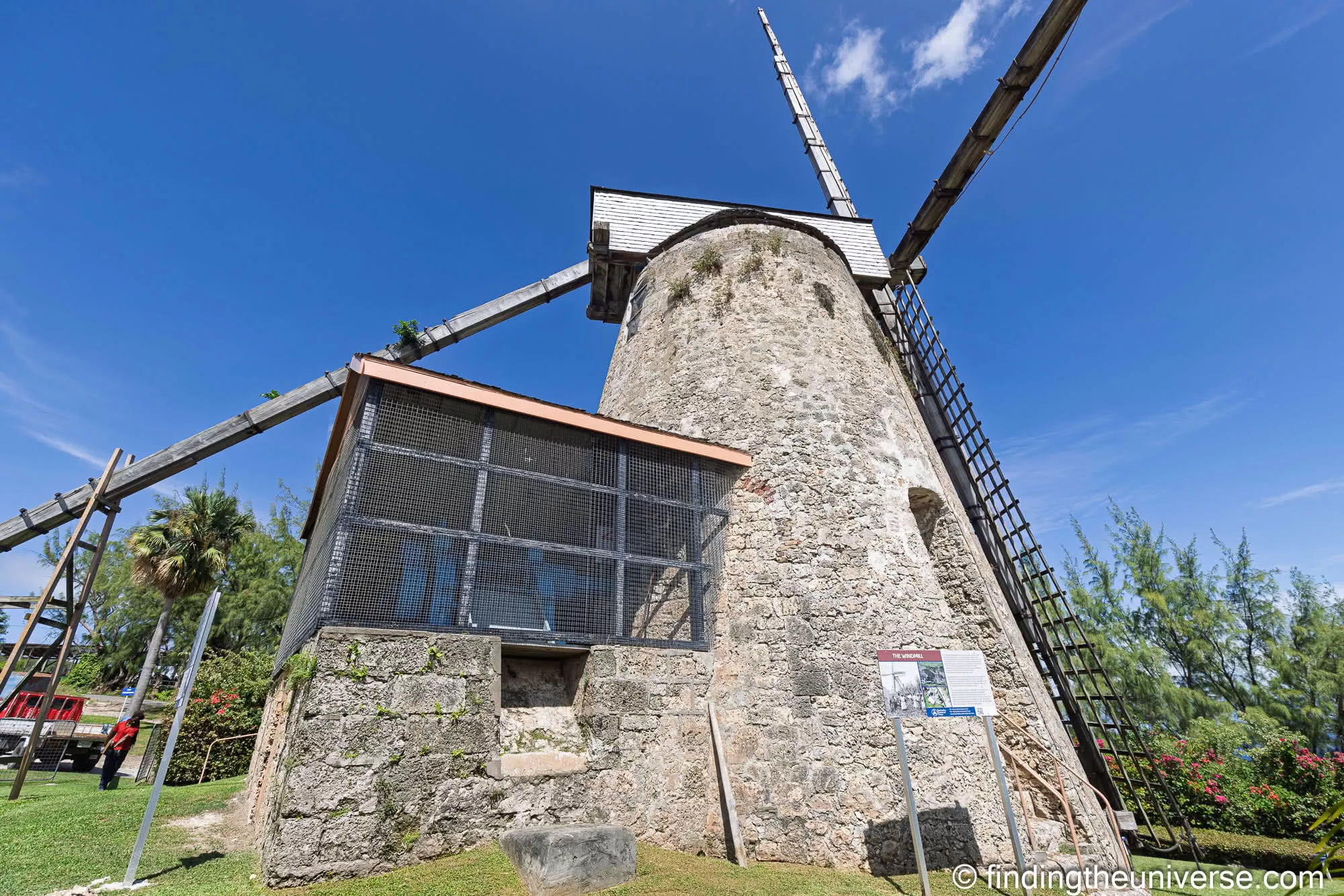
Next, head to the Morgan Lewis Windmill, which was a real highlight of our trip. This is the largest complete windmill surviving in the Caribbean, and it’s massive. We took the guided tour, which was worth the small fee. The windmill was essential for crushing juice from sugar cane, and at one point Barbados had over 500 of them.
The on-site cafe is also very good, and this is where I first tried Mauby, a local drink made from tree bark. I thought it was delicious. Jess was less convinced and stuck to a rum punch, which to be fair is the safer bet when someone offers you a drink described as “made from tree bark.”
From the windmill, drive to the northern tip of the island for the Animal Flower Cave. This sea cave gets its name from the sea anemones that early explorers found inside. The cave itself is weather and tide dependent, so you may or may not be able to go in. When we visited, the weather was bad and it was closed, which was disappointing but also meant we could spend more time at the restaurant above it, which is perched right on the cliff edge with dramatic views of the Atlantic crashing against the rocks below. There are worse places to have lunch. There are very few better ones, in fact. We had the breadfruit tacos, which are a bit of a speciality and well worth ordering.
If you have time and energy, the Barbados Wildlife Reserve and Grenade Hall Forest are nearby. The reserve is a good place to see green monkeys up close, and your ticket gets you into the forest and signal station as well. Worth knowing last entry is 4pm and the reserve closes at 5pm, so if you’re running behind by this point, drop it without guilt and aim for it on a future trip.
On the drive back, you can take the east coast road through Bathsheba if you didn’t get enough of it on Day 4 (I hadn’t, but Jess politely suggested we’d seen enough rocks for one holiday), or head straight down through the centre of the island. Either way, you’ll be back on the south coast within an hour.
Day 7: Final Beach Day and Departure
Your last day. Depending on your flight time, you may have a full day or just a morning.
If you have time, spend it on the beach. You’ve earned it. Go back to whichever beach was your favourite this week, or try one you haven’t visited yet. There’s no wrong answer here, except possibly “skip the beach and go to the airport early,” which is the wrong answer.
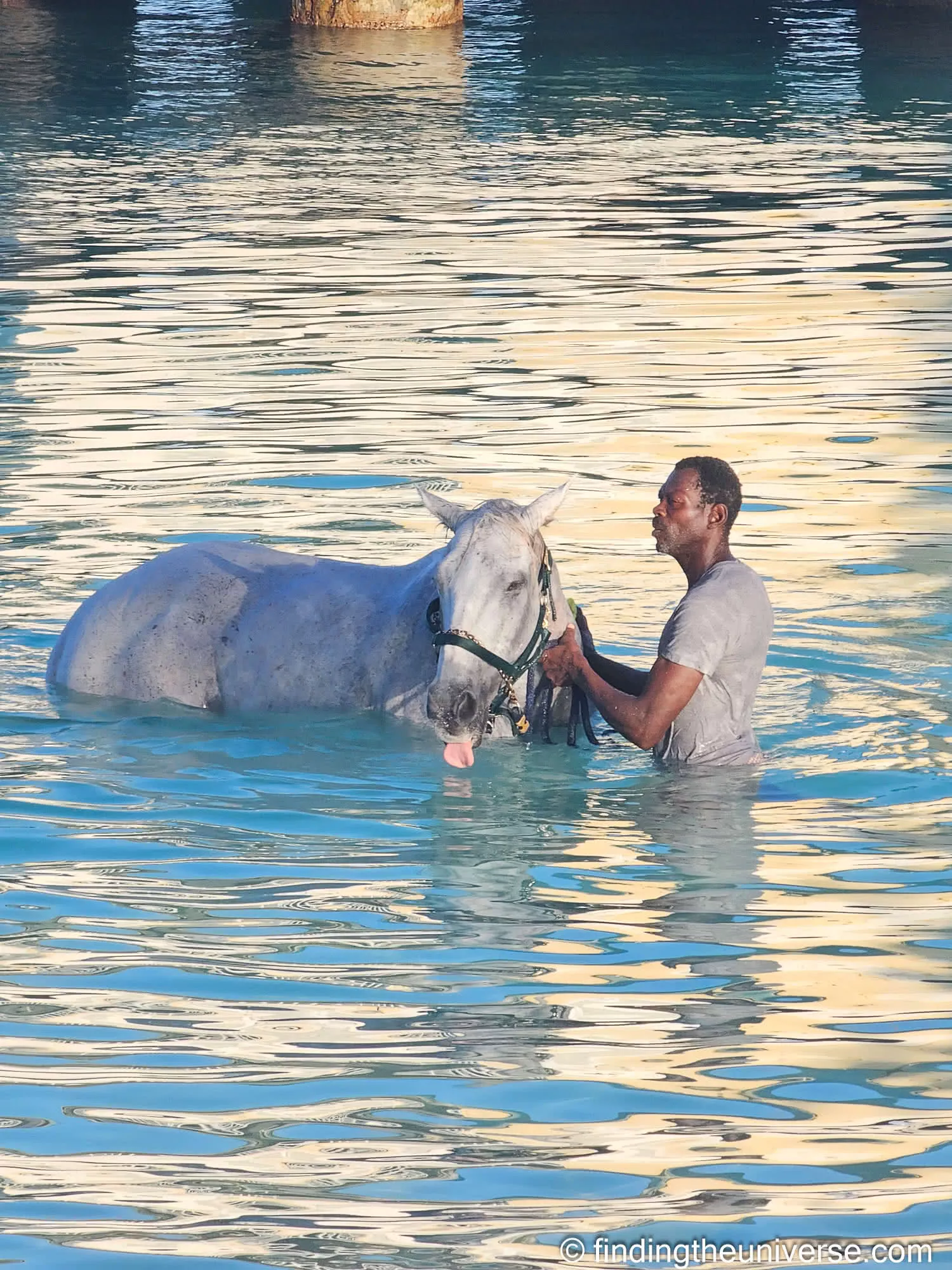
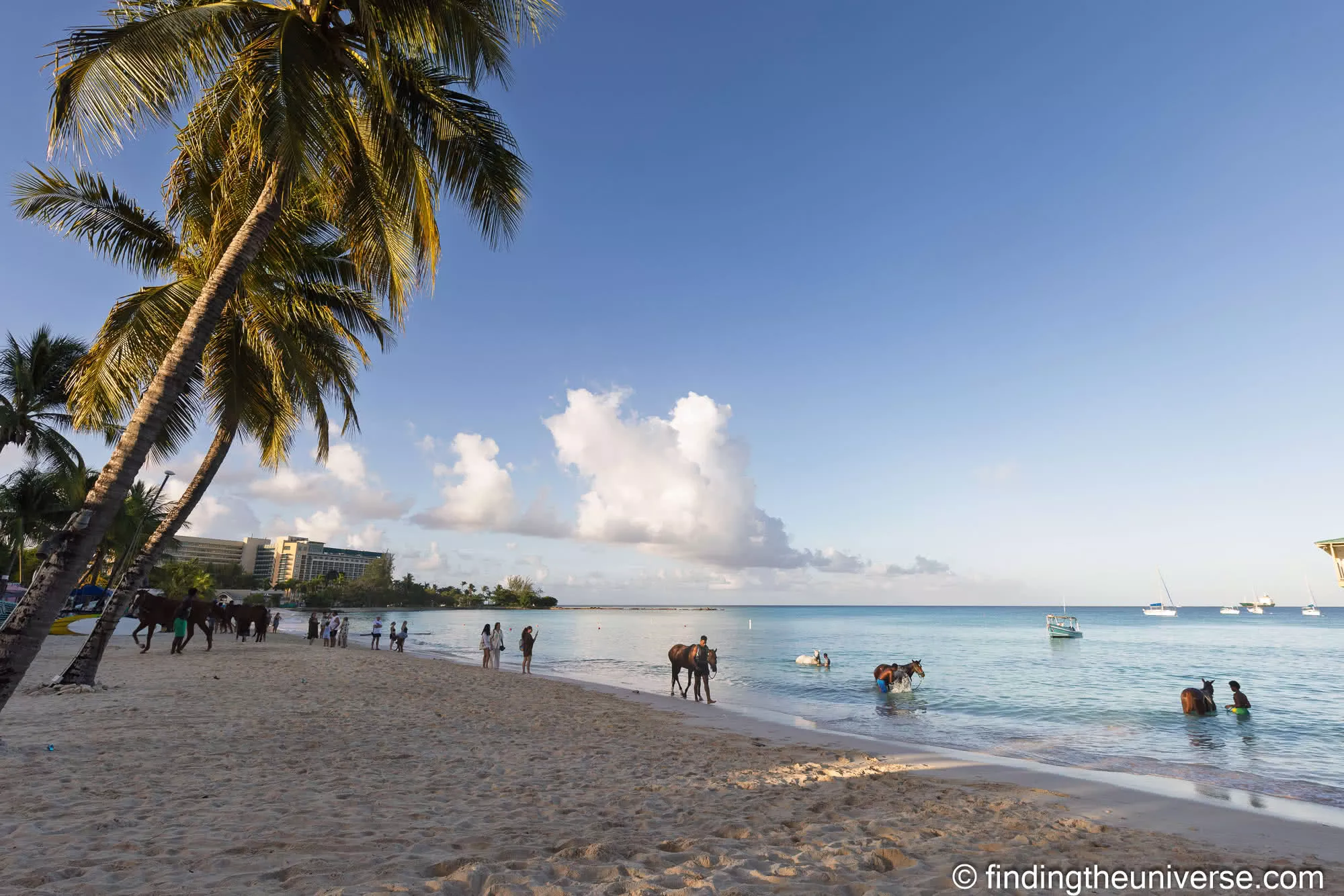
If you’re feeling ambitious (and by “ambitious” I mean “willing to set an alarm that starts with a 5”), an early morning trip to Pebbles Beach to see the racehorses swimming is a memorable way to end the trip. You’ll recognise the beach from Day 2, but the atmosphere before dawn is completely different.
The horses come down from the Garrison Savannah racetrack every morning between around 5:30am and 7am for their daily swim and exercise in the bay. It’s free to watch, parking is free, and there’s a pop-up coffee stand serving drinks. I really enjoyed chatting with one of the trainers and watching the horses wade into the surf. It’s a uniquely Barbadian thing to see, and one most visitors miss entirely because (understandably) they’d rather sleep.
Return your rental car and head to the airport. You’ll probably wish you had longer. That’s how it should be.
Adapting This Itinerary
Five Days in Barbados
With five days, keep the same south coast base and prioritise the highlights. Here’s how we’d restructure it:
- Day 1: Arrive, beach, dinner at St. Lawrence Gap
- Day 2: Bridgetown, Mount Gay, and the Oistins Fish Fry (aim for Friday)
- Day 3: Catamaran cruise
- Day 4: Full island loop: east coast (Bathsheba), north coast (Animal Flower Cave or St. Nicholas Abbey), and back via the west coast with a sunset stop at Paynes Bay or Mullins Beach
- Day 5: Beach morning, departure
The Friday anchor matters more on a five-day trip, not less. If your arrival day doesn’t line up, consider pushing the island loop earlier and moving Oistins to whichever evening is Friday. You’ll miss some of the stops from the full week, but you’ll still hit the highlights. The island loop day is long but manageable since distances are short. Pack snacks.
Ten Days or More in Barbados
With ten days, you have the luxury of slowing down. Slow is where Barbados is at its best.
We’d suggest spending seven or eight nights at your main base, following the itinerary above with a couple of extra beach days mixed in wherever you feel like it. Then, if you fancy a complete change of pace for the last two or three nights, move to the Atlantis Historic Inn at Bathsheba on the east coast.
The Atlantis was our favourite place we stayed in Barbados. The hotel has been there since the 19th century, when the railway brought visitors to the door. Rooms have coastal views, there’s a pool, and the restaurant serves excellent food. It’s about a 10-minute walk to Bathsheba, and the pace of life out there is completely different to the south coast. Quieter. Slower. The kind of place where you can hear the waves from your bed.
Just stock up on groceries before you arrive, as it’s fairly remote. Be aware the roads out there are a bit rough, too. “Character-building” is one way to describe them.
If moving hotels doesn’t appeal, that’s fine. Use the extra days for things we had to skip from the seven-day version: a rum distillery tour at the actual Mount Gay distillery in the north (a two-hour experience that goes deeper than the visitor centre), Hunte’s Garden or the Flower Forest for tropical garden lovers, Welchman Hall Gully (a collapsed cave system with walking trails and monkeys, which is exactly as good as it sounds), a surf lesson on the south coast, or simply more time on the beach without feeling like you’re missing something.
Two weeks is what we had, and by the end of it we felt like we’d properly got to know the island. The repeat beach days start to feel less like wasted time and more like the actual point of the holiday. Which, of course, they are.
Beaches by Coast: A Quick Reference
The day-by-day plan above takes you to a beach on most days, but if you’ve already chosen your hotel and just want to know which beach to head to next, here’s the quick version, organised by coast.
South coast (where we recommend staying). Dover Beach is the headline option: soft sand, calm swimming, sun loungers for hire, and an easy walk from most St. Lawrence Gap accommodation. Pebbles Beach in Carlisle Bay is the calm, family-friendly option closer to Bridgetown, and the place to come at sunrise to see the racehorses swim. Accra Beach is also worth a look if you want a slightly livelier south coast spot.
West coast (calm and luxurious). Paynes Bay and Mullins Beach are both excellent: clear water, calm swimming, and the best sunsets on the island. The west coast is the platinum coast in the property listings, and the beaches reflect that. They’re also where you’re most likely to spot a celebrity, if that’s a thing you care about. We did not.
East coast (wild, no swimming). Bathsheba is the headline: dramatic rocks, surfing at the Soup Bowl, and the best photography on the island. Beautiful to walk along, not safe to swim in. Treat the east coast as scenery, not as beach time, and you won’t be disappointed. The current is strong and the seabed is unpredictable.
South-east coast (in between). Bottom Bay is enclosed by coral cliffs with palm trees overhead, and it’s one of the most photogenic beaches on the island. Crane Beach, just up the coast, is popular for boogie boarding and has a small fee for non-resort guests but is worth the stop.
North coast. Mostly remote and not really beach-day territory. The Animal Flower Cave is the main reason to come up here. If you’re looking for a swim, head back south.
Sargassum note. Some Barbados beaches collect seaweed (sargassum) at certain times of year, particularly between March and October. The east and south-east coasts are most affected; Crane Beach and Bottom Bay can sometimes look very different in person to the postcard photos. The west coast is largely unaffected. Worth checking recent photos on the day rather than relying on Google Images, which tend to be from the cleanest weeks.
Where to Stay
Since this itinerary works from a single base, picking the right area matters. Here are the two we’d recommend, plus an option for anyone doing an extended trip.
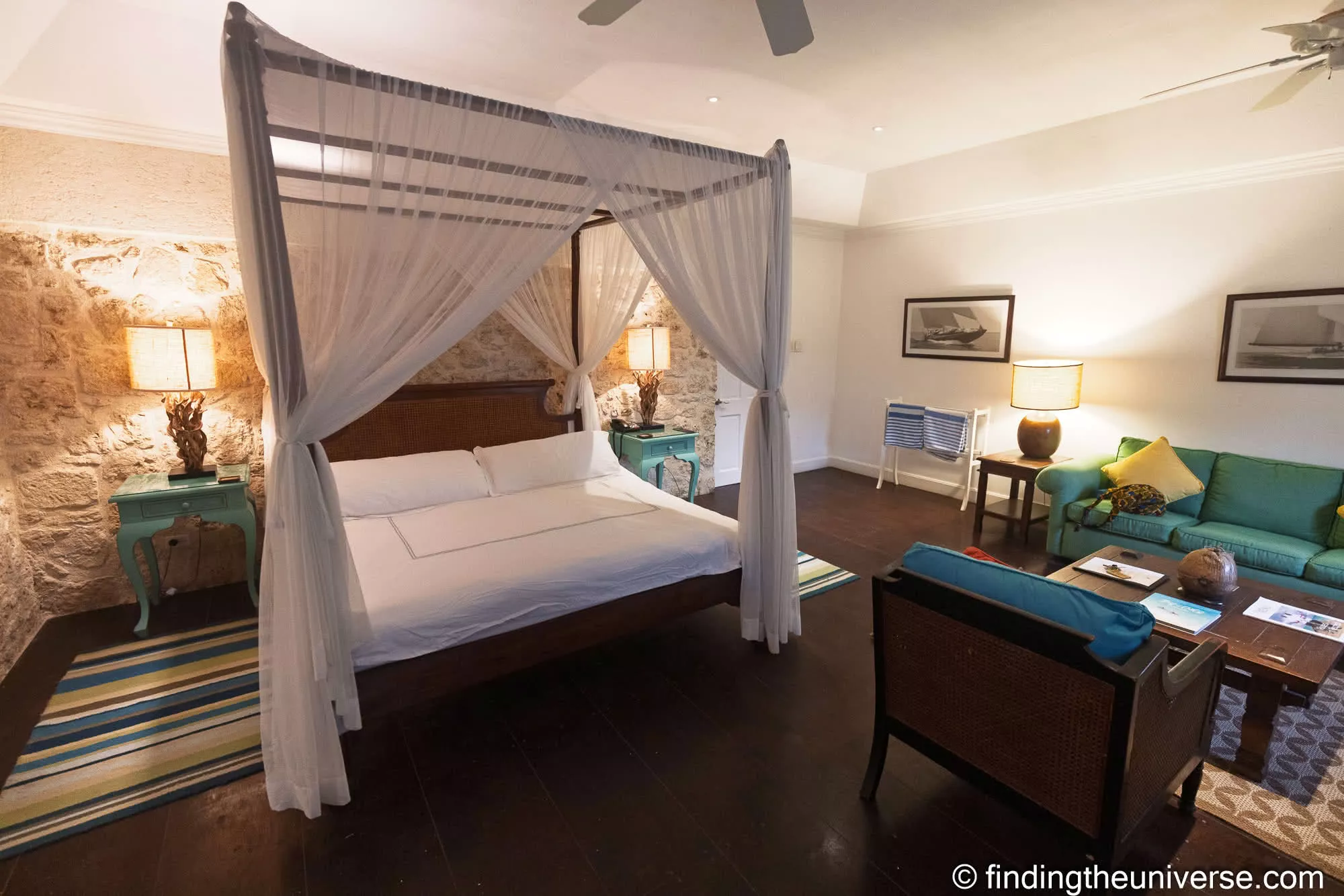
South Coast (our recommendation): St. Lawrence Gap area. This is where we’d tell most first-time visitors to stay. You get great beaches (Dover Beach is a two-minute walk from most Gap accommodation), loads of restaurants within walking distance, and easy access to both Bridgetown and Oistins. It’s also the best value part of the island for accommodation. We stayed at Marisol Apartments near Dover Beach: self-catering, good location, and having a kitchen saved us a fair bit of money on meals. You can browse south coast accommodation on Booking.com.
West Coast: Holetown area. If you prefer a quieter, more upscale vibe, the west coast around Holetown is a lovely alternative. The beaches here are calmer and the sunsets are better, but it’s further from Oistins and Bridgetown, which makes the first few days of this itinerary slightly longer in driving terms. Little Good Harbour past Speightstown was one of our favourite stays, with beautiful suites, two pools, and the excellent Fish Pot restaurant on site. You can browse west coast accommodation on Booking.com.
East Coast (for 10+ day trips): The Atlantis Historic Inn, Bathsheba. I’ve already gushed about this place, so I’ll spare you a repeat. It’s not the right choice as your only base (the east coast isn’t safe for swimming, and it’s remote), but as a final few nights at the end of a longer trip it’s perfect. We talked about it more in the ten-day section above.
Rough budget: In high season (December to May), expect to pay around BBD $300-500 per night for a decent south coast apartment, and BBD $600+ for something smart on the west coast. Off-peak (October, November, early December) drops those figures by around a third. There are cheaper options (hostels and basic guesthouses) and much more expensive ones (private villas can easily run into four figures a night), but that’s the typical range for a comfortable trip.
For a full list of accommodation options across the island with more choices at every price point, see the where to stay section of our Barbados planning guide.
Bajan Food Worth Trying
A quick hit-list for first-time visitors. Order any of these when you see them on a menu and you’ll be eating like a local rather than a hotel guest.
Flying fish and cou-cou. The national dish. Flying fish is delicate, lightly spiced, and usually steamed; cou-cou is a cornmeal-and-okra mash that’s somewhere between polenta and mashed potato. The combination doesn’t sound exciting on paper. It is. Try it at Mustor’s in Bridgetown.
Macaroni pie. A Bajan macaroni cheese, baked until the top goes crisp and the inside stays soft. Comes as a side with almost everything. Order it whenever you see it.
Fish cakes. Salt cod fritters, eaten with a hot pepper sauce. The sort of thing you order as a starter and end up wishing was the whole meal.
Pudding and souse. A Saturday tradition: pickled pork (souse) with steamed sweet potato pudding. It’s an acquired taste and it’s not for everyone, but if you’re going to try one weird-sounding Bajan dish, this is the one.
Roti. Trinidadian in origin but properly at home in Barbados, roti is a flatbread wrapped around curry. Cheap, filling, and easy to eat in the car.
Rum punch. Made to the old Bajan rhyme: “one of sour, two of sweet, three of strong, four of weak.” Lime juice, sugar syrup, rum, water. Add a grating of nutmeg and a couple of dashes of bitters. Drink one. Do not drink three. (We did. Repeatedly. I refuse to apologise.)
Mauby. A bittersweet drink made from the bark of the mauby tree, brewed up with sugar and spices. I loved it on first sip. Most people give it 50/50 odds. The Morgan Lewis windmill cafe is a good place to try it.
Tips for Your Trip
Driving: They drive on the left in Barbados, and the roads are, to put it charitably, known for their potholes. Some of these potholes have potholes. Traffic around Bridgetown can be bad, especially when cruise ships are in port. We used Google Maps for navigation and it worked well most of the time, though it did steer us wrong a couple of times near attractions (once sending us confidently down what turned out to be someone’s driveway). Road signs are good, so use common sense and follow them. We also kept a physical map in the car, which you can pick up free at most hotels. For more driving tips, see our planning guide.
Packing essentials: High SPF sunscreen (and lots of it), a wide-brimmed hat, a UV rashguard for water activities, insect repellent for the evenings, and at least one slightly smarter outfit for the nicer west coast restaurants. A light rain jacket is worth having between June and November. And leave any camouflage clothing at home: it’s illegal to wear in Barbados. I know. I had questions too. But that’s the law. For a full packing list, see our planning guide.
Money: The Barbados Dollar (BBD) is pegged to the US Dollar at 2:1 (the peg has held since 1975). Most tourist-facing places accept USD, but cash stalls (like at Oistins) want BBD. Republic Bank Blue Machine ATMs don’t charge foreign visitor fees, which is helpful. Credit cards are widely accepted.
Staying connected: We use Airalo for a travel eSIM and it worked well in Barbados with good coverage across most of the island. It’s particularly useful for Google Maps when driving, unless you enjoy the excitement of being lost on an unfamiliar island with potholes the size of small ponds.
Best time to visit: December to May is the dry season and most popular (and most expensive). January temperatures hover around 28°C with very little rain. June through November is the wet season, with September and October the wettest months on average; rain typically comes in short, heavy bursts rather than all-day downpours, and you’ll often have a sunny afternoon after a morning shower. We visited in October and November and had a great time, with prices about a third lower than peak and the beaches noticeably quieter. Hurricane risk in Barbados is low (the island sits south of the main hurricane belt), but it’s not zero, so check forecasts if you’re travelling July through October. See our planning guide for a full seasonal breakdown.
Photography: If you’re into photography, Bathsheba on the east coast is the standout location. The rock formations are unique and the light changes dramatically through the day. I also had good luck photographing hummingbirds at several of the gardens and hotels, which required a lot of patience and a lot of standing very still (two things I’m not naturally brilliant at). The west coast is the place for sunset shots over the sea.
Frequently Asked Questions About Visiting Barbados
How many days do you need in Barbados?
A week is the sweet spot. That gives you enough time for a mix of beach days, sightseeing, and at least one boat trip, without running out of things to do. Five days is a workable minimum if that’s all you’ve got, and ten days gives you the chance to slow down properly. We spent two weeks and didn’t get bored.
Is 5 days enough for a first visit to Barbados?
For a first visit, five days is enough to hit the highlights but it will feel fast. You’ll get the beaches, a boat trip, Bridgetown, Oistins, and one drive around the island. What you’ll miss is the slower second beach day, the more in-depth sightseeing in the north, and the repeat visits to favourite spots that make a week feel like a holiday rather than a checklist. If you can stretch to seven days, do.
Is it worth renting a car in Barbados?
For sightseeing, yes. Having a car gives you the freedom to explore at your own pace, stop at beaches you spot from the road, and reach the east coast and northern attractions without relying on tour schedules. Buses are cheap and cover most of the island, but they’re slow. If you’re mostly planning beach days at your resort, you can probably get by with taxis via the pickUP app and a couple of booked tours with pickup included.
What is the best area to stay in Barbados?
For first-time visitors, the south coast around St. Lawrence Gap is hard to beat. You get great beaches, loads of restaurants, and easy access to both Bridgetown and Oistins. The west coast around Holetown is more upscale and has the best sunsets, but it’s pricier. The east coast around Bathsheba is wild and quiet, and was actually our favourite part of the island, but it’s not ideal as your only base because swimming isn’t safe there.
Is Barbados expensive?
Yes. I’m not going to sugarcoat it. It’s one of the pricier Caribbean destinations. Accommodation is the biggest cost, especially on the west coast and during peak season from December to May. Eating out at tourist restaurants adds up fast. The best ways to manage costs are visiting in the off-peak season, choosing accommodation with a kitchen, and eating at local spots rather than resort restaurants. We go into much more detail on costs in our planning guide.
Is Barbados safe for tourists?
Barbados is one of the safest islands in the Caribbean, and we always felt comfortable during our visits. Petty theft can happen (keep an eye on your things on the beach), and it’s worth being cautious after dark in less familiar areas. But the biggest physical risks are the sun (seriously, wear sunscreen, learn from Jess) and the sea (don’t swim on the east coast, no matter how inviting it looks). We’ve never had any problems and wouldn’t hesitate to recommend it.
Do you need to change hotels during a week in Barbados?
We don’t think so. Barbados is small enough that you can reach anywhere on the island within about an hour from a south coast base. We designed our seven-day itinerary around a single location for this reason. The time you’d spend packing, checking out, driving, and checking in again is better spent on the beach or at an extra sightseeing stop. If you’re staying for ten days or more and want a change of scenery, moving to the east coast for the last couple of nights can be a nice way to end the trip, but for a week it’s not worth it.
Further Reading
- Things to do in Barbados – Our comprehensive guide to everything you can see and do on the island, from rum tours and catamaran cruises to caves, wildlife, and beaches. It’s the natural companion piece to this itinerary.
- Barbados Planning Guide – Everything you need to know before you go: visas, currency, health advice, accommodation, packing, costs, and more.
- Airalo eSIM Review – Our recommended option for staying connected in Barbados, with free credit to get you started.
- Guide to Travel Adapters – If you’re travelling from outside the US or Canada, you’ll need an adapter for Barbados.
- Best Travel Camera – Barbados is a photogenic island. If you’re thinking about upgrading your camera before your trip, this guide covers options across every budget.
pradeep says
Loved this itinerary! It’s a perfect mix of beach time, culture, and unique experiences like the Oistins Fish Fry and catamaran cruise—makes Barbados feel truly unforgettable
Laurence Norah says
Thank you very much Pradeep!