I lived in Manchester for a summer back in my twenties, and a couple of years ago Jess and I came back and based ourselves in the city for two full weeks. We walked the centre end to end more times than I can count, ate our way through Ancoats and the Northern Quarter, and photographed every stop in this guide ourselves. So when people ask whether two days is enough for Manchester, I can answer with some confidence: yes, two days is plenty to see the best of the city on foot, as long as you have a plan and don’t waste half of it wandering between the wrong places.
That last part is where most weekend trips fall down. Manchester rewards a bit of routing. The good stuff clusters into a few walkable pockets, with the trams handy for a couple of out-of-centre stops, and once you understand how the city fits together you can pack a lot into 48 hours without ever feeling rushed. This is the exact two-day route we would send a first-time visitor on, ordered so you’re never backtracking, with where to eat and stay and the one or two decisions you’ll need to make along the way.
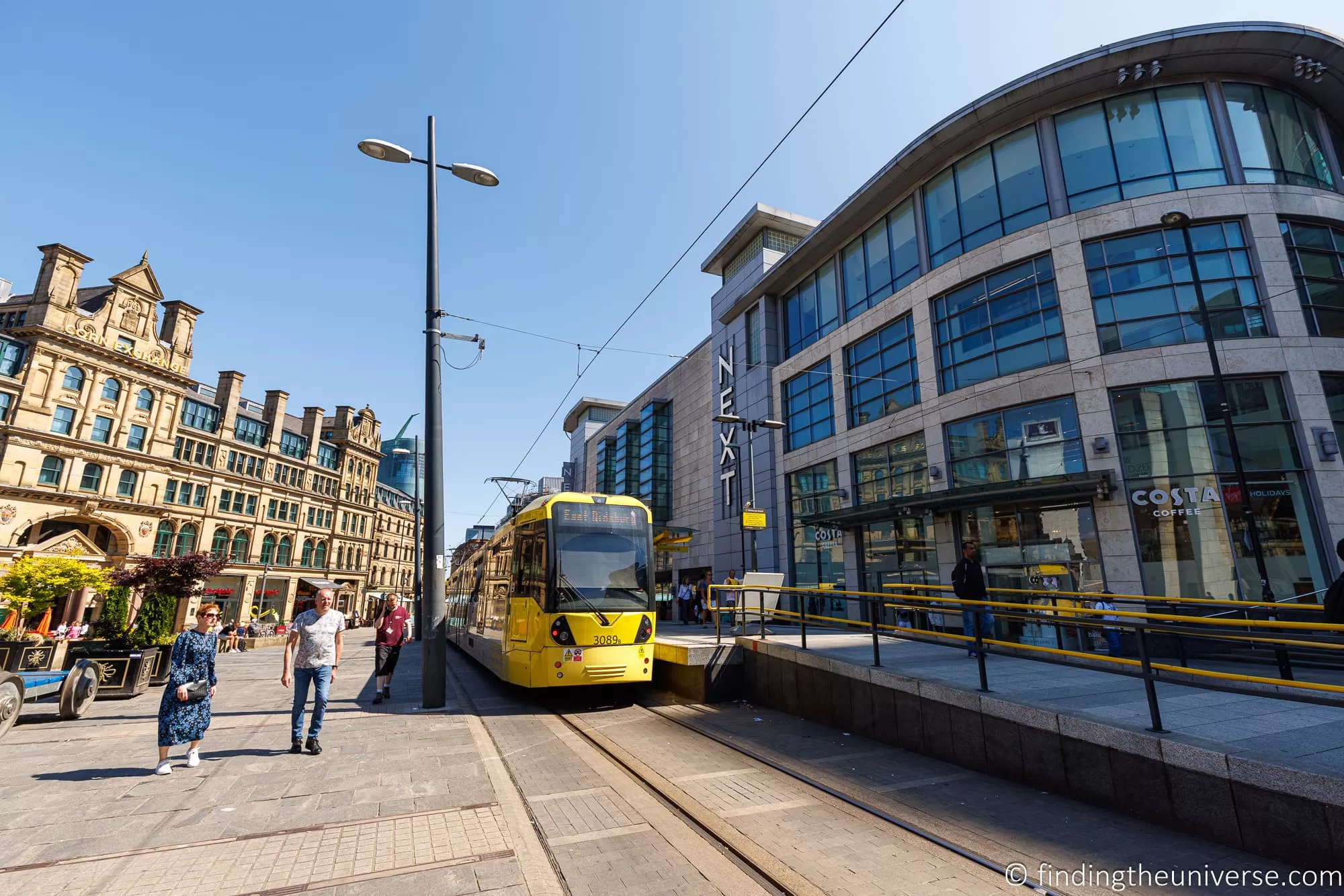
Table of Contents:
Two days in Manchester: the quick version
Two full days is enough to cover central Manchester comfortably on foot. Here are the decisions most people are really asking about, answered up front so you can skim if you’re short on time.
| The question | Our answer |
|---|---|
| Where should I base myself? | The city centre, ideally within walking distance of Piccadilly station. We stayed at the Staycity aparthotel right by the station and it was a brilliant base. Full picks below. |
| If I only see one museum, which? | The Science and Industry Museum. It’s free, it’s excellent, and the restored Power Hall reopened in late 2025. Football fans should swap in the National Football Museum instead. |
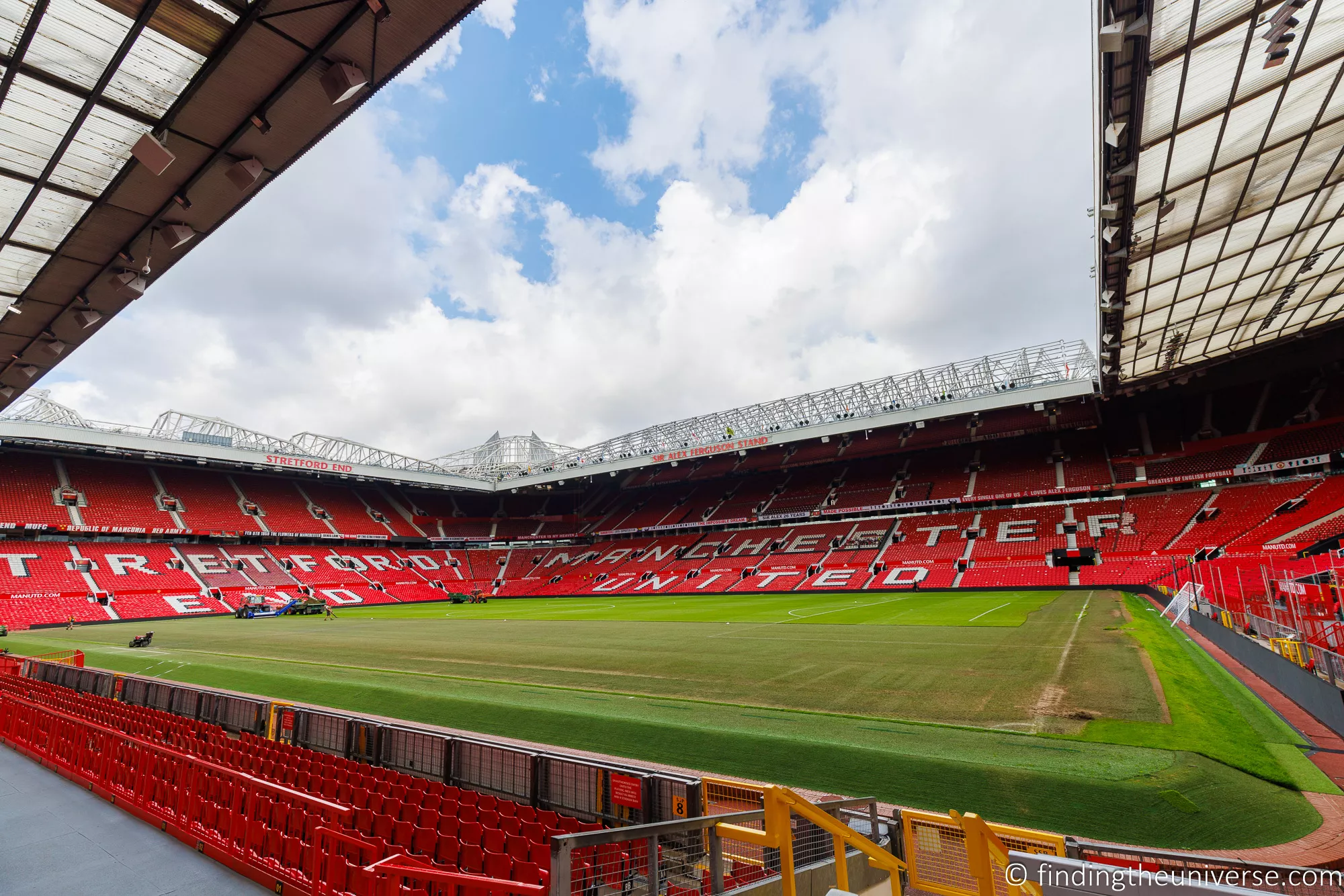
| Old Trafford or the Etihad? | If you’re not a die-hard of either club, tour Old Trafford. We did, and the museum side is the richer visit. Man City fans will prefer the slicker, more modern Etihad tour. |
| Is a day trip worth it on two days? | No. There’s enough in the city to fill both days properly. Save Chester, Liverpool, York or the Peak District for a third day or a return trip. |
Getting around Manchester
Central Manchester is small and flat, and almost everything on Day 1 of this itinerary is walkable. You’ll only really need transport to reach Old Trafford, the Etihad, or Salford Quays, and for those the Metrolink trams are quick and frequent.
One thing trips people up, so let me be precise about it. Greater Manchester runs the Bee Network, and you may have read about the £2 single bus fare. That £2 cap is for buses only. It’s frozen through 2026, which is great value if you’re hopping on a bus. The Metrolink trams are a completely separate system priced by zone, so a tram ride isn’t covered by the £2 bus fare. For a two-day city break you’ll mostly walk, take the odd £2 bus, and buy a tram ticket for the two or three tram journeys to the stadiums or the Quays. Tap a contactless card on the tram readers and the daily capping does the maths for you.
Both mainline stations, Piccadilly and Victoria, sit on the edge of the centre, so if you arrive by train you can walk to most hotels in ten to fifteen minutes.
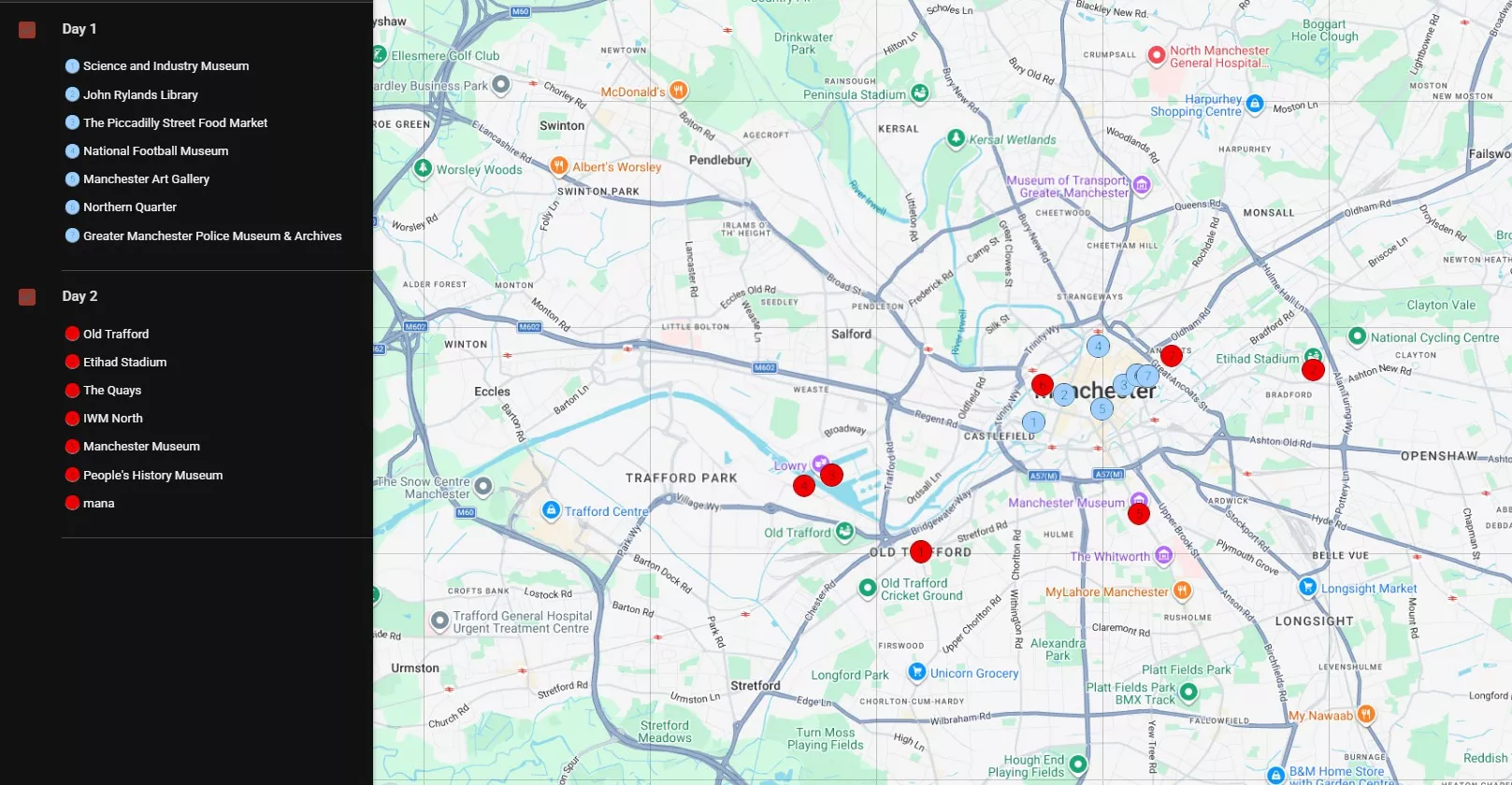
Here’s a map of your two days, which you can see here on Google Maps.
Day 1: central Manchester on foot
Day 1 stays entirely in the centre, walking a loop from the canals in the southwest up through the museums and grand civic buildings to the Northern Quarter in the northeast. You won’t need a tram all day. Start around 9.30am and you’ll have time for everything with stops for coffee and lunch.
Morning: Castlefield and the Science and Industry Museum
Begin in Castlefield, the old Roman and industrial heart of the city, where the canals meet under a tangle of Victorian railway viaducts. It’s a quietly lovely place to start the day before the crowds arrive. Two things to look out for here. The first is Mamucium, the Roman fort that gave Manchester its name. What you see is a reconstruction of the fort’s north gate, rebuilt in 1984 on the original site and incorporating some original stones, rather than standing Roman walls, but it sets the scene for just how old this city is.
The second is the Castlefield Viaduct, a disused railway viaduct that the National Trust has turned into an elevated garden seventeen metres above the streets. It’s free to visit and you no longer need to book, just turn up. It opens Wednesday to Sunday, 10am to 5pm, so check the day before you build it into your plan. The Trust has secured funding to roughly double the garden’s size, with a new section due to open in summer 2026, so there may be some construction hoarding when you visit.
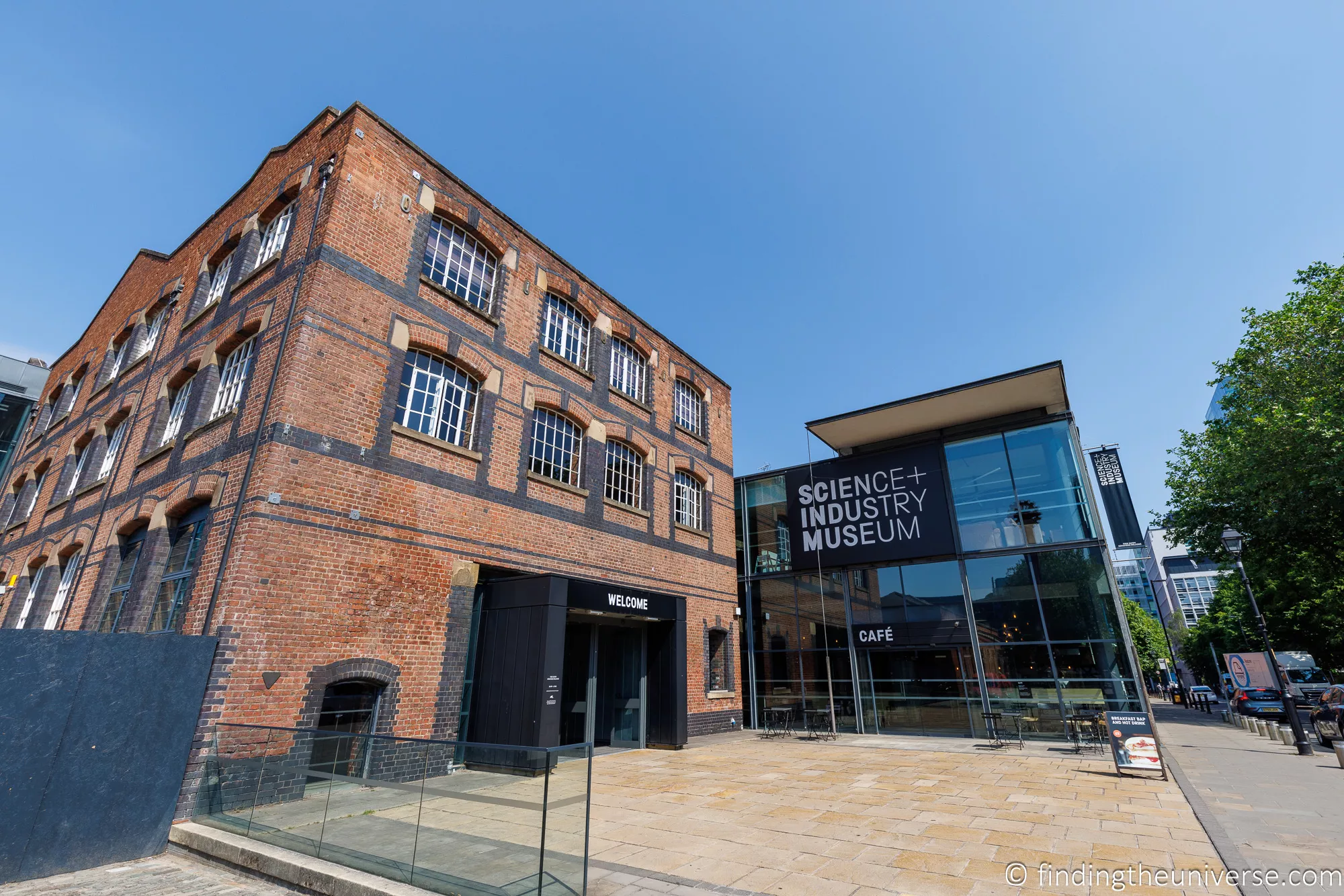
From Castlefield it’s a five-minute walk to the Science and Industry Museum, which is my pick for the one museum to see if you only manage one. It’s set in the world’s oldest surviving passenger railway station and tells the story of how Manchester powered the industrial revolution. Entry is free, though you need to book a timed ticket online. The restored Power Hall, the museum’s headline gallery of working engines and locomotives, reopened in October 2025 after a long closure. One caveat: a technical fault means the steam engines aren’t running under steam at the moment, so the demonstrations use electric power instead. It’s still a wonderful hall. Open daily 10am to 5pm.
Late morning: the John Rylands Library
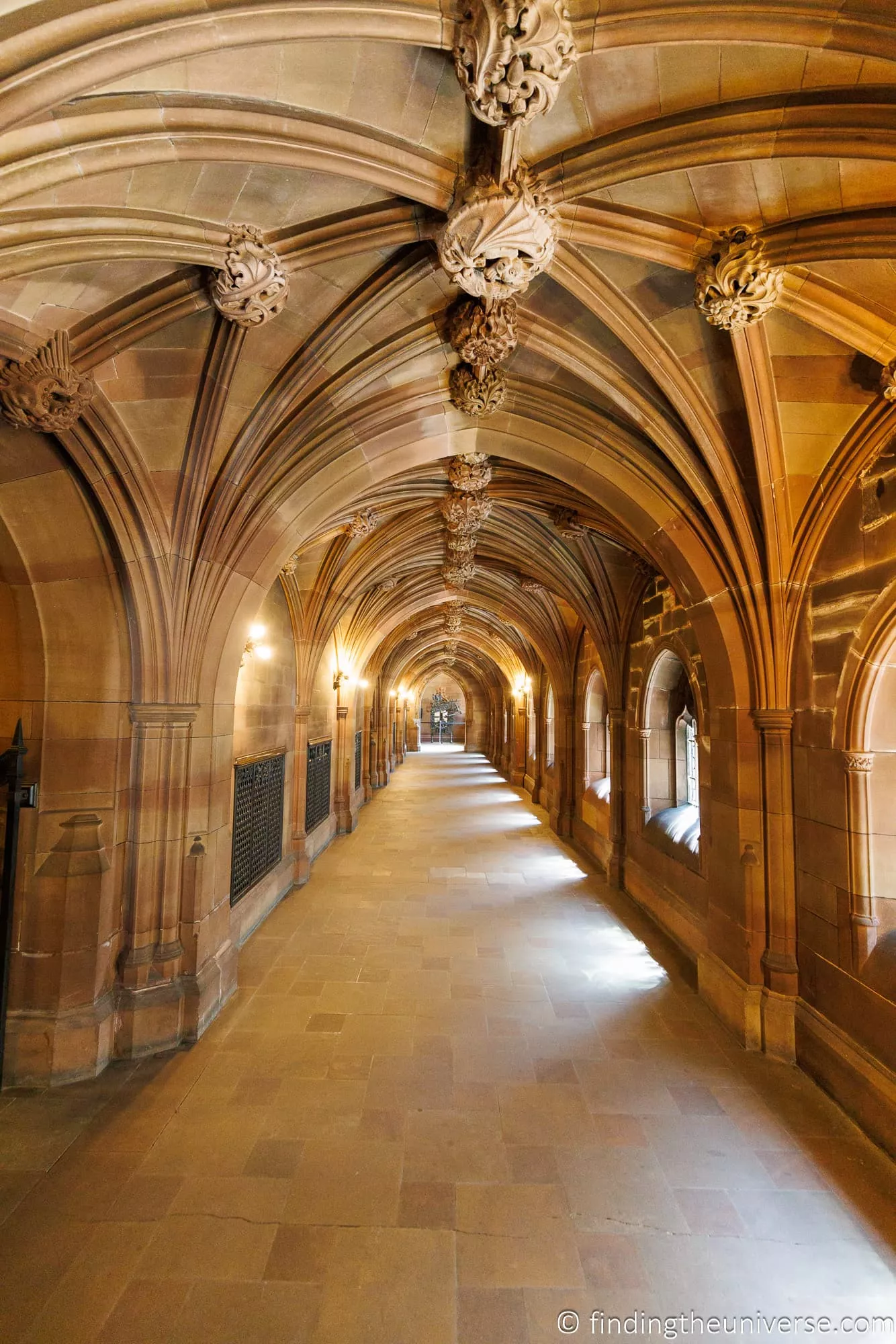
Walk back into the centre up Deansgate to the John Rylands Library, about ten minutes on foot. This is the one that surprises people. From the street it looks like a neo-Gothic cathedral, and inside the historic reading room is so dramatic that it gets called the Harry Potter library, even though it has nothing to do with the films. It’s free and you don’t need to book, but note the opening days carefully: it’s open Wednesday to Saturday only, 10am to 5pm, with last entry at 4.40pm. If your two days fall on a Sunday to Tuesday you’ll miss it, so plan around that.
Lunch
For lunch I’d steer you to the Piccadilly Street Food Market in Piccadilly Gardens, a short walk east. It runs Tuesday to Sunday, roughly 11am to 6pm, with a rotating set of independent traders doing everything from smash burgers and Caribbean curry to Turkish barbecue and halloumi fries. We ate here and rated it, and it’s cheap and quick, which is exactly what you want mid-itinerary. If the market isn’t on the day you visit, the cafes around St Ann’s Square and Spinningfields will see you right.
Afternoon: the football museum or the art gallery (your choice)
Here’s your first real decision, and it splits neatly along whether or not you care about football.
| Option | Best for | Practicalities |
|---|---|---|
| National Football Museum | Football fans, families, anyone who wants the definitive museum of the English game | The one paid museum on this route. Adult tickets are around £16 to £18 (they work as a 12-month pass, and Manchester residents go free). Open 10am to 5pm daily, year-round (closed only 24 to 26 December and 1 January), with last admission at 4pm. |
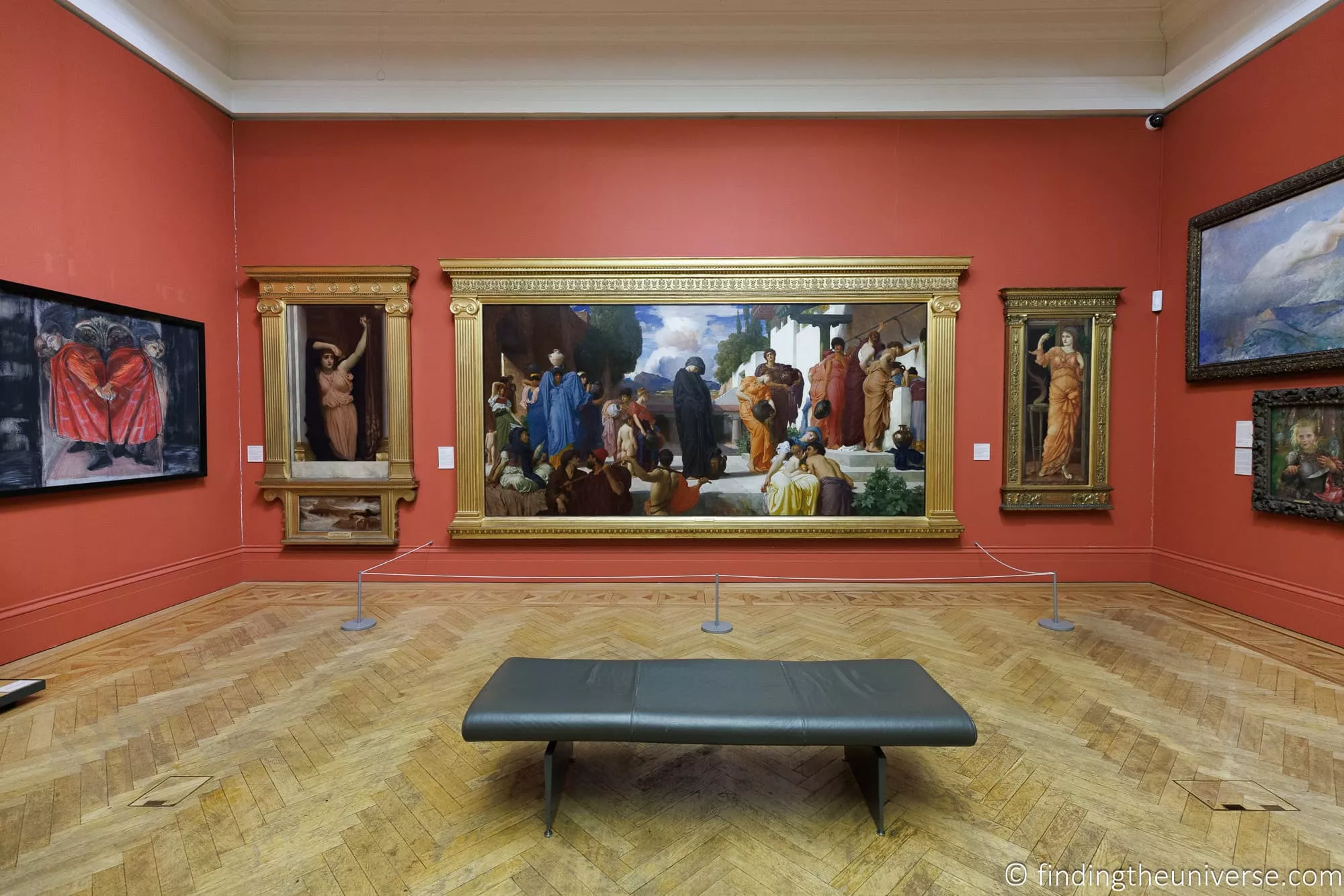
| Manchester Art Gallery | Anyone who would rather see Pre-Raphaelites than penalty shoot-outs | Free. A strong collection of Victorian and Pre-Raphaelite art plus changing exhibitions, in a grand neoclassical building. This was Jess’s pick of the two, and she loved it. Note it’s closed on Mondays (except bank holiday Mondays, when it opens). |
Both are central and a short walk from St Ann’s Square, so you really can’t go wrong. If you have older kids or a football lover in the group, the National Football Museum wins. If not, the art gallery is the more relaxing way to spend an hour or two, and it costs nothing.

Late afternoon and evening: the Northern Quarter
Finish the day in the Northern Quarter, the creative pocket northeast of the centre that most people fall for. This is where Manchester’s independent streak lives: record shops, vintage clothing, third-wave coffee, and street art on what feels like every other wall. Keep an eye out for the worker bee, the city’s symbol, which you’ll spot on murals, bollards and mosaics all over the area. Affleck’s, a rambling indoor emporium of independent stalls, is worth a wander even if you buy nothing.
One tip if you’re a true crime or social history fan: the small Greater Manchester Police Museum is free and well worth a look, set in a Victorian police station with original cells and a courtroom. The catch is that it opens to the public on Tuesdays only, 10.30am to 4pm, so it’s a bonus stop rather than a fixture unless one of your days happens to be a Tuesday. We enjoyed our visit and highly recommend it if you happen to time your Manchester visit to coincide with it opening.

For dinner, the Northern Quarter and neighbouring Ancoats are where we did most of our eating, and the format that works best here’s the food hall. Mackie Mayor, a restored market building, is the obvious one, with a handful of independent kitchens under one roof so a group can eat whatever they each fancy. I won’t pretend we tried every place in the area, but the food-hall approach is hard to beat for a casual first night, and the whole quarter is walkable so you can follow your nose. Save the special-occasion meal for Day 2.
Day 2: one big highlight, then your choice
Day 2 opens with the one part of the trip that needs a tram, then comes back into the centre for an afternoon you can tailor to your interests. Again, an early-ish start, around 9.30am, gives you room for everything.
Morning: tour a stadium, or skip the football entirely
Manchester is a football city, and a stadium tour is the classic Day 2 morning. But not everyone is into football, so if that’s you, jump to the alternative below and start your day in the city instead. No guilt.
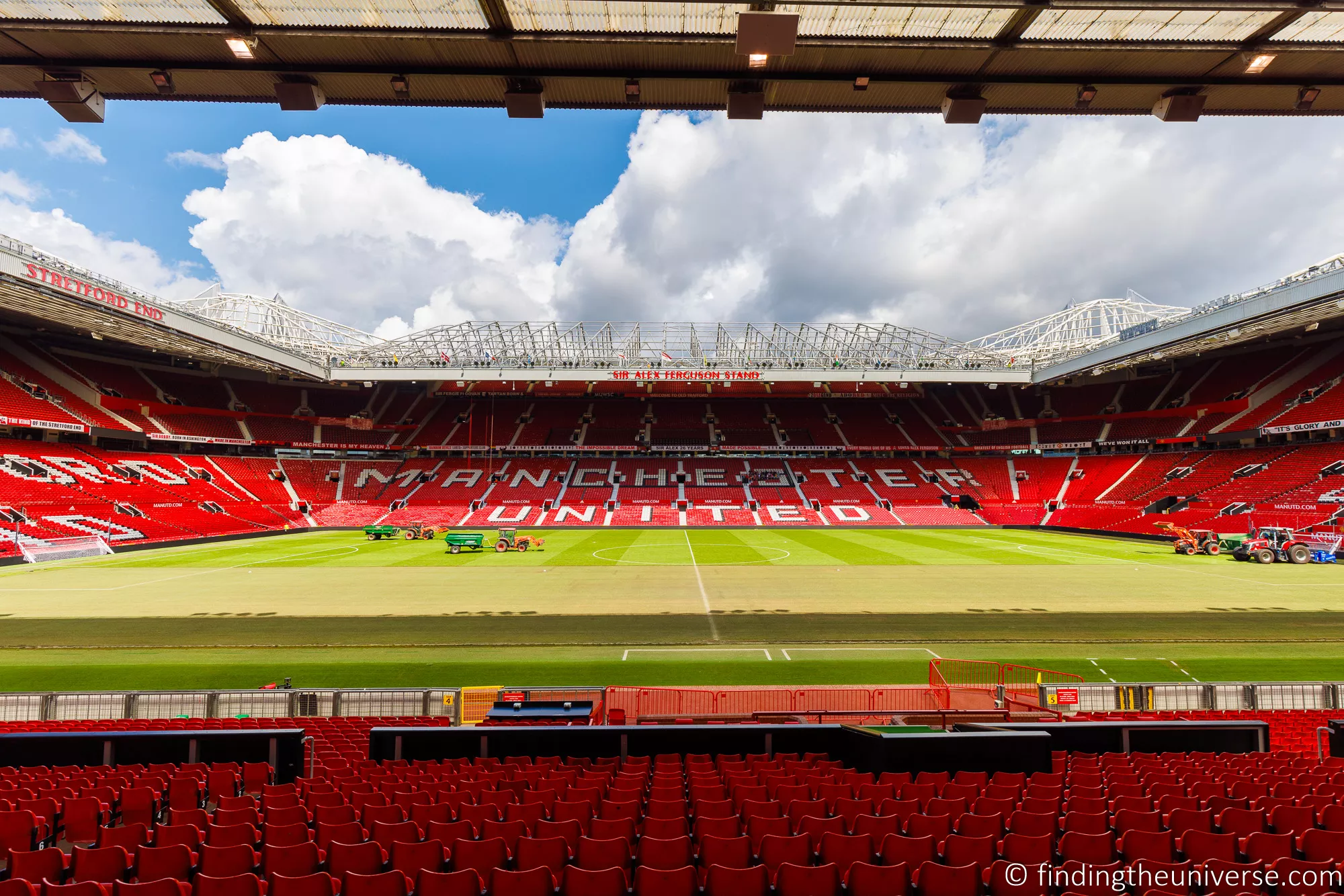
If you do want a tour, you have a choice between the two giants. We toured Old Trafford and rated it, so that’s the one I can speak to from experience.
| Tour | The experience | Practicalities |
|---|---|---|
| Old Trafford (Manchester United) | The bigger museum and the heavier sense of history. You walk the tunnel, sit in the dugout and see the trophy haul. This is the one we did, and the museum alone is worth the ticket. | Around £28 for an adult, cheaper booked online in advance. Tours don’t run on home match days. Metrolink to Old Trafford or Wharfside. Book the Old Trafford Tour and Museum on the official site in advance. |
| Etihad (Manchester City) | A slicker, more modern stadium tour reflecting City’s recent era. Polished and well run, with strong behind-the-scenes access. | From around £26 for an adult. Metrolink to Etihad Campus. Book the Etihad tour ahead. |
My steer, if you’re a neutral choosing just one: tour Old Trafford for the depth of the museum and the history, even with the club building a new stadium next door. Those works don’t affect tours, which run as normal. The new ground is being built beside the current one, and the old stadium won’t come down until the new one is finished, which is years away. If you support City, tour the Etihad, obviously.
Midday: Salford Quays and IWM North
If you toured Old Trafford, you’re already in the right corner of the city for one of Manchester’s best afternoons. One tram stop away at Salford Quays sits the Imperial War Museum North, housed in a striking Daniel Libeskind building of shattered metal shards meant to represent a globe torn apart by conflict. It’s free, no booking needed, open daily from 10am to 5pm, and the main exhibition’s hourly big-picture shows, projected across the whole space, are powerful. Across the water you have MediaCityUK, the BBC and ITV’s northern home, if you want a coffee and a look around before heading back.

The non-football alternative
Not bothered about stadiums? Spend the morning in the city instead. The Manchester Museum on Oxford Road is free and one of the best in the country, with a famous Egyptology collection, a fossil and skeleton hall, and the newer South Asia Gallery, a partnership with the British Museum that’s well worth your time. It opens Tuesday to Sunday, 10am to 5pm, and closes on Mondays, so check the day. IWM North above also works perfectly well as a non-football start to the morning in its own right.
Afternoon: museums, or the Gay Village and Sackville Gardens
Back in the centre, you have two good ways to spend the afternoon depending on your mood.
For more museums, the free People’s History Museum tells the story of working people, democracy and the trade union movement, and it’s more gripping than that description makes it sound. Pair it with the Manchester Museum if you didn’t go in the morning.
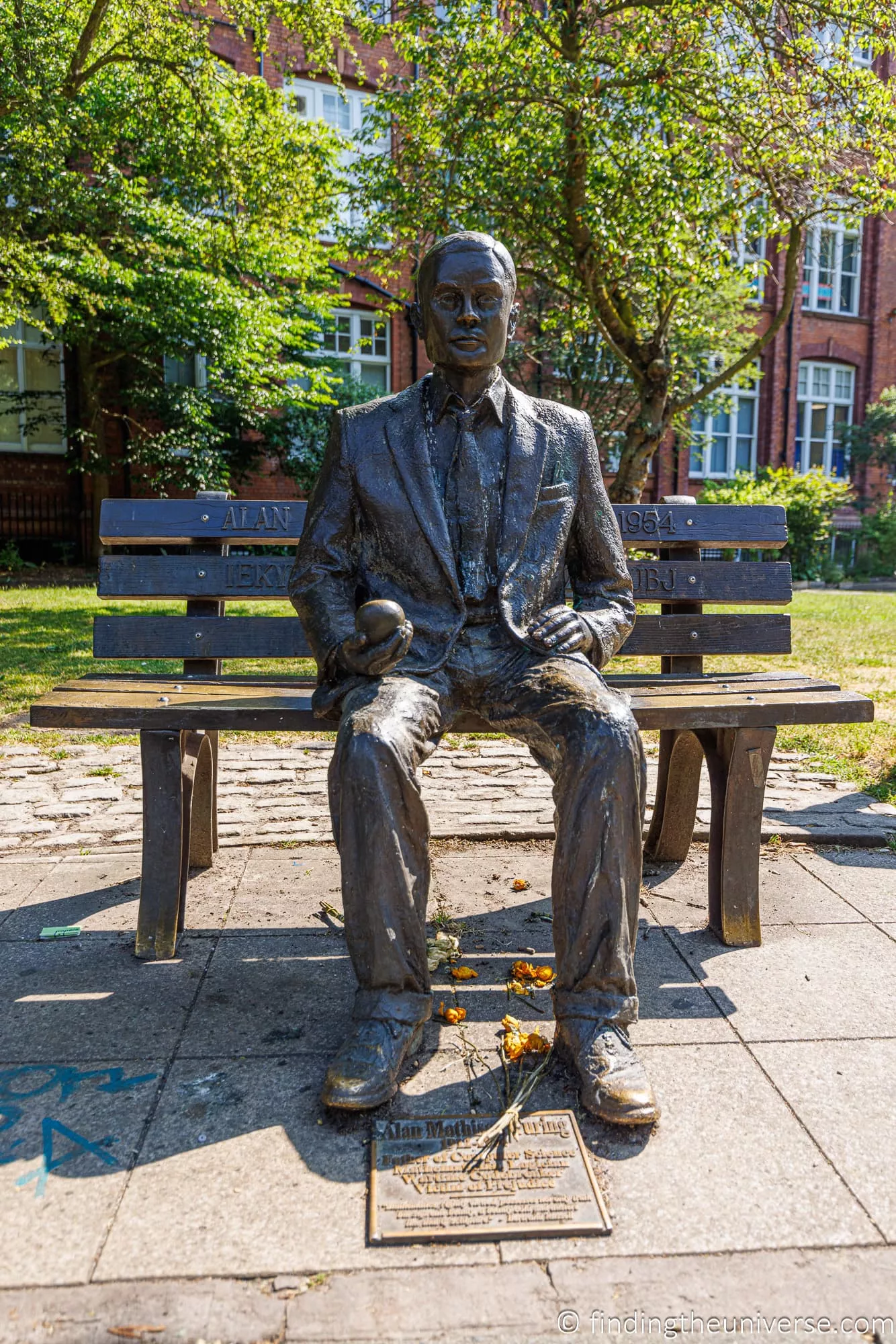
For something gentler and very Manchester, walk down to the Gay Village along Canal Street, one of the most welcoming corners of the city, and on to Sackville Gardens. There you’ll find the Alan Turing Memorial, a quiet statue of the codebreaker and computing pioneer who worked at the University of Manchester. As a former software developer myself, it’s a spot I always make time for. The gardens are a calm green pause before your last evening.
Evening: dinner at Mana, or afternoon tea at the Midland
For a special last night, book Mana in Ancoats well in advance. It holds a Michelin star, the first awarded in Manchester in over forty years when it landed in 2019, and it serves a long tasting menu of seasonal British produce from an open kitchen. We ate here and it was the food highlight of the trip, Jess included. It’s not cheap and it’s not casual, but if you want one memorable meal, this is where I’d spend it. Book directly through the restaurant, as tables go quickly.

If a tasting menu isn’t your thing, the other treat we loved was afternoon tea in the Tea Room at the Midland Hotel, served Wednesday to Sunday in a grand room overlooking St Peter’s Square. Jess rated it as one of the highlights of the trip. It’s the classic Manchester afternoon tea, all loose-leaf tea, finger sandwiches, scones with clotted cream, and a tower of cakes. You can do it as an afternoon stop rather than an evening meal if that suits your day better.

If you only have one day in Manchester
Short on time? Compress Day 1 into a single day and you’ll still see the best of the centre. Start in Castlefield, do the Science and Industry Museum, walk up to the John Rylands Library, grab lunch at the Piccadilly Street Food Market, choose between the National Football Museum and the art gallery, and finish in the Northern Quarter for dinner.
That’s a full, satisfying day on foot with no transport needed. We have since written that day up in full as a one day Manchester itinerary, with timings for every stop, a route map, and a note on what to cut if you are running late.
Where to stay in Manchester
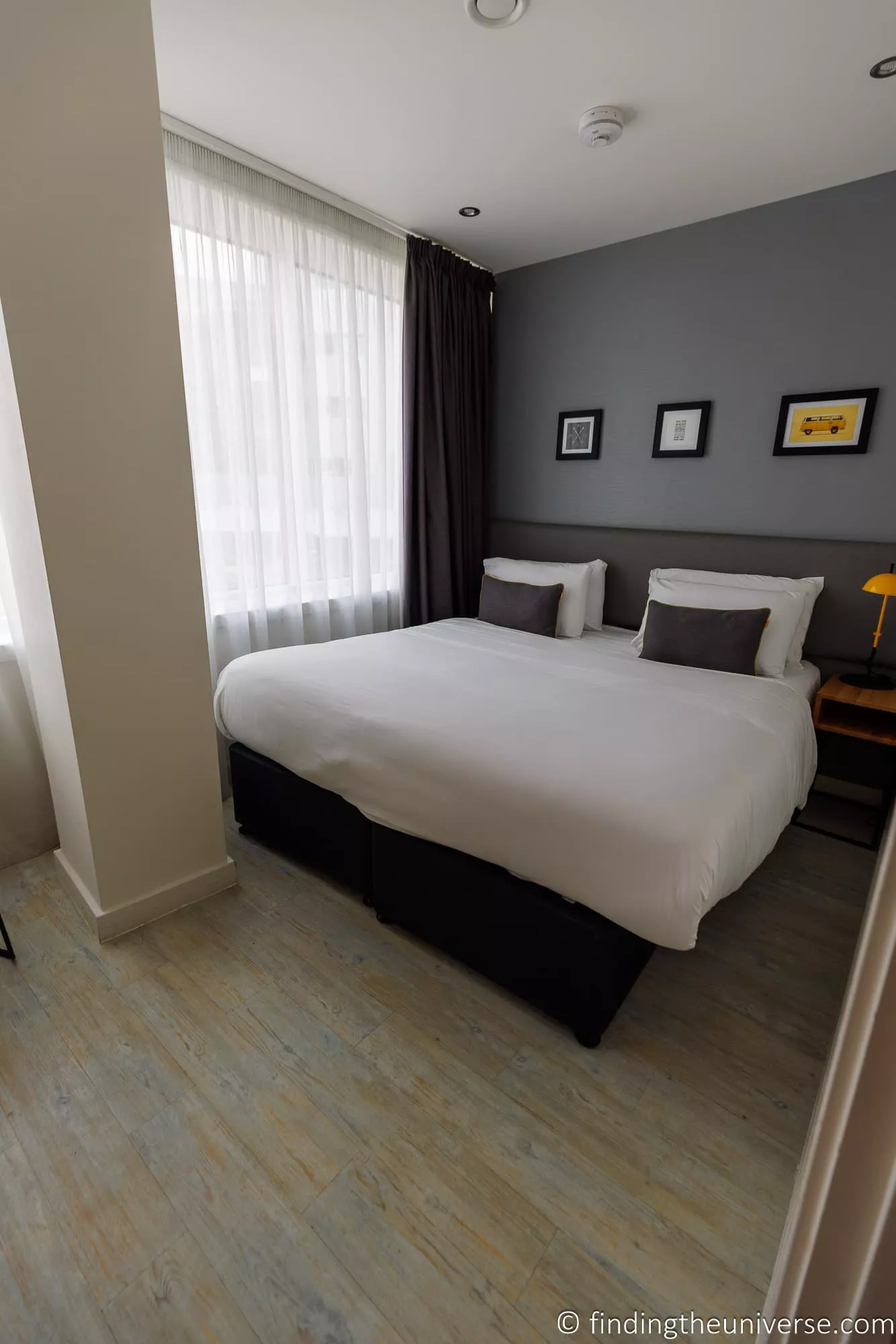
For a two-day trip you want to be in or right beside the city centre so you can walk to most of this itinerary. We based ourselves at the Staycity aparthotel by Piccadilly station for a fortnight and it was an excellent base: a proper apartment with a kitchen, a couple of minutes from the trains, and walkable to everything on Day 1. That’s my first recommendation for anyone who wants a bit of space and a self-catering option.
Here are six places I’d happily point a first-timer to, across a range of budgets. I’ve stayed at the Staycity and can vouch for it directly; the rest are well-located, well-reviewed options I’d choose from for the right trip.
| Tier | Hotel | Why we would pick it |
|---|---|---|
| Budget | easyHotel Manchester | No-frills but clean and very central, a few minutes’ walk from Piccadilly station. The cheapest comfortable way to be in the middle of everything. Walls are thin, so bring earplugs. |
| Budget-to-mid | Staycity Aparthotels Manchester Piccadilly | Our pick, where we actually stayed. Spacious apartments with kitchens, right by Piccadilly station and a short walk from Canal Street and the Northern Quarter. Great for families or longer stays. |
| Mid | Motel One Manchester-Piccadilly | Reliably stylish for the price, five minutes from the station. Consistently one of the best-rated mid-range options in the city. |
| Mid | INNSiDE by Meliá Manchester | Smart, design-led rooms in the Deansgate area, walking distance to the Science and Industry Museum and Castlefield. A good fit if you want a bit more polish. |
| Treat | Kimpton Clocktower | A landmark Grade II terracotta building on Oxford Road with a spectacular tiled interior. Characterful four-star comfort with a sense of occasion. |
| Treat | The Midland | Manchester’s grande dame, overlooking St Peter’s Square, and home to the afternoon tea we loved. The splurge option if you want to stay somewhere historic. |
Want to escape the city? Day trips from Manchester
My advice is to give both days to Manchester itself on a first visit, because the city earns the time. But if you have a third day, or you’ve been before and want a change of scene, Manchester is one of the best-connected cities in the north for a day trip. Four I’d consider:
- Chester is the easiest day trip and my first pick: about an hour on a direct train, and you get Roman walls, a beautiful medieval centre and the famous two-tiered Rows shops. We have a full guide to things to do in Chester if you want to build out the day.
- Liverpool is under an hour by train, with the Beatles, the waterfront and a couple of excellent free museums.
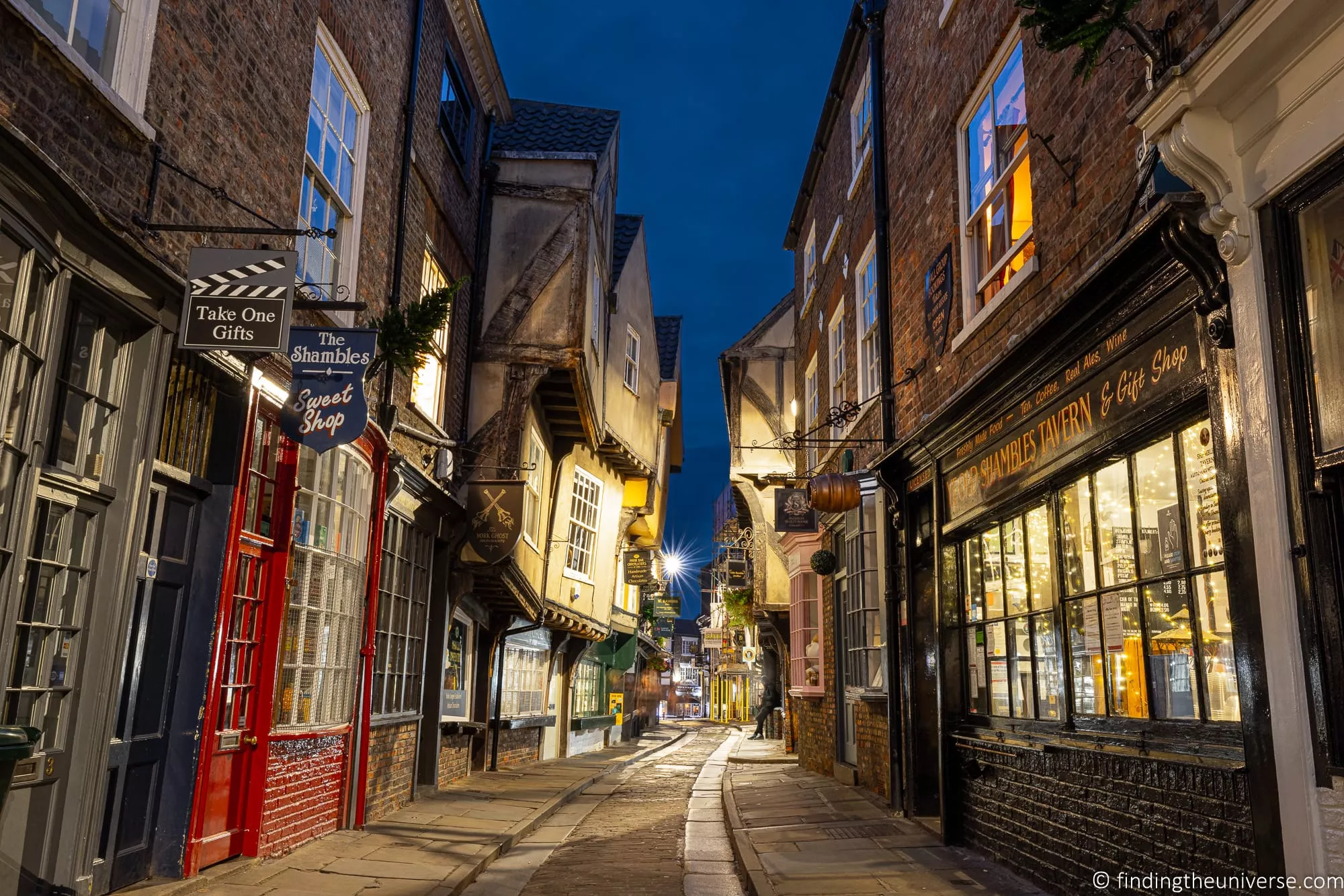
- York is around an hour and a half by train and is a wonderful walled medieval city, though it makes for a fuller day given the travel.
- The Peak District is the one to do if you want hills and dales rather than another city. It’s far easier with a car, since the best villages and trailheads are poorly served by public transport. We use Discover Cars to compare hire prices when we need a vehicle for a day like this.
What we would skip, and what catches first-timers out
A few things we’ve learned from spending a good stretch of time in Manchester, to save you the trial and error.
Pack for rain, even in summer. Manchester’s reputation for wet weather is earned. I spent a whole summer here once and was still caught out by how much more it rained than I expected. A light waterproof and comfortable shoes will serve you better than an umbrella in the wind. Don’t let it put you off, just plan indoor options for the wettest spells, of which this itinerary has plenty.
Check opening days before you commit, because this is the single thing that catches people out here. The John Rylands Library is Wednesday to Saturday only, the Manchester Museum closes on Mondays, and the Police Museum opens to the public on Tuesdays alone. The Manchester Art Gallery closes on Mondays as well, though it opens on bank holiday Mondays. Map your two days against these before you lock in your plan.
Don’t try to cram a day trip into a two-day visit. It’s tempting to bolt Liverpool or the Peak District onto a short trip, but you’ll end up doing neither Manchester nor the day trip justice. Two days is right for the city, no more and no less.
One last thing: mind the trams on match days and big events. The Metrolink gets very busy around kick-off near both stadiums and after arena gigs, and stadium tours pause on home match days. A quick check of the fixture list when you book saves a wasted journey.
Further reading and resources
A few of our other guides to help you plan:
- For everything beyond this route, see our fuller guide to the best things to do in Manchester.
- Building a bigger England trip? Our roundup of unmissable English cities will help you plan the wider route.
- For day-trip planning, our guide to Chester covers the easiest escape from the city.
- We travel with the Rick Steves England guidebook, which is the one we recommend for trip-planning across the country.
Frequently asked questions
Is two days enough for Manchester?
Yes. Two full days is enough to see the best of central Manchester on foot, including its main museums, the Northern Quarter, a stadium tour and a couple of great meals.
You would want a third day only if you wanted to add a day trip to somewhere like Chester or Liverpool, or to dig deeper into the music and nightlife scene.
How many days do you need in Manchester?
For a first visit focused on the city itself, two days is the sweet spot. One day covers the highlights of the centre at a brisk pace, while three days lets you add a day trip or a slower, more cultural pace.
Is Manchester a walkable city?
The city centre is very walkable and mostly flat, and the whole of Day 1 in this itinerary is done on foot. You’ll only need a tram to reach the football stadiums or Salford Quays, which sit a short ride out of the centre.
Should I tour Old Trafford or the Etihad?
If you support one of the clubs, tour your own. If you’re a neutral and can only do one, we would tour Old Trafford, as the Manchester United museum is the richer and more historic visit. We did it ourselves and rated it.
The Etihad tour is more modern and polished, so City fans and anyone who prefers a slicker experience may prefer it. Both need booking ahead and don’t run on home match days.
What is the best area to stay in Manchester?
The city centre, ideally within walking distance of Piccadilly station, is the best base for a short trip because you can walk to most attractions. We stayed at the Staycity aparthotel by the station and found it an ideal base.
The Northern Quarter and Deansgate are also good central choices if you want more character or nightlife on your doorstep.
When is the best time to visit Manchester?
Late spring to early autumn, roughly May to September, gives you the longest days and the best chance of dry weather, though Manchester can rain in any month. Winter works too, since this itinerary is mostly indoors, though the light goes by about 4pm in midwinter and the Piccadilly food market shuts from 23 December to 14 January.

Leave a Reply