
I'm Laurence, a professional travel photographer since 2010. Jess and I write this site from our own travels.
I lived in Bath for four years, and one of the side effects of living in Bath is that everyone you know comes to visit. Over those years I settled into a fairly well-worn version of the city tour: the sights that live up to the hype, the timings that dodge the worst of the crowds, and the free viewpoint I’d march everyone up to at the end whether they liked it or not.
This guide is that tour, written down. I moved away in late 2023, so the judgment calls here come from years of actually living in the city, and I’ve checked every price, opening time and closure note against the official sources for 2026. Where something has changed since my time there, I’ve said so.
Bath deserves the attention, by the way. It’s the only city in the UK designated a UNESCO World Heritage Site in its entirety, the whole city rather than just a historic core. Since 2021 it also carries a second inscription as one of the Great Spa Towns of Europe, which puts it in a very small club of double-listed places worldwide.
One thing this article isn’t: an itinerary. If you want a day-by-day plan, I’ve written a separate 2 day Bath itinerary that puts these sights into a sensible order, and if you’re coming down for the day, my guide to taking a day trip to Bath from London covers the trains and logistics. This one is about what’s worth your time, and what isn’t.
Table of Contents:
Bath Quick Take
Short on time? Do the Roman Baths at opening, walk up through the Circus to the Royal Crescent, and finish with the city view from Alexandra Park. That’s the heart of Bath in half a day, and the Roman Baths ticket is the only one you strictly need to buy.
Bath needs one full day for the headline sights, and two days to see it comfortably. Here’s how I’d rank the big hitters:
| Sight | 2026 Price | My Verdict |
|---|---|---|
| Roman Baths | £29 to £33 in summer, booked online | The one unmissable ticket. Go at 9am. |
| Bath Abbey | £6.50 (Tower Tour £18) | Worth it, and the tower is the best paid view in Bath |
| Thermae Bath Spa | £44 weekdays, £49 weekends | The rooftop pool justifies the price. Book ahead. |
| Royal Crescent and the Circus | Free (No.1 museum £16) | Bath’s best architecture costs nothing to see |
| Alexandra Park viewpoint | Free | The view I took every single visitor to |
| Mayor’s Guides walking tour | Free | The best free activity in the city, no booking needed |
Everything below gets the full treatment: what it is, what it costs in 2026, and the practical tip that four years of living there taught me. Of course, you can pick and choose to suit however much time you have.
1. The Roman Baths
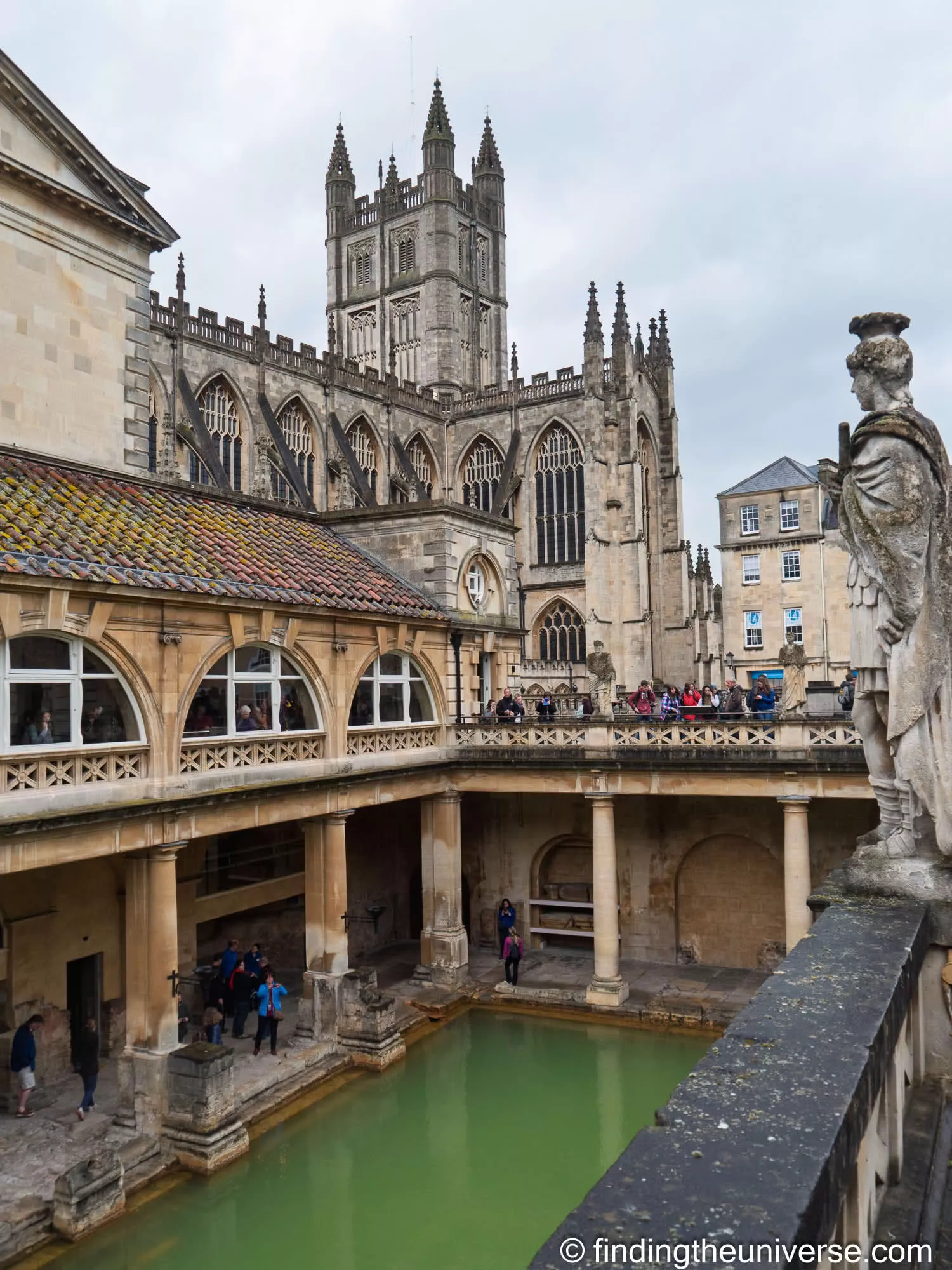
The reason the city exists, and the one paid attraction I’d tell every first-time visitor to book. You walk on 2,000-year-old pavements around the steaming, green Great Bath, fed by natural hot springs, with an unexpectedly good museum wrapped around it. Even after years of taking guests here, the moment you step out beside the water still lands.
My timing advice is simple: book the 9am slot. The tour groups arrive mid-morning and the walkways around the Great Bath get packed by 11. In summer (20 July to 31 August in 2026) the site also stays open into the evening, which is the other trick, as it’s far quieter after dark and feels quite different.
A summer 2026 adult ticket is £29 on weekdays and £33 at weekends if you book online, and buying on the day adds £2. Prices drop in the off season, from about £26. Opening hours are 9am to 6pm daily, last entry 5pm. Book a timed slot on the official Roman Baths site, or you can book a Roman Baths entry ticket on GetYourGuide.
You can’t get in the water here, though. That’s what Thermae Bath Spa is for, a few doors down. More on that shortly.
2. Bath Abbey and the Tower Tour
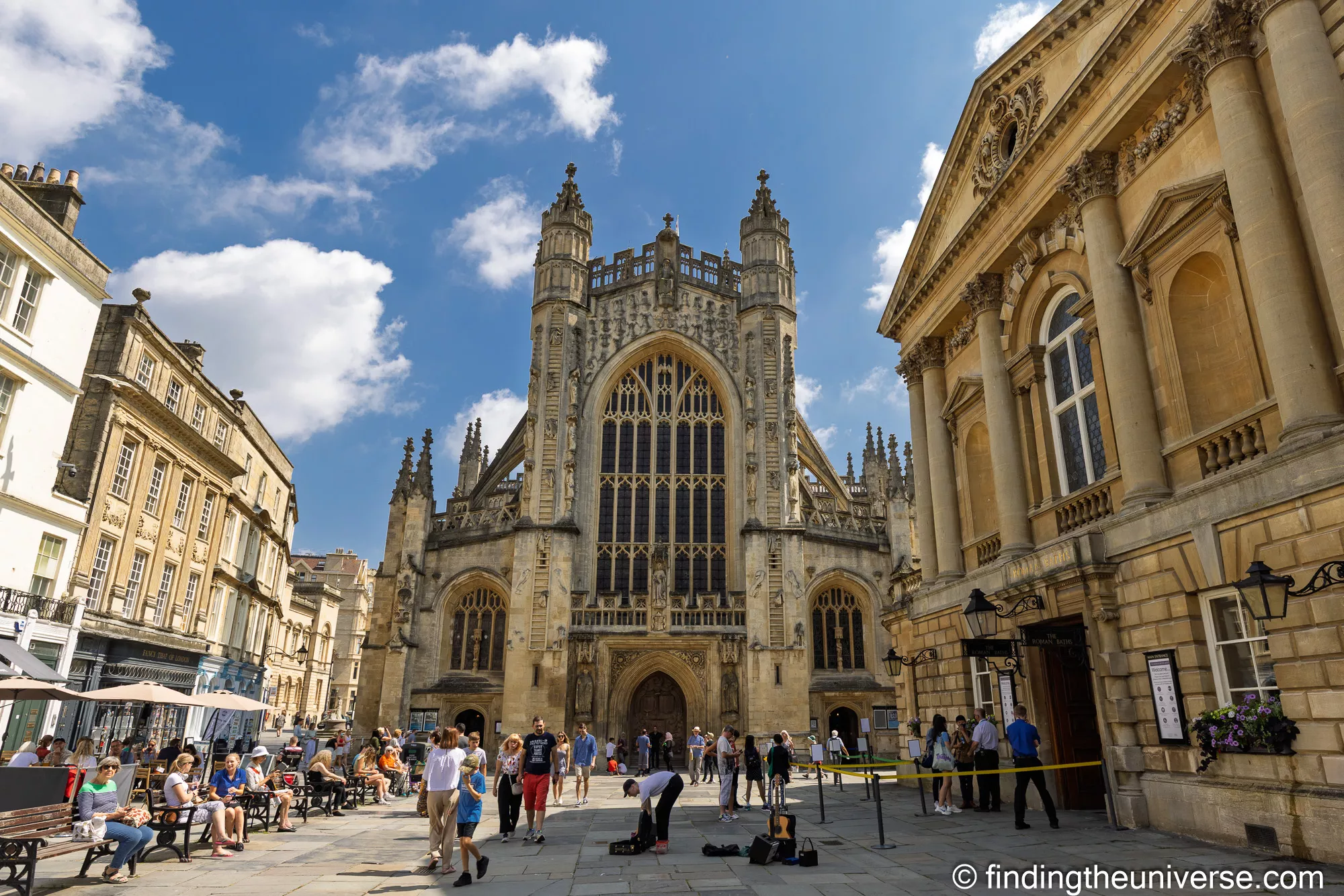
Right next to the Roman Baths, and the two pair naturally. The Abbey’s fan-vaulted ceiling is the thing everyone photographs, and the walls are covered in centuries of memorial tablets that reward a slow wander.
The big change to know about: entry is now a fixed £6.50 admission charge rather than the suggested donation it used to be. It’s still free if you’re attending a service or coming in to pray, and free for BA1 and BA2 residents with proof of address.
The Tower Tour is what I’d actually push you towards. It runs Monday to Saturday, costs £18, and takes you up past the bells to a rooftop view over the whole city, including a look straight down into the Great Bath next door. If you’re only paying for one view in Bath, this is the one. Details on the Bath Abbey website.
3. The Royal Crescent and No.1 Royal Crescent
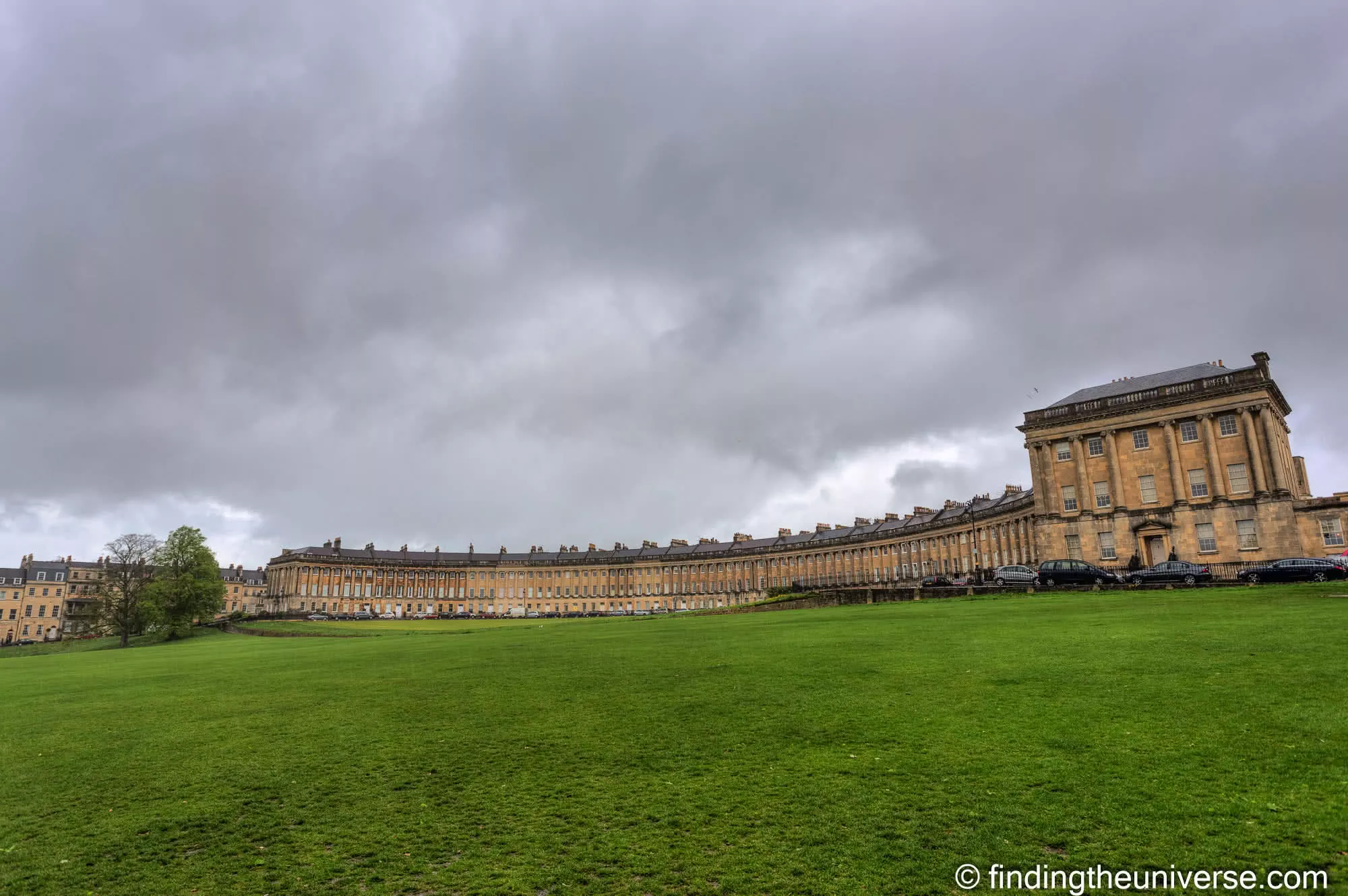
Thirty Grade I listed houses in one sweeping Georgian arc, facing a lawn where half of Bath sits with a picnic on the first sunny day of the year. It’s free to see, and it’s the image most people carry away from the city.
Go in the morning if you want photos without crowds. And notice the ha-ha, the sunken wall that separates the private upper lawn from the public park below without breaking the view. The Georgians were quite good at having things both ways.
At the eastern end, No.1 Royal Crescent is a townhouse restored to how it would have looked in the 1770s, upstairs grandeur and downstairs servants’ quarters both. Adult entry is £16 (£14.50 concession), and children go free with a paying adult, which makes it one of the better-value family stops in the city. Worth an hour if Georgian life interests you at all.
4. The Circus
A five-minute walk from the Royal Crescent along Brock Street, and to my eye the finer piece of architecture, three curved terraces closing a perfect circle around a stand of enormous plane trees. John Wood the Elder designed it; his son finished it. Look up and you’ll spot carved acorns along the parapets and a band of symbols over the ground floor, no two the same!
It’s free, it takes ten minutes, and it’s on the way to everything. The Crescent gets the postcards, but the Circus is the one I kept detouring through long after I’d stopped noticing the rest of my commute.
5. Thermae Bath Spa
This is where you actually get in the water. Thermae is a modern spa running on the city’s natural thermal springs, and the open-air rooftop pool, with the Abbey and the hills behind it, is the single experience I’d rank above everything else in Bath except the Roman Baths themselves. Late afternoon into dusk is the time to go, as the city lights come on while you float.
The standard two-hour Thermae Welcome session is £44 on weekdays and £49 at weekends, and includes the rooftop pool, the Minerva Bath and the Wellness Suite with its steam rooms and ice chamber. A robe and towel are provided. Note the minimum age is 16, so this one isn’t for family days out.
You can walk in and queue, but sessions do fill, so I’d book ahead on the Thermae Bath Spa website, especially for a weekend.
6. Pulteney Bridge and the Weir
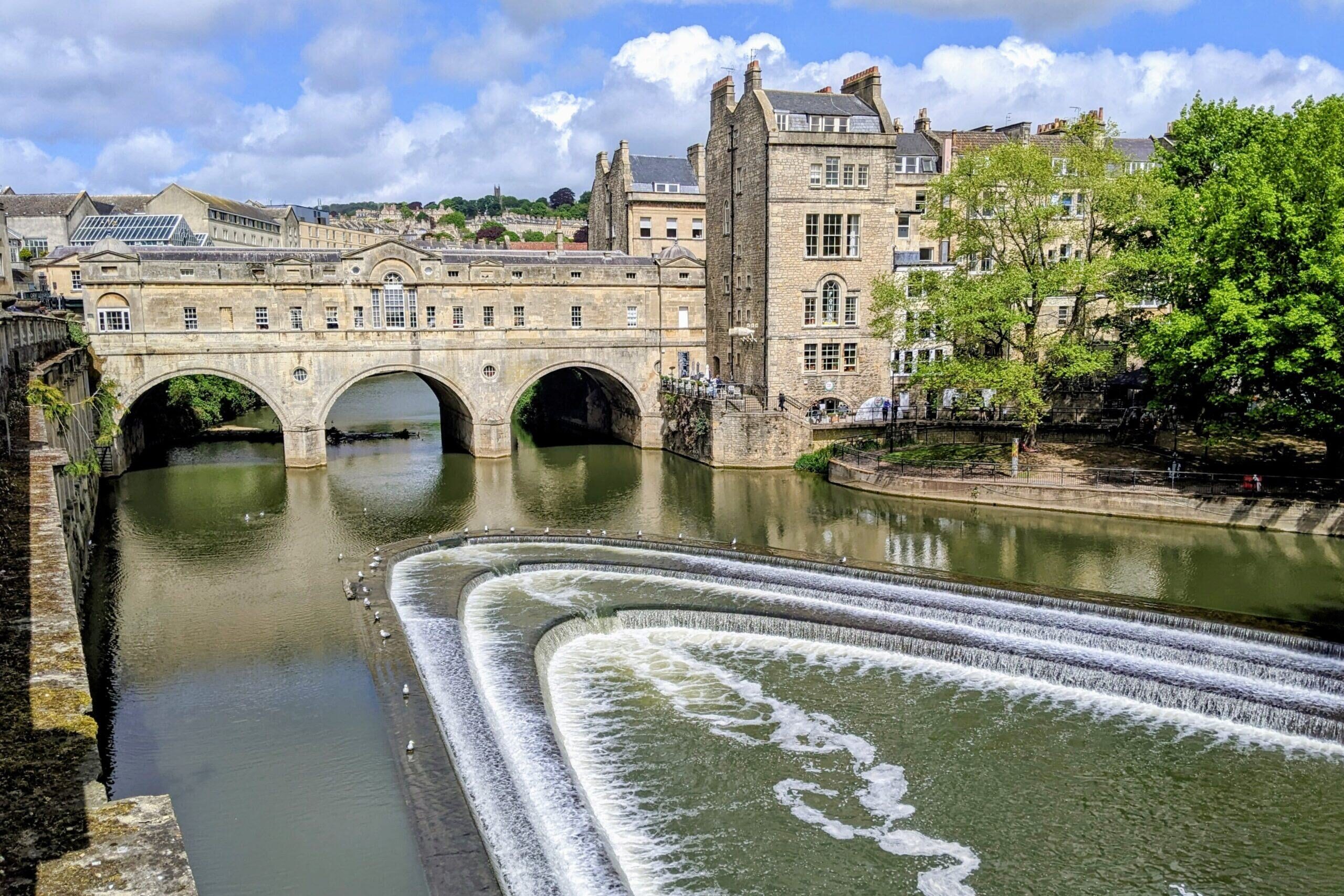
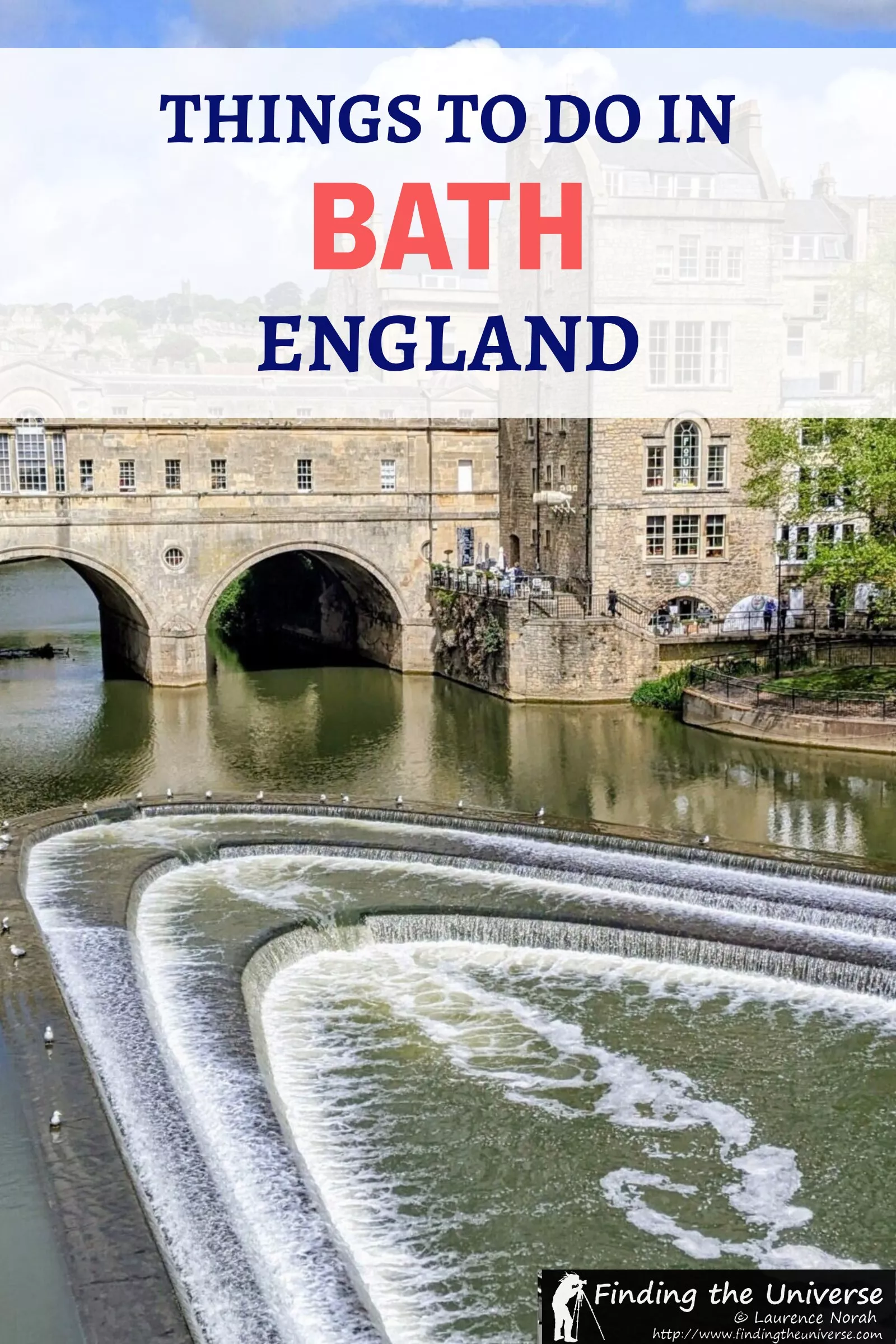
One of the very few bridges anywhere with shops built across its full span, which means you can walk over it without realising it’s a bridge at all. You want to see it from the outside: the classic angle is from Grand Parade, looking across the horseshoe weir with the bridge behind. After the Royal Crescent, it’s the most photographed spot in Bath.
From below the bridge, Pulteney Cruisers run hour-long boat trips up the Avon, seven days a week from spring to autumn, river levels permitting. It’s around £8 for adults, paid on board, and it’s a pleasantly lazy way to see a side of the city you can’t get on foot. If the river’s up after heavy rain they don’t sail, so treat it as a bonus rather than a plan.
7. Alexandra Park
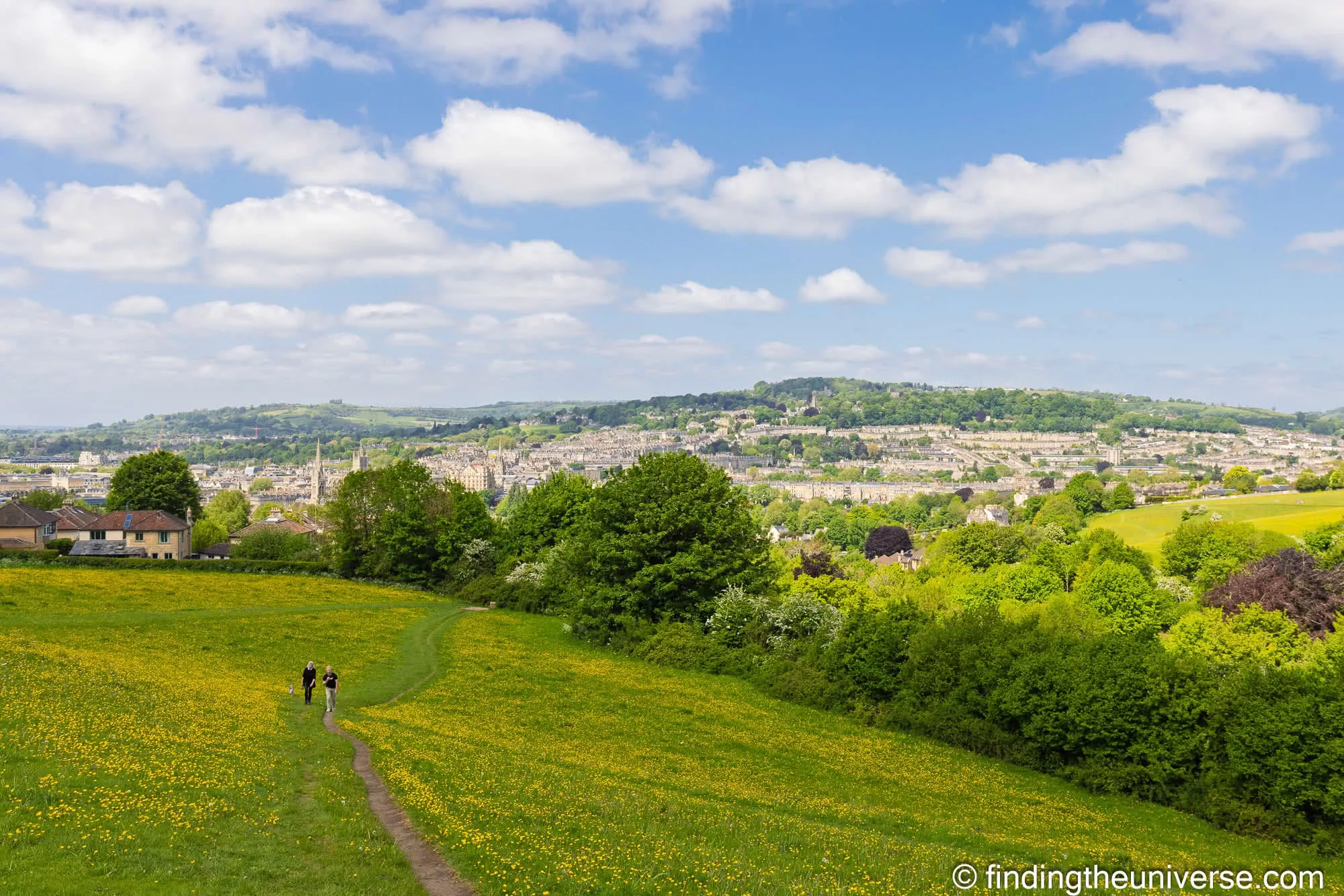
Here’s the local’s pick. Alexandra Park sits on the hill directly south of the city, and the viewpoint at the top gives you the whole of Bath laid out at once: the Abbey, the Crescent, the terraces climbing the far hillside. It’s free, it’s never busy, and most visitors have no idea it exists.
The climb is the price. From Widcombe, just over the river from the station, it’s a short but pretty steep pull up (the steps known as Jacob’s Ladder are the direct route), maybe fifteen minutes of honest effort. I took every single guest we ever had up there, usually at golden hour, and nobody ever complained about the view. One or two complained about the steps.
8. The Bath Skyline Walk and Sham Castle
The Skyline is a waymarked National Trust loop of about six miles through the meadows and woods on the hills east of the city, and it’s the best free half-day in Bath. You get long views over the city from Bathwick fields, real countryside quiet, and cows. Details and a route map are on the National Trust Skyline page.
If six miles is more commitment than you fancy, walk up to Sham Castle from the university side instead. It’s called Sham Castle because that’s exactly what it is: a castle-shaped wall, one room deep in places and no rooms deep in most, built in 1762 so a wealthy resident had something better to look at from his window. The view back over the city from its base is the real reason to go.
9. Prior Park Landscape Garden
An eighteenth-century landscape garden spilling down a steep valley south of the city, with its Palladian bridge sitting over the lakes at the bottom, one of Bath’s most photographed spots once you’re inside. It’s a National Trust property, around £8 for adults in 2026 and free for NT members.
The practical bit matters here: there is no visitor parking at all. Take the number 2 bus from Dorchester Street in the city centre, which stops right outside in about ten minutes, or walk up from Widcombe in twenty fairly steep minutes. Check the National Trust Prior Park page before you go, as sections of path occasionally close after bad weather.
10. A Free Walking Tour With the Mayor’s Guides
The Mayor of Bath’s Corps of Honorary Guides have been showing people around the city for decades, and their walking tour is the best free activity in Bath. The guides are volunteers, the tour really is free, and they won’t accept tips, which makes for a refreshing change from the “free” tours of most European cities.
Tours last roughly two hours and there’s no booking for individuals: you just turn up at the Guides’ notice board in Abbey Churchyard, next to the Roman Baths entrance, about ten minutes before the start. Times and the seasonal extra walks are on the Mayor’s Guides website. If you do one organised thing in Bath, I’d make it this.
11. The Pump Room
The grand Georgian salon next to the Roman Baths where polite society once came to be seen, and where you can now come for one of the better afternoon teas in the city. You don’t need to be a Baths ticket holder to eat here.
The other reason to visit is to drink a glass of the warm spa water, drawn from the same spring that feeds the Baths. It tastes like it’s good for you, which is to say, not very nice. I’d still do it once. Some experiences are about the story rather than the flavour.

12. Sally Lunn’s
Sally Lunn’s is a Bath institution: a tea and eating house in a building its owners date to around 1482, which they claim as the oldest house in Bath. The thing to order is the Sally Lunn bunn, a large, light brioche-style bun served sweet or as a trencher under something savoury. Is it worth queueing for? At peak times, a bit of a wait is likely, but yes, once.
Don’t miss the free Kitchen Museum in the cellar, open roughly 11am to 4pm, with the original kitchen and traces of Roman Bath under the floor. Details at sallylunns.co.uk.
Bath’s food scene goes a long way beyond historic buns, but that’s a subject for its own article. For this list, Sally Lunn’s and the Pump Room are the two food stops that count as sights in their own right.
13. The Holburne Museum and Sydney Gardens
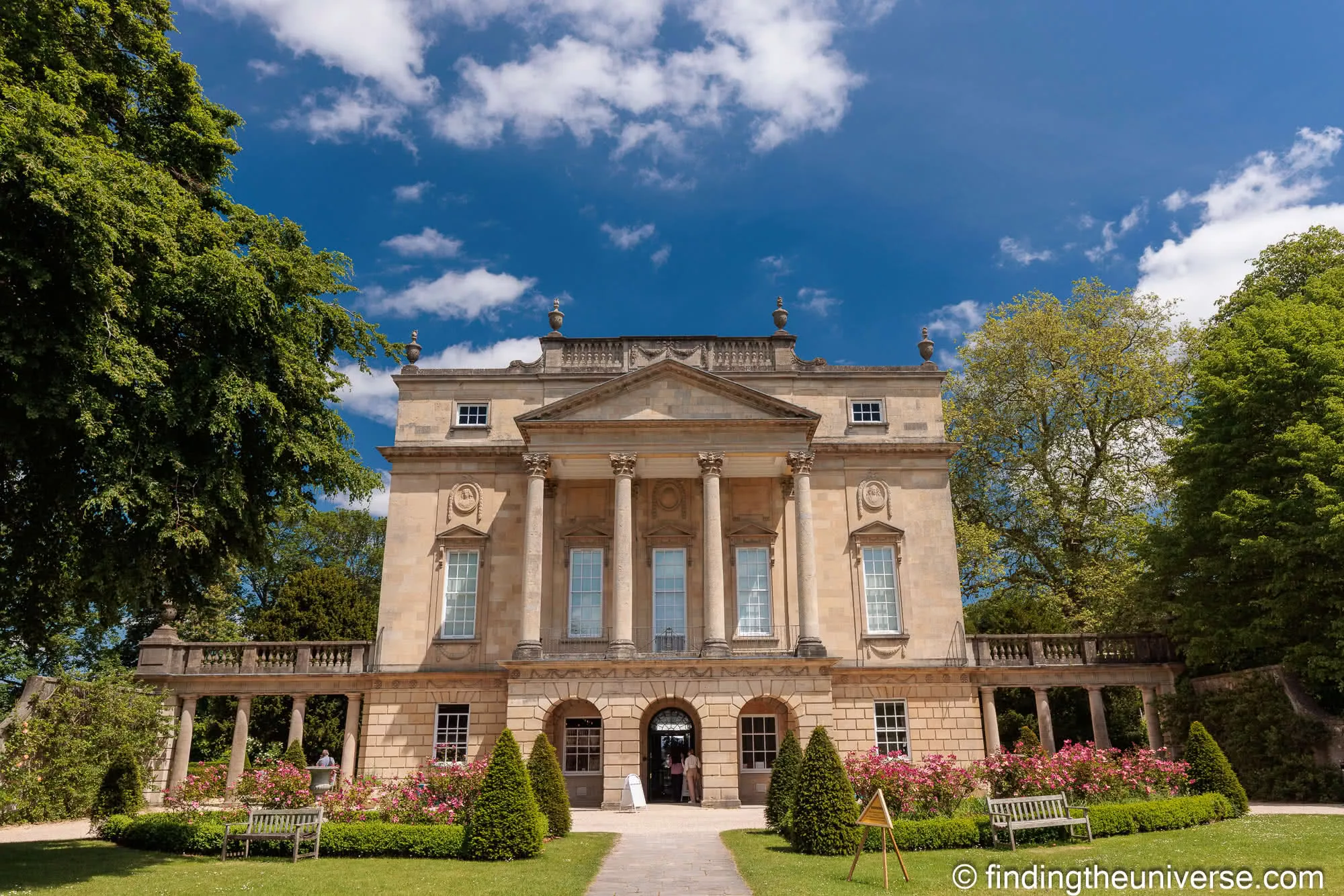
Stand on Pulteney Bridge and look down Great Pulteney Street: the building closing the view at the far end is the Holburne Museum, a fine small collection of art and Georgian treasures. Bridgerton fans will recognise the exterior as Lady Danbury’s house.
Entry is charged, but there are two free windows worth knowing about: the permanent collection is free on Wednesday afternoons from 3pm, and the whole museum is free from 5pm to 9pm on the last Friday of each month. Under-18s always go free. Hours and prices are on the Holburne website.
Behind the museum, Sydney Gardens is Bath’s oldest pleasure garden, free to wander, with the canal and railway cutting through it. Jane Austen lived just across the road at 4 Sydney Place for a spell, and this was her local park.
14. The Victoria Art Gallery
A small gallery right by Pulteney Bridge with a solid collection of paintings, and the permanent collection upstairs is free to visit. Temporary exhibitions in the lower galleries are ticketed, so don’t be surprised by a till on the way in. Check what’s on at the Victoria Art Gallery site.
It’s a half-hour visit rather than a half-day one, which is exactly what makes it useful. Keep it in your back pocket for a rain shower.
15. Royal Victoria Park and the Botanical Gardens
The big green space below the Royal Crescent, and where the city actually goes on a nice day. The adventure playground is one of the best free ones I’ve come across anywhere, which parents of small children should file away, and the Botanical Gardens within the park are free and quietly lovely.
The park is also the classic foreground for photographing the Crescent: the wide shot from the park lawn, with the whole arc in frame, is the one you’ve seen on every Bath postcard.
16. The Jane Austen Centre
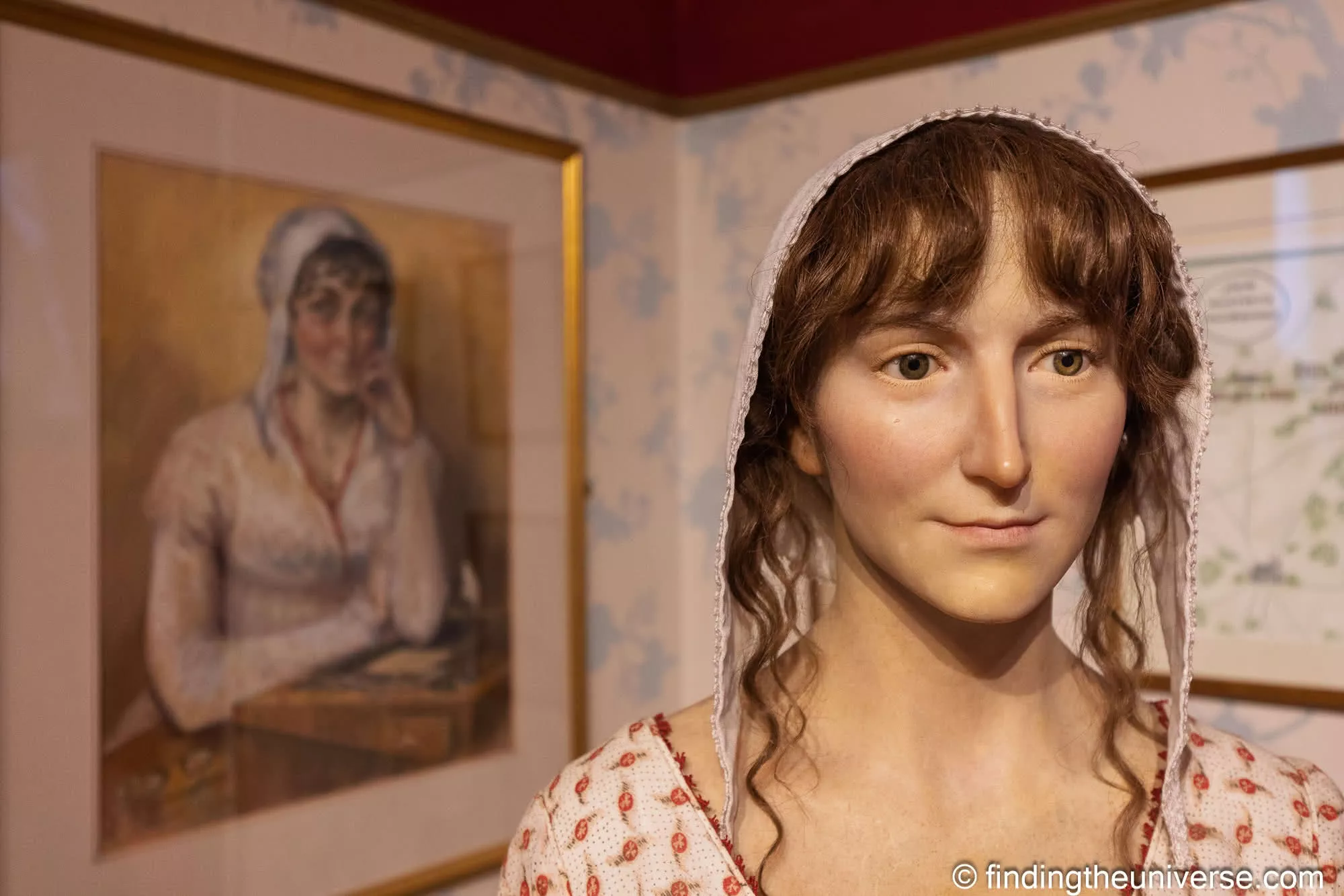
Time for a former local’s verdict. The Jane Austen Centre is a small exhibition about Austen’s years in Bath, fronted by costumed guides, and it’s £17 for adults in 2026. If you’re an Austen fan, it’s a pilgrimage stop and you’ll enjoy it. If you’re not, I’d spend the money on the Abbey Tower Tour and get my Austen content from the free walking tour instead, which covers her Bath years well.
The detail I enjoy most: Austen lived in Bath for around five years, a year longer than me, and by her letters she wasn’t always thrilled about it either. The city forgives her. There’s a festival in her honour every September.
If you do want to visit, you can book a Jane Austen Centre ticket on GetYourGuide.
17. Beckford’s Tower
A 154-foot neo-classical tower on Lansdown hill, built in 1827 for William Beckford, a man with more money than anyone sensible knows what to do with, and recently restored. Climb it for long views over the hills, and stay for the story of Beckford himself, which the small museum tells well.
The catch is the schedule: it’s open weekends only (plus bank holiday Mondays in the main season), from mid-February to mid-December, 10am to 5pm in summer and 10am to 4pm in the late autumn. Adult entry is £10, and the ticket works as an annual pass. Don’t turn up on a Wednesday; check the Beckford’s Tower site first.
18. The American Museum and Gardens
An unexpected one to finish: a museum of American decorative arts and folk art in a manor house on the eastern edge of the city, with gardens that are worth the trip by themselves on a fine day. This is where Bath residents take visiting relatives when the relatives have already done the Baths twice.
Adult entry is £17. It’s open Tuesday to Sunday (plus bank holiday Mondays and Mondays in local school holidays), and closes for deep winter, reopening each year in mid-February. Check dates on the American Museum website before planning around it.
Bath at Christmas
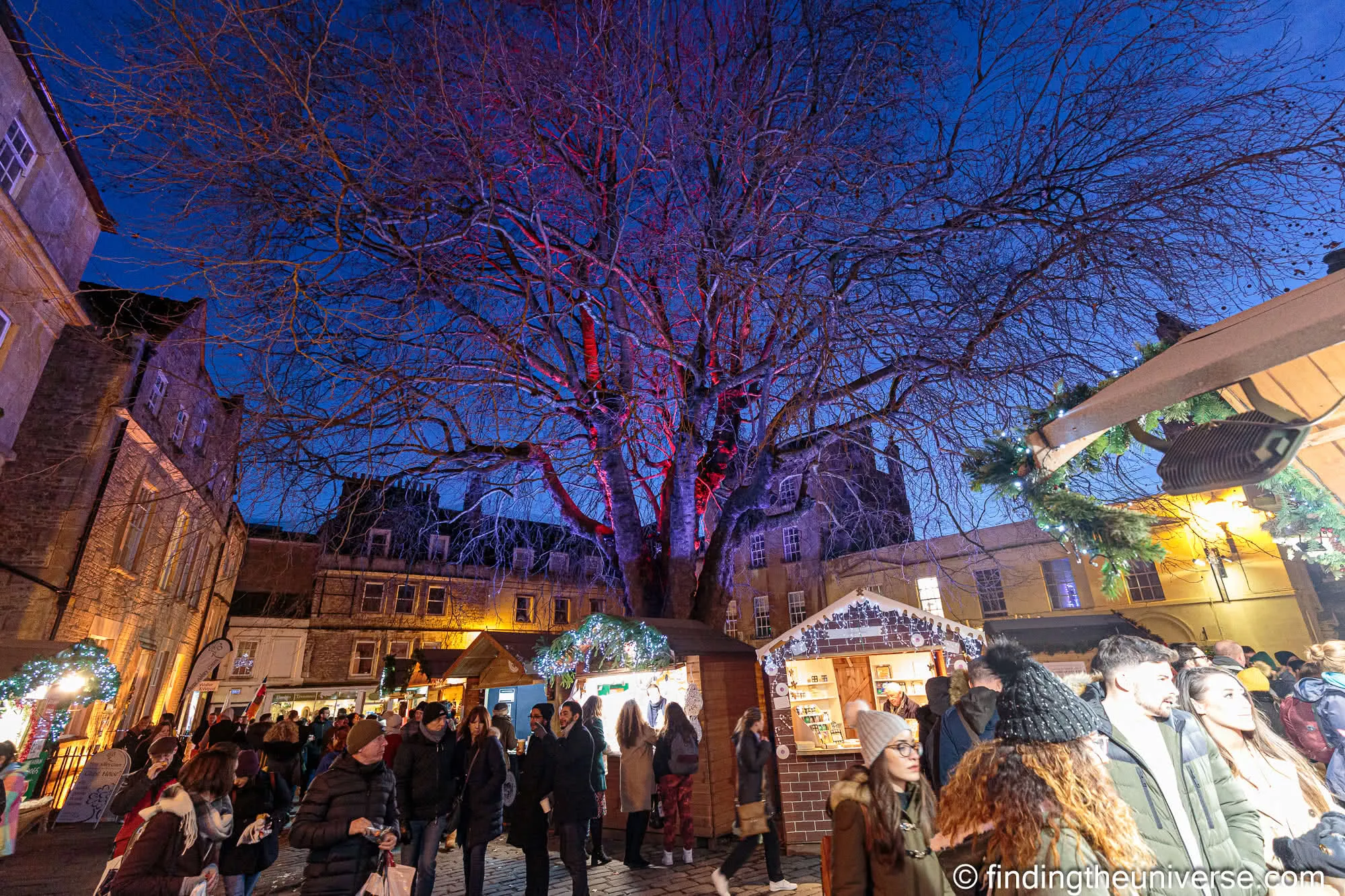
If you can time a trip for it, the Bath Christmas Market runs from 26 November to 13 December in 2026, with chalets filling the streets around the Abbey and up Milsom Street. Entry is free and there’s no booking. It’s one of the better Christmas markets in the UK, and the Georgian backdrop does a lot of the work.
My advice from living through several of them: go midweek if you possibly can. On market weekends the city centre is shoulder-to-shoulder, and the same stalls are a great deal more enjoyable on a Tuesday evening.
Free Things to Do in Bath
Bath can be an expensive city, but a surprising amount of the best of it costs nothing:
- The Mayor’s Guides walking tour (the best free thing in the city)
- The Royal Crescent and the Circus, open streets you can walk along any time
- Alexandra Park viewpoint
- The Bath Skyline walk and Sham Castle
- Sally Lunn’s Kitchen Museum
- Sydney Gardens and Royal Victoria Park
- The Victoria Art Gallery’s permanent collection (temporary exhibitions are ticketed)
- The Holburne Museum in its free windows: Wednesdays from 3pm and the last Friday evening of the month
- The Christmas Market, if you’re there in season
A completely free Bath day of walking tour, Crescent, Circus and Alexandra Park is a really good day out by any standard.
Rainy Day Bath
It rains in Bath. It rained on a remarkable number of my visitors, in fact, so this list got well tested. The Roman Baths are mostly under cover and lose nothing in bad weather. No.1 Royal Crescent, the Holburne, the Victoria Art Gallery and the Jane Austen Centre are all indoor stops, and the Pump Room will stretch afternoon tea out for as long as the rain lasts.
The best wet-weather call of all is Thermae Bath Spa, which solves the rain problem by getting you wet on your own terms, in warm water, on a rooftop. A rainy dusk session up there is better than a sunny one, and I’ll defend that opinion.
Bath With Kids
Bath is more child-friendly than its genteel reputation suggests. The Roman Baths do family tickets and kids tend to like the costumed characters and the sheer strangeness of the steaming water. The boat trip from Pulteney Bridge is a reliable hit, and short enough not to push your luck.
Royal Victoria Park’s adventure playground is the local parents’ secret weapon, and it’s free! No.1 Royal Crescent lets children in free with a paying adult, and the American Museum’s gardens give everyone room to run. The one to skip with under-16s is Thermae, which doesn’t admit them.
The Best Viewpoints in Bath
Bath is a city in a bowl, so the views are all about getting up the sides. As a photographer, these are the four I rate:
- Alexandra Park, for the best overall panorama, free, and at its best at golden hour
- The Bath Abbey Tower, for the closest rooftop view, and the only one that looks down into the Roman Baths (£18, Monday to Saturday)
- Bathwick fields on the Skyline walk, for the classic wide angle across the city, free
- Grand Parade, for the Pulteney Bridge and weir shot, free and in the city centre
If you only climb one hill, make it Alexandra Park.
What You Can Safely Skip
A couple of things you might arrive expecting to see. The Fashion Museum closed in 2022 and won’t reopen until 2030, in a new home in the old Post Office building. The Assembly Rooms, its former home, are closed too, undergoing National Trust restoration until 2027. Plenty of older guides still list both, so consider this your updated note: neither can be visited right now.
Beyond the closures, my main skip is paying for a view when Alexandra Park is free, unless the view comes with something extra, as the Abbey tower’s does. And as covered above, the Jane Austen Centre is a fan’s stop rather than an everyone stop. Bath rewards walking and looking more than it rewards ticket-buying.
Frequently Asked Questions About Visiting Bath
Is Bath worth visiting?
Yes, and I say that as someone who lived there for four years rather than someone selling you a tour. It’s the only city in the UK that’s a UNESCO World Heritage Site in its entirety, the Roman Baths are a world-class sight, and the whole centre is walkable in a day.
It’s at its best if you enjoy architecture, history and walking. If your ideal city break is big-name museums and nightlife, London or Bristol will suit you better, and Bath works well as a day trip from either.
How many days do you need in Bath?
One full day covers the headline sights: the Roman Baths, the Abbey, the Royal Crescent and the Circus, plus a viewpoint. Two days lets you add Thermae Bath Spa, a walking tour and a museum or two without rushing, and that’s the length I’d recommend.
If that’s your plan, my 2 day Bath itinerary puts it all in order.
Is the Roman Baths worth it?
Yes. It’s the one ticket in Bath I’d call essential, even at the summer weekend price of £33. The site is far bigger than it looks from outside and the museum is far better than it needs to be.
The caveat is timing: book the 9am slot online, or go in the evening during the summer late openings. Midday in August is the same site with four times the elbows.
What can you do in Bath for free?
Quite a lot. The Mayor’s Guides run free two-hour walking tours with no booking needed, the Royal Crescent and Circus are free to admire, and the best viewpoint in the city, Alexandra Park, costs nothing but the climb.
Add the Bath Skyline walk, Sally Lunn’s Kitchen Museum, the Victoria Art Gallery’s permanent collection and the parks, and you can fill a full day in Bath without spending a pound.
Is Bath good for kids?
Better than its reputation suggests. The Roman Baths, the Pulteney Bridge boat trip, the adventure playground in Royal Victoria Park and the American Museum’s gardens all work well with children, and No.1 Royal Crescent lets kids in free with a paying adult.
The main exception is Thermae Bath Spa, which has a minimum age of 16.
What should you do in Bath when it rains?
The Roman Baths are mostly under cover, and No.1 Royal Crescent, the Holburne Museum, the Victoria Art Gallery and the Jane Austen Centre are all solid indoor stops. Afternoon tea at the Pump Room is the traditional wet-weather refuge.
My top pick is a session at Thermae Bath Spa: warm water and a rooftop pool make the weather someone else’s problem.
Planning Your Trip to Bath
A few resources to take this from a list to a plan. For the practical side of a visit, my guide to a Bath day trip from London covers trains, timings and how much you can realistically fit in, and my 2 day Bath itinerary sequences everything in this article into a weekend. If you want to combine Bath with Stonehenge and the Cotswolds in one day from London, I’ve written about that trip too.
For a guidebook that covers Bath alongside the rest of the country, we travel with Rick Steves England, which is the one I’d pick for a first UK trip.
And that’s my Bath. Four years of living there, condensed into the version of the tour my friends and family got, minus the bit where I make you climb Alexandra Park before you’ve had a coffee. Any questions about visiting, ask away in the comments, as I’m always happy to talk about this city.
Leave a Reply