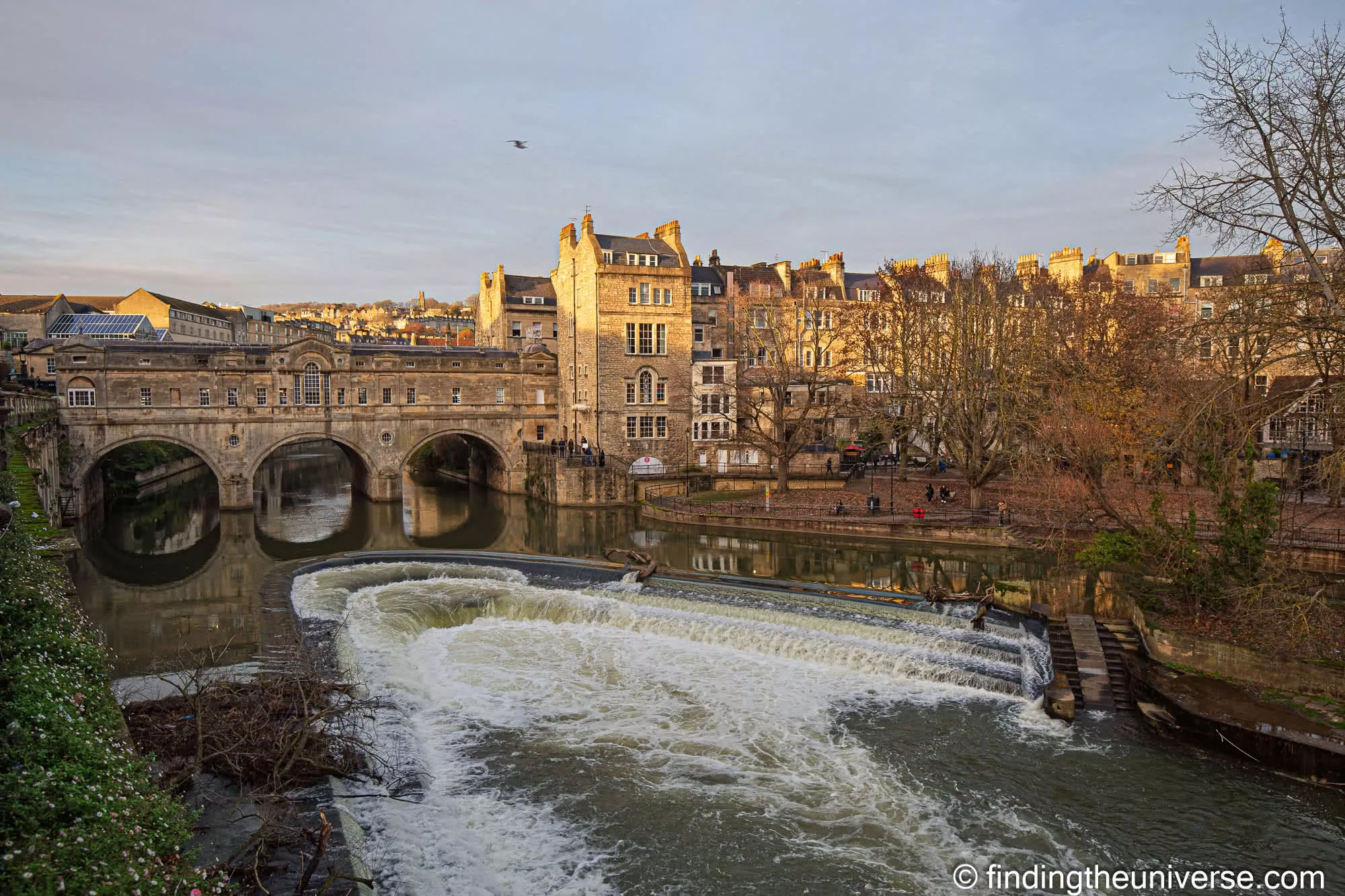
We spent four years living in Bath, which means we’ve done the city in a single day more times than we would like to admit. Usually it was with a friend who had taken the morning train down from London and wanted to see everything before the last train home. So we know which parts of a Bath day trip are worth your time, where the crowds bunch up, and the one thing you’ll probably wish you had left more room for. If you end up with longer than a day, our guide to the best things to do in Bath ranks the lot.
Here’s the short version up front. Yes, Bath works beautifully as a day trip from London. So does Brighton, if you would rather trade Georgian crescents for the seafront. It’s about an hour and twenty minutes on a direct train from Paddington, the main sights all sit within a fifteen-minute walk of each other, and one full day is enough to understand why people fall for the place. What a single day can’t give you is the slow Bath evening, and we will come back to why that matters.
If you want to fold Stonehenge or the Cotswolds into the same trip, that’s a different day out, and we’ve written a separate guide to doing Stonehenge, Bath and the Cotswolds from London. This guide is for people who want Bath, and only Bath, done well in the hours you have.
Table of Contents:
Is a Day Trip to Bath From London Worth It?
Yes. Bath is one of the easiest and most rewarding day trips you can do from London. A direct train gets you there in about an hour and twenty minutes, the city is small enough to cover on foot, and the headline sights (the Roman Baths, Bath Abbey, the Royal Crescent and Pulteney Bridge) more than earn the journey. The one real trade-off is the spa: the modern Thermae Bath Spa, where you can bathe in the city’s natural thermal waters, is the part a single day struggles to fit in. More on that below.
Here’s the day trip at a glance, with prices and times current for 2026.
| Bath day trip at a glance | Detail |
|---|---|
| Travel time from London | About 1 hour 20 minutes on a direct train from London Paddington to Bath Spa |
| Train frequency | Roughly every 30 minutes through the day, around 70 services on a weekday |
| Typical fare | Advance singles from about £15 each way if you book ahead; walk-up fares are much higher |
| What to book ahead | The Roman Baths (timed entry) and your train tickets. Almost everything else you can walk up to. |
| Ideal time in the city | A full day, roughly 9am to early evening. Six hours on the ground is the sensible minimum. |
| What a day can’t give you | A session at Thermae Bath Spa and a relaxed evening. That’s the case for staying overnight. |
If you only do two things before you go, book your train and book your Roman Baths slot. Both get more expensive and more limited the longer you leave them.
Is One Day in Bath Enough? What You Can and Can’t Fit
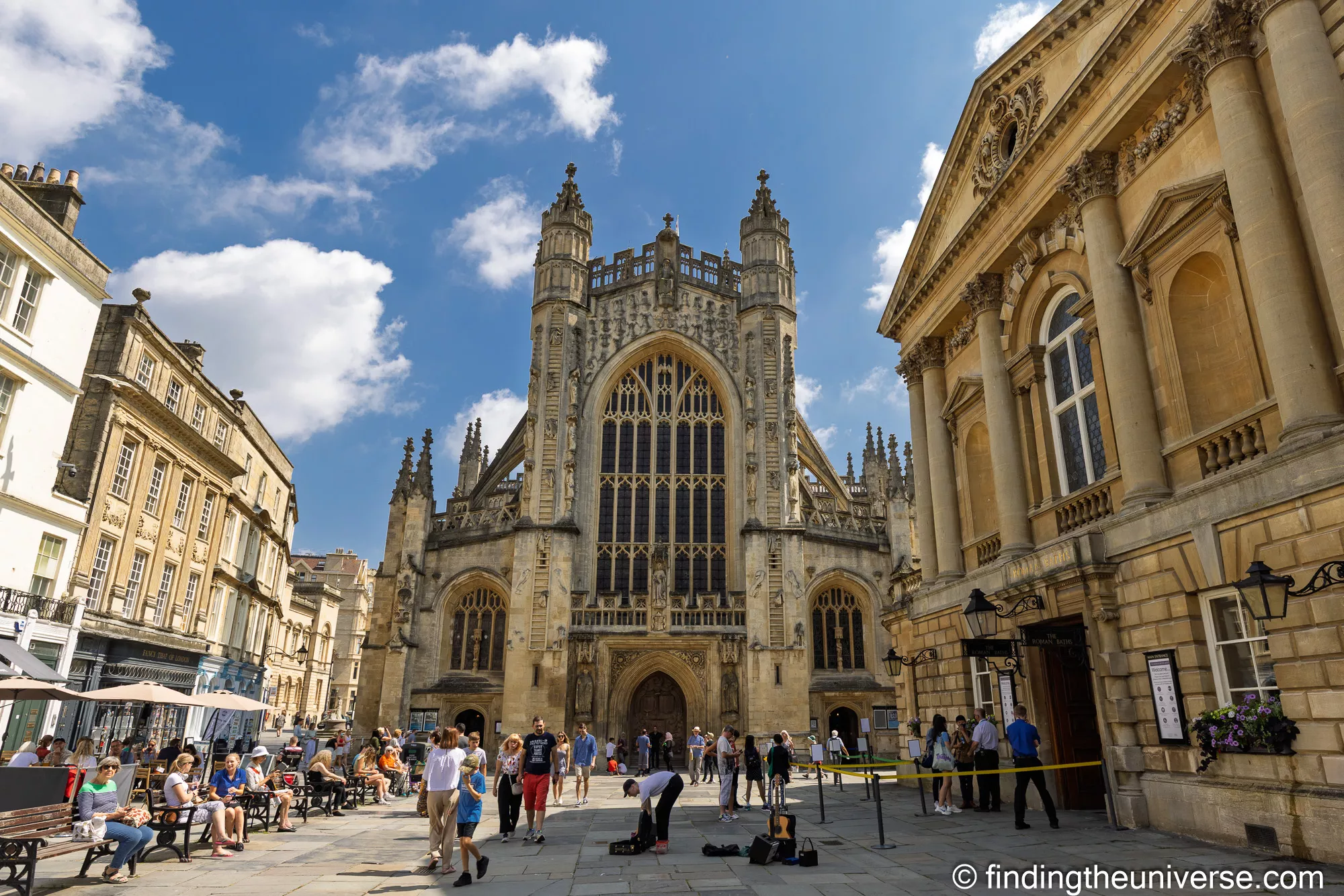
One day is enough to see the best of Bath, as long as you’re realistic about it. The city packs its big sights into a compact, walkable centre, so you move between them quickly. In a single day at a comfortable pace you can tour the Roman Baths, step inside Bath Abbey, walk the Royal Crescent and the Circus, cross Pulteney Bridge, have a proper lunch, and still have time to wander the Georgian streets that make the place.
What you’ll skip is the slower, second-day Bath. The Thermae Bath Spa really wants a half-day of its own. The Bath Skyline walk, the Jane Austen Centre, the American Museum out at Claverton, the Holburne Museum and a long lazy afternoon on the Royal Crescent’s lawns all belong to a longer visit. If those are on your list, read our full two-day Bath itinerary instead, because trying to cram them into one day is how a relaxed trip turns into a route march.
Our rule of thumb after five years here: a day trip suits anyone who wants the headline Bath, the Roman and Georgian city that put it on the map. If you want the spa-and-supper version, the one that actually unwinds you, give it a night.
Getting From London to Bath by Train
The train is the obvious way to do this. Direct Great Western Railway services run from London Paddington to Bath Spa in about one hour and twenty minutes on the fastest trains, and they leave roughly every half hour through the day. There are around 70 weekday departures, so you’re never waiting long. Bath Spa station sits right in the centre of town, a five-minute walk from the Abbey and the Roman Baths, so there’s no transfer to factor in at the other end.
Fares are where a bit of planning pays off. Book an Advance single in the days or weeks before you travel and you can pay from around £15 each way, especially on off-peak and weekend trains. Turn up and buy an Anytime ticket on the day and you can easily pay three or four times that. We book through Trainline because it’s the simplest way to compare departures and hold your tickets in one app, though booking direct on GWR‘s own site avoids Trainline’s small booking fee if you would rather. Either way the rule is the same: book ahead, and book a specific train rather than an open return.
One thing day-trippers forget is the journey home. Fast trains run back to Paddington late into the evening, but the timetable thins out and the last direct services can leave earlier than you expect, so check the last departure for your date before you sit down to a long dinner. Reserve a seat if you’re travelling on a Friday or a weekend, when the Bath trains fill up.
Could you drive? You could, but we wouldn’t. It’s roughly two and a half to three hours from London on the M4 in good traffic, city-centre parking is limited and pricey, and the train drops you exactly where you want to be. If you do drive, use one of Bath’s park and ride sites on the edge of town and take the bus in rather than circling for a space.
How to Spend One Day in Bath
Here’s the day we would plan for a first-time visitor, built around the rhythm of how Bath actually fills up. The single most useful thing we learned living here is to reach the Roman Baths early, because by late morning the queue outside and the crush inside turn the city’s best sight into its most stressful one. Everything else flexes around that.
Aim to be on a train that gets you into Bath Spa by around 9.30am, and plan to catch one home in the early evening once the day-trippers have thinned out. That gives you a full, unhurried day. Below we’ve split it into morning, afternoon and evening so you can shuffle the order to suit your train times, but the early-Roman-Baths rule holds whatever you do. If you would rather have someone else do the planning and the storytelling, a guided walking tour with a Blue Badge guide is a good way to get your bearings in the first hour or two, and most leave from near the Abbey.
Here’s where the day’s ticketed sights stand on price and booking in 2026.
| Sight | Adult price (2026) | Worth booking ahead? |
|---|---|---|
| Roman Baths | £29 weekday / £33 weekend, about £2 more on the day | Yes, essential |
| Bath Abbey | £9, audio guide £3.50 extra | No, walk up |
| No.1 Royal Crescent | £16 | Helpful on busy days |
| Thermae Bath Spa | £44 weekday / £49 weekend, 2-hour session | Yes, if you want a slot |
Morning: The Roman Baths and Bath Abbey
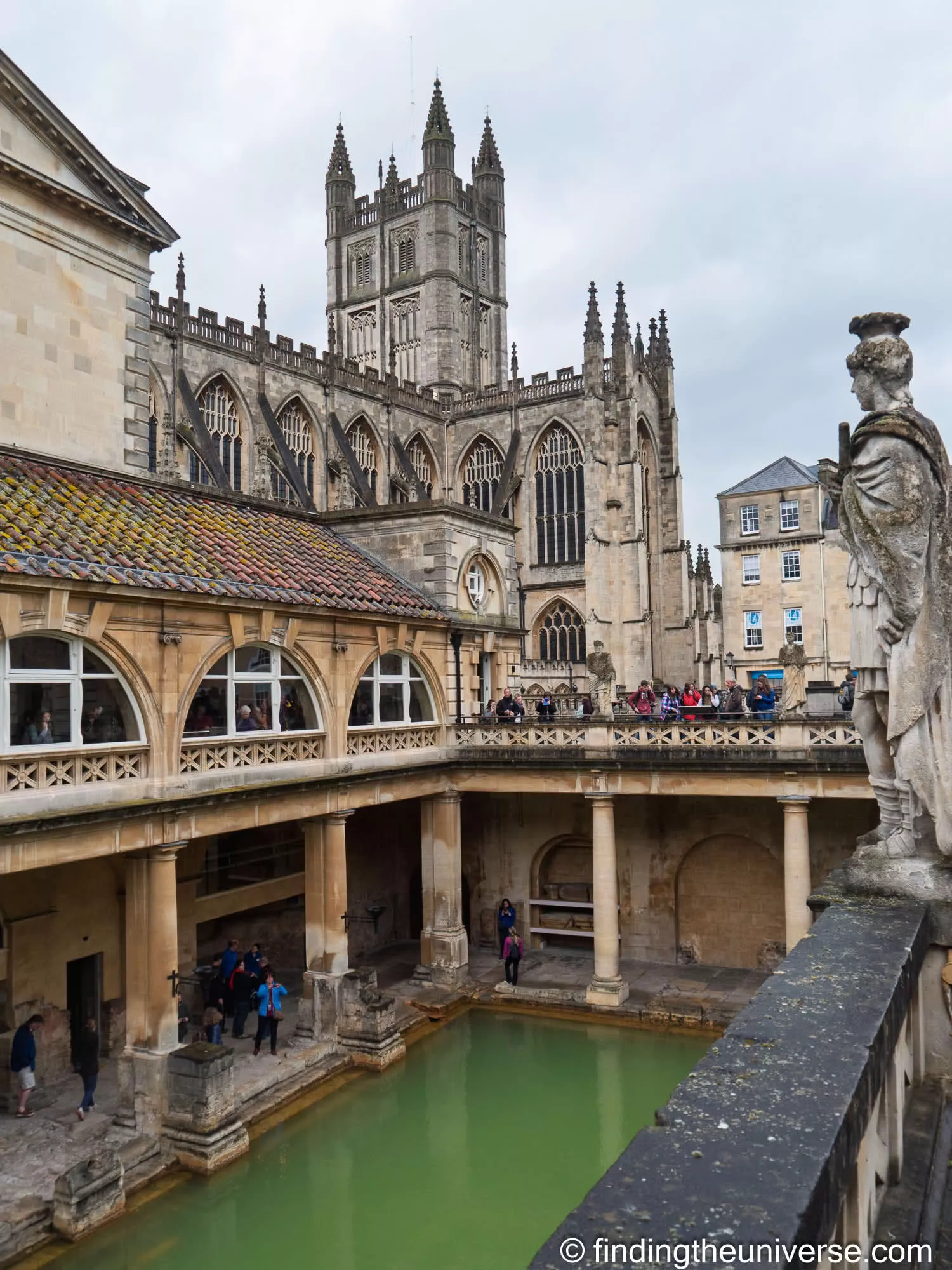
Start at the Roman Baths, and book your timed entry in advance. This is the one sight in Bath you should not leave to chance. It’s a remarkably complete Roman bathing complex built around Britain’s only natural hot springs, where the water still surfaces at around 45°C. It’s the reason the city exists, and it’s busy by mid-morning. Adult tickets booked online are £29 on a weekday and £33 at weekends in 2026, with children aged 6 to 18 at £22 and £26; buying on the day adds about £2 a ticket, and the demand-based pricing drops on quieter winter weekdays. Give yourself ninety minutes to two hours. The audio guide is included and worth picking up, and the terrace overlooking the Great Bath is the photo everyone comes for, so go up there before the crowd does.
From the Baths it’s a thirty-second walk to Bath Abbey next door. Entry is £9 for adults in 2026, £5 for children aged 5 to 15, with an audio guide £3.50 on top, and the fan-vaulted ceiling and the wall of stained glass are worth the stop even if you’re not usually a church person. The Tower Tours climb to the top for a view down over the rooftops, but on a tight day-trip schedule we would skip it and keep moving.
Lunch: Sally Lunn’s or the Pump Room
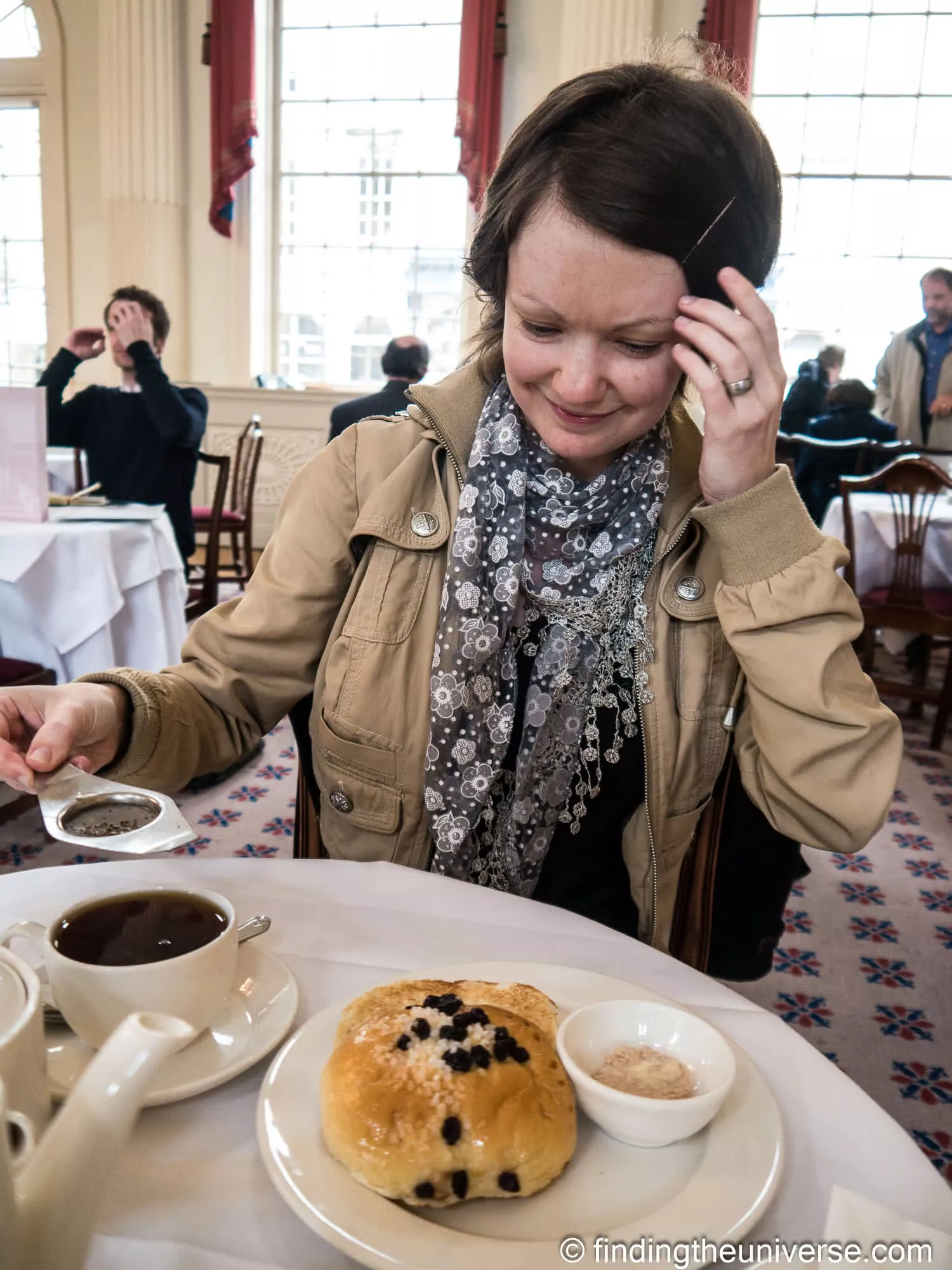
By now you’ve earned lunch, and two Bath institutions sit within a few minutes of the Abbey. Sally Lunn’s serves the Sally Lunn bun, a large, light, brioche-style bun made on the site since the 1680s, in one of the oldest houses in the city. It’s touristy and it knows it, but the bun is a proper piece of Bath history and the building alone is worth a look. It opens daily from 10am to 9pm, and you can walk in for lunch though they take bookings for dinner.
For something more genteel, the Pump Room next to the Roman Baths does morning coffee, lunch and a well-known afternoon tea in a grand Georgian room with live music, often with a queue. Our steer: have the bun at Sally Lunn’s if you want the story, and save the Pump Room for afternoon tea on a return trip when you’re not racing a train. If you just want a good, quick lunch without the heritage markup, the cafes around Kingsmead Square and the independents along Margaret’s Buildings are where we would actually eat.
Afternoon: Pulteney Bridge, the Circus and the Royal Crescent
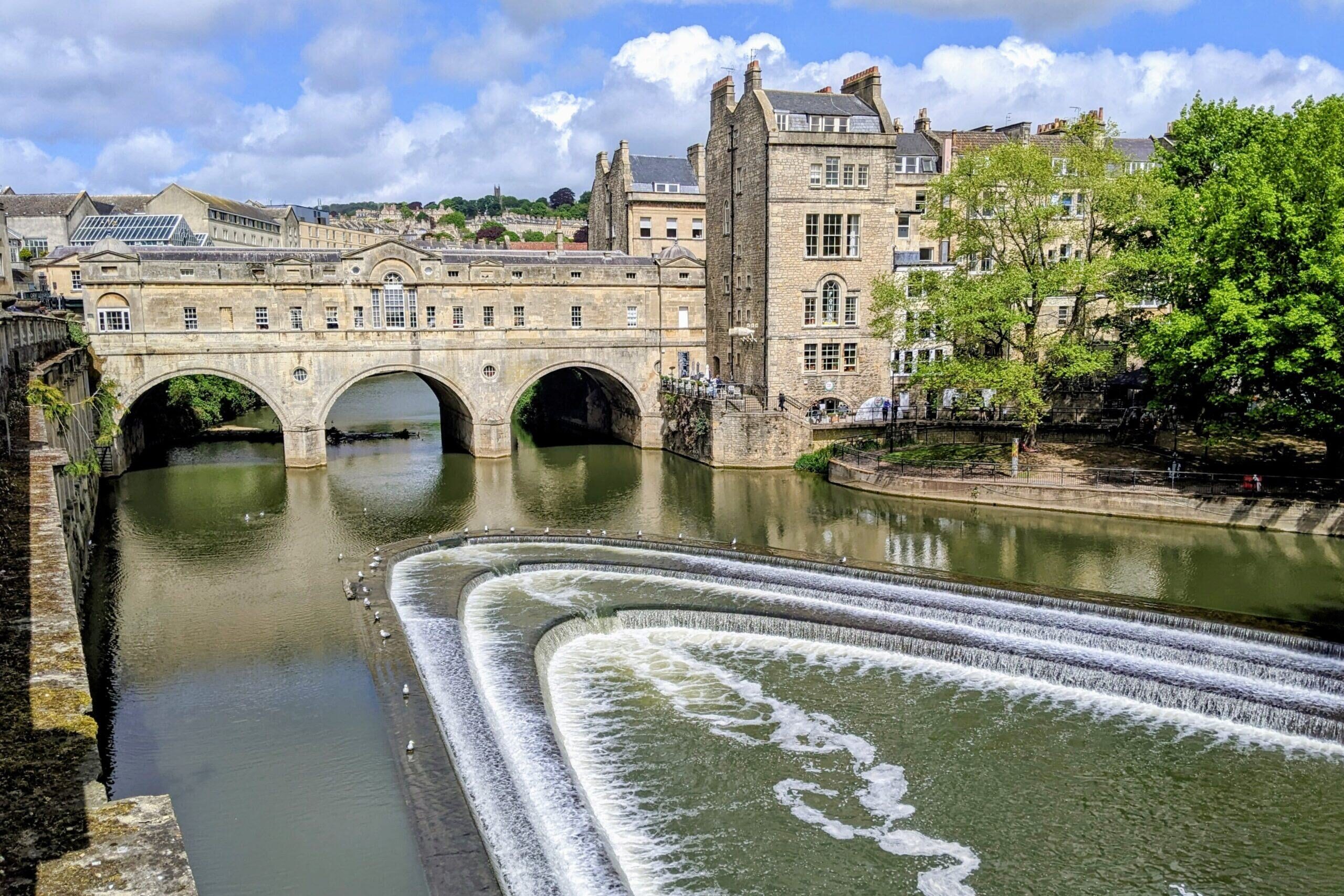
The afternoon is for Bath’s Georgian showpieces, and it’s essentially one long, gentle walk uphill. Start at Pulteney Bridge, a few minutes from the Abbey. It’s one of only a handful of bridges in the world lined with shops across its full span, with the curved Pulteney Weir below it, and it’s the most photographed spot in the city for good reason.
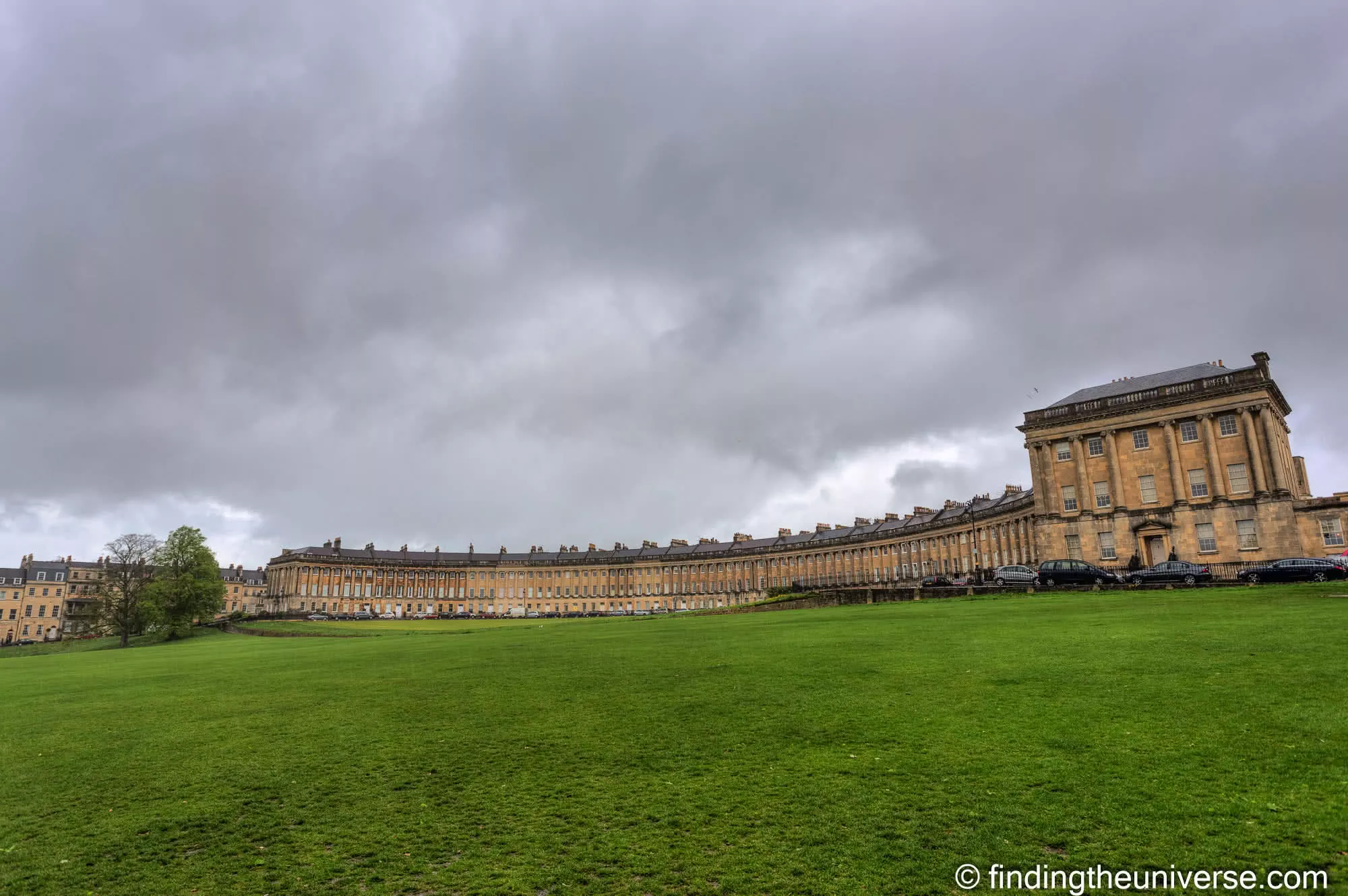
From there, walk up through town to the Circus, a ring of Georgian townhouses in three curved terraces set around a circle of tall plane trees. A two-minute walk along Brock Street brings you to the Royal Crescent, the sweep of thirty terraced houses designed by John Wood the Younger and completed in 1774. Even after five years of living a short walk away, we never quite got used to the sight of it from the lawn out front.
If you want to step inside, No.1 Royal Crescent is a restored Georgian townhouse museum at the end of the terrace, furnished as it would have been in the late 1700s. Adult entry is £16 in 2026, it opens Tuesday to Sunday from 10am to 5.30pm with last entry at 4.30pm, and it’s closed on Mondays, so check the day if your visit falls early in the week. It’s a quick and rewarding stop, around forty-five minutes, and the best way to picture how these houses actually worked.
Evening: A Last Wander Before the Train
With the big sights done, the evening is for the version of Bath that doesn’t need a ticket. Walk back down through the Georgian streets as the day-trippers leave and the honey-coloured Bath stone catches the low light, which is when the city looks its best. Parade Gardens by the river, the lanes around Abbey Green, and the view back over Pulteney Bridge at golden hour are all free and all worth ten unhurried minutes.
For an early dinner before your train, the streets around the Abbey and Kingsmead Square have plenty of options, from the chains on Southgate to the independents we preferred up around George Street. Eat with one eye on the clock, check your last train, and you’ll roll back into Paddington having seen the best of Bath in a day. If that feels like too tight an ending to too good a city, you’re not the only one, which brings us to the spa.
Bath’s Bridgerton Filming Locations
If you’re here partly because of Bridgerton, the good news is that you’ll pass several filming locations without going out of your way. The Royal Crescent stands in for the grandest addresses in the show, and the terrace around No.1 Royal Crescent appears repeatedly.
The Holburne Museum, at the far end of Great Pulteney Street, plays Lady Danbury’s house and is a five-minute walk from Pulteney Bridge. Beauford Square, the Assembly Rooms and Abbey Green all feature too. None of them needs a special detour from the route above, which is part of why Bath is such an easy Bridgerton day out.
Should You Stay Overnight Instead?
While you can do Bath in a day, it comes with tradeoffs. The most notable of these is the Thermae Bath Spa. This is the modern bathhouse where you can bathe in Bath’s natural thermal waters, including the open-air rooftop pool that looks out over the city. A two-hour session is £44 on weekdays and £49 at weekends in 2026, towel and robe included. It’s the single most Bath thing you can do (having a bath in Bath, just like the Romans did) and it’s exactly the thing a day trip squeezes out.
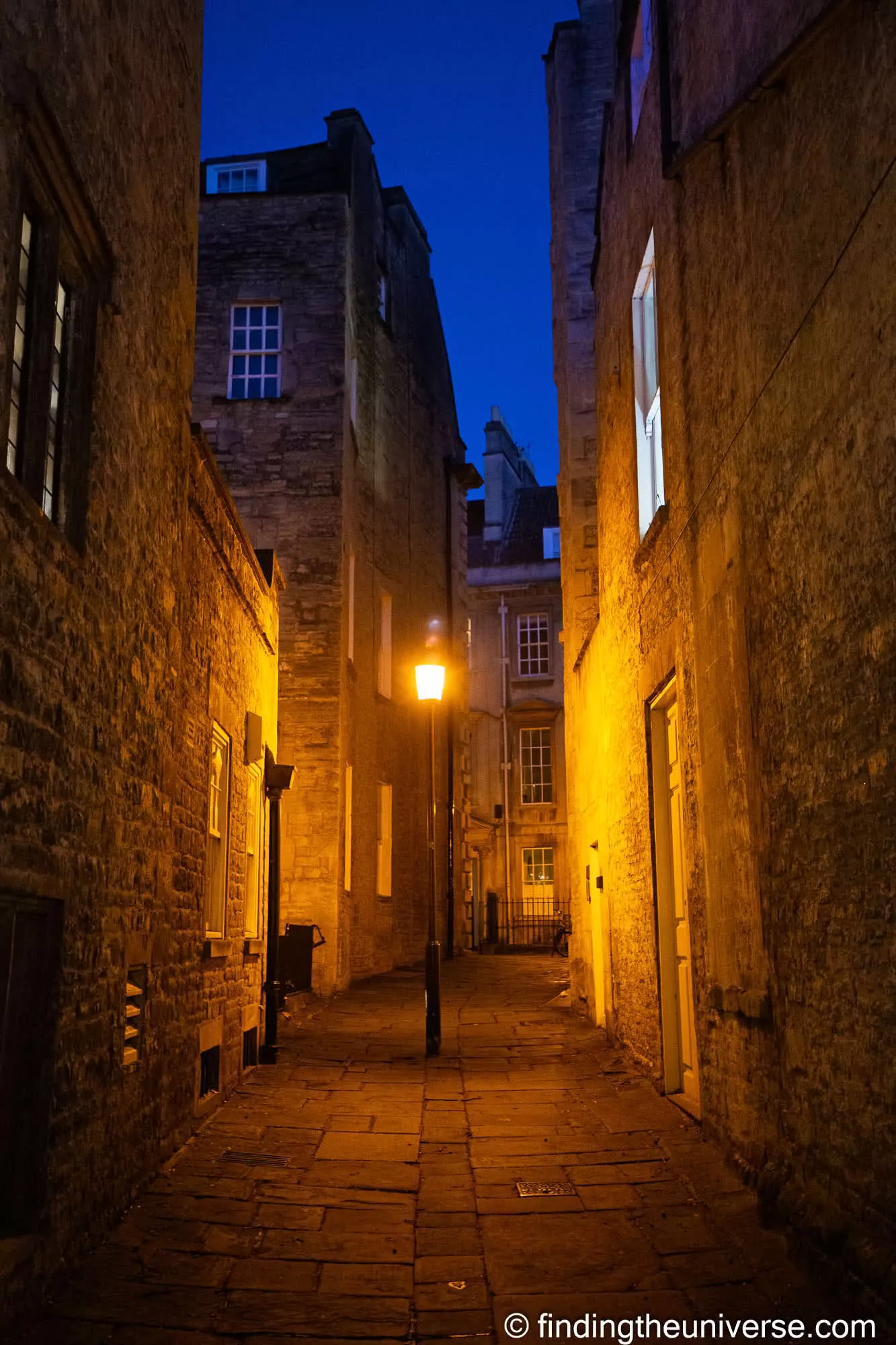
By the time you’ve done the Roman Baths, the Abbey and the Royal Crescent and had a proper lunch, fitting in a relaxed spa session and a good dinner means racing the clock or dropping a sight. You can do it if you book the spa early and accept a later train, but you’ll spend the day rushing. Our take after four years here: if the spa and a slow evening are what you’re really after, stay the night. You’ll get the lamplit, after-dark version of Bath that day-trippers never see.
If that tips you toward an overnight, our two-day Bath itinerary covers what to do with the extra time, and you can find a hotel in Bath to suit. For everyone else, the day trip stands on its own, and the spa is simply your reason to come back.
What We’ve Learned About Doing Bath in a Day
A few pointers from doing this trip more times than we can count, usually as the local handed the job of showing someone around.
- Book the first or second Roman Baths slot of the day. The single biggest difference between a good Bath day and a frustrating one is beating the late-morning crush at the Baths, and everything downstream gets easier once you have.
- Wear shoes you can walk and climb in. Bath is built on a hill and the old centre is paved with stone setts that get slick in the rain, which it does often. We practically lived in waterproof trainers like the Vessi Weekend while we were there.
- Don’t try to bolt on Stonehenge. It’s a tempting add-on, but it turns a relaxed day into a logistics exercise and you’ll short-change both. If you want the two together, do the organised combined trip instead.
- The walk between the sights is the underrated bit. Visitors fixate on the ticketed attractions, but the best half hour of the day is often just walking the Georgian streets with no particular plan.
- Carry a layer and check the forecast. Bath sits in a bowl in the hills and the weather turns quickly. A packable waterproof has saved more of our Bath days than any single attraction.
Frequently Asked Questions
Is a day trip to Bath from London worth it?
Yes. Bath is one of the best day trips from London, with a direct train that takes about an hour and twenty minutes and a compact centre where the main sights are all within a short walk.
One day is enough to see the Roman Baths, Bath Abbey, the Royal Crescent and Pulteney Bridge at a comfortable pace. The main thing you’ll miss is a session at the thermal spa, which is the reason some visitors choose to stay overnight instead.
How do you get from London to Bath?
The easiest way is the direct train from London Paddington to Bath Spa, which takes about one hour and twenty minutes and runs roughly every thirty minutes through the day.
Book an Advance single ahead of time and fares can start from around £15 each way. Bath Spa station is in the centre of town, a five-minute walk from the Roman Baths and the Abbey, so you can start sightseeing as soon as you arrive.
How many hours do you need in Bath?
Plan for a minimum of six hours on the ground, and a full day of around eight hours is better. That gives you time for the Roman Baths, the Abbey, the Royal Crescent and a relaxed lunch without rushing.
If you want to add the Thermae Bath Spa or the museums, you really need a second day, as the spa alone wants a half-day to enjoy properly.
Do you need to book the Roman Baths in advance?
Yes, you should book the Roman Baths in advance. Entry is by timed ticket and it’s the busiest sight in the city, so booking online secures your slot and saves about £2 a ticket compared with buying on the day.
Aim for the first or second entry slot of the morning to see the Great Bath before the crowds build.
Can you do Bath in a day without a car?
Yes, and the train is by far the easiest way to do it. Bath Spa station is right in the centre and the city’s main sights are all within a fifteen-minute walk of each other, so you don’t need a car once you arrive.
Driving from London takes around two and a half to three hours and city-centre parking is limited, so most day-trippers take the train and walk.
What is the best time of year to visit Bath?
Bath works as a day trip year-round, but late spring and early autumn give you the best balance of lighter crowds and reasonable weather. Summer weekends are the busiest, and Roman Baths tickets are most expensive then.
Winter weekdays are the quietest and cheapest, with demand-based ticket prices at their lowest, though daylight is short so you’ll want an early start.
Further Reading
If you’re planning more time in and around Bath, these guides will help.
- Two days in Bath: our full weekend itinerary, with the museums, the spa and where to stay.
- Stonehenge, Bath and the Cotswolds from London: how to combine all three in one organised day trip.
- For trip planning we like the Rick Steves England guidebook for the wider country, and Rick Steves London if you’re basing yourself in the capital.

Leave a Reply