
Jess and I have visited New York many times now, and it remains a city we never really tire of. Three days isn’t enough to do it justice, but three days is right for a first proper visit. Long enough to do the icons without rushing, short enough that you’ll still have a list of things to come back for.
This itinerary is built around that first-visit shape. We’ve taken it slow on Day 1 (because if you’ve flown overnight, you need a Day 1 that doesn’t punish you for being tired), gone deep on Lower Manhattan and the harbour for Day 2, and saved the West Side, Hudson Yards and a Broadway show for Day 3. Most of it is what we’d actually do on a 3-day visit ourselves, with some honest “if you’re tired, swap this for this” notes built in.
If you only have two days, see our 2 day New York itinerary instead. It cuts out the High Line, Hudson Yards and the museum-or-museum decision and goes for a tighter Lower Manhattan + Midtown route.
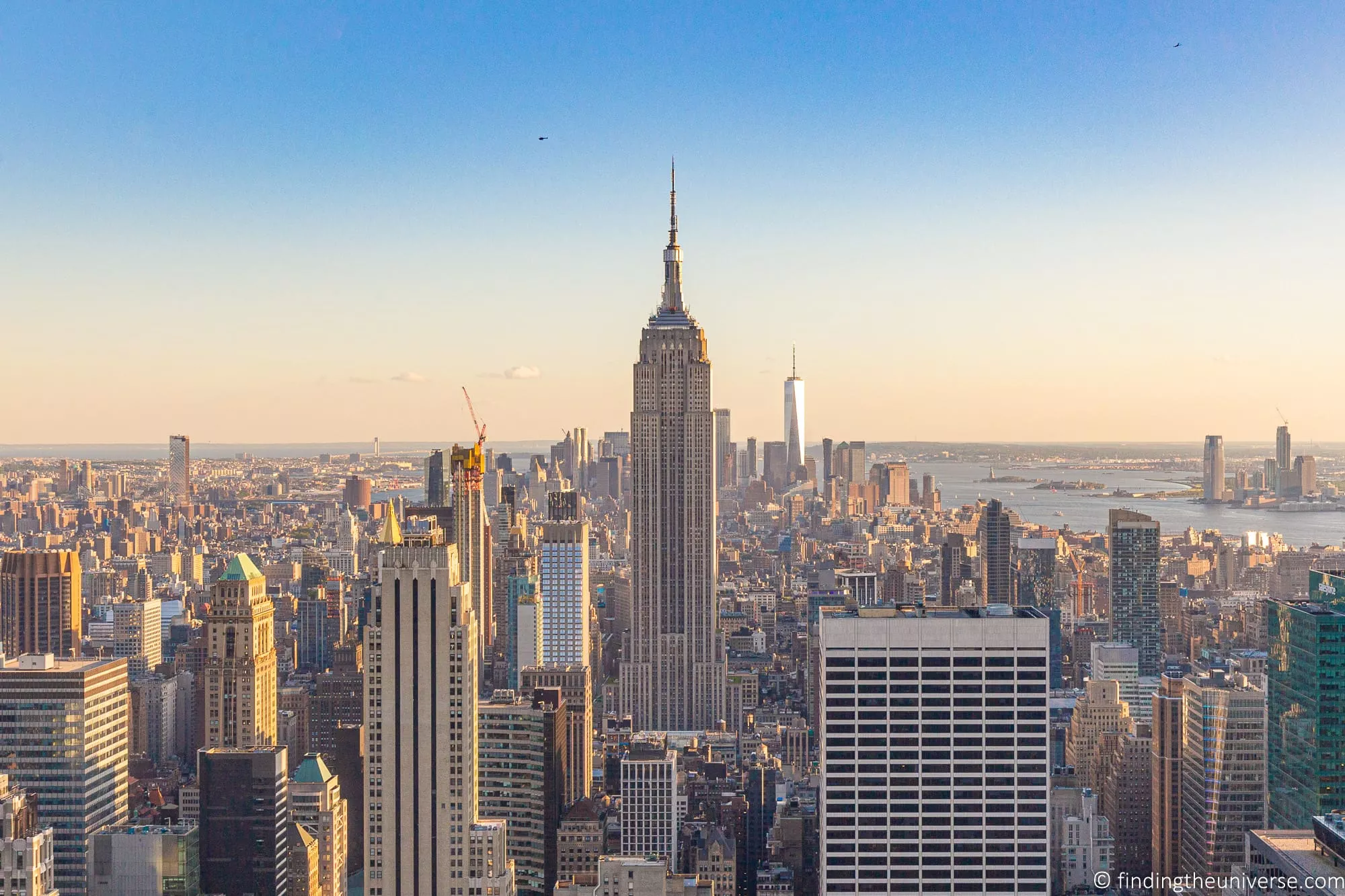
Table of Contents:
Before You Arrive: Book These Five Things
The single biggest avoidable failure of a New York trip is landing without bookings for the timed-entry attractions, then losing half a day to queues. Five things are worth booking before you fly:
- Statue of Liberty ferry tickets. General admission books out at peak times. If you want pedestal access (extra fee), book 4 to 8 weeks ahead. Crown access books out months in advance and locks the whole Day 2 morning around it, so only book if you really want it. Book Statue Cruises ferry tickets here.
- 9/11 Memorial Museum timed entry. Reservations are mandatory and the busy slots fill up. Free entry on select Tuesday evenings is real but slots release on Mondays and go quickly. Book 9/11 Museum entry here.
- One observation deck. Empire State, Top of the Rock, the Edge, and One World Observatory all run timed-entry tickets. Book the deck you want at the time slot that works for your day shape (we cover the decision below). For Empire State, timed-entry tickets are here.
- Broadway tickets. Popular shows (Hamilton, Wicked, The Lion King) book out months ahead through Telecharge or Today Tix. Same-day discount tickets via TKTS at Times Square are an option for less in-demand shows, but the queue forms from 3pm.
- The Vessel at Hudson Yards. Reopened in March 2026 with new safety measures and a timed-entry system, so you’ll need a slot. Open 11am to 7pm only, so it has to be a daytime stop. Tickets via the official site at vesselnyc.com (no third-party booking).
Get those five locked in, and the rest of the itinerary flexes around your day-of energy.
Which NYC Attraction Pass for 3 Days?
Three real options for a 3-day visit, and the best one turns on which attractions you actually want to do.
CityPASS New York (around $149 adult). You pick any five attractions from a list of ten: the Empire State Building, the American Museum of Natural History, the 9/11 Memorial Museum, Top of the Rock, Statue of Liberty grounds, Circle Line cruises, the Intrepid, the Guggenheim, the Edge and the Whitney. For a 3-day visitor doing our itinerary, that pairs naturally with AMNH, Empire State, 9/11 Museum, Statue of Liberty and Top of the Rock. Strong value match.
Go City New York Explorer Pass. Pick-your-own from a long list, choose 2, 3, 4, 5, 7 or 10 attractions. For a 3-day trip the 4 or 5 attraction pass is usually the right size. Includes AMNH, MoMA, the 9/11 Museum, the Edge at Hudson Yards, the Vessel, the Empire State Building (it’s one of the choose-from options), and many others. The Met is the notable absence.
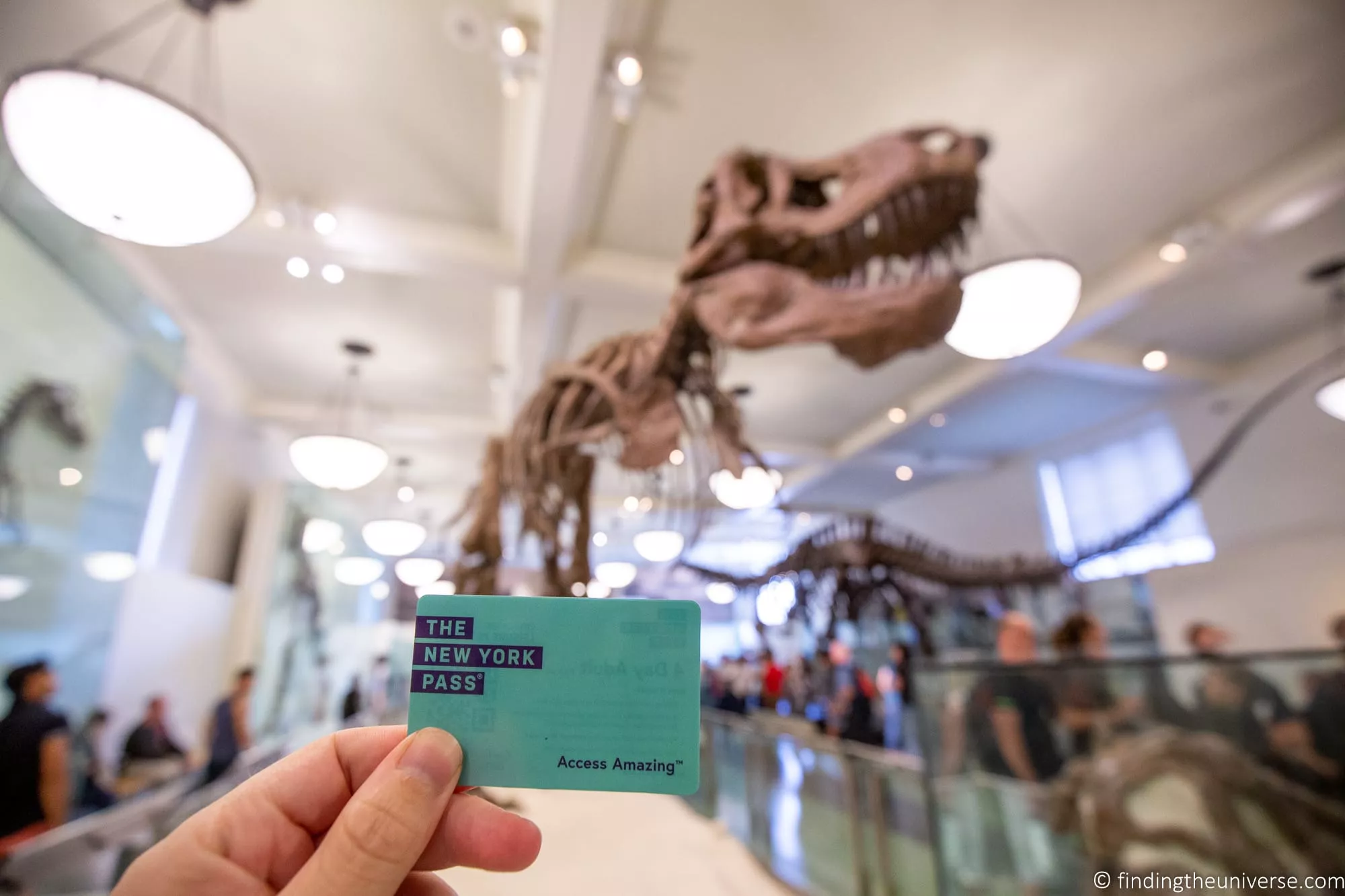
The New York Pass. Unlimited-attraction model. For a 3-day visit you have a chance of breaking even if you really do hit 6 or more attractions, but it’s still a stretch unless you’re moving fast. The New York Pass also includes hop-on hop-off bus access, which is useful for a first-timer who wants a narrated city overview.
Our verdict for this 3-day itinerary: the New York CityPASS Standard is the cleanest fit. Five picks from its list of ten cover AMNH, the Empire State Building, Top of the Rock, the Statue of Liberty & Ellis Island and the 9/11 Memorial Museum, which is five of the seven paid attractions on this trip. One World Observatory and the Vessel are the two you’ll pay for separately. Across two adults you’ll save about $61 versus gate prices.
If you’d prefer a slightly different shape, the Go City Explorer Pass at six choices saves about $39 across two adults, behind the CityPASS at about $61. It does cover One World Observatory, which CityPASS doesn’t, so the only attraction not on the pass is the Vessel.
For visitors planning to pack in more than seven paid attractions across the three days, the all-inclusive New York Pass is the better pick. For the full pass-by-pass comparison against this exact itinerary plus a max-density alternative, see our comparison of New York attraction passes.
(One note: the Vessel ($10 per adult) is a separate ticket via vesselnyc.com regardless of which pass you pick.)
Which Observation Deck for 3 Days?
New York now has five major paid observation decks, and a 3-day visitor doesn’t need all five. Here’s the short version.
Empire State Building. The iconic one. The 86th floor outdoor deck is the open-air photograph you’ve seen in every film about New York. Open until late, which lets you avoid the 5pm to 7pm peak by going up after dinner. If you only do one deck, this is the easiest to slot in. That’s a scheduling call though, not a view one. On the view alone our deck guide picks Top of the Rock.
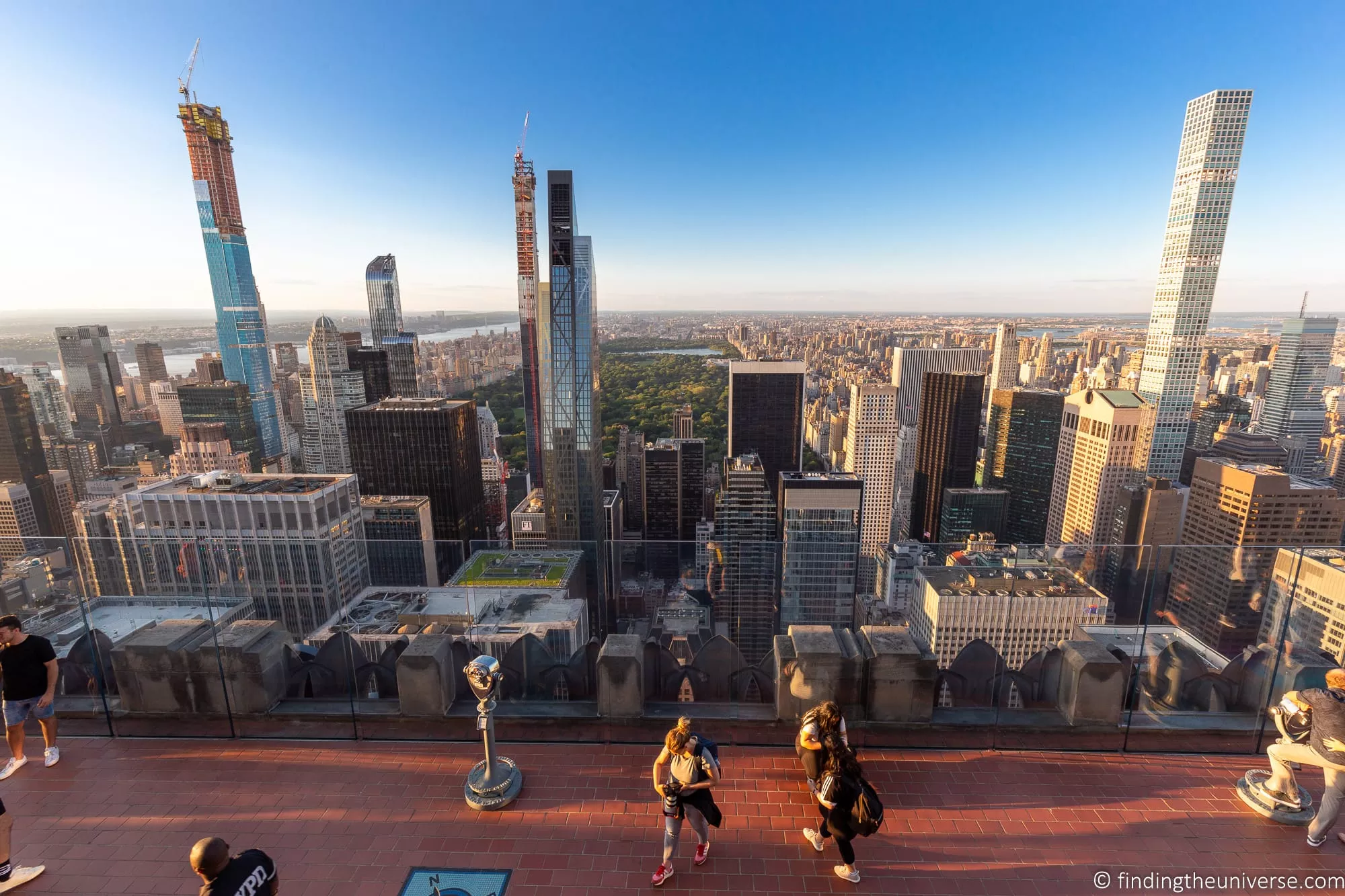
Top of the Rock. Our personal favourite for the view, because from Top of the Rock you can see the Empire State Building in the skyline, and that’s the better photograph. The Rockefeller Center setting is also a complete experience, with the Hercules statue, the skating rink in winter, and NBC Studios at the base.
One World Observatory. The view from the tallest building in the United States, looking down on Lower Manhattan. We’ve been, and it’s really worth the visit if you’re already in the area for the 9/11 Memorial Museum (it’s directly opposite). The lift ride up is part of the show, with a time-lapse of the city skyline forming on the lift walls as you ascend.
The Edge at Hudson Yards. The outdoor thrill of the group, with a glass-floor section and the highest outdoor sky deck in the western hemisphere. We haven’t been ourselves, but it sits naturally on Day 3 if you’re already at Hudson Yards.
SUMMIT One Vanderbilt. The newest of the five, next to Grand Central, and more art installation than viewpoint: mirrored rooms, glass ledges hanging off the side of the building, and a lift that climbs the outside in a glass box. We haven’t been up this one either. It’s also the only one of the five that no city pass covers, so it’s a separate ticket whatever else you buy.
For a 3-day visit our recommendation is to do both Empire State Building and Top of the Rock. Empire State Day 3 evening (open late, avoids the 5pm queue peak) plus Top of the Rock Day 3 afternoon (so you get the photograph with the Empire State in the skyline). Add One World Observatory to Day 2 if you want a third deck. The Edge is the optional swap for Top of the Rock if your Day 3 stays anchored at Hudson Yards.
What to See in New York in 3 Days: The Itinerary at a Glance
Day 1 is Uptown. Late breakfast, Central Park, the American Museum of Natural History, and (if you have the energy after) an evening in Times Square. Built for jet-lag recovery on a Day 1 that follows an overnight flight.
Day 2 is Lower Manhattan. Statue of Liberty 9am ferry, Ellis Island, lunch in the Financial District, the 9/11 Memorial and Museum, the Oculus, One World Observatory, Brooklyn Bridge sunset, Lower East Side dinner.
Day 3 is the West Side, Hudson Yards, Midtown and a Broadway show. Chelsea Market breakfast, the High Line, Hudson Yards including the Vessel, Top of the Rock or the Edge, St. Patrick’s, Times Square at night, Empire State Building, Broadway.
The whole itinerary fits inside a 9am to 9pm summer envelope on each day, with a couple of late-evening options for visitors with stamina. Winter visits (where sunset hits at 4.30pm) need slight adjustments to Day 2 timing.
Day 1: Uptown and Central Park
If you’ve flown overnight, this is the day to underbook. The pacing here is built for jet-lag recovery: outdoor first, museum after lunch, evening optional. Skip the show if you’re shattered.
Late Morning: Central Park
Even if this is your first visit to New York, Central Park will feel familiar. It’s the most filmed park in the world, with countless TV shows and films using corners of it as backdrops. It’s also the most visited urban park in the United States, and the largest in Manhattan, at over 800 acres.
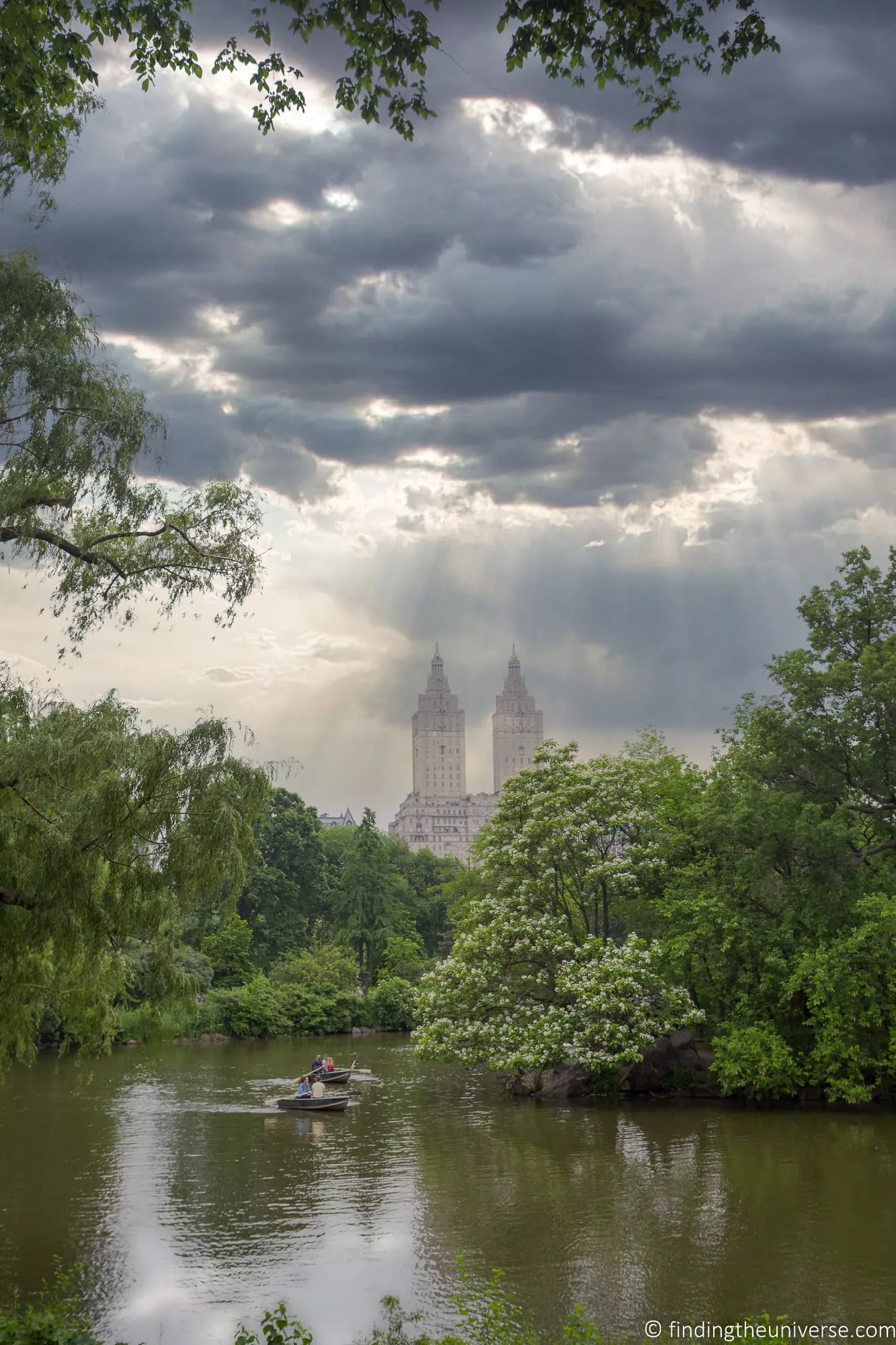
Enter from the south end (Columbus Circle works, or 5th Avenue at 59th Street), and walk north through the park. Highlights along the south-to-north route are the Bow Bridge, Bethesda Terrace and Fountain (the corner you’ve definitely seen on screen), the Mall (the tree-lined promenade), Sheep Meadow, and the Lake. Allow 90 minutes to two hours at a leisurely pace.
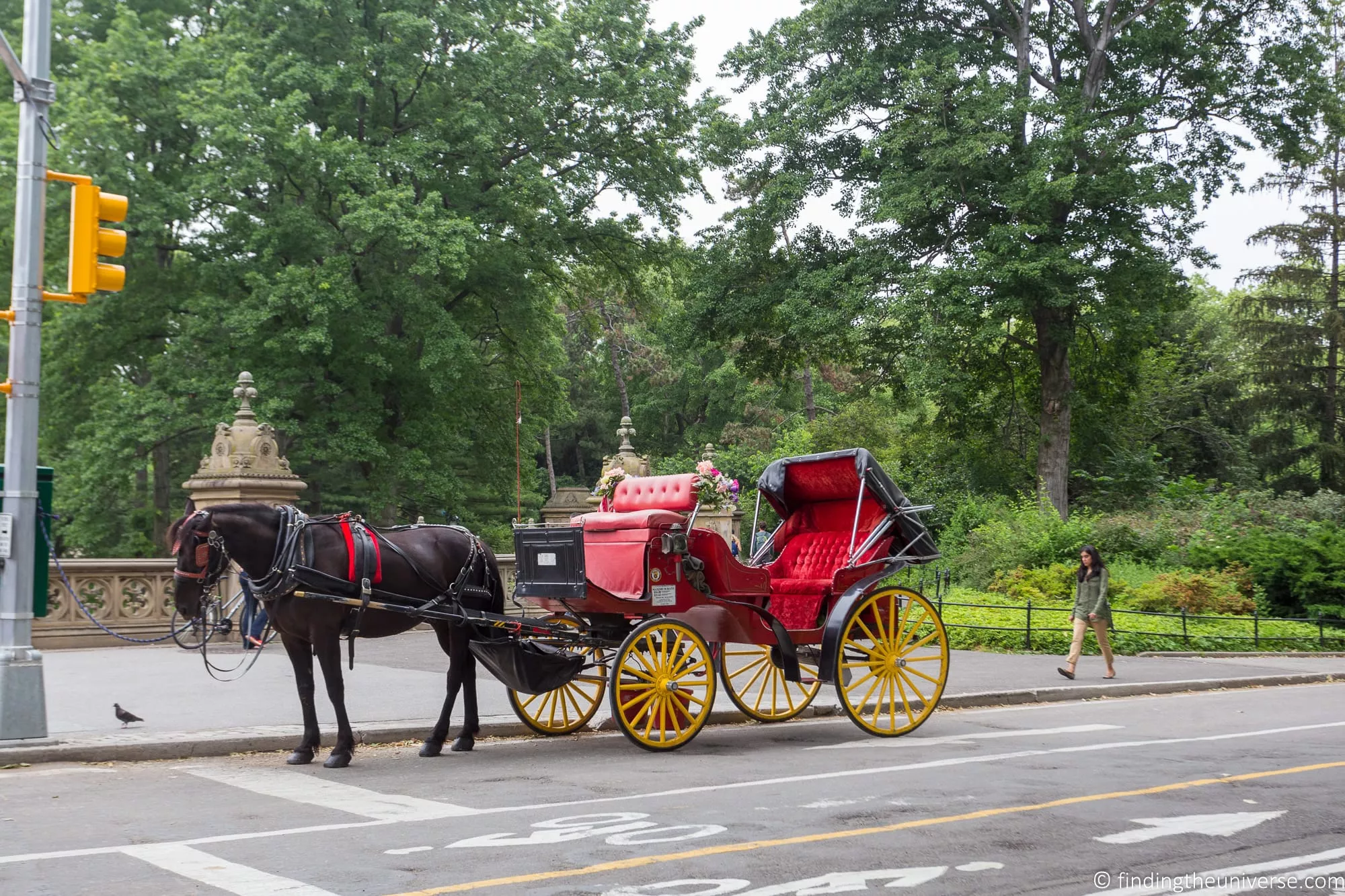
The park is open 6am to 1am, so it’s the safe early-morning option if your hotel has you up before the museums open. If you have kids, the Central Park Zoo near 5th Avenue and 64th Street is the easy add. Bike rental is also an option, you can book Central Park bike rentals here. Carriage rides through the park are also a popular option.
Lunch: Upper West Side
From the western edge of Central Park (around 79th to 81st Street) you’re a few blocks from the Upper West Side restaurants. Plenty of sit-down options, plenty of takeaway. Allow 60 minutes including a sit-down lunch, less if you’re grabbing something to eat in the park.
Afternoon: American Museum of Natural History (or the Met)
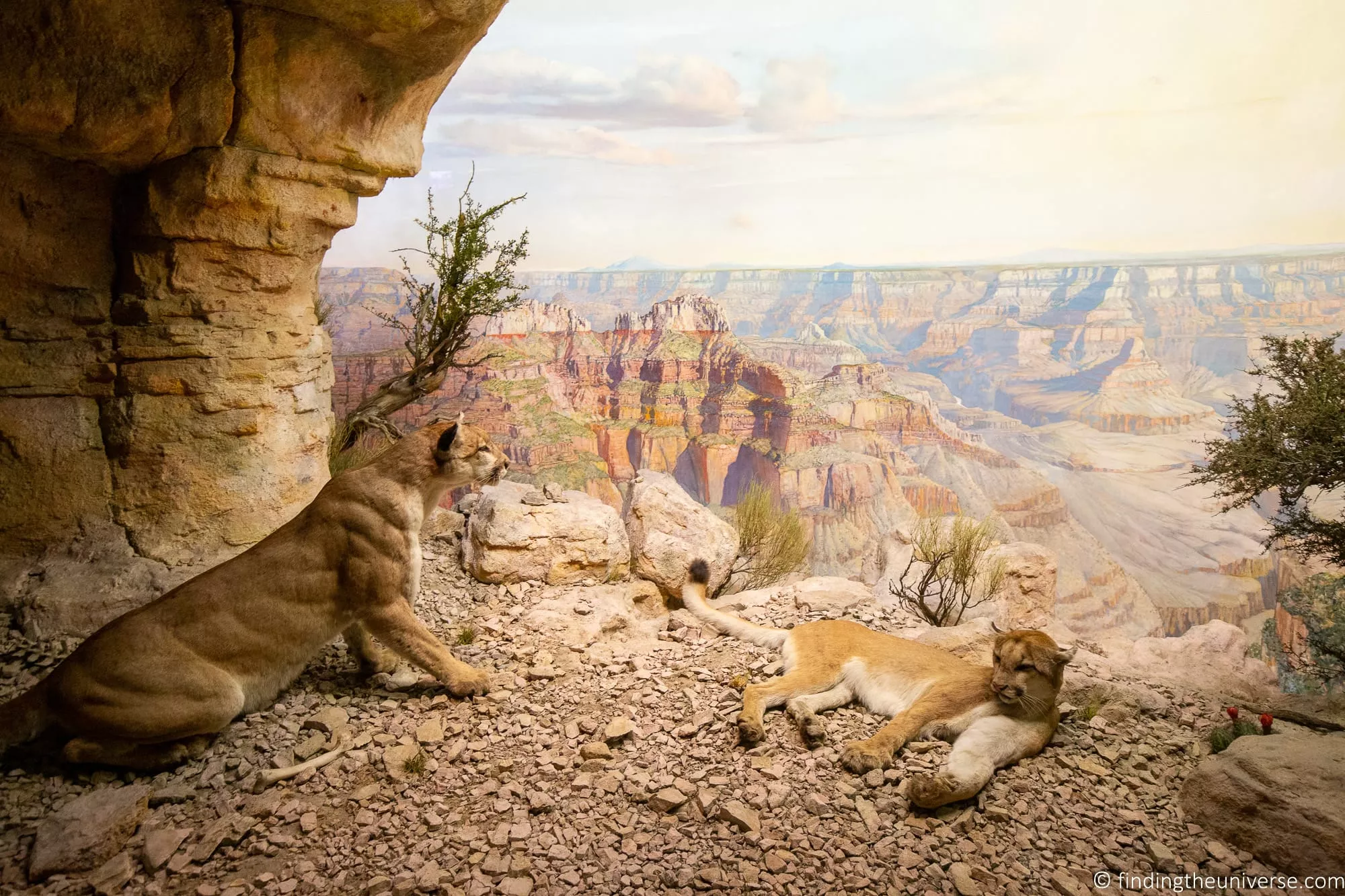
The American Museum of Natural History sits on the western edge of Central Park, four city blocks of dinosaur halls, dioramas, the Rose Center for Earth and Space, and the Hayden Planetarium. It’s one of the largest natural history museums in the world, and a personal favourite of ours for a Day 1 anchor: it’s visually rich, story-driven, and a bit easier on a jet-lagged brain than an art-museum highlights pace.
The headline halls are the dinosaurs on the 4th floor (with the Tyrannosaurus rex and titanosaur), the ground-floor Hall of Ocean Life (with the suspended fibreglass blue whale), and the Hayden Planetarium at the Rose Center for Earth and Space. Allow two and a half to three hours at a highlights pace.
Buy your ticket online to skip the queue: AMNH skip-line tickets here. AMNH is one of the ten attractions you can pick on CityPASS, and is one of the choose-from options on the Go City Explorer Pass.
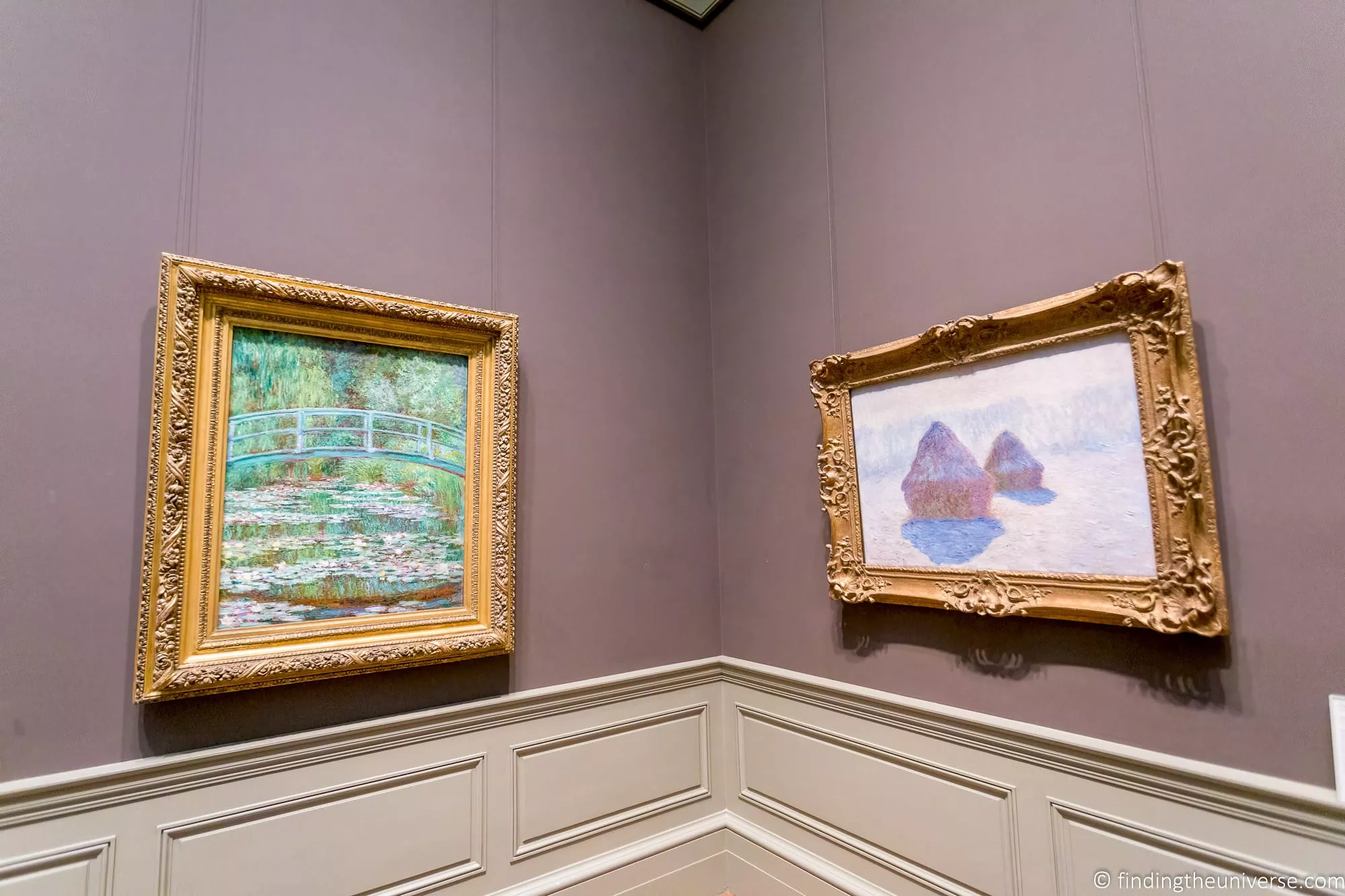
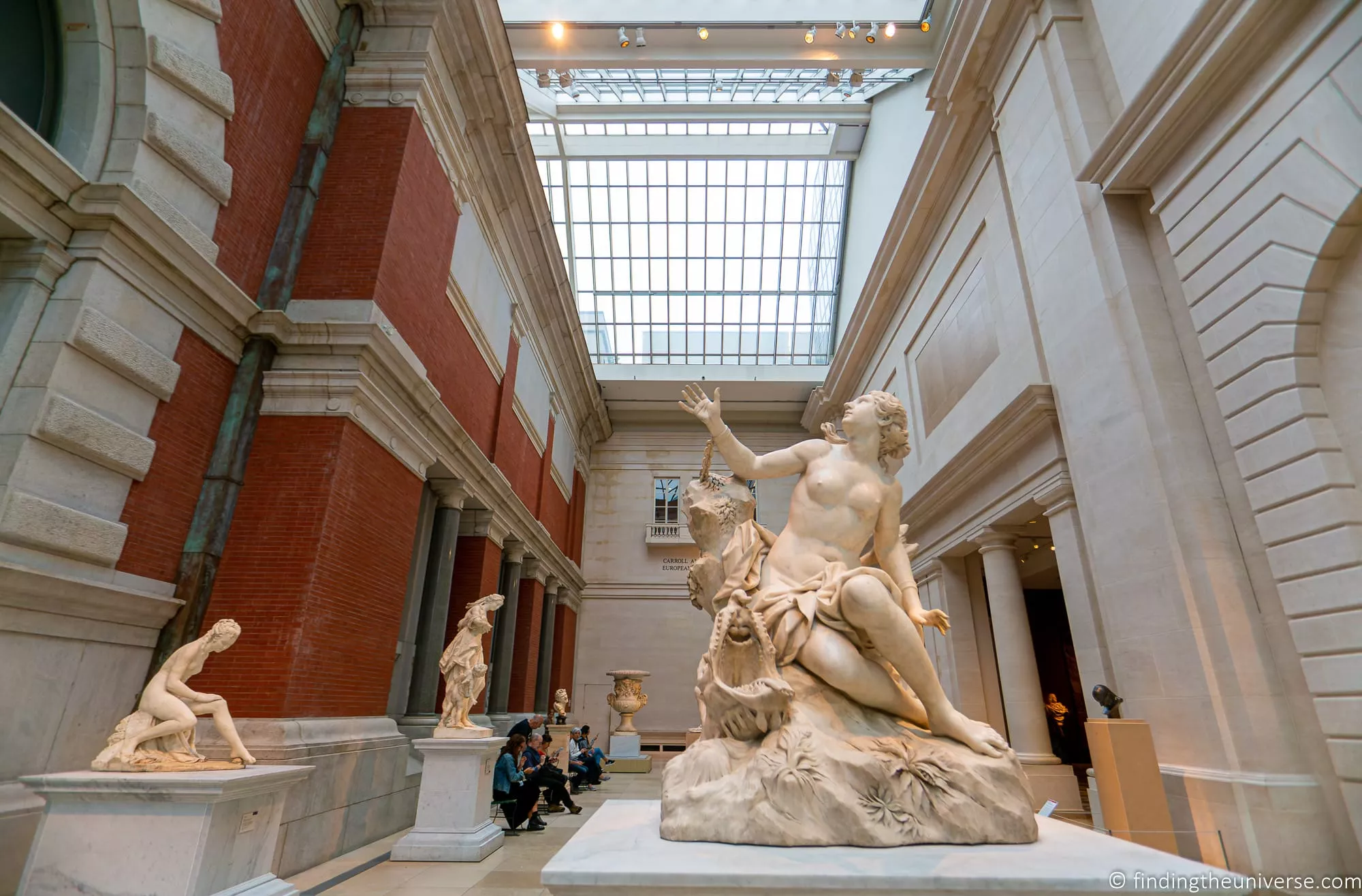
Optional swap to the Met instead: if you’re more of an art-museum visitor and you’re not too jet-lagged, the Metropolitan Museum of Art is on the opposite side of Central Park, a 20-minute cross-park walk from where you’d lunch. The Met is the largest art museum in the United States, with over 5,000 years of human history in its collection. The catch: the Met is closed on Wednesdays, and it’s not on either CityPASS or the Go City Explorer Pass, so if you’re using a pass, you’ll be paying for the Met out of pocket. The Met is open Sunday to Tuesday and Thursday until 5pm, Friday and Saturday until 9pm.
If you’d prefer a guided Met tour, we recommend this guided walking tour of the Met from WalksDevour.

Late Afternoon: Walk South Down Fifth Avenue
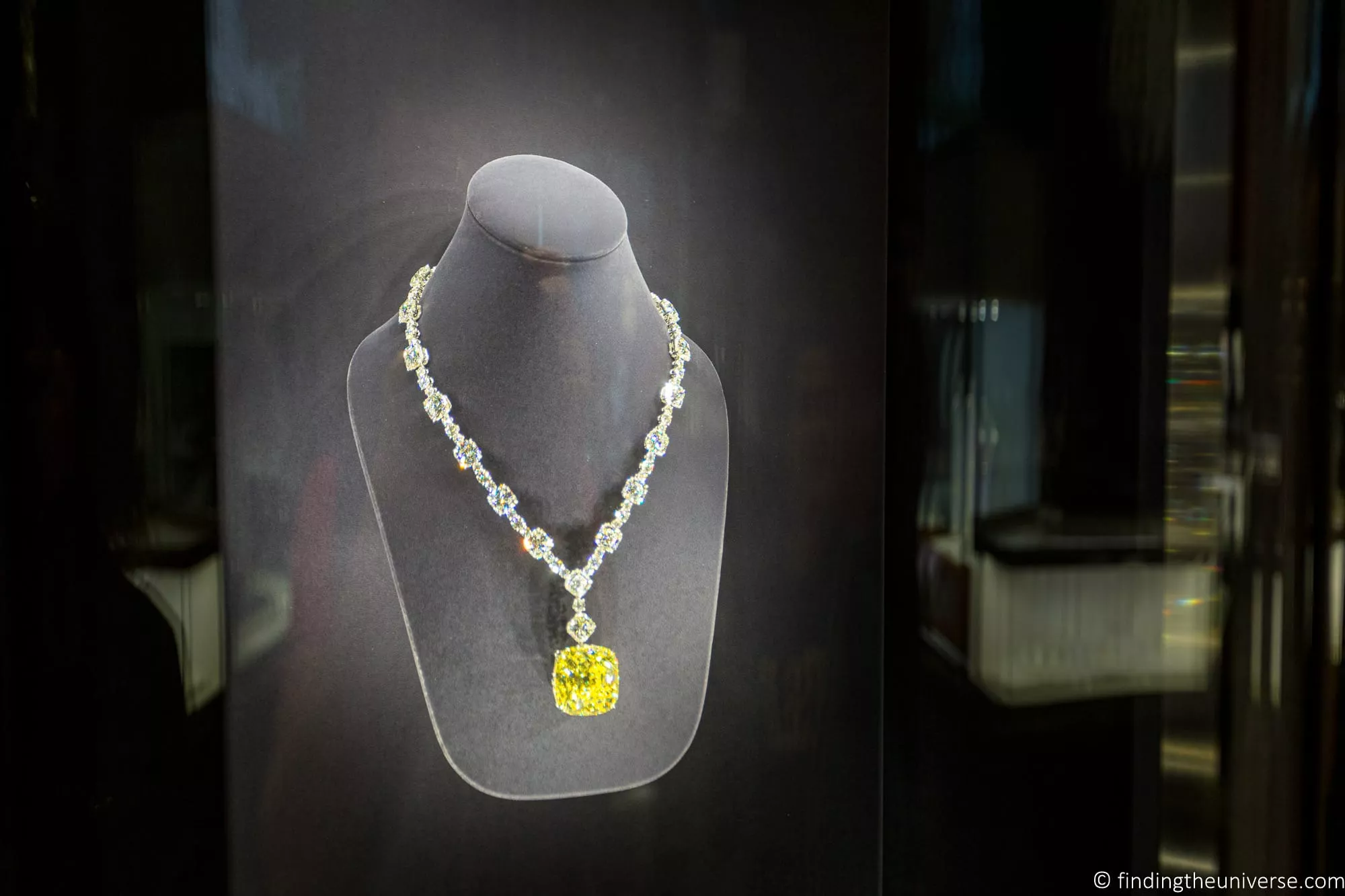
The eastern edge of Central Park is bordered by Fifth Avenue, and walking south from around 79th Street to Midtown is a Manhattan experience in its own right. The northern stretch is Museum Mile (the Met sits at the top, the Guggenheim is a block south, and a cluster of smaller museums dot the rest). South of 59th Street, Fifth Avenue becomes the high-end shopping district: Tiffany & Co, the Apple flagship cube, Saks Fifth Avenue, Trump Tower, the Plaza Hotel, and a long list of luxury fashion houses. You don’t have to shop to enjoy the walk.
Evening: Times Square (and call it a day)
From Fifth Avenue around 59th Street, walk west to Times Square. If you’re following the jet-lag-friendly version of this itinerary, Times Square at night is the right ending: the lit-up billboards, the crowds, and a sit-down dinner at one of the Theatre District restaurants. We’d budget 90 minutes including dinner. Don’t push for a Broadway show on Day 1 unless you’re feeling fresh; we’ve moved Broadway to Day 3 deliberately.
If You’re Running Short on Day 1: What to Skip
- Cut the museum. If you’re shattered from the flight, do Central Park slowly, eat a long lunch, then go back to the hotel for an afternoon nap. The museum will still be there on a future visit.
- Drop the Fifth Avenue walk south. Take a taxi or the F train from the Met direct to Times Square instead.
- Skip Times Square dinner. Eat near the hotel and crash early. Day 2’s a long one.
Day 2: Lower Manhattan
Day 2 is the long one. Statue of Liberty in the morning, the 9/11 Memorial after lunch, One World Observatory, the Brooklyn Bridge at sunset, and dinner in the Lower East Side. Plan to wear comfortable shoes and budget the full day.
Morning: Statue of Liberty and Ellis Island
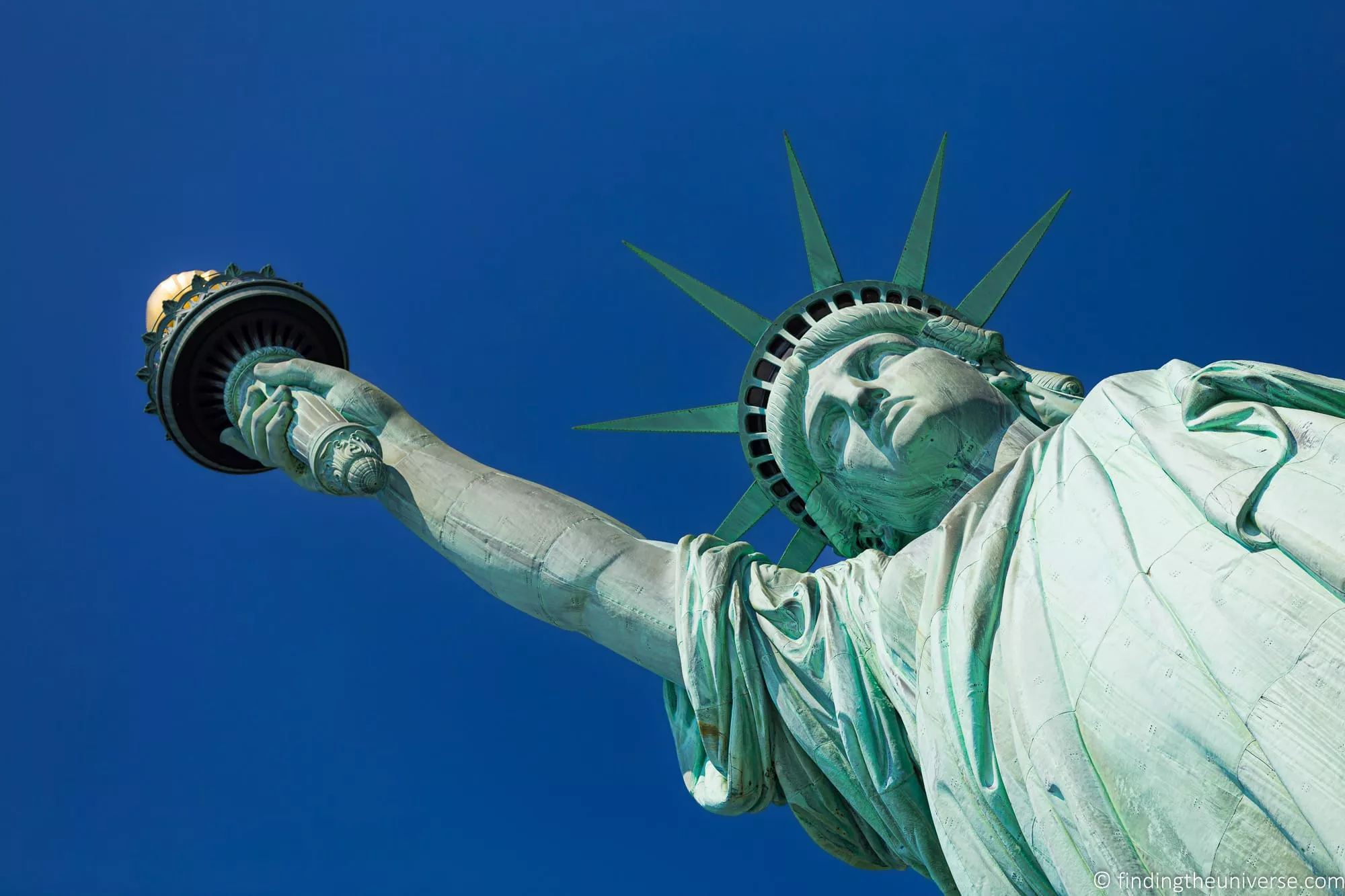
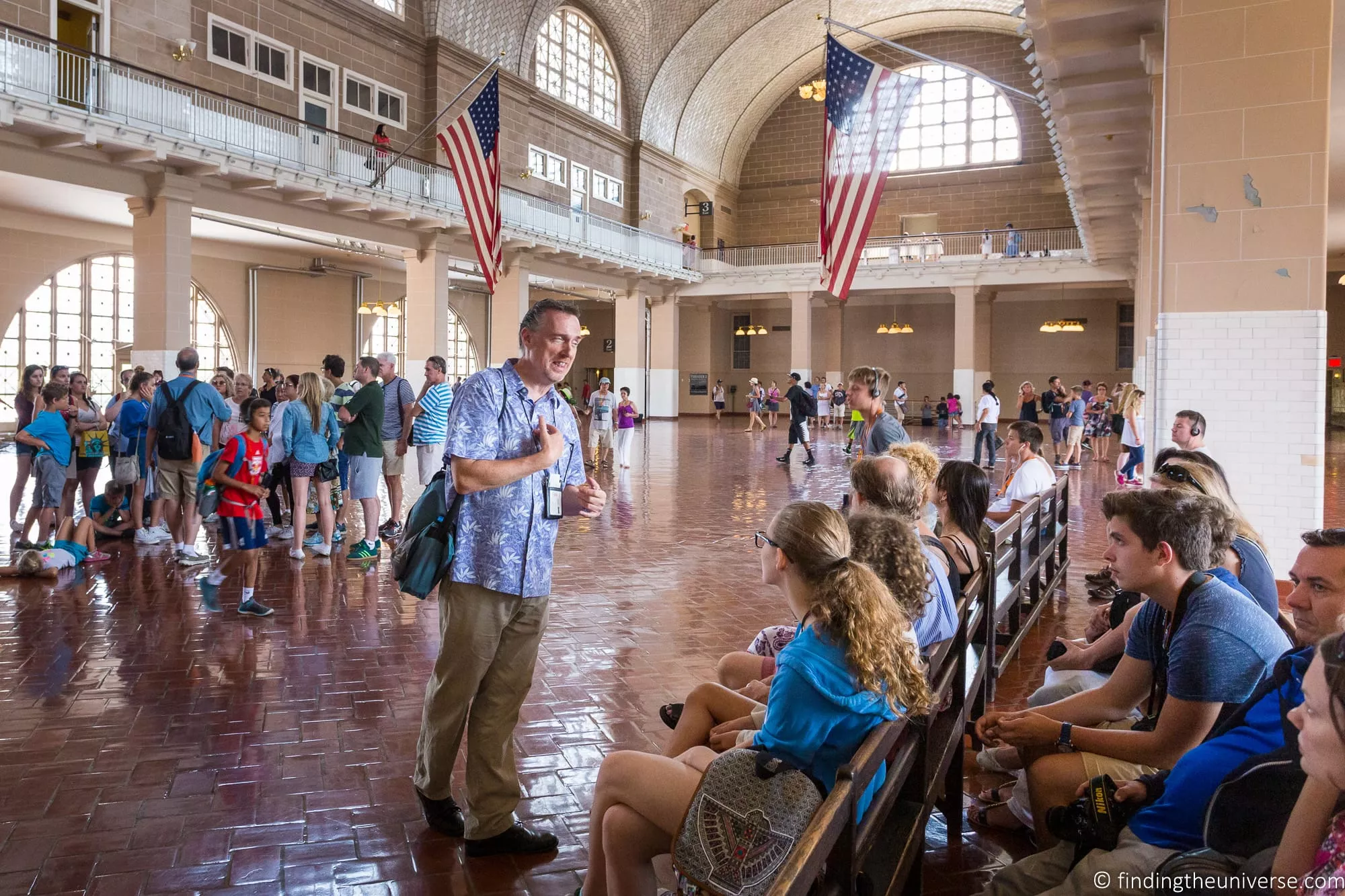
The combined visit to Liberty Island and Ellis Island eats roughly 4 hours, but only if you’re on the first ferry. Get any later and the queues for security at Battery Park stretch into the actual ferry-boarding window, and you’ll lose two hours that you needed elsewhere on Day 2.
Allow an hour for the ferry-and-security combination, then 90 minutes on Liberty Island for the grounds and pedestal (if booked), then 90 minutes on Ellis Island for the Museum of Immigration. Family-history search interest can stretch the Ellis Island portion considerably; both Jess and I have ancestors who came through, and we lost an extra hour the first time we did this.
Only ferries operated by Statue City Cruises, who hold the National Park Service contract, can land on the islands. Other operators run cruises that go around but don’t dock. The first ferry runs from around 9am.
If you’d prefer a guided tour, we’ve done and recommend the 3.5-hour Early Access Statue of Liberty Tour with Ellis Island from WalksDevour. It takes the first ferry, includes pedestal access, and gives historical context that turns Ellis Island from a museum visit into something more.
Lunch: Financial District
The ferry lands you back at Battery Park around midday or early afternoon. The Stone Street historic block, two minutes’ walk inland, is the photogenic lunch option: a pedestrianised cobbled lane with a cluster of restaurants and outdoor tables. Allow 60 minutes.
Afternoon: Wall Street and the 9/11 Memorial
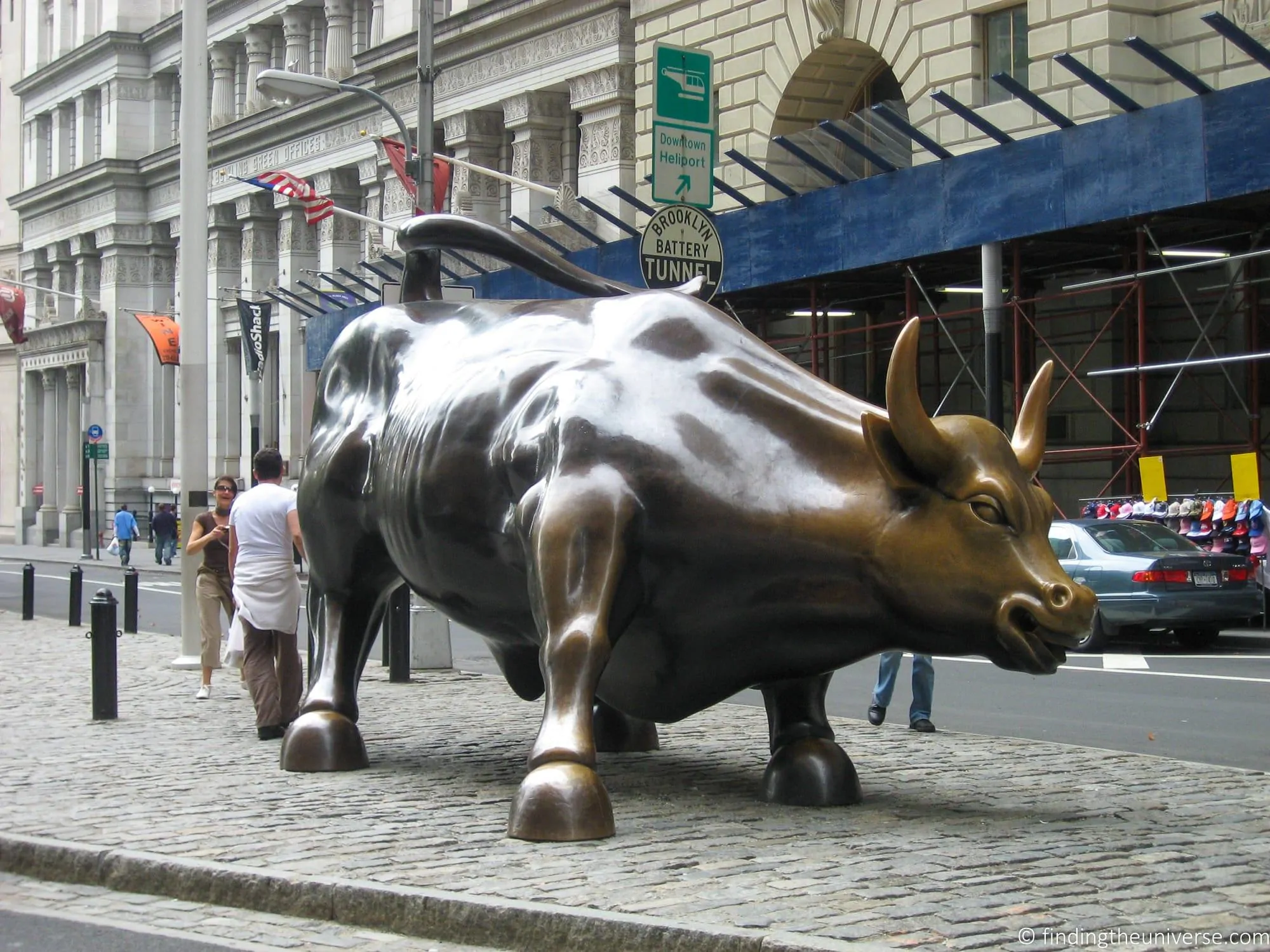
From lunch, a five-minute walk takes you onto Wall Street itself. The most famous financial district in the world, home of the New York Stock Exchange and the NASDAQ. As a tourist there’s not a great deal to actually do: photograph the Stock Exchange building (you can’t go inside), photograph the Charging Bull a few blocks away (which symbolises a bull market), and move on. Allow 25 minutes total.
From Wall Street it’s a 10-minute walk north to the 9/11 Memorial and Museum. The events of September 11, 2001 left a permanent mark on New York, and any visit that doesn’t make space for this site is missing something the city will never separate from itself.
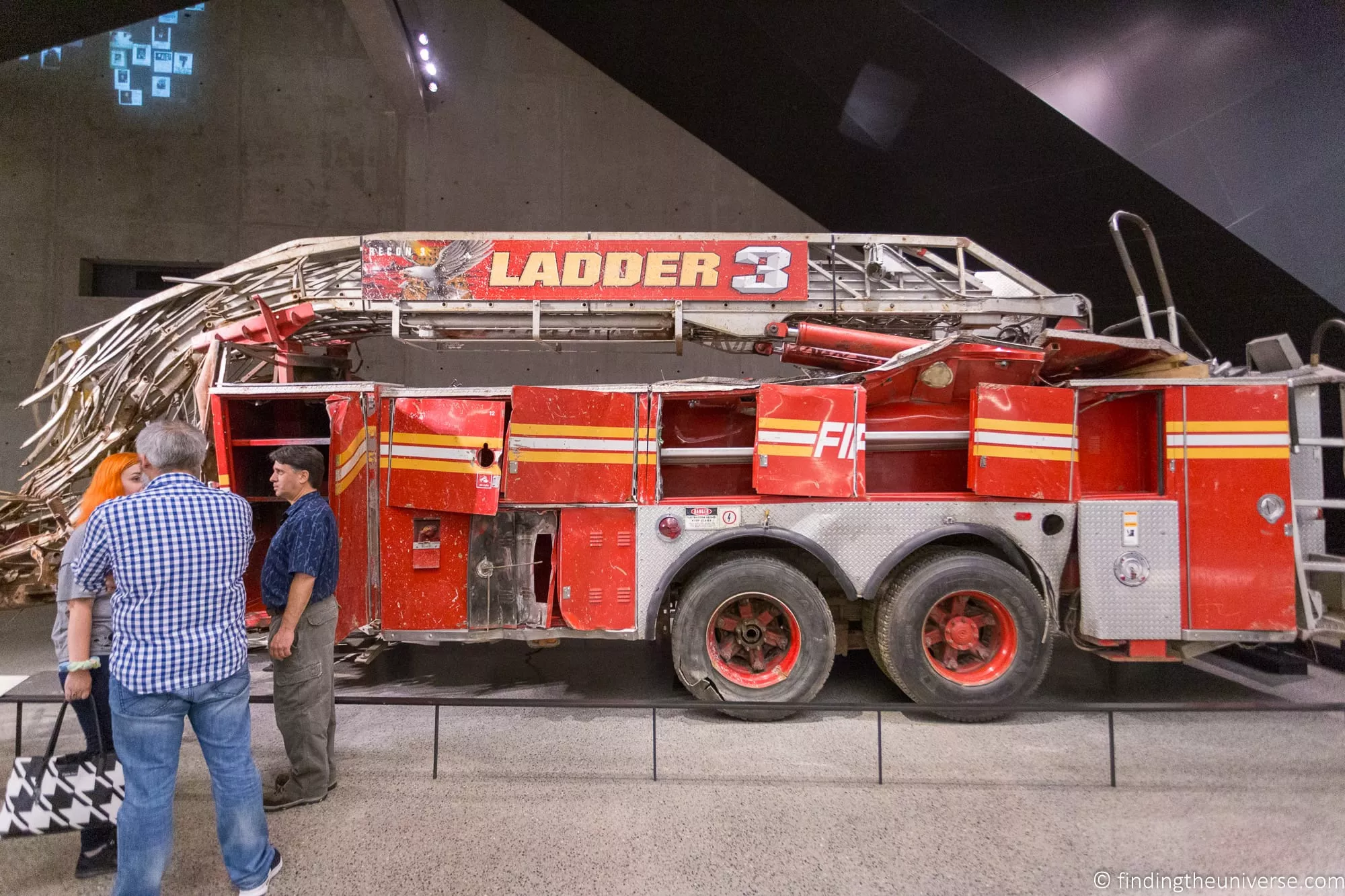
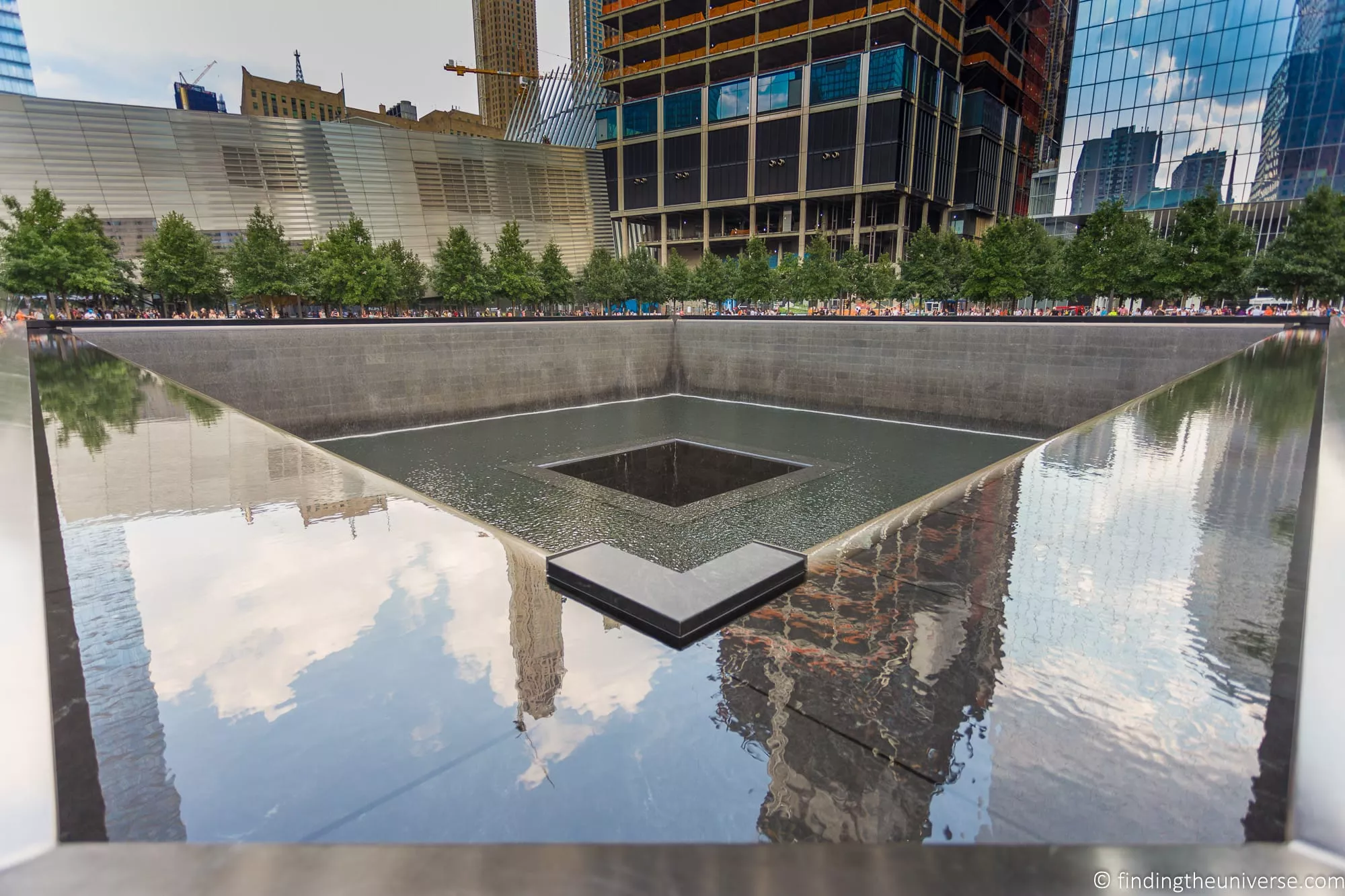
The Memorial is in two parts: an outdoor memorial and an underground museum. The outdoor memorial, titled “Reflecting Absence”, sits in the footprints of the original twin towers. Two huge pools, the largest man-made waterfalls in North America, drop into the foundations. The names of the 2,977 people who died in the 2001 attacks (and the six killed in the 1993 World Trade Center bombing) are inscribed around the pool perimeters. It’s free and open access. Allow 30 minutes.
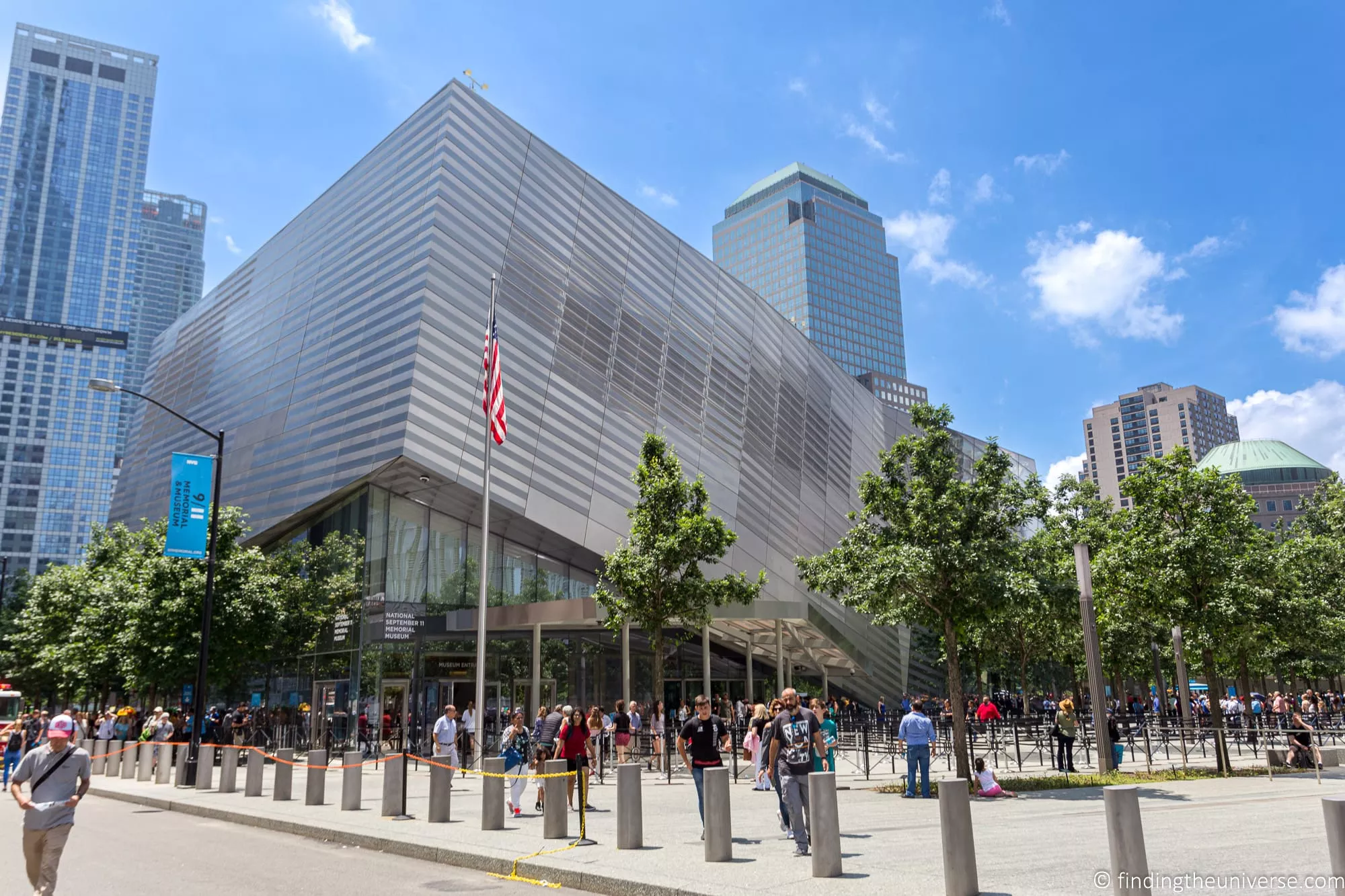
The museum sits below ground and tells the story of 9/11 across the lead-up, the day itself, and the aftermath. It’s a paid attraction with mandatory timed entry. Allow two hours minimum, longer if the artefact rooms hold you. Emotionally heavy, in a way you can’t really prepare for; build a buffer afterwards. The museum is open from 9am to 7pm (last entry 5.30pm), Wednesday to Monday plus select Tuesdays, check the dates on the official site if you’re planning a Tuesday visit.
Book online to skip the on-site queues: 9/11 Memorial Museum entry tickets here. The 9/11 Museum is one of the ten CityPASS options, and is included on the Go City Explorer Pass.
The Oculus
Directly across from the 9/11 Memorial sits the Oculus, the Calatrava-designed transit hub at the World Trade Center. From the outside it looks like the bones of a giant white bird; from the inside it’s a single arching cathedral nave of light, all white ribs reaching up to a glass roof that pours daylight into the concourse below. Walk through it. No ticket required, allow 20 minutes.
Late Afternoon: One World Observatory
One World Trade Center, the building rebuilt on the World Trade Center site, is the tallest building in the United States. The observation deck on the 100th, 101st and 102nd floors looks down on Lower Manhattan from a height that the Empire State and Top of the Rock can’t match. We’ve been, and the lift ride up is part of the show: the inside of the lift becomes a five-screen wraparound time-lapse of the New York skyline forming around you as you ascend. It’s a bit of theatre, but it works.
Allow 75 minutes including the timed-entry queue. One World Observatory isn’t on standard CityPASS, but it’s available on the Go City Explorer Pass and the New York Pass. Book online for the timed slot.
Sunset: Brooklyn Bridge Walk and DUMBO
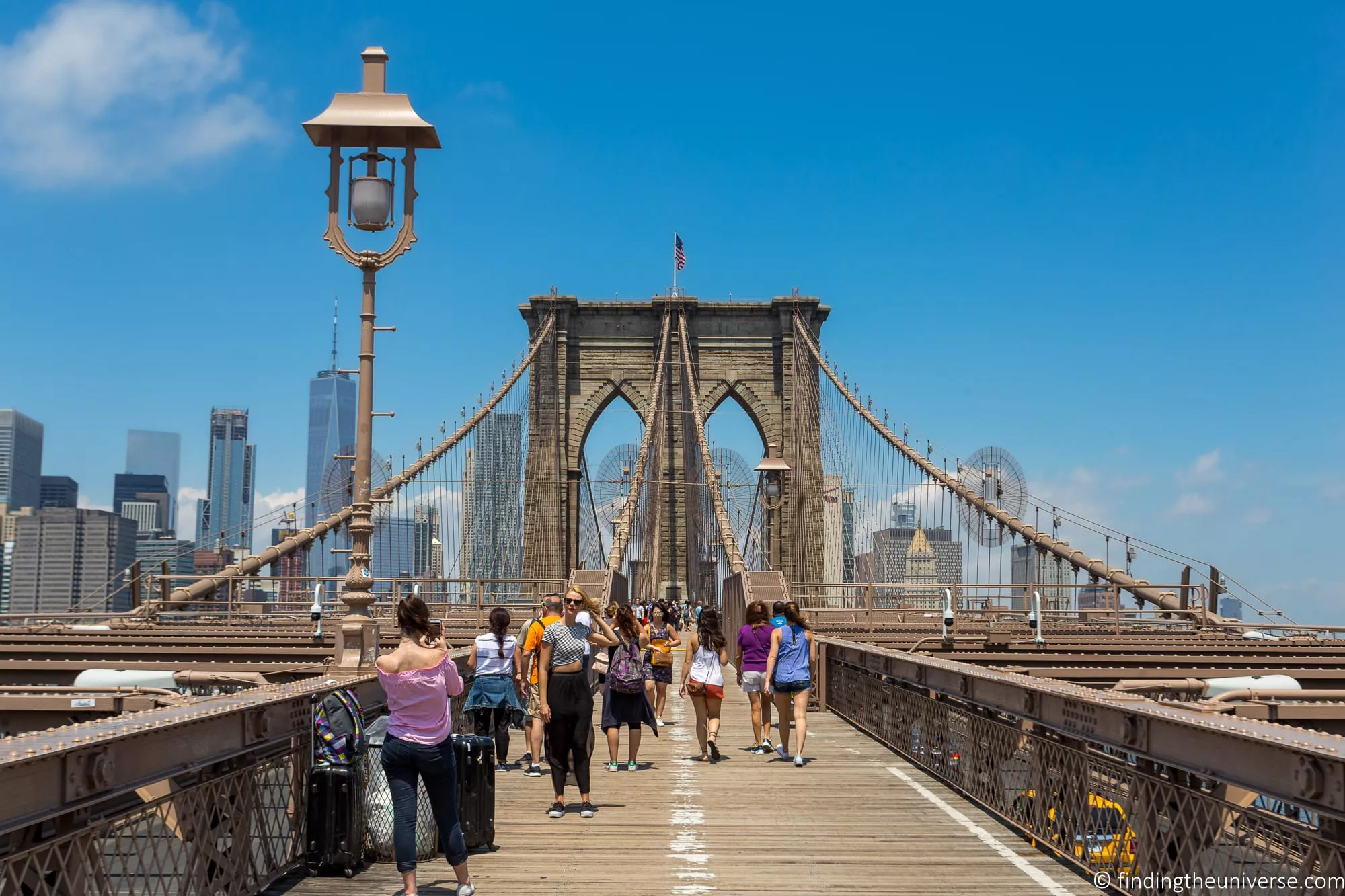
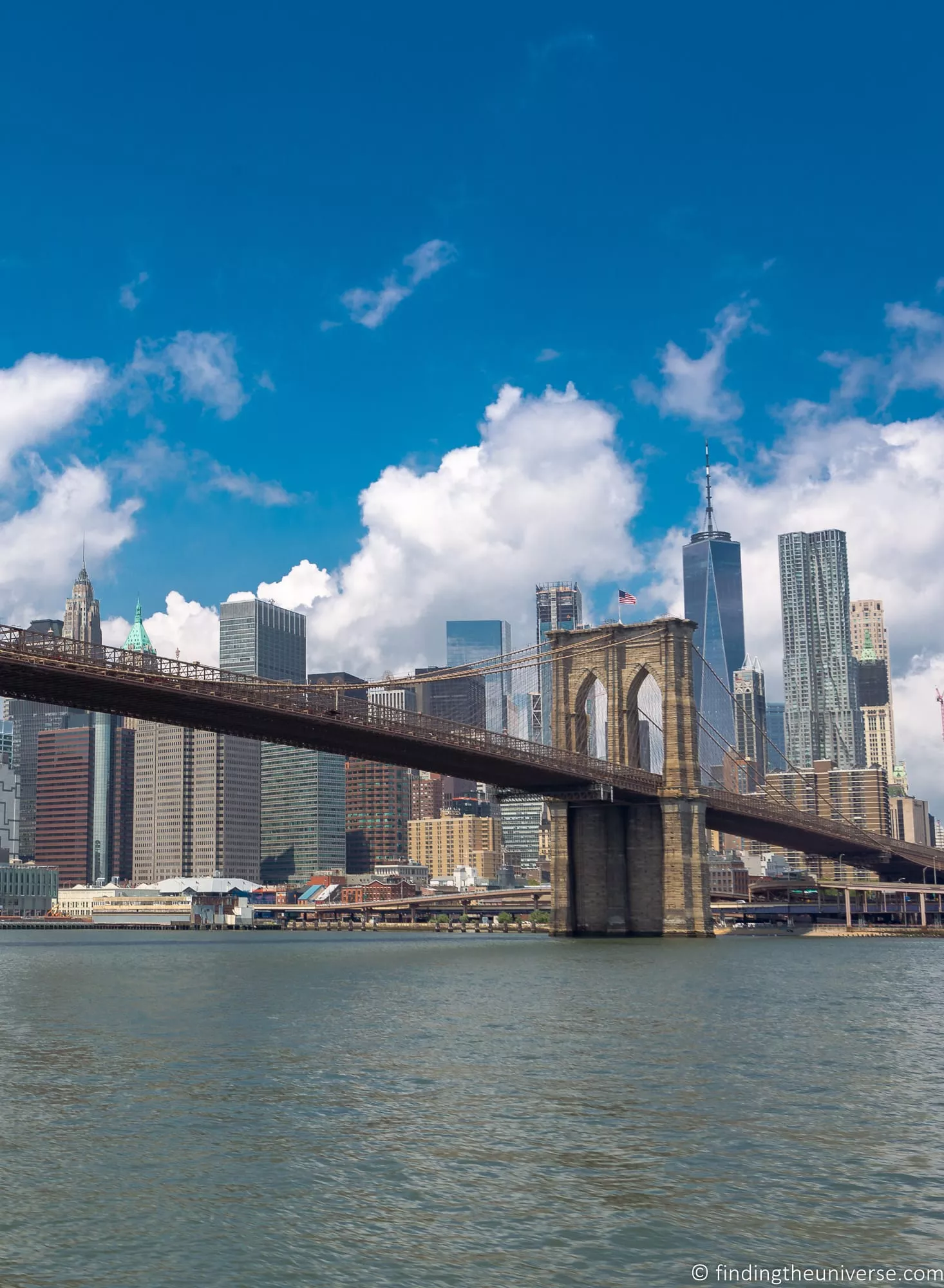
From the World Trade Center site, take the subway one stop north to Brooklyn Bridge / City Hall, then walk onto the bridge from the Manhattan side. The bridge opened in 1883 (longest suspension bridge in the world at the time), and crossing it on foot is one of the city’s signature experiences.
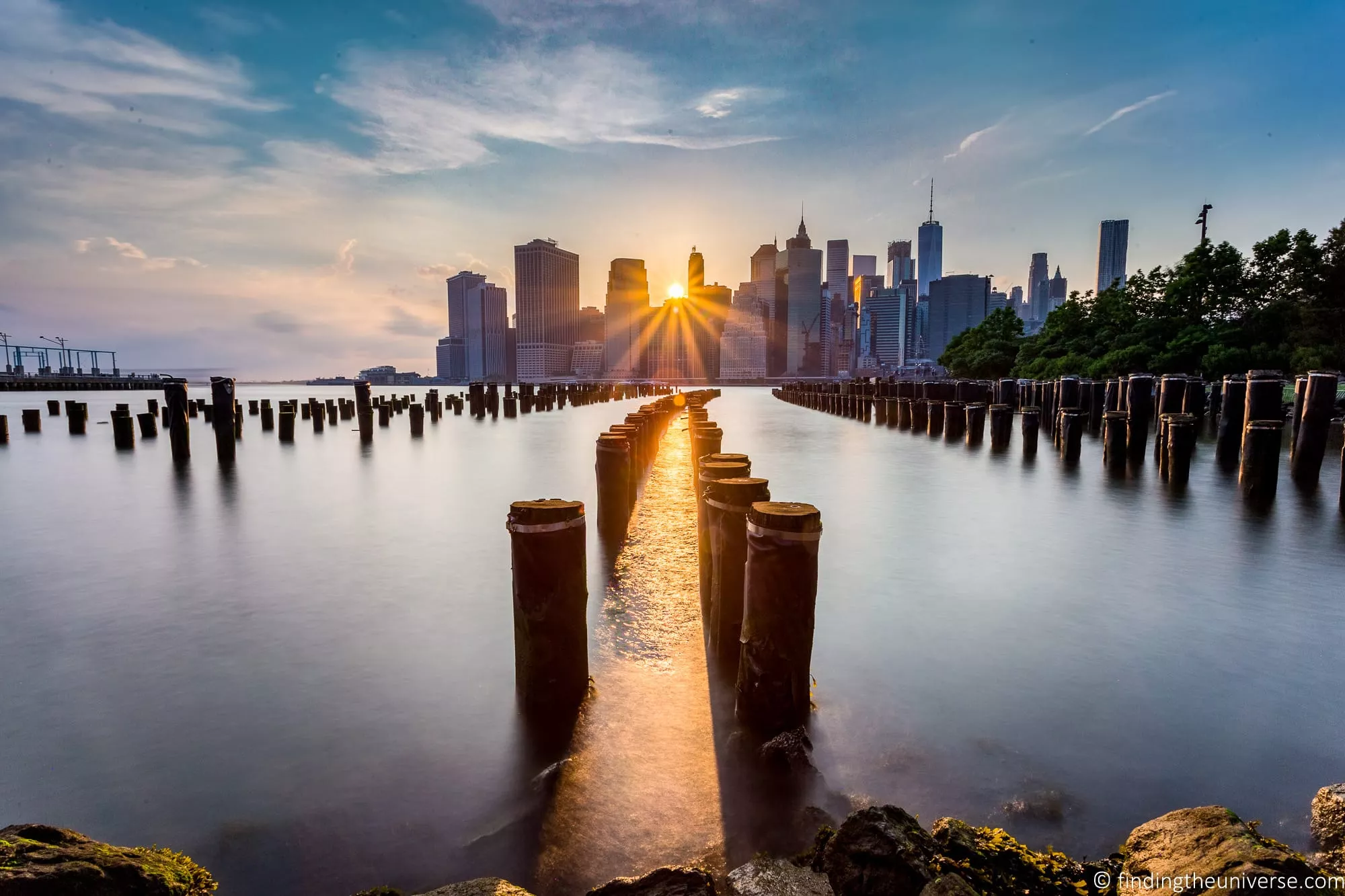
The full crossing to Brooklyn takes 30 minutes one way. From the Brooklyn end you can continue into DUMBO for the Manhattan-Bridge-framing-the-skyline photograph (with cobbled streets and old brick warehouses underneath), or turn around and walk back. Either is fine. The pinch point is the timing: sunset over the Manhattan skyline is the photograph, and you want to be on the bridge or in DUMBO 30 minutes before sunset. In summer that’s around 8.30pm, in shoulder season around 6.30 to 7.30pm, in winter around 4.30pm.
If you’re visiting in winter, the early sunset means Brooklyn Bridge moves to mid-afternoon and you’ll want to skip One World Observatory or the DUMBO crossover.
Evening: Lower East Side Dinner
From DUMBO, take the subway back to Manhattan and head north to the Lower East Side. Katz’s Delicatessen on East Houston Street is the named pick: pastrami on rye that’s been operating since 1888, the famous “When Harry Met Sally” booth, and a takeaway-counter chaos that’s part of the experience. Worth the trek.
If you’d rather a slice and a slower walk, Joe’s Pizza in Greenwich Village (the Carmine Street original, not the satellite locations) is a short subway hop and is the New York pizza touchstone we’ve come back to multiple visits running.
If You’re Running Short on Day 2: What to Skip
- Drop One World Observatory. If the 9/11 Museum has taken longer than expected, skip the Observatory. It’s a separate ticket anyway, and you can move it to Day 3 if you really want a third deck.
- Skip the Brooklyn Bridge full crossing. Walk to the second tower for the photograph, then turn back. You’ve still done the bridge.
- Cut Wall Street. A 25-minute photo stop is the easiest cut.
- Skip Lower East Side dinner. Eat near your hotel.
Day 3: West Side, Hudson Yards, Times Square and Broadway
Morning: Chelsea Market and the High Line
Start the day at Chelsea Market in Meatpacking District. A converted Nabisco factory turned indoor food hall, it’s where the Oreo was invented and where you’ll now find a couple of dozen food stalls under one roof. We’ve eaten breakfast here multiple times and it’s a cleaner pre-walk option than most Manhattan coffee shops. Allow 45 to 60 minutes.
From Chelsea Market, walk a block to the southern entrance of the High Line. This former elevated freight rail line was converted into a linear park in 2009, and now runs about a mile and a half north from Gansevoort Street to Hudson Yards. The walk takes 60 to 90 minutes at a slow pace, with views of the city through the rail bed’s planted gardens, art installations along the route, and benches every few hundred yards. It’s free, and open 7am to 10pm April through November, and 7am to 8pm December through March.
The Whitney Museum of American Art is at the southern end if you’re up for an art museum (buy tickets here); Artechouse NYC is a digital-art space along the route and is also worth a stop if you’ve an hour spare. Both are optional.

Midday: Hudson Yards and the Vessel
The northern end of the High Line lands you directly at Hudson Yards, the redeveloped rail-yards district that opened in 2019. The Hudson Yards mall has the food and shops; the structure most visitors come for is the Vessel, the 150-foot copper-coloured climbable spiral that became the visual icon of the development. The Vessel reopened in March 2026 with new safety measures including timed entry, security screening, and protective mesh on the upper levels, a nice stop for the architecture if you’re already at Hudson Yards. It’s open daily from 11am to 7pm; book a timed slot on the official Vessel website.
If you want a third observation deck on this trip, the Edge at Hudson Yards is right next door. We haven’t been ourselves, but it’s the highest outdoor sky deck in the western hemisphere, with a glass-floor section and wraparound views. The Edge is included on both the Go City Explorer Pass and the unlimited New York Pass. Worth doing instead of (not in addition to) Top of the Rock if your Day 3 PM is going to be Hudson-Yards-anchored.
Afternoon: Top of the Rock
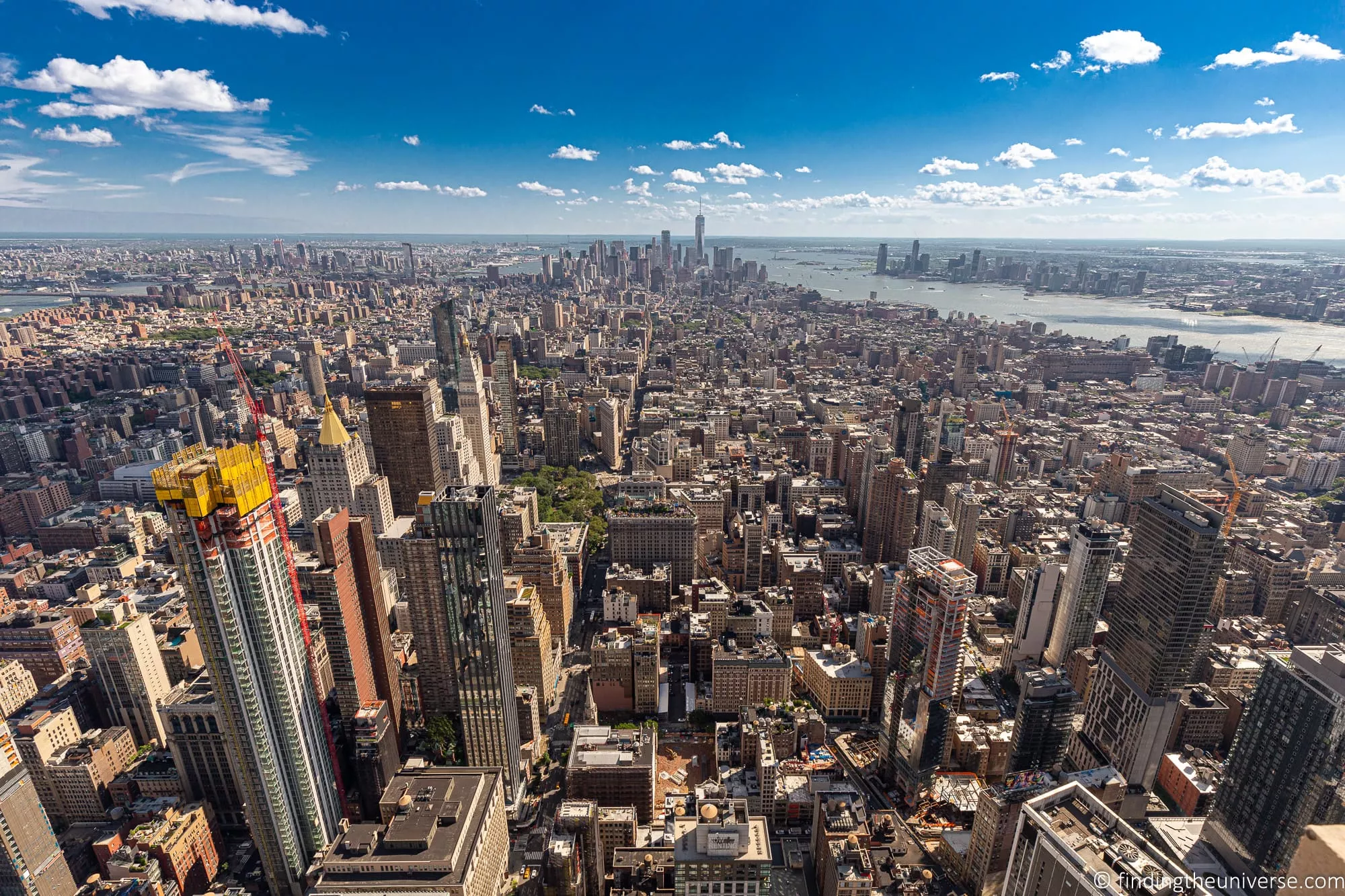
From Hudson Yards, take the subway across to Rockefeller Center. Our personal pick of the observation decks (because from here you can see the Empire State Building in the skyline, which is the better photograph) is the Top of the Rock. The viewing area, designed to look like the deck of a cruise ship, gives 360-degree views: Central Park to the north, Midtown and Lower Manhattan to the south, and the Empire State Building front-and-centre on the south side. Allow 75 minutes including the timed-entry queue. Top of the Rock is one of the ten CityPASS options.
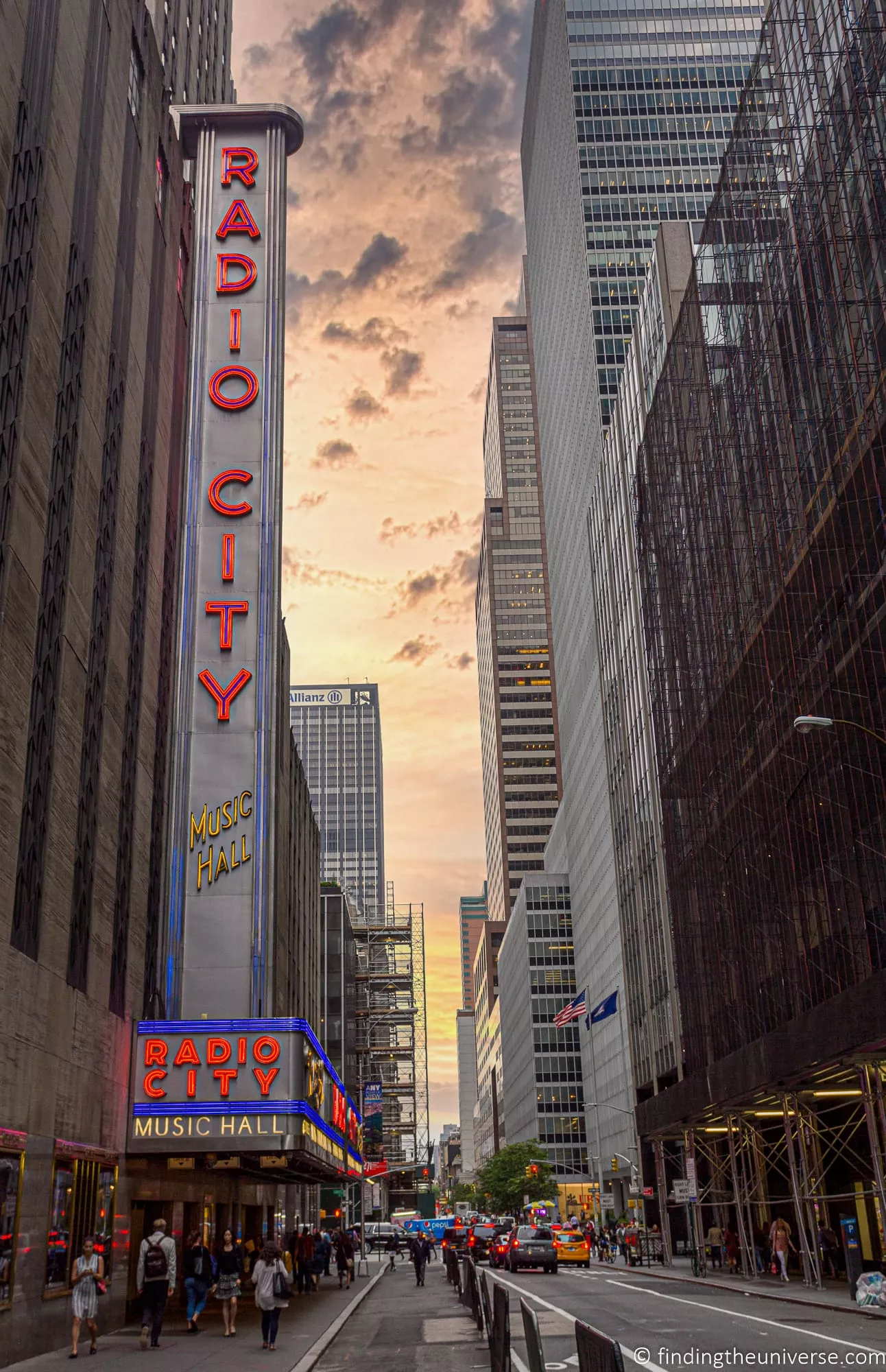
Around the base of Rockefeller Center: the gold Hercules statue, the famous skating rink in winter, NBC Studios, and Radio City Music Hall a block away. Allow another 20 to 30 minutes for a wander.
Late Afternoon: St. Patrick’s Cathedral and Grand Central
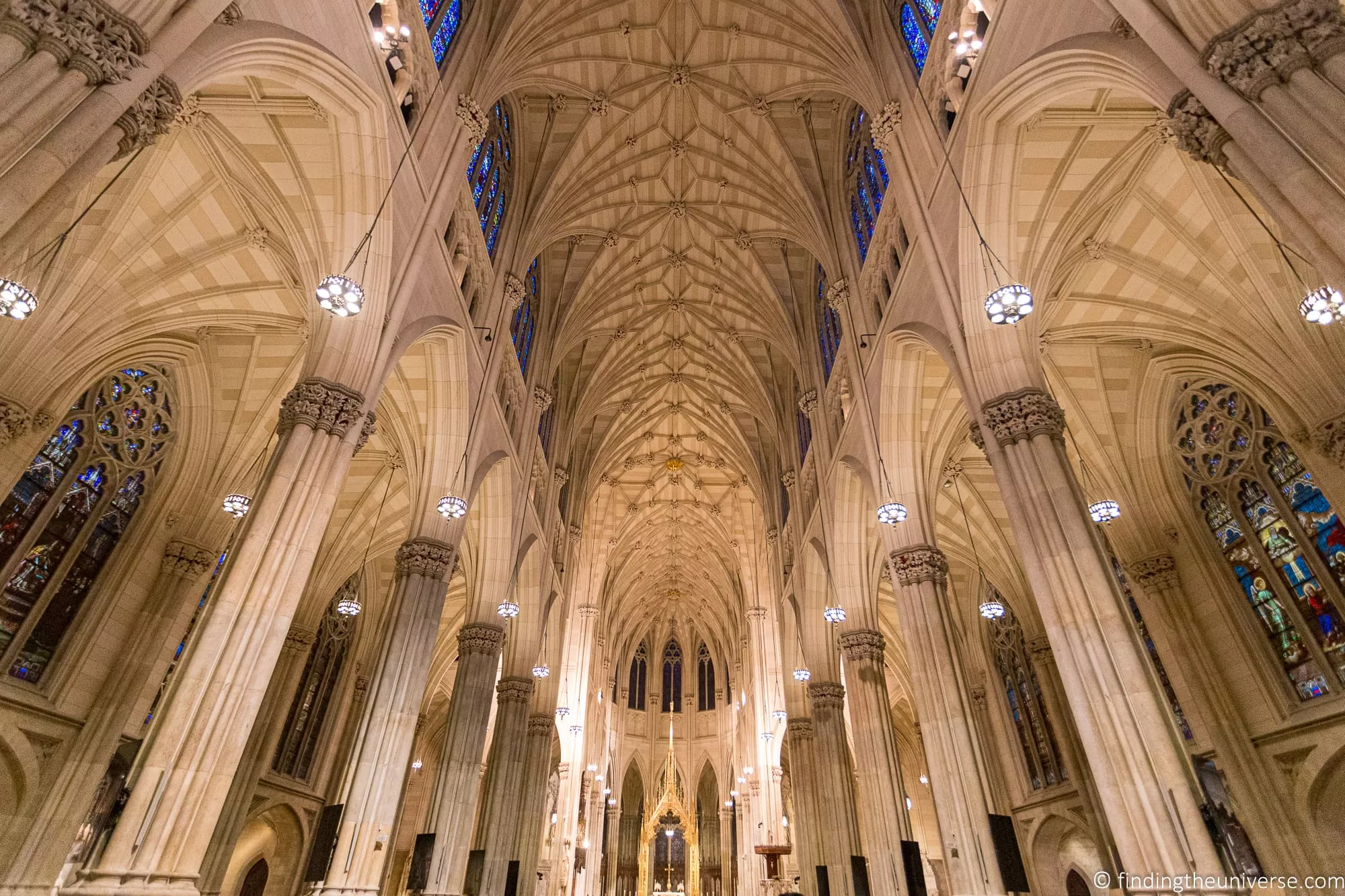
A four-block walk south of Rockefeller Center brings you to St. Patrick’s Cathedral, the largest Gothic Revival Catholic cathedral in North America, dedicated in 1879. Free to enter. The two front spires reach 100 metres in height, and inside the scale is the surprise. Allow 25 minutes.
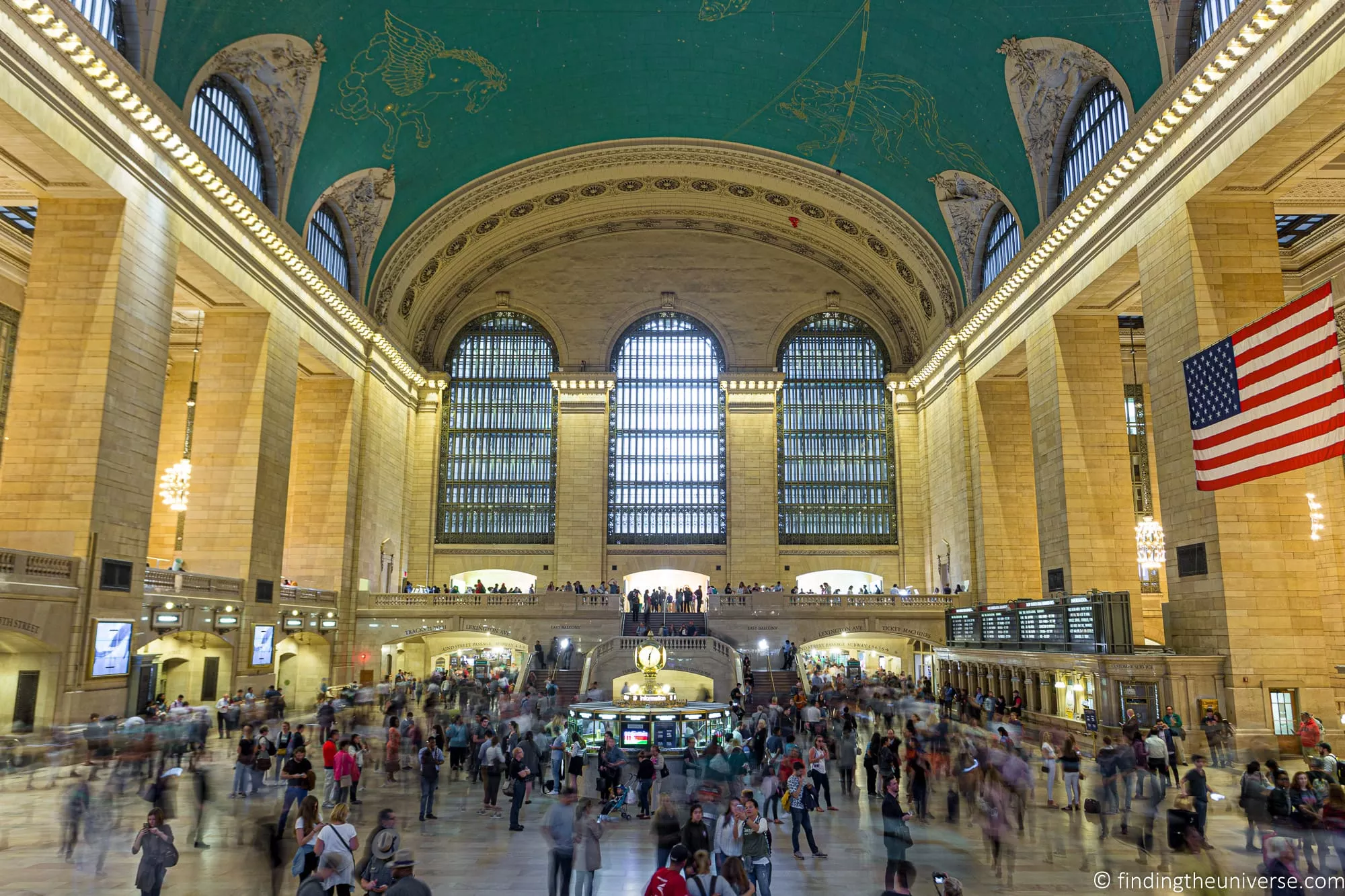
If you have the energy, Grand Central Terminal is an 8-minute walk east. The third-busiest train station in North America, opened 1913, designated National Historic Landmark. The main concourse, celestial-ceiling vault, the four-faced clock, the Whispering Gallery, is one of New York’s signature interior photographs. Allow 25 minutes for a wander.
The New York Public Library Schwarzman Building is a five-minute walk from Grand Central. The Rose Main Reading Room and the marble lions out front are both lovely. If you’re a Winnie the Pooh fan, the original toys that inspired A.A. Milne’s books are on display in the children’s section. Allow another 30 minutes.
(That’s three optional stops in 90 minutes if you want them. Skip any or all if you’re knackered, Day 3 still has a Broadway show ahead.)


Evening: Times Square, Broadway, and the Empire State Building
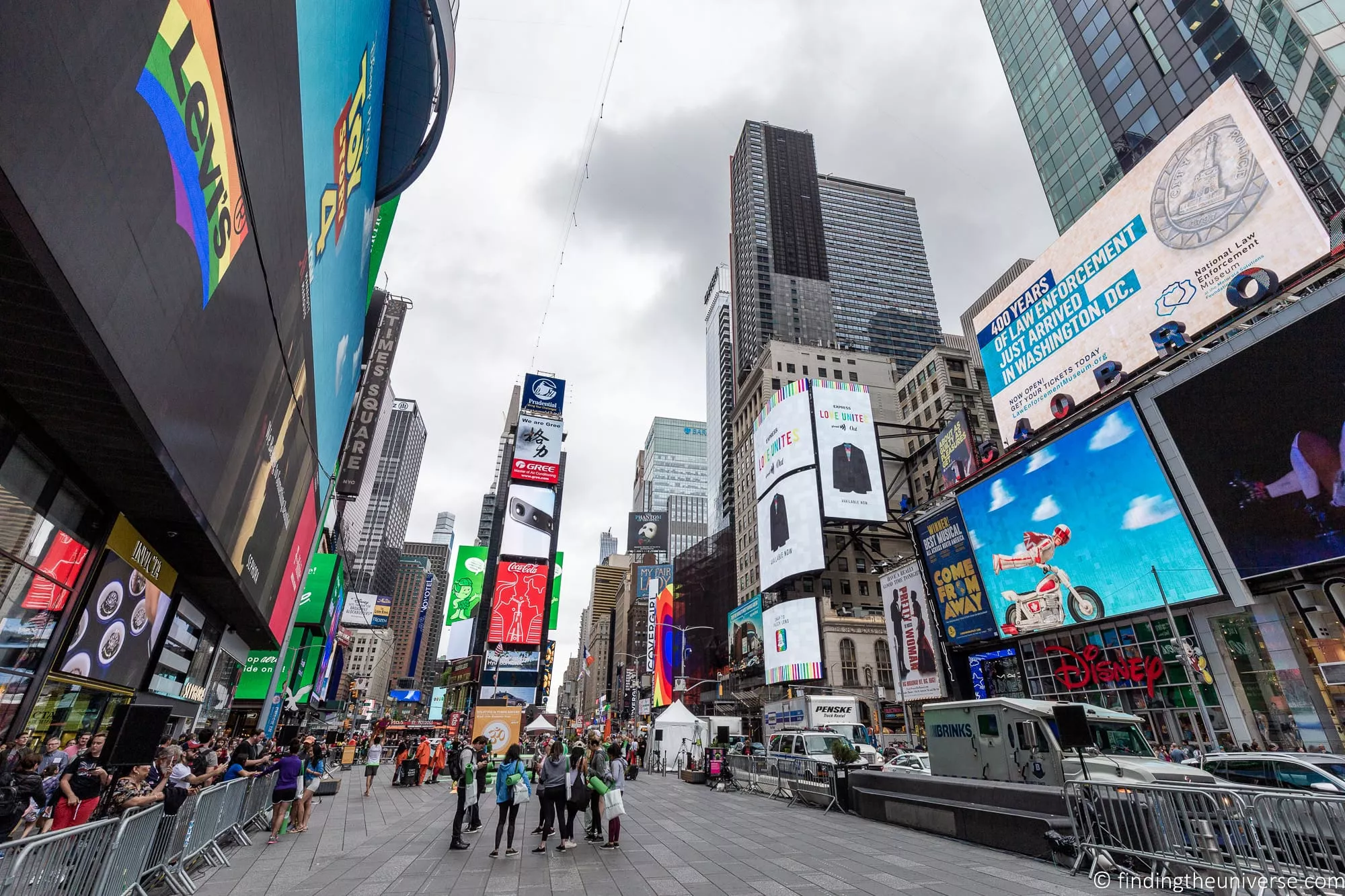
Walk west to Times Square, the intersection of Broadway and Seventh Avenue. The lit-up billboards, the crowds, the buskers and costumed performers; named “Times Square” in 1904 after the New York Times moved its headquarters here. Allow 45 minutes for the lights-on photographs.
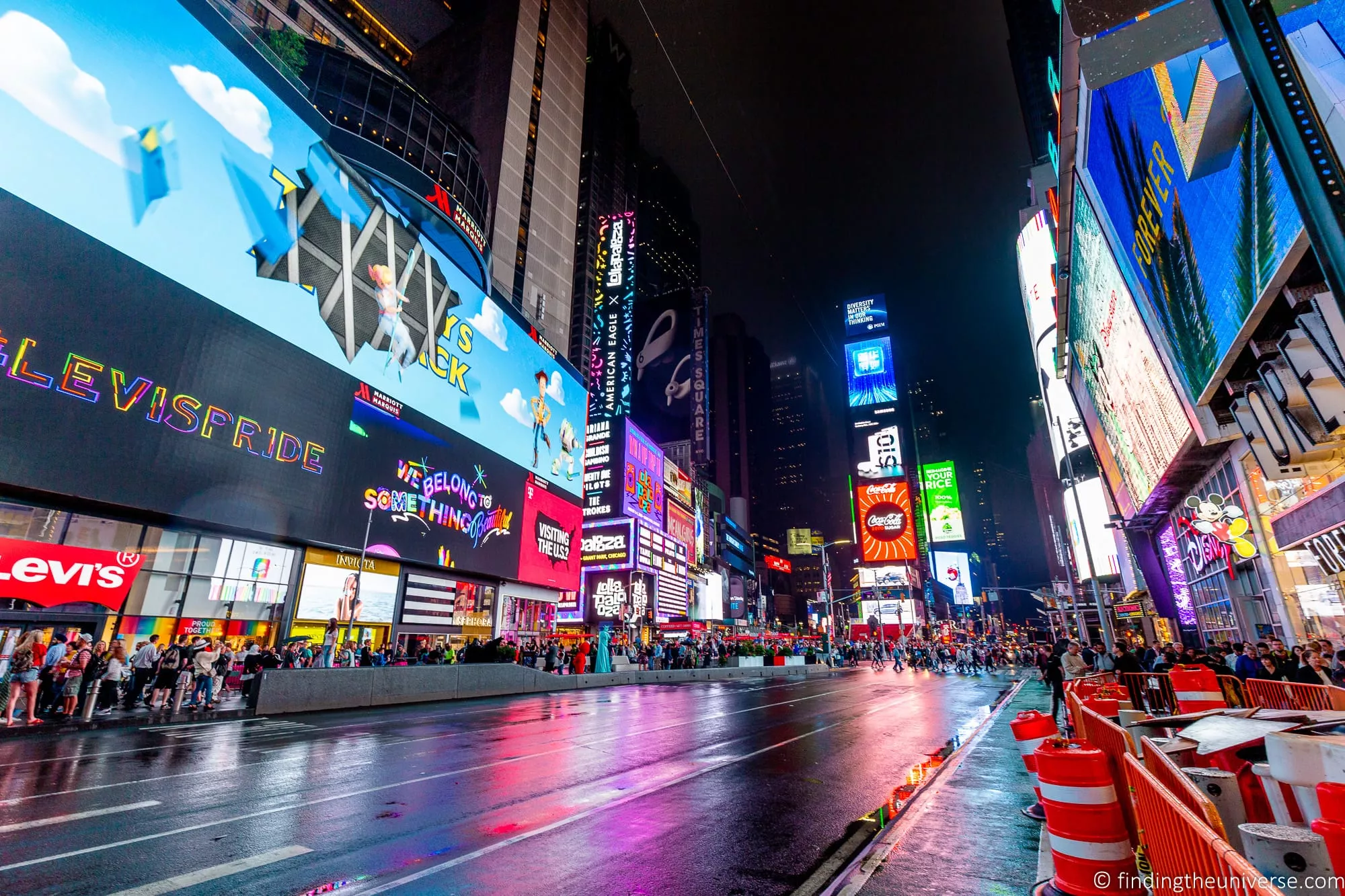
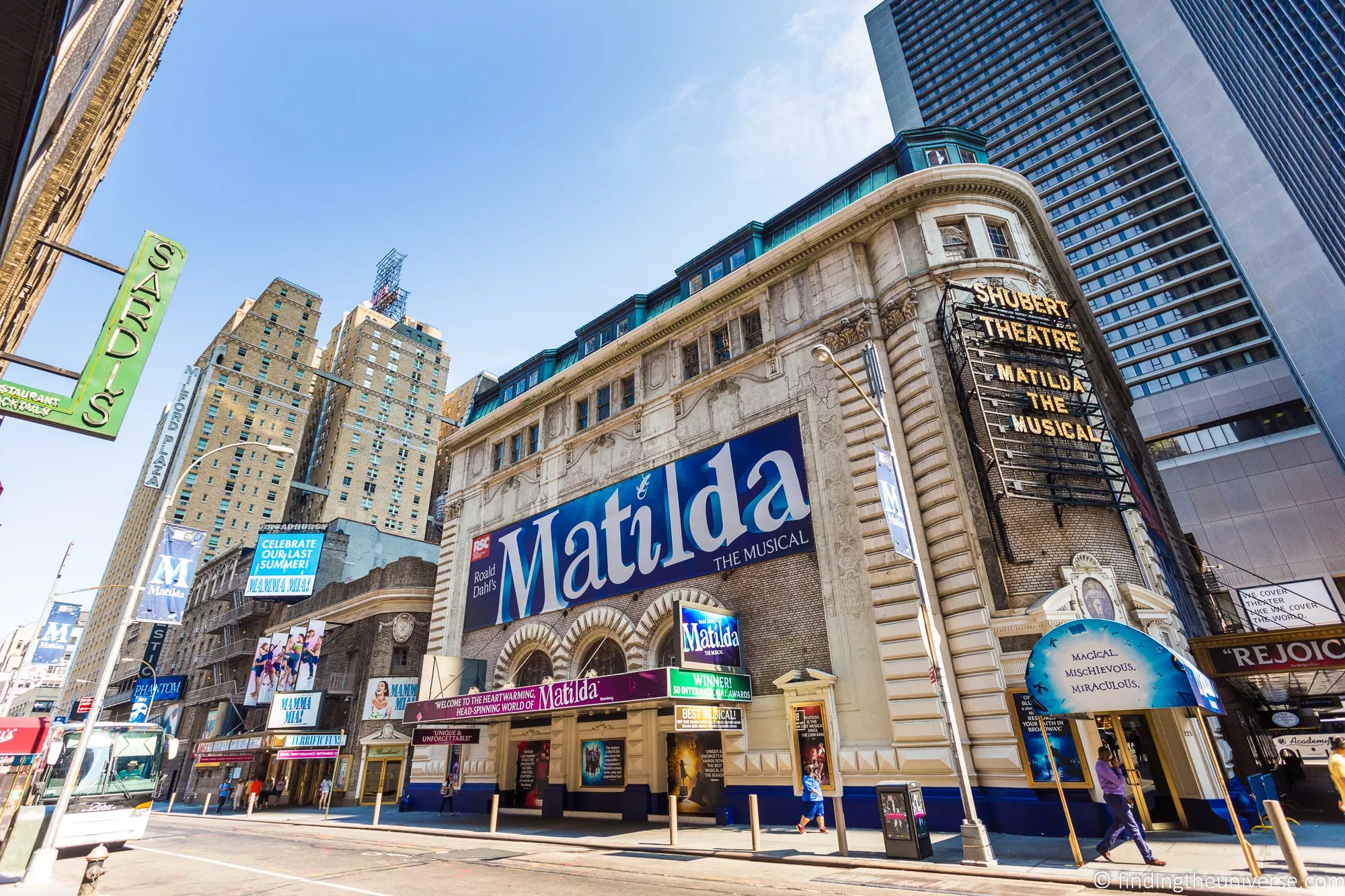
Dinner in the Theatre District before your Broadway show. Most pre-show menus are designed to get you in and out in 90 minutes; book a 5.30pm or 6pm slot for a 7pm or 8pm curtain.
Then the Broadway show. We figured the longest-running Broadway show must have something going for it on a recent visit, and saw Phantom of the Opera; we weren’t disappointed. There are dozens of shows running at any given time. Same-day discount tickets via TKTS at Times Square are an option for less in-demand shows (queue forms from 3pm). For a specific show, especially a popular one, book ahead via Telecharge or Today Tix.

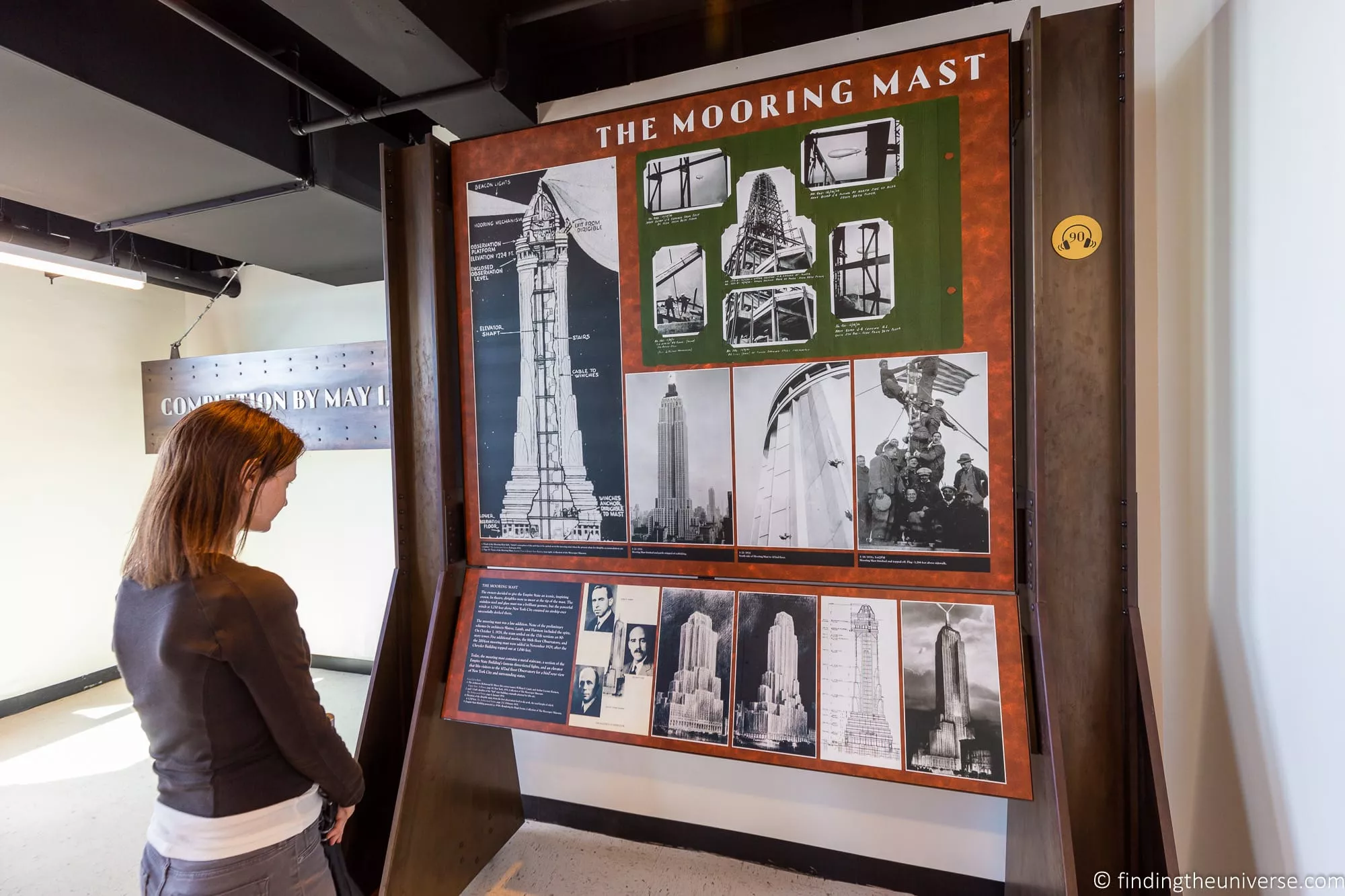
After the show, the Empire State Building is a 10-minute walk south of the Theatre District and is the day-three closer we’d recommend. Open daily into the late evening (closing as late as 1am at peak summer, with last entry roughly an hour before close). The 86th floor outdoor deck at night is the iconic shot, and the queues that ruined the late afternoon are gone. Buy timed-entry tickets in advance: Empire State Building tickets. If the show runs long or you’re shattered, drop it; the Empire State will still be there next visit.
The Empire State Building is one of the ten attractions you can pick on CityPASS, and is also one of the choose-from options on the Go City Explorer Pass. We have a complete guide to visiting the Empire State Building with more detail.
If You’re Running Short on Day 3: What to Skip
- Drop the Edge if you’re doing Top of the Rock. One afternoon deck is plenty; Empire State Day 3 evening is the second.
- Skip Empire State Day 3 evening. The easiest cut if the show wears you out. The Empire State will still be there next visit.
- Cut Grand Central or NYPL. The St. Patrick’s stop alone takes care of the Midtown architecture beat.
- Skip the Vessel. If timed-entry slots don’t fit your day, walk past, photograph it, move on.
3 Day New York Itinerary Summary
- Day 1, Central Park, American Museum of Natural History (or the Met), Fifth Avenue stroll, Times Square evening
- Day 2, Statue of Liberty & Ellis Island, Wall Street, 9/11 Memorial & Museum, the Oculus, One World Observatory, Brooklyn Bridge sunset, Lower East Side dinner
- Day 3, Chelsea Market, the High Line, Hudson Yards & the Vessel, Top of the Rock or the Edge, St. Patrick’s, Grand Central, Times Square, Broadway show, Empire State Building (optional late)
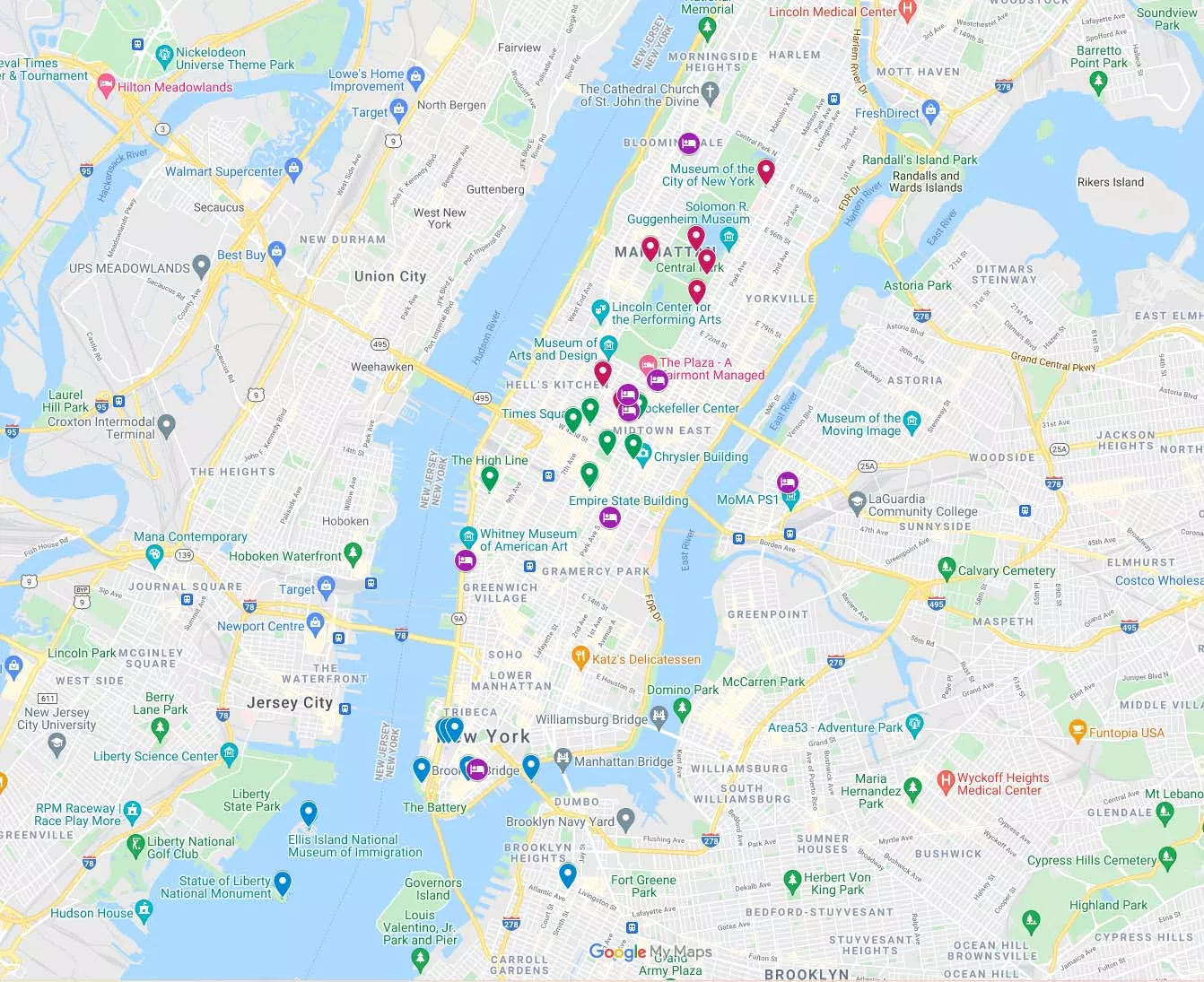
Map for the 3 Day New York Itinerary
To help you visualise this 3-day route we’ve put together a map. You can also see it on Google Maps here.
How to Get Around New York City
Manhattan is 13.4 miles long and 2.3 miles wide. You’ll be walking a lot anyway, but you’ll also need transit for the longer transitions (downtown to midtown, midtown to the Upper West or East Side, Hudson Yards to Rockefeller). Our detailed guide to getting around New York has the full breakdown.
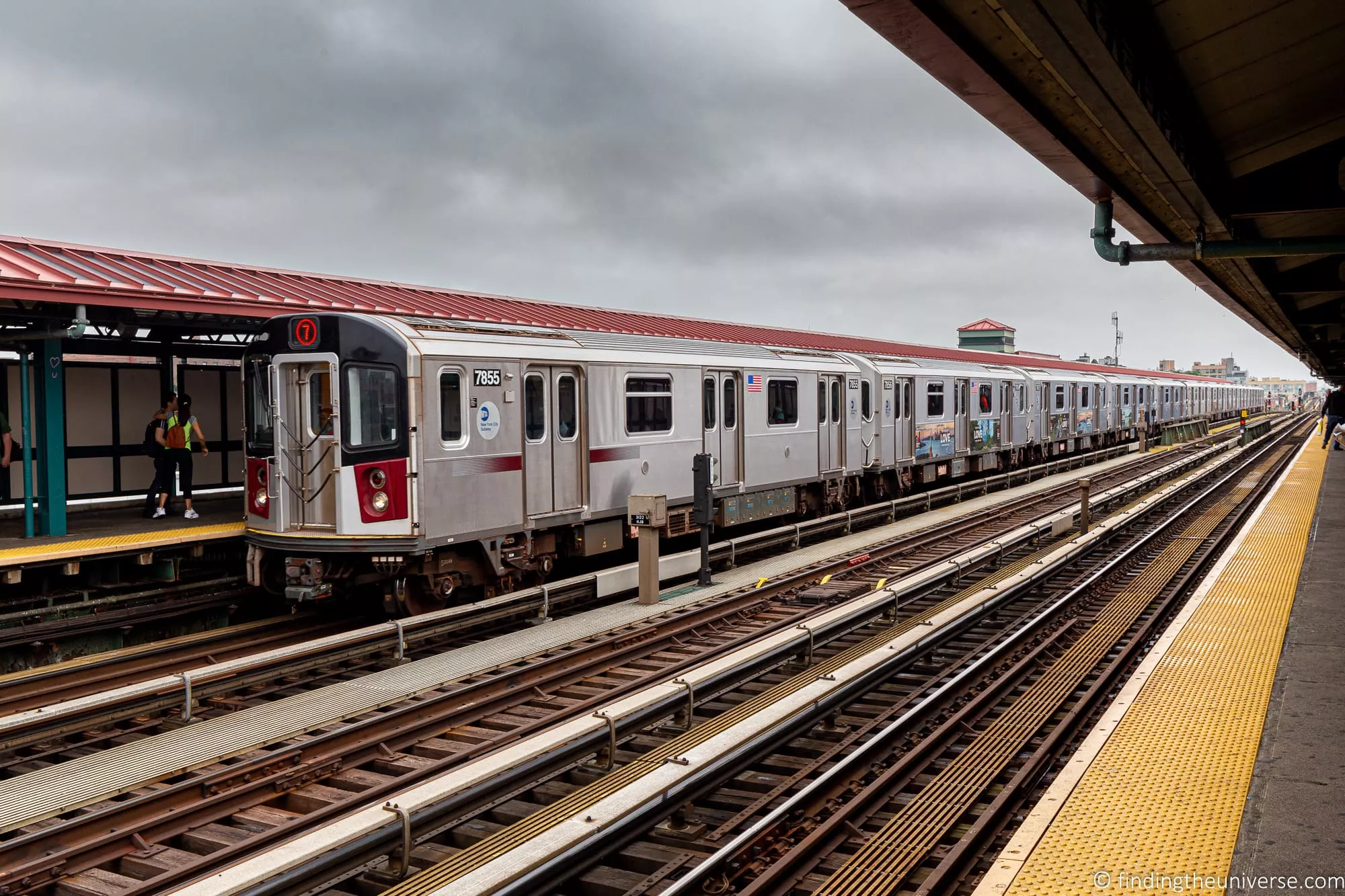
Subway / MTA
The subway is the fastest and cheapest way to cover meaningful distances in Manhattan. The MTA runs over 450 stations across the network, one of the largest in the world; it’s also one of the oldest, so delays are of course part of the experience.
OMNY contactless tap-to-pay is now the default fare system across the entire MTA network. You tap a contactless credit or debit card (or a phone with a digital wallet) at the gate, and that’s the fare paid, no MetroCard purchase needed. UK Visa and Mastercard contactless cards work the same way as they do on the London Underground. There’s also a 12-trips-then-free weekly cap if you tap with the same card on multiple journeys, which makes OMNY the best value for a 3-day visitor without doing any maths. The MetroCard is being phased out fully; for a short trip in 2026, OMNY is the answer.
Bus
The MTA also runs an extensive bus network. OMNY contactless tap-to-pay works on buses as on the subway. Slower than the subway in midtown, but useful for the cross-town routes that the subway doesn’t cover well.
Taxi
New York’s iconic yellow taxis are still everywhere and fairly priced for short hops. Manhattan traffic can be pretty brutal, so a 12-block taxi ride at 5pm can take 25 minutes; for that distance you’re often better off on the subway.
Ride-share via Uber and Lyft works the same as anywhere else. Booked through the apps, generally cheaper than a yellow cab, same traffic problem.
Ferry
The NYC Ferry service runs along the East River and around to Brooklyn. Same fare as the subway, panoramic views, and a useful way to get up to East 34th Street from DUMBO if you’re crossing back from Day 2’s Brooklyn Bridge walk. Tickets via the NYC Ferry app or the machines at the piers.
Hop-on Hop-off Bus
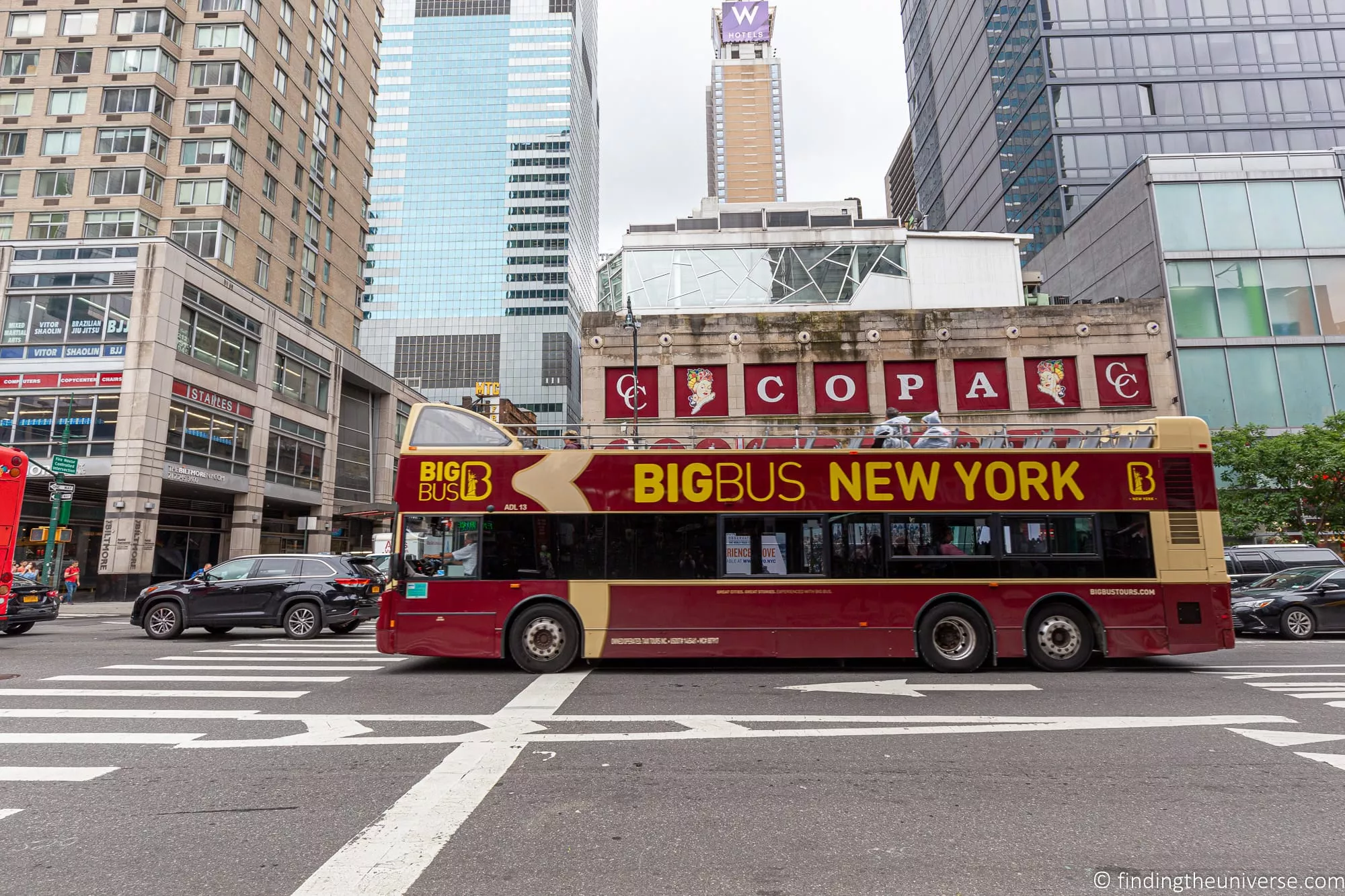
The Big Bus and other hop-on hop-off services run looped routes around the main sights. Not the cheapest way to get around but useful for first-timers who want a narrated overview while moving between attractions. Hop-on hop-off bus access is included on the New York Pass, which is one of the few cases where the pass changes the maths.
Where to Stay in New York
With three days, the where-to-stay calculus opens up. Manhattan, and especially Midtown, is still the no-brainer if you’d rather not think about it, but a 3-day trip gives you enough time to absorb the 20-minute subway commute that comes with staying in Brooklyn or Long Island City, where rates can be meaningfully lower than equivalent Manhattan stock. Lower Manhattan around Wall Street can also be a really good bet at weekends, when the financial district empties out and the rates drop. You can even split the trip across two neighbourhoods if you fancy a Manhattan-and-Brooklyn experience.
We’ve covered each of New York’s main neighbourhoods in detail in our Where to Stay in NYC guide. Below is a 3-day-friendly shortlist that spans the geographies a longer trip can comfortably take in:
- The Local Hostel NYC, a budget hostel in Long Island City with a kitchen, rooftop terrace, and both private rooms and dorms. Times Square is 8 minutes on the subway.
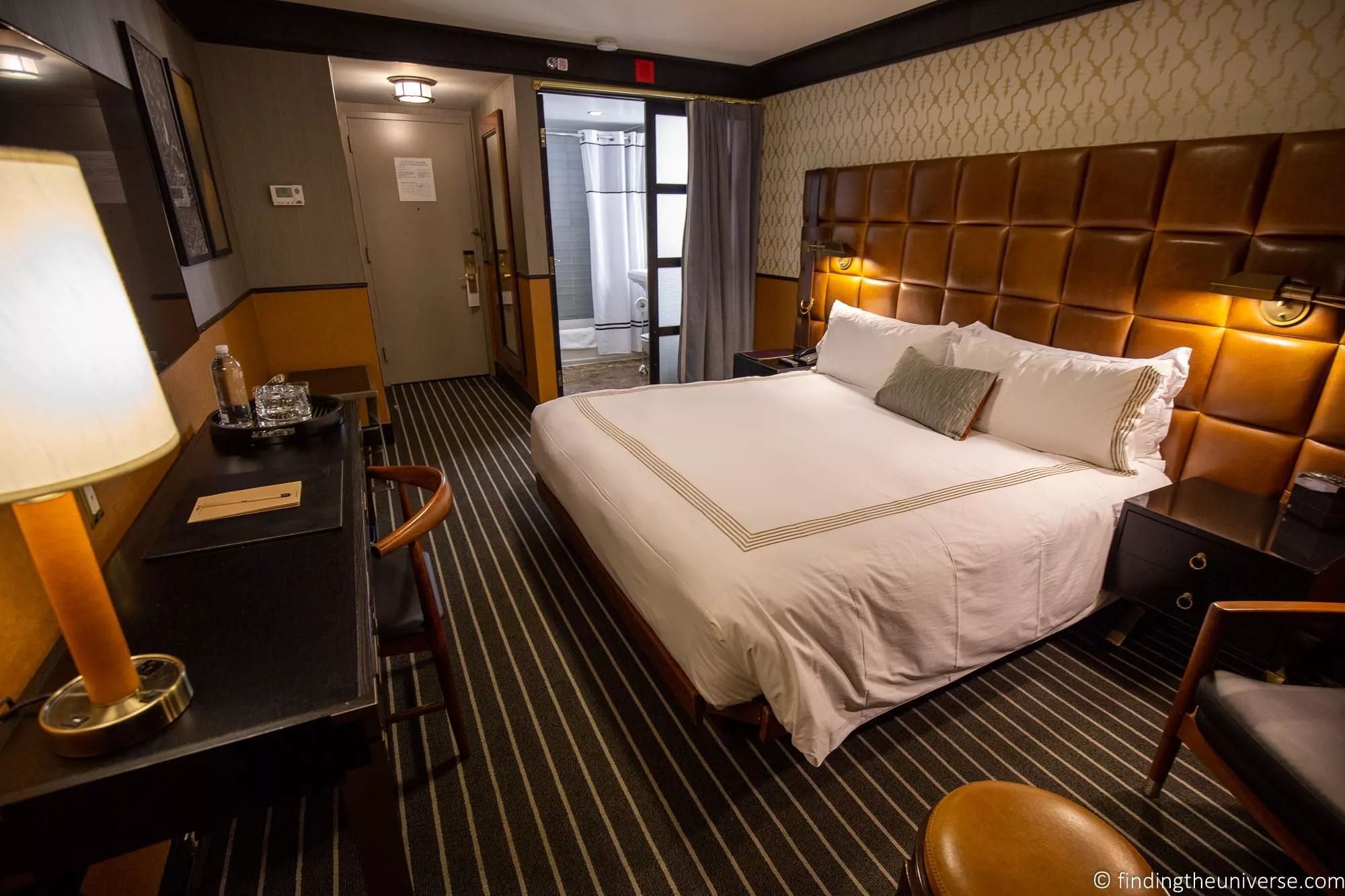
- Gild Hall, A Thompson Hotel, a 4-star in Lower Manhattan within walking distance of Wall Street and the Statue of Liberty ferry. We enjoyed our stay here, and the financial district drops to a quieter pace at weekends.
- Warwick New York, a historic 4-star in Midtown built by William Randolph Hearst (the publishing magnate behind Hearst Castle). One of my favourite hotels in the city for the price.
- 1 Hotel Brooklyn Bridge, a DUMBO luxury option with East River and Manhattan-skyline views. The pick if you want to spend the trip on the Brooklyn side of the bridge.
We’ve stayed in apartments in Brooklyn ourselves, in DUMBO near the spot where every Manhattan-Bridge-between-buildings photo is taken. On a 3-day trip an apartment often makes more sense than a hotel for the kitchen access, the extra space, and prices that beat hotel-room rates once you’re past two nights. Vrbo has the broadest NYC inventory, and Plum Guide is the curated alternative. Our alternatives to Airbnb guide has more on the apartment-rental landscape.
Walking Tours of New York City
Walking tours are one of our favourite ways to see a city, and New York is no exception. A good guide turns a stop you’ve already photographed into a stop you actually understand.
We’ve taken a number of walking tours in New York, mostly with WalksDevour, our preferred walking-tour company. Two of their New York tours we’d point at first:
- The Statue of Liberty and Ellis Island tour, including pedestal access and first-ferry boarding (referenced earlier on Day 2).
- The guided Met tour if you want context for the world’s largest art museum that you couldn’t get from a free audio guide.
- See all WalksDevour New York tours here for the current full list.
There are also a wide range of other walking tour options in the city via GetYourGuide. The New York Pass also bundles in several walking tours if you’ve gone with that.
Practicalities for Visiting New York
A few practical things before you go, especially if this is your first trip from outside North America.
Electrical Outlets in New York City
Like the rest of the United States, New York runs on a 110-120V system at 60Hz. Plug types are A (two flat parallel pins) and B (the same with a round grounding pin).
If you’re travelling from outside North America you’ll need a travel adaptor. The single one we’d recommend for a US trip is a multi-port USB-C and AC unit so you can charge a phone, watch, camera and partner’s phone simultaneously from the two outlets you’ll find in most hotel rooms. Our guide to the best travel adapters covers the options.
Voltage is the second consideration. Most low-power devices (laptops, phones, camera chargers) run on 100-240V and are fine. Higher-power devices like hair dryers, hair straighteners and travel kettles often don’t, so check the rating on the device itself. If yours is 230V-only, you need a voltage converter rather than only a plug adaptor, and a converter rated for at least 2000W if it’s a hair dryer. The simpler answer is usually a dual-voltage travel hair dryer.
Currency in New York City
The currency is the US Dollar. Notes from $1 to $100, coins from 1 cent to $1.
Credit cards are accepted nearly everywhere, but you’ll want some cash on hand for tipping (which is common across the United States, tipping culture is part of how restaurant and bar workers are paid). A handful of dollar bills is always useful.
Travelling from outside the United States, get a credit card that doesn’t charge foreign-transaction fees. Use it for nearly everything except tipping. Most contactless cards work for OMNY and shop purchases the same way they do at home.
Safety in New York City
New York is a much safer city than its 1970s-1980s reputation. As with any major city, petty crime exists, especially in tourist-heavy areas like Times Square and the subway. Keep wallets and phones in zipped pockets, don’t leave bags unattended on cafe chairs, and you’ll be fine. We’ve never had an incident across many trips, but the precautions are still worth taking.
Internet Access in New York City
Free Wi-Fi is everywhere, coffee shops, hotels, restaurants, museums, the subway stations themselves. For mobile data, you’ve got a few options outlined in our guide to getting online when travelling. eSIMs are now the easiest path for short trips.
One thing to be aware of: the skyscrapers create a canyon effect that disrupts mobile signals, and the sheer number of people in the city pushes networks. Expect occasional dropped signal and slow data, especially in Times Square and Lower Manhattan. Hotel and cafe Wi-Fi is usually a more reliable bet for anything bandwidth-heavy.
Jet Lag and the Day 1 Plan
If you’ve flown overnight from the UK, Europe or further east, you’ll arrive in New York on Day 0 evening with a body clock five to eight hours off. Day 1 of this itinerary is built to accommodate that. The late breakfast, Central Park stroll, post-lunch museum and optional Times Square evening are all light-touch and outdoors-first. If you’re shattered, the museum is the cut. The point of Day 1 isn’t to do everything; it’s to let your body catch up so Day 2 (the heavy day) actually works.
Frequently Asked Questions About 3 Days in New York
Is 3 days enough for New York?
For a first proper visit, yes. Three days lets you do the icons (Statue of Liberty, 9/11 Memorial, the Brooklyn Bridge, Central Park, an observation deck, the High Line, the Vessel, a Broadway show) at a comfortable pace. You won’t get to many of the outer-borough neighbourhoods, the Met and AMNH back-to-back, or the deep cultural experiences that a longer stay opens up. If you only have two days, see our 2 day New York itinerary for the tighter version.
What’s the best NYC observation deck for a first visit?
For a 3-day first visit our recommendation is to do both Empire State Building and Top of the Rock. Empire State is the iconic deck (open late, avoids the 5pm queue peak); Top of the Rock gives you the photograph with the Empire State in the skyline. Add One World Observatory on Day 2 if you want a third deck. The Edge at Hudson Yards has a glass-floor section and works as the optional alt for Top of the Rock if your Day 3 stays at Hudson Yards. If you’d like to see all five decks weighed against each other, we’ve done exactly that in our observation deck comparison.
Do I need a New York Pass for 3 days?
For 3 days, CityPASS (around $149) is the best value match if you’re following our itinerary closely. The Go City Explorer Pass is the better fit if you want flexibility, or if you want One World Observatory included. The unlimited New York Pass works if you’re cramming in 6 or more attractions. Our guide to New York attraction passes has the full comparison.
Is the Vessel at Hudson Yards open in 2026?
Yes. The Vessel reopened in March 2026 with a new safety system including timed entry, security screening at the base, and protective mesh on the upper levels. Open daily from 11am to 7pm. Tickets via the official Vessel website. The reopening followed several years of closure after a series of incidents, and the new safety design has been built around preventing recurrence.
What’s the best way to get from JFK or Newark airport into Manhattan?
From JFK, the AirTrain to Jamaica or Howard Beach connects to the E or A subway lines into Manhattan, about an hour total, roughly $11 door to door (the AirTrain is $8.50, plus a subway fare on top). The LIRR is faster (around 35 minutes to Penn Station) but more expensive. Yellow taxis from JFK are flat-rate to Manhattan, currently around $70 plus tolls and tips. From Newark, the AirTrain to Newark Airport NJ Transit station then NJ Transit train to Penn Station is the public-transit route, around 45 minutes total and around $16. Taxi or ride-share from Newark is generally $60 to $90.
How early should I book Statue of Liberty tickets?
General admission books out at peak times (Memorial Day to Labor Day, school holidays, weekends). Two to four weeks ahead is usually enough for general admission. Pedestal access needs four to eight weeks. Crown access books out months in advance.
Where should I stay for 3 days in NYC?
Manhattan is the obvious base. Midtown around Times Square is convenient for Broadway and most of the Day 3 sites. The Upper West Side puts you near AMNH and Central Park. Downtown around Wall Street tends to be cheaper at weekends. Brooklyn, Williamsburg and Long Island City work too if you stay near a subway station, and rates can be meaningfully lower than equivalent Manhattan stock.
Further Reading
That’s our 3-day New York itinerary. A few related guides we’ve written that might help you plan:
- If you only have two days, our 2 day New York itinerary covers a tighter Lower Manhattan + Midtown route.
- Our detailed guide to getting around New York goes deeper on transit options.
- An attraction pass can save real money. Our New York attraction passes guide has the full comparison.
- Our complete guide to the Empire State Building has booking and visit specifics.
- If you enjoy walking tours, our review of the WalksDevour New York walking tours has more.
- Wondering how to budget the rest of the trip? Our guide to how much it costs to travel in the USA covers the wider context.
- Heading on from New York and renting a car? Our tips for driving in the USA guide.
- For more US destinations, see our guides to 2 days in Chicago, 1 week on Route 66, and exploring the deep south.
- For a printed New York guide, we’d recommend the Frommer’s EasyGuide to New York City.
And that wraps up the guide. If you have questions or feedback, drop them in the comments below and we’ll get back to you. Safe travels.
Julie says
Thank you so much for this. I’ve looked everywhere for something like this and spent hours trying to plan so this is perfect. Wish I had found it days ago. Many thanks for sharing.
Laurence Norah says
My pleasure Julie! I wish you could have found it earlier too, but at least you found it! Have a great time in New York and let me know if you have any questions!
Laurence
Michelle says
This was helpful. Thank you!
Laurence Norah says
My pleasure Michelle, have a great time in New York and let me know if you have any questions!
Laurence
Dr rustom chinwalla says
hi laurence and jessica ,that was a complete ,exhaustive and such a detailed blog.so well written !!
and so methodically covering most details.
the itinerary looks so balanced!
could u send me your blog if any for orlando as i would be visting there as well this summer.
Laurence Norah says
Thanks very much Rustom! So we haven’t visited Orlando so we unfortunately don’t have any content to send you. But I hope you have a wonderful time nonetheless. Safe travels!
Laurence
Julie says
Your photos are stunning!
Laurence Norah says
Thanks Julie!