I’ve been over to Brighton many times, often as a day out from London, and a few of those trips were to see friends who live there. It’s one of the easiest seaside days out you can have from the capital. A direct train takes about an hour, and it drops you a ten-minute walk from the beach, the Royal Pavilion, and the best of the city’s independent shops. You don’t need a car, and you can leave the overnight bag at home.
The question most people are really asking is whether a single day does Brighton justice. It does, as long as you treat it as a planned London round trip rather than turning up and wandering. Below is the day I actually do: which London station to leave from, when to leave to dodge the peak fare, the order to walk the sights in so you’re never doubling back, and a realistic call on what to skip when you only get six hours on the ground.
Quick take: Brighton is around an hour by direct train from London, with trains every 15 to 30 minutes from Victoria and London Bridge. Leave London at or after 9:30am on a weekday and you get the cheaper off-peak return, roughly £37 to £38. The best months are late spring to early autumn. The one booking worth thinking about ahead of time is the Royal Pavilion on a summer weekend, though you can usually still walk up. Everything else you can decide on the day.
Table of Contents:
Can you really do Brighton in a day?
Yes. Brighton is one of the few seaside towns where the headline sights sit within a tight walking loop, so you don’t lose half the day getting between them. From the station you can do North Laine, the Royal Pavilion, the Lanes, the pier, and the seafront on foot, in that order, and be back on a train to London in time for a late dinner.
What you can’t do in a day is everything. Brighton sprawls along the coast, and a few things people lump into “Brighton day trip” guides simply aren’t reachable on foot in the hours you have. Devil’s Dyke is a proper excursion that needs a car or a bus and the best part of a half day. The Marina is a long walk or a bus ride east. If a guide has you bouncing between those and the pier, it has never actually done the trip. I’d leave both for a return visit and spend your one day in the walkable centre, where the good stuff is anyway.
If you like the idea of a day out from London by train, the Stonehenge, Bath and Cotswolds day trip works on the same principle, though that one is better done as a tour.
Getting to Brighton from London
The train is the only sensible way to do this as a day trip. Brighton station is right in the centre of town, at the top of a gentle hill that runs down to the sea, so you walk out of the station and you’re already there.
There are two main London stations to leave from. For most visitors I’d point you to Victoria; take London Bridge instead only if you’re already on that side of the city or on the Thameslink line.
| Route | Journey time | Frequency | Good for |
|---|---|---|---|
| London Victoria to Brighton | About an hour (fastest around 58 min) | Every 15 to 30 min | Most central for most visitors; Southern and Gatwick Express services |
| London Bridge to Brighton | Around 60 to 65 min | Every 10 to 15 min | The City and south London; this is the Thameslink route |
| Coach (Victoria Coach Station) | About 2.5 hours | Roughly hourly | The cheapest option if you have time to spare |
| Driving (M23 then A23) | About 90 min without traffic | n/a | Flexibility, but central parking is a real headache |
Victoria is my default for the reasons in the table: it’s the fastest direct service, it’s easy to reach on the tube, and the trains run often enough that you don’t need to plan around a timetable. London Bridge only wins if it saves you a cross-town journey to Victoria first. Both routes run direct, so there’s no changing trains either way.
The fare is where a bit of planning pays off. A train that leaves London before 9:30am on a weekday is a peak service and costs noticeably more. Wait until 9:30am or later and you drop onto the off-peak day return, which at the time of writing is around £37 to £38 for the round trip. At weekends and on bank holidays the off-peak fare applies all day, so there’s no need to wait. If you travel regularly, a railcard knocks a third off, which more than pays for itself on a Brighton return alone.
I book through Trainline for the convenience of having the ticket on my phone, though you can also book direct with no booking fee through National Rail if you’d rather. Either way, you don’t need to book a Brighton train days ahead. Turn-up-and-go works fine, and an off-peak return isn’t tied to a specific train.
Getting to your London terminus is its own small step. If you’re not sure how to get around on the tube and what to tap in with, our guide to paying for public transport in London covers Oyster versus contactless.
Your Brighton day at a glance
Here’s how I recommend you spend your day in Brighton, built around a 9:30am departure from London in summer. Treat the times as a guide rather than a stopwatch. The takeaway is the order, because walking the sights in this sequence means you never backtrack and you hit the Royal Pavilion well before its last admission.
| Time | Where | Roughly |
|---|---|---|
| 9:30am | Leave London (Victoria or London Bridge) | Catch an off-peak train |
| 10:30am | Arrive Brighton, walk down to North Laine | Ten-minute walk from the station |
| 10:45am | North Laine: coffee and a browse | 45 min |
| 11:30am | Royal Pavilion | About 90 min |
| 1:00pm | Lunch in the Lanes | An hour |
| 2:15pm | Brighton Palace Pier | An hour |
| 3:15pm | Seafront walk west to the West Pier and i360 | 30 min |
| 3:45pm | Brighton i360 (optional) | 30-minute flight plus queue |
| 5:00pm | Drinks or an early dinner | An hour or so |
| 6:30pm | Walk back to the station | Ten-minute walk |
| 7:30pm | Back in London |
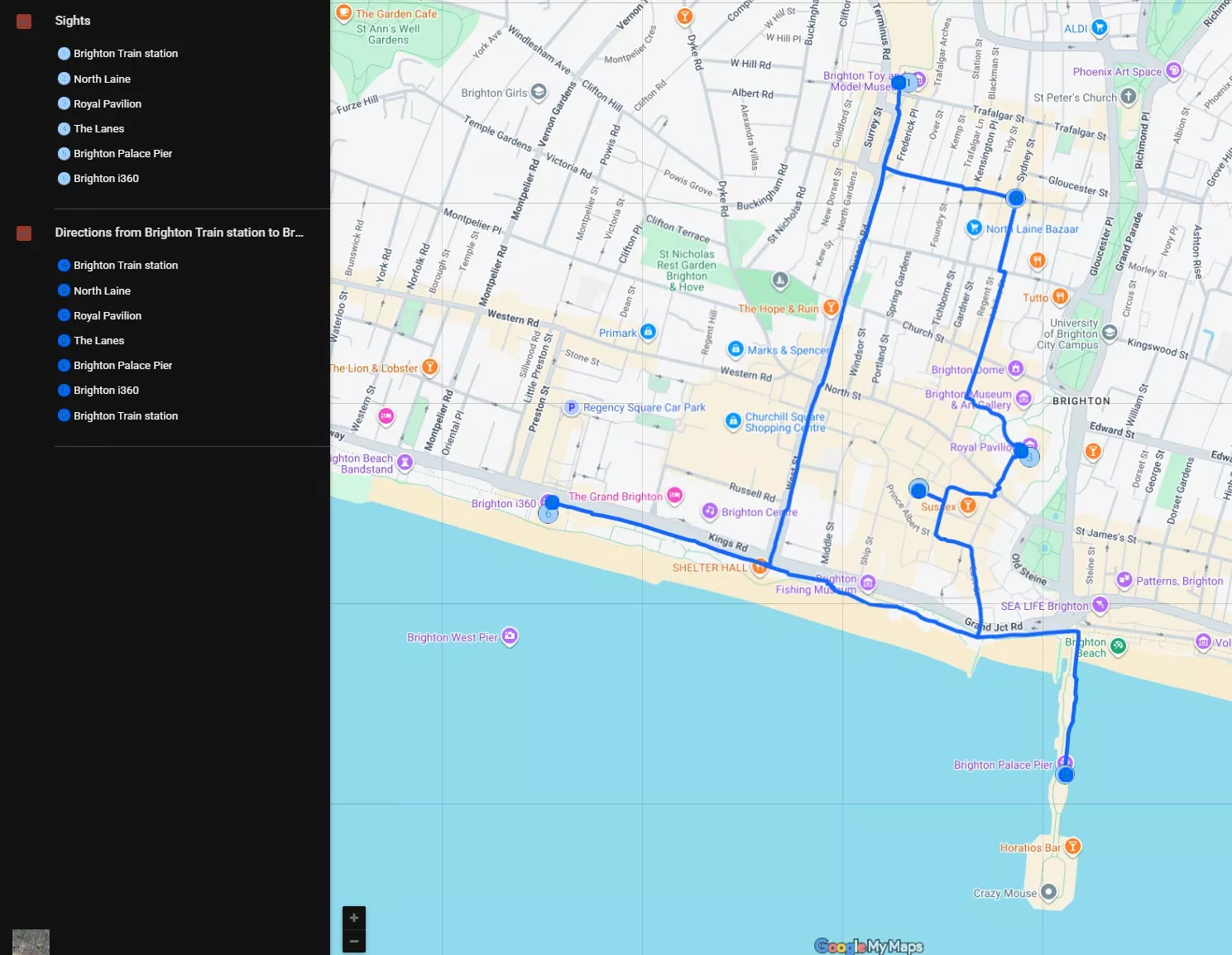
The whole route is a loop of roughly 3 to 4 kilometres, all of it flat once you’re down off the station hill, and none of it needs a bus or taxi. From the station you head south into North Laine, cut across to the Royal Pavilion, drop into the Lanes for lunch, come out at the seafront by the pier, then walk west along the front to the West Pier ruins and the i360 before looping back up to the station. It really is that simple, which is half of why Brighton makes such a good day out.
Here’s a map of your day, which you can see on Google Maps here.
What to do in Brighton in a day
North Laine
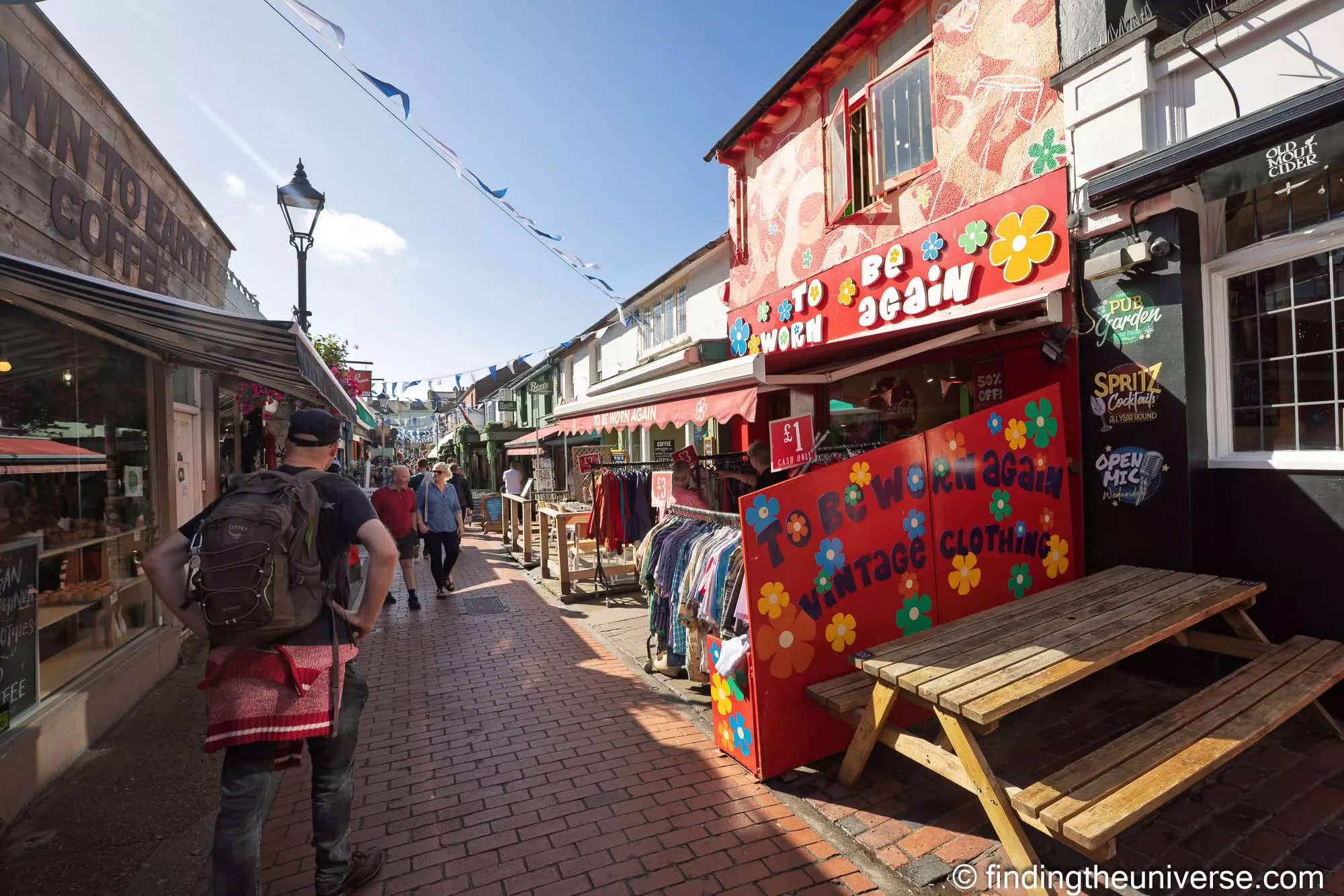
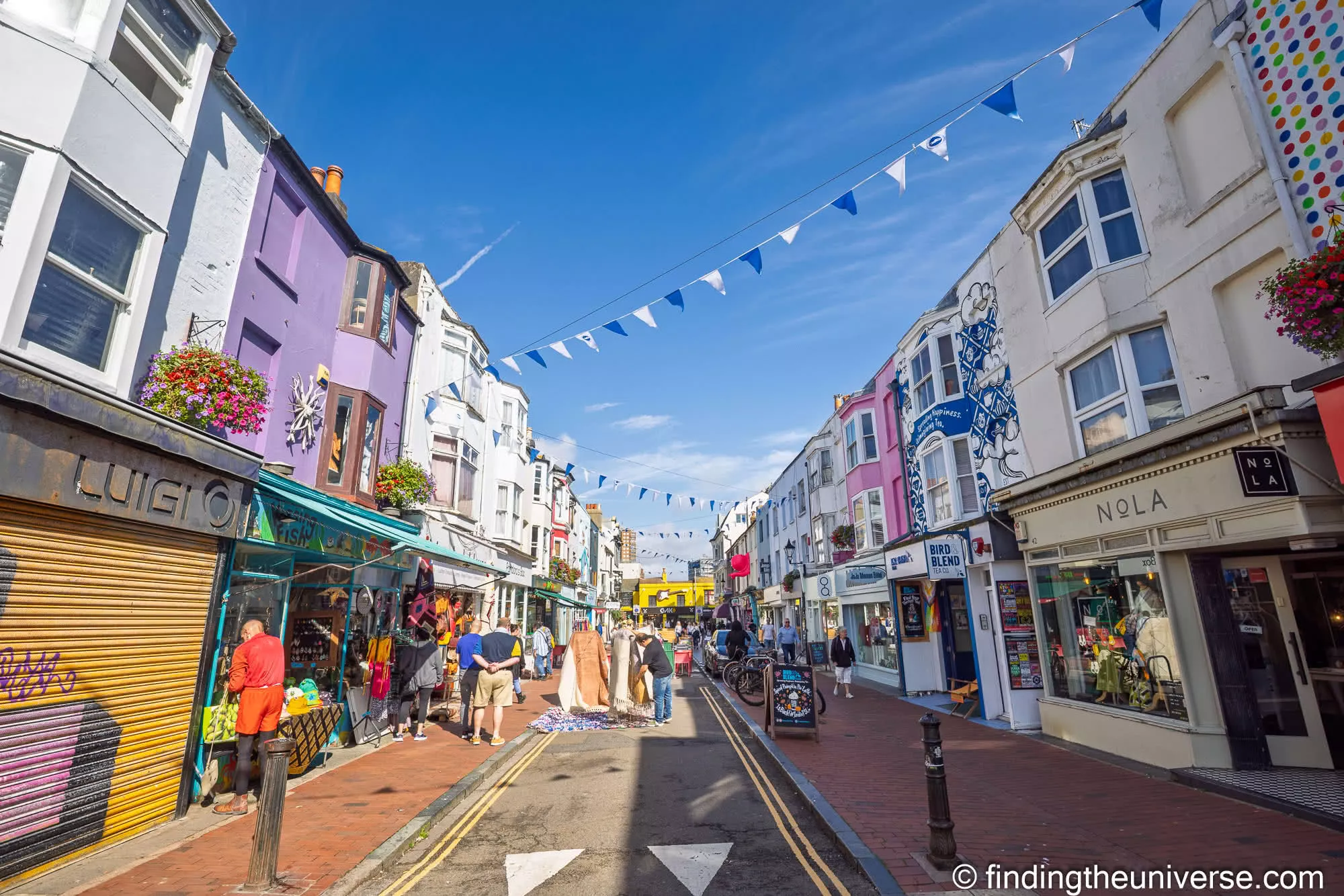
North Laine is the grid of streets directly between the station and the Pavilion, so it’s your natural first stop. This is the part of Brighton people picture: independent record shops, vintage clothing, kitchen-supply shops, vegan cafés, and a small daily street market on Gardner Street. It’s an easy 45 minutes of browsing and a coffee, and because you’re walking through it anyway, it costs you no extra time.
Don’t confuse North Laine with the Lanes (singular versus plural trips a lot of first-timers up). North Laine is the bigger, scruffier, more shopping-led area near the station. The Lanes proper are the narrow historic alleyways closer to the sea, and you’ll hit those after the Pavilion.
The Royal Pavilion
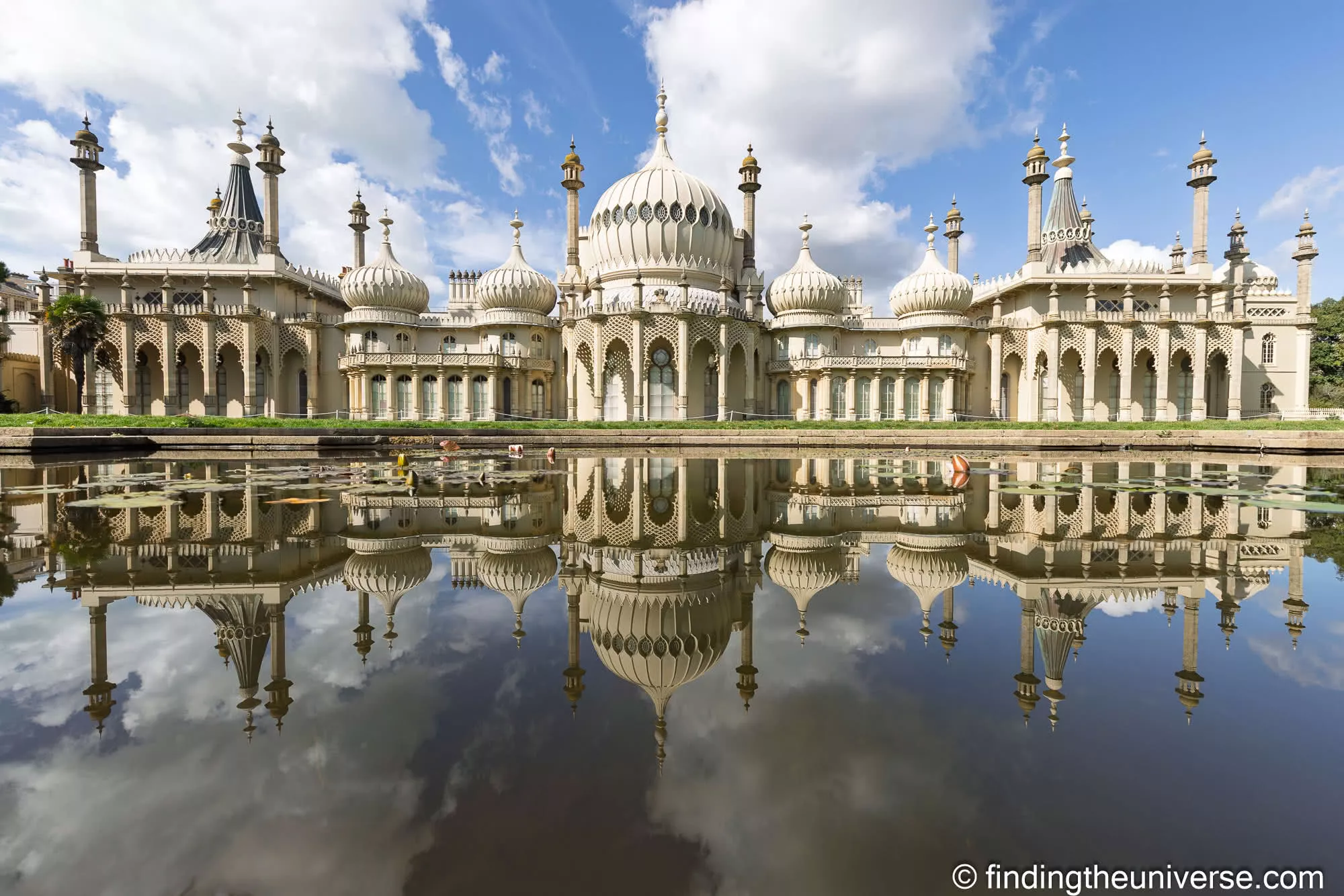
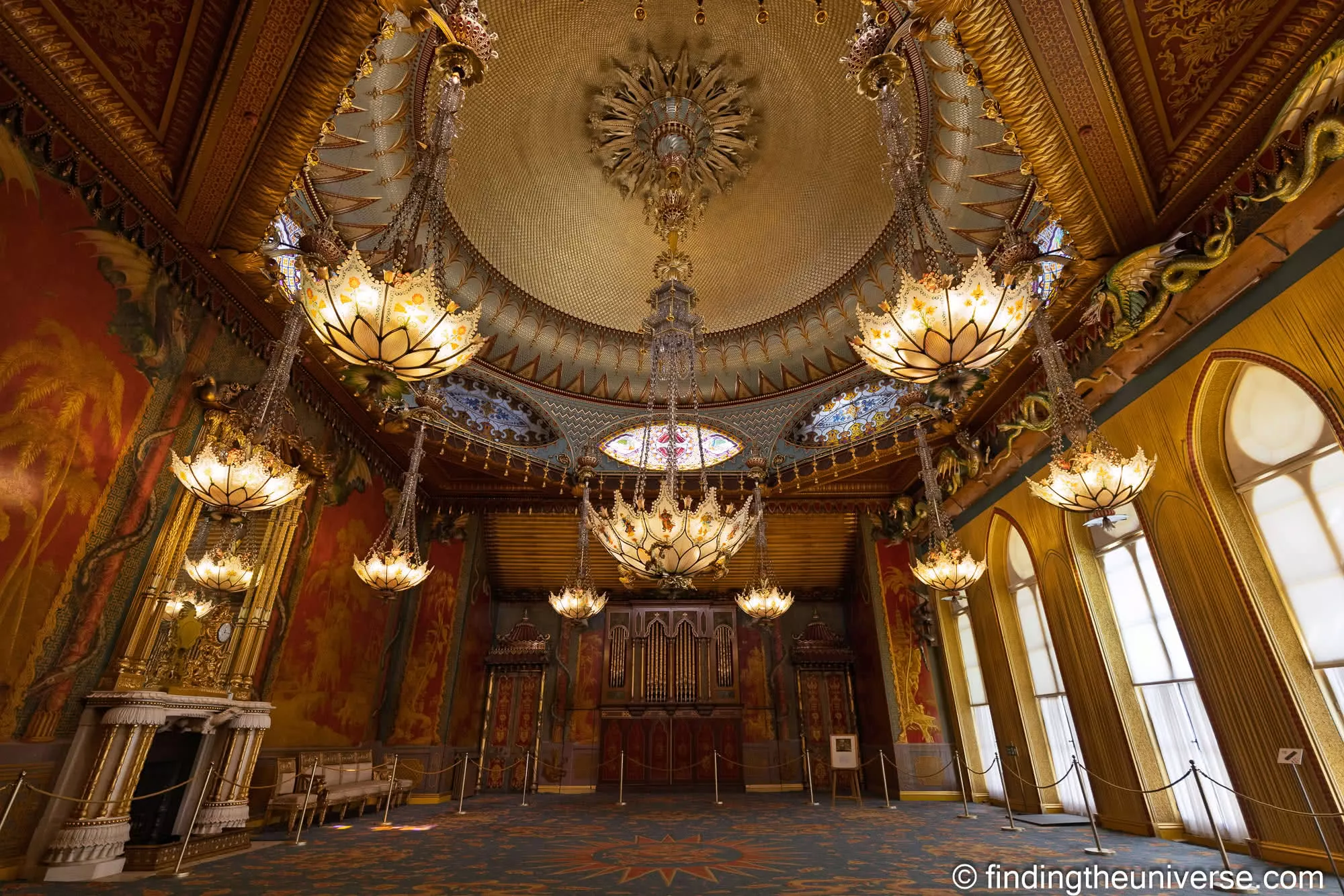
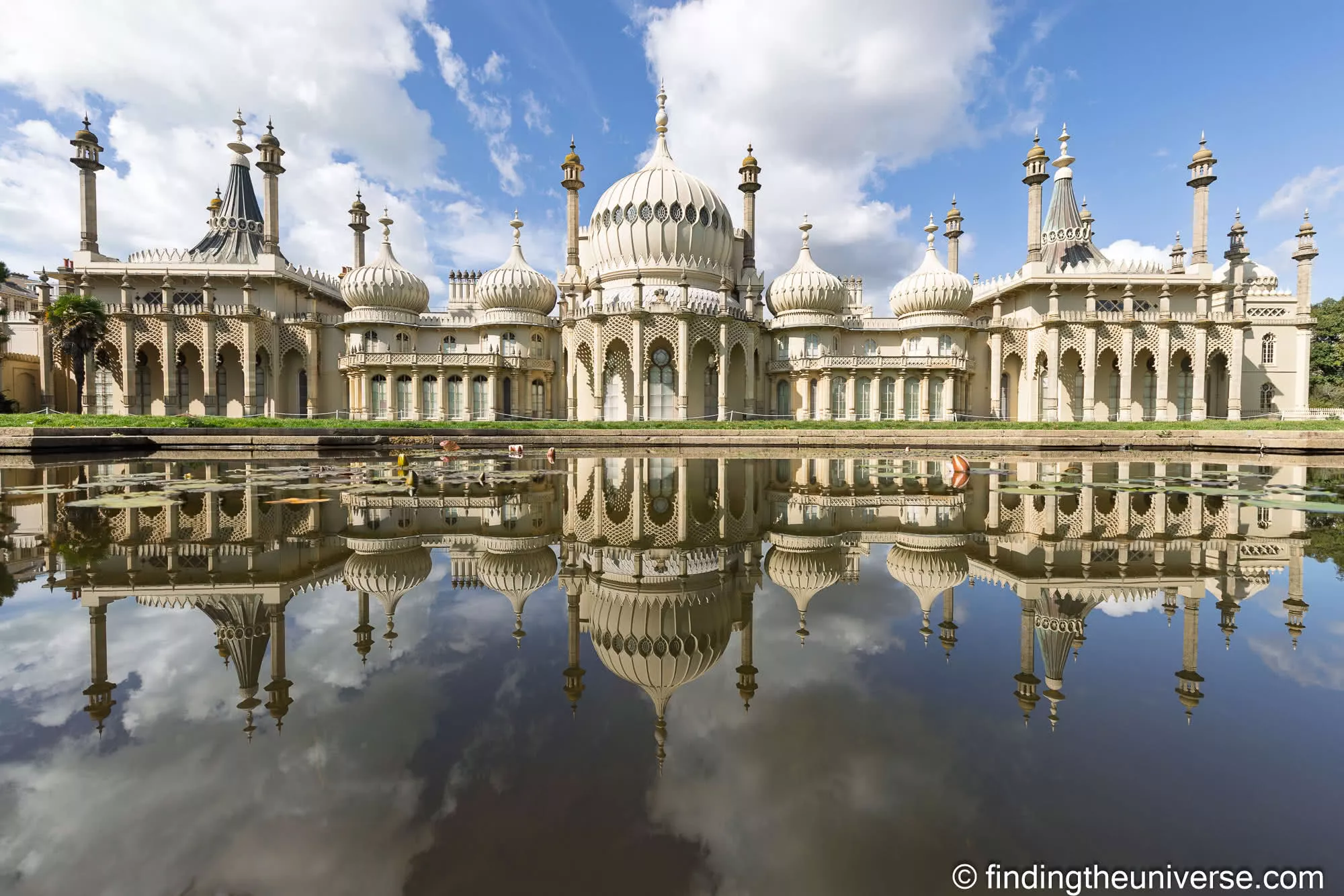
If you do one paid attraction in Brighton, make it the Royal Pavilion. There’s nothing else like it in Britain: a former royal seaside palace built for the Prince Regent in the early 1800s, with an Indian-inspired exterior of domes and minarets and a Chinese-inspired interior that’s jaw-dropping room by room. This is what happens when you have a vision, an unlimited budget, and an obsession with dragons. As a fan of dragons, I loved it, although Jess has not let me entirely recreate the vibe in our own home as yet.
From the outside it looks faintly absurd, plonked in the middle of an English seaside town. Inside, the banqueting room and the music room alone are worth the ticket.
Adult entry is £21.50 on the door, or about £20.40 if you book online in advance, which gives you 5% off. You don’t have to pre-book. Walk-up tickets are available, and on a normal day you’ll get straight in. The exception is a sunny summer weekend, when a queue can build, so if you’re visiting on a busy Saturday it’s worth booking ahead on GetYourGuide to skip the wait.
Hours and last admission shift with the season, which often catches people out. From April to September it’s open 9:30am to 5:45pm with last admission at 5:00pm. From October to March it’s 10:00am to 5:15pm with last admission at 4:30pm. Give yourself 90 minutes inside and go in the late morning, as I’ve laid out above, and you’ll never be rushing for the last entry. Leave it to mid-afternoon and you’re gambling.
The Lanes
The Lanes are the tangle of narrow pedestrian alleyways between the Pavilion and the seafront, historically the old fishing town. These days they’re full of jewellers, independent boutiques, pubs, and restaurants, and they’re the obvious place to stop for lunch. The alleys are tight enough that getting slightly lost is part of the appeal, and they’re small enough that you can’t get lost for long.
I won’t point you at a specific restaurant, because Brighton’s food scene turns over quickly and the place I loved last year might be gone next. The reliable advice is to step one street back from the busiest thoroughfares, where you’ll find better food at better prices than the spots with someone standing outside trying to wave you in. Brighton does well for vegetarian and vegan food in particular, more so than almost anywhere outside London, so you’ll have options whatever you eat.
Brighton Palace Pier
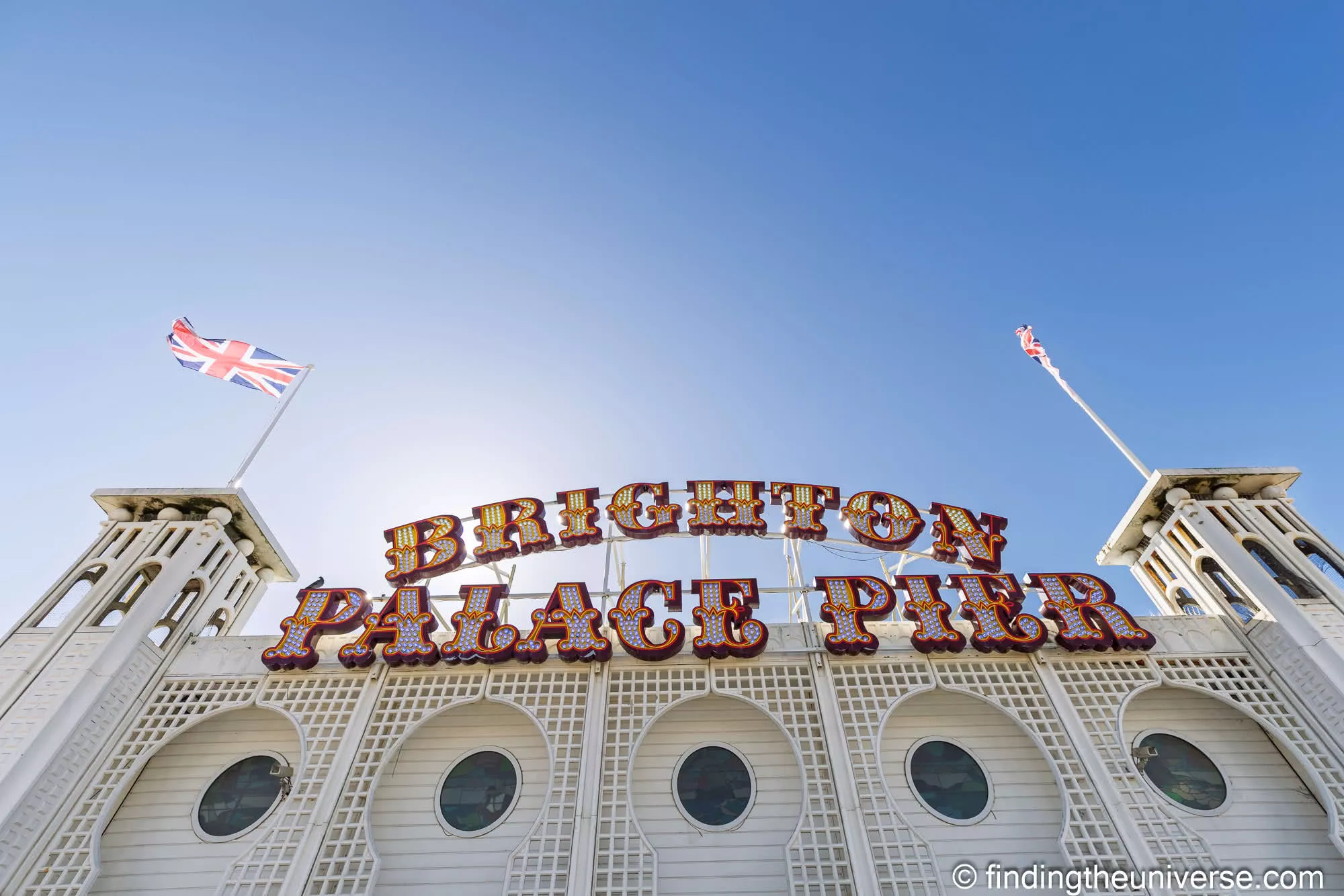
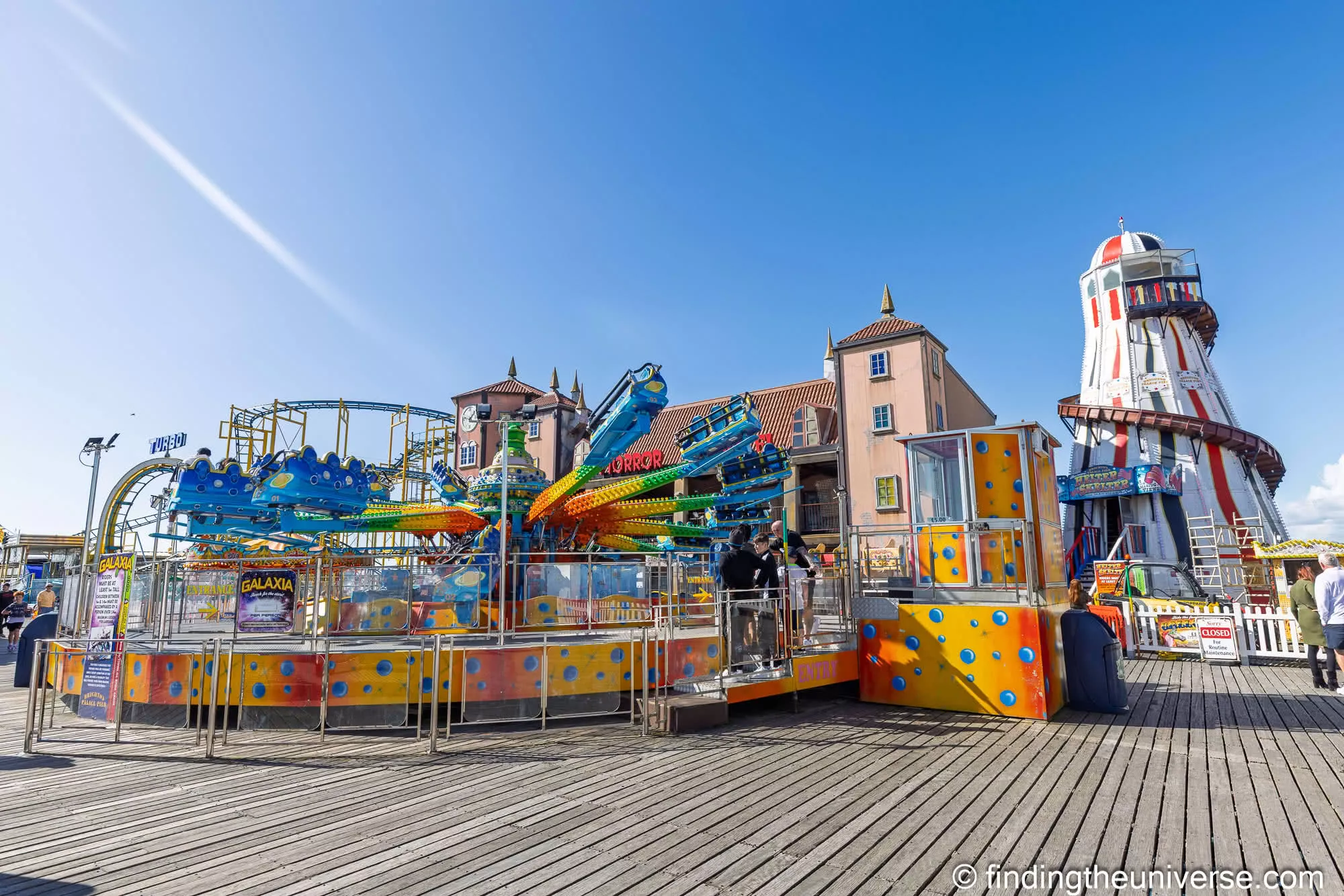
You can’t do Brighton without the pier, even if only to walk to the end and back. Brighton Palace Pier is the classic Victorian pleasure pier: arcades, fairground rides, doughnut and fish-and-chip stalls, and the smell of sugar and frying oil carrying down the beach. It’s tacky and I love it, and it’s the photo you’ll send people to prove you went to the seaside.
One thing has changed that older guides get wrong. The pier is no longer free to walk onto at all times. As of 2026 there’s a £1 admission charge during peak periods, roughly across the spring and summer, although entry is still free outside those times and in the evening once the rides wind down. The rides and amusements are paid for separately on top, either per ride or with an unlimited wristband that runs to £20 or more. If you’ve got kids in tow that adds up fast, so decide in advance whether it’s rides or just a walk and an ice cream.
The seafront and the beach
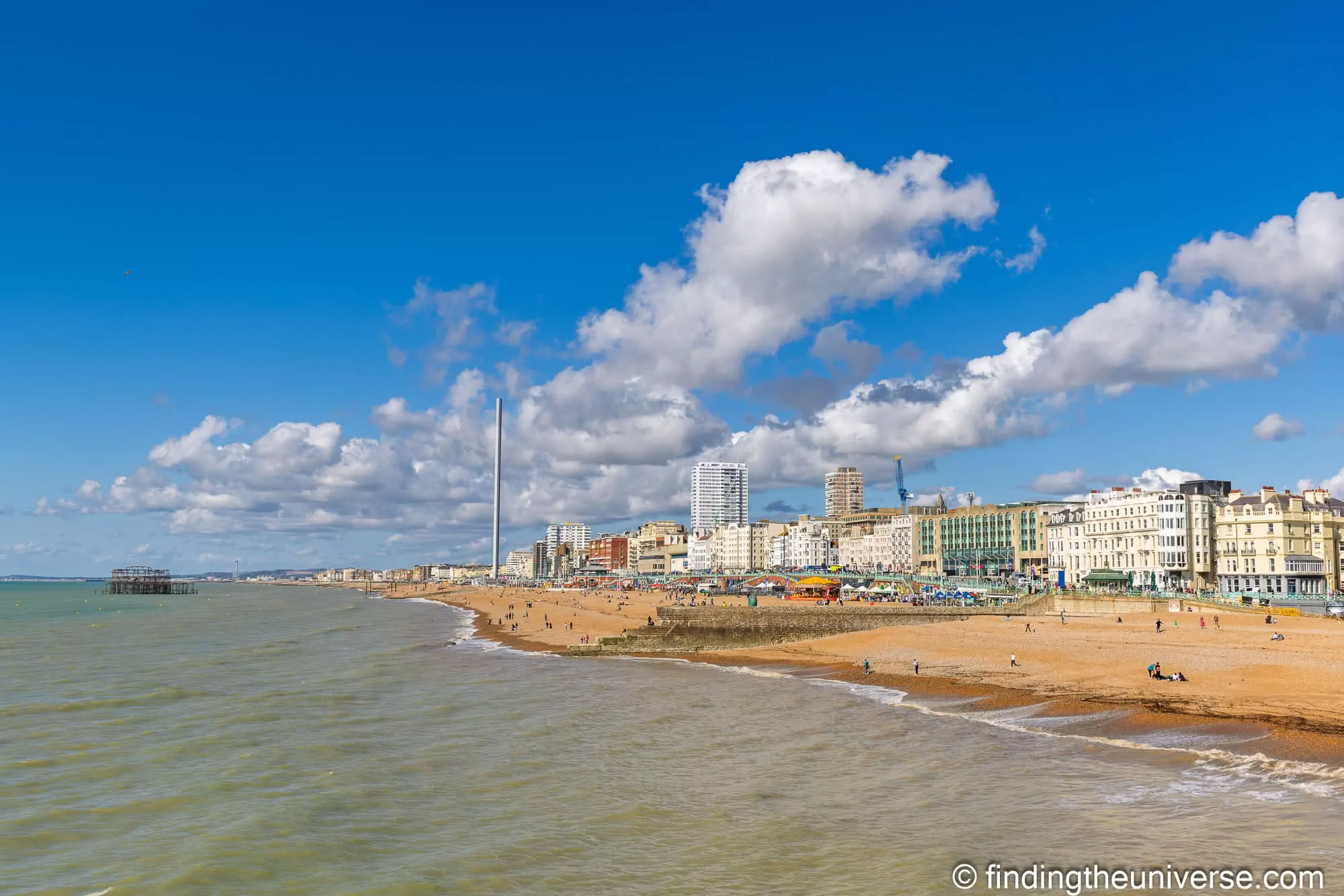
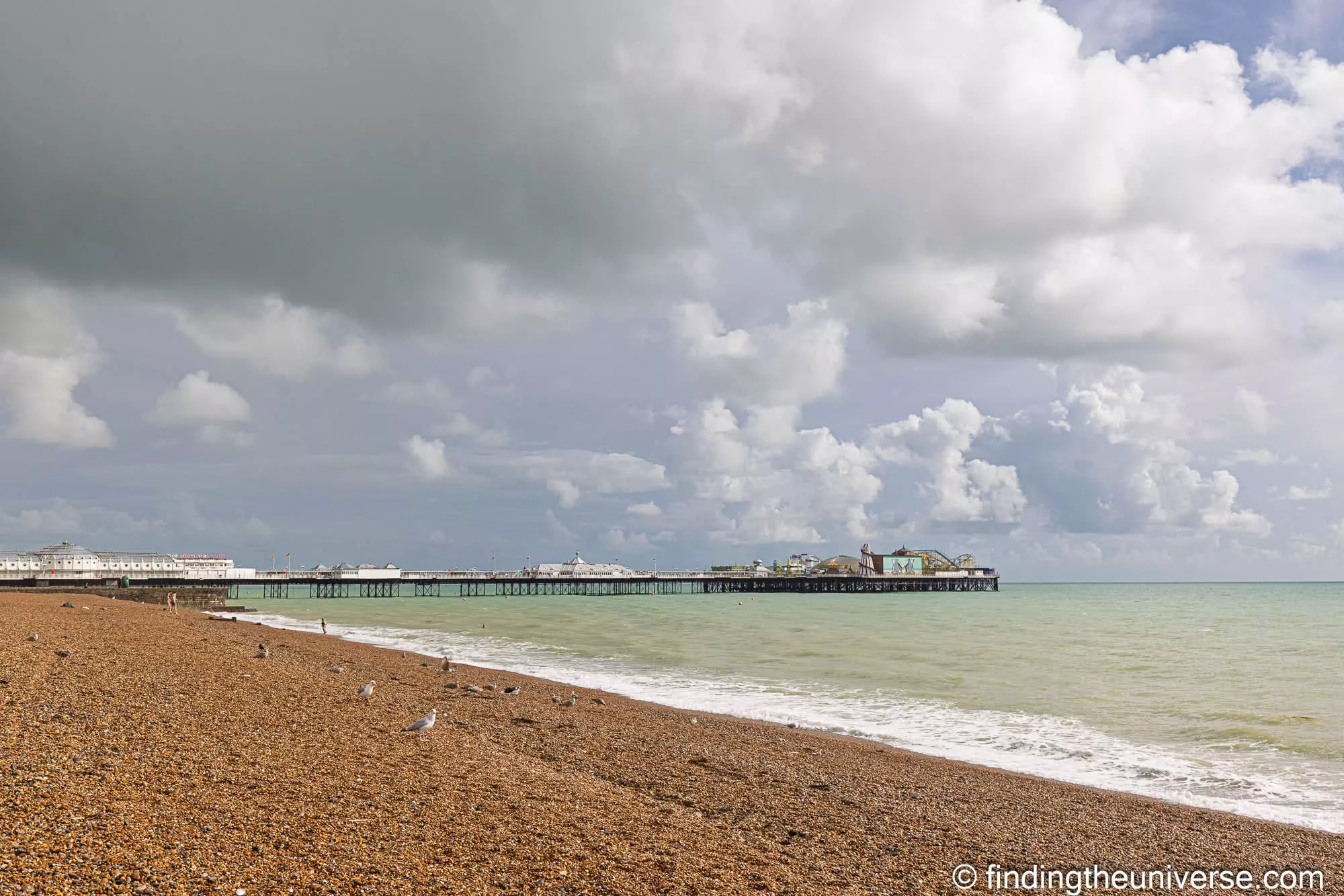
Brighton’s beach is pebbles, and a lot of first-timers turn up expecting sand and only realise when they go to sit down. Wear shoes you can walk on shingle in, and if you plan to lie about for a while, the deckchair hire is worth the couple of pounds purely so you’re not sitting on the pebbles. The pebbles do mean the water stays clearer than a sandy beach, which is a fair trade.
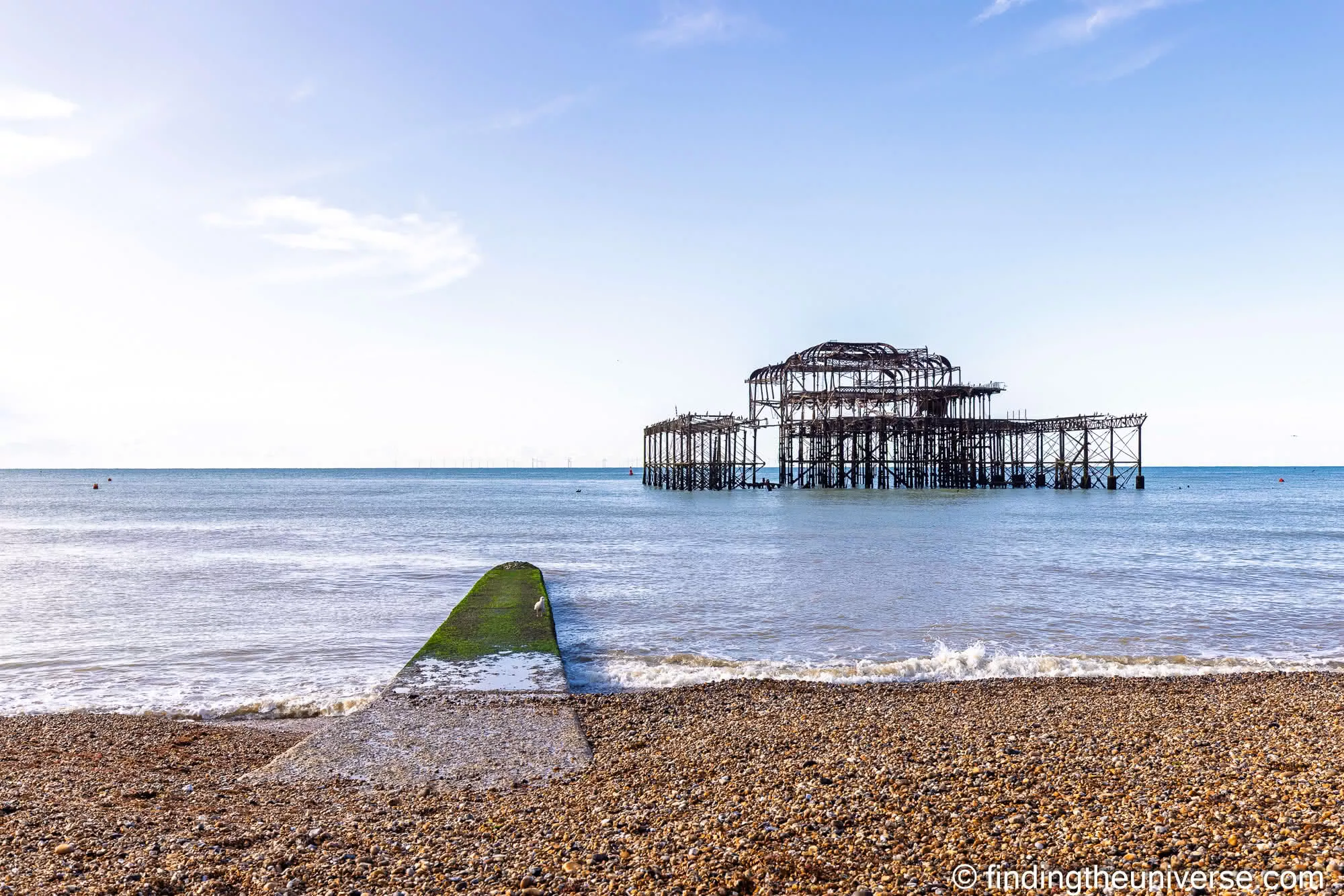
Walking west from the pier takes you along the main seafront promenade, past the skeletal remains of the West Pier, which burned down in 2003 and has been left as a striking ruin standing out in the water. It’s one of the most photographed things in Brighton precisely because it’s a wreck.
Along the lower promenade you’ll also find Volk’s Electric Railway, which trundles along the seafront and happens to be the world’s oldest operating electric railway, running since 1883. It operates roughly from late March to late October, so it’s a summer-season treat rather than a year-round one.
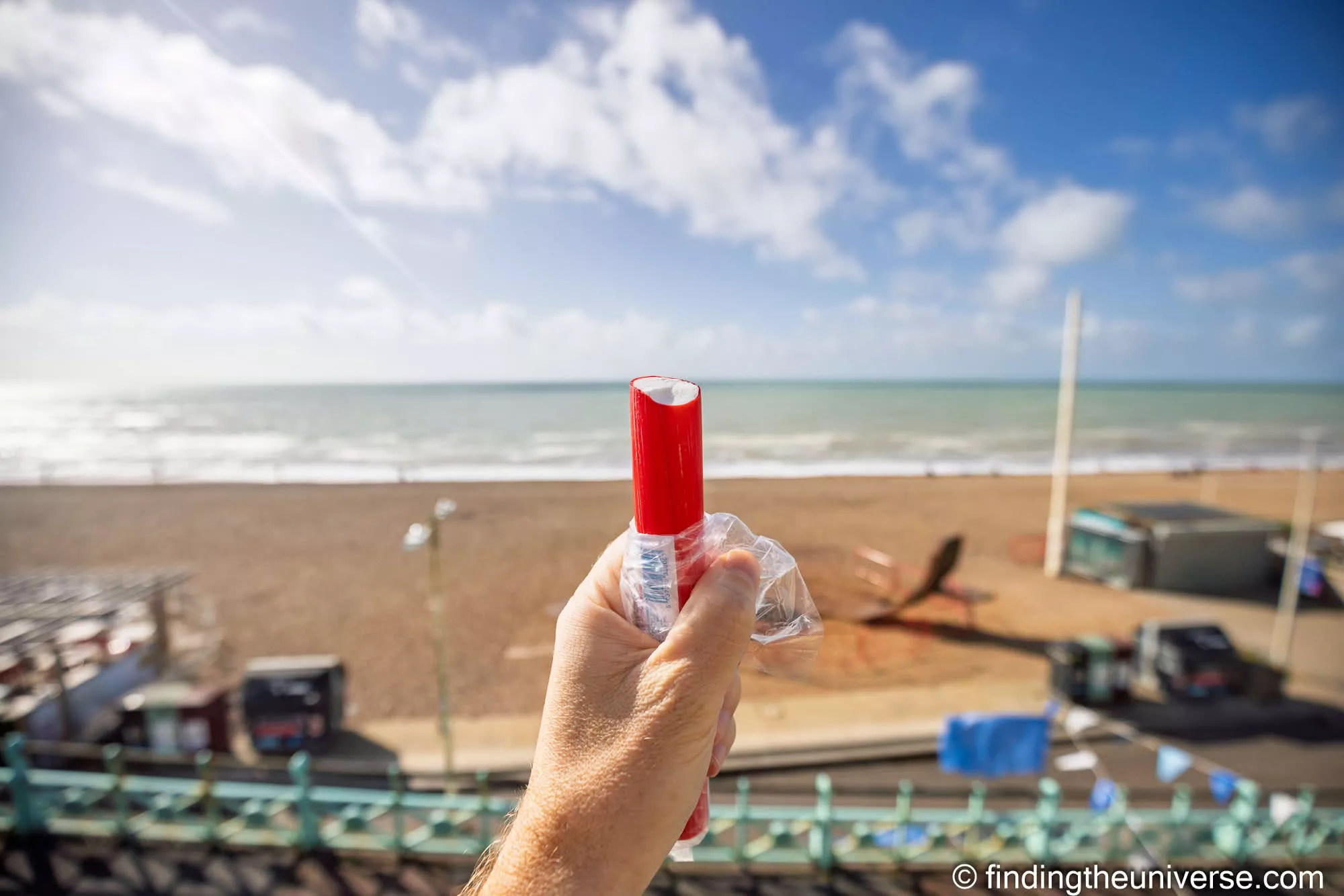
Somewhere around this point you’re going to want to do two things. First, buy a stick of rock. Rock, in this case, being hard candy that you chew on. It comes in every flavour and colour, but you want the original. If you don’t eat rock in Brighton I am fairly sure you have not been to Brighton.
You will also want to buy fish and chips, because visiting a British seaside town and eating fish and chips whilst being harassed by seagulls is a vital experience that you must not miss. If you want to be fully authentic, you might want to complain loudly as you munch that they don’t taste as good as they did in the eighties, when they were wrapped in real newspaper. It’s not true, because they just tasted of newspaper ink and vinegar, but if you’re of a certain age you will understand.
A note of warning that is actually serious: the seagulls in Brighton are bold (some might use the word vicious) and they will go for your chips. Eat your fish and chips with your back to a wall, keep an eye on the sky, and don’t hold food out at arm’s length admiring it. I’ve lost a chip or two over the years and seen worse happen to other people.
Brighton i360
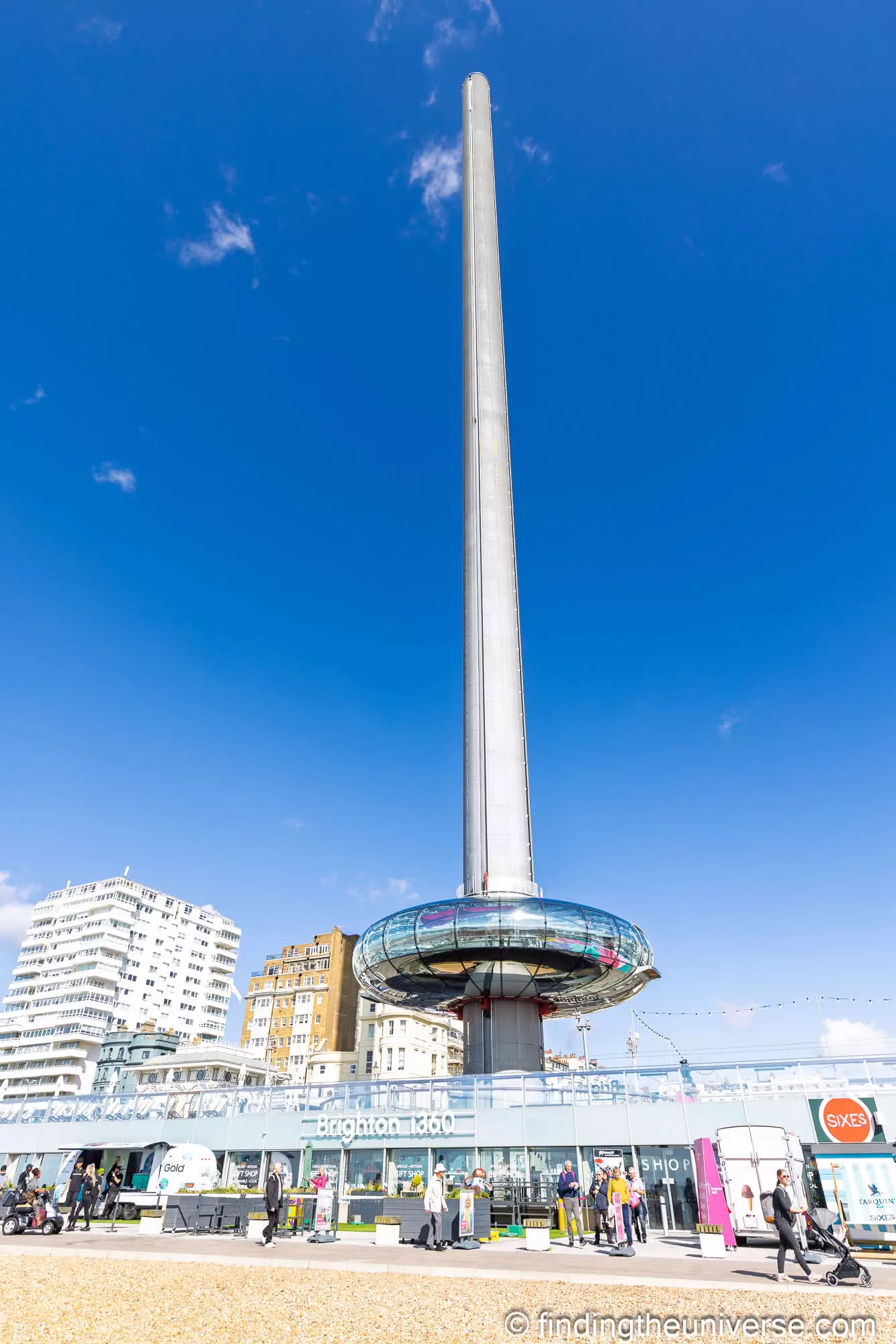
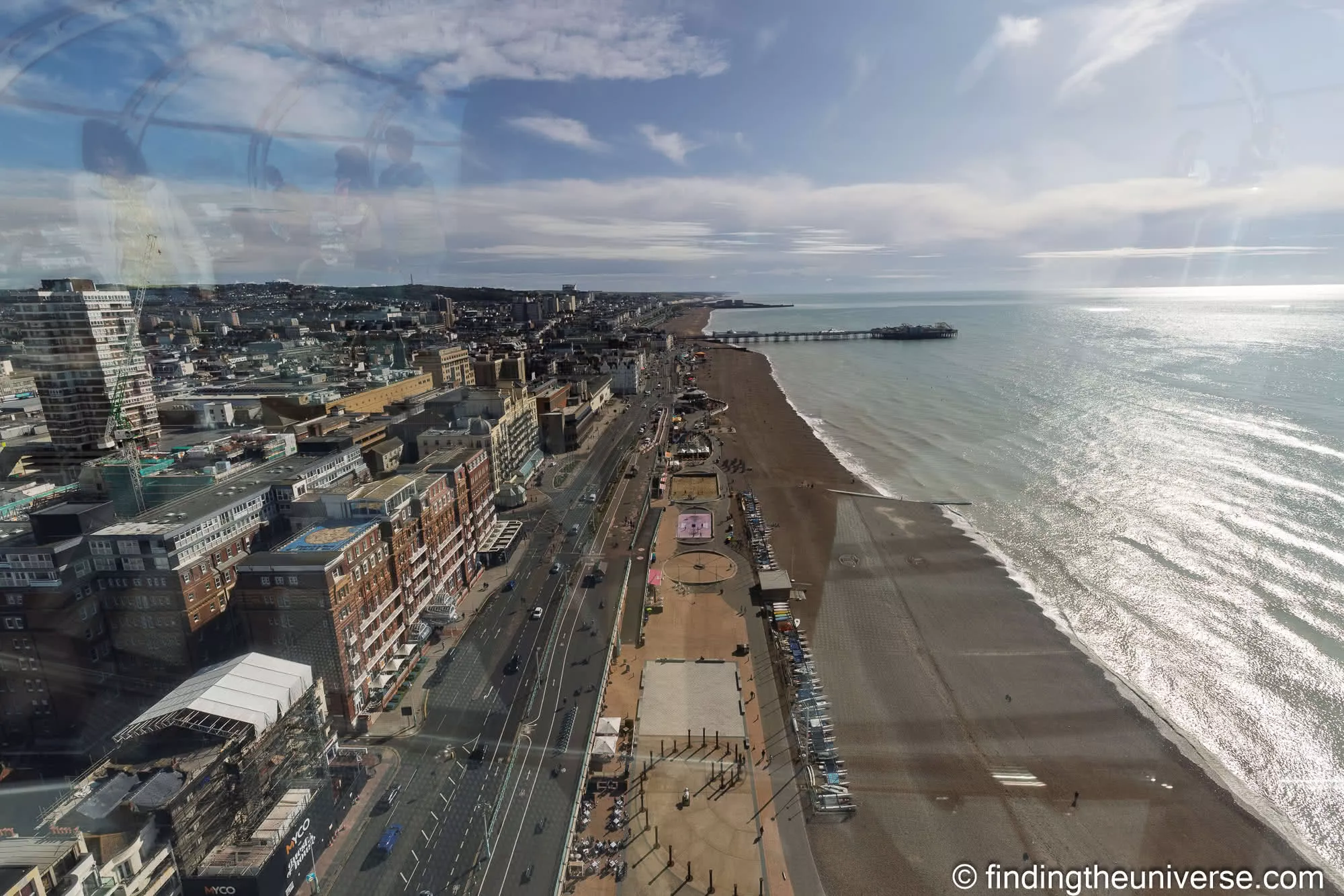
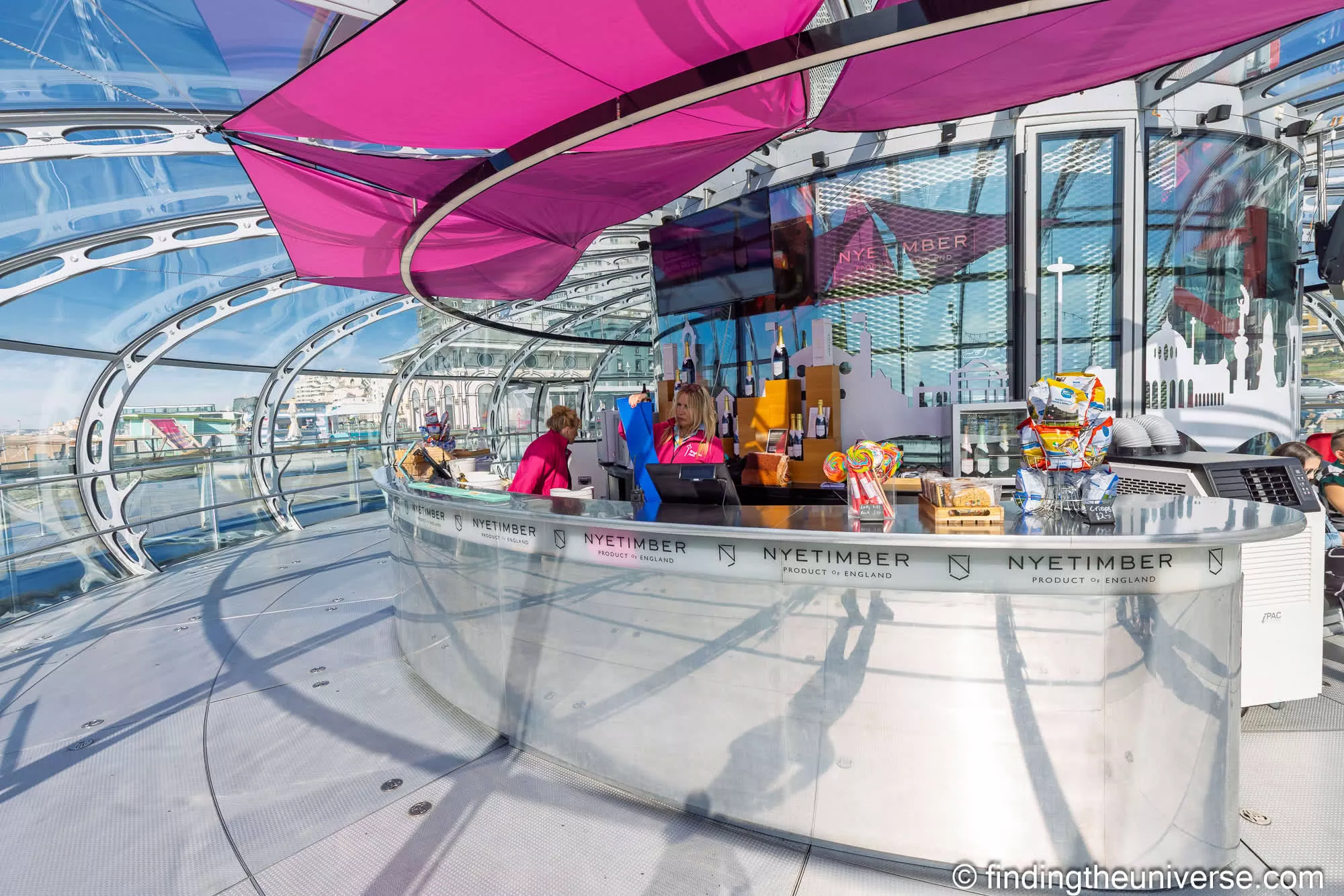
The i360 is the slim observation tower on the seafront, near the base of the West Pier, that lifts you 138 metres up in a glass viewing pod for a slow rotation and a view along the coast and back over the city. On a clear day you can see for miles, out to the South Downs one way and along the coast the other. It’s the optional stop in my day plan, the one to drop if you’re running late or the weather has closed in, because a flat grey sky takes most of the point away.
A standard timed adult ticket is £18.50, with a flexible anytime ticket at £23. Booking ahead saves you around 10% and guarantees a slot, and the sunset flights in particular do sell out, so if a clear evening is the plan, book it on the Brighton i360 site earlier in the day. If you’ve booked, arrive about 15 minutes before your flight for the bag check. Worth noting for older guides again: this used to be the British Airways i360, but the BA naming deal has ended and it’s now simply the Brighton i360.
What a Brighton day trip costs
Here’s roughly what you’ll spend on the headline items, so you can budget the day before you go. These are the prices we found in June 2026. Check the operator pages before you travel, as fares and tickets tend to creep up most years.
| Item | Price | Notes |
|---|---|---|
| Train (off-peak day return from London) | Around £37 to £38 | Off-peak applies from 9:30am on weekdays, all day at weekends |
| Royal Pavilion (adult) | £21.50, or £20.40 online | Walk-up available; booking online saves 5% |
| Brighton i360 (adult) | £18.50 | Standard timed ticket; £23 for a flexible anytime ticket |
| Brighton Palace Pier entry | £1 in peak periods | Free off-peak and in the evening; rides cost extra on top |
Add lunch, a coffee or two, and an ice cream, and a comfortable day out with the train and the Pavilion comes in well under £100 a head. Skip the i360 and stick to a walk and a browse, and you can do Brighton for not much more than the cost of the train and a meal.
One day, or stay overnight?
A day is enough for the highlights, and for most people visiting from London, that’s the right call. You’ll see the Pavilion, the pier, the Lanes, and the seafront without feeling rushed, and you’ll sleep in your own bed.
But a day does cost you Brighton’s evenings, and the evenings are a big part of what the place is about. The bars, the music, the late dinners in Kemptown, the sense of a city that loosens its collar after dark: none of that fits into a day trip that has to catch a train home. You also miss the wider Sussex coast, the South Downs walks, and the slower pleasure of a beach morning with nowhere to be. If any of that appeals, or if you’re travelling a long way to reach London in the first place, an overnight turns Brighton from a tick-box outing into a proper short break. If you’re leaning that way, my two-day Brighton itinerary covers how to fill the weekend, where to stay, and what it costs.
My rule of thumb: if Brighton is one stop on a packed London trip, do it in a day and do it well. If Brighton itself is the draw, give it a night. For where to base yourself if you do stay over, the area around the Lanes and the seafront puts you in the middle of everything, and you can check current Brighton accommodation on Booking.com to compare.
A few things worth knowing before you go
These are the small things I’ve picked up doing this trip over the years that make the difference between a smooth day and an irritating one.
- Wear shoes you can walk on pebbles in. The beach is shingle, and the walking loop adds up to a few kilometres, so leave the going-out shoes at home. Our London and UK packing list covers the rest of what to bring for British weather.
- Mind the seagulls. They really will take food straight from your hand. Eat with your back to something solid.
- Do the Royal Pavilion before mid-afternoon so you’re not racing the last admission, especially in winter when it closes earlier.
- Leave London at 9:30am or later on a weekday for the off-peak fare. A 9:00am train can cost a fair bit more for the sake of half an hour.
- Weekends and sunny days are busy. If you want the Pavilion and the i360 without queues, a weekday is calmer, and you’ll get the off-peak fare from earlier in the day on a weekend anyway.
- In winter, compress the day. It’s dark by around 4:30pm in December and January, so I drop the i360 and the long seafront walk, lead with the Pavilion and lunch indoors, and save North Laine’s shops for the afternoon. A five-hour winter day still does the place justice.
Brighton day trip FAQ
Can you do Brighton as a day trip from London?
Yes, easily. The direct train takes about an hour, and Brighton’s main sights sit within a walkable loop from the station, so a day gives you time for the Royal Pavilion, the pier, the Lanes, and the seafront without rushing. The main thing you sacrifice is Brighton’s evening scene, which is a reason some people choose to stay overnight instead.
How long is the train from London to Brighton?
About an hour on a direct service. The fastest trains from London Victoria take around 58 minutes, and from London Bridge it’s roughly 60 to 65 minutes on the Thameslink route. Trains run every 15 to 30 minutes through the day, so you rarely wait long.
How much is a train ticket from London to Brighton?
An off-peak day return is around £37 to £38 at the time of writing. Off-peak fares apply from 9:30am on weekdays and all day at weekends and on bank holidays, so leaving a little later saves you money on a weekday. A railcard reduces the fare by a third if you have one.
Is one day enough for Brighton?
For the highlights, yes. You can comfortably see the Royal Pavilion, the pier, the Lanes, North Laine, and the seafront in a single day from London. If you want Brighton’s nightlife, a beach morning with no train to catch, or time to explore the wider Sussex coast and the South Downs, an overnight stay is the better choice.
Do you need to book the Royal Pavilion in advance?
No, walk-up tickets are available and you’ll usually get straight in. Booking online in advance saves you 5% and lets you skip any queue, which is worth doing on a sunny summer weekend when lines can build. The rest of the year, turning up works fine.
Is Brighton Palace Pier free to enter?
Entry is free outside peak periods and in the evening, but as of 2026 there’s a £1 admission charge during peak times across the spring and summer. The rides and amusements are paid for separately on top, either per ride or with an unlimited-ride wristband.
Further reading
If you’re building out a wider London and England trip, a few of our other guides pair well with a Brighton day out:
- Our two-day London itinerary for fitting Brighton into a longer London visit.
- The Stonehenge, Bath and Cotswolds day trip from London if you want another easy escape from the city.
- For a guidebook to take further afield, we use and recommend Rick Steves England, which covers Brighton and the rest of the country in a planning-first style we like.
Brighton is the kind of place I keep going back to, and a day is the perfect length for a first taste. Plan the train, walk the loop, mind the seagulls, and you’ll have one of the best value days out London has to offer.
Leave a Reply