
If you’re packing a camera for a trip and trying to work out whether an ND filter is worth the space in the bag, the answer is yes, with one caveat: which ND. Variable, fixed, magnetic, square slot-in. Three stops, six, ten. Different filters do different jobs, and the wrong pick is the one that stays in the bag because it doesn’t fit any lens you actually own.
I’ve been shooting with ND filters since I went professional fifteen-odd years ago. Long enough to know which ones earn their space in a travel bag and which stay on the shelf at home. This is the eight I’d pack today, why, and how to choose between them for the way you actually shoot.
Table of Contents:
Quick Verdict
If you want one filter for one trip and want to stop reading: the K&F Concept Nano-X Variable ND with its built-in circular polariser is the most-versatile single filter in this guide. It covers ND2 to ND32 (one to five stops), it includes a CPL, and at around 77mm it’s one of the more affordable picks here. One filter, two jobs, one lens thread. Check current price on Amazon.
If you’re travelling specifically to shoot landscape, you want a fixed six-stop instead and you want a polariser alongside it. The Breakthrough X4 ND 6-stop plus a decent circular polariser is the cleaner two-filter answer. The X4 is a mid-priced option depending on size, plus your CPL of choice. Breakthrough’s X4 spec page covers the format details.
Why those two and not, say, the Lee Big Stopper? Because Lee is really a specialist tool, brilliant at one thing (ten-stop daylight long exposures) and quiet the rest of the time. A first ND for travel should earn its space every day, not on the one morning a week the light gets interesting. We will get into the rest of the slate below.
How an ND Filter Earns Its Place in a Travel Bag
This is the part most filter roundups skip and the part that decides whether the filter you bought actually comes on a trip.
Travel kit lives or dies on weight, thread compatibility, and how fast you can swap something in or out at the side of a road in low light. A filter that fits one lens, sits in its own box, and requires you to unscrew a hood and a UV protector before it goes on the lens is a filter you stop reaching for after week two.
Three practical points to think through before you buy anything.
First, match the filter to your biggest front element. If your travel kit is, say, a 24-70 f/2.8 (82mm thread) and a 16-35 f/4 (77mm thread), buy the 82mm filter and a 77mm-to-82mm step-up ring. The step-up ring is six or seven pounds and lives on the smaller lens permanently. One filter, two lenses, no thread roulette in a hostel at 4am. The trap is buying a 77mm filter “because that’s what fits the lens I use most” and then carrying a second 82mm filter for the wide lens. Two filters, two cases, two times the spend. Step-up rings exist for a reason.
Second, decide between magnetic and screw-in for the way you actually shoot. Magnetic systems sound a bit fiddly until you’ve done a sunrise shoot with cold fingers, after which they sound like the obvious answer. The trade-off is that magnetic systems are brand-locked: a Kase Revolution magnet doesn’t talk to a Freewell V2 mount. If you go magnetic, you commit to one ecosystem. We get to the pros and cons of each major system below.
Third, think about whether you actually want an ND or a polariser. Half the people who think they want an ND filter actually want a circular polariser, and half of the rest want both. If you’re shooting waterfalls, lush green forests, or coastlines with reflective water, you probably want both. The Quick Verdict K&F pick has the CPL built in for exactly this reason. We get into the polariser-vs-ND decision in detail below.
For the rest of the travel kit that goes alongside the filters, our companion guides cover the camera body, the lens set, and the travel tripod to support it all.
What an ND Filter Does, in One Paragraph
An ND, or neutral density, filter is a piece of darkened glass that reduces the amount of light reaching your sensor without affecting colour. Sunglasses for the lens, in effect. The point is to let you use a slower shutter speed (to blur moving water, for example) or a wider aperture (for shallow depth-of-field in bright daylight) than the scene would otherwise allow.
The “neutral” bit is the goal: ideally the filter changes exposure and nothing else. In practice, some filters add a cast (Lee’s Big Stopper is famously cool), some impart slight green or magenta tints in shadow, and some are close enough to neutral that you would never know it was on the lens. If you want the full physics walk-through, our deep-dive companion guide on what ND filters actually do covers it in depth.
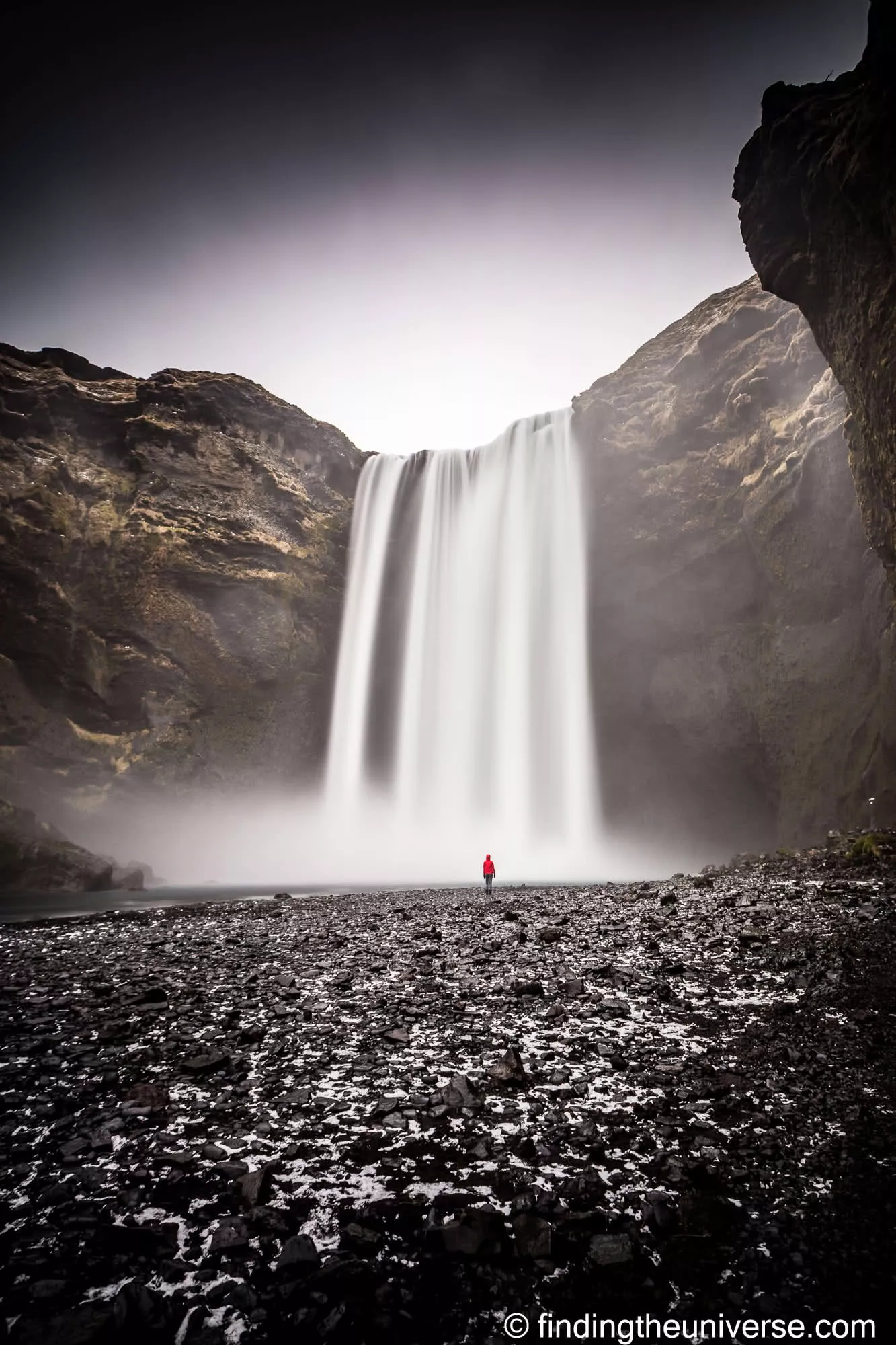
Skogafoss, Iceland. 13s, f/7.1, ISO 100. The classic Iceland waterfall, with a six-stop ND.
Polariser, ND, or Both? The Decision Most Travellers Get Wrong
Most travellers buying their first filter conflate ND and CPL. They’re different tools that solve different problems. The good news is the decision tree is pretty short.
If you want to cut reflections from water, glass, or wet leaves, or saturate a blue sky, you want a circular polariser (CPL). A CPL costs you about 1.5 to 2 stops of light as a side effect, but its job is reflection control and saturation, not slow shutter speeds.
If you want to slow shutter speed or open aperture in bright light, you want an ND filter. NDs don’t affect reflections or saturation. They reduce light.
If you want both, which is the common case, you have three options. A long-exposure waterfall shot in the middle of the day usually wants a CPL to cut the glare off wet rocks plus an ND to drag the shutter long enough to silk the water.
- A combined VND-plus-CPL filter (the K&F Nano-X in this guide is the obvious example; the Freewell V2 Hybrid is another)
- Stack a CPL on top of an ND (works fine; adds a fraction of stop)
- Use a magnetic system where you can click a CPL on under or over the ND in seconds
If you only ever buy one filter for travel and you can’t decide between a CPL and an ND, buy the combined K&F Nano-X. It does both jobs adequately, has a built-in CPL, and saves you from buying two filters when you only had budget for one. If you’re at the point where you know you need both filters performing at their best, buy them separately.
Variable ND vs. Fixed ND, in Practice
Variable NDs are really convenient. You rotate the front ring, the exposure changes. One filter, many stop strengths. The trade-off is real and worth understanding before you spend.
Every VND is built from two polarising layers rotating against each other. Beyond a certain stop count, that creates a visible cross or X-pattern across the frame, more pronounced on wider focal lengths. The hinge point is around 16mm on full-frame: shoot a VND wide open at five-plus stops on a 16mm lens, expect to see the X. Push to 24mm or longer and you can usually run a VND right out to its top end without it showing.
The premium VNDs (PolarPro’s Edition II split-range design, K&F’s Nano-X with its mechanical stop limits) work around the physics by capping the rotation range. PolarPro splits its Peter McKinnon Edition II into two filters: a 2-to-5 stop variant and a 6-to-9 stop variant. The marketing line is that “preset stop ranges ensure your content never gets the notorious X cross-polarisation.” Read that as: we’ve capped the range so you can’t accidentally rotate past safe territory within each variant. It’s fair framing, but it doesn’t mean the 6-to-9 stop variant is X-pattern-free at its top end on wide lenses. It means the splits stop you from blundering into the artifact within their respective ranges.
When VND wins for travel: video work, where you’re constantly adjusting exposure for changing light and a fixed ND would mean swapping filters every five minutes. Run-and-gun stills where you don’t have time to swap. Multi-purpose travel where you want one filter to cover three or four stop scenarios.
When fixed wins: you know exactly what you want to do (a six-stop or ten-stop long exposure for a specific photo), and you want the cleanest possible result with no risk of artifacts. Landscape work in good light, with time to set up the shot.
My own kit is a 3-stop, a 6-stop, and a 10-stop fixed, plus a CPL. No VND. The X-pattern on wide lenses bothers me enough that I’d rather carry three fixed filters and swap as the shot needs them. That’s one photographer’s preference. Filters are also an easy, budget-friendly pick if you’re browsing our photography gift guide for someone whose kit you already know. For run-and-gun stills or video work, where exposure changes faster than you can swap glass, the VND case is real.
The Eight Filters Worth Packing, at a Glance
| # | Filter | Type | Stops | Format | Best for | Approx. price |
|---|---|---|---|---|---|---|
| 1 | K&F Concept Nano-X VND + CPL | VND + CPL | 1-5 | Screw-in | One-filter travel pick | Check price on Amazon |
| 2 | PolarPro Peter McKinnon Edition II | VND | 2-5 / 6-9 | Screw-in | Premium VND, video-leaning | Check price on Amazon |
| 3 | Breakthrough X4 ND 6-stop | Fixed | 6 | Screw-in | Landscape-leaning travel | Check price on Amazon |
| 4 | Lee Big Stopper (Elements / LEE100) | Fixed | 10 | Screw-in or square | Long-exposure specialist | Check price on Amazon |
| 5 | Hoya ProND EX 8 (3-stop) | Fixed | 3 | Screw-in | Budget entry-level | Check price on Amazon |
| 6 | Kase Revolution Magnetic Kit | Magnetic kit | CPL + 3/6/10 | Magnetic | Premium magnetic system | Check price on Amazon |
| 7 | Freewell V2 Hybrid Magnetic VND/CPL | VND + CPL, magnetic | 3-7 | Magnetic | Budget magnetic + VND | Check price on Amazon |
| 8 | NiSi Medium GND8 0.9 | Graduated ND | 3 | Square slot-in | Sky-vs-foreground balance | Check price on Amazon |
Prices in the table are pulled live from Amazon, so they reflect what you would pay today. UK retailers (Wex Photo Video, Park Cameras) tend to be similar in pounds.
The Eight Picks, in Detail
1. K&F Concept Nano-X Variable ND + CPL

This is the Quick Verdict pick and the filter I’d put in a travel bag if I could only put one in. It’s a variable ND covering ND2 to ND32 (one to five stops), with a built-in circular polariser, in a circular screw-in mount. Two filters in one piece of glass.
What you get for your money: 28-layer multi-coated Japanese AGC glass, an aviation aluminium frame with a serrated edge for grip, waterproof and scratch-resistant treatment on both sides. K&F’s stop range tops out at five, which keeps you below the X-pattern danger zone on wider focal lengths. The CPL is integrated, so the filter rotates twice: once to set polarisation, once to set ND strength. Takes a moment to learn.
| Spec | Value |
|---|---|
| Filter type | Variable ND + integrated CPL |
| Stop range | ND2-ND32 (1-5 stops) |
| Format | Circular screw-in |
| Sizes | 37, 40.5, 43, 46, 49, 52, 55, 58, 62, 67, 72, 77, 82, 86, 95mm |
| Glass | Japanese AGC optical glass |
| Coatings | 28-layer nano-coating, anti-reflection, waterproof, scratch-resistant |
| Frame | Aviation aluminium, serrated edge |
| Warranty | 30-day no-reason return |
| Price | Check price on Amazon (varies by size) |
Best for: First-filter travellers, anyone who wants one piece of glass to cover both the CPL and ND jobs. Daily-driver lens, run-and-gun shooting.
Watch out for: Five stops is the ceiling. If you need to drag a shutter to 30 seconds in mid-morning sun, you want more. The integrated CPL means rotating two controls; not difficult, but takes a few minutes to internalise.
2. PolarPro Peter McKinnon Signature Edition II VND

PolarPro’s video-leaning premium VND, sold in two variants: a 2-to-5 stop and a 6-to-9 stop. Buy whichever range covers your shooting; some shooters carry both. Identical specs across the two ranges otherwise.
The construction is a step up from the K&F: PolarPro calls it Cinema Series glass and the frame is unusually slim, which matters at 16mm where every millimetre of filter depth is one millimetre closer to vignetting. The clicked stop limits give you tactile feedback at each end of the range, so you know without looking that you’ve hit the maximum and should not rotate further. That said: as covered above, the wide-angle X-pattern is still an optical effect you can’t really engineer away. On the 6-to-9 stop variant at the top of its range on a 16mm lens, you’ll see it.
| Spec | Value |
|---|---|
| Filter type | Variable ND, split-range |
| Stop range | 2-5 stops or 6-9 stops (separate purchases) |
| Format | Circular screw-in |
| Sizes | 49, 67, 77, 82, 95mm |
| Glass | “Cinema Series” optical glass |
| Coatings | Anti-reflection, scratch-resistant |
| Warranty | PolarPro Adventure Assurance |
| Price | Check price on Amazon (per variant) |
Best for: Hybrid shooters who pull stills and video on the same trip and want a single VND per scene type. Video work where the haptic stops save you re-checking the front of the lens.
Watch out for: You’re buying twice if you want full range. The wide-angle X-pattern on the 6-9 variant is the tax every wide VND pays. Manufacturer page: PolarPro Edition II.
3. Breakthrough X4 ND 6-Stop

The fixed-ND I’d pick if I were starting a travel kit from scratch and wanted one fixed neutral for daytime long-exposure work. Six stops is the sweet spot for travel: enough to drag a shutter to a couple of seconds in midday light, short enough not to need a tripod-and-cable-release ritual every time.
Breakthrough has earned a reputation among landscape and long-exposure photographers for unusually neutral colour rendering. Their X4 is built on SCHOTT B270 optical glass, with a 16-layer MRC coating and a brass frame that doesn’t bind on the lens thread the way cheaper aluminium frames sometimes do. Bryan Carnathan at The Digital Picture has rated it above the Singh-Ray Mor-Slo for neutrality. Breakthrough’s own “flattest transmission curve” marketing is their own spectrometer claim rather than an independent lab finding, but the field-test consensus broadly backs the practical end of it: minimal cast even at six to ten stops, without the cool lean of the Lee Big Stopper or the warm lean of older B+W formulations.
| Spec | Value |
|---|---|
| Filter type | Fixed ND |
| Stop strengths | 3, 6, 10, 15 stops available |
| Format | Circular screw-in (square 100mm and 150mm sold separately) |
| Sizes | 39 to 112mm (full range) |
| Glass | SCHOTT B270 |
| Coatings | MRC16 (16-layer multi-resistant coating), nanotec nano coating both sides |
| Frame | Precision-machined brass, double-threaded traction frame |
| Warranty | 25-year Ironclad Guarantee |
| Price | Check price on Amazon (varies by size) |
Best for: Travellers shooting landscape, coast, or city architecture where a daytime two- to ten-second exposure makes a photo. Anyone who wants a fixed ND with as close to no cast as you can buy.
Watch out for: Stacking two X4s for higher stop counts can introduce a cast that neither produces solo. If you want to go past six stops with Breakthrough, buy the ten-stop X4 instead of stacking.
Authoritative spec source: Breakthrough X4 ND product page.
4. Lee Big Stopper (LEE Elements + LEE100)

Lee’s Big Stopper has been the reference ten-stop ND since 2011. The cool blue cast it imparts isn’t a defect; it’s a known characteristic of the formulation, and Lee themselves acknowledge it on their own knowledge base. Their wording: “the slight blue cast is easily removed in post production using the colour temperature slider, but a lot of photographers leave it unchanged.” Plenty of long-exposure photographers lean into the cool blue feel rather than correcting it.
Two versions to choose between. The LEE Elements Big Stopper is the circular screw-in version, in 67/72/77/82mm. The LEE100 Big Stopper is the original 100x100mm square slot-in, which goes into a LEE100 holder. The square version is a bit cheaper and gives you the foundation of a square-filter system if you want to add grads or alternative ND strengths later. The screw-in is faster to deploy, and lighter to carry, and has no holder to lose.
| Spec | Elements (screw-in) | LEE100 (square) |
|---|---|---|
| Filter type | Fixed ND | Fixed ND |
| Stops | 10 | 10 |
| Format | Circular screw-in | 100x100mm slot-in |
| Sizes | 67, 72, 77, 82mm | 100x100mm |
| Glass | High-end optical glass, multi-coated | Optical glass |
| Holder needed | No | Yes (LEE100 holder + adapter ring) |
| Price | Check price on Amazon | Sold separately |
Best for: Landscape and seascape long exposures, where you want a full ten stops to drag a shutter into the 30-second-plus territory in daylight. Square version if you’re building a system; screw-in if you want one filter that just works.
Watch out for: The cool cast. If you’re stacking it with a CPL, that adds further blueness in some shadows. White-balance shift in raw is a one-slider fix; just be aware you’ll be doing it.
5. Hoya ProND EX 8 (3-Stop)

The budget entry-level pick in the slate. Hoya has been making affordable circular screw-in NDs for decades, and the ProND EX is their current-generation line. A 3-stop fixed ND is the right starter strength: enough to slow a shutter by three steps (1/500s becomes 1/60s, say), which is useful for the moderate water-blur shot or for letting you open up a lens in bright light. Not enough to do the dramatic 30-second daytime long exposure, which is what the 6- and 10-stop filters are for.
The ProND EX uses Hoya’s ACCU-ND technology to keep colour as neutral as their budget price point allows, with a water- and oil-repellent front coating, in a low-profile frame designed to play nicely with wide-angle lenses. It’s a circular screw-in across all sizes, which makes it a pretty natural starting point for a travel kit if you’re not ready to commit to a magnetic system or a square holder.
| Spec | Value |
|---|---|
| Filter type | Fixed ND |
| Stops | 3 (ND8) |
| Format | Circular screw-in |
| Sizes | 49, 52, 55, 58, 62, 67, 72, 77, 82mm |
| Coatings | ACCU-ND IR-cut, water- and oil-repellent |
| Frame | Low-profile (wide-angle friendly) |
| Price | Check price on Amazon (varies by size) |
Best for: First-time ND buyers who want a circular screw-in fixed at a price that’s not painful if the filter eventually moves on to a second lens. Light water blur, daytime wider-aperture work.
Watch out for: Three stops is the entire range. If you find yourself wanting more, you’ll buy a second filter rather than rotate. Hoya also makes 6- and 10-stop variants in the same line if you want to commit further.
6. Kase Revolution Magnetic Kit

Kase’s current-generation premium magnetic system, which has replaced the long-running Wolverine line. Two practical upgrades make this the system worth buying if you’re going magnetic at the top end: the filter rings are colour-coded by strength (so you can pull the right one out of a pouch without looking), and the front of every filter has a threaded element. The threaded front matters because it lets you stack a screw-in filter on top of the magnetic, or attach a lens hood, which earlier magnetic systems wouldn’t let you do.
The kit assembly is typical of the magnetic-system playbook: a magnetic adapter ring screws onto your lens thread, and the filters snap onto the adapter. Kits typically include a CPL plus three NDs (3-, 6-, and 10-stop) and an adapter ring, with optional extras for grads. Confirm the current kit composition at Kase’s magnetic-filters page as their kit configurations rotate.
| Spec | Value |
|---|---|
| Filter type | Magnetic kit (CPL + multiple NDs) |
| Stops | CPL + 3, 6, 10 typical kit composition |
| Format | Magnetic |
| Sizes | 67, 72, 77, 82, 95mm adapter rings (varies by kit) |
| Glass | Tempered optical (Kase “Revolution” designation) |
| Frame | Colour-coded rings, threaded front element |
| Holder system | Kase Revolution magnetic (not cross-compatible with Wolverine or other magnetic systems) |
| Warranty | Kase 1-year limited |
| Price | Check price on Amazon |
Best for: Photographers who do a lot of cold-weather or low-light work where finding the right filter in a pouch with gloves on matters. Anyone committing to a magnetic ecosystem at the premium end.
Watch out for: Brand lock-in. Once you commit to Revolution, your filters don’t work on any other magnetic system. The investment is real; if you switch brands later, you replace the whole stack.
7. Freewell V2 Hybrid Magnetic VND/CPL

Freewell’s V2 magnetic system, in its hybrid VND-plus-CPL configuration. Three to seven stops of variable ND, with the polariser built in, all on the V2 magnetic mount. The interesting trick is the integrated CPL: you rotate the front for ND, and you rotate the rear for polarisation, independently. Two jobs, two controls, one filter.
It’s not the most expensive magnetic system out there, and it’s not trying to be. The V2 ecosystem is mid-priced compared to Kase Revolution; the lifetime warranty against manufacturing defects is a useful sweetener. The hybrid pick specifically is what you buy if you want one magnetic filter that does both the CPL job and the VND job.
| Spec | Value |
|---|---|
| Filter type | Variable ND + integrated CPL, magnetic |
| Stops | 3-7 |
| Format | Magnetic (Freewell V2 mount) |
| Sizes | 82mm base; adapter rings for 55, 58, 62, 67, 72, 77mm |
| Glass | German optics |
| Coatings | Multi-layer, scratch/water/dust/oil resistant |
| Weight | 56g (filter unit) |
| Warranty | Lifetime against manufacturing defects |
| Price | Check price on Amazon for the basic kit; Pro and Mega kits cost more |
Best for: Travellers who want a magnetic system but can’t stretch to Kase Revolution. Anyone who specifically wants the VND-plus-CPL combo in magnetic form.
Watch out for: V2 isn’t backwards-compatible with previous Freewell magnetic systems. If you have older Freewell filters, they don’t snap onto V2. The hybrid filter is one piece of glass doing two jobs; for the cleanest CPL or the cleanest ND result independently, separate filters still win.
8. NiSi Medium GND8 0.9 (3-Stop Grad)

A graduated ND isn’t the same as a full ND. The top half of the glass is dark, the bottom half is clear, and there’s a transition in between. The job is to hold back a bright sky so it doesn’t blow out while keeping the foreground exposed. Modern sensor dynamic range has made grads less essential than they were a decade ago (you can recover a lot from raw), but for sunset coastlines and harbour scenes where the sky is six stops brighter than the foreground, a grad still does something raw can’t.
NiSi’s Medium GND8 0.9 is a 3-stop graduated ND with a “medium” transition, which means the dark-to-clear gradient is gradual rather than sharp. Useful when the horizon isn’t a clean straight line: a bit of mountain, a row of buildings, anything that breaks the line. NiSi’s NC Nano coating handles reflections, water, and finger oils well, and the IR-cut technology in their formulation avoids the magenta cast that some grads add to shadow areas.
| Spec | Value |
|---|---|
| Filter type | Graduated ND, medium transition |
| Stops | 3 (GND8, 0.9 density) |
| Format | Square slot-in (100x150mm featured) |
| Sizes | 75×100, 100×150, 150×170, 180x210mm (2mm thick) |
| Coatings | NiSi Nano Coating, IR-cut |
| Holder system | NiSi System 100 (or third-party 2mm-compatible) |
| Price | Check price on Amazon (also sold in EUR via nisioptics.ie) |
Best for: Coastal sunset and sunrise shooters, harbour scenes, anywhere with a bright sky over a darker foreground. Add it after you already own a full ND.
Watch out for: Grads need a square holder system (NiSi System 100 or compatible). Not a screw-in. If you don’t already have a square system, this isn’t your first ND purchase. The NiSi UK website is currently not responding; cross-check pricing at Wex Photo Video or Park Cameras if you’re buying from the UK.
Authoritative spec source: NiSi GND filters.
Magnetic Systems for Travel Photography
Three magnetic systems are worth considering for travel: Kase Revolution (covered above), Freewell V2 (also above), and Breakthrough’s newer Magnetic X4 line. All three solve the same problem: changing filters in cold, wet, or low-light conditions where unscrewing a circular filter is quite fiddly. They solve it slightly differently.
Kase Revolution is the premium pick of the three. Colour-coded rings, threaded front (so you can hood or stack), the most polished hardware. The kit price reflects this.
Freewell V2 is the mid-priced option. Solid build, a lifetime warranty, and the integrated VND/CPL hybrid that no other magnetic system in this slate offers. You give up the colour-coded rings and the threaded front of Kase.
Breakthrough Magnetic X4 is for photographers who already own Breakthrough X4 screw-ins and want the same glass in magnetic form. Same SCHOTT B270, same MRC16 coating, same neutrality reputation, but on the Breakthrough Mark II magnetic mount.
The cross-system honesty: none of these magnets talk to each other. A Kase Revolution magnet won’t hold a Freewell V2 filter. If you go magnetic, pick a system and stay there. The cost of switching is the cost of the whole kit again.
One more thing: magnetic filters can come unstuck. Not often, but it happens, usually when the lens points sharply downward, or in cold conditions where the mount adhesive has stiffened. Carry a backup screw-in or a microfibre pouch in case a filter goes for a brief swim. It doesn’t happen often. It happens often enough to plan for.
Before and After: A Decade with ND Filters
This is what these filters actually look like in the field. All the comparison shots below are the same scene with and without an ND filter; the long-exposure shot uses one of the filters in this guide. Full EXIF in each caption so you can see the shutter speed change.
Hengifoss, Iceland
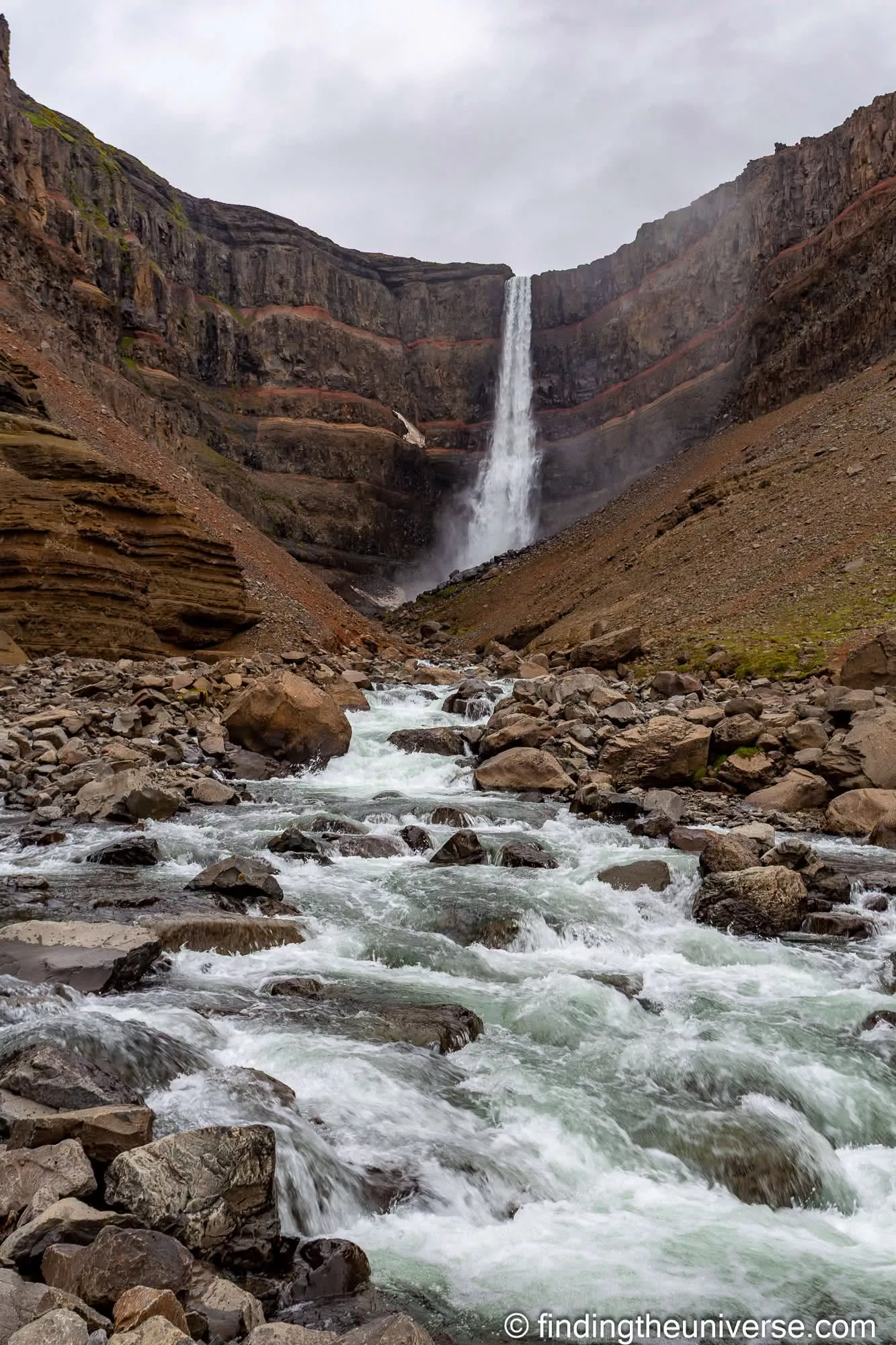
No ND. Canon EOS 6D, EF 17-40 f/4L at 33mm. f/8, 1/60s, ISO 100. The water freezes mid-fall, the shot reads as documentary.
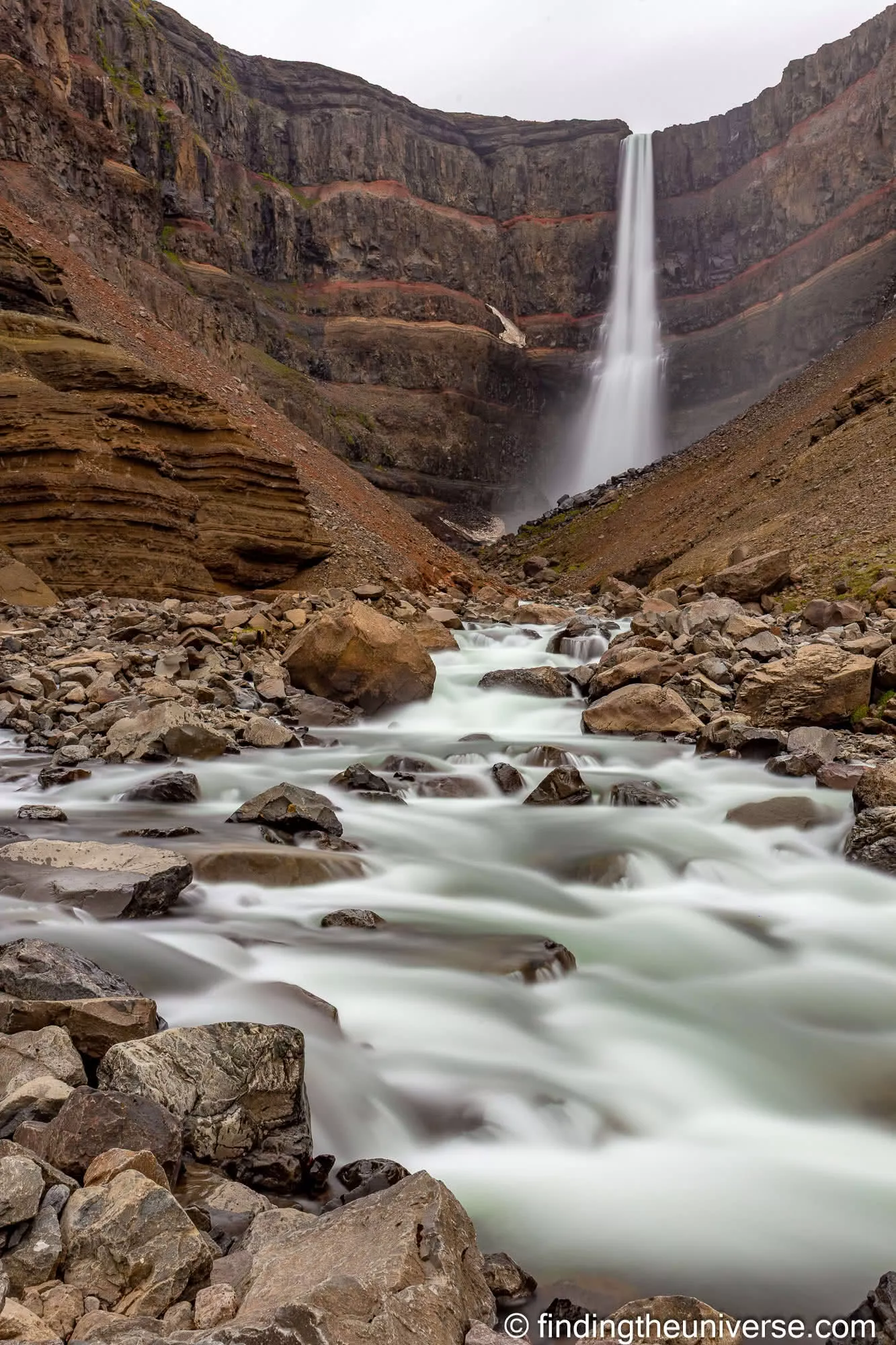
With ND. Canon EOS 6D, EF 17-40 f/4L at 40mm. f/14, 25s, ISO 100. A six- to ten-stop ND drags the shutter long enough for the water to silk out. Same waterfall, completely different mood.
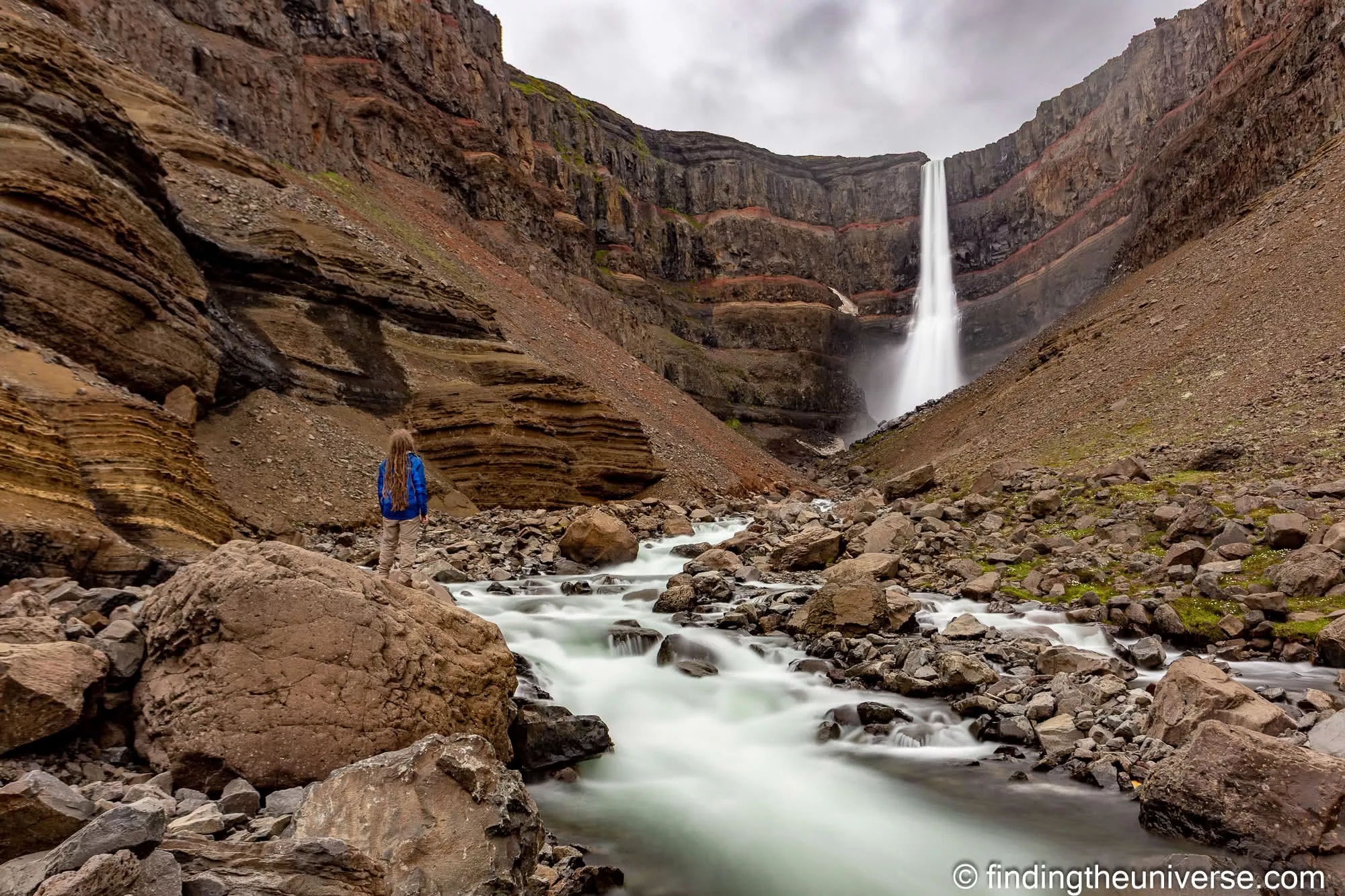
The third version, with a person (me!) standing in the frame for scale, at 10 seconds at f/8 ISO 100. Long enough for the water to blur, short enough to keep them sharp if they stand still. Which I just about managed.
Sandwood Bay, Scotland
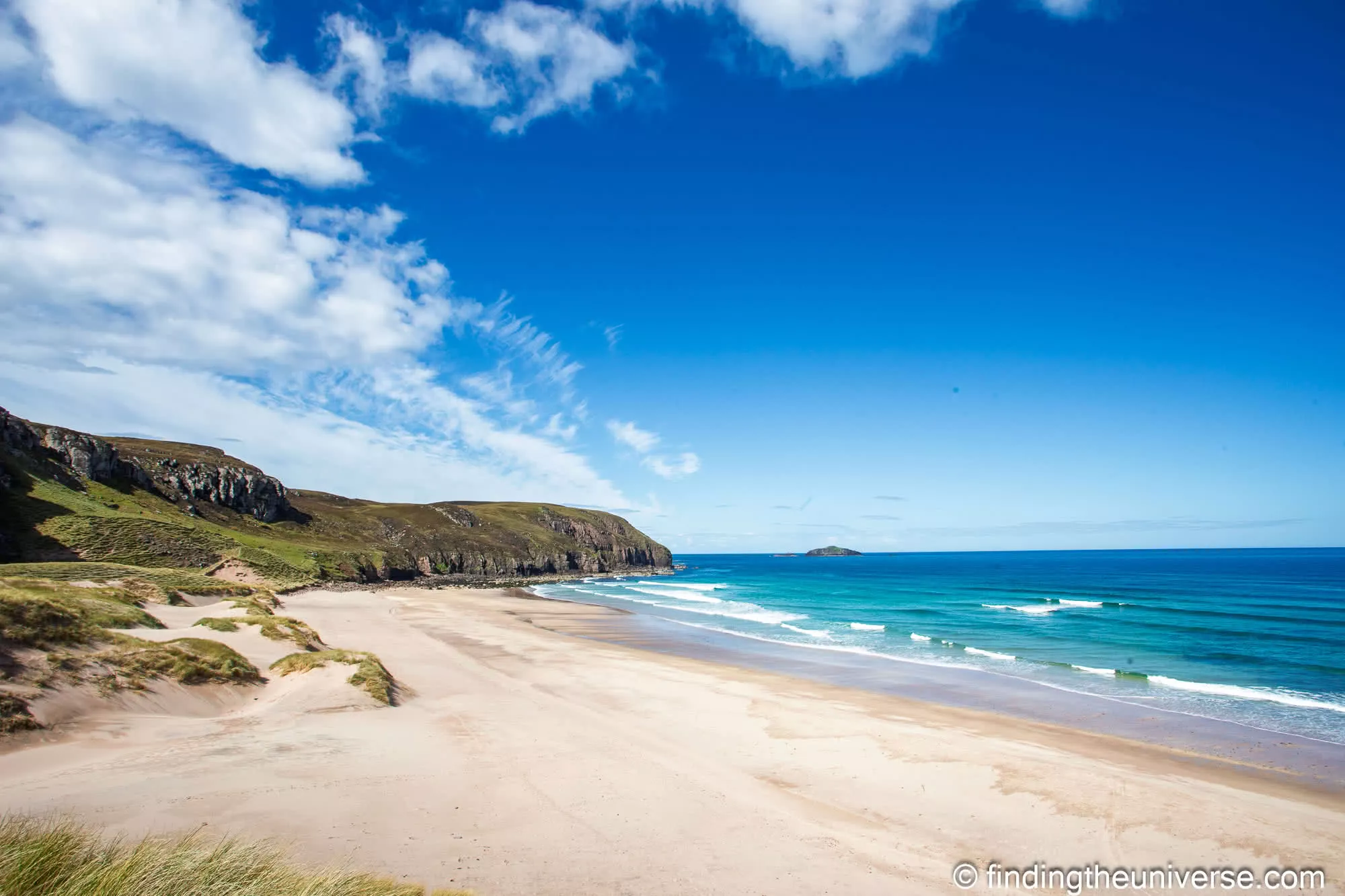
No ND. Canon EOS 6D, EF 17-40 f/4L at 17mm. f/13, 1/200s, ISO 100. Waves frozen mid-crash, foam visible.
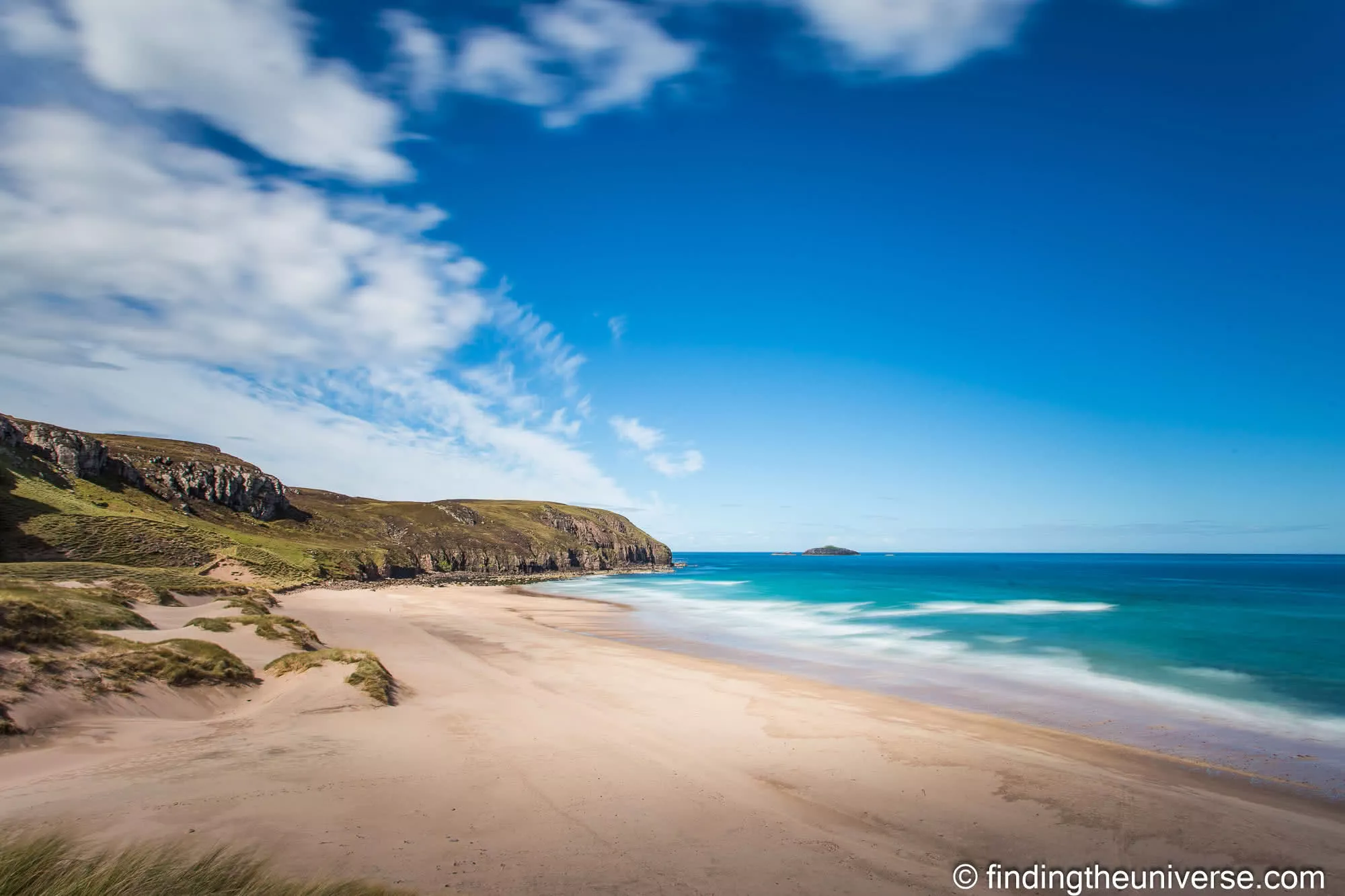
With ND. Same lens, same focal length, f/13, 13s, ISO 100. The Atlantic turns into a soft pewter sheet, the rock outcrops anchor the frame.
Bakers Beach, San Francisco
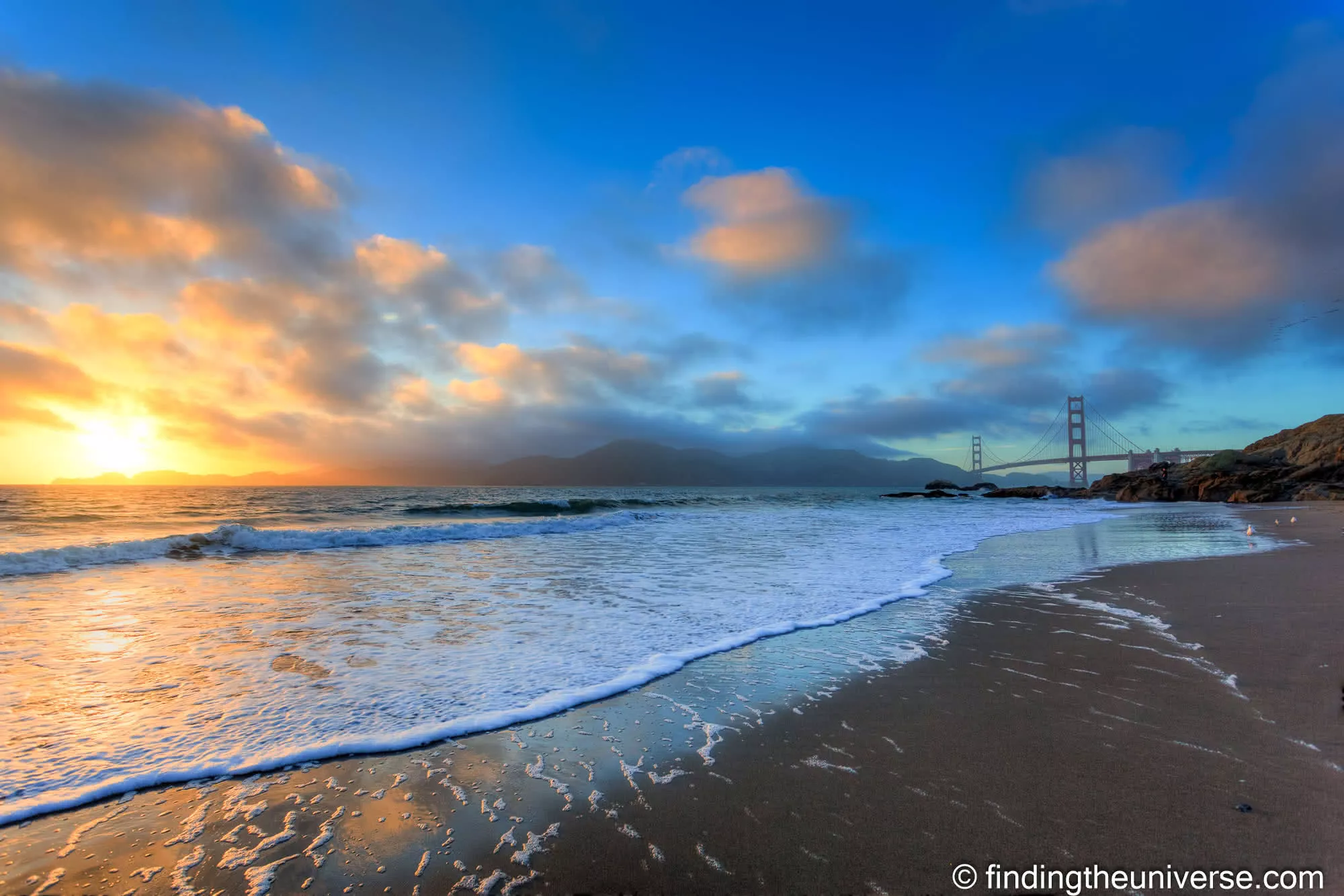
No ND. f/7.1, 1/100s, ISO 100. The Pacific is choppy, individual waves are visible.
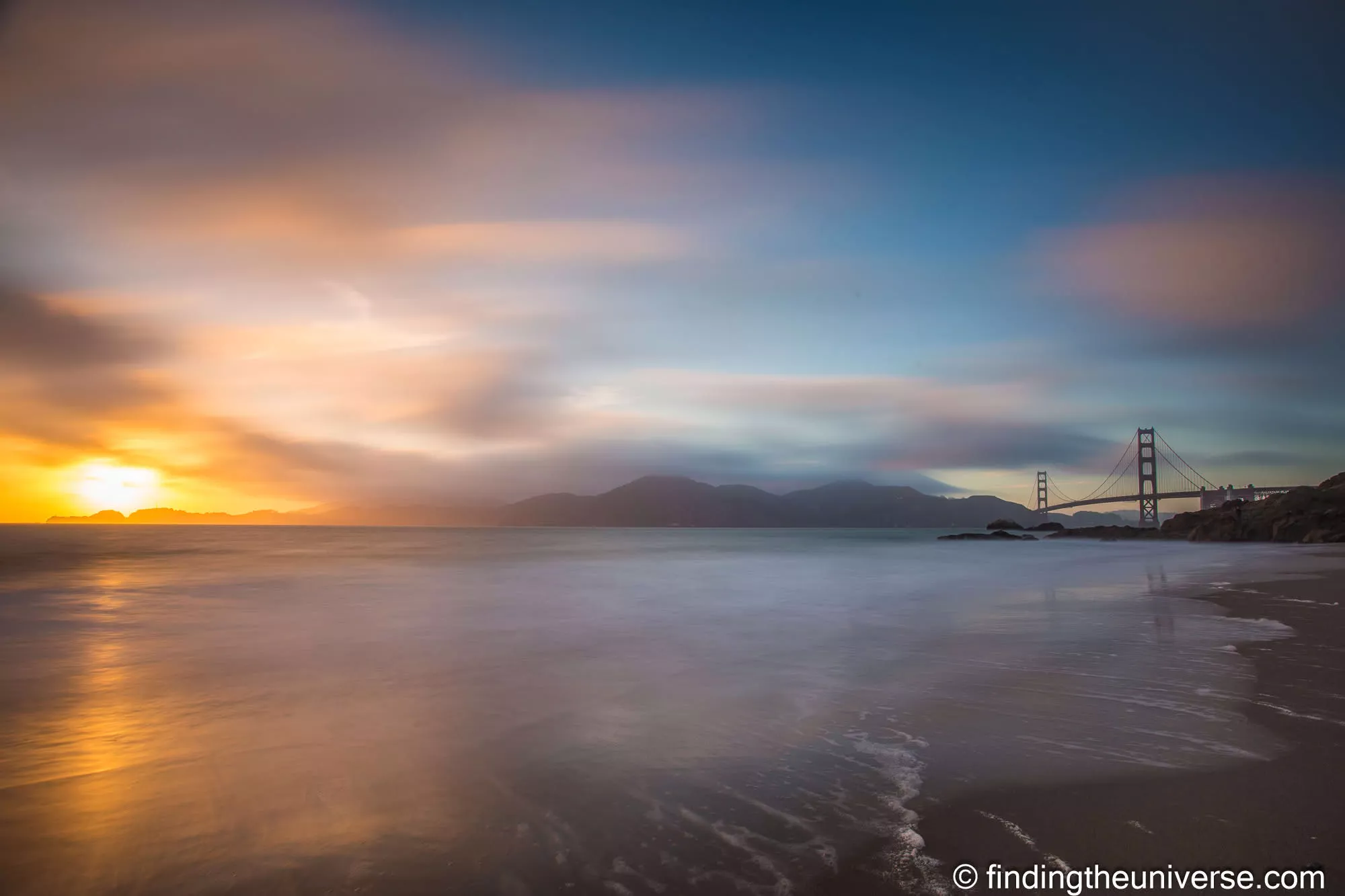
With ND. f/11, 30s, ISO 100. Six-stop ND. The water smooths to mist, the Golden Gate anchors the frame in the distance.
Florida Keys, Sunrise over the Pier
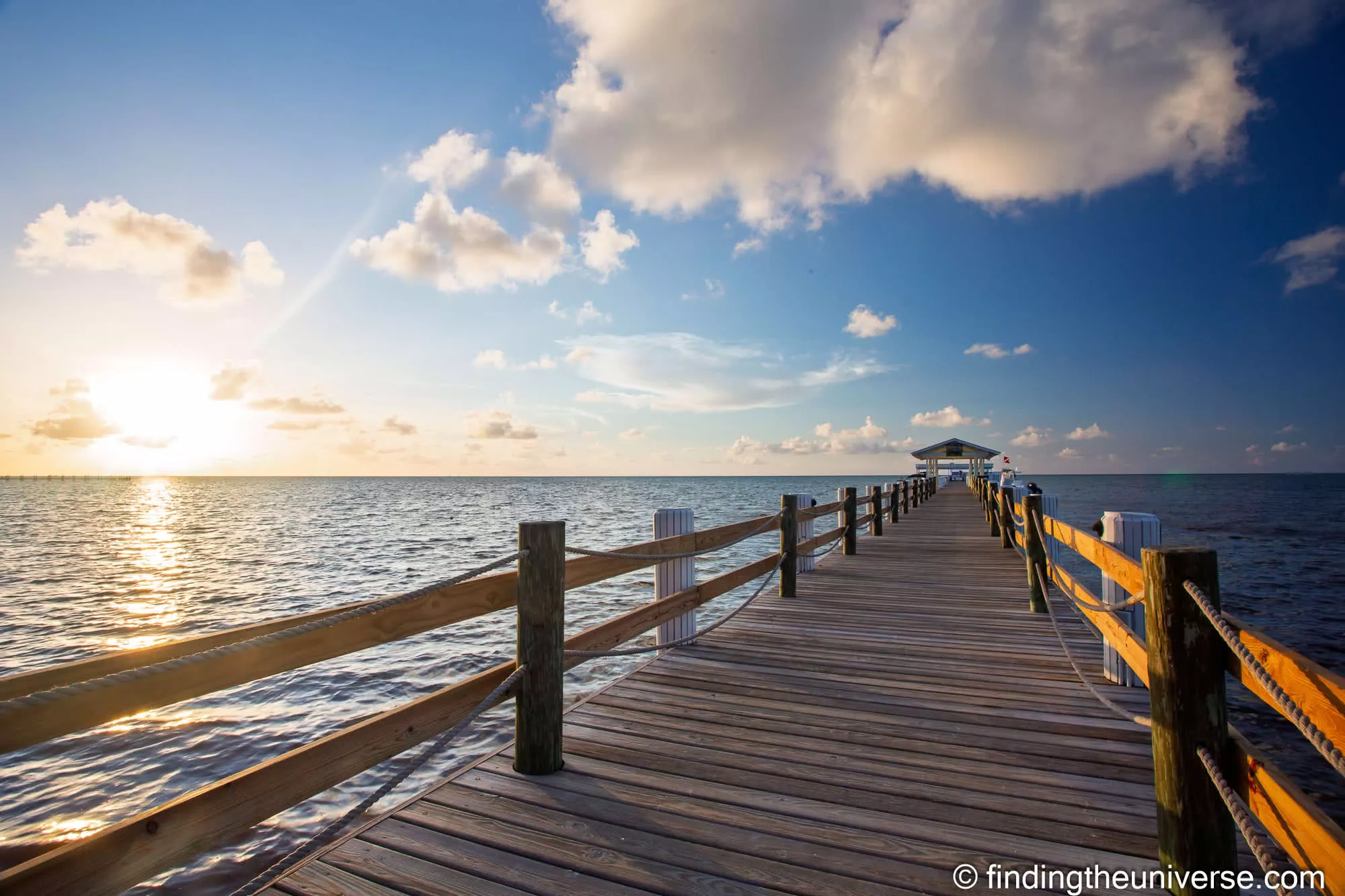
No ND. f/16, 1/15s, ISO 100.
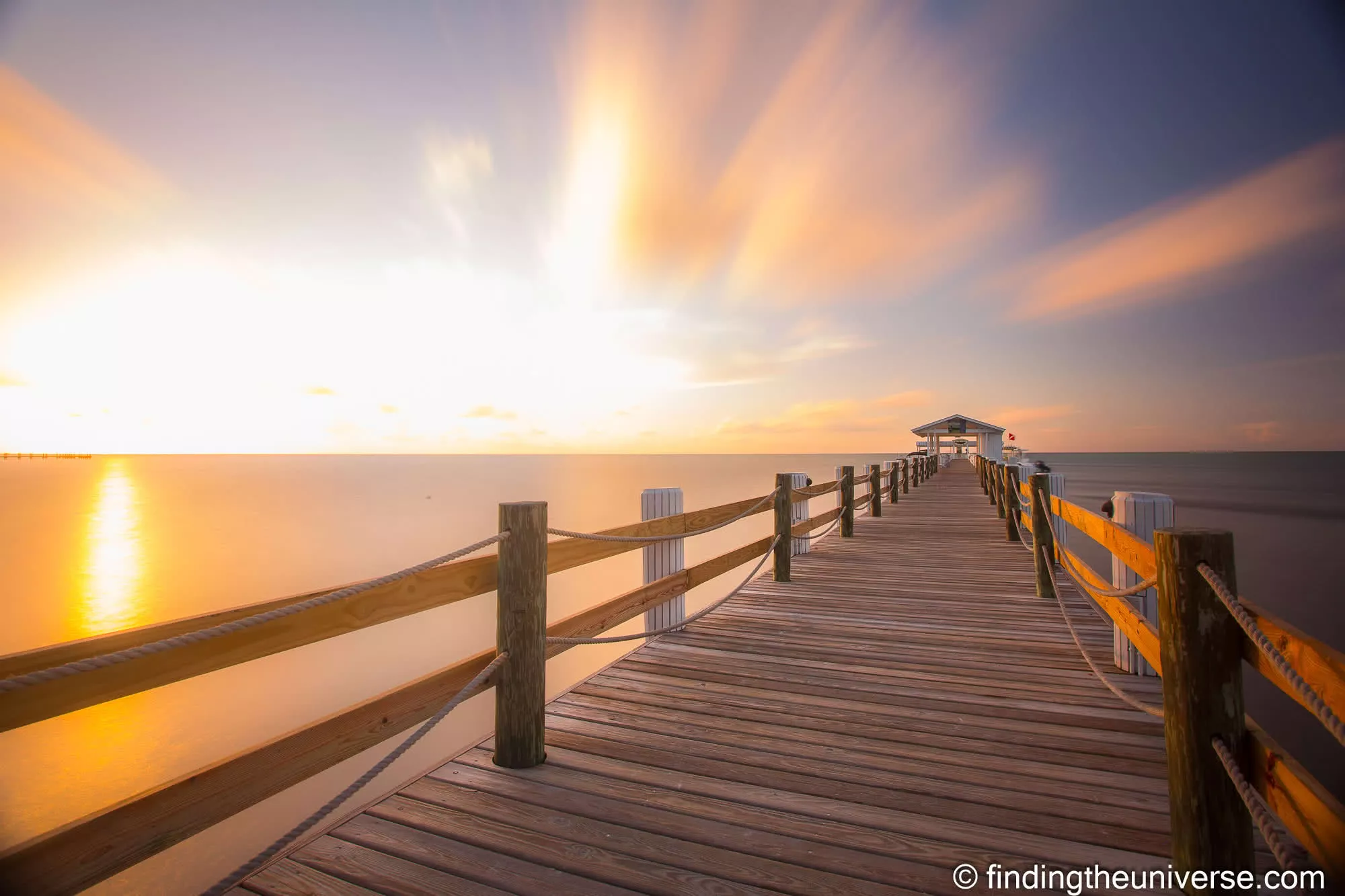
With ND. f/9, 169s (nearly three minutes), ISO 100. A ten-stop ND in pre-dawn light gives you the long-exposure clouds and the silk water at once. The pier becomes a graphic line.
Stalker Castle, Scotland
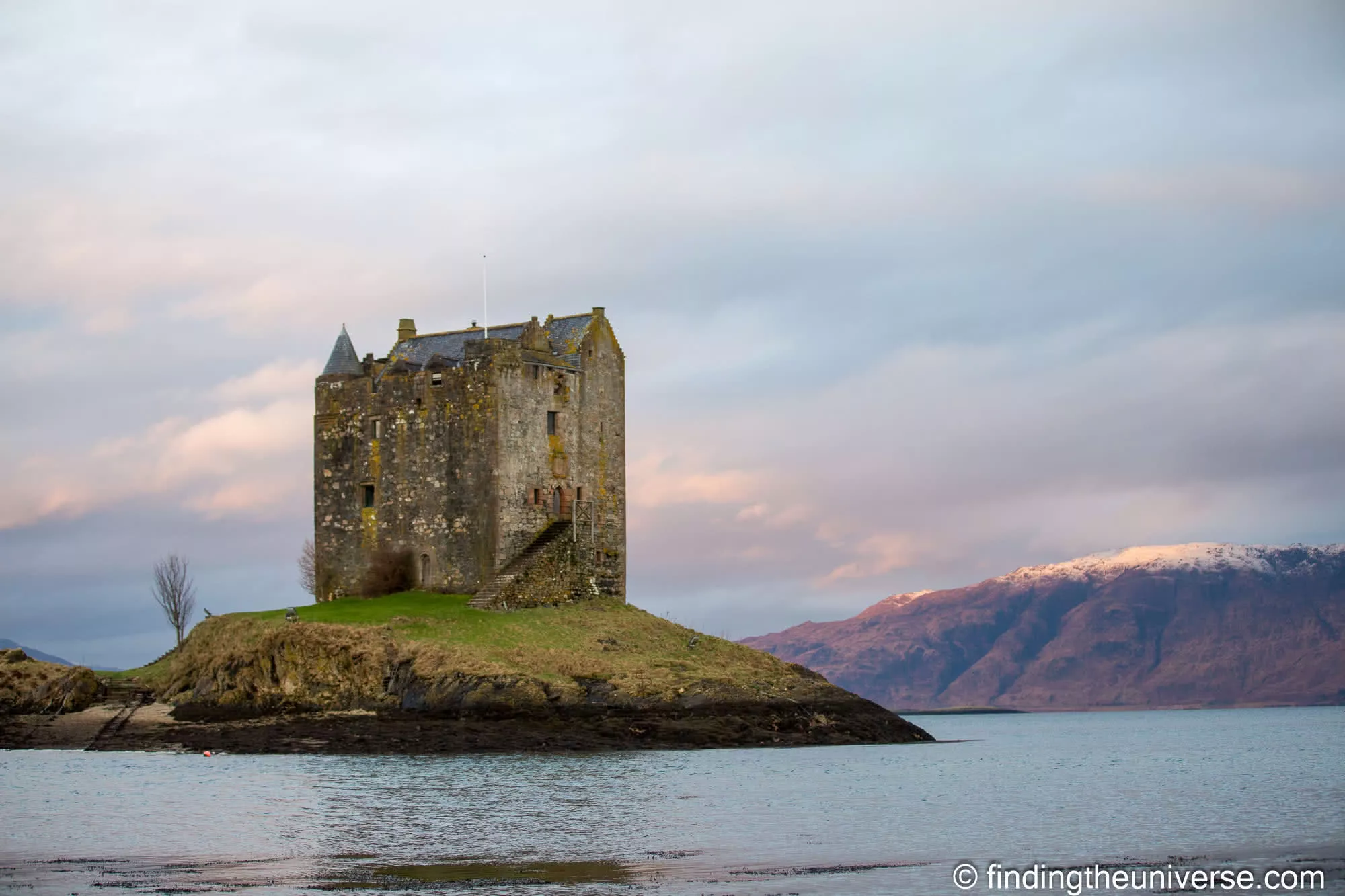
No ND. EF 70-200 f/2.8L II at 70mm, f/2.8, 1/250s, ISO 400. Sharp, fast shutter, telephoto compression.
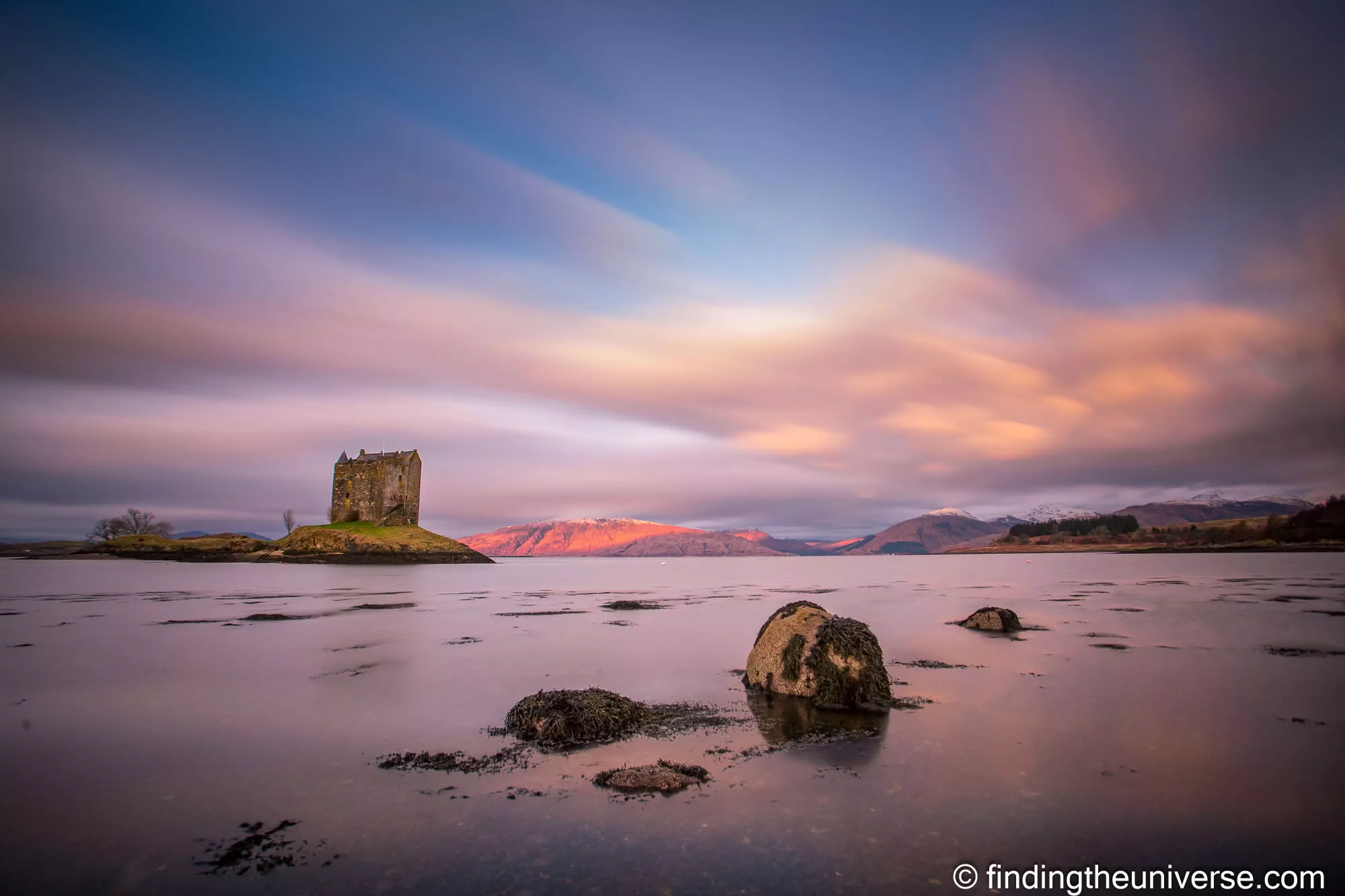
With ND. EF 17-40 f/4L at 17mm, f/6.3, 60s, ISO 100. Six-stop ND. The clouds streak, the loch glasses out, the castle reads as a permanent thing against a moving sky.
London Eye, Blue Hour
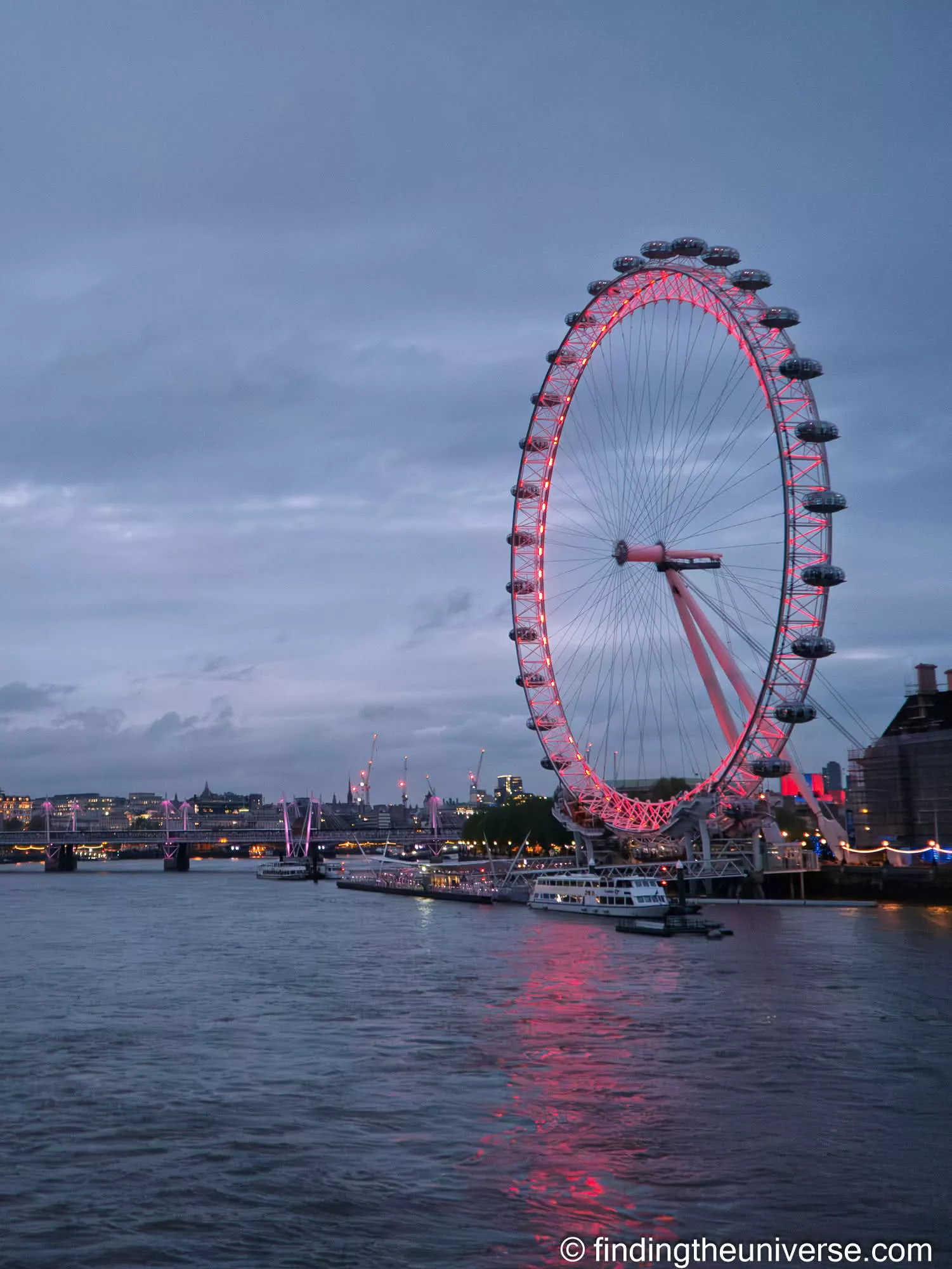
No ND. Lumix G6, 14-42 kit lens at 14mm, f/3.5, 1/60s, ISO 3200. Handheld blue hour, the wheel reads as a wheel.
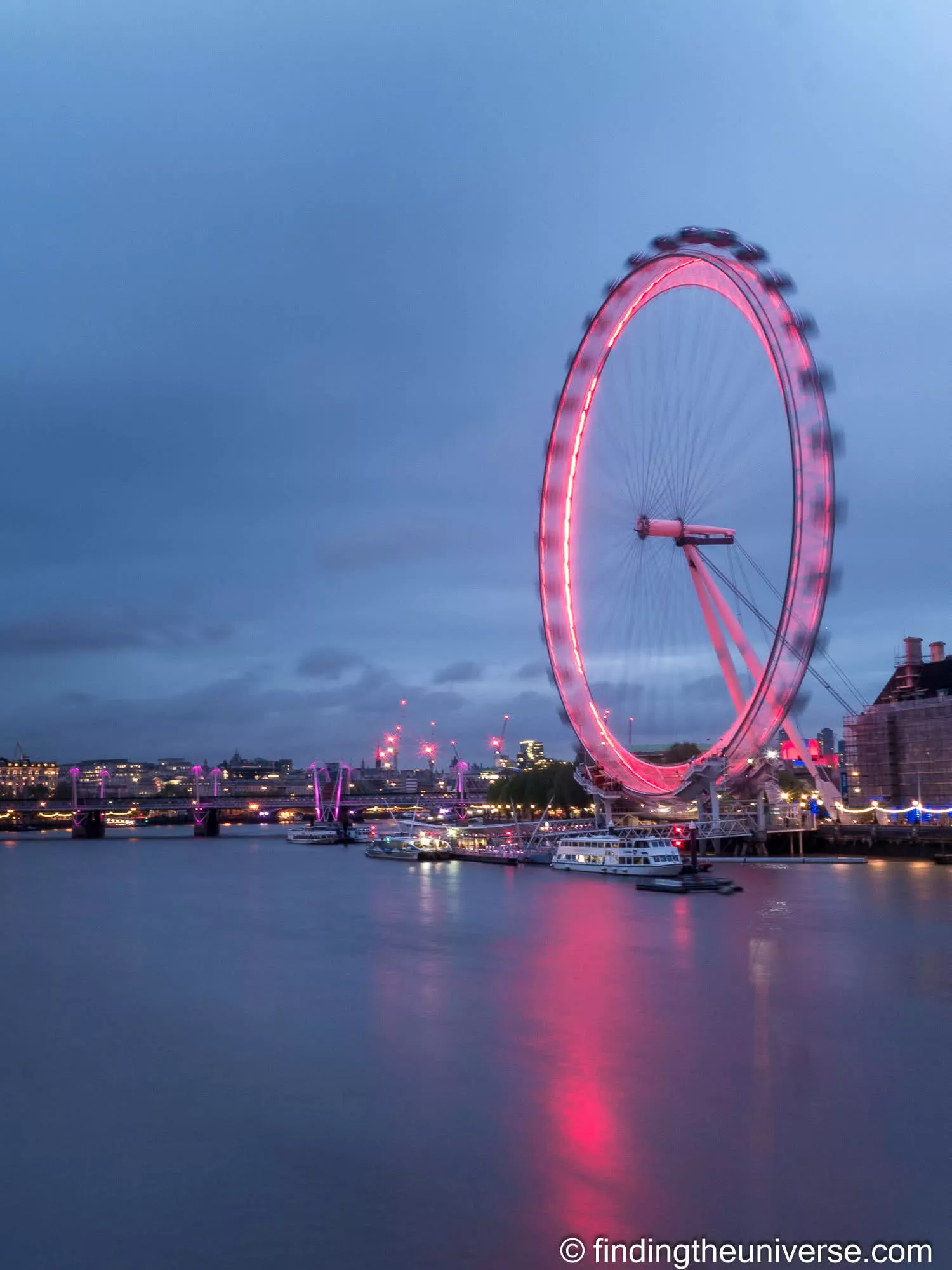
With ND. Same camera, f/20, 20s, ISO 160. The wheel becomes a circle of light, the river becomes glass. The blue-hour ambient stays in the sky.
Rock Arch, Santa Cruz, California
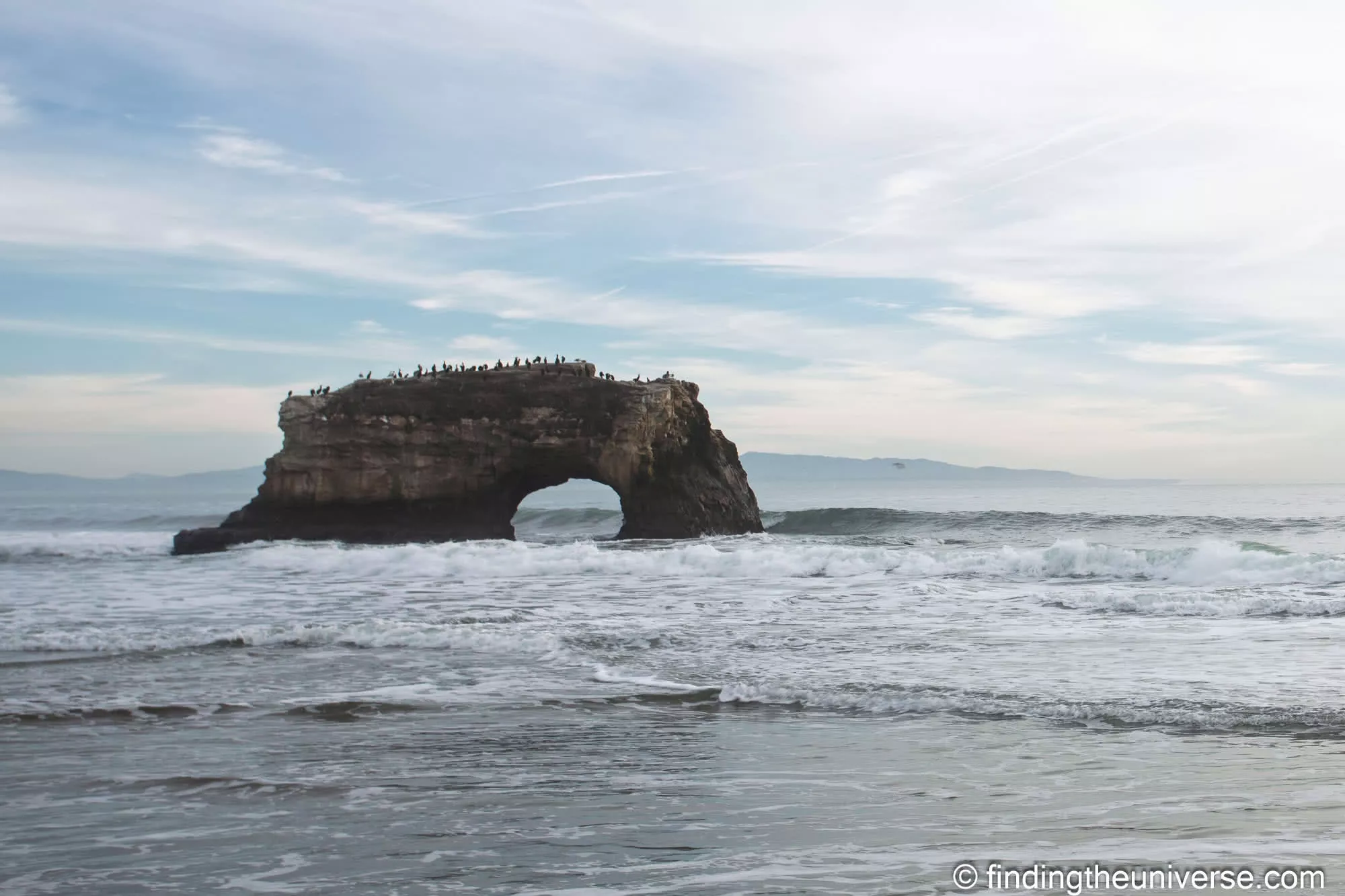
No ND. Canon EOS 6D, EF 17-40 f/4L at 34mm. f/8, 1/30s, ISO 100. Documentary, choppy water, the arch reads as rock.
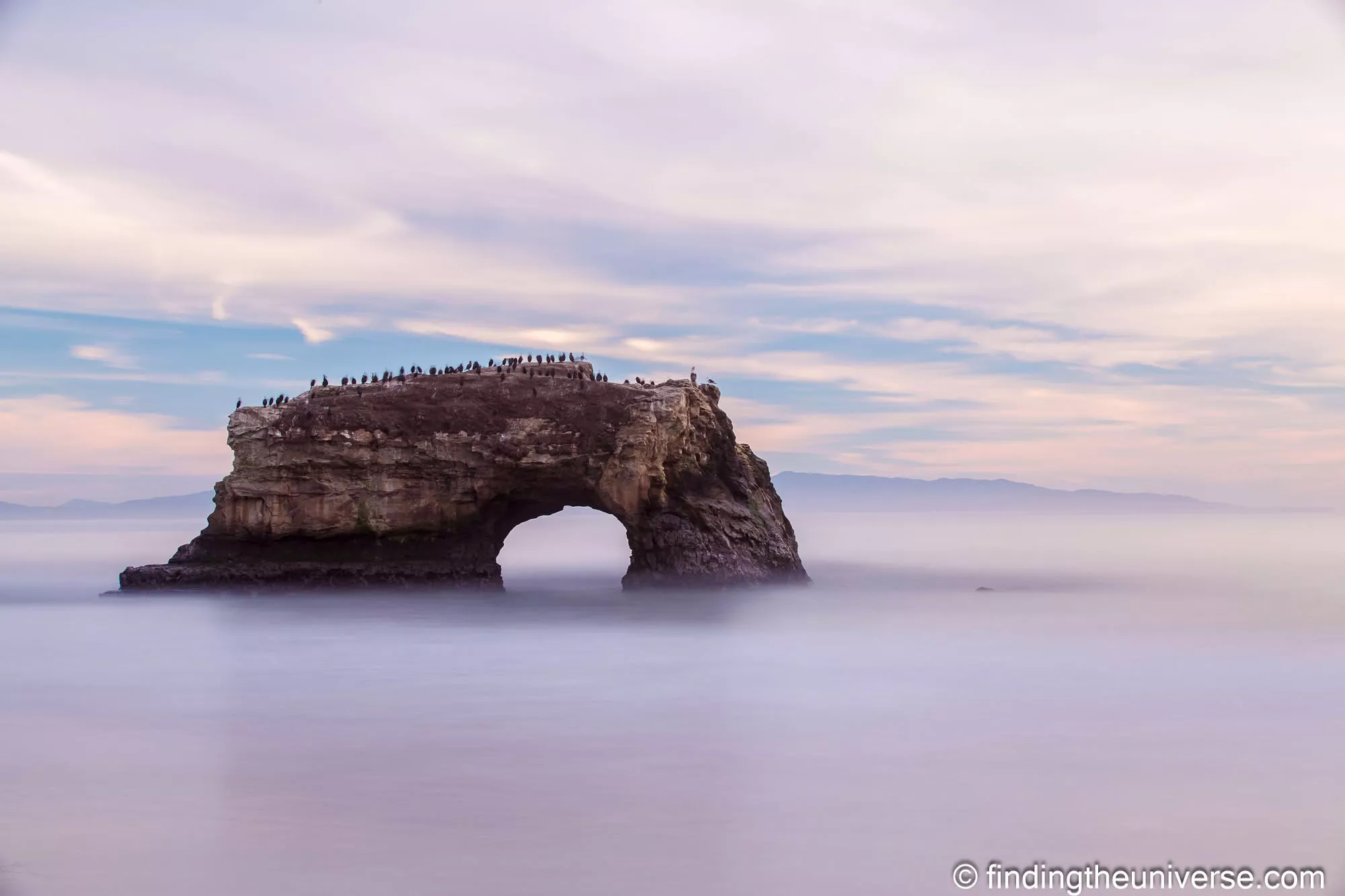
With ND. Canon EOS 6D, EF 70-200 f/2.8L II at 75mm. f/13, 129s, ISO 100. Telephoto compression, a ten-stop ND, two minutes of exposure. The water turns to mist, the arch turns into a silhouette. This shot was featured on the National Geographic homepage, a very proud moment in my photography career.
Other Frames Worth Seeing
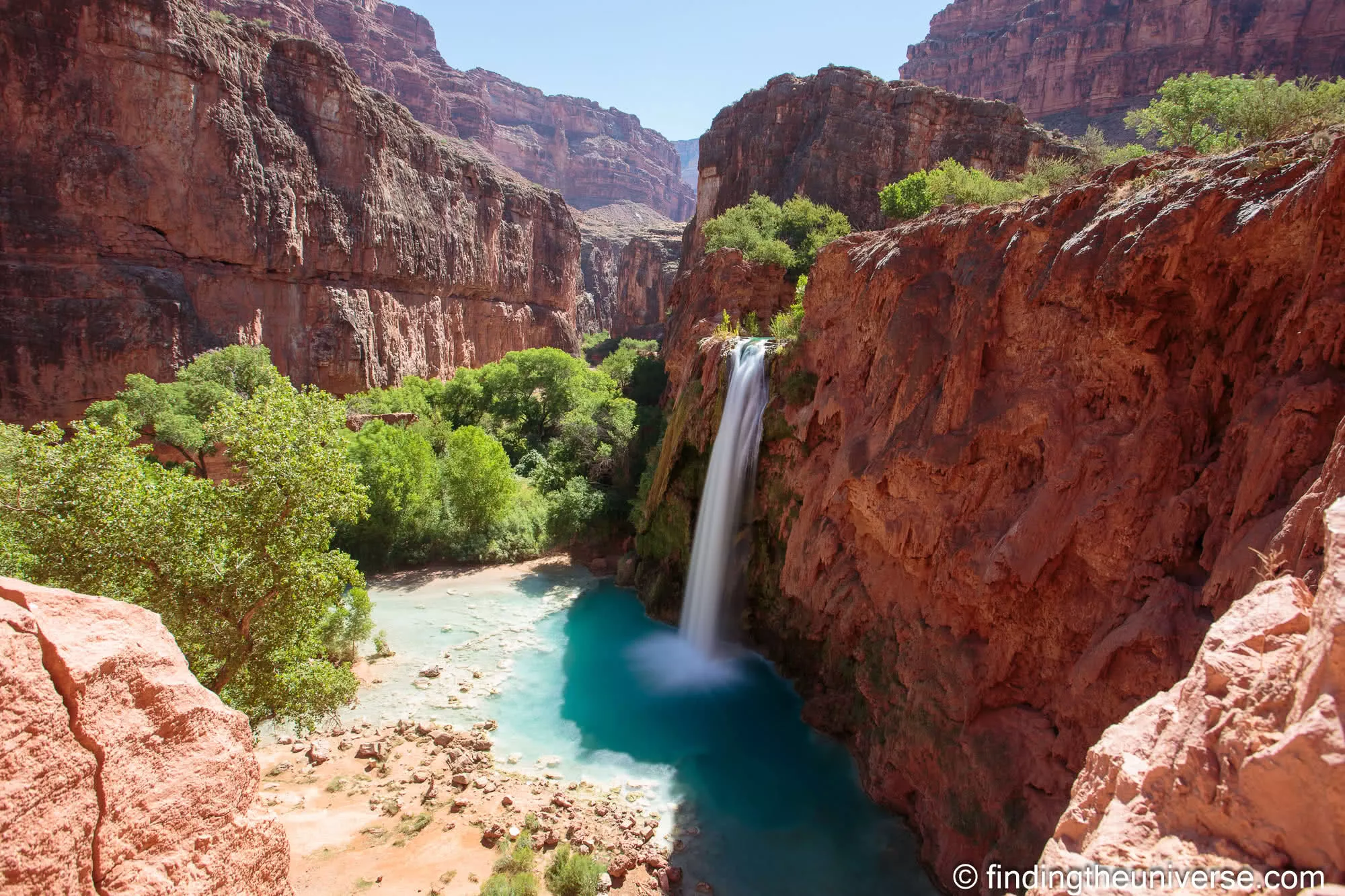
Havasu Falls, Arizona. 13s, f/10, ISO 100. The turquoise water reads better with the long exposure than without.
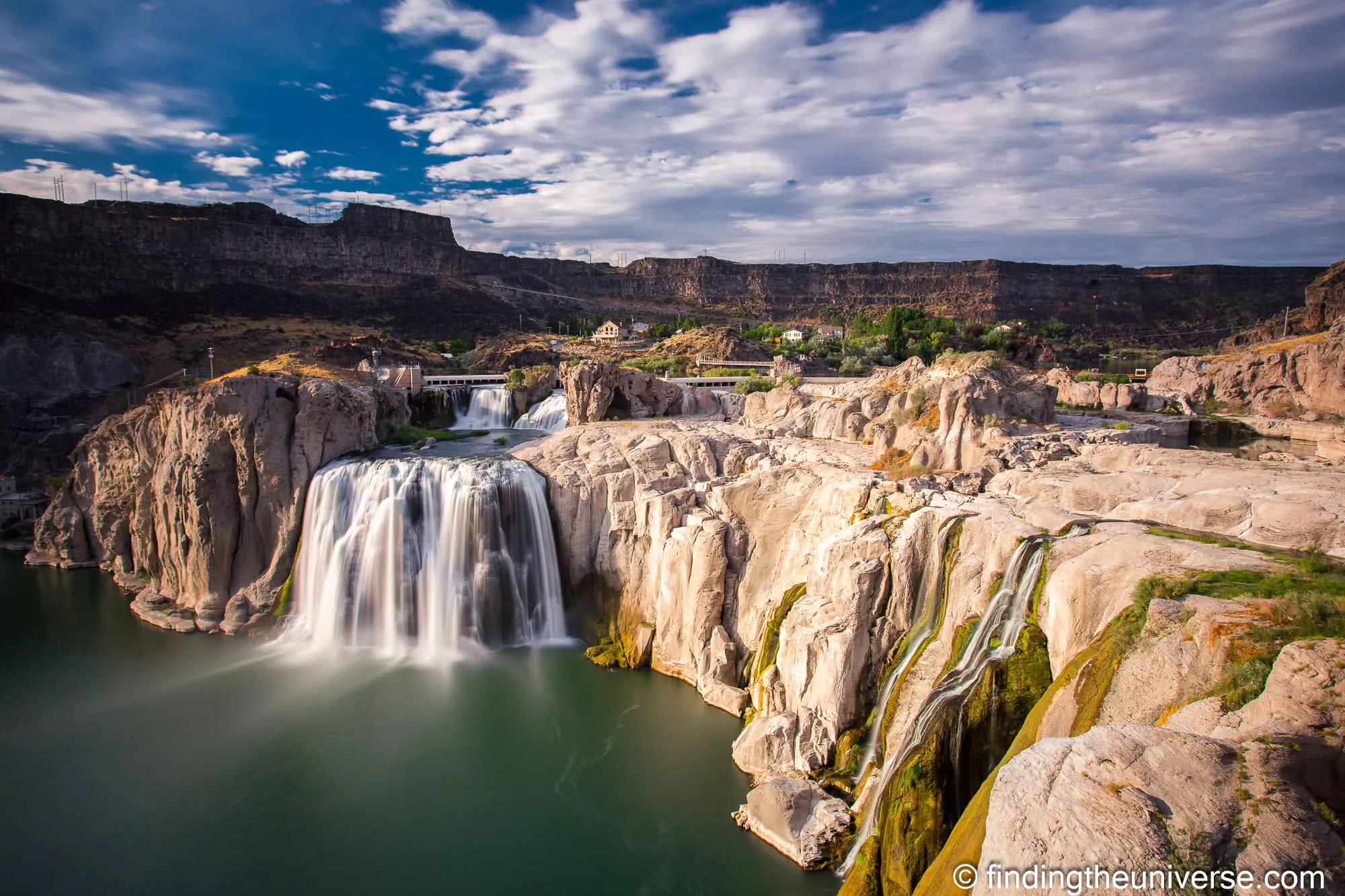
Shoshone Falls, Idaho. 15s, f/7.1, ISO 100. The “Niagara of the West” with a six-stop ND on it.
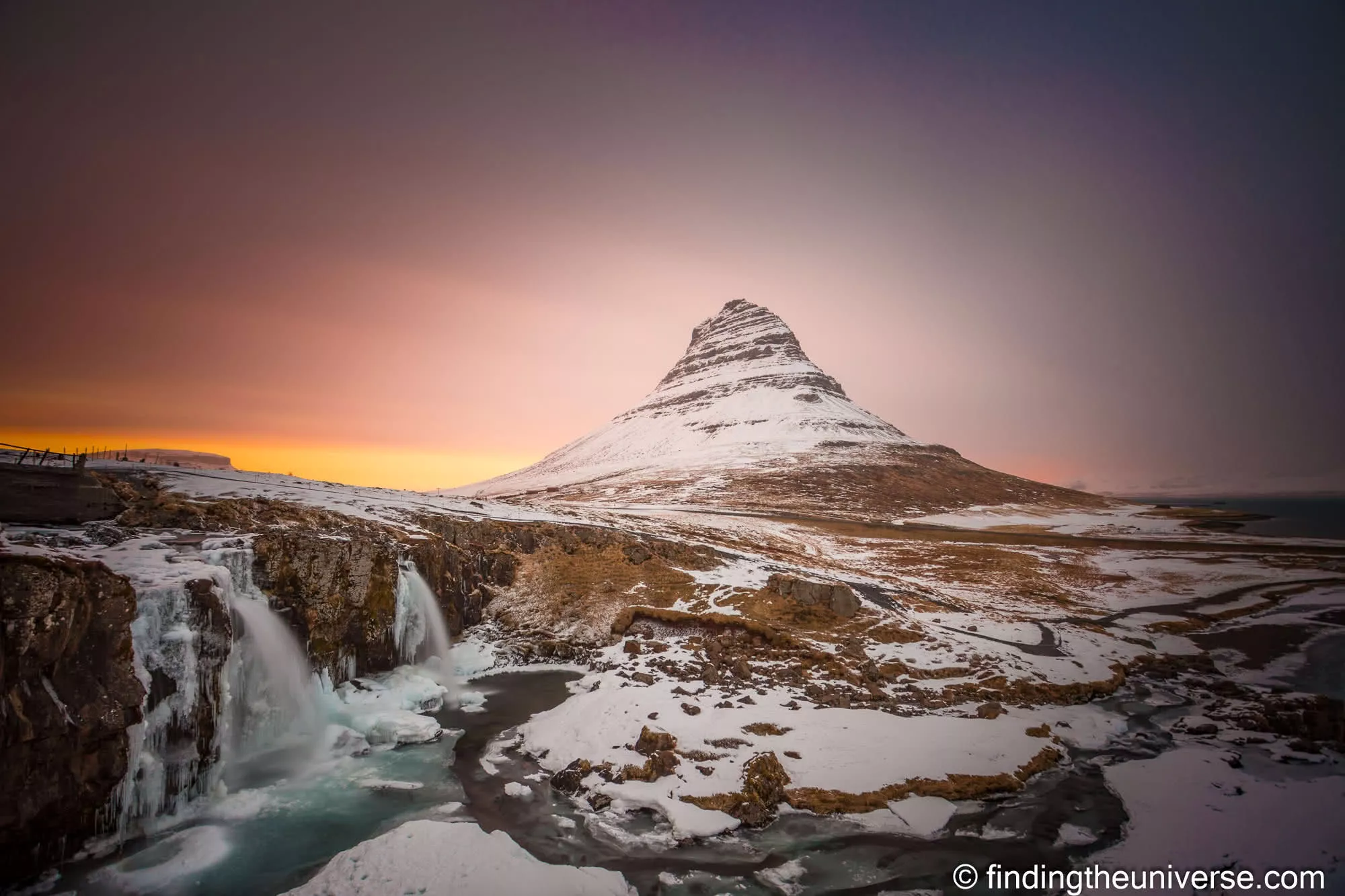
Kirkjufell, Iceland. 120s, f/8, ISO 200. Two minutes of ten-stop ND in low light. The clouds streak, the sea blurs, the mountain stays.
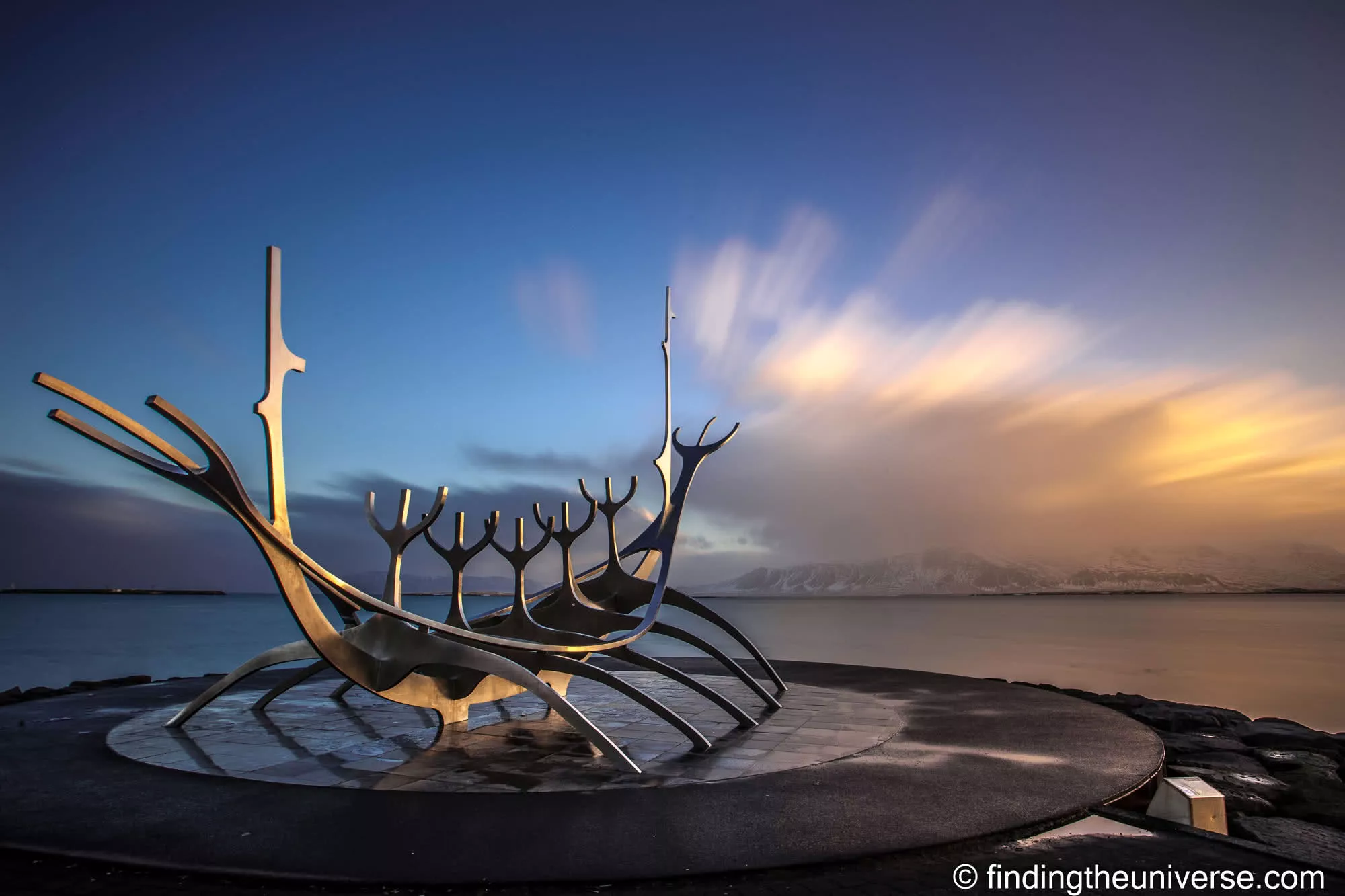
The Sun Voyager sculpture, Reykjavik, at sunrise. 120s, f/13, ISO 100. The Faxaflói bay loses its texture, the sculpture stays sharp.
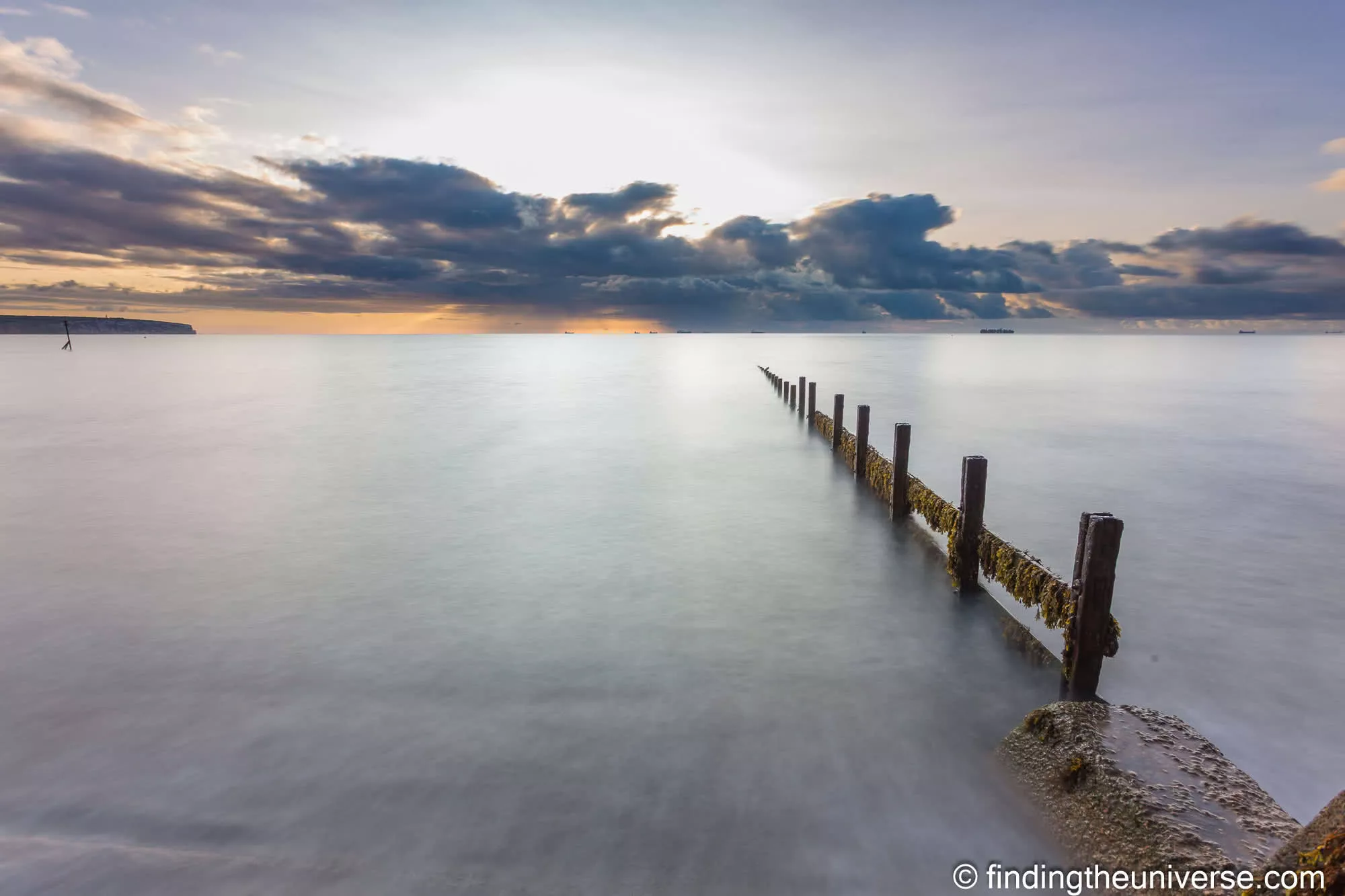
Shanklin Beach, Isle of Wight. 20s, f/10, ISO 100. UK summer holiday photography, with a longer shutter.
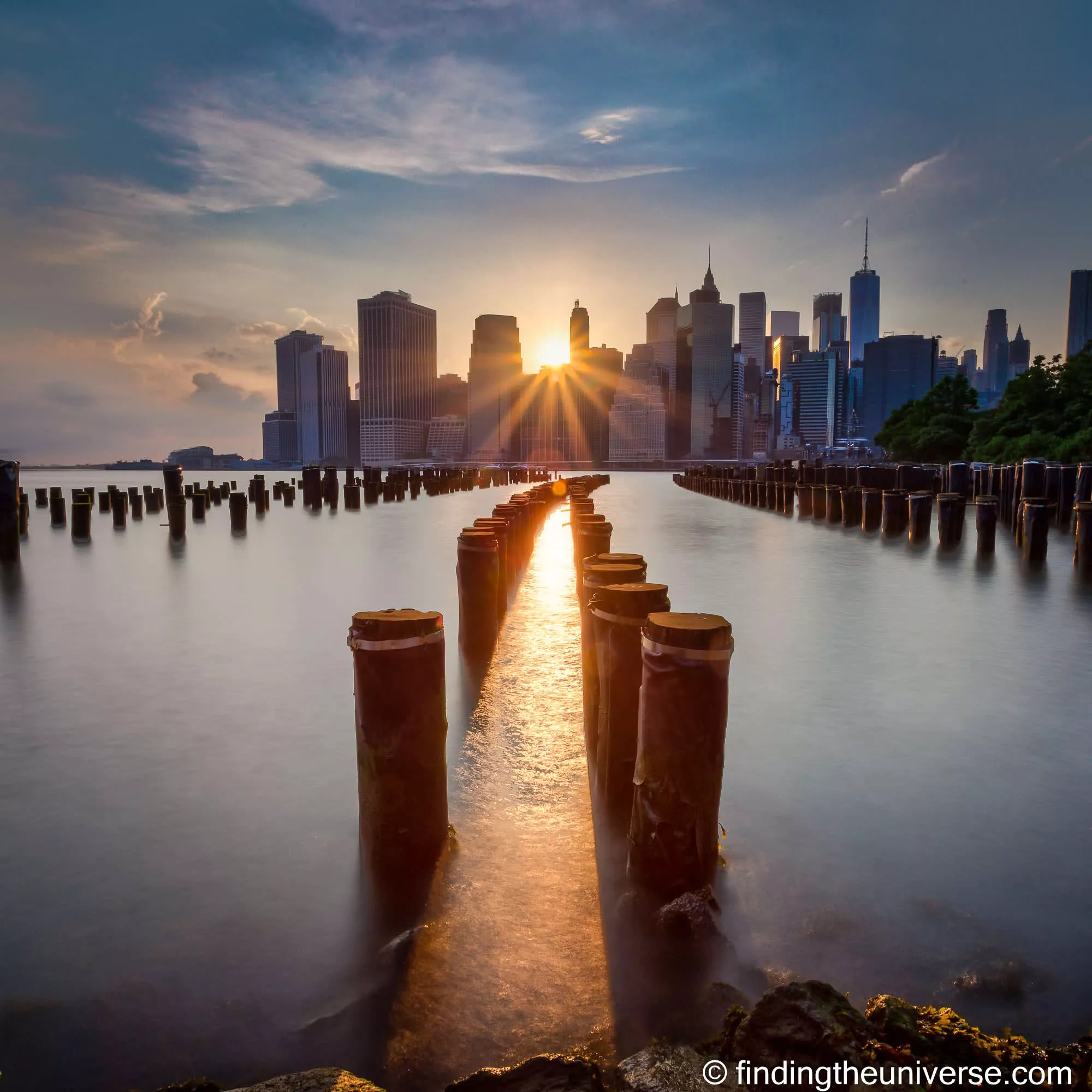
New York at sunset. 30s, f/16, ISO 100. The skyline reads sharper for the long exposure, the river goes glassy.
Buy This If: Travel Scenarios
| Your trip | What to pack | Why |
|---|---|---|
| First trip with a serious camera, want one filter | K&F Nano-X VND + CPL | Covers polariser and ND duties in one piece of glass, five-stop range is plenty for daytime water blur |
| Two-week landscape-focused trip (Iceland, Patagonia, Scottish Highlands) | Breakthrough X4 6-stop + a separate CPL | Cleaner result than a VND, six stops is plenty for most daytime long exposures, CPL handles reflections and saturation independently |
| Specialist long-exposure trip (sunrise/sunset coastlines, harbours) | Lee Big Stopper (10-stop) + a 3-stop or 6-stop for shorter shutters | Ten stops drags shutter speeds to 30s-plus in daylight; a shorter ND for in-between conditions |
| Video-heavy travel (vlog work, run-and-gun) | PolarPro Edition II 2-5 stop, optionally the 6-9 stop second variant | Constantly-changing exposure needs a VND; haptic stop limits prevent X-pattern surprises |
| Cold-weather or low-light travel where filter swaps with gloves on matter | Kase Revolution Magnetic Kit (or Freewell V2 if budget is tighter) | Magnetic mount is faster than screw-in; colour-coded rings on Kase let you find the right filter in a pouch by touch |
| Budget-constrained, just want to try ND filters | Hoya ProND EX 8 (3-stop) | $40-70 entry, circular screw-in, current-generation Hoya glass, no holder system needed |
| Already have an ND, want to control bright skies on coast sunsets | NiSi Medium GND8 0.9 (3-stop grad) | Holds the sky back without affecting foreground; medium transition fits non-flat horizons |
What We’ve Learned From a Decade of Travelling With Filters
Some things that took us longer to learn than they should have. Pass these forward.
Buy the size for your biggest lens and step-up the rest. Two step-up rings cost roughly the same as a coffee. A second filter isn’t a trivial expense. Resist the temptation to buy duplicates.
The Lee Big Stopper cast is part of the filter’s character, baked in by design. Lee themselves acknowledge it on their own knowledge base. White-balance it out in raw if you want neutral, or lean into the cool blue feel. Either choice is a valid creative call.
VND X-pattern is a physical limitation of the design. No VND escapes it entirely. The premium ones (PolarPro Edition II, K&F Nano-X) constrain the range so you can’t accidentally rotate past it. Sub-$40 VNDs don’t; you can rotate one all the way to a black frame, and the X-pattern shows up well before you get there. Pay enough for the constrained range.
Filter cases pay for themselves on the third trip. Loose filters in a bag pocket get scratched and lost. A pouch with elastic loops, or a hard case with foam slots, justifies its cost the first time you don’t have to replace a £200 piece of glass that lived next to a metal lens cap for a month.
Compose first, filter second. A six-stop ND won’t save a boring composition; it will just give you a long-exposure version of a boring composition. Set up the shot, check it with no filter, then add the filter to slow the shutter. Cuts ten minutes of squinting through a black ten-stop trying to focus.
Pre-focus before screwing on a ten-stop. Ten stops is dark enough that contrast-detect autofocus stops working through it. Focus first, switch to manual, then put the filter on. Same with checking white balance: a ten-stop will lie to your camera’s auto-WB on day one of a trip. Set a custom white balance with the filter off if you’re not shooting raw.
Bracket the long exposure. If you have time, shoot the same scene at three exposures: a reference at no filter, one at your target shutter speed, and one a step slower. Storage costs nothing. Re-shooting from London does.
The ND isn’t the limiting factor for image quality, the tripod is. A 20-second exposure on a wobbly tripod is a 20-second exposure of nothing in particular. Spend on the tripod before you spend on the second filter.
Magnetic filters can come unstuck. Pointed sharply down, in cold weather, or after an accidental knock, the magnet sometimes lets go. Not often. Often enough to think about it before you do it.
For broader landscape technique that goes alongside ND work, our landscape photography tips guide and long-exposure photography guide are the natural next reads.
Frequently Asked Questions
Do I need an ND filter for travel photography?
Not strictly. You can of course travel without one. But if you ever want to blur moving water, smooth out a sky, or use a wide aperture in bright midday light, you need either an ND or a slower-than-handholdable shutter, and the slower shutter rarely works in daylight without the filter. For most travel photographers shooting beyond pure documentary work, an ND is one of the highest-impact accessories you can carry.
What’s the difference between a fixed ND and a variable ND?
A fixed ND has one stop strength: a 6-stop is always 6 stops. A variable ND covers a range (typically 1-5 or 2-7 stops) and you rotate the front ring to set the strength. Variable is more convenient; fixed is technically cleaner because it has no rotating polariser layers, which means no X-pattern artifact at high stop counts on wide lenses.
If you only buy one filter for travel, variable is usually the right pick because it covers more situations. If you specifically want a long-exposure landscape filter and you know your stop count in advance, fixed wins.
Are square ND filter systems worth the holder?
For travel, mostly no. Square systems (Lee100, NiSi System 100, Kase K100) are powerful when you’re stacking grads and full NDs in combination, but they add bulk, fragility, and time to a setup. For travel, a circular screw-in or a magnetic kit is usually the better answer. The exception is grads: a graduated ND only really makes sense in a square system because you need to position the gradient relative to the horizon.
What stop strength ND should I buy first?
A 3-stop is the safe starter (Hoya ProND EX 8 in this slate). It will let you blur water in low light, open up an aperture in bright light, and not catch you out with white balance shifts. A 6-stop is the one to reach for when you want actual long-exposure work in daylight (Breakthrough X4 6-stop). A 10-stop is a specialist tool; brilliant in the right hands, often left in the bag in the wrong ones.
If you’re buying with no other filters yet, the K&F Nano-X variable ND covers 1-5 stops in one piece of glass, which sidesteps the question.
Will an ND filter affect my image quality?
A good ND filter, used within its design envelope, should not. The cheapest filters can introduce colour casts (cool, warm, or magenta), vignetting on wide lenses, or a slight loss of sharpness if the optical coatings are poor. The premium picks in this slate (Breakthrough X4, Lee Big Stopper, Kase Revolution, NiSi grad) are at the point on the price curve where image quality should not be a worry.
The two real image-quality risks are: stacking too many filters at once (can introduce reflections), and pushing a VND past its safe range on a wide lens (X-pattern).
Can I use an ND filter for video?
Yes, and a variable ND is usually the right pick for video. Video work benefits from a constant exposure that matches a specific shutter angle (typically 1/50s for 25fps work, 1/60s for 30fps). In bright daylight, that means you need to drop a lot of light, and a VND lets you do that without swapping filters as conditions change.
The PolarPro Edition II is specifically engineered for video. The Freewell V2 Hybrid is the more affordable video-friendly option.
How do magnetic filter systems compare to screw-in?
Magnetic is faster to swap and easier to use with gloves on. Screw-in is slightly more secure (no risk of a magnet letting go) and is system-agnostic (any filter in your thread size works).
For travel where you change filters often or shoot in cold weather, magnetic wins on workflow. The trade-off is brand lock-in: a Kase Revolution magnet only takes Kase Revolution filters. If you go magnetic, plan to stay in one ecosystem.
Are ND filters worth it for smartphone or compact cameras?
For smartphones, generally not, with the exception of dedicated mounts like Moment’s. For compact cameras with built-in lenses, look for a filter thread on the lens barrel; if it has one, a basic 3- or 6-stop screw-in is workable. For most compact cameras and smartphones without external filter mounts, software-based ND simulation (long-exposure mode, live composite) gives a close-enough result without the extra glass.
Wrapping Up
If you’ve read this far and still want a single recommendation: the K&F Concept Nano-X Variable ND with built-in CPL is the filter to start with. Five stops, two filter jobs in one piece of glass, at a modest price for a 77mm. If you outgrow it, you’ll know what to buy next. If you don’t outgrow it, you’ve spent very little and got a filter that works.
If you want to go further into the craft of long-exposure photography and the technique that goes alongside the filters, my online travel photography course covers the full workflow: composition, exposure, filter use, post-processing, and the field tactics that turn a filter purchase into a portfolio of shots. The course covers everything from camera basics to advanced techniques, with feedback on your photos as you work through it.
For more on the photography kit that pairs with these filters, take a look at our best travel cameras, best lenses for travel photography, and best camera bags for hiking and backpacking guides. For the technique behind the photos, our long-exposure photography guide, landscape photography tips, and beach photography tips are the next reads. And the deep-dive on what ND filters actually do covers the physics in proper detail.
Happy shooting. Drop a comment if you have questions or if there’s a specific filter or scenario I haven’t covered.
Leave a Reply