I’ve visited Brighton many times over the years, often as a quick day out from London but plenty of times for longer, including stays with friends who have lived in the city for ages. Those repeat visits are why I can tell you which of its museums actually repay an hour of your weekend, how far apart things really are once you’re on foot, and why two small museums are the reason this guide exists in the first place. The photos here are my own, including the two from inside those museums.
A single day does Brighton’s highlights well, and I’ve written a separate guide to doing exactly that. The question this one answers is whether a second day is worth your time, and what you actually do with it. The answer, for almost everyone, is yes.
Below is the two-day plan I’d follow myself: a Saturday built around the central sights and two museums I’d hate for you to skip, a looser Sunday for the wider city and the seafront, current prices for everything worth booking, three options for where to stay, and a straight answer on where to eat without pretending I have a favourite table that’s guaranteed to still be open.
Quick take: Two days is right for Brighton. The train from London takes about an hour, and you’ll want to base yourself near the Lanes and the seafront so everything is walkable. Three things are worth booking ahead on a summer weekend: the Royal Pavilion, the i360, and SEA LIFE. One scheduling catch to flag now, because it changes how you order the whole weekend: the Brighton Toy and Model Museum is closed on Sundays and Mondays, so I build Day 1 around a Saturday and keep the wider city for Sunday.
Table of Contents:
Is two days too long for Brighton?
No, two days suits Brighton nicely. A day trip gives you the Pavilion, the pier, the Lanes, and the seafront, and for a lot of people coming down from London that’s plenty, of course. What a day can’t give you is a Brighton evening, and the evenings are a big part of why people fall for the place. Add a second day and you also get the wider city, a slower beach morning with no train to catch, and time for the two museums a day trip never has room for.
If you only have one day, don’t try to stretch this guide to fit it. Read our Brighton day trip from London instead, which is built for six hours on the ground and tells you what to skip. This guide assumes you’re staying at least one night, so it leans into the things a day trip has to leave behind: dinner without a clock running, the museums, Kemp Town, and an optional half day up on the South Downs.
My rule of thumb: if Brighton is one stop on a busy London trip, do it in a day and do it well. If Brighton itself is the reason you’re travelling, give it the weekend. You won’t be hunting for ways to fill the time.
Getting to Brighton
The train is the way to come, not the car. Brighton station sits right in the centre of town at the top of a gentle hill that runs down to the sea, so you walk out of the station and you’re already in it. Driving lands you in the same place an hour or more later and then leaves you fighting for expensive central parking, which is the last thing you want when the whole city is walkable.
From London the fast direct trains take about an hour. London Victoria is the most central option for most visitors, with the fastest services around 58 minutes; London Bridge is roughly 60 to 65 minutes and makes sense if you’re already on that side of the city or on the Thameslink line. Trains run every 15 to 30 minutes through the day, so you rarely plan around a timetable.
For the full breakdown of stations, fares, and the off-peak trick, our day trip guide covers the London end in detail, and the wider day trips from London guide is worth a look if you’re stringing a few escapes together.
One fare tip that pays for itself: a weekday train leaving London before 9:30am is a peak service and costs noticeably more. Wait until 9:30am or later and you drop onto the off-peak return, which at the time of writing is around £37 to £38 for the round trip. At weekends the off-peak fare applies all day, so a Saturday arrival is the cheaper one anyway. I book through Trainline, though you can book direct with no fee through National Rail if you prefer.
Getting around Brighton
You’ll spend the weekend mostly on foot, and that’s the joy of the place. The central core, which is to say North Laine, the Pavilion, the Lanes, and the seafront, all sits inside a loop of three to four kilometres, pretty much flat once you’re down off the station hill. Day 1 doesn’t need a single bus or taxi.
Day 2 spreads east along the coast, and that’s where you get to use the fun way to travel. Volk’s Electric Railway runs along the lower seafront from beside the pier out towards the Marina, and it happens to be the world’s oldest operating electric railway, going since 1883! It only runs from late March to late October, so out of season you walk the seafront or take a bus instead.
For getting up to Kemp Town or out to Devil’s Dyke, Brighton and Hove Buses cover the city well, and Beryl e-bikes are dotted around if you’d rather pedal. You won’t need any of it for the central day.
Day 1: central Brighton and the two museums
Day 1 is a Saturday, and that’s deliberate. The Toy and Model Museum is closed on Sundays and Mondays, so this is the day to do it, alongside the Pavilion, the Museum and Art Gallery, and the seafront, all in one tight walking loop.
Treat the times below as a running order rather than a stopwatch. Walking the sights in this order means you never double back and you reach the Pavilion and the Museum and Art Gallery with plenty of time before they close at 5pm.
| Time | Where | Roughly |
|---|---|---|
| 9:30am | Coffee and a North Laine browse | An hour |
| 11:00am | Brighton Toy and Model Museum | An hour |
| 12:15pm | Lunch in the Lanes | An hour or so |
| 1:45pm | Royal Pavilion | About 90 min |
| 3:20pm | Brighton Museum and Art Gallery | An hour |
| 4:30pm | Brighton Palace Pier | 45 min |
| 5:15pm | Seafront walk to the West Pier | 45 min |
| 6:00pm | Brighton i360, optional sunset flight | 30 min |
| 7:30pm | Dinner in the Lanes or North Laine |
North Laine
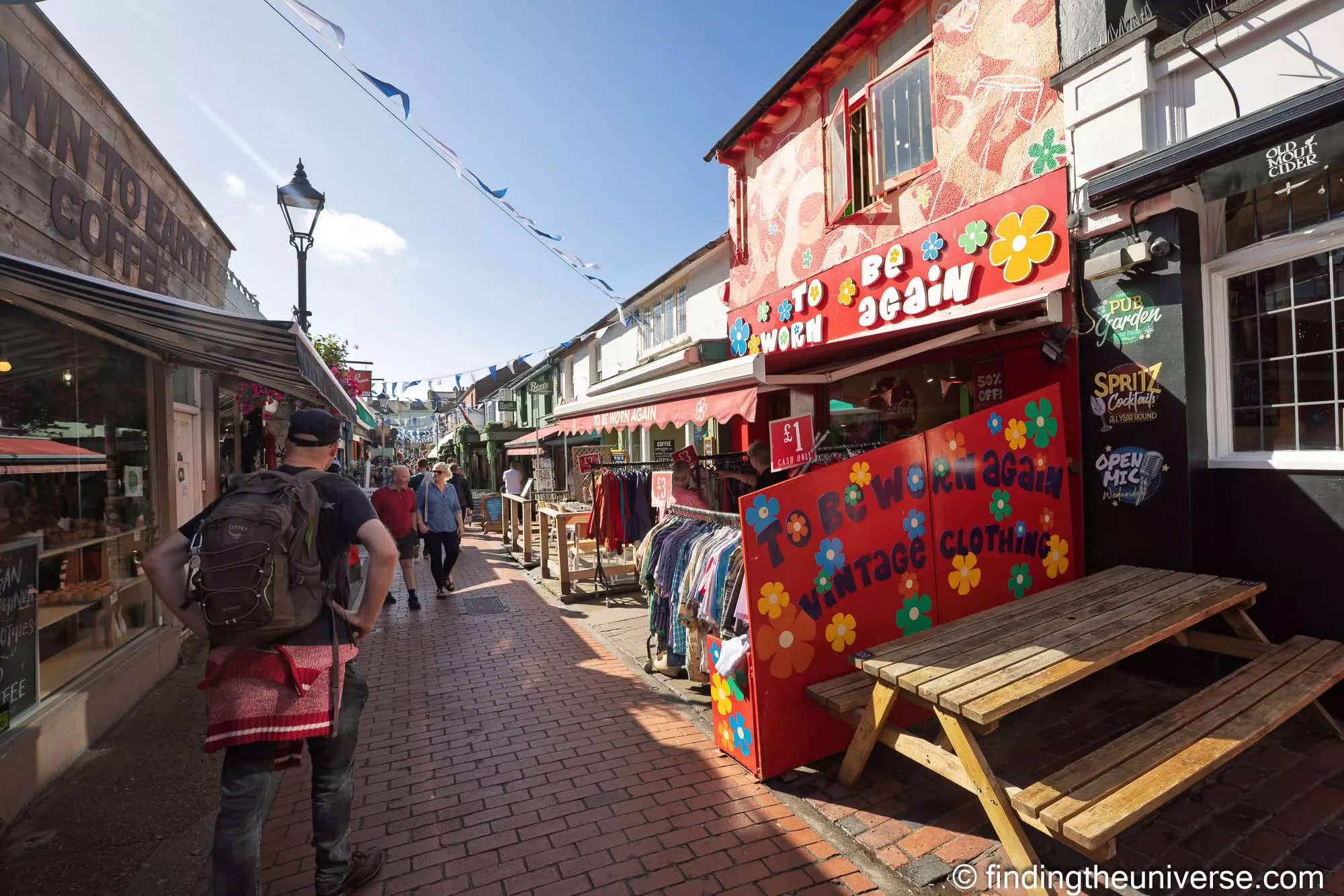
Start in North Laine, the grid of streets directly between the station and the Pavilion, because you walk through it anyway and it costs you no extra time. This is the Brighton people picture: independent record shops, vintage clothing, kitchen-supply shops, vegan cafés, and a small daily street market on Gardner Street. Give it an hour with a coffee in hand and you’ve eased into the city before anything has even opened.
Don’t muddle North Laine with the Lanes, which trips up a lot of first-timers. North Laine is the bigger, scruffier, shopping-led area near the station. The Lanes are the narrow historic alleys closer to the sea, and you’ll hit those after the museum.
Brighton Toy and Model Museum
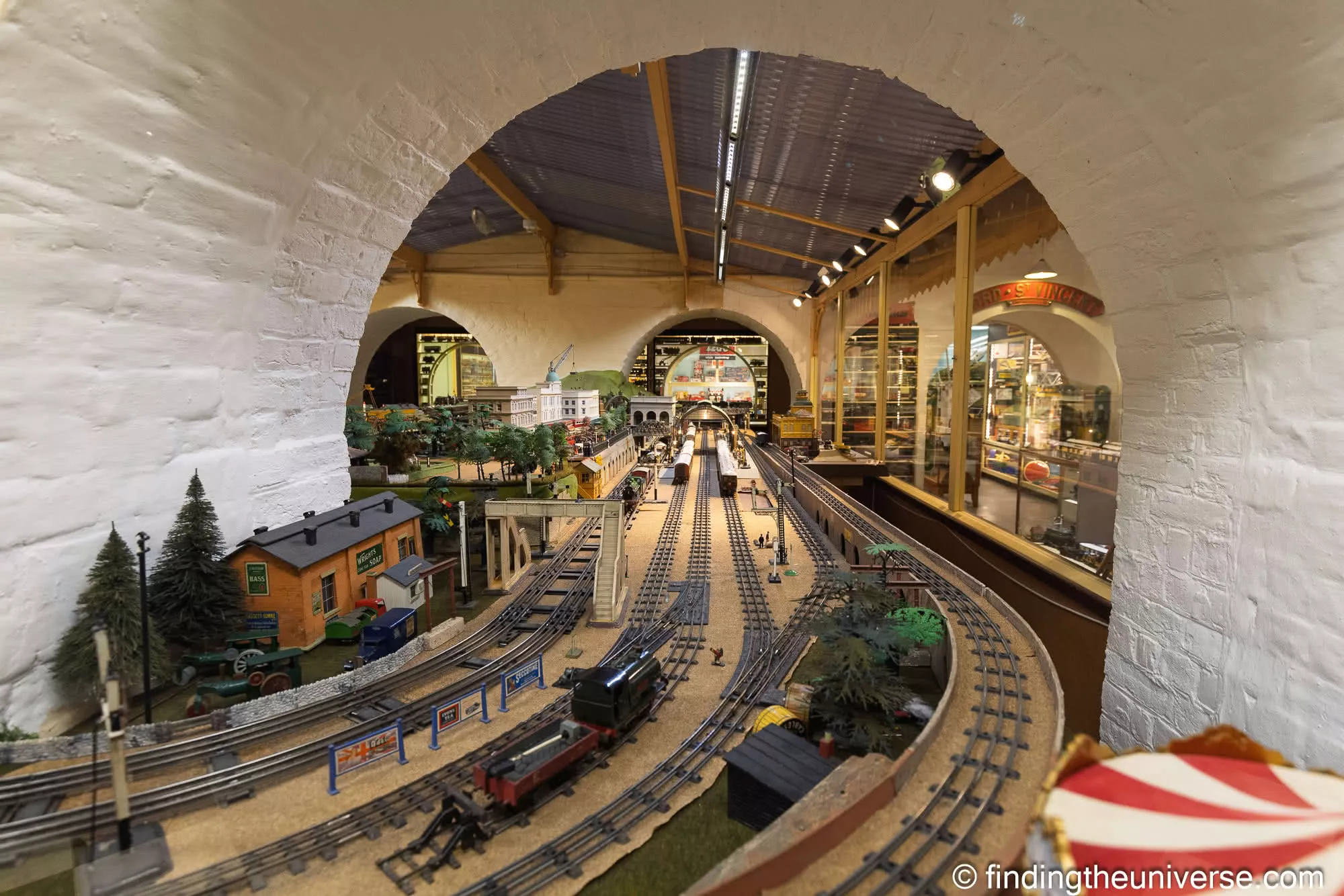
This is the stop that started the whole guide, and it’s an easy one to overlook. The Brighton Toy and Model Museum is tucked into the early Victorian railway arches directly underneath the station on Trafalgar Street, so it’s a two-minute walk back from North Laine. Inside is a dense, slightly bonkers collection of model trains, tin toys, dolls, puppets, and working layouts.
I came the first time half expecting a quick ten minutes and stayed a proper hour, and I’ve watched plenty of adults who walked in to humour a child do exactly the same.
Adult entry is £8, and the museum opens at 11am on a Saturday, which is why it sits second in the day rather than first. The thing to burn into your memory is that it’s closed on Sundays and Mondays. If your weekend runs Sunday into Monday rather than Saturday into Sunday, this is the stop you’ll miss, so plan the rest of the day around catching it while it’s open. Opening hours here can shift, so it’s worth a quick look at the museum’s own times and prices page before you go.
The Lanes
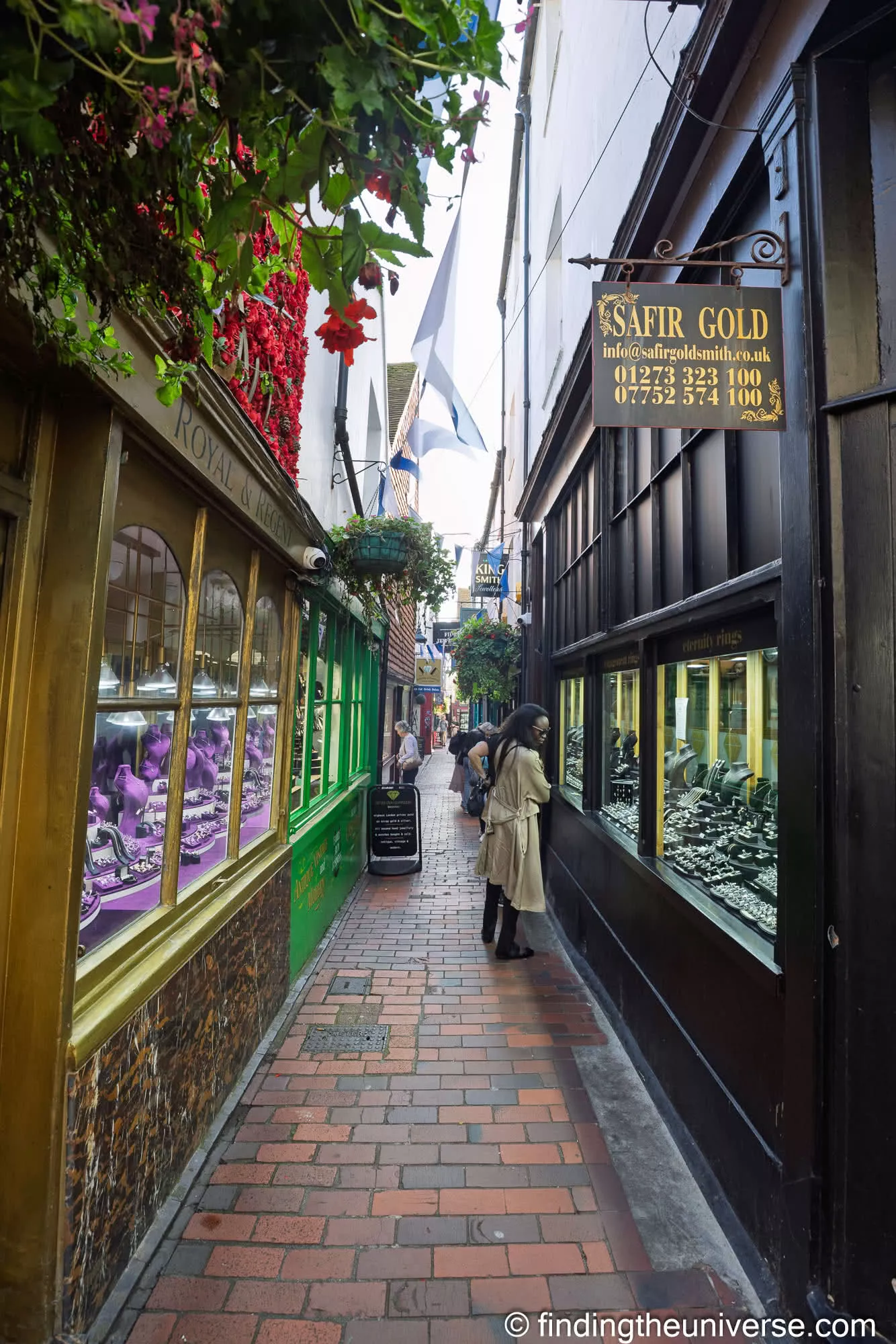
The Lanes are the tangle of narrow pedestrian alleys between the Pavilion and the seafront, the old fishing town turned over to jewellers, independent boutiques, pubs, and restaurants. They’re the obvious place for lunch on Day 1, and getting a bit lost in them is part of the fun, since they’re small enough that you can’t stay lost for long.
I won’t send you to a specific table, and I’d be wary of any guide that does, because Brighton’s food scene turns over fast and last year’s favourite is this year’s building site.
The reliable move is to step one street back from the busiest thoroughfares, away from the places with someone outside waving a menu at you, where the cooking is better and the prices are kinder. Brighton does vegetarian and vegan food better than almost anywhere outside London, so whatever you eat you’ll be spoiled. There’s more on how I’d eat across the weekend further down.
The Royal Pavilion
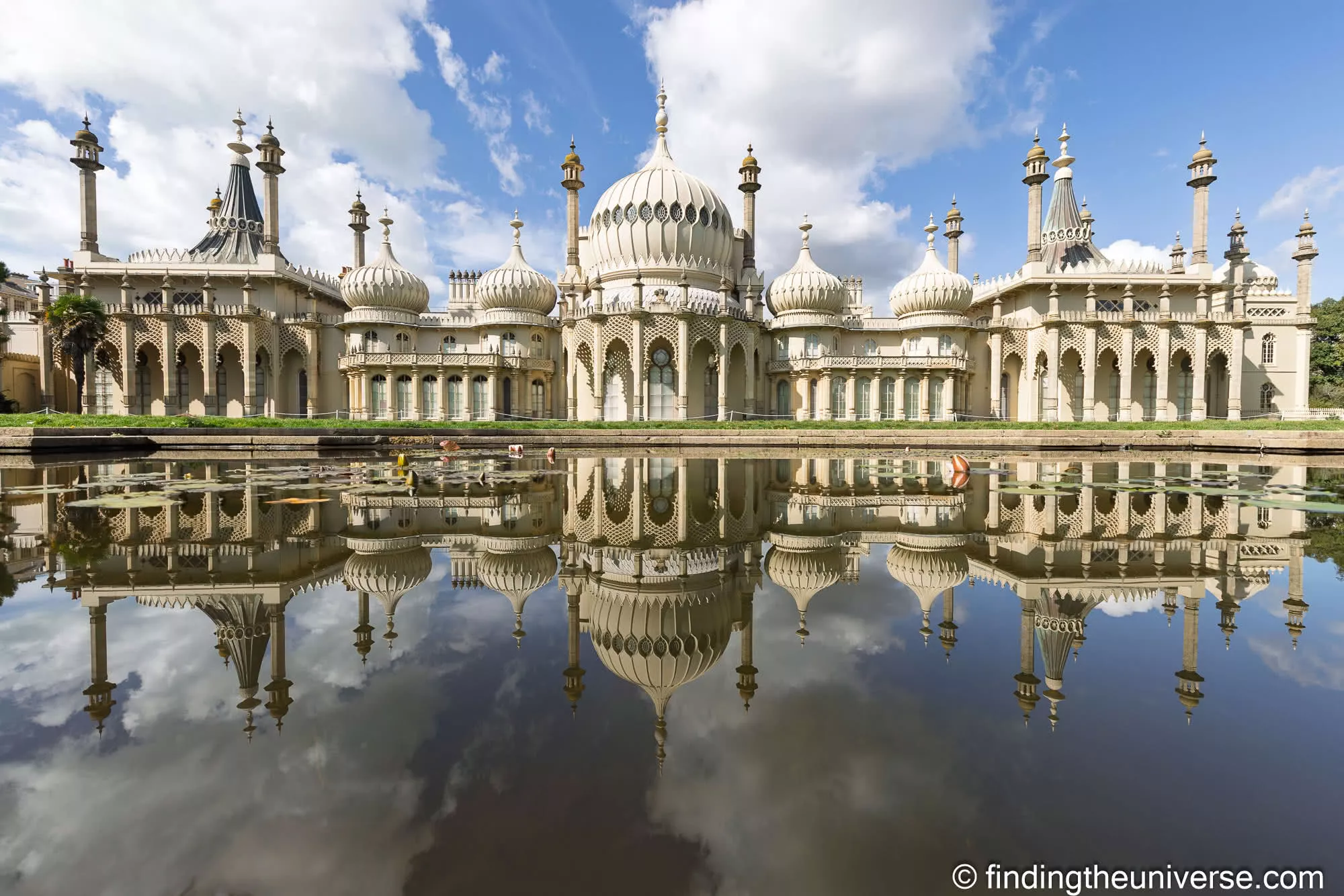
If you do one paid attraction in Brighton, make it the Royal Pavilion. There’s nothing else like it in Britain: a former royal seaside palace built for the Prince Regent in the early 1800s, with an Indian-inspired exterior of domes and minarets and a Chinese-inspired interior that gets more extravagant room by room. From outside it looks faintly absurd, dropped into the middle of an English seaside town. Inside, the banqueting room and the music room alone are worth the ticket.
Adult entry is £21.50 on the door, or about £20.40 if you book online in advance for 5% off. You don’t have to pre-book, and on a normal day you’ll walk straight in, but a sunny summer Saturday is the exception, when a queue builds and booking ahead on GetYourGuide is worth it.
Hours move with the season, which often catches people out: from April to September it’s open 9:30am to 5:45pm with last admission at 5pm, and from October to March it’s 10am to 5:15pm with last admission at 4:30pm. Give yourself 90 minutes inside and go in the early afternoon, as above, and you’ll never be racing the last entry.
Brighton Museum and Art Gallery
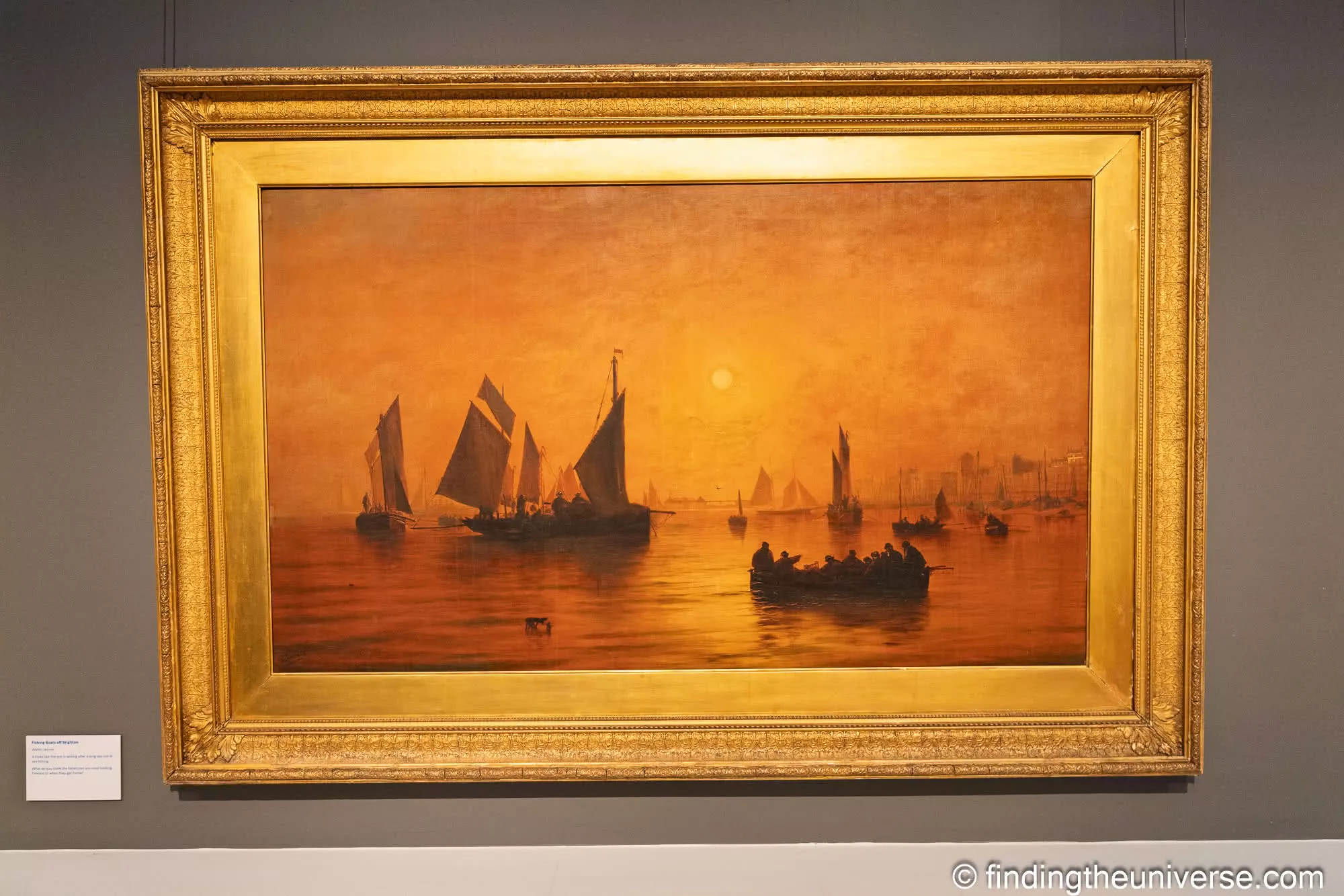
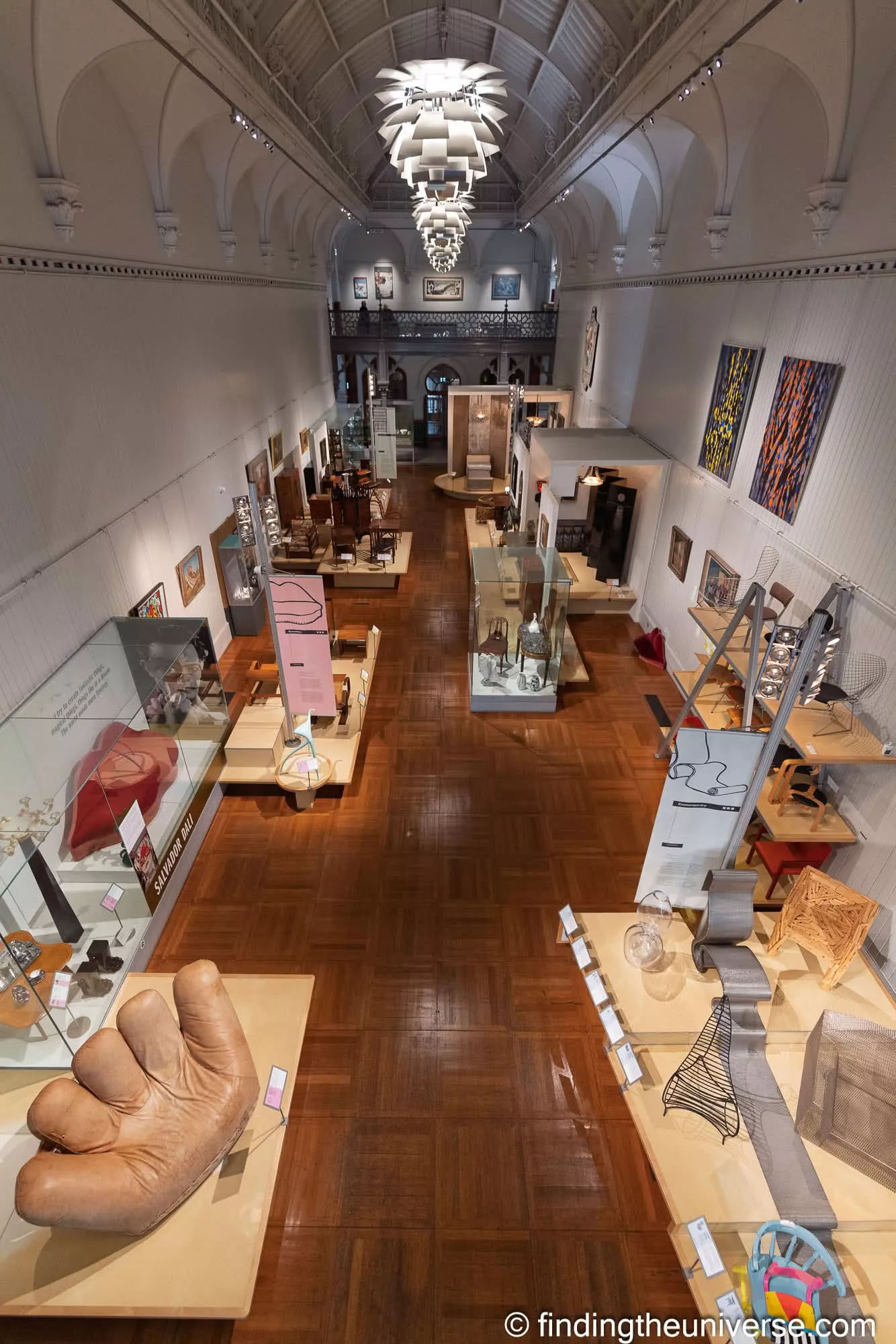
The Museum and Art Gallery sits in the Pavilion Gardens, a two-minute walk across the same estate, which makes it the natural pairing with the Pavilion and the second of the two museums I think a weekend should make room for. It’s a proper city museum: Brighton’s own social history, a strong twentieth-century design and decorative-art collection, world art, and a local-history gallery that does a good job of explaining how a fishing village became the seaside city it is. After the sensory overload of the Pavilion, it’s a calmer hour.
One thing to get right, because the search results are out of date on it: entry is £10.50 for an adult, and it’s paid for everyone. Brighton and Hove residents get a discount rather than free entry, so if you’re visiting from out of town, budget the full price. The ticket is valid for a year of return visits, which is little use on a weekend but good to know.
It’s open Tuesday to Sunday, 10am to 5pm, and closed on Mondays, which is another reason Saturday is the day for this run. You can check current details on the museum’s plan-your-visit page.
Brighton Palace Pier
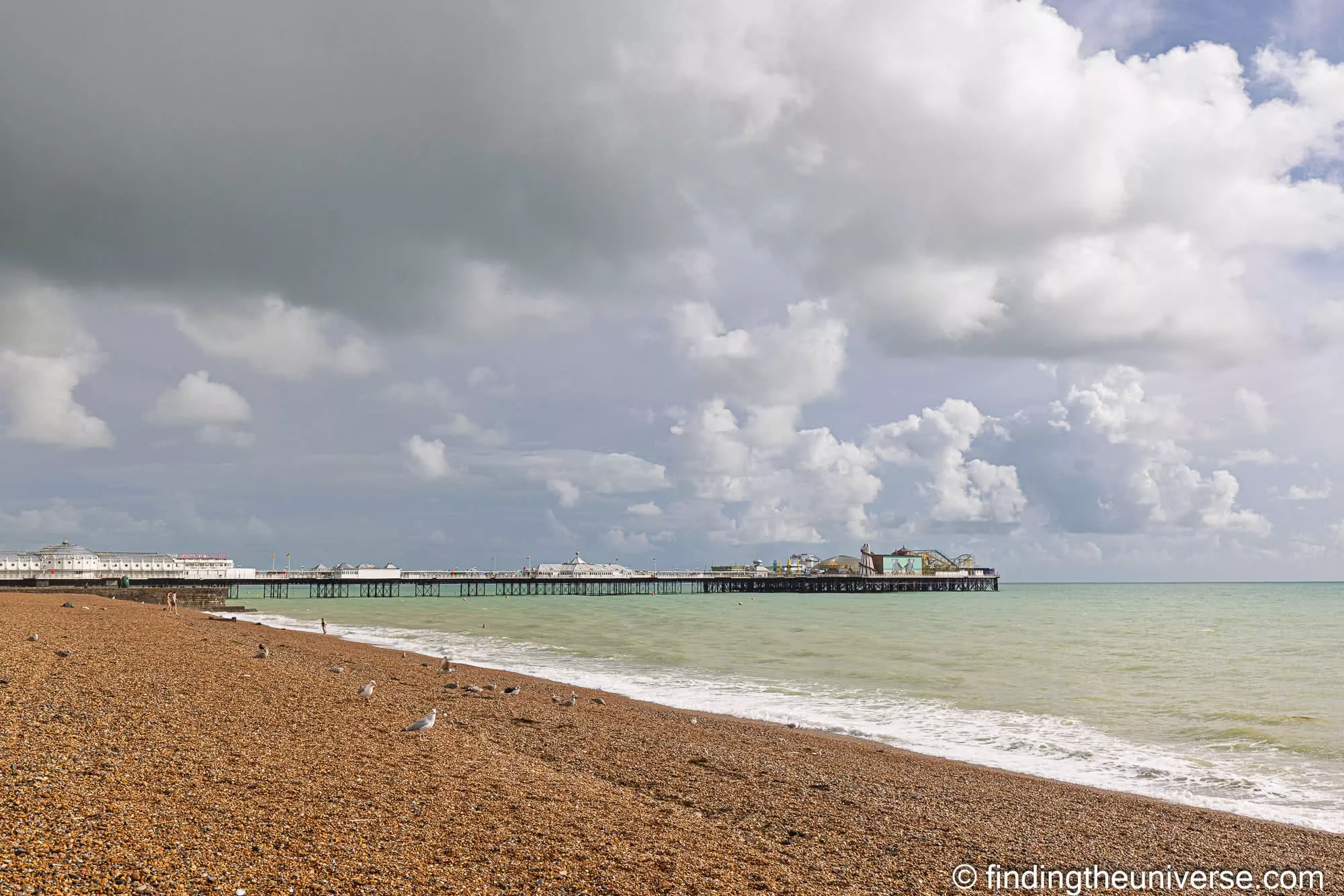
You can’t do Brighton without the pier, even if it’s only to walk to the end and back. Brighton Palace Pier is the classic Victorian pleasure pier: arcades, fairground rides, doughnut and fish-and-chip stalls, and the smell of sugar and frying oil drifting down the beach. It’s tacky and I love it, and it’s the photo you send people to prove you made it to the seaside.
One thing older guides get wrong: the pier is no longer free to walk onto at all times. As of 2026 there’s a £1 admission charge during peak periods, roughly across spring and summer, though entry is still free outside those times and in the evening once the rides wind down. Rides are paid for separately on top, either per ride or with an unlimited wristband that runs to £20 or more, which adds up fast with kids, so decide in advance whether it’s rides or just a walk and an ice cream.
The seafront, the West Pier and the i360
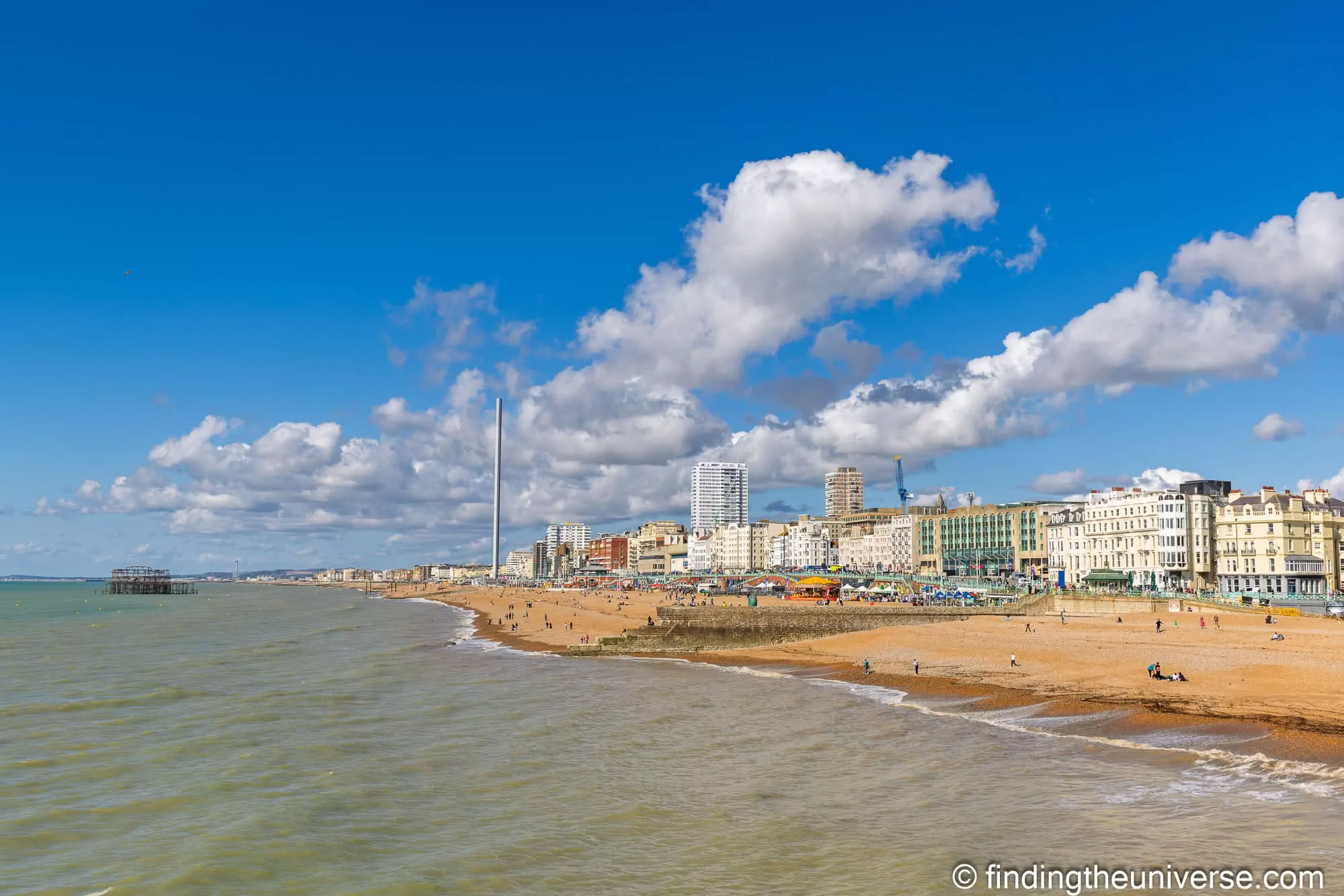
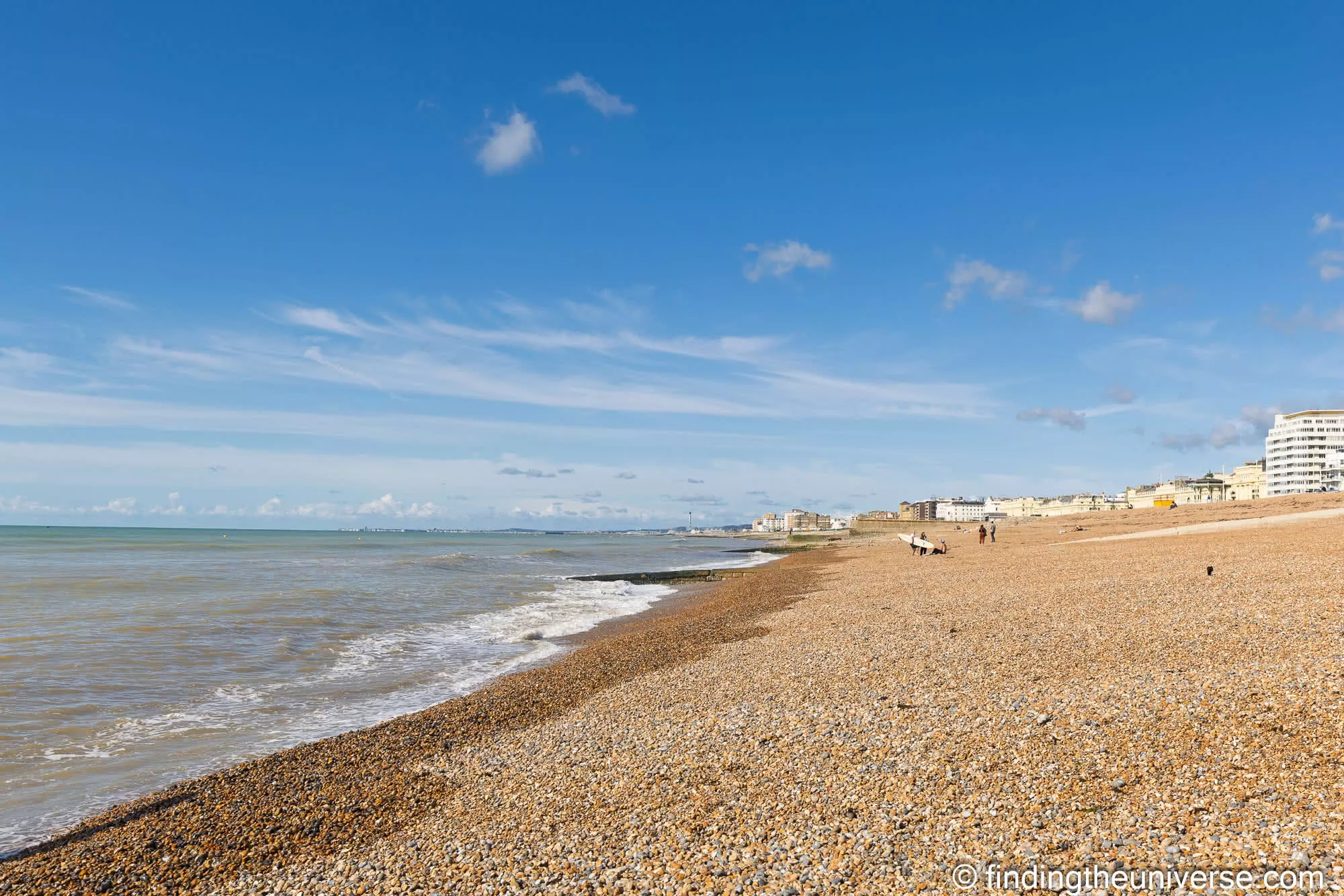
Walking west from the pier puts you on the main promenade, and the first thing to know is that Brighton’s beach is pebbles rather than sand. A lot of first-timers turn up expecting to dig their toes in and only find out when they go to sit down. Wear shoes you can cross shingle in, and if you fancy settling for a while, the deckchair hire is a couple of pounds well spent. The trade-off is that the water stays clearer than it would over sand.
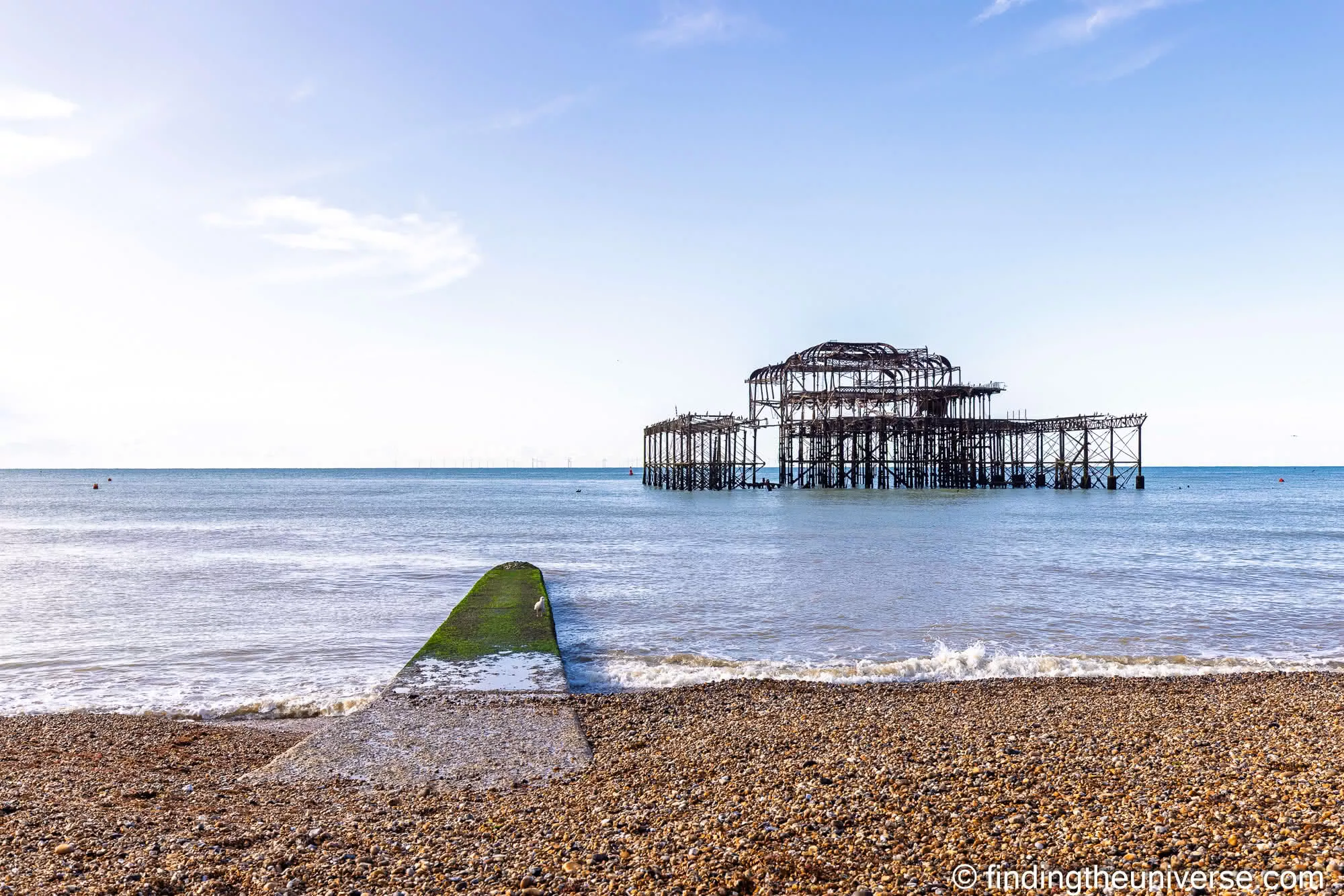
A little further along stand the burnt-out remains of the West Pier, which collapsed after a fire in 2003 and has been left as a skeleton out in the water. It’s one of the most photographed things in Brighton precisely because it’s a ruin.
At its root is the Brighton i360, the slim observation tower that lifts you 138 metres up in a glass pod for a slow rotation and a view out to the South Downs one way and along the coast the other. A standard adult ticket is £18.50, with a flexible anytime ticket at £23, and the sunset flights sell out, so if a clear evening is the plan, book ahead on the Brighton i360 site earlier in the day.
It’s the one stop I’d happily drop if the weather has closed in, because a flat grey sky takes most of the point away. One update on older guides: this used to be the British Airways i360, but that naming deal has ended and it’s now simply the Brighton i360.
One warning that sounds like a joke until it happens: the seagulls here are bold, and they will go for your chips. Eat with your back to a wall and don’t hold food out at arm’s length admiring it. I’ve lost a chip or two over the years and watched worse befall other people.
Day 2: the wider city
Day 2 is a Sunday, and it’s deliberately gentler than the first. With the central sights done, you head east along the coast for the aquarium, the Marina, and the Regency streets of Kemp Town, with the option to swap the afternoon for a half day up on the Downs if you’ve energy to spare. Nothing here is as time-pressured as Day 1, so this is the day to let a long lunch or a beach hour run over.
| Time | Where | Roughly |
|---|---|---|
| 9:30am | Breakfast and the seafront | 45 min |
| 10:15am | SEA LIFE Brighton | About 90 min |
| 11:50am | Volk’s Electric Railway east | 15 min |
| 12:10pm | Brighton Marina, lunch on the boardwalk | 90 min |
| 1:45pm | Kemp Town: Regency squares and beach time | 2 to 3 hours |
| 7:00pm | Dinner in Kemptown or on the seafront |
SEA LIFE Brighton
SEA LIFE Brighton is the obvious first stop on Day 2, partly because it’s right by the pier where Day 1 finished and partly for the bragging rights. Opened in 1872, it’s the world’s oldest aquarium still in operation, and the Victorian hall it sits in, all arches and pillars, has far more character than the modern tanks bolted into it. It makes a good rainy-morning option too, since it’s all indoors.
It’s open seven days a week, roughly 10am to 5pm with last entry at 4pm, though hours shift by date. Tickets are cheaper booked online in advance, from £15, against up to £21.50 if you walk up on the day, so this is one to book on the Tiqets before you go. Give it about 90 minutes.
Volk’s Electric Railway and Brighton Marina
From beside the aquarium, hop on Volk’s Electric Railway for the short trundle east along the lower promenade. It’s a small pleasure in its own right, and at over 140 years old it’s a piece of living history rather than a museum piece. Remember it only runs late March to late October; outside that window it’s a seafront walk or a bus instead.
The railway brings you down towards Brighton Marina, the largest in the UK, where a boardwalk of restaurants, an eight-screen cinema, and boat trips fill an easy hour or two over lunch.
I’d keep your expectations level here. The Marina is more of a functional leisure complex than a postcard, heavy on chain dining, and I wouldn’t name a specific restaurant because the units turn over. It’s a pleasant, low-effort middle of the day rather than a highlight, and if the weather is good you may prefer to skip straight to Kemp Town and the beach.
Kemp Town
Kemp Town is where I’d spend the back half of Day 2. Just east of the pier, it’s Brighton’s handsome Regency quarter, all cream-painted crescents and garden squares that wouldn’t look out of place in Bath, with a village stretch of independent shops, cafes, and some of the city’s best low-key restaurants threaded through it. It has a relaxed, lived-in feel that the seafront tourist strip doesn’t, and it’s where friends who live in the city tend to steer me for an unhurried afternoon and dinner. And if the Bath comparison has you curious, Bath is worth a trip of its own.
There’s no ticket and no rush. Wander the squares, drop down to a quieter stretch of beach below them, browse the shops along St James’s Street, and let the afternoon drift towards an early evening drink. If the weather’s warm, the beach here is calmer than the busy central stretch by the pier.
Optional swap: Devil’s Dyke and the South Downs
If you’d rather trade the Kemp Town afternoon for some open country, Devil’s Dyke is the swap to make. It’s a dramatic dry valley on the South Downs just north of the city, with huge views back over the Weald and out to sea, and it’s free to access since it’s open downland.
The Breeze bus route 77 runs there from central Brighton, passing the station and the pier on the way, and takes about 30 minutes each way. It runs daily in summer and at weekends and on bank holidays the rest of the year, so a Saturday or Sunday is covered whatever the season, but it’s roughly every 45 to 75 minutes rather than turn-up-and-go, so check the return time before you walk off across the hills.
Budget a half day for it. There’s a pub up top, the Devil’s Dyke, run by Vintage Inns, for a drink with a view before the bus back. If you’re driving instead, the site is free but parking is paid. You can check access and seasonal details on the National Trust’s Devil’s Dyke page. Of course, I’d only make this swap in decent weather, since the whole reward is the view.
Where to stay in Brighton
Stay near the Lanes and the seafront and you can walk to everything in this guide, which is the whole reason to come without a car. The central streets put you in the middle of the action but can be noisy on a weekend night; Kemp Town, just east, is quieter and more residential while still a short walk or bus from the centre. Here’s how I’d think about it across three budgets.
| Budget | My pick | Why it works |
|---|---|---|
| Budget | Kipps Brighton | A central guesthouse opposite the Royal Pavilion with private doubles and family rooms as well as dorms, and an easy walk to everything. |
| Mid-range | Q Square by Supercity | A self-catering aparthotel I stayed in on a longer recent trip. Being able to cook for yourself saves real money over a weekend, and it’s central. |
| Boutique | Artist Residence | A characterful small hotel in a pair of Regency townhouses by the West Pier, with sea views from many rooms if you want a treat without the grand-hotel price. |
| Luxury | The Grand Brighton | The Victorian seafront landmark, with sea-view rooms, a spa, and afternoon tea. The full Brighton blow-out. |
Whichever way you go, book ahead for a summer weekend. Brighton fills up for Pride, festival season, and any spell of good weather, and the central places are the first to sell out. The aparthotel option is the one I’d push hardest for two nights, simply because a kitchen and a bit of space change how a weekend feels, and breakfast at home beats queuing for it.
Where and what to eat
Food is one of the real reasons to give Brighton a weekend, but I won’t hand you a list of named restaurants, because the city’s food scene moves quicker than any guide can keep up with, and there’s nothing worse than turning up to a glowing recommendation that shut six months ago. What I can give you is where to point yourself for each part of the day, which has held true across years of visits.
For breakfast and brunch, North Laine is your area. It’s full of independent cafés and the city’s strong vegetarian and vegan scene shows up best at this end of the day. For lunch, the Lanes work on Day 1, with the same rule as always: one street back from the crowds is where the good, fairly-priced cooking hides.
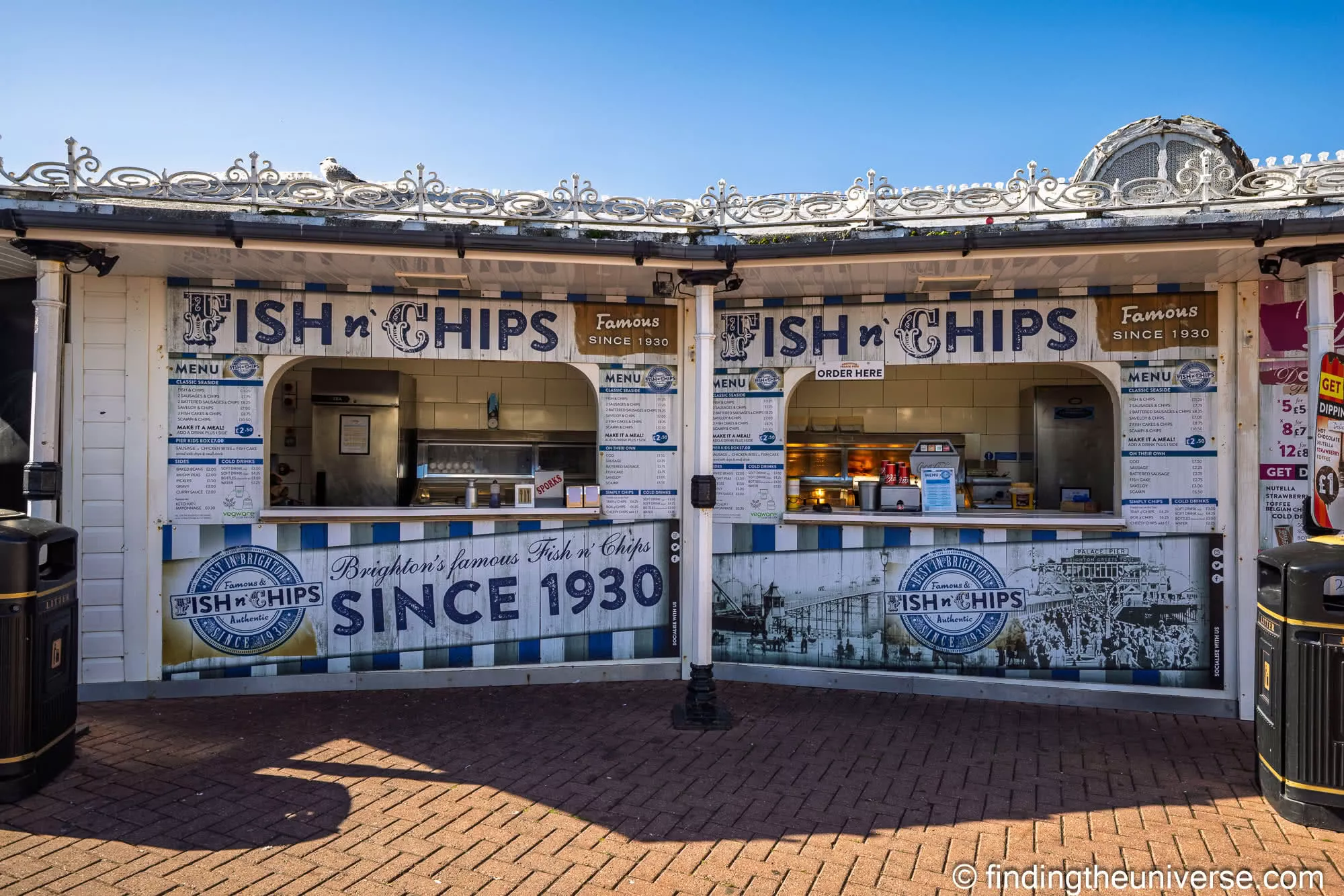
On the seafront, fish and chips eaten out of the paper while you watch the waves is the move, seagulls permitting, and the pier doughnuts are worth the queue once. For dinner, Kemptown is where I’d steer you on a relaxed evening, away from the seafront tourist prices and towards the kind of small places locals actually book. The general principle across the whole weekend: walk away from anywhere with a host trying to wave you in off the street, and you’ll eat well.
What a Brighton weekend costs
Here’s roughly what the headline items add up to, so you can budget before you go. These are the prices we found in June 2026. Check the operator pages before you travel, since attraction tickets tend to creep up most years.
| Item | Price | Notes |
|---|---|---|
| Train (off-peak day return from London) | Around £37 to £38 | Off-peak from 9:30am on weekdays, all day at weekends |
| Brighton Toy and Model Museum (adult) | £8 | Closed Sundays and Mondays; opens 11am Saturday |
| Royal Pavilion (adult) | £21.50, or £20.40 online | Walk-up available; booking online saves 5% |
| Brighton Museum and Art Gallery (adult) | £10.50 | Paid for everyone; ticket valid a year |
| SEA LIFE Brighton (adult) | From £15 online | Up to £21.50 on the day; cheaper booked ahead |
| Brighton i360 (adult) | £18.50 | Standard timed ticket; £23 flexible anytime |
| Brighton Palace Pier entry | £1 in peak periods | Free off-peak and in the evening; rides extra |
| Volk’s Electric Railway | A few pounds return | Late March to late October only |
Stack two nights’ accommodation on top of that and Brighton is a moderately priced weekend rather than a cheap one, though it scales with how you do it. Lean on the free stuff: the beach, the seafront, North Laine, the Lanes, and Kemp Town, pick and choose a couple of the paid attractions rather than all of them, and cook a breakfast or two if you’ve a kitchen, and a weekend here needn’t cost the earth.
A few pointers before you go
These are the small lessons I’ve picked up over years of Brighton weekends, the ones that turn a good trip into a smooth one.
- Build the weekend around a Saturday if you can. The Toy and Model Museum and the Museum and Art Gallery both close on certain days (Sunday and Monday for the toy museum, Monday for the Museum and Art Gallery), so a Saturday-into-Sunday weekend catches everything.
- Wear shoes you can walk on pebbles in. The beach is shingle and the central loop runs to a few kilometres, so leave the going-out shoes at home. Our London and UK packing list covers the rest of what to bring for British weather.
- Mind the seagulls. They really will take food straight from your hand! Eat with your back to something solid.
- Book the Pavilion, the i360, and SEA LIFE ahead on a summer weekend. You’ll usually walk up fine midweek or off-season, but a sunny Saturday is when the queues and the sold-out sunset flights bite.
- Volk’s railway is seasonal. It runs late March to late October, so out of that window plan Day 2 on foot or by bus along the seafront.
- In winter, lean indoors. The light goes by around 4:30pm in December, so I front-load the two museums, the Pavilion, and SEA LIFE, all of which work in any weather, and save the seafront for whatever daylight you get.
Brighton weekend FAQ
Is two days enough for Brighton?
Yes, two days is the ideal length for a first proper visit. A weekend gives you the central sights, which is to say the Royal Pavilion, the two museums, the pier, and the Lanes, on Day 1, plus the wider city and the seafront on Day 2, with time left for a Brighton evening that a day trip can’t fit in.
If you want to add the South Downs or a long beach morning, two nights gives you the breathing room to do it without rushing.
Is Brighton worth visiting for a weekend?
Very much so, especially if you want a seaside city with more going on than a typical beach town. The mix of the Royal Pavilion, an independent food and shopping scene, a famous pier, and the South Downs on the doorstep gives a weekend plenty of variety.
It’s at its best from late spring to early autumn, when the seafront is in full swing and Volk’s railway is running, though the indoor sights make it a decent winter break too.
How do you get to Brighton from London?
By direct train in about an hour. London Victoria runs the fastest services at around 58 minutes, and London Bridge is roughly 60 to 65 minutes on the Thameslink line, with trains every 15 to 30 minutes through the day.
Leave London at 9:30am or later on a weekday for the cheaper off-peak return, which is around £37 to £38. The car is not worth the parking hassle once you’re here.
What is the best area to stay in Brighton for a weekend?
Near the Lanes and the seafront for your first visit, since it puts the main sights, the beach, and the nightlife within an easy walk. It’s lively, which is the point, though it can be noisy late on a weekend.
For somewhere quieter that’s still close in, Kemp Town just east of the centre is more residential and has some of the city’s best low-key restaurants, a short walk or bus from everything.
Do you need a car in Brighton?
No, and I’d actively recommend against bringing one. The central sights sit in a walkable loop, the train from London drops you right in the centre, and central parking is expensive and scarce.
For the wider city you have Volk’s railway in season, local buses, and Beryl e-bikes, and even Devil’s Dyke is reachable by the Breeze 77 bus, so a car only makes sense if you’re touring the wider Sussex coast.
What is there to do in Brighton when it rains?
Plenty, which is part of why it works as a weekend rather than a fair-weather day trip. The Royal Pavilion, the Brighton Museum and Art Gallery, the Toy and Model Museum, and SEA LIFE are all indoors and easily fill a wet day between them.
Add the covered arcades of the pier, the shops of North Laine and the Lanes, and a long lunch, and a rainy Brighton day looks after itself.
Further reading
If you’re planning around Brighton, a few of our other guides pair well with a weekend here:
- Our Brighton day trip from London if a weekend is more than you have time for and you want to do it in a single day.
- Our two days in Bath itinerary for another English weekend-break city in the same vein.
- Our two-day London itinerary if you’re pairing Brighton with a few days in the capital first.
- For a guidebook to take further afield, we use and recommend Rick Steves England, which covers Brighton and the rest of the country in the planning-first style we like.
Brighton is a place I’m always happy to visit, and two days is the perfect length to let you explore: the museums on the Saturday, the wider city and the sea on the Sunday, and a proper dinner each night with no train to catch. Plan the train, base yourself near the Lanes, mind the seagulls, and you’ve got one of the best weekends on the south coast!
Leave a Reply