
We’ve used the Go City Dublin Pass on multiple visits to Dublin, and we’re often asked is it actually worth buying?
The short answer is yes, for most visitors spending one to three days sightseeing in Dublin. The longer answer depends on what you want to see, how many attractions you plan to visit, and which version of the pass you choose. We’ll cover all of that in this guide.
Below, you’ll find everything you need to know about the Dublin Pass by Go City, including current pricing, what’s included (and what’s not), detailed savings breakdowns for different trip lengths, and our tips from having used it ourselves.
If you’re following one of our Dublin itineraries, this guide will help you decide whether the pass makes financial sense for your trip.
Table of Contents:
Is the Dublin Pass Worth It?
Let’s get straight to the question most people are here to answer. Based on our experience, the Dublin Pass is worth buying if you plan to visit at least four paid attractions during your time in Dublin. Three can do it if they’re all big-ticket ones, but four is the point where it stops being close. If your list includes some of the bigger-ticket experiences like the Guinness Storehouse, Jameson Distillery, or Dublin Zoo, the pass pays for itself fairly quickly. If you’re comparing it with passes in other cities, here’s our city-by-city GoCity pass verdict across eight cities.
For a one-day visit, you can realistically save around €43.50 to €53.50. Over two days, our sample itinerary saves €58 to €68, and over three days we’ve calculated savings of €75.50 to €85.50 compared to buying individual tickets. What drives that number is how many attractions you actually get through rather than how many days you hold the pass, and we break down the exact figures further on in this guide.
The pass also includes a day of hop-on hop-off bus travel, which is worth €35 to €37 on its own and is useful for getting between attractions that are spread across different parts of the city.
Where the pass is less worthwhile is if you only plan to visit one or two attractions, or if your interests lean towards Dublin’s many free museums and galleries. In those cases, you’d be better off buying individual tickets.
We go through the full pricing, savings tables, and tips below. But if you’ve already decided and just want to grab one, you can buy the Dublin Pass here. Use the code AFFGOALL at checkout for 5% off.
What is the Dublin Pass?
The Dublin Pass by Go City is a sightseeing pass for Dublin that gives you entry to over 35 paid attractions across the city, including many of the most popular sites.
You may see this pass called simply the Dublin Pass, which is how it was sold for years and how we first reviewed it. It is now branded the Go City Dublin Pass. Nothing about the product itself has changed (same pass, same attractions, same operator), only the name. We have stuck with “Dublin Pass” through the rest of this review, on the grounds that the full version is a bit of a mouthful.
The pass is entirely digital. After purchasing online, you receive a QR code by email which you can display on your phone using the Go City app, or print at home if you prefer not to rely on your smartphone.
There are now three versions of the Dublin Pass by Go City:
Dublin All-Inclusive Pass – Visit as many included attractions as you like within your chosen time period (1 to 5 consecutive days). This is the version we recommend for most visitors and the one this review focuses on.
Dublin Explorer Pass – Choose a set number of attractions (3, 4, 5 or 7) and visit them at your own pace within 30 days of activation. This suits visitors spending a longer time in Dublin who want flexibility without the pressure of fitting everything into consecutive days.
Dublin Essentials Pass – A newer, more limited option covering three attractions, valid for 30 days. Go City used to sell this as the Dublin Sights Pass, so you may still see it under the old name elsewhere. This is the budget-friendly option if you only want a handful of experiences.
This review focuses primarily on the All-Inclusive Pass, as it offers the best value for visitors spending one to three days sightseeing in Dublin.
What’s Included on the Dublin Pass?
The Dublin Pass All-Inclusive includes entry to over 35 attractions. Here are ten of the most popular:
- Guinness Storehouse
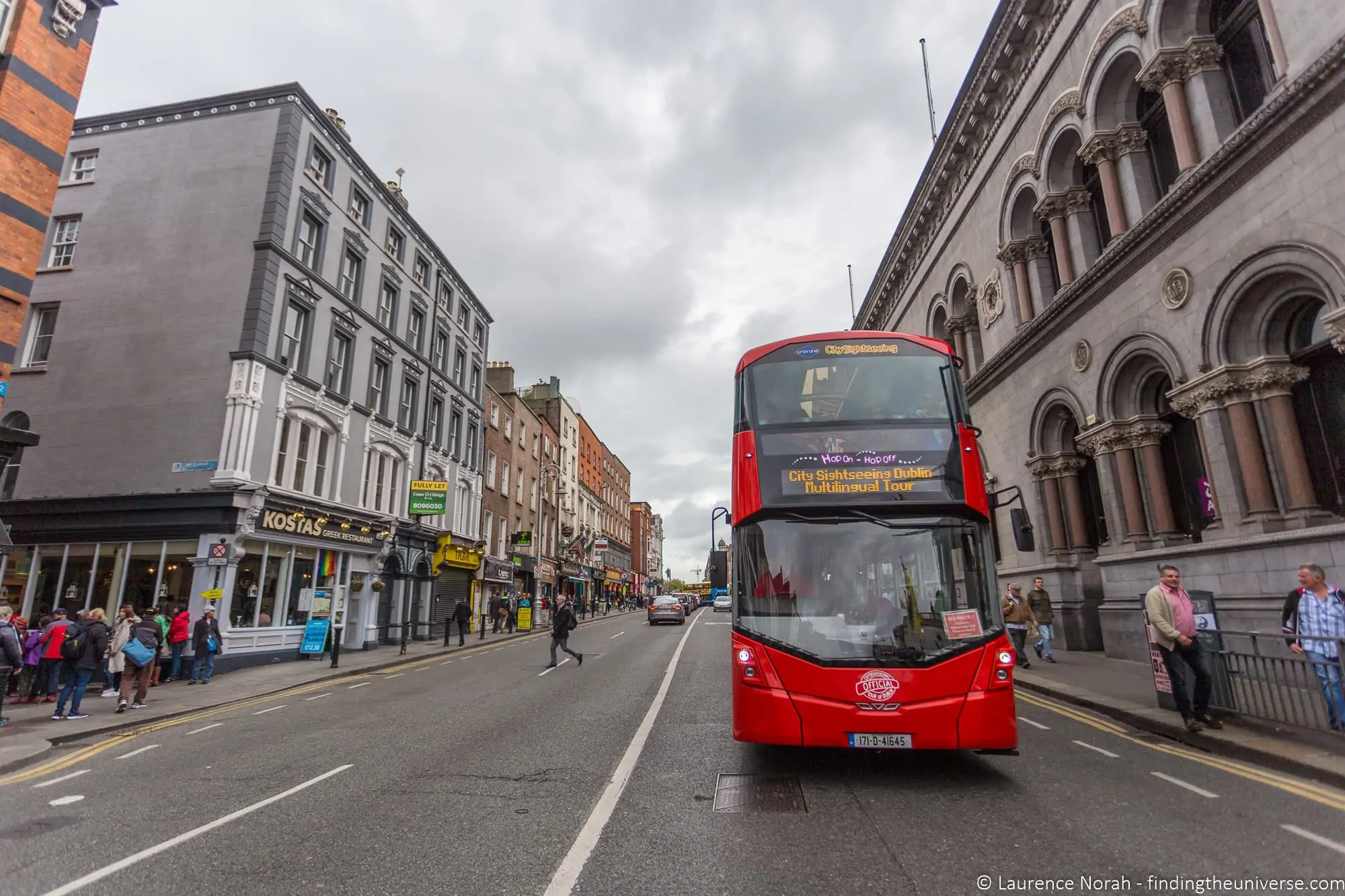
- Big Bus Dublin Hop-on Hop-off Tour
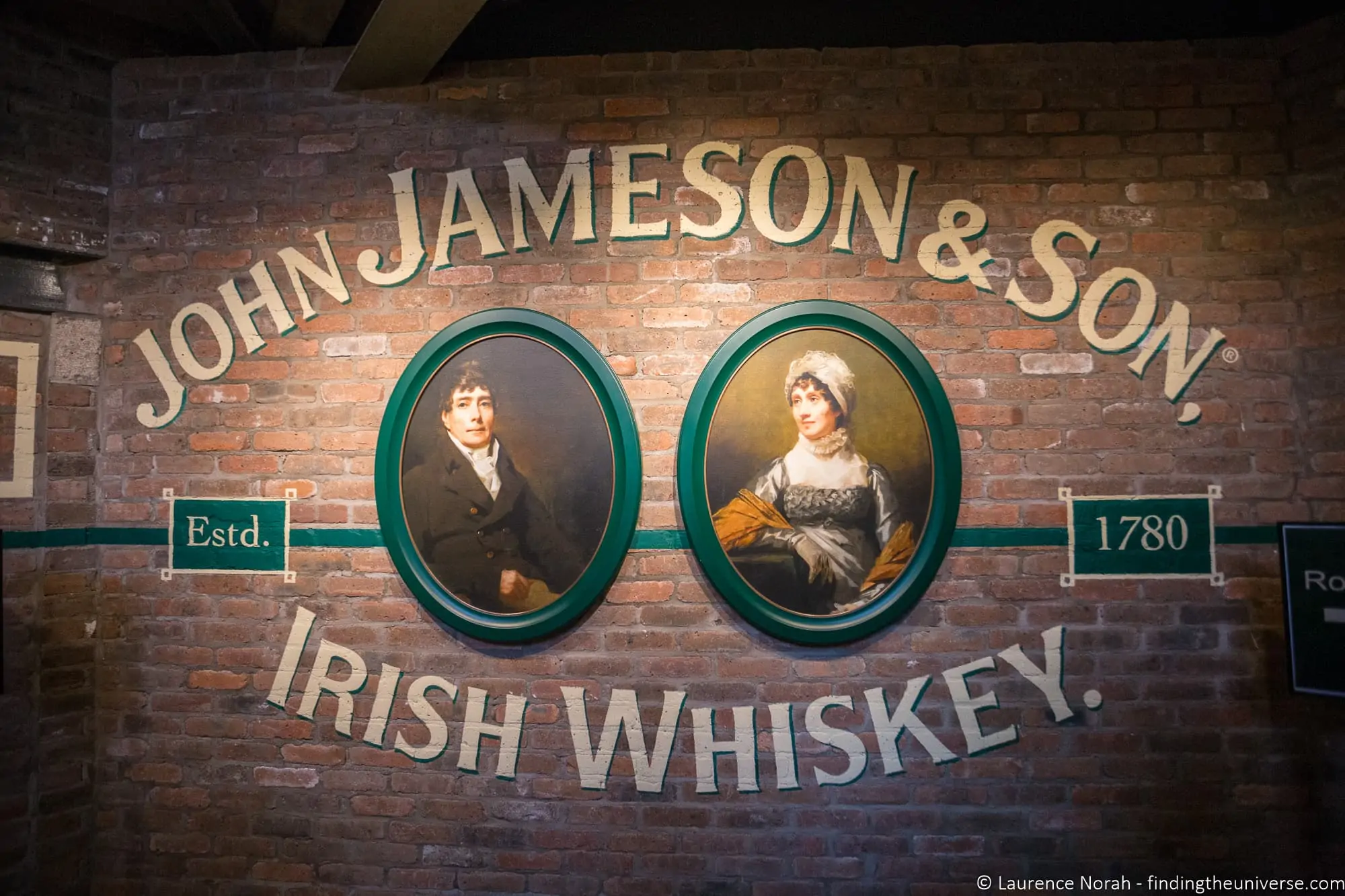
- Jameson Distillery Bow St.
- Teeling Whiskey Distillery
- Dublin Zoo
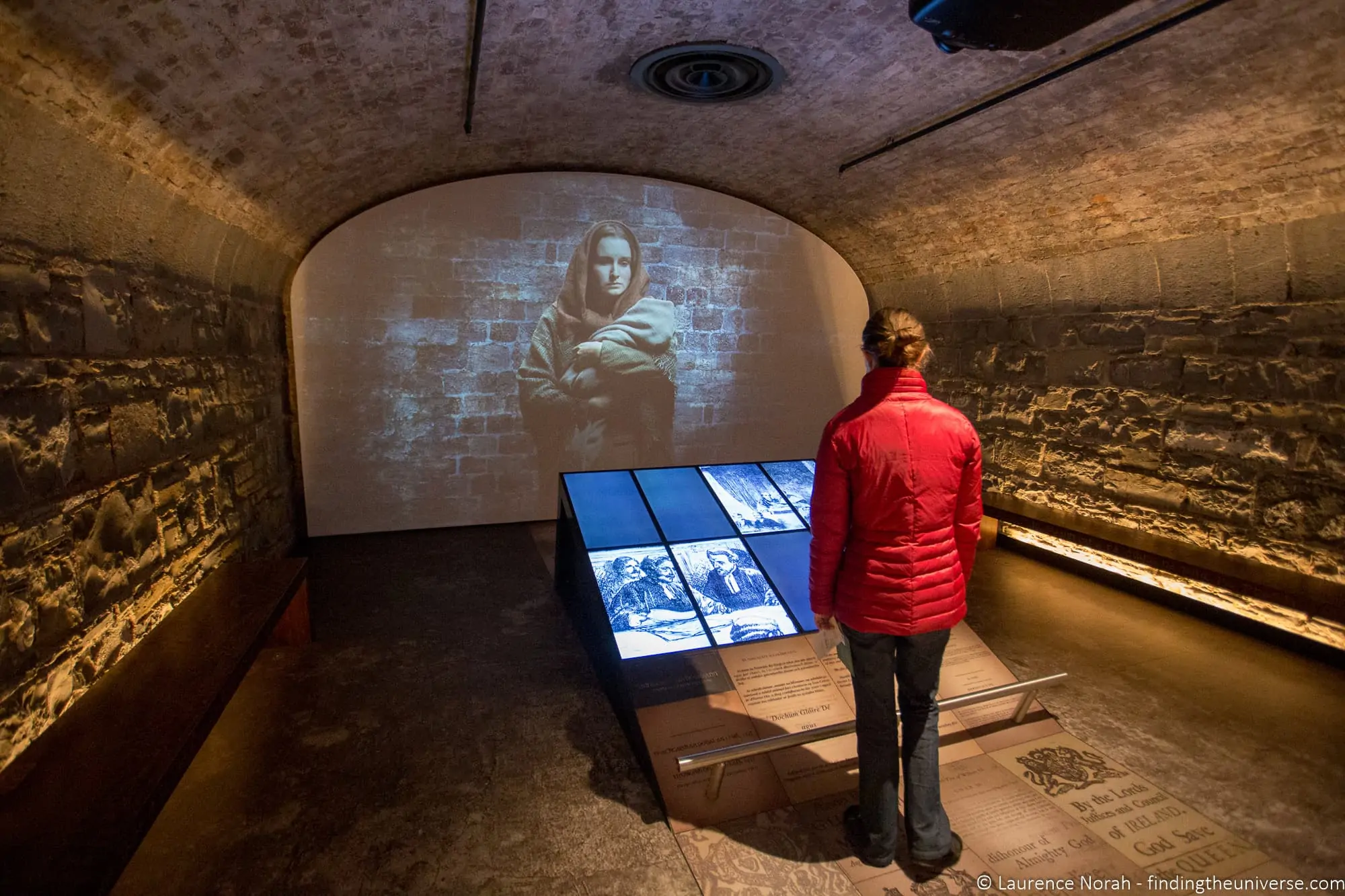
- EPIC The Irish Emigration Museum
- Dublinia
- Dublin Castle (closed to visitors until January 2027)
- Christ Church Cathedral
- St. Patrick’s Cathedral
Beyond these headline attractions, the pass covers a wide range of experiences including the Game of Thrones Studio Tour (transport from Dublin not included), the Irish Rock ‘n’ Roll Museum Experience, Malahide Castle, the GPO Museum, the Museum of Literature Ireland, and food and drinks walking tours.
You can see the complete and current list of included attractions on the Go City website.
A note on attraction availability: Go City adds and removes attractions from time to time, and a few things have changed recently. Dublin Castle is closed to visitors until January 2027 while the campus hosts Ireland’s EU Presidency. It’s still listed on the pass, flagged only as “closed for the season”, which rather undersells an eight month shutdown. Farmleigh House and Castletown House have both left the pass entirely. Farmleigh’s house is closed for the rest of 2026, although guided tours of the estate grounds still run daily at 11:30 and 14:30. Castletown House is open from 15 March to 4 November 2026, with adult entry at €10, but you’ll be paying for that one separately now. Always check the Go City app or website for the current lineup before planning your itinerary.

What’s Not Included on the Dublin Pass?
The Dublin Pass covers a lot, but there are some notable exclusions worth knowing about before you buy.
The biggest omission is the Book of Kells Experience at Trinity College, which starts at €26. This is one of Dublin’s most visited attractions and it is not included on any version of the Dublin Pass. The Long Room is open and part of the visit, but the Old Library redevelopment has emptied the shelves apart from the first four bays on the way in, so don’t go expecting the wall of books you’ve seen in photographs. The space is currently given over to an installation called Gaia instead.
Kilmainham Gaol is another popular attraction that is not included on the pass. It’s located a bit outside the city centre, though you can reach it via the hop-on hop-off bus, which has a stop nearby.
Other notable exclusions include Croke Park stadium tours and the National Leprechaun Museum.
We’d recommend checking the full attraction list on the Go City website against your wish list before purchasing to make sure the pass covers enough of what you want to see.
Does the Dublin Pass Include Transport?
The Dublin Pass does not include public transport in Dublin. It does include a day of Hop on Hop off bus travel in the city.
Types of Dublin Pass
There are three types of Dublin Pass, each suited to a different style of trip.
Dublin All-Inclusive Pass
This is the most popular option and the one we recommend for most visitors. It’s available in 1, 2, 3, 4 and 5 day versions. Once activated at your first attraction, you can visit as many included attractions as you like within your chosen number of consecutive calendar days.
The key word there is “calendar days”, not 24-hour periods. If you activate your pass at 3pm on a Monday, that Monday counts as Day 1, and your pass expires at midnight on the final day. So always activate in the morning to get the most out of it.
Dublin Explorer Pass
The Explorer Pass lets you choose 3, 4, 5 or 7 attractions to visit over a 30-day period from activation. This is a good option if you’re spending a longer time in Dublin or don’t want the pressure of cramming attractions into consecutive days.
The trade-off is that you’re limited to a set number of attractions rather than unlimited visits. For most short-stay visitors (one to three days), the All-Inclusive Pass works out better value.
Dublin Essentials Pass
The newest and most limited option, covering three attractions over a 30-day window. It’s €59 adult and €29 child. Go City sold this as the Dublin Sights Pass until recently, so you may still see it listed under the old name.
This is aimed at visitors who only want a few specific experiences rather than a full sightseeing programme. The savings are smaller, but it’s a lighter commitment.
One thing to be aware of: the attraction lineups for the All-Inclusive and Explorer passes aren’t identical. Most attractions are available on both, but a handful are exclusive to one or the other. For example, the Roe & Co Distillery and the nighttime city bus tour are only available on the Explorer Pass. Check the Go City attractions page to compare what’s included on each before you buy.
There is an adult and child version of each pass available. Children aged 5 to 15 qualify for the child rate. Children under 5 are free at most attractions.
You can compare all three passes and see current pricing on the Go City website.

How Much Does the Dublin Pass Cost?
Pricing for the Dublin Pass varies by duration and pass type. The prices below are the standard full prices as of August 2026. Go City runs periodic promotions, so you may find discounts when you check their site.
Dublin All-Inclusive Pass Pricing
1 Day Pass: €79 adult / €39 child
2 Day Pass: €109 adult / €54 child
3 Day Pass: €134 adult / €74 child
4 Day Pass: €149 adult / €89 child
5 Day Pass: €159 adult / €99 child
Dublin Explorer Pass Pricing
3 Attraction Pass: €69 adult / €34 child
4 Attraction Pass: €84 adult / €44 child
5 Attraction Pass: €99 adult / €49 child
7 Attraction Pass: €114 adult / €59 child
The Essentials Pass, which covers three attractions, is €59 adult and €29 child.
You can check the latest pricing on the Dublin Pass official website. We also recommend comparing with GetYourGuide as prices occasionally differ.
Tip: You can save 5% on the Dublin Pass with the code AFFGOALL at checkout on the Go City website.
What Are Purse Values?
One thing worth knowing about the All-Inclusive Pass is that each pass has a “purse value”, which is a cap on the total gate-price value of attractions you can visit. Go City measures that cap using standard gate prices rather than the online prices we’ve used in our savings tables below, so it stretches slightly further than it looks. In practice, this is very unlikely to affect your trip, as you would need to visit an unusually large number of attractions in a single day to hit it. But for transparency, the purse values are:
1 Day: €205 adult / €160 child
2 Day: €305 adult / €220 child
3 Day: €400 adult / €270 child
4 Day: €475 adult / €315 child
5 Day: €540 adult / €350 child
The Essentials Pass has a purse value of €85 adult and €60 child. The Explorer Pass doesn’t have a euro cap at all, because it’s already limited to a set number of attractions.
Given that even an ambitious day of sightseeing rarely exceeds €150 in gate prices, this cap is unlikely to matter for the vast majority of visitors. But it’s worth being aware of, particularly if you’re planning to visit a very large number of expensive attractions on a single-day pass.
Where to Buy the Dublin Pass?
You need to buy the Dublin Pass online. You can do this directly from the Go City website, or on a third-party site like GetYourGuide where you can also read reviews.
After purchase, the pass is delivered by email. You can display it on your phone using the Go City app (available for iOS and Android) or print the QR code at home. The app is the easier option as it also shows attraction details, reservation requirements, and a map of included sites.
If your plans change, unactivated passes bought from 1 May 2026 onwards can be refunded within 90 days of purchase. If you bought yours before that date, the older 30-day window still applies. Either way, there’s no risk in buying early.
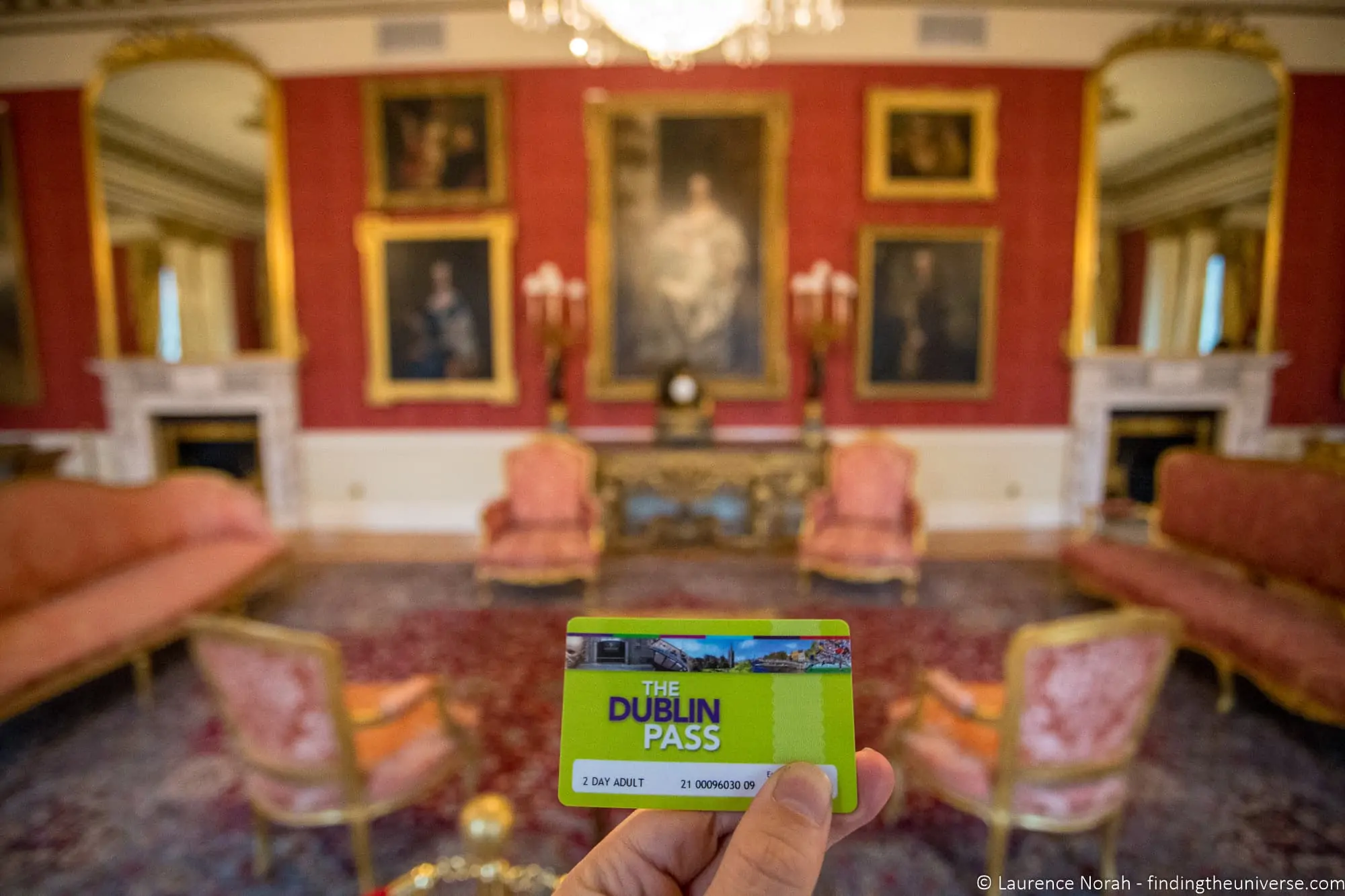
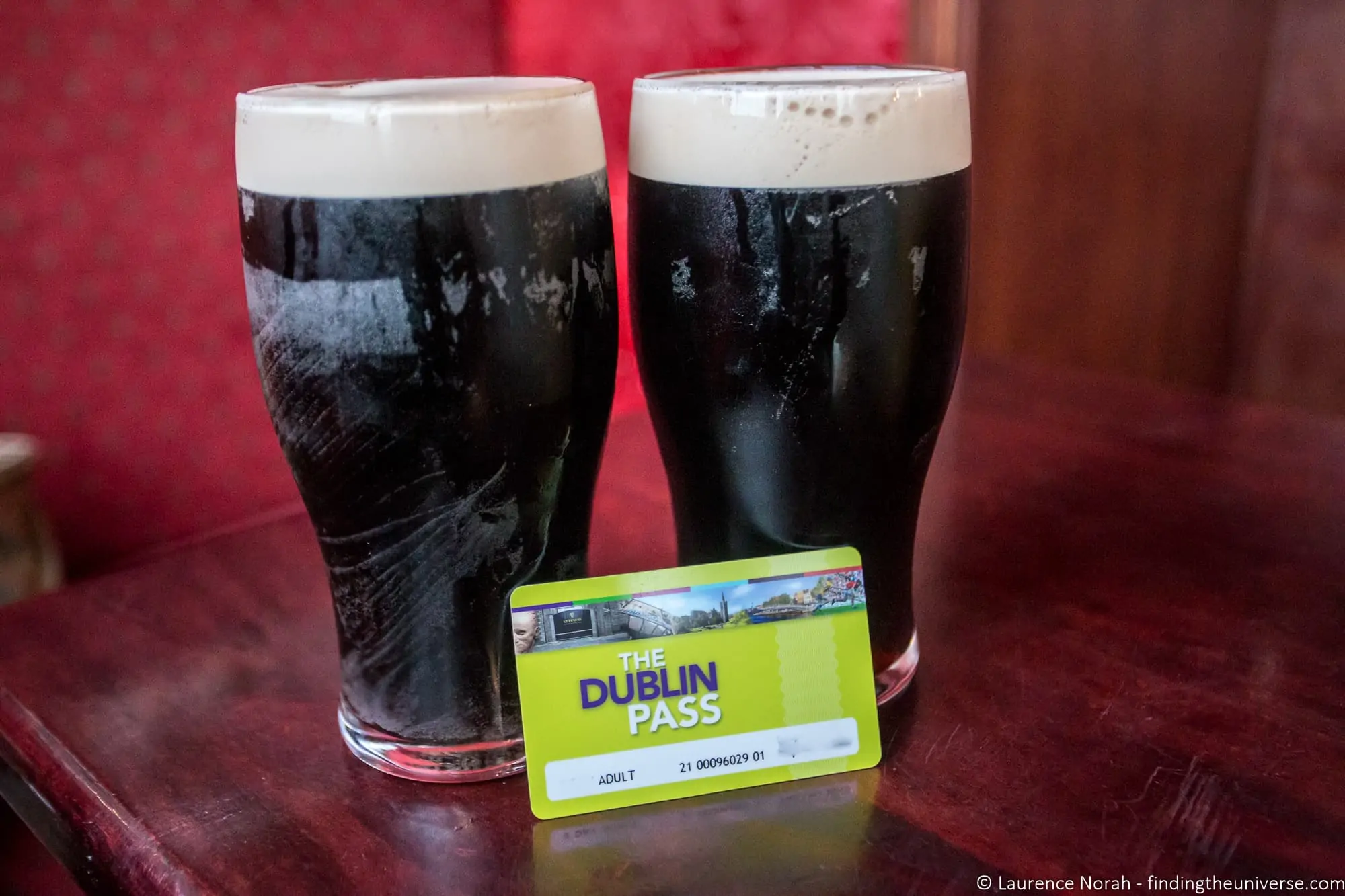
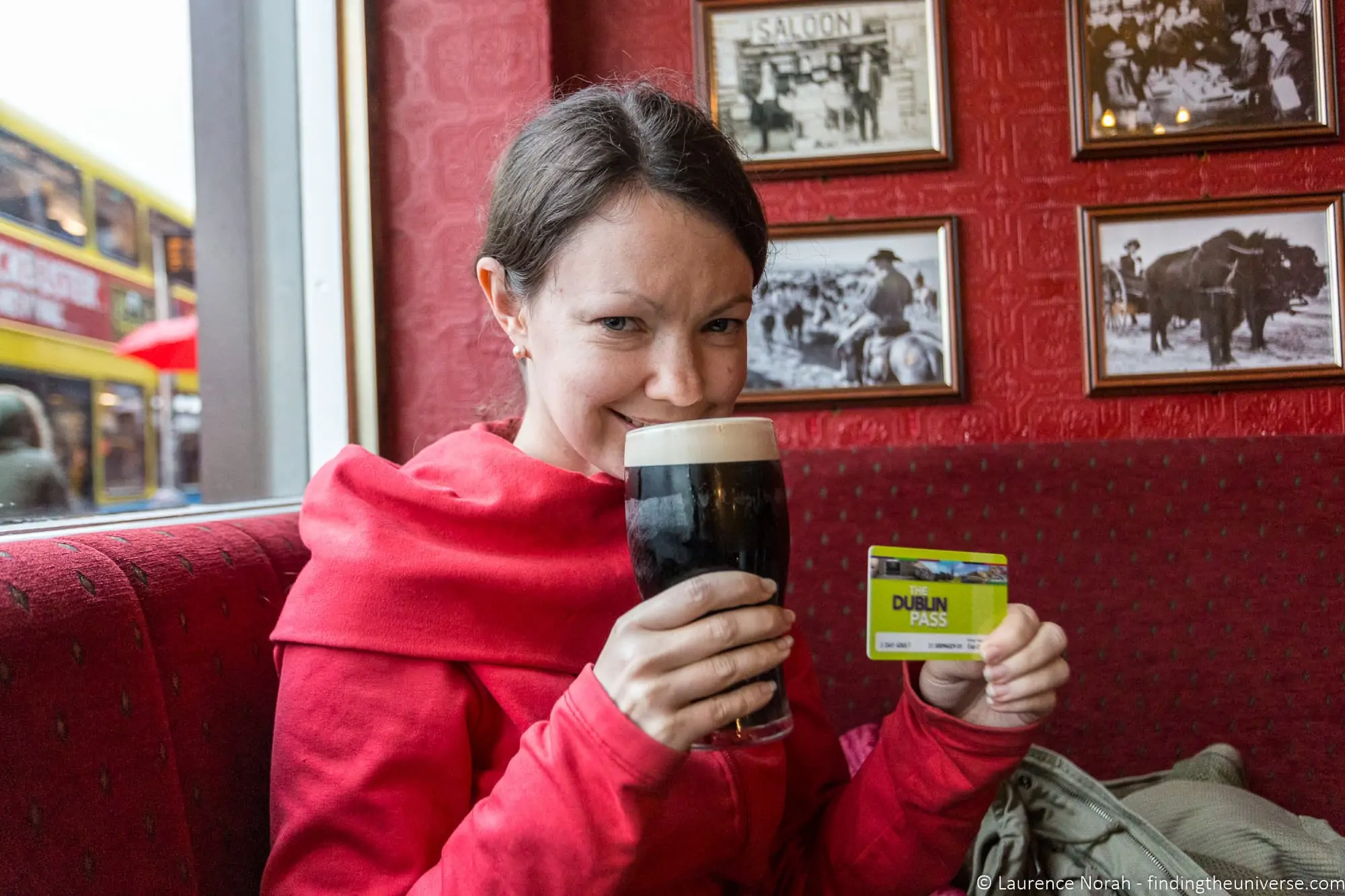
In previous years, as you can see from some of our images, the Dublin Pass was available as a physical product. This is no longer the case, it is now virtual. However, you can opt to receive the pass by e-mail and print out the code if you don’t want to rely on the smartphone app.
How Do You Reserve Entry with the Dublin Pass?
Some attractions require advance reservation even when using the Dublin Pass. This is particularly important for the Guinness Storehouse, Jameson Distillery, and Teeling Distillery, all of which are popular and can sell out.
You can make reservations through the Go City app or on the Go City reservations page. You’ll need your Dublin Pass number to book, but providing it for a reservation does not activate your pass. The pass only activates when it’s first scanned at an attraction.
Our tip: book your reservations as soon as you purchase the pass, particularly for the Guinness Storehouse, which we recommend booking at least 72 hours in advance. You can buy the pass well ahead of your trip (it’s valid for 12 months from purchase) and sort all your reservations before you arrive in Dublin.
How Much Money Will You Save With the Dublin Pass?
Your savings hinge on how many attractions you visit and which ones you choose. We’ve put together savings breakdowns for one, two, and three days in Dublin to give you a realistic picture.
A note on pricing: Attraction ticket prices in Dublin vary depending on when you visit, how you book, and whether you qualify for concessions. Several attractions, including the Guinness Storehouse, use dynamic pricing, meaning the cost changes based on date and time.
For consistency, we’ve used the standard adult price you’d actually pay booking online in advance. That’s the fair comparison, since you buy the pass online in advance too. Four attractions charge more if you just turn up: Jameson Bow St. is €26 booked ahead against €31 on the day, Dublin Zoo is €22.50 online against €26.50 on the gate, the GPO Museum is €15 online against €17 at the door, and Christ Church Cathedral is €11.50 online against €12 on the day. The rest have a single price whenever you book.
The Guinness Storehouse is the awkward one, because it publishes no door price at all. Admission starts at €22 and runs up to about €30 depending on the date and time slot you pick. We could only find one date at the €22 floor, so in practice most people will pay a bit more than that, even booking well ahead. We’ve used the full €22 to €30 band in the tables below.
1 Day in Dublin with the Dublin Pass
A realistic one-day sightseeing itinerary might include:
- EPIC The Irish Emigration Museum (€22)
- Jeanie Johnston Tallship and Famine Museum (€16)
- Big Bus Dublin Hop-on Hop-off Tour (€35 to €37)
- Christ Church Cathedral (€11.50)
- Dublinia (€16)
- Guinness Storehouse (€22 to €30)
Booking those online, you’re looking at roughly €122.50 to €132.50. A 1-day Dublin Pass costs €79, giving you a saving of around €43.50 to €53.50. And if you manage to squeeze in an extra attraction or two, the savings grow further.
The break-even point is lower than you might expect. Do the hop-on hop-off bus and the Guinness Storehouse, then add any two of Christ Church, Dublinia, the Jeanie Johnston or EPIC, and you’re ahead of the €79 whichever way the Guinness pricing falls on the day. For its part, Go City quotes a €35 saving on its own one-day sample, which is more conservative than what we make it.
2 Days in Dublin with the Dublin Pass
Over two days, you can comfortably visit more of the city. A two-day plan following our 2-day Dublin itinerary might include:
- EPIC The Irish Emigration Museum (€22)
- Jeanie Johnston Tallship and Famine Museum (€16)
- Christ Church Cathedral (€11.50)
- Little Museum of Dublin (€18)
- Dublinia (€16)
- St. Patrick’s Cathedral (€11.50)
- GPO Museum (€15)
- Guinness Storehouse (€22 to €30)
- Big Bus Dublin Hop-on Hop-off Tour (€35 to €37)
Total booking online: roughly €167 to €177. A 2-day Dublin Pass is €109, giving you savings of around €58 to €68. Add in a few extra attractions and you’ll save even more.
That works out at four or five stops a day, which is a comfortable pace rather than a route march, and it groups neatly: EPIC and the Jeanie Johnston sit together at Custom House Quay, and Christ Church, Dublinia and St. Patrick’s are all within a few minutes’ walk of each other.
For break-even, the bus, the Guinness Storehouse and any four of the others clear the €109, even at the bottom of the Guinness range. Go City quotes €62 on its own two-day sample, which lands right in the middle of our range.
3 Days in Dublin with the Dublin Pass
Three days gives you time to really explore. Combining our 2-day itinerary with Jess’s 3-day Dublin itinerary, you might visit:
- Christ Church Cathedral (€11.50)
- Dublinia (€16)
- St. Patrick’s Cathedral (€11.50)
- Guinness Storehouse (€22 to €30)
- Little Museum of Dublin (€18)
- Jeanie Johnston Tallship (€16)
- EPIC The Irish Emigration Museum (€22)
- GPO Museum (€15)
- Museum of Literature Ireland (€16.50)
- Jameson Distillery (€26)
- Big Bus Dublin Hop-on Hop-off Tour (€35 to €37)
Total booking online: roughly €209.50 to €219.50. A 3-day Dublin Pass is €134, which means a saving of around €75.50 to €85.50. At this point the pass is covering about one and a half times its own cost.
Go City’s own three-day figure is a saving of €100.50, the most generous of its published numbers, though it leans on a heavier mix of paid attractions than we’ve listed. Either way, you have room to be picky at this length: the bus plus any seven stops from that list already clears the €134.
The Bottom Line on Savings
All three of these itineraries come out ahead with the Dublin Pass, and the savings grow with each extra day. What’s driving that is the number of paid attractions you get through rather than the number of days printed on the pass. The longer passes only pay off because a longer trip gives you time to fit more in. Hold a 3-day pass, visit four things, and you’d have been better off with the 1-day.
The 3-day pass is the pick of the range if you’re going to keep the pace up. The price increase from the 2-day to the 3-day pass is €25, and the extra day on our list adds about €42 in attraction costs, so it pays for itself and then some.
Skip a stop or two from any of these itineraries and you’ll still come out ahead comfortably. It’s only if you drop one of the big-ticket items, the bus or the Guinness Storehouse, that things get tight, so check your own list against the break-even figures above before you buy.
What to Do in Dublin with Your Dublin Pass
With over 35 attractions on the pass, the hardest part is choosing what to prioritise, especially if you only have a day or two.
If you’re a first-time visitor, we’d say the Guinness Storehouse is a must, even if you’re not a big Guinness fan. It’s a brilliantly designed experience that covers the history of the brand, its iconic advertising, and how the beer is made. You finish with a pint in the Gravity Bar, which has panoramic views across Dublin. We can’t think of a better way to wrap up a day of sightseeing.
For history and culture, EPIC The Irish Emigration Museum is one of our favourite museums in Dublin. It tells the story of the 10 million people who left Ireland and their impact on the world, all through excellent interactive exhibits. The Jeanie Johnston Tallship is right next door, and together they make for a powerful morning.
Whiskey fans will want to hit the Jameson Distillery and Teeling Distillery. Visit both plus the Guinness Storehouse in a single day and you’re at €70 to €78 of tickets against a €79 pass, so you’ve very nearly covered it on drinks-related attractions alone. Everything else you do that day is profit.
It’s also worth knowing that the pass includes the Big Bus Coastal Tour to Howth, which is a separate route from the city hop-on hop-off. Howth is a lovely fishing village on the coast north of Dublin, and the bus tour along the coast takes about 90 minutes. If you have a 2-day or longer pass and want a change of pace from city sightseeing, it’s a great half-day option.
For detailed day-by-day plans, have a look at our 2-day Dublin itinerary and Jess’s 3-day Dublin itinerary. Both are designed with the Dublin Pass in mind, grouping nearby attractions to minimise travel time between stops.
For more general inspiration beyond what the pass covers, our guide to things to do in Dublin covers both paid and free attractions.
What You Should Know Before Buying
There are a few things about the Dublin Pass that are worth understanding before you buy. None of these are deal-breakers, but they’ll help you get the most out of your pass.
The pass runs on calendar days, not 24-hour periods. This is the single most important thing to understand. If you activate your pass at 4pm on a Tuesday, that Tuesday counts as Day 1 and expires at midnight. Always activate your pass first thing in the morning to get a full day’s use. Most attractions open at 10am, but the hop-on hop-off bus starts at 8:45am, so you could begin with a bus tour to get your bearings before the museums open.
The hop-on hop-off bus is a one-day inclusion. Regardless of whether you have a 1-day or 5-day All-Inclusive Pass, you only get one day of hop-on hop-off bus travel. The bus pass also activates separately, the first time you board, rather than when you first use your main pass. Hop on at 4pm and you’ll spend most of your 24 hours asleep. Plan which day you want to use it and make it count. Go City does sell passholders a paid upgrade to a two-day bus ticket if one day isn’t enough. A reader, John, asked about this in the comments and we confirmed it directly with Go City.
Some attractions require advance reservations. The Guinness Storehouse in particular fills up quickly and we’d recommend booking at least 72 hours ahead. Jameson Distillery and Teeling Distillery also require advance booking. Check the Go City app for which attractions need reservations.
You can only visit each attraction once per day. The pass gives you single entry to each attraction. So no, you can’t keep going back to the Guinness Storehouse for free pints. Plan your time at each stop accordingly and don’t pop in somewhere if you don’t have time to see it properly.
The pass does not include fast-track or skip-the-line entry. You’ll queue at the ticket desk like everyone else. In practice, this isn’t a big deal as Dublin’s attractions rarely have the kind of crushing queues you’d find in London or Rome. The exception is the Guinness Storehouse at peak times, which is why you must book a timed slot in advance. You can see which attractions require a reservation on the Go City reservations page.
Group nearby attractions together. Dublin is a walkable city, but you’ll save time by visiting attractions that are close to each other in the same block. For example, Christ Church Cathedral, Dublinia and St. Patrick’s Cathedral are all within a few minutes’ walk of each other, as is Dublin Castle, although the Castle is closed to visitors until January 2027. Similarly, EPIC and the Jeanie Johnston are right next to each other at Custom House Quay.
Be strategic about attractions outside the city centre. The pass includes some excellent attractions further out, like Malahide Castle and the Game of Thrones Studio Tour. But travel time eats into your sightseeing time, so only include these on longer passes (3+ days) where you can afford to spend half a day getting there and back.
Don’t try to do everything. It’s tempting to rush between attractions to maximise the value of your pass, but you’ll have a much better experience if you focus on a few things you really want to see rather than sprinting through ten. You’re on holiday, after all.


Our Experience Using the Dublin Pass
We’ve used the Dublin Pass on several trips to Dublin, and our most recent two-day visit covered a solid chunk of the city’s highlights.
On our first day, we started at the GPO Museum on O’Connell Street, then walked south to Dublin Castle, Christ Church Cathedral, Dublinia, St. Patrick’s Cathedral, and finished up at Teeling Distillery (which is a brilliant visit, by the way, and a great alternative to the busier Jameson tour if you’re short on time).
On our second day, we visited EPIC The Irish Emigration Museum and the Jeanie Johnston Tallship in the Docklands area, then used the hop-on hop-off bus to get across to the Jameson Distillery and Dublin Zoo in the afternoon.
We didn’t visit the Guinness Storehouse on that particular trip as we’d been before, though it’s usually top of our list for first-time visitors. Even without it, the pass saved the two of us well over €100 compared to buying individual tickets. If we’d included the Storehouse, the savings would have been even higher.
Note: when we first reviewed the pass, it was available as a physical card (you can see photos of it throughout this post). It’s now entirely digital, which makes it easier to use. Just open the Go City app and show the QR code at each attraction.

Who Should Buy a Dublin Pass?
The Dublin Pass is a good investment if you:
Plan to visit at least 3 to 4 attractions per day, including some of the higher-priced ones like the Guinness Storehouse, Jameson Distillery, Dublin Zoo, or the hop-on hop-off bus.
Have 2 or more days in Dublin. The savings get progressively better with the longer passes provided you keep visiting attractions, and the price increase between durations is modest (€25 from the 2-day to the 3-day, for example).
Like the flexibility of deciding on the day. With the pass, you can walk past an attraction and pop in on a whim without worrying about the cost. Without it, you’d think twice about paying anywhere from €11.50 to €37 for each stop.
Who Might Want to Skip It
The pass is less worthwhile if you:
Only want to visit one or two attractions. In that case, buying individual tickets will be cheaper.
Prefer Dublin’s free attractions. The city has excellent free museums, including the National Museum of Ireland, the National Gallery, and Chester Beatty (which dropped the “Library” from its name, and is closed until January 2027). If your interests lean that way, the pass won’t add much value.
Don’t drink alcohol. Three of the highest-value attractions on the pass are drinks-related: the Guinness Storehouse, Jameson Distillery, and Teeling Distillery. If those aren’t for you, you’d need to visit a lot of museums and cultural sites to make up the difference, and the savings become much slimmer.
Want a slow, relaxed trip. The pass rewards sightseeing at a reasonable pace. If you plan to spend most of your time in pubs and cafes (which, to be fair, is also a perfectly valid way to experience Dublin), you probably won’t visit enough paid attractions to justify the cost.
If you’ve decided the pass is right for you, you can buy the Dublin Pass here. Remember, passes can be activated up to 12 months after purchase, so there’s no risk in buying early. Use the code AFFGOALL for 5% off.
Frequently Asked Questions About the Dublin Pass
Is the Dublin Pass worth it for one day?
Yes, if you plan to visit at least four paid attractions, or three of the pricier ones. A one-day itinerary including the Guinness Storehouse, EPIC Museum, the Jeanie Johnston and the hop-on hop-off bus comes to roughly €95 to €105 booking online in advance, compared to €79 for the pass. That’s a saving of around €16 to €26.
Add Christ Church Cathedral and Dublinia to the same day and the total climbs to €122.50 to €132.50, so the saving grows to €43.50 to €53.50. The more you fit in, the better the pass looks. If you only plan to visit one or two attractions, individual tickets are cheaper.
Does the Dublin Pass include the Book of Kells?
No. The Book of Kells Experience at Trinity College is not included on any version of the Dublin Pass, and tickets start at €26. You’ll need to buy a separate ticket for that.
The Long Room is open and part of the visit, but the Old Library redevelopment has removed the books from all but the first four bays, so don’t go expecting the wall of shelves you’ve seen in photographs.
Does the Dublin Pass include public transport?
The pass does not include Dublin’s public buses or Luas trams. It does include one day of Big Bus Dublin hop-on hop-off bus travel, regardless of which duration of All-Inclusive Pass you buy. Dublin is quite walkable, but if you need public transport beyond the hop-on hop-off bus, the Leap Visitor Card is the best option for that.
How does the Dublin Pass work?
After purchasing online, you receive a digital pass with a QR code. Download the Go City app and load your pass onto it. When you arrive at an attraction, show the QR code to the staff and they’ll scan it for entry. The pass activates when it’s first scanned at an attraction and then runs for the number of consecutive calendar days you purchased. Some attractions require advance reservation through the Go City app or website.
Can I use the hop-on hop-off bus for more than one day?
No. The Dublin Pass includes a single day of hop-on hop-off bus travel, even if you have a multi-day pass. Go City does sell passholders a paid upgrade to a two-day bus ticket if you want longer on the buses.
Choose which day to use it strategically, and remember the bus pass starts its 24 hours the first time you board rather than when you first use the pass. We’d suggest using it on your first day to get oriented, or on a day when you need to cover the most ground between attractions.
What’s the difference between the All-Inclusive Pass and the Explorer Pass?
The All-Inclusive Pass gives you unlimited access to all included attractions over 1 to 5 consecutive calendar days. The Explorer Pass lets you choose a set number of attractions (3, 4, 5 or 7) and visit them over 30 days. For most visitors spending a few days in Dublin, the All-Inclusive Pass offers better value. The Explorer Pass suits longer stays where you want to spread out your sightseeing without time pressure.
Further Reading
We’ve visited Dublin and Ireland many times, and we have a growing collection of guides to help you plan your trip:
For planning your time in Dublin, we have itineraries for 2 days in Dublin and 3 days in Dublin. We also have an overview of things to do in Dublin for general inspiration, plus a guide to a traditional Irish night experience.
One of the most popular day trips from Dublin is to the Cliffs of Moher. We have a full guide to visiting the Cliffs of Moher from Dublin covering transport options, tours, and photography tips.
If you’re exploring more of Ireland, take a look at our guide to spending 2 days in Belfast, the best things to do in Belfast, and our guide to the Causeway Coastal Route. We also have guides to the Game of Thrones filming locations in Ireland and the Game of Thrones Studio Tour.

John says
Hi, Many thanks for the great summary of the pass. Quick question about the Big Buss HOHO….if you have a multiple day pass, can you use the HO HO for all the days of the pass?
Laurence Norah says
Hi John,
My pleasure, glad you found it useful. So the Dublin Pass only includes a 1 day HOHO bus pass, regardless of the length of the Dublin Pass. So to make the most of it you’ll want to start using it in the morning of the day. There is the option to upgrade the hop on hop off pass when you activate it to a 2 day pass, but I’m not sure what the cost of that is.
Hope this helps, enjoy your time in Dublin 🙂
Laurence
Ray says
First of all I have only one day in Dublin. So I’m very unfamiliar with the place. With most attractions not open until 10am my guess is you are going to look around the majority of the time. If you take the Dublin pass you are going to be rushed for time in getting the most for your money. Our tour group meets at 5pm for dinner and planning. I don’t know what the group is going to cover in it’s tour of Dublin. So I don’t know how much is going to be a repeat of what the Dublin pass covers. So those are my thoughts on the Dublin Pass.
Laurence Norah says
Hi Ray,
Certainly, the pass is not for everyone, and we always suggest folks to compare the attractions they want to visit with the savings on the pass. Most city passes only make sense if you are going to visit a number of attractions and have the time to do so, and it is usually the longer versions of each pass where the savings really start to add up.
I hope you have a wonderful time in Dublin and see everything you want to see. Thanks for leaving your thoughts 🙂
Laurence
Nick says
TERRIBLE exprience with Big Bus Hop on and Off Dublin Aug 19 2019 No room on buses with an average wait of 30 minutes Clearly over sold tickets for number of buses Two cpls that day We gave up and returned to hotel Money wasted
Laurence Norah says
Hi Nick!
Sorry to hear about your experience. I’d suggest reaching out to either the Dublin Pass folks of the Hop on Hop off pass folks to see if they can help you out at all,
Laurence
Telly Gabriel says
Thank you for your explanation of the Dublin Pass. I read that there are several outfits that run HoHo buses, not just one. Which one is the best? There’s the red bus, green bus, yellow bus, etc.
Is the Dublin Pass same as as the DoDublin Travel Pass? I get the term mixed up because of the different tour companies running in Dublin.
What if I want to go direct (point A to B) and skip the HoHo because there’s no time to do the one way loop? Any suggestion how that can done within their system instead of hailing a taxi?
Thank you.
Laurence Norah says
Hi Telly,
My pleasure, pleased to be able to help. There are indeed a number of different HOHO buses, however only one is included in the Dublin Pass, which is the Big Bus tour. To be honest, there isn’t that much difference between the various HOHO buses as they all tend to visit the same sights.
The Dublin Pass is not the same as the DoDublin Travel Pass. That pass largely covers transport, including the bus from the airport, buses around Dublin, and a Hop on hop off pass. The Dublin Pass is more about attraction entry.
For getting directly from Point A to Point B, if you look at some of our itineraries for Dublin:
https://www.findingtheuniverse.com/2-day-dublin-itinerary/
https://independenttravelcats.com/3-days-in-dublin-ireland-dublin-itinerary/
We’ve laid these out so you visit the attractions which are close to each other. We’d definitely recommend trying to plan your day like that. Dublin is not really that big, and you should be able to walk quite easily between many of the sights. Otherwise, the public bus system is inexpensive and you can get to most places quite easily instead of hailing a taxi. You can pay fares by cash on the bus (note, it’s easier if you have exact change as the driver doesn’t give cash change). You can see more here:
https://www.citizensinformation.ie/en/travel_and_recreation/public_transport/bus_services_in_ireland.html
I hope this helps!
Laurence