
We’ve lost count of how many times we’ve been back to Dublin. It keeps pulling us in, sometimes as the start of a longer Ireland trip, sometimes as a long weekend on its own, sometimes as a stopover that quietly turned into something more. Over those visits we’ve walked most of the city on foot, stayed in everything from a hostel to a five star hotel, drunk more than a few pints of Guinness, and taken every photo you’ll see in this guide ourselves.
What we’re not is local. The “local’s guide to Dublin” is a crowded corner of the internet, and the people writing those guides live there. We don’t. What we can offer instead is the view of returning visitors who’ve made most of the mistakes already, and worked out what two days in Dublin should actually look like.
Because that’s the real challenge here. Two days is a fixed window. You get roughly nine hours of useful daylight in winter and a lot more in summer, and Dublin has comfortably more than two days’ worth of sights. The hard part is deciding what to leave out. So this is the version we’d do: two full days, walked in a sensible order, with the bookings you need to make flagged up front and the tourist traps marked as such.
Table of Contents:
The Quick Version: 2 Days in Dublin
If you only read one section, read this one.
Day 1 stays on the east and south side of the river. Start down in the Docklands with the Jeanie Johnston famine ship and the EPIC emigration museum (two minutes apart), walk west along the Liffey to Trinity College for the Book of Kells, then spend the afternoon around Grafton Street, the National Gallery and the Little Museum of Dublin. Finish with an evening in Temple Bar and a sunset over the river.
Day 2 heads into the medieval and western part of the city. St Patrick’s Cathedral first, then Christ Church Cathedral with the Dublinia Viking museum right next door, out to Kilmainham Gaol, and finishing with the one everyone comes for: a pint in the Gravity Bar at the top of the Guinness Storehouse.
Is two days enough for Dublin? For the city itself, yes, and fairly comfortably. Dublin is small, flat and walkable, and two days covers the major sights without you having to sprint. What two days won’t stretch to is a day trip out of the city, so if the Cliffs of Moher or a run up to Belfast are on your list, you’ll want a third day for those.
What to book before you arrive: three things really do sell out. The Book of Kells (timed entry), Kilmainham Gaol (guided tours only, no walk-ins, tickets released 28 days ahead) and the Guinness Storehouse (timed, and cheaper booked online). Sort those before you fly and the rest you can mostly just turn up to.
One thing specific to 2026: Dublin Castle and the Chester Beatty museum are both closed for the rest of the year while Ireland hosts the Presidency of the Council of the EU. We’ve built the itinerary around the closures, and there’s a full rundown further down.
2 Days in Dublin at a Glance
Here’s the whole itinerary in one table, including what you need to pre-book and roughly how long to give each stop.
| Stop | Day | Area | Pre-book? | Time to allow |
|---|---|---|---|---|
| Jeanie Johnston Tall Ship | 1 | Docklands (east) | Helpful | 1 hour |
| EPIC The Irish Emigration Museum | 1 | Docklands (east) | No | 1.5 hours |
| Trinity College + Book of Kells | 1 | City centre | Yes | 1.5 hours |
| Molly Malone + Grafton Street | 1 | City centre | No | 30 mins |
| National Gallery of Ireland | 1 | Merrion Square | No (free) | 1 hour |
| Little Museum of Dublin + St Stephen’s Green | 1 | South city | Yes (tour only) | 1 hour |
| Temple Bar + Liffey sunset | 1 | City centre | No | Evening |
| St Patrick’s Cathedral | 2 | The Liberties | No | 1 hour |
| Christ Church + Dublinia | 2 | Medieval quarter | No | 1.75 hours |
| Kilmainham Gaol | 2 | West city | Essential | 1.25 hours |
| Guinness Storehouse | 2 | St James’s Gate (west) | Yes | 1.75 hours |
Book These Before You Go
Most of Dublin you can wander into on the day. A handful of attractions are the exception, and turning up without a ticket means either a long wait or, in one case, being turned away at the door.
The big one is Kilmainham Gaol. It’s guided tour only, there are no walk-in tickets in practice, and the tours sell out days ahead. Tickets are released 28 days in advance at midnight Irish time on the official Kilmainham Gaol website, which is the only place to buy them, so book the moment your window opens.
The Book of Kells at Trinity College uses timed entry slots, and the popular times go first, especially in summer. Booking a slot in advance saves you queueing and guarantees you get in.
And the Guinness Storehouse, Dublin’s busiest attraction, is timed entry, cheaper booked online than at the door, and a pre-booked slot lets you skip the queue.
If you’re planning to see a lot, it also pays to decide on the Dublin Pass before you go rather than on the day, since it covers most of the paid stops in this itinerary. There’s a full breakdown of whether it pays off lower down.
What’s Closed in Dublin in 2026 (and How We’ve Routed Around It)
This is the one part of the guide that will date, so we’re flagging it loudly rather than burying it.
From July to December 2026, Ireland holds the Presidency of the Council of the EU, and the events are based at Dublin Castle. The entire Dublin Castle campus closed to the public on 15 June 2026 and stays shut for the second half of the year. That takes out two stops that would normally be on a Dublin itinerary:
- The Dublin Castle State Apartments, including the Chapel Royal and the medieval undercroft.
- The Chester Beatty museum, which sits inside the Castle grounds.
Both reopen in January 2027, so if you’re reading this for a 2027 trip you can ignore all of the above and slot the Castle back into Day 2. For a 2026 visit, we’ve replaced the Castle morning with St Patrick’s Cathedral, which is arguably the better stop anyway and is open as normal. You can check current status on the Dublin Castle website before you travel.
That’s the only major closure for the year. Everything else in this guide is open and running in 2026.
Day 1: The River, Trinity and the South City
Day 1 is the history-heavy day, and it works as a loop. You start out east in the Docklands, walk back into the centre for Trinity and the Book of Kells, work your way south through Grafton Street and the museums, and end up back by the river for the evening. Almost all of it is on foot.
It’s a full day. If you’d rather go slower, the easy cut is the National Gallery, which you can skip without breaking the flow.
Jeanie Johnston Tall Ship
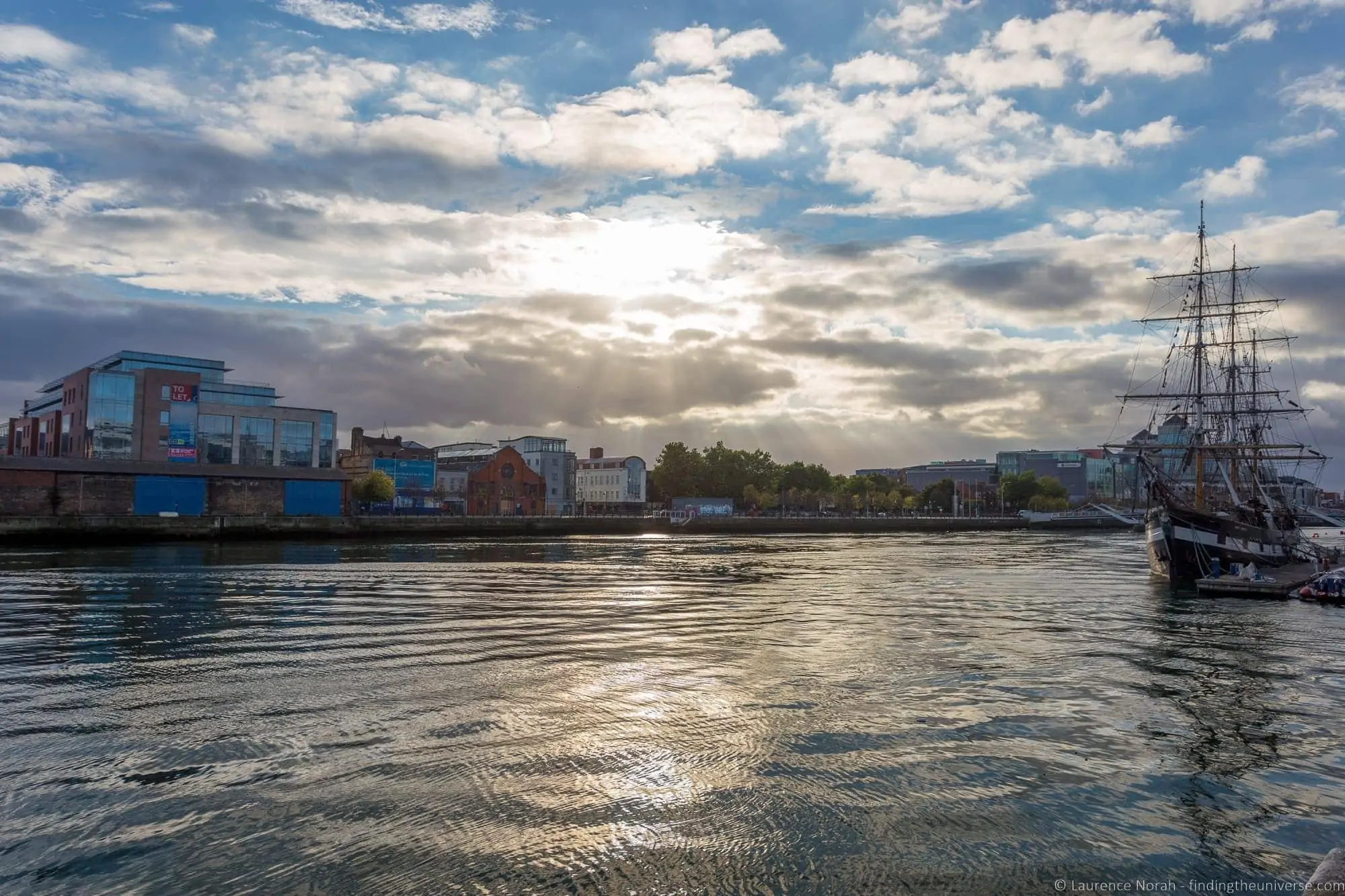
We start down on the quays at the Jeanie Johnston, a full size replica of a 19th century sailing ship that carried emigrants from Ireland to North America during the Famine years. Do this one first thing, because it’s guided tour only and the slots fill up as the day goes on.
The original Jeanie Johnston made 16 transatlantic crossings between 1848 and 1855 and, remarkably, never lost a single passenger or crew member to illness or the sea, at a time when “coffin ships” were losing people by the hundred. The tour, which lasts about 50 minutes, takes you below decks and gives you a real sense of what that crossing was like for the families crammed in down there.
It’s a moving visit. On one of our tours, a fellow visitor went quiet partway through and then told the group that his own ancestors had sailed out of Ireland on one of these ships. That’s the thing about this part of Dublin: for a lot of visitors, particularly from the US and Canada, this isn’t abstract history.
Tours run roughly every half hour from 10am, with the last tour at 4.30pm, and adult tickets start from €16. It’s included on the Dublin Pass.
EPIC The Irish Emigration Museum
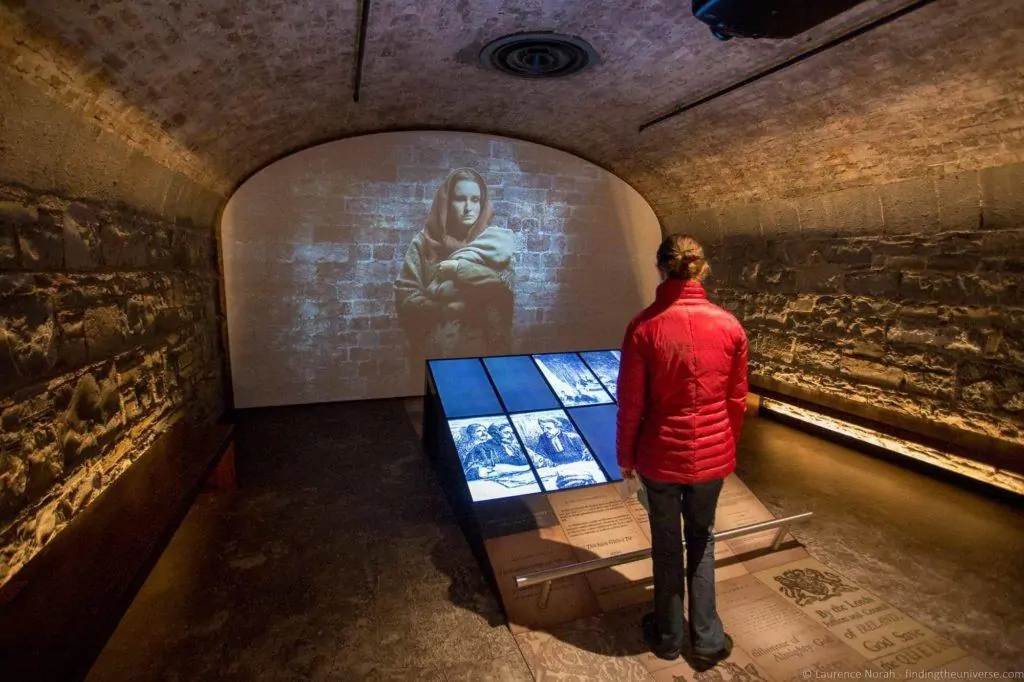
Two minutes’ walk from the Jeanie Johnston, in the vaults of the old CHQ building, is EPIC The Irish Emigration Museum, and the two pair up so naturally you should treat them as one stop. Where the Jeanie Johnston is about the journey, EPIC is about everything that happened next: the roughly ten million people who left Ireland over the centuries, and what they went on to do across the world.
It’s a fully interactive, digital museum, which sounds gimmicky and isn’t. You’re given a little passport on the way in and you stamp it as you move through 20 themed galleries covering Irish emigrants in everything from music and politics to crime and science. We’ve both come out of it knowing things we didn’t before, which after this many museum visits over the years is rarer than it should be. It won World Travel Awards’ Europe’s Leading Tourist Attraction three years running, from 2019 to 2021, beating the likes of the Louvre and the Colosseum.
Adult tickets are €22 booked online or €24 at the door, it’s open every day from 10am with last entry at 5pm, and you’ll want around 90 minutes inside. Allow a bit longer if you’re the type to read every panel.
From here it’s a pleasant walk west along the river towards the city centre. Grab lunch around the CHQ building or the cafés along the quays before you push on to Trinity.
Trinity College and the Book of Kells Experience
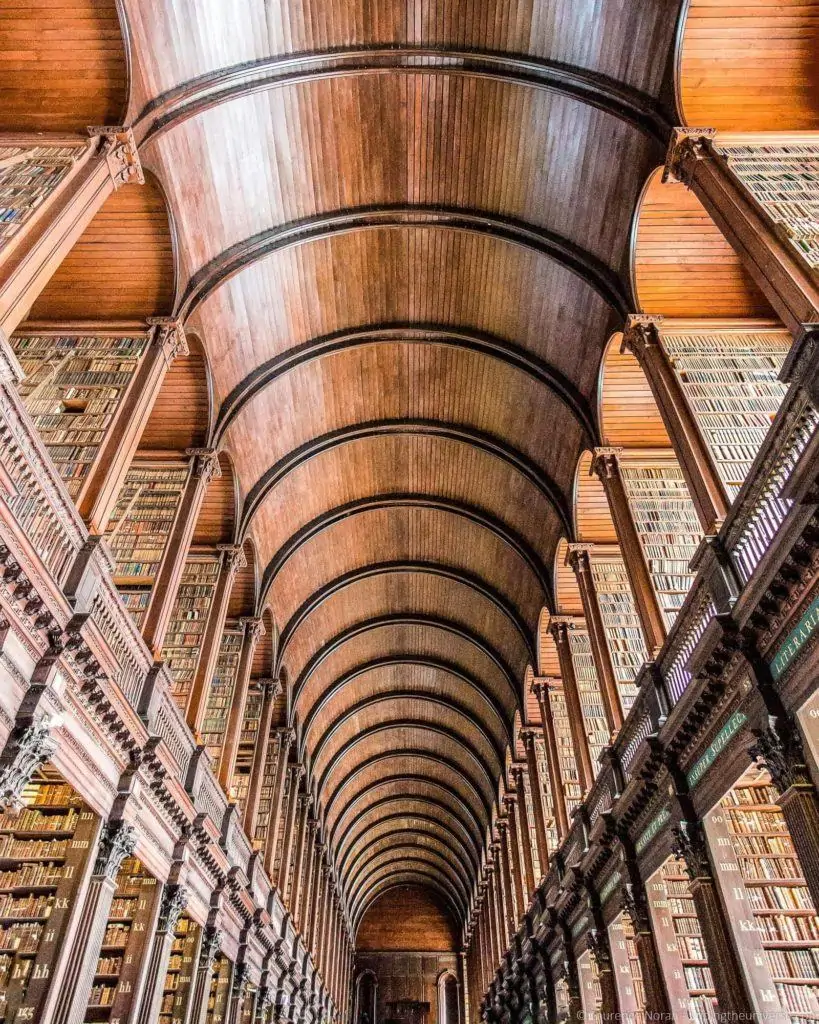
Trinity College is Ireland’s oldest university, founded in 1592 by royal charter of Elizabeth I, and its cobbled squares are free to wander. The reason most people come, though, is the Book of Kells: a 9th century illuminated manuscript of the four gospels, and probably Ireland’s single most famous cultural treasure.
One thing to know before you go, because the visit has changed and a lot of older guides haven’t caught up. The Old Library is partway through a major conservation project, and most of the 200,000 books that used to line the famous Long Room have been removed for safekeeping (all except the first four bays). The manuscript itself is now shown through a 30 minute digital exhibition in a purpose-built pavilion, branded the Book of Kells Experience, before you walk through into the Long Room.
Is it still worth it? Yes, with realistic expectations. The Long Room is still open and still a beautiful room in its own right (it stays open through the end of 2027, after which it closes for its own conservation work). The digital exhibition does a good job of letting you actually see the detail of the manuscript, which you never really could when it was a single page under glass in a dim room. Just go in knowing it’s now a polished, screen-led experience rather than the hushed book-lined library of the old photos.
Tickets are timed and start from €26, and the standard ticket covers the Red Pavilion exhibition, the Long Room and an audio guide. Book a slot in advance, particularly in summer.
Molly Malone and Grafton Street
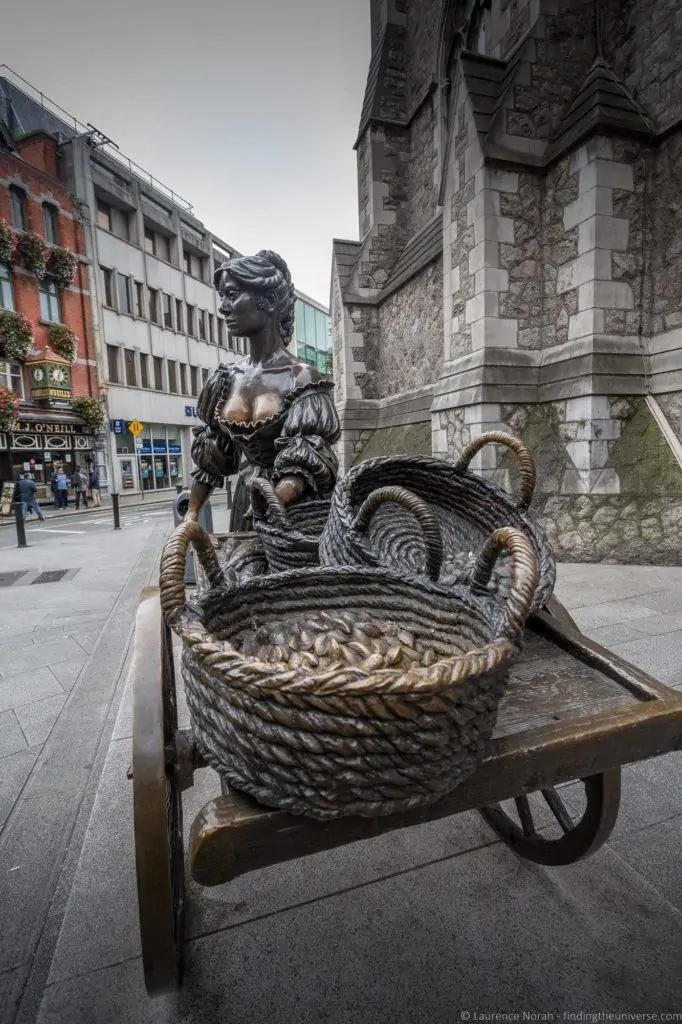
A two minute walk from Trinity’s gates brings you to the Molly Malone statue, the bronze fishmonger of the famous song, “Cockles and Mussels”. She’s been on Suffolk Street since 2014, right outside the Visit Dublin tourist office, and she’s about as Dublin a photo stop as you’ll find. You’ll spot her by the small crowd and, sadly, by the wear on the statue where too many people rub it for luck.
From here, walk south down Grafton Street, Dublin’s main pedestrian shopping street and one of the best places in the city to catch buskers. Some of the country’s biggest names started out playing here, so the standard is high. It’s a good stretch to slow down, grab a coffee and let the city happen around you for half an hour.
If you want a proper coffee rather than a chain, Clement & Pekoe on South William Street, just off Grafton, is a long-running independent café that’s worth the short detour. Bewley’s, the grand old coffee house on Grafton Street itself with its Harry Clarke stained glass windows, is more of an institution than a quick flat white, but it’s a lovely room.
National Gallery of Ireland
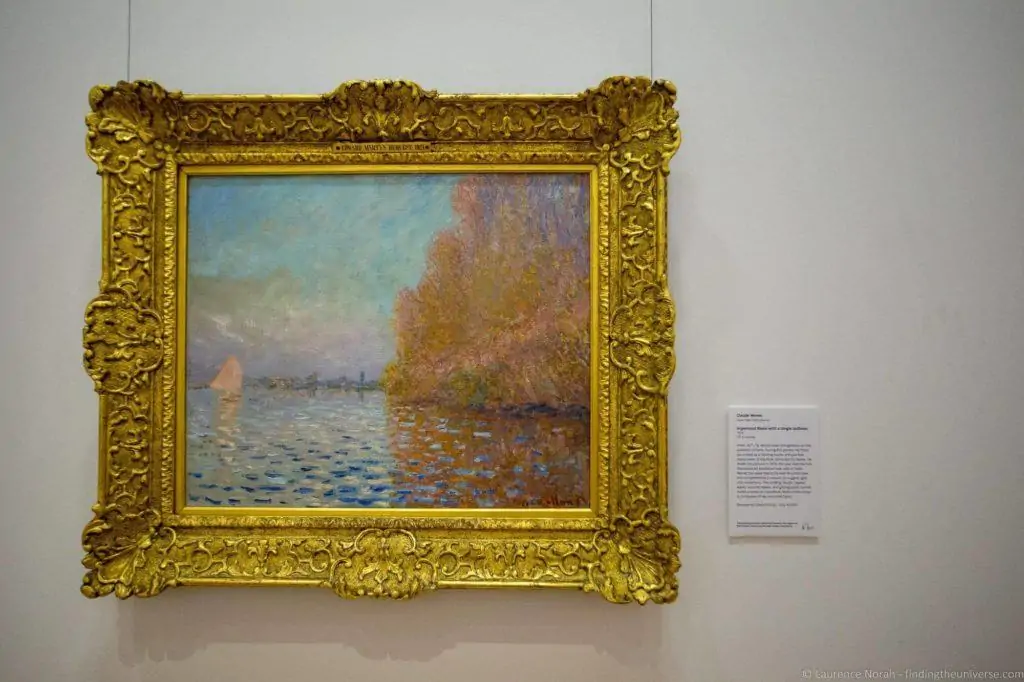
A short walk east towards Merrion Square is the National Gallery of Ireland, and it has one feature that makes it very easy to recommend on a tight schedule: the permanent collection is free to enter.
Inside you’ll find around 2,500 paintings and another 10,000 or so works across drawings, prints and sculpture, including pieces by Turner, Rembrandt and the Irish impressionist Walter Osborne. The most famous work is Caravaggio’s “The Taking of Christ”, which was lost for two centuries before being identified hanging in a Jesuit house in Dublin in the 1990s. If you only have 20 minutes, go and find that one.
This is the stop we’d cut first if you’re running behind or art galleries aren’t your thing. It costs nothing to dip in for a quick look, though, which is exactly what we’d do.
Little Museum of Dublin and St Stephen’s Green

At the top of Grafton Street, overlooking St Stephen’s Green, is the Little Museum of Dublin, and it’s our favourite of the smaller museums in the city. It tells the story of 20th century Dublin through more than 5,000 objects donated by ordinary Dubliners, and there’s a separate exhibit on U2, the city’s most famous export.
A heads-up on how it works: the main collection is seen on a guided tour only, the tours last about half an hour and run roughly every 45 minutes, and they fill up, so book ahead. The museum reopened in January 2026 after a renovation, at the same address (15 St Stephen’s Green), and adult tickets are €18. The guides really know their stuff, which makes more difference here than in a bigger museum.
When you’re done, walk across the road into St Stephen’s Green itself, a Victorian public park that’s the obvious place to sit down and rest your legs after a long first day. If the weather’s playing along, it’s one of the nicest green spaces in any European capital.
Book lovers have an easy optional add here too: MoLI, the Museum of Literature Ireland, sits on the south side of the Green and celebrates the country’s literary heavyweights from James Joyce onwards. Worth an hour if Irish writing is your thing.
One last thing while you’re up this way: the Stephen’s Green Shopping Centre, on the corner, has a glass and ironwork interior that looks like a Victorian railway station. It’s not a “stop” exactly, but if you’re passing, the view down the arcade from the upper level is worth a photo.
Temple Bar and Sunset on the Liffey
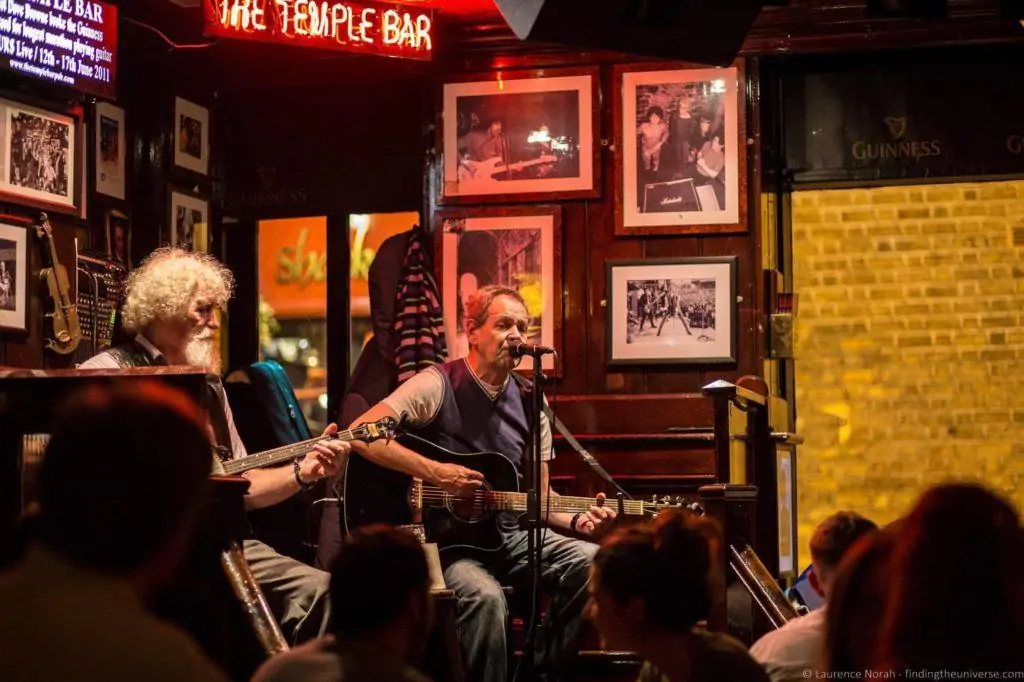
You can’t write a Dublin itinerary without Temple Bar, so here it is, with a caveat. Temple Bar is the cobbled riot of pubs and live music between Dame Street and the river, and it is the picture-postcard Dublin you’ve seen a hundred times. It’s also a tourist trap. Pints here run dearer than anywhere else in the city, often €8 or more, and the “traditional” music is aimed squarely at visitors.
So here’s our steer: go, take the photo, put your head into one pub for a song, and then walk two streets in any direction to drink where it costs less and feels more like the real thing. The classic old Dublin pubs are a short walk away. Kehoe’s on South Anne Street has barely changed since 1803 and still has its little wooden snugs. Grogan’s on South William Street is a famous artists’ and writers’ pub where the house move is a pint and a toasted sandwich. The Long Hall on South Great George’s Street is a gorgeous Victorian bar that’s been pouring since the 1700s. Any of the three beats Temple Bar for atmosphere and value.
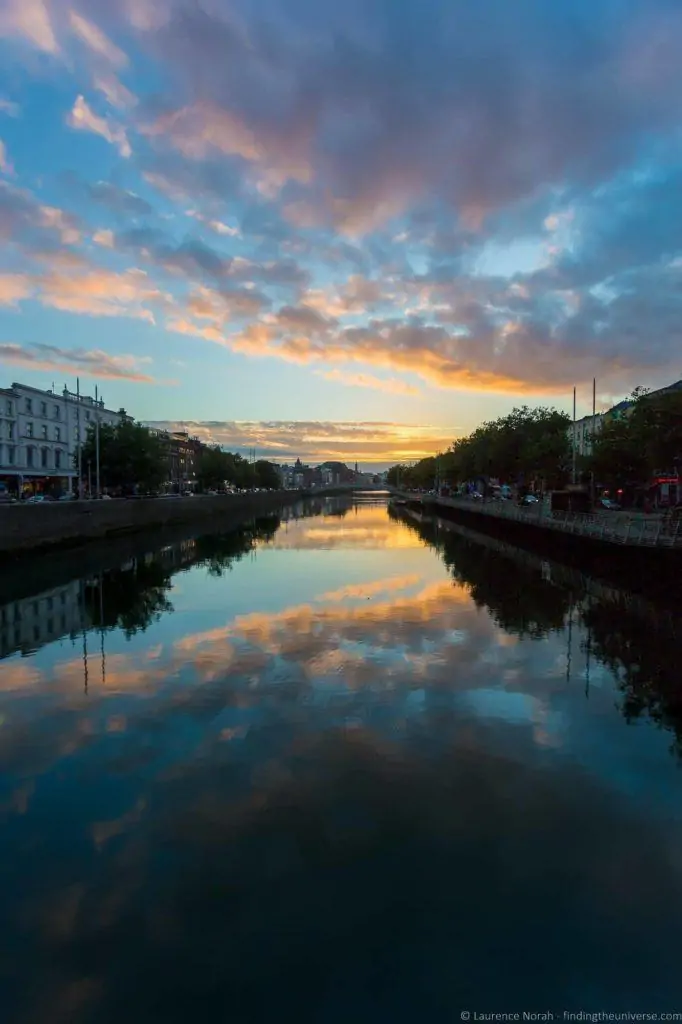
To finish the day, time your walk back across the river for sunset. Any of the bridges gives you a view, but get the cast-iron Ha’penny Bridge in the frame and you’ve got the shot. Sunset swings wildly with the season here, from around 4.30pm in December to past 9.30pm in June, so check the time and plan around it.
Day 2: Cathedrals, the Gaol and Guinness
Day 2 runs east to west and gets steadily heavier, in a good way. You start with two cathedrals and a Viking museum in the medieval core, head out to one of the most affecting historic sites in Ireland, and end on a high (literally) with a pint and a view. The far-western stops, Kilmainham and Guinness, are the one part of the city that isn’t an easy walk from the centre, so this is the day the hop-on-hop-off bus or the Luas tram earns its place.
St Patrick’s Cathedral
We start at St Patrick’s Cathedral, the larger of Dublin’s two medieval cathedrals and the national cathedral of the Church of Ireland. Founded in 1191, it’s built on the spot where St Patrick is said to have baptised converts, and it’s a striking building inside, all soaring Gothic arches and centuries of monuments.
The most famous of those monuments belongs to Jonathan Swift, author of “Gulliver’s Travels”, who was Dean of St Patrick’s for over 30 years and is buried here alongside his epitaph (which he wrote himself, in Latin, and which is as sharp as you’d expect). When we visited, it was the sheer scale and the quiet that stuck with us, a real contrast to the busier Trinity crowds the day before.
Adult admission is €11.50, the cathedral is open to visitors Monday to Friday from 9.30am to 5pm and Saturday from 9am to 6pm (Sunday hours are limited around services), and unlike Kilmainham or the Book of Kells, you can simply turn up and buy a ticket at the door. Give it about an hour. The surrounding St Patrick’s Park is a nice spot to regroup before the next stop.
Christ Church Cathedral and Dublinia
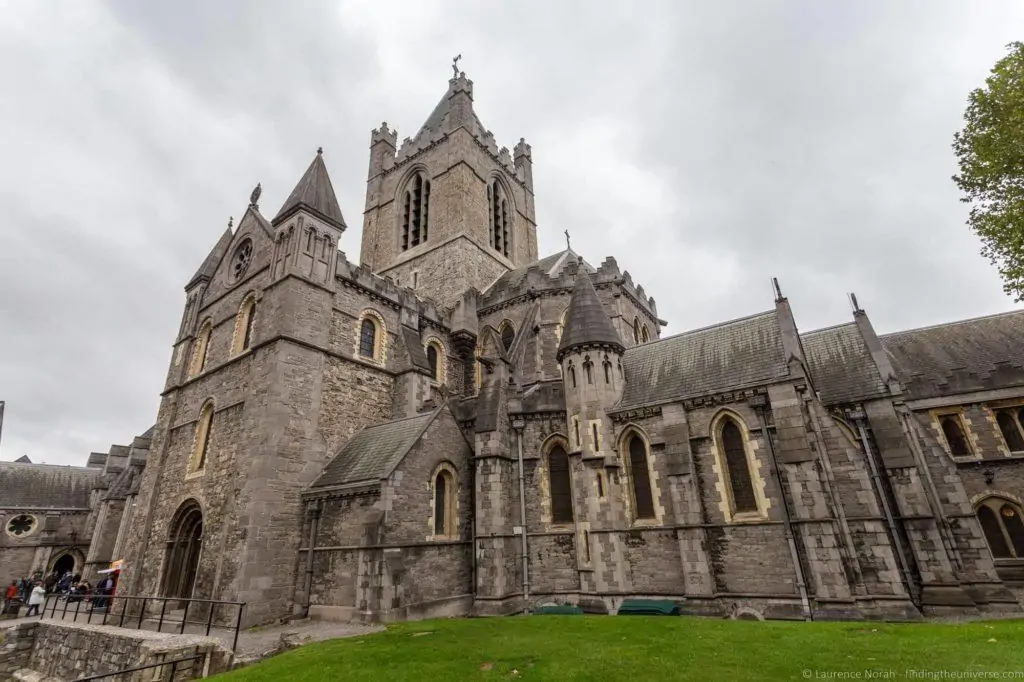
A short walk north brings you to Christ Church Cathedral, Dublin’s oldest, founded around 1028 on the orders of the Hiberno-Norse king Sitric Silkenbeard. It’s the older of the city’s two medieval cathedrals (St Patrick’s, despite its size, came later), and it has the better stories. The crypt is the largest in Ireland and home to a famously odd pair of exhibits: a mummified cat and rat, found stuck in an organ pipe in the 1860s and nicknamed Tom and Jerry. Fans of the TV series “The Tudors” may recognise the interior, which doubled as Hampton Court for the show.
Adult entry is €11.50 booked online or €12 if you pay at the door. You can also book a guided tour.
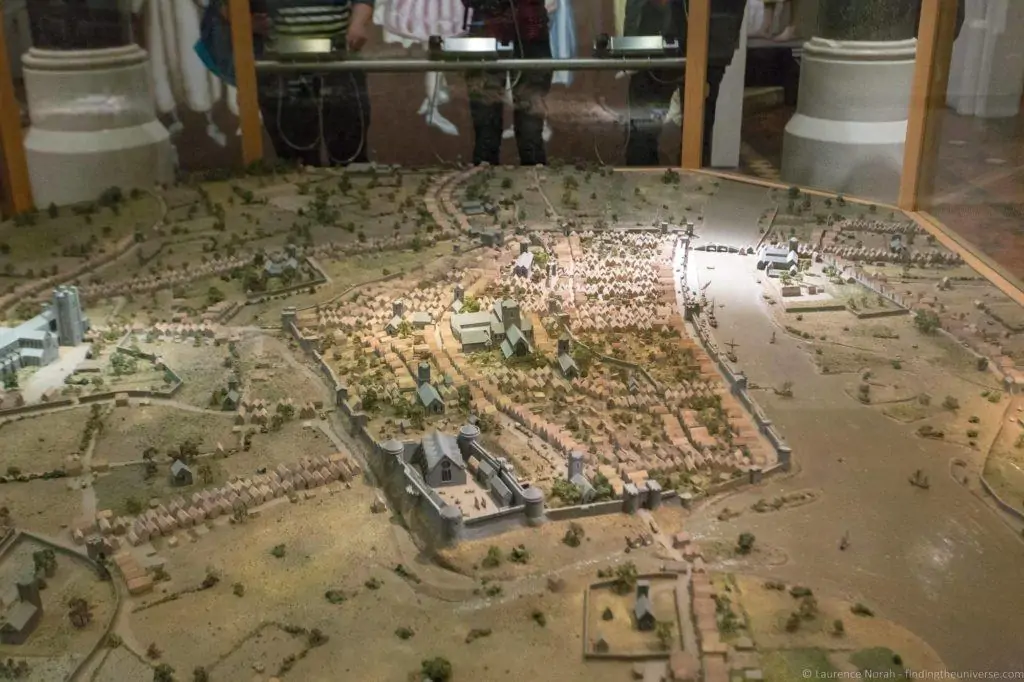
Linked to Christ Church by a covered stone bridge is Dublinia, a hands-on museum about the city’s Viking and medieval past, and the two make a natural pair. Dublinia is more fun than a list of facts suggests, with recreated streets and houses, a section on how archaeologists pieced the medieval city back together, and the inevitable but well-done bit on the Black Death. You can also climb the 96 steps of St Michael’s Tower for a view over the rooftops.
Dublinia is also €16 on its own, but the smart move is the combined Christ Church and Dublinia ticket at €25, which saves you a few euro and gets you both. Together they’re a comfortable couple of hours.
For lunch around here, you’re a two minute walk from Leo Burdock on Werburgh Street, Dublin’s oldest chipper (going since 1913) and about as traditional a fish and chips as the city does. It’s takeaway only, so eat it in the cathedral grounds.
Kilmainham Gaol

If you do one thing in Dublin that isn’t on the standard postcard, make it Kilmainham Gaol. This 18th century prison, now run as a museum by Ireland’s Office of Public Works, is where the story of modern Ireland gets real. The leaders of the 1916 Easter Rising were held and executed here, and standing in the yard where that happened is the part of any Dublin trip that tends to stay with people. The vaulted east wing, all the same, is so striking that it’s been used as a film set, from the original “Italian Job” to “Paddington 2”.
Now the practical bit, and it matters more here than anywhere else in this guide. Kilmainham is guided tour only, and in practice there are no walk-in tickets. Tours sell out days ahead. Tickets are released 28 days in advance, at midnight Irish time, on the official website only (third party resale tickets are turned away at the door). Adult entry is €8, and pre-booking online is essential. If a date shows as sold out, a small batch of same-day cancellation tickets is released online between 9.15am and 9.30am, but don’t rely on it. Book the moment your window opens and build the rest of Day 2 around the time you get.
It’s out west, a fair way from the centre, but the hop-on-hop-off bus and the Luas Red Line both run close by, and Guinness is your next and final stop just back towards town.
Guinness Storehouse
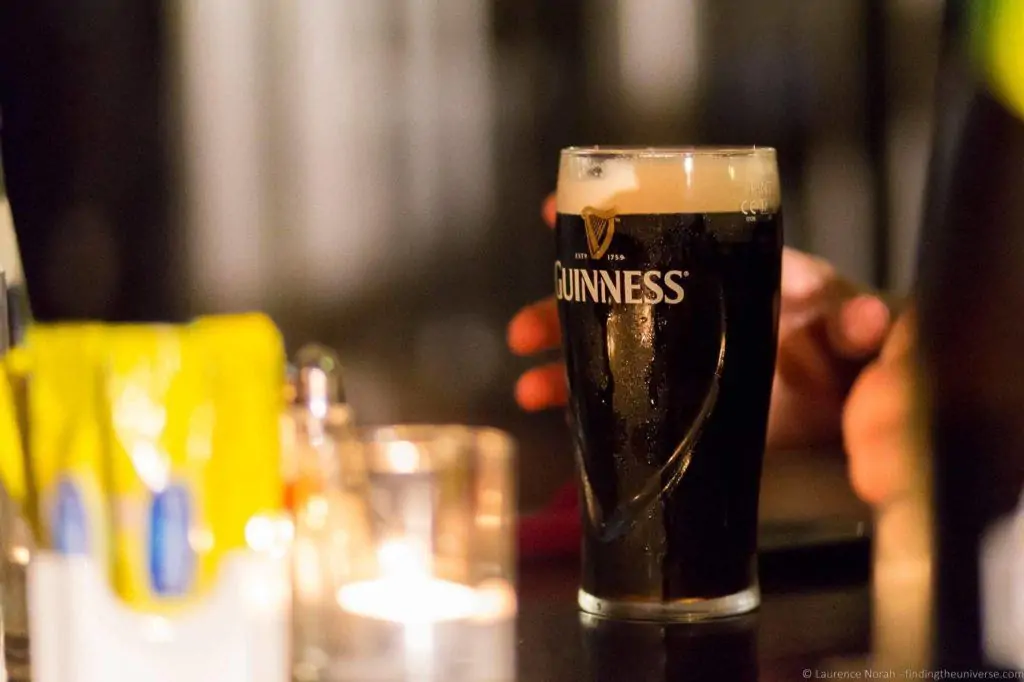
There’s really only one way to end two days in Dublin, and it’s with a pint at the Guinness Storehouse, the city’s most-visited attraction. It sits on the St James’s Gate site where Guinness has been brewed since 1759, the year Arthur Guinness signed his famous 9,000 year lease.
The Storehouse is a seven storey self-guided experience built around a central atrium shaped like a giant pint glass (if you filled it, it would hold around 14 million pints). You work your way up through the story of how the stout is made, a brilliant gallery of the brand’s advertising over the decades, and a lesson in how to pour the perfect pint. It’s slick and it’s busy and it is, frankly, a lot of marketing, but it’s also a lot of fun, and the payoff at the top is hard to argue with.
That payoff is the Gravity Bar on the seventh floor, where your ticket includes a pint of Guinness and a 360 degree view over the whole city. After two days of walking Dublin at street level, seeing it laid out below you with a pint in hand is a fitting way to finish.
A few practical notes. Adult tickets start from €22 booked online, which is cheaper than buying at the door, and pricing is dynamic so it pays to book ahead. Last entry is earlier than you’d think, around 5pm on weekdays and 6pm on Saturdays, so don’t leave it to the very end of the day. Entry and fast-track access are included on the Dublin Pass.
The 2 Day Dublin Itinerary Map
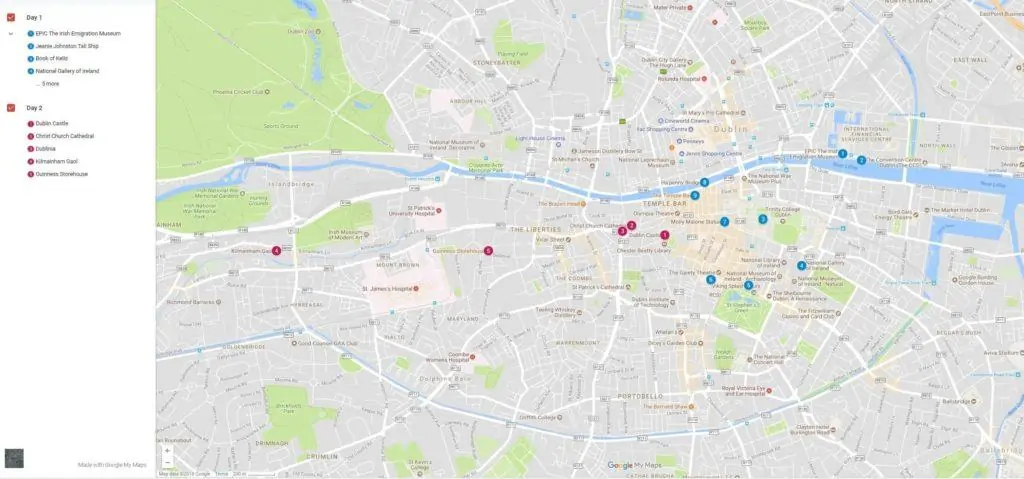
To help it all make sense, we’ve plotted every stop above onto a map, split by day. You can open the full 2 day Dublin itinerary map on Google Maps to use as you go.
Where to Eat and Drink in Dublin
We’re visitors, not Dubliners, so this isn’t an insider’s little black book. What it is, is a handful of places that have stood the test of time and sit right on the route in this guide, so you’re not wandering off hungry.
For a traditional pub with a pint and a bit of atmosphere, the holy trinity of old Dublin bars are all within a few minutes of Grafton Street: Kehoe’s (South Anne Street), Grogan’s (South William Street, famous for its toasted sandwiches) and The Long Hall (South Great George’s Street). The Stag’s Head, tucked down Dame Court, is another Victorian classic. Any of these gives you the Temple Bar experience at a fraction of the price and a fraction of the crowd.
On Day 2, you’re in the oldest part of the city, where The Brazen Head on Bridge Street bills itself as Ireland’s oldest pub, with a licence dating back to 1198. It does hearty Irish food and trad music sessions in the evening, and it’s a short walk from Christ Church.
For food on the go, Leo Burdock by Christ Church (mentioned above) is the city’s oldest fish and chip shop. And for coffee, Clement & Pekoe near Grafton Street is our pick for a proper independent flat white.
Across the board, expect to pay somewhere around €12 to €19 for a main in a pub, and roughly €6.50 to €7.50 for a pint of Guinness (more in Temple Bar). Dublin isn’t a cheap city to eat and drink in, but you can keep it reasonable by sticking to pubs and cafés over the tourist-strip restaurants.
How to Get Around Dublin
The single best thing about Dublin for a short trip is that you can walk almost all of it. The city centre is compact and flat, and we’ve deliberately ordered this itinerary so that most stops are a short stroll from the last. On Day 1 you’ll barely need transport at all.
Day 2 is the exception, because Kilmainham Gaol and the Guinness Storehouse are both a fair way west of the centre. You’ve got a few options for that stretch:
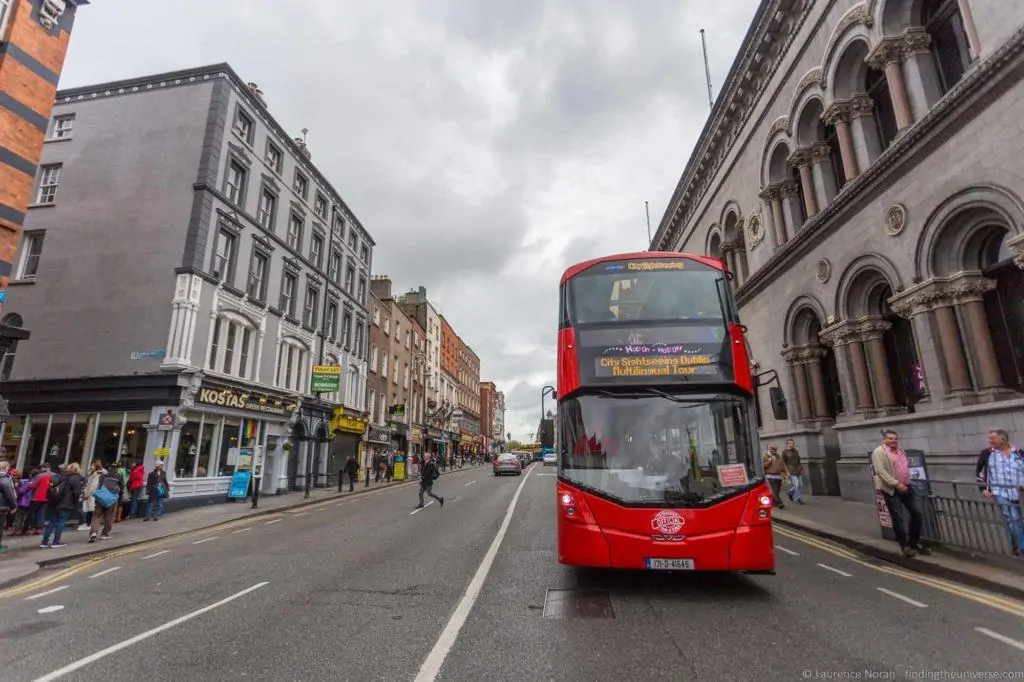
- The hop-on-hop-off bus is the easiest way to link the western stops, since the routes run right past both Kilmainham and Guinness as well as most of the Day 2 sights. One of the main operators is included on the Dublin Pass (one day of use).
- The Luas is Dublin’s tram system, and the Red Line is the useful one here, running east to west and stopping close to both Kilmainham (Suir Road stop) and the Guinness Storehouse area (James’s stop).
- Dublin Bus covers the whole city. You’ll want a Leap Card, a tap-on travel card you can pick up at the airport or any newsagent, which is cheaper than buying single tickets from the driver and works across the buses, the Luas and the local DART trains.
- Taxis are plentiful and not unreasonable for short city hops, handy at the end of a long day.
Getting in from the airport: Dublin Airport sits north of the city with no rail link, so it’s buses. The Aircoach and the Dublin Express both run frequently between the airport and the city centre, take around 30 to 45 minutes depending on traffic, and cost a fraction of a taxi. A taxi will run you somewhere around €25 to €35 into town.
Where to Stay in Dublin for 2 Days
Dublin is not a cheap city for a bed, and rooms get booked up, so it pays to sort accommodation early. For a two day trip you want to be central, ideally somewhere north or south of the river within walking distance of Trinity, so you’re not spending your short time commuting. We’ve stayed across the range here over the years, and these are the options we’d point you to by budget:
- On a budget, Latroupe Jacobs Inn is a well-run, central hostel near Connolly Station, good for solo travellers and anyone watching the pennies.
- In the mid-range, the Leonardo Hotel Dublin Parnell Street is a reliable, well-priced choice in a central spot.
- Our own mid-range pick is the Maldron Hotel Parnell Square, about five minutes’ walk north of the centre. We’ve stayed there and liked it: comfortable, good value, well located.
- For a luxury treat, the Merrion Hotel is Dublin’s grand five star address, a set of restored Georgian townhouses with a serious art collection and a Michelin-starred restaurant.
Our go-to for finding rooms is Booking.com, simply because it tends to have the widest choice and the best prices in a city like Dublin. You can browse the full Dublin hotel listings here.
If you’d rather have a bit more space and a kitchen, an apartment can be better value for two people, and Vrbo has a good range across the city. We’ve also written a guide to the best alternatives to Airbnb if you want to weigh up your options.
Is the Dublin Pass Worth It for 2 Days?
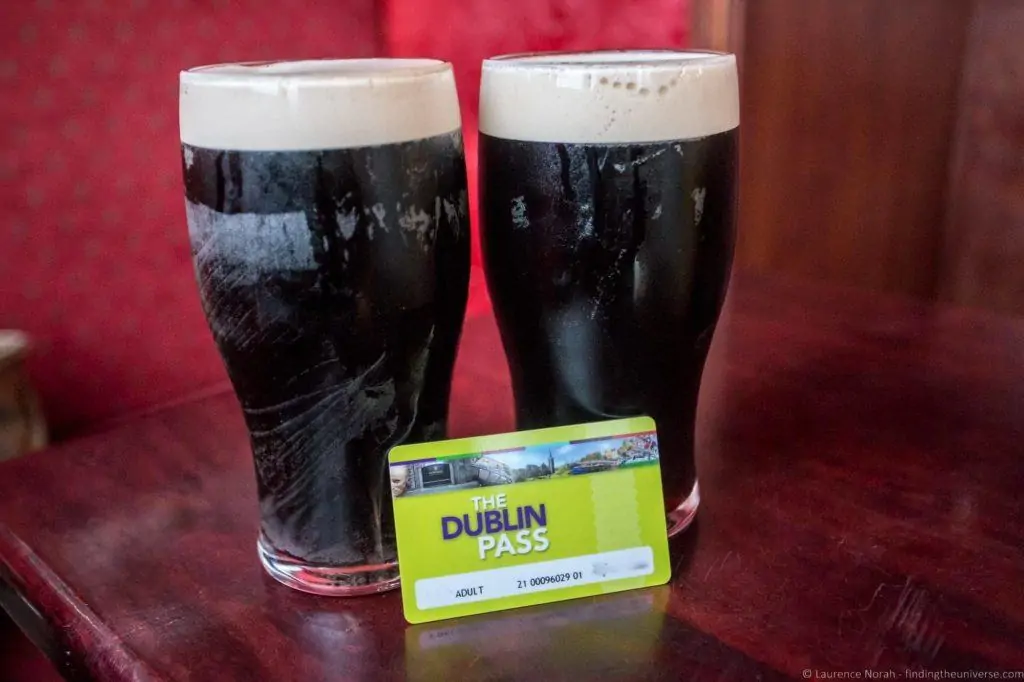
Dublin sightseeing adds up fast, and the main way to save is the Dublin Pass, which bundles entry to most of the paid attractions in this guide plus a day of the hop-on-hop-off bus. We’ve used it on several visits, and whether it pays off depends on how much you plan to do.
As of 2026, a two day Dublin Pass costs €109 for an adult. Here’s the maths for a typical version of this itinerary. If you paid separately for the Guinness Storehouse (from €22), the Book of Kells (from €26), EPIC (€22), Christ Church (€11.50), the Jeanie Johnston (€16) and a day of the hop-on-hop-off bus (around €35), you’d be at roughly €132.50 before you’ve added anything else. On that pattern, the pass pays for itself and then some.
Where it doesn’t add up is if you’re a slower traveller doing fewer paid stops, or if your two days lean on the free and cheap things (Trinity’s grounds, the National Gallery, the cathedrals, simply walking the city). If you think you’ll do three or four paid attractions or fewer, pay as you go.
The rule of thumb: count up the paid attractions you’ll visit, total the online prices, and if you clear €109 the pass wins. Every price in this guide is the advance online rate, which is what most people will actually pay; walk-up prices at the door run a few euro higher at several of these stops, which only tilts things further towards the pass. For most people doing a full two days like this one, it does. We’ve put together a full review of the Dublin Pass if you want the detail on exactly what’s included.
With a Spare Half-Day: Howth
If you somehow find yourself with a spare half-day, or you’re stretching the trip to two and a half, the easiest escape from the city is Howth. It’s a fishing village on a headland at the northern end of Dublin Bay, with a harbour, seafood restaurants and a well-known cliff walk, and the DART train runs straight out there from the city centre in about half an hour.
We haven’t done the full cliff loop ourselves, so rather than dress up someone else’s description as our own, we’ll just say it’s the local consensus pick for the best half-day out of Dublin, and the train ride alone makes it easy to slot in. If coastal walks are your thing, it’s the obvious add-on.
When to Visit Dublin
Dublin is a year-round city, and there isn’t really a bad time to go, only trade-offs.
Summer (June to August) gives you the long days, with daylight stretching past 10pm in midsummer, which makes a two day trip feel a lot longer. It’s also the busiest and priciest time, and you’ll want to book attractions further ahead. Late spring and early autumn (May, and September into October) are our favourite compromise: milder, quieter, and the daylight is still generous.
Winter is cold, dark by mid-afternoon and often wet, but the city is at its cosiest, the pubs are at their best, and you’ll have the museums far more to yourself. Just front-load the outdoor and photo stops into the limited daylight if you visit between November and February.
Whenever you come, pack for rain. Ireland doesn’t earn the “Emerald Isle” name by being dry, and a shower can blow through at any time of year, so bring a waterproof layer and comfortable shoes you don’t mind getting wet. You will be walking a lot.
Practicalities for Visiting Dublin
A few quick practical notes to round things off.
Currency: Ireland uses the euro. Note this trips up some visitors, because Northern Ireland (Belfast and up) uses the pound sterling, so if you’re combining the two on one trip you’ll need both. Cards are accepted almost everywhere in Dublin, but it’s handy to carry a little cash for small pubs and tips.
Power: Ireland runs on 230V with the same three-pin Type G plug used in the UK. If you’re coming from the US, mainland Europe or anywhere else, you’ll need a travel adapter, and you should check that your devices handle 230V (most modern phone and laptop chargers do, but some hair dryers and the like don’t). Our travel adapter guide has picks that cover Ireland’s Type G sockets if you need to buy one. We use a universal travel adapter from Epicka, which covers Ireland and pretty much everywhere else in one unit.
Getting online: WiFi is widespread in hotels, cafés and pubs. For data on the move, the easiest option these days is an eSIM you set up before you fly, and we’ve written a guide to the best travel eSIMs to help you pick one. If you’d rather weigh up all the options, our full guide to getting online when travelling covers everything from local SIMs to portable routers.
Water: tap water in Dublin is perfectly safe to drink, so bring a reusable bottle rather than buying plastic.
Safety: Dublin is a safe city by any measure. Take the usual precautions you would in any capital with your valuables, particularly in busy tourist spots and on a night out in Temple Bar, and you’ll be fine.
A Few Things We’d Do Differently
After enough trips, you learn where the easy wins are. If we were planning these two days again from scratch, here’s what we’d keep in mind:
- Book Kilmainham first, then plan the rest of Day 2 around the time you get. Because the tour slots are fixed and sell out, it’s the one stop you can’t be flexible on.
- Don’t over-museum Day 1. The Jeanie Johnston, EPIC, the Book of Kells, the National Gallery and the Little Museum is a lot of indoor time in one day. If you’re not a museum person, pick three of those, not five, and spend the saved time walking the city.
- Get out of Temple Bar to drink. We made the rookie mistake of paying Temple Bar prices for a so-so pint on an early visit. The good pubs are two streets away and half the price.
- Carry a Leap Card. Even if you mostly walk, one tap-card that works on the bus, tram and DART takes the friction out of the Day 2 western stops and any airport runs.
- Watch the daylight in winter. If you’re visiting between November and February, do your outdoor and photo stops early, because the light goes by mid-afternoon and you don’t want to waste it inside a museum.
Guided Walking Tours of Dublin
If you’d rather have a local guide walk you through the city, a tour is a good way to get the stories behind the sights, and it can replace or supplement a chunk of the self-guided plan above. There’s a tour for most interests:
- A Dublin food walking tour that has you tasting your way around the city’s classic dishes and drinks.
- A haunted history walking tour covering the spookier side of Dublin, from ghosts to body-snatchers (a good evening option).
- A private, customisable walking tour if you’d like a guide to tailor the route to exactly what you want to see.
- A guided bike tour if you want to cover more ground and don’t mind cycling the city’s flat streets.
2 Days in Dublin FAQ
Is 2 days enough time in Dublin?
Yes, two days is enough to see the major sights of Dublin city without rushing. The city is small, flat and walkable, and the itinerary in this guide covers the big-hitters (Trinity and the Book of Kells, the Guinness Storehouse, Kilmainham Gaol, the cathedrals and the main museums) comfortably across two days.
What two days won’t allow is a day trip outside the city, such as the Cliffs of Moher or a run north to Belfast. If you want to add one of those, plan for a third day.
What should I book in advance for a Dublin trip?
Three attractions need booking ahead: Kilmainham Gaol, the Book of Kells at Trinity College, and the Guinness Storehouse.
Kilmainham is the critical one, as it’s guided tour only with no walk-in tickets in practice, and tours sell out. Its tickets release 28 days in advance on the official website. The Book of Kells uses timed slots that fill up in summer, and the Guinness Storehouse is timed and cheaper online. Most other Dublin attractions you can simply turn up to.
What’s closed in Dublin in 2026?
Dublin Castle and the Chester Beatty museum are both closed for the second half of 2026, from 15 June through 31 December, because Ireland is hosting the Presidency of the Council of the EU at the Castle.
Both reopen in January 2027. Every other major Dublin attraction is open as normal. In this itinerary we’ve replaced the Dublin Castle stop with St Patrick’s Cathedral.
How do you get around Dublin?
On foot, mostly. Dublin’s centre is compact and flat, and you can walk between nearly all the central sights, which is how this itinerary is built.
The exceptions are the western stops on Day 2 (Kilmainham Gaol and the Guinness Storehouse), which are further out. For those, use the hop-on-hop-off bus, the Luas Red Line tram, or a regular Dublin Bus. A Leap Card (a tap-on travel card) works across all the public transport and is cheaper than buying single tickets.
Is the Dublin Pass worth it for 2 days?
It’s worth it if you plan to visit several paid attractions. A two day Dublin Pass is €109 in 2026, and a full itinerary like this one (Guinness, Book of Kells, EPIC, the cathedrals, the Jeanie Johnston, plus a day of the hop-on-hop-off bus) easily clears that even at advance online prices, so the pass saves you money.
If you’re a slower traveller doing only three or four paid stops, or leaning on Dublin’s free sights, you’re better off paying as you go. Tot up the entry fees for what you’ll actually visit and compare to €109.
Do you need to book Kilmainham Gaol in advance?
Yes, and this is the one booking you really can’t skip. Kilmainham Gaol is guided tour only, and walk-in tickets are effectively unavailable, so without an advance booking you won’t get in.
Tickets are released 28 days ahead at midnight Irish time on the official Kilmainham Gaol website, which is the only legitimate seller. If your date is sold out, a few same-day cancellation tickets go online between 9.15am and 9.30am, but don’t count on it.
Is the Guinness Storehouse worth visiting if you don’t drink?
Yes, plenty of non-drinkers enjoy it. The Guinness Storehouse is as much a museum of brewing, history and advertising as it is a tasting, and the seven floors of exhibits and the views from the top Gravity Bar work whether or not you want the pint.
If you don’t drink alcohol, your included Gravity Bar drink can be swapped for a soft drink, and under-18s visit too (with a soft drink instead of the pint). The view over Dublin from the top is the highlight either way.
What currency is used in Dublin?
Dublin, and the Republic of Ireland, uses the euro. Card payments are accepted almost everywhere, though it’s handy to carry a little cash for small pubs and tips.
One thing to watch if your trip also takes in Northern Ireland (Belfast, the Causeway Coast): the North uses the pound sterling, not the euro, so you’ll need both currencies for a combined Ireland trip.
Can you do a day trip from Dublin in 2 days?
With only two days, we wouldn’t, because a full day trip means giving up half your city time. Dublin itself comfortably fills two days, and the popular day trips (the Cliffs of Moher, Glendalough, Belfast and the Giant’s Causeway) are long days out.
If you have a spare half-day, the quickest escape is Howth, a coastal village 30 minutes away on the DART train. For the bigger day trips, add a third day to your trip.
When is the best time to visit Dublin?
Late spring and early autumn (May, and September to October) are the sweet spot, with milder weather, long daylight and smaller crowds than peak summer.
Summer gives you the longest days but the biggest crowds and prices. Winter is cold and dark by mid-afternoon, but quieter and cosy in the pubs. Whenever you go, pack for rain, as a shower is possible at any time of year.
Further Reading for Your Dublin Trip

Before you go, a few more resources we’ve put together that should help with planning, plus a guidebook we rate:
- Got a bit longer in the city? Our sister site has a detailed guide to spending three days in Dublin, which adds more of the city’s neighbourhoods and a day trip.
- For even more ideas, see our full rundown of things to do in Dublin.
- The most popular day trip from Dublin is the Cliffs of Moher, and we’ve written up our own visit there.
- Heading north too? We have guides to two days in Belfast, the best day trips from Belfast, the best things to do in Belfast, and the Causeway Coastal Route, one of the great road trips of these islands.
- Fans of Game of Thrones can follow our guides to the filming locations in Ireland and the Game of Thrones Studio Tour.
- Making Ireland part of a bigger trip? Our two week UK and Ireland itinerary includes Dublin.
- For events and what’s on, the official Visit Dublin website is a good place to check.
- If you like a printed guidebook, we’re long-time fans of Rick Steves, and his Rick Steves Ireland guide is a solid, practical companion for a Dublin trip and the rest of the country.
And that’s how we’d spend two days in Dublin. We hope it helps you make the most of a short trip, and if you’ve got a question we haven’t answered, leave it in the comments below and we’ll do our best to help.

Sheila says
I have been looking for months for a website to help me plan my trip to London, Ireland and Scotland. Your site is very informative and it is exactly what I was looking for. Thank you for your info. I am flying into London on March 30, 2023 to attend a wedding and plan on travelling from there.
Once again. Thank you.
Laurence Norah says
Hi Sheila,
Thanks so much for your kind comment! I’m delighted that our sites were able to help you plan your trip. If you have any questions feel free to reach out. Otherwise, have a great trip, and do swing by to let me know how your trip goes once you’re home!
Laurence
Archit says
It’s really a great source of information.
Though I have already visited Dublin in November 2018 from India but few good places mentioned here got missed. Thank you Laurence and Jessica, this time I will explore these places too.
I have read your another blog related to Cliffs of Moher day trip, I would try to follow the directions as stated by you for best photography.
Laurence Norah says
Hi Archit,
Thanks very much – we hope you get to visit a few more places on your next trip, and enjoy your time at the Cliffs of Moher!
Laurence
Mitch Paine says
Hoping you can offer some additional advice. 4 of us (over 55) are planning a trip to Dublin in July 2019.
Two days in Dublin, then heading to London for a weekend then, back to Dublin for two days. The two day guide of the city is great. Do you have any suggestions about the best way to see the city as well as see more of the country’s sites (do we rent a car, take a bus tour)?
Laurence Norah says
Hi Mitch!
Thanks for your comment, and I’ll certainly try to help. So depending on how able you all are, Dublin is certainly a walkable city for the most part. That said, the Hop on Hiop off bus is also excellent, and covers all the highlights you’ll want to visit. In terms of day trips, we can suggest taking a day trip to the Cliffs of Moher, or heading up to Belfast for the day. The former is easiest by bus tour, the latter can be done easily by train.
I hope this helps – let me know if I can be of further assistance, and I hope you have a great trip together!
Laurence
Mitch Paine says
Thanks Laurence. That’s pretty much our plan at this point. Walking is no problem while in Dublin, and a day trip to the Cliff of Moher is on the itinerary.
It’s the South we’re struggling with. We want to maximize seeing as much as possible with a day or two. Do we rent a car or take a tour?
Mitch
Laurence Norah says
Hi Mitch,
Renting a car will likely be more cost effective and let you see things at your own pace, whilst taking a tour will mean you can let someone else worry about the driving, plus you’ll likely learn a few more things as you go from your guide. So it’s up to you – I think they both have positives and negatives, and it will depend which you prefer ultimately!
Sorry I can’t give an absolute answer 😉
Laurence
Mitch Paine says
Thank you very much
jenny says
So heading to Dublin meanwhile this blog was so informative to me….and i think this was a perfect universe thanks a lot for sharing such a wonderful article keep posting!
Laurence Norah says
Our pleasure, thanks Jenny!