
I’ve been coming back to the Veneto since I was fifteen, when my parents first brought me and a thunderstorm chased us across St Mark’s Square. Over the years Jess and I have worked our way out from the lagoon into the mainland cities most visitors skip, and Padua is the one we keep pressing on friends. It’s half an hour from Venice by train, it has a chapel of frescoes that changed the course of Western painting, and you can sleep there for a fraction of what a Venice hotel costs. We’ve spent a few nights in the city and I’ve photographed it properly, so this is the version of a Padua day I’d give you over a coffee.
One day is enough for Padua, but only if you get one thing right, and that thing is the Scrovegni Chapel. It’s the reason most people come, entry is by timed pre-booked slot, and turning up without one can cost you the one sight you came for. Sort that booking first, build the rest around it, and the city opens up easily on foot. Here’s how we’d do it.
Table of Contents:
Quick Take: One Day in Padua
Is Padua worth a day trip? Yes. It’s the most rewarding easy day trip from Venice, mostly for Giotto’s frescoes in the Scrovegni Chapel, with the bonus that it’s a real, lived-in university city rather than a polished film set.
How long do you need? One full day is plenty. The historic centre is compact and flat, so you can walk the headline sights, eat well, and still make an evening train back to Venice without rushing.
What should you book first? Your Scrovegni Chapel slot, online and at least a day ahead, at a time that fits your train. That one booking dictates the rest of the day. Everything else you can play by ear.
And the question nobody else seems to answer: is the city pass worth it? The old PadovaCard has gone, replaced by the Urbs Picta Card, and for most one-day visitors it doesn’t pay off. I run the numbers further down.
Padua in One Day at a Glance
Here’s the whole day at a glance, with current 2026 prices and how long to give each sight. I go through them in turn below.
| Sight | What it is | Time to give it | Cost (2026) | Book ahead? |
|---|---|---|---|---|
| Scrovegni Chapel | Giotto’s 1305 fresco cycle, Padua’s masterpiece | About 30 min total | €15 + €1 (with the Eremitani museums) | Yes, essential |
| Basilica of St Anthony | Huge pilgrimage basilica and the saint’s tomb | 45 to 60 min | Free | No |
| Prato della Valle | One of the largest squares in Europe | 20 to 30 min | Free | No |
| Palazzo della Ragione | Vast medieval hall, “Il Salone” | 30 min | About €9 | No |
| Palazzo Bo | The world’s oldest surviving permanent anatomical theatre | 45 min, guided only | About €15 | Yes, limited tour times |
| Orto Botanico | The oldest university botanical garden still on its original site | 45 to 60 min | €10 | Recommended in summer |
| Caffè Pedrocchi | Padua’s grand 1831 café | As long as a coffee takes | Free to walk in | No |
| Piazza delle Erbe and dei Signori | Market squares and the astronomical clock | 30 min | Free | No |
| Duomo and Baptistery | Cathedral with a frescoed 14th-century baptistery | 30 min | About €15 (Diocesan ticket) | No |
Is Padua Worth a Day Trip from Venice?
Padua is worth a day trip, and of all the mainland options it’s the one I’d send a first-timer on. The pull is Giotto. The Scrovegni Chapel holds a complete fresco cycle he finished around 1305, and standing under that deep blue ceiling is one of those rare art moments that lands even if you don’t think you care about frescoes. It’s the seed of everything that came after in Italian painting.
But it helps to know what Padua is and isn’t. It doesn’t have Venice’s drama or Verona’s polish. It’s a working university city, one of the oldest in the world, with a student energy, arcaded streets to keep the sun and rain off, and an aperitivo culture that fills the squares every evening. That’s exactly why we like it. You get world-class art in the morning and a city that feels lived-in by the afternoon, without the crowds queuing for a gondola.
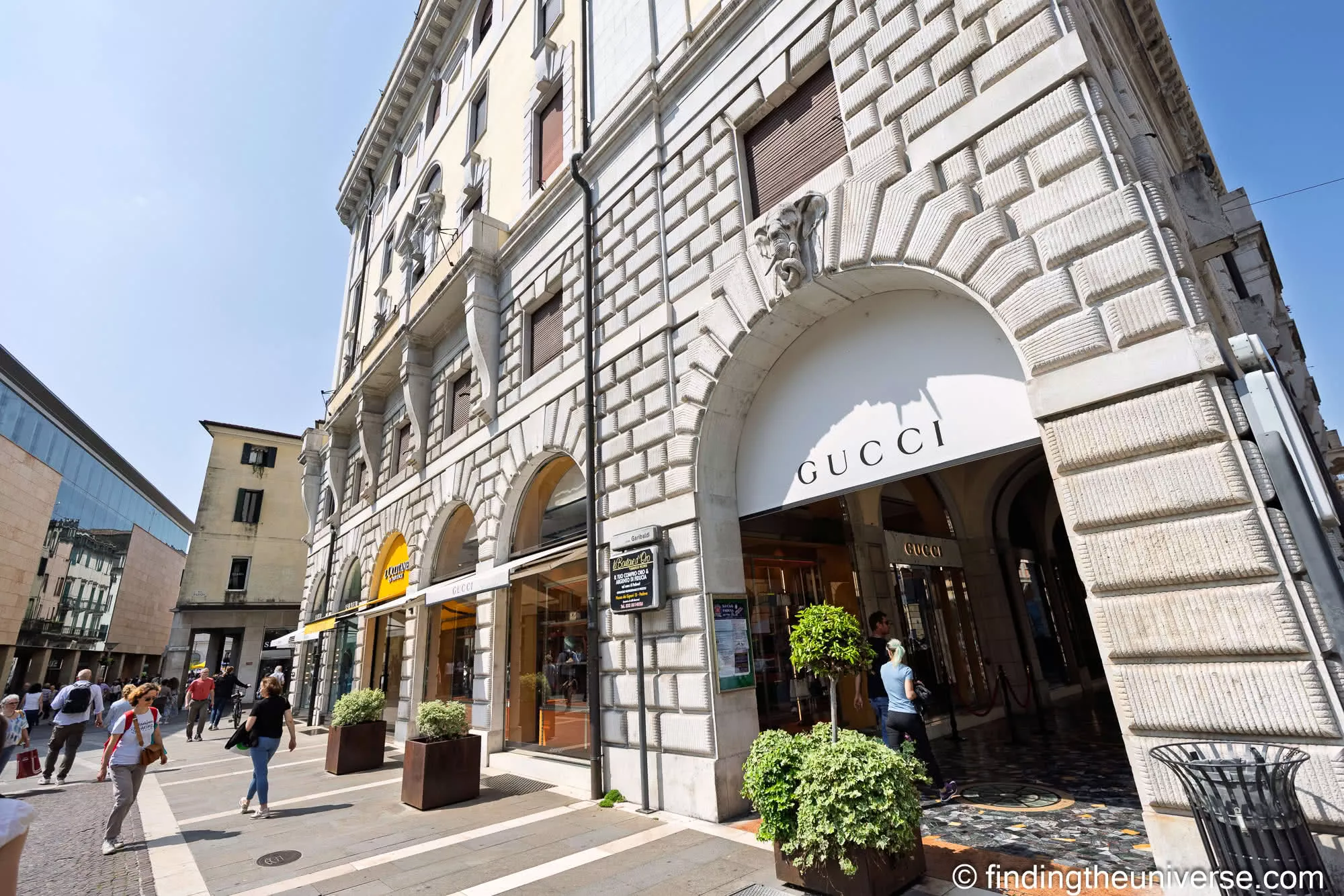
If you’re weighing it against the other options, I’ve ranked all of them in our guide to day trips from Venice. Padua and Verona are the two I’d never talk anyone out of.
Booking the Scrovegni Chapel: The One Thing to Get Right
Book your Scrovegni Chapel slot before you do anything else. This is the single piece of planning that makes or breaks a day in Padua, and it’s the thing the other Padua guides either gloss over or, worse, get wrong.
Here’s how it actually works. Entry is by timed slot, booked in advance, and slots are capped at a small number of people. You can’t reliably turn up and walk in, especially in summer, so anyone telling you they “got lucky on the day” is giving you advice you can’t plan around. Book online at least 24 hours ahead through the official Padova Musei booking site, and choose a time that leaves you a comfortable margin after your train from Venice.
When your slot comes, you don’t go straight in. You spend about 15 minutes first in a glass-walled, climate-controlled antechamber while a short film plays. This isn’t padding. It lets the temperature and humidity on your body settle so you don’t damage the frescoes, and it’s part of why they’ve survived 700 years. Then the doors open and you get 15 minutes inside. It goes quickly, so look up early.
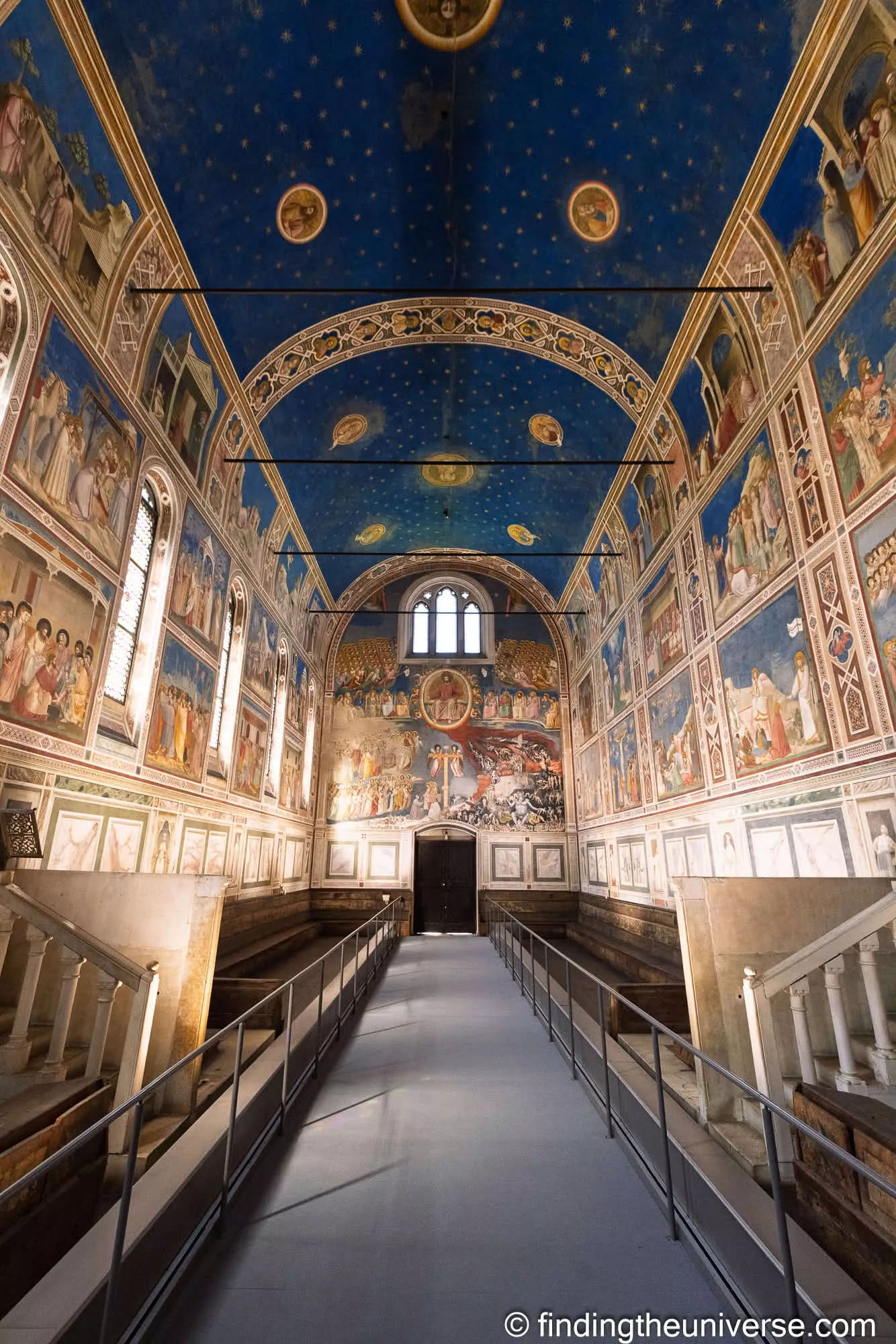
A lot of people assume photography is banned here. It isn’t. You can take photographs inside for personal use, as long as you turn the flash off and leave any tripod or monopod behind. The official rule is no flash, no extra light, no tripods, and no touching the walls. We checked before we went, and I’ve got my own shots of that ceiling to prove it. The confusion usually comes from Rome’s Sistine Chapel, which does ban photography entirely.
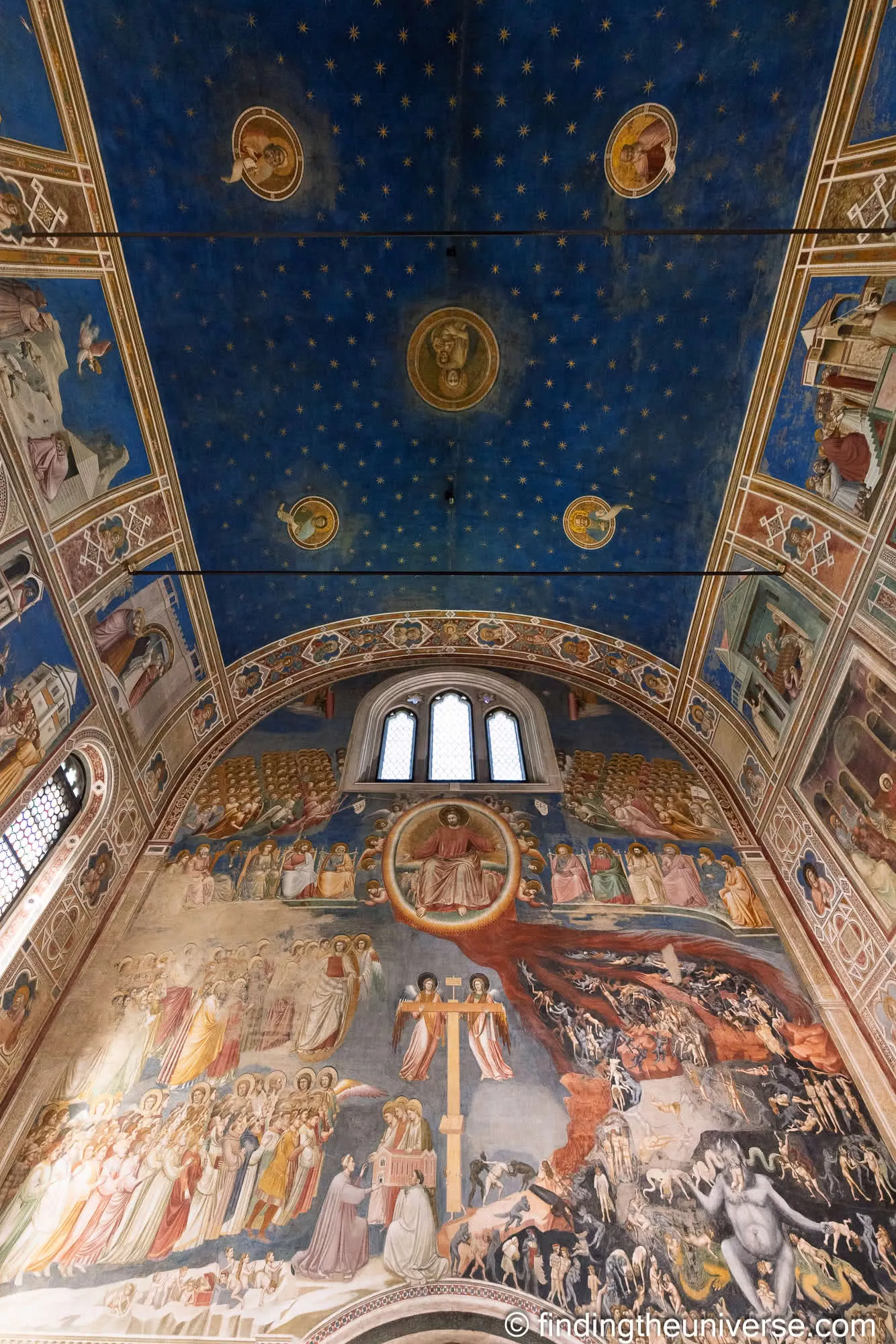
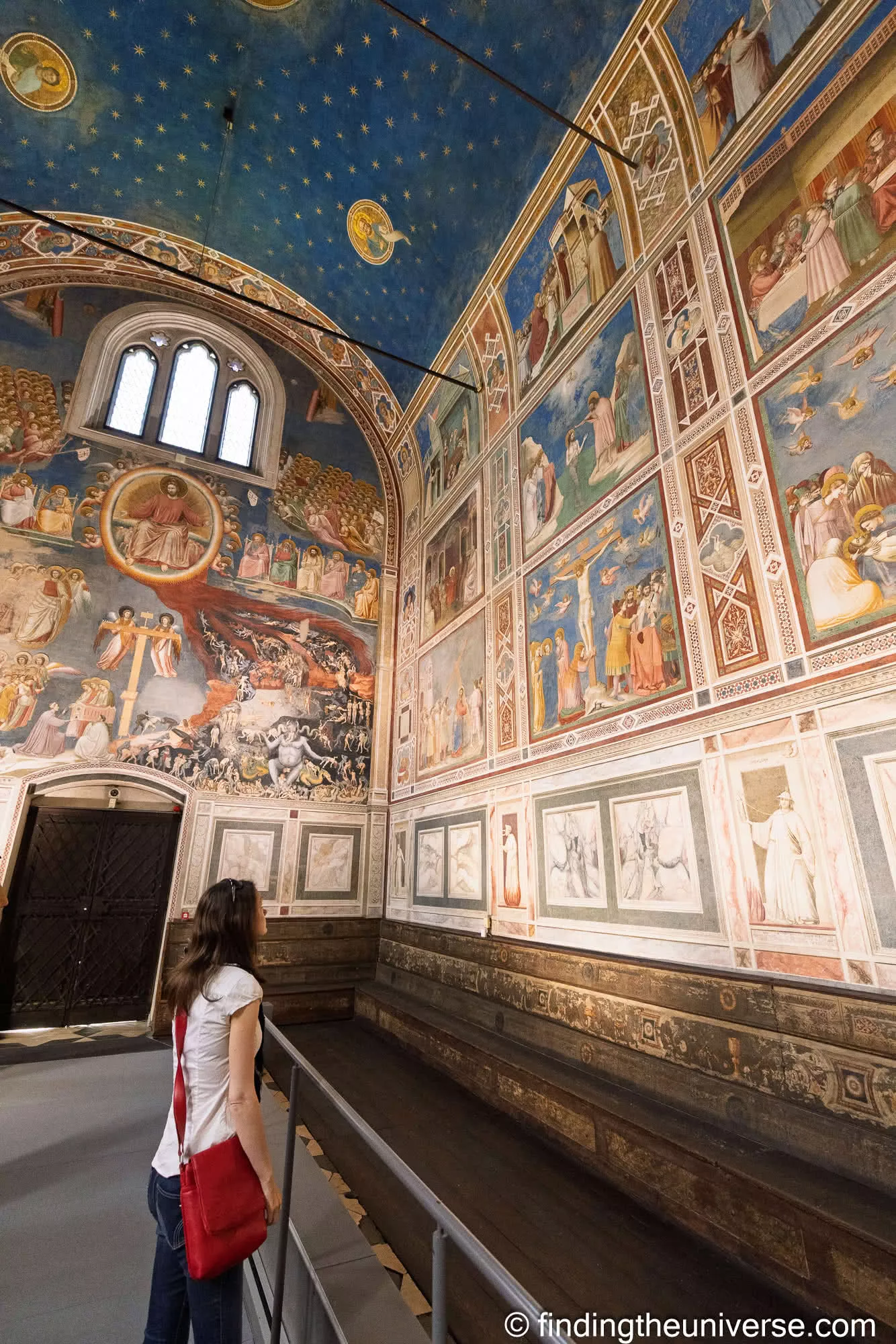
The ticket itself is €15 plus a €1 booking fee, and it isn’t chapel-only. It also covers the Eremitani Civic Museums next door, with a good archaeology collection and art gallery, so factor those in if you have time. The Eremitani church beside them is free to enter and holds what survives of Mantegna’s frescoes, shattered by a 1944 bomb and slowly pieced back together. You can also buy a skip-the-line slot or a guided Giotto tour through GetYourGuide or Tiqets if the official site is sold out for your date, which does happen on busy weekends. We booked direct, but the resale slots are pretty handy as a backup.
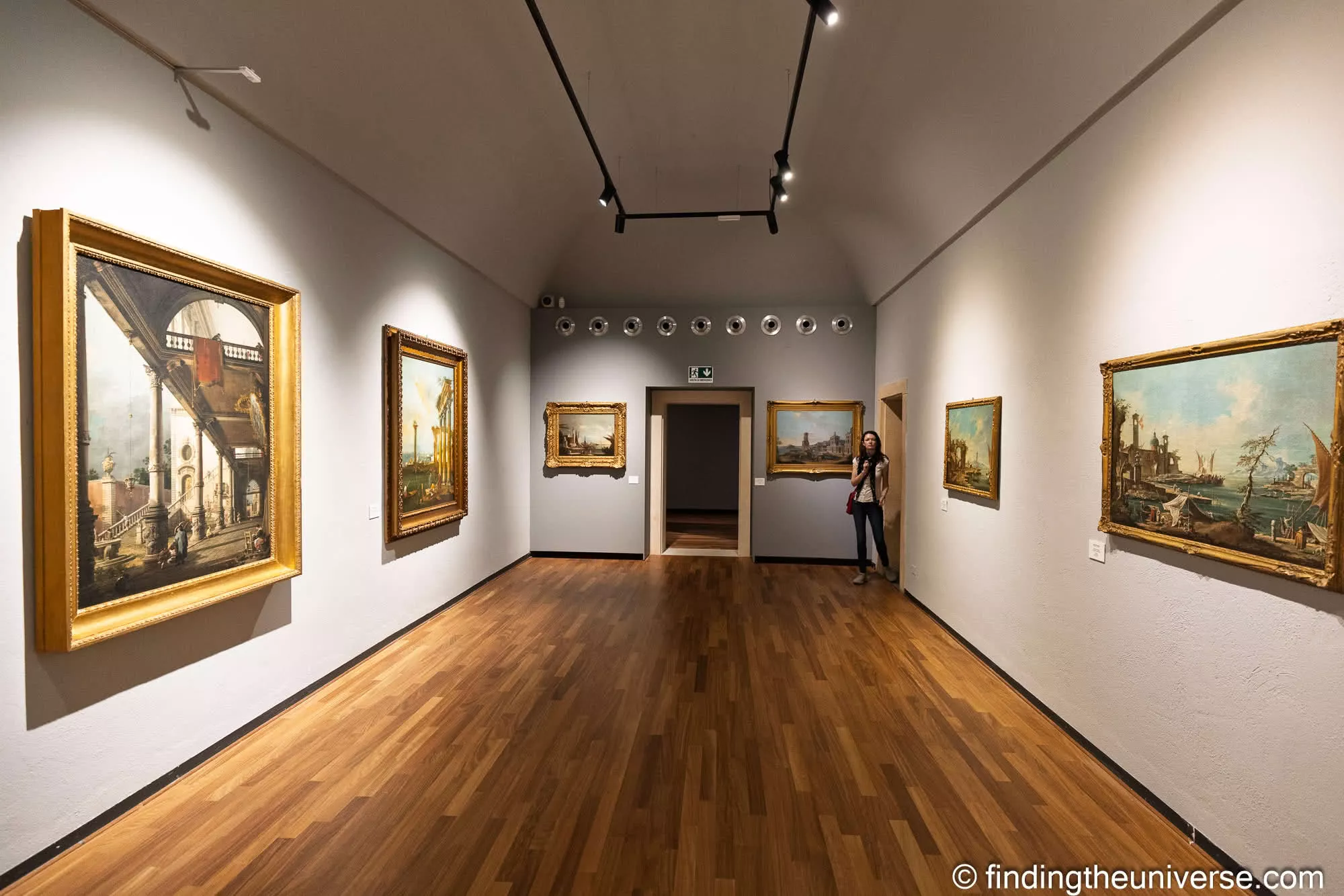
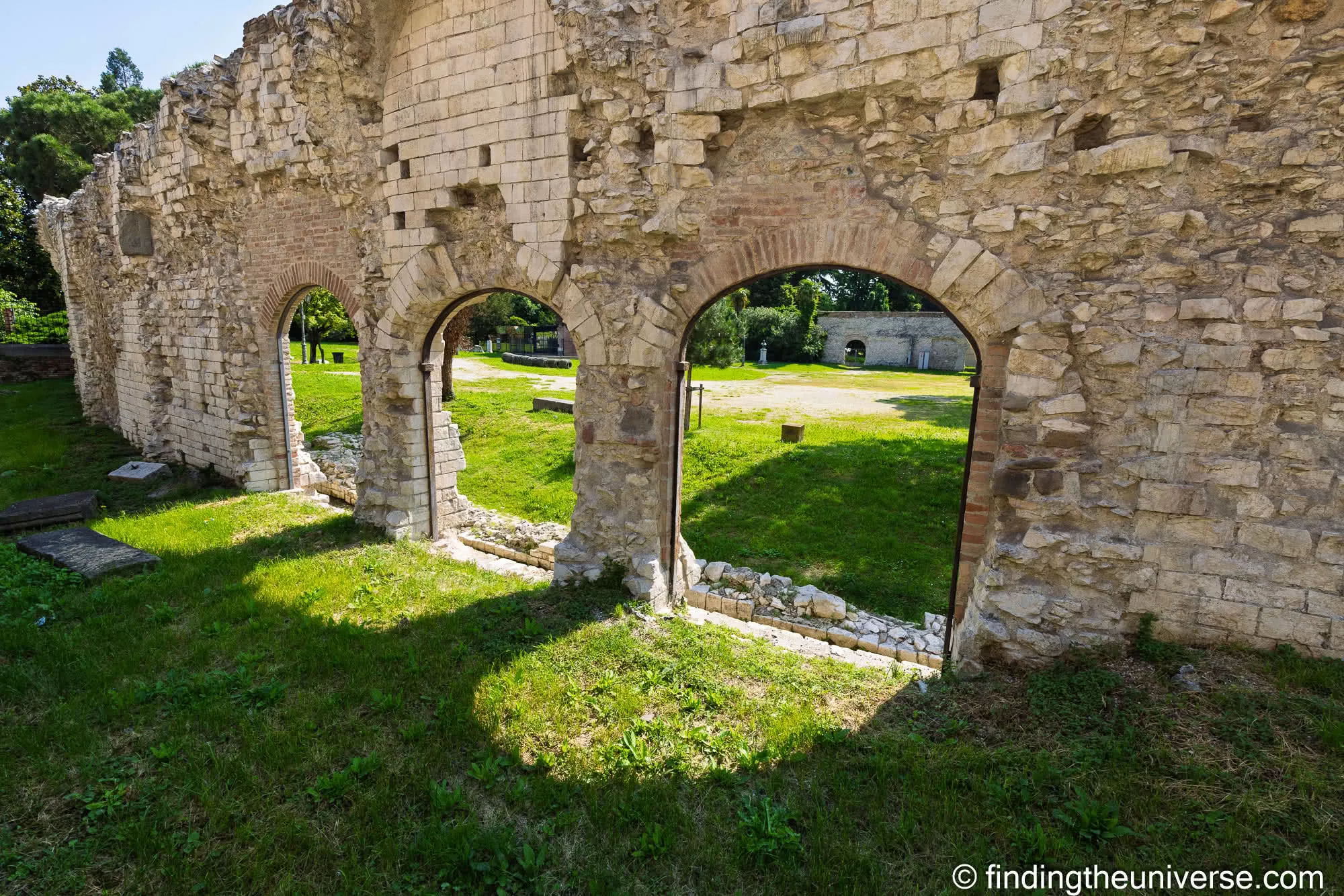
Because those Eremitani museums come bundled with your chapel ticket, it’s worth building in time for them rather than dashing off afterwards. We gave the Musei Civici Eremitani the better part of an hour: an upstairs picture gallery that runs from gold-ground medieval panels to later Veneto painters, and ground-floor archaeology rooms tracing Roman and pre-Roman Padua. Out in the gardens between the chapel and the museums you’ll also pass the low brick remains of the Roman arena the Scrovegni family built their chapel beside, a quiet place to sit before or after your slot.
Is the Urbs Picta Card Worth It?
For most people doing Padua in a day, the city pass is not worth buying. That’s the short answer, and it matters because the card changed recently and a lot of the information still out there is out of date.
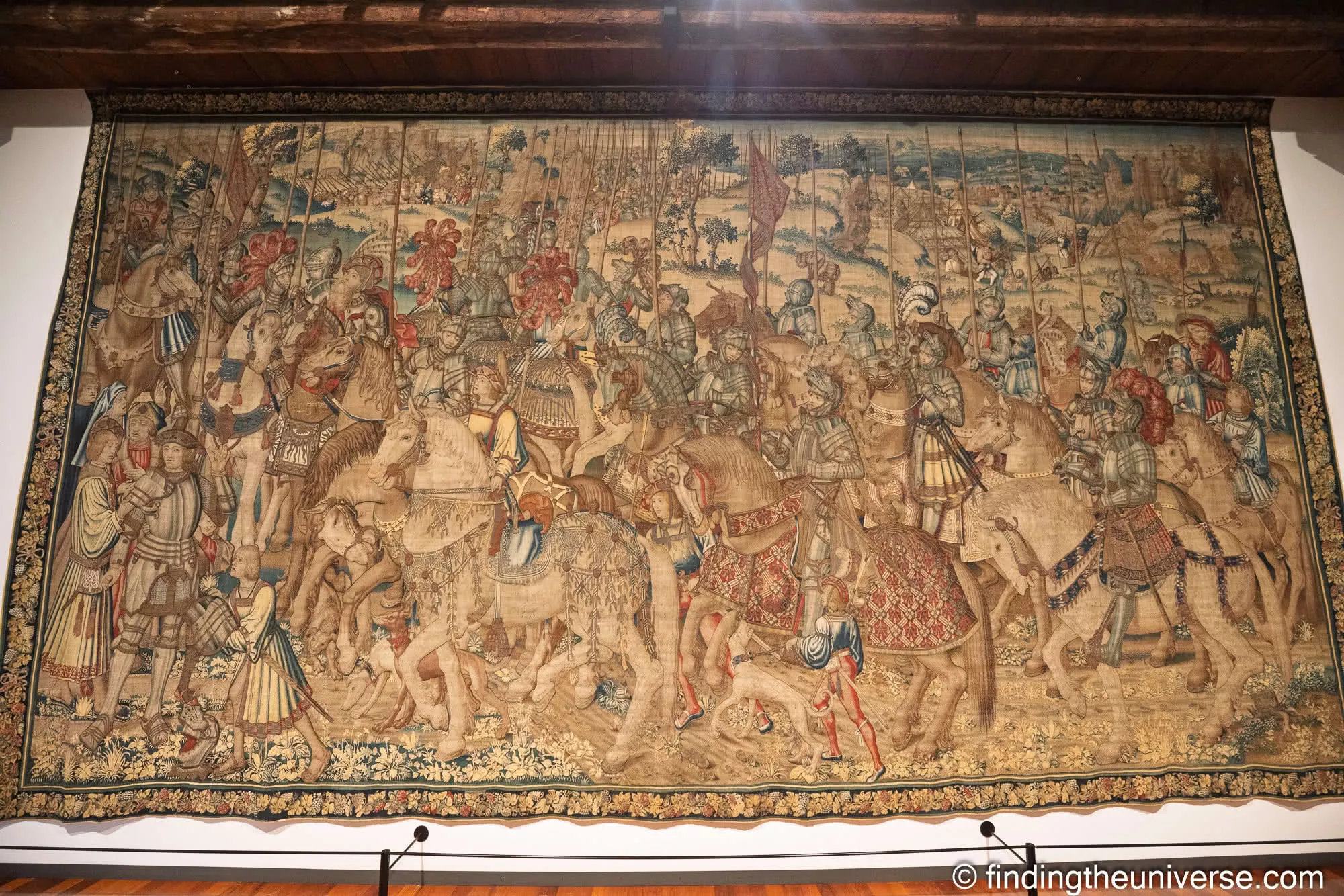
The old PadovaCard has been retired. It’s been replaced by the Padova Urbs Picta Card, which costs €28 for 48 hours or €35 for 72 hours as of 2026. It covers the eight UNESCO fresco sites, including the Scrovegni Chapel, plus unlimited city buses and trams. You collect it at the Eremitani Museum ticket office, and you still pay the €1 Scrovegni booking fee on top.
The catch is that the new card only covers the fresco circuit. Several of Padua’s best sights, the Palazzo Bo anatomical theatre, the Orto Botanico, and the Basilica of St Anthony among them, aren’t on it at all. So whether it pays off depends entirely on which kind of day you’re having.
| Your kind of day | Paid separately | With the 48h card (€28) | Our verdict |
|---|---|---|---|
| Two sights: Scrovegni and the free Basilica of St Anthony | About €16 | €28 | Skip the card |
| The fresco circuit: Scrovegni, the Baptistery, Palazzo della Ragione | About €40 | €28 plus free transport | Buy the card, you save around €12 |
| A bit of everything: Scrovegni, Palazzo Bo, Orto Botanico | About €41 | Card covers only the €16 Scrovegni part | Skip the card |
| Two days, all the frescoes at a slower pace | €50 or more | €35 for 72 hours, transport included | Buy the 72h card |
So the card only pays for itself if you’re deliberately doing the fresco-cycle sights, three or more of them, or staying over. For a typical day-tripper hitting the chapel, the basilica, and a couple of squares, you’ll spend a bit less buying tickets as you go. If you’re not sure which day you’re having, you probably don’t need the card, and you can always buy single tickets at each door.
Getting to Padua
Most people reach Padua from Venice, and the train makes it the easy part. There are around 80 a day, so you don’t need to plan around a timetable, and you’ve got two choices. The regional train (Regionale Veloce) is the one I’d take: about €4.75 one way at a fixed fare, roughly 25 to 30 minutes from Venezia Santa Lucia, and you can buy a ticket on the day without any drama. The high-speed Frecciarossa and Italo trains cut it to about 13 to 15 minutes but cost more, usually around €15 to €18 depending on how far ahead you book. For a half-hour hop, the regional is the obvious value pick. Book either through Trainline, or direct on Trenitalia and Italo if you’d rather book at source.
You don’t have to come from Venice, though. Padua sits right on the main Milan to Venice railway, so it’s an easy hop from across the region: Vicenza is under 20 minutes away, Verona under an hour, and Bologna about an hour by fast train, which makes Padua a simple add-on from Florence or Milan as well. If you’re flying in, Venice Marco Polo is the closest airport, with a direct Busitalia bus to Padua that takes around 70 minutes for a few euros, plus the option of a train from Venezia Mestre. Treviso and Verona are the budget-airline airports, both an easy connection away.
However you arrive, Padova station sits at the northern edge of the centre, about a 10 minute walk from the Scrovegni Chapel and the Eremitani area, which is why I’d put the chapel first in your day. Everything else is a short, flat walk south from there. If you’re pairing Padua with the lagoon, our two days in Venice itinerary slots a Padua day in naturally.
A Walking Route for One Day in Padua
Padua’s centre is small enough to cross on foot in 20 minutes, and almost everything sits under arcades, so the route below works rain or shine. I’ve framed it as a loose morning, midday, and afternoon rather than a stop-by-stop clock, because your Scrovegni slot is the fixed point and you build the rest around it.
Start your morning at the Scrovegni Chapel, ideally with a mid-morning slot that gives you time to get there from Venice. See the Eremitani museums next door while you’re in the area, then walk south into the old centre.
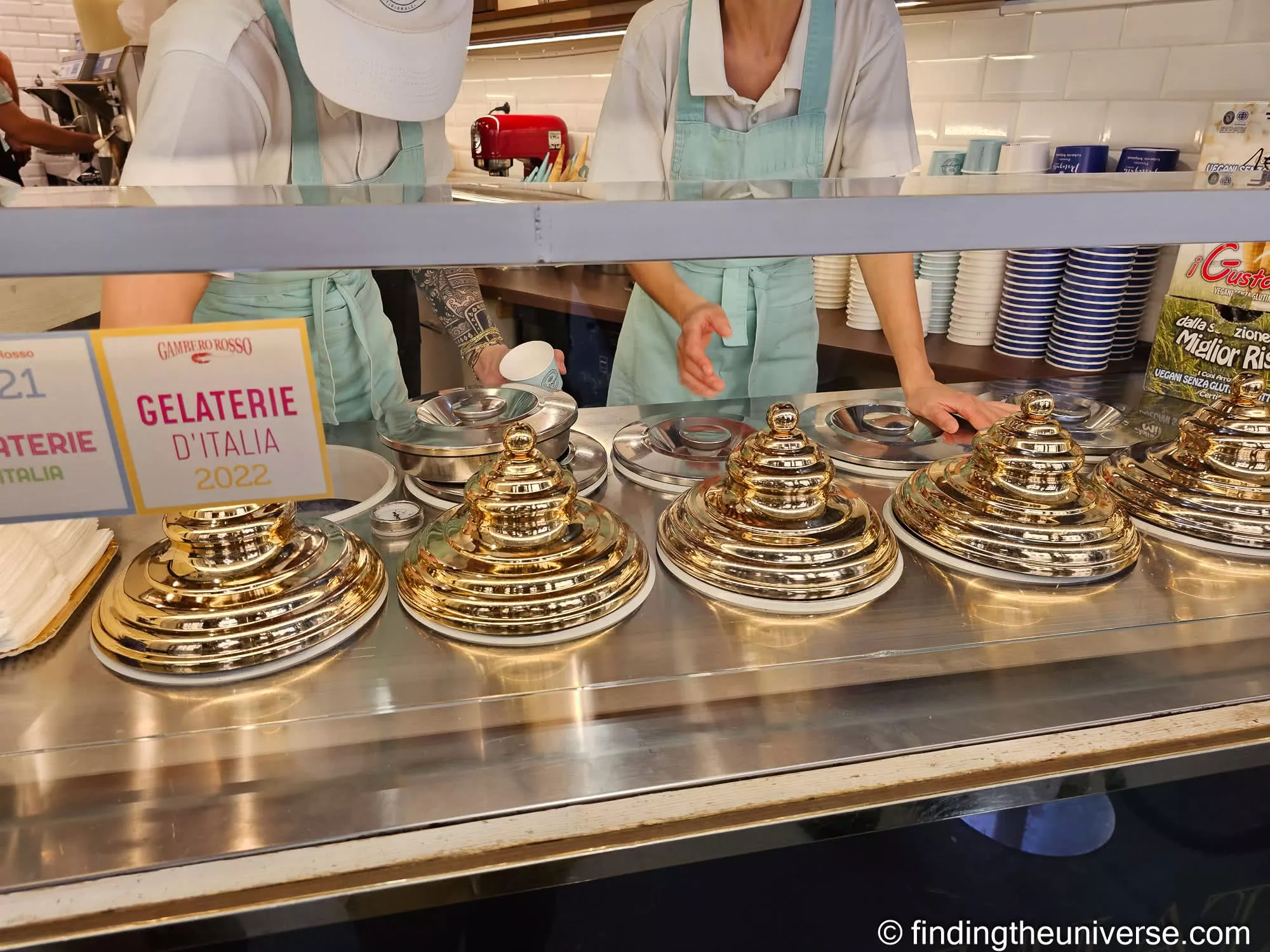
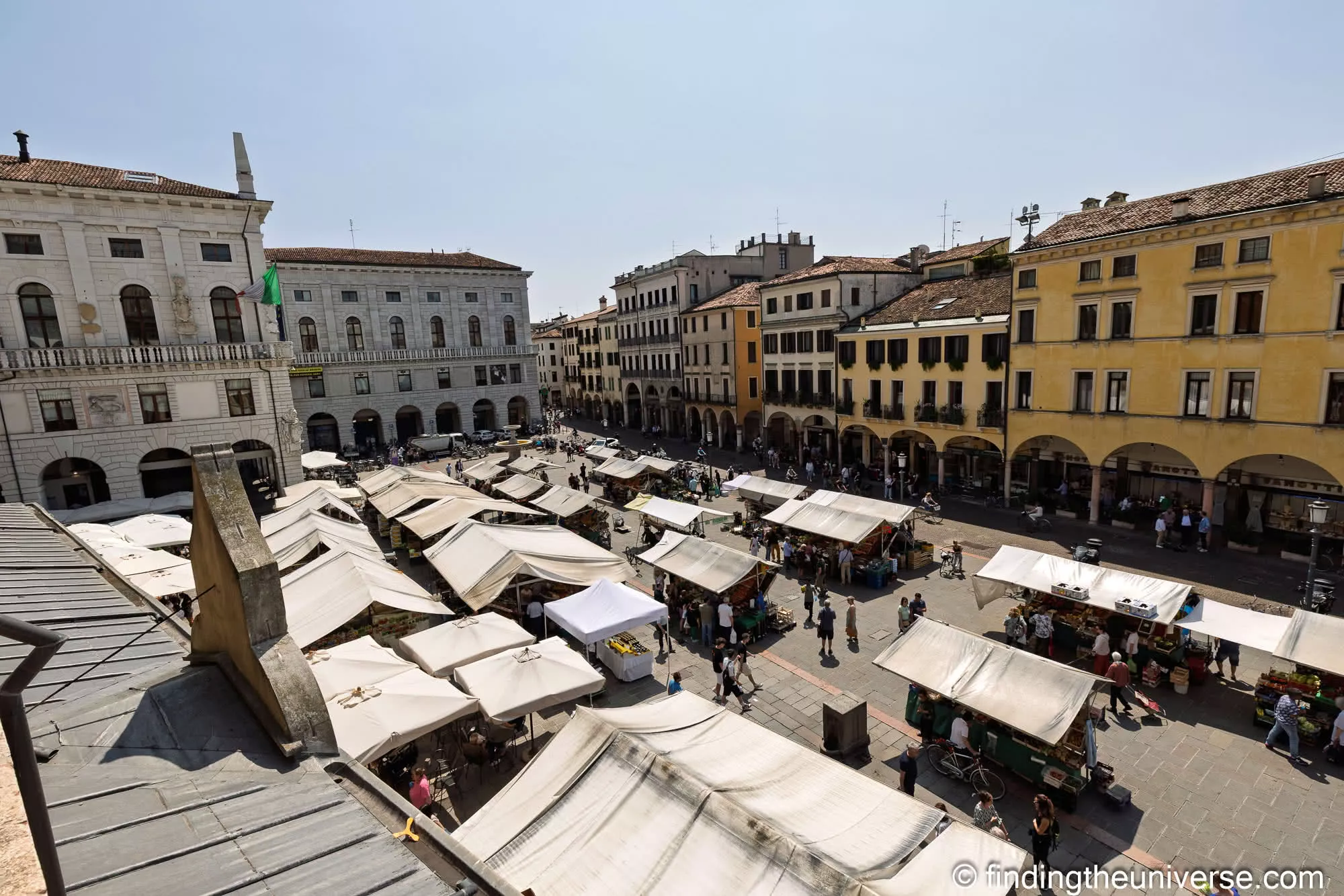
By midday, aim for the twin market squares, Piazza delle Erbe and Piazza della Frutta, with the Palazzo della Ragione between them. This is where Padua eats and shops, and it’s the right place to stop for lunch or a stand-up spritz. We’re the kind of travellers who track down the best gelato in any city we visit, as our Rome gelato guide gives away, and in Padua the one that won us over was Portogallo, near the squares. Duck into Caffè Pedrocchi for a coffee afterwards, and look up at the astronomical clock on Piazza dei Signori.
In the afternoon, head further south to the cluster of Prato della Valle, the Basilica of St Anthony, and the Orto Botanico, which sit close together. If you booked a Palazzo Bo tour, fit it around its set times earlier in the day, as the university only runs guided visits. Finish with an aperitivo back in the squares before your train.
That’s a full but unhurried day. If you’d rather slow down, drop the Orto Botanico or the Baptistery and give the rest more room.
The Best Things to Do in Padua
Beyond the Scrovegni Chapel, here are the sights I’d actually prioritise, in the order they sit on the walking route.
Basilica of St Anthony
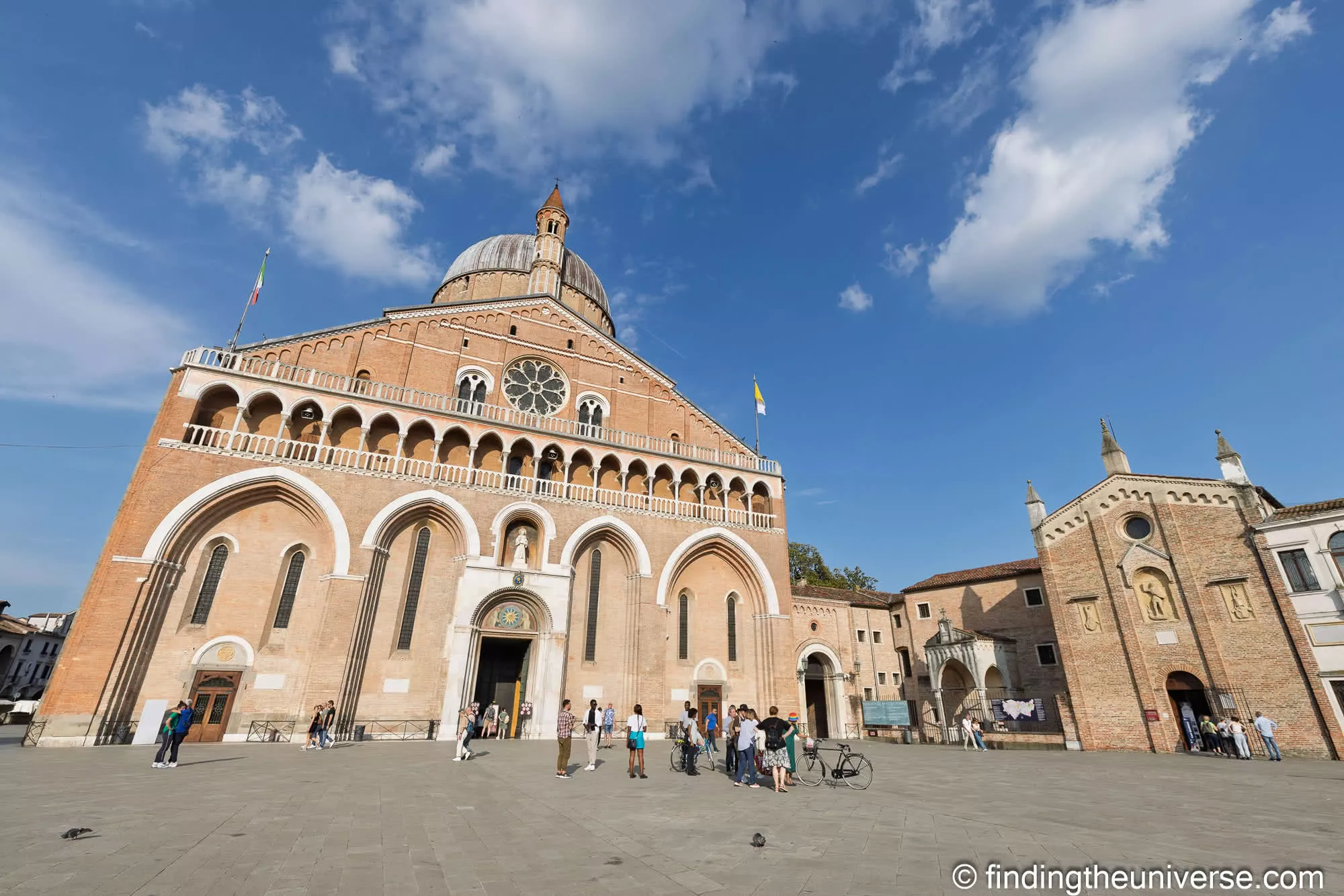
The Basilica of St Anthony is free to enter, and it’s the one sight I’d never skip after the chapel. It’s an enormous pilgrimage church, a pile of domes and minaret-like towers that looks more Byzantine than Italian, and inside it holds the tomb of St Anthony of Padua along with his relics. Pilgrims queue to touch the green marble of his tomb, and the Donatello bronzes on the high altar are really worth lingering over. Dress modestly, as it’s an active place of worship, and give it the better part of an hour.
Prato della Valle
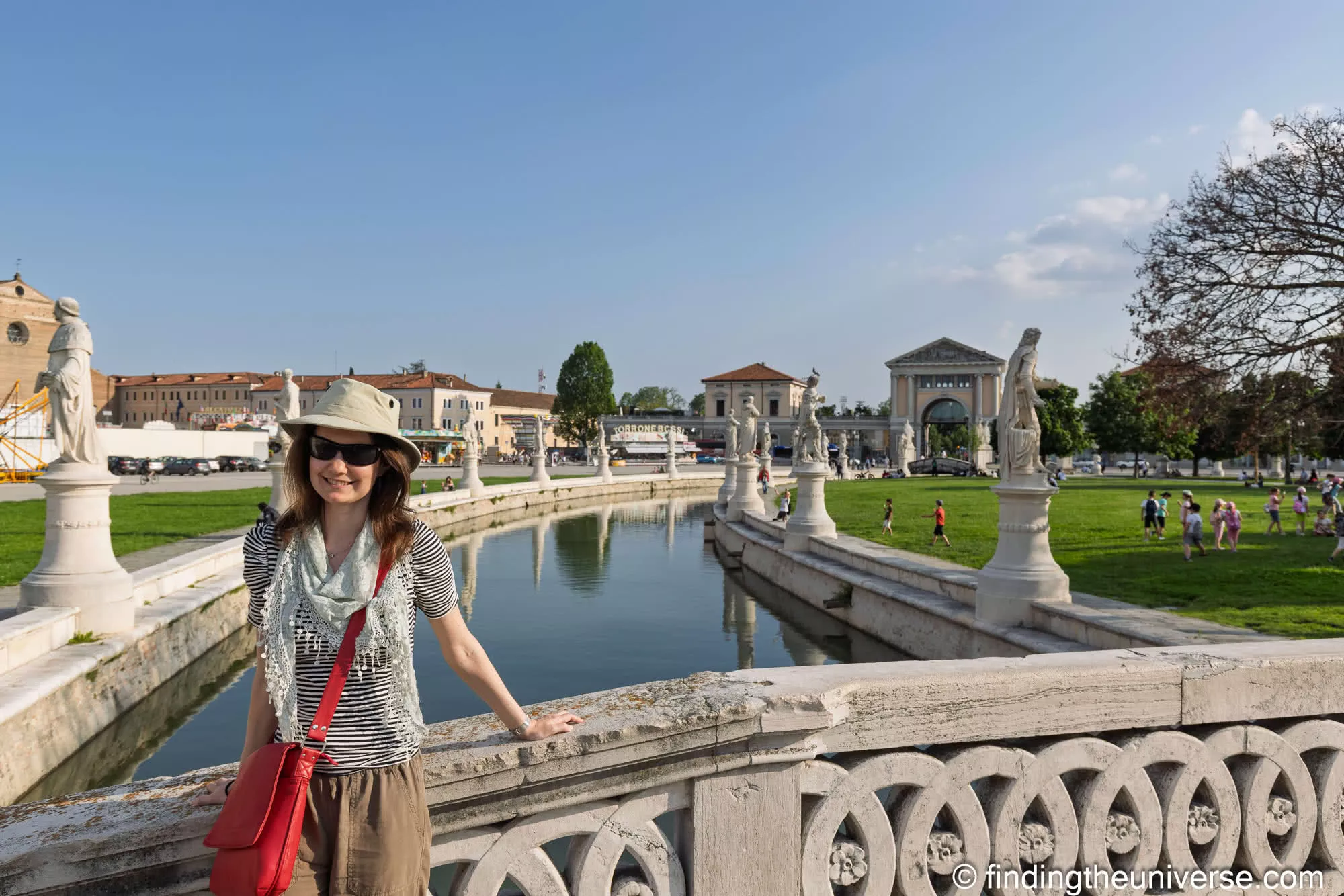
Prato della Valle is one of the largest squares in Europe, an oval green ringed by a canal and lined with 78 statues of famous Paduans. At around 90,000 square metres it’s vast, and it’s where the city comes to jog, sunbathe, and lay out a big Saturday market. It’s free, it’s photogenic in any light, and it’s the natural pause point on the southern leg of the walk. I’d not call it the largest in Europe, whatever the local signs say, but it’s easily one of them.
Palazzo della Ragione
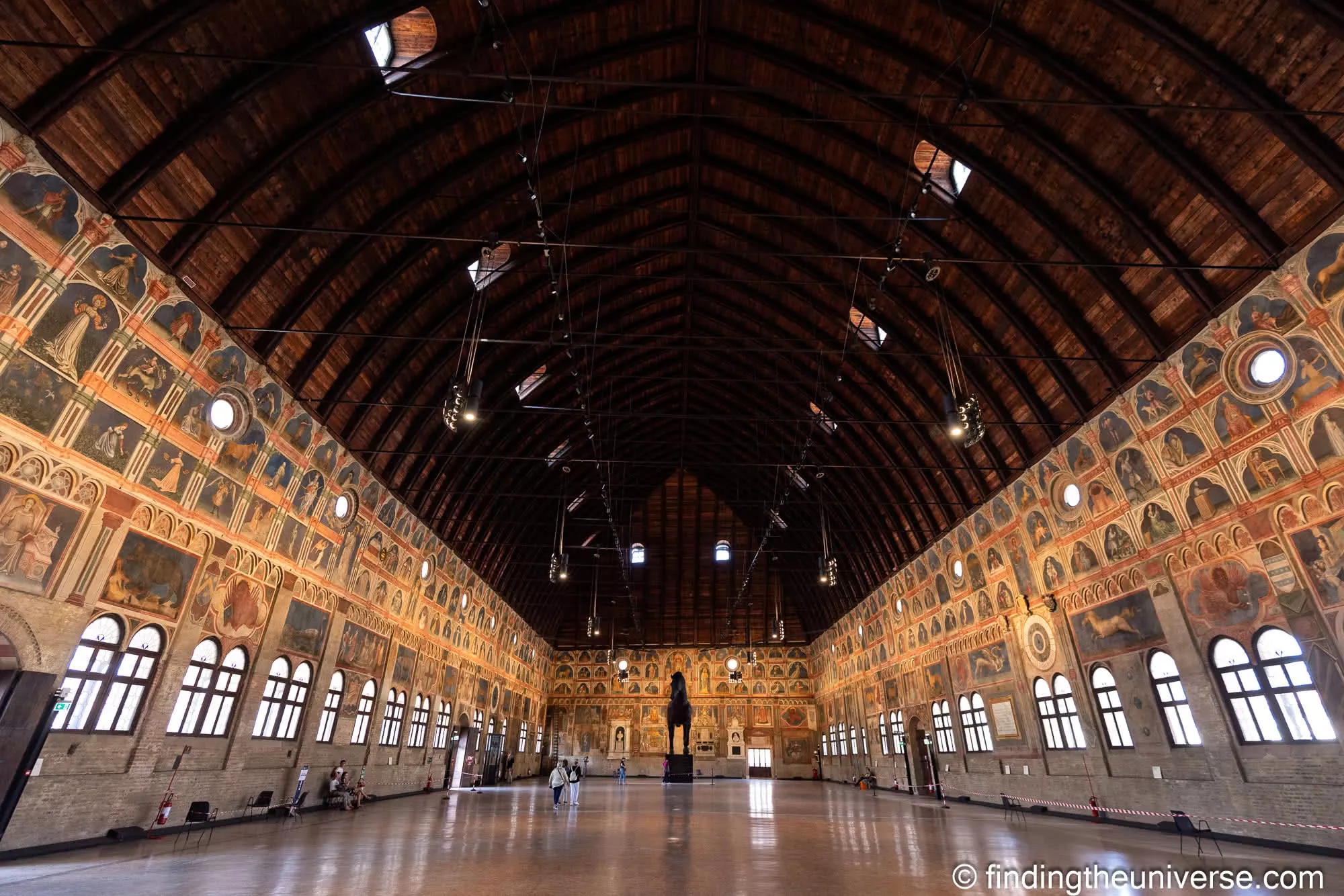
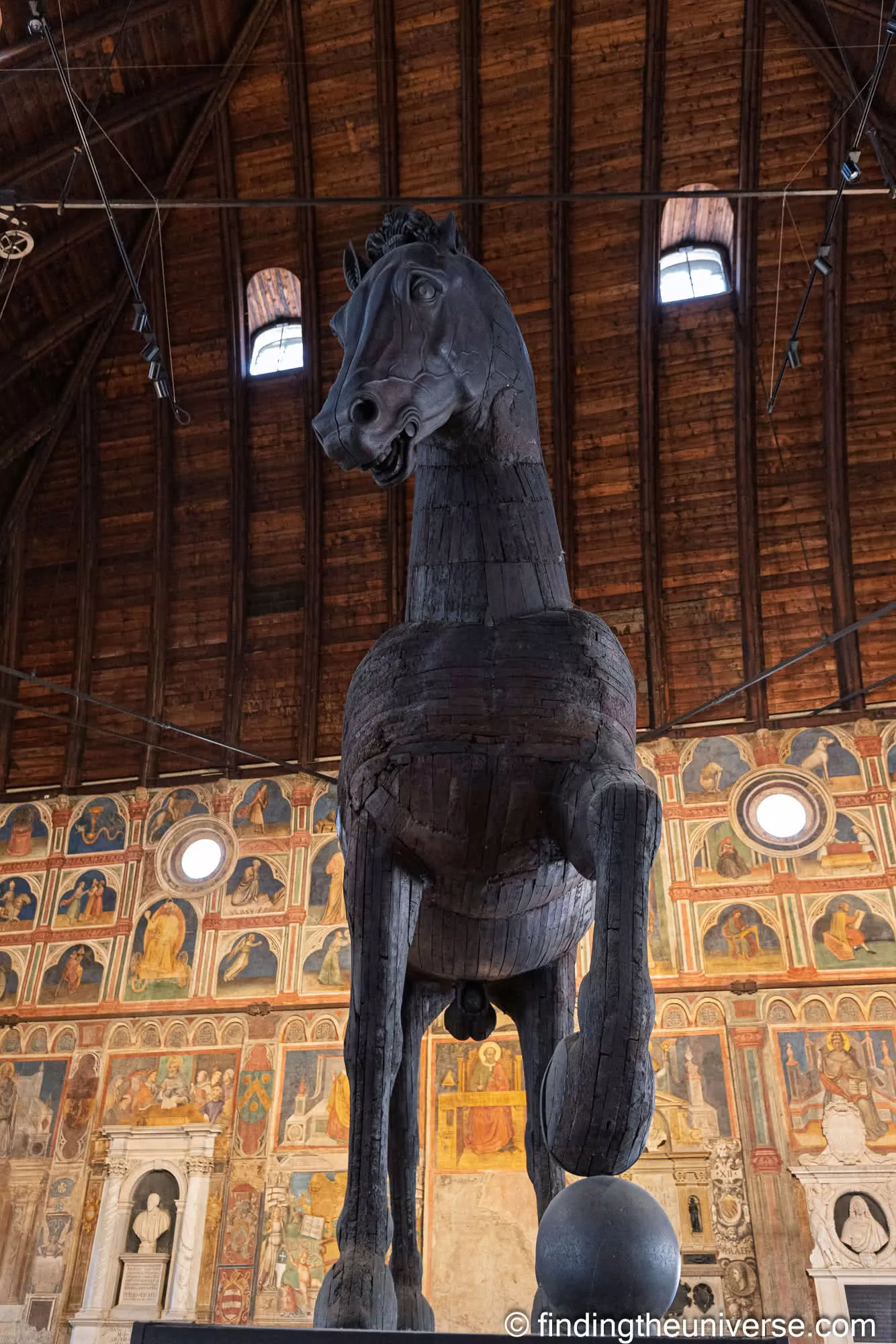
Step inside the Palazzo della Ragione for one of the most surprising rooms in the Veneto. The upper floor, known as Il Salone, is a single medieval hall the length of a football pitch, with a curved wooden roof like an upturned hull and walls covered in an astrological fresco cycle.
There’s a giant wooden horse at one end, and you can step out onto the roof loggia for a view down over the market stalls of Piazza delle Erbe. Entry is about €9 and it takes half an hour, and the markets in the squares around it make it a pretty good midday stop.
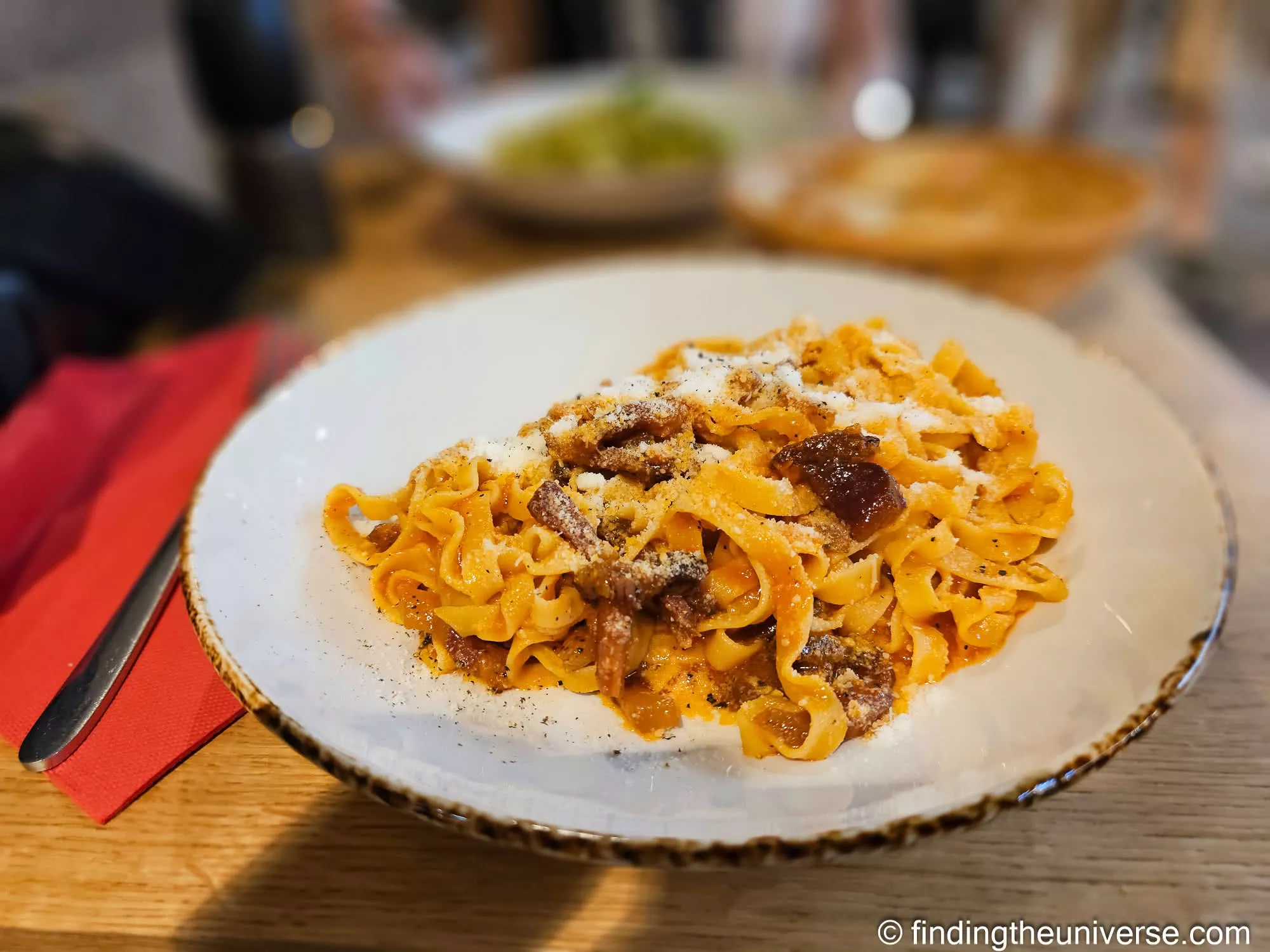
Down at ground level, the building’s arcades hide Sotto il Salone, a covered food market of cheesemongers and pasta stalls that has traded under the hall for 800 years. We had a plate of fresh pasta from one of the stalls there, and it was the best lunch we ate in Padua.
Palazzo Bo and the Anatomical Theatre
The University of Padua’s historic seat, Palazzo Bo, holds the world’s oldest surviving permanent anatomical theatre, built in 1594 and opened the following January. It’s a steep wooden funnel of standing galleries where students once watched dissections by candlelight, and it’s quite a remarkable thing to stand in. You can only see it on a guided tour, which costs around €15 and runs at set times, mostly on weekdays, so check the schedule and book ahead. Galileo lectured here, and they’ll show you his chair.
Orto Botanico
The Orto Botanico is the oldest university botanical garden still growing on its original site, founded in 1545, and it earned Padua its first UNESCO listing in 1997. There’s a circular walled physic garden that looks much as it did in the Renaissance, a Goethe palm planted in 1585, and a modern glasshouse if you want a break from the heat. Entry is €10, and I’d give it an hour. It’s a really calm, green counterpoint to a day of churches and frescoes, and best on a warm afternoon.
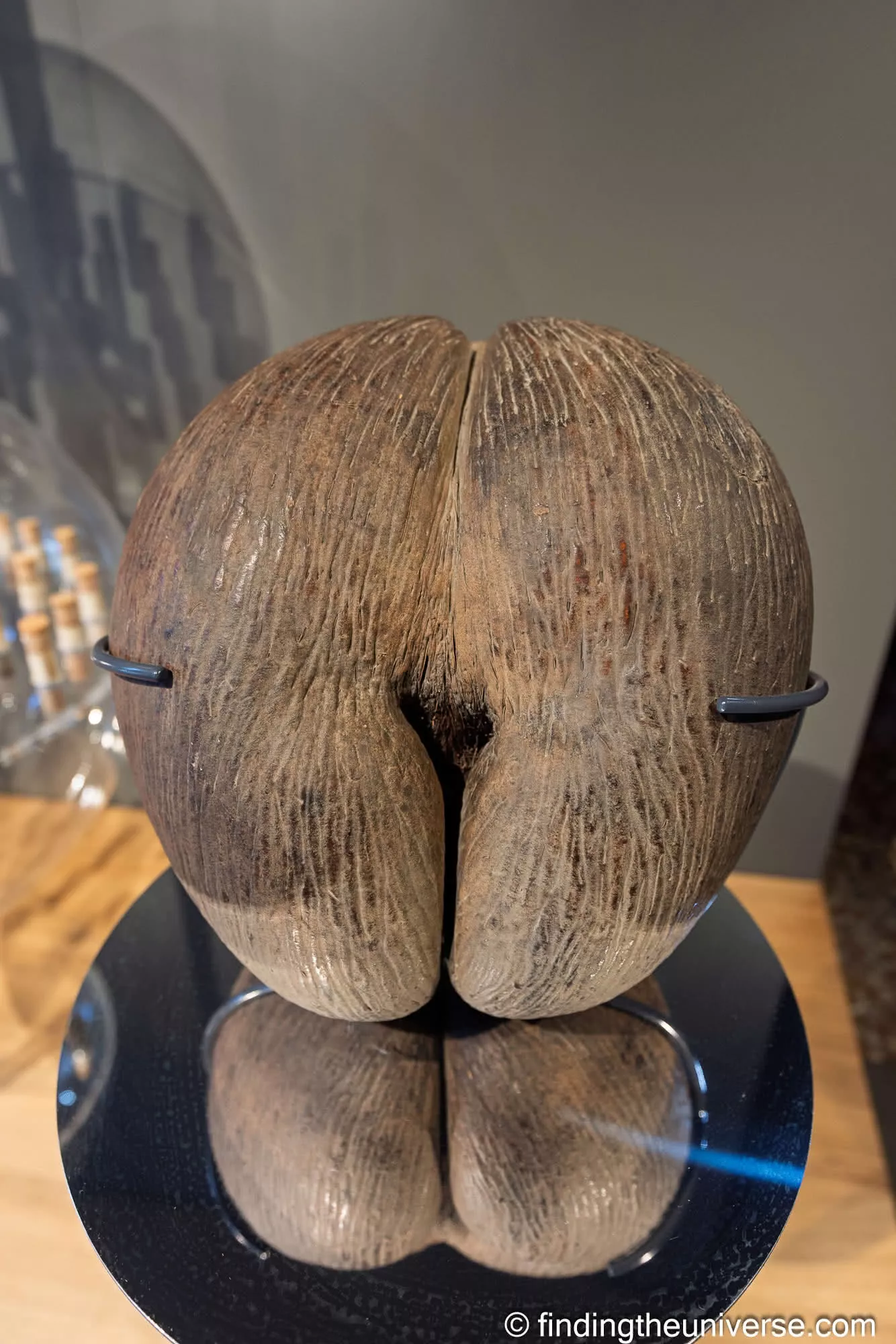
The glasshouse held a small surprise for me: a coco de mer, the giant double coconut that grows wild nowhere on earth but the Seychelles. I’m Seychellois, and coming across one of these nuts out in the world always gives me a quiet lift, a little piece of home a long way from the Indian Ocean. If the islands ever tempt you, our one week in the Seychelles itinerary is where I’d point you.
Caffè Pedrocchi
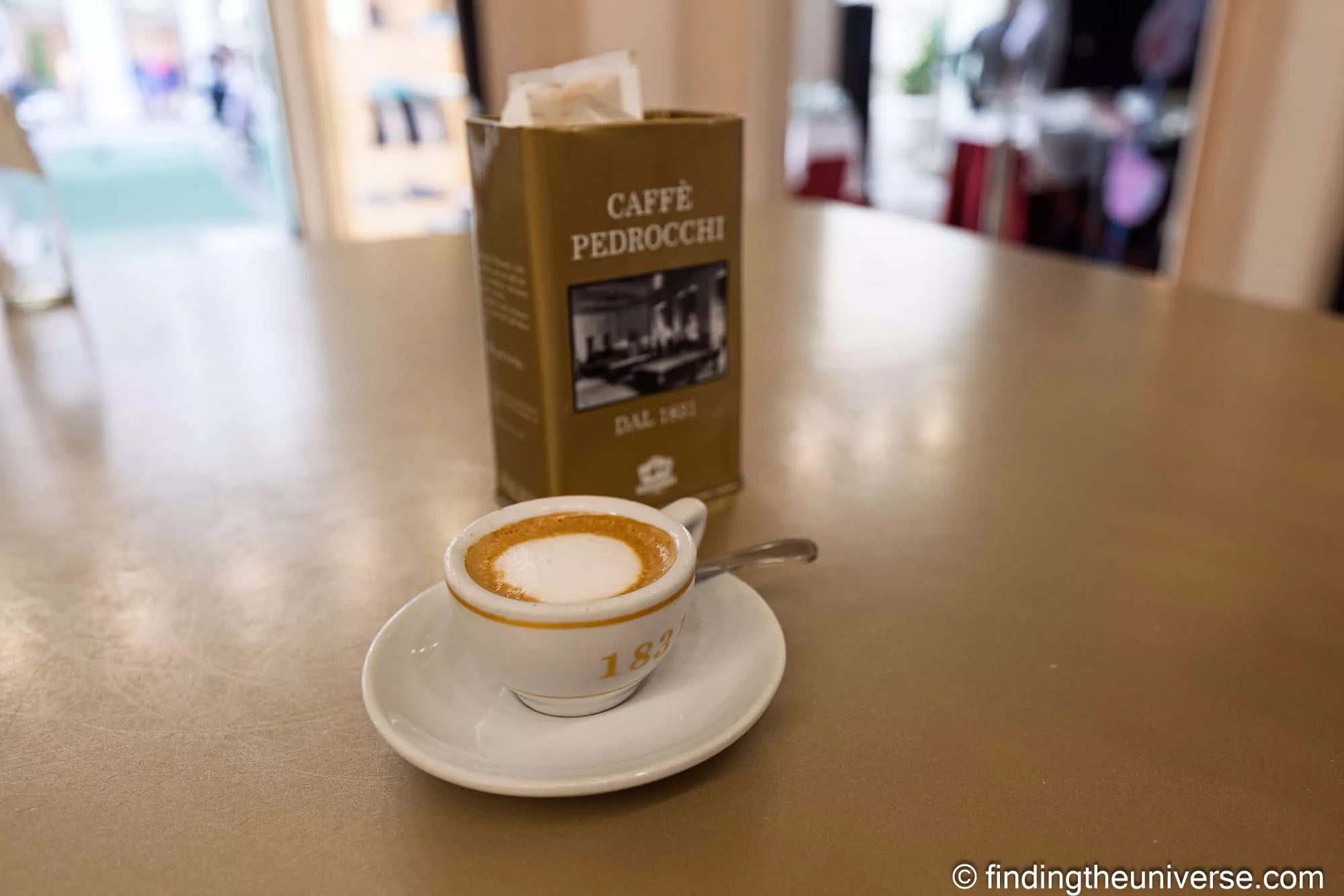
Caffè Pedrocchi has been the heart of Padua’s social life since 1831, and it’s worth a stop even if you only order a coffee. For over a century it had no doors and never closed, which earned it the nickname “the café without doors,” though these days it shuts around midnight.
We stopped in for a coffee here, and while Jess kept to her usual macchiato, the one to try is the signature Pedrocchi, served with mint and cream. Whichever you order, sit in the green room to drink it. The grand upstairs floor, the Piano Nobile, is a separate ticketed museum if you want more than a drink.
The Squares, the Duomo, and the Baptistery
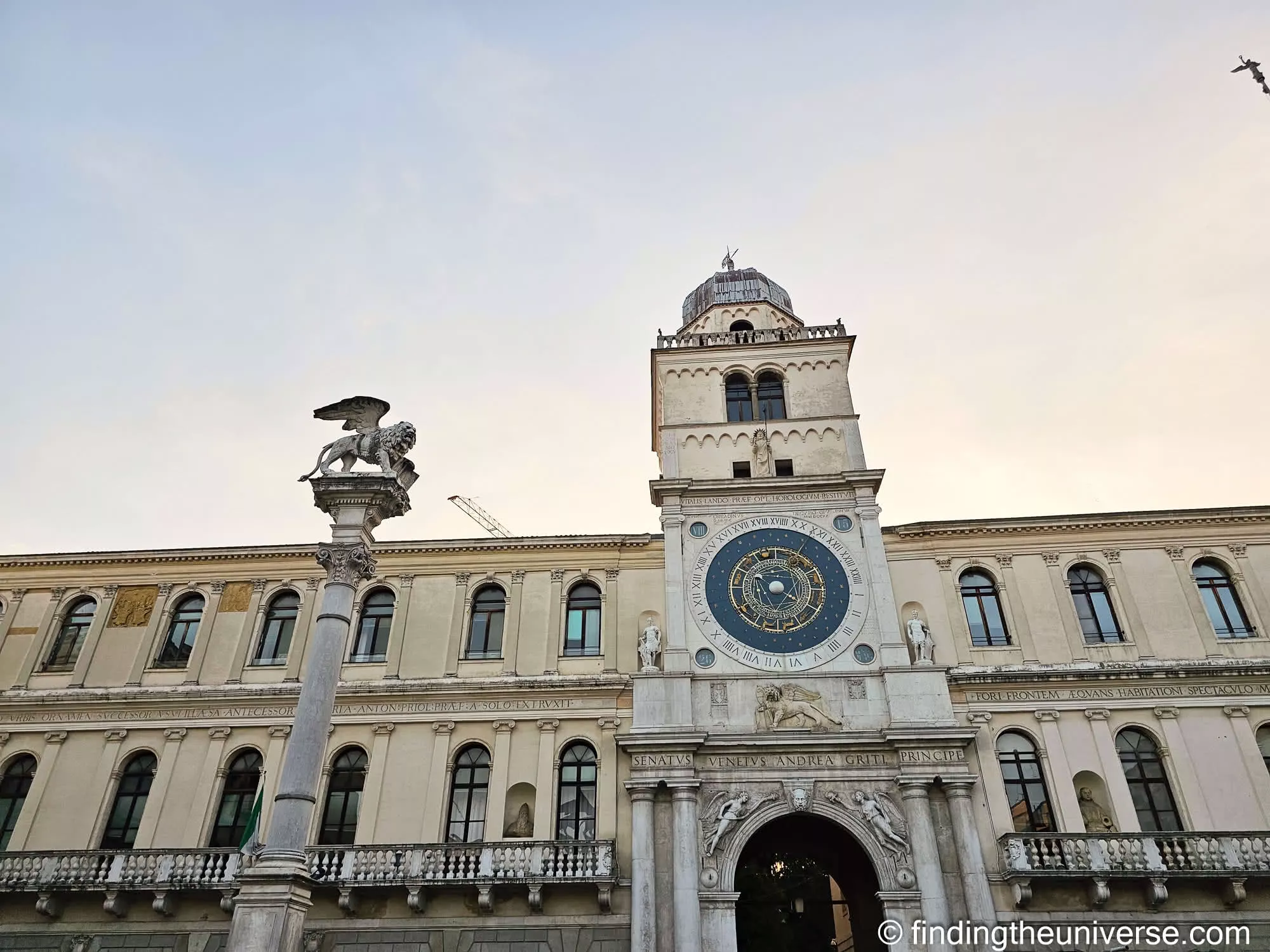
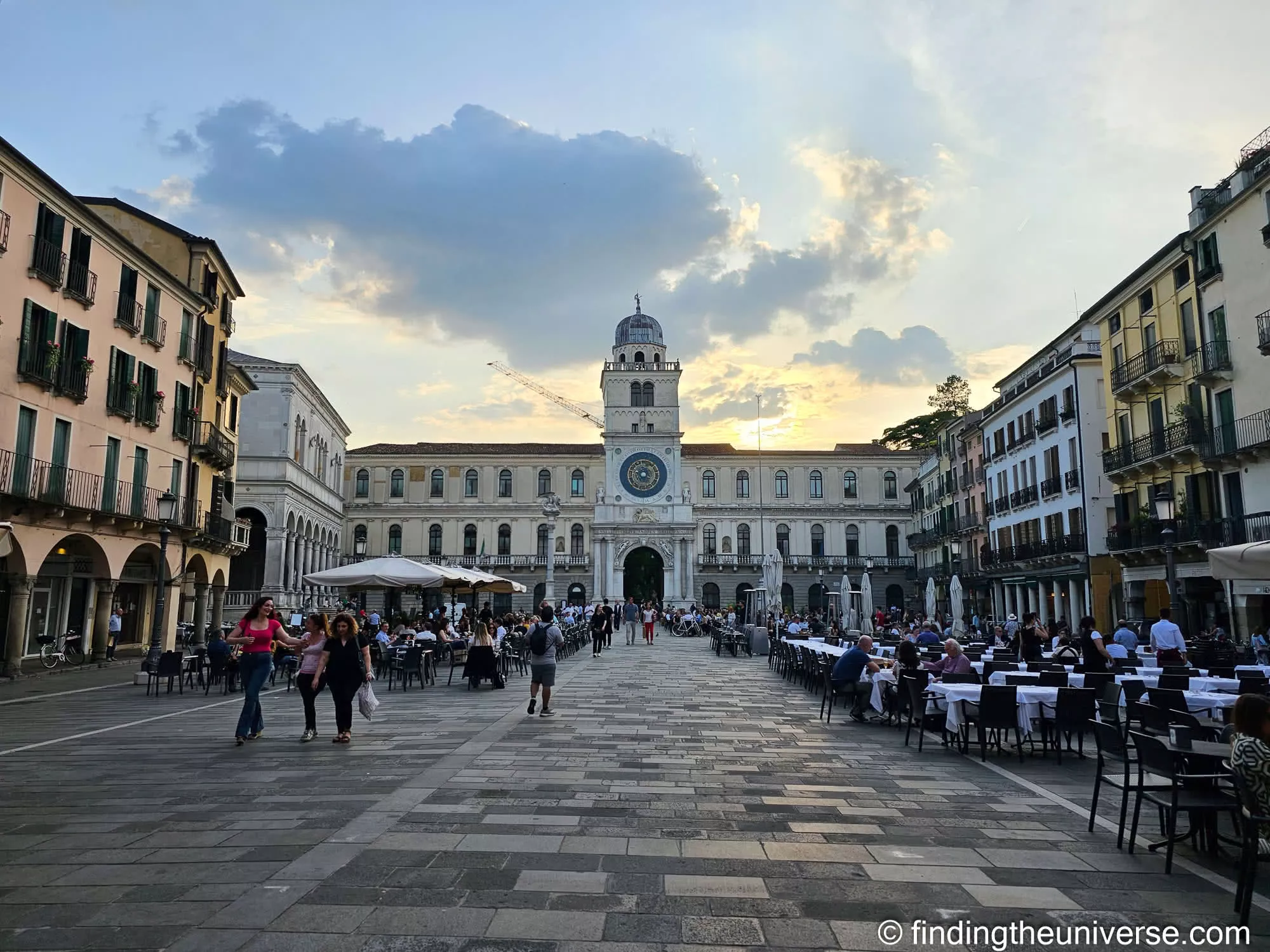
Padua’s squares are the city’s living room, and they cost nothing. Piazza delle Erbe and Piazza della Frutta run a daily produce market, while Piazza dei Signori has the astronomical clock, one of the oldest of its kind.
A short walk away, the Cathedral is plain inside, but its attached Baptistery is the real prize: a small space entirely frescoed by Giusto de’ Menabuoi in the 1370s, and another part of Padua’s UNESCO fresco inscription. The Baptistery is sold on a Diocesan ticket of around €15 that bundles a few sites together.
Stay in Padua, Not Venice
If your budget is wincing at Venice hotel prices, base yourself in Padua and train in. We’ve done exactly this, and it’s the smartest money-saving move in the Veneto. Venice charges a premium for the privilege of sleeping on the lagoon, while Padua, half an hour away by train, costs a fraction of it for a comparable room, and you get a proper city to come home to in the evening once the day-trippers have left.
We stayed at the Hotel Europa, which we picked because it was central and, unusually for an Italian city centre, had parking (paid, but at least it was available!). It put us a short walk from the Scrovegni Chapel and the squares, which is exactly what you want for an early start. If it’s full, there’s a good spread of central options on Booking.com across every budget.
From a Padua base you can day-trip to Venice, and also to Verona and Vicenza in the other direction, which makes it a strong hub for the wider region.
Our Tips for Padua
A few things we’ve learned from our own days in Padua, so yours runs smoother.
Book the Scrovegni slot the moment you know your date, and pick a time with a buffer after your train rather than the first slot of the day. A late or cancelled regional train is how you lose a non-refundable slot.
Don’t buy the Urbs Picta Card on reflex. Decide what kind of day you’re having first, because for most single-day visits the single tickets work out cheaper, and you can always change your mind at the first door.
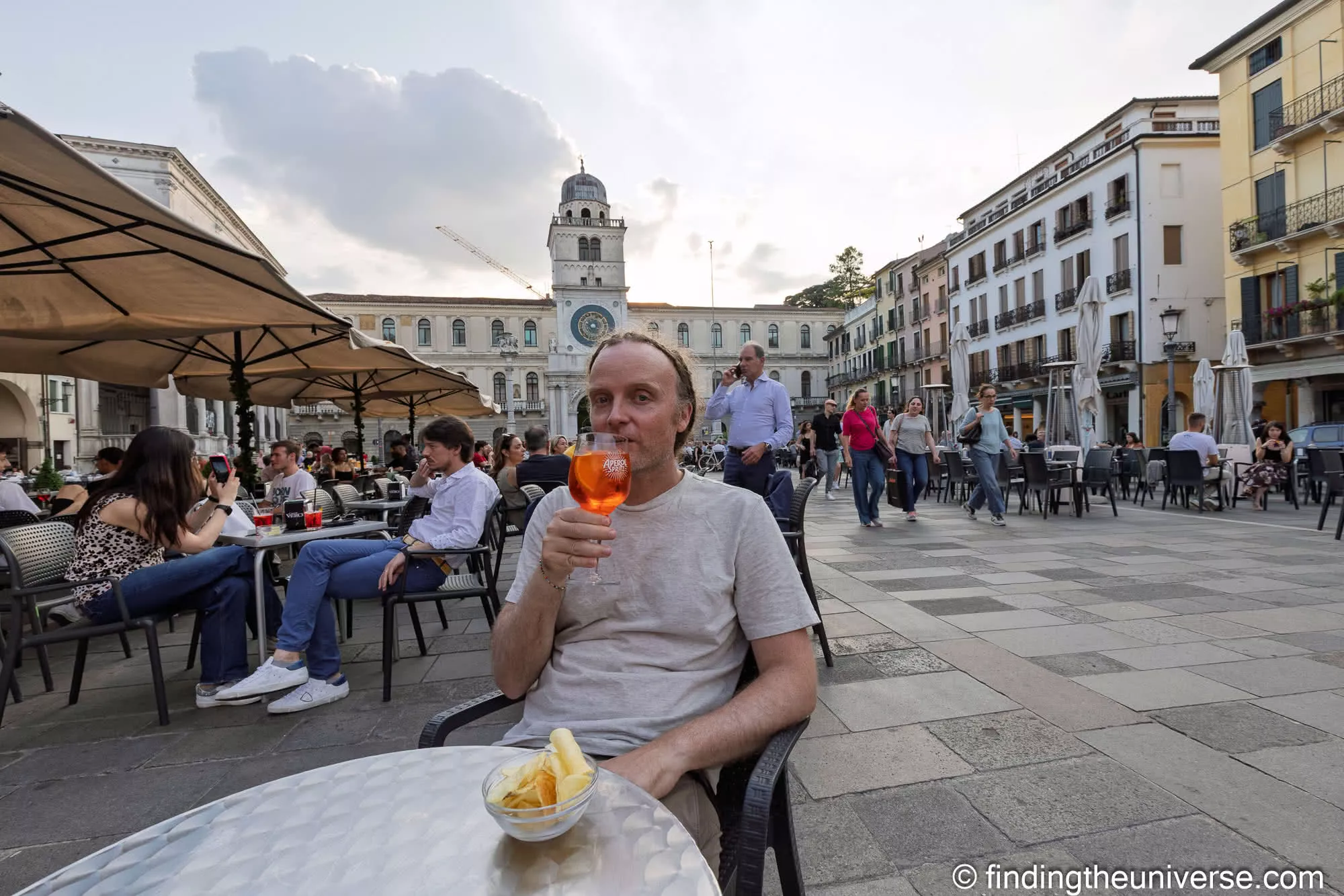
Leave enough time for an aperitivo. Padua’s evening square culture is half the reason to be here, and rushing for the earliest train back means missing the best of the city. We’d rather see one fewer church and sit out with a spritz as the students fill Piazza dei Signori.
And bring a camera you’re happy carrying all day. The arcades, the squares, and that chapel ceiling reward it, and the light in the late afternoon on Prato della Valle is the kind I plan trips around.
Padua in One Day: FAQ
Is one day enough for Padua?
Yes, one day is enough to see the best of Padua. The historic centre is compact and walkable, so you can fit the Scrovegni Chapel, the Basilica of St Anthony, the main squares, and a couple more sights into a single day at a comfortable pace.
If you want to slow down, add the Orto Botanico and a Palazzo Bo tour, and it stretches happily to a day and a half. But the headline sights are doable in one well-planned day.
Is Padua worth visiting?
Padua is worth visiting, primarily for Giotto’s frescoes in the Scrovegni Chapel, which are among the most important in the history of Western art. Beyond the chapel, it’s a real university city with grand squares, arcaded streets, and a lively aperitivo scene, rather than a tourist set piece.
Do you need to book the Scrovegni Chapel in advance?
Yes, you should book the Scrovegni Chapel in advance. Entry is by timed slot with a strict cap on numbers, and slots regularly sell out, especially in summer and at weekends.
Book online at least 24 hours ahead through the official Padova Musei site, and choose a time that fits your train from Venice. Resale slots through GetYourGuide or Tiqets are a useful backup if the official date you want is gone.
Can you take photos in the Scrovegni Chapel?
Yes, you can take photos inside the Scrovegni Chapel for personal use. The rules are no flash or other added light, no tripods or supports, and no touching the walls.
This often surprises people, because the more famous Sistine Chapel in Rome bans photography entirely. Padua’s chapel is more relaxed, as long as you keep your flash off to protect the frescoes.
How long do you get inside the Scrovegni Chapel?
You get about 15 minutes inside the chapel itself. Before that, you spend roughly another 15 minutes in a climate-controlled waiting room where a short film plays, which lets the air settle before you enter, so allow around half an hour for the whole visit.
Is the Urbs Picta Card worth it?
For most one-day visitors, the Urbs Picta Card is not worth it. At €28 for 48 hours it only pays off if you visit three or more of Padua’s UNESCO fresco sites, such as the Scrovegni Chapel, the Cathedral Baptistery, and Palazzo della Ragione.
It doesn’t cover several top sights, including the Palazzo Bo anatomical theatre and the Orto Botanico, so a typical day-tripper usually spends less buying single tickets. The card makes more sense if you’re staying overnight and working through the frescoes at a slower pace.
How do you get from Venice to Padua?
You get from Venice to Padua by train, and it’s quick and cheap. Regional trains take about 25 to 30 minutes for a fixed fare of around €4.75, while high-speed trains take 13 to 15 minutes for roughly €15 to €18.
There are around 80 trains a day from Venezia Santa Lucia, so you don’t need to plan around a timetable. For a half-hour journey, the regional train is the best value.
What is Padua famous for?
Padua is famous above all for Giotto’s frescoes in the Scrovegni Chapel, a complete early 14th-century cycle that shaped the future of Italian painting. It’s also known for its university, one of the oldest in the world, where Galileo taught, and for the Basilica of St Anthony, a major pilgrimage site.
Can you do Padua as a day trip from Venice?
Yes, Padua is one of the easiest day trips from Venice. It’s only about half an hour away by regional train, and the centre is small enough to walk, so you can leave Venice in the morning and be back for dinner having seen the highlights.
Is it better to stay in Venice or Padua?
If your priority is cost, Padua is the better base. Hotels are far cheaper than in Venice, the train link is fast and frequent, and you can day-trip into Venice as well as out to Verona and Vicenza.
If your heart is set on waking up beside the lagoon and you don’t mind paying for it, stay in Venice. For longer trips and tighter budgets, we’ve happily based ourselves in Padua and trained in.
Further Reading and Resources
If you’re building a wider trip around Padua, these guides cover the same corner of Italy:
- Day trips from Venice, which ranks Padua against all the other options from the lagoon.
- Our two days in Venice itinerary and two days in Verona, the two cities that pair best with a Padua stop.
- Two days in Florence and our 10-day Italy itinerary for the bigger picture.
For a paper guidebook to carry along, we’ve used the Rick Steves Italy guide for years. It’s the one I’d pack for a trip that strings together Venice and the towns around it.
Been to Padua, or planning a day there and have a question? Leave a comment below and I’ll do my best to help.
Leave a Reply