I’ve been writing UK travel guides since 2010, and Greenwich is one of the places I most often suggest people add to a London trip. It has royal history, a famous sailing ship, the line where east officially meets west, and what I think is one of the the best free views in London, all within a walkable square mile on the south bank of the Thames.
My brother lived in Greenwich for years, so I’ve come back to this bit of London in most weathers and most seasons rather than once with a checklist. Every photo in this guide is mine, and every price, opening day and travel detail below was verified against the operators’ own pages for this edition of the guide.
The sights below run in a rough walking order from the riverfront up the hill, with a note under the major ones on what else is nearby, so you can build your own route around however much time you have. There’s also a full free versus paid breakdown, because Greenwich is unusually good value if you know which doors charge and which don’t.
Table of Contents:
Greenwich at a Glance
Greenwich works as a half-day trip from central London, and fills a full day easily if you want to do the museums justice. The two headline paid sights are the Royal Observatory (£24 for adults) and the Cutty Sark (£22), and there’s a combined Day Pass that covers both for £38. Around them sits a remarkable amount of free stuff: the National Maritime Museum, the Queen’s House, Greenwich Park, Greenwich Market, the foot tunnel under the Thames, and that view.
One thing to get clear before you plan anything, because it regularly catches people out: The O2 arena is not in historic Greenwich. It’s a mile and a half away up the Greenwich Peninsula as the crow flies, and it isn’t really a walk you’d do between sights. I’ve covered how to handle that properly further down.
Getting to Greenwich
Greenwich is very well connected for somewhere that feels like a village, and how you arrive really changes the experience. You have four good options.
The DLR (Docklands Light Railway) is the simplest. It runs from Bank in the City via Canary Wharf, and the stop you want is Cutty Sark for Maritime Greenwich, which drops you practically beside the ship. The DLR is driverless, so if you sit at the very front you get a rather good view of Canary Wharf on the way through.
Pay with a contactless card or phone, which works exactly like an Oyster card. If that sentence means nothing to you, our guide to paying for public transport in London explains the whole system, and we also have a general guide to getting around London.
You can also, of course, just take a regular train from London Bridge or Cannon Street to Greenwich station, which is a bit more of a walk from the riverfront than the DLR stop, but a perfectly pleasant one through the town centre.
The boat is my pick if you have the time. Uber Boat by Thames Clippers runs river bus services from central London piers including Westminster and Tower to Greenwich Pier, and arriving by water sets Greenwich up properly: this was a naval town, and the river was always its front door. Check routes and times on TfL’s river services page. If you’d rather make the journey itself the attraction, there’s a Westminster to Greenwich sightseeing cruise with commentary, and a one-day unlimited river pass with City Cruises that lets you hop on and off all day.
Finally, there’s the option almost nobody uses: walk in under the Thames. The Greenwich foot tunnel connects Island Gardens on the north bank to the riverfront right by the Cutty Sark, it’s free, and it doubles as one of the best photo opportunities in Greenwich. More on that below, because it deserves its own entry.
1. Cutty Sark
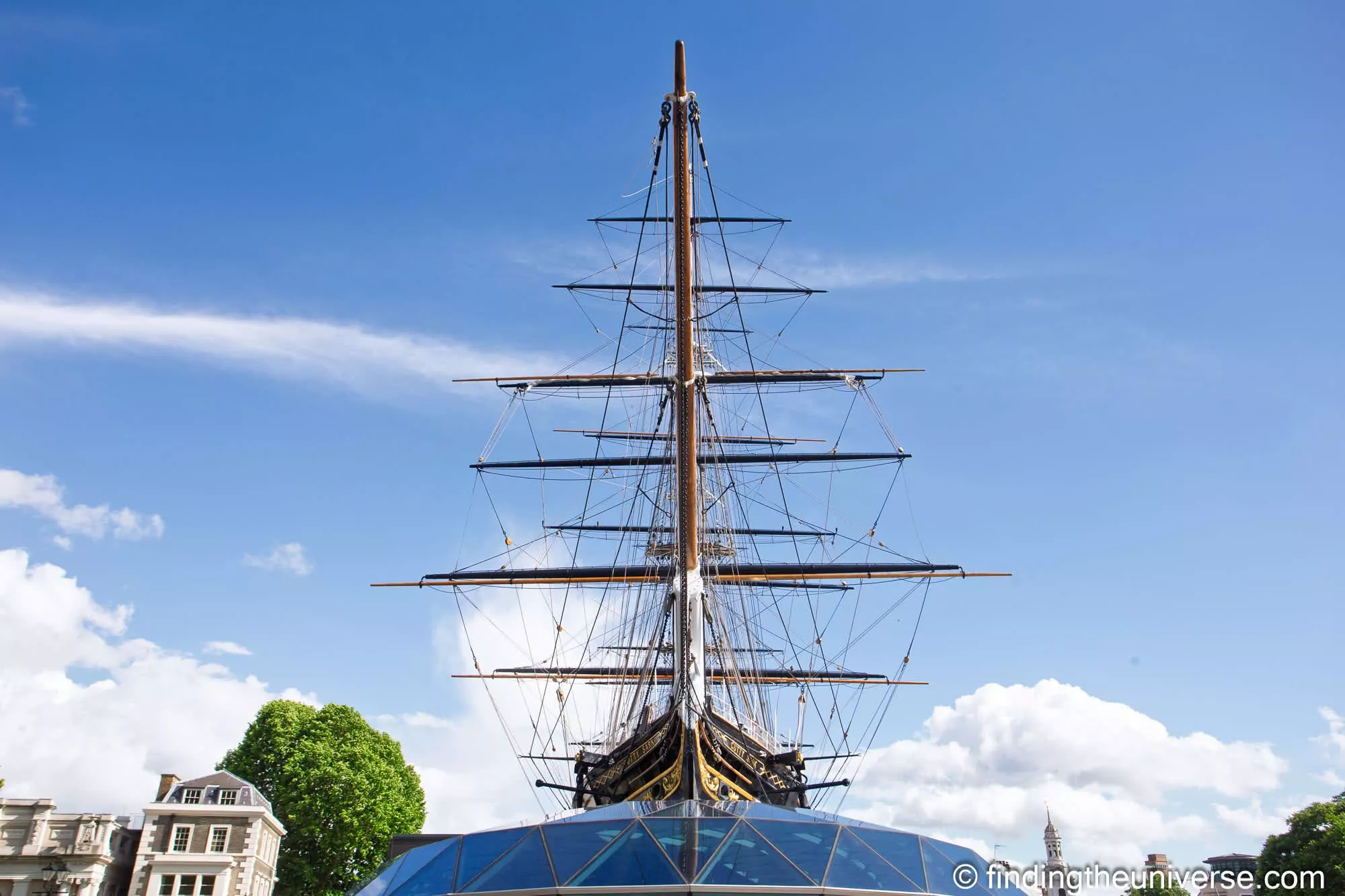
The Cutty Sark is the first thing you’ll see if you arrive by DLR or boat, a Victorian tea clipper raised up on glass so that she appears to be floating above her dry dock. Launched in 1869, she was one of the last tea clippers ever built and is the only one left intact, built for outright speed in the race to bring the new season’s tea back from China.
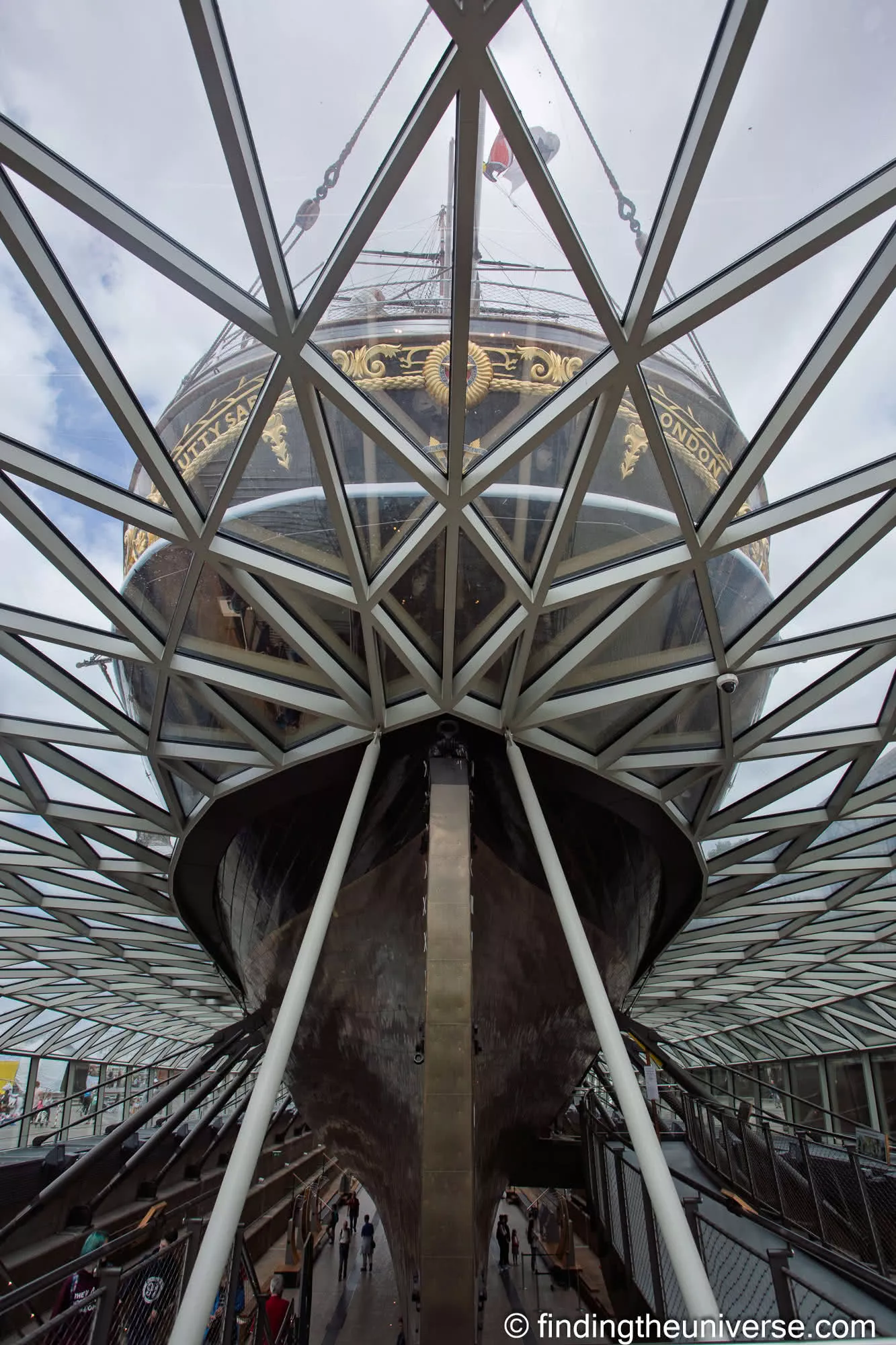
Entry costs £22 for adults and £11 for children, and the ship is open daily from 10am to 5pm, with last entry at 4.15pm (hours run a bit later in the summer holidays). You can walk the decks, explore the holds, and stand directly underneath that gleaming golden hull, which is quite an odd sensation the first time you do it. You can book Cutty Sark entry tickets here, or check details on the official Cutty Sark site.
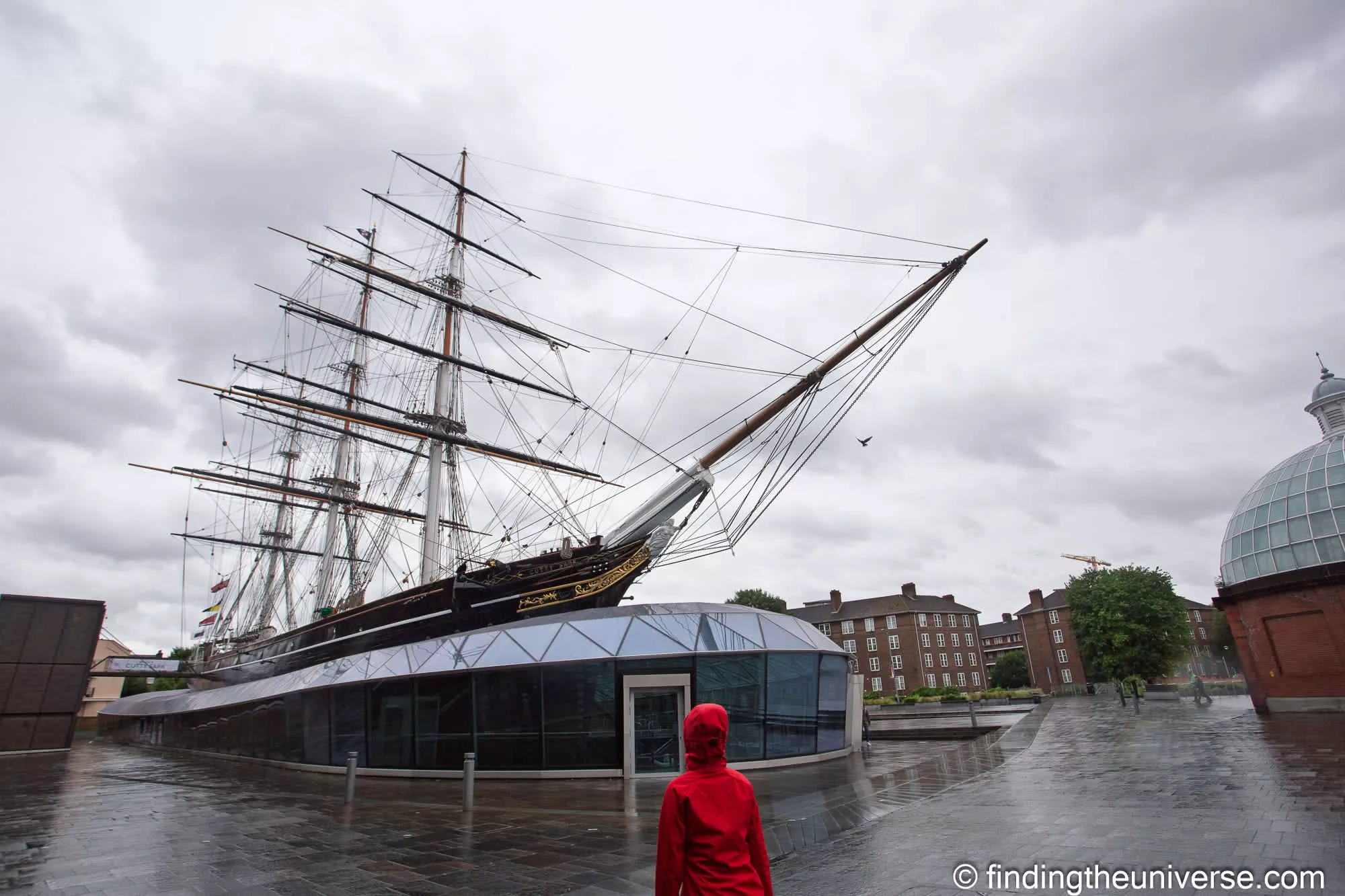
If you have a head for heights, there’s also a guided rig climb experience that takes you up into the ship’s rigging in a harness. Through summer 2026 it ran at weekends, priced at £56 for adults and £47 for children aged 8 to 17 (minimum age 8, minimum height 1.2m), with general admission to the ship included. It’s seasonal though, so check the current dates before you plan a visit around it.
What’s Near the Cutty Sark
The Cutty Sark makes the best starting anchor in Greenwich because almost everything else radiates out from it. The Greenwich foot tunnel entrance is right beside the ship, the Old Royal Naval College starts a short walk east along the riverfront, and Greenwich Market is a couple of streets behind you.
The Royal Observatory sits half a mile away as the crow flies, up the hill through the park, and the walk there passes the National Maritime Museum. If you only have a couple of hours in Greenwich, the ship, the market and the Naval College grounds cluster so tightly together that you can cover all three without ever really deciding to.
2. The Royal Observatory and the Prime Meridian
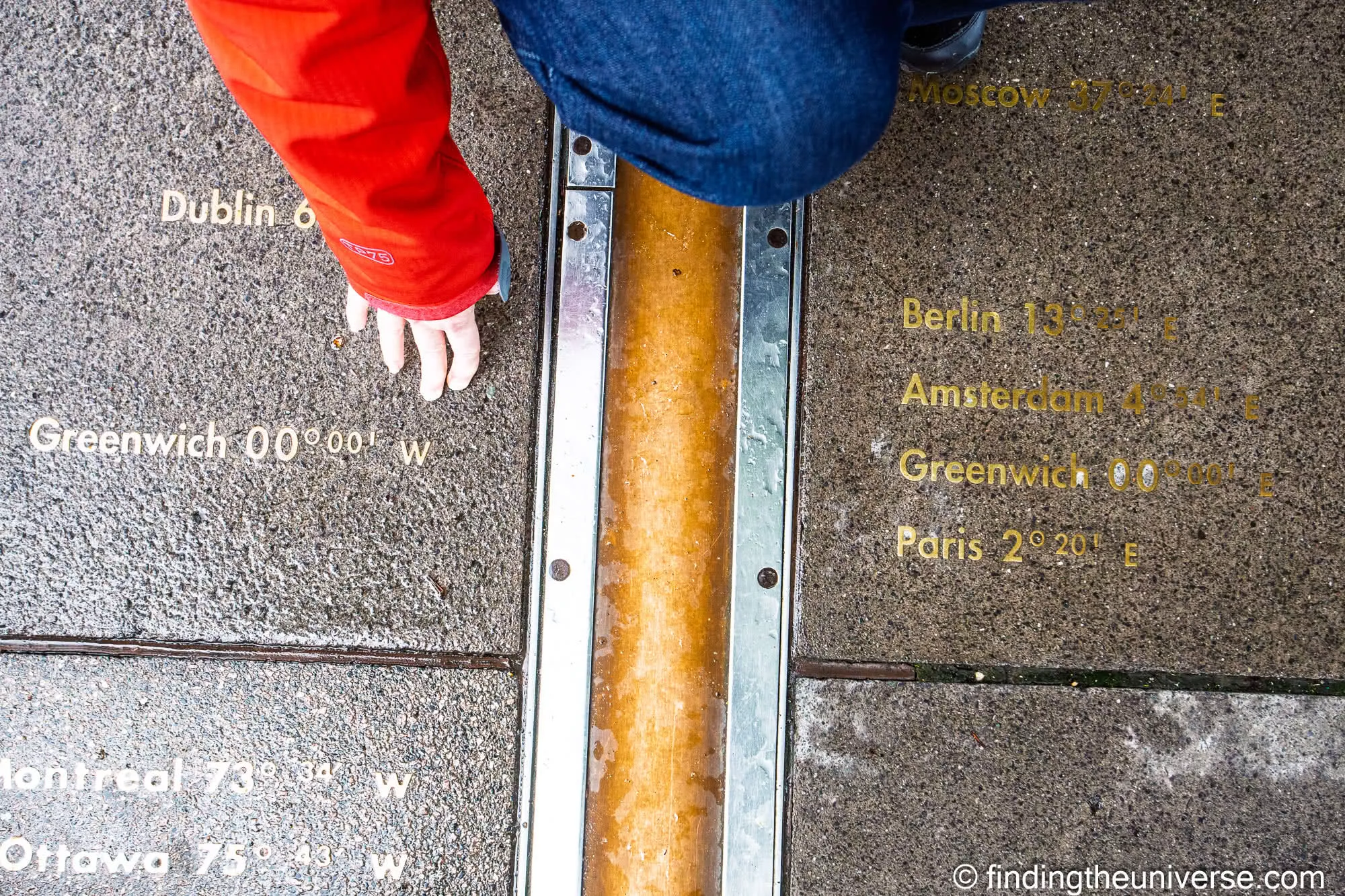
The Royal Observatory is the reason Greenwich is a household name on every continent. This is the home of the Prime Meridian, longitude zero, the line from which the whole world measures east and west, and of Greenwich Mean Time itself. Standing with a foot on each side of the line is one of those slightly silly things that everyone does anyway.
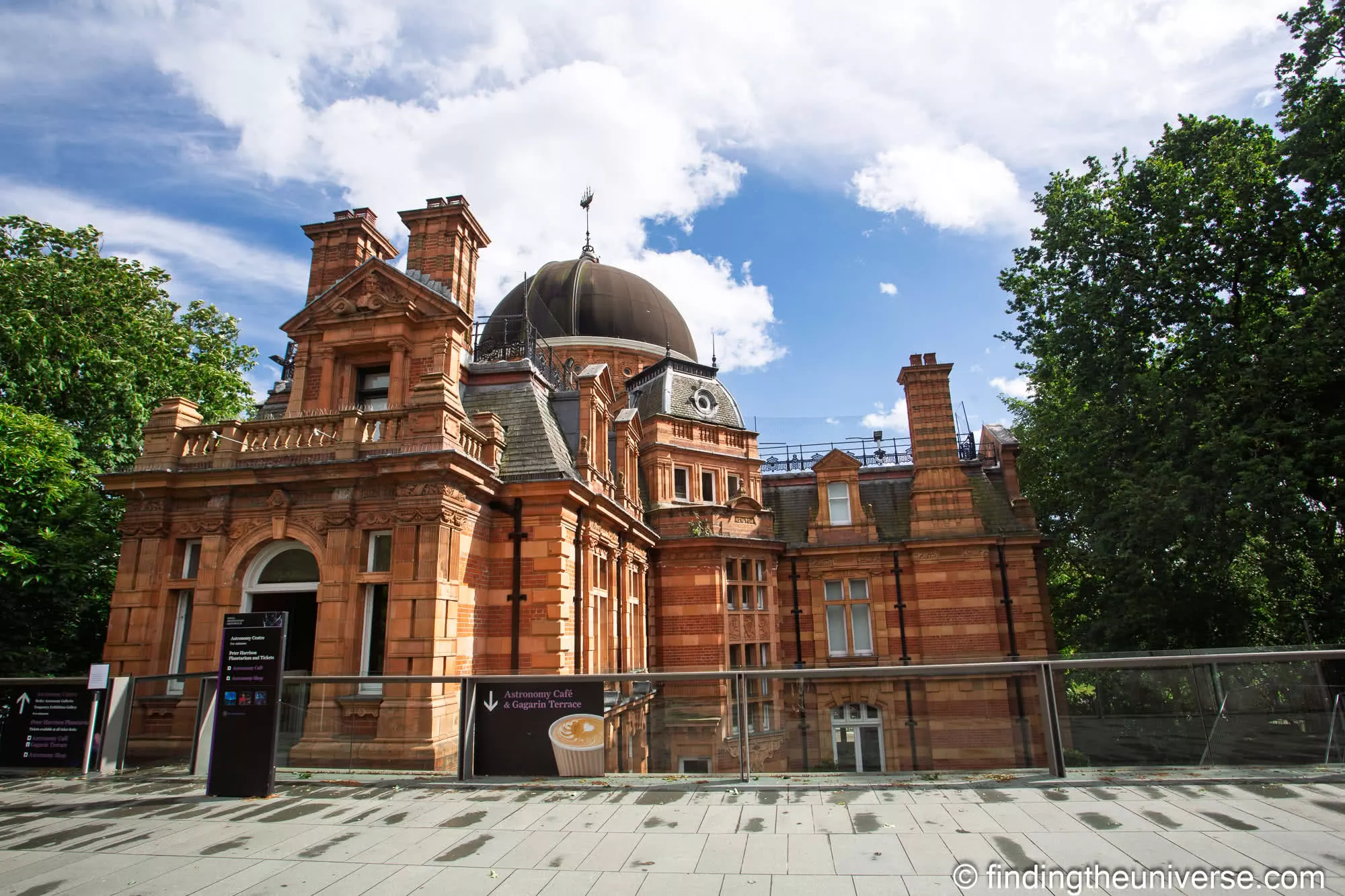
Every visitor to the Observatory needs a ticket, which costs £24 for adults and £12 for children and includes the Meridian courtyard, Flamsteed House (the original 1675 observatory built for Charles II’s first Astronomer Royal), the Great Equatorial Telescope beneath its onion dome, and an audio guide.
It’s open daily from 10am to 5pm with last entry at 4pm, and stays open later through the summer months. You can book Royal Observatory tickets here, or read more on the official site.
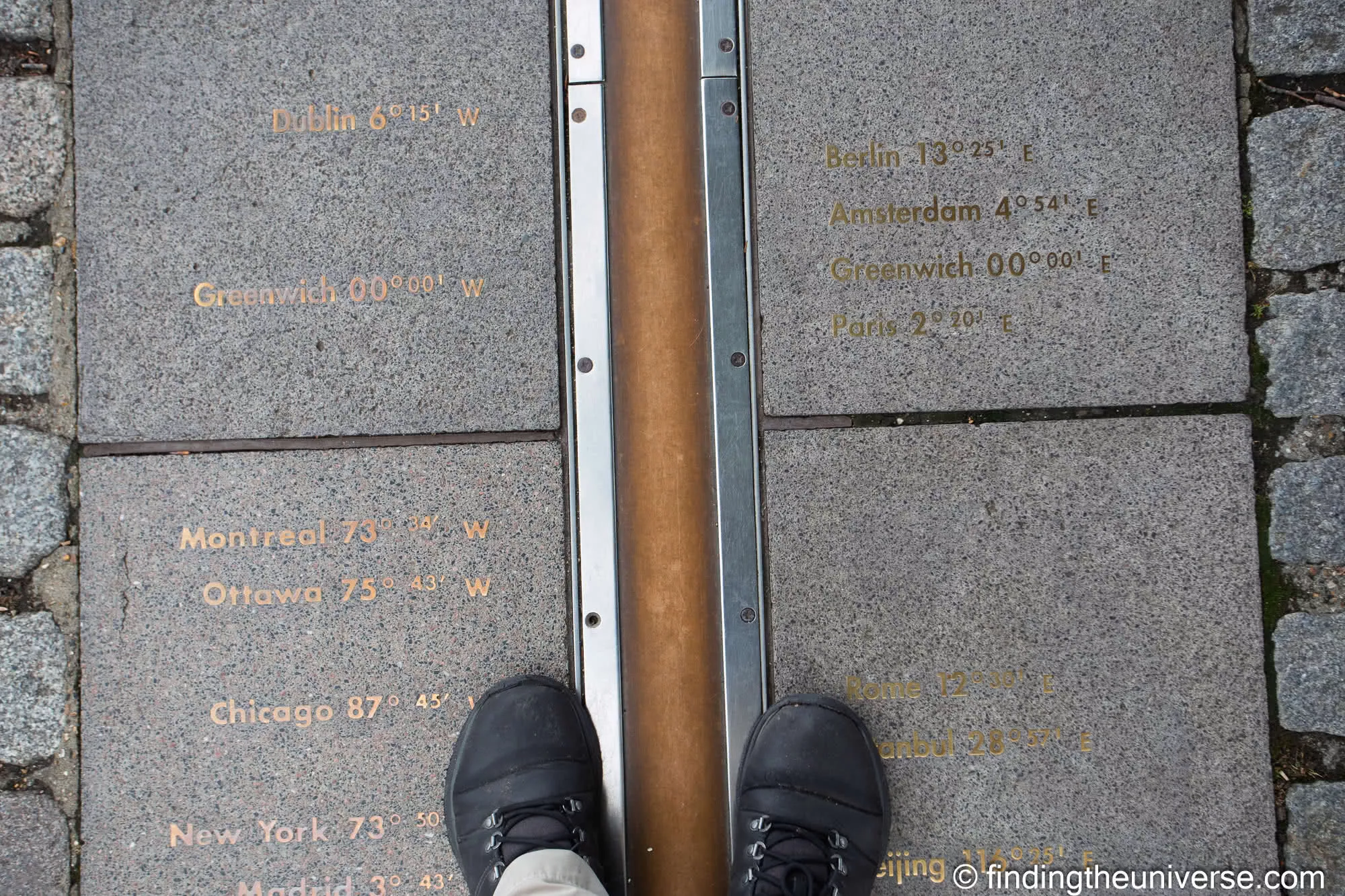
If you’re doing both the Observatory and the Cutty Sark, the Royal Museums Greenwich Day Pass covers the two together for £38 adult / £19 child, a saving of £8 on adult tickets bought separately. There’s also a daily Treasures Tour at 11am and 3pm (£5 adults, in addition to entry) if you want a guide to walk you through the collection highlights.
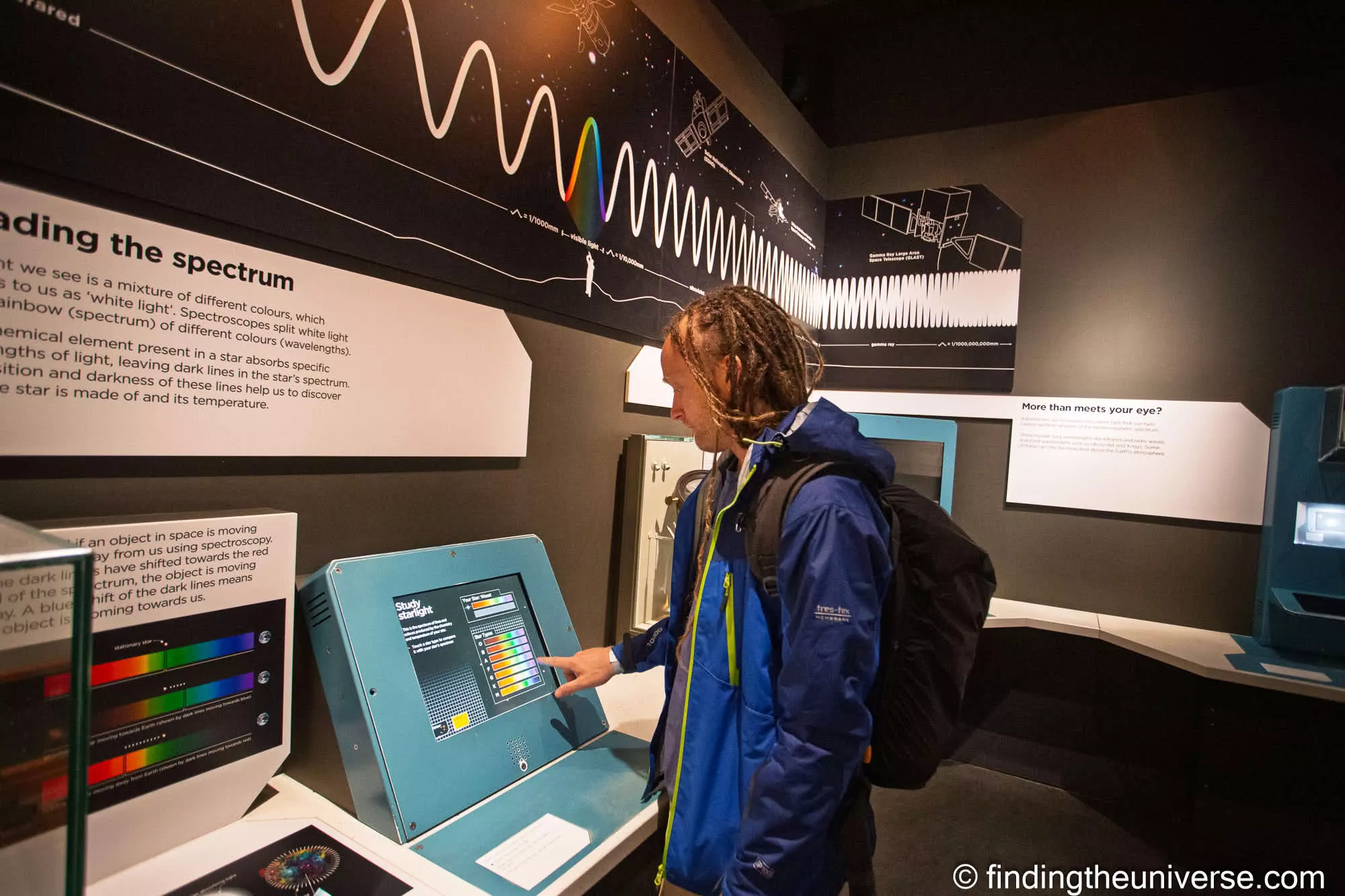
A couple of practical notes from the fine print that are easy to miss. At the time of writing there’s no step-free access to some areas of Flamsteed House due to a lift being out of service. And the Peter Harrison Planetarium, which normally sits alongside the Observatory, is currently closed for renovation, so don’t build your visit around catching a show there.
Now, the important part: you do not need an Observatory ticket to get the famous view. Read on.
What’s Near the Royal Observatory
The Observatory sits inside Greenwich Park at the top of the hill, so the panoramic viewpoint is literally on its doorstep, free, on the grass in front of the building.
The Cutty Sark and the riverfront cluster are half a mile away as the crow flies, downhill through the park, with the National Maritime Museum and the Queen’s House at the bottom of the slope directly below you.
Ranger’s House and the Greenwich Park flower garden sit on the far side of the park. The O2, despite what the map’s zoom level might suggest, is the best part of two miles from up here as the crow flies, further than it is from the riverfront, and needs its own transit plan.
3. Greenwich Park and the View Over London
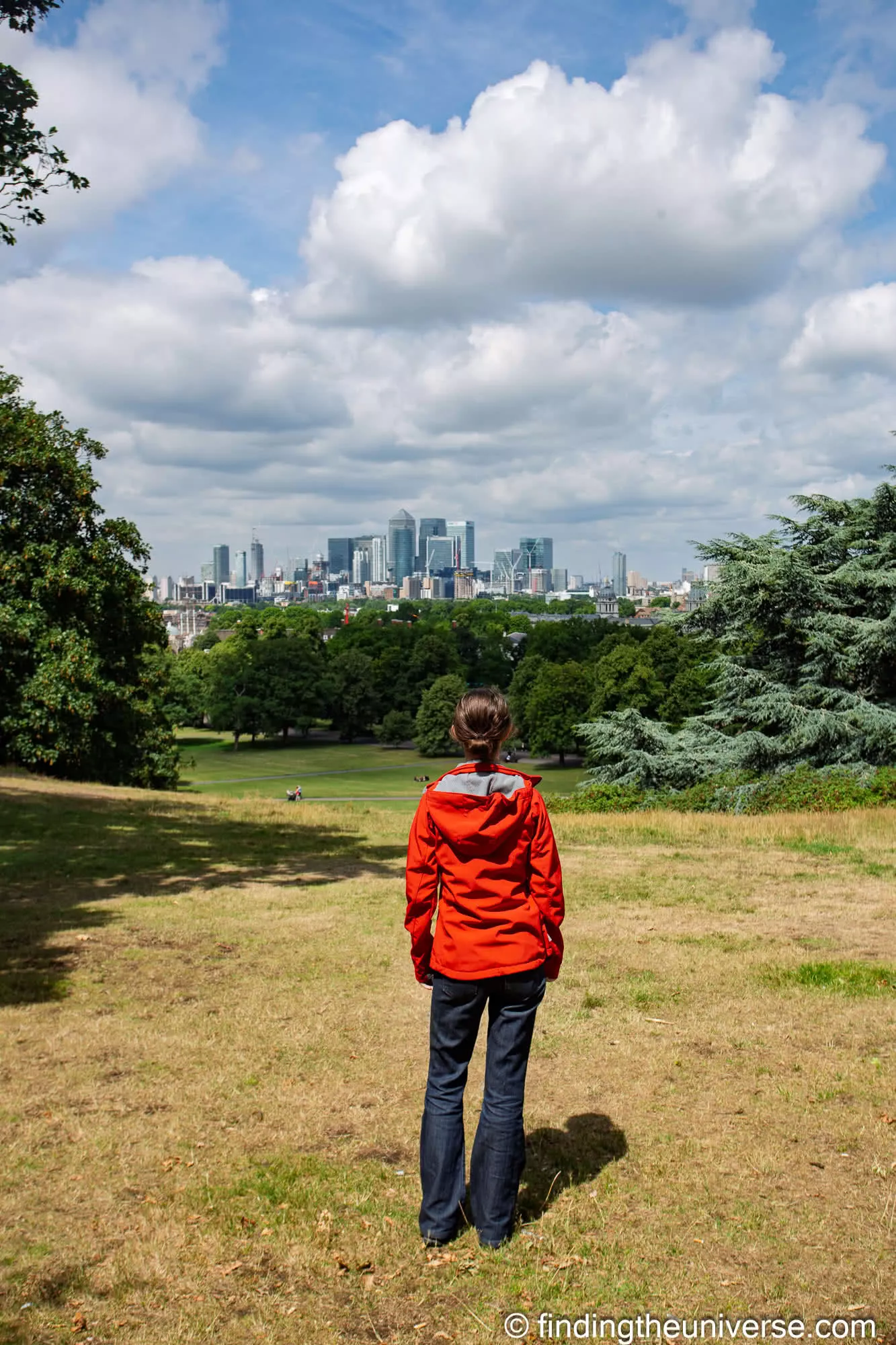
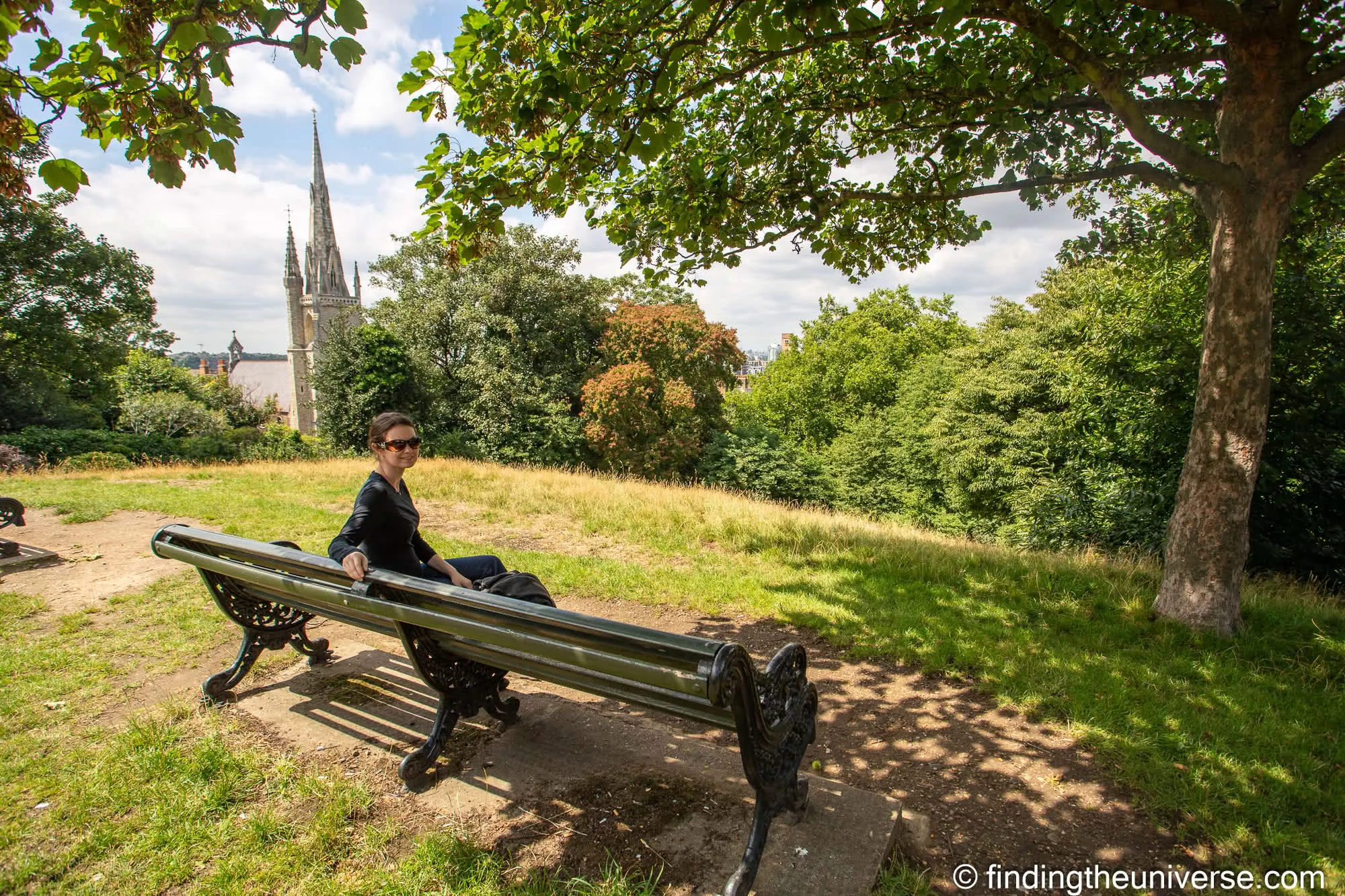
Greenwich Park is the oldest enclosed royal park in London, and it’s free to enter, with pedestrian gates open from 6am to 9pm. It would earn a place on this list purely as a lovely place to walk between the sights, with its avenues of old trees and plenty of picnic-friendly lawns. But the reason it makes every visitor’s memory is the view.
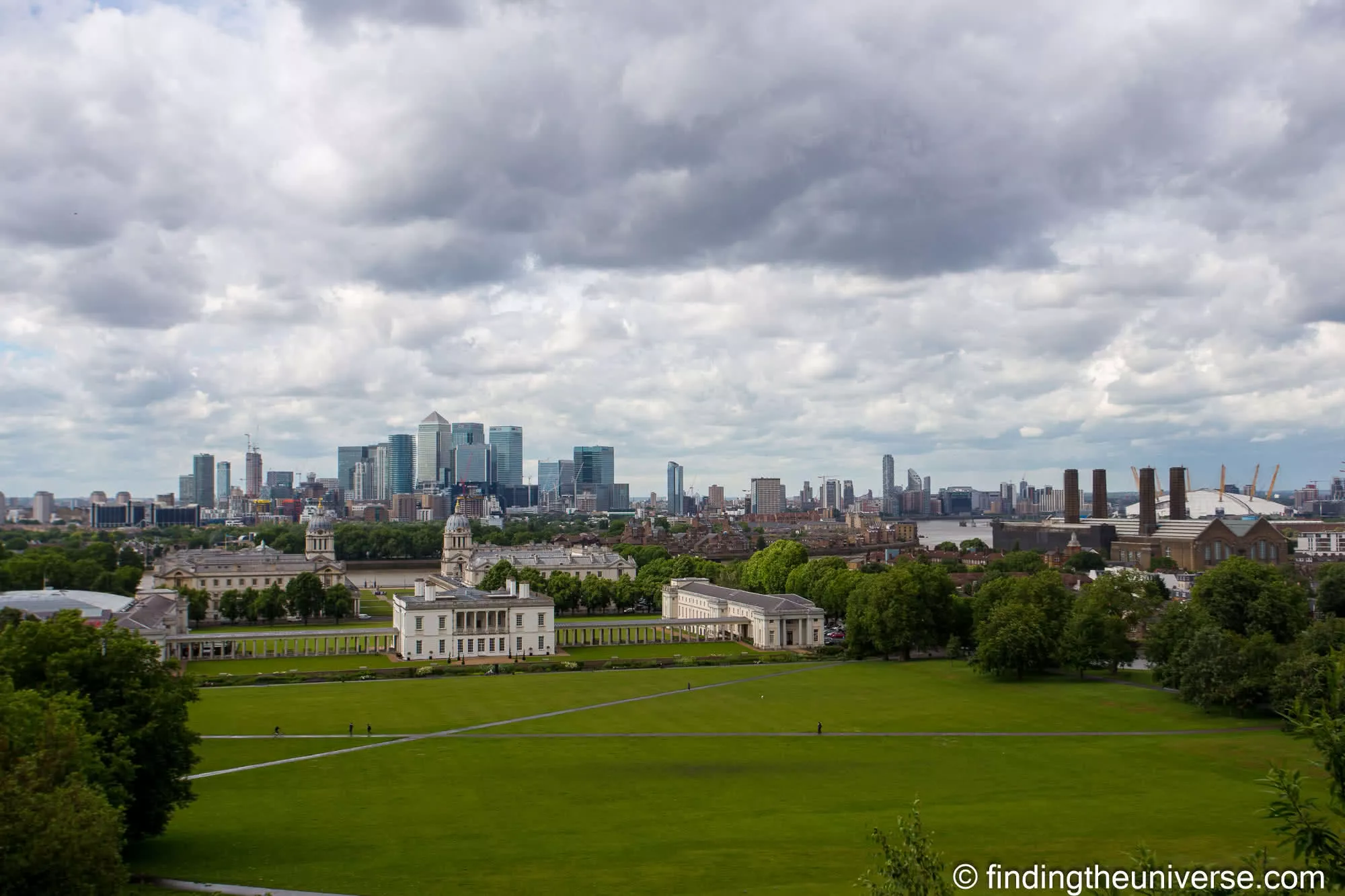
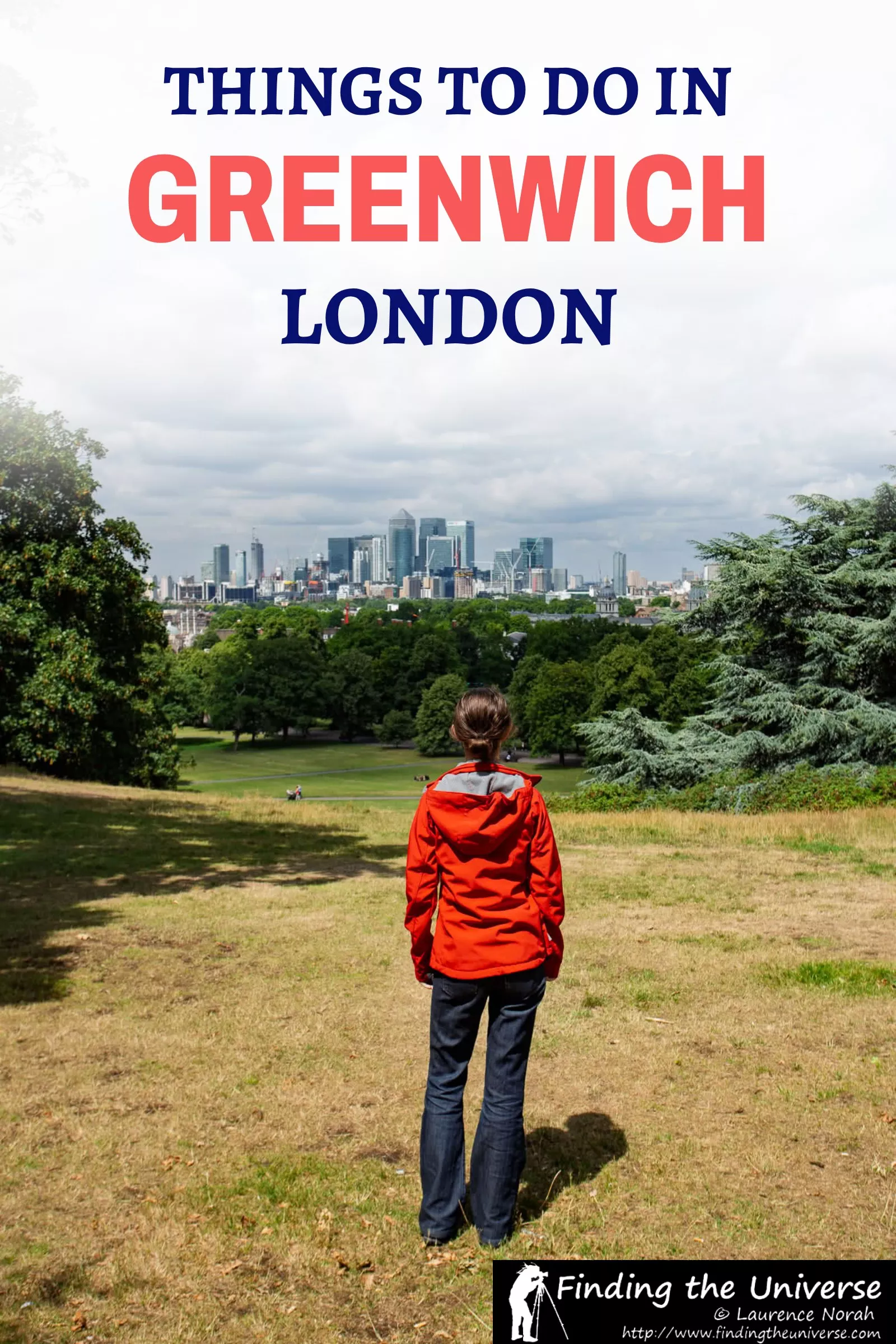
From the brow of the hill in front of the Royal Observatory, London arranges itself for you: the symmetry of the Old Royal Naval College below, the Queen’s House framed between its wings, the river curving around the Isle of Dogs, and the towers of Canary Wharf stacked behind it all.
Turner painted this view and the Tate still holds it, exhibited in 1809 as London from Greenwich Park. The park’s own signage calls it the park’s most popular spot, which for once is underselling it. It costs nothing, it’s open from early morning until 9pm, and I’d rate it above several of London’s paid viewing platforms.
If you’d like your view with fewer people in it, walk over to One Tree Hill on the eastern side of the park, which the crowds mostly haven’t found. Details on the park are on the Royal Parks website.
What’s Near Greenwich Park
The park is the connective tissue of Greenwich, which is why almost every walk here ends up crossing it. The Royal Observatory stands at the top of the hill inside the park boundary, and the National Maritime Museum and the Queen’s House sit at the bottom of that same slope, with the Cutty Sark and Greenwich Market a few minutes further on towards the river.
Ranger’s House is over on the far western edge, backing onto the heath, and One Tree Hill is on the eastern side. The practical point is that if you’re walking between the riverfront and the Observatory you are already in the park, so give yourself longer than the distance suggests and take the scenic way at least once.
4. The Old Royal Naval College and the Painted Hall
The Old Royal Naval College is the grand baroque set piece of Greenwich, designed by Sir Christopher Wren as a hospital for retired sailors, with its twin domes split into two halves specifically so the Queen’s House behind would keep its view of the river.
The grounds are free to wander and open daily from 8am to 11pm, which makes them an easy add to any visit. Film buffs may find bits of it oddly familiar, as it’s one of the most-filmed locations in London, with appearances in everything from Thor: The Dark World to Pirates of the Caribbean, and on the small screen in both Bridgerton and The Crown.
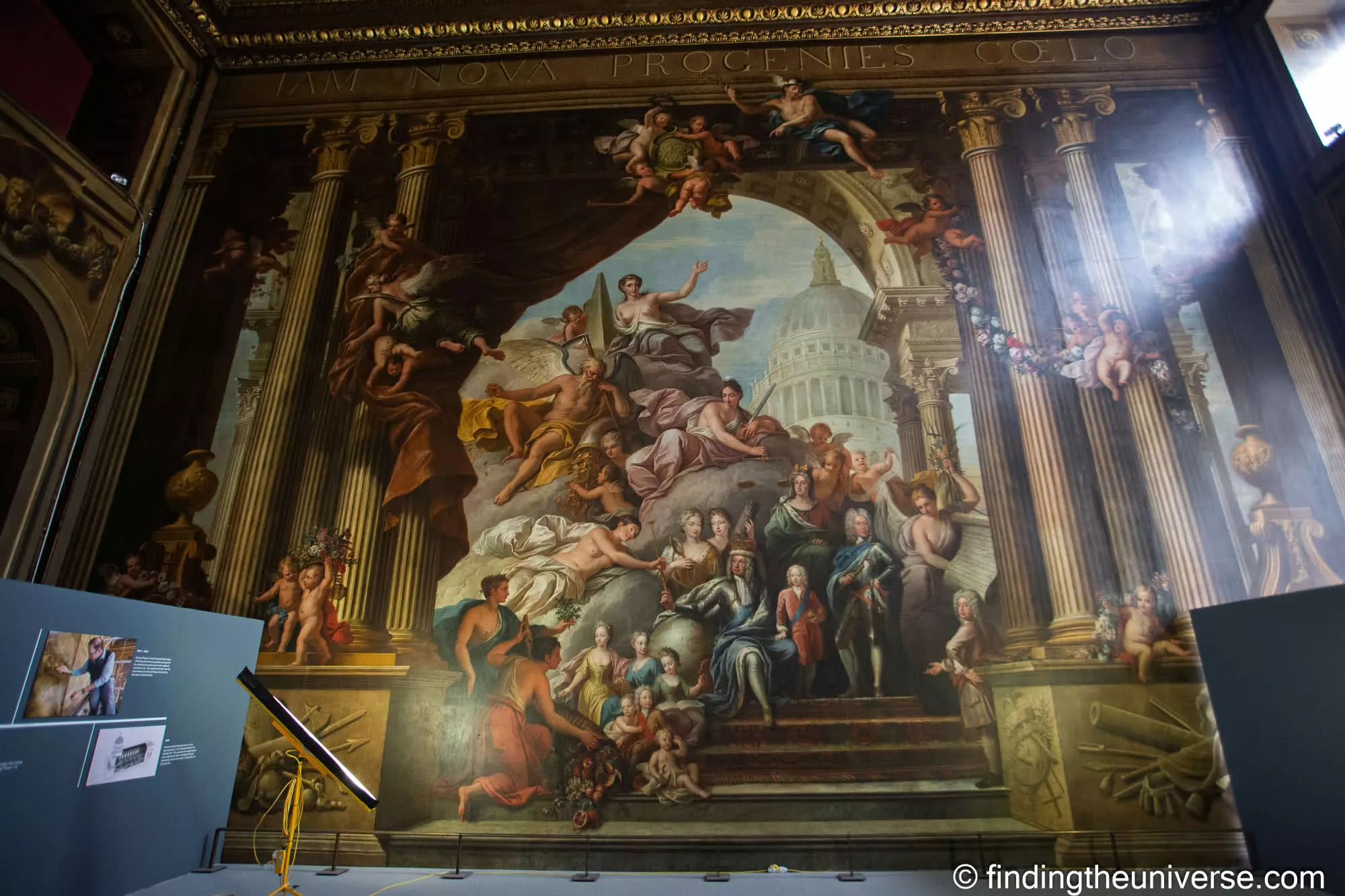
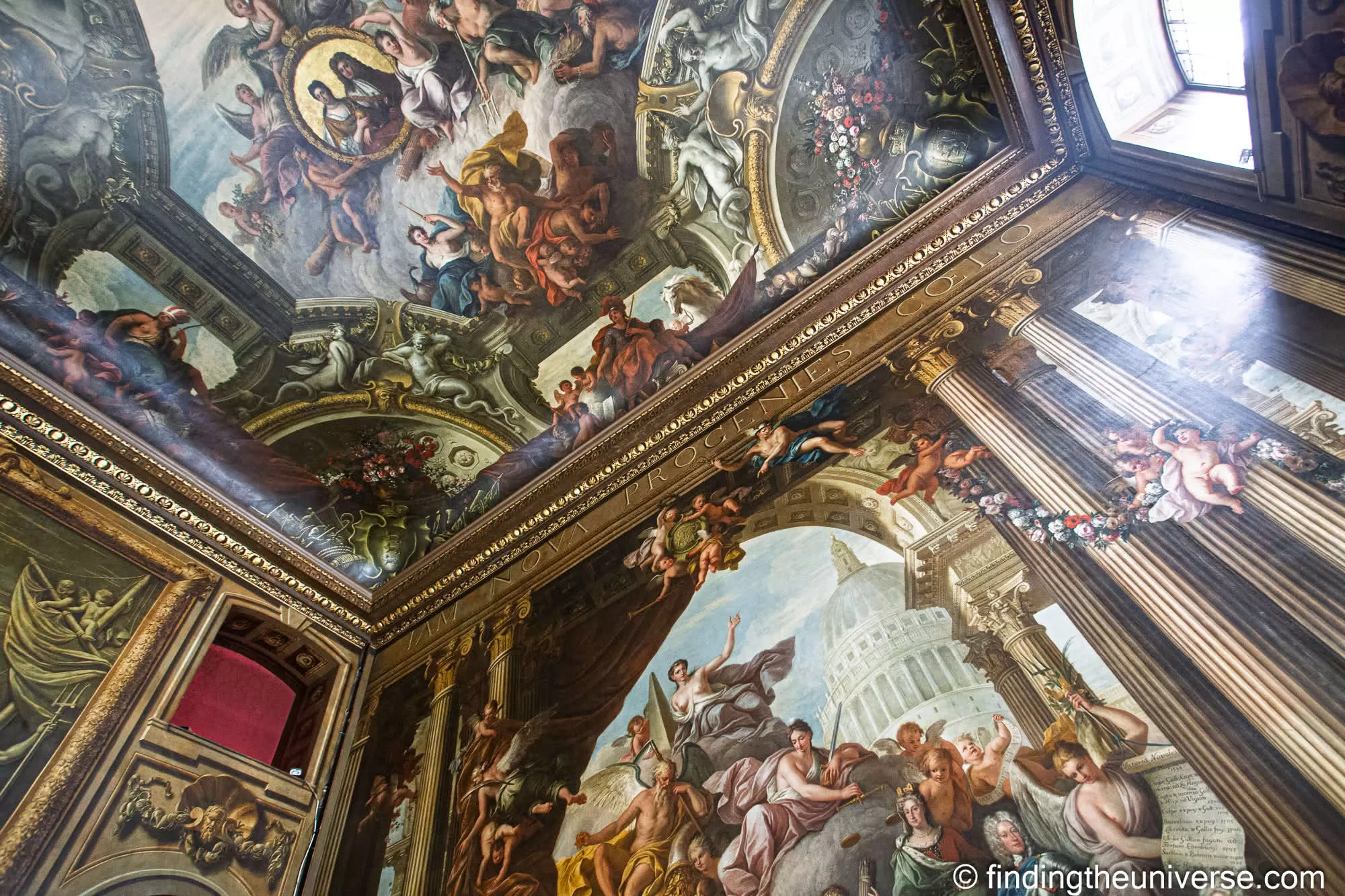
The headline sight here is the Painted Hall, which took Sir James Thornhill the best part of two decades to complete and holds around 200 painted figures across its ceiling and walls. It’s frequently called the Sistine Chapel of the UK, and for once the nickname isn’t overreach. I photographed it during the restoration, from the scaffolding at ceiling level, which was a rare way to see it and is not an option any more. The ceiling you’ll see today is brighter and cleaner than the one I was standing under.
Entry to the Painted Hall costs £19 for adults with kids going free, and your ticket converts to an annual pass at no extra cost. The hall is open daily from 10am to 5pm, with last entry at 4.30pm. It does close for events more often than you would expect, including some Saturday afternoons, so check the opening-times page before you build a day around it.
Daily talks on the ceiling are included, along with the 600 Years of History guided tour, and there’s a separate behind-the-scenes Secret Dome Tour on Mondays and Fridays. Best trick of all: on the first Sunday of each month, entry drops to £5 (though those tickets don’t convert to annual passes).
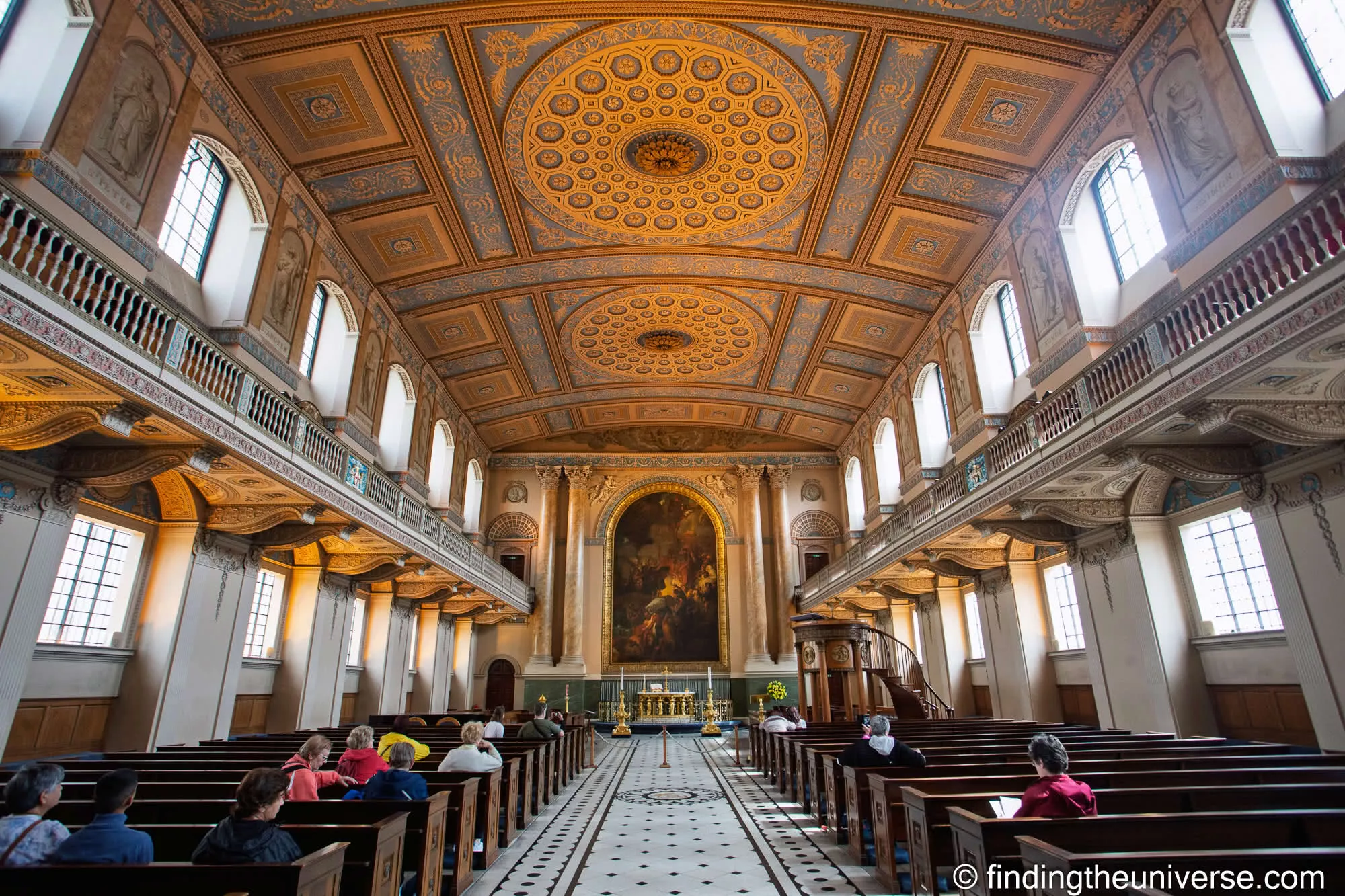
You can book Painted Hall entry here or via the Old Royal Naval College site, which also covers the £3 Discover Greenwich exhibition in the visitor centre. The chapel across the courtyard is open daily to everyone, and it’s a quieter, much lighter room than the hall. Most visitors walk straight past it.
What’s Near the Old Royal Naval College
The Naval College grounds sit between almost everything: the Cutty Sark is at their western edge, the riverside path runs along their northern boundary, and the National Maritime Museum and Queen’s House are immediately south across Romney Road.
Greenwich Market is a two-minute walk from the western gate. If you’re walking the riverfront east from the Cutty Sark, you’ll pass the whole college without trying, and the classic photo of it is actually from the opposite bank of the river, via the foot tunnel.
5. The National Maritime Museum
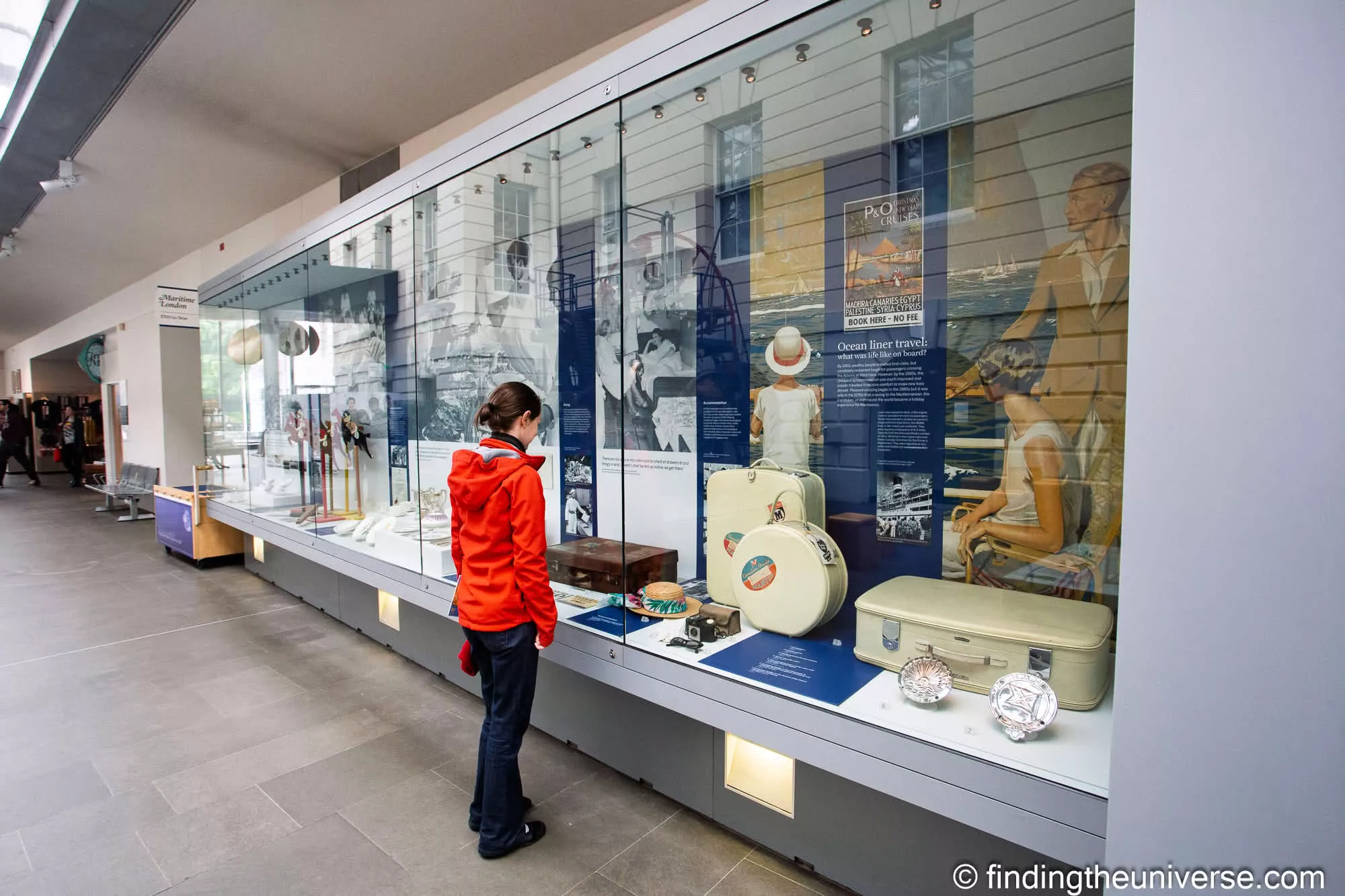
The National Maritime Museum is enormous, and entry is free, which still surprises people given the quality of what’s inside. This is where you’ll find Nelson’s Trafalgar coat (musket-ball hole included), along with figureheads, ship models, and galleries covering polar exploration, the East India Company and the long story of Britain and the sea. It’s also unusually good with children, with dedicated interactive galleries that have rescued many a rainy London afternoon.
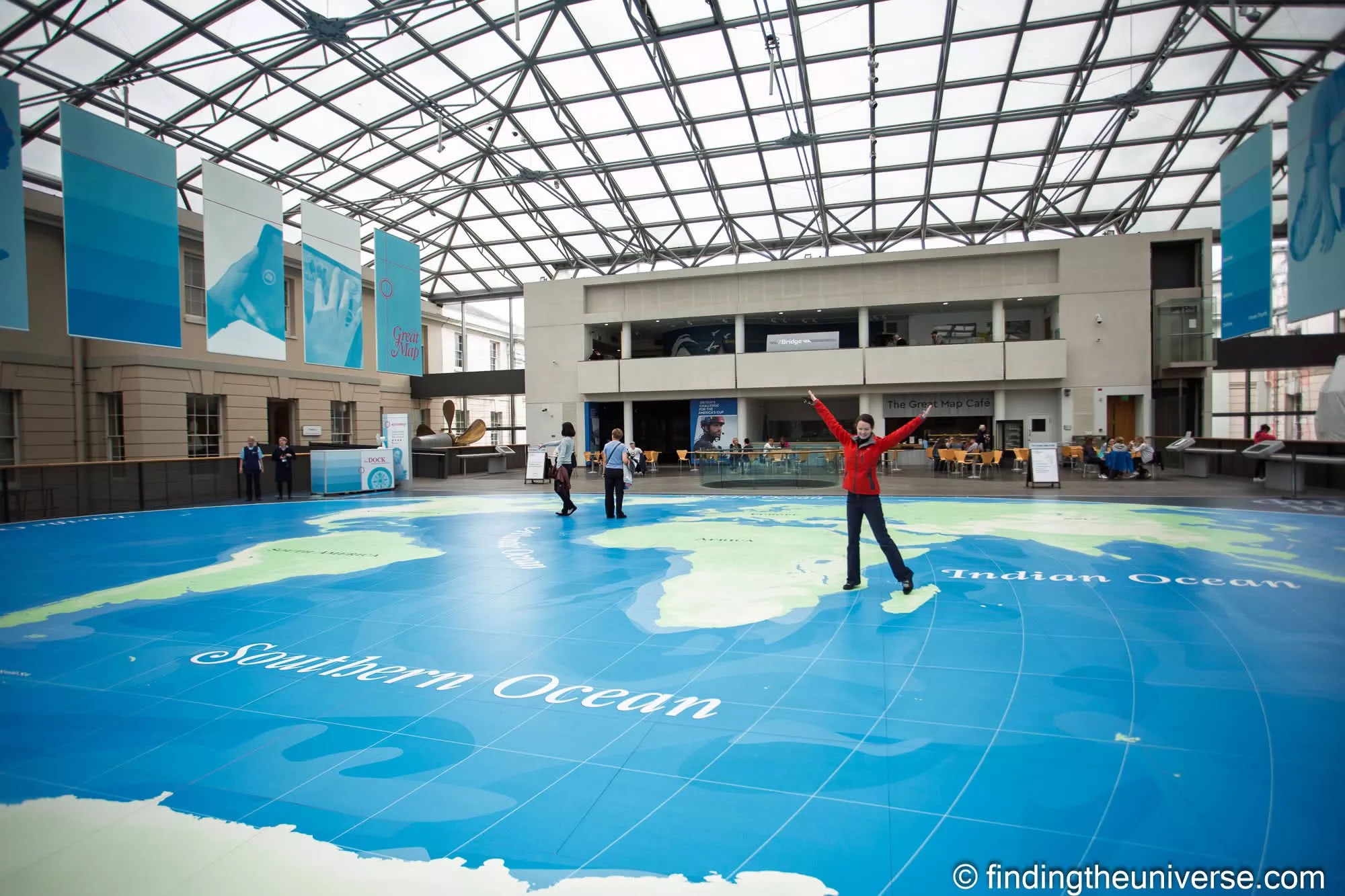
The museum is open daily from 10am to 5pm with last entry at 4.15pm, and while general entry is free, booking ahead online is recommended. The temporary exhibition is ticketed separately. Details are on the official site.
If you’re into military history more broadly, our guide to London’s military museums and memorials puts it in context with the rest of the city’s collections.
What’s Near the National Maritime Museum
This is the densest free corner of Greenwich. The Queen’s House is joined to the museum by the colonnades, so it needs no separate journey at all, and behind them both the ground rises straight into Greenwich Park with the path up to the Royal Observatory starting just beyond. The Old Royal Naval College is directly across Romney Road to the north, and the Cutty Sark and Greenwich Market are a couple of streets past that.
If the weather turns while you’re in Greenwich (as you can see from our photos from different visits, it’s variable!), this is the corner to be in: two free museums and a covered market within a few minutes of each other, and none of them charging you to come in out of the rain.
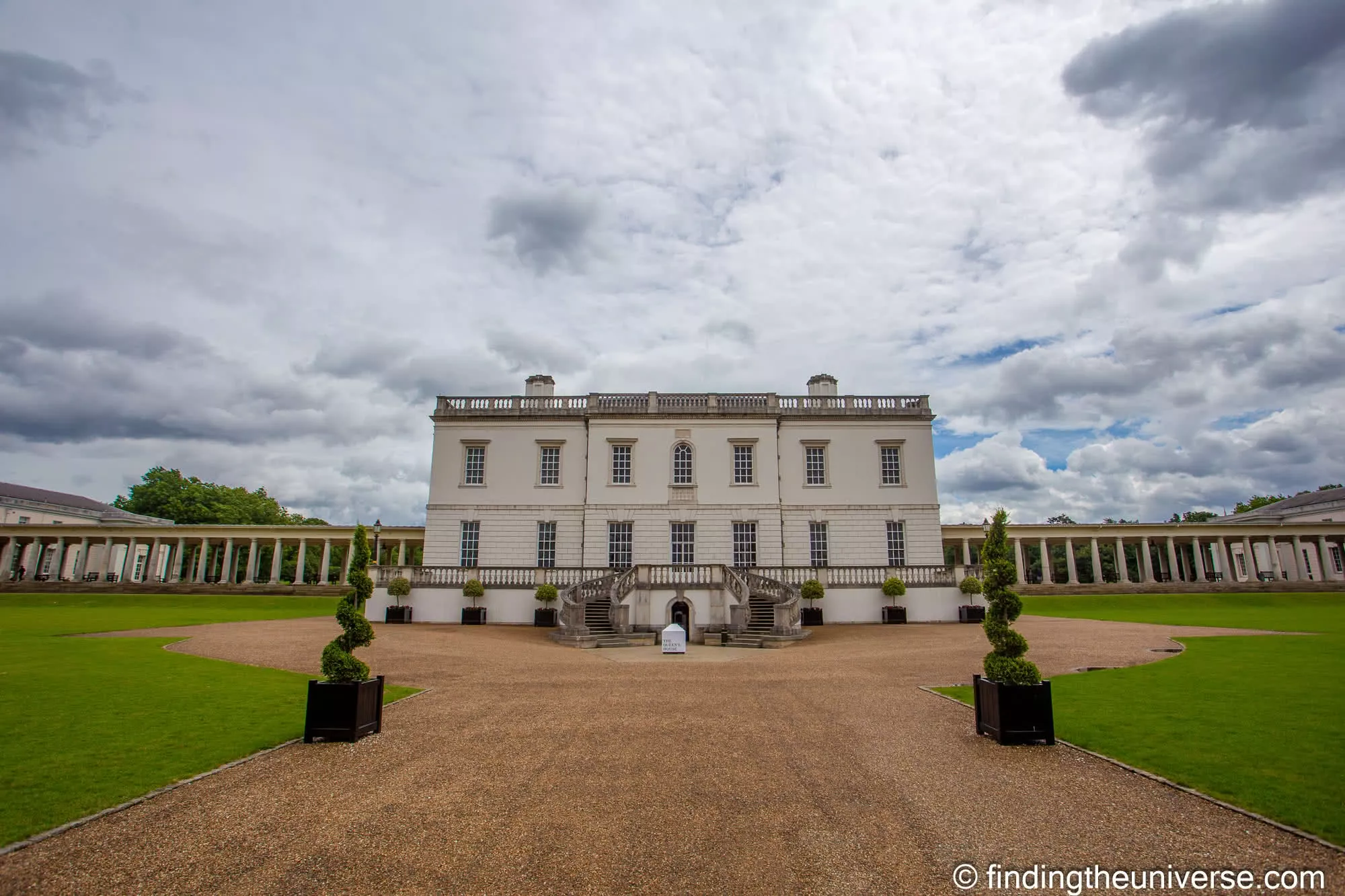
6. The Queen’s House
The Queen’s House is pretty easy to overlook between its louder neighbours, and shouldn’t be. Completed by Inigo Jones in the 1630s, it was the first consciously classical building in England, and it now houses a serious art collection including the famous Armada Portrait of Elizabeth I. The star of the building itself is the Tulip Stairs, a spiral staircase with no central support that has become one of the most photographed staircases anywhere.
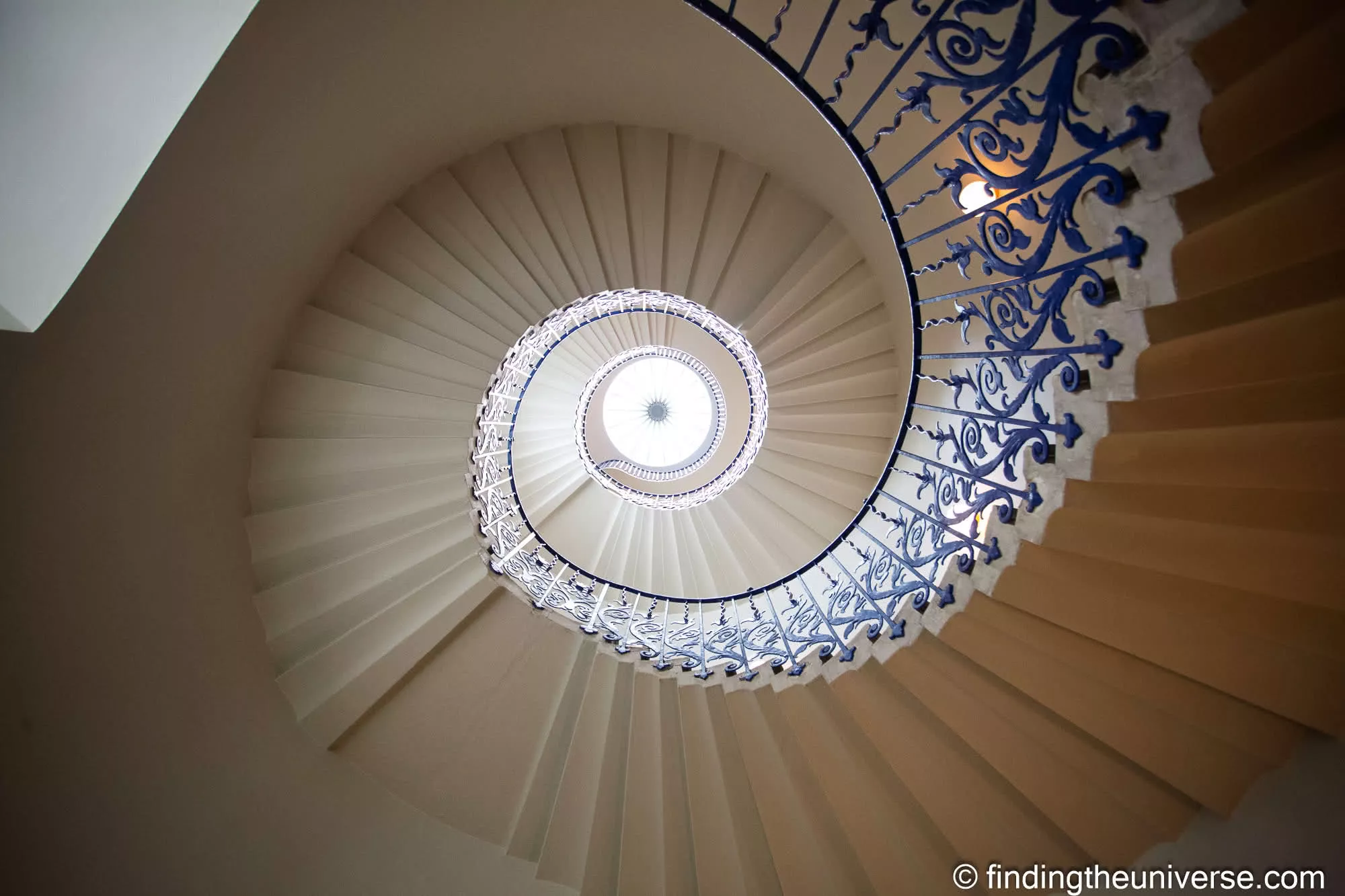
General entry is free, daily from 10am to 5pm (last entry 4.15pm), with booking recommended. Special exhibitions are included in that free entry; a handful of evening concerts and specialist tours are ticketed separately, so it’s worth a glance at the Queen’s House site before you go to see what’s on.
7. Greenwich Market
Greenwich Market is the commercial heart of the town, and it has been at this a while: granted its Royal Charter in December 1700, trading on this site since 1737, and covered by its current glazed roofs since 1902. Today it’s a covered market of stalls selling crafts, art, antiques, vintage finds and a very good line in street food, surrounded by small independent shops.
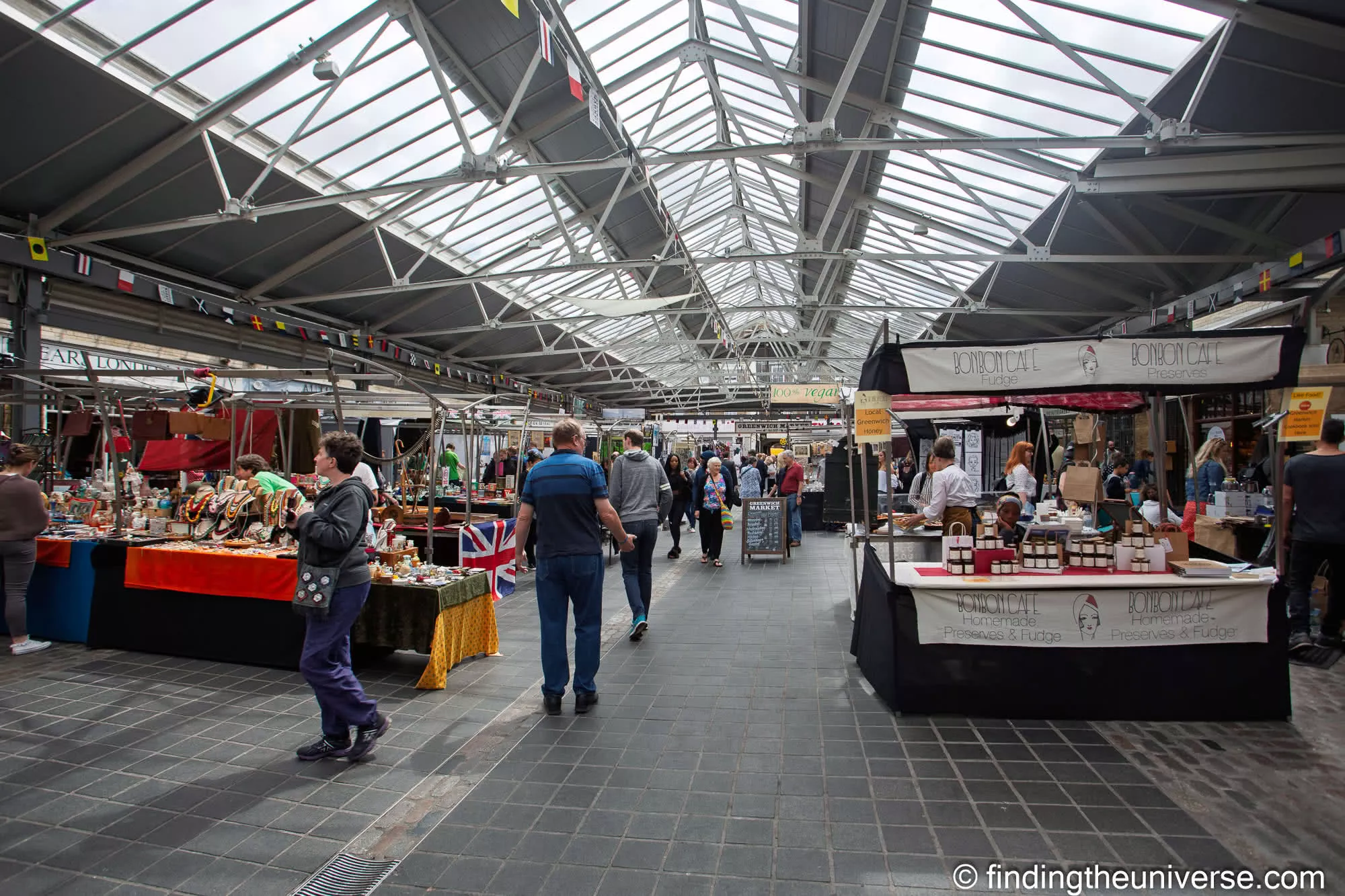
The market is open daily from 10am to 5.30pm. The mix of stalls changes by day of the week, with antiques and vintage traders among the regular categories, so if you’re coming for something specific, the market’s website has a by-day stall listing you can check in advance. Weekends have the fullest line-up and the biggest crowds, in roughly equal measure.
What’s Near Greenwich Market
The market sits in the block between the Cutty Sark and the Old Royal Naval College, so it’s the natural lunch stop in the middle of any Greenwich circuit rather than a destination you need to route to.
The church you can see from the market entrance is St Alfege, the Hawksmoor church at the town’s heart, and the streets around the market (Greenwich Church Street, Turnpin Lane, Nelson Road) hold most of the town’s independent shops. The DLR station is just around the corner, which makes the market a good final stop before heading back into central London.
8. The Greenwich Foot Tunnel and Island Gardens
Opened in 1902 so that workers south of the river could reach the docks, the Greenwich foot tunnel runs under the Thames from beside the Cutty Sark to Island Gardens on the north bank. It’s free, open 24 hours a day, and walking through a century-old tiled tube under one of the world’s great rivers is one of the more memorable free things you can do in London. Yes, it’s safe. Yes, it echoes. And yes, you’ll want to test the echo!
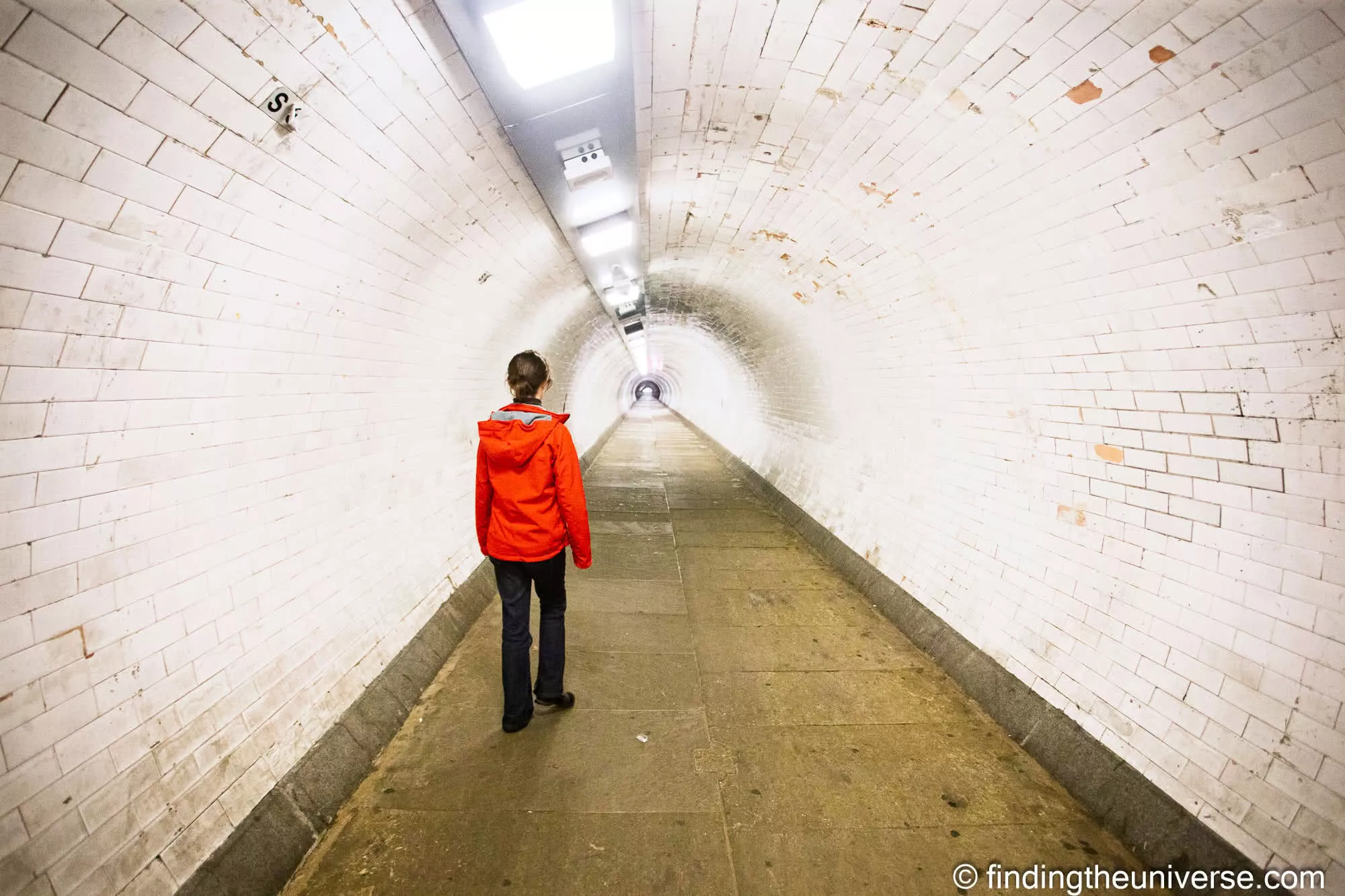
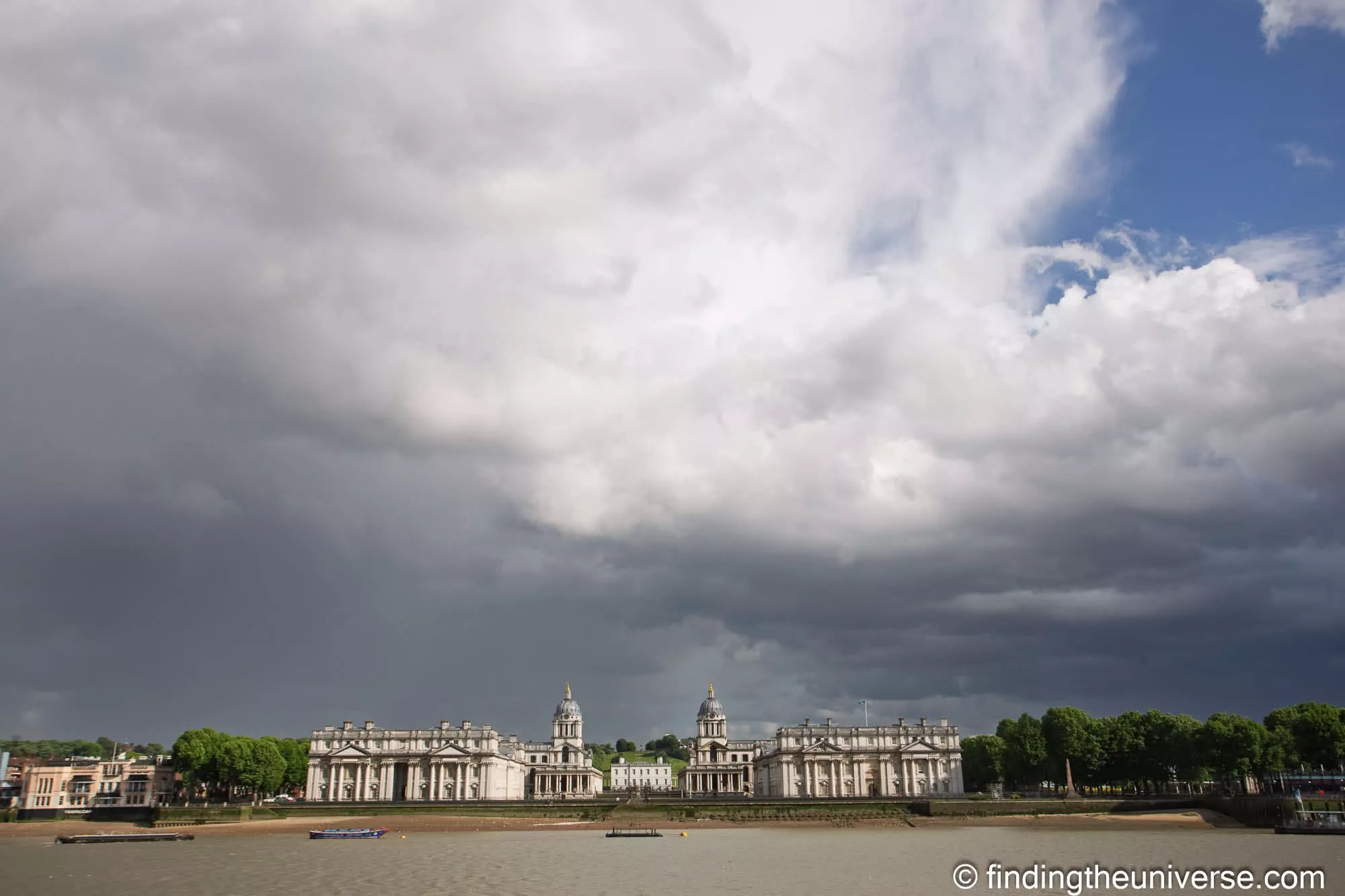
The real reason to make the crossing, though, is what’s waiting at the far end. From Island Gardens, you get the full postcard panorama of Greenwich across the water: the Old Royal Naval College perfectly symmetrical, the Queen’s House framed between its domes, and the park rising behind.
It’s the view Canaletto painted, and it’s the single best photograph in Greenwich. Turner is my favourite painter and Canaletto is Jess’s, so Greenwich is one of the few places where we both get our way. More on how to shoot it in the photography notes below. Both ends of the tunnel have lifts as well as stairs, and they were in service at the time of writing; the council runs a live status page for the tunnel and lifts if you want to check ahead of a visit with a pushchair or wheelchair.
9. The Fan Museum
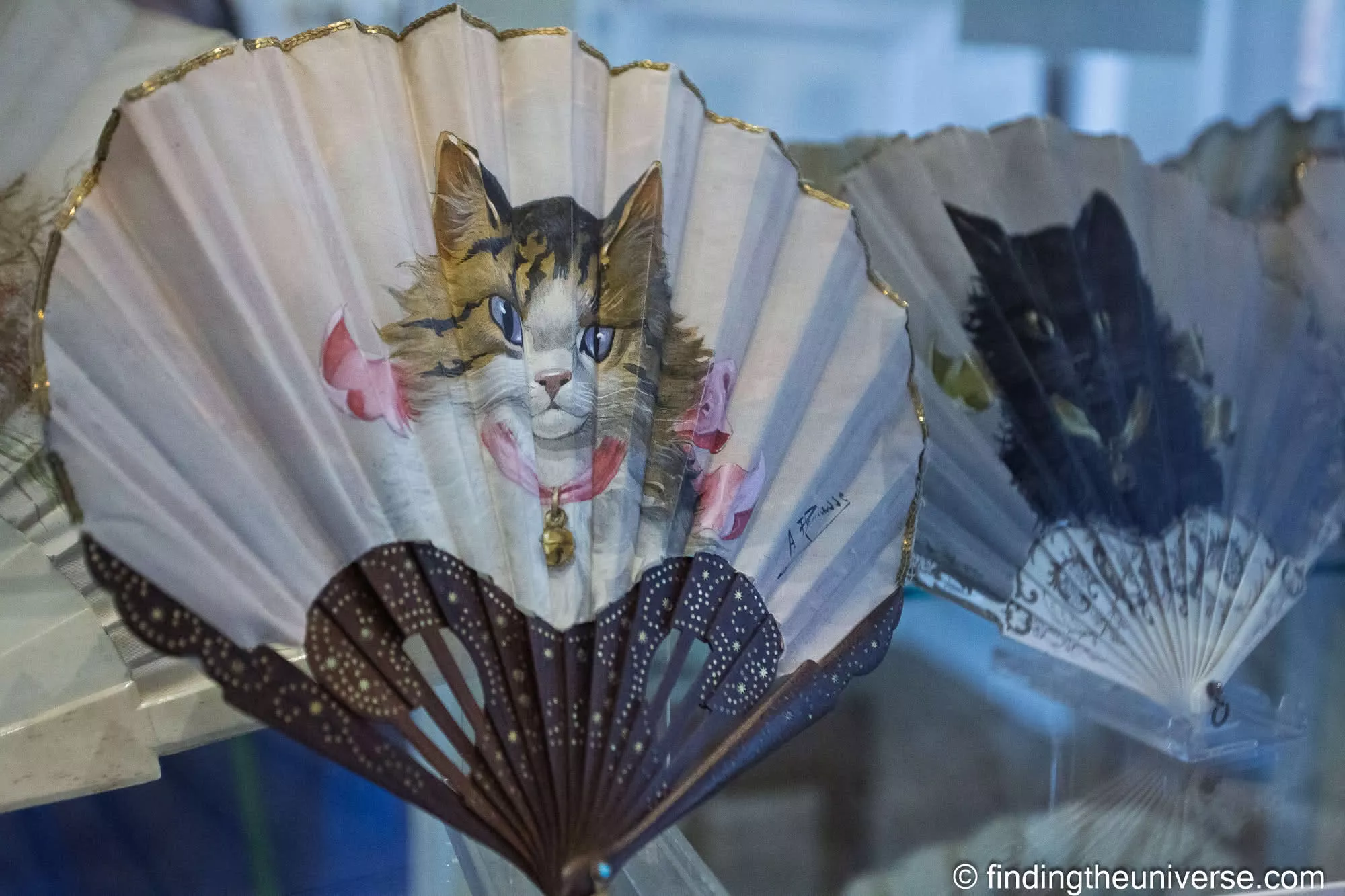
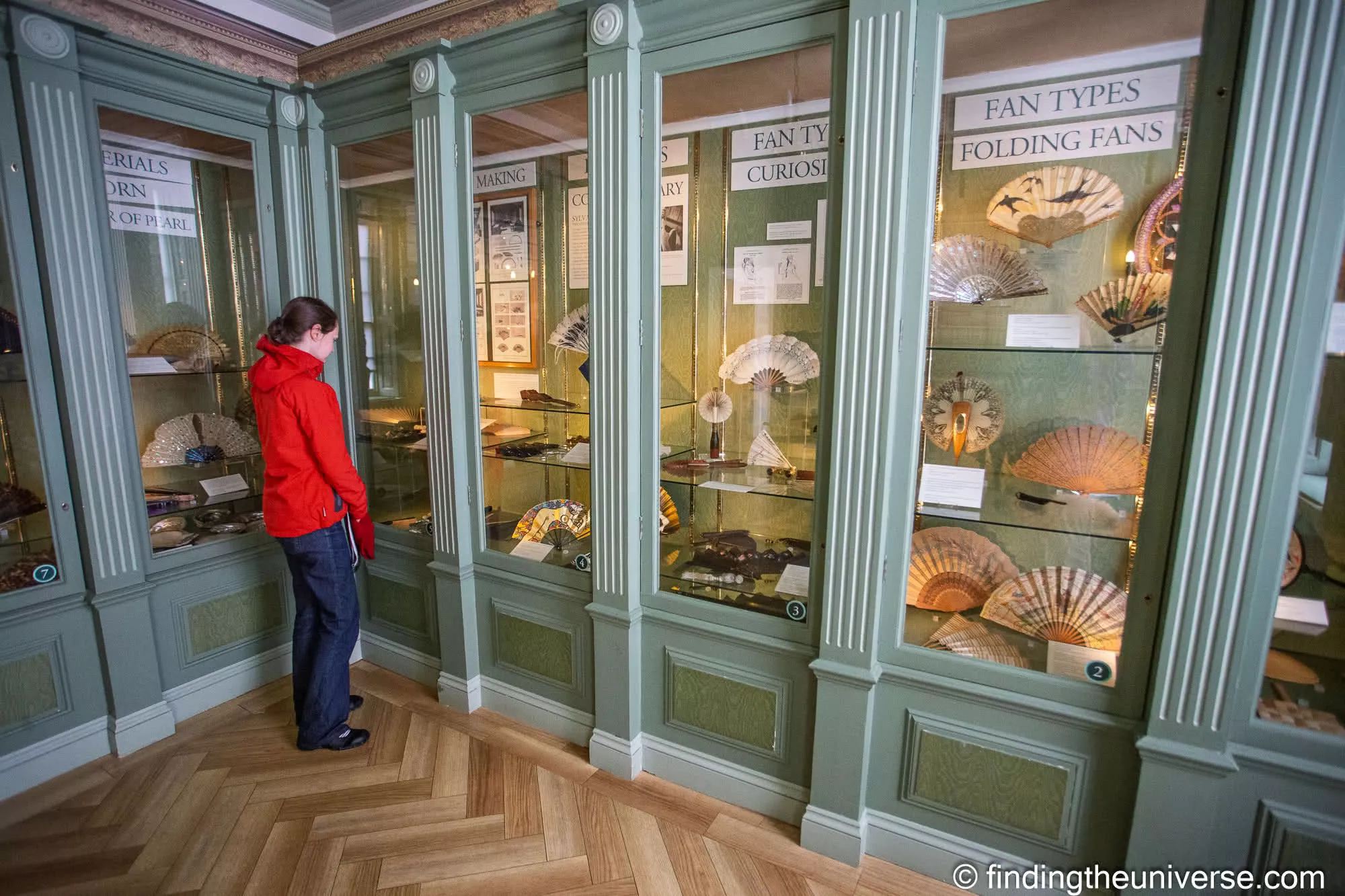
A short walk up from the market on Crooms Hill sits the Fan Museum, a museum devoted entirely to fans and fan making, housed in a pair of Georgian townhouses.
It sounds niche because it is niche, and that’s rather the point: the collection spans centuries of craft, from painted court fans to advertising novelties, and small obsessive museums like this have a way of ending up the day’s highlight precisely because you expected so little. We visited on our Greenwich trip and it surprised us both.
The museum is open Tuesday to Saturday from 11am to 5pm, with final admission at 4.30pm, so note it’s closed on Sundays and Mondays. Tickets can be booked online or bought on the day; current prices and exhibitions are on the Fan Museum’s website.
10. Ranger’s House and the Wernher Collection
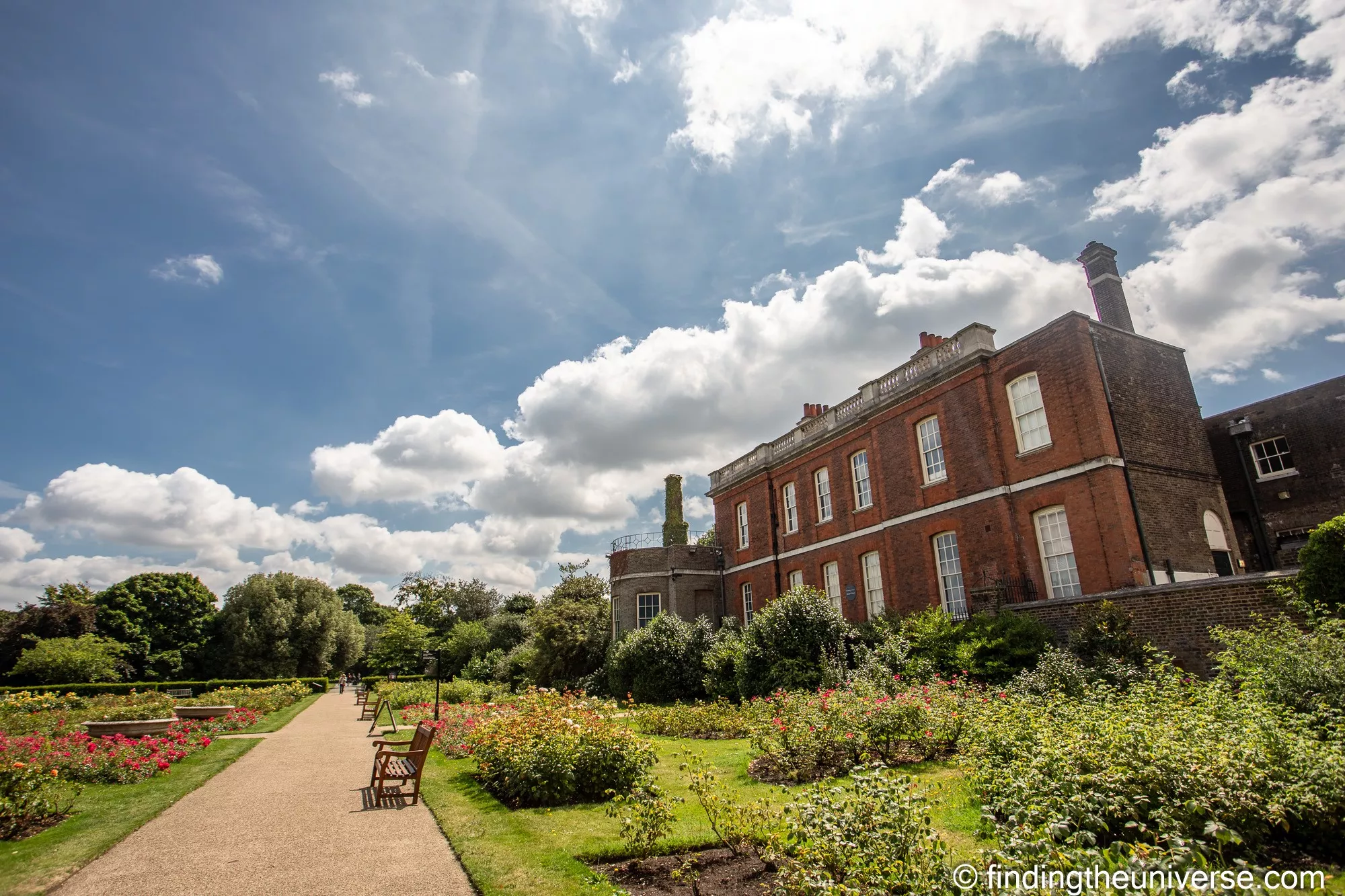
On the far side of Greenwich Park, backing onto the heath, Ranger’s House is a Georgian villa in the care of English Heritage that houses the Wernher Collection, a dense treasury of jewels, ivories, porcelain and old masters assembled by a diamond magnate.
We walked out to it across the park on a July afternoon and had the front of the house almost to ourselves, which tells you something about how far most visitors get. Its exterior may also look familiar to Bridgerton viewers.
Ranger’s House opens on select dates only, so this is firmly a check-before-you-go sight: opening days and prices are on the English Heritage website. It pairs naturally with the quieter, southern half of the park, which most visitors never reach.
11. The O2 and North Greenwich
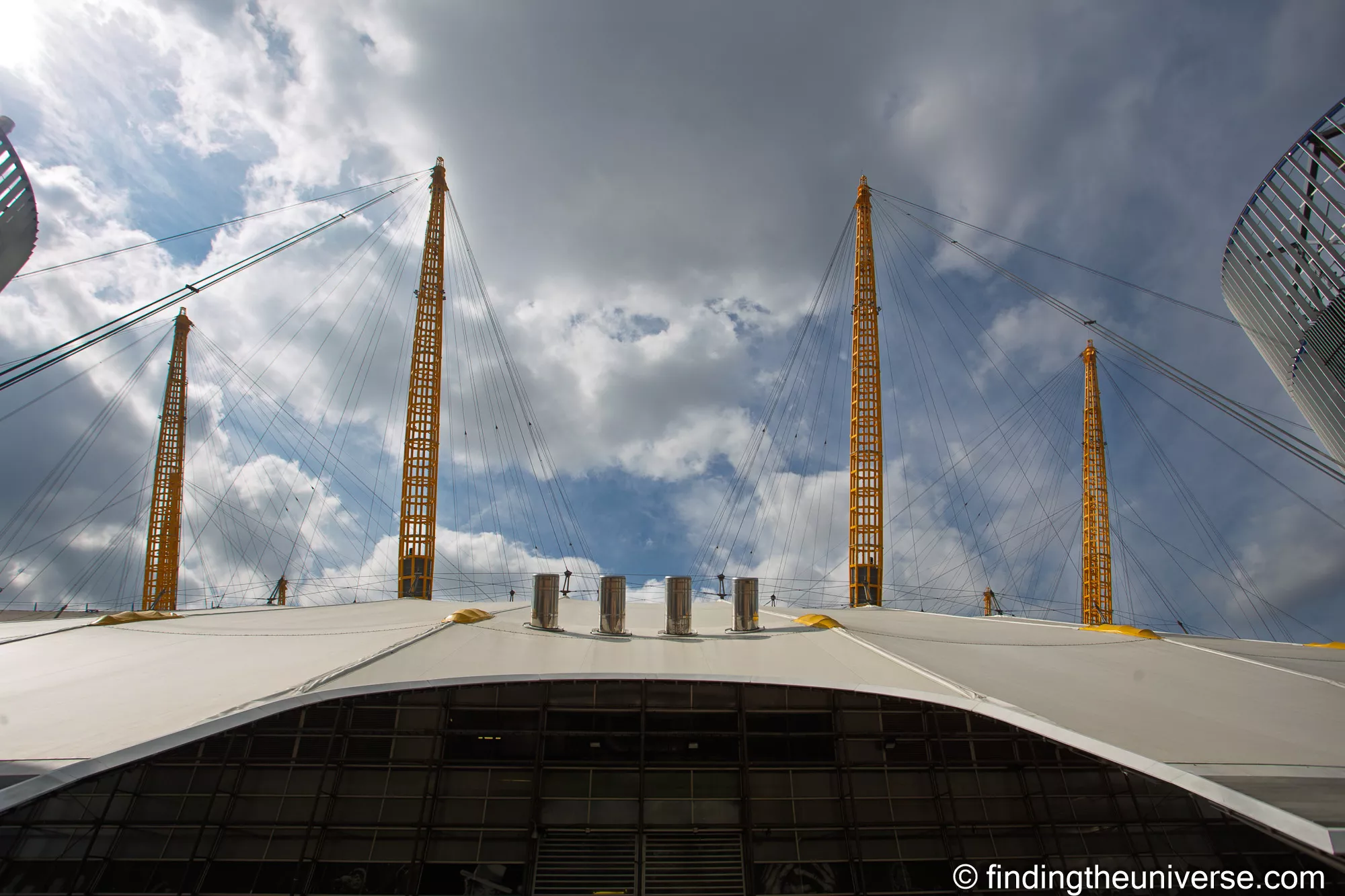
Here’s the section that I hope saves someone’s afternoon. The O2, the giant tent-like arena that shares the Greenwich name, is not in the Greenwich this article is about. It sits on the Greenwich Peninsula in North Greenwich, about a mile and a half from the Cutty Sark as the crow flies, and the two areas are separate destinations a transit hop apart.
If you have tickets to a show at the O2 and a few hours to fill beforehand, historic Greenwich is a great way to spend them, but plan the hop deliberately. The river bus is the pleasant option: Greenwich Pier and North Greenwich Pier are both served by Uber Boat by Thames Clippers, a couple of stops apart. Otherwise it’s the Jubilee line from North Greenwich with a change onto the DLR, or a local bus. The one thing I wouldn’t do is set off walking with a showtime looming.
The O2 itself is an events venue first, with an outlet shopping centre and restaurants inside the dome. Its one proper sight is Up at The O2, a guided climb over the roof of the dome on a fabric walkway, which rewards you with a view down the river to the historic town in one direction and Canary Wharf in the other. You can book the O2 roof climb here.
What’s Near The O2
Not much of what you came to Greenwich for. The peninsula is a modern quarter of apartments, event space and the cable car across to the Royal Docks, and every sight in this guide except the roof climb is back in the historic town. Treat the O2 as its own stop with its own transit plan: river bus or Jubilee line to reach it, and the same to leave. If you’re at the O2 with half a day spare, the boat from North Greenwich Pier towards the town is the move.
Free vs Paid in Greenwich
Greenwich is one of the best-value days out in London, but only if you know in advance which sights charge, because the split isn’t obvious on the ground.
The Royal Museums Greenwich group alone runs two free sites and two paid ones within the same square mile. Here’s the full picture, using standard adult and child prices, current as of this edition and, of course, worth a re-check on the operator sites before you travel.
| Sight | Adult | Child | Worth knowing |
|---|---|---|---|
| Greenwich Park and the view | Free | Free | Pedestrian gates 6am to 9pm |
| National Maritime Museum | Free | Free | Booking recommended; temporary exhibition ticketed |
| Queen’s House | Free | Free | Exhibitions included; some events ticketed |
| Old Royal Naval College grounds | Free | Free | Grounds open 8am to 11pm |
| Greenwich foot tunnel | Free | Free | Open 24 hours |
| Greenwich Market | Free | Free | Daily 10am to 5.30pm |
| Royal Observatory | £24 | £12 | The park view outside is free |
| Cutty Sark | £22 | £11 | Daily 10am to 5pm |
| Day Pass (Observatory + Cutty Sark) | £38 | £19 | Saves £8 per adult |
| Painted Hall | £19 | Free | Standard ticket converts to an annual pass; £5 first Sundays |
| Discover Greenwich exhibition | £3 | Free | In the ORNC visitor centre; under-16s free |
| Fan Museum | Ticketed | Ticketed | Closed Sunday and Monday |
| Ranger’s House | Ticketed | Ticketed | Open select dates only |
The pattern worth noticing: the free half of Greenwich is not the leftovers. The Maritime Museum, the Queen’s House, the park, the market, the tunnel and the great view would make a full and satisfying day on their own, without spending a penny on admission. My suggested spend, if you’re choosing: the Observatory if the Meridian means something to you, the Painted Hall if art and architecture do, and the Cutty Sark if you have kids or a thing for ships.
Guided Tours in Greenwich
Greenwich is an easy place to explore on your own, but it’s also a place where the stories add a lot, and there are a couple of guided options I’d point you at.
A guided walking tour of maritime Greenwich covers the riverfront, the Naval College and the town’s naval history on foot, which is an efficient way to get the background without museum-legs. And if you’re around in the evening, there’s a Ghosts of Greenwich haunted walking tour, which trades on the fact that a 500-year-old naval town has accumulated some suitably dark stories. The rig climb and the river cruises I’ve covered above round out the set.
Which Day Should You Visit Greenwich?
More than most London areas, the day of the week you pick changes what you get in Greenwich, so it’s worth thirty seconds of planning.
The market runs daily, but the stall line-up varies by day and peaks at weekends, along with the crowds. The Fan Museum only opens Tuesday to Saturday. Ranger’s House opens on select dates you need to check. The Painted Hall’s Secret Dome Tour runs Mondays and Fridays only, and the big museums are open every day.
The one thing most likely to derail a weekend plan is the Painted Hall itself, which closes for private events on a fair number of Saturday and Sunday afternoons, so check its opening times before you count on it.
So: for the fullest experience with the fewest closures, Tuesday to Friday is the zone I’d aim for, with Friday giving you the dome tour as well. Saturday brings the market at full strength if you don’t mind sharing it. And if budget is the priority, the first Sunday of the month gets you the Painted Hall for £5, the free museums as normal, and the market in full weekend swing, which is about as much of Greenwich as it’s possible to get for a fiver. Check that particular Sunday’s opening times before you travel, though, because it falls in exactly the weekend-afternoon slot the hall is most likely to be booked out for an event.
Photographing Greenwich: Where to Stand
I’ve spent over 30 years behind a camera, and Greenwich hands you two of London’s great compositions, so here’s exactly where to stand for them.
The first is the classic: the Old Royal Naval College from Island Gardens, across the river. Take the foot tunnel from beside the Cutty Sark, come up the other side, and turn around. From the riverside railing you get Wren’s twin domes in perfect symmetry with the Queen’s House centred between them and the park rising behind, the composition the whole site was designed around. A standard zoom covers it easily, and because you’re shooting south across the water, the light works from mid-morning right through the afternoon.
The second is the view from the top of Greenwich Park, in front of the Observatory. This one looks north over the college and river to Canary Wharf, which means the skyline is lit from the side early and late in the day rather than front-on. My favourite version of it is at dusk, when the tower lights come on while there’s still colour in the sky; the park’s 9pm pedestrian gate closing gives you room for that in most seasons. Bring a mid-range zoom to compress the Queen’s House against the towers, which is the frame that makes people ask where on earth you took it!
Beyond the two big ones: the Cutty Sark’s hull from directly underneath is a shot nowhere else in the world can give you, the Painted Hall ceiling wants the widest lens you own and a willingness to look like a tourist while you use it, and the market’s glass roof turns midday light soft, making it the rare place that photographs well when everything else is harsh.
Where to Eat and Drink in Greenwich
Greenwich eating comes down to two dependable options and a browsing ground: the market, the old institutions, and then the streets around them, which turn over too fast for any guide to stay current about.
The street food stalls in Greenwich Market are the easy win for lunch, with a rotating cast of traders under the market roof, seven days a week. Do a full lap of the stalls before you commit.
For something you can only really do here, Goddards at Greenwich has been serving traditional pie and mash since 1890, and is open daily from 10am. Pie, mash and liquor is proper old London food, it costs very little, and the queue of locals tells you what you need to know.
On the riverfront beside the Naval College sits the Trafalgar Tavern, a grand riverside pub dating from 1837 that made its name on whitebait dinners, with Dickens among the diners. It’s a landmark in its own right, and about as atmospheric a spot for a pint as London has.
For a sit-down meal that isn’t pub food, there’s a Greenwich outpost of Sticks’n’Sushi. Beyond that, the streets around the market are dense with independent cafes and restaurants that change more often than any guide can track, so my practical advice is to treat Greenwich Church Street and Nelson Road as your browsing ground and see what looks busy.

Where to Stay in Greenwich
Most people do Greenwich as a day trip from central London, which works just fine. But it also makes a clever base in its own right: you get a village feel with fast DLR and river connections into the centre, and generally better value than equivalent rooms in Zone 1. Waking up in Greenwich also means you can be at the Observatory or in the park before the day-trippers arrive, which transforms both. You can browse places to stay in Greenwich here.
Easy Mistakes to Avoid in Greenwich
A few things that regularly catch visitors out, collected here so they don’t catch you.
First, the search-engine trap: there is a Greenwich in Connecticut, and if you’re researching from the US, some of what you read may be about the wrong one. If someone recommends a beach club, they don’t mean southeast London.
Second, the O2: it’s a transit ride from the historic town rather than a walk, and the section above has your options.
Third, day-of-week surprises: the Fan Museum is shut on Sundays and Mondays, Ranger’s House only opens on select dates, and the planetarium is closed for renovation at the moment, so a visit built around any of those just needs a quick check first.
And fourth, don’t buy an Observatory ticket just for the view. The ticket is for the Meridian line, Flamsteed House and the telescope, all of which are worth £24 to the right person. The view over London is free, from the park, right in front of the building.
Greenwich FAQ
Is Greenwich worth visiting?
Yes, and I’d put it in the top handful of half-day trips in London. Nowhere else in the city gives you a World Heritage-calibre architectural set piece, a major free museum, a historic ship, a proper market and London’s best free view within one walkable square mile.
How long do you need in Greenwich?
Half a day covers the essentials: the Cutty Sark from outside, the market, the Naval College grounds and the park view. A full day lets you go inside the Painted Hall, the Maritime Museum and the Observatory without rushing. I wouldn’t try to add the O2 into the same visit unless you’re going to an event there anyway.
Is the Royal Observatory free?
No. Every visitor needs a ticket, which costs £24 for adults and £12 for children and includes the Prime Meridian line and Flamsteed House. The famous panoramic view over London, though, is free, because it’s in Greenwich Park just in front of the Observatory, outside the ticketed site.
What can you do in Greenwich for free?
Quite a lot, and it’s the best free line-up of any London neighbourhood in my view. The National Maritime Museum and the Queen’s House are free to enter, Greenwich Park and its viewpoint are free, the Old Royal Naval College grounds are free to wander, Greenwich Market is free to browse, and the foot tunnel under the Thames costs nothing in either direction.
Can you walk from the O2 to the Cutty Sark?
It’s about a mile and a half as the crow flies, and it isn’t really a sightseeing walk, so I wouldn’t plan it on foot. Take the river bus between North Greenwich Pier and Greenwich Pier, or the Jubilee line with a change to the DLR. Treat the O2 and historic Greenwich as two separate stops on one outing.
How do you get to Greenwich from central London?
The DLR to Cutty Sark station is the simplest, trains run from London Bridge and Cannon Street to Greenwich station, and Uber Boat river buses from central piers to Greenwich Pier are the most scenic way to arrive. Contactless payment covers the DLR and trains; for boat routes, fares and times, check TfL’s river pages.
Is Greenwich Market open every day?
Yes, daily from 10am to 5.30pm. The mix of stalls changes with the day of the week, with weekends the fullest and busiest, so check the market’s by-day listings online if you’re after something specific like antiques or vintage.
What’s near the Royal Observatory in Greenwich?
The free panoramic viewpoint is directly in front of it, Greenwich Park surrounds it, and the National Maritime Museum and Queen’s House sit at the bottom of the hill below. The Cutty Sark and Greenwich Market are around half a mile away as the crow flies, downhill through the park. Everything except the O2 is comfortably walkable from the Observatory’s front gate.
Further Reading
Hopefully this has you well set up for Greenwich! If you’re building out the rest of a London trip, we have plenty more to help, starting with our guide to the best things to do in Kensington, London’s other great museum quarter, and our two day London itinerary for fitting the headline sights together.
We also have detailed guides to the Tower of London and the London Eye, both easy to combine with Greenwich via the river. Jess has also written about all four of London’s UNESCO World Heritage Sites, of which Maritime Greenwich is one, over on her site.
If you like a paper guidebook in hand (I do), these are the two I’d recommend for London:

Rick Steves London is the one to pick for practical, opinionated coverage with well-planned walking routes, in its current June 2026 edition.

Lonely Planet London covers more ground with strong maps and neighbourhood detail, and pairs well with the Rick Steves for a longer stay.
And that’s Greenwich: a square mile that gave the world its clock and kept the best view in London free. As always, if you have questions about planning your own visit, pop them in the comments below and I’ll do my best to help!
Leave a Reply