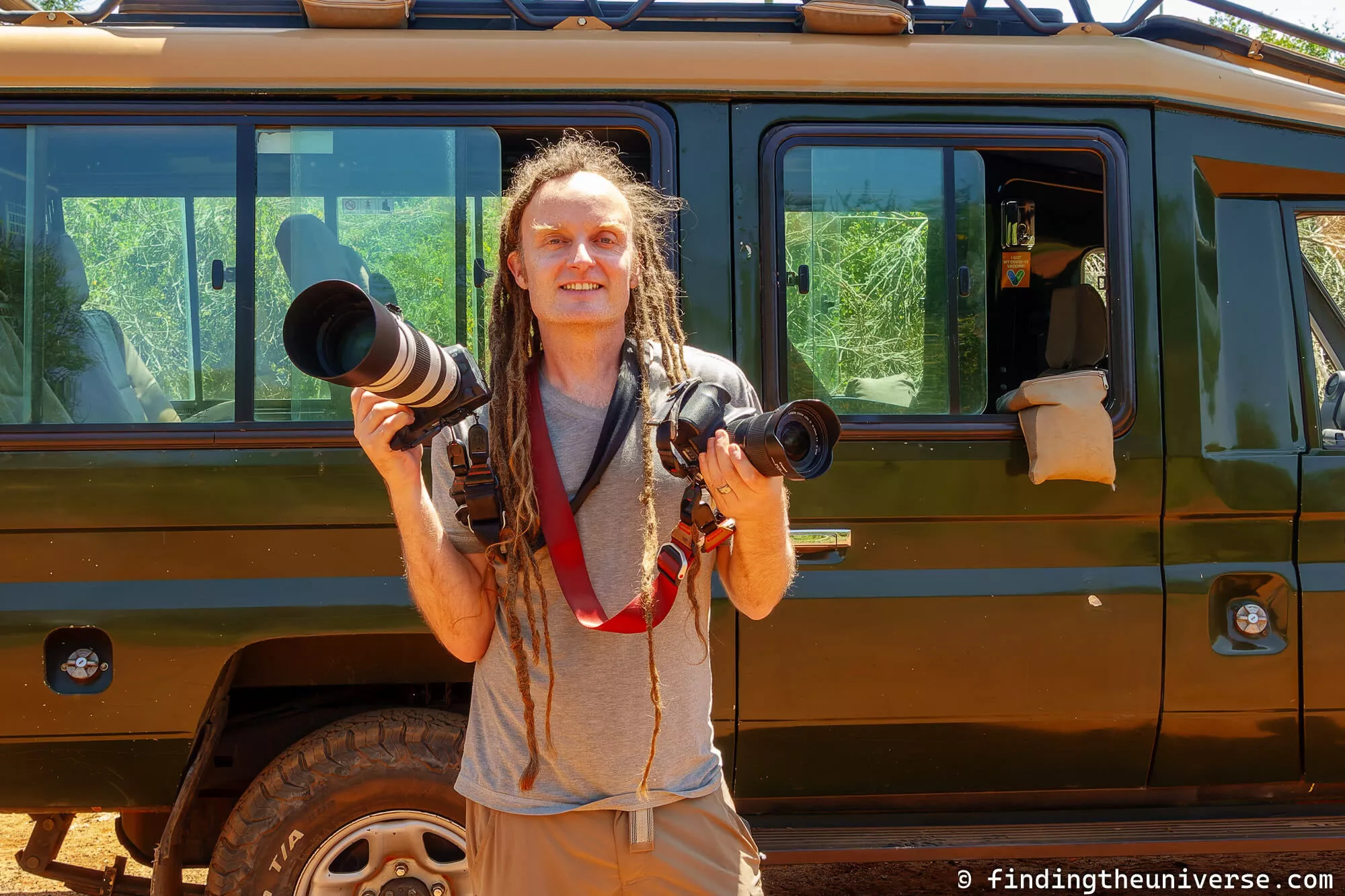
I bought my first Peak Design Slide strap in 2015. Since then, my Peak Design straps have been rained on, snowed on, covered in mud, dragged through the Ugandan jungle on a gorilla trek, and had one chewed on by a fox in a Glasgow cemetery. I’ve filed two warranty claims (both honoured), owned three Slide straps simultaneously, and used the system on every camera body and lens I’ve owned for the past decade.
So yes, I have opinions about these straps.
In this review, I’m going to cover every Peak Design camera strap currently available, share what I actually think of them after years of real use, and help you figure out which one is right for your setup. I’ll also cover pricing, how the anchor link system works, and when you might want to look at something other than Peak Design.
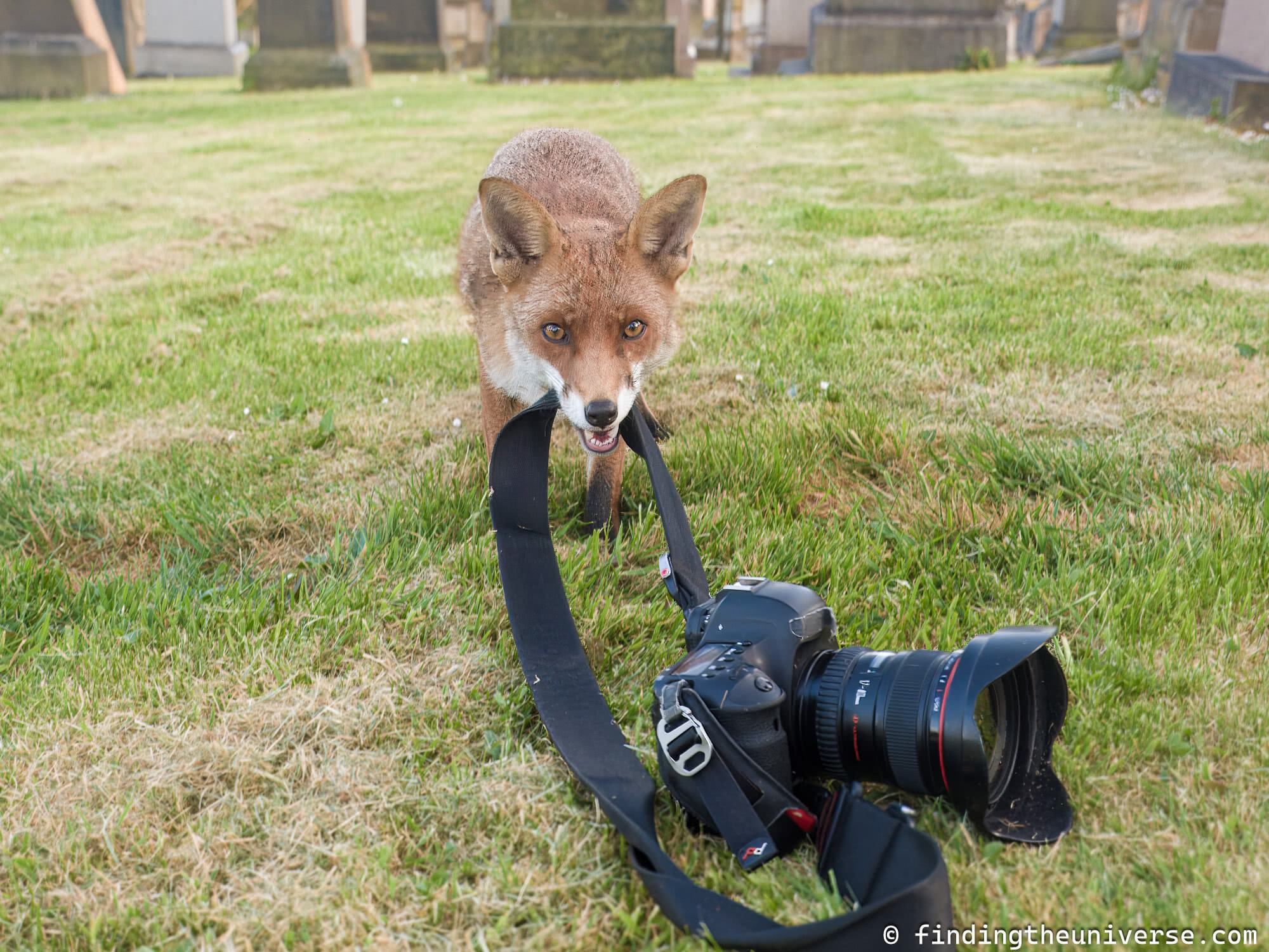
Table of Contents:
Peak Design Camera Straps Compared
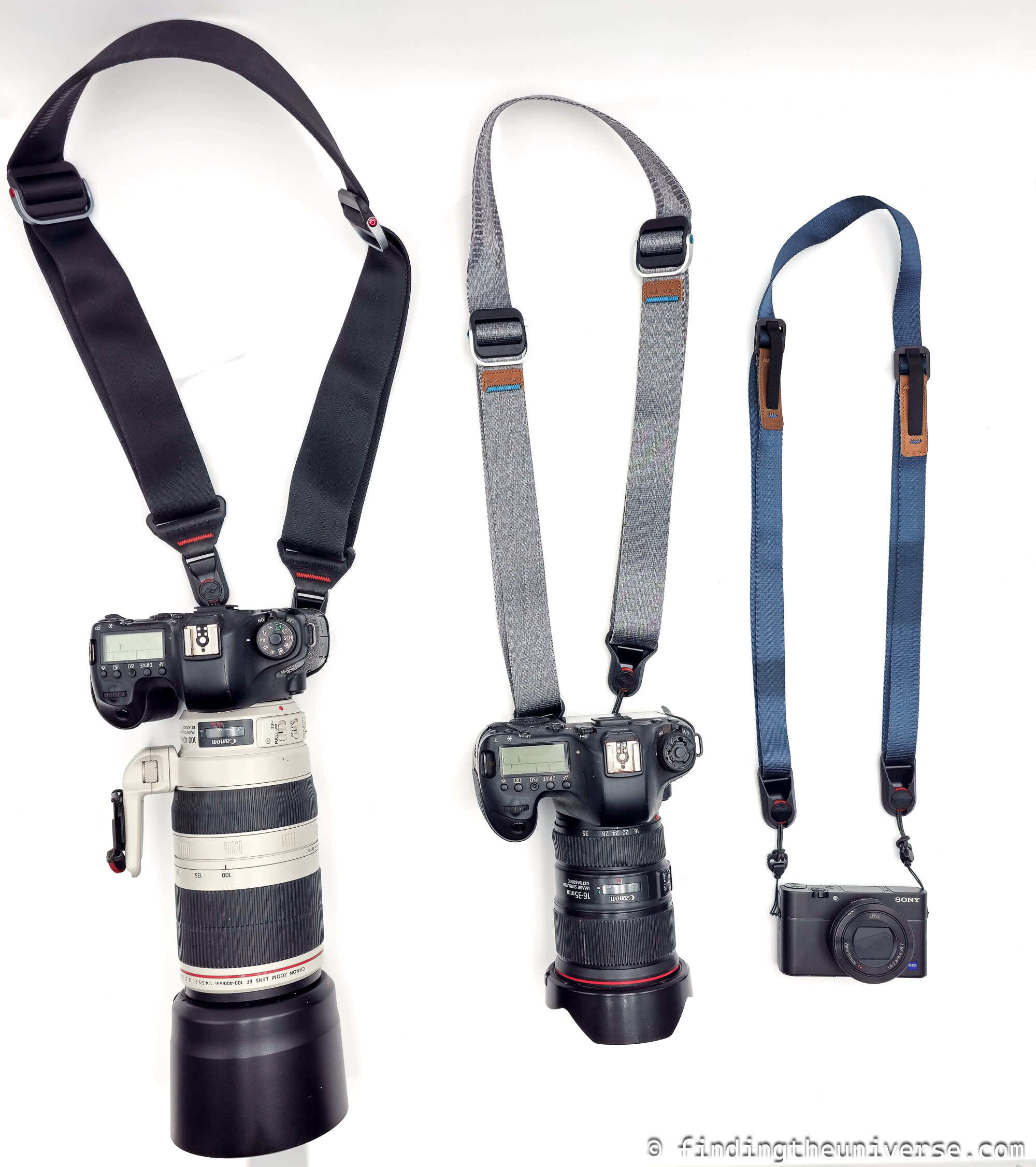
Peak Design makes nine camera straps across four categories: body straps (worn over shoulder, neck, or as a sling), wrist straps, hand straps, and minimalist straps. Here’s how they all compare.
| Strap | Type | Width | Max Load | Price (USD) | Best For |
|---|---|---|---|---|---|
| Slide | Body | 45mm / 1.8″ | 200 lbs / 90 kg | $79.95 | Heavy DSLRs, large telephotos, all-day shoots |
| Slide Lite | Body | 32mm / 1.3″ | 200 lbs / 90 kg | $69.95 | Most mirrorless cameras, binoculars, everyday carry |
| Leash | Body | 19mm / 0.75″ | 200 lbs / 90 kg | $49.95 | Compact cameras, minimalist carry, safety tether |
| Cuff | Wrist | 19mm / 0.75″ | 200 lbs / 90 kg | $39.95 | Bag-to-hand shooters, light mirrorless, compact cameras |
| Cuff Leather | Wrist | 19mm / 0.75″ | 100 lbs / 45 kg | $59.95 | Same as Cuff, premium look |
| Cuff Rope | Wrist | Rope | 180 lbs / 82 kg | $39.95 | Same as Cuff, rope aesthetic |
| Clutch | Hand | N/A | N/A | $49.95 | Larger cameras, added grip security |
| Micro Clutch | Hand | N/A | N/A | $59.95 | Smaller mirrorless cameras, 2-4 finger grip |
| Form Leather | Minimalist body | 16.5mm / 0.65″ | 100 lbs / 45 kg | $69.95 | Small mirrorless, film cameras, compact cameras |
| Form Rope | Minimalist body | 10mm / 0.39″ | 180 lbs / 82 kg | From $44.95 | Small mirrorless, film cameras, compact cameras |
All prices are from Peak Design’s website as of March 2026. You can also buy most of these from Amazon, where Prime shipping is available.
Which Peak Design Strap is Right for You?
With ten straps in the range, the choice can feel a bit overwhelming. Here’s how I’d narrow it down.
If you have a heavy camera setup, especially with telephoto lenses, go for the Slide. It’s the widest strap in the range at 45mm, and the internal padding distributes weight well over long shooting days. I use mine with a Canon EOS R5 and 70-200mm f/2.8, and I can wear it comfortably for hours on a hike.
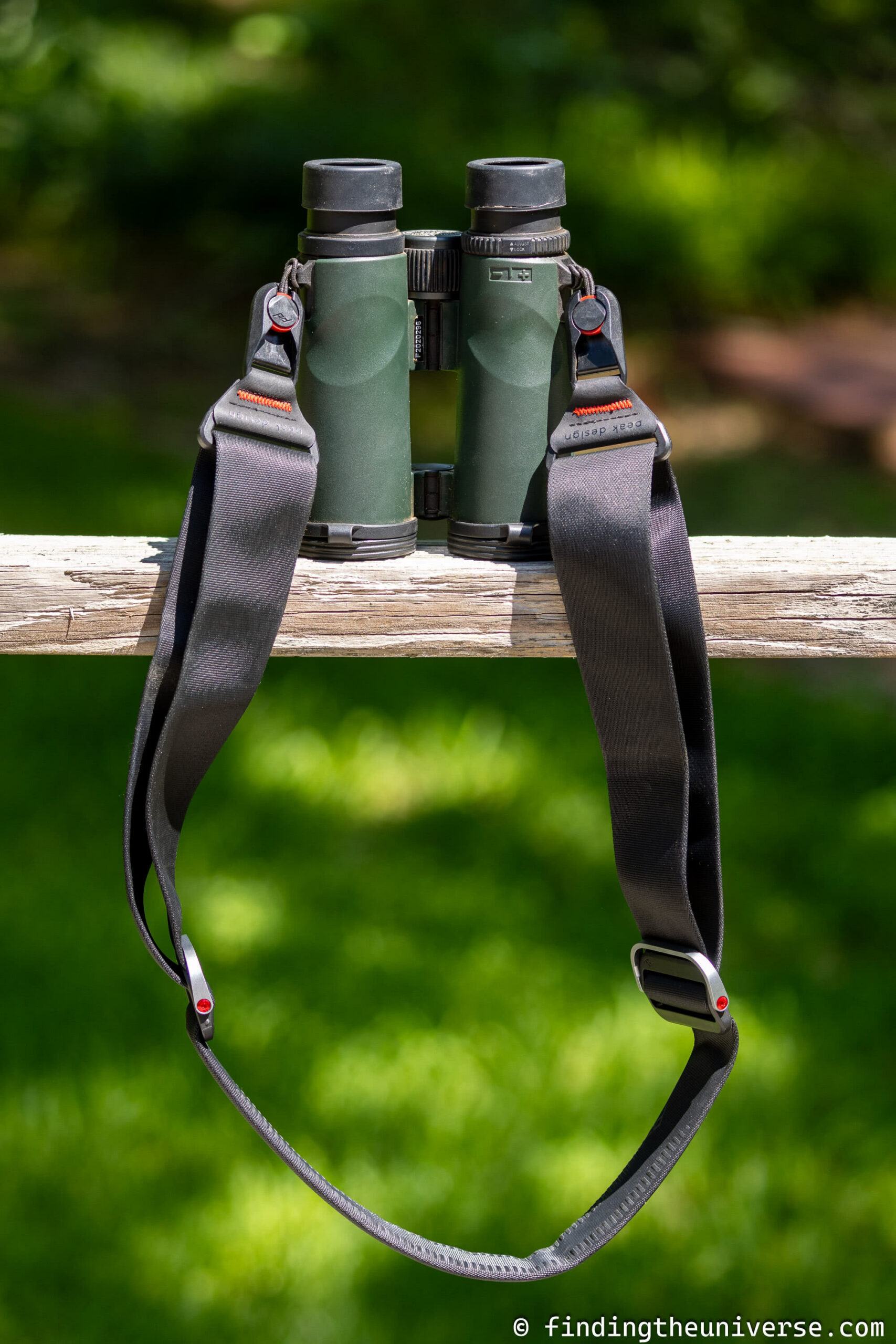
For most camera setups except the very heaviest, I’d recommend the Slide Lite. It has all the features of the Slide in a slightly narrower, more packable design. This is also my go-to recommendation for binoculars.
For the smallest cameras and very light setups, look at the Leash or the Form straps. A narrower strap won’t be comfortable with a heavy body and lens, but for a compact camera or a small mirrorless with a prime lens, they’re more than enough. The Leash is adjustable; the Form straps are not (you choose your length when ordering), so make sure you pick the right size.
If you don’t want a body strap at all, the Cuff wrist strap is a good option for lighter setups. We use ours with our compact camera. It works well if you tend to take your camera in and out of a bag rather than wearing it all the time.
For a hand strap that gives you more grip security, the Clutch is designed for larger cameras and the Micro Clutch for smaller ones. I’ve had my Clutch as long as I’ve had my Slide straps, and I use it on my main body alongside the Slide. They work together.
Who is Peak Design?
Peak Design is a U.S. based company, founded in 2010 by Peter Dering. They launched their first product in 2011, a camera clip system called Capture, which is still available today.
Peak Design primarily creates products designed to help people organise, protect, pack, and use their photography gear. These include camera straps, clips, bags, and tripods. They’ve also expanded into more general products for travellers and commuters, including packing cubes, wash bags, and mobile phone cases.
All their products come with a lifetime warranty. They’re a registered B Corp, fully carbon neutral, and donate 1% of all revenue to environmental nonprofits.
I also own several other Peak Design products beyond the straps. I currently have a Peak Design camera backpack, some camera packing cubes, and a Peak Design travel tripod. But the straps remain their standout products for me. I’ve been using them since 2015 and have never felt the need to switch to anything else.
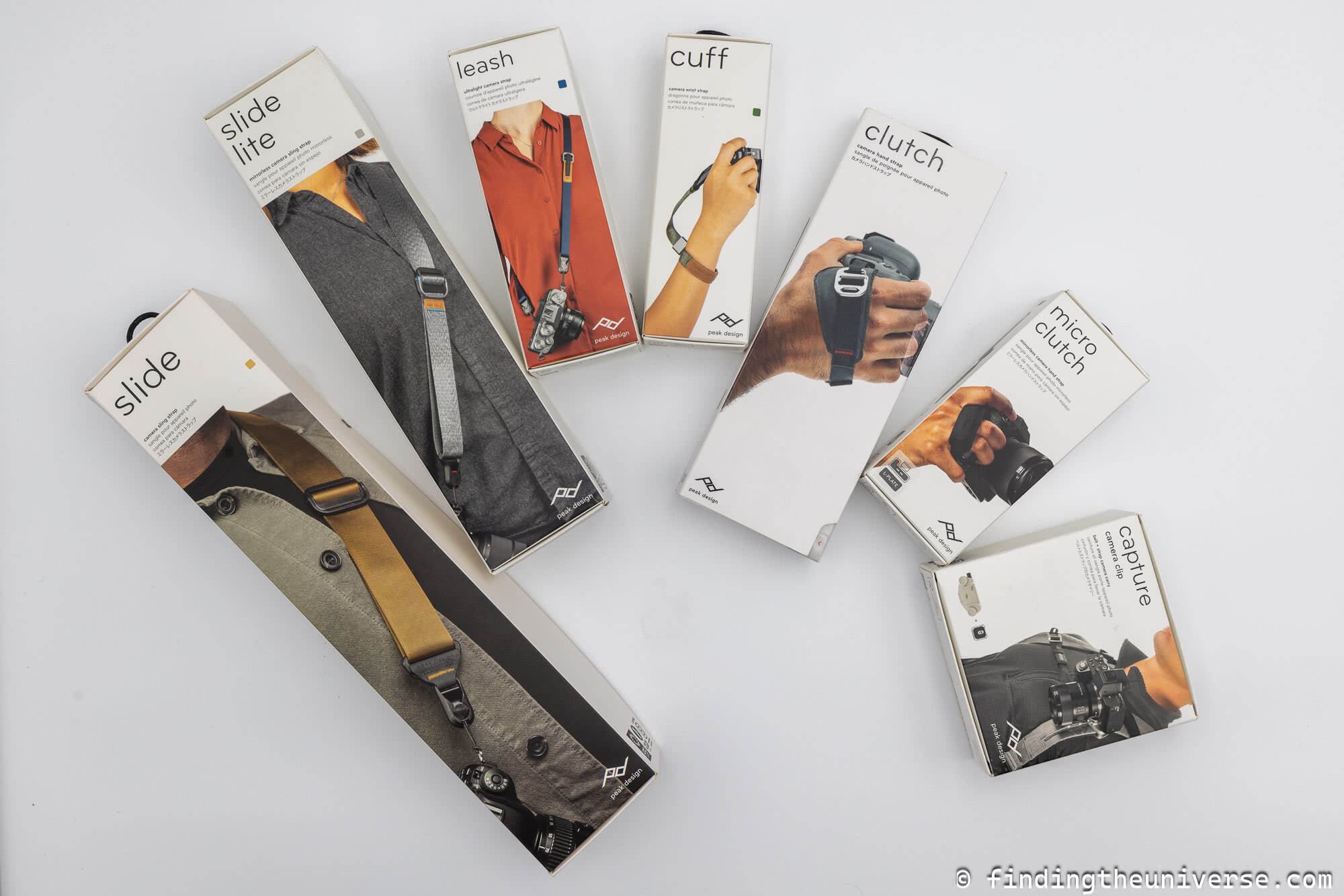
Every Peak Design Camera Strap Reviewed
Now let me go through each strap in the range with my personal experience and recommendations.
Peak Design Slide ($79.95)
This is the main strap that Jess and I use for our cameras. We currently own three of them. The design has had slight tweaks over the years but the core concept has stayed the same.
The Slide is designed to be worn three ways: as a neck strap, a shoulder strap, or a sling strap. My preference is wearing it as a sling, crossbody. The camera hangs inverted at your hip and you slide it up to your eye when you need to shoot. It’s far more comfortable than a traditional neck strap, especially with a heavier setup, and the camera doesn’t bounce around as you walk.
The strap itself is made from strong nylon webbing, similar in texture to a seatbelt. One side is smooth (so it glides over your clothing when you pull the camera up to shoot) and the other side is grippy (so it stays put on your shoulder when you’re walking). The section that sits on your shoulder is padded internally.
The strap is adjustable from 39″ to 57″ (99cm to 145cm) using quick-release handles that let you change the length with one finger while wearing it. It comes with an anchor mount, four anchor connectors, a hex wrench, and a microfiber pouch. Weight capacity is 200 lbs (90 kg).
This is the strap I’d recommend for anyone carrying a larger DSLR or mirrorless camera with heavy lenses. If you’re using telephoto glass or shooting all day, the wider strap makes a real difference to comfort.
See more about the Peak Design Slide strap here.
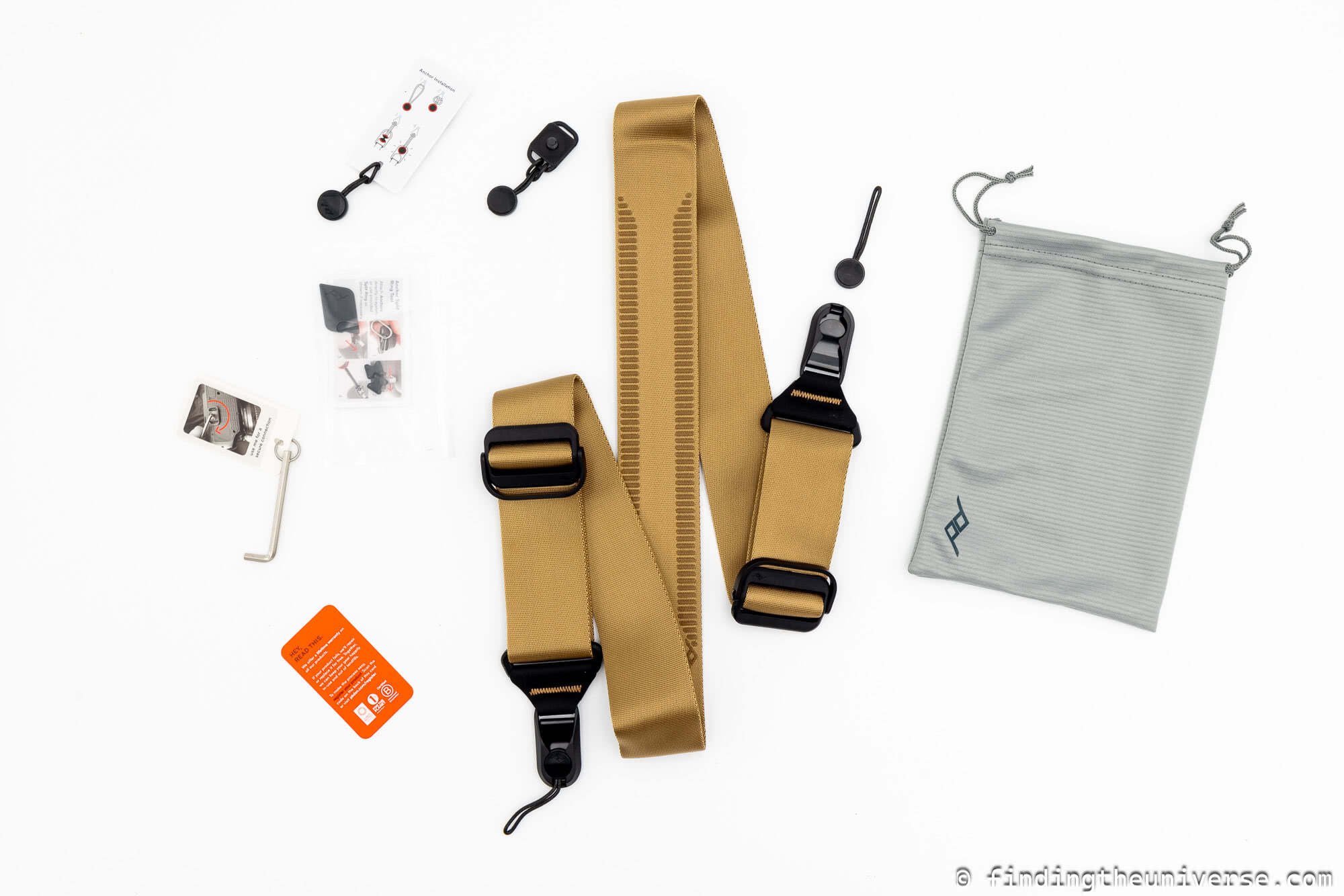
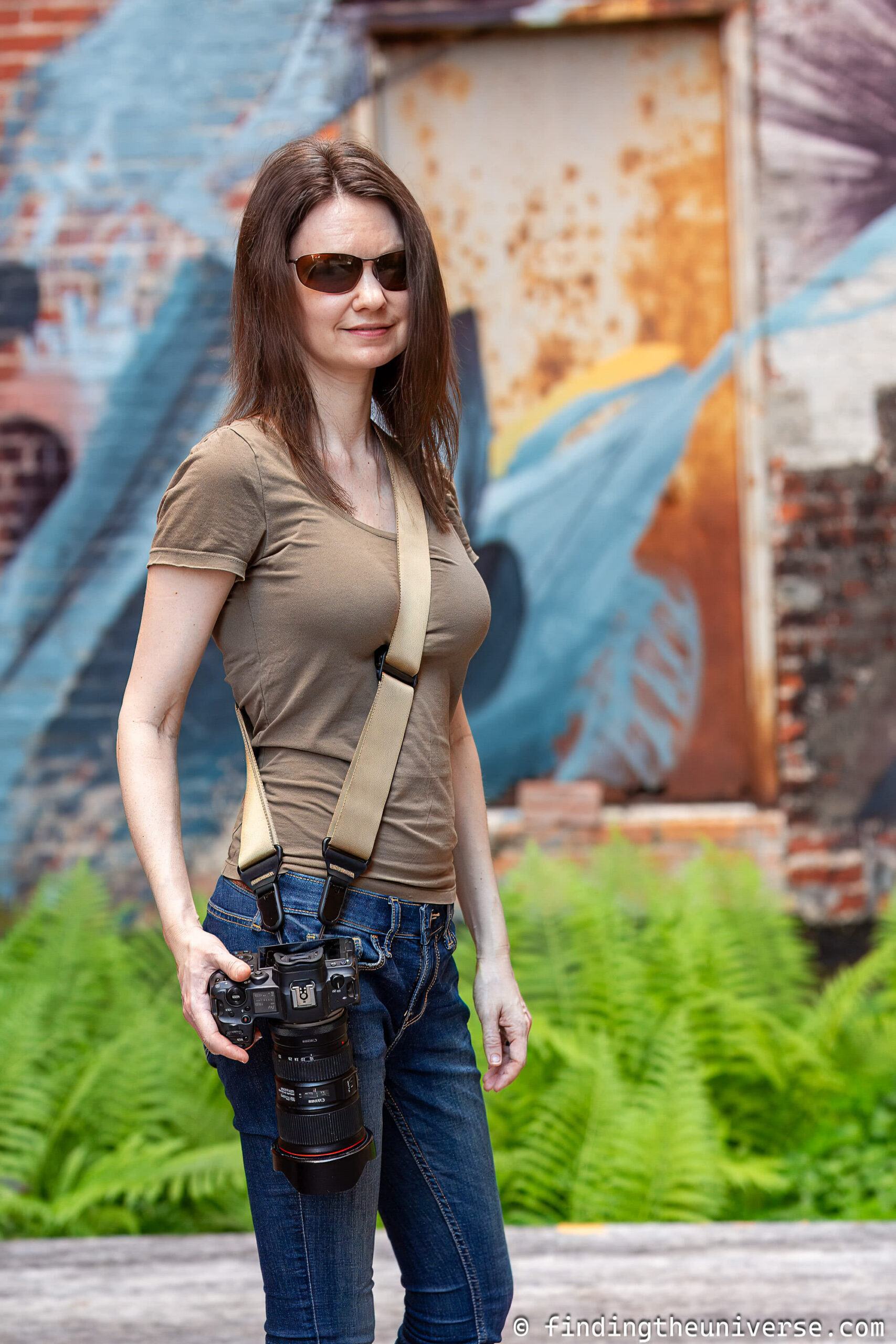
Peak Design Slide Lite ($69.95)
The Slide Lite is very similar to the Slide, just a bit thinner. It has the same features: the anchor system, smooth nylon webbing with a grippy side, internal padding, and the quick-adjust mechanism. It also comes with the same accessories and supports the same 200 lb weight rating.
The main difference is width: 32mm (1.3″) compared to the Slide’s 45mm (1.8″). The adjustable length range is the same, 39″ to 57″ (99cm to 145cm).
The Slide Lite can technically handle the same weight as the Slide, but I’d recommend it for slightly smaller setups. A thinner strap means the weight is distributed over less area, so with a particularly heavy camera and lens combination, the Slide will be more comfortable over long periods.
We think the Slide Lite looks very stylish and it’s become a great option for most people. If you’re using a modern mirrorless camera with standard zoom lenses, this is probably the sweet spot in the range.
See more about the Peak Design Slide Lite strap here.
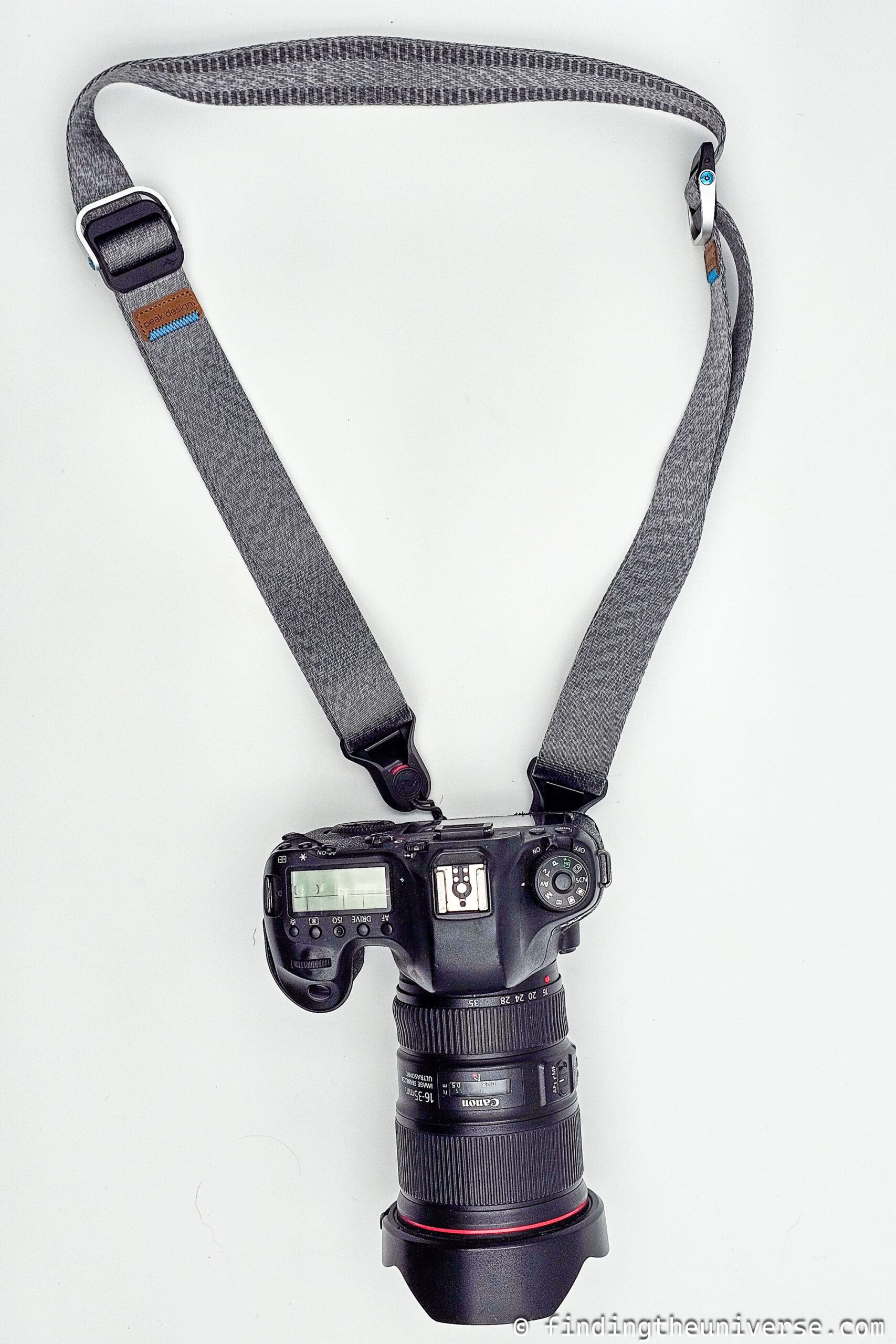
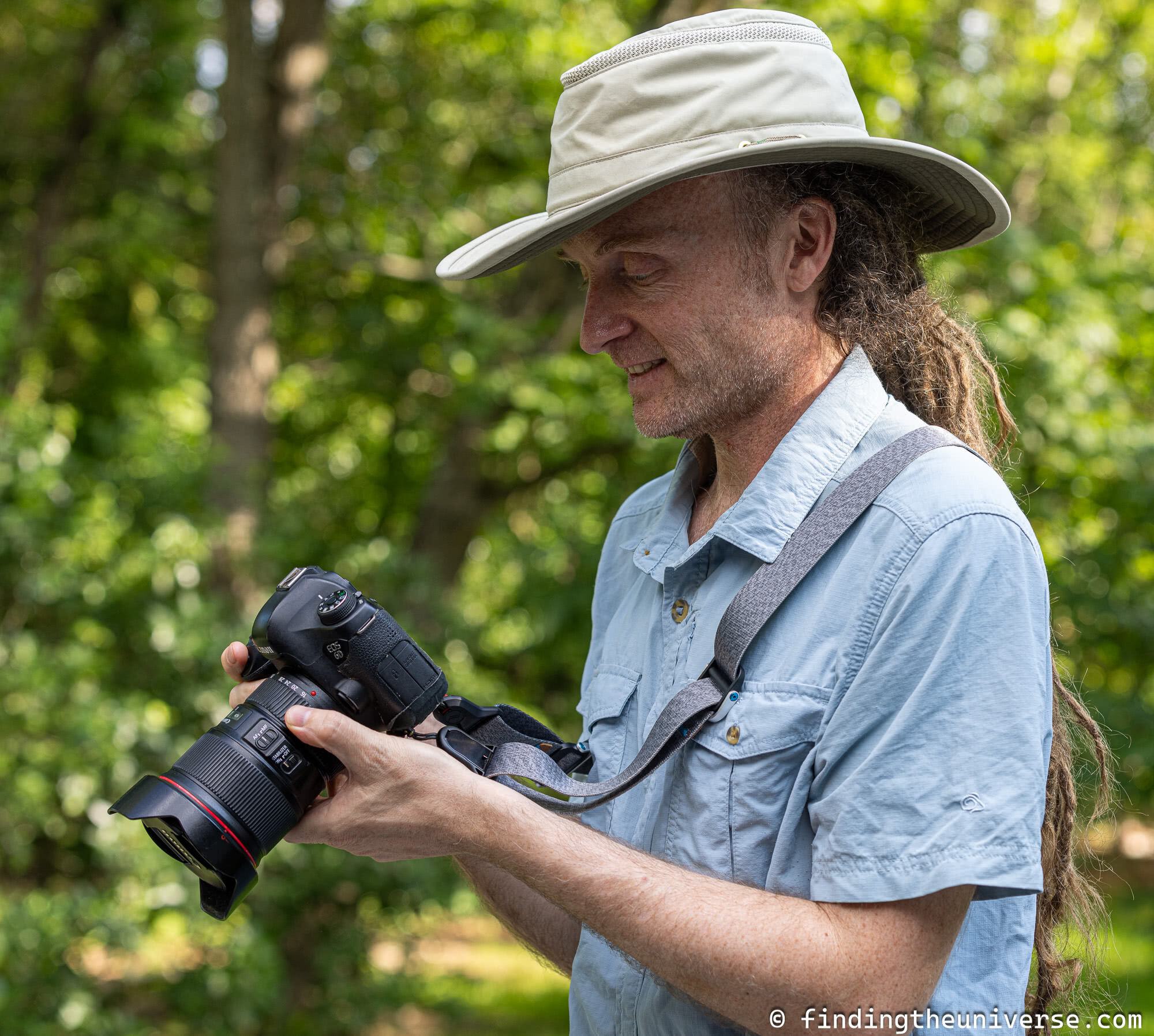
Peak Design Leash ($49.95)
If you want a minimalist camera strap, the Leash is likely the one for you. Like the Slide and Slide Lite, it can be configured as a sling, neck, or shoulder strap. It includes the anchor link system but doesn’t have the grippy section or padded area of the Slide straps.
The Leash is only 19mm (0.75″) wide. The max length of 57″ is the same as the Slide, but the minimum length is shorter at 32.6″ (83cm), so you can cinch it quite tight if needed.
The Leash also comes with a mounting system that lets you attach it to the side or top mounting points on smaller cameras, not just the tripod socket. On our Sony RX100, for example, there are small mounting points on either side of the camera body. This actually makes more sense for compact cameras than using the tripod socket mount, because even the mini base plate that comes with the Leash is likely to block your camera’s SD card or battery slot.
I’d recommend the Leash for smaller cameras: compacts, small mirrorless bodies with prime lenses, that sort of thing. It’ll hold the weight of a larger camera, but the comfort won’t be there for long periods.
See more about the Peak Design Leash strap here.
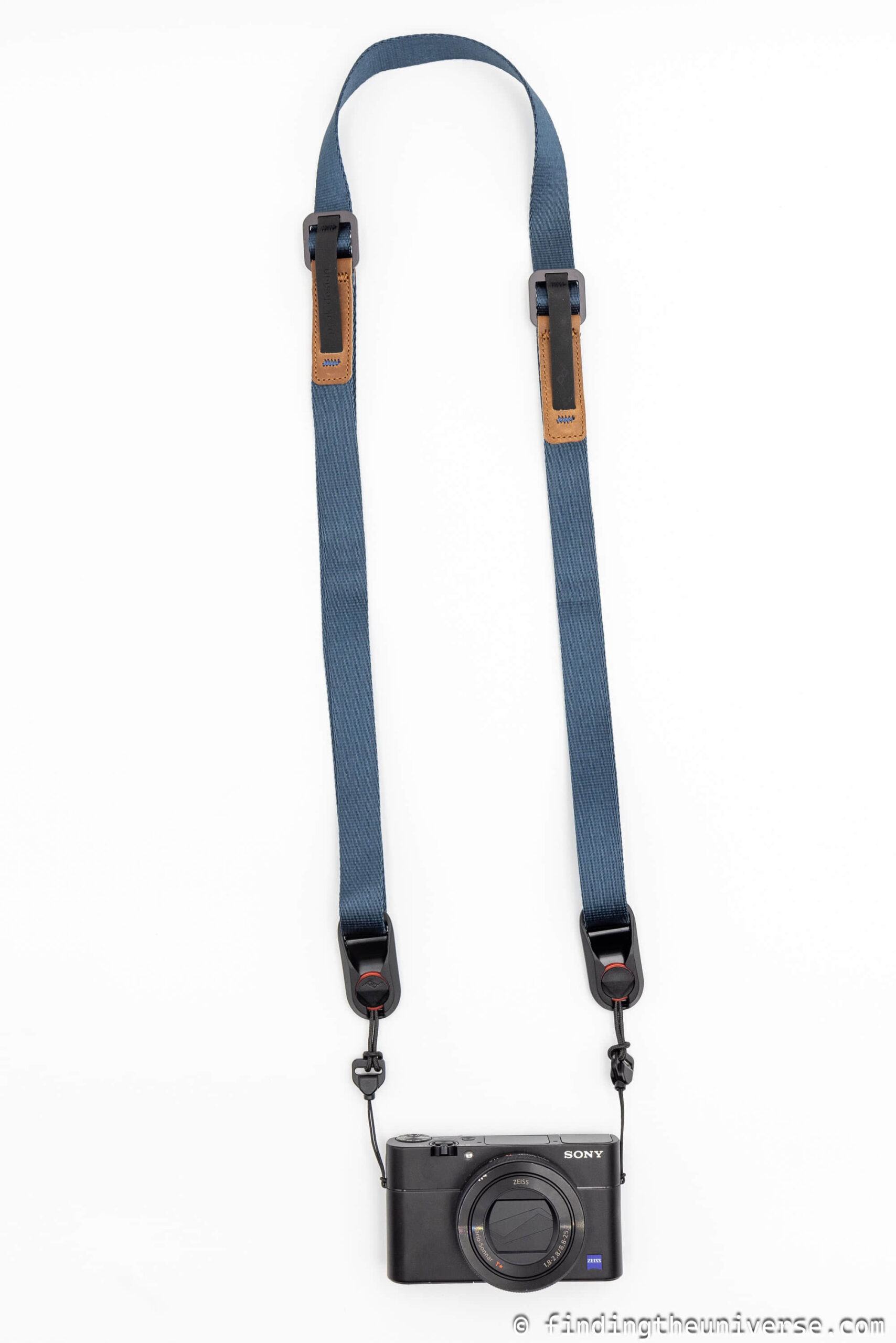
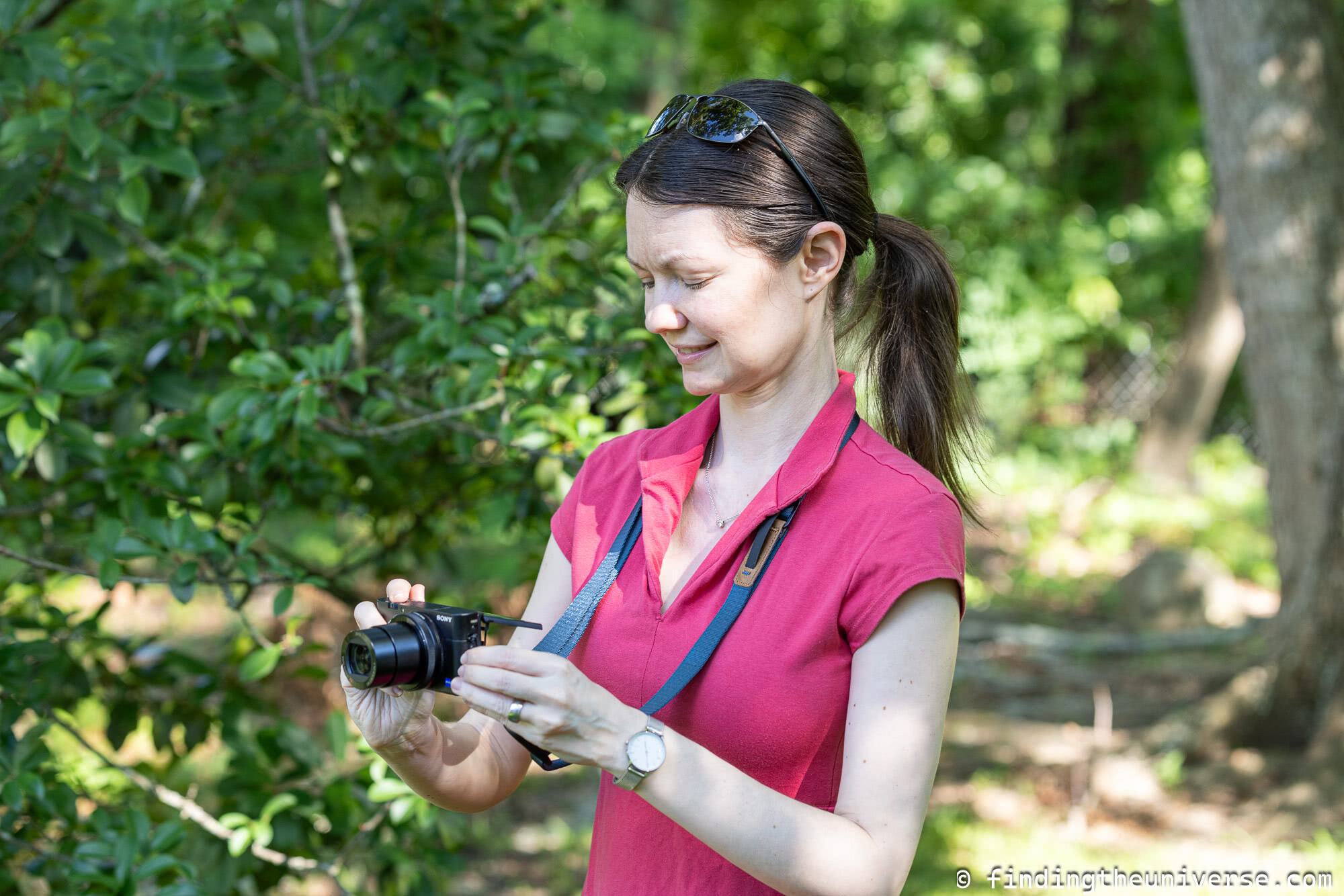
Peak Design Cuff Wrist Strap ($39.95)
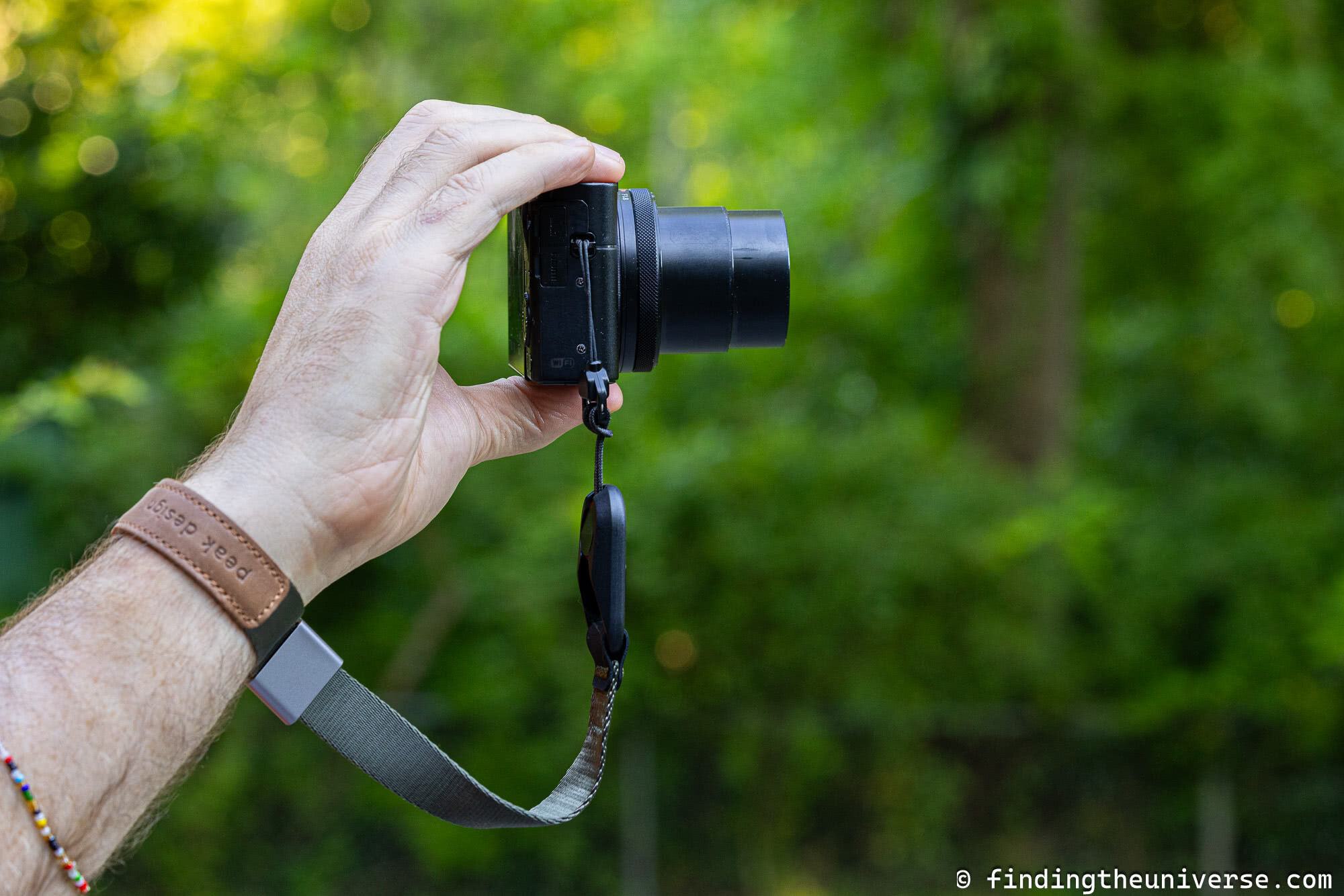
Not everyone wants a long strap around their body, and Cuff is Peak Design’s answer to that. It’s a wrist strap with an adjustable locking slider that lets you cinch it around your wrist so it can’t slip off.
The nylon version is the same width as the Leash at 19mm (0.75″) and uses the same anchor link system. The area that wraps around your wrist has a highlight material available in either leather or Hypalon (a vegan alternative). It also has a magnetic clasp that lets you wear it as a bracelet when you’re not using it as a camera strap, which is a nice touch.
Peak Design also make a leather version of the Cuff ($59.95), launched in 2025, made from full-grain bovine leather with a 100 lb (45 kg) load rating. There’s also a rope version ($39.95) made from nylon and polyester with a 180 lb (82 kg) load rating. The leather and rope versions don’t have the magnetic clasp.
Cuff works well if you tend to take your camera out of a bag, shoot for a bit, and put it back. It’s less suited to wearing a camera all day. We use ours for our smaller compact camera and like it a lot.
See more about the Peak Design Cuff strap here.
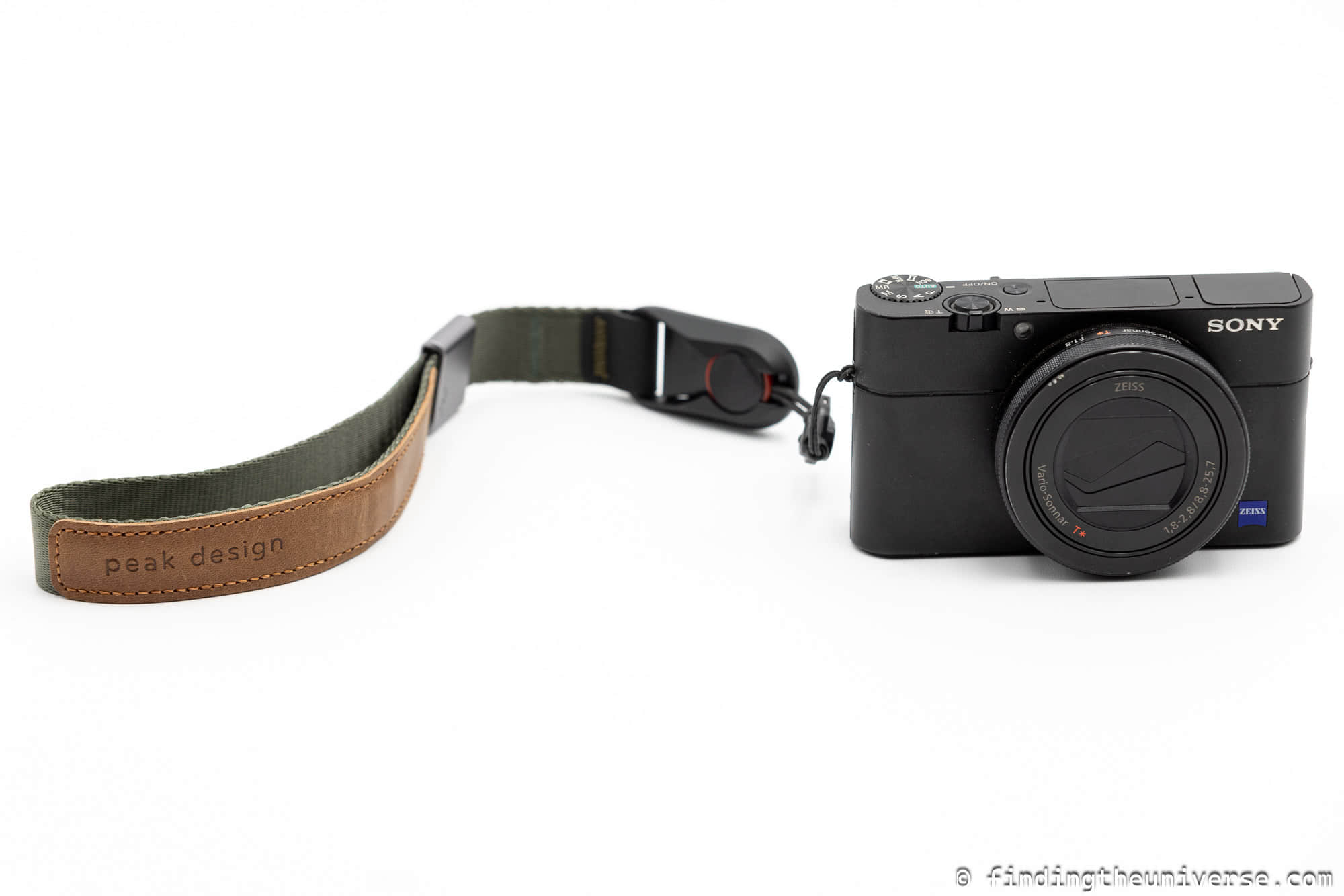
Peak Design Clutch ($49.95)
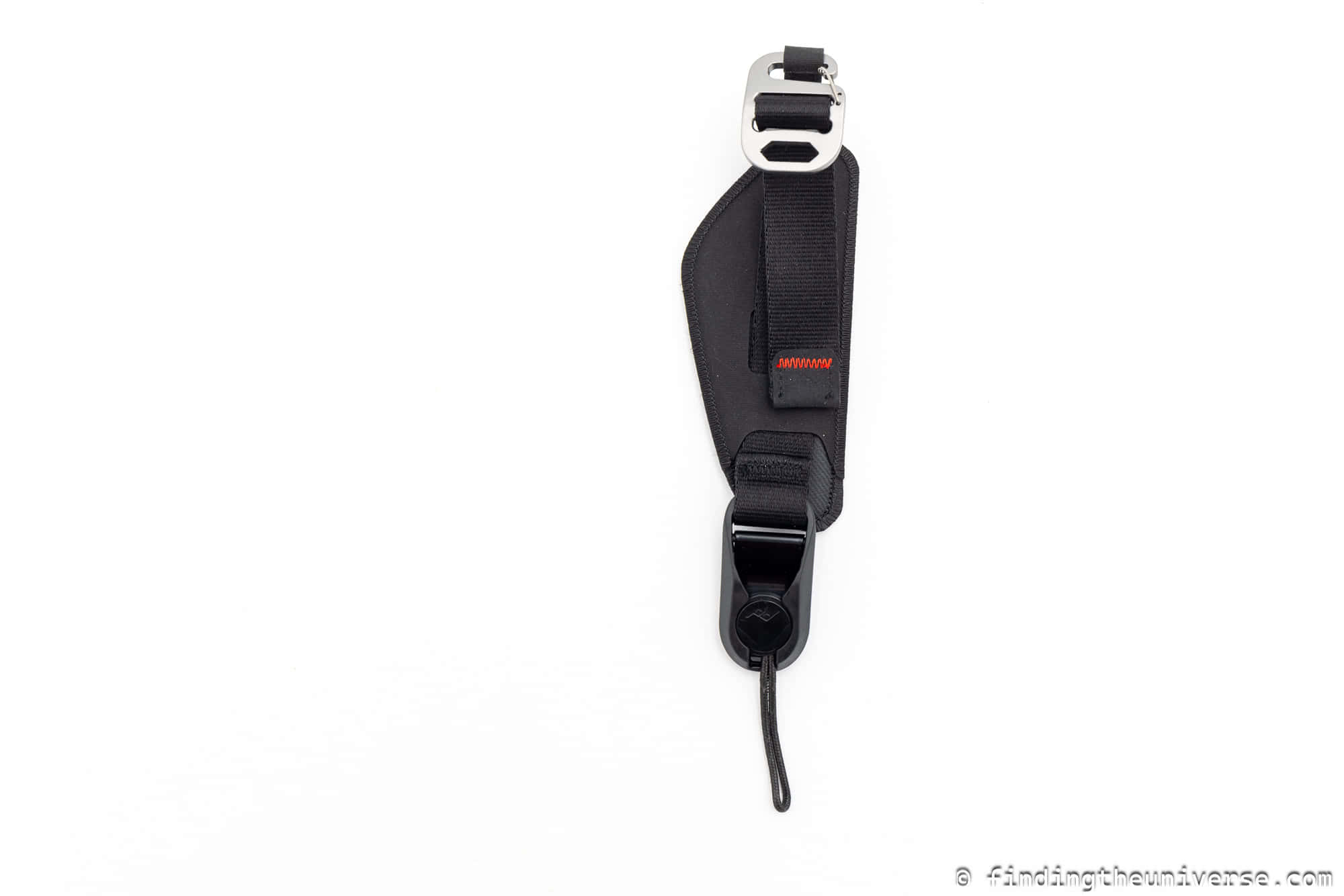
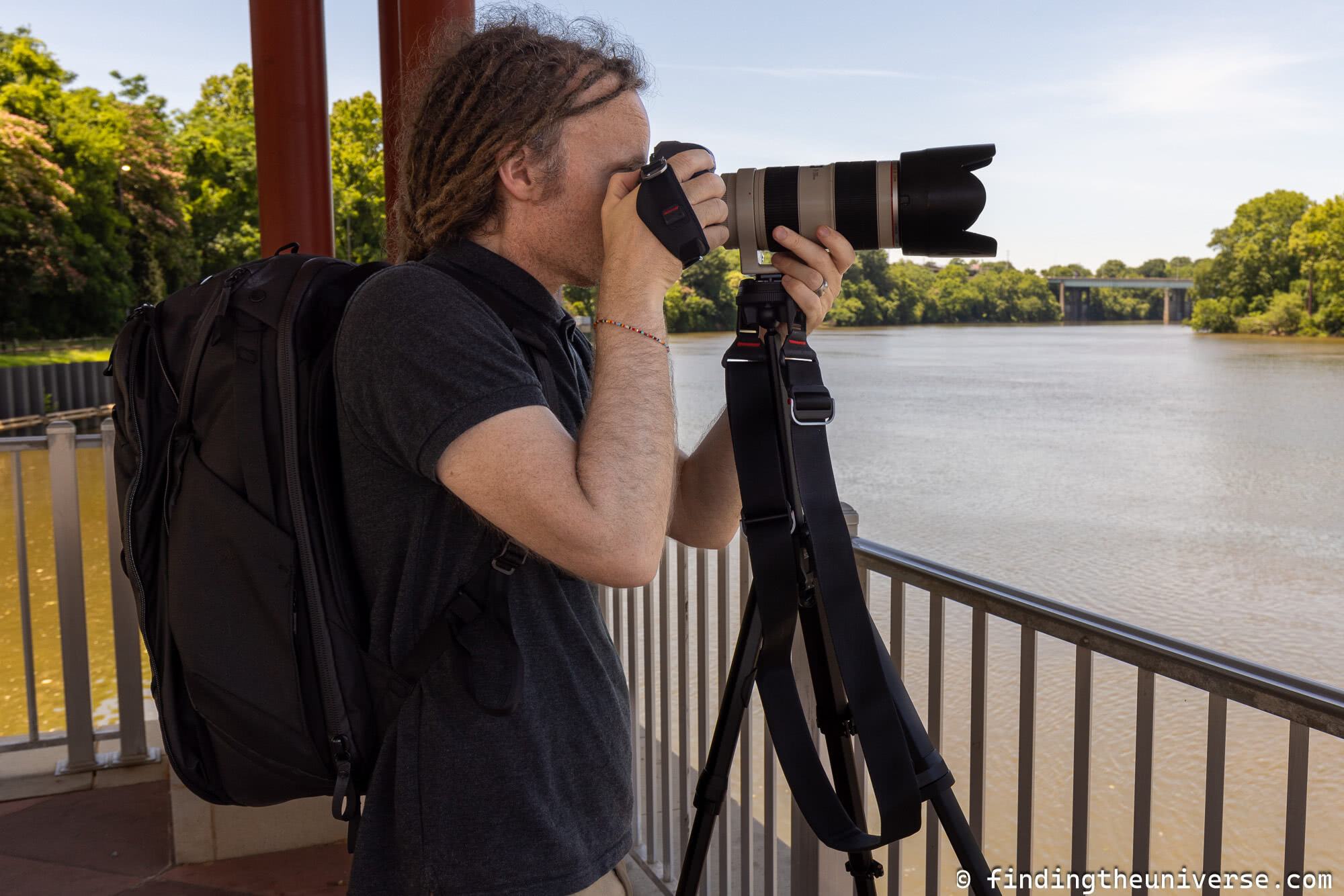
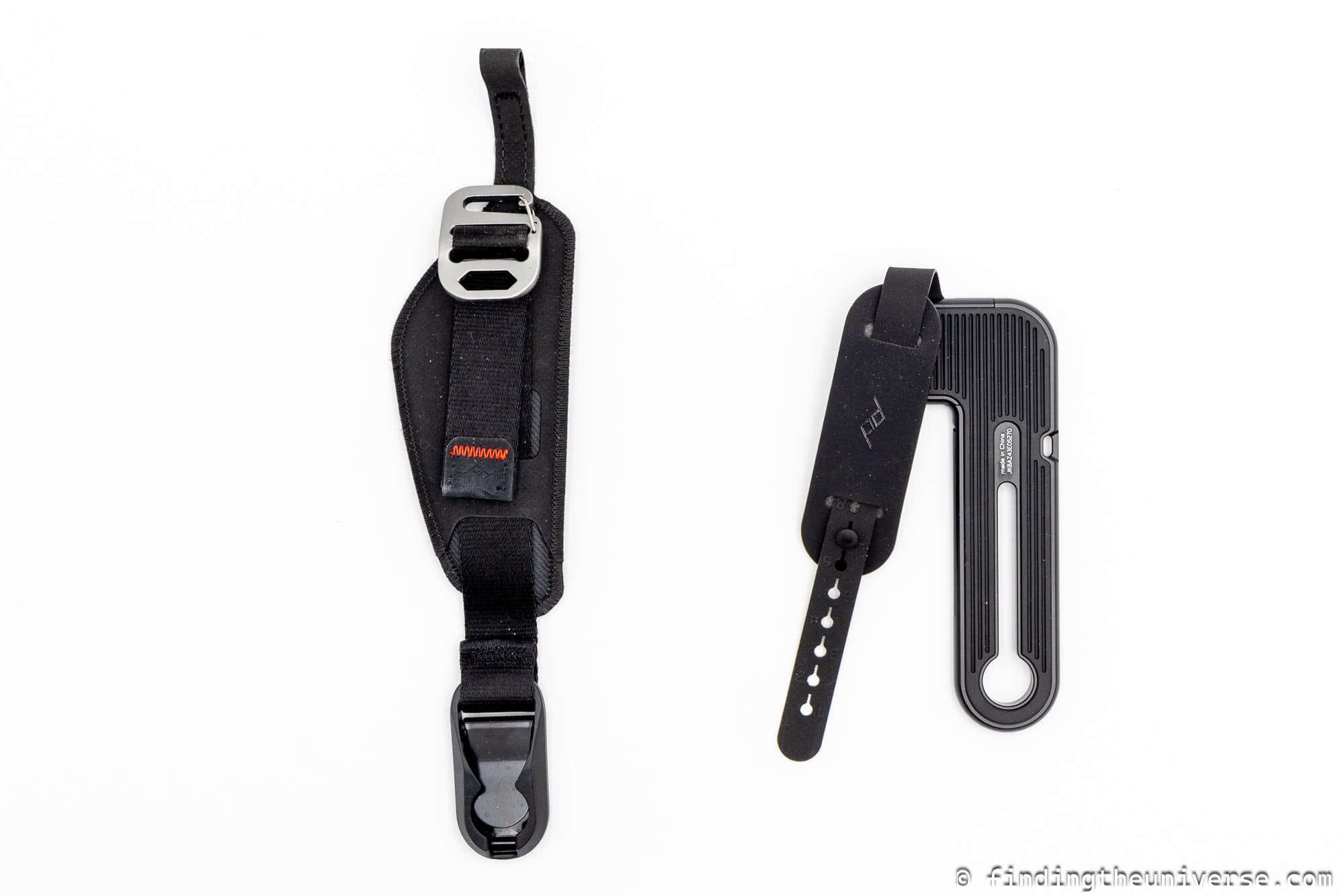
Clutch is Peak Design’s hand strap. It sits on the side of your camera and wraps around your hand when you’re gripping the camera, giving you extra security when holding a heavier body.
It uses the anchor link system at one end and attaches to the camera’s base using the included tripod-compatible plate at the other end.
I’ve had my Clutch for the same amount of time as my Slide straps. I’ll admit it took a bit of time to adjust to having a strap around the outside of my hand when holding the camera. Once I got used to it, using a camera body without it felt wrong.
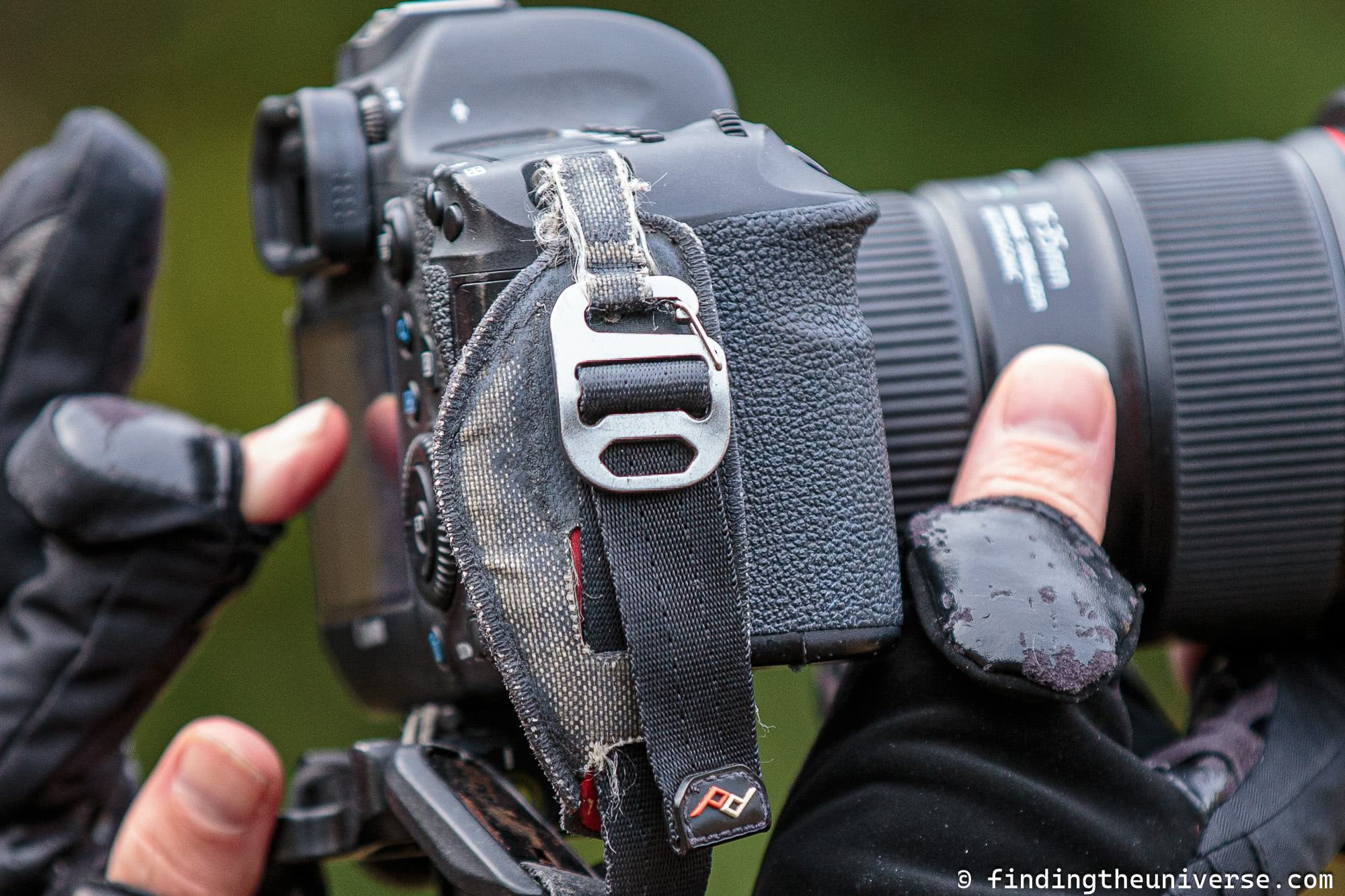
I’ve actually had two versions of Clutch. The first one developed a wear point where the strap attached to the camera, caused by friction over years of use. I contacted Peak Design and they sent me the newer version under warranty. The replacement uses a different material at that point, and I’m pleased to say it hasn’t had the same issue.
I’d recommend Clutch for anyone with a larger camera body. It’s a bit bulky for smaller mirrorless cameras, which is what the Micro Clutch is for.
See more about the Peak Design Clutch strap here.
Peak Design Micro Clutch ($59.95)
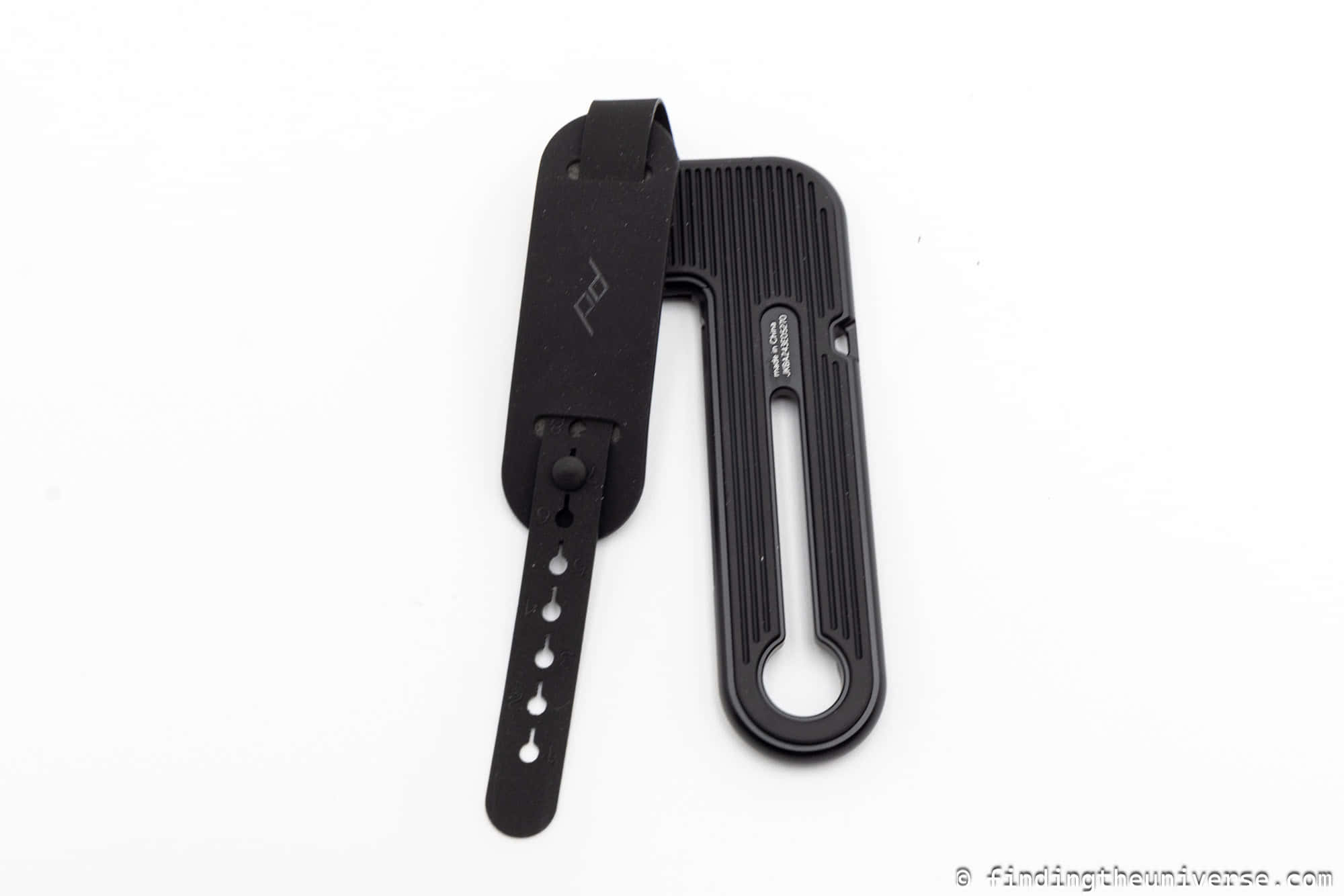
Micro Clutch is a smaller version of the Clutch, designed for smaller mirrorless cameras. Instead of putting your whole hand in it, you use between two and four fingers. The result is a small, unobtrusive strap that still gives you hand strap security.
This one doesn’t come with the anchor link system, but the base plate has loop attachment points, so you can use it alongside other Peak Design straps if you want to mix and match.
Note that the Micro Clutch isn’t compatible with every camera. Peak Design has a camera compatibility guide you should check before buying.
See more about the Peak Design Micro Clutch strap here.
Peak Design Form Straps (from $44.95)
In late 2025, Peak Design launched two new minimalist straps: the Form Leather ($69.95) and the Form Rope (from $44.95). I haven’t personally tested these straps, so I can’t give them the same first-hand review as the rest of the range. But here’s what you need to know.
The Form Leather is made from full-grain bovine leather. The Form Rope is a nylon/polyester cord strap. Both are designed for smaller, lighter cameras: small mirrorless, compact cameras, and film cameras.
The big difference from the rest of the Peak Design range is that the Form straps are not adjustable. They come in four fixed lengths (Neck, Short, Standard, and Long), so you need to choose the right size when ordering. If you’re between sizes or unsure how you like to wear your camera, this could be a problem. Other reviewers have noted this is the main risk with these straps.
At 16.5mm wide (leather) and 10mm wide (rope), these are among the narrowest straps Peak Design makes. The leather version handles up to 100 lbs (45 kg) of force. The rope version handles up to 180 lbs (82 kg). Both use Peak Design’s anchor link system, so they’re compatible with the rest of the ecosystem.
If you want a minimalist, streamlined look on a smaller camera, these are worth considering. I’d like to test them properly at some point, but based on specs and what other reviewers have found, they seem like a solid option for the right use case. Just make sure you get the length right.
Key Features of Peak Design Straps
The Anchor Link System
The anchor link system is, in my opinion, what makes Peak Design straps worth the money over cheaper alternatives. Once you’ve used it, it’s hard to imagine going back to anything else.
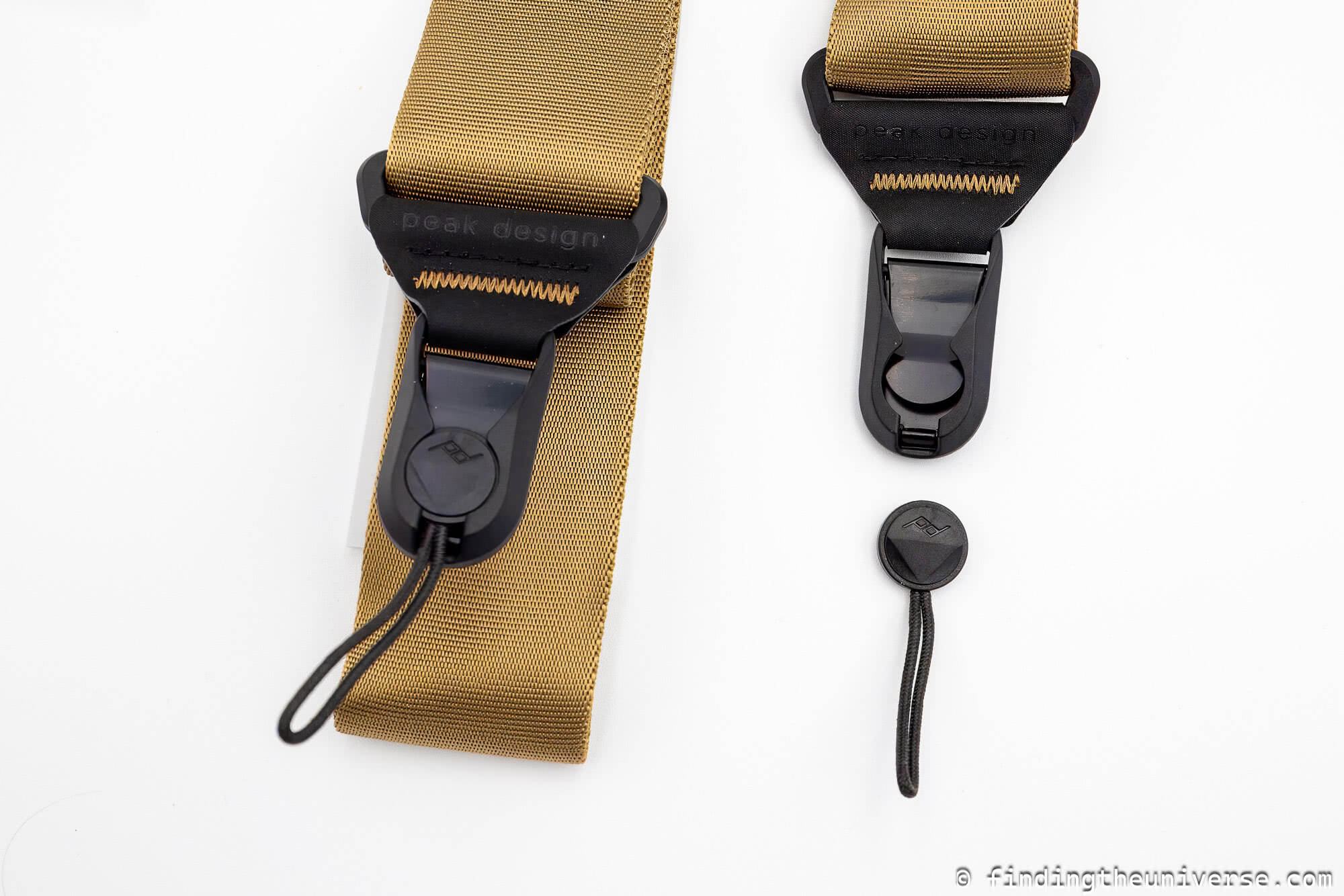
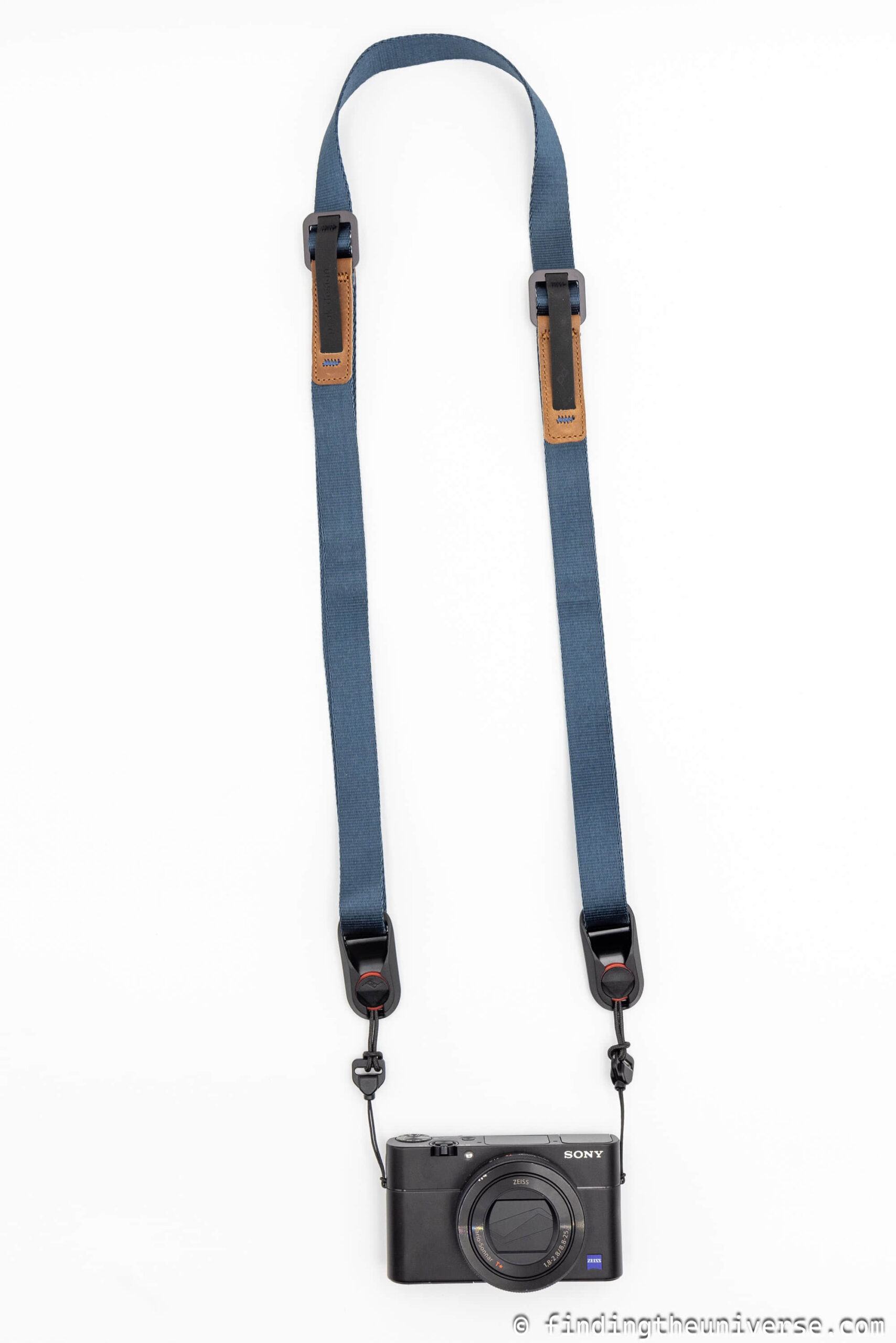
The system has two parts. The quick connector is attached to the strap and has a funnelled slot. The anchor connector is a small round tab with a loop that attaches to your camera, bag, or tripod plate. Click the anchor into the connector and you’re attached. Pull to release. It takes seconds.
The anchors are rated to 200 lbs (90 kg). I’ve used mine for years without a failure. The current generation of anchors also has built-in wear indicators, so you can see when the cords are getting worn and need replacing. A 4-pack of replacement anchors costs $14.95.
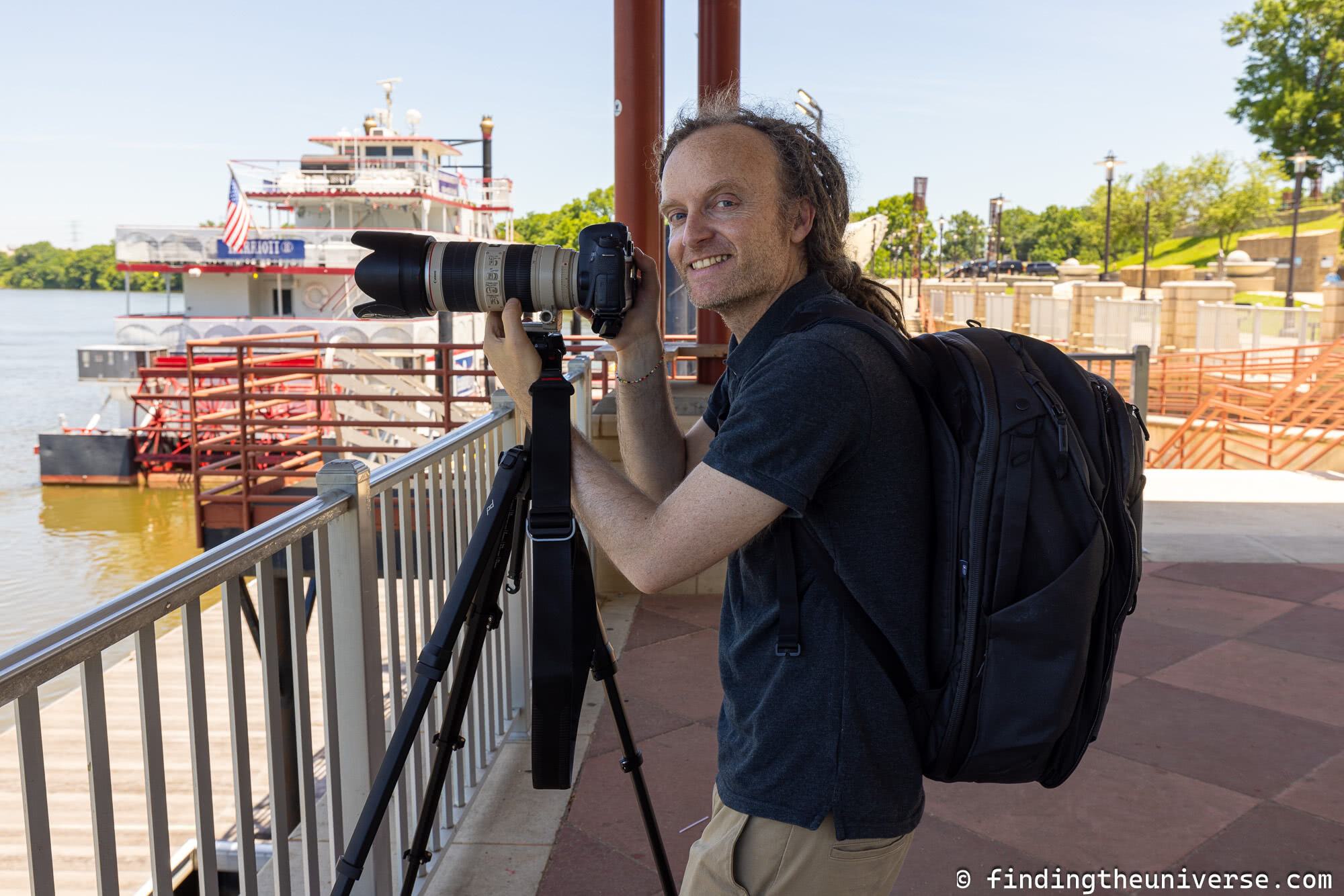
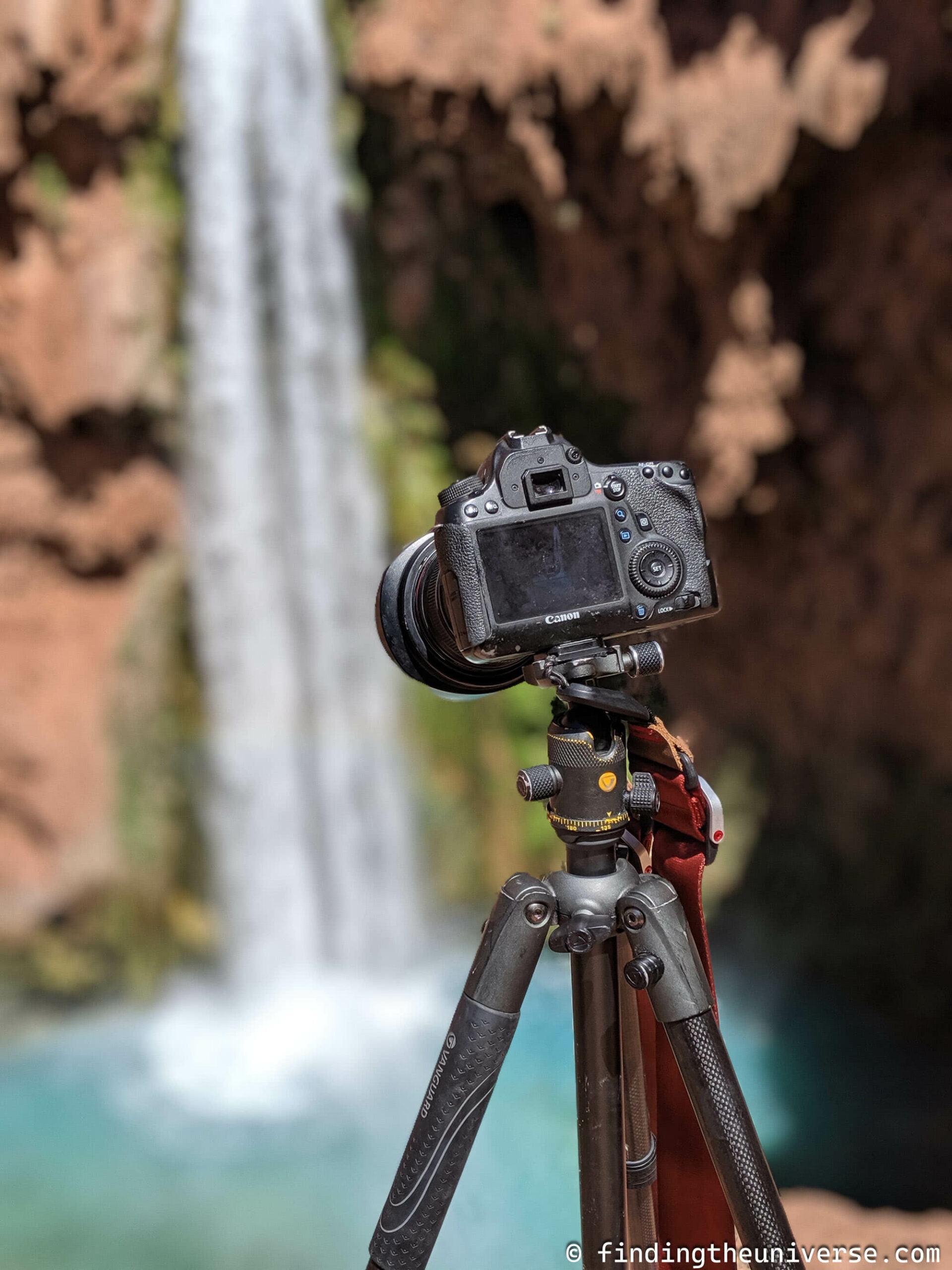
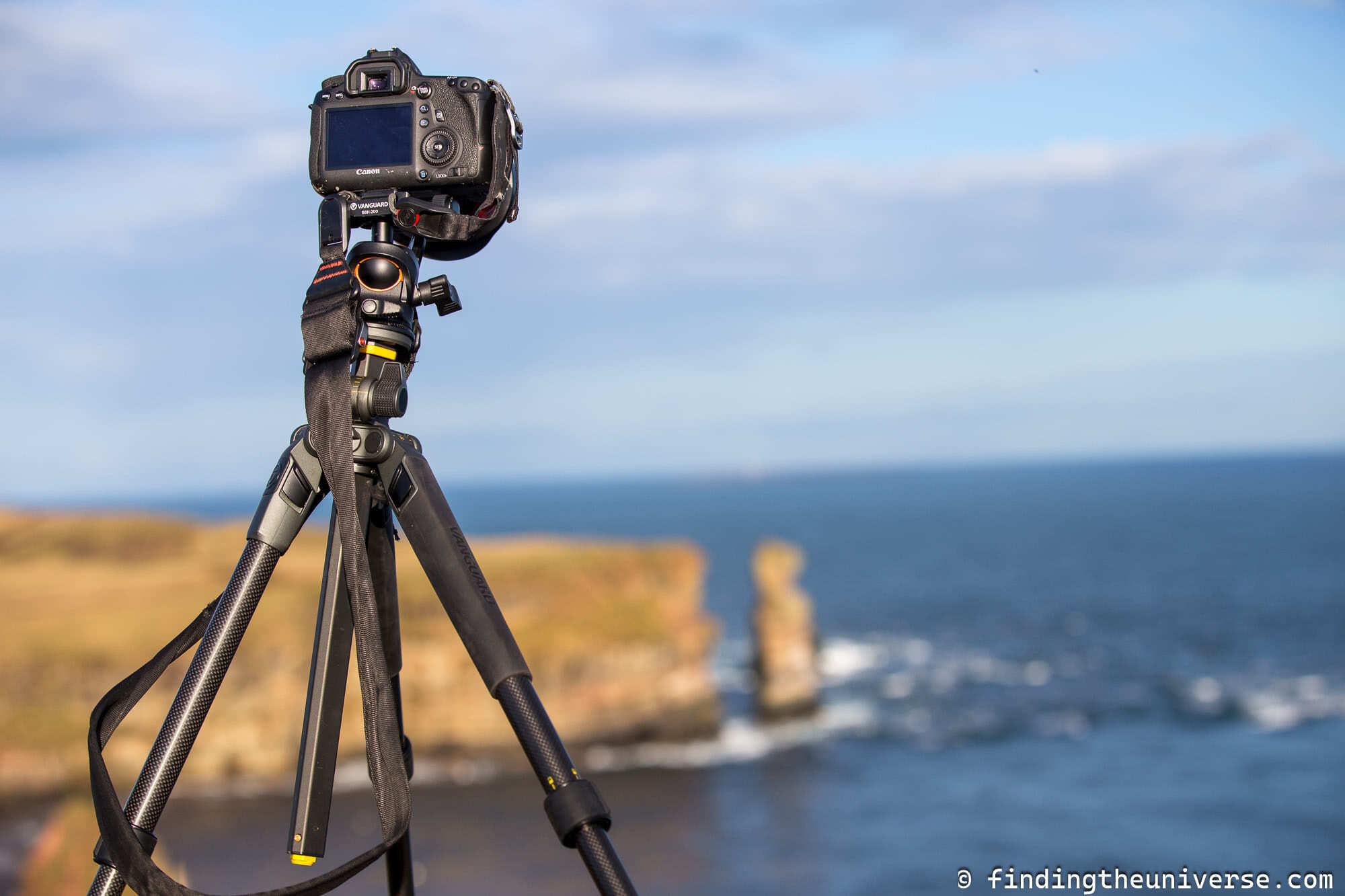
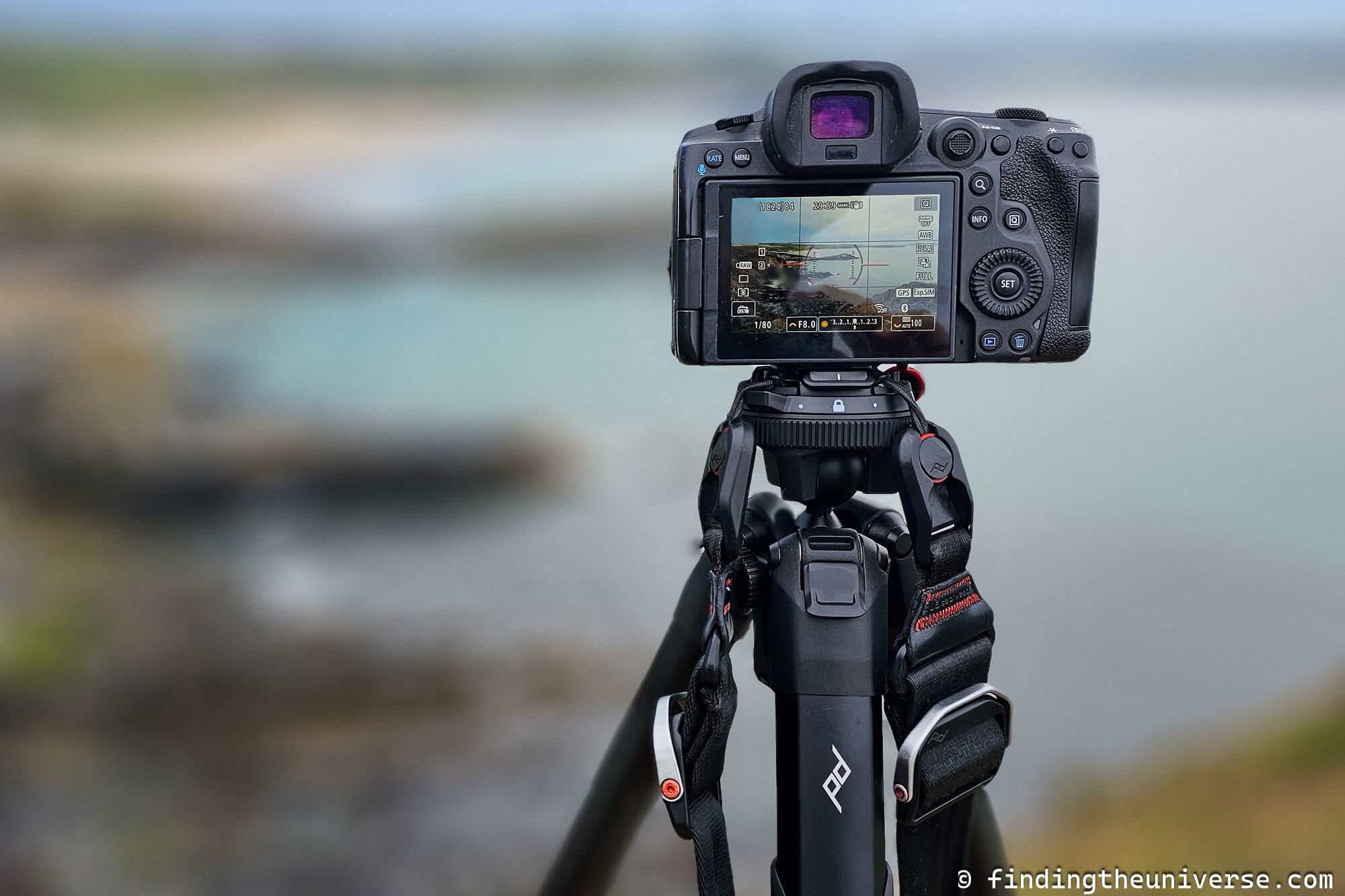
Here’s why this matters so much for my workflow. I wear my straps crossbody as a sling, with the strap attaching to the base of the camera via a tripod-compatible quick release plate. I use a tripod constantly (see my guide to why you need a tripod), so I always have a quick release plate on my camera bodies and telephoto lens collars.
The problem with most sling straps is that they need their own mount on the tripod socket, which means you can’t attach a tripod plate at the same time. You have to choose between having a strap or being able to use a tripod quickly.
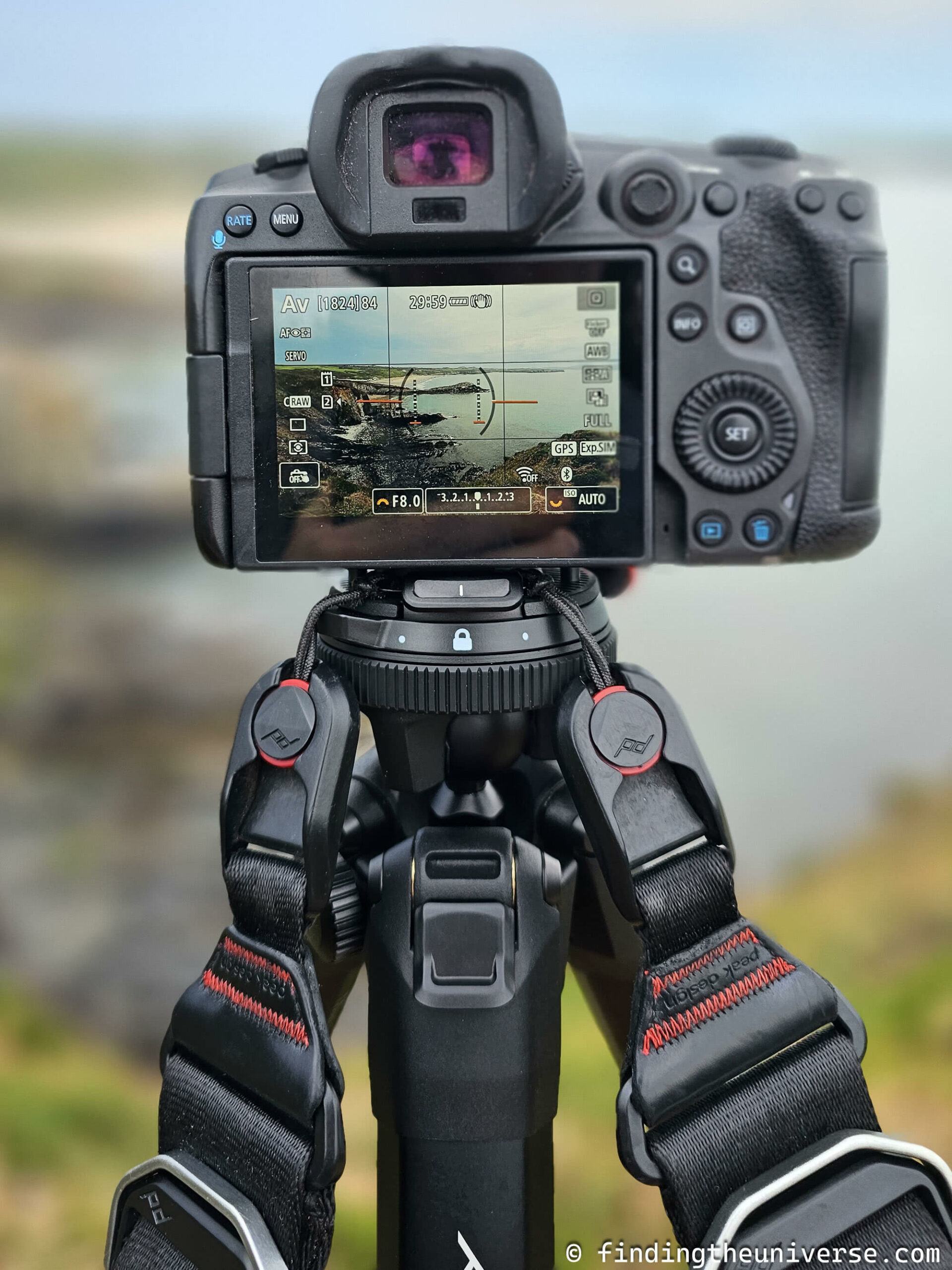
Peak Design’s tripod-compatible plate solves this. I can have my camera on a strap all day and clip it onto any Arca-compatible tripod head without removing anything. When I switch from my wide-angle lens to a telephoto, I just move the strap from the camera body anchors to the lens collar anchors. If I’m shooting events and want two cameras, I wear two straps crossbody and have a camera on each hip, ready to go.
The one downside: Peak Design’s straps used to come with the tripod-compatible plate included. They don’t any more. You’ll need to buy the Arca-compatible plate ($19.95) or Manfrotto RC2-compatible plate separately. If you buy a Peak Design travel tripod, the plate is included with that.

Durability
Most of Peak Design’s straps use a strong nylon webbing that’s similar in feel to a seatbelt. If you’ve ever tried to damage a seatbelt, you’ll understand why that’s a good thing.
Let me tell you about the fox. I was shooting at sunset in a cemetery in Glasgow, Scotland, and a curious fox came over to see what I was up to. I put one of my cameras down on the ground and started photographing it. The fox decided my camera might be edible and grabbed the Peak Design strap in its teeth, dragging my camera away before I could stop it.
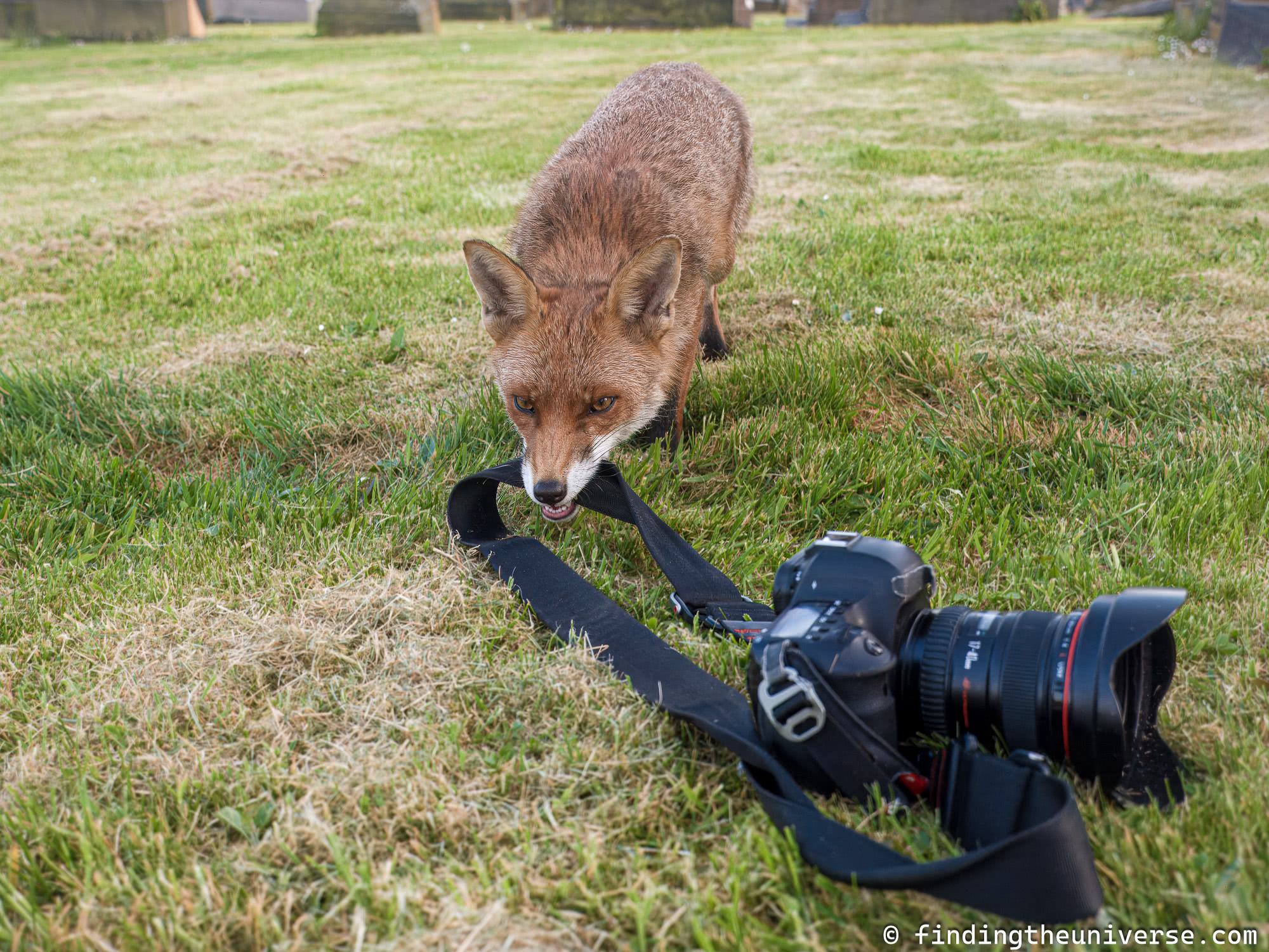
The fox left some nice sharp teeth holes in the strap. I’ve continued to use that strap for years since, and the hole hasn’t grown or affected performance. It’s just a neat reminder of a strange evening.
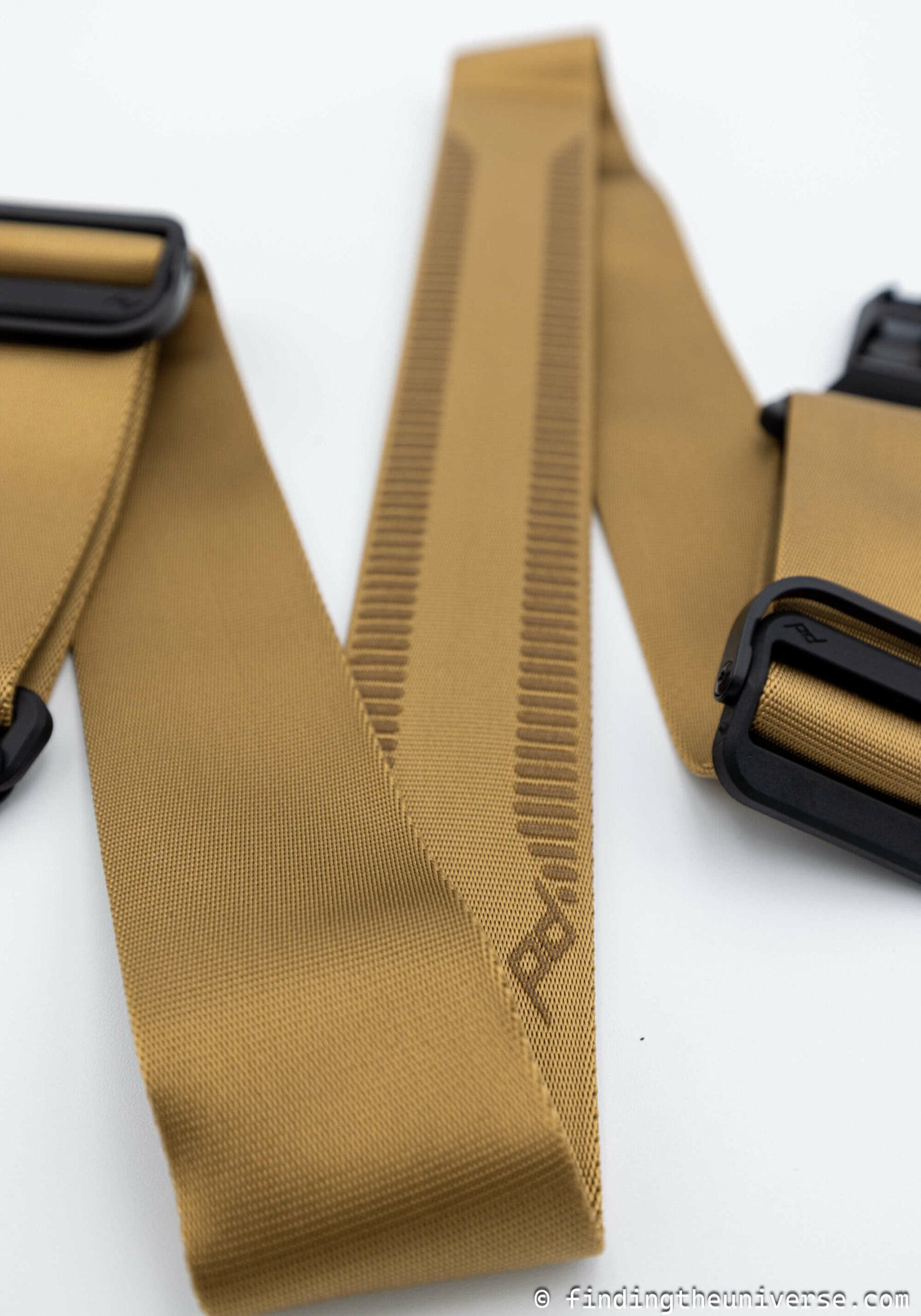
The webbing on the Slide and Slide Lite also has a grippy section on one side. This is made from a silicone-type material that prevents the strap from sliding around on your shoulder as you move. Peak Design changed this material at some point after the version I took gorilla trekking in Uganda melted into my shirt in the heat and humidity (more on that in the warranty section below).
Lifetime Warranty
Peak Design offers a lifetime warranty against manufacturing defects and failures that render part or all of a product non-functional. It doesn’t cover cosmetic wear, scratches, or damage from misuse.
I’ve used the warranty twice, and both times Peak Design honoured it without fuss.
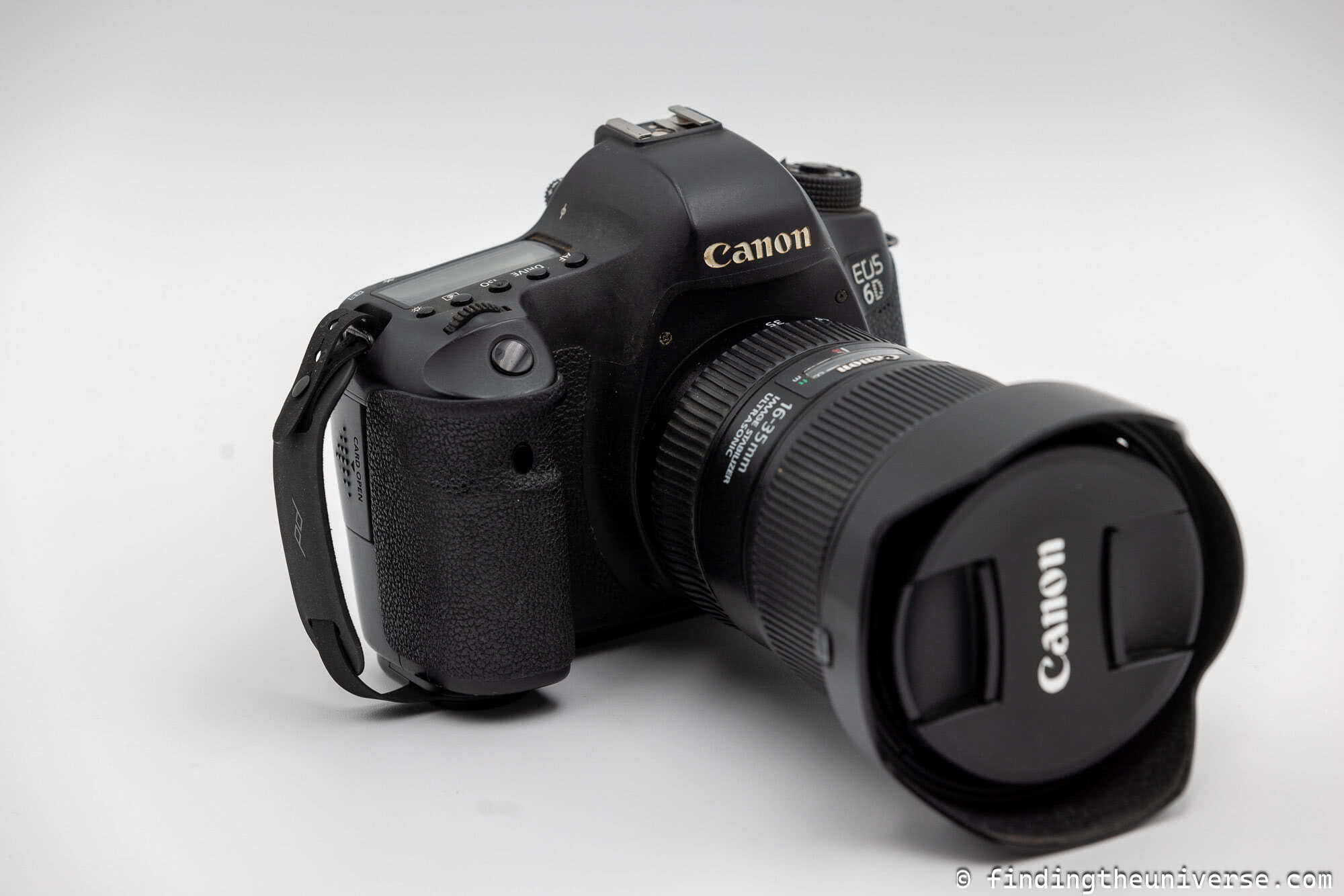
The first was my Clutch strap, which wore through at the attachment point after years of daily use. Peak Design had already identified the problem and designed a fix into the newer version, which they sent me as a replacement. You can see the wear in the image below.
The second was a limited edition red Slide strap. This one had a different rubber compound for the grip area. When I took it gorilla trekking in Uganda, the combination of heat, humidity, and constant movement caused the rubber to melt all over my shirt. The strap still functioned as a strap, but it was a sticky mess.
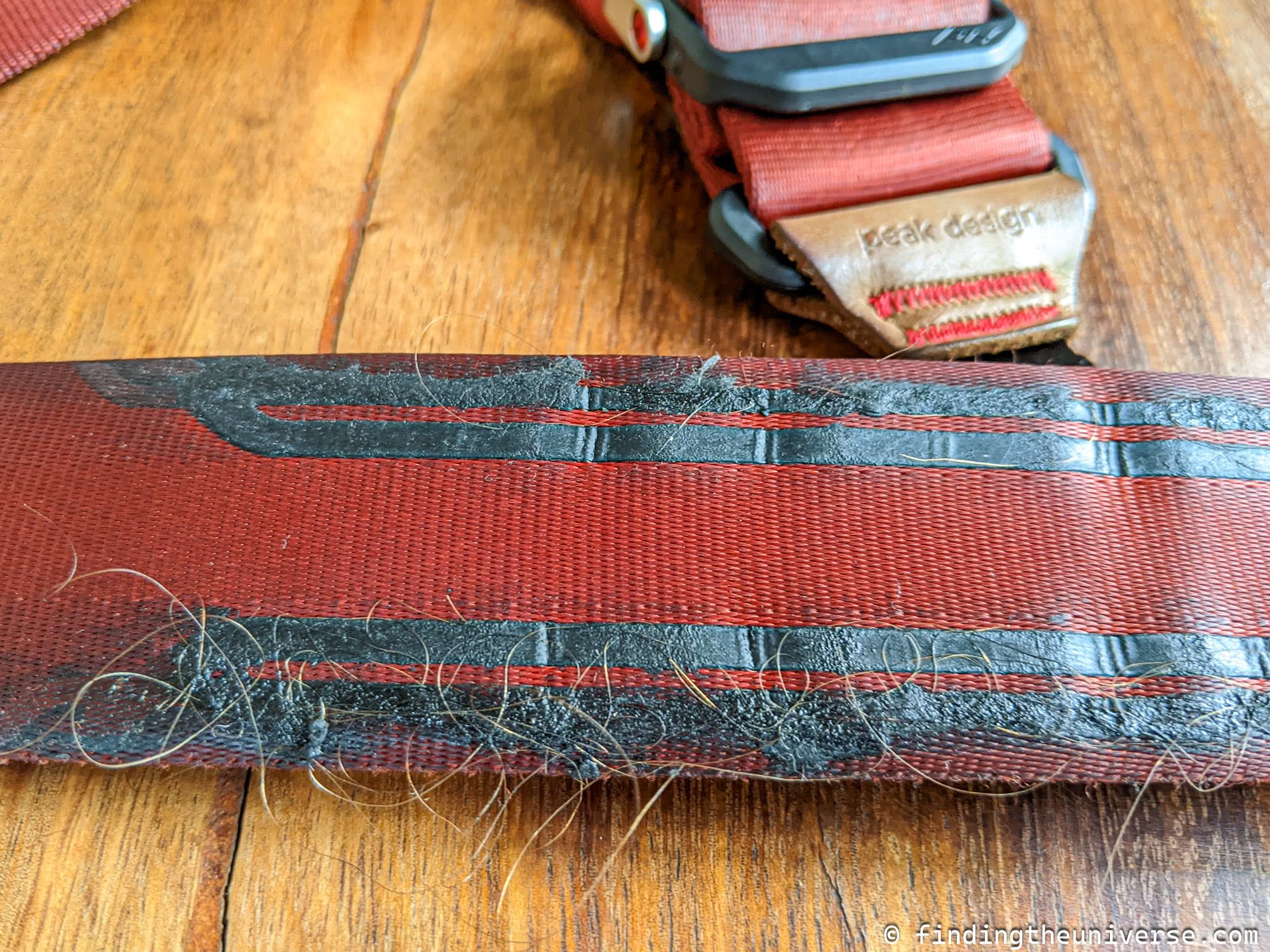
Peak Design replaced it free of charge and told me they’d since changed the grip material. The replacement has been fine for a couple of years now.
No-one wants a product to have issues. But for a company to fix the problem and improve the design each time, I think that counts for something.
Adjustability and Comfort
The main body straps (Slide, Slide Lite, Leash) all have quick-adjust handles that let you change the length with one finger. The exact range varies by model, but they all adjust from quite short to quite long.
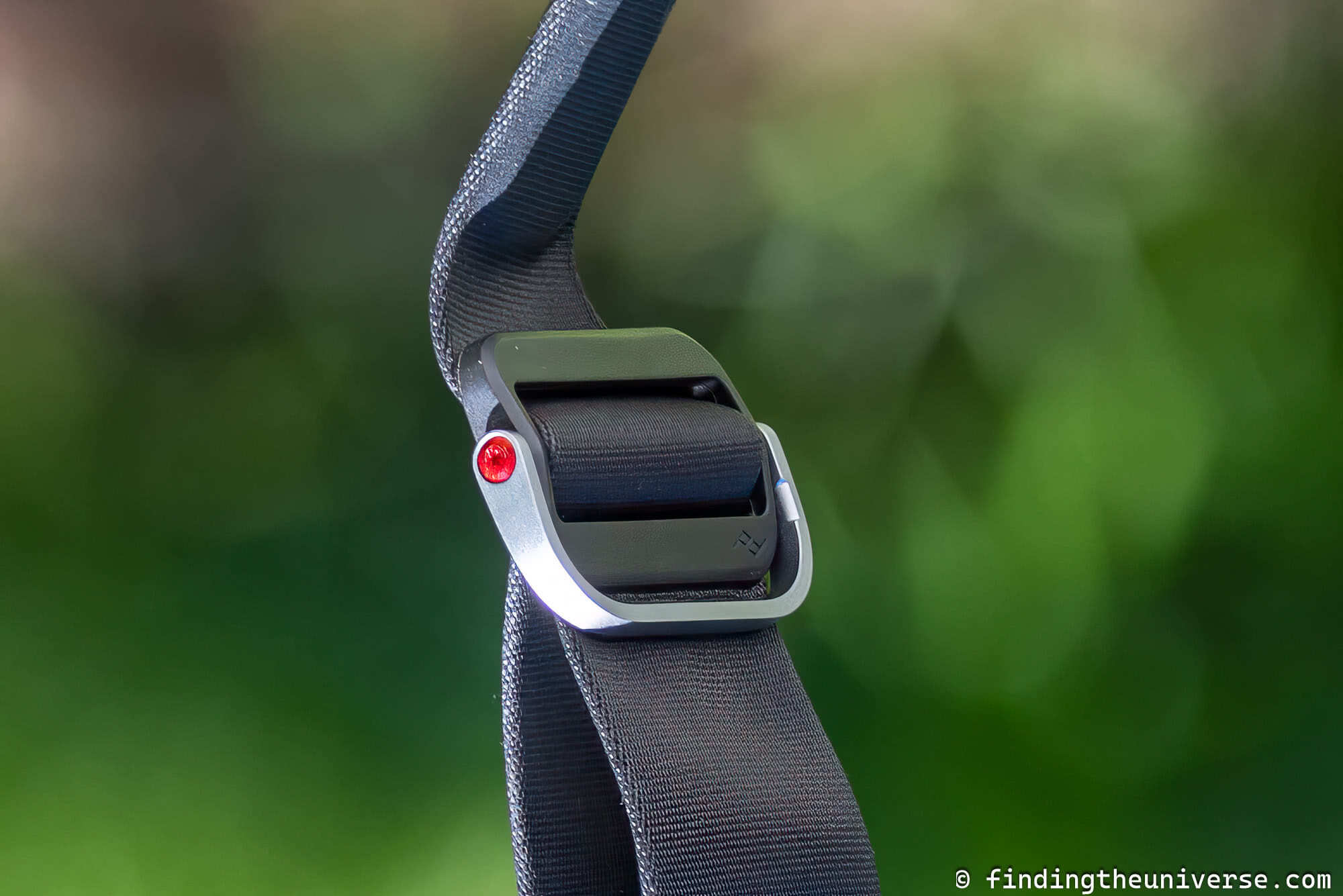
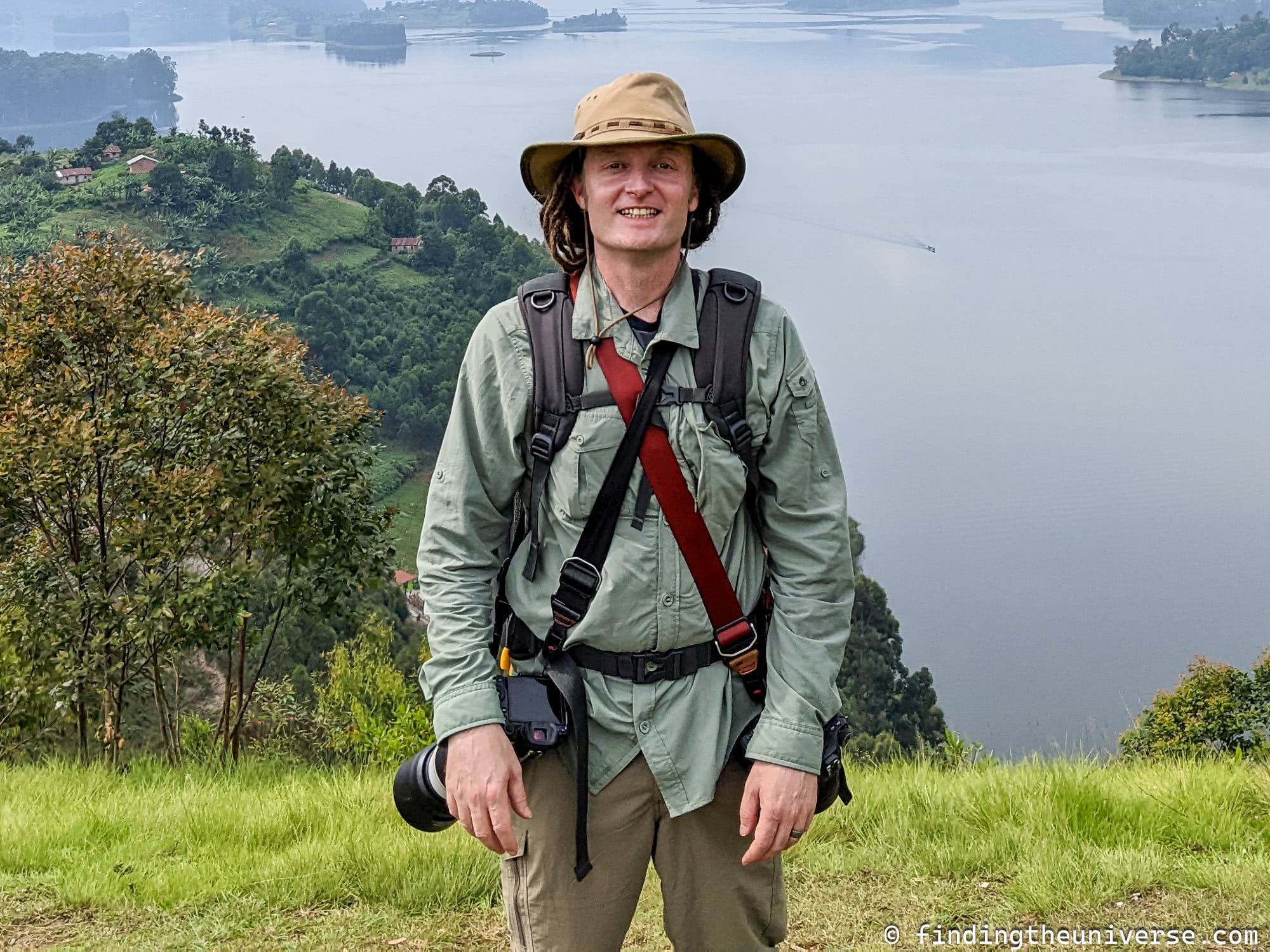
In terms of comfort, I’ve worn my Slide straps on full-day hikes with a camera and telephoto lens, and I’ve worn two straps crossbody for event shooting. Both are comfortable for hours. The padding on the Slide and Slide Lite is enough to distribute weight well without adding bulk.
Strap Colours
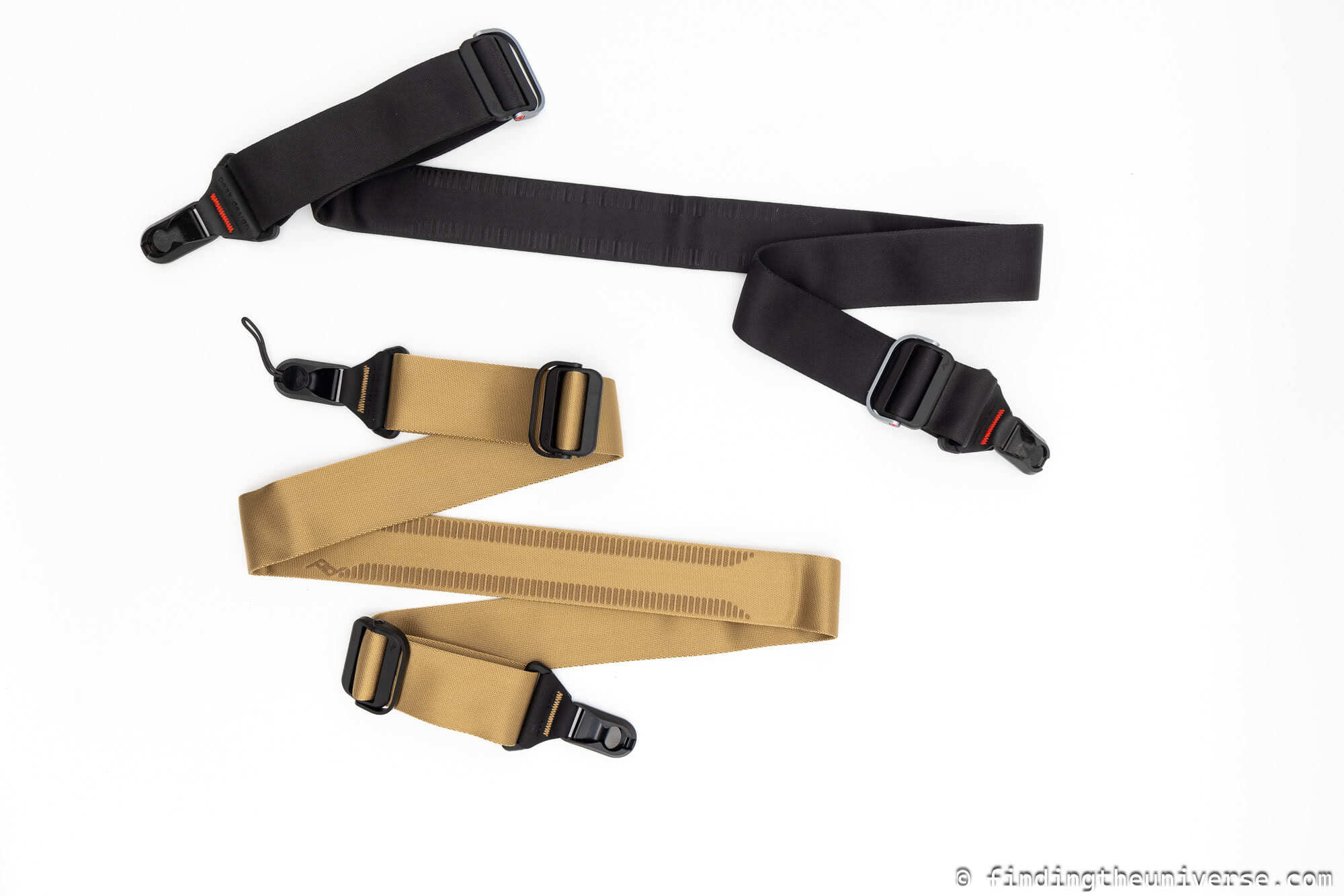
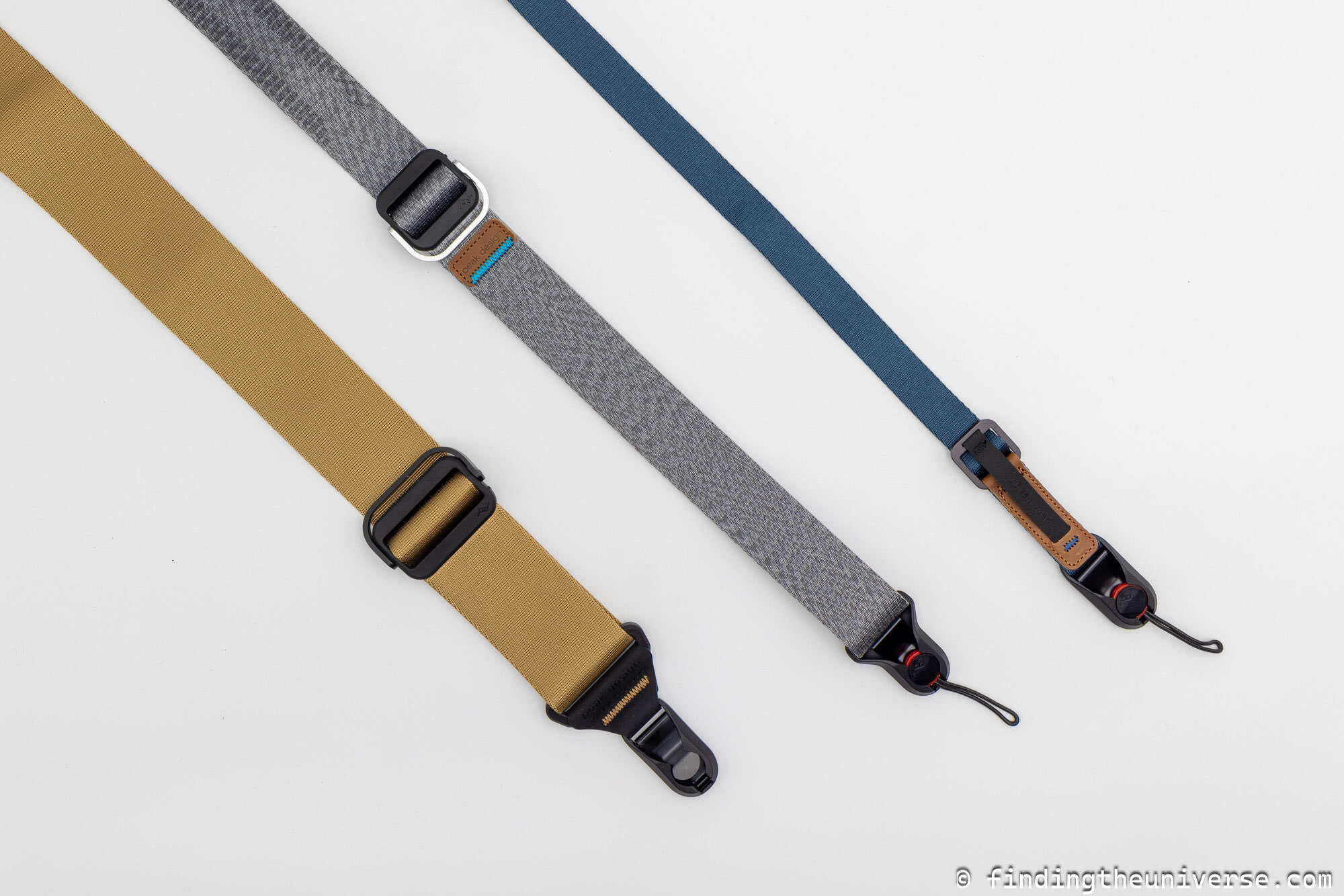
Peak Design offer their straps in a range of colours that varies by model. For the Slide, current options include black, sage green, midnight blue, ash grey, and coyote brown. They also occasionally do special edition colours.
If you’re doing wildlife photography, the coyote brown blends well with natural tones. Black works with everything and matches most camera bodies. I own straps in multiple colours, which also makes it easier to grab the right one quickly.
My Experience Using Peak Design Straps
I’ve covered the specs and features. Now let me get into what it’s actually like using these straps day-to-day, and where I think there’s room for improvement.
What I Like
The anchor link system is the standout feature for me, and I’ve already explained why in detail above. Being able to go from sling carry to tripod to dual-camera crossbody without unscrewing anything is the kind of practical advantage that matters when you’re actually shooting.
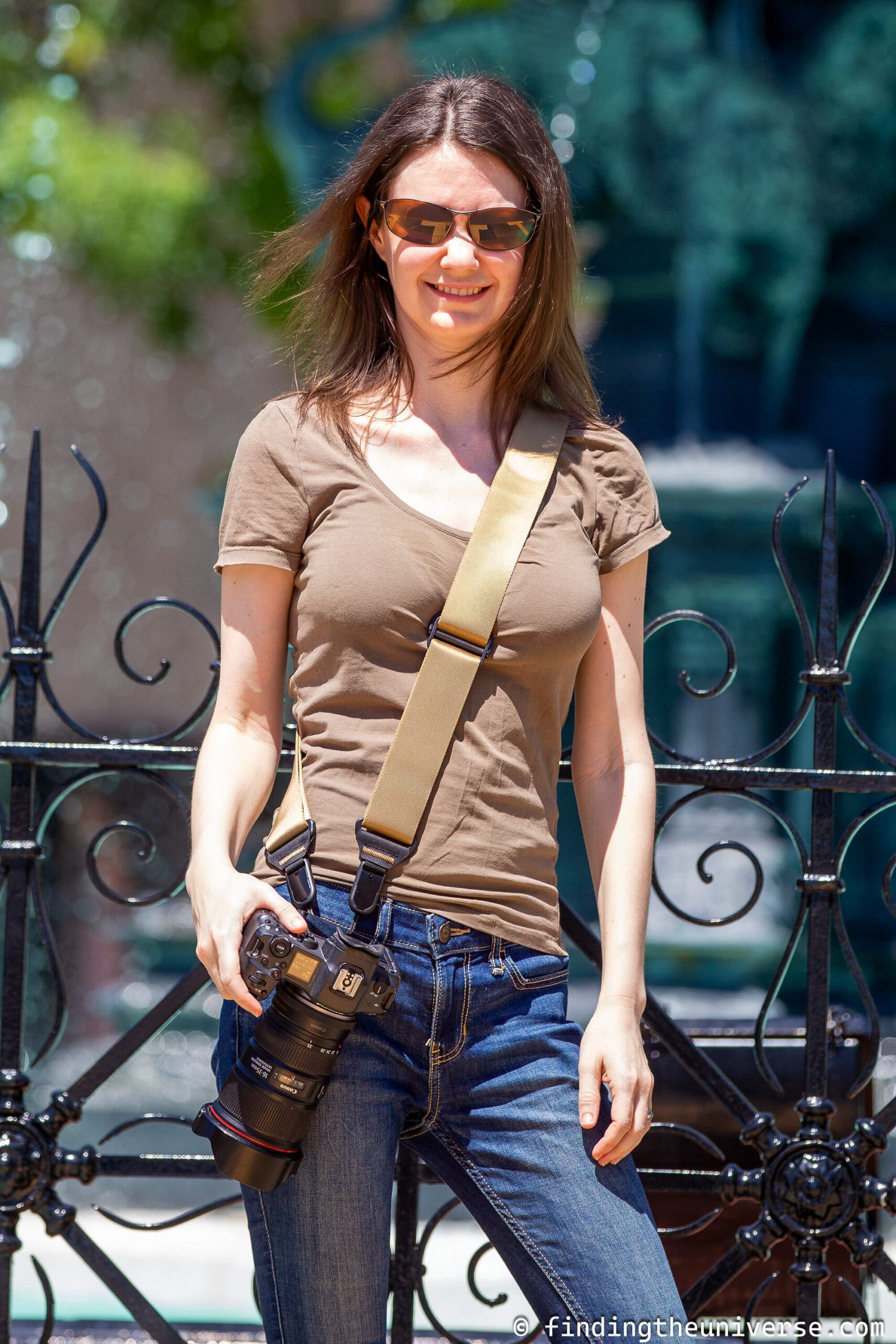

The comfort is excellent. I’ve done long hikes in Iceland, safari drives in Africa, and multi-hour event shoots, all with the Slide, and I’ve never felt like the strap was the thing slowing me down. When I’m shooting events and wearing two cameras crossbody, the weight distributes well and I can access either camera quickly.
The straps are easy to adjust, they just work, and my experience with customer service when something did go wrong has been excellent.
What Could Be Better
The tripod plate used to be included with the strap. It’s not any more. That’s a real shame, because the plate is what makes the whole system work for photographers who use tripods. Buying the plate separately adds $19.95 to the cost. I understand that Peak Design can’t know which plate system each buyer needs, but I’d like to see an option to add a plate at a discounted price when buying a strap.
The adjustment handles are made of metal, and some photographers have reported that these can scratch camera bodies when the strap is packed in a bag. I haven’t had this problem myself, but my cameras get pretty banged up anyway. If you’re protective of your body, you might want to pack the strap separately.
For dual-camera carry, wearing two straps in an “X” across my body works fine. But some strap systems offer a proper dual-carry harness design, which distributes weight differently. I’d be interested to see Peak Design try something like that, though it’s more of a wish than a complaint.
The Form straps being non-adjustable is a gamble. You have to pick the right length at checkout, and if you get it wrong, you’re stuck with it. For a $45-70 strap, that’s a risk I’d want to consider carefully.
And the price. Peak Design straps are not cheap compared to generic options. A Slide at $79.95 is a lot for a camera strap. But I’ve been using the same ones for a decade, they’ve survived a fox, a jungle, and years of professional use, and they’re still going. The cost per year has been very low.
Peak Design vs Other Camera Straps
I’ve used Peak Design straps exclusively since 2015, so I’m clearly a fan. But they’re not the only option, and there are situations where something else might suit you better.
If you want a dedicated sling strap with a carabiner-style quick-release rather than Peak Design’s anchor system, the BlackRapid range is worth a look. Some photographers prefer the BlackRapid mechanism, especially for one-handed attach/detach. It’s a different design philosophy.
If you shoot weddings or events and need to carry two or three cameras at once, a dual-carry harness like the HoldFast MoneyMaker or Spider Holster system might be more ergonomic than wearing two crossbody straps. These harness systems are designed specifically for multi-camera carry and distribute the weight across your back and shoulders differently.
If budget is a concern, there are perfectly functional nylon and rope straps from brands like SmallRig and PGYTECH for a fraction of the price. You won’t get the anchor link system or the build quality, but for a casual shooter who just needs something better than the strap that came in the box, they’ll do the job.
Where Peak Design wins, in my experience, is the combination of the anchor link ecosystem, build quality, and the fact that everything works together. If you already use a Peak Design tripod, bag, or clip, the straps slot into that system. And the ability to quickly swap a strap between cameras, lenses, and tripods without unscrewing anything is something I haven’t found replicated as well anywhere else.
Where to Buy Peak Design Products
You can buy Peak Design products directly on their website. They ship globally to over 100 countries.
Alternatively, you can buy them from Amazon. Peak Design has their own Amazon store, so you can be sure you’re getting legitimate products. Prime members will appreciate the faster shipping.
Peak Design also has three physical store locations: two in the USA (New York and San Francisco) and one in Tokyo, Japan.
Frequently Asked Questions
Which Peak Design strap should I buy?
For most people with a mirrorless camera, the Slide Lite is the best starting point. It’s wide enough to be comfortable, narrow enough to pack easily, and it has all the same features as the larger Slide.
If you shoot with a heavy DSLR or large telephoto lenses, go for the Slide. If you have a compact camera or want something minimalist, the Leash or Cuff are good options.
What is the difference between the Peak Design Slide and Slide Lite?
The main difference is width. The Slide is 45mm (1.8″) wide and the Slide Lite is 32mm (1.3″). The Slide has more padding and distributes weight better with heavy setups. The Slide Lite is more packable and works well for most mirrorless cameras.
Both have the same features, the same 200 lb weight rating, and the same adjustable length range. If your camera and lens combination weighs less than about 1.5 kg (3.3 lbs), the Slide Lite will be plenty comfortable. For heavier setups, the extra width of the Slide makes a difference over long periods.
Is the Peak Design Leash too thin for a full-size camera?
The Leash can technically hold 200 lbs, so it’ll handle any camera safely. But at 19mm wide with no padding, it won’t be comfortable with a heavy camera over long periods. I’d recommend the Leash for compact cameras, small mirrorless bodies with prime lenses, or as a safety tether. For a full-size camera that you plan to carry all day, the Slide Lite or Slide will be much more comfortable.
Do Peak Design straps come with a tripod plate?
Not any more. They used to, but current straps only include an anchor mount (which screws into the tripod socket but isn’t compatible with quick-release tripod heads). If you want to use your strap with a tripod’s quick-release system, you’ll need to buy the Arca-compatible plate ($19.95) or Manfrotto RC2-compatible plate separately.
If you buy a Peak Design Travel Tripod, the compatible plate is included with that.
Can I use Peak Design straps with any camera?
Yes. The anchor links attach to standard strap lugs that are found on virtually every DSLR and mirrorless camera. You can also mount them to the tripod socket using the included anchor mount. The only exception is the Micro Clutch, which isn’t compatible with every camera body due to its size. Peak Design has a compatibility guide on their website.
Are Peak Design straps worth the price?
They’re more expensive than basic camera straps, no question. A Slide at $79.95 costs ten times what a generic nylon strap costs on Amazon. But I’ve been using mine for ten years, they’ve survived conditions that would have destroyed a cheaper strap, and Peak Design has honoured their lifetime warranty the two times I’ve needed it.
If you use a camera regularly and plan to keep shooting for years, I think the investment pays for itself. If you pick up a camera a few times a year, a cheaper strap will probably serve you fine.
Further Reading
I hope you found this review helpful. Here are some related guides you might also enjoy.
- I have a detailed review of the Peak Design travel tripod
- We have a guide to why you need a tripod, and a round-up of our favourite travel tripods
- If you’re in the market for a new camera, see our guide to the best travel cameras, as well as a guide to the best camera lenses
- We have guides to how to use a DSLR camera and how to use a mirrorless camera
- For photography techniques, see our guides to Northern Lights photography, astrophotography, and long exposure photography
- You’re going to need something to edit your photos on. See our guide to the best laptops for photo editing
- If you want a camera or lens but the price is steep, see our guide to where to buy used cameras and photography gear
And as always, if you have any comments or questions, just pop them in the comments section below!
Roman says
Wondering if you can help me with an issue my wife and I have when we travel – we share a Sony mirrorless camera and I need to have my strap at one adjustment to sling around my chest and my wife needs to have it at a much shorter adjustment to be comfortable around her neck. We just have the strap that came with the camera. At home it is no real bother to adjust when we switch but when traveling it is quite a pain to take the time to adjust, especially since I have some arthritis in my hands, and we sometimes don’t get photos of tings cause of it. Our budget doesn’t stretch to a second camera but we are considering two new straps so we can just switch the camera and each have our own straps at the proper adjustment but then that is its own issue as most straps are a paint to take on and off. But the current one we have takes too long to actually remove and reattach. Or maybe there is a much easier to adjust strap out there?
Long story short – we are looking for either a very easy to adjust camera strap we can share OR two easy to remove camera straps for our mirrorless camera.
I hope this question makes some sense as I got here because of research “quick release” camera straps and came upon Peak Design. Not sure what exactly I am looking for but found your review very detailed and thought you might be able to guide me in the right direction at least whether with Peak Design or some other kind of strap or system. Open to any brands or types of straps or systems within a reasonable price range.
Thank you very much for any rec or advice you can offer!
Laurence Norah says
Hi Roman,
Sure thing, I’d be happy to help. So the good news is that the Peak Design straps would definitely solve your problem. Personally I would probably just go with one strap to share. My wife and are are of different statures and we also need to adjust our straps when we switch cameras between us. The main strap we use is the Peak Design Slide, and that is very easy to adjust. There’s a dedicated adjustment handle and you just lift it and slide it. You can even do it while wearing the strap and when it’s attached to the camera. Takes no more than a couple of seconds. If you prefer a slightly thinner strap, I’d suggest the Peak Design Slide Lite.
Of course, if you’d prefer to each have your own strap, then that would work too. The anchor clip system lets you easily just clip and unclip any Peak Design strap to any anchor point. The way it works is that you attach the anchor points to your camera (they are little round circles, you can see them in this image). They stay attached to the camera, and then you can attach and detach any of the Peak Design straps to those clips. Again, this is very quick, like clipping a buckle.
I hope this makes sense. The only downside of Peak Design is that their products are a bit on the pricey side, but I think they are worth the investment. I bought my first Peak Design strap over 10 years ago and it’s still going strong!
Let me know if you have any more questions, I’m happy to help 🙂
Laurence
Morgan says
hello there, I am thinking about a Peak Design Lite strap and the PD Clutch hand strap for my Canon Rebel T8i as it just came with the factory strap and it digs into my neck really badly when I carry it for longer periods. I’ve never changed a strap. This may be a silly question but how do I attach both the neck strap and wrist strap to the camera, can both be on my camera at same time? thanks!!!!
Laurence Norah says
Hi Morgan!
It’s definitely not a silly question 🙂 You can definitely attach both a Slide Lite and a Cuff Wrist Strap at the same time to your T8i. You have a couple of options. Personally I’d recommend using the Slide Lite attached to the tripod bracket plate at the base of the camera, and then carry it crossbody. You just attach the provided mounting bracket at the base of your camera. Everything you need is provided in the Peak Design kit, basically you just put the plate on the base of the camera and screw it in with the provided hex key tool. Then you attach two anchor links to the plate, which is where the Slide Lite will attach.
For the Cuff, you simply attach the cuff to one of the two top attachments where your existing camera strap is.
Alternatively, if you prefer to use the Slide Lite like a traditional neck strap, then you may prefer to attach that to the two top attachments instead. So in that case you would just attach the anchor links to the top two accesory locations, and there will be room for the Cuff anchor link in that location as well.
I hope this makes sense. I added a couple more pictures to this section of the review to show the anchor plate on the base of the camera and also how you can attach straps to the existing camera strap points on your camera.
Let me know if you have any follow up questions, I’m more than happy to answer any questions at all 🙂
Laurence
tom rosen says
wedding photographer here and definitely agree with your recs – been using Peak Design Slide straps for years, they are great and sturdy for any size of camera. Given I am usually dressed up, these also have the bonus of looking sleek.
the only thing I wish they would do is make their own harness system for those of us who are regularly needing to lug around 2 (or more) cameras for gigs. I have a harness and anchor system that works pretty well with my straps but wish they would sell their own.
Laurence Norah says
Thanks Tom, glad to hear I was on track! I also entirely agree with you on the harness system requirements, in fact I mentioned that in the part of the post of areas I think Peak Design could improve. That would be an awesome strap if they could come up with it! Thanks for stopping by and sharing your experiences 🙂
Laurence
Evelyn says
I definitely need some new camera straps….do you think the peak design slide strap you have would be too big for a little compact point-and-shoot camera? I have both a DSLR I used on trips and a little point-and-shoot I keep in my purse for daily use, could I switch or do you think I would need 2 separate straps? thanks
Laurence Norah says
Hey Evelyn!
So the Slide would definitely be more than you need for the compact camera, it’s relatively wide compared to Peak Design’s other straps and it’s going to take up a lot of space in your purse if you pack it with the strap on. With the anchor link system you can of course disconnect it, but if you’re just out with your purse and your compact camera that still leaves you with a strap to figure out what to do with. Of course, it would work with a point and shoot camera, and would be interchangeable with your DSLR, so it is an option, I’m just not sure it’s the definitive solution.
If I was you I would consider the Slide or Slide Lite for my DSLR, and then consider the Leash or the Cuff wrist strap for my compact camera.
Another option if you just wanted one strap would be the Leash by itself to use for both cameras, but it’s not going to be as comfortable with your DSLR for prolonged usage.
I appreciate this isn’t a definitive answer but it’s a bit of a personal decision based on budget and preference!
Enjoy whatever you choose!
Laurence
Chip Robison says
HI Laurence —
Thanks for your continuing push to educate us !!
As one who seeks “enthusiast” status, I find your writing to be solid and
super-useful….appreciate the focus on Peak Design’s travel tripods…is
there a noticeable/tangible diff between their aluminum and carbon versions ???
Cheers,
Dr. Clikk
Laurence Norah says
Hi Chip,
Glad to be able to help! So the difference between the two tripods is 9.5oz (270g) and a lot of dollars. Personally I don’t think the carbon fibre tripod is worth the significant price difference as all the features are otherwise identical. Of course, it’s up to the individual. On the very rare times the carbon fibre tripod has been on sale then I think it is slightly more compelling, but at the retail price my honest opinion is that unless you are obsessive over pack weight for a prolonged hiking trip, then the aluminium version will suit. That’s the one I have and travel with, and you can see my full review of it here: https://www.findingtheuniverse.com/peak-design-travel-tripod-review/. I’d recommend trying the aluminium one first if you are interested to see if it works for you.
I hope that helps 🙂
Laurence