Figuring out where to stay in Iceland was one of the trickiest parts of planning our trips there. It’s not like most European countries where you can rock up to a town and find a dozen hotels to choose from. Outside Reykjavik, accommodation is limited, it books up fast, and it’s not cheap.
We’ve visited Iceland multiple times, including spending four weeks driving the entire Ring Road, and we’ve stayed in everything from smart city hotels to tiny guesthouses in the middle of nowhere. Between us, we’ve slept in over twenty different properties across every region of Iceland, from Reykjavik to the Westfjords.
The short answer, if you only have a few days: base yourself in Reykjavik and take day trips. If you have a week or more, move every night or two along the Ring Road and book the southeast section first, because that’s where the beds run out soonest. Everything below is the detail behind those two sentences, region by region, with the places we actually stayed and what you should expect to pay in ISK.
If you’re planning a road trip, our itineraries pair well with this guide. We have write-ups for 7 days on the Ring Road, 5 days in Iceland, and a 3 day stopover itinerary, all of which include specific accommodation recommendations for each night.
| Region | Main bases | Best for | Nights | Winter |
|---|---|---|---|---|
| Reykjavik and Reykjanes | Reykjavik 101, Keflavik | Short trips, day tours, first and last nights | 1 to 3 | Full choice |
| Golden Circle | Selfoss, Laugarvatn, Flúðir, Hella | Breaking up the drive south | 1 | Good |
| South Coast | Hvolsvöllur, Vík, Kirkjubæjarklaustur | Waterfalls, black sand, glacier trips | 2 | Good |
| Southeast | Höfn, Djúpivogur | Glacier lagoons | 1 to 2 | Limited |
| East Iceland | Egilsstaðir, Seyðisfjörður | Quiet fjords, few crowds | 1 to 2 | Limited |
| North Iceland | Akureyri, Mývatn, Húsavík | Whale watching, Northern Lights | 2 to 3 | Good |
| West and Snæfellsnes | Stykkishólmur, Grundarfjörður, Borgarnes | Photography, calmer pace | 1 to 2 | Reduced |
| Westfjords | Ísafjörður, Patreksfjörður | Remote driving, bird cliffs | 3 plus | Mostly closed |
Table of Contents:
How Accommodation in Iceland Works
Iceland’s accommodation scene is different from what you might be used to elsewhere in Europe, and knowing the categories makes the booking sites a lot easier to read.
Hotels
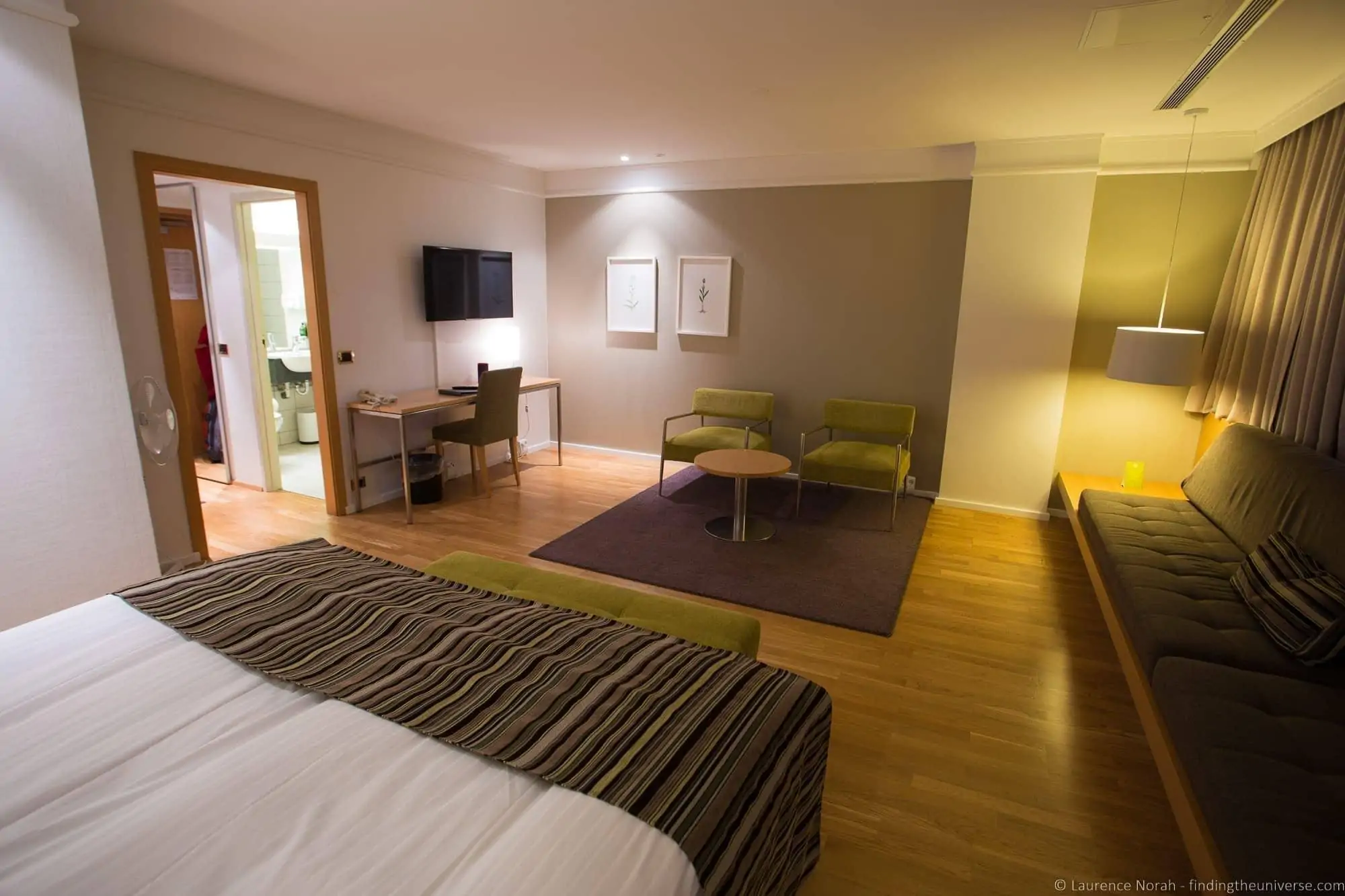
Hotels in Iceland range from international-standard chains to smaller locally-owned properties. The main chains you’ll encounter are Fosshotel, Keahotels, and Berjaya Iceland Hotels (formerly Icelandair Hotels). We’ve stayed at several properties across these chains and they’re generally reliable, modern, and comfortable, if not particularly characterful. Room sizes tend to be on the smaller side, but the facilities are always clean and well maintained.
Guesthouses
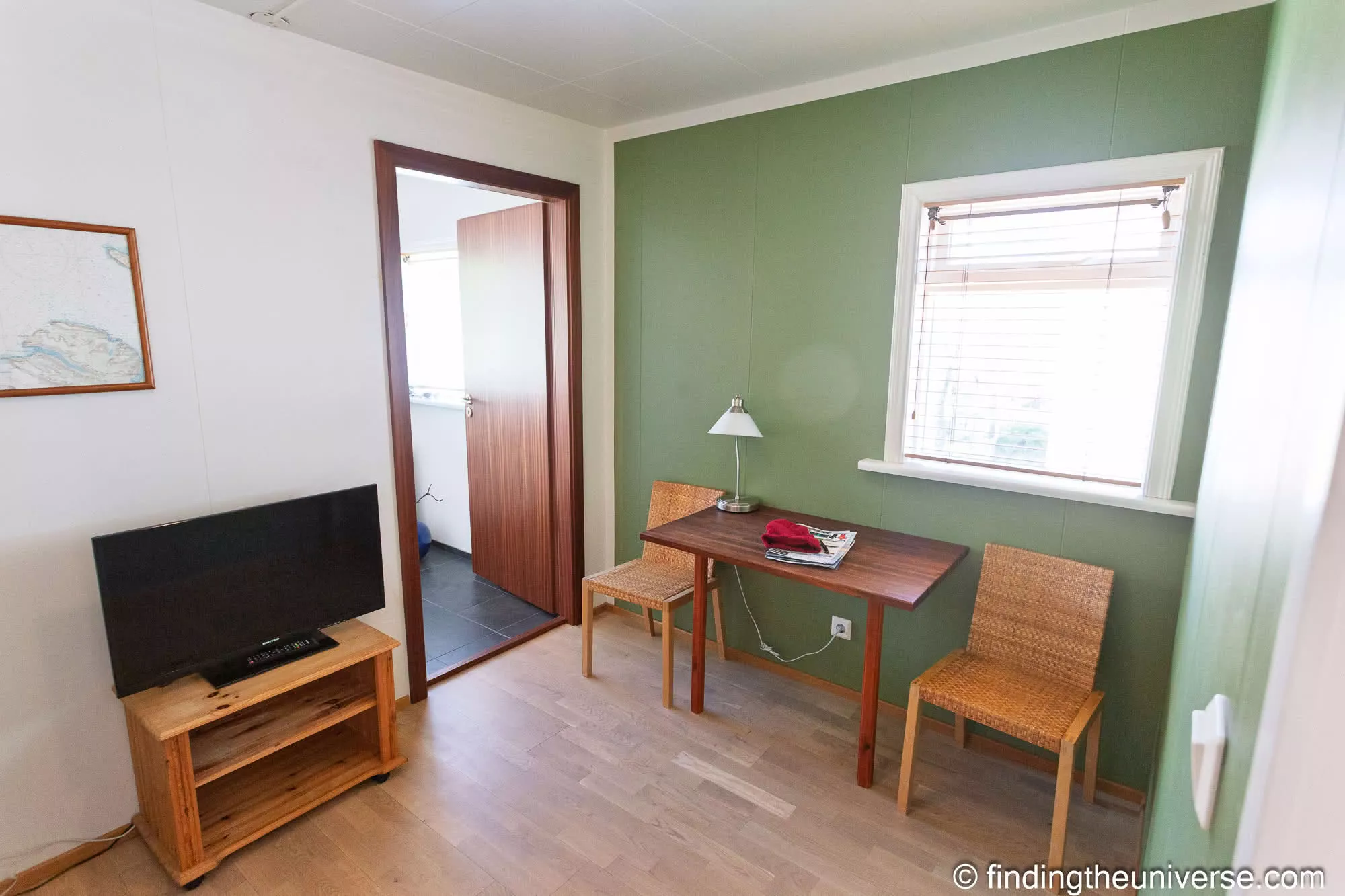
Guesthouses are probably the most common type of accommodation outside Reykjavik. They range from a few rooms in someone’s home to purpose-built properties with a dozen or more rooms. Some have en-suite bathrooms, some have shared facilities, and many have guest kitchens, which is a real bonus in a country where eating out is expensive.
Some of our best stays in Iceland have been at family-run guesthouses. They’re also where you’ll get actual local advice about the road ahead, which matters more in Iceland than most places.
Farm Stays
Farm stays are a uniquely Icelandic experience. Many working farms along the Ring Road have converted outbuildings or built small cabins for guests. They tend to be in beautiful locations, often surrounded by nothing but sheep and lava fields, though they can be a fair distance from the nearest town.
Don’t expect luxury or room service. Do expect character, home-cooked breakfasts, and a side of Iceland that hotel guests miss entirely. Some farms offer horseback riding or sheep-related activities, which can be a highlight for families.
Hotel Edda
Hotel Edda is a chain you won’t have heard of before you start booking. These hotels operate in converted school buildings and community centres during the summer months (roughly June to mid-August) when the schools are empty.
The rooms are basic, often with shared bathrooms, and feel exactly like what they are: dormitory accommodation with a fresh coat of paint. But they turn up in places where nothing else does, and they fill a real gap. Clean, functional, and pretty affordable by Icelandic standards.
Hostels
Hostels exist mainly in Reykjavik and the larger towns. They’re not as cheap as you might hope (this is Iceland, after all), but they’re the most budget-friendly option with a roof over your head. KEX Hostel in Reykjavik is probably the best-known, and it’s a good place to stay.
Apartments and Cottages
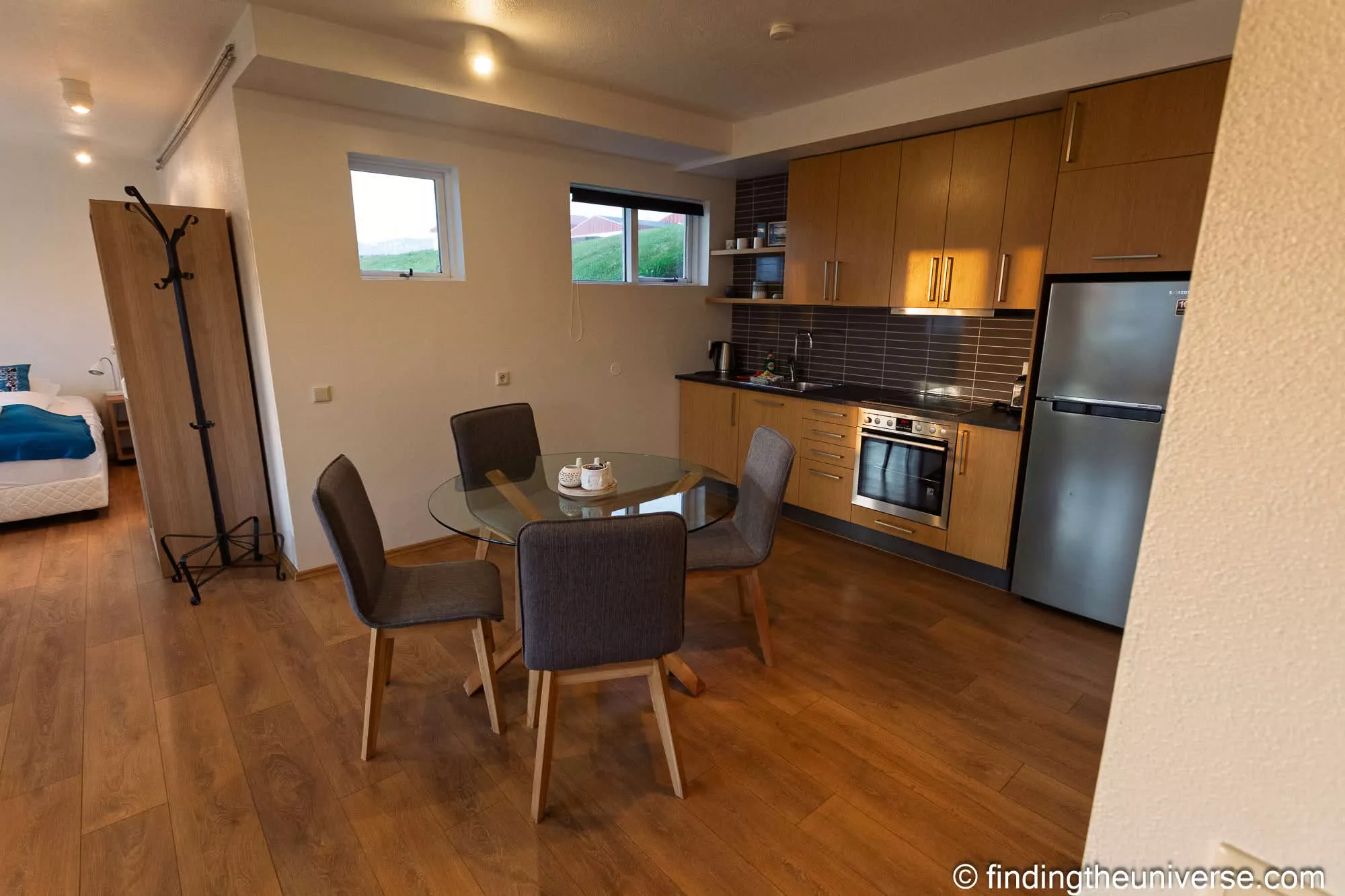
Apartments and cottages are increasingly popular, especially for families or longer stays. They give you the space and kitchen facilities that hotels often lack. Cottages along the Ring Road can be lovely, though availability is limited and they go early.
Camping and Campervans
Camping and campervans are the most budget-friendly way to see Iceland, and they’re very popular in summer. Iceland has over 170 campsites around the country, and if you’re staying a while, the Camping Card gives you access to a network of sites at a flat rate.
We haven’t camped in Iceland ourselves, but plenty of readers have told us it works well if you’re prepared for the weather. Wild camping is no longer permitted in most of the country due to environmental concerns, so stick to official campsites. Campervans give you flexibility to move around without booking ahead, though you’ll still need designated campsites overnight.
What to Expect from Icelandic Accommodation
Icelandic accommodation has a few quirks that catch first-time visitors off guard. Knowing about them in advance makes for a smoother trip.
The hot water smells of sulphur. This is completely normal. Iceland’s water is geothermally heated, and the hot tap will have a faint (sometimes not so faint) egg-like smell. It’s perfectly safe, and you get used to it quickly. The cold water, of course, is some of the purest you’ll drink anywhere in the world, which does make the contrast a bit odd for the first day or two.
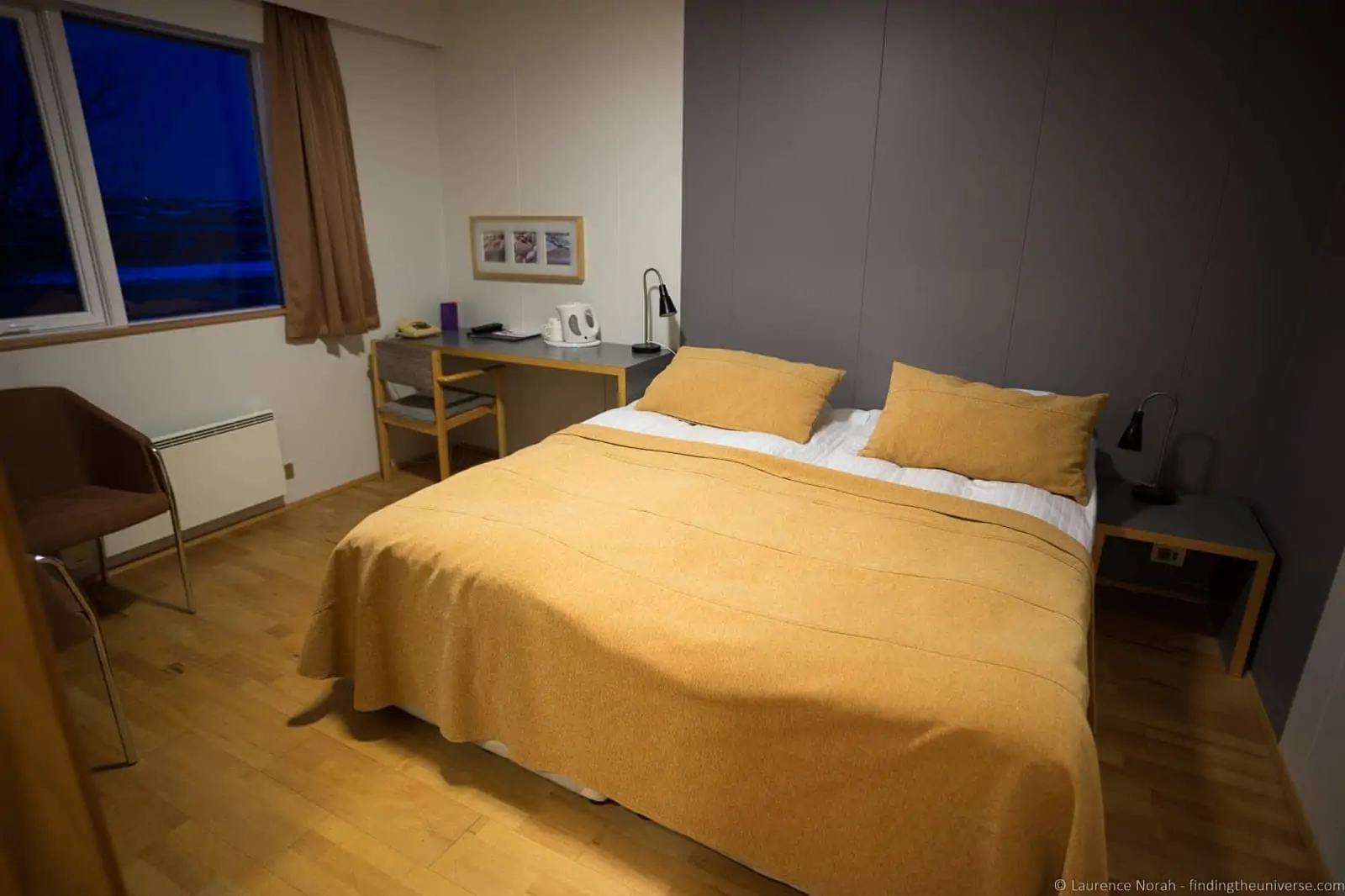
Rooms are often small. Icelandic hotel rooms tend to be compact by international standards, and that’s true even at mid-range and upmarket properties. If you’re used to spacious American hotel rooms, adjust your expectations. The rooms are almost always clean and well-designed, just not large.
Breakfast is a highlight. Most hotels and guesthouses include breakfast, and the Icelandic breakfast buffet is something to look forward to. Expect skyr (Iceland’s thick, tangy dairy product, somewhere between yoghurt and cream cheese), freshly baked bread, smoked fish, cold cuts, cheese, cereals, and fruit. It’s typically excellent quality and filling enough to keep you going for a long day of sightseeing.
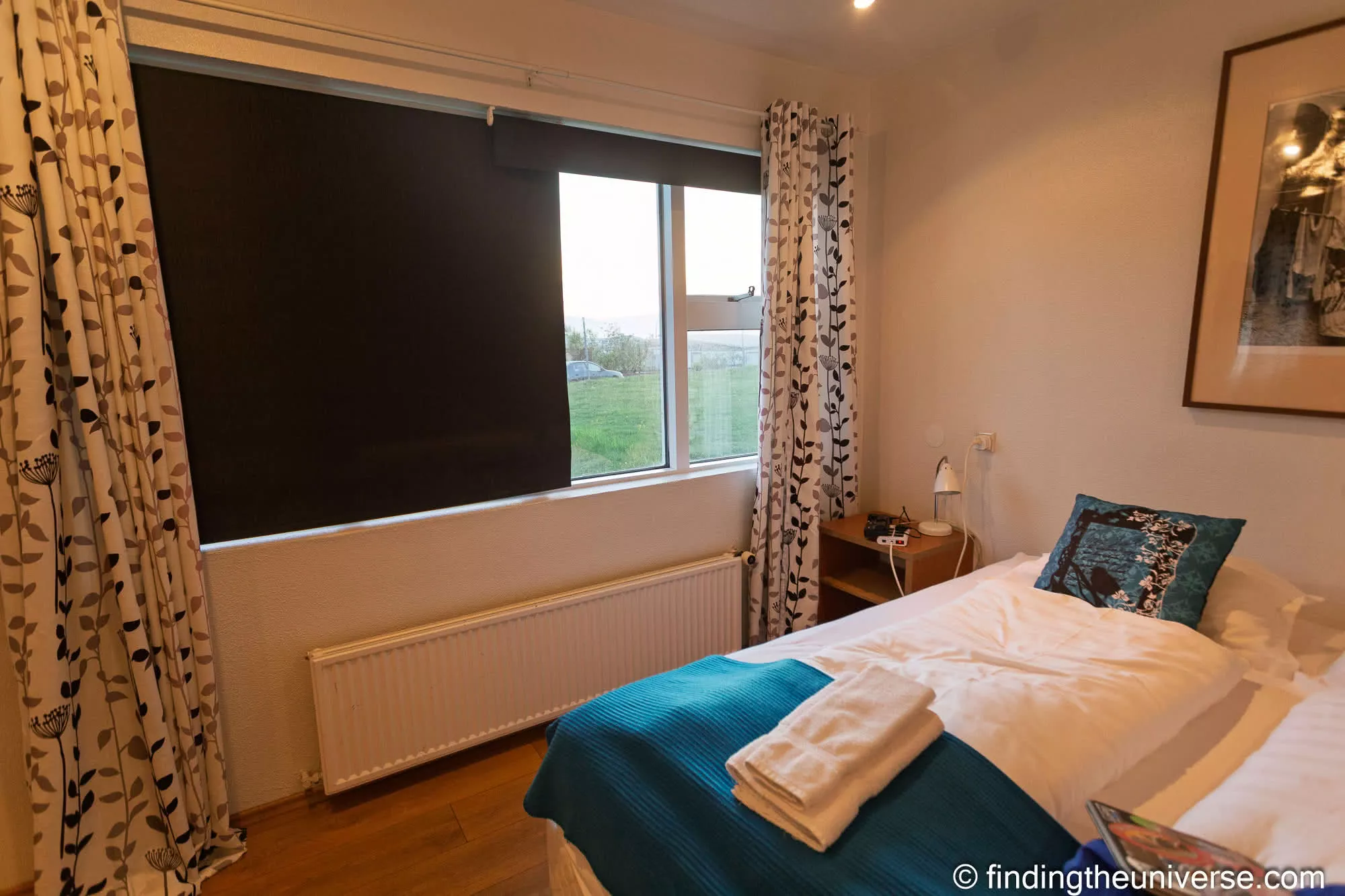
Blackout blinds are rare. This is a big one for summer visitors. In June and July, Iceland gets close to 24 hours of daylight, and many properties don’t have blackout curtains or blinds. The light streaming through your window at 2am can make sleeping surprisingly difficult.
We’d strongly recommend packing a good sleep mask. We use the Manta Sleep Mask. It’s more expensive than the basic ones, but we went through a lot of cheaper masks before settling on it, and it’s the only one we’ve found that works consistently and comfortably. It’s now a permanent fixture in our travel kit.
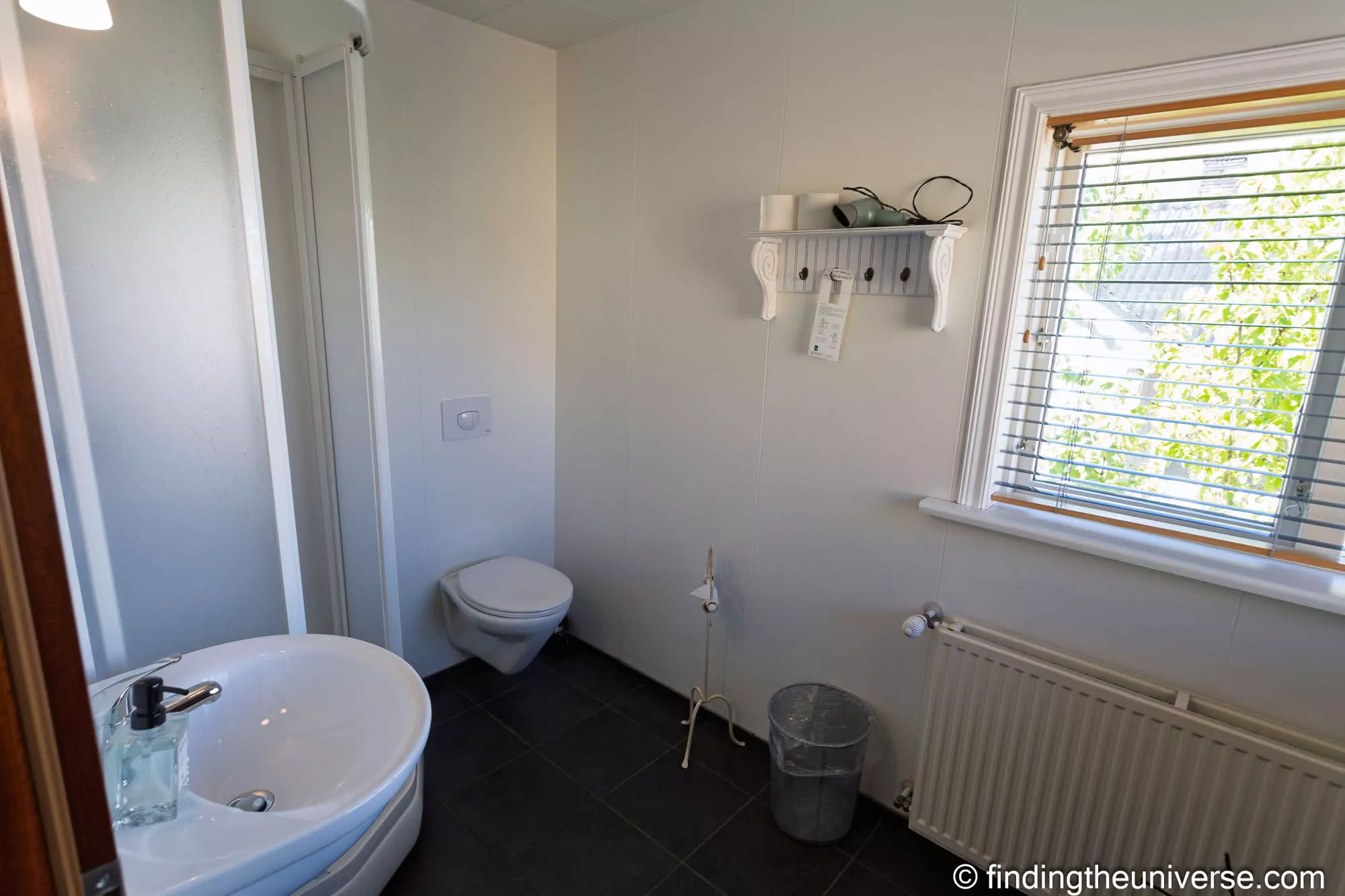
Toiletries are minimal. You’ll usually find soap and maybe shower gel in your room, but that’s about it. Don’t expect shampoo, conditioner, or other products unless you’re staying at an upmarket hotel. Pack your own.
Heated floors are common. A lovely feature of many Icelandic properties, especially bathrooms. Your feet will thank you on cold mornings.
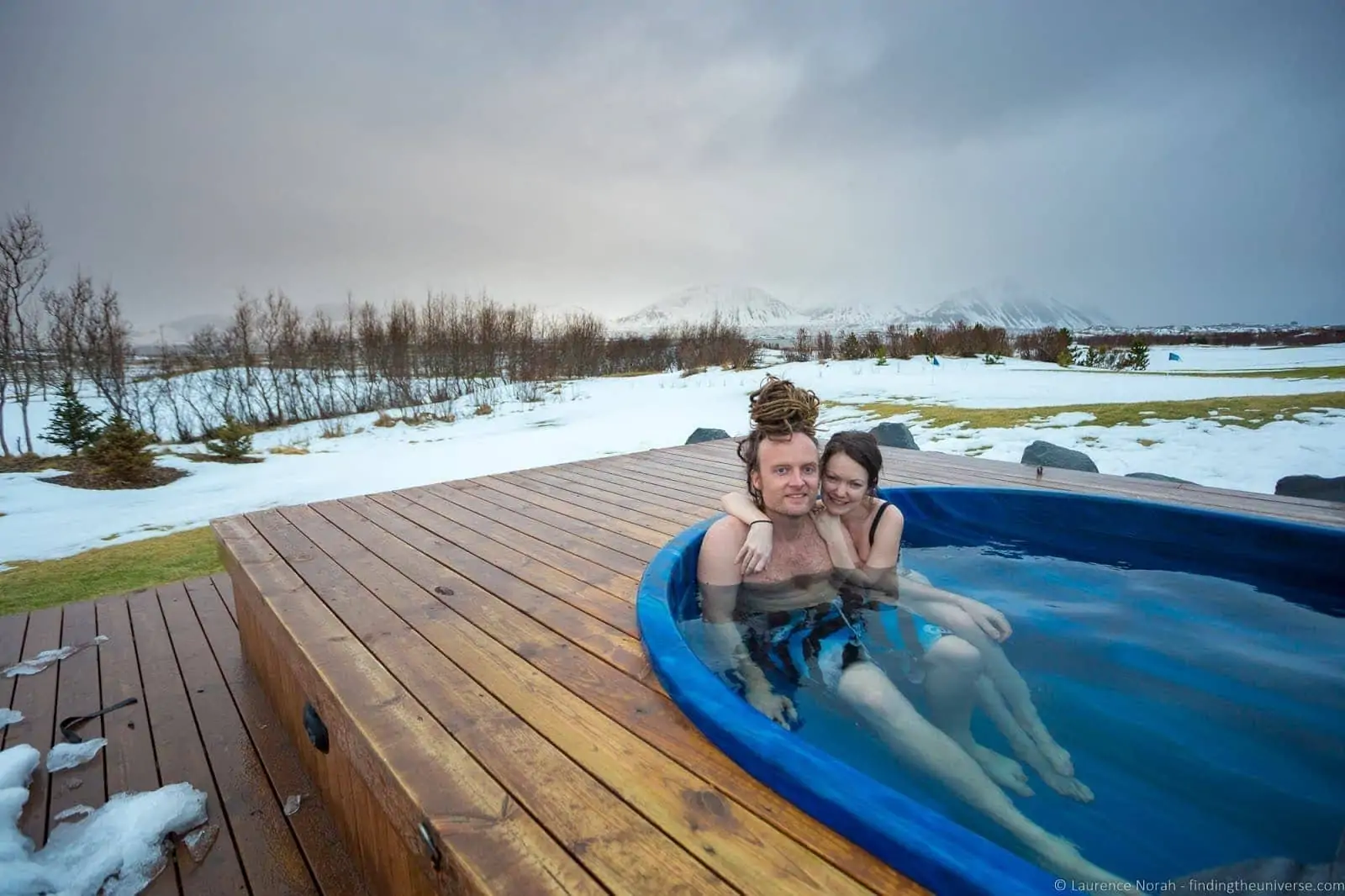
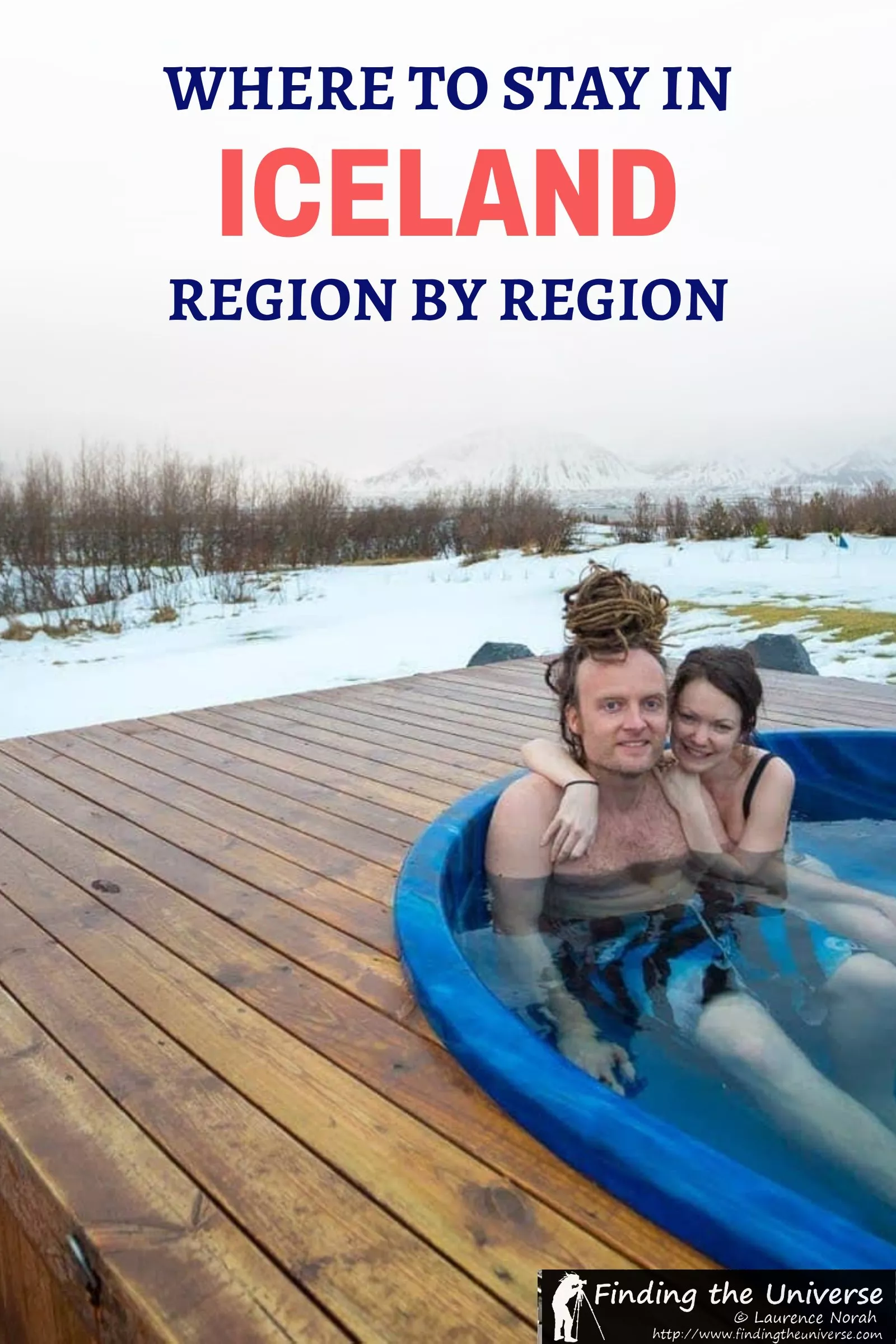
Hot tubs are everywhere. One of the real pleasures of staying in rural Iceland is the number of properties with their own outdoor hot tubs. After a long day of driving and hiking, sitting in a hot tub watching the midnight sun (or, in winter, the Northern Lights) is about as good as it gets. Check whether your accommodation has one when you book, and pack your swimwear even if you’re not planning on visiting the Blue Lagoon. This is the single easiest upgrade to an Iceland trip and it usually costs nothing extra!
Shared bathrooms are more common than you’d expect. Outside Reykjavik, many guesthouses still have shared bathroom facilities, even at what would be considered “mid-range” prices elsewhere. If a private bathroom matters to you, check the listing carefully before booking. En-suite rooms are available, but they cost more and tend to book out first.
For a complete list of what to bring, see our Iceland winter packing list or our Iceland summer packing list, depending on when you’re going. Two things specific to where you sleep: a sleep mask (as above), and your own towel if you’re staying in hostels or plan to visit geothermal pools along the way.
What Does Accommodation in Iceland Actually Cost?
Iceland is expensive. If you’re coming from most other European countries, or from the US, accommodation prices (and prices for nearly everything else too) will make you wince a bit. Or a lot.
Here’s what you can realistically expect to pay per night for a double room in summer:
| Level | What you get | Summer, per night |
|---|---|---|
| Budget | Dorm beds, simple guesthouses, shared bathrooms | 11,000 to 18,000 ISK |
| Mid-range | Private room, en-suite, breakfast usually included | 20,000 to 40,000 ISK |
| Upmarket | Chain hotels, design hotels, prime locations | 40,000 to 80,000 plus ISK |
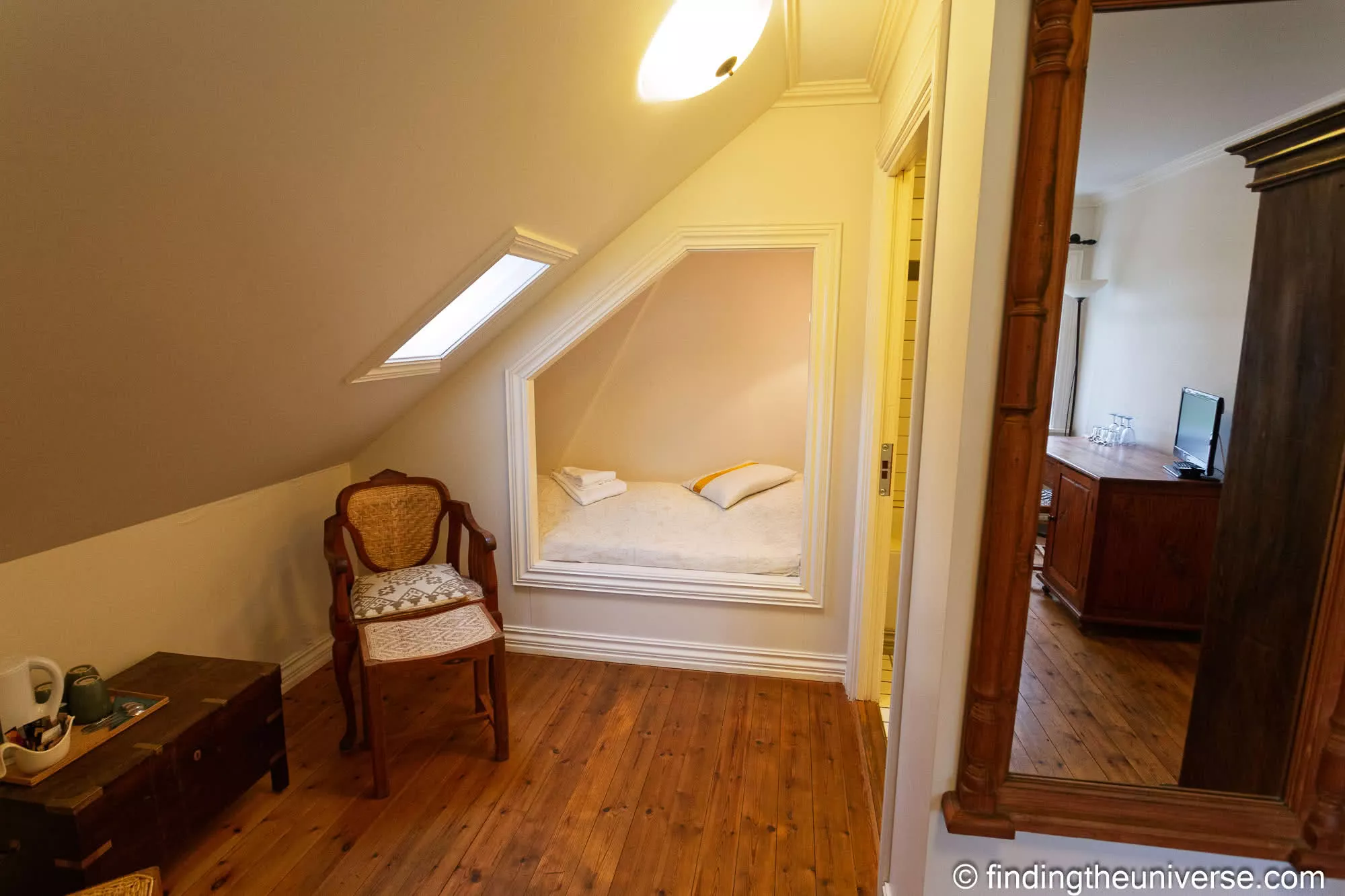
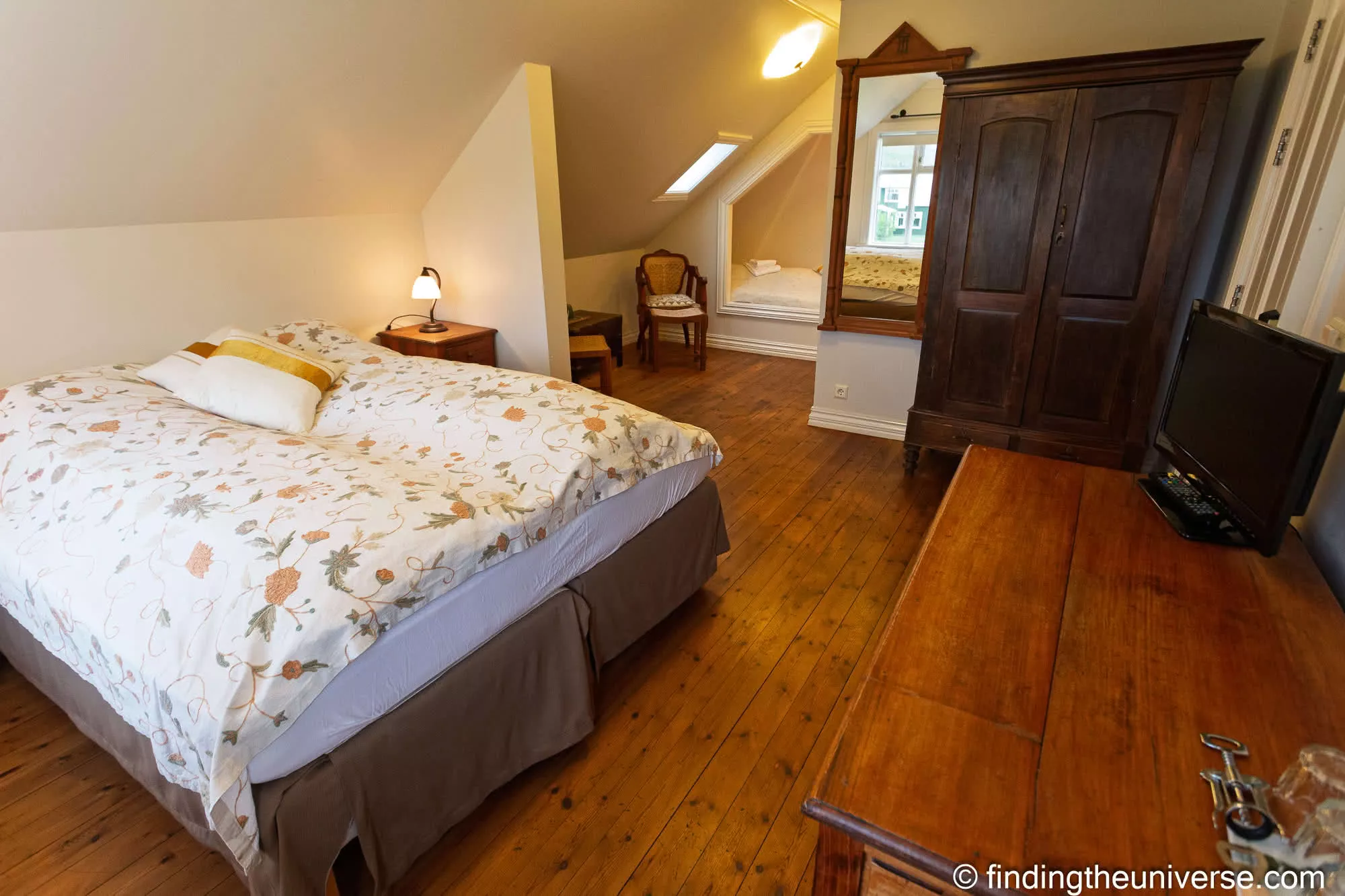
Budget properties exist, but they book up fast, especially in summer. Mid-range is where most travellers end up, and it’s where properties like Hotel Framtid in Djúpivogur and the guesthouses along the south coast sit.
At the top end, Reykjavik has the most choice, though properties like Sigló Hótel in Siglufjörður show that upmarket exists well outside the capital.
Those figures are for peak season, June to August. Shoulder months (May and September) typically run 15 to 25 percent cheaper, and winter can be cheaper still, though availability outside Reykjavik and the south coast drops significantly.
When to Book
This is possibly the most important practical advice in this entire guide: book early. Iceland has far less accommodation than the number of tourists visiting would suggest, and popular areas fill up months in advance.
For summer trips (June to August), book at least three to six months ahead. Along the south coast and in the smaller towns where accommodation is very limited, even that might not be early enough for the best properties.
For winter trips (October to March), you can often book a bit later, but it’s still worth planning ahead, particularly in Reykjavik around Christmas and New Year, and for popular Northern Lights viewing areas. Many rural guesthouses and smaller properties close entirely in winter, especially in the north, east, and Westfjords.
We use Booking.com for most of our Iceland accommodation because their free cancellation policies give you flexibility if your plans change. Icelandic weather is unpredictable, roads can close, and being able to adjust bookings without penalty makes a real difference.
Reykjavik and the Reykjanes Peninsula
Reykjavik has by far the largest selection of accommodation in Iceland, which makes it the easiest place to find somewhere to stay at any budget level. It’s also the natural starting and ending point for most trips, and a good base if you’re planning day tours rather than a self-drive trip.
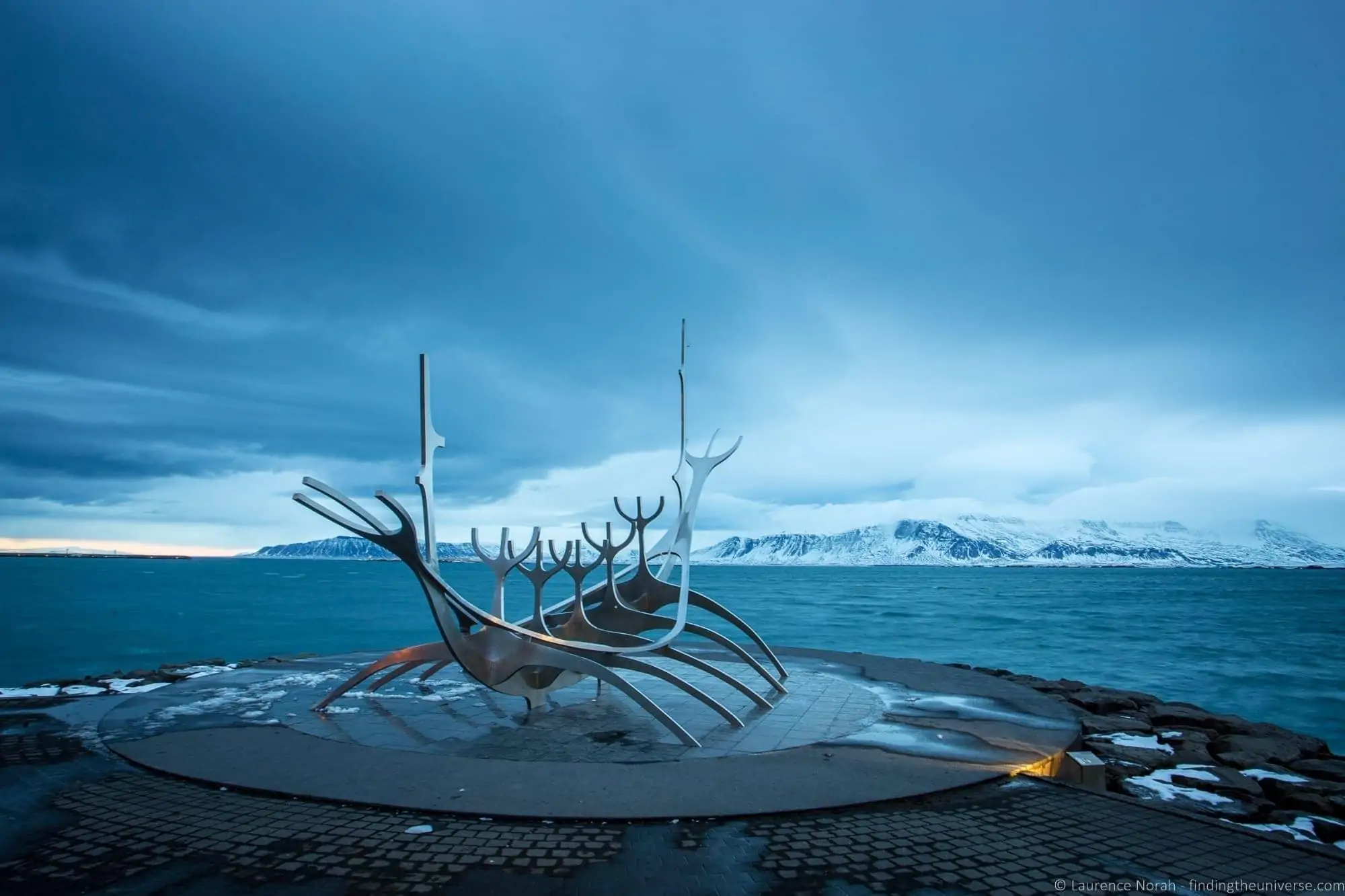
The 101 district (downtown) is the most popular area to stay. It’s compact and walkable, with restaurants, bars, and the main sights all within easy reach. Hallgrímskirkja church, the Harpa concert hall, the Sun Voyager sculpture, and the main shopping street Laugavegur are all within a 15-minute walk of each other. If you want to save money, the Laugardalur neighbourhood is quieter, well-connected by bus, and close to the city’s largest geothermal swimming pool.
We’ve stayed at a number of Reykjavik hotels over the years. Reykjavik Marina (Berjaya Iceland Hotels) is very centrally located, right on the harbour, with comfortable rooms and a good restaurant. It’s within walking distance of the whale watching boats and the Harpa, which makes it a convenient base.
The Grand Hótel Reykjavík (which you may also see listed as Hotel Reykjavík Grand) is about a mile from the city centre but offers four-star facilities including a spa, fitness centre, and free parking, which is a real plus since parking in central Reykjavik can be a pain. Reykjavík Natura (Berjaya Iceland Hotels) is another solid option, a bit further out but with good facilities and a quieter setting.
For budget travellers, KEX Hostel is well-run and sociable, with a good bar and restaurant on site. Guesthouse Galtafell is good value, around ten minutes’ walk from the centre, with both guest rooms and apartments that come with small kitchenettes, handy for keeping costs down.
One practical note about Reykjavik: if you’re picking up a rental car, most hire companies are based at Keflavik airport, which is about 45 minutes’ drive from the city. Some travellers prefer to spend their first night in Reykjavik without a car (taxis and the Flybus connect the airport to the city), then pick up the car when they’re ready to leave for the countryside. Others prefer to have the car from day one and drive straight to their first stop. Either works, just factor the airport transfer into your planning.
If you’re arriving late or flying out early, the Reykjanes Peninsula near Keflavik airport is worth considering. We stayed at the Northern Light Inn, which is right next to the Blue Lagoon and about twenty minutes from the airport. It saves you the 45-minute drive to Reykjavik if your flight times don’t line up well.
One caveat for this area. The Sundhnúkur crater row on the Reykjanes Peninsula has erupted repeatedly since late 2023, and although the most recent eruption ended in August 2025, magma is still accumulating beneath Svartsengi and further eruptions are considered likely. In practice the Blue Lagoon has stayed open the large majority of the time, closing at the start of an event and reopening once the authorities have assessed it. Check SafeTravel.is and the Blue Lagoon website before you book, and treat a Reykjanes hotel as a small extra risk rather than a bad idea. Sky Lagoon, closer to Reykjavik, is an excellent alternative if you’d rather not build a day around it.
For more on what to see and do in the capital, see our guide to day trips from Reykjavik.
The Golden Circle and Nearby
The Golden Circle is Iceland’s most popular day trip route, but if you’re continuing south or want a more relaxed pace, staying a night in this area makes a lot of sense. It also breaks up the drive if you’re heading to the south coast, rather than trying to do the Golden Circle and the first section of the coast all in one very long day.
The main towns for accommodation are Selfoss (the largest, with supermarkets and services), Laugarvatn (lakeside, quiet), Flúðir (near the Secret Lagoon), and Hella (on the way to the south coast). Each has a different feel. Selfoss is the most practical as a supply stop. Laugarvatn is lovely if you want a relaxing evening by the lake. Flúðir puts you within walking distance of the Secret Lagoon. Hella is the best choice if you want a head start on the south coast the next morning.
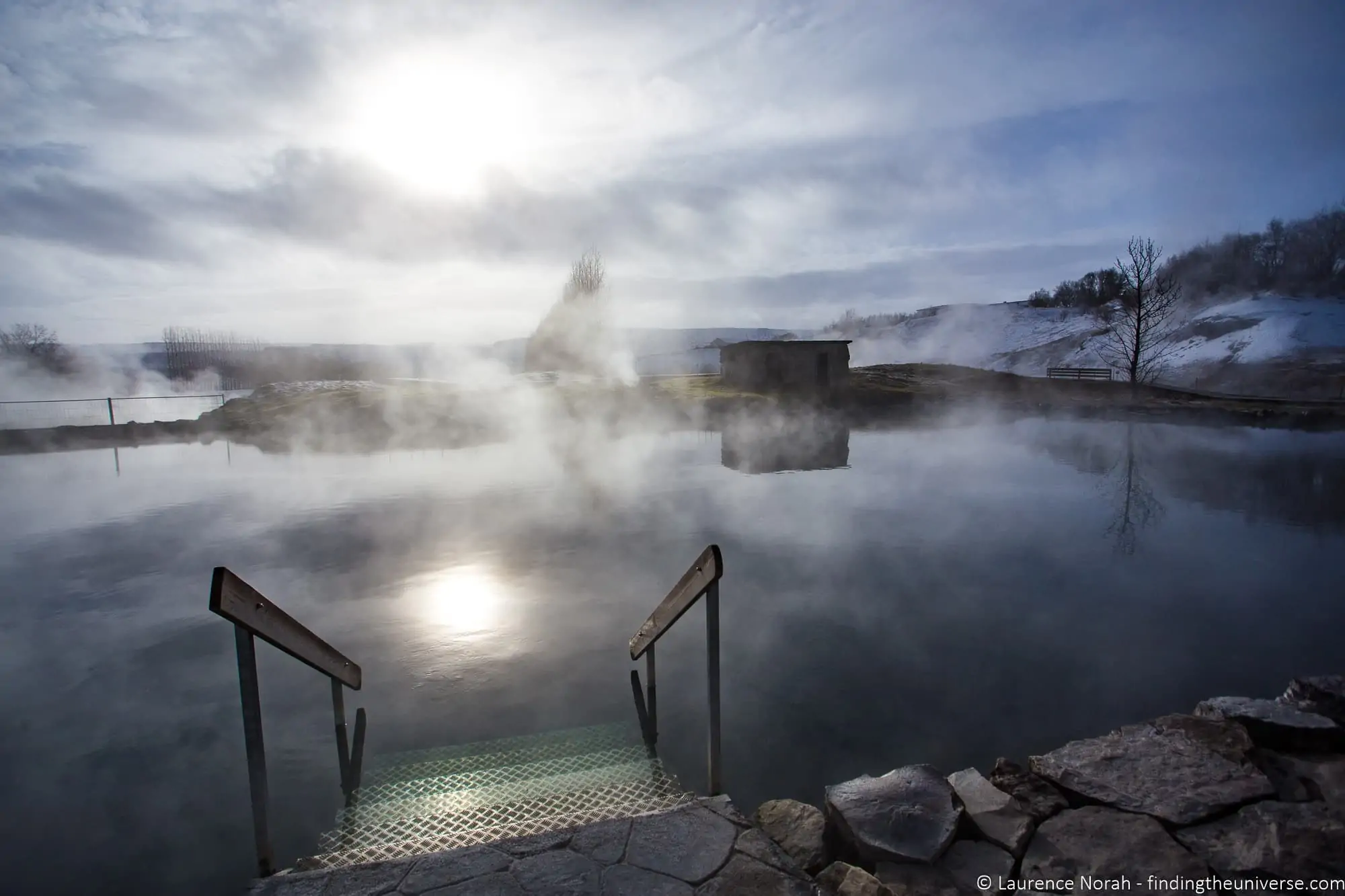
We stayed at The Hill Hotel at Flúðir (formerly the Icelandair Hotel Fludir) and found it very comfortable, with a good on-site restaurant. It’s handy for the Secret Lagoon, which is a much more low-key alternative to the Blue Lagoon and doesn’t require advance booking in the same way.
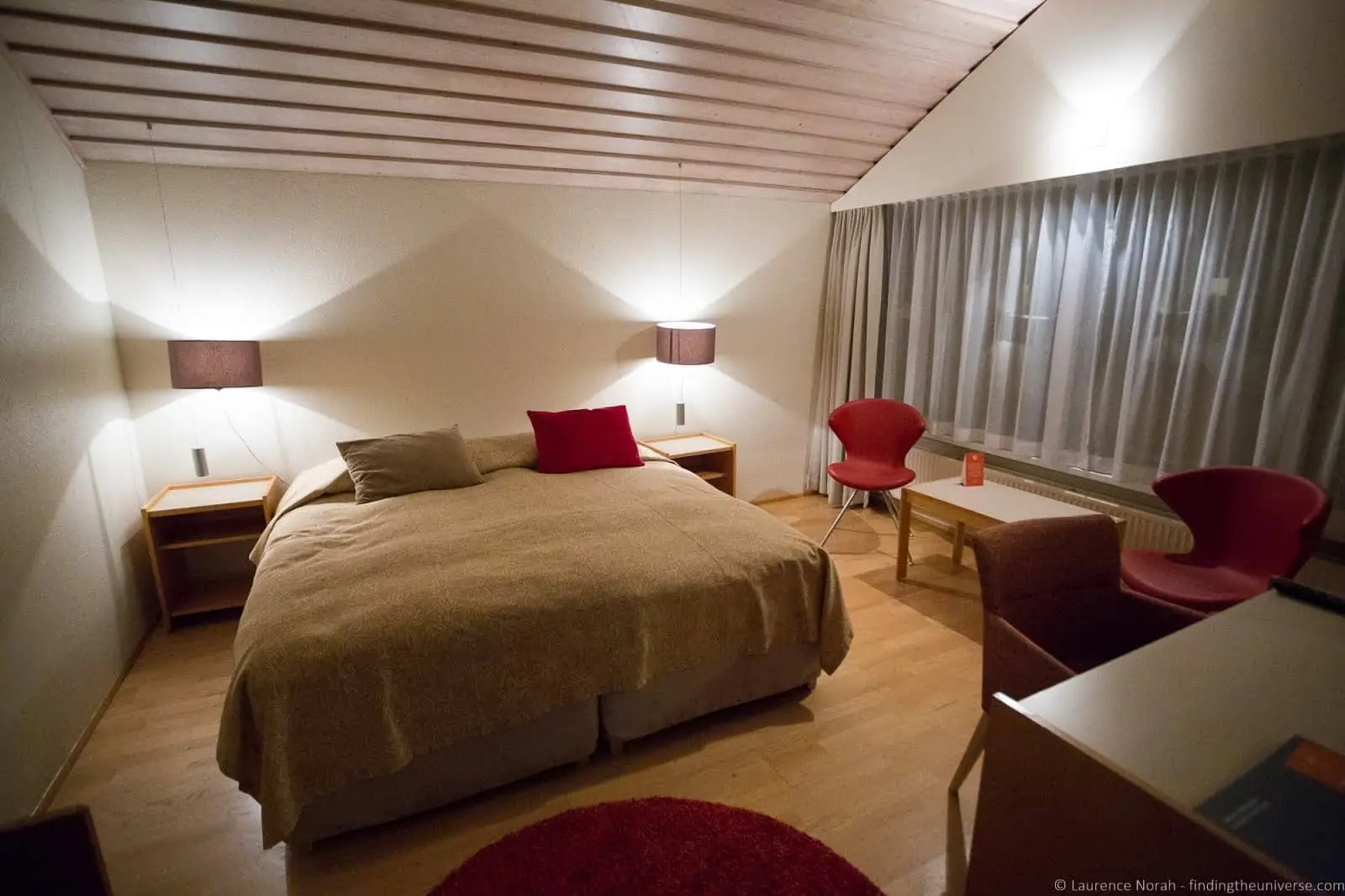
In Hveragerði, a geothermal town known for its hot springs and greenhouses, we stayed at Skyr Guesthouse. It’s a lovely little place, though note that it isn’t currently listed on Booking.com, so you’ll need to book through another platform. It’s a good reminder that no single site has full coverage, which is why we keep a running list of Booking.com alternatives in our main guide to hotel booking sites. Hveragerði itself is worth a stop. There’s a hot river (Reykjadalur) you can hike to and bathe in, and the town has a surprisingly good food scene for its size.
The driving distances in this area are manageable. It’s about an hour from Reykjavik to Thingvellir, then another 45 minutes to an hour between each of the main Golden Circle stops. You can comfortably see the whole circuit and be at your accommodation by late afternoon, leaving time for a soak in the Secret Lagoon or Reykjadalur before dinner.
This area is covered in detail in our complete guide to the Golden Circle, which includes a full driving itinerary and map.
The South Coast
The stretch from Hella to Vík is the busiest accommodation corridor outside Reykjavik, for good reason. It’s home to some of Iceland’s most famous waterfalls (Seljalandsfoss, Skógafoss), the black sand beaches at Reynisfjara, and the departure points for glacier hikes and ice caves. If you only have a few days in Iceland, this is where you’ll spend most of them.
The main base towns are Hella and Hvolsvöllur (about 90 minutes from Reykjavik, good for the first night heading south), Vík (the main hub, about 2.5 hours from Reykjavik), and Kirkjubæjarklaustur (further east, closer to Skaftafell and the glacier lagoons). The stretch between Vík and Kirkjubæjarklaustur is sparsely populated, so your options thin out quickly once you pass Vík heading east.
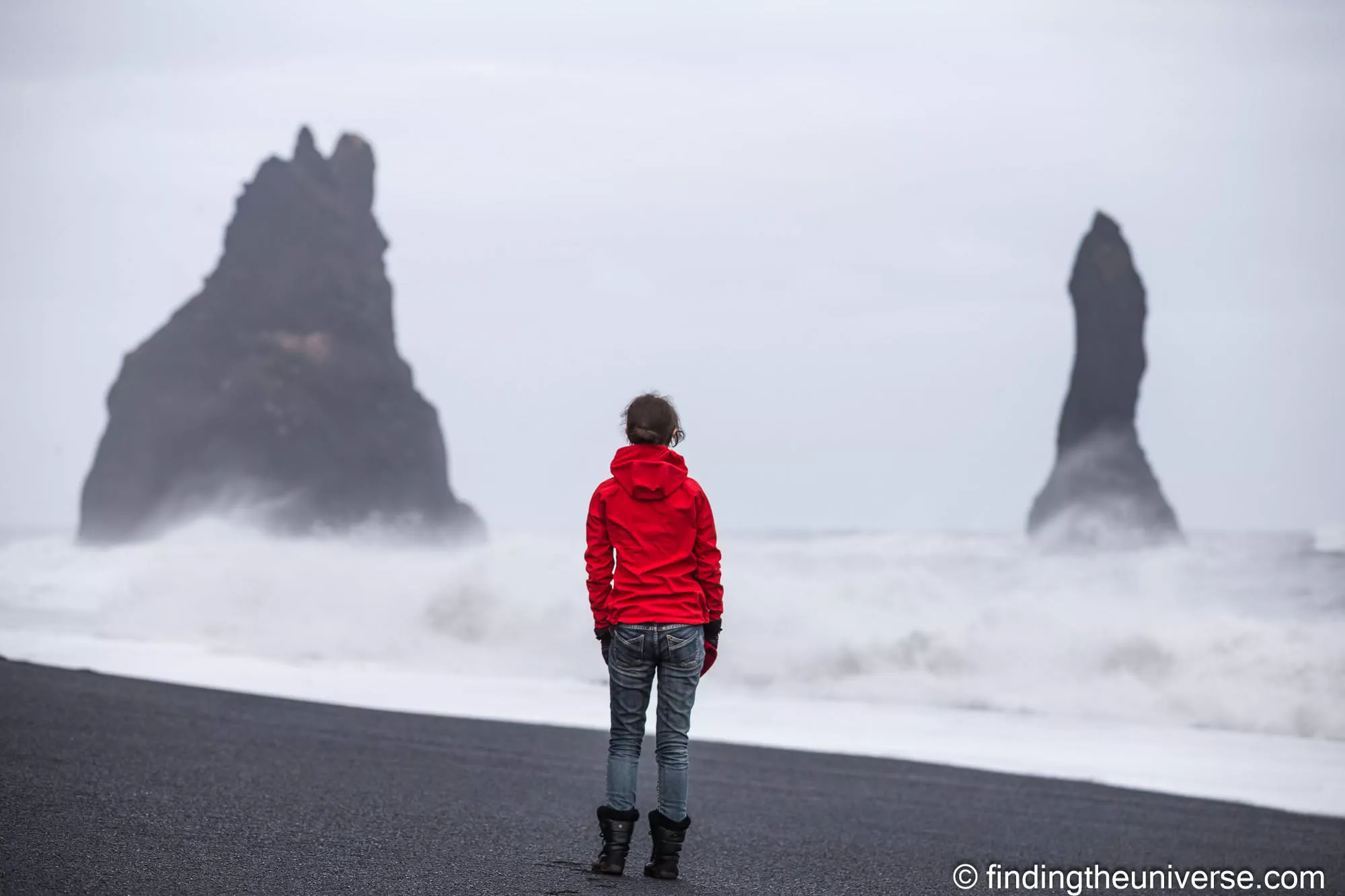
One update if you’re picturing Reynisfjara from older photos, including ours. Prolonged easterly winds in February 2026 caused cliff collapse and major sand loss at the beach, undermining the safety signage and a viewing platform. Recovery depends on the winds turning westerly rather than on any schedule, so the beach may look different from the images you’ve seen. The SafeTravel warning system for the beach runs yellow, orange and red (there is no green level, whatever the car hire blogs tell you), and the beach is never closed outright. Take the sneaker-wave warnings seriously. People die there.
This area gets very busy in summer, and accommodation can feel stretched. Many of the hotels along this stretch cater heavily to coach tours, which means large groups checking in and out at the same times. It’s not a deal-breaker, but factor it in if you value a quiet atmosphere. Smaller guesthouses and farm stays away from Route 1 tend to be calmer.
For the Vík and Kirkjubæjarklaustur area, we’ve stayed at Hotel Klaustur in Kirkjubæjarklaustur and had a pleasant experience. It’s modern, the rooms are simple but comfortable, and it puts you in a good position for exploring Fjaðrárgljúfur canyon and Skaftafell the next day without a long drive.
One tip for this region: if you can, book two nights in the same place rather than changing accommodation every night. The south coast has so much to see that splitting it over two days from the same base is more relaxing than packing up and moving each morning. We’ve done it both ways, and staying put is much better.
If your itinerary allows, consider staying slightly off the main route. The Westman Islands (Vestmannaeyjar) are accessible by a 35-minute ferry from Landeyjahöfn on the south coast, and we stayed at the Westman Islands Inn, which is worth the detour. The islands have a completely different feel to the mainland, with puffin colonies (in summer), the still-steaming 1973 volcanic eruption site at Eldfell, and far fewer tourists. You’ll need to plan the ferry around your itinerary, but it works well as an overnight stop.
This region is covered in our 5 day Iceland itinerary and the first few days of our Ring Road itinerary.
The Southeast and Glacier Lagoons
The stretch around Höfn and the glacier lagoons (Jökulsárlón and Fjallsárlón) is one of the most spectacular parts of Iceland, and also one of the most accommodation-limited. There are very few options between Kirkjubæjarklaustur and Höfn, so the ones that exist fill up fast.
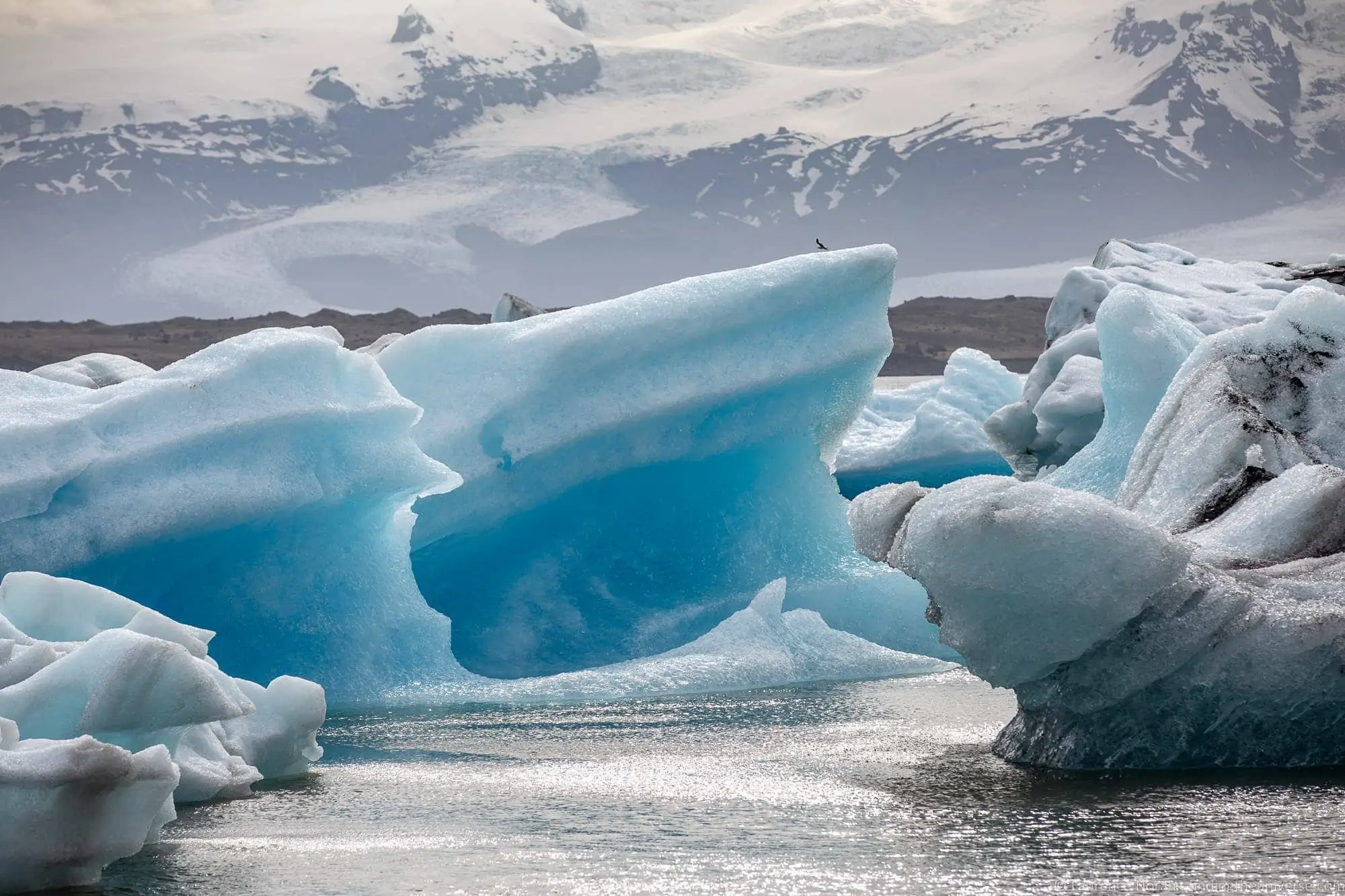
Höfn itself is a small fishing town (population around 2,000) and the main base for this region. It has a handful of hotels, guesthouses, and restaurants, and is known for its langoustine. If you’re driving the Ring Road, Höfn is the natural stopping point between the south coast and east Iceland, roughly a five-hour drive from Vík.
We’ve stayed at Blabjorg Resort and Hótel Norðurljós in this area, both of which served as comfortable bases for exploring the glacier lagoons. Hotel Framtid in Djúpivogur is a lovely option slightly further east, overlooking the harbour. It’s a quieter alternative to staying in Höfn itself, and puts you a bit closer to the Eastfjords if that’s your next destination.
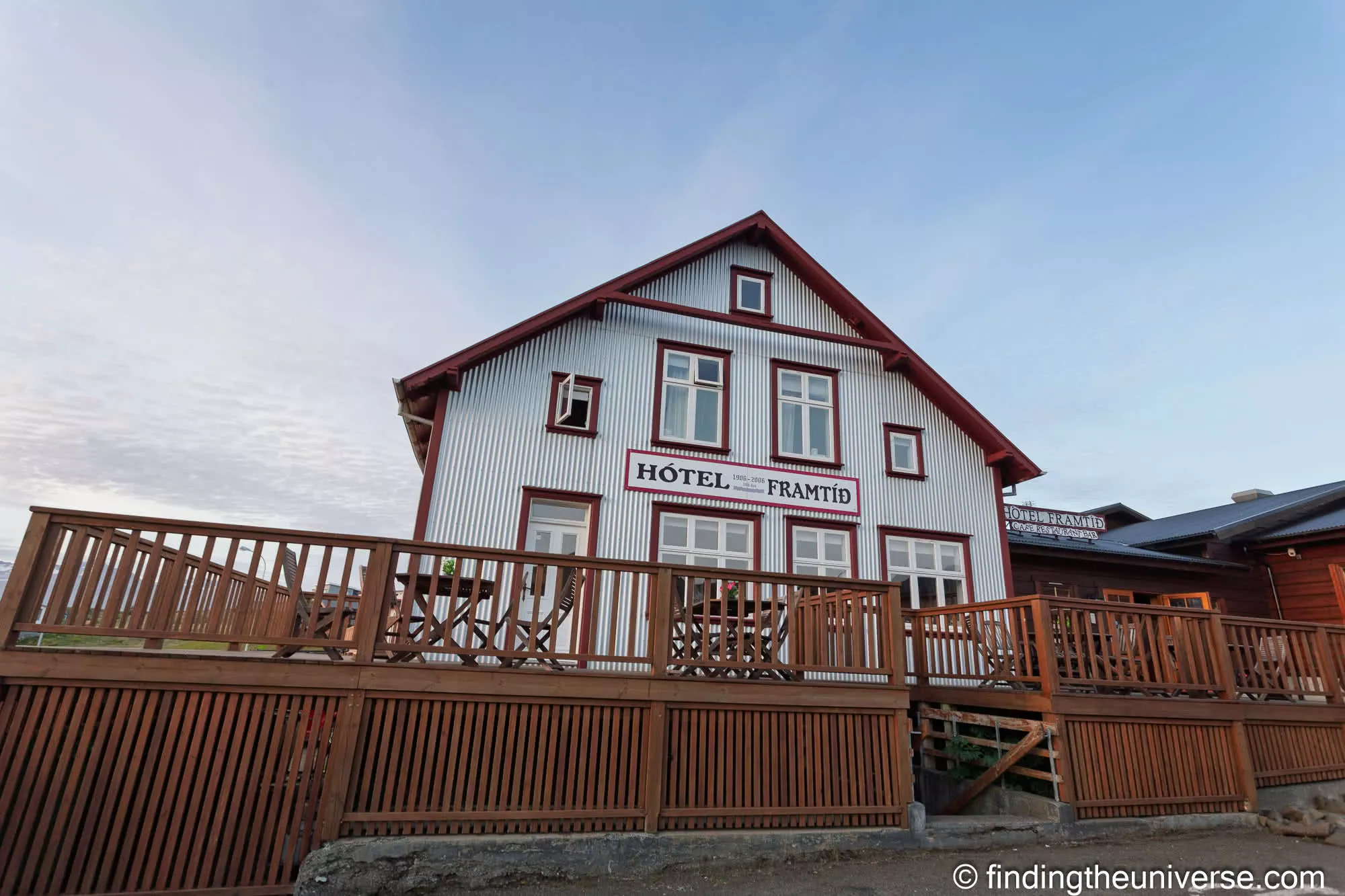
A few properties are also scattered along the road between Skaftafell and Höfn, often converted farms. These can be excellent if you want to be closer to Jökulsárlón without driving to Höfn, but they tend to be very small (sometimes just a handful of rooms) and book out extremely early.
This is the region where booking far in advance matters most. If you’re visiting in July or August and haven’t booked your southeast accommodation at least four to six months out, you may find yourself with very limited options or a very long drive to the nearest available bed. Have a backup plan in case weather or road conditions force a change to your route, which does happen on this stretch.
East Iceland
East Iceland is the quiet stretch. Most Ring Road travellers pass through fairly quickly, which means there are fewer accommodation options but also less competition for them. The main towns are Egilsstaðir (the regional hub, with a domestic airport, supermarket, and the largest selection of accommodation in the east) and Seyðisfjörður, a colourful town down a steep mountain pass that’s home to the Smyril Line ferry terminal connecting Iceland to the Faroe Islands and Denmark.
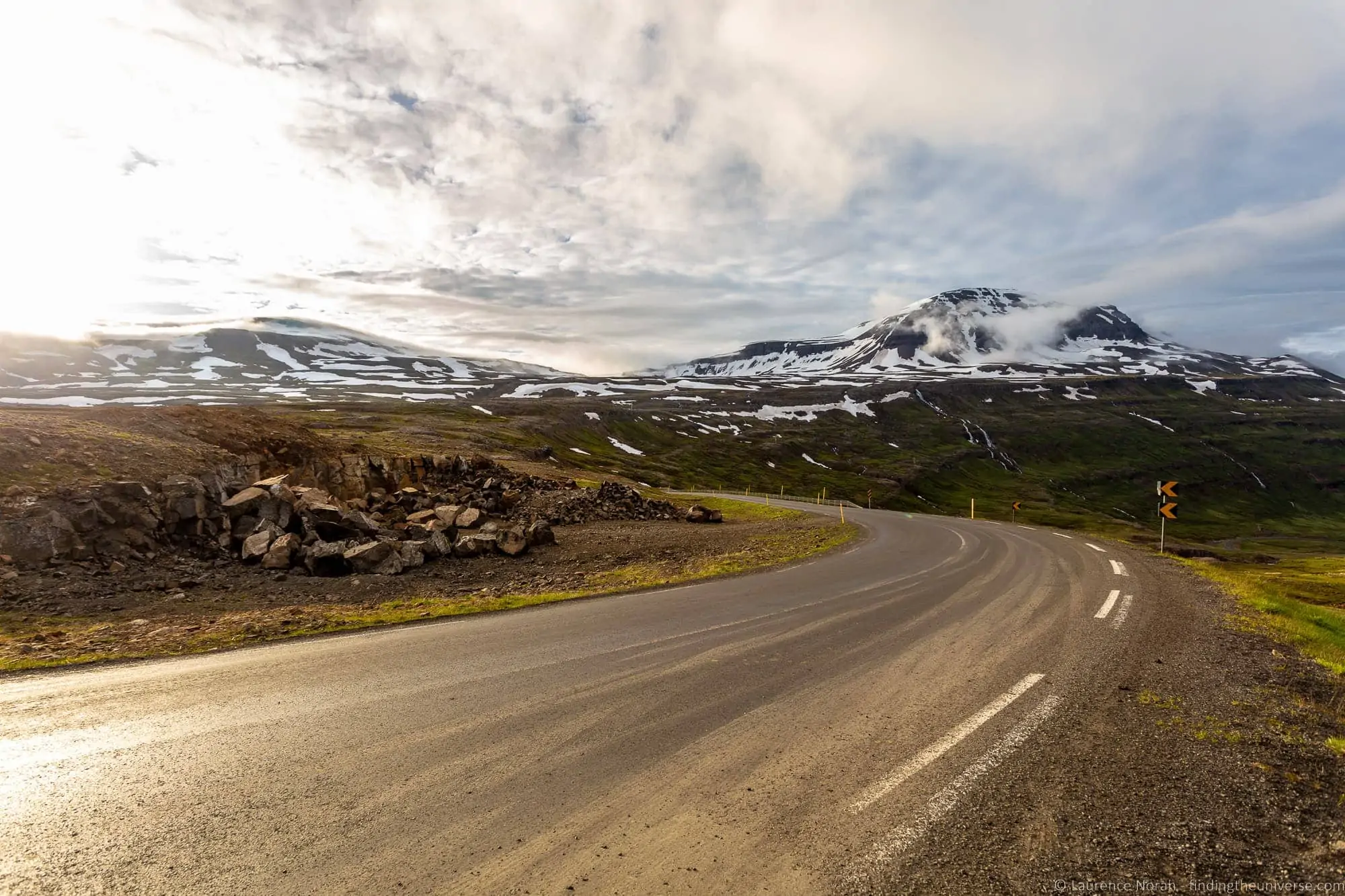
The drive from Höfn to Egilsstaðir is one of the longer stretches on the Ring Road, around four to five hours depending on stops. The scenery along the Eastfjords is spectacular but the road winds considerably, so it takes longer than you’d expect. Factor this into your planning and don’t try to rush it.
In Seyðisfjörður, we stayed at the Aldan Hotel and Restaurant, which is one of the most characterful places we’ve stayed in Iceland. It’s a small, beautifully restored hotel right in the centre of town, and the restaurant is excellent. The town itself is worth the 25-minute drive down the mountain pass from Egilsstaðir, with its colourful wooden houses, arts scene, and the blue church at the end of the rainbow-painted road.
If you have any flexibility in your itinerary, spend a night in Seyðisfjörður rather than just driving through. The day trippers leave in the late afternoon and you get the town largely to yourself in the evening light, which is when it’s at its best.
The Eastfjords in general are underrated. They’re dramatically beautiful, the roads wind through some spectacular scenery, and the lack of crowds gives the area a very different feel from the south coast. If you have time for a longer trip, exploring this region more slowly is very rewarding. Fáskrúðsfjörður, Reyðarfjörður, and Neskaupstaður all have accommodation and a fraction of the tourists you’ll find further west.
North Iceland
Akureyri is the obvious base for North Iceland. It’s the largest town outside Reykjavik, with a population of around 19,000 and a proper range of shops, restaurants, and accommodation. It feels like a real town rather than a tourist stop, which is refreshing after days of tiny villages. There’s a pleasant botanical garden, good restaurants, and enough to fill a half-day if you want a break from waterfalls.
We’ve stayed at Hótel Kea by Keahotels in Akureyri, which is comfortable and well-located right in the centre. From Akureyri you can easily reach the Lake Mývatn area (about an hour’s drive), the whale watching town of Húsavík (about 45 minutes), and the Goðafoss and Dettifoss waterfalls.
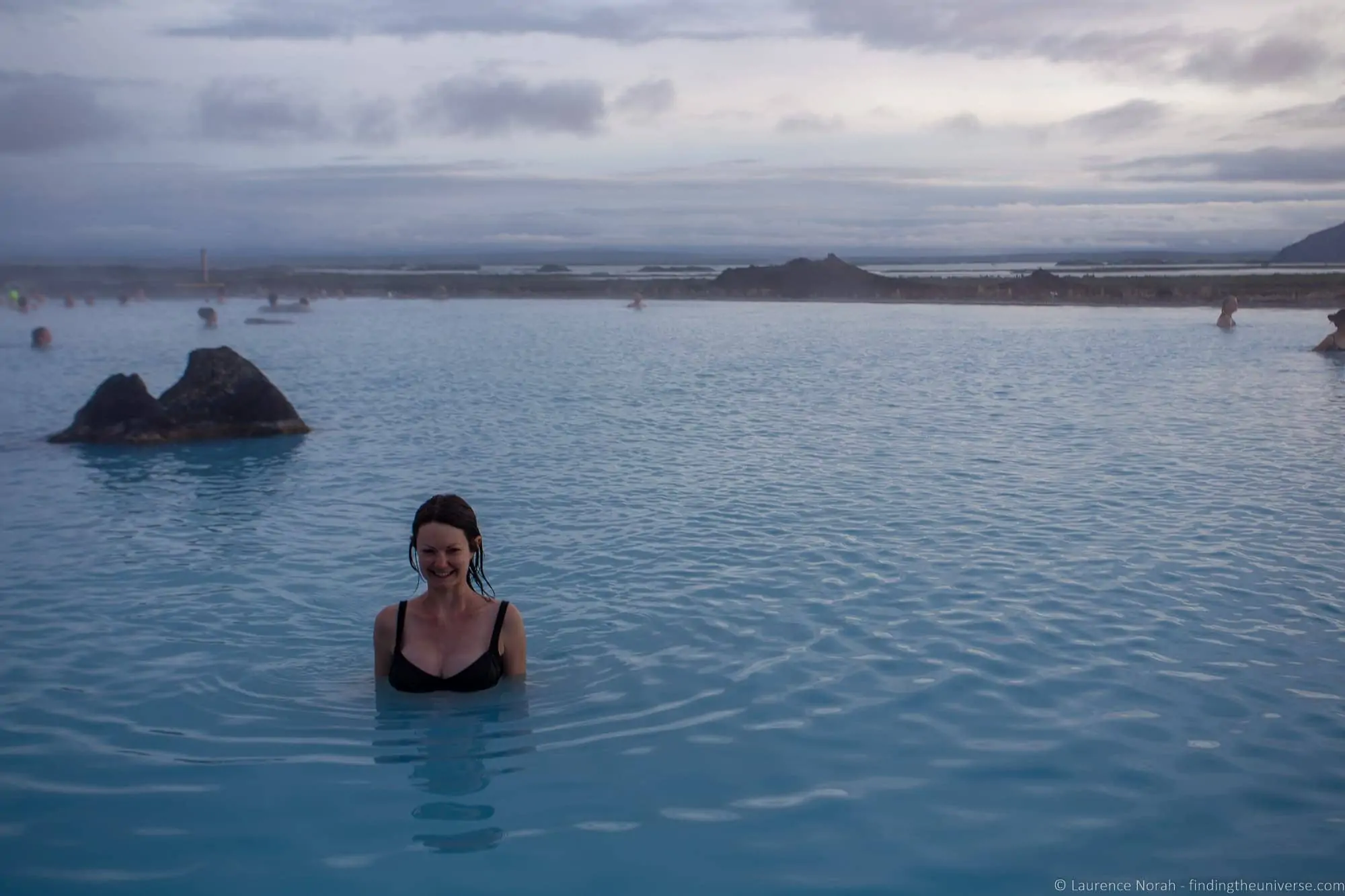
Around Lake Mývatn, we had a lovely stay at Laxá Hótel, a design hotel with great views just 2km from the lake. The Earth Lagoon Mývatn baths (formerly the Mývatn Nature Baths) are nearby, and some of our favourite geothermal baths in Iceland, with views right across the lake. Options in this area are limited though, so book well ahead.
The Mývatn area deserves at least a full day. Between the lava formations at Dimmuborgir, the bubbling mud pots at Hverir, the Krafla volcanic area, and the geothermal baths, you can easily fill two.
In Húsavík, we stayed at Kaldbaks-Kot Cottages, which are self-catering cabins just outside town. Húsavík is the whale watching capital of Iceland, and staying overnight means you can take an early morning tour before the day trippers arrive from Akureyri. The town also has a surprisingly good whale museum and some nice restaurants along the harbour.
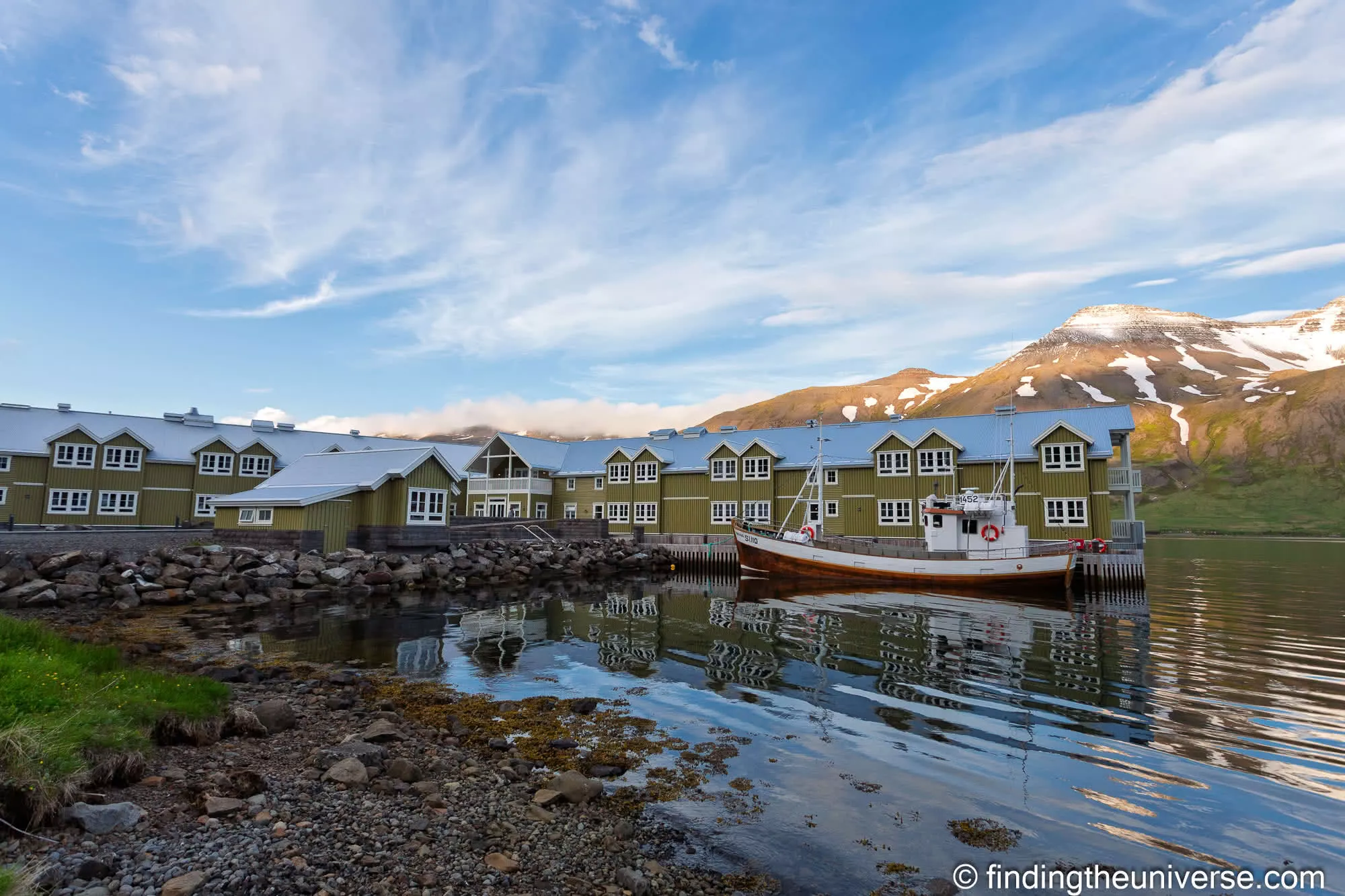
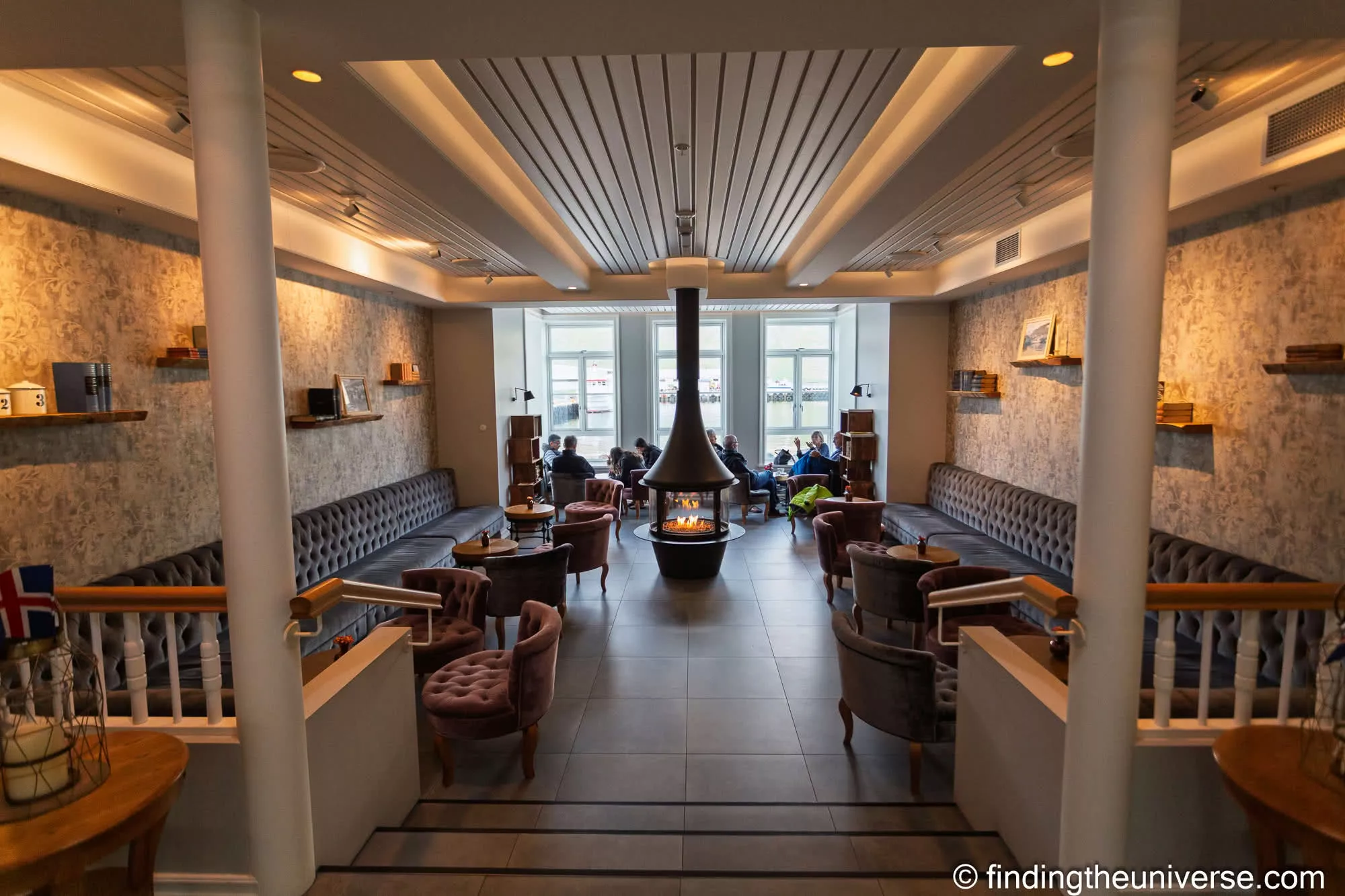
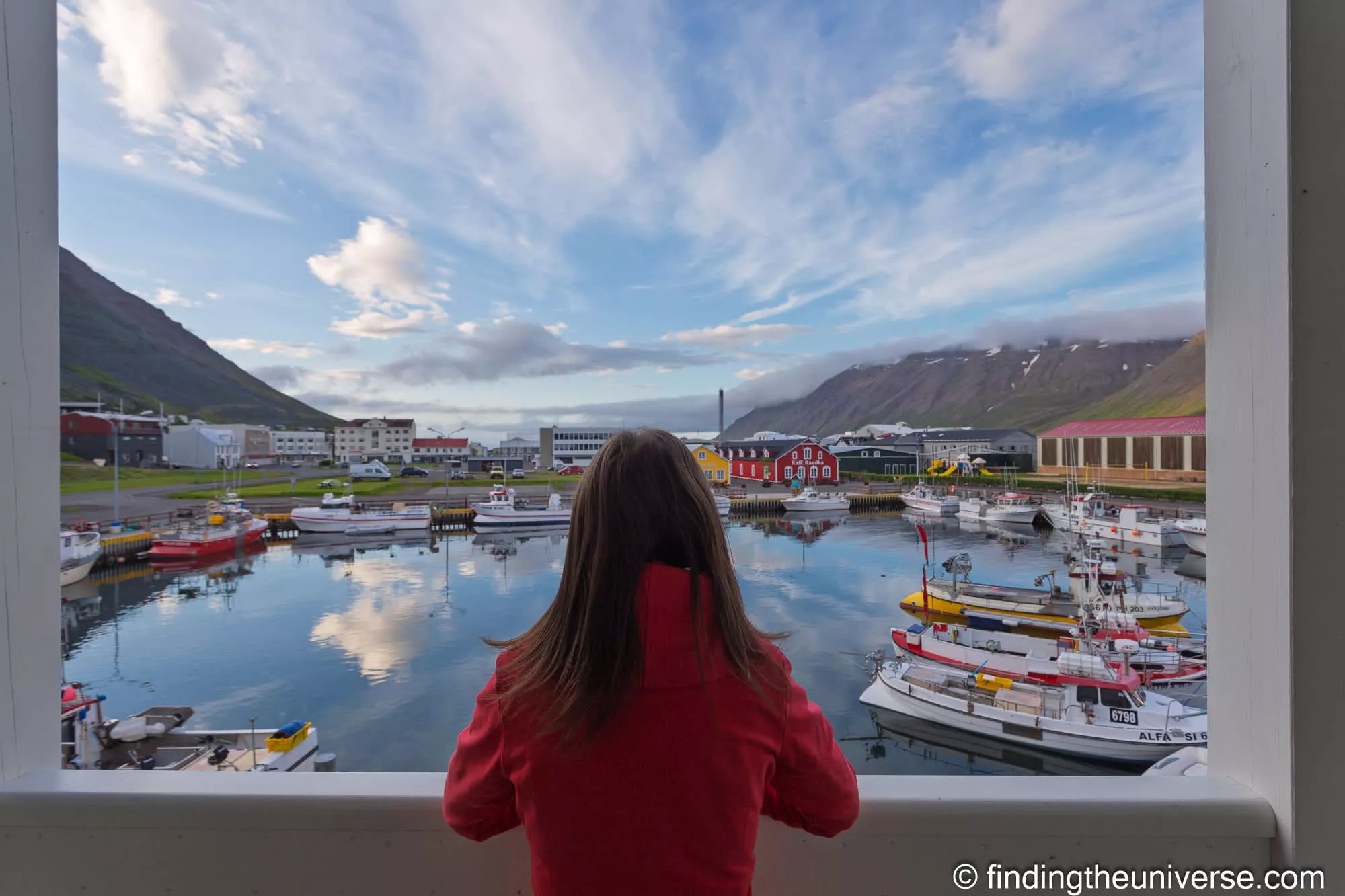
Further along the coast, Sigló Hótel by Keahotels in Siglufjörður is worth a detour if your itinerary allows. Siglufjörður is a beautifully situated former herring town, and the hotel is one of the nicest places we’ve stayed in Iceland, with harbour views and an excellent restaurant. It does require a detour off the Ring Road, but the drive along the Tröllaskagi peninsula is spectacular, with dramatic mountain passes and small fishing villages. If you can spare the time, this detour is one of the highlights of the whole Ring Road trip.
North Iceland is also excellent for winter visits. Akureyri has good accommodation available year-round, the roads are generally better maintained than in the east, and the Mývatn area is a prime Northern Lights viewing location.
West Iceland and Snæfellsnes
West Iceland is often overlooked by travellers rushing to complete the Ring Road, which is a shame because the Snæfellsnes Peninsula is one of the most photogenic parts of the country. Think Kirkjufell (that mountain you’ve seen in every Iceland photo), coastal rock formations, lava fields, and the Snæfellsjökull glacier which caps the tip of the peninsula.
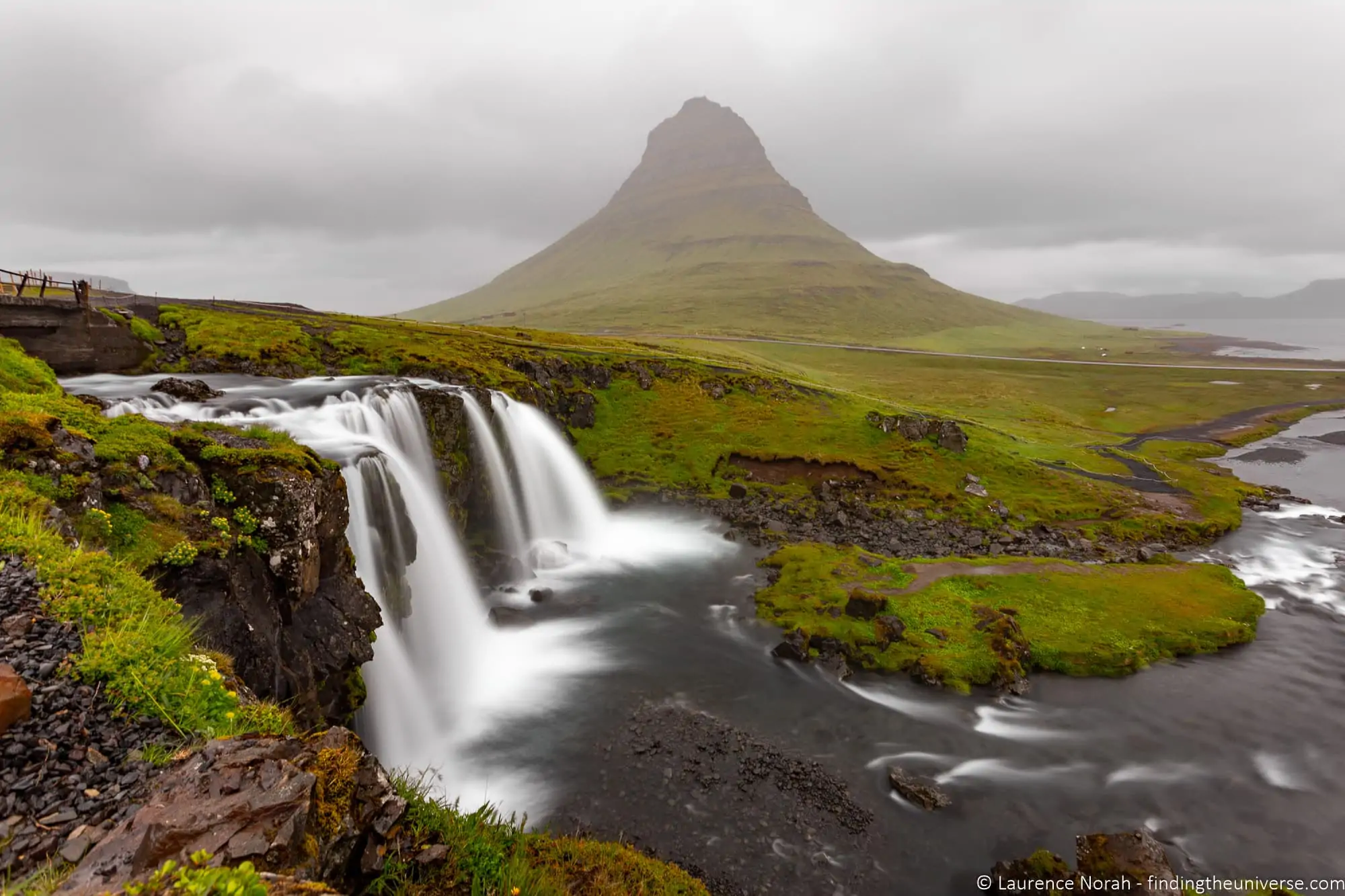
The peninsula can be done as a very long day trip from Reykjavik (about 2 hours each way to the start of the peninsula, plus driving around it), but you’ll enjoy it much more with an overnight stay. The main towns are Stykkishólmur (the largest, with harbour boat tours and a nice town centre), Grundarfjörður (close to Kirkjufell), and Ólafsvík. Accommodation is more limited here than on the south coast, but it’s growing, and the atmosphere is much calmer.
On the way to or from Snæfellsnes, Hotel Hamar near Borgarnes is a convenient stop. We stayed here and it works well as a base for the Borgarfjörður area (Hraunfossar and Barnafoss waterfalls, Deildartunguhver hot spring), or as a break on the drive between Reykjavik and the peninsula.
On the Snæfellsnes Peninsula itself, we stayed at Guesthouse Hof, which is a comfortable base for exploring the area. For more options, Stykkishólmur has the widest choice of accommodation on the peninsula, and Grundarfjörður puts you within walking distance of Kirkjufell for that classic sunrise or sunset photo.
If you’re completing the Ring Road and your itinerary includes the Westfjords, the Snæfellsnes Peninsula is a natural stopping point on the way. Stykkishólmur also has a ferry (the Baldur) that runs to Brjánslækur in the Westfjords, which saves a significant amount of driving if you’re combining the two regions.
This area is covered in our Ring Road itinerary as a day 7 highlight.
The Westfjords
The Westfjords are Iceland’s most remote and least visited region, and they feel wild in a way the rest of the country, popular as it is, doesn’t quite match anymore. The roads are winding (some are gravel), the driving takes much longer than you’d expect from the map, and the accommodation is sparse. A distance that looks like an hour on the map can easily take two or three with the fjord-hugging roads.
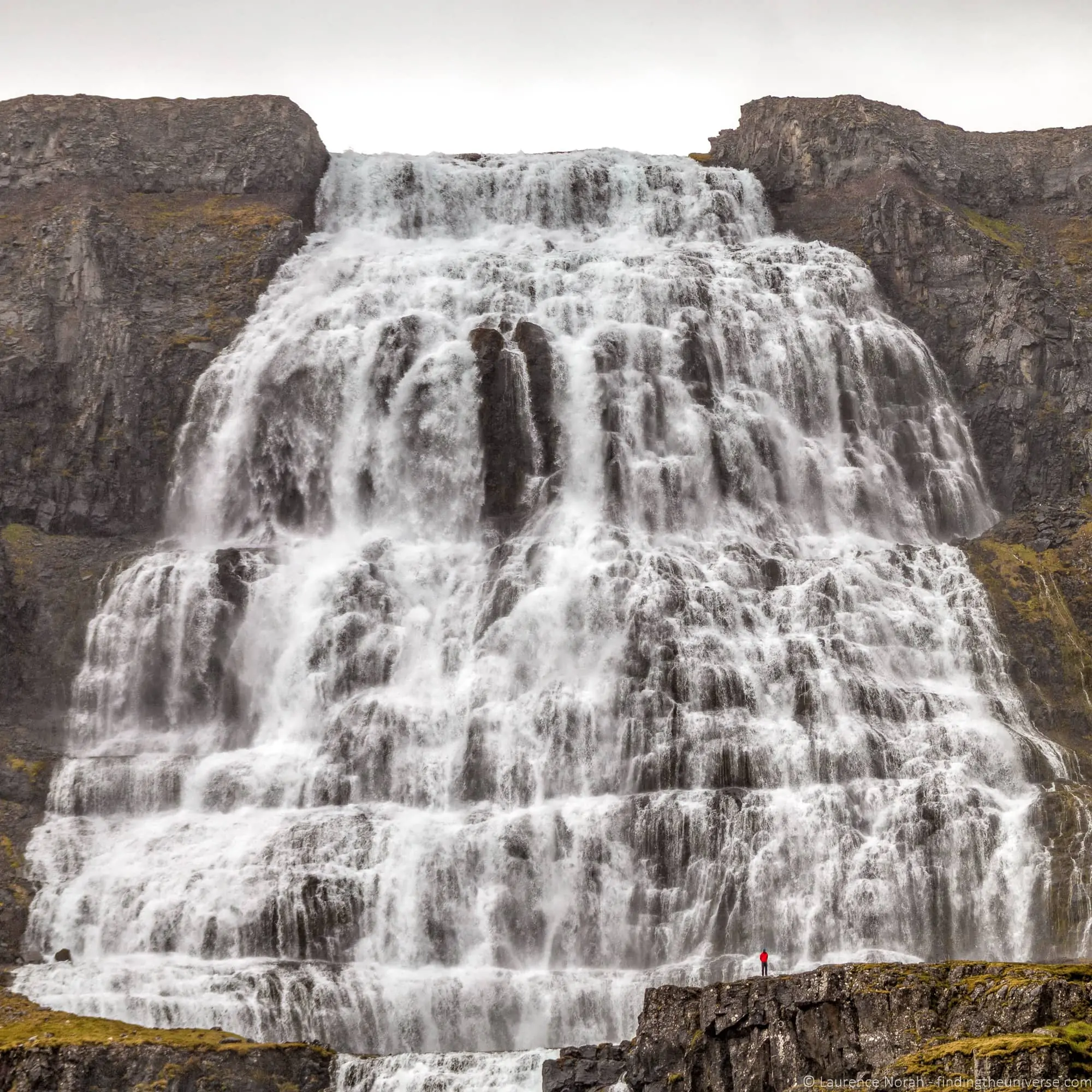
The payoff is Dynjandi waterfall, the Látrabjarg bird cliffs, Rauðisandur beach, and a remoteness that’s getting harder to find elsewhere in Iceland. We drove for two hours once without passing another car.
We spent a few days in the Westfjords and stayed at three different properties. Hotel West in Patreksfjörður is a small, comfortable hotel with lovely views over the fjord, and a good base for visiting Látrabjarg and Rauðisandur. In the tiny fishing village of Suðureyri, we stayed at Fisherman Guesthouse, which captures the character of these isolated Westfjords communities perfectly. We also stayed at Malarhorn Guesthouse. All three were comfortable, well-run, and exactly what you want after a long day of driving.
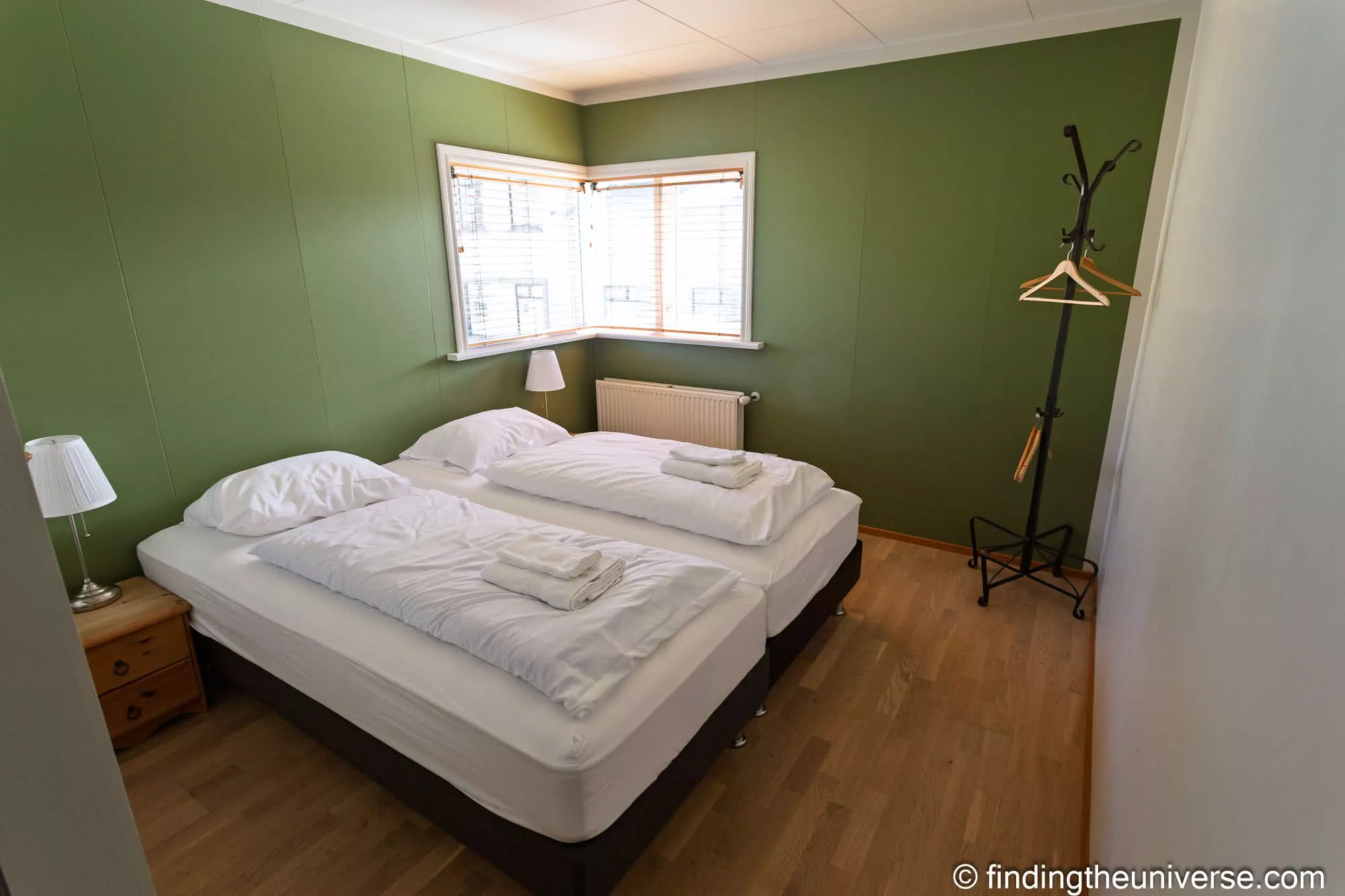
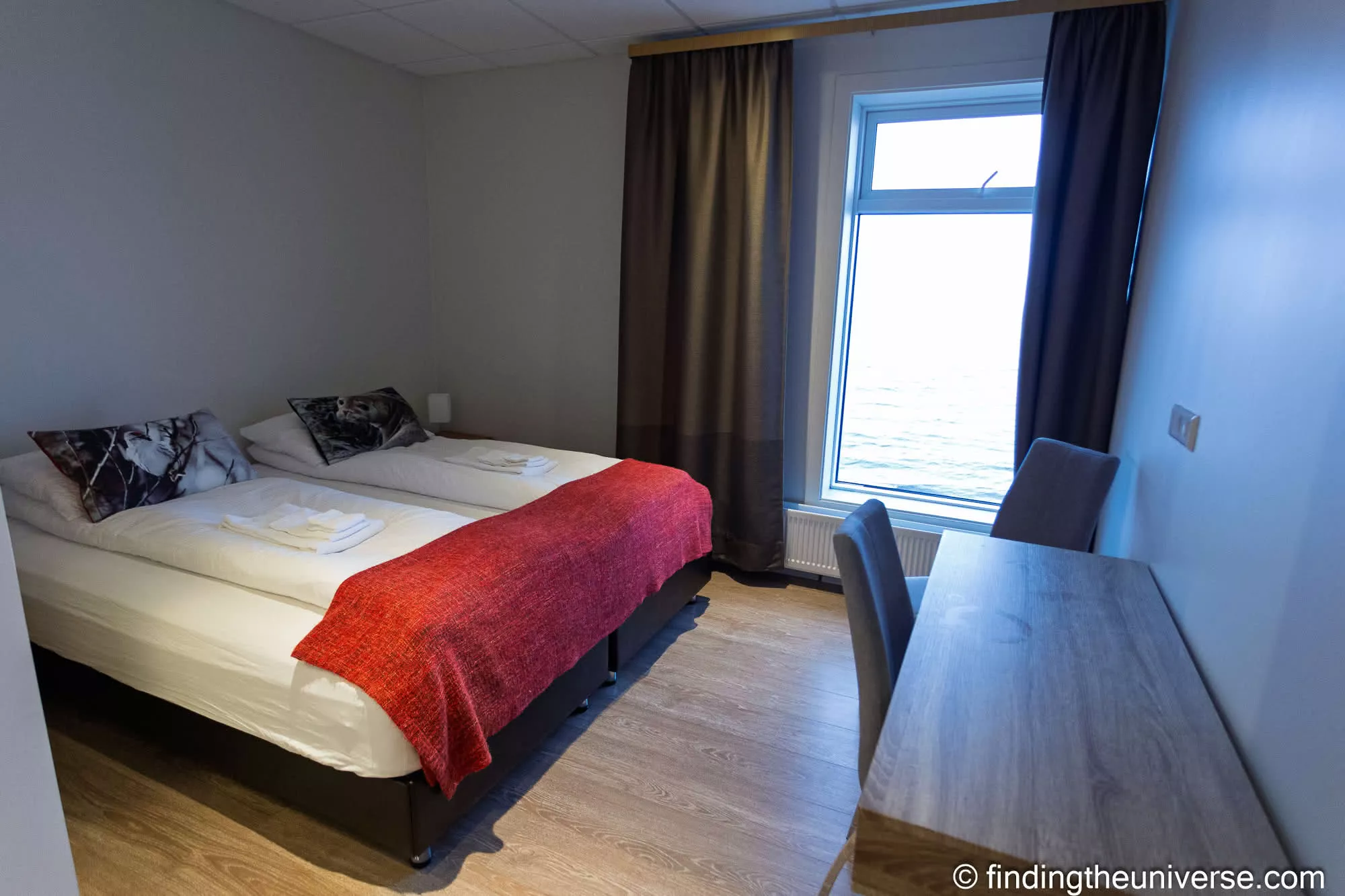
Ísafjörður is the largest town in the Westfjords (population around 2,600) and has the widest selection of accommodation, restaurants, and services. It makes a natural base if you’re spending multiple days in the region. Patreksfjörður is the other main base, particularly if your focus is the southern part of the Westfjords.
The most important thing to know about the Westfjords is that most accommodation is only open in summer (roughly June to September). Many of the roads are impassable in winter, and the region essentially shuts down outside the summer season. If you’re visiting the Westfjords, add at least two to three extra days to your itinerary beyond the standard Ring Road. It’s not a place you can rush, and the driving alone will take longer than you think. A 4×4 is recommended for some of the gravel roads, particularly in the southern Westfjords around Látrabjarg.
Where to Stay for the Northern Lights
If seeing the Northern Lights is a priority, your accommodation choice matters, though less than most people expect. The aurora is visible in Iceland roughly from September to March, and your best chance of seeing it is from somewhere with minimal light pollution and a clear view of the northern sky.
Rural accommodation in North Iceland generally offers the best conditions, as the skies tend to be clearer there than in the south. The Mývatn area, Húsavík, and Akureyri are all good bases. We’ve also seen the Northern Lights from the south coast, and even from the outskirts of Reykjavik on a clear night. Location helps, but luck and weather matter more.
Some hotels and guesthouses offer Northern Lights wake-up calls, where the staff will knock on your door if the lights appear while you’re sleeping. Ask when you check in whether your property does this, because the aurora can appear at any hour and you don’t want to miss it because you went to bed early after a long day of driving.
Properties with outdoor hot tubs are ideal for aurora viewing. You can sit in the warm water and scan the sky without freezing. Several of the rural properties we’ve stayed at had hot tubs with virtually no light pollution, which made for some memorable evenings.
The Highlands
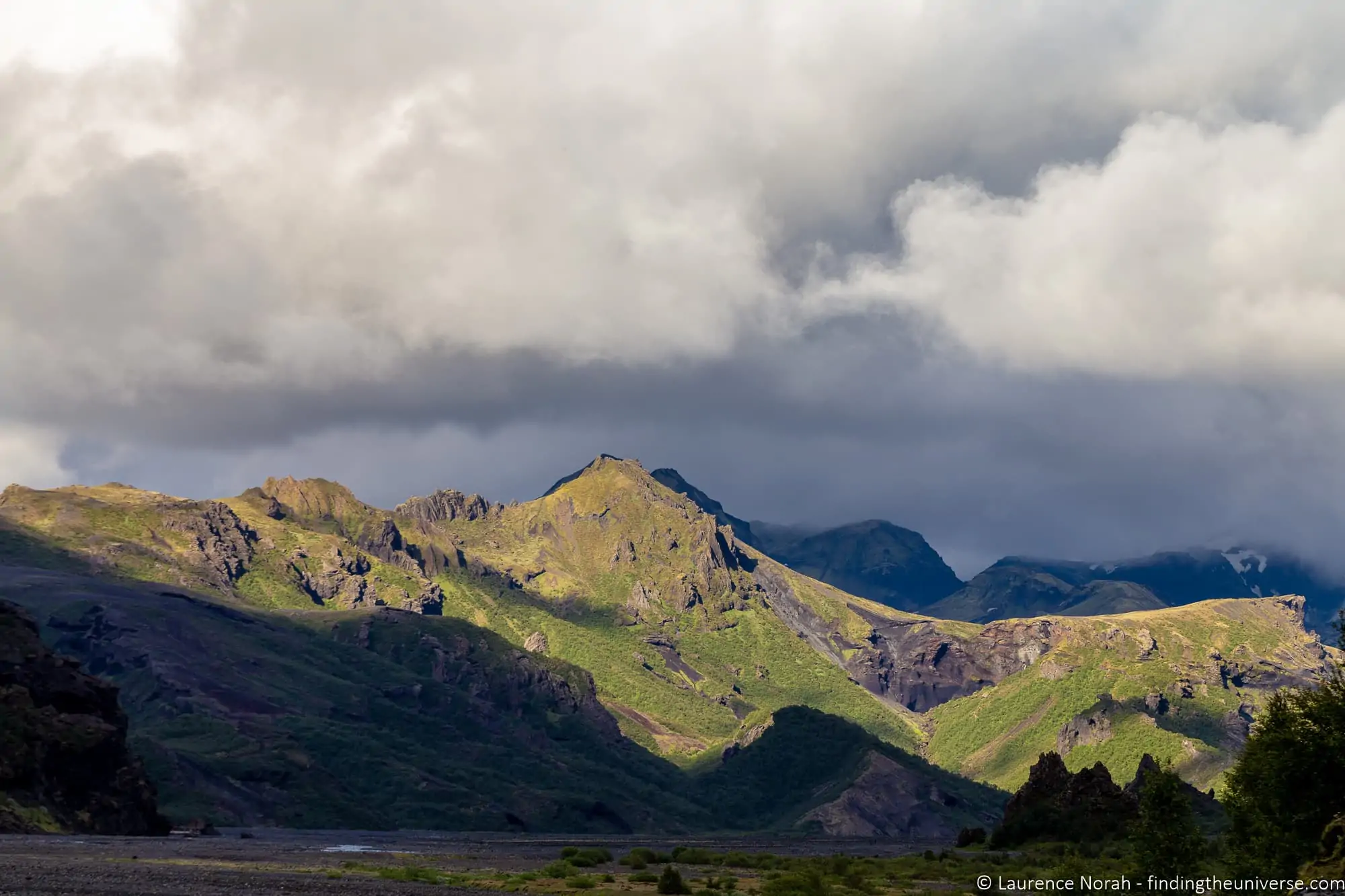
A brief note on Iceland’s interior highlands for completeness. The Highland roads (F-roads) are only open in summer, require a capable 4×4 vehicle, and accommodation is essentially limited to basic mountain huts run by the Iceland Touring Association. There are no hotels, guesthouses, or conventional accommodation in the highlands. If you’re planning a highland adventure, you’ll need to be self-sufficient or book a mountain hut well in advance. For most visitors, the highlands work best as a day trip or multi-day hiking excursion from a base in the lowlands.
Travelling with Children
Iceland is a family-friendly destination, but accommodation for families takes a bit more planning. Standard hotel rooms are often too small for more than two people, and family rooms (where available) book up quickly.
Apartments, cottages, and cabins are usually the best option for families. They give you more space, a kitchen for preparing meals and snacks (essential with children, and much cheaper than eating out for every meal), and the flexibility to work around nap times and bedtimes. Properties like Kaldbaks-Kot Cottages in Húsavík are a good example of what works well.
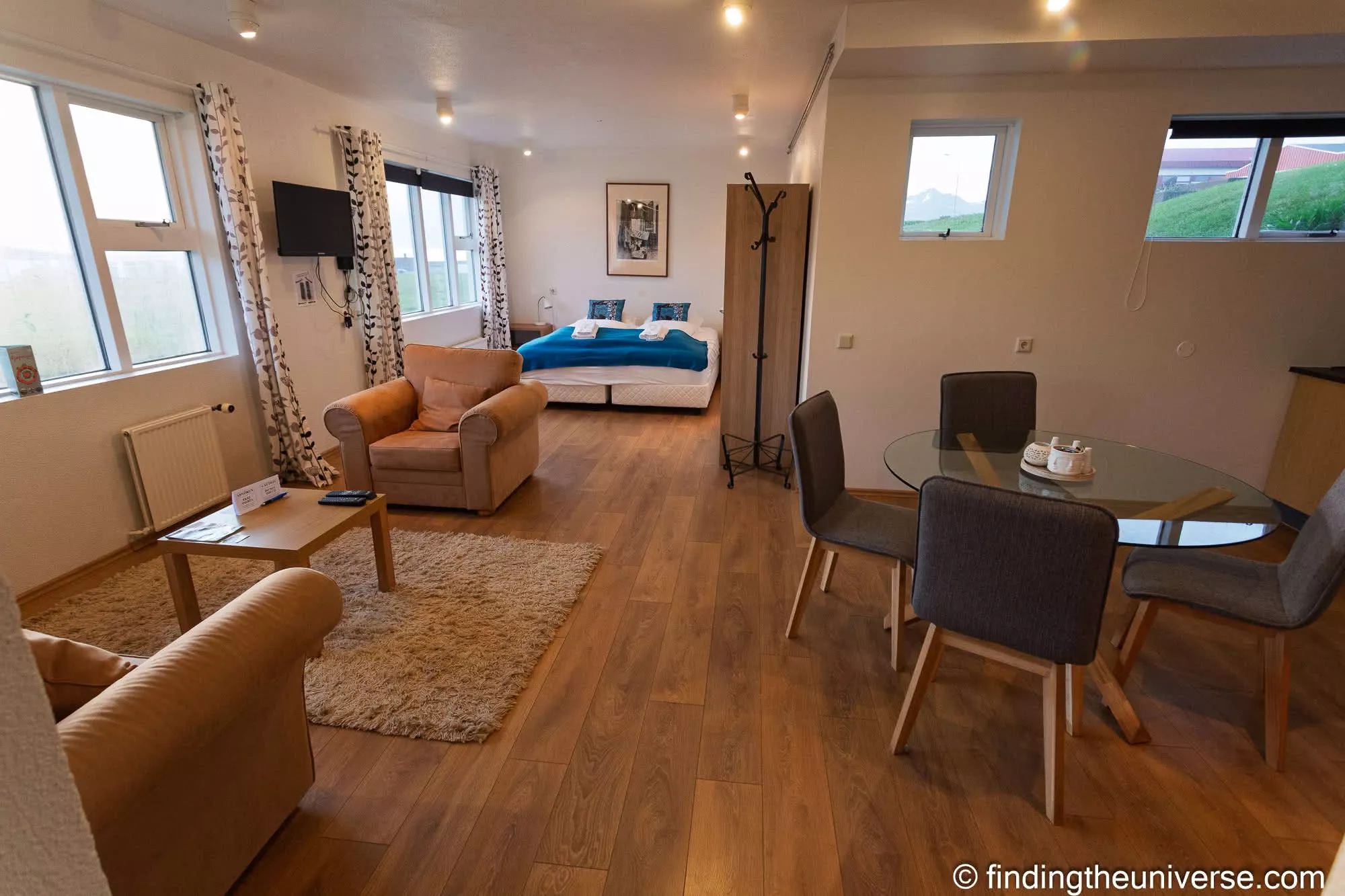
Highchairs and cots are available at many properties, but not all. Confirm directly with the accommodation before you arrive rather than assuming they’ll have what you need.
How to Choose Based on Your Itinerary
The right accommodation plan depends heavily on how long you have in Iceland. Here’s how we’d split it:
3 days (stopover): Stay in Reykjavik for convenience, or split between Reykjavik and one night along the Golden Circle or south coast. You won’t have time to go further. See our 3 day stopover itinerary.
5 days: Reykjavik, Golden Circle area, south coast (Vík or Kirkjubæjarklaustur), and possibly as far as the glacier lagoons. You’ll need three or four different overnight stops. See our 5 day itinerary.
7 days (Ring Road): You’ll need accommodation in every region described above except the Westfjords. Plan for six to seven different overnight stops, and book the southeast section earliest as that’s where availability is tightest. See our Ring Road itinerary.
10 days or more: Enough time to add the Snæfellsnes Peninsula, the Westfjords, or simply to slow down and spend two nights in places that deserve it. Mývatn, Seyðisfjörður, and Siglufjörður are all better with two nights. This is the trip length where you can explore rather than just pass through.
Practical Tips
Parking: Many popular sites along the Ring Road now charge parking fees, typically 750 to 1,500 ISK. The Parka app and checkit.is are the main payment systems. This doesn’t affect your accommodation directly, but budget for it.
Self-catering saves money: Properties with guest kitchens or kitchenettes are worth seeking out. Supermarkets like Bonus and Kronan are significantly cheaper than eating out, and even making your own breakfast and packed lunch saves a meaningful amount over a week.
Car rental and the new road tax: If you’re doing a self-drive trip (which we’d recommend), factor in the per-kilometre road charge that replaced fuel duty on 1 January 2026. Cars and SUVs up to 3.5 tonnes pay 6.95 ISK per kilometre, whatever the fuel. Your rental company handles the billing, though how they pass it on varies: some meter it, some fold it into a flat daily charge. Either way it’s a real line item on a Ring Road trip where you might drive 1,500km, so ask how your hire company bills it before you compare quotes. We use Discover Cars to compare rental options.
Cancellation flexibility: Icelandic weather is unpredictable, and road closures happen. Book accommodation with free cancellation wherever possible, so you can adjust your itinerary without losing money if conditions change.
Internet access: WiFi is generally good at Icelandic hotels and guesthouses. For mobile data on the road (essential for navigation), we recommend an eSIM from Airalo, which you can set up before you leave home.
Iceland Accommodation FAQ
Where should I stay in Iceland for a first visit?
For a first trip of under five days, stay in Reykjavik and take day trips out. The city has the widest choice of accommodation at every budget, and the Golden Circle and much of the south coast are within day-trip range.
For a week or more, don’t base yourself anywhere. Move along the Ring Road, staying one or two nights in each region, and treat Reykjavik as your first and last night rather than your base.
How much does accommodation cost in Iceland?
Budget on 20,000 to 40,000 ISK per night for a mid-range double room in summer, which is where most travellers end up. Basic guesthouses and hostel dorms start around 11,000 ISK, and chain or design hotels run from 40,000 ISK upwards.
Shoulder season (May and September) typically runs 15 to 25 percent cheaper. Winter is cheaper again, but with far fewer properties open outside Reykjavik and the south coast.
How far in advance should I book accommodation in Iceland?
Three to six months ahead for summer, and longer for the southeast around the glacier lagoons, where there are very few beds between Kirkjubæjarklaustur and Höfn. That stretch is the one that catches people out.
For winter you can often book later, though Reykjavik around Christmas and New Year is an exception. Book with free cancellation either way, because road closures and weather do change plans.
Is it better to stay in Reykjavik or move around Iceland?
The cut-off is about five days. Under that, stay in Reykjavik. The driving distances are long enough that moving every night eats the time you came to spend looking at things.
Over five days, move. Iceland’s best scenery is spread right around the island, and staying in Reykjavik means several hours of daily driving just to reach it and get back.
What’s the best area to stay in Reykjavik?
The 101 district downtown, if the budget allows. It’s compact and walkable, and Hallgrímskirkja, the Harpa, the Sun Voyager and Laugavegur are all within about 15 minutes of each other on foot.
Laugardalur is the value alternative. It’s quieter, well connected by bus, and sits next to the city’s largest geothermal pool.
Do Icelandic guesthouses have private bathrooms?
Often not. Shared bathrooms are common outside Reykjavik even at prices that would get you an en-suite elsewhere in Europe, so check each listing rather than assuming.
En-suite rooms do exist at most properties, but they cost more and they’re the first to sell out.
Where’s the best place to stay for the Northern Lights?
Rural North Iceland gives you the best odds, particularly around Lake Mývatn, Húsavík and Akureyri, where skies are typically clearer than in the south. A property with its own hot tub and no light pollution is the ideal combination.
That said, we’ve seen the aurora from the south coast and from the edge of Reykjavik. Weather and luck matter more than location, so don’t reshape a whole itinerary around it.
Is accommodation in Iceland open in winter?
In Reykjavik, along the south coast and around Akureyri, yes, year-round. Those areas keep a good choice of hotels and guesthouses through the winter.
Elsewhere, expect closures. Many rural guesthouses in the east and north shut for the season, and the Westfjords effectively close entirely, with many roads impassable.
Further Reading
We have a whole collection of Iceland guides to help you plan your trip:
Our 7 day Ring Road itinerary is the most comprehensive, with detailed day-by-day breakdowns including where to stay each night.
For shorter trips, see our 5 day itinerary and 3 day stopover itinerary.
Our Golden Circle guide covers the most popular day trip from Reykjavik.
For practical planning, see our guide to planning a trip to Iceland, our driving tips for Iceland, and our packing lists for winter and summer.
On a budget? Jess has written a comprehensive guide to visiting Iceland on a budget which is well worth reading.
If you’re interested in photography, check out our guide to the best photography locations in Iceland.
Leave a Reply