
Jess and I lived in Edinburgh for four years, and I’ve stood at and photographed every castle on this list myself. Scotland doesn’t make shortlisting easy. There are castles on sea cliffs, castles on islands in lochs, castles that are still family homes and castles that are three crumbling walls and a view.
This guide is my pick of the best castles in Scotland to visit. They’re ranked on what a visit gives you rather than on which one photographs best. I also include the information you need: who runs it, what a ticket costs and how long it takes. Where the famous view is free from outside, I’ve said so.
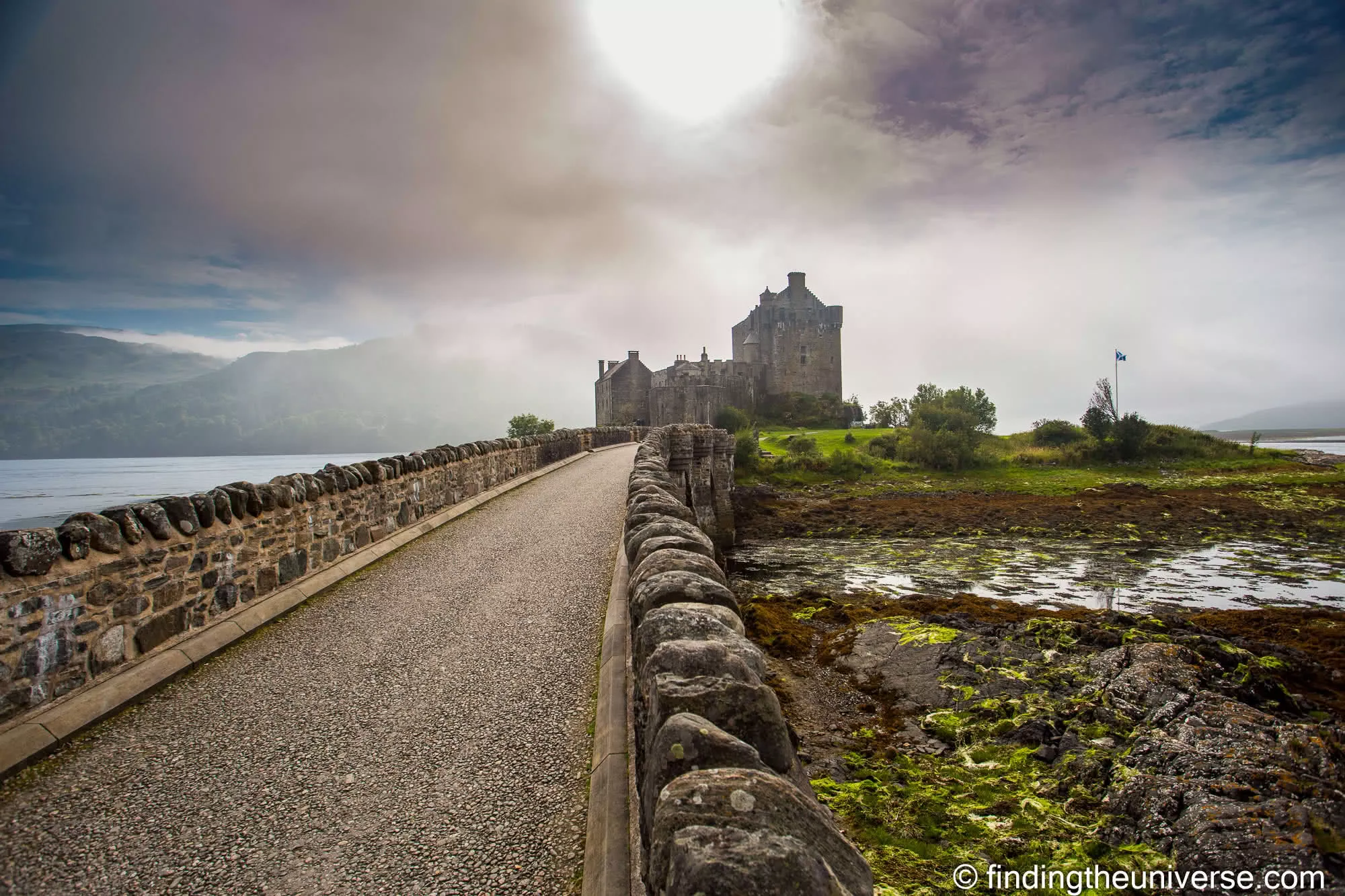
If you only have time for three, make them Edinburgh Castle, Eilean Donan and Dunnottar. That trio gets you the great city fortress, the picturesque loch castle from every postcard, and a ruin on a sea cliff, which is most of what people picture when they think of Scotland.
Before we start, a note on castle ownership. Scottish castles split three ways. Historic Environment Scotland (HES) runs many of the big names, the National Trust for Scotland (NTS) runs others, and quite a few are still privately owned. Each group does its own ticketing, and the two heritage bodies each sell a pass that covers only their own properties. I’ve done the sums on when each pass pays for itself further down.
Also, a quick heads up: Edinburgh Castle sells out. Once tickets are gone online, there are none at the gate. Book that one ahead. All prices in this guide are the operators’ own 2026 season prices, in pounds, and I’ve noted where booking online is cheaper.
Table of Contents:
Scotland’s Best Castles at a Glance
Here’s the whole list in one place. The details, and my reasons for each pick, follow below.
| Castle | Where | Run By | Adult Ticket | Time Needed |
|---|---|---|---|---|
| Edinburgh Castle | Edinburgh | HES | £20 to £25 | Half a day |
| Stirling Castle | Stirling | HES | £15 to £20 | 2 to 3 hours |
| Eilean Donan | Dornie, by Skye | Private | £10 to £15 (no online booking) | 1 to 2 hours |
| Urquhart Castle | Loch Ness | HES | £10 to £15 | 1 to 2 hours |
| Dunnottar Castle | Stonehaven | Private | £10 to £15 | 1 to 2 hours |
| Doune Castle | Near Stirling | HES | £10 to £15 | 1 hour |
| Dunrobin Castle | Golspie, Sutherland | Private | £15 to £20 | 2 hours |
| Balmoral Castle | Royal Deeside | Private | £10 to £15 (autumn window only) | 2 hours |
| Kilchurn Castle | Loch Awe | HES | Free (exterior only) | 1 hour |
| Culzean Castle | Ayrshire | NTS | £20 to £25 | Half a day |
| Crathes Castle | Aberdeenshire | NTS | £15 to £20 | 2 to 3 hours |
| Scone Palace | Perth | Private | £15 to £20 | 2 hours |
| Ardvreck Castle | Assynt | Open ruin | Free | Under an hour |
| Castle Stalker | Appin, Argyll | Private | Free to view | Under an hour |
| Dunvegan Castle | Isle of Skye | Private | £15 to £20 | 2 hours |
The ticket column gives a band rather than an exact figure. Scottish castle prices move every season and the heritage bodies run discount windows, so a band tells you what tier a castle sits in without going out of date the week after a rise. Exact adult, child and family prices are in each castle’s entry below. Operators do change them without much warning, so treat any price you read here as a guide and confirm it when you book.
1. Edinburgh Castle
The obvious one, and it’s the obvious one for a reason. Edinburgh Castle sits on a volcanic crag above the city we called home for four years, and even after walking past it most days I never got tired of looking up at it. It’s the most visited paid attraction in Scotland, with just over two million visits in 2025 on ALVA’s figures, and the only Scottish attraction that outdraws it is the National Museum of Scotland, which is free.
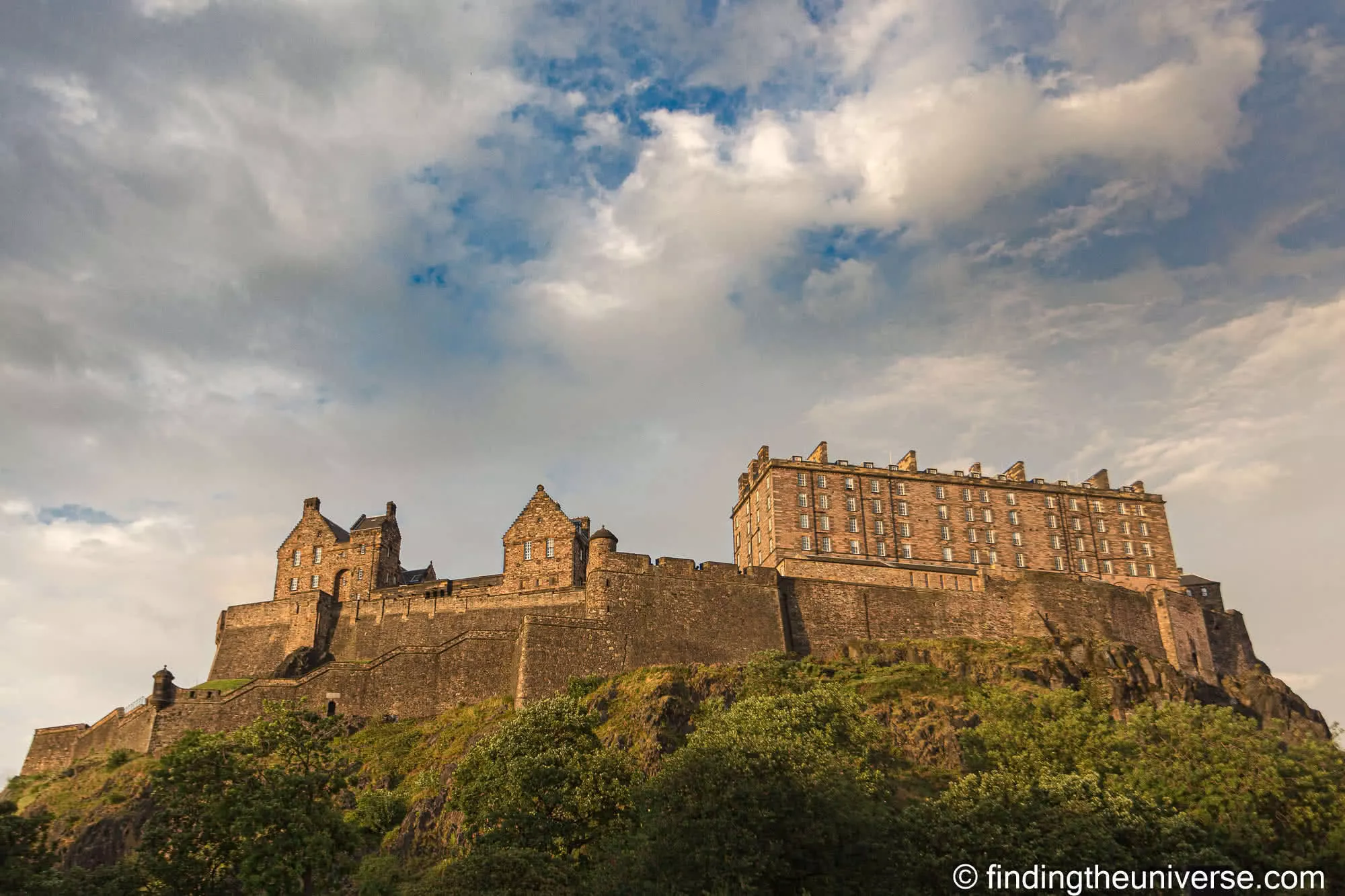
Inside you get the Honours of Scotland (the Scottish crown jewels), the Great Hall, the war memorial, and the One O’Clock Gun, which fires every day except Sunday, Good Friday and Christmas Day, and will make you jump no matter how prepared you think you are. Allow at least half a day.
It’s busy, of course, and it’s the priciest ticket on this list, but it’s also the one castle I’d tell every first-time visitor to Scotland not to miss.
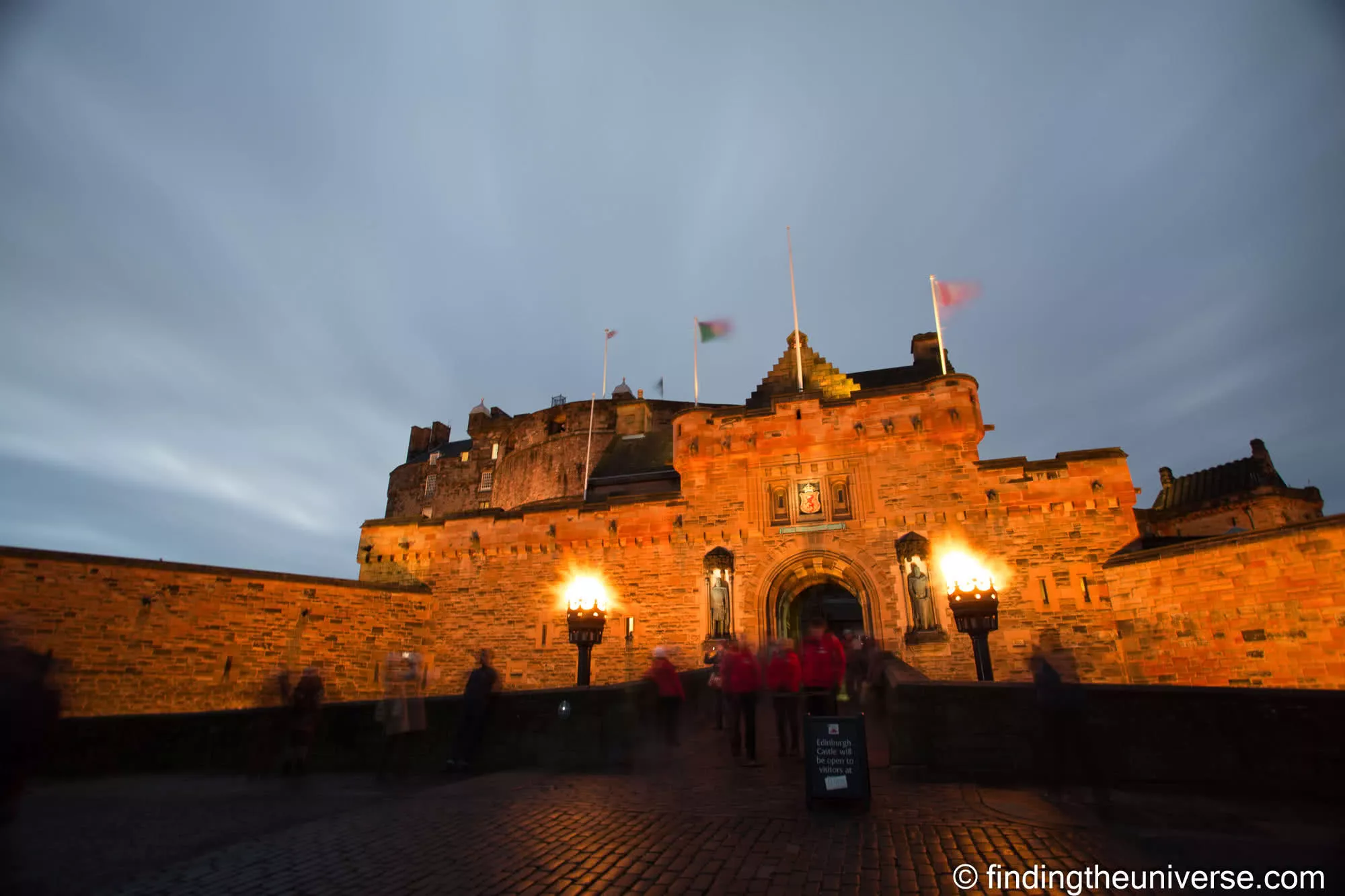
The booking situation matters more here than anywhere else in this guide. HES’s own ticket page makes it clear that once tickets sell out online, there are no further tickets at the castle. Summer dates go far in advance. Book online, which is also cheaper (£23.50 against £26 at the gate).
If your dates are loose, there’s a Flexi ticket at £38 that gets you in on any one day in a 7-day window with no timeslot, which is handy if you’re touring and don’t want to gamble on Edinburgh weather. And if you’d rather have the history unpacked for you, there’s a guided tour that includes entry tickets, which is the option I’d pick for a first visit with limited time.
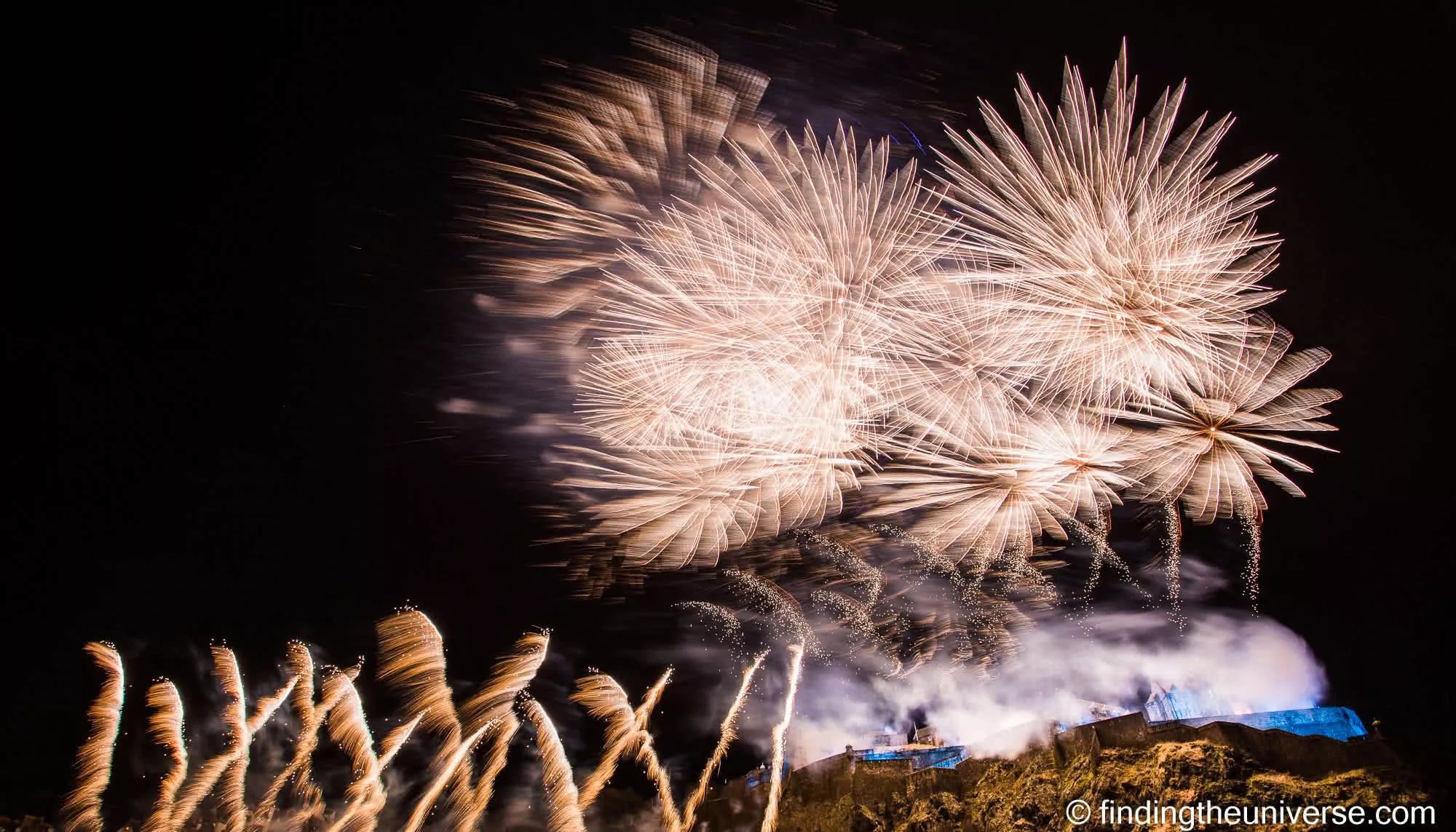
Need to know: Run by HES, covered by the Explorer Pass (pass holders still need to book a timeslot). Adult £23.50 online, £26 walk-up, child (7 to 15) £14 online. Allow half a day. Base: Edinburgh, obviously.
2. Stirling Castle
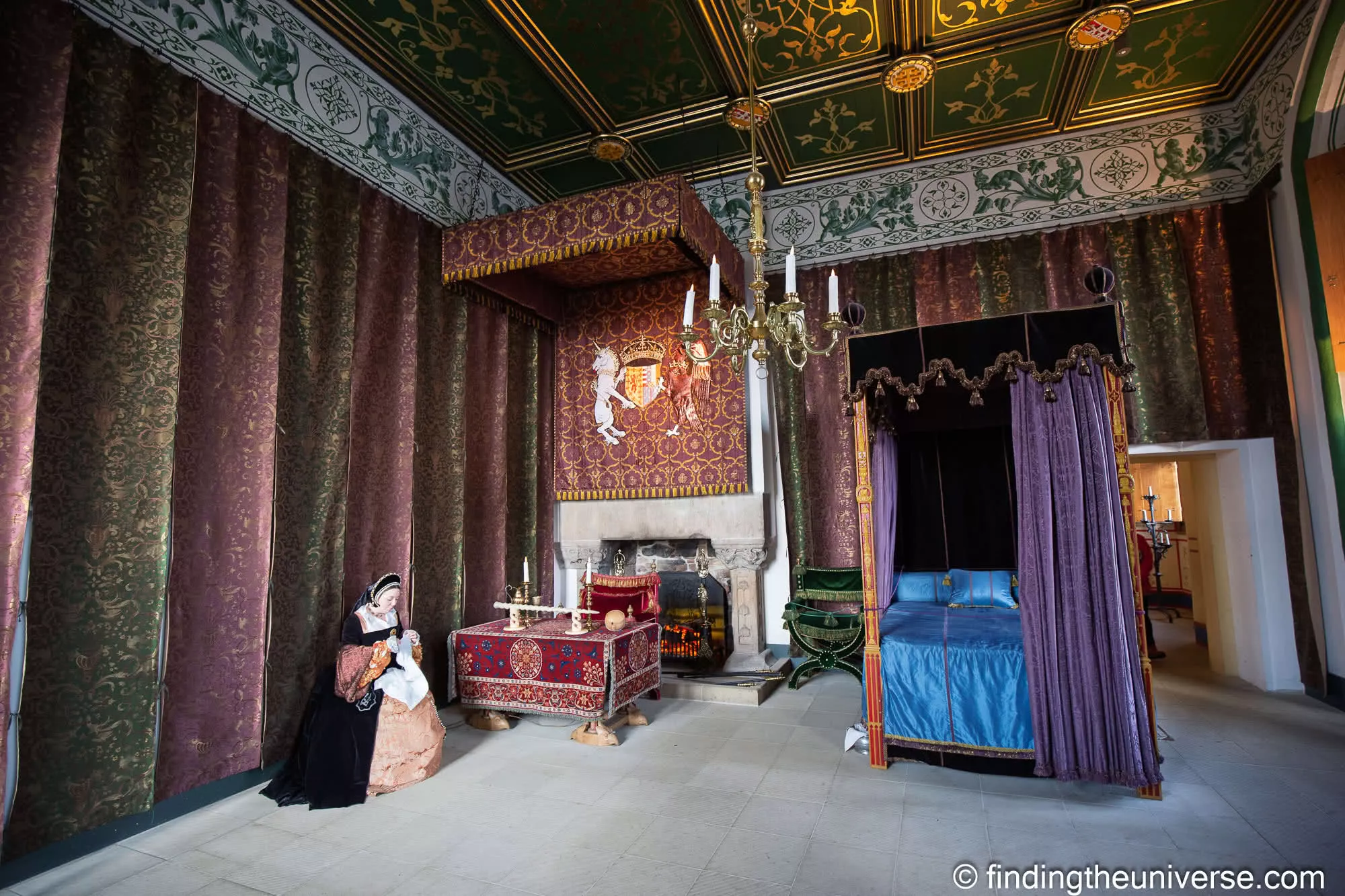
If Edinburgh Castle is Scotland’s front page, Stirling is the chapter where most of the actual history happened. It sits on its own crag just north of Bannockburn, it was the childhood home of Mary Queen of Scots, who was crowned here in 1543, and the restored Renaissance palace interiors are better than Edinburgh’s. The costumed staff in the palace rooms are actually good, which isn’t always how these things go.
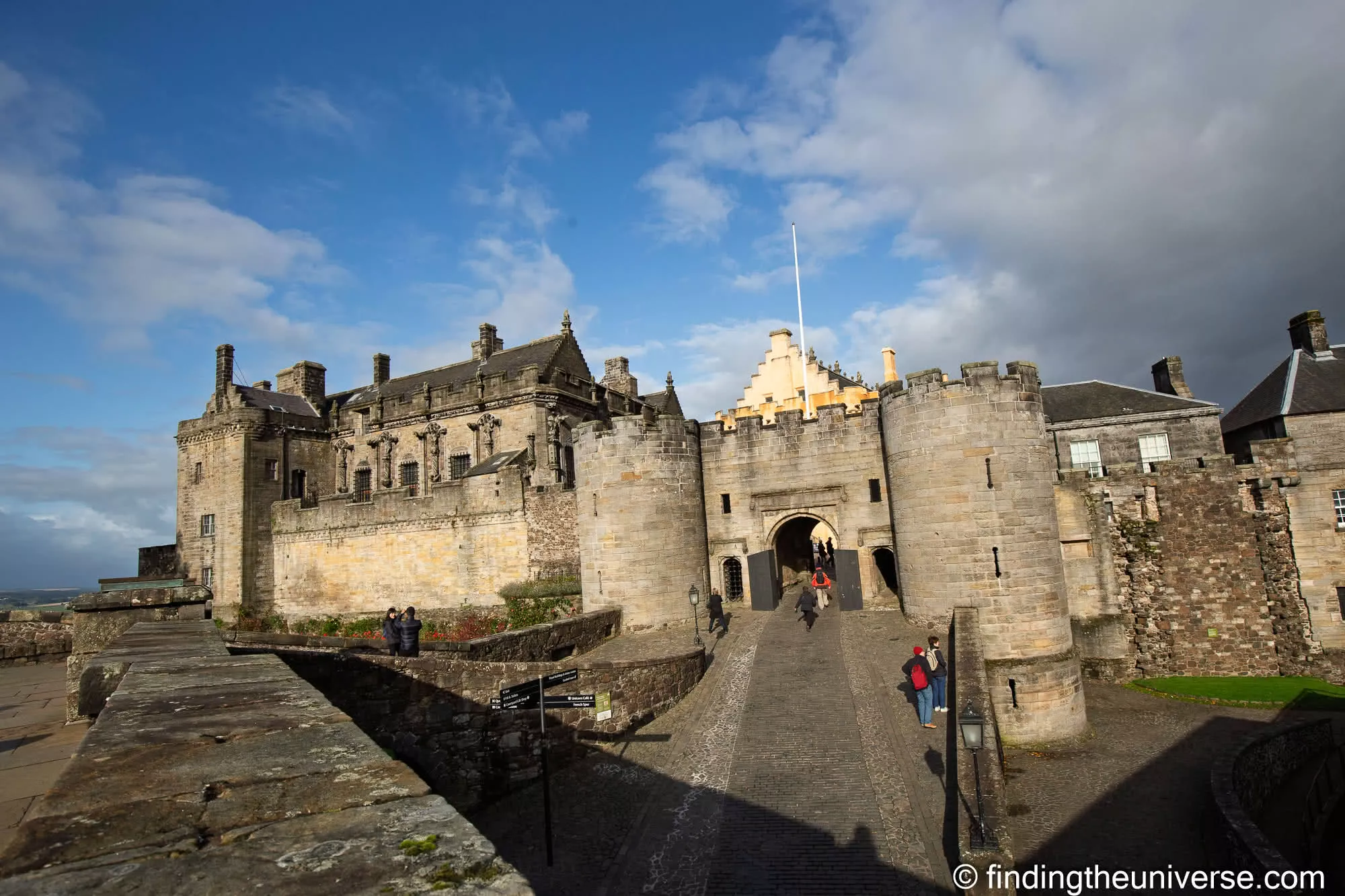
Stirling also pairs naturally with Edinburgh, an easy day trip by train, and doing both gives you the two great royal castles of Scotland in one trip. If you only visit two ticketed castles, these are the two.
There’s a money detail here too. HES gives 25% off at Stirling if you book online and arrive without a car. Use the code GOOD25 and show a bus or train ticket, or turn up with a bike. The 25% comes off child and concession tickets too. Children under 7 go free at Stirling as well.
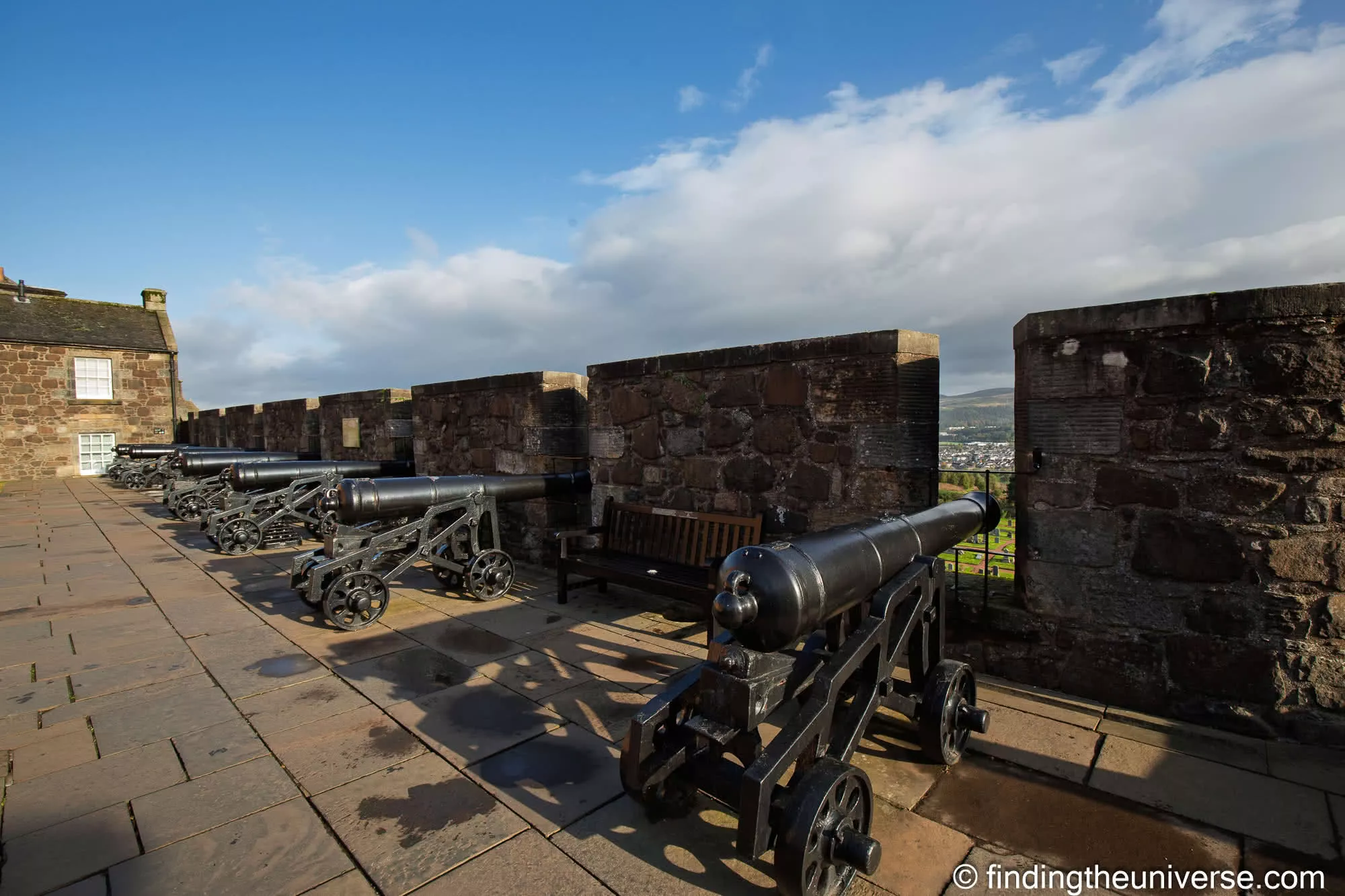
Need to know: Run by HES, covered by the Explorer Pass. Adult £18.50 online, £20.50 in person, child (7 to 15) £11 online. Open year round. Allow 2 to 3 hours. Base: Stirling or Edinburgh.
3. Eilean Donan Castle
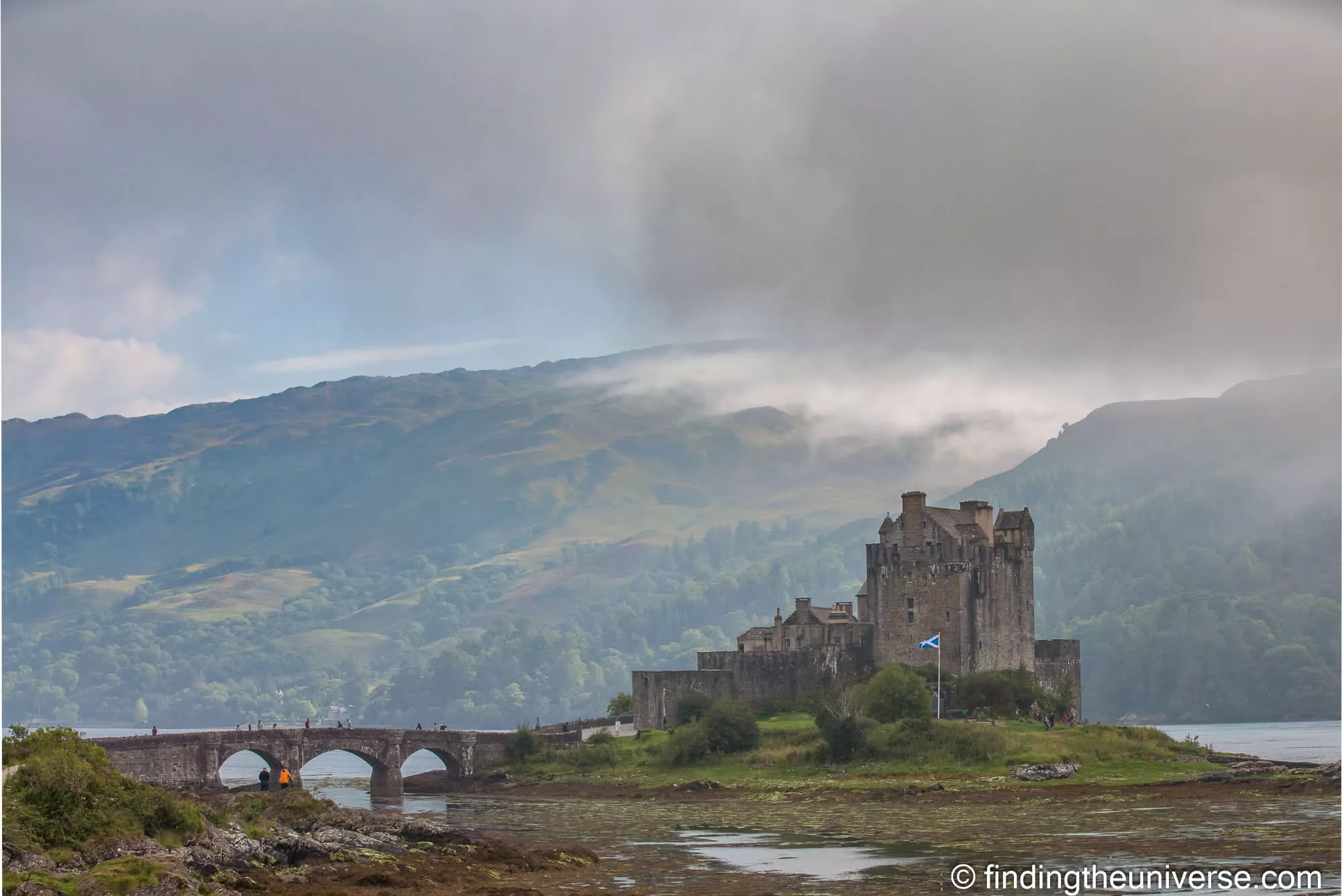
The one from the postcards, the shortbread tins and a fair number of films. Eilean Donan stands on a small island where three sea lochs meet, joined to the shore by a stone bridge, with the mountains of Kintail behind. On a still evening the reflection doubles it, and it’s about as photogenic as a building gets.
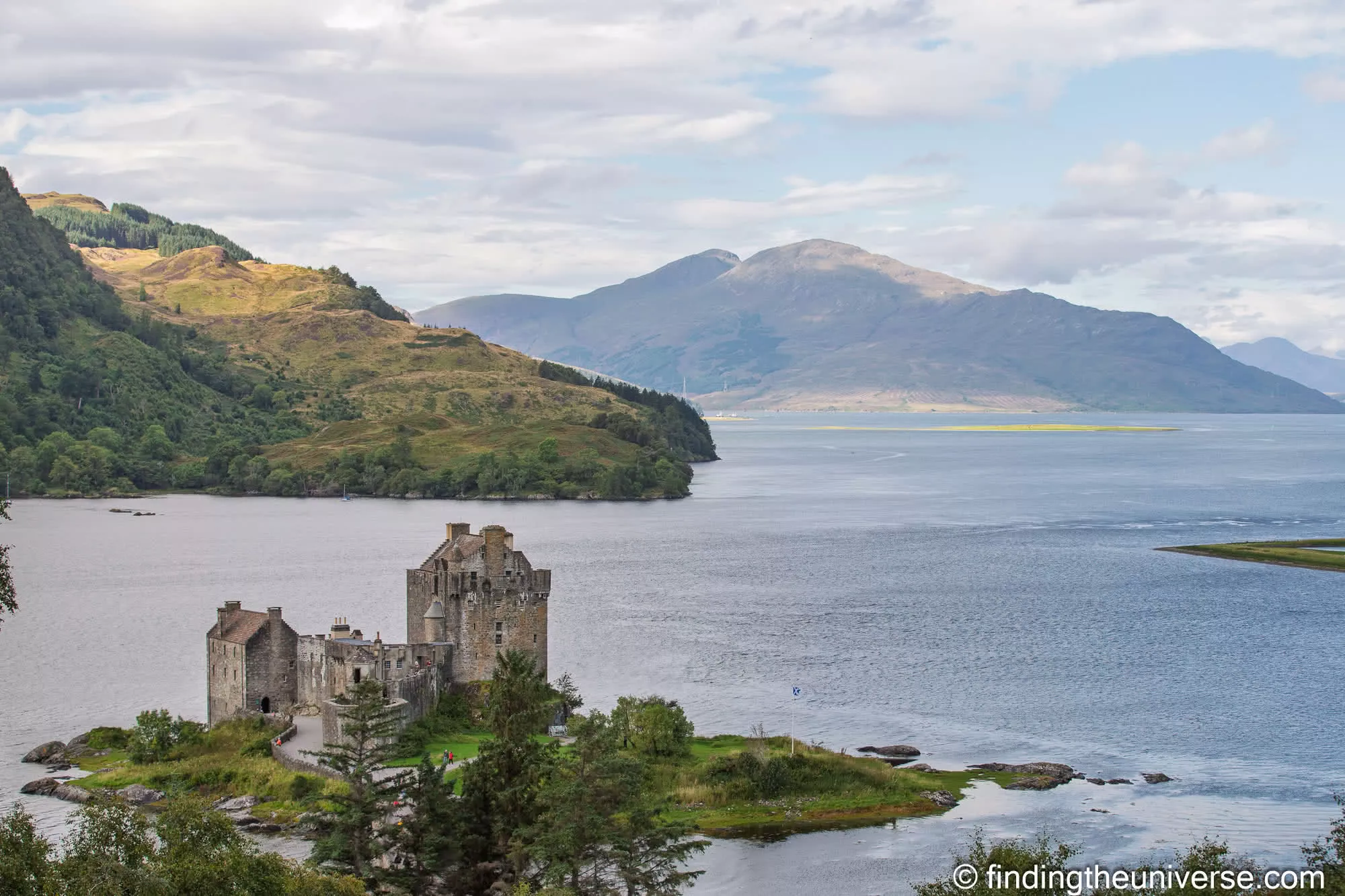
The famous view is from the shore and the bridge approach, before you ever reach the ticket desk. I’ve photographed it in most lights and I’ve never needed a ticket to do it.
The interior is a twentieth-century reconstruction (the castle was left in ruins after 1719 and rebuilt between the wars, finished in 1932), and it’s an enjoyable visit, but if your interest is the classic photograph, you can get it for free. Evening light is the kindest here, with the sun dropping behind you as you face the castle.
It’s on the A87, the main road to Skye, which makes it the easiest famous castle in the Highlands to work into a road trip. Check prices and opening on the castle’s own website before you go.
Need to know: Privately run, no pass covers it. Adult £13, paid at the gate; there is no online booking. The classic view from the bridge approach costs nothing. Allow 1 to 2 hours if you go inside. Base: Dornie itself, Kyle of Lochalsh or Skye.
4. Urquhart Castle
Urquhart is a ruin on the banks of Loch Ness. The Grant Tower gives you the view down the loch that everyone comes for, and the visitor centre does a decent job on the castle’s violent history of being repeatedly captured, retaken and finally blown up on purpose in 1692.
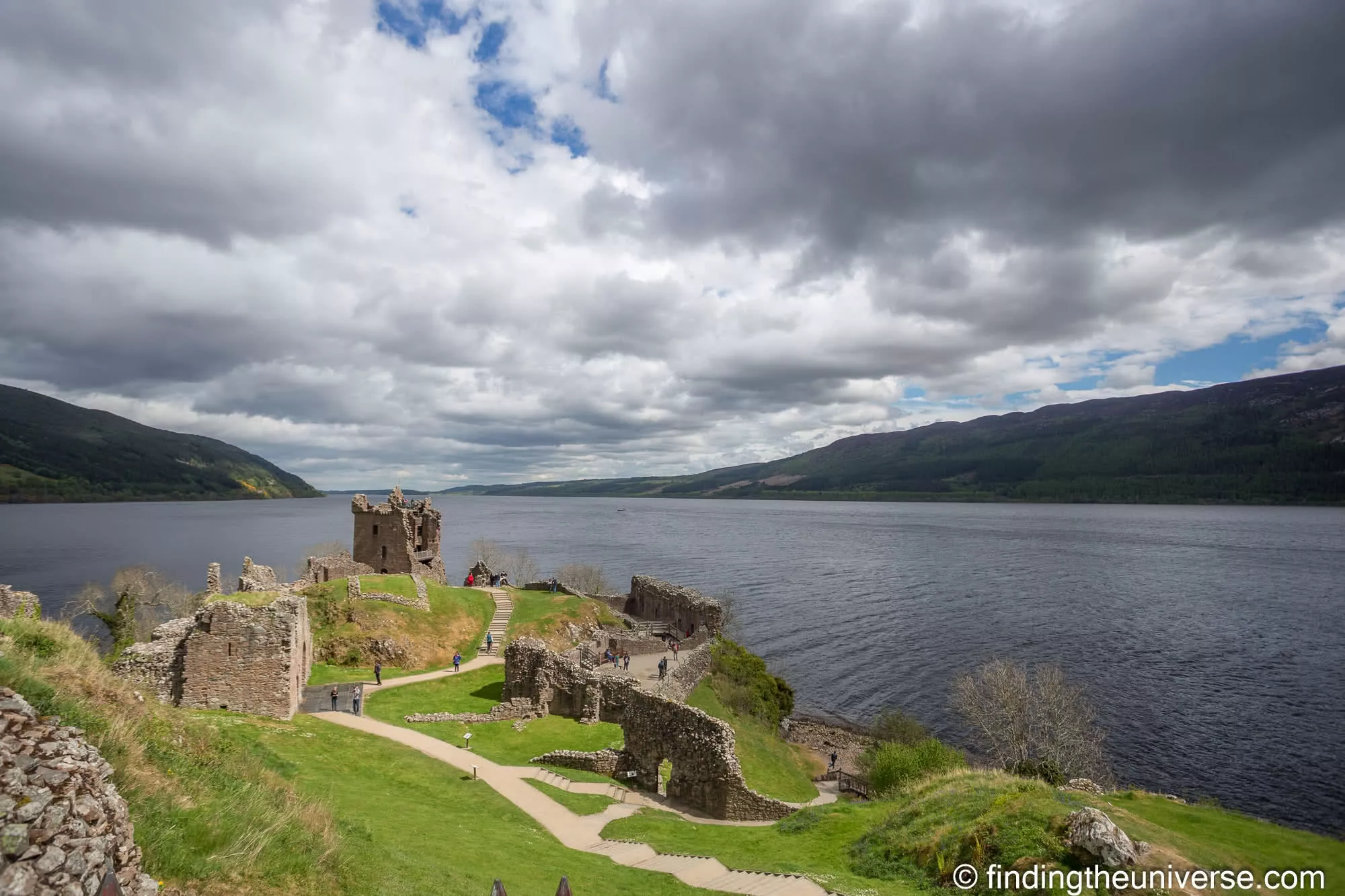
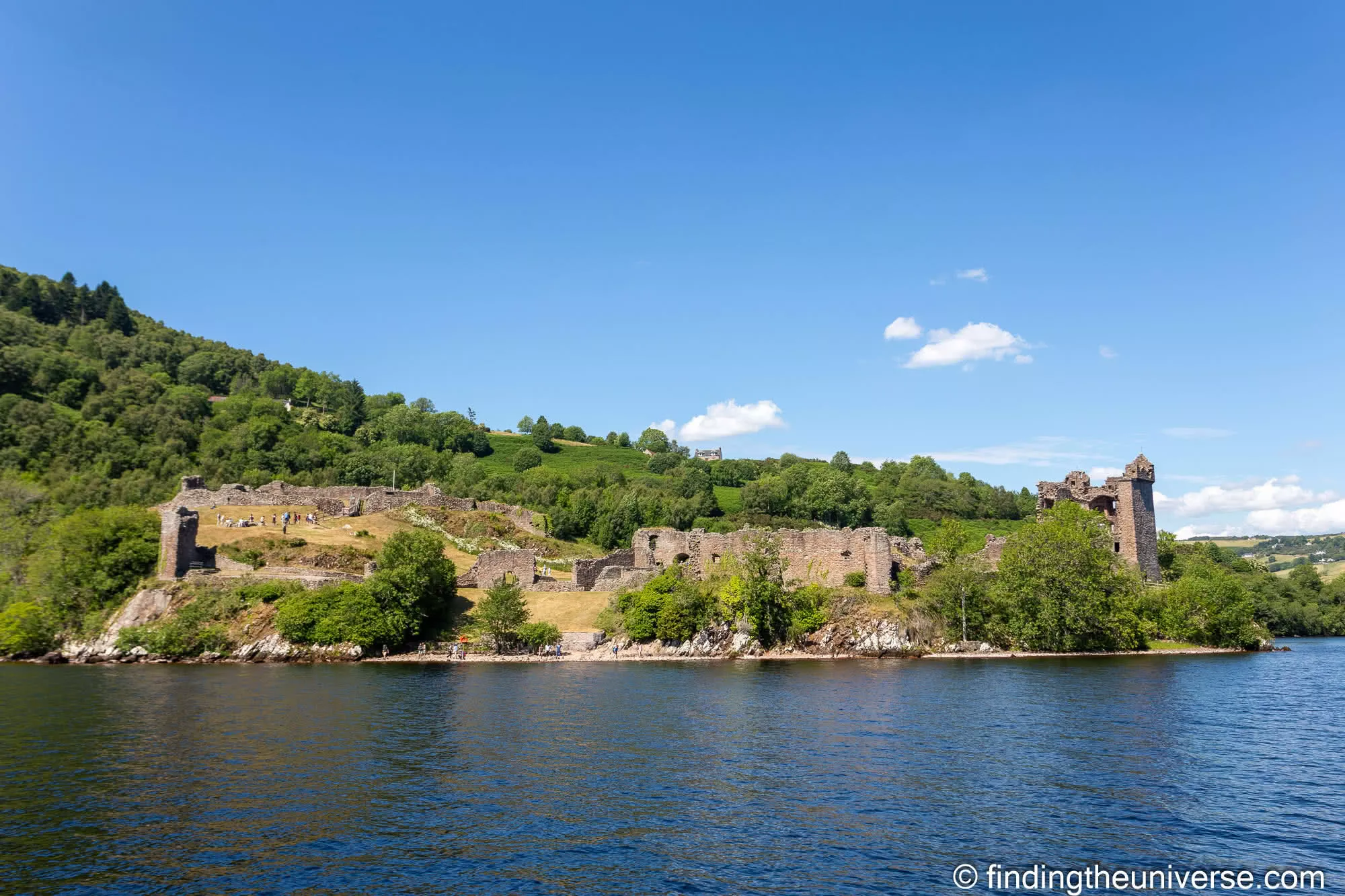
Know what you’re buying here. It’s a compact site, and a lot of its appeal is the setting. From where I’ve stood on the shore and on the water, the castle looks its best from outside the walls, with the loch stretching away behind it. One of my favourite ways to see it is from the water itself. There’s a Loch Ness cruise from Inverness that loops past the castle, which gives you an angle on it no footpath can.
Tickets for Urquhart are sold through HES’s online booking system, and booking ahead in summer is a pretty good idea because coach tours arrive in waves. We have more on the area in our guide to things to do in Inverness.
Need to know: Run by HES, covered by the Explorer Pass. Adult £14 online, £16 in person, child (7 to 15) £8.50 online, £9.50 in person. Allow 1 to 2 hours. Base: Inverness or Drumnadrochit.
5. Dunnottar Castle
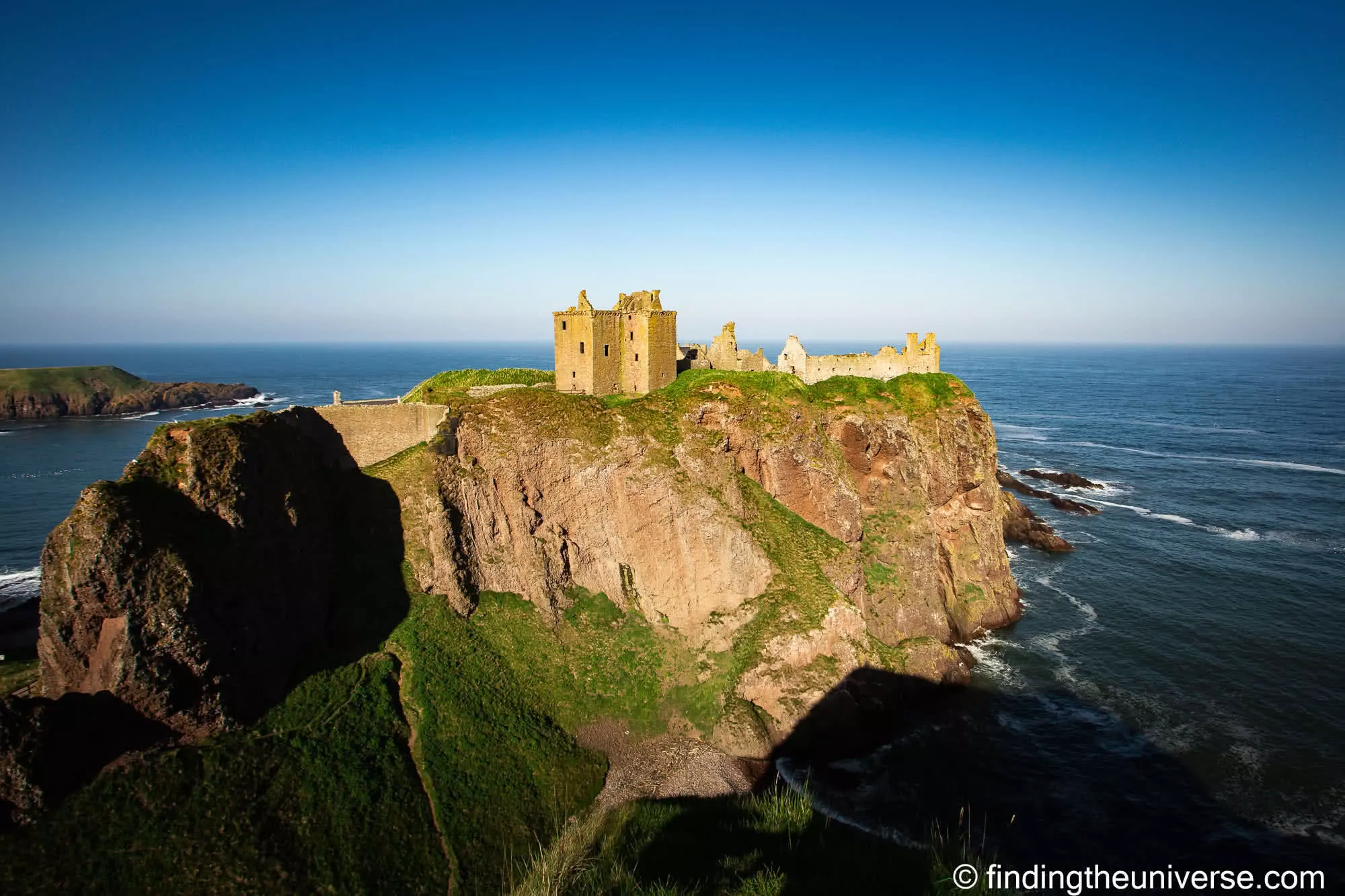
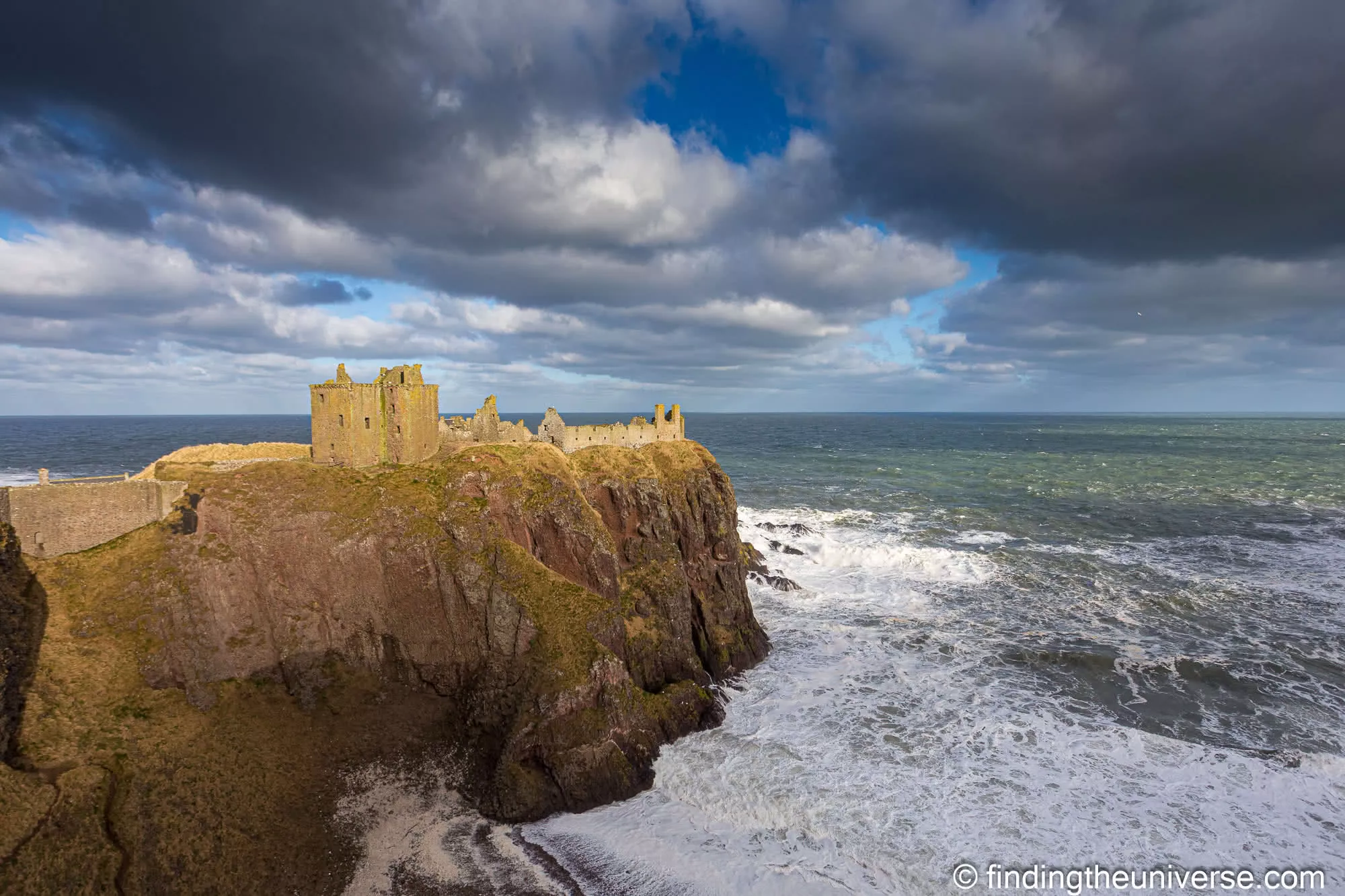
A ruined fortress on a headland with sheer drops to the North Sea on three sides, a couple of miles south of Stonehaven. Dunnottar is the castle I recommend to people who tell me ruins bore them. The position does most of the talking. You crest the coastal path and the whole thing is suddenly there, sitting on its rock with the sea working away below.
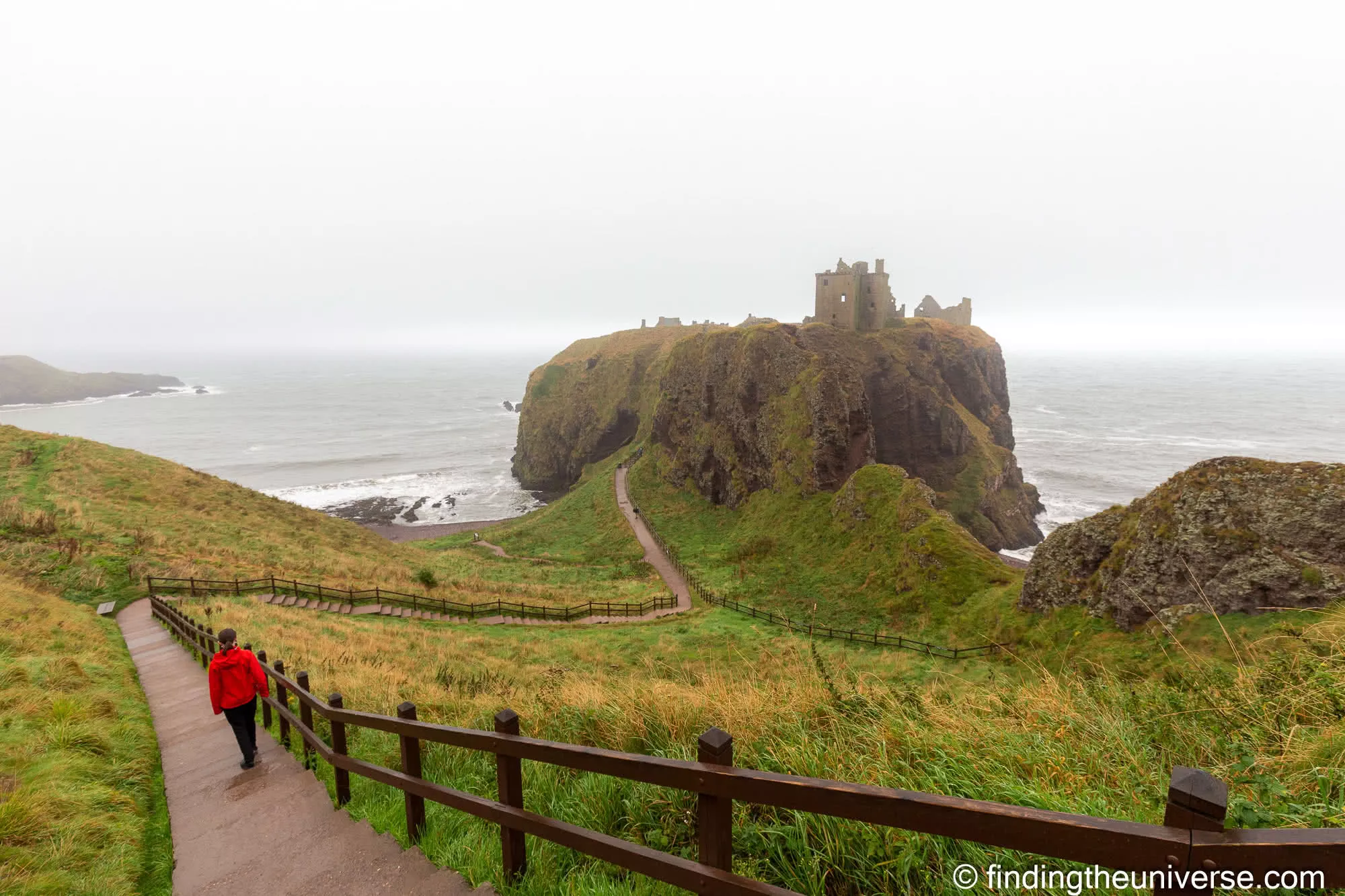
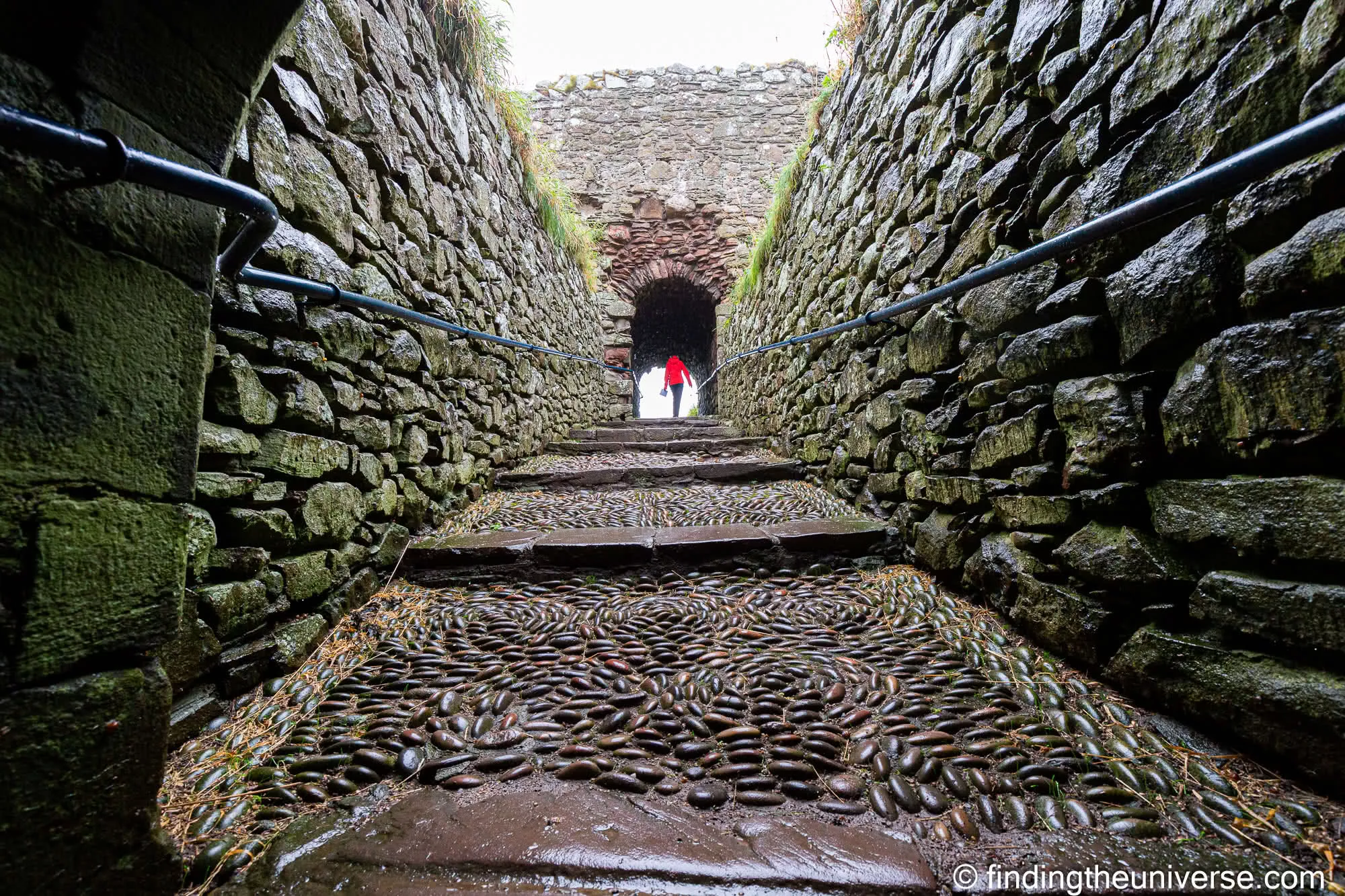
The history is heavyweight too. The Honours of Scotland were hidden here from Cromwell’s army in the 1650s, smuggled out before the castle fell. Walking the site takes a bit of effort (a long staircase down and back up), and in exchange you get one of the great settings in Britain.
Unusually for Scotland, Dunnottar opens year round, on shorter winter hours, which makes it a rare good castle option for an off-season trip. It can shut at short notice in high winds, so check before driving far. The clifftop viewpoints along the approach path are free and they’re superb; the ticket buys you the interior ruins. Prices are on the castle’s own site.
If you’re basing in the north east, our guide to day trips from Aberdeen covers Dunnottar and its neighbours, and Jess has a full Aberdeen travel guide on our sister site.
Need to know: Privately run, no pass covers it. Adult £13.50, child (5 to 15) £6.25, family tickets from £24. Open year round, weather permitting. Allow 1 to 2 hours plus the walk. Base: Stonehaven or Aberdeen. Morning light works best on the seaward side.
6. Doune Castle
Doune is a well-preserved medieval courtyard castle a short drive from Stirling, and at £10 for an online adult ticket nothing on this list is cheaper to get into. It’s also the one with the strangest CV. Monty Python and the Holy Grail filmed most of its castle scenes here, Outlander uses it as Castle Leoch, and Game of Thrones used it as Winterfell in the first season. The audio guide leans into all of it with a completely straight face.
There’s a reason so much of the Python film is Doune. The National Trust for Scotland had given the production permission to shoot at several of its castles and then withdrew it at short notice, so they used different corners of this one castle to stand in for all the film’s separate castles, framing tight to hide the joins.
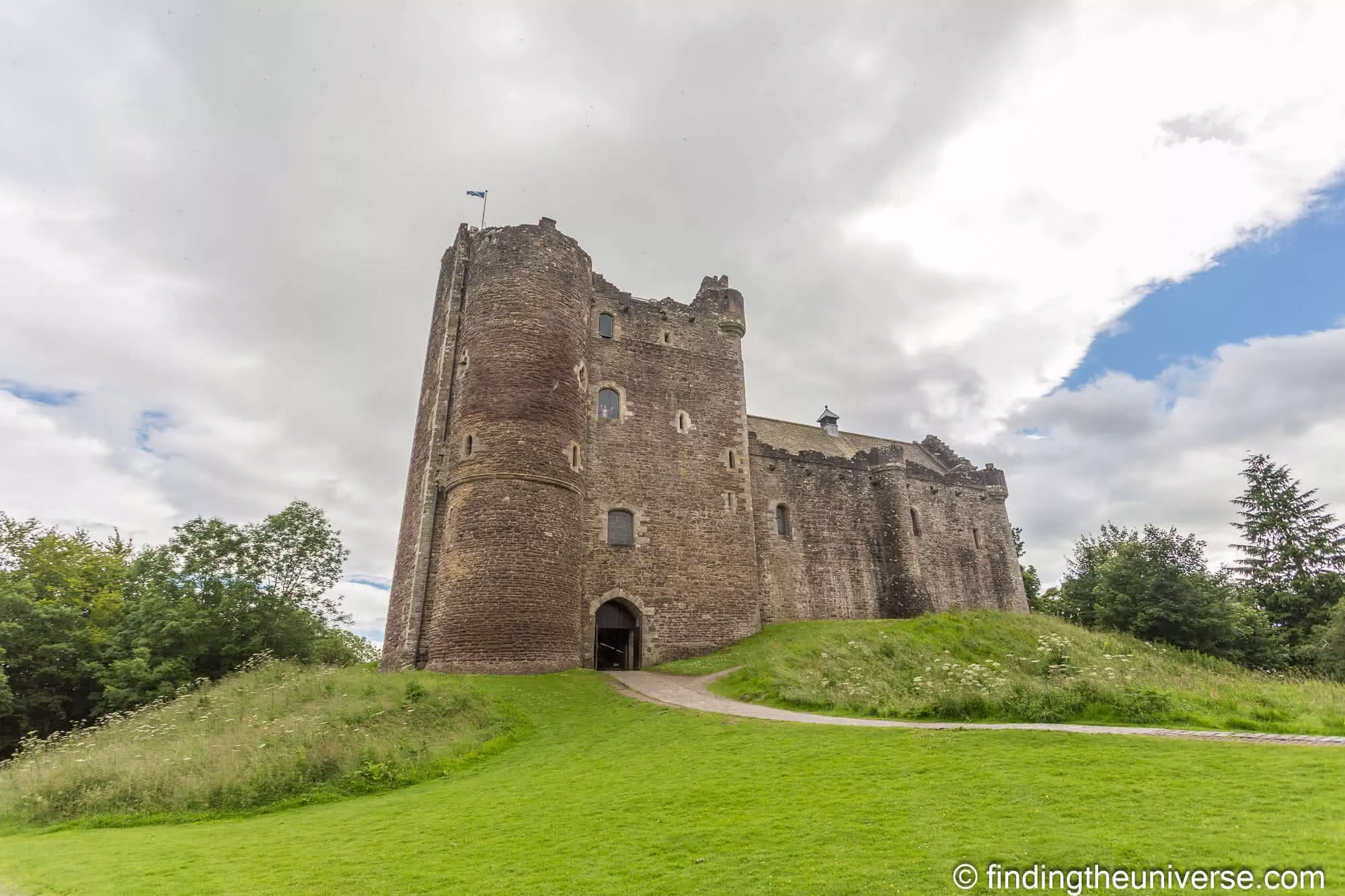
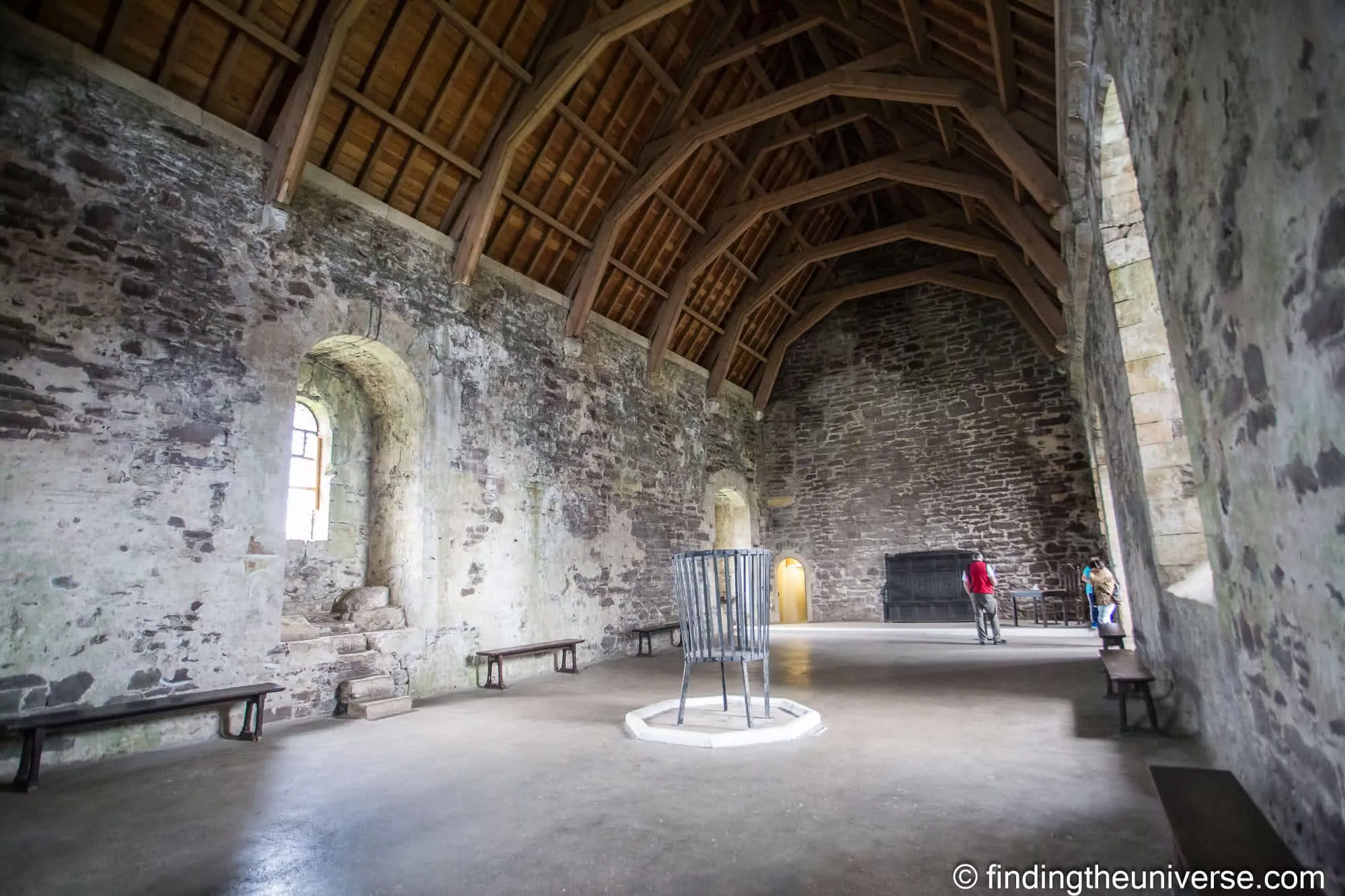
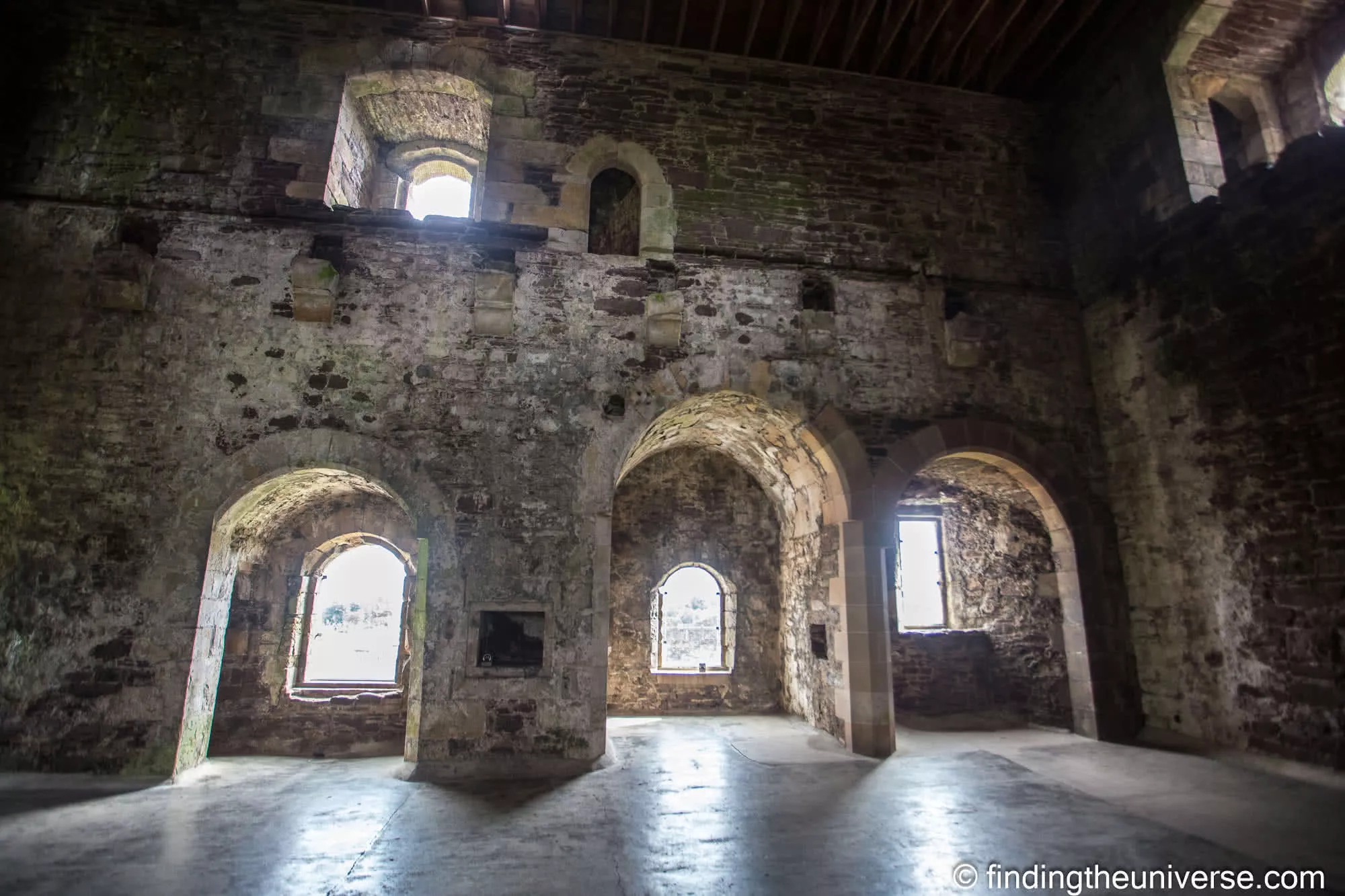
Beneath the pop culture it’s a really interesting building in its own right: a fourteenth-century castle with a remarkably intact great hall and a kitchen fireplace you could park a car in! If you’re following the Outlander trail, we’ve mapped every site in our guide to Outlander filming locations in Scotland.
One practical note: the included audio guide runs on your own phone and needs an internet connection, so if you’re visiting from overseas without mobile data, plan around it. The GOOD25 car-free discount applies at Doune as well.
Need to know: Run by HES, covered by the Explorer Pass. Adult £10 online, £11 in person, child £6 online. Open year round. Allow an hour. Base: Stirling.
7. Dunrobin Castle
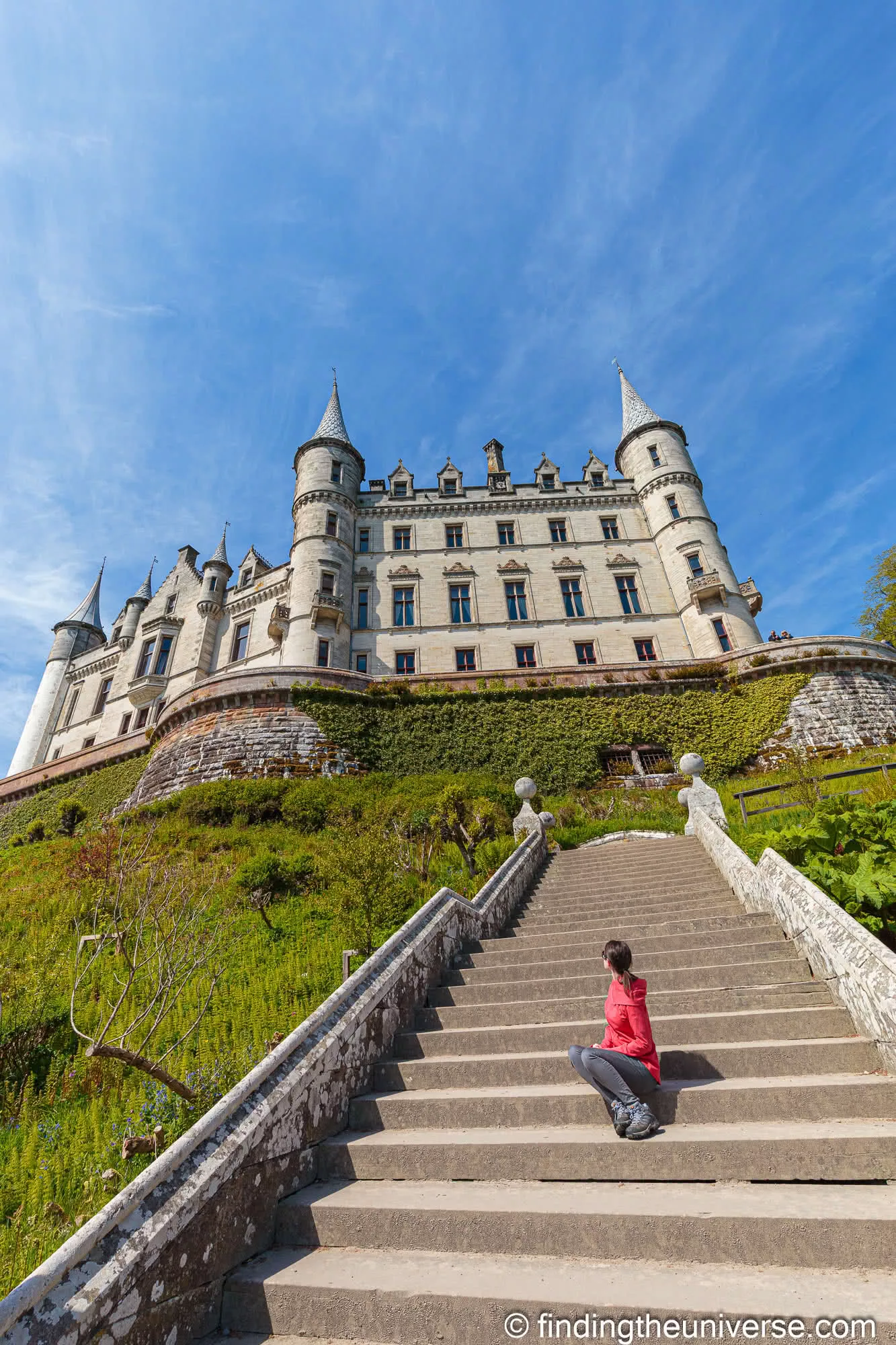
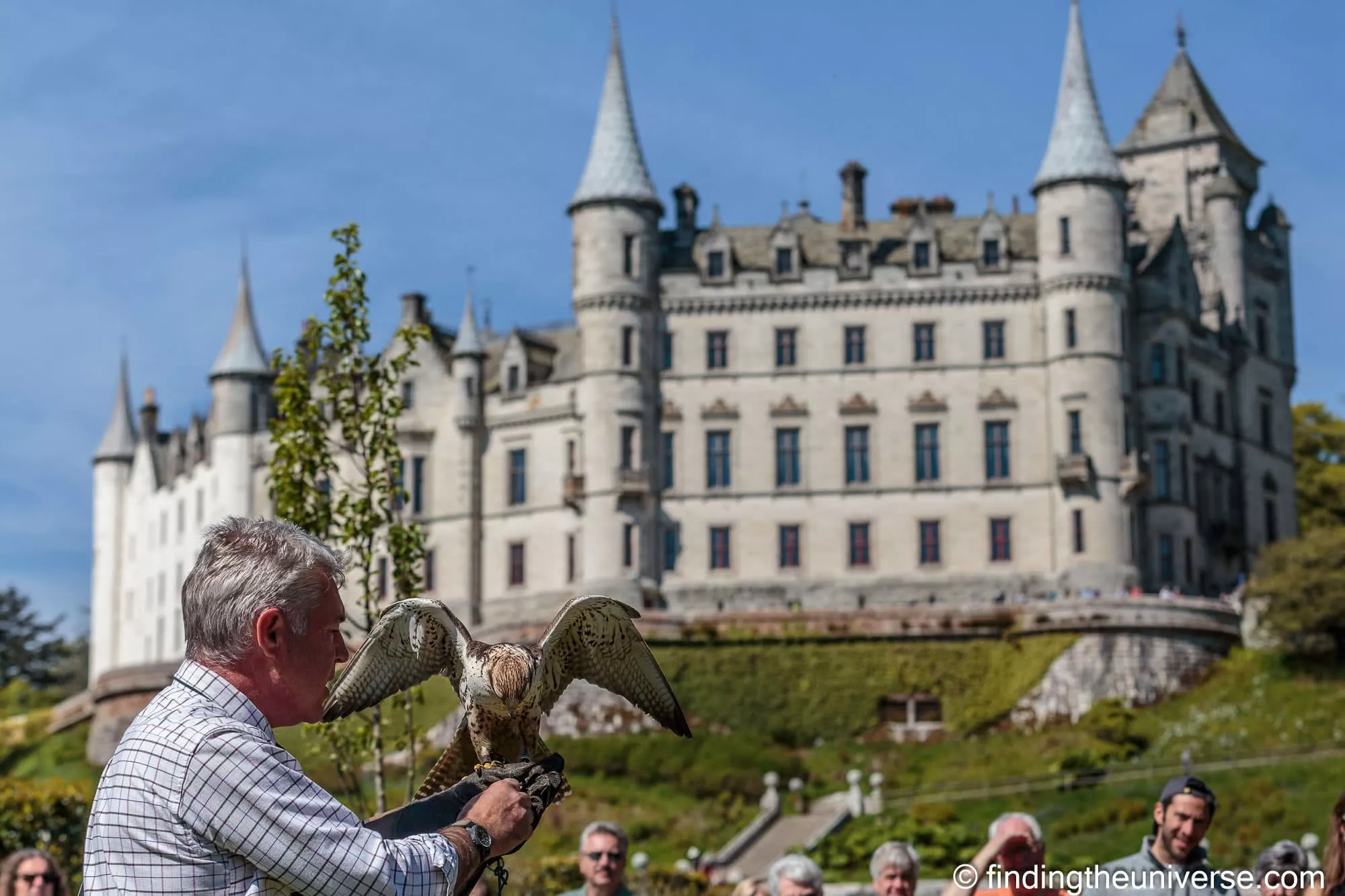
Drive far enough up the east coast and Scotland produces something unexpected: a castle that looks like it escaped from the Loire Valley. Dunrobin is the seat of the Earls and Dukes of Sutherland, all conical turrets and formal gardens running down towards the sea, and it’s one of the reasons I’d point anyone heading for the far north at the A9 rather than calling it a day at Inverness.
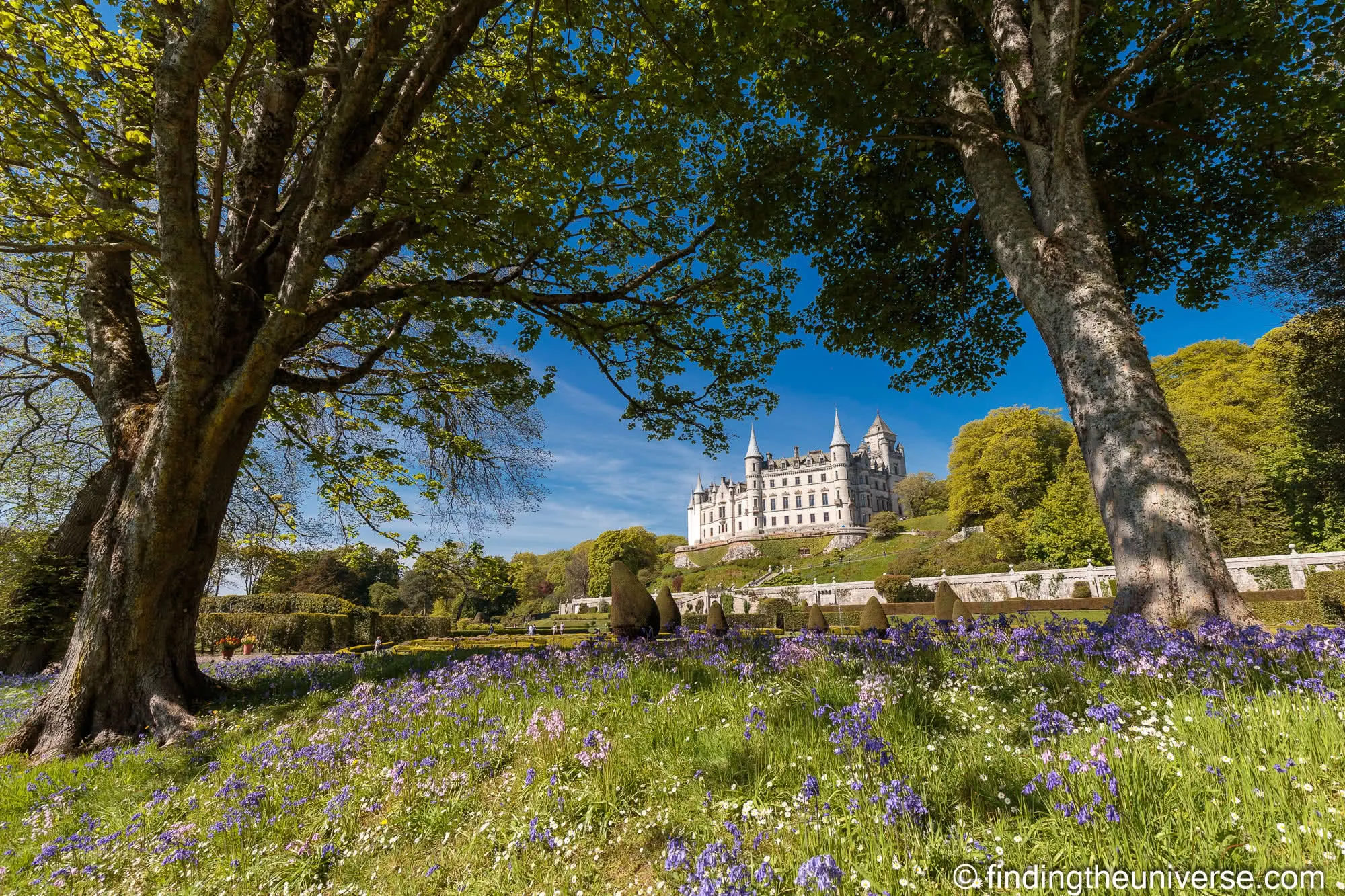
The ticket covers the castle, its museum and the gardens, and the gardens are where I’ve spent most of my time here with a camera. Looking back up at the castle from the fountain terraces is the shot.
Two quirks for an international visitor. The age bands are unusual. Adult tickets start at 17 and child tickets at 6, where the Historic Scotland sites use 16 and 7, so a family with teenagers pays a bit differently here.
And the castle posts any short-notice closures on its social media channels only, not its website, so glance at those before making the long drive north. Dunrobin sits on the North Coast 500 route; our NC500 highlights guide has the full context. If you’d rather not drive, there’s a day trip from Inverness that includes Dunrobin.
Need to know: Privately run, no pass covers it. Adult £16, child (6+) £10, under 6 free. Open 1 April to 31 October. Allow 2 hours. Base: Golspie, Dornoch or Inverness.
8. Balmoral Castle
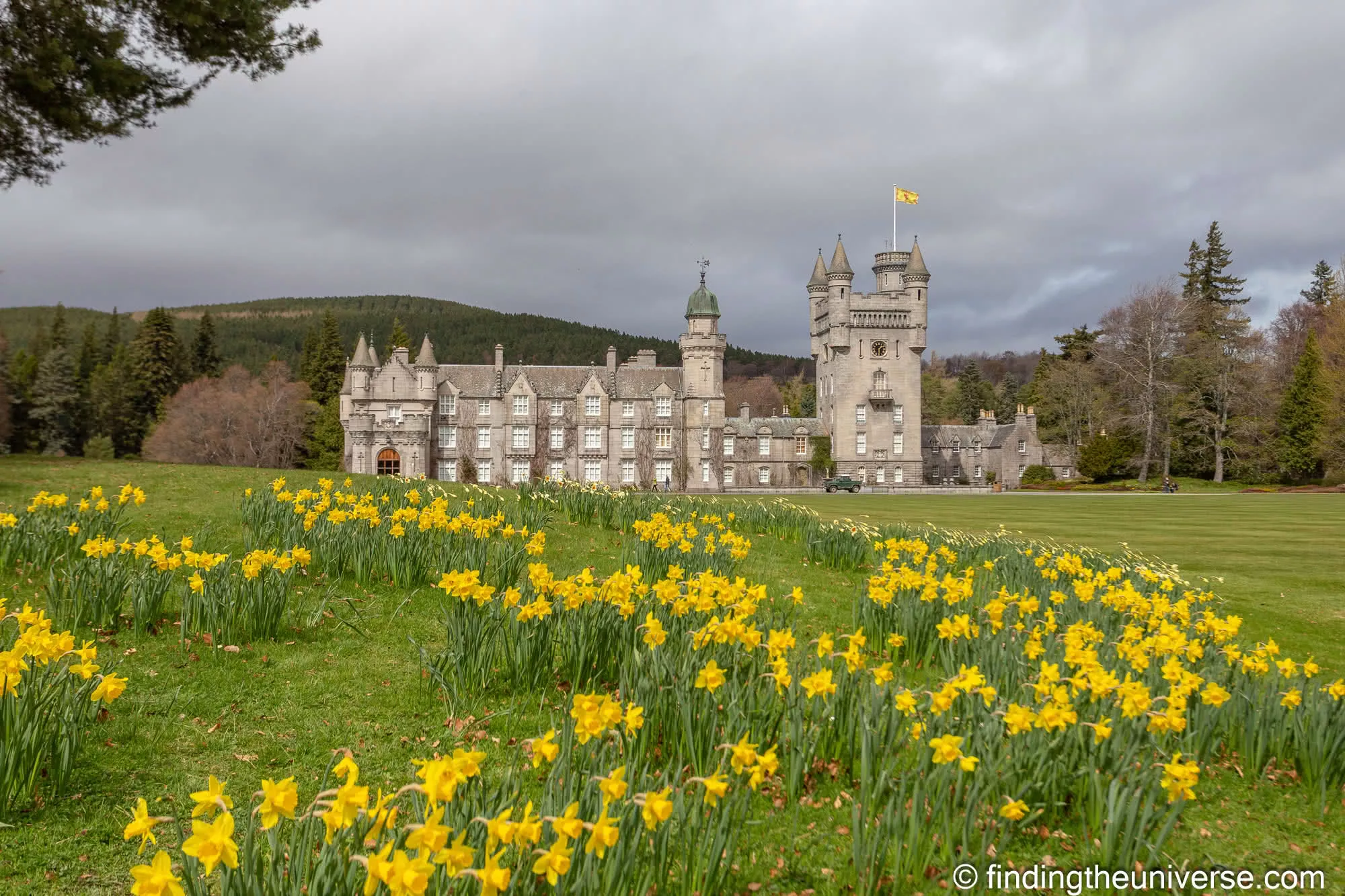
The royal family’s Highland estate on Deeside, and the entry on this list that most needs its dates read carefully. For 2026, the ticketed season runs from Tuesday 29 September to Sunday 1 November, and before that only the gift shop and cafe are open. Adult admission is £10, children go free, tickets are sold online, and general admission includes the castle ballroom along with the grounds, gardens and exhibitions. Once the season ends, entry is free on open days from 4 November with no ticket needed, though the ballroom is closed.
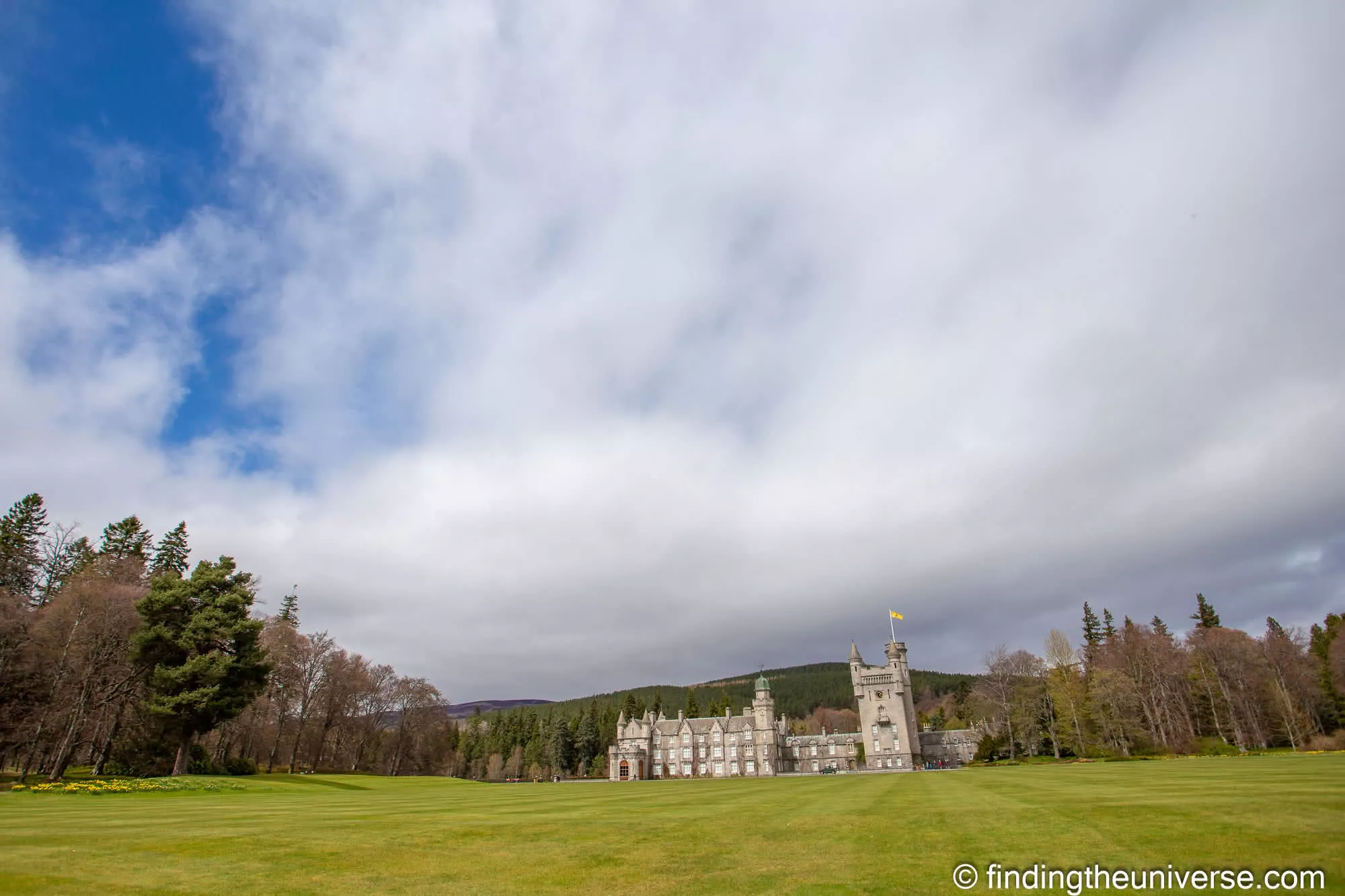
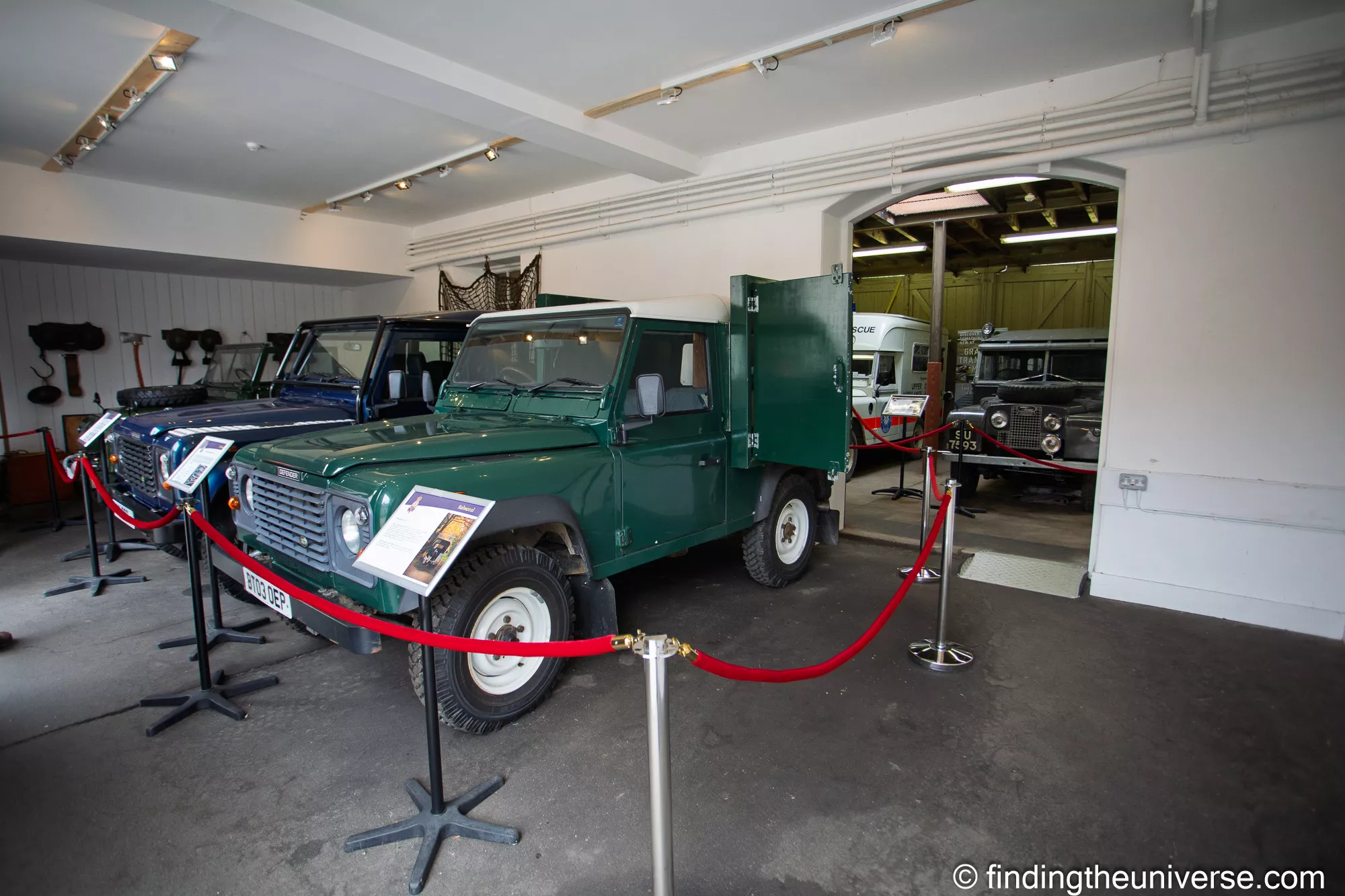
Be clear about what the ticket buys. The ballroom is the only interior room on general admission, and it’s a working royal residence rather than a house museum. Balmoral has been opening more of itself up in recent years, though, and there’s a way to see further in: on certain dates in the autumn window it runs interior guided tours through a selection of rooms, capped at twelve people a tour and open only to visitors aged 16 and over, with tickets sold online from early September. Places are limited enough that you’d need to plan around one rather than hope for it on the day. Otherwise what you’re really visiting is the estate itself, and Deeside in late October, with the birch woods turning gold along the river, is a good argument all by itself.
I’ve kept Balmoral on the list because the demand is real and the window is worth planning around if royal history is your thing. Just don’t build a September week around it without checking the dates against your own.
Need to know: Privately run (the royal family’s estate), no pass covers it. Adult £10 plus £6 parking, children free. Ticketed season 29 September to 1 November 2026, then free entry on open days from 4 November (ballroom closed). Allow a couple of hours. Base: Ballater or Braemar.
9. Kilchurn Castle
My favourite castle in Scotland to photograph, and I say that having photographed all of the others on this list. Kilchurn is a ruined Campbell stronghold on a low spit at the head of Loch Awe, backed by hills, and on a calm morning with mist on the water it’s the best castle scene in the country. Nobody sells you a ticket for it. You just walk out and stand there.
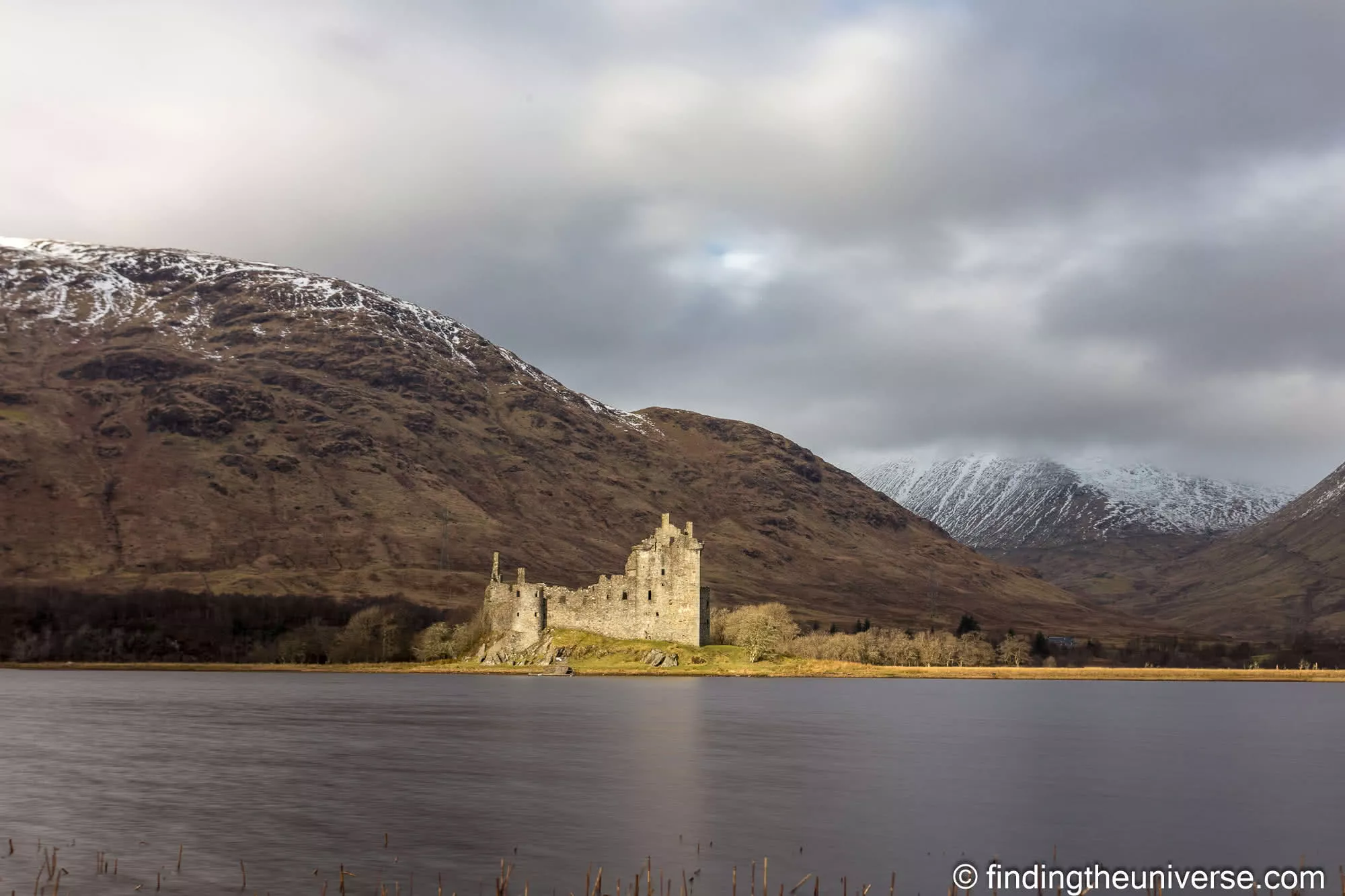
You need to know two things before you go. First, the castle itself is currently closed for conservation work, with no reopening date published, so this is an exterior-only visit for now. That matters less than you’d think, because the exterior view across the loch is the main thing anyway.
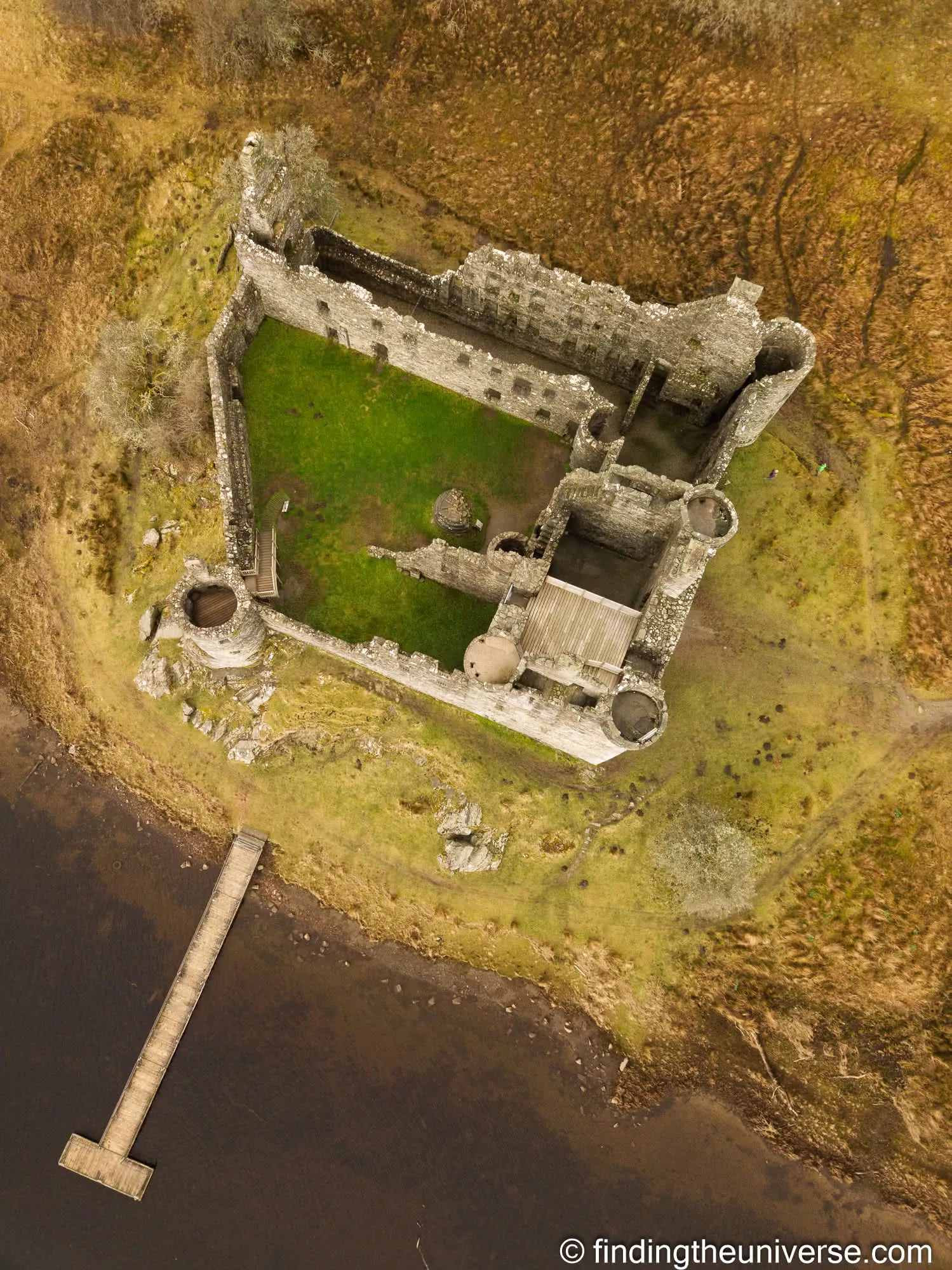
Second, the approach is a bit rough and ready. There’s no car park and the castle isn’t signposted. You walk in from the roadside, under a railway viaduct, and across working farmland beside the loch, which floods in wet spells. Wear real footwear and close gates behind you; the Scottish Outdoor Access Code applies.
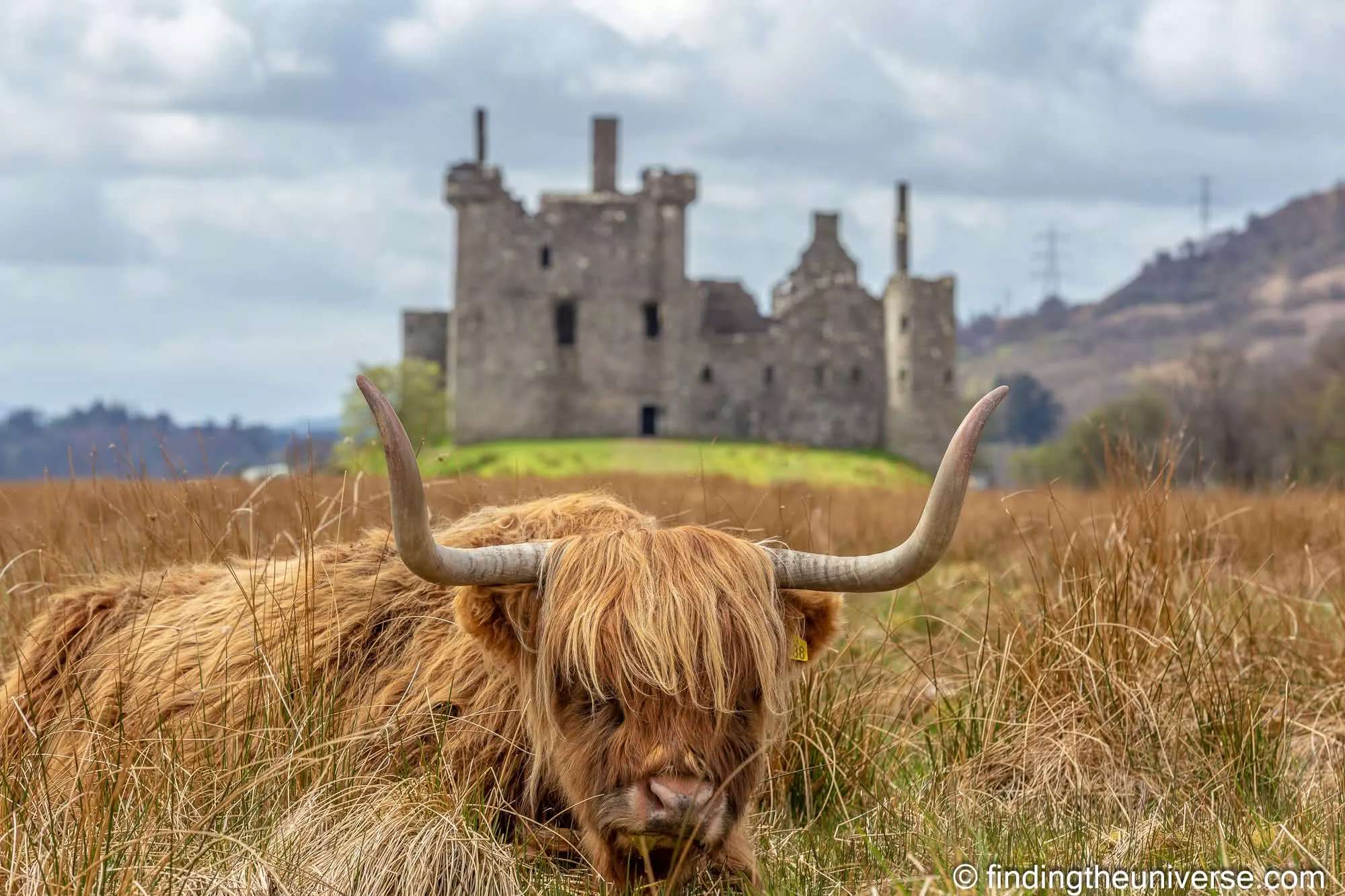
Need to know: An HES site, free and unticketed, exterior only while conservation work continues. Allow an hour including the walk. Base: Inveraray, Oban or Loch Awe side. Early morning for the mist.
10. Culzean Castle
Robert Adam’s clifftop showpiece on the Ayrshire coast, and the National Trust for Scotland’s flagship castle. Culzean (say it “cul-ain”) gives you grand eighteenth-century interiors, an oval staircase that’s worth the ticket on its own, and a country park that runs from formal gardens down to a beach with views across to Ailsa Craig.
The top floor was given to General Eisenhower in 1945, a thank-you from Scotland for his war command and the condition on which the Kennedys handed the castle to the National Trust. He came back four times, once as President, and the castle tells the story well.
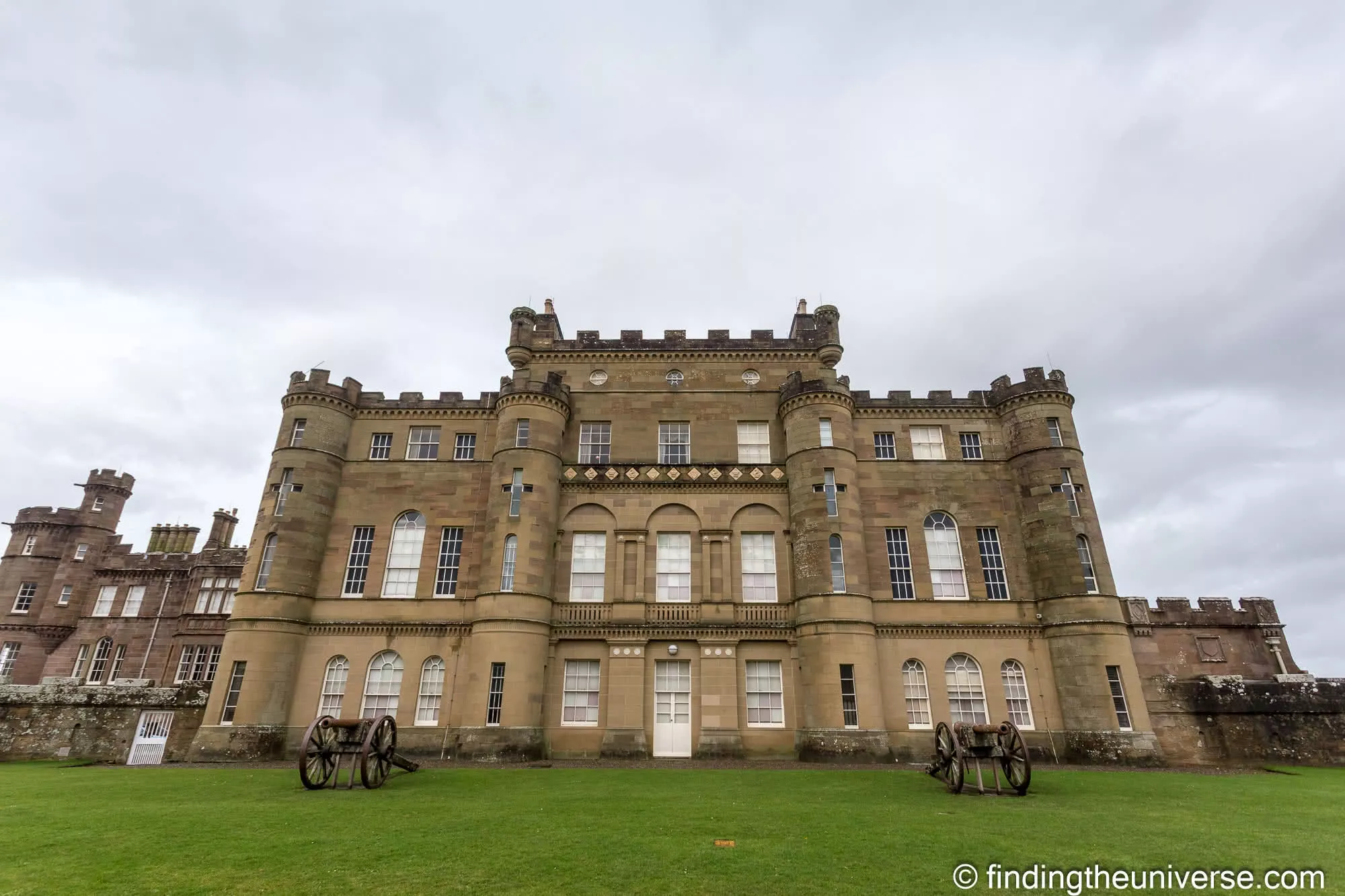
This is the entry for a day out. Between the castle rooms, the walled garden, the swan pond and the shore, we filled most of a day here without trying. If you’re travelling with children who have had enough of ruins, Culzean is the one that wins them back.
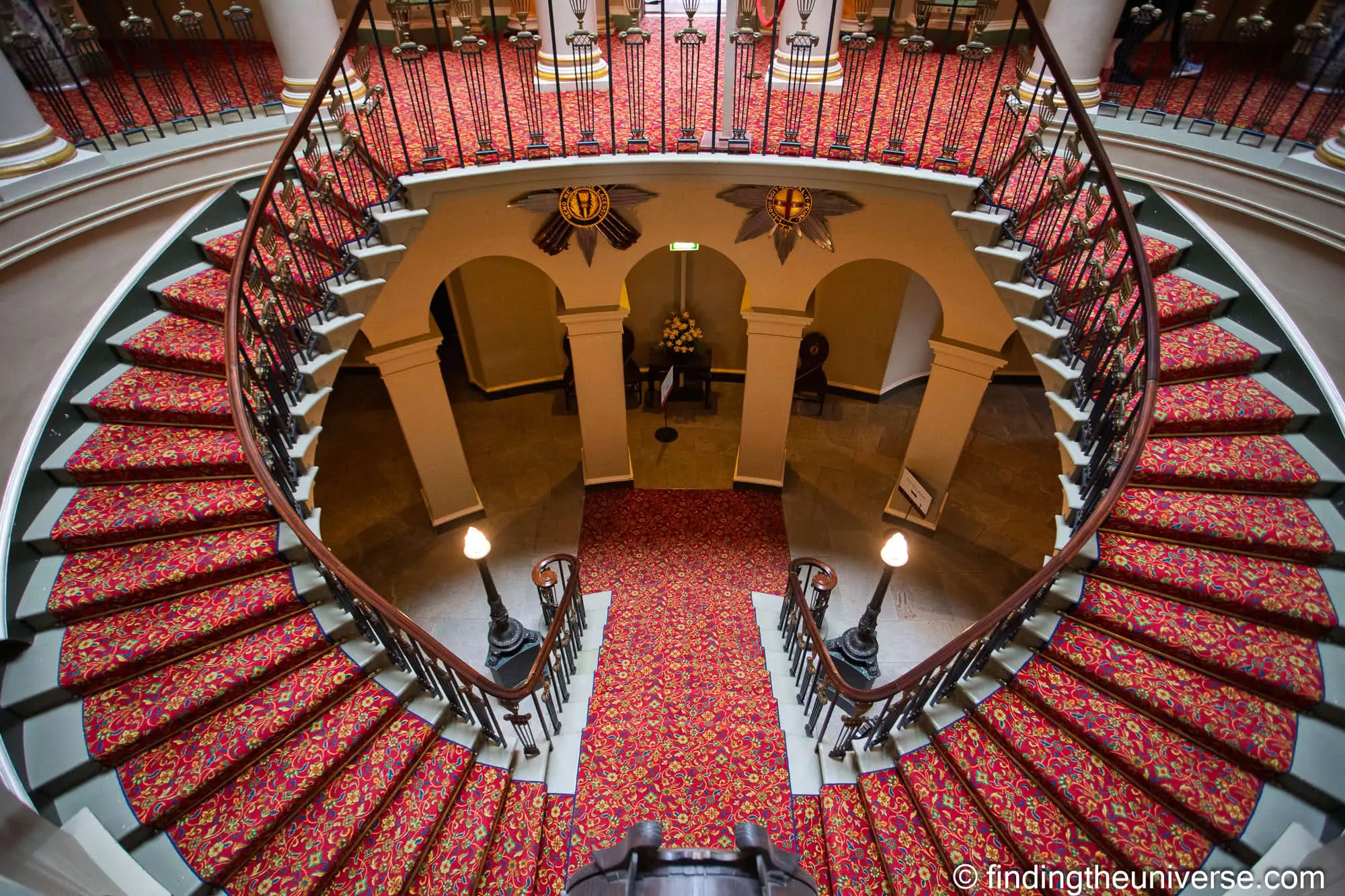
Adult entry is £22, and this is where the NTS side of the pass question comes in: Culzean and Crathes below are both NTS, the HES Explorer Pass does not cover them, and NTS sells annual membership rather than a short visitor pass. The maths section below covers when that’s worth it.
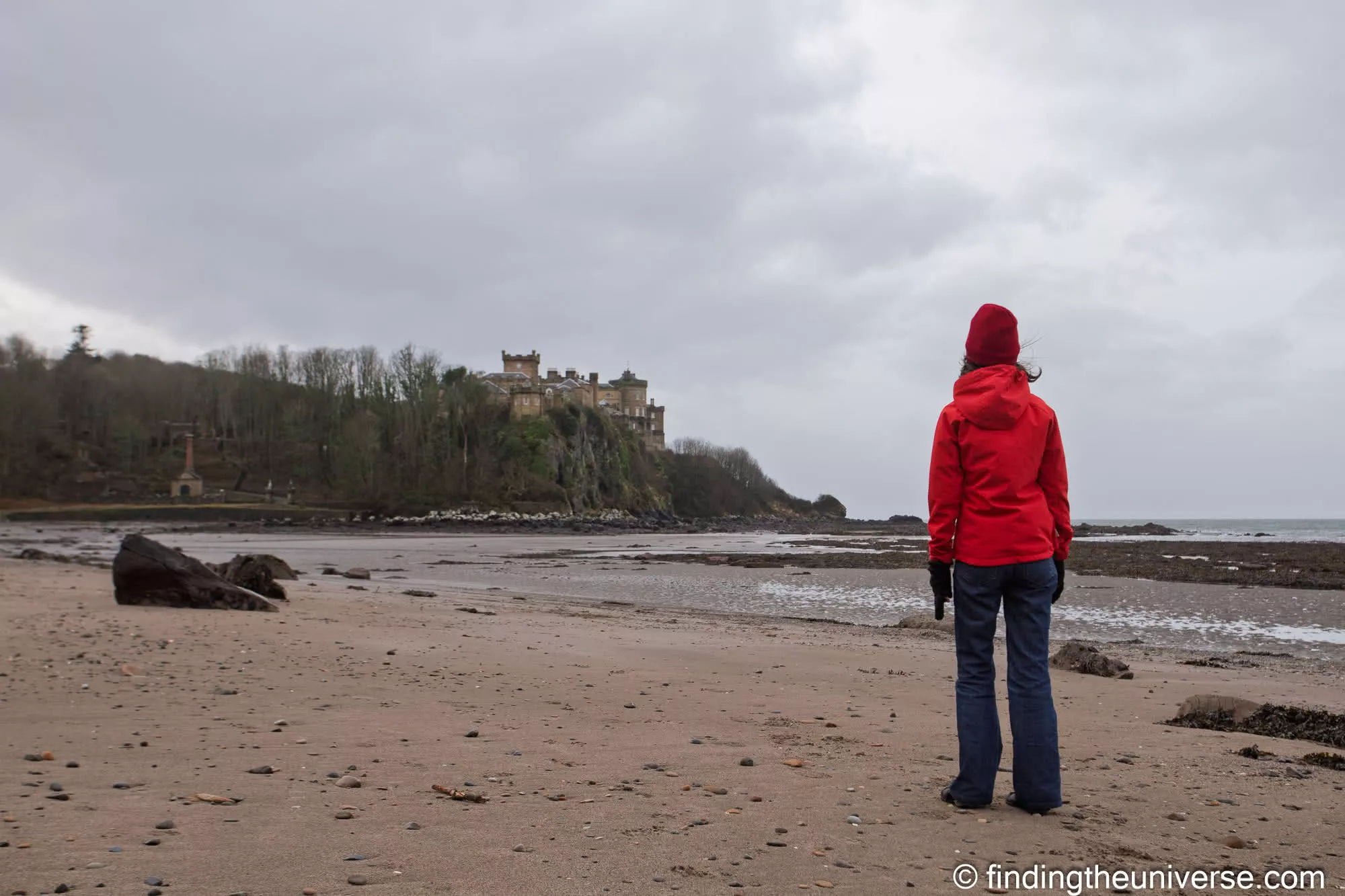
Need to know: Run by NTS; HES passes are not valid. Adult £22, child £11, family £55. Allow half a day. Base: Ayr, or a long day from Glasgow.
11. Crathes Castle
A pink-harled sixteenth-century tower house in Aberdeenshire that looks like it was drawn for a storybook, with painted ceilings inside and famous topiary yew hedges outside that have been growing for centuries. Crathes is smaller and more intimate than Culzean, and of the two I find its gardens better. The great hedges alone are worth the trip in any season.
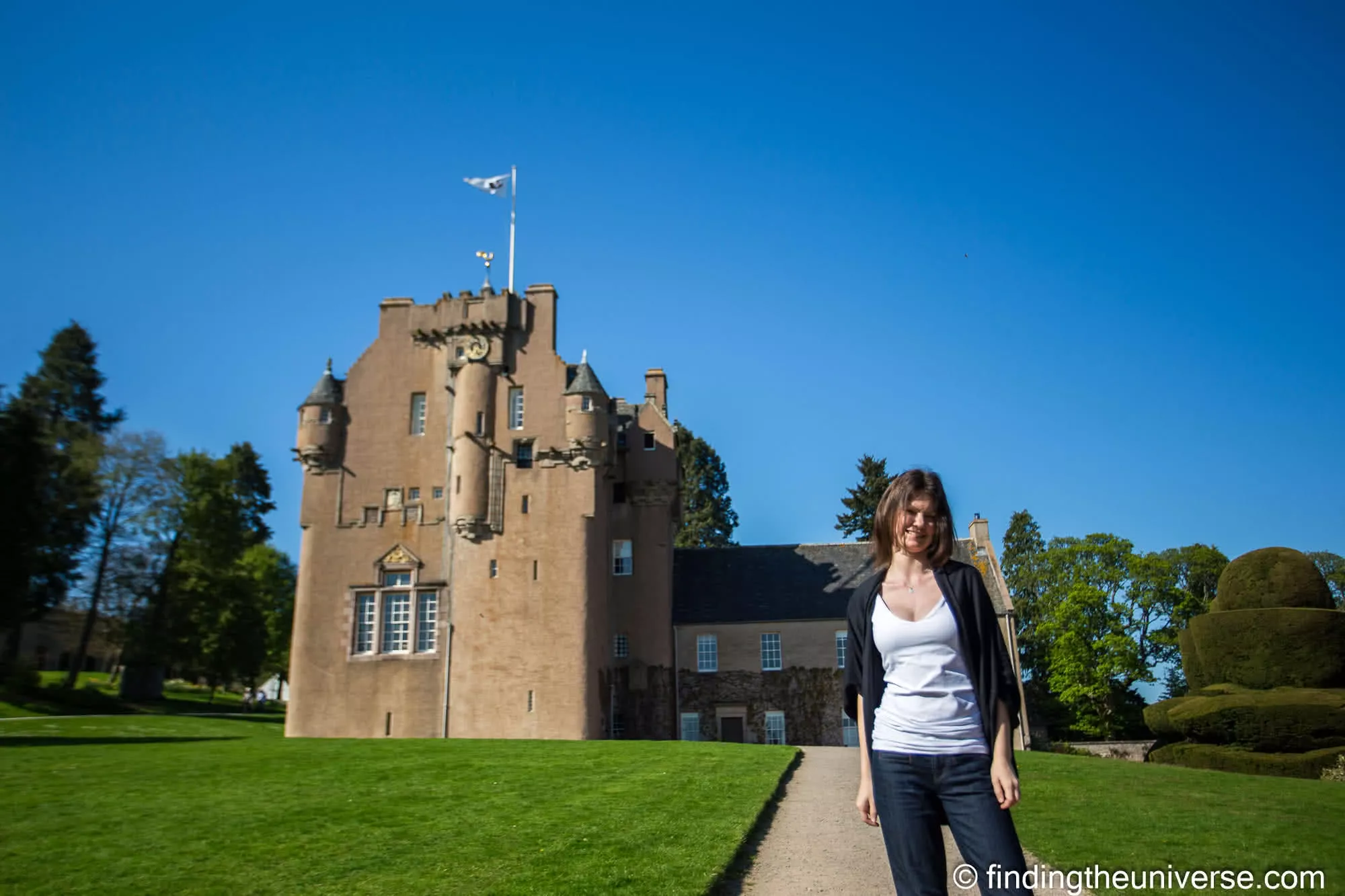
It sits in Royal Deeside, which makes it an easy pairing with Balmoral in that narrow autumn window, or with Dunnottar for a north-east castles day. Adult entry is £18, and note the £5 car park charge on top, which its NTS sibling Culzean doesn’t have.
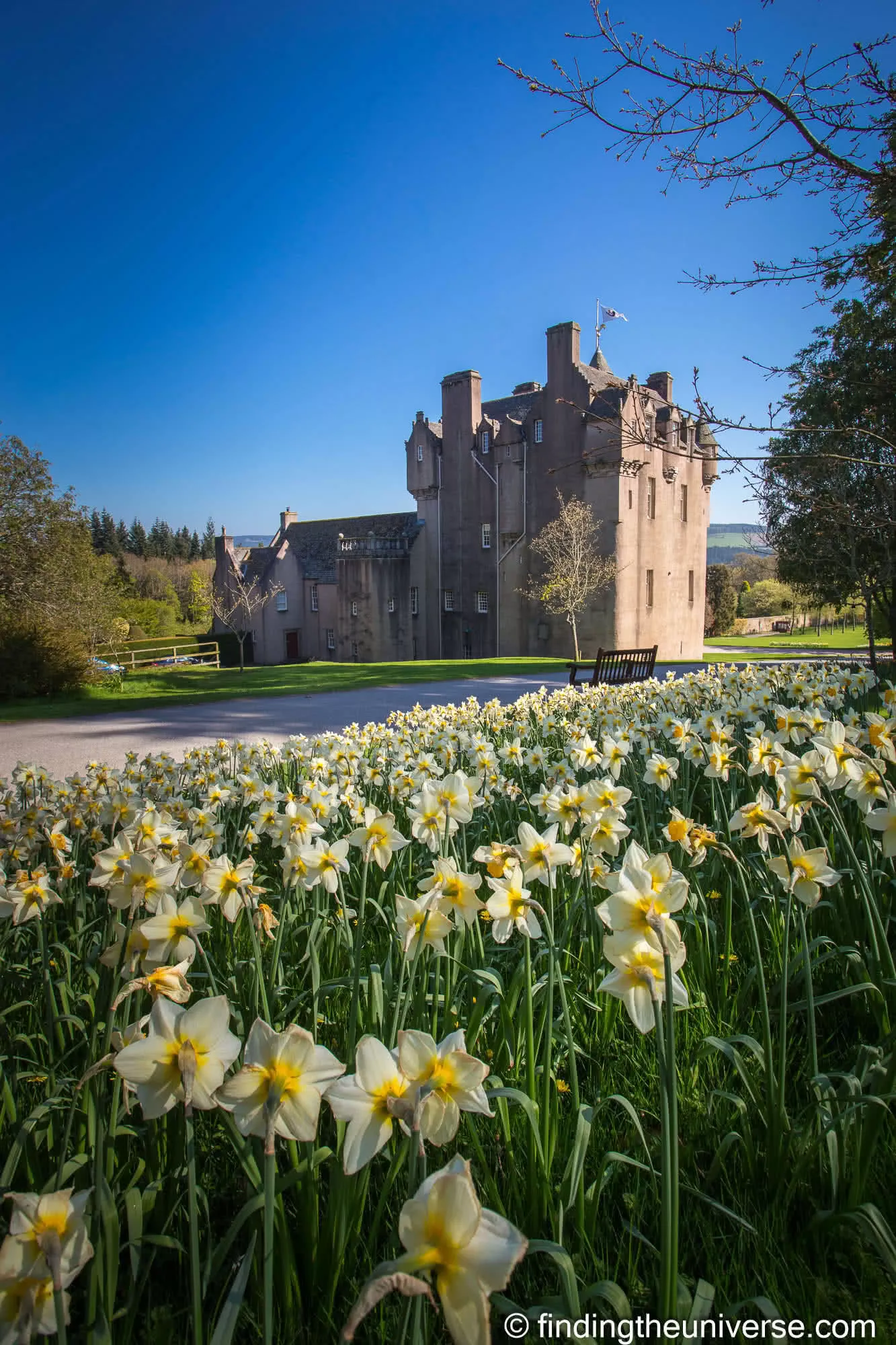
Need to know: Run by NTS; HES passes are not valid. Adult £18, plus £5 parking. Allow 2 to 3 hours. Base: Banchory or Aberdeen.
12. Scone Palace
Yes, it’s a palace rather than a castle, and no, I’m not taking it off the list. Scone (say “skoon”) is where the kings of Scots were crowned, on Moot Hill in the grounds, Robert the Bruce among them in 1306. As a piece of Scottish ground it has few equals, and the current palace, home of the Earls of Mansfield, sits beside that history with state rooms and parkland to walk.
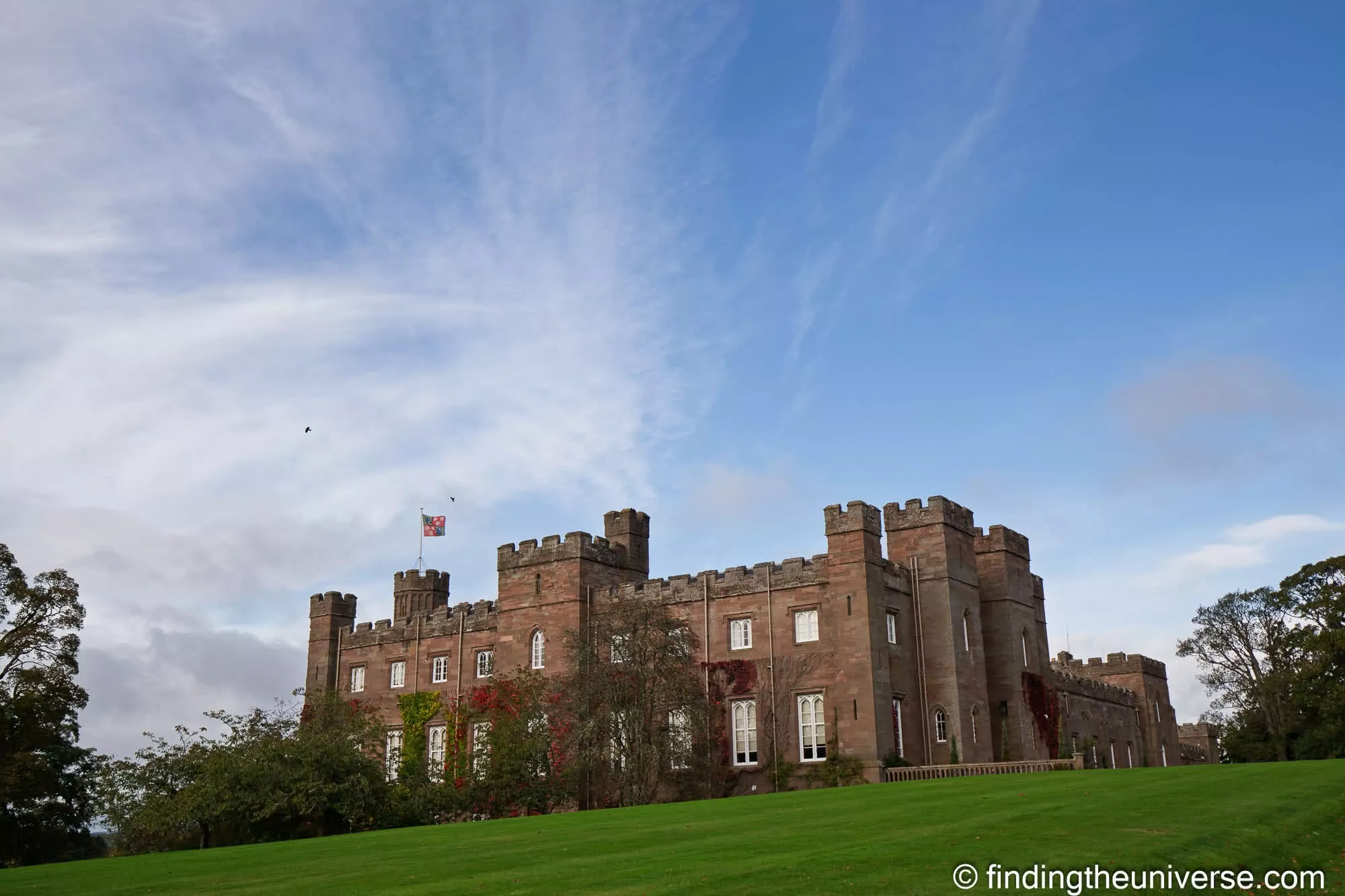
We visited on a trip through Perthshire and it rounds out this list geographically: Perth is an easy run north from Edinburgh and pairs well with Stirling and Doune on a central Scotland route. Opening arrangements and prices are seasonal, so check the palace’s own website when planning.
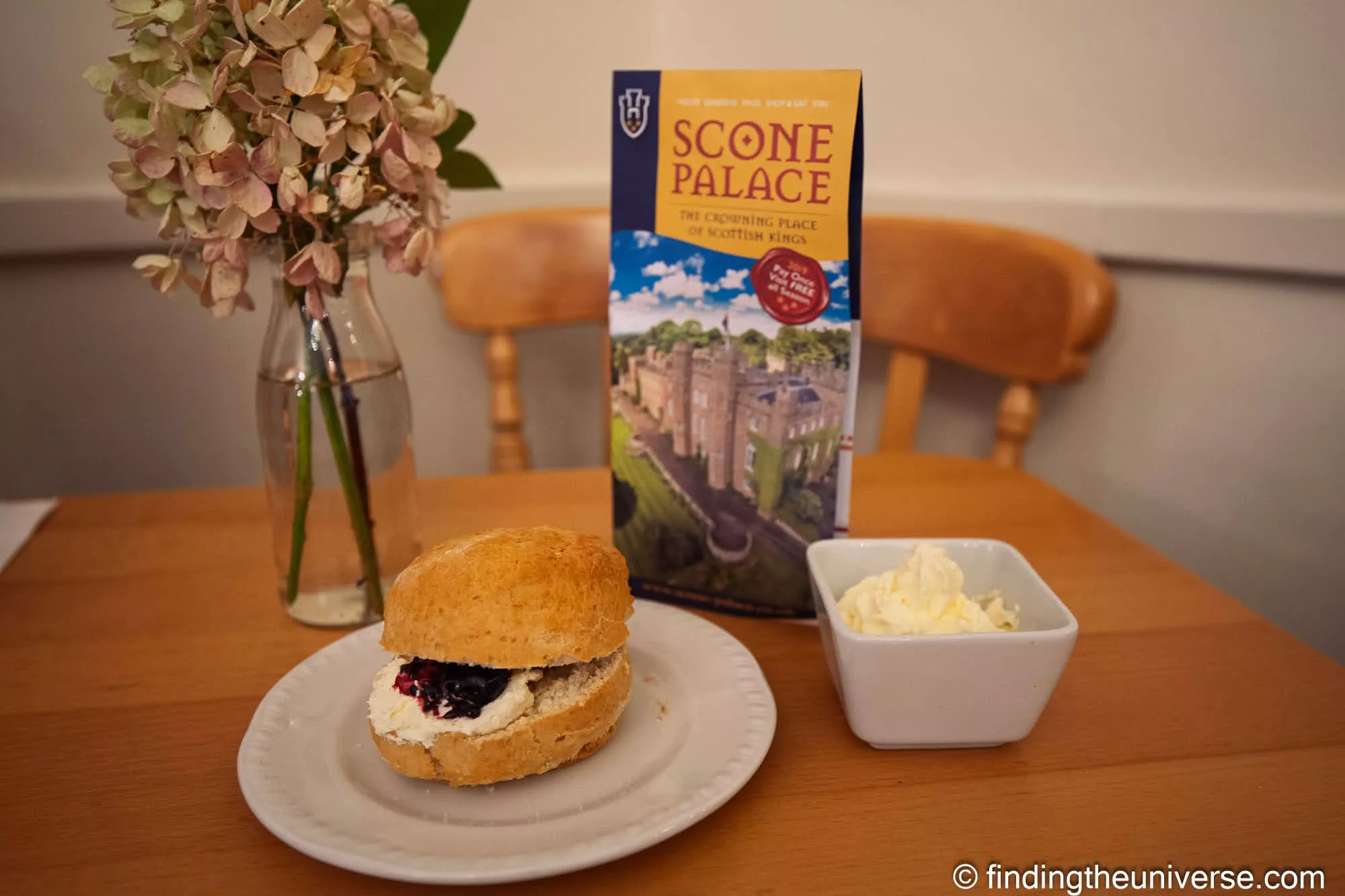
Need to know: Privately owned, no pass covers it. Adult £19.75 for the palace and grounds, or £14 for the grounds alone. Allow a couple of hours. Base: Perth.
13. Ardvreck Castle
The far northwest’s entry is a small ruined tower on a spit in Loch Assynt, surrounded by some of the oldest rock in Europe and some of the emptiest country in Britain. Forget the ticket-and-tearoom idea of a castle visit here. Ardvreck is a lay-by, a short walk over rough ground, and a ruin you can wander at will, free, at any hour.
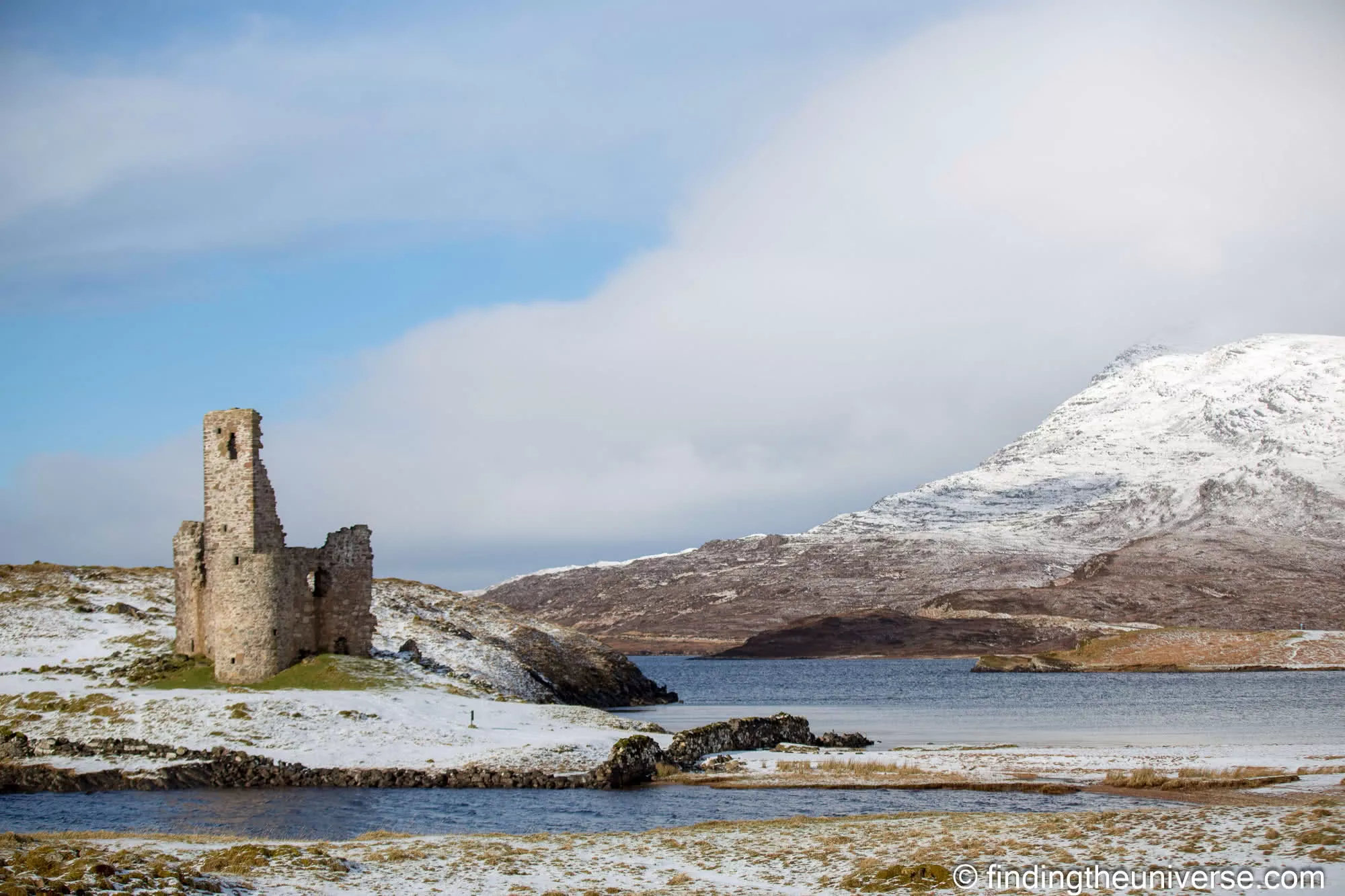
That’s a big part of why I love it. You can stand there at sunset with the loch to yourself and the mountains of Assynt behind, and no other castle on this list gives you that.
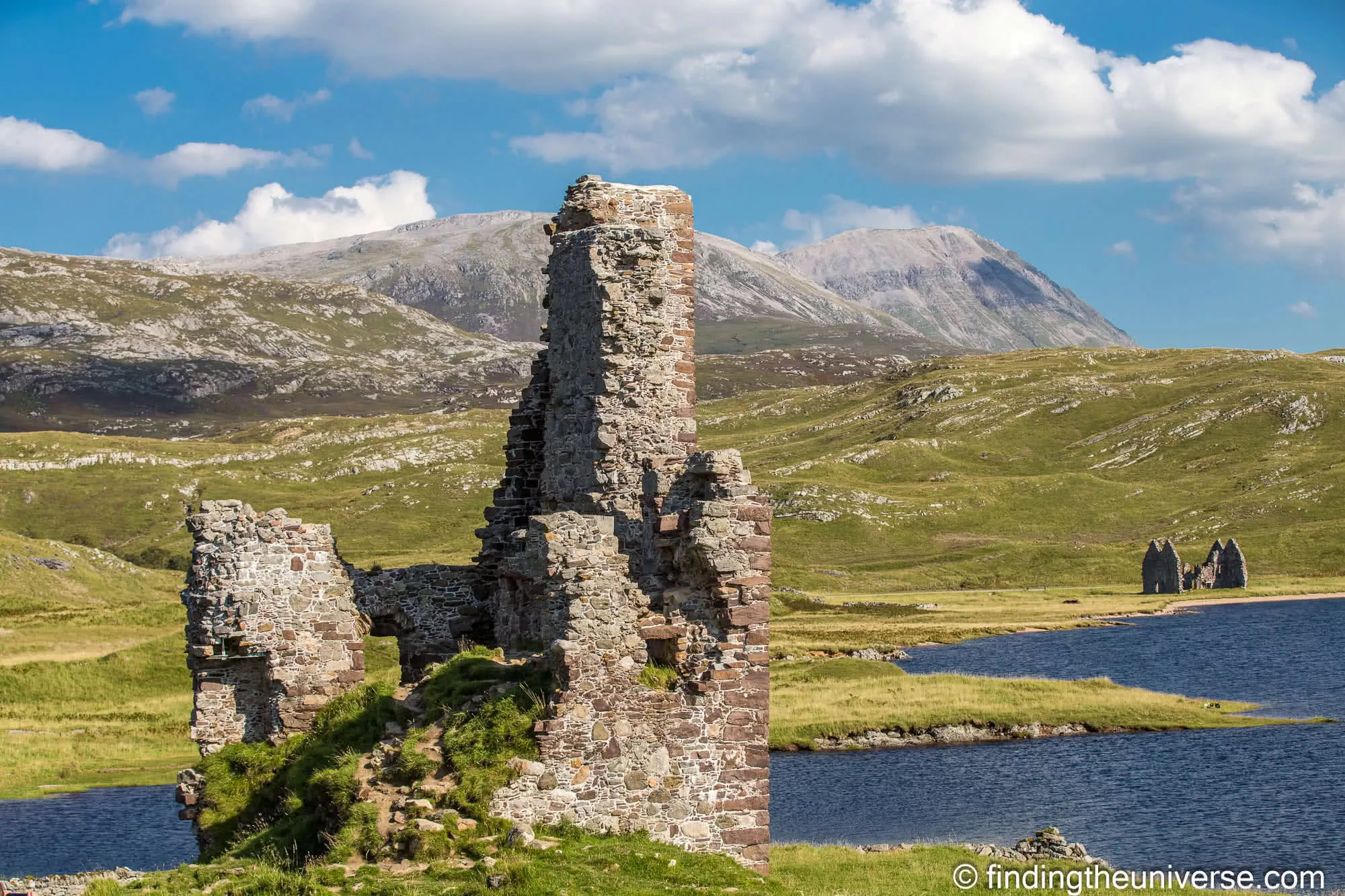
The ground is uneven and boggy in places, so decent boots help, and in summer bring midge repellent such as Smidge, because the Assynt midges are enthusiastic about visitors. This is another North Coast 500 stop, a little beyond Dunrobin on the route.
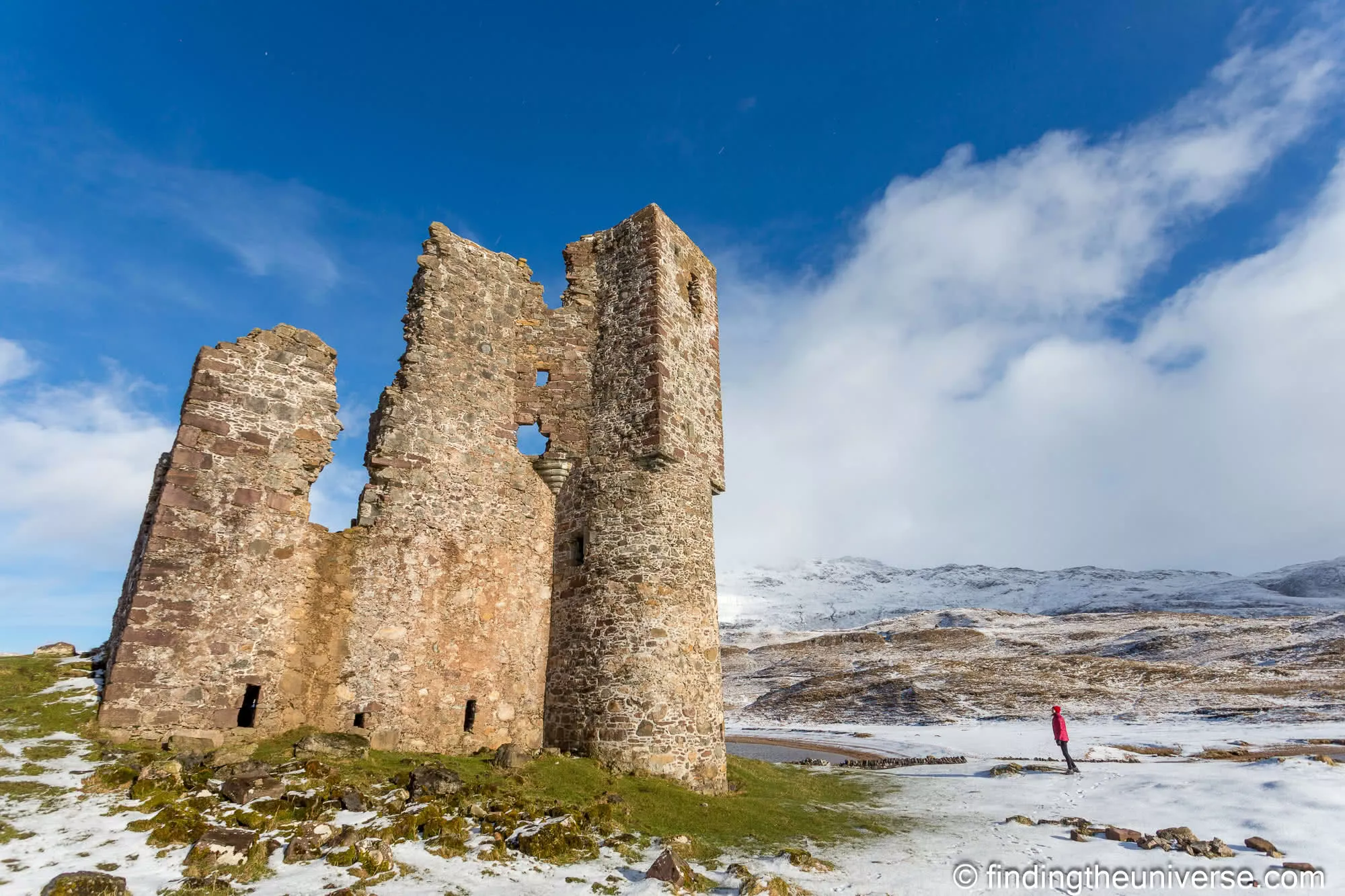
Need to know: An open ruin with no operator, free, always accessible. Allow up to an hour. Base: Lochinver or Ullapool. Evening light across the loch is the one to wait for.
14. Castle Stalker
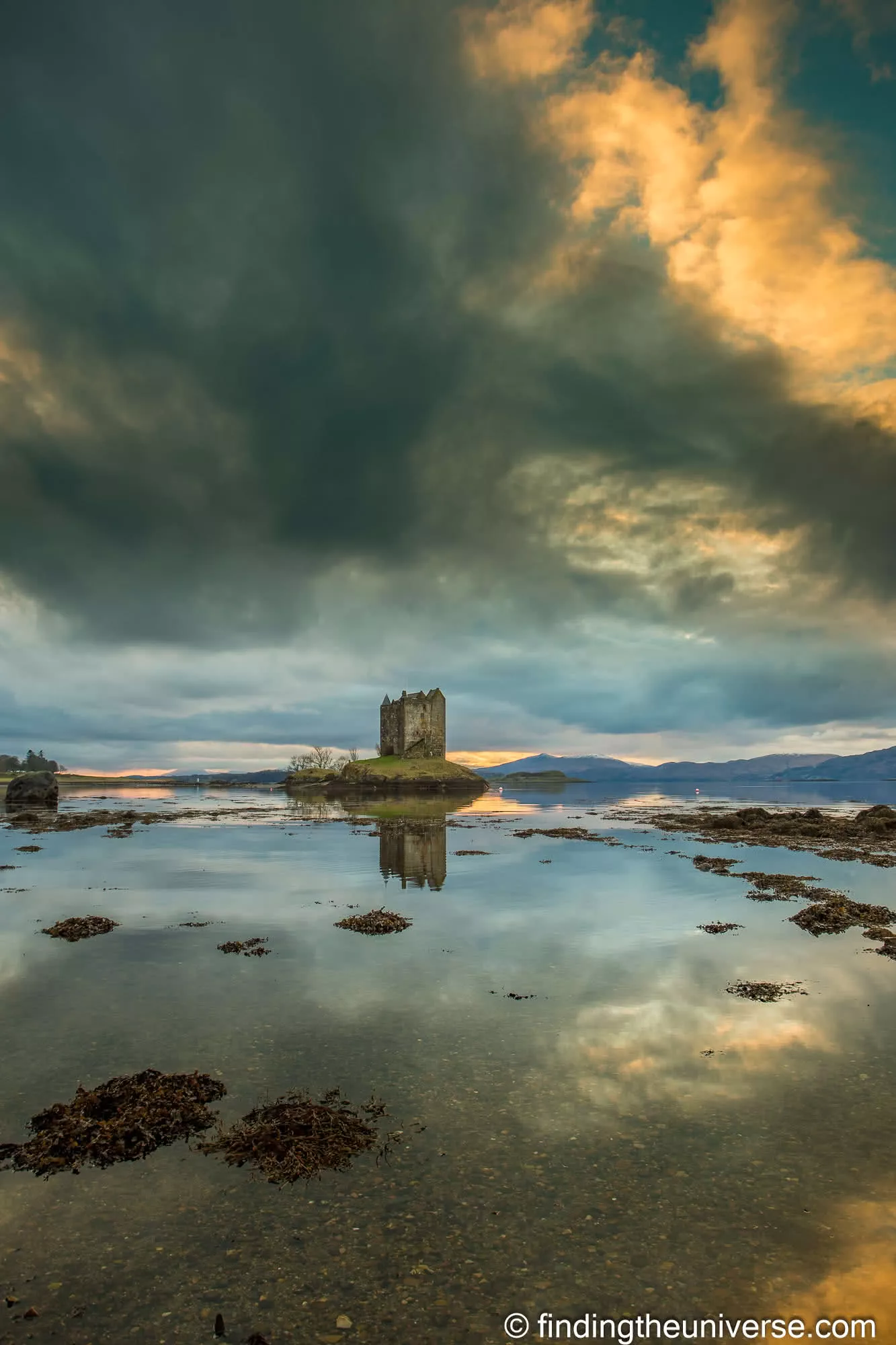
A tower house on a tidal islet in Loch Laich, off the Appin coast between Oban and Glen Coe. You’ll have seen it even if you don’t know it. It plays the castle in the final scenes of Monty Python and the Holy Grail. The classic view, and the one nearly every photograph of it is taken from, is the lay-by viewpoint off the A828, and it costs nothing.
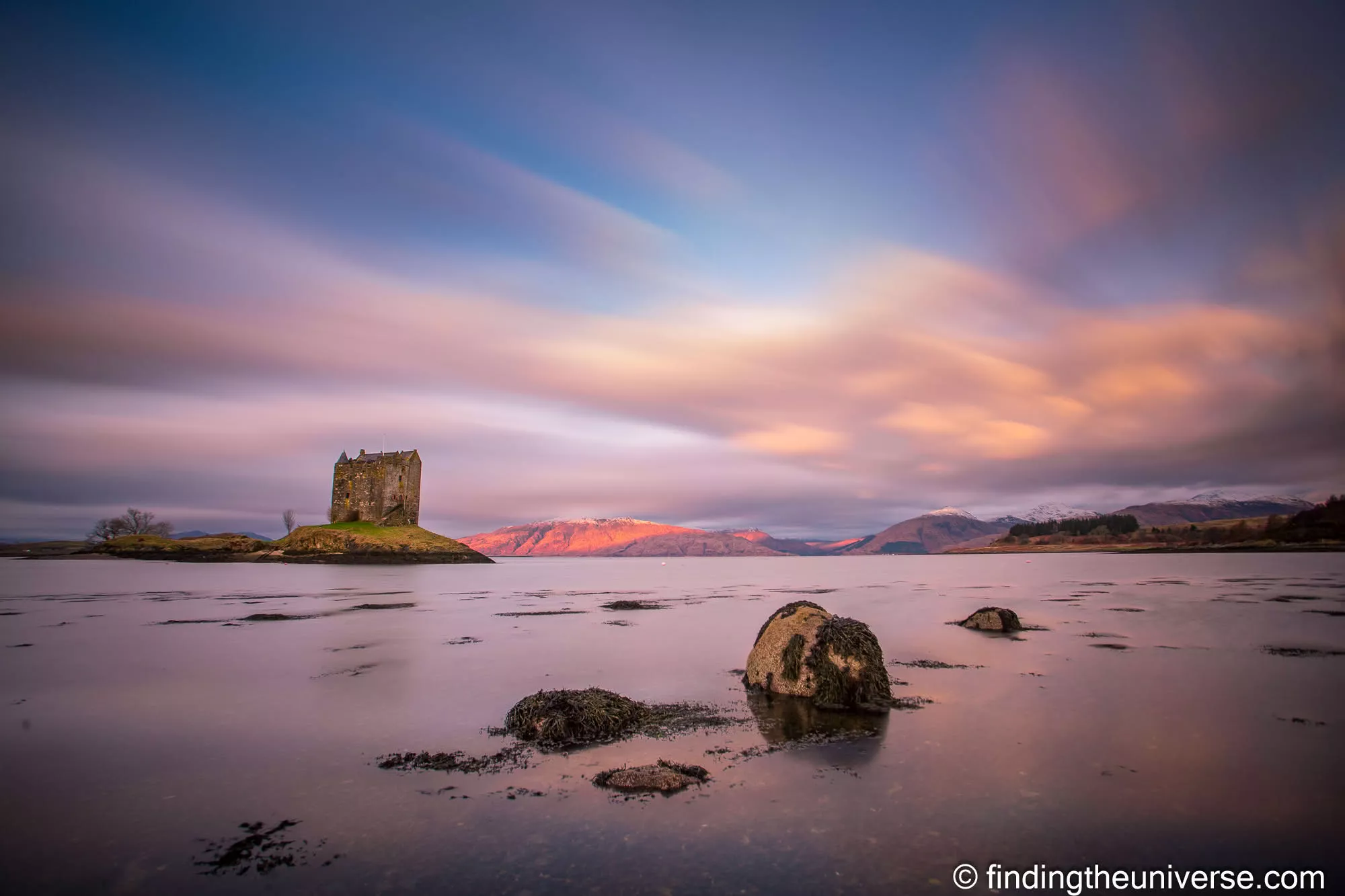
The castle itself is privately owned and isn’t generally open; its own website lists any visit arrangements. I’ve only ever photographed it from the shore, and I’d plan on the same. Come for the view, ideally with the tide in and some weather moving through, and combine it with the drive into Glen Coe, which we’ve covered in our full Glen Coe guide.
Need to know: Privately owned; the famous view from the A828 lay-by is free. Allow a short stop. Base: Oban, Appin or Glencoe village.
15. Dunvegan Castle
The seat of Clan MacLeod on Skye, and the castle with the deepest continuous story on this list. The MacLeods describe it as the only Highland fortress continuously occupied by the same family for 800 years, and they’re still in residence. Inside you’ll find the Fairy Flag, one of the clan’s most treasured possessions, and outside are gardens that come as quite a surprise on a Hebridean sea loch.
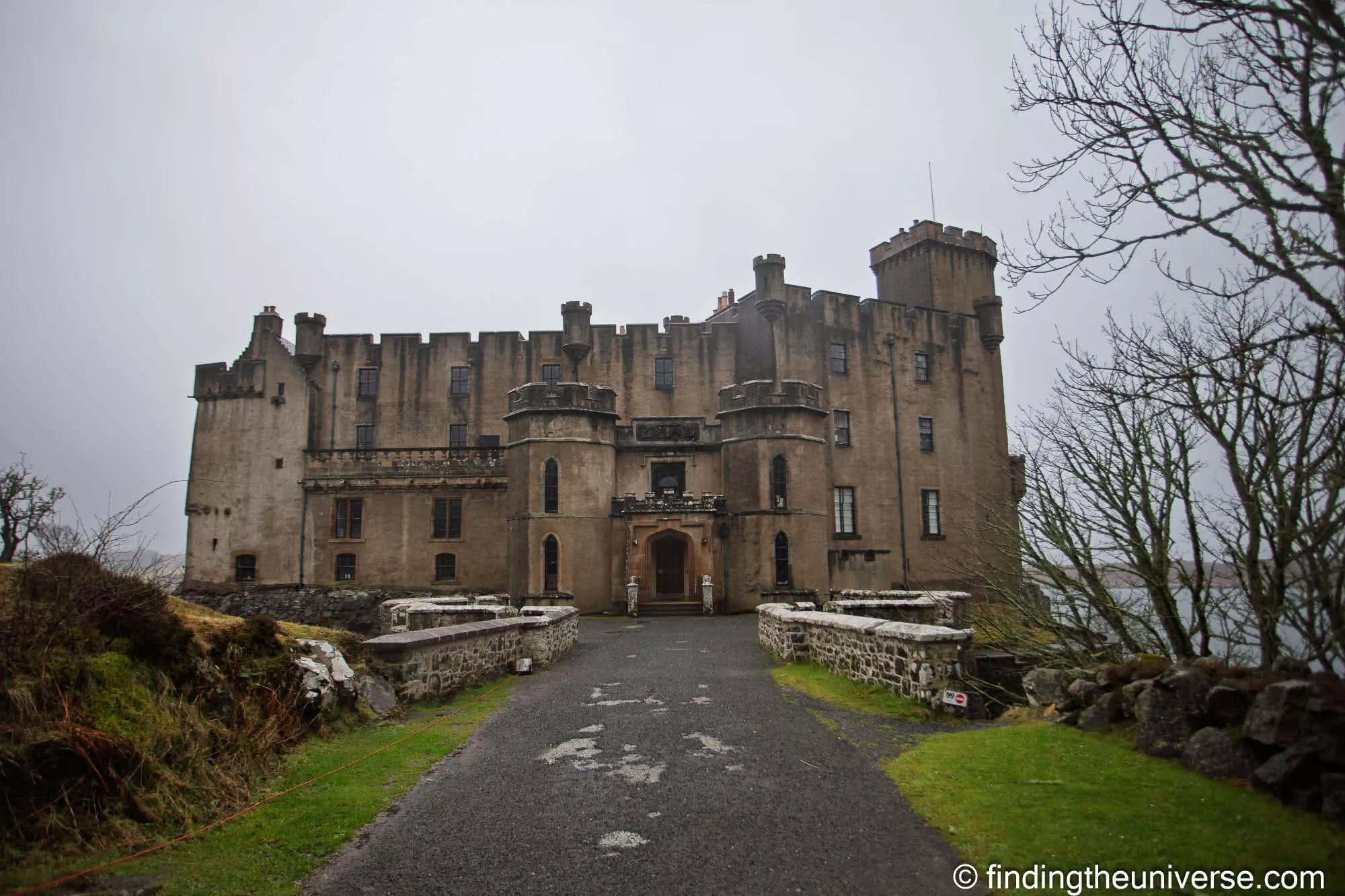
Two seasonal details matter. Dunvegan closes earlier in the year than most Scottish castles. The 2026 season runs 1 April to 15 October, so a late-October Skye trip misses it, and the boat trips to the seal colony below the castle run a shorter season still, 1 April to 30 September, and they go first come first served rather than on a booking. Adult entry to the castle and gardens is £17.50.
If you’re already on Skye for the landscape, Dunvegan is the one interior worth giving an afternoon to; if castles are your main event, it also rounds out a west coast run with Eilean Donan on the way in. Details on the castle’s website.
Need to know: Privately run, no pass covers it. Adult £17.50, child (5 to 15) £12. Open 1 April to 15 October. Allow 2 hours. Base: Dunvegan village or Portree.
Explorer Pass, NTS Membership, or Pay at the Gate?
The castles above split across three ticketing regimes. Historic Environment Scotland runs Edinburgh, Stirling, Urquhart, Doune and Kilchurn from this list, and sells the Explorer Pass. Kilchurn is free to walk up to, though, so it never counts towards making a pass pay: that leaves four.
The National Trust for Scotland runs Culzean and Crathes, and sells annual membership. The two are separate charities, neither honours the other’s pass, and the private castles (Eilean Donan, Dunnottar, Dunrobin, Balmoral, Scone, Dunvegan, Castle Stalker) are covered by neither. No pass covers everything.
The Explorer Pass
The 2026 Explorer Pass costs £48 for an adult (£39 concession, £29 child 7 to 15, £100 family), runs for 14 consecutive days, allows one visit per property, and is sold from 1 April to 31 October. You pre-book it online, and pass holders still book entry timeslots at Edinburgh. It covers a lot more than this list: 61 HES sites, including St Andrews, Craigmillar, Blackness and Tantallon if you’re going deeper.
The Maths
The short version, if you remember nothing else: the Explorer Pass pays for itself at three of the bigger HES castles inside its 14 days, and at two you are better off paying at the gate. That ratio survives a price rise, because HES prices the pass off the castles it covers. The worked sums below use the operators’ own 2026 online prices:
| Your Plan | Paying at the Gate | With a Pass | Winner |
|---|---|---|---|
| Edinburgh + Stirling (city break) | £42.00 | £48 Explorer Pass | Gate, by £6 |
| Edinburgh + Stirling + Doune | £52.00 | £48 Explorer Pass | Pass, by £4 |
| Those three + Urquhart (Highlands loop) | £66.00 | £48 Explorer Pass | Pass, by £18 |
| Culzean + Crathes (NTS pair) | £45.00 | £79.20 NTS annual membership | Gate, easily |
| Kilchurn + Ardvreck + Castle Stalker views | £0 | £0 | Scotland, for free |
Family maths works the same way; the £100 family pass needs the same three-site commitment against, for example, Edinburgh’s £67.50 family ticket.
NTS is a different animal. It sells membership, not a tourist pass; its own FAQ says every membership runs for 12 months or a lifetime, and there’s no short-stay option.
At £79.20 for an adult year (£6.60 a month), it doesn’t pay on a castles trip alone. That £45 at the gate includes the £5 car park at Crathes, which membership also covers: members get two parking stickers. But if your wider Scotland itinerary leans on NTS places (Glenfinnan, Glencoe, Culloden, over a hundred places in all), it can start to make sense. Run the numbers against your actual itinerary before buying it for two castles.
It’s also worth noting that the separate National Trust (which covers England, Wales and Northern Ireland) do sell a shorter Explorer Pass, but this does not cover NTS properties unfortunately.
What We’d Do
On a first one-to-two-week Scotland trip taking in Edinburgh, Stirling, Doune and Loch Ness, buy the Explorer Pass and book your Edinburgh timeslot the same day. For an Edinburgh city break with a Stirling day trip, pay at the gate and pocket the £6. And for the NTS castles, pay at the gate unless the rest of your trip is full of NTS properties. And remember three of the best entries on this list cost nothing at all.
Which Castle Isn’t Worth the Ticket?
A fair question. If I had to name one, it’s Balmoral, with a very specific caveat. The £10 ticket is good value for the grounds, the gardens and Deeside in autumn colour. But if what you want from a castle is furnished historic interiors, know that general admission gets you one room, the ballroom, and nothing else inside.
The exception is worth knowing about: on certain autumn dates there are interior guided tours of a selection of rooms, twelve people at a time (over-16s only), booked online from early September. If interiors are what you came for, book one of those. If you can’t get a place, go for the estate and the setting instead, and spend your interior time at Stirling and Culzean.
I’d also gently steer you away from paying for a view you can have for free. At Eilean Donan the photograph everyone comes for is taken from outside the ticket line, so buy the ticket only if you want to go inside. Kilchurn and Castle Stalker never raise the question at all: at both the view is the entire visit, and it costs nothing either way.
Staying in a Castle in Scotland
You don’t have to limit yourself to visiting castles. You can sleep in one too, and we’ve paid to stay in nine of them over the years, Dalmunzie, Sherbrooke, Tulloch and Dornoch among them.
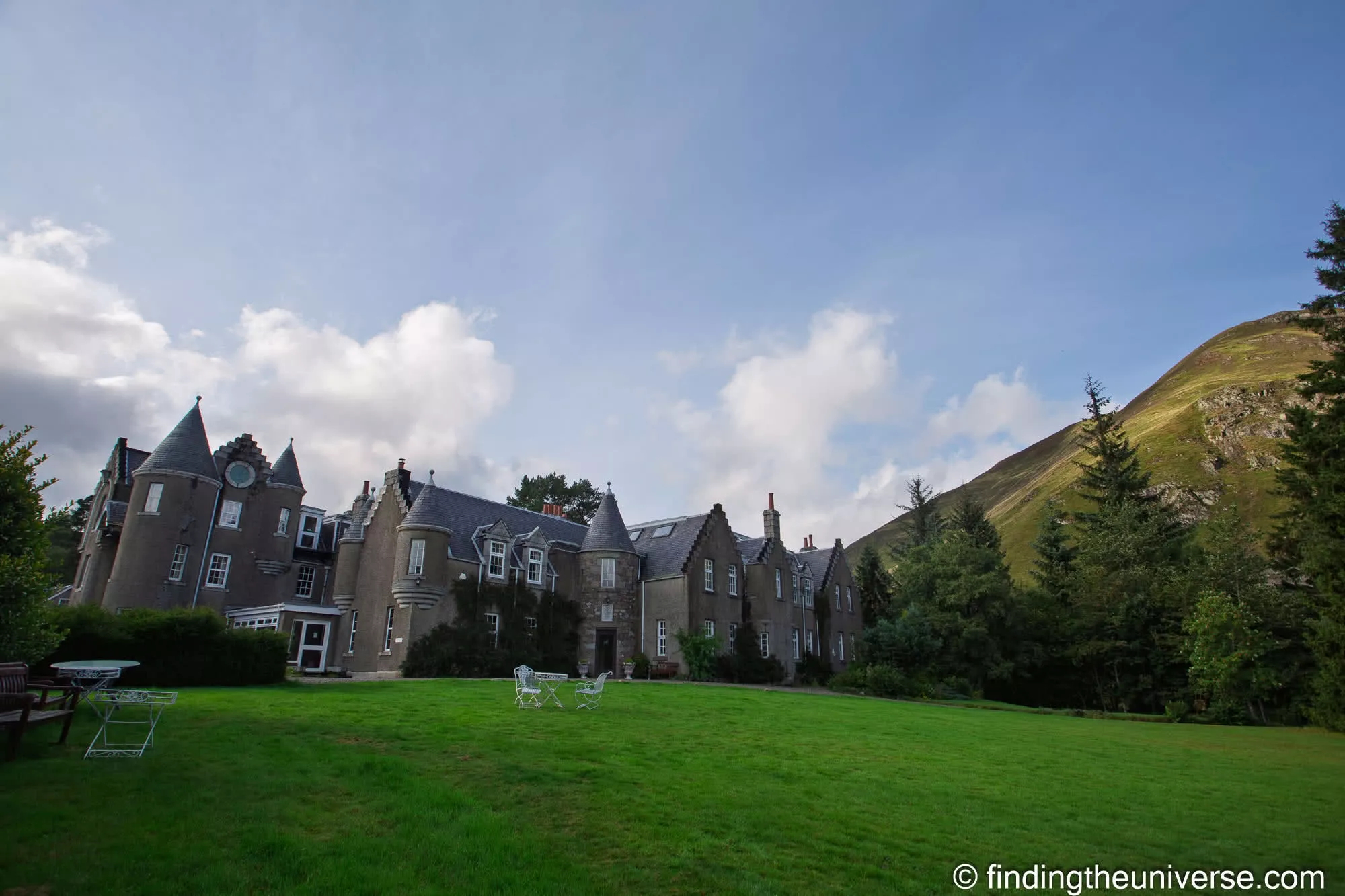
The full write-up now lives in its own guide: the best castle hotels in Scotland, covering what each one is like to stay in, which of them are really castles, and why February is the month to book.
Several castles on this list also have Outlander connections, Doune above all; if that’s part of the draw, our Outlander filming locations guide pairs naturally with a castle-hotel stay.
Getting Around and Trip Planning
Edinburgh, Stirling and Doune work fine by train and bus, and the GOOD25 discount actively rewards you for it at Stirling and Doune. Beyond the central belt, realistically you want a car: Eilean Donan, Kilchurn, Ardvreck, Castle Stalker and Deeside are all built around road access. We use and recommend Discover Cars for comparing hire prices in Scotland; book early for summer.
A few more of our Scotland guides to help with planning: our guide to Scottish whisky distilleries pairs suspiciously well with a castle itinerary, and if you want the grand houses south of the border, we have a guide to Britain’s best stately homes in the same spirit as this list. For a paper companion, the Rick Steves Scotland guidebook (2026 edition) is the one we’d take.
Frequently Asked Questions
What is the most beautiful castle in Scotland?
Eilean Donan is the one most people mean: an island castle at the meeting of three sea lochs with mountains behind, and the view from the bridge approach is free.
My own answer, after photographing every castle on this list, is Kilchurn on Loch Awe. On a misty morning, seen across the water, nothing else in Scotland touches it, and it costs nothing to stand there.
What are the top 10 castles to visit in Scotland?
My top 10, in order: Edinburgh Castle, Stirling Castle, Eilean Donan, Urquhart, Dunnottar, Doune, Dunrobin, Balmoral (in its autumn window), Kilchurn and Culzean. That set spans the cities, Loch Ness, the west coast, the far north and Ayrshire, and covers all three ticketing regimes.
What are the top 3 tourist attractions in Scotland?
On ALVA’s 2025 visitor figures, the National Museum of Scotland is the most visited attraction in Scotland at 2,318,305 visits, with Edinburgh Castle the most visited paid attraction at 2,044,963. The remaining podium place shifts from year to year, so I’d treat those two as the fixed points.
What is the most photographed castle in Scotland?
Several castles claim this title and nobody actually measures it. Eilean Donan is the one most often given it, and Historic Environment Scotland applies the phrase to Kilchurn. There’s no count behind any version of the claim, so treat it as marketing rather than fact. For what it’s worth, my own pick to photograph is Kilchurn.
Is the Historic Scotland Explorer Pass worth it?
It’s worth it if you’ll visit three or more of the bigger Historic Environment Scotland sites within 14 days. At 2026 prices, Edinburgh, Stirling and Doune together cost £52 at the gate against £48 for the pass, and each further HES site widens the gap.
For just Edinburgh and Stirling, pay at the gate. The pass doesn’t cover National Trust for Scotland castles or any privately owned castle.
Do you need to book Edinburgh Castle tickets in advance?
Effectively yes. Booking isn’t formally required, but tickets often sell out well in advance in summer, and once they’re gone online there are none at the castle itself. Online booking is also cheaper: £23.50 against £26 on the day. If your dates are flexible, the £38 Flexi ticket covers any one day in a 7-day window.
Final Thoughts
Fifteen castles is a lot of castles. You’ll visit three or four on a normal trip, and that’s the right number. Pick by geography (city, west coast, north east or far north), let the free views do some of the work, and put the money you save on tickets towards a night in a castle hotel instead.
However you slice it, you’ll come home with a camera roll full of turrets. And if your favourite ends up being one I’ve ranked too low, I’m happy to argue about it in the comments!
Leave a Reply