
Inverness is the northernmost city in the UK, the capital of the Highlands, and a place we’ve been coming back to for years. We’ve lost count of how many times we’ve visited now, and it’s one of those cities that keeps pulling us back, partly because it’s a brilliant base for exploring the Highlands, and partly because the city itself has a lot more going on than people expect.
In addition to its own attractions, Inverness is the starting point for the popular North Coast 500 driving route and a handy base for visiting Loch Ness, Culloden Battlefield, and a whole string of castles, distilleries, and wild coastline.
This guide is built around how we’d actually spend a day in the city. We’ve worked through it more than a few times now, in pretty much every kind of weather Inverness can throw at you (which is most of them). After the main day plan, we cover the in-city stops we couldn’t quite fit, the day-trips worth keeping in mind for a second day, plus practicalities on getting here, eating, and staying.
If you’ve got more time and want a wider sweep of day-trip ideas, our separate guide to the best day trips from Inverness goes deeper into that side of things.
Table of Contents:
How We’d Spend a Day in Inverness
One day is about right for the city itself. You can tick off the headline attractions, eat well, and still finish in time for a pint and some live music. Here’s how we’d do it, in roughly the order we’d take, with timings that are deliberately a bit loose. Inverness rewards a wander, not a stopwatch.
A note on which day of the week, before you commit to anything: avoid Sundays for your visit if you can. The Inverness Museum is closed Sundays and Mondays, Leakey’s Bookshop and Cafe 1 close on Sundays, and Rocpool’s restaurant is shut Sunday and Monday too. Castle, Cathedral, Hootananny, and Victorian Market are all open seven days, so a Sunday isn’t a dead loss, but Wednesday to Saturday is when everything’s running.
09:00 Breakfast and a Walk Down to the River
The Castle Experience doesn’t open until 10:00, so we’d start the day with breakfast and an unhurried walk down to the River Ness. Cafe 1 on Castle Street opens later in the day, so for breakfast we tend to head somewhere like Perk Coffee on Queensgate or one of the small independents along the High Street. Whatever you pick, the point is to be on your feet before 10:00 and within five minutes of Castle Wynd.
If you’ve stayed somewhere central you’ll already be in this stretch. The early-morning walk down to the river is one of our favourite small moments of an Inverness day. Castle Wynd drops you neatly to the riverside path, and if it’s not bucketing it down, you can wander a little along the bank before heading up to the castle gates for opening.
10:00 The Inverness Castle Experience
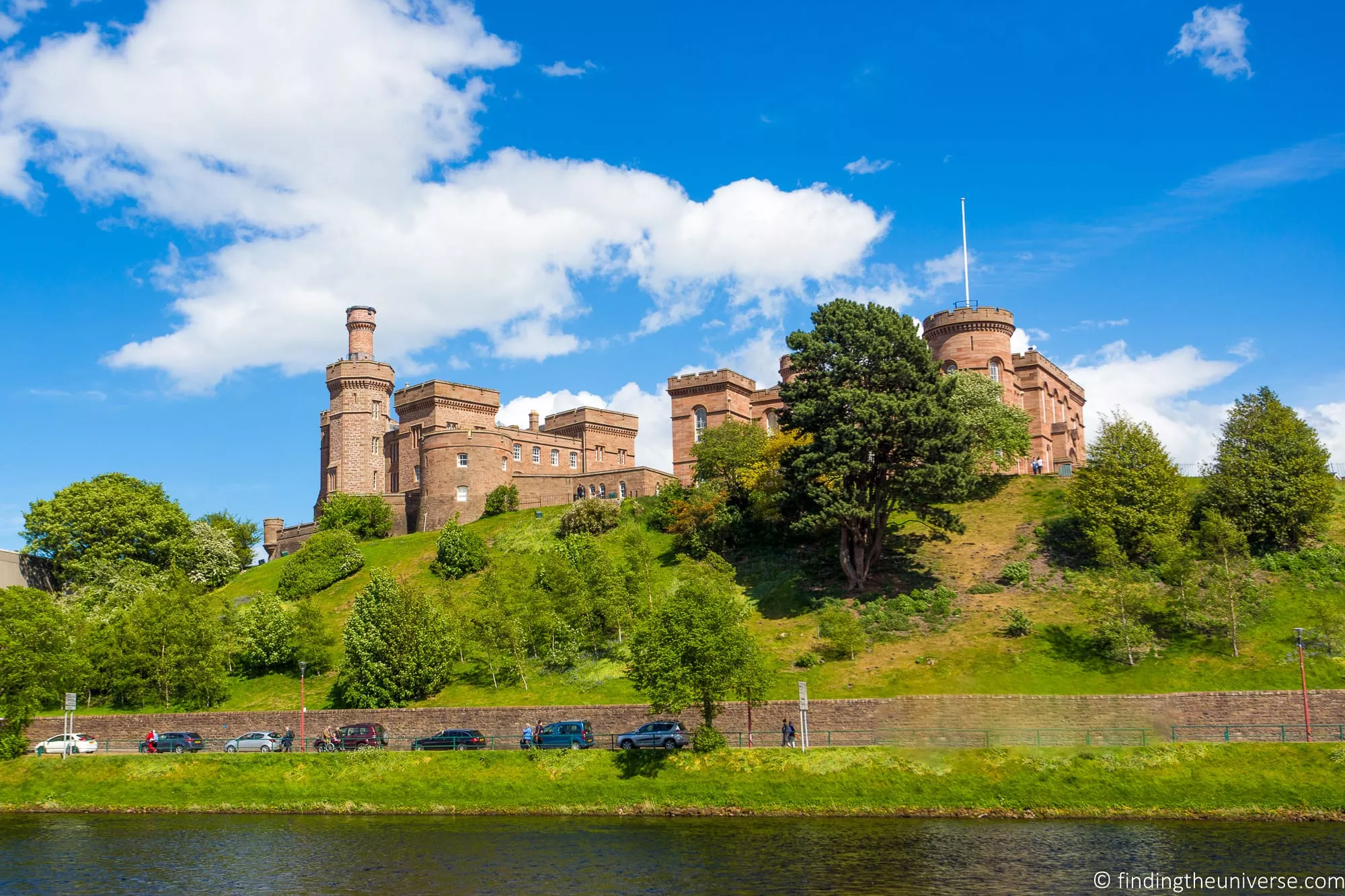
The big news for Inverness is that the castle finally reopened. After years of refurbishment (and several delays), the Inverness Castle Experience opened its doors in December 2025, and it’s completely transformed what was previously just a nice building to look at from the outside.
The £47 million project has turned the castle into a proper visitor attraction. In the South Tower, you follow a self-guided route accompanied by a seanchaidh (that’s Gaelic for storyteller), working your way through a series of immersive rooms that tell the stories of the Highlands through interactive installations, sound, and light. The restored Rose Window, rescued from a demolished Victorian church in the city, is one of the standout pieces. There’s also a 360-degree immersive show that’s worth sitting through.
Up on the roof terrace, you get panoramic views across Inverness, the River Ness, and on a clear day right down towards Loch Ness and Ben Wyvis. It’s a bit windy up there (this is the Highlands after all), but it’s probably the best view in the city.
The North Tower has the Ceilidh Rooms, which include an exhibition dedicated to the band Runrig and the Tapestry of the Highlands and Islands, a community art project involving over 650 stitchers from across the region. There’s also a bar up here.
We haven’t had the chance to visit the new experience ourselves yet (it opened after our last trip), but it’s at the top of our list for next time. Reviews have been very positive, and at £20 for an online ticket (£22 on the door), it’s good value for the 90 minutes to two hours most people spend inside. The grounds, the Saltire Bistro, and the Castle Shop are all free to visit without a ticket, so even if you decide against the full experience you can still wander up.
You can book tickets and check opening times on the official website. The castle is open year-round from 10:00, with last admission varying from 18:00 in midsummer to 16:00 between November and March.
12:00 Lunch on the Riverside
From the castle, it’s a short walk back down Castle Wynd to the riverside, where you’ve got three of our favourite lunch spots clustered within a couple of minutes of each other. The Mustard Seed is the one we’d point you to first, especially for a longer sit-down lunch. It’s housed in a converted church right on the river, doing Scottish-influenced European cooking, and it serves lunch every day. Book ahead in summer.
Rocpool (the standalone restaurant on Ness Walk, not the hotel that shares the name) is more of a dinner pick, but on the right day you can grab a riverside seat too. Cafe 1 on Castle Street sources ingredients from its own croft on the Black Isle. It’s a local institution, but worth knowing it doesn’t open for lunch Monday or Tuesday, so check the day before you commit.
If you’re walking from the castle, you’ll pass the Old High Church on your way down. It’s the oldest church site in the city and worth a glance from the road even if you’re not stopping in. We’ve not been inside.
13:00 The Ness Islands Walk
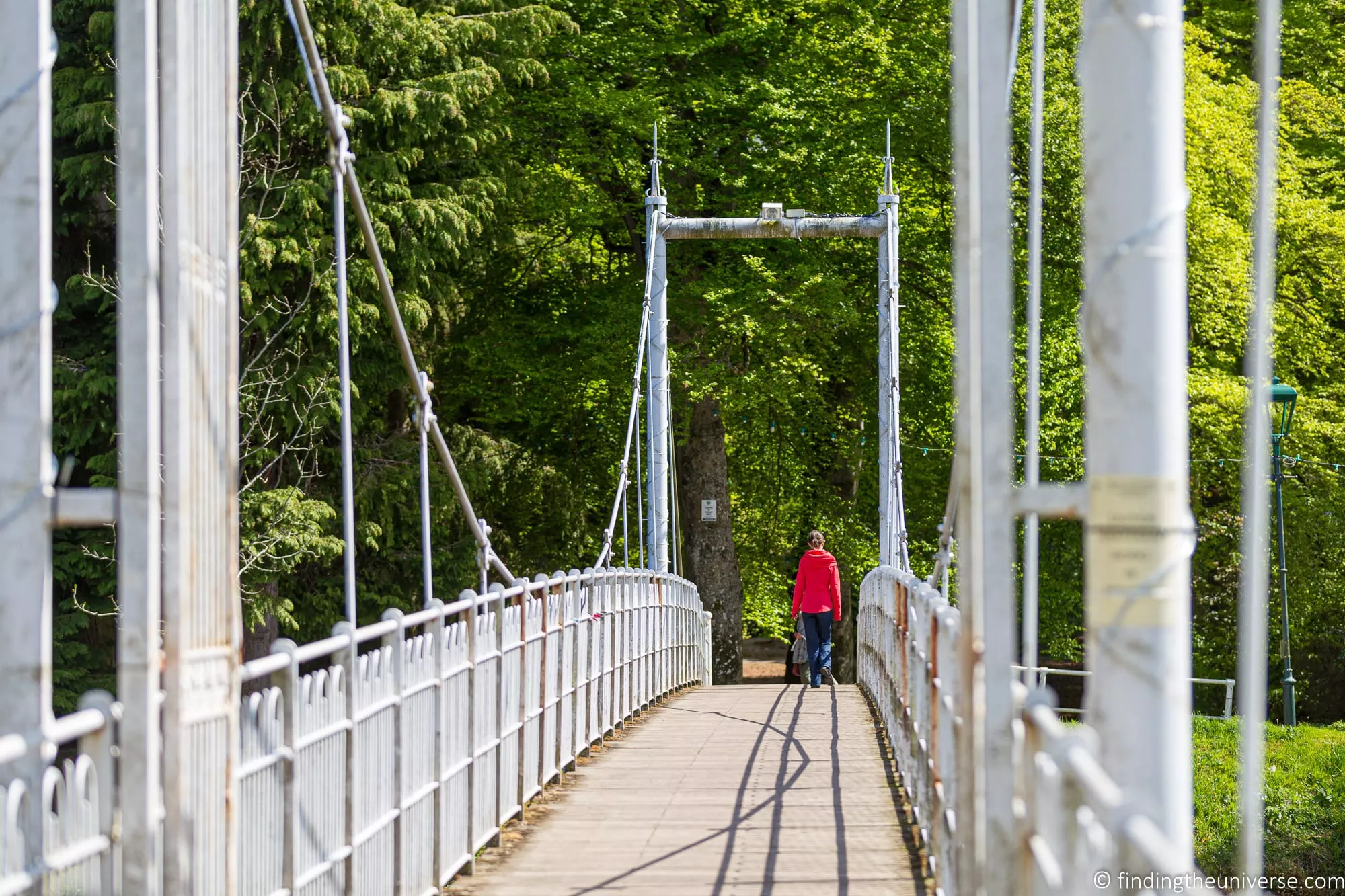
With lunch done, head south along the east bank of the River Ness, following the Ness Walk. You’ll soon find a gorgeous old Victorian footbridge that connects you to the Ness Islands.
These are a small group of islands right in the middle of the river, and they’re one of our favourite spots in Inverness. The trees are surprisingly large for what are basically mid-river sandbanks, and on a sunny day (yes, they do happen up here), it’s hard to believe you’re still in a city. On a rainy day, which is a bit more likely, the tree cover provides a decent amount of shelter. It’s also a wonderful place to see bluebells if you visit in bloom season (usually May – June).
You can cross between the islands and onto the western shore, which brings you towards the Botanic Gardens. Or you can loop back along the Ness Walk, which is a 3.1 km (1.9 mile) trail in total. Either way, it’s a lovely walk and completely free. We’d budget 45 minutes to an hour for the loop.
14:30 Inverness Cathedral
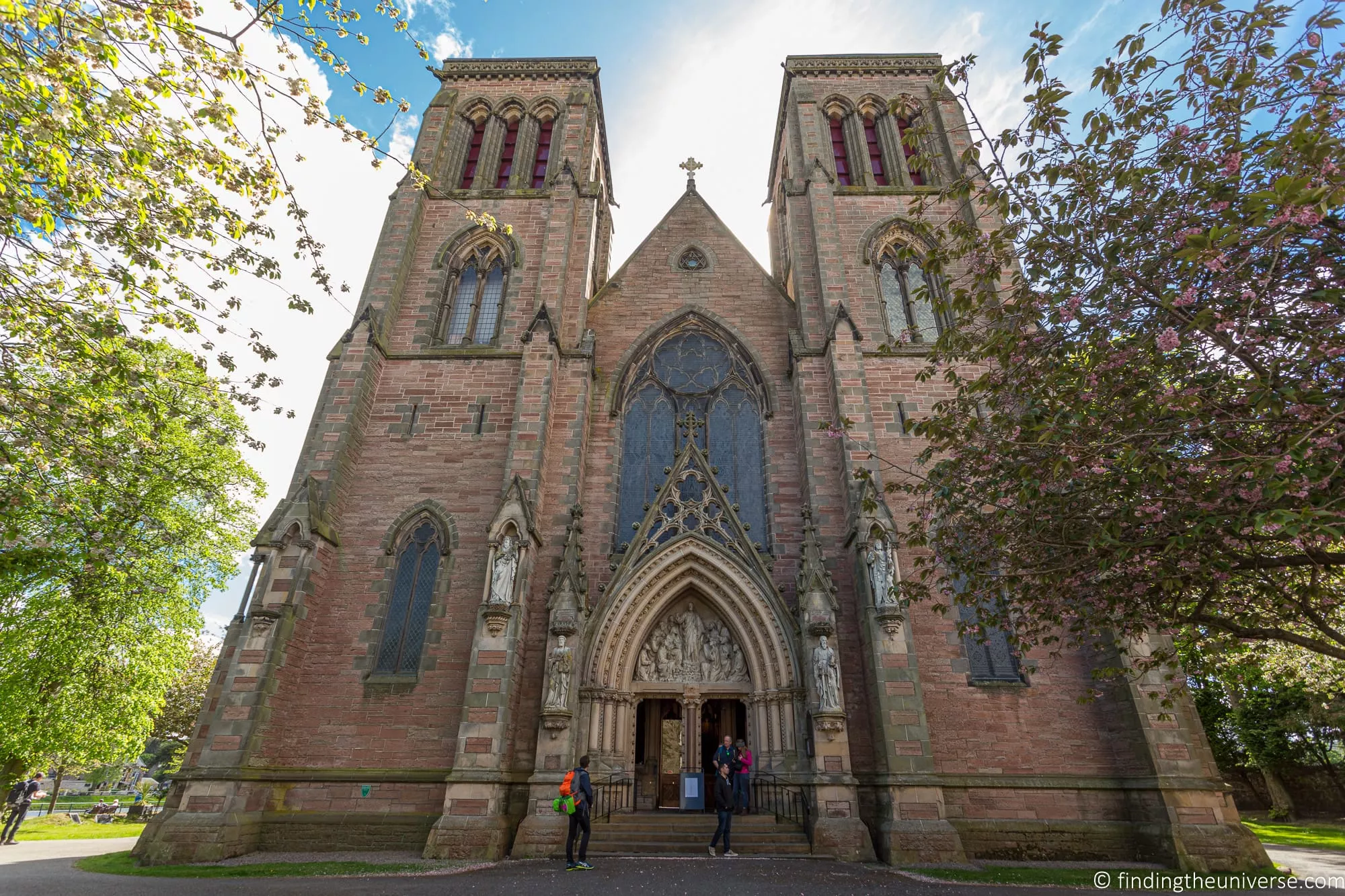
Back across the river from the islands, and a few minutes’ walk north along the west bank, you’ll find Inverness Cathedral. It’s the most northerly cathedral on mainland Britain, built in the Gothic style from local red stone, with construction completed in 1869. The architect was Alexander Ross, and this was the first cathedral to be completely built and consecrated in Great Britain since the Reformation. That’s a fairly impressive claim to fame for a building most visitors walk right past.
This Scottish Episcopal Church is very much an active place of worship, hosting everything from regular services through to weddings and baptisms. It’s also open for visitors daily from 09:00 to 18:00, with a small cafe and gift shop on site. We’d recommend checking the calendar of events before you visit, as access can be limited during services. Entry is free.
15:00 Inverness Museum and Art Gallery
Cross back over the Ness Bridge and head up Castle Wynd, and you’ll find the Inverness Museum and Art Gallery right next to the castle. If you want to get a handle on the history of Inverness and the Highlands more broadly, this is the place to start.
The museum collection goes back to 1881, although the present-day building is more recent. It covers everything from the geology and natural history of the area through to the people who have called this part of Scotland home over the centuries. It’s set out as a timeline of the landscape and culture, which is an effective way to orient yourself before tackling anything else in the Highlands. It’s well worth visiting before Culloden in particular, as it gives you a lot of the backstory.
There’s also an art gallery with temporary exhibits from local, national, and international artists. You can see what’s on here.
The museum is free and donations are appreciated. A couple of practical notes: it’s closed Sundays and Mondays, with reduced opening hours between November and March. If you’re planning a Sunday or Monday visit to Inverness, this stop needs to come out of the spine. You can check current opening times on the official site.
16:00 Leakey’s Bookshop
From the Museum it’s a five-minute walk north to Church Street and one of our favourite Inverness stops. Leakey’s Bookshop is Scotland’s largest second-hand bookshop, housed in what was previously a Gaelic church dating from the 17th century, and home to over 100,000 volumes.
The store is spread across two floors, with books stacked from floor to ceiling throughout. If you were to dream of how a second-hand bookshop might look, this might be it. It’s heated by an impressively large wood-burning stove that hulks in the centre of the room, and the mezzanine is reached by a lovely spiral staircase. There’s a bit of Outlander-adjacent history attached to the building too: after the Battle of Culloden, the church was used as a temporary hospital for wounded soldiers.
Open Monday to Saturday from 10:00 to 17:30, closed Sundays. It’s free to wander, but with over 100,000 books on hand, you’ll probably leave with one. We have, more times than we’d care to admit.

16:45 The Victorian Market
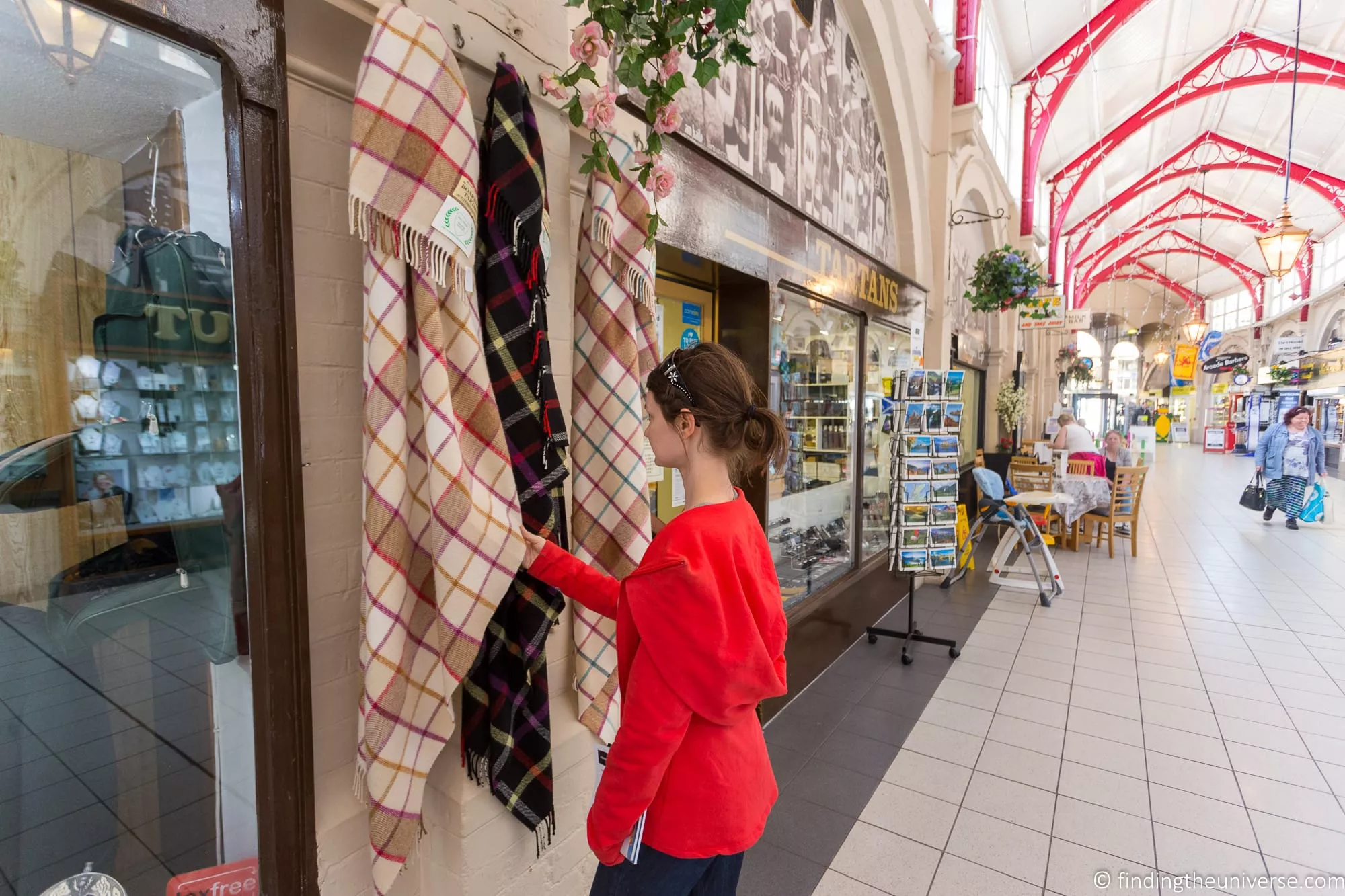
Five minutes south of Leakey’s, on Academy Street, sits the Victorian Market. This covered market dates from the 19th century and has been home to independent retailers ever since. The wrought-iron arches and glass roof are the photogenic part. Today you’ll find a mix of shops, cafes, food stalls, and services, including a newly refurbished food hall and a small Victorian Market Railway exhibit that runs from 11:00 daily.
It’s open every day from 08:00, though individual retailers have their own opening times and most shops are closing by 17:00. Even if you aren’t planning to buy anything, it’s a pleasant place to duck into for a browse, and it’s a good shelter on a wet afternoon. We tend to leave Inverness via here with at least one daft purchase we hadn’t planned on.
Of course, there are loads of other shopping options in Inverness, and it’s a good place to stock up should you be planning a trip somewhere like the Cairngorms or around the North Coast 500. You can get everything from groceries to outdoor supplies in the city.
18:30 Dinner, and Live Music if You’re Up for It
By now you’ve probably built up an appetite, and Inverness has a better range of dining than you might expect for a city this far north. If you’ve not used the Mustard Seed or Rocpool for lunch, either is a strong dinner choice; both are within a short walk of the centre. Rocpool is the smarter option, with a Michelin-listed menu of modern Scottish dishes; Mustard Seed runs a slightly more casual European-Scottish menu. For something with more atmosphere and less ceremony, the Castle Tavern serves good pub food with views back up to the castle, and food runs till 22:00 or 23:00 depending on the season.
Our pick for an evening that runs late is Hootananny on Church Street, which does traditional Scottish food alongside live music every night from 20:30. You don’t book; you arrive, you find a seat, and the band starts. The Uile-bheist Waterside Restaurant is the newer option, and a good shout if you want a riverside table and a tasting flight of the brewery’s own beers afterward.
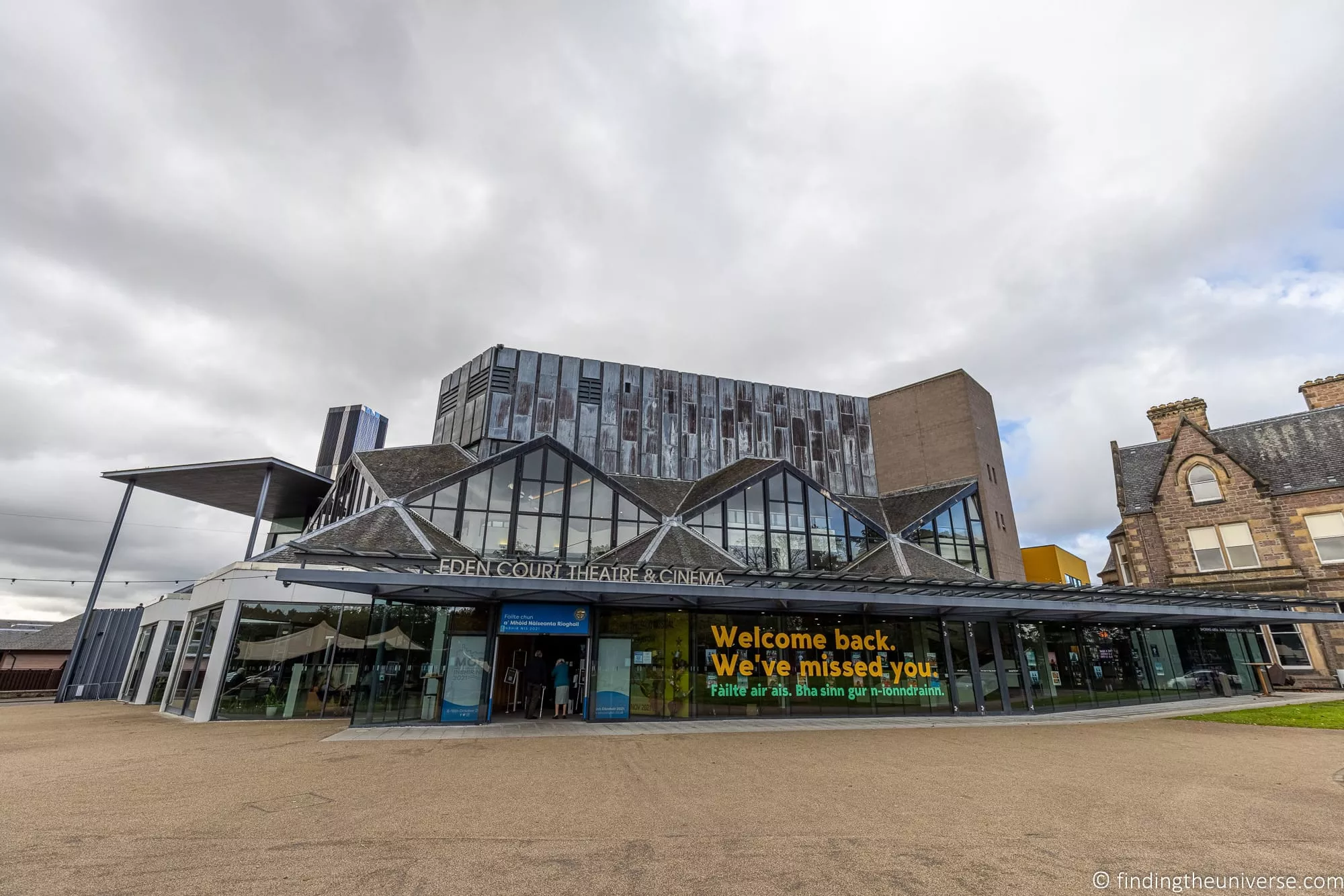
If theatre or cinema is more your thing, Eden Court on the west bank programmes shows year-round and has its own restaurant on site. Worth a look at what’s on before you arrive.
If the Weather Turns
Inverness can do you a beautiful day and a horizontal-rain day in roughly equal measure, sometimes within an hour. The spine above mostly works in either case (the Castle, Cathedral, Museum, Leakey’s, Victorian Market, and dinner are all indoors), but the Ness Islands stretch is the outdoor section.
If it’s tipping it down, we’d swap that hour for the Inverness Botanic Gardens instead. The Botanic Gardens are open daily 09:30 to 16:00, and the tropical glasshouse and cactus house make a warm and surprisingly satisfying rainy-day swap. More on the gardens below.
With a Second Day
If you’ve got a second day, we’d head out of the city. Culloden Battlefield and Clava Cairns pair perfectly together and take a morning. From there, drive the short distance to Loch Ness for the afternoon, either stopping at Urquhart Castle or taking a cruise on the loch. We cover both stops below, and our guide to day trips from Inverness has a longer list of options including Glen Affric, the Cairngorms, and the Moray coast.
Other Things to Do in Inverness City
A handful of other in-city spots worth knowing about. We’d slot these in if you have more than a day in the city, or as swaps for the spine above if your interests run differently.
Inverness Botanic Gardens
Whenever we visit Inverness, we try to pop in to the Inverness Botanic Gardens. It’s not a huge attraction, but we enjoy wandering the displays they have, and there’s a good on-site cafe.
There are two main indoor areas: a tropical glasshouse (always nice to visit in winter especially) and a cactus house. The cactus house is a bit of a hidden gem, actually. There are also outdoor gardens with more local plants on display, and they sell plants here as well if you’re feeling inspired.
The botanic gardens are free to visit, although donations are appreciated. Open daily 09:30 to 16:00 year-round (cafe last orders 15:45). You can check details here.

Uile-bheist Distillery and Brewery
For the first time in over a century, Inverness has its own working distillery. Uile-bheist (pronounced EWL-uh-vehst, it’s Gaelic for “monster”) is a combined distillery and brewery right on the banks of the River Ness, not far from the Ness Islands.
They’re producing both whisky and craft beer on site, with their own whisky still maturing in cask, the first release expected in 2027. The brewery is already turning out some well-regarded beers, including their Forest Dweller IPA, which has built up a bit of a following. They run guided tours of the facilities, and there’s a taproom where you can sample the beers along with whisky from other regions, plus the Waterside Restaurant overlooking the river.
We haven’t had a chance to visit yet, but it’s on the list for next time. The whole operation is built around sustainability, using a heat pump powered by the River Ness, and the reviews from visitors have been very positive. Tours are available on GetYourGuide.
Eden Court
Just behind the cathedral, Eden Court is the home of the performing arts in Inverness. You’ll find theatres and cinema screens which regularly host shows and films, as well as an on-site restaurant and bar. There are also galleries which display work from local artists.
We’ve not had a chance to see a performance here yet, but we did have a meal in the on-site restaurant which was lovely. If you’re interested in live theatre, do check what they have on when you visit.
Abertarff House
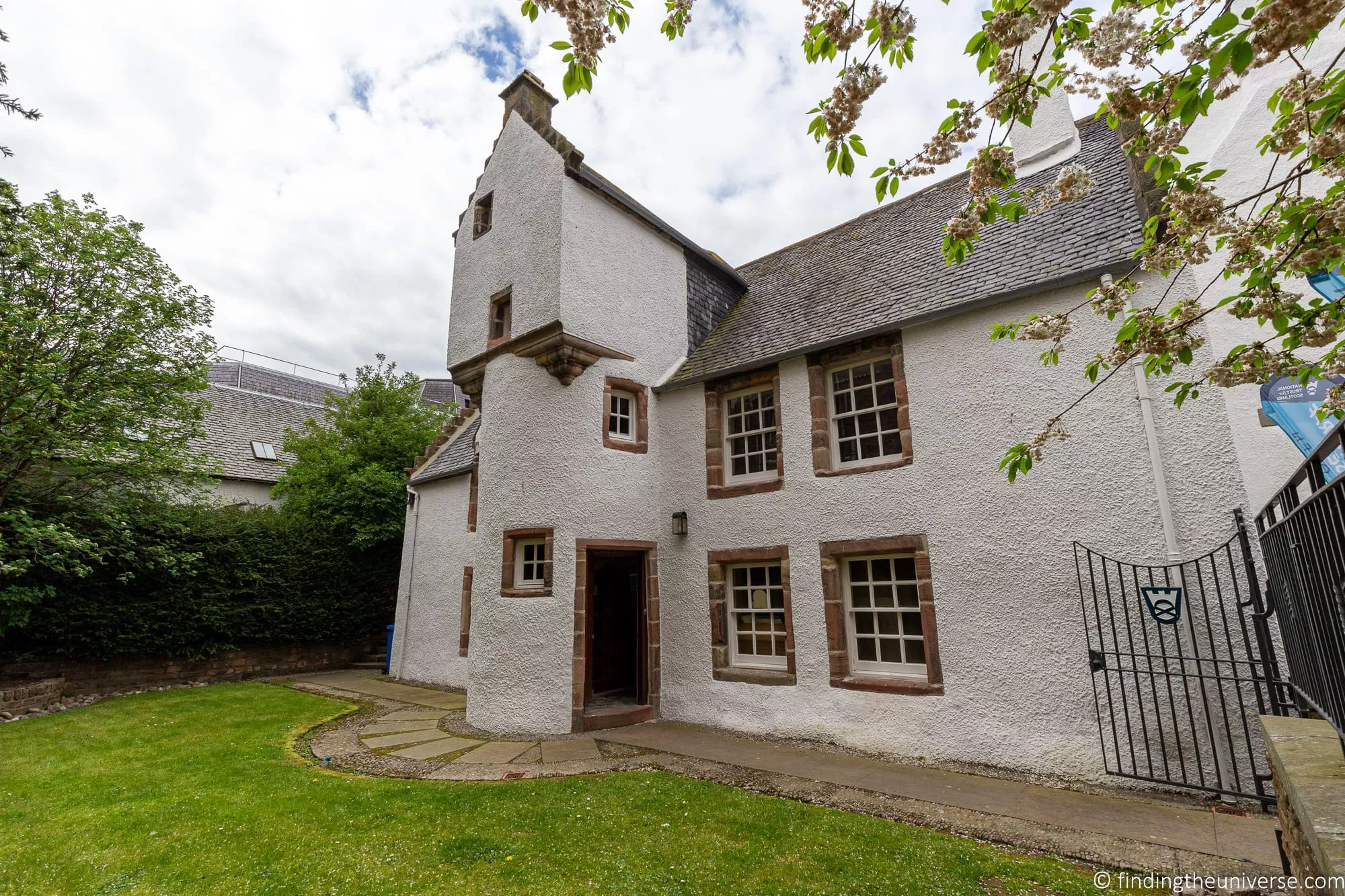
Dating from 1593, Abertarff House is the oldest house in Inverness. That means it’s seen everything from the Jacobite risings through to two world wars, which is quite a lot of history for one building.
It’s right in the middle of the city, owned and operated by the National Trust for Scotland, and has a good exhibition about life in Inverness in the 1600s. Free to visit; check current opening times on the official website.
The Pictish Trail
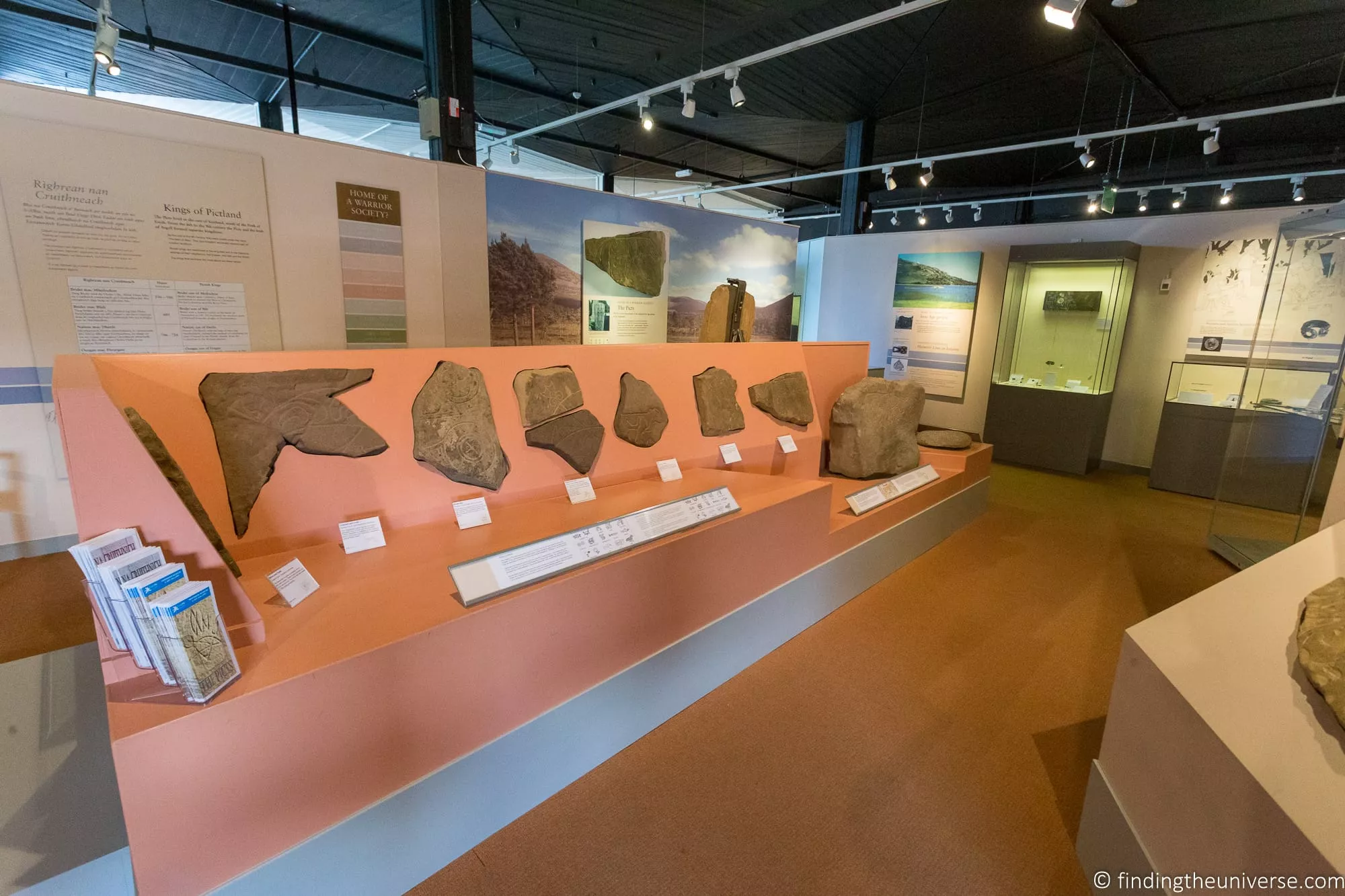
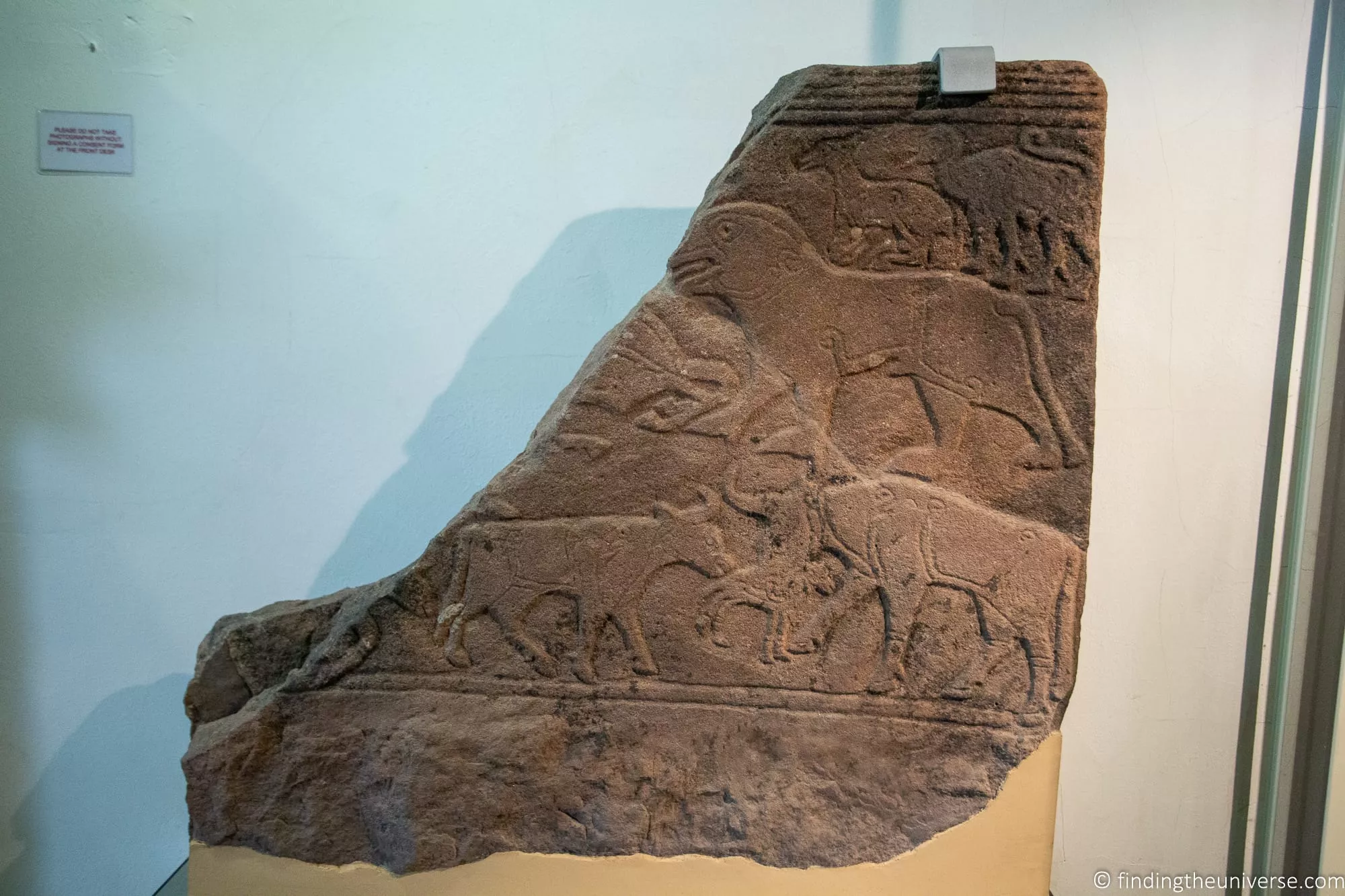
If you visit the Inverness Museum, you’ll learn about the Picts, a group of people who inhabited north and east Scotland from around the 3rd to 9th centuries AD. They’re particularly well known for their carved stone monuments, which feature a range of symbols and patterns. The meaning and purpose of these markings are still unknown, which is part of what makes them so interesting.
You can experience them for yourself by following the Pictish Trail. This starts in Inverness at the Knocknagael Boar Stone, found at the Highland Council HQ on Glenurquhart Road. The stone is on display behind a glass window visible from outside the building, so you can visit it at any time. There are also around ten Pictish symbol stones on display in the Inverness Museum.
The Pictish Trail continues north along the coast all the way to Dunrobin Castle Museum, so it makes an interesting extra layer if you’re driving the North Coast 500. You can download a Pictish Trail map here.
Things to Do Near Inverness
Inverness is a great base for day trips, and some of the best attractions in the Highlands are within easy reach. We cover a few favourites here, and you can find many more in our guide to day trips from Inverness.
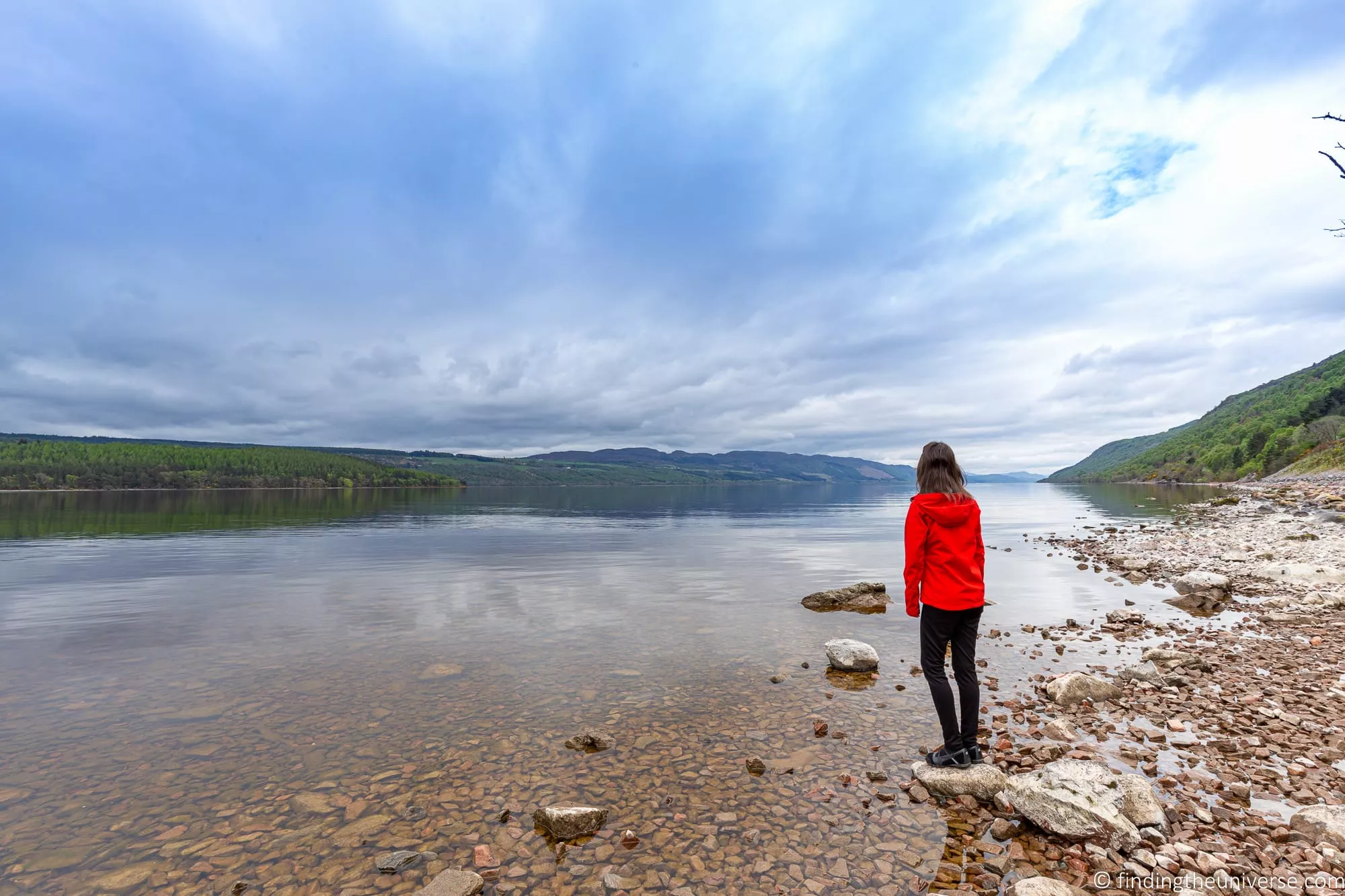
Loch Ness
First on the list, and for good reason. Loch Ness is just eight miles from Inverness by road, and it’s the largest body of fresh water in the UK by volume. It’s also home to one of the world’s most famous cryptozoological creatures, which you’ll hear about approximately six thousand times during your visit (whether you spot anything on the sonar is another matter entirely).
The city of Inverness is called Inbhir Nis in Scottish Gaelic, which translates to “mouth of the River Ness.” The river connects the loch with the sea, and forms part of Scotland’s Great Glen, a 62-mile fault line linking Fort William to Inverness.
There’s lots to see and do around Loch Ness, from a cruise on the loch to exploring Urquhart Castle. See our complete guide to things to do at Loch Ness for the full picture.
If you don’t have a car, our top pick is this coach and cruise combination, which departs from Inverness bus station and includes both a Loch Ness cruise and a stop at Urquhart Castle. It’s the cleanest way to do the headline trio without needing a hire car. If you’ve got transport to Clansman Harbour (about nine miles south-west of the city on the A82), the shorter Inspiration cruise from Clansman is the cheaper option, but bear in mind it doesn’t pick up in Inverness itself.
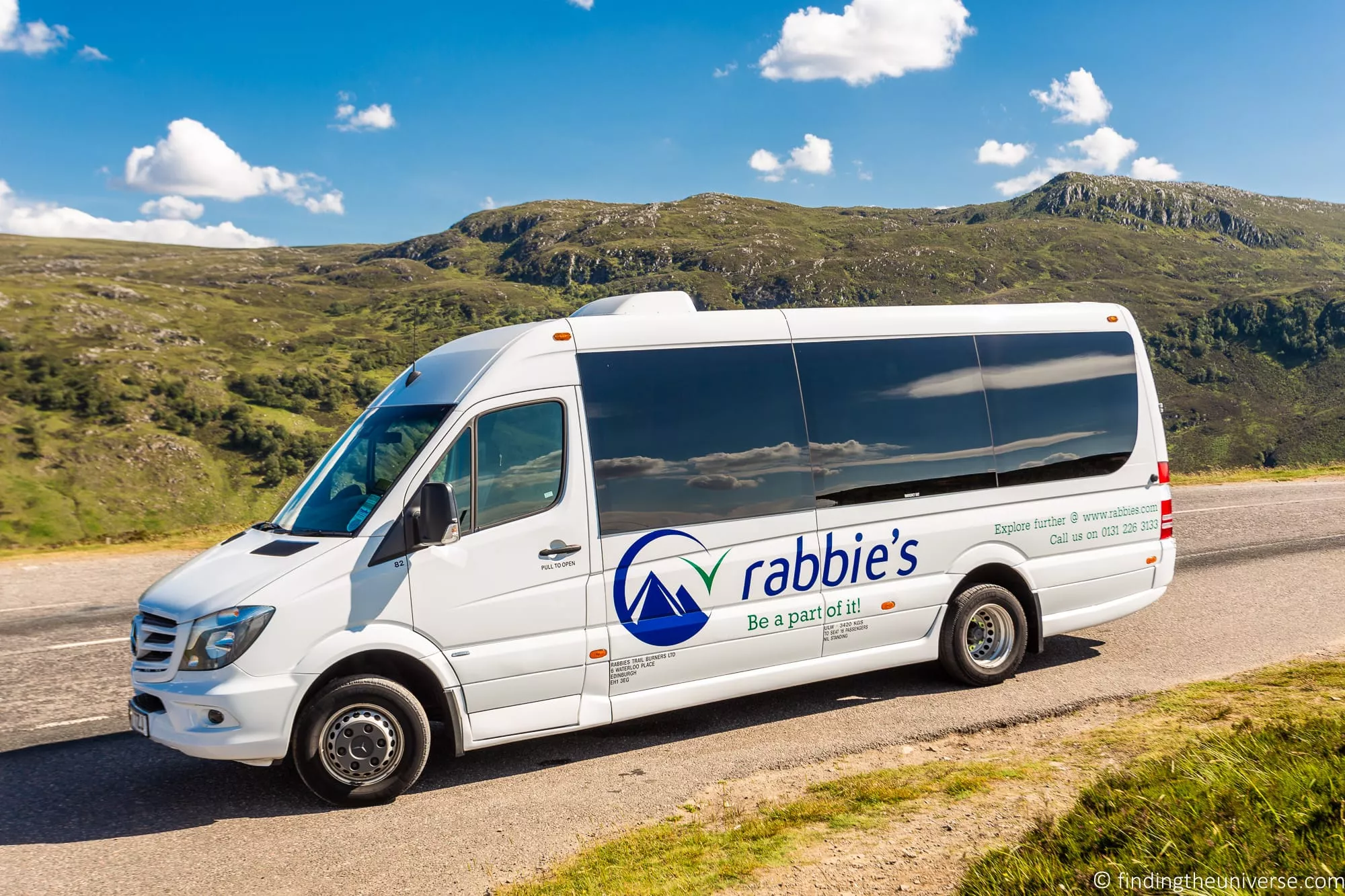
We can also recommend this excellent day tour of Loch Ness with Rabbie’s, which we’ve taken and enjoyed. The tour circles the loch, so it includes the highlights plus a few lesser-known stops. The Inverness hop-on-hop-off bus also runs to Dochgarroch Lock if you want to set up your own day.
Culloden Battlefield and Clava Cairns
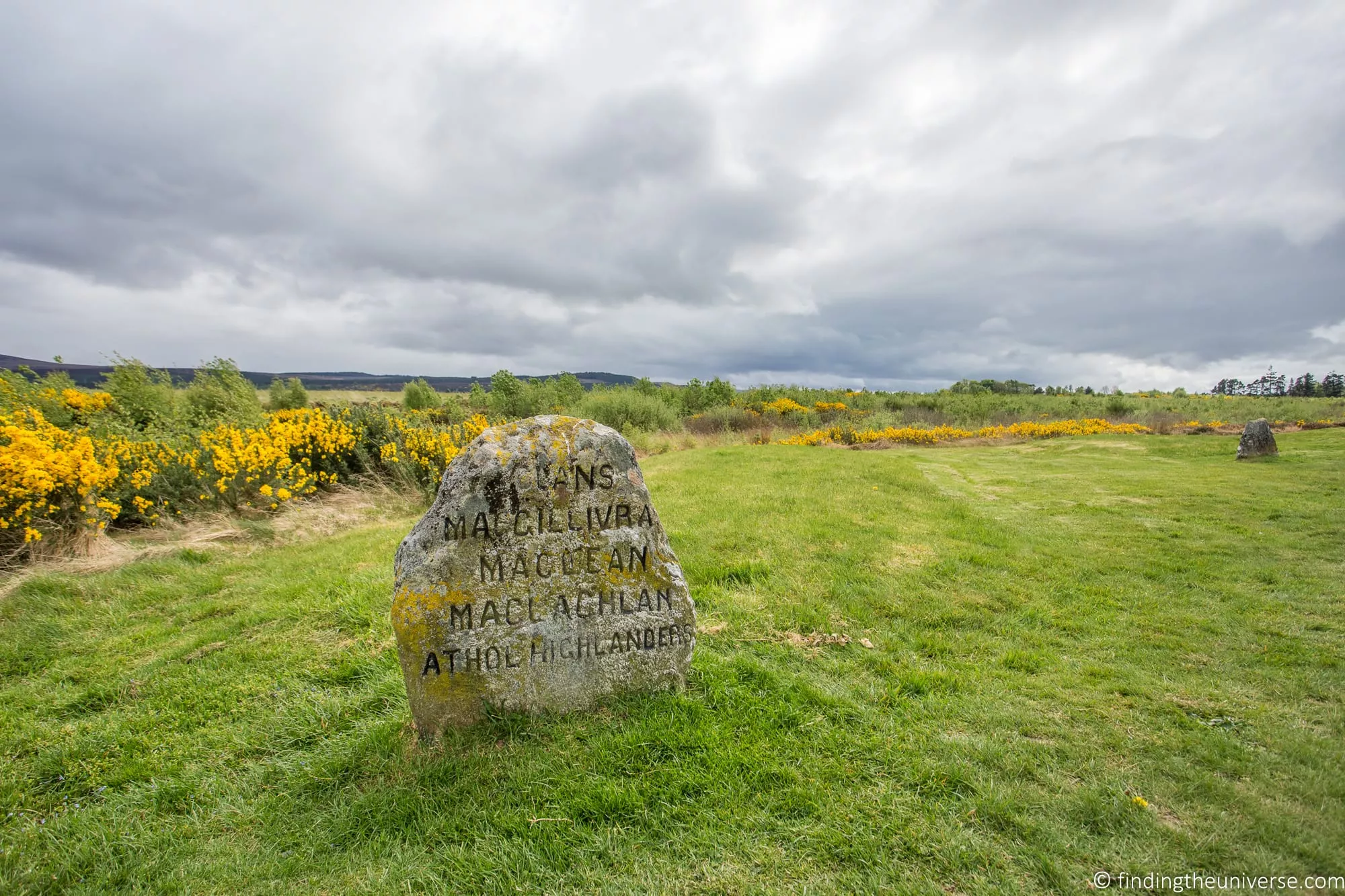
The Battle of Culloden, fought on 16th April 1746, was the last large-scale battle to take place on British soil. Fought between the Jacobite army under Bonnie Prince Charlie and British troops under the Duke of Cumberland, it ended the Jacobite uprising and led to a massive shift in power in the Scottish Highlands.
The battlefield itself is just six miles east of Inverness. You can wander the battlefield for free, where various markers show the positions of the different forces and memorial stones remember those who fell. But we’d strongly recommend the on-site visitor centre operated by the National Trust for Scotland. It walks you through the events leading up to the battle and includes an immersive 360-degree theatre experience. Go to the visitor centre before the battlefield, as it lends a lot of context to what you’re seeing outside.
The visitor centre has an entry charge of £11 for adults (free for NTS members). You can find details on the official website.
Just a couple of miles from Culloden, and well worth combining with a visit, is Clava Cairns. This is a prehistoric Bronze Age cemetery dating back around 4,000 years, with three well-preserved burial cairns surrounded by stone circles. It’s a remarkably atmospheric spot, especially on a quiet morning. Outlander fans may recognise the site as the inspiration for the fictional Craigh na Dun stones (although the actual filming was done elsewhere). It’s free to visit and open year-round.
You can reach both Culloden and Clava Cairns by car or public transport from Inverness. They’re also included on several tours, such as this Rabbie’s day tour which pairs them with Glen Affric.
Fort George
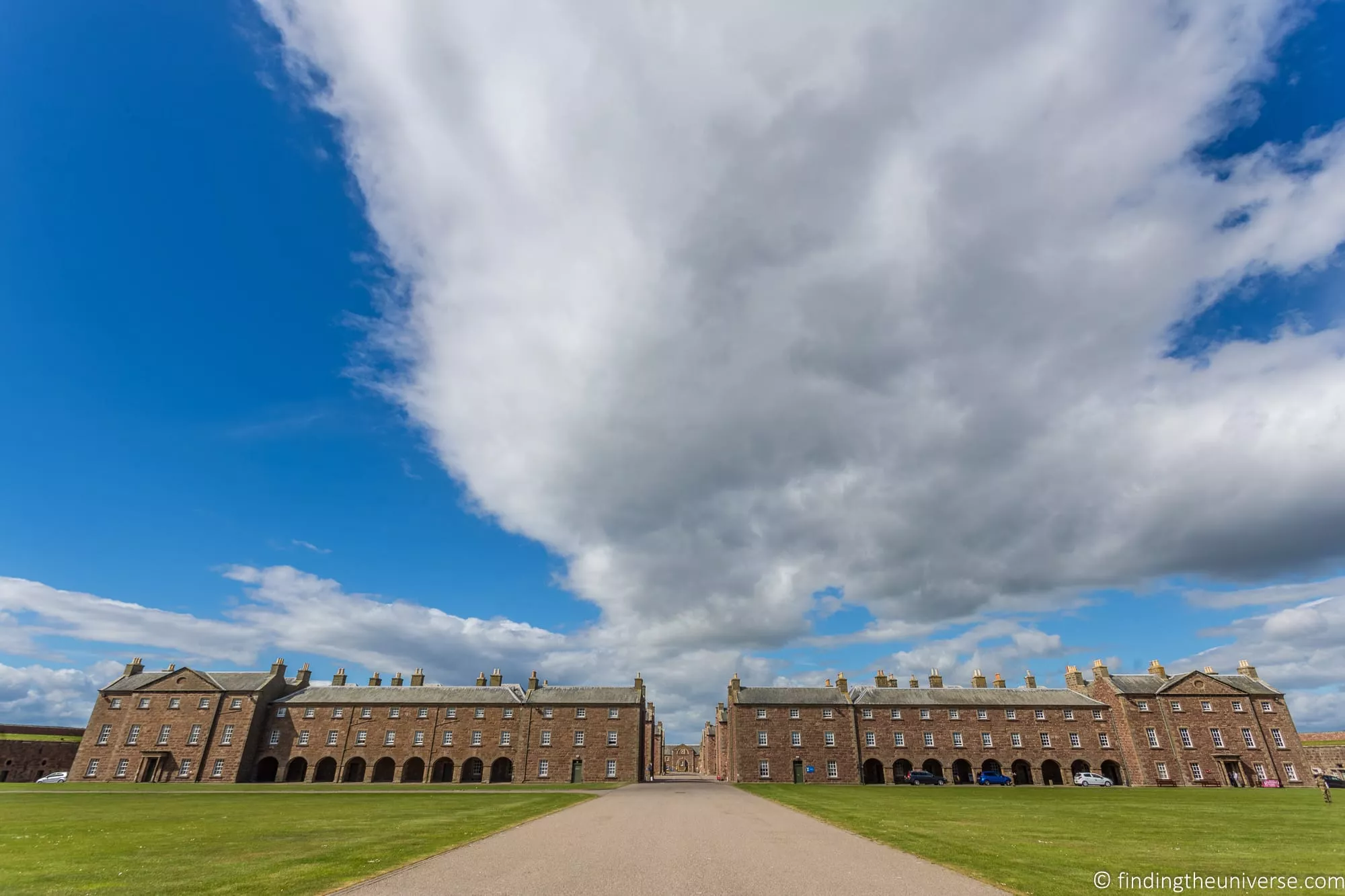
After Culloden, the British government wanted to make sure nothing like the Jacobite uprising happened again. One of the ways they did this was by building Fort George, a colossal military fortress 11 miles east of Inverness, overlooking the Moray Firth.
The scale of the place is something else. The walls are up to twelve metres high, surrounding a series of uniform yet oddly photogenic barrack buildings. You can learn about the fort’s history in the Highlanders Museum, visit the magazine room, the historical barracks, the chapel, and walk the ramparts. From up on the walls, there’s also a chance of spotting dolphins in the Moray Firth below.
Fort George is managed by Historic Environment Scotland and is open daily year-round (April to September 09:30 to 17:30, October to March 10:00 to 16:00). Free for HES members, otherwise there’s an entry fee. See current opening times and prices on the official site.
The best way to reach Fort George from Inverness is by car or by taking a guided tour like this one, which conveniently also takes in Culloden and the Cairngorms. There’s no convenient direct public transport to the fort itself.
The Black Isle
About ten minutes’ drive north of Inverness is a peninsula known as the Black Isle. It’s actually not an island, nor is it particularly black, but naming aside, it’s well worth a day of your time.
There’s a lot to see and do here, from dolphin watching at Chanonry Point (one of the best spots in Scotland for seeing bottlenose dolphins, especially around the changing tide) to the Black Isle Brewery at Munlochy, which runs tours of the brewery and has a shop and garden on site (the city-centre Black Isle Bar in Inverness is a separate venue).
You can see more in our guide to the Black Isle, which has plenty of tips and suggestions for spending a day here.
You can easily reach the Black Isle by car. Local buses operated by Stagecoach also run services from Inverness to various locations across the peninsula.

Visit a Whisky Distillery
Many visitors to Scotland want to visit a working whisky distillery, and Inverness is a good base for it. As mentioned above, Uile-bheist is now right in the city itself, which is perfect if you don’t want to travel far.
Beyond the city, the most accessible options are the Tomatin Distillery, with a visitor centre open year-round and multiple tour tiers, and the Singleton of Glen Ord, about fifteen minutes north on the way to the Black Isle. The Dalmore reopened to visitors in April 2026, but it now runs as a private concierge experience rather than scheduled tours. You’ll need to book ahead, and it sits at the premium end of the price scale, so it’s the choice for a special occasion rather than a drop-in tasting.
Inverness is also around an hour’s drive from the Speyside area, which is famous for producing some of the world’s most well-known single malts. As someone whose favourite whisky is Laphroaig, I appreciate that Speyside and I have different taste, but the tours are still well worth doing.
If you want to visit a distillery, our suggested approach is to take a guided tour so someone else handles the driving and you can enjoy the tastings properly. This full-day Rabbie’s tour visits the Speyside region, and there are shorter half-day options available too. You can see more in our guide to whisky distilleries in Scotland.

Cawdor Castle
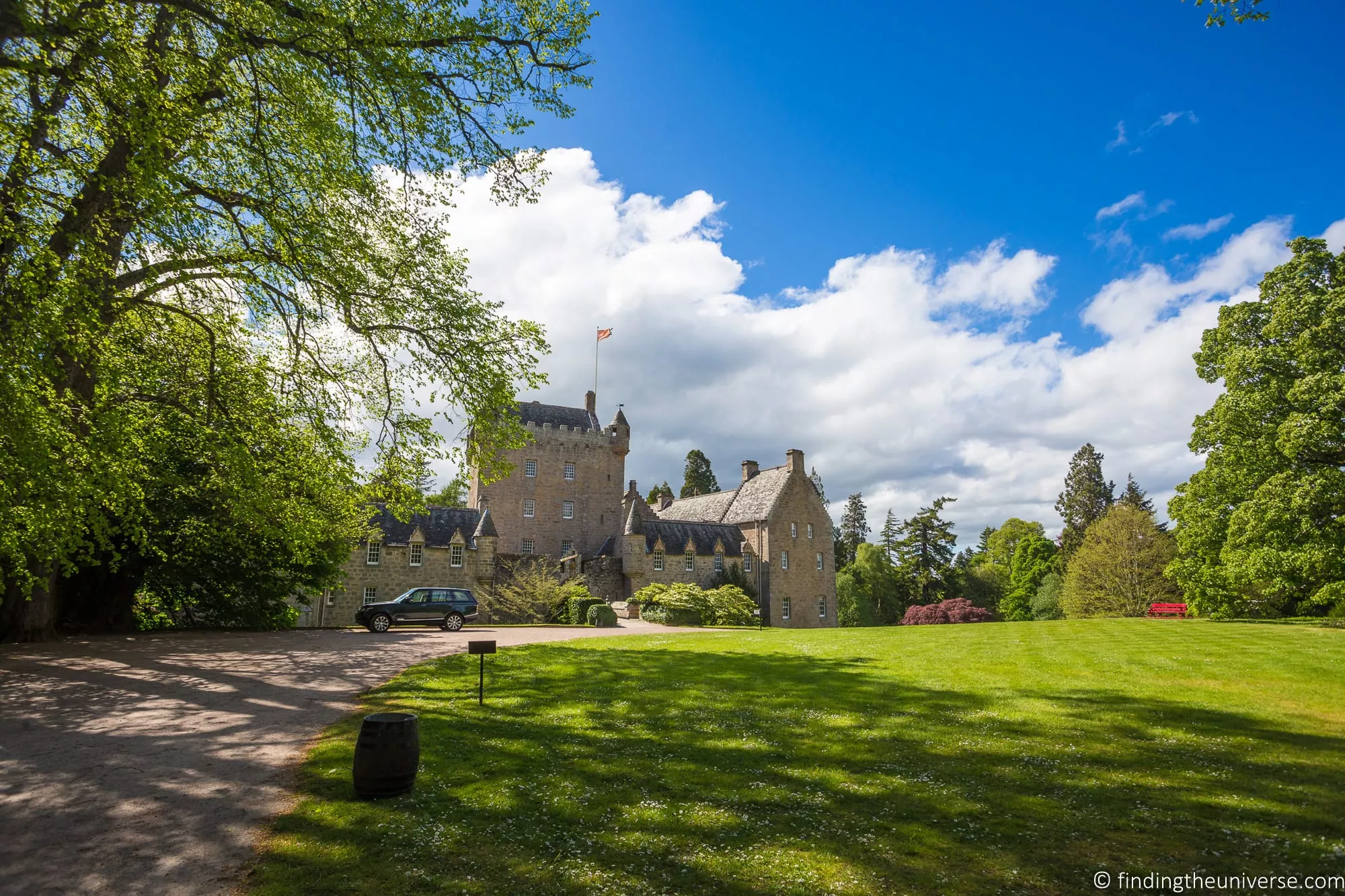
About half an hour’s drive east of Inverness (or an hour by public transport), Cawdor Castle and Gardens dates from at least 1454, possibly even earlier than that.
The castle has been in the Campbell family since the 16th century, and it’s still home to members of Clan Campbell. It’s particularly well known for its three gardens: the Walled Garden, the Flower Garden, and the Wild Garden. You can also visit many of the main rooms of the castle.
Cawdor is a seasonal opener, running from late April to early October, with current pricing at £17 for the castle, gardens, and grounds, or £10 for gardens and grounds only. Check current dates and prices on the official website.
That covers our favourite things to do in and around Inverness. Now for the practicalities.
Where to Eat in Inverness
Inverness has come on a lot as a food city in recent years. The dining scene is better than you might expect for a city this far north, and there’s a decent range from casual pubs to proper sit-down restaurants. A quick navigation note before the list: “Rocpool” in Inverness refers to two separate places, the Rocpool Restaurant on Ness Walk (which we recommend below) and the Rocpool Reserve hotel (which no longer operates its own restaurant). When we say Rocpool, we mean the Ness Walk restaurant.
The Mustard Seed is a long-standing favourite of ours, with Scottish-influenced European cooking in a lovely converted church on the river, open every day for lunch and dinner. Rocpool (the restaurant on Ness Walk, established in 2002) is another well-regarded option for a nicer dinner, with a Michelin-listed menu of modern Scottish dishes. It’s closed Sundays and Mondays, so plan accordingly. Cafe 1 on Castle Street sources ingredients from its own croft on the Black Isle and has been a local institution for years; it’s worth knowing it’s closed Sundays, with no lunch service Monday or Tuesday.
For something more casual, the Castle Tavern does good pub food with views of the castle, and Hootananny on Church Street is popular for traditional Scottish food alongside live music every night. The Uile-bheist Waterside Restaurant is a newer option with a riverside location that’s been getting good reviews.
Our one consistent tip: book in advance, especially for dinner. The more popular restaurants fill up well ahead of time, particularly over weekends and during the summer season.

How to Get to Inverness
Inverness is well connected and easy to reach from the rest of the UK. By car it’s around a three-hour drive from both Edinburgh and Glasgow.
There are also good long-distance coach connections, with routes serving cities including London, Leeds, Newcastle, Aberdeen and more. You can check bus times and prices at megabus.co.uk.
Inverness also has an international airport with direct flights to UK cities including London, Manchester, and Bristol, as well as Dublin and Amsterdam. Find out more here.
For train journeys, Inverness has a central station with excellent links to the rest of the UK, including direct services to Glasgow and Edinburgh (around 3.5 hours). See prices and book train tickets here.
You can also catch an overnight sleeper train direct from London, the Caledonian Sleeper. Board in London in the evening and wake up in Inverness the following morning. We’ve taken it from London to Edinburgh and can recommend the experience. Check prices and book online here.
How to Get Around Inverness
Inverness is a compact city and you can reach the majority of city centre attractions on foot very easily. The spine above is entirely walkable, with no single transit between stops exceeding ten minutes. For the attractions a little further out, many can be reached by public transport or on the hop-on-hop-off bus.
If you’re looking to take day trips from the city centre, see our guide to day trips from Inverness which has tips on transport as well as suggested tours.
Where to Stay in Inverness
As the largest city in the Scottish Highlands, Inverness has a wide variety of accommodation across a range of budgets. We’ve stayed at a number of properties on various trips, including hotels, a Scottish mansion, B&Bs, and apartment rentals, and have generally been impressed by the variety and quality on offer.
Here are some options across different budgets.
- Bazpackers is one of Inverness’s best-rated hostels, with shared and private rooms and a shared kitchen. Good value and centrally located.
- No. 29 B&B is a good-value option just a few minutes’ walk from the centre, with friendly owners, clean rooms, and a proper cooked breakfast.
- Ardentorrie Guest House is directly opposite Inverness Castle, so the views are hard to beat. Comfortable rooms and free parking.
- Palace Milton Hotel is very centrally located and makes a solid base if you don’t have a car. Convenient for both day trips and exploring on foot.
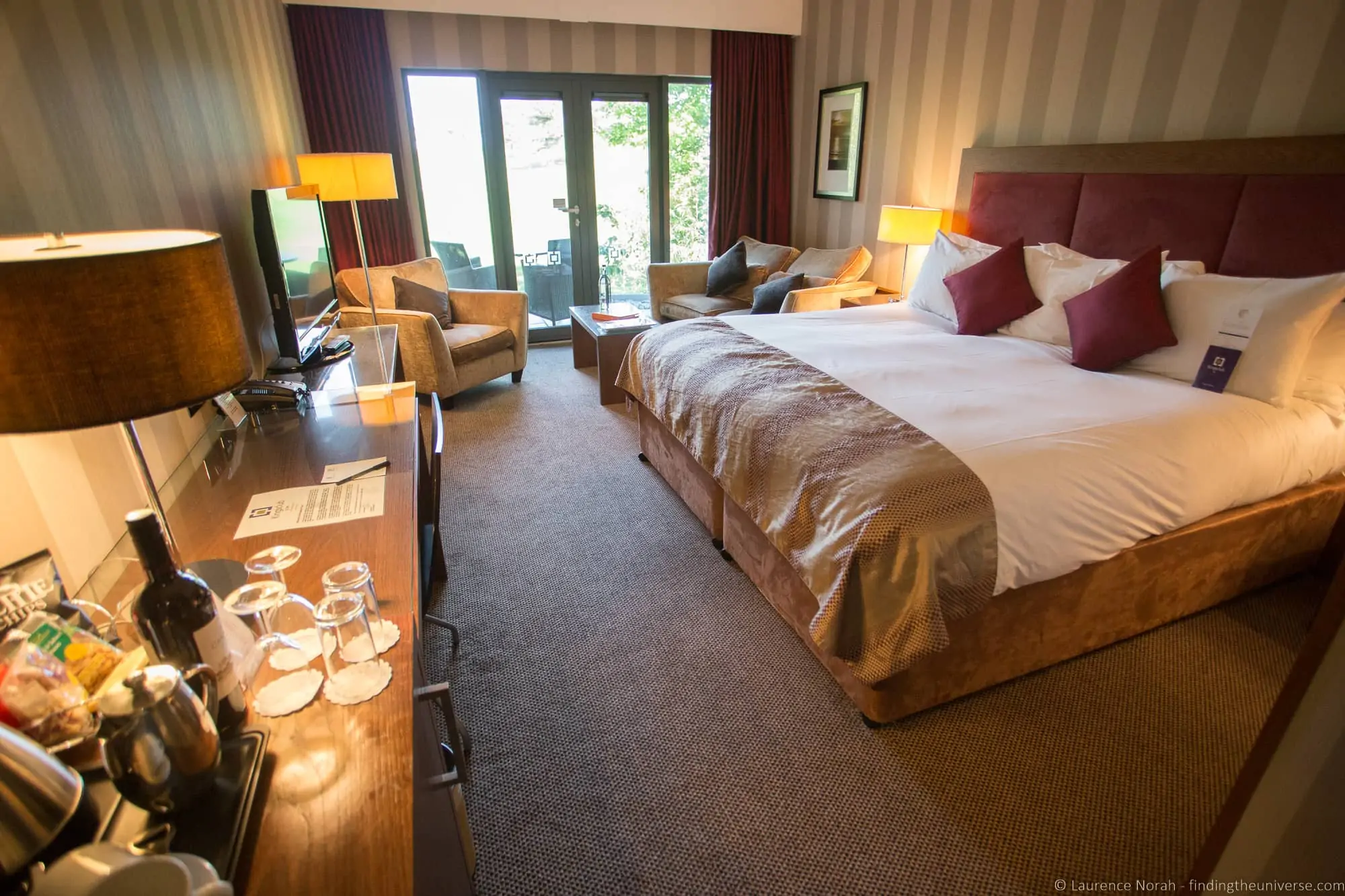
- The Kingsmills Hotel was the first hotel we stayed at in Inverness. It’s a lovely four-star property with its own golf course, about a mile from the centre. Large free car park, so a good option if you have a car.
- Bunchrew House is where we spoilt ourselves on one trip. It’s a lovely Scottish mansion house a few miles west of Inverness. You’ll want your own car for this one. They also serve afternoon tea (open to non-guests).
- Rocpool Reserve Hotel is a luxurious boutique hotel just a few minutes’ walk from the centre. Note that the hotel no longer runs its own restaurant, so dinner is at one of the nearby riverside options. Rooms are comfortable and we enjoyed our stay here.
- Ness Walk is a 5-star hotel that opened in 2019, offering lovely rooms and fantastic service right near the river bank. Its restaurant, Torrish, has an excellent reputation for fine dining.
We usually use and recommend Booking.com for accommodation when travelling in the UK. We find they have the best choice of properties, from hotels to apartments, and it’s easy to filter by what you want. See all their listings for Inverness here.
Frequently Asked Questions
Is Inverness worth visiting?
Yes. Inverness has plenty to fill a day or two including the new Inverness Castle Experience, riverside walks, Leakey’s Bookshop, the museum, and a growing food scene. It’s also the best base in the Highlands for day trips to Culloden, Loch Ness, Fort George, and the Black Isle.
How many days do you need in Inverness?
One full day is enough for the city itself. Two days lets you add Culloden, Clava Cairns, and Loch Ness. Three days and you could include Fort George, the Black Isle, or a whisky distillery tour. If using Inverness as a base for the wider Highlands, you could fill a week.
What is the best time of year to visit Inverness?
Summer (June to August) has the longest days and warmest weather but is busiest. May and September offer decent weather, long days, and thinner crowds. Winter is fine for city attractions, though some outdoor sites close seasonally and you’ll be working around shorter daylight (about seven hours in mid-January, with sunrise just before 09:00 and sunset around 4pm).
Can you visit Loch Ness from Inverness without a car?
Yes. The Inverness hop-on-hop-off bus runs from the city centre towards Loch Ness, and there’s a coach-and-cruise combination tour that departs from Inverness bus station and includes both a Loch Ness cruise and a visit to Urquhart Castle. Rabbie’s also run guided day tours that loop the loch, as well as longer multi-day trips like the five-day Highlands and Skye tour we’ve reviewed. A car gives more flexibility but is not essential.
Can you visit Culloden and Fort George in one day without a car?
It’s tight but doable on a guided tour. There’s no convenient direct public transport to Fort George, and pairing it with Culloden by public bus involves a lot of waiting around. A guided day tour (like the GetYourGuide Fort George, Culloden, and Cairngorms combination) is the cleanest option, and someone else does the driving so you can take in the landscape between stops.
What’s a good rainy-day plan for Inverness?
Most of the spine above works in rain. The Castle Experience, Cathedral, Museum, Leakey’s Bookshop, and Victorian Market are all indoor, and the riverside restaurants are walkable between them. The one swap we’d make is to drop the Ness Islands walk and head to the Inverness Botanic Gardens instead. The tropical glasshouse and cactus house are a warm, surprisingly satisfying way to spend an hour out of the weather. Eden Court is also a good wet-day backup if there’s a matinee on.
Is the Inverness Castle Experience worth visiting?
Reviews have been very positive since the December 2025 reopening. The £47 million refurbishment has created an immersive storytelling experience with interactive installations, a community art project, and roof terrace views. At £20 for an online ticket, most visitors find it good value for the 90 minutes to two hours they spend inside. The grounds, bistro, and shop are free to visit without a ticket, so even a partial visit is worthwhile.
Further Reading
And that covers our guide to our favourite things to do in Inverness. Before you go, here are some of our other guides to help with your trip planning.
- We have a guide to our favourite day trips from Inverness, if you’re looking for more inspiration for what to do in this part of the world.
- Inverness is the launching point of the famous North Coast 500. If you’re planning to camp the route, our guide to the best NC500 campsites covers 18 sites across every section. Check out our detailed guide to the North Coast 500 and NC500 accommodation guide, as well as my photography highlights on the NC500. For itineraries, check out our 5-day NC500 itinerary and 7-day camping itinerary.
- From Inverness you can also head east and tackle the North East 250. See our 3-day NE250 itinerary for that one.
- We have detailed guides to some of the locations mentioned in this post, including a guide to the Black Isle, tips on visiting the Cairngorms, and our guide to Outlander filming locations in Scotland.
- If you’re driving in the UK for the first time, check out my tips for driving in the UK. We also have a guide to how much it costs to travel in the UK.
- For more Scotland, we have a 2-day Edinburgh itinerary, a Glasgow and Loch Lomond itinerary, a guide to the best day trips from Glasgow, things to do in Edinburgh, a Skye and Highlands itinerary, the best day trips from Aberdeen, and day trips from Edinburgh.
- For wider UK trip planning, see our one-week and two-week UK itineraries, plus lots more UK content.
- If you’d like a guidebook for Scotland, we recommend the Rick Steves Scotland 2026 edition.
And that’s it from us. As always, if you have any questions or feedback, just let us know in the comments below.
Tom says
Hi Laurence – great blog here! We are coming up by train from Edinburgh after enjoying some of the festivals and wanted to see Inverness and also visit Ft George and Culloden Battlefield Visitor Centre. We don’t have a car and wondering what our options would be to do those both in the same day? We are planning to spend at least one night (maybe 2) in Inverness. Happy to consider a tour or public transit, etc.. Thanks, Tom
Laurence Norah says
Hi Tom!
Thanks very much! So I think your best option is going to be to take a tour. I found this tour which gets good reviews and includes Fort George and the Culloden Battlefield, which should meet your needs!
Public transport to Fort George is a bit more tricky. It’s not impossible but it will take a bit of time and a fair bit of walking – you can take Bus 11 some of the way but after that you will have to walk for a while. So I think a tour is going to be a lot easier.
Let me know if you have any more questions, and have a great time in Inverness!
Laurence
Tony Page says
Hi Laurence and Jessica,
You might like to change this: ” Rocpool Reserve Hotel – this luxurious boutique hotel is just a few minutes walk from central Edinburgh.”
BTW, the Royal Hotel next to the station has some great deals and is funkily historic if you get the right rooms. We also liked McGregor’s on Union, owned by Bruce MacGregor of the band Blazin’ Fiddles.
Out of lockdown today (well, almost!),
See you whenever,
Tony and Helen
Laurence Norah says
Hi Tony!
Lovely to hear from you, and thanks for pointing out that slip up. Not sure how I managed to get that wrong, but I’ve amended it now! Hope you guys are doing well, thanks for the recommendations of other hotels as well! Enjoy your new found freedom 😉
Laurence & Jess