
Las Vegas is one of the easiest cities in the world to fly into, and one of the best placed for a day out. Within a couple of hours of the Strip you can stand at the lowest point in the United States, walk inside the dam that made the city possible, drive a stretch of the most famous road in America, or look down into a canyon a mile deep. After a few days of casinos, shows and neon, a day in the desert is the perfect reset.
We’ve spent a lot of time exploring this corner of the USA, and I took these photos along the way. The questions we hear most often are the practical ones: should I rent a car or book a tour, which trip is actually worth a long drive, and how do I fit it into a single free day?
This guide is built to answer that. For each of our favourite day trips from Las Vegas we cover what it is, how to get there by car, by public transport (if possible!) and by organised tour, and our verdict on whether it earns a place on your itinerary.
Table of Contents:
Day Trips from Las Vegas: Quick Take
If you only have time to read one paragraph, here it is. The closest trip is Red Rock Canyon, about 30 minutes from the Strip, and the most popular is the Hoover Dam, around 45 minutes away. Both work well as a half-day. If you want a full day in the desert without a punishing drive, Valley of Fire and Death Valley are the best picks. The Grand Canyon South Rim is the bucket-list trip, but at four and a half hours each way it’s one to do by tour or as an overnight, not a self-drive round trip. Antelope Canyon is just as far and just as worth it, as long as you book your canyon tour well ahead.
Here’s how the trips compare at a glance:
| Day trip | Drive time (each way) | Public transport? | Drive or tour? | Best for |
|---|---|---|---|---|
| Red Rock Canyon | About 30 minutes | No | Either (easy self-drive) | A quick desert escape close to the city |
| Hoover Dam | About 45 minutes | Partly (bus to Boulder City, then taxi) | Either | Engineering, history and an easy half-day |
| Valley of Fire State Park | About 1 hour | No | Either | Red-rock scenery and short hikes without a long drive |
| Route 66 (Kingman area) | About 2 hours | Partly (bus to Kingman) | Drive | Roadside Americana and the drive itself |
| Death Valley National Park | About 2 to 2.5 hours | No | Either (car best inside the park) | Extremes and otherworldly desert landscapes |
| Grand Canyon West | About 2.5 hours | No | Either | Canyon views and the Skywalk in a doable day |
| Zion National Park | About 2.5 to 3 hours | Slow (bus to St George, then shuttle) | Either | Dramatic hiking and canyon scenery |
| Antelope Canyon & Horseshoe Bend | About 4.5 hours | No (not in a day) | Tour or overnight | Slot-canyon photography and the Colorado River bend |
| Grand Canyon South Rim | About 4.5 to 5 hours | No (not in a day) | Tour or overnight | The classic bucket-list canyon |
Park fees and reservation rules do shift from year to year. The figures in this guide are current as of 2026, and we link the official source for each destination, so it’s worth a final check before you set off.
If you are visiting from outside the US, there is one extra cost to plan for. Since January 2026, non-US residents pay a $100 fee per person, for everyone aged 16 and over, on top of the standard entrance fee at 11 of the busiest national parks. Two of the day trips in this guide, the Grand Canyon South Rim and Zion, are on that list. We flag the details in both sections below.
One more thing worth checking before you book anything: the Go City Las Vegas card bundles entry to a long list of Las Vegas attractions, and it includes some of these day trips too. If you’re planning several paid activities in the city as well, it can work out cheaper than booking each tour separately.

Valley of Fire State Park
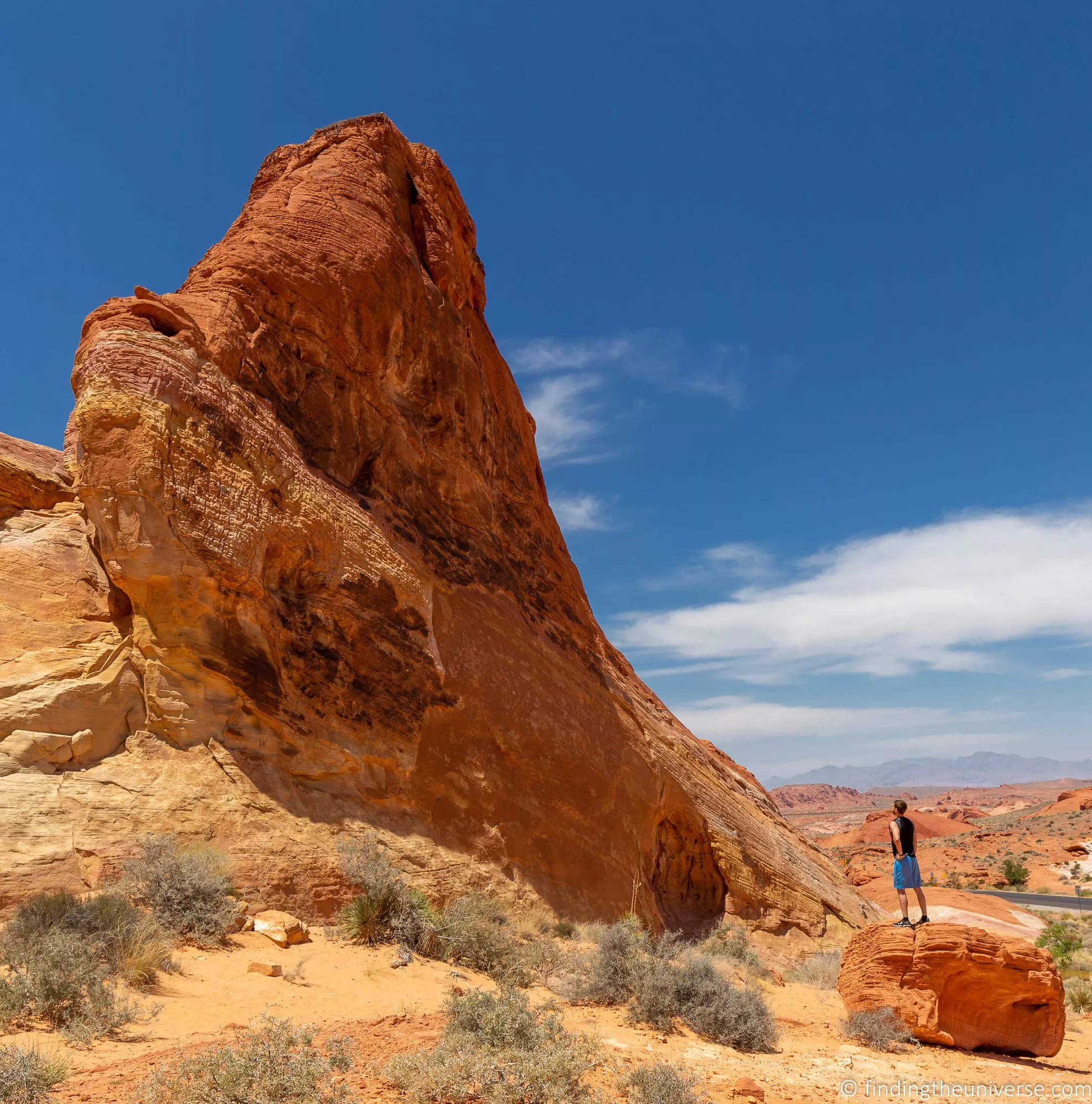
Valley of Fire is the easiest real taste of the desert you can get from Las Vegas, and it’s our pick if you want dramatic scenery without giving up your whole day. The park takes its name from the bright red Aztec sandstone that runs through it, which really does seem to glow when the light is low, especially around sunset.
It sits less than an hour from Las Vegas, which makes it an easy half-day or a relaxed full day. The main things to do are to follow the park’s scenic driving route between the rock formations and viewpoints, and to hike, with trails ranging from a few hundred yards to around seven miles. There are several picnic areas along the road with shade and restrooms, and a good visitor centre where the rangers can advise on trail conditions.
Park entry is $10 per vehicle with Nevada plates and $15 for out-of-state vehicles, and the park is open from sunrise to sunset. Parking is included. You can check current conditions on the official Nevada State Parks site.
Our verdict: if you have a car for one day and want somewhere that feels remote without a long drive, this is the one we’d pick. It’s also a relaxed introduction to the desert before you tackle the bigger trips.
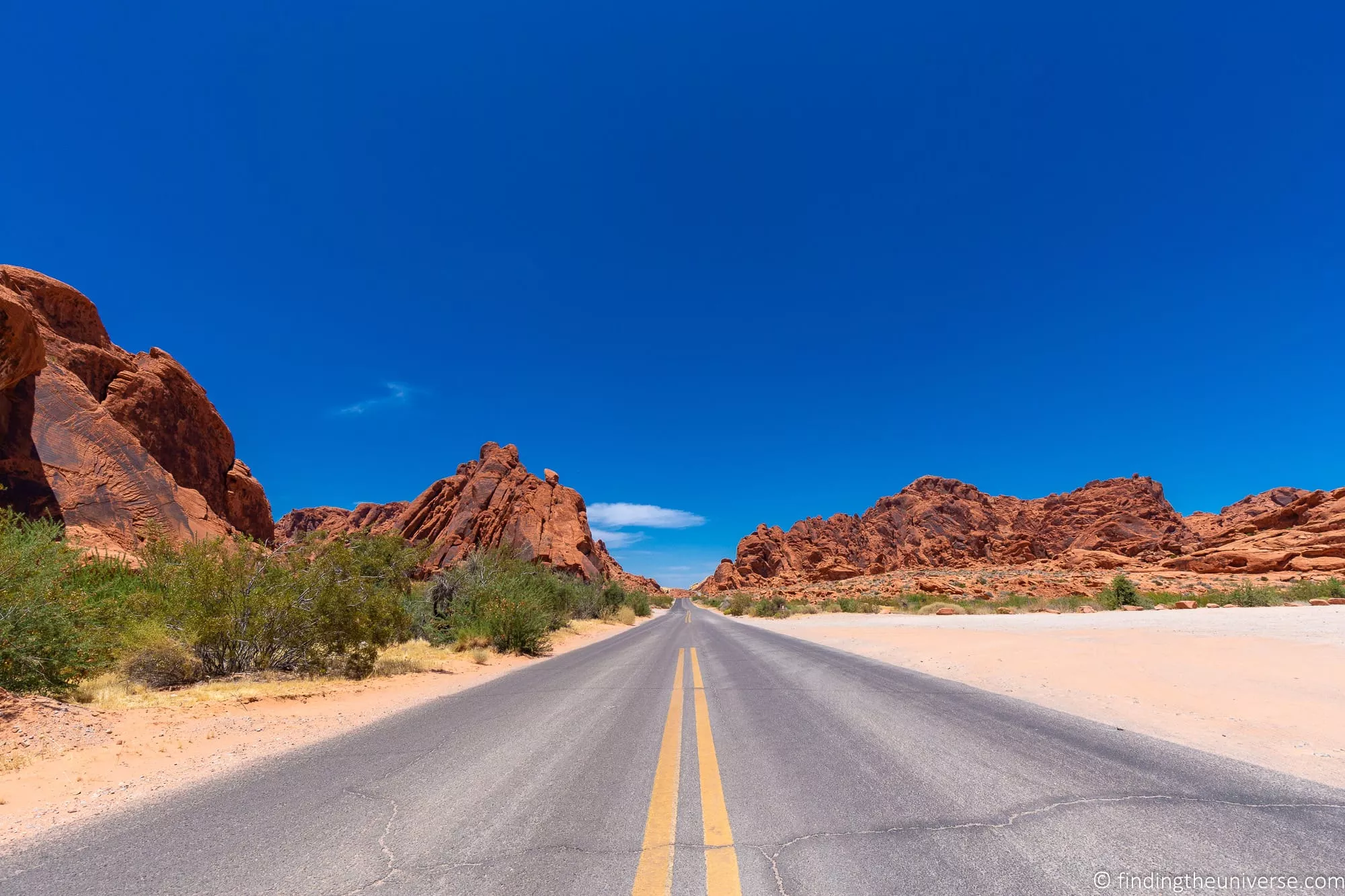
Driving to Valley of Fire State Park from Las Vegas
The park is about 50 miles northeast of Las Vegas, which works out at roughly a 50-minute drive each way. Allow at least two to three hours to explore once you arrive, and longer if you plan to hike.
If you have your own car or rent one, Valley of Fire pairs neatly with the Hoover Dam for a full day out. You can join the two as a loop drive that also takes in views of Lake Mead, with a total driving time of around four hours.
Public Transport to Valley of Fire State Park from Las Vegas
There’s no public transport to Valley of Fire. The park is too remote and spread out, so if you don’t have a car your only realistic options are to rent a vehicle or join a tour.
We’d also steer you away from taking a rideshare like Uber or Lyft out here. You need a way to get around the park itself once you arrive, and you could easily find yourself stuck with no way back to the city.
Tours of Valley of Fire State Park from Las Vegas
If you’d rather not drive, a guided tour is the easy answer. Most tours include a guide, water and the park entrance fee, though it’s always worth checking exactly what’s covered before you book. A guide also adds a lot if you want to hike, both for the background on what you’re seeing and for safety in the heat.
Two tours we’d point you to:
- This small-group tour spends around six hours in the park and covers the main highlights, with a stop at the visitor centre.
- This guided hiking tour lets you pick a hike to suit your fitness, with the walking portion lasting four to six hours depending on the route.
Hoover Dam
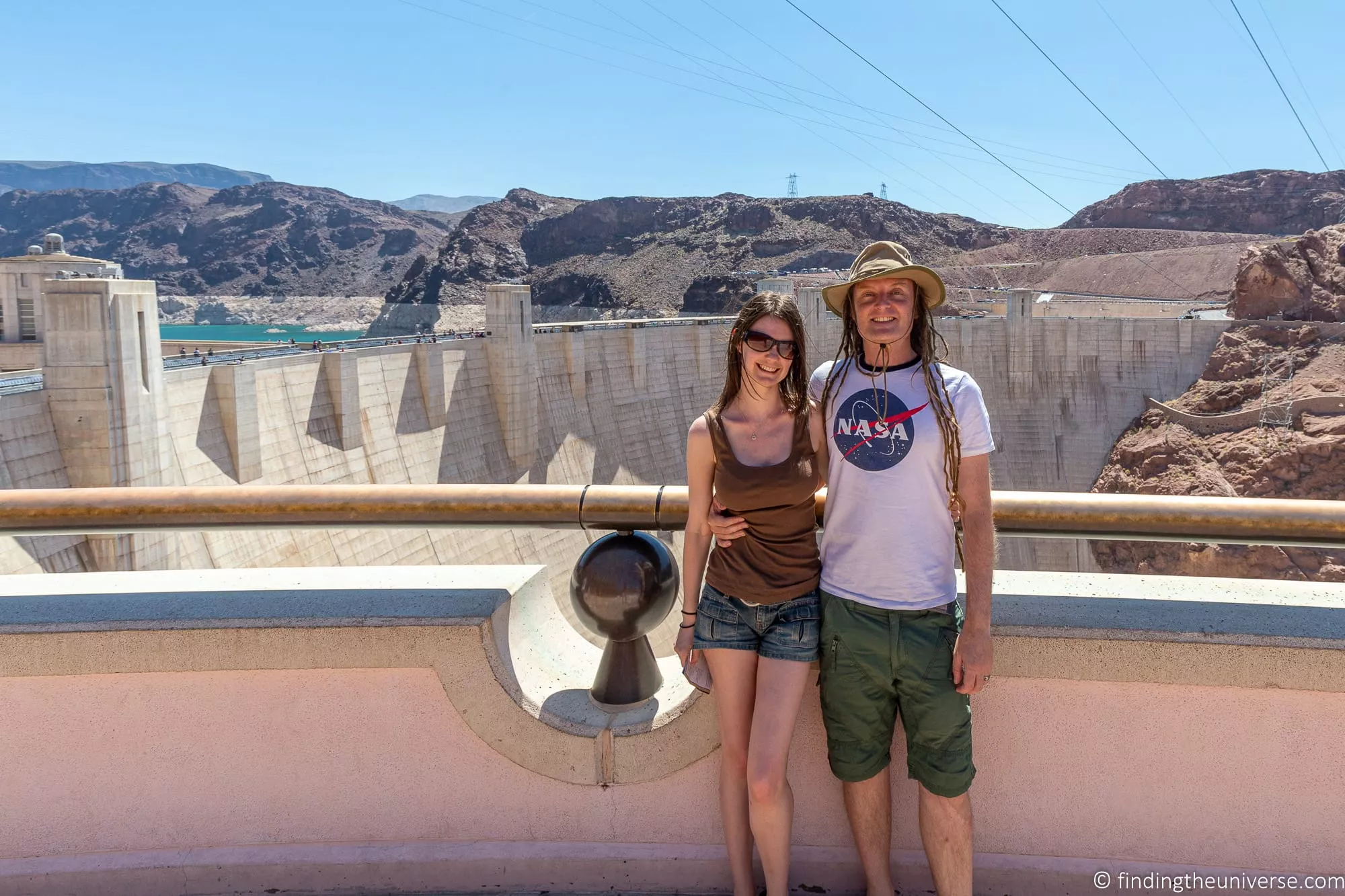
The Hoover Dam is the most popular day trip from Las Vegas, and for good reason. It’s close, it’s impressive in a way photographs never quite capture, and half a day is really enough to see it well.
Sitting on the Arizona-Nevada border about 45 minutes from Las Vegas, the dam holds back the Colorado River to form Lake Mead, the largest reservoir in the United States by capacity.
The dam was built in just five years and opened in 1936, two years ahead of schedule, on the backs of thousands of workers who came west looking for any job they could find during the Great Depression. It was enormous and often dangerous work, and more than 100 workers died building it. It soon became the largest hydroelectric power station in the world, and it still generates power, controls flooding on the Colorado, and supplies drinking and irrigation water across the region.
More than a million people visit the Hoover Dam each year. You can simply turn up and admire it from the walkway across the top, but we’d really encourage you to go inside. We’ve done the tour down into the dam, and standing in the turbine room with the generators humming gives you a sense of the scale that the view from above doesn’t.
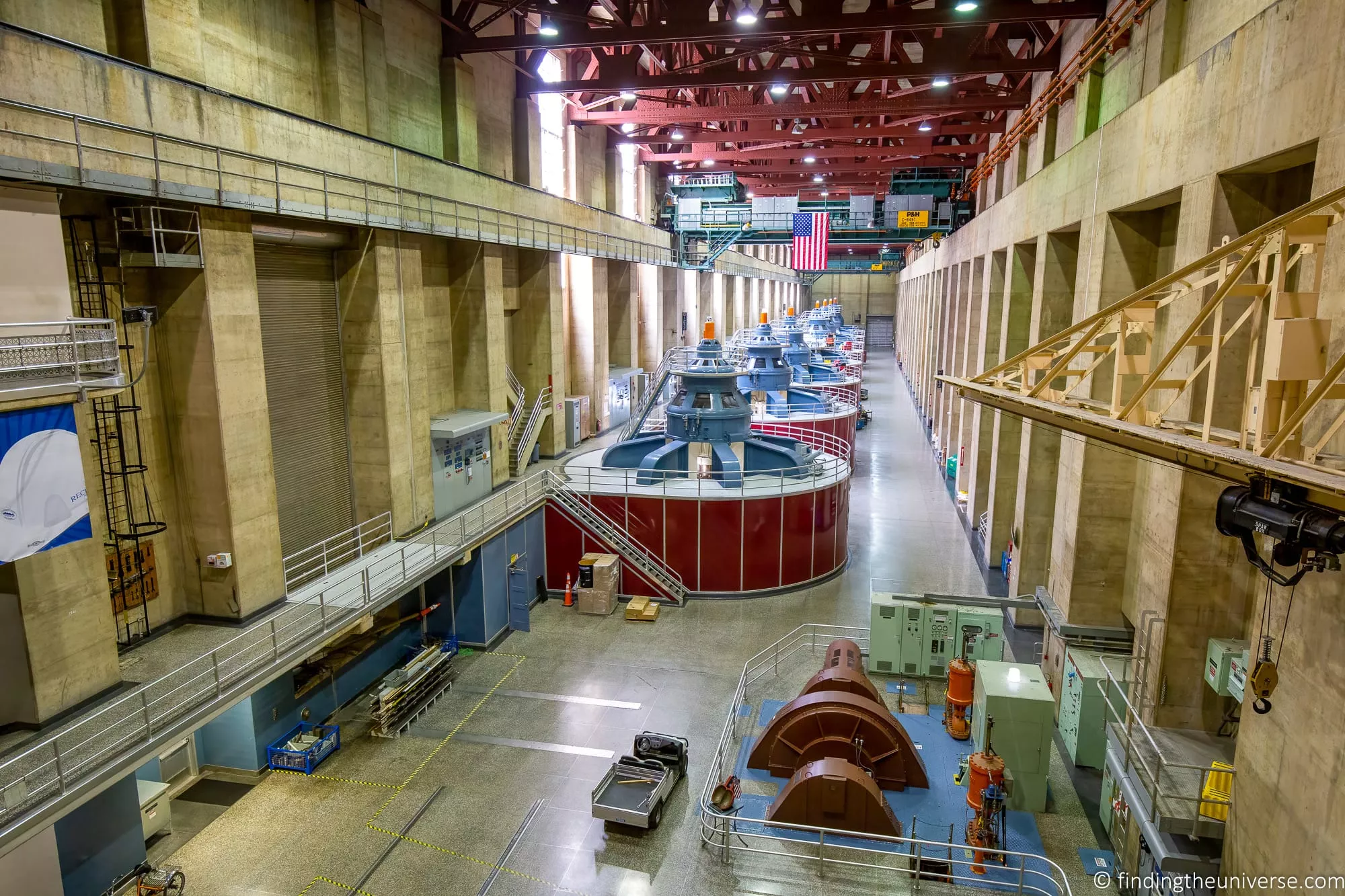
There are three official ways to look inside, all run by the Bureau of Reclamation:
- The Self-Guided Visitor Center, $15 per person, which gets you into the visitor centre exhibits and the observation deck.
- The Guided Powerplant Tour, $25 for adults and $15 for ages 4 to 16, which adds a guided look at the powerplant and some of the construction tunnels.
- The Guided Dam Tour, $40 per person, which goes deeper into the inner workings of the dam. This one can only be bought in person on the day, on a first-come basis.
For most people the Powerplant Tour is the one to pick, only a little more than the visitor centre but with far more to see. If you have a real interest in engineering and the time to spare, the full Dam Tour is worth it. One thing to know: tours can be cut back or paused at short notice for maintenance or lift repairs, so it’s worth checking the official Bureau of Reclamation site or calling ahead before you set out.
Our verdict: the easiest and most popular day trip from Las Vegas, and a half-day well spent. Go inside rather than just stopping for the view.

Driving to the Hoover Dam from Las Vegas
It’s an easy drive, about 45 minutes and 37 miles from the city. Parking is on site. The large parking structure on the Nevada side is closest to the visitor centre and costs $10. Larger vehicles, RVs and anything with a trailer use the Arizona side, where the first lot also charges $10.
There are four more lots further up the canyon that are free. They’re a slightly longer walk, at least half a mile from the nearest one to the visitor centre, and they fill up. Since you’ll probably want to walk across the dam anyway, a free spot up the canyon saves you the $10 with very little extra effort.
Public Transport to the Hoover Dam from Las Vegas
There’s no public transport that runs directly from Las Vegas to the Hoover Dam, but you can get close. The Henderson and Downtown Express (HDX) bus takes around an hour from the Strip to downtown Boulder City. From there it’s a short taxi or rideshare to the dam, roughly a 16-minute drive.
You can also take a rideshare the whole way, around 40 minutes by car. The harder part is the return: there are far fewer drivers around the dam than in the city, so you may have a wait, or no car at all, when you want to head back.
Tours of the Hoover Dam from Las Vegas
If you don’t have a car, a dedicated tour is the simplest way to see the Hoover Dam. There are a lot of them, and they vary in how long you spend at the dam, whether dam entry or an interior tour is included, and whether other attractions are added on. Always check what’s actually included before booking.
Two reliable options:
- This shorter Hoover Dam tour is the one to pick if you’re tight on time. It gets you good views of the dam and some time at Lake Mead, though there’s no interior tour included.
- This longer tour, around six and a half hours, includes a guided walk across the top of the dam, a look at the generator hall inside, lunch, and time in Boulder City with its dam museum.
A Hoover Dam visit is also one of the experiences included on the Go City Las Vegas card, which is worth a look if you’re doing several paid activities.
Red Rock Canyon National Conservation Area
Red Rock Canyon is the closest day trip on this list, only about 30 minutes west of the Strip, which makes it a pretty obvious choice if you want a few hours in the desert without committing a whole day. It’s a National Conservation Area rather than a national or state park, covering nearly 200,000 acres of the Mojave Desert.
The headline here is the rock: huge red and cream sandstone walls, some rising as high as 3,000 feet, that draw hikers and rock climbers from around the world. The main way to see it is the 13-mile one-way scenic loop road, which branches off Las Vegas highway 159 and passes a string of parking areas, trailheads and viewpoints, plus spur roads to more trails and a set of petroglyphs. The loop has a low speed limit and is popular with cyclists too. You can see a full list of trails and download a trail map on the official site.
There are two things to plan around here. First, entry costs $20 per vehicle. Second, and easy to miss, a timed-entry reservation system runs from 1 October to 31 May: if you want to drive the scenic loop between 8am and 5pm during those months, you need to book a slot in advance through Recreation.gov, which adds a small booking fee on top. Outside that window, and early or late in the day, no reservation is needed. The reservation does not cover the $20 entry fee, so budget for both. You can confirm the current rules on the Red Rock Canyon timed-entry page.
Our verdict: for a half-day, nothing else from Las Vegas is this easy or this close. Just sort the timed-entry reservation before you go in the cooler months, because turning up without one in the booking window means waiting until after 5pm to drive the loop.
Driving to the Red Rock Canyon National Conservation Area from Las Vegas
This is a short, simple drive, about 17 miles and 30 minutes from the Strip to the visitor centre. From there you follow the 13-mile scenic loop road, stopping at the parking areas and trailheads along the way. The visitor centre, just past the fee station, is a good first stop to get your bearings and check trail conditions.
Public Transport to the Red Rock Canyon National Conservation Area from Las Vegas
There’s no direct public transport to Red Rock Canyon. A rideshare can get you out there, but we’d think twice. Mobile reception inside the conservation area is very limited, so there’s a real chance of being stranded with no way to call a car back, and the first trailhead is a mile from the entrance. For most people, renting a car or joining a tour works out easier and more reliable than relying on a rideshare.
Tours of the Red Rock Canyon National Conservation Area from Las Vegas
Plenty of tours run from Las Vegas to Red Rock Canyon. Some focus on the canyon itself, others fold it in with nearby sights. Two stand out:
- This 4×4 jeep tour covers the highlights and gets you a little further from the crowds than the loop road alone.
- This three-hour electric bike tour includes round-trip transport and the bike hire, and is a good way to ride the scenic loop without the full effort of an unassisted cycle.
Grand Canyon
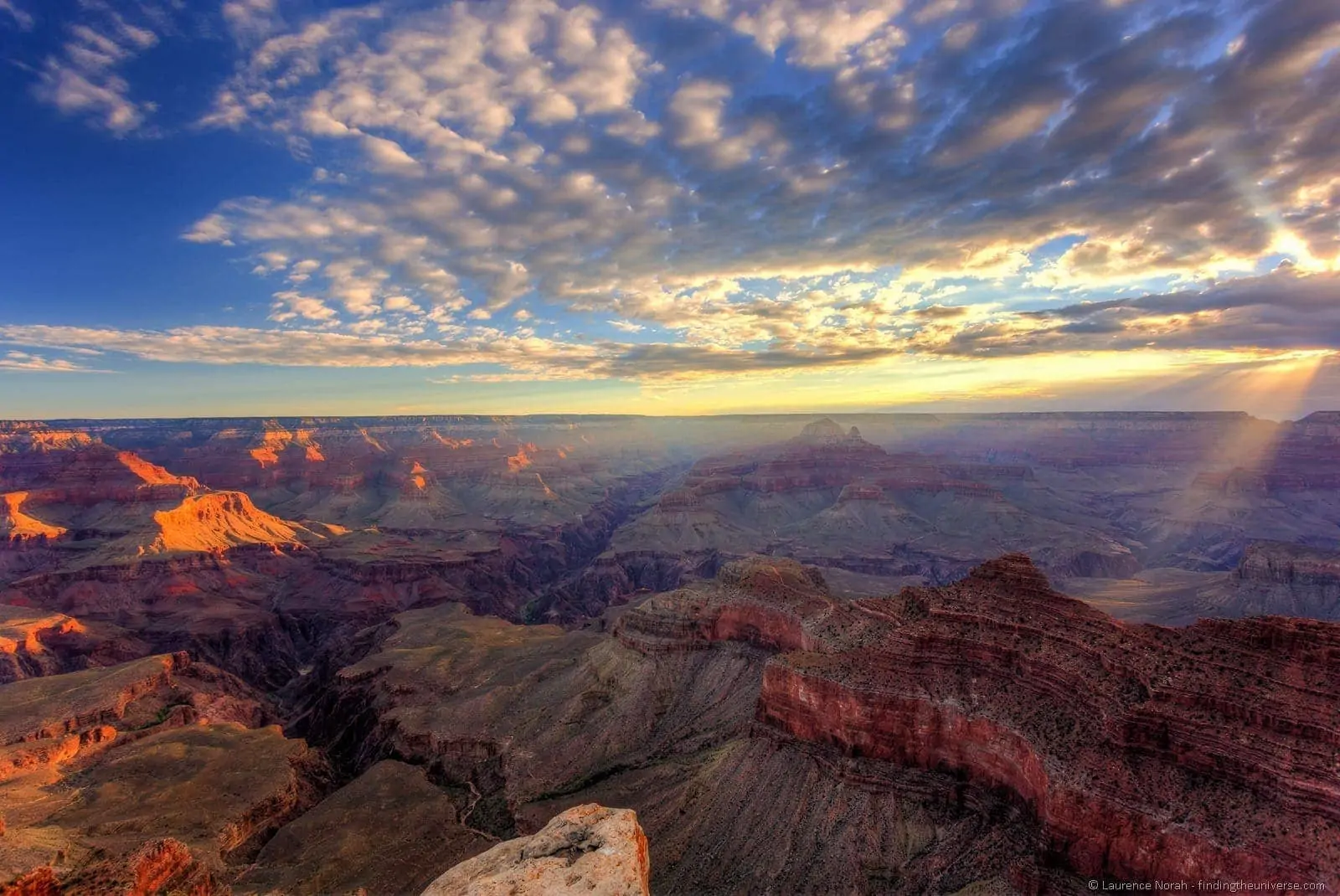
The Grand Canyon is one of the most recognised natural sights on earth, and it’s firmly on most visitors’ wish lists, of course. The challenge from Las Vegas is distance and geography. The canyon is 277 miles long, so the first decision is which part of it to visit, because the two realistic options from Las Vegas are very different trips.
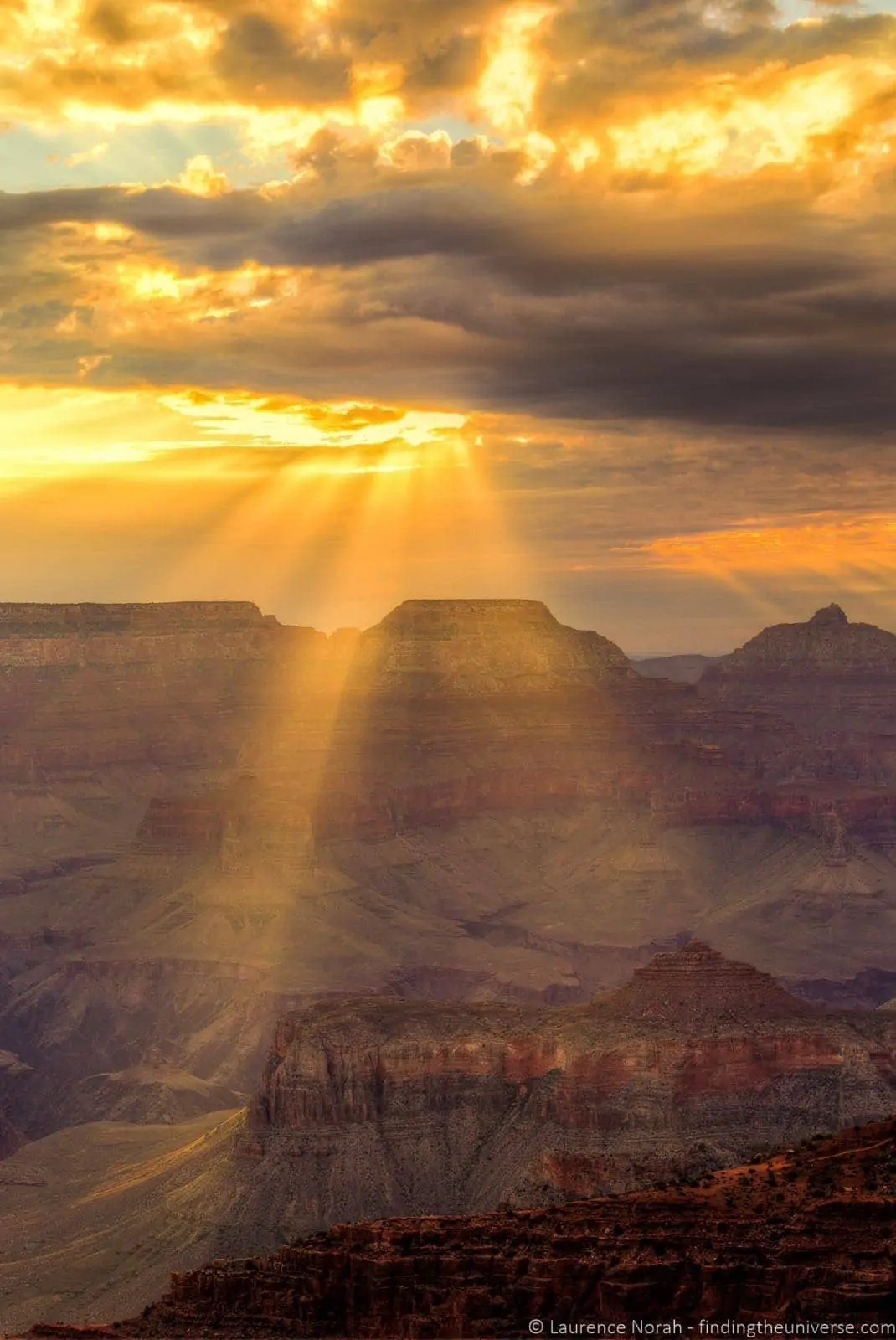
Most people picture the Grand Canyon National Park, and specifically the South Rim, where the canyon is at its deepest and most dramatic. This is also where you’ll find Grand Canyon Village, with the main visitor centre, lodges, restaurants and a rim shuttle bus linking the viewpoints. Entry to the national park is $35 per vehicle, valid for seven days. If you are visiting from outside the US there is a second cost to budget for: since January 2026, non-US residents pay a $100 fee per person, for everyone aged 16 and over, on top of that vehicle fee. It applies whether you drive yourself in or arrive on a guided tour, so two adults visiting the South Rim are looking at $200 in non-resident fees on top of the $35 vehicle fee. You can check the current rules on the official NPS non-resident fees page. The South Rim is the classic Grand Canyon experience, and the one we’d always choose if time allowed. We’ve watched the sun come up over the canyon from Mather Point on the South Rim, and it’s a view that resets your sense of scale.
The closer option is Grand Canyon West. This is not part of the national park. It sits on Hualapai tribal land and is owned and run by the Hualapai people, which means national park passes are not valid here, the $100 non-resident fee does not apply, and pricing is separate. Grand Canyon West is home to the Skywalk, a glass walkway that juts out over the canyon, along with viewpoints and food on site. Tickets are sold in tiered packages, and the cost depends on which viewpoints and add-ons you choose, so check current pricing on the Grand Canyon West site when you book.
Our verdict: the South Rim is worth the journey, but not as a self-drive day trip. Either give it a tour, or better still stay a night. Grand Canyon West is the option that does work as a day’s drive if you want canyon views and the Skywalk without a marathon in the car.
Driving to the Grand Canyon from Las Vegas
Grand Canyon West, where you’ll find the Skywalk, is around 130 miles or about two and a half hours from Las Vegas. That’s an achievable day trip by car.
The national park and the South Rim are a different proposition. By road it’s roughly a 4.5 to 5-hour drive of almost 300 miles, so a self-drive day trip would mean around nine to ten hours in the car for a few hours at the canyon. We think that’s more driving than any single day should hold. If the South Rim is your goal and you want to drive, we’d spend the night, which also opens up sunrise or sunset at the rim. Otherwise, take a tour and let someone else handle the road, or fly.
Public Transport to the Grand Canyon from Las Vegas
Given the distances, it won’t surprise you that there’s no public transport that works as a day trip to the Grand Canyon from Las Vegas.
There’s one scenic option if you have more time: the Grand Canyon Railway runs a round-trip train to Grand Canyon Village from Williams, Arizona. The snag is getting to Williams in the first place, which is a long way from Las Vegas. Greyhound and FlixBus reach the area, but the timings don’t add up to a day trip.
Tours of the Grand Canyon from Las Vegas
For most visitors, a tour is the best way to do the Grand Canyon as a day trip from Las Vegas. Yes, a South Rim tour involves a lot of driving, but you can rest, watch the desert roll past, and leave the road to someone else. A helicopter tour cuts the travel time dramatically and throws in an aerial view of the canyon that few other trips match. And if you want canyon views with less time in transit, point yourself at Grand Canyon West instead of the South Rim.
Some options to consider:
- This full-day South Rim tour gives you around three hours at the canyon, with a stop at the Grand Canyon Caverns on the way, plus lunch and snacks. It’s a long day, but it delivers the classic view.
- This full-day tour to Grand Canyon West includes a photo stop at the Hoover Dam and the option to add the Skywalk. A good choice if you want the canyon without the longer South Rim haul.
- This helicopter tour flies you out to the canyon and lands below the rim, with champagne and snacks. The fastest and most spectacular way to do it.
- This two-day tour is the one to choose if you’d rather not cram the South Rim into a single day. It includes a night near the canyon and far more time at the rim.
Zion National Park
Just over the border in neighbouring Utah, Zion National Park is one of the most spectacular national parks within reach of Las Vegas. Sitting on the edge of the Colorado Plateau, it has an unusually varied landscape, from towering sandstone cliffs and slot canyons to natural arches, and a correspondingly wide range of plant and animal life.
It’s a magnet for hikers, with trails running from gentle valley walks to some famously challenging routes. Zion was Utah’s first national park, and there’s evidence of human presence in the area going back at least 8,000 years. The park has a large, well-regarded visitor centre and a shuttle system that carries visitors between the main sights.
Entry costs $35 per vehicle. Zion is also one of the 11 parks where, since January 2026, non-US residents pay a $100 fee per person (everyone aged 16 and over) on top of the vehicle fee. It applies on guided tours as well as self-drives, so factor it in when you weigh a tour against renting a car, and you can read the current rules on the NPS non-resident fees page. The most important thing to understand before you go is the shuttle. For much of the year, the Zion Canyon Scenic Drive is closed to private vehicles, and the park shuttle is the only way in along that road. The shuttle season runs roughly from March to November, with a short additional window around late December. Outside that, in the depths of winter, you can usually drive the Scenic Drive yourself. Most visitors who drive in park at Springdale, just outside the park, take a free shuttle to the visitor centre, and from there ride the Zion Canyon shuttle to the trailheads and viewpoints. Exact shuttle dates shift year to year, so check the official NPS site before you travel.
Our verdict: at around two and a half to three hours each way, Zion is one of the more achievable big-name parks as a day trip from Las Vegas. The shuttle and parking are the only real logistics to get your head around, and a tour removes even those.
Driving to Zion National Park from Las Vegas
Zion is about 160 miles northeast of Las Vegas, roughly a two and a half hour drive. It’s a simple route to follow. Just remember that for most of the year you won’t be driving into Zion Canyon itself: you park in Springdale and pick up the shuttle. Build the shuttle into your timing so you’re not caught out.
Public Transport to Zion National Park from Las Vegas
Zion is one of the few trips on this list you can reach by public transport, although it’s slow. FlixBus and Greyhound services run from Las Vegas to St George, Utah in around three hours, and from St George a shuttle can take you on to Zion in about another hour. It’s possible, but between the connections and the timetables it makes for a long, tight day. We’d rather drive or take a tour, but the option is there if you need it.
Tours of Zion National Park from Las Vegas
A good number of tours run from Las Vegas to Zion. One thing to watch: some pair Zion with Bryce Canyon. Bryce is beautiful, but it’s an extra two hours of driving each way from Zion, so a combined day trip leaves you much less time in each park. The first tour below focuses on Zion itself; if Bryce appeals, an overnight makes far more sense than trying to do both in a day.
- This small-group guided tour focuses on Zion, takes you to the park highlights with a guide, and includes your park entry.
- This two-day tour is the one to pick if you do want to add Bryce Canyon, and covers both parks at a sensible pace.
A full-day Zion trip is also included on the Go City Las Vegas card, with park entry, lunch, snacks and water covered.
Route 66
Route 66 is arguably the most famous road in the world. It runs for more than 2,400 miles from Chicago, Illinois to Los Angeles, California, and driving the whole thing takes quite a bit more than a day. If that’s the trip you’re dreaming of, we have separate guides to spending one week on Route 66, two weeks on Route 66, and planning a Route 66 road trip.
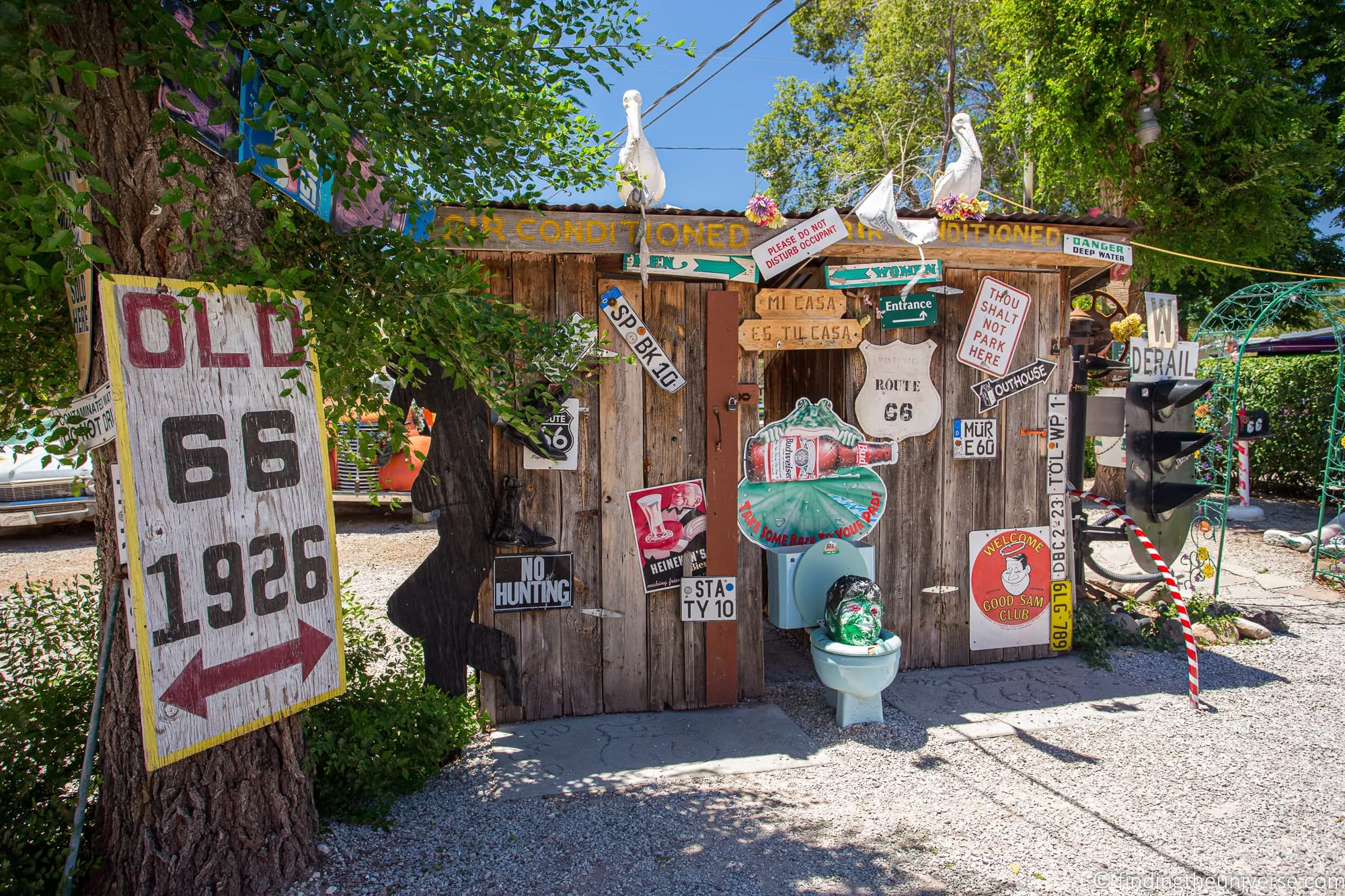
The good news for Las Vegas visitors is that an original stretch of Route 66 runs close by. The section from Seligman, Arizona down to Needles, California is within day-trip range, and it’s one of our favourite parts of the whole route. The highlights along here include Oatman, with its wild burros wandering the main street, Hackberry and its much-photographed general store, Peach Springs, and Seligman itself, the town often credited as an inspiration for the animated film Cars. Expect faded motels, hand-painted signs, vintage petrol stations and a kind of roadside Americana you can’t manufacture. You can see more of what’s along this section in our Route 66 itinerary.
We’ve driven this section and stopped in Seligman, and it has a sense of humour the interstate completely lacks.
Our verdict: Route 66 is the one trip here where the drive is the entire point. Don’t tour it. Rent a car, take it slowly, and stop whenever something catches your eye.

Driving to Route 66 from Las Vegas
The closest stretch of Route 66 to Las Vegas runs through Kingman, Arizona, about 110 miles away, or just under two hours’ drive. From Kingman you can follow Route 66 on to Seligman, another 87 miles or about 90 minutes. That makes a comfortable long day trip: drive out, work your way along the old road, and loop back. Kingman itself is a worthwhile stop, with the Arizona Route 66 Museum among its attractions.
Public Transport to Route 66 from Las Vegas
You can take a FlixBus from Las Vegas to Kingman, a journey of around two hours depending on the time of day. That gets you to Kingman and its Route 66 attractions, including the Arizona Route 66 Museum, but not much further. It’s a way to touch Route 66 without a car, though it isn’t the same as driving the road itself, which is really the point of the place.
Tours of Route 66 from Las Vegas
Dedicated Route 66 tours from Las Vegas are surprisingly hard to find. The road tends to appear as a stop on bigger tours, particularly Grand Canyon trips, because the drive to the South Rim naturally crosses Route 66 towns like Kingman and Seligman.
If you can get yourself to Kingman, there are a couple of more focused options:
- This tour from Kingman takes in the Grand Canyon Caverns, a Route 66 museum and a local winery.
- This one heads to the old mining town of Oatman, a real Route 66 highlight.
If Route 66 is what you’re after, though, we’d skip the tours, rent a car and drive it yourself. The freedom to stop is half the appeal.
Death Valley National Park
Death Valley, in eastern California, has one of the most forbidding names in the national park system, and it has earned it. This is a landscape of extremes, and that’s what makes it worth seeing.
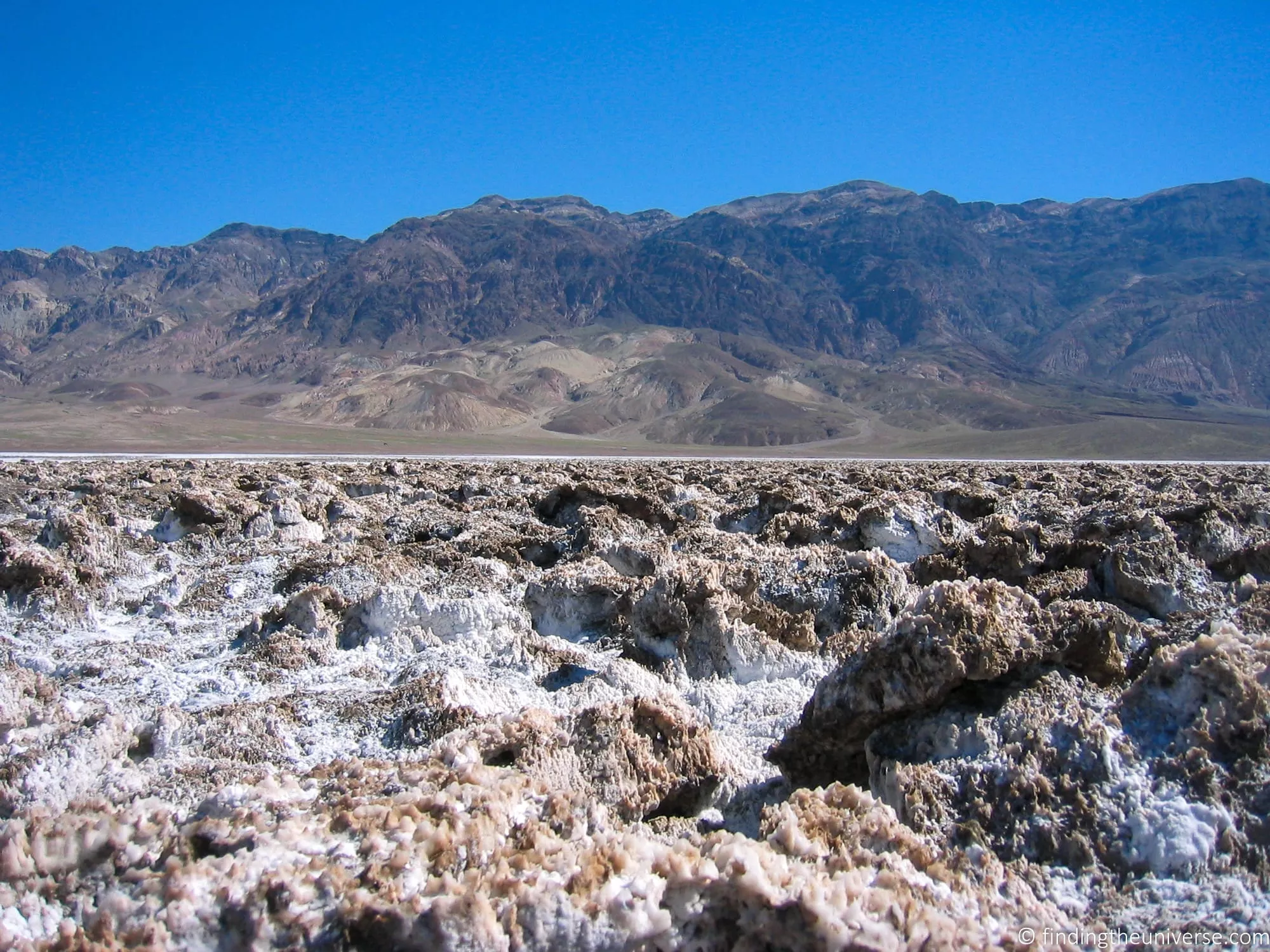
The park got its name during the California Gold Rush, after a group of prospectors struggled across the valley on their way to the gold fields. A combination of relentless heat, hard terrain and almost no water made the crossing brutal, and not everyone survived. It’s regarded as one of the hottest places on earth: summer temperatures here regularly pass 100°F (39°C), and the valley holds a recorded high of 134°F (57°C). It’s also home to the lowest point in the United States, Badwater Basin, which sits 282 feet (86 metres) below sea level. We’ve stood out on the salt flats at Badwater, and the silence and the scale of the place stay with you.
Beyond the records, the park is full of strange, beautiful landscapes: rippled sand dunes, eroded badlands, slot canyons and salt flats that run to the horizon. There’s plenty to fill a day, from short hikes to viewpoints, and the Furnace Creek visitor centre is a good place to get oriented and learn the park’s history. Entry costs $30 per vehicle, valid for seven days.
A word of caution on timing. We’d visit outside the hottest months if you possibly can. June through August are dangerously hot, with parts of the park and many trails closed, and the heat is not something to underestimate. From autumn through spring, Death Valley is a far more comfortable, and far safer, place to explore.
Our verdict: at a little over two hours away, Death Valley is pretty doable as a day trip, and it’s unlike anywhere else you can reach from Las Vegas. Bring a car, bring far more water than feels sensible, and avoid high summer.
Driving to Death Valley National Park from Las Vegas
Death Valley is around 120 to 130 miles from Las Vegas, roughly a two to two and a half hour drive, which makes a full day trip very achievable. A car is close to essential here: the park’s sights are spread over a huge area, and you need your own wheels to link them. Once inside, expect to spend three to six hours sightseeing, depending on how much hiking you do.
Public Transport to Death Valley National Park from Las Vegas
There’s no public transport that makes Death Valley work as a day trip from Las Vegas. Even if there were, you’d still need a vehicle to get around once inside the park. If you don’t have a car, a tour is the only practical way to visit.
Tours of Death Valley National Park from Las Vegas
Several companies run day trips from Las Vegas to Death Valley. Some focus on the park alone, others add nearby stops.
- This full-day small-group tour covers the highlights of Death Valley and includes park fees and a packed lunch. It can also be booked as a private tour.
A guided tour takes the navigation and the long drive off your plate, which in a park this size and this hot is no small thing.

Antelope Canyon and Horseshoe Bend
The city of Page, in northern Arizona near the Utah border, is the main base for two of the most photographed sights in the Southwest: Antelope Canyon and Horseshoe Bend. They sit close together, which is why nearly every tour, and most visitors, treat them as a pair.
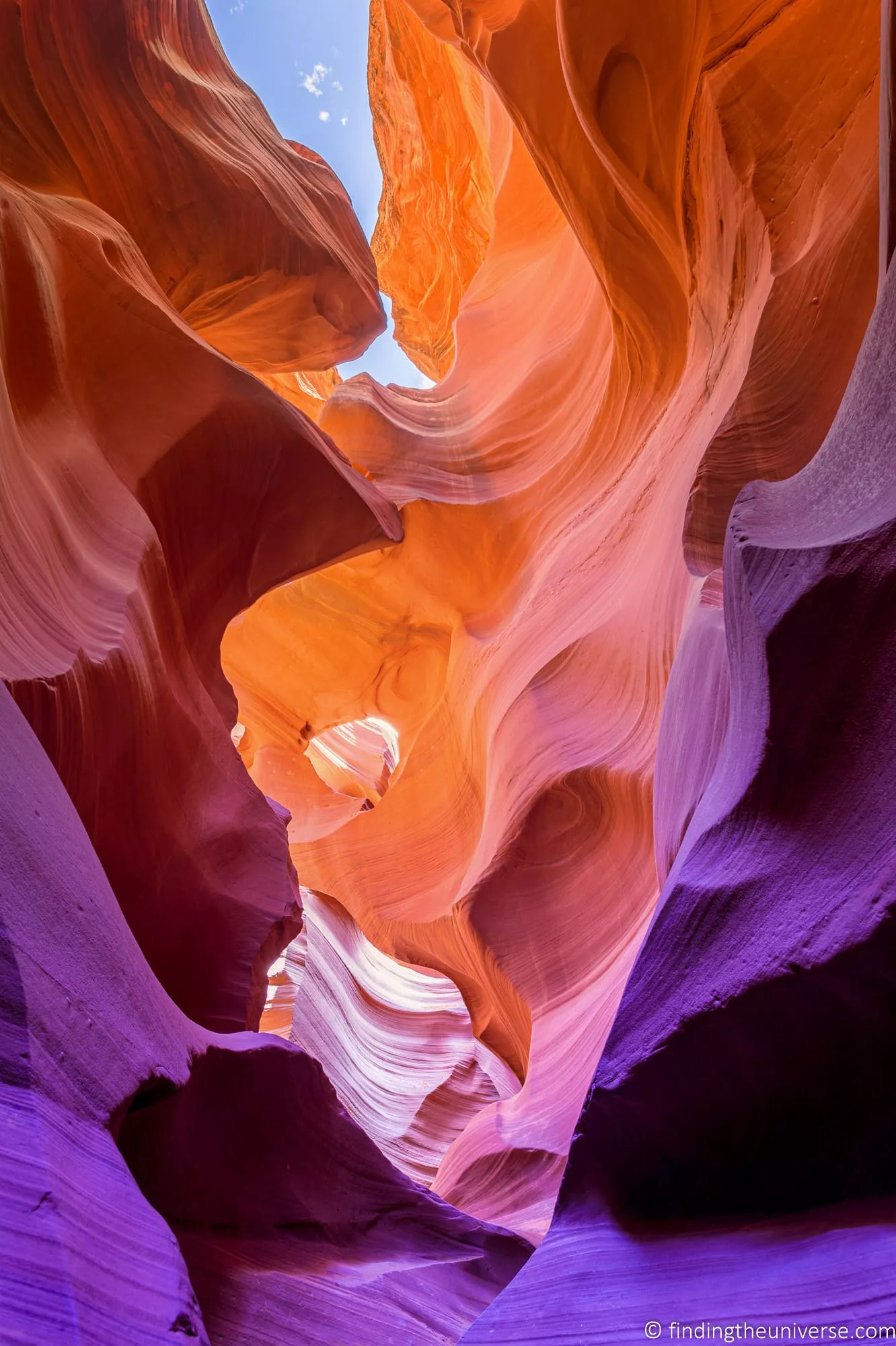
Antelope Canyon is a slot canyon, carved over time by rainwater eroding the sandstone. It splits into two main sections, Upper and Lower, plus a quieter area known as Antelope Canyon X. The canyon is narrow, sculpted and remarkably photogenic, with shafts of light dropping in from above. It can only be visited on a guided tour, and those tours are run by Navajo guides: there’s no independent or self-guided entry. A Navajo Nation permit fee applies per person on top of whatever the tour operator charges, so factor that in when you compare prices.
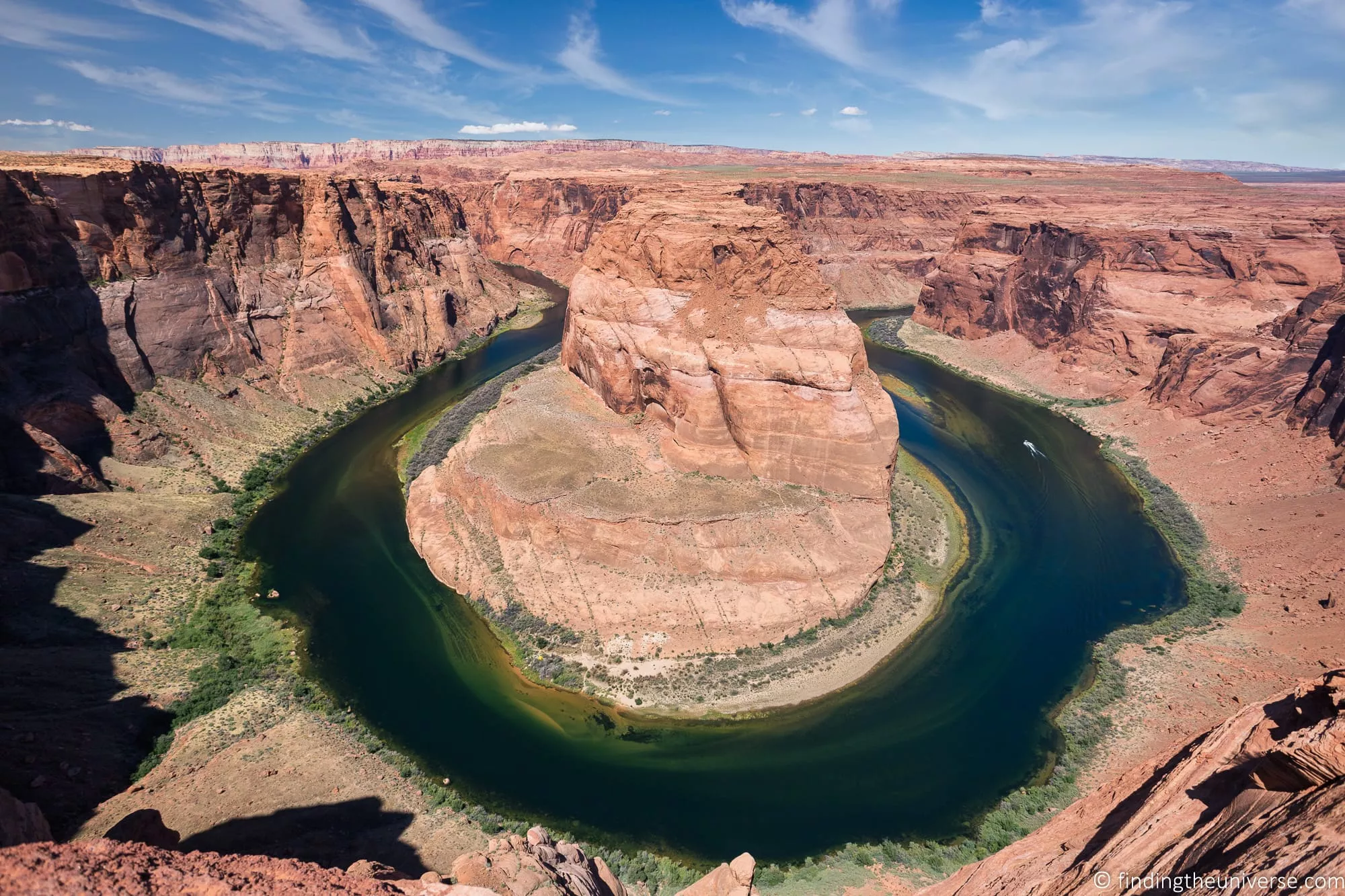
Horseshoe Bend is the other draw, a dramatic U-shaped curve in the Colorado River where the water wraps around a great rock outcrop. The name comes from the shape it makes seen from above. It’s technically free to visit, though there’s a $10 fee to park. From the car park it’s a 1.5-mile round-trip walk to the viewpoint, with no shade along the way, so in summer this short hike can be punishing. Bring water and a hat. The viewpoint sits around 1,000 feet above the river, and it’s a long, vertigo-inducing drop to the water.
We’ve made the trip out to Page and seen both, and they live up to the photographs, which isn’t something you can say of every famous view.
Our verdict: this is a long day, around nine hours of driving there and back, so it works best as a tour or, better still, an overnight in Page. If you do drive yourself, book your Antelope Canyon tour well in advance. They sell out, and there are few worse feelings than driving four and a half hours only to find no space left.
Driving to Antelope Canyon and Horseshoe Bend from Las Vegas
It’s around 270 miles from Las Vegas to Page, so driving means a round trip of roughly nine hours. That’s a similar amount of road time to the Grand Canyon South Rim, and as with that trip, it’s more than we’d usually want to drive in a single day.
It’s still an option if you have a car and don’t mind the miles. If you do drive yourself, the most important thing is to book your Antelope Canyon tour ahead of time, because you can’t enter the canyon without one. You can book a slot for Lower Antelope Canyon or Upper Antelope Canyon in advance.
Public Transport to Antelope Canyon and Horseshoe Bend from Las Vegas
You can technically reach Page by bus from Las Vegas, changing in St George, Utah. But the trip takes five to six hours each way and buses are infrequent, so it doesn’t work as a day trip. It only really becomes viable if you stay overnight in Page, from where a local taxi can run you out to Horseshoe Bend and to your Antelope Canyon tour.
Tours of Antelope Canyon and Horseshoe Bend from Las Vegas
Given the distance, a tour is the sensible way to see Antelope Canyon and Horseshoe Bend from Las Vegas. Because the two sights are so close together, almost every tour covers both, often with a scenic stop or two along the way. Remember that Antelope Canyon itself is always Navajo-guided; what varies between tours is whether the canyon entry fee is bundled into the price or charged separately, so check before booking.
- This good-value group tour covers both Antelope Canyon and Horseshoe Bend, with admission, a packed lunch and bottled water included.
- This two-day tour is the better choice if you’d rather not face the round trip in one day. It pairs Antelope Canyon and Horseshoe Bend with the Grand Canyon and Hoover Dam, with an overnight in between.
That covers our favourite day trips from Las Vegas. Before you go, here are a few things we’ve learned along the way, plus some practical notes on renting a car and where to stay.
What We’ve Learned About Day Trips from Las Vegas
We’ve done a lot of these trips, in different seasons and with different amounts of planning, and a handful of lessons come up again and again. None of them are complicated, and getting them right is the difference between a smooth day and a frustrating one.
The first is timing, and it matters more here than in most places. From roughly October to April, the desert is at its best: daytime temperatures are comfortable for hiking and long days outdoors are a pleasure. Spring, around February to April, often brings wildflowers to the lower desert. We’d actively avoid June, July and August for Death Valley and Valley of Fire, where summer heat regularly tops 100°F and becomes a real safety risk.
A couple of seasonal rules are worth writing down. Red Rock Canyon’s timed-entry reservation system runs from 1 October to 31 May. Zion’s in-canyon shuttle operates roughly March to November, and outside that you can usually drive the Scenic Drive yourself. The Grand Canyon South Rim stays open through the winter, and December to February can be a beautiful, quiet time to visit, though you may meet snow on the rim.
Carry more water than you think you need. This is the one we’d underline twice. The desert pulls moisture out of you quite a bit faster than you notice, especially on exposed walks like the trail to the Horseshoe Bend viewpoint. We always travel with a reusable water bottle and refill it at every chance. Sun protection, a hat and decent footwear belong in the same category.
Fill the tank before the remote drives. Petrol stations thin out quickly once you leave the Las Vegas area, and several of these trips, Death Valley and the Grand Canyon especially, take you a long way from the nearest pump. Top up before you head out and don’t let the gauge run low.
Start early, and be realistic about driving distances. The long trips, the Grand Canyon South Rim and Antelope Canyon, are the ones people most often underestimate. Nine to ten hours of driving for a few hours at the destination is a real day. There’s no shame in deciding a place is better as a tour, where someone else drives, or as an overnight. Some of our best days out here have been the ones where we stopped trying to do too much.
Book the timed things ahead. Antelope Canyon tours sell out, the Red Rock timed-entry slots in the cooler months are limited, and the Hoover Dam’s interior tours can pause for maintenance. A few minutes of booking, or a quick phone call before you leave, saves a wasted journey.
And finally, decide tour versus car before you book anything else. It shapes the whole trip, so it’s worth thinking through properly, which is what the next section is for.
How to Rent a Car in Las Vegas
If you’re visiting Las Vegas without a car, the day trips are where the question of renting one really comes up. For the city itself, we wouldn’t bother. Parking on the Strip is expensive, traffic is slow, and between rideshares and the monorail you can get around fine without a car. The day trips are a different story: as you’ve seen, most of them simply aren’t doable without either a rental car or a tour, because public transport barely reaches them.
So renting a car is worth considering, with a few things to weigh up. The main one is cost. Car hire itself can be good value, but add fuel and insurance on top of the headline price, and remember that most of these destinations charge a fee of their own, for parking, for vehicle entry, or both. A tour often bundles those fees in.
Our rule of thumb: if you’re doing just one or two day trips, a tour is usually simpler and can work out cheaper, with hotel pick-up and most entry fees included and no driving to think about. If you’re doing several trips, or travelling as a family or group, a rental car often wins on both cost and flexibility.
Renting itself is simple. You generally need a driving licence and to be at least 21. I’ve driven in the US for years, first as a visitor on my UK licence and now as a US resident, and if it’s your first time behind the wheel here it’s worth reading our guide to driving in the USA before you go, and our road trip essentials guide for what to pack. There are rental desks at the airport and across the city. To compare deals across the major providers, we use Discover Cars.
If you’re thinking about an overnight or multi-day trip, an RV is worth a look. There are campsites at or near most of the destinations in this guide, and a camper is a fun way to string several together. For RV hire we’d start with Motorhome Republic, which compares prices across a range of providers, and it’s also worth checking RVShare, a peer-to-peer service that works a little like the Airbnb of RV rental.
Booking a Day Tour from Las Vegas
If you’ve decided a tour is the way to go, a few tips will help you choose between them.
Check what’s included. Almost every tour includes a guide and transport, but beyond that things vary. Look for admission and entry fees, water, snacks and meals. If one tour looks much cheaper than the rest, it’s usually because something like a park fee has been left out and will be charged on the day.
If you are not a US resident, check one more thing before you book. The $100 non-resident fee at the Grand Canyon South Rim and Zion applies even when you visit on a guided tour. Some operators bundle it into the tour price and some collect it at the park gate, so ask the operator directly so it does not catch you out on the day.
Check the pick-up. Many tours offer hotel pick-up, but not all, so if that matters to you, confirm it before booking rather than after.
Think about group size. Larger tours are often cheaper thanks to economies of scale, but they tend to move more slowly, because getting a big group on and off a coach takes longer. A smaller group can usually see and do more in the same hours.
For booking, we use sites that list a range of tours so we can compare prices, features and reviews, and that handle mobile ticketing so you just show your phone. The ones we’d recommend for Las Vegas:
- GetYourGuide has a large selection of tours and activities in and around Las Vegas, with a solid review system. We’ve used them for tours all over the world and have always had a good experience.
- Viator, owned by Tripadvisor, lists a huge range of Las Vegas tours and activities, so it’s a good place to compare options.
- Vegas.com is a Las Vegas-focused site that, alongside hotels and show tickets, lists a number of tours that head out of the city.
It’s also worth checking the Go City Las Vegas card before you book individual tours. As well as covering many attractions in the city, it includes some of the day trips out of it, so if you’re doing several paid activities it can be a real money-saver.
And whichever tour you pick, take plenty of water and sun protection along, especially in summer. The heat and sun out here are harsh, and can be dangerous for young children and the elderly.

Where to Stay in Las Vegas
Day trips need a base, and Las Vegas has no shortage of places to stay. Most of our picks are on the Strip, which we think gives you the classic Las Vegas experience, but we’ve included a couple of other options too.
- El Cortez Hotel & Casino – on historic Fremont Street downtown, this well-reviewed 3-star offers good value and free parking.
- Sin City Hostel – in the Arts District, this is a well-reviewed budget option, with good-value shared rooms (each with a private bathroom), free breakfast and free parking.
- Flamingo Las Vegas – the oldest resort still running on the Strip, operating as a hotel and casino since 1946. It has a garden courtyard that’s home to actual flamingos. It’s an older property, but the location is excellent and the value is good. We’ve stayed here and enjoyed it.
- Paris Las Vegas – this iconic Strip hotel leans into its theme with replica Paris landmarks, including a half-scale Eiffel Tower, plus 11 restaurants, several bars, a casino, spa and theatre.
- Caesars Palace – this 4-star is home to one of the most famous buffets in the city, along with celebrity-name restaurants, a casino, a large shopping arcade, a spa and a nightclub.
- New York New York – this hotel packs in New York City landmarks, including a 150-foot replica Statue of Liberty, and it even has its own roller coaster. There are 13 restaurants on site and an Irish pub.
- Mandalay Bay – near the southern end of the Strip, this hotel has its own 11-acre beach area, complete with a lazy river and wave pools, alongside the usual restaurants, bars, casino and entertainment.
- The Delano – the pick for a quieter, more relaxed stay. With no casino and a single restaurant, it offers an upscale, calmer experience with a private pool and beach area, and Mandalay Bay next door (its sister hotel) if you want the action. Jess has stayed here and rates it as a good choice for couples.
- The Venetian – part of the largest resort in Las Vegas, this 5-star does the full Las Vegas spectacle, from gondola rides on an indoor Grand Canal to replica Venetian landmarks, with more than 40 restaurants, shops, pools, a spa and a casino.
- The Bellagio – set behind its famous fountains, this 5-star has excellent rooms, a range of pools, bars and restaurants, botanical gardens and on-site shopping. We stayed in a lovely room here with views over the Strip and the fountains, and had a great time.
For more options, including apartments and hostels, browse the full Booking.com listings for Las Vegas. You can also see vacation-rental listings for the city on Vrbo.

Day Trips from Las Vegas FAQ
A few of the questions we hear most often about planning a day trip out of Las Vegas.
What is the best day trip from Las Vegas?
For most visitors, Red Rock Canyon or Valley of Fire is the answer, both are under an hour from the Strip and work as a half-day. If you only get one day and want the bucket-list view, the Grand Canyon South Rim is worth it, but go by tour. Both sit under an hour from the Strip, work as a half-day, and the red-rock scenery is the real thing.
If you only get one day and want the bucket-list view, the Grand Canyon South Rim is worth it, but go by tour rather than driving yourself, because it’s a long way. The Hoover Dam is the most popular choice and the easiest if you’re short on time.
Can you visit the Grand Canyon as a day trip from Las Vegas?
Yes, though which part matters. Grand Canyon West, run by the Hualapai Tribe and home to the Skywalk, is about a 2.5-hour drive and works comfortably as a day trip.
The South Rim, inside Grand Canyon National Park, is around 4.5 hours each way. That’s doable as a long day by organised tour, but we wouldn’t drive it ourselves there and back in a day. If the South Rim is your goal, take a tour or stay overnight. Helicopter tours are the fastest option of all.
Do you need a car for day trips from Las Vegas?
No, but your options narrow without one. Most of these destinations have little or no public transport, so if you don’t drive, organised tours are the practical choice, and they cover every trip in this guide.
A rental car gives you more freedom and can work out cheaper for families or groups. For one or two trips a tour is usually simpler, while for several trips, renting a car often wins.
What is the closest day trip to Las Vegas?
Red Rock Canyon National Conservation Area is the closest, about a 30-minute drive west of the Strip. Its 13-mile scenic loop road and network of trails make it an easy half-day.
One thing to plan for: from 1 October to 31 May you need a timed-entry reservation to drive the loop between 8am and 5pm. The Hoover Dam, about 45 minutes away, is the next closest trip.
Can you visit caves near Las Vegas?
The best-known caves within day-trip range are the Grand Canyon Caverns near Peach Springs, Arizona, on historic Route 66, about a 2.5-hour drive from Las Vegas. They are among the largest dry caverns in the US, and several Route 66 tours from Kingman include them.
Closer to the city, Red Rock Canyon and Valley of Fire have rock formations and ancient petroglyphs to explore rather than caves.
When is the best time of year for day trips from Las Vegas?
Spring and autumn are ideal. From roughly October to April, daytime temperatures are comfortable for hiking and the desert parks are at their best. We’d avoid June, July and August for Death Valley and Valley of Fire, where summer heat regularly tops 100°F and can be dangerous.
A few seasonal rules help: Red Rock Canyon needs a timed-entry reservation from 1 October to 31 May, and Zion’s in-canyon shuttle runs roughly March to November. Whatever the season, carry far more water than you think you need.
Further Reading
That’s it for our guide to day trips from Las Vegas. To help you plan the rest of your trip, here are some other resources you might find useful.
- For the city itself, our guide to things to do in Las Vegas covers the sights, plus tips on getting around and saving money.
- If you’re drawn to dramatic desert hiking, the trip to Havasu Falls is a remarkable one, though it takes real planning. See our guides to the Havasu Falls hike and what to pack for Havasu Falls.
- Las Vegas is a natural starting point for a USA road trip. We have a two-week USA road trip itinerary that begins here.
- For more road-trip inspiration, see our itineraries for a USA Deep South road trip, a California road trip and a Pacific Coast Highway road trip.
- Heading further along the Mother Road? See our photo guide to the highlights of Route 66 in Arizona.
- To help you budget, see our guide to how much it costs to travel in the USA.
- We’ve visited a lot of other US cities. See our guides to Huntsville, Savannah, Charleston, Albuquerque, New Orleans during Mardi Gras, Cambria, Houston, Dallas and Santa Fe to get started.
- And if you’d like to take better photos on your travels, consider our online Travel Photography Course.
As always, we’re happy to answer questions and hear how your trip goes, so leave us a comment below and we’ll get back to you as soon as we can.
Leave a Reply