
Looking for things to do in Houston, Texas? You’re in the right place. We spent several days exploring Houston as part of a longer Texas road trip, and this guide pulls together what we’d recommend, what we’d skip, and how to plan around the city’s quirks so you don’t waste a day on a closed monument or an overestimated drive time.
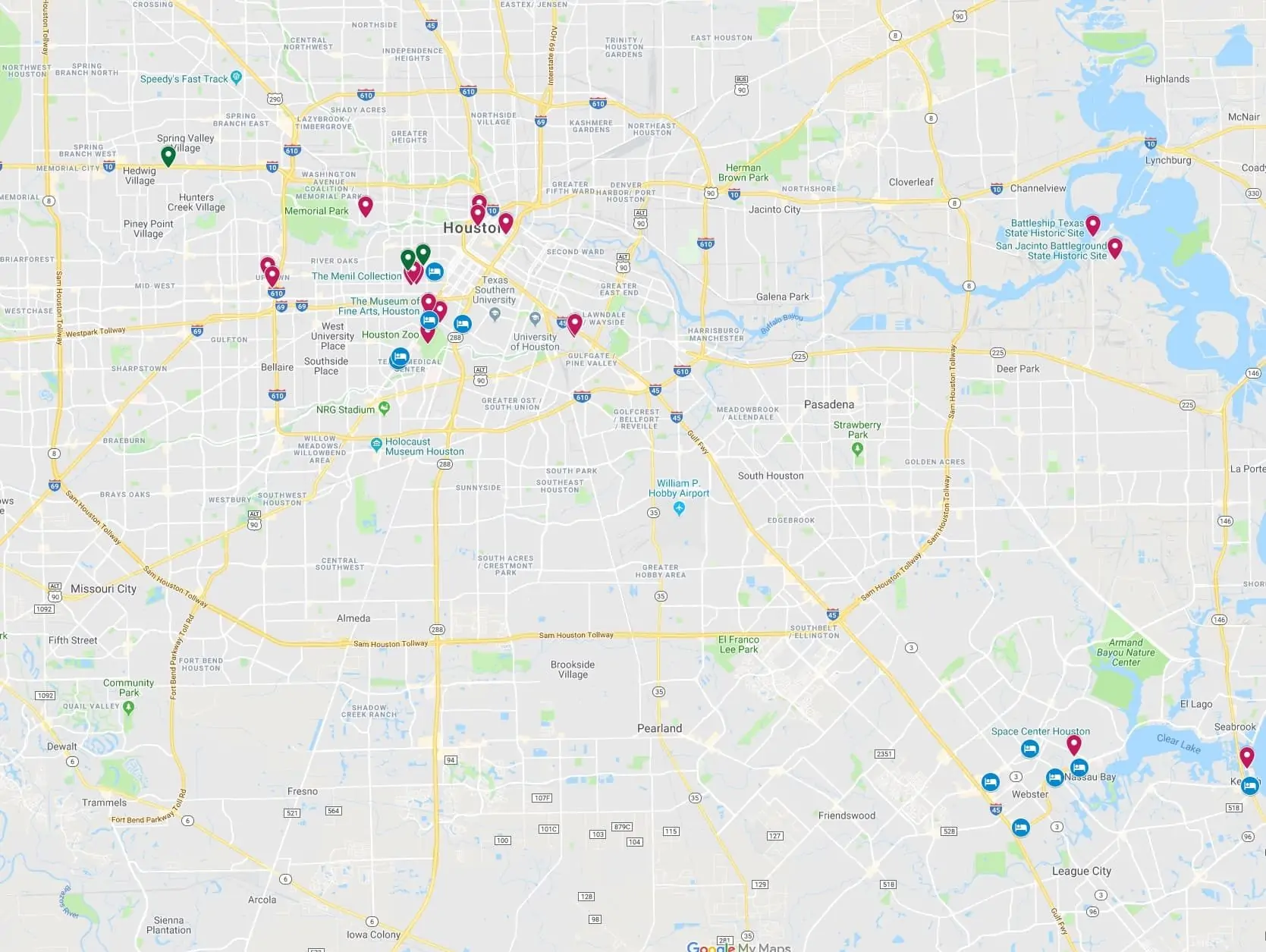
Houston is the largest city in Texas and the fourth-largest city in the United States, with city limits covering around 640 square miles (the metro area is much larger again). That sprawl really works against you. The big-hitter attractions are scattered: Space Center Houston sits a 30-minute drive southeast of downtown, Kemah Boardwalk is another twenty minutes beyond that, and the Museum District clusters tightly inside the inner loop. Plan in geographic chunks, not in “I’ll just pop across”.
Below you’ll find 20 main attractions with current pricing and hours, five less-obvious picks for a return visit or a longer stay, a Houston CityPASS calculator (the pass switched to a choose-5-of-7 format), a section on what we’d skip, and an FAQ. Prices are in US dollars and reflect what we could verify with the attractions themselves this month.
The short version: if you only have one full day, prioritise Space Center Houston (book the tram tour and arrive early), the Houston Museum of Natural Science (free Tuesday evenings 5pm to 8pm if your timing works), and either the Houston Zoo or the Museum of Fine Arts depending on if you’re travelling with kids. Add Kemah Boardwalk if you’ve got a second day with a car. Skip the CityPASS unless you’ll hit at least three of its included attractions. Daikin Park (formerly Minute Maid Park) is the home of the Houston Astros if you can time a game.
Table of Contents:
Things to Do in Houston Texas
This guide covers a range of attractions for visiting Houston as a couple, on your own, or with family. Prices and opening times below were verified this month against each attraction’s official website, but it’s of course always worth a final check before you go.
Space Center Houston
If you’ve read other articles on this site, you’ll know I’m a big fan of space-based activities. On our adventures we’ve visited the U.S. Space and Rocket Center, attended Space Camp, and followed New Mexico’s Space Trail. If there’s a chance to do something space-related, I’m going to do it.
So when we visited Houston, we made a beeline for Space Center Houston. Even if you aren’t space-mad, we’d say do the same. It’s really the strongest single attraction in the city.
Space Center Houston is two things in one. It’s a Smithsonian-affiliate museum with a wide collection of exhibits covering the past, present and future of space exploration, including spacesuits, lunar samples, and a hands-on engineering gallery. There’s a huge amount to see, and we’d budget half a day at minimum.
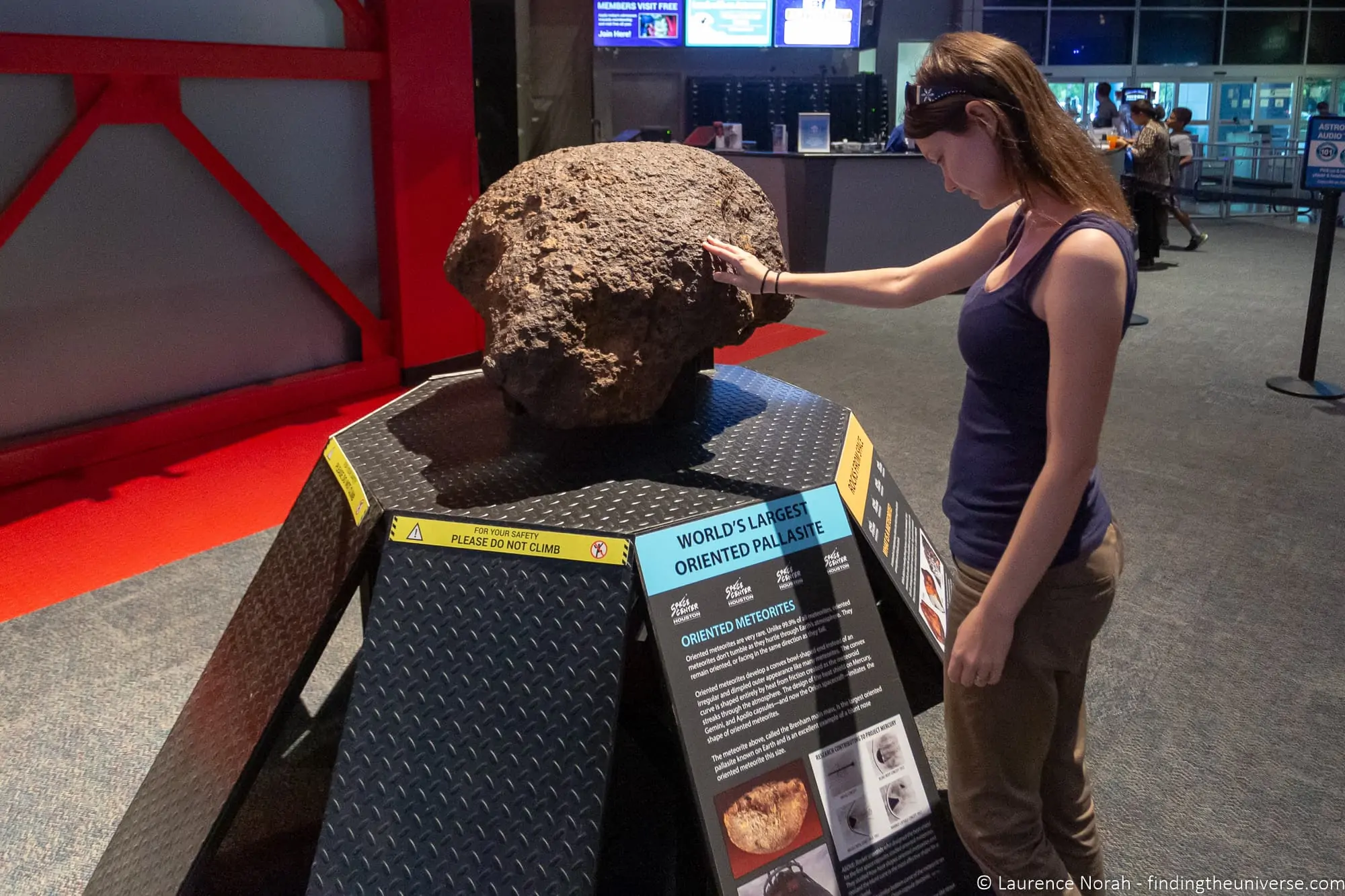
It’s also the official visitor centre of the NASA Johnson Space Center, a fully operational NASA facility where human spaceflight training and research take place. NASA Johnson is home to Mission Control. Since 1965, every crewed NASA mission has been operated from these rooms, including the Apollo Moon landings and every Space Shuttle and ISS expedition since.
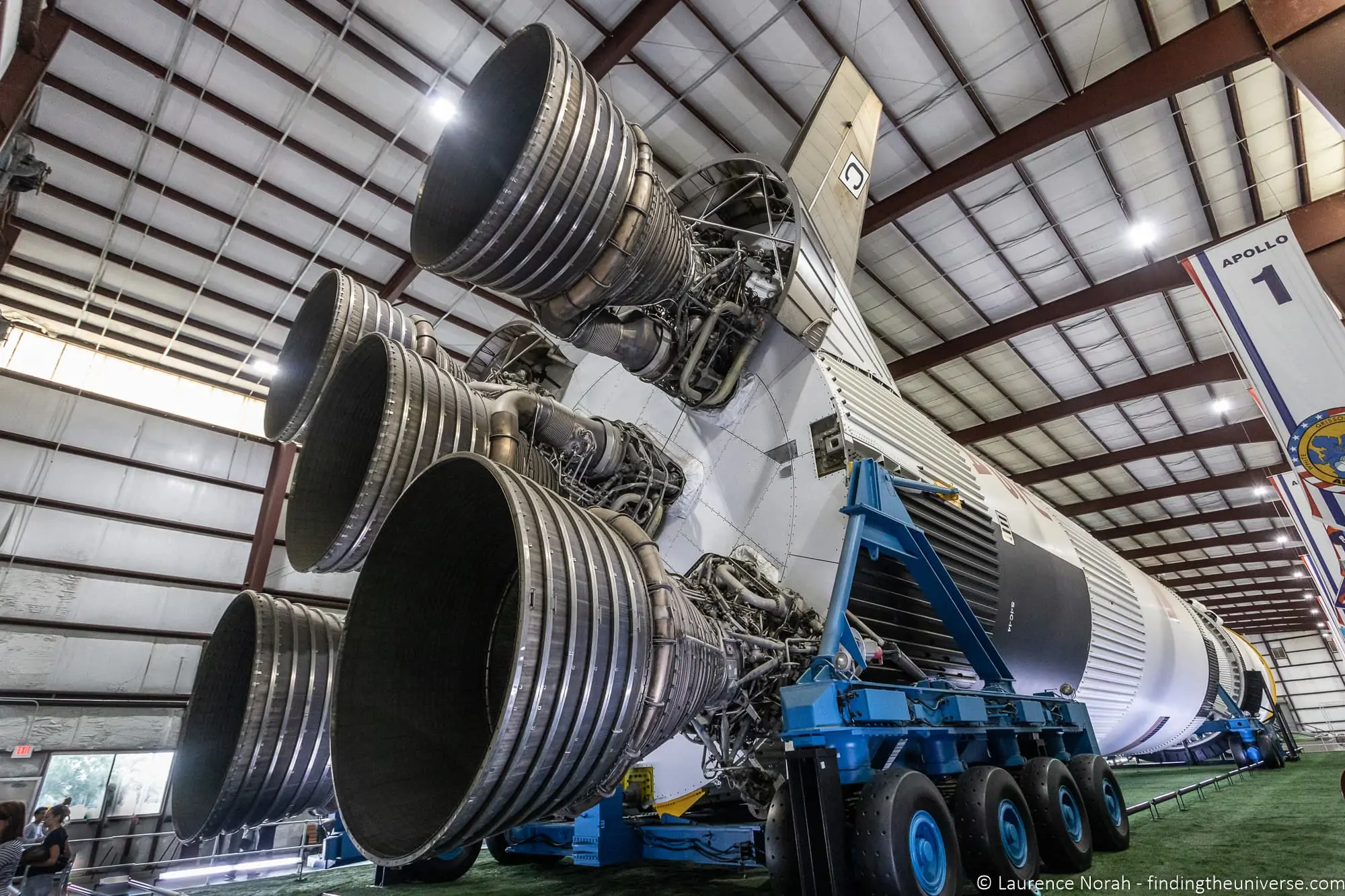
As part of your entry ticket, you can take a guided tram tour out to the Space Center proper and visit some of the key facilities. Seeing the original Apollo-era Mission Control room and the full-size Saturn V rocket in person was the highlight of our visit. The tram is popular, so we’d suggest joining the queue at least 15 to 20 minutes before departure, and doing the tram tour earlier in your visit rather than leaving it for the afternoon when the lines stretch.
For real space enthusiasts there’s also the Level 9 VIP Tour, a 4 to 5 hour guided tour visiting areas not on the standard tram route, including lunch with NASA personnel. It must be booked in advance and sells out weeks ahead.
Space Center Houston is about half an hour southeast of downtown Houston and quite close to Kemah Boardwalk, so the two pair well in a day. Parking on site is currently $10 per vehicle. General admission online is around $30 for adults and around $25 for children (4-11), with under-4s free; expect to pay around $5 more if you buy at the gate rather than online. Space Center pricing is dynamic and can climb a few dollars during peak weekends, so check before you book.
During the week you can take public transport from downtown, but there’s no public-transport option at weekends. It’s also possible to book a guided day tour from the city centre that combines downtown Houston sightseeing with Space Center entry.
Space Center Houston is generally open 10am to 5pm, with extended summer hours of 9am to 6pm around July. Closed Christmas Day. The official calendar of hours is here. It’s also one of the seven attractions included on the Houston CityPASS (see the calculator section further down).
For a much deeper look at planning a Space Center visit, including tram strategy and which exhibits we’d prioritise, see our dedicated guide to visiting Space Center Houston.
Houston Zoo
With over 6,000 animals from more than 900 species across a 55-acre site, the Houston Zoo is the second-most-visited zoo in the United States and easily fills half a day, often more if you have kids in tow.
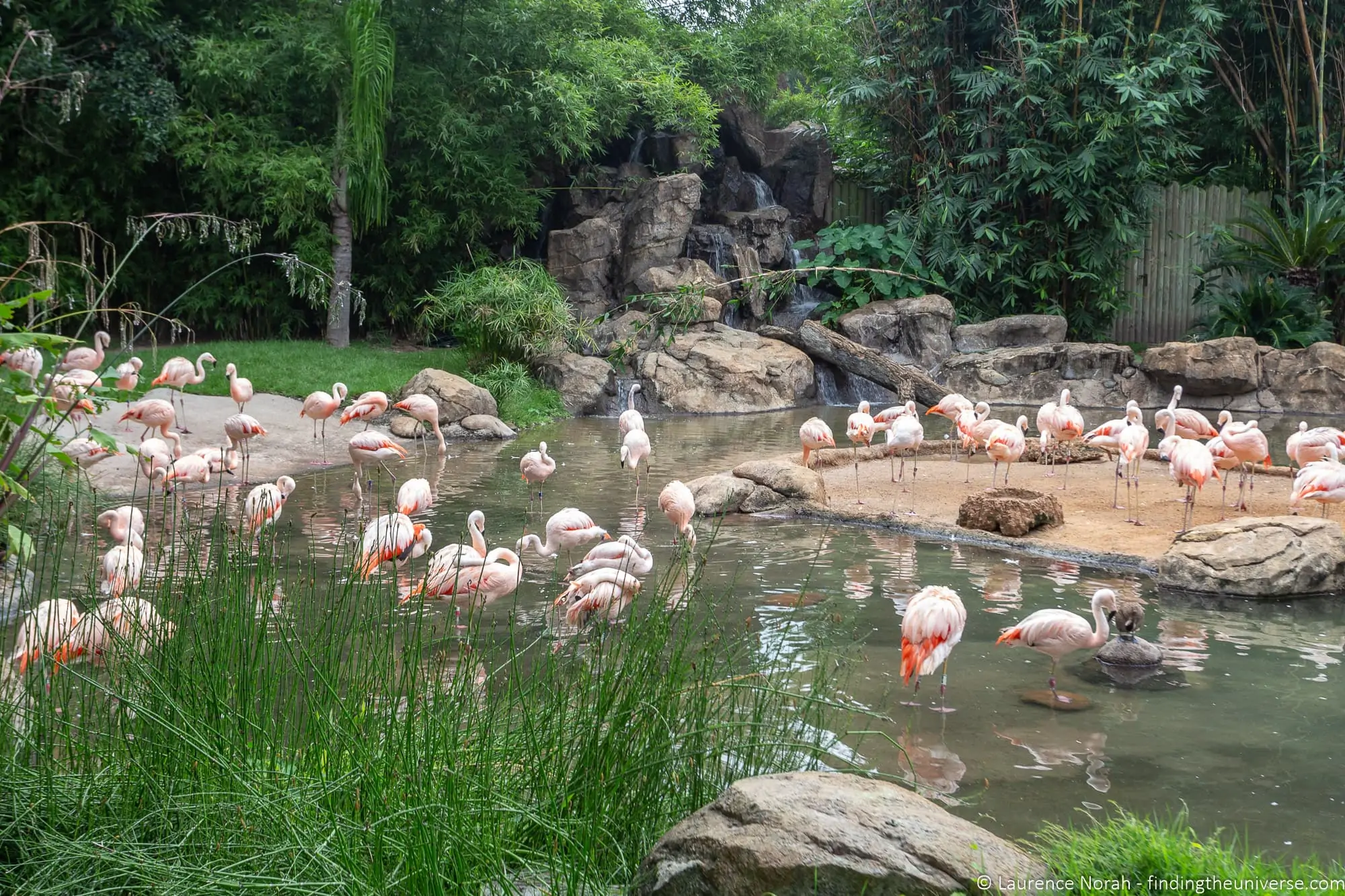
Our highlights were the Asian elephants, which took us back to the time we spent seeing elephants in Thailand, and the giraffes, which are always a favourite of ours. We also enjoyed the African lions and the flamingo enclosure.
Houston Zoo doesn’t have its own parking lot, but you can park for free in adjacent Hermann Park. Full parking and directions information is here. The zoo is also reachable by Houston METRORail, and METRORail ticket holders get a small discount at the zoo gate when they present a same-day ticket.
The zoo is open 9am to 5pm daily year-round, with last entry at 4pm. Closed for daytime admission on Christmas Day. Tickets are now timed-entry and must be reserved online in advance; the zoo no longer sells walk-up admission at the gate. Adult tickets are around $30, with a 20% discount for children (3-12) and seniors (65+); under-3s free.
One thing to flag if you’re on a budget: the zoo is free to enter on the first Tuesday of each month (sponsored by ExxonMobil), though you still need to reserve a timed entry ticket online. Houston Zoo is also one of the choose-5-of-7 attractions on the Houston CityPASS.
Downtown Aquarium
The Downtown Aquarium sits in central downtown Houston, a short walk from Tranquillity Park. As well as the aquarium itself there’s a small family-friendly amusement park on site with around a dozen rides, plus two restaurants. It’s not a giant aquarium by US standards, but it’s quite well-located if you’re staying downtown and you have a couple of hours to fill.
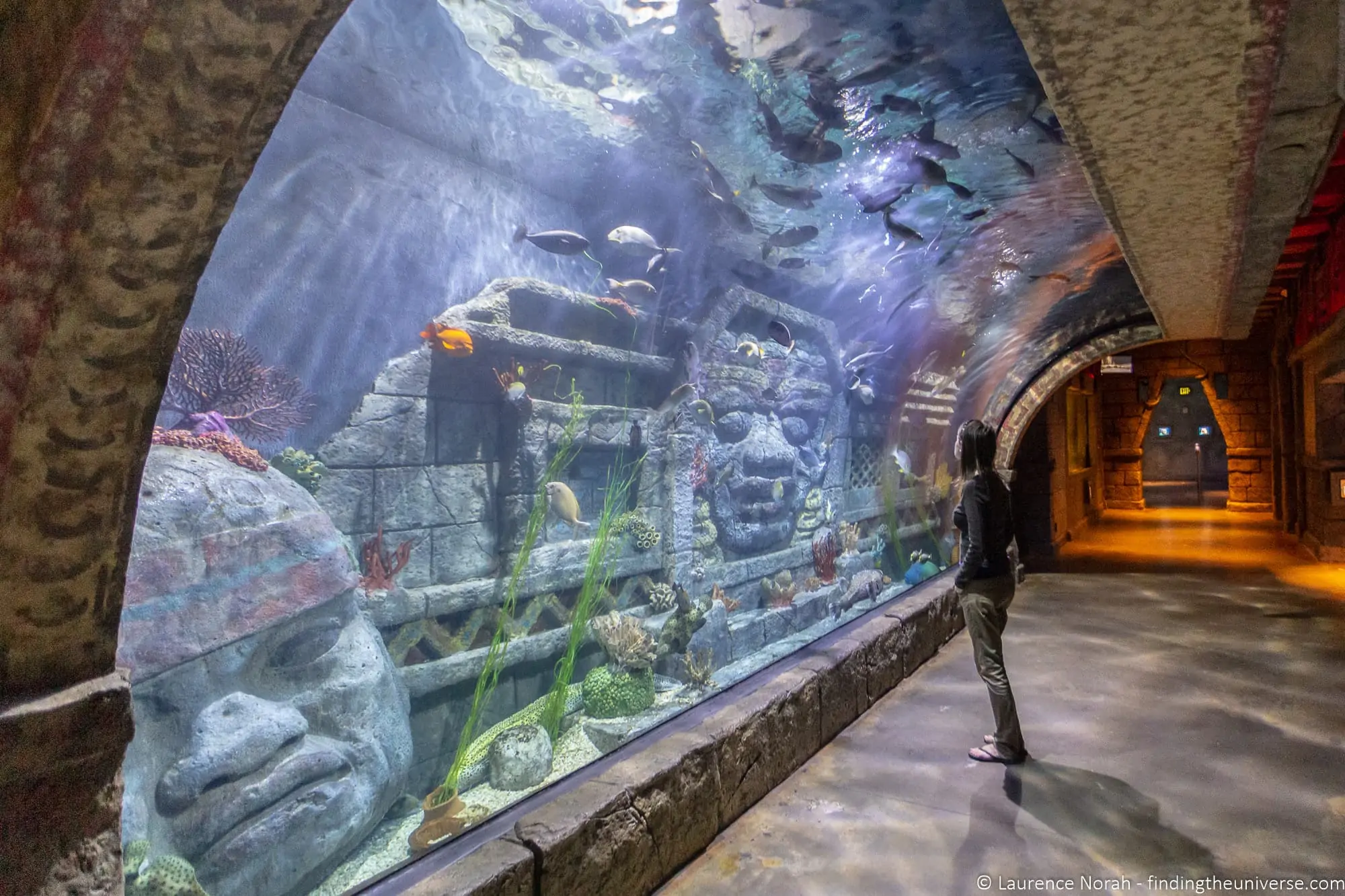
The aquarium is home to over 200 species of aquatic animals across five themed zones, including a Louisiana Swamp exhibit (with American alligators), a Rainforest zone, and a shipwreck-themed shark tank. There’s a stingray touch-pool where you can feed and stroke the rays, which is a reliable hit with younger visitors.
The amusement-ride section opens 10:30am to 8:30pm Sunday through Thursday, and 10:30am to 10pm Friday and Saturday. Aquarium exhibits keep similar hours. There’s parking on site, currently around $18 for the day (this was $8 when we visited and has climbed considerably; the parking deck is the same one used by attached restaurants).
The Downtown Aquarium has an admission fee with discounts for seniors and children. Full prices are on the official website. You can also buy an all-day ride-and-exhibit combo pass. The aquarium exhibit (including the Stingray Reef) is on the Houston CityPASS as one of the choose-5-of-7 options.
Houston Museum of Natural Science
If you want to spend an afternoon among dinosaurs, gemstones, and an Egyptian collection that punches well above its weight, the Houston Museum of Natural Science is the museum-district pick we’d send everyone to. Sixteen permanent halls cover everything from Fabergé jewellery and Texas wildlife to a strong African mammal hall and an energy-and-petroleum gallery (the latter is a Houston speciality, given the city’s oil-industry roots).
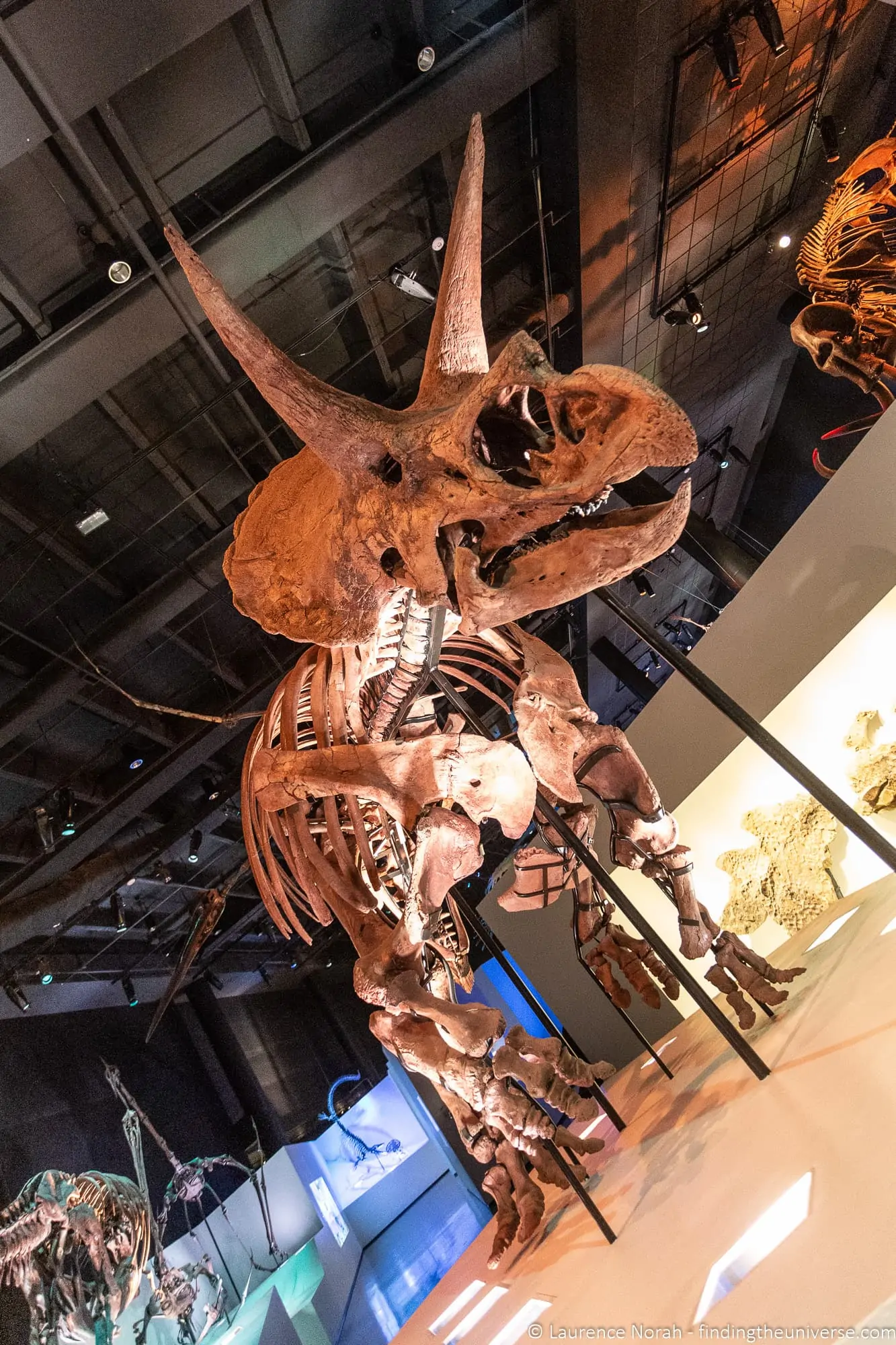
This is the museum that’s most likely to land with a mixed-interest group: there’s enough variety that we think there’s something for almost everyone, whatever their starting interest. It’s also home to a planetarium, a giant-screen theatre, and the Cockrell Butterfly Center, all separately priced add-ons. With those add-ons, you can easily fill a day here.
Opening hours are Monday through Thursday 9am to 5pm (last entry 4:30pm) and Friday through Sunday 9am to 6pm (last entry 5:30pm). General admission is around $25 for adults and $16 for children (3-11); under-2s free.
The big money-saver to know about: permanent exhibits are free on Tuesday evenings between 5pm and 8pm (last entry 7:30pm). If you can time a Tuesday-night visit, this is one of the best free things to do in Houston.
Full pricing and current opening hours are here. HMNS is also on the Houston CityPASS choose-5-of-7 list.
Children’s Museum of Houston
Another museum-district pick that families gravitate to is the Children’s Museum of Houston, set over 80,000 square feet with physical challenge courses, hands-on learning exhibits, and a whole hydropower zone built around interactive water installations.
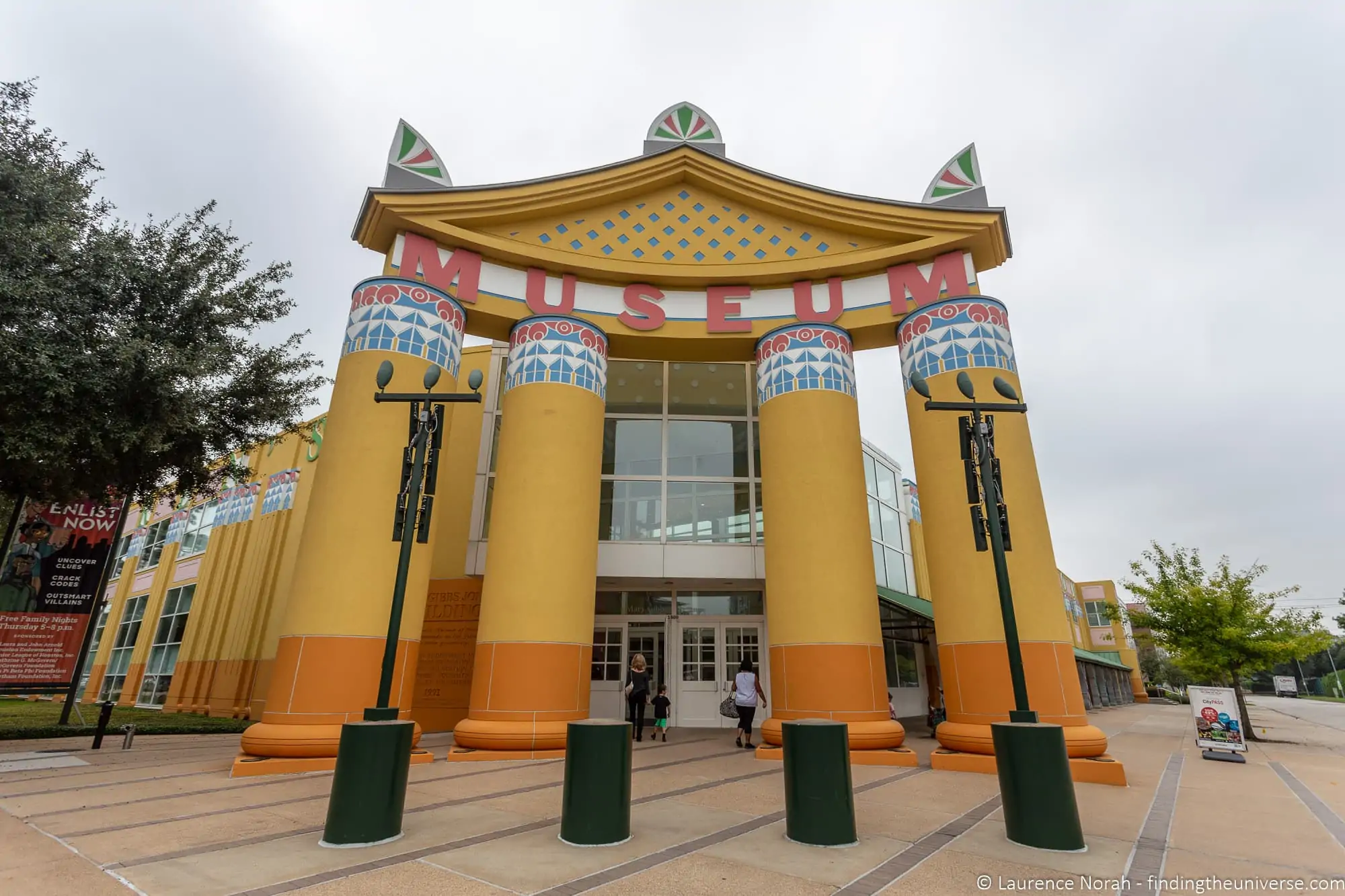
We don’t travel with children, so we didn’t visit the inside on our trip. Normal admission requires that adults are accompanied by a child aged 12 or under, which makes sense given that this is a children’s museum. If you’re travelling without kids and want a Houston museum hit, the Museum of Fine Arts or HMNS are better fits.
The museum is closed Mondays AND Tuesdays. Wednesday through Saturday it opens 10am to 6pm, with Thursday extended to 8pm (and a free Family Night Thursday 5pm to 8pm sponsored by Target). Sunday opens at noon and closes at 6pm. Admission is around $15 per person (adults must enter with a child).
If you happen to be a Bank of America cardholder, the museum is also free on the first weekend of each month under the Museums on Us programme. Full pricing and current opening times are here. The Children’s Museum is on the Houston CityPASS choose-5-of-7 list.
Kemah Boardwalk
Around 30 miles southeast of Houston on the Gulf Coast, the Kemah Boardwalk is a family-friendly waterfront amusement strip with 14 rides (including a 96-foot wooden roller coaster and a Ferris wheel), ten on-site restaurants and cafés, plus arcades and carnival games. Pair it with Space Center Houston in a single day if you’re driving.
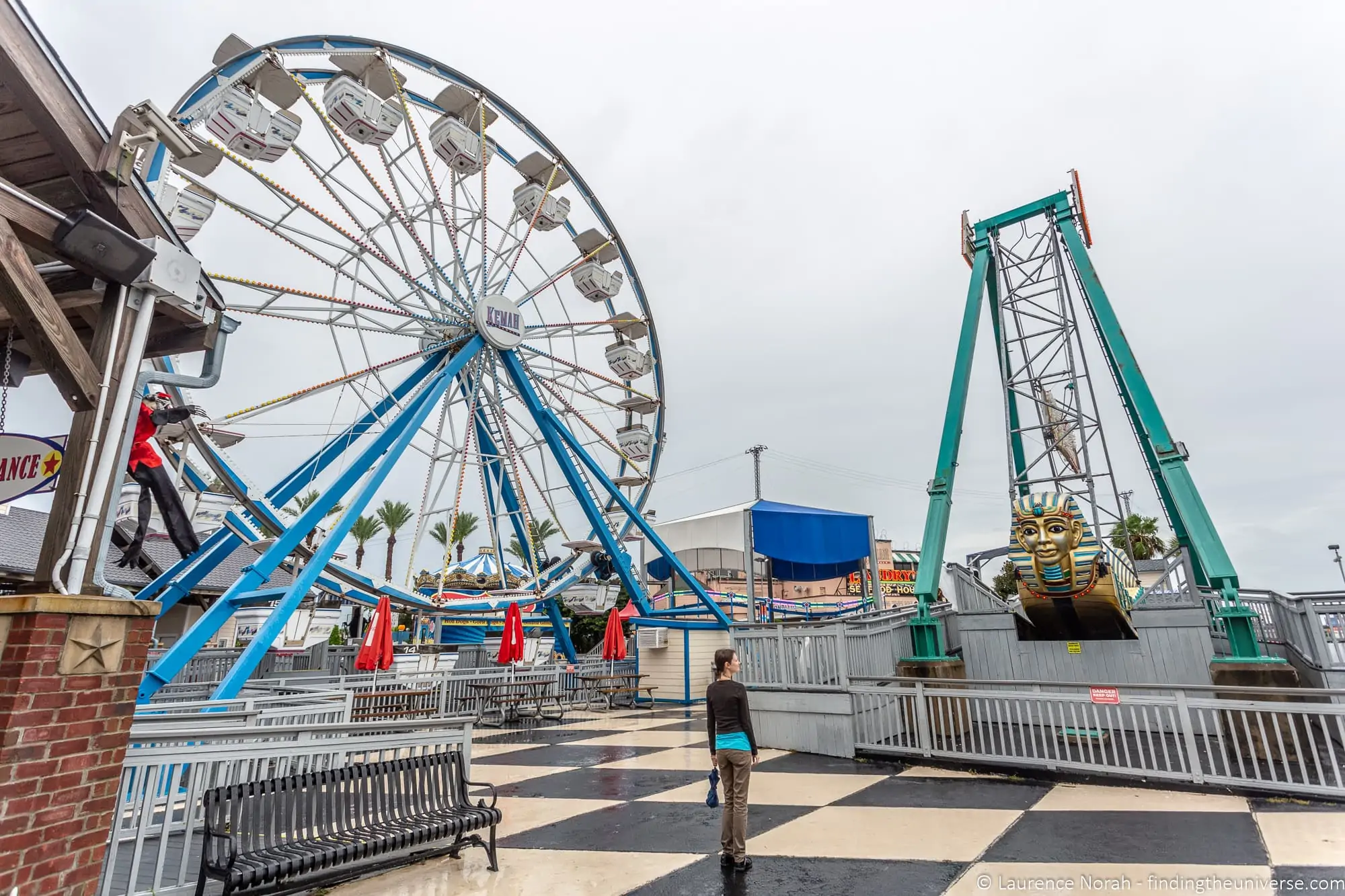
Wandering the boardwalk itself is free. The rides are pay-per-ride or, better value for most visitors, an all-day ride pass. If you pick up a Houston CityPASS, the Kemah all-day ride pass is one of the choose-5-of-7 options.
Ride hours vary considerably by day of the week and by month: think of it as a late-morning to evening operation, with shorter early-week hours and later Friday/Saturday closes (typically 10pm on Saturday). Hours change monthly, so check the official calendar before you set off rather than relying on a generic figure. Full opening times and discount information are here.
San Jacinto Battleground and Monument
The San Jacinto Battleground State Historic Site, about twenty miles east of downtown Houston, marks the spot where in 1836 a key battle of the Texas Revolution was fought, around six weeks after the battle of the Alamo. The battle itself lasted just 18 minutes, but the outcome gave Texas independence from Mexico and set the path for it joining the United States as the 28th state in 1845.
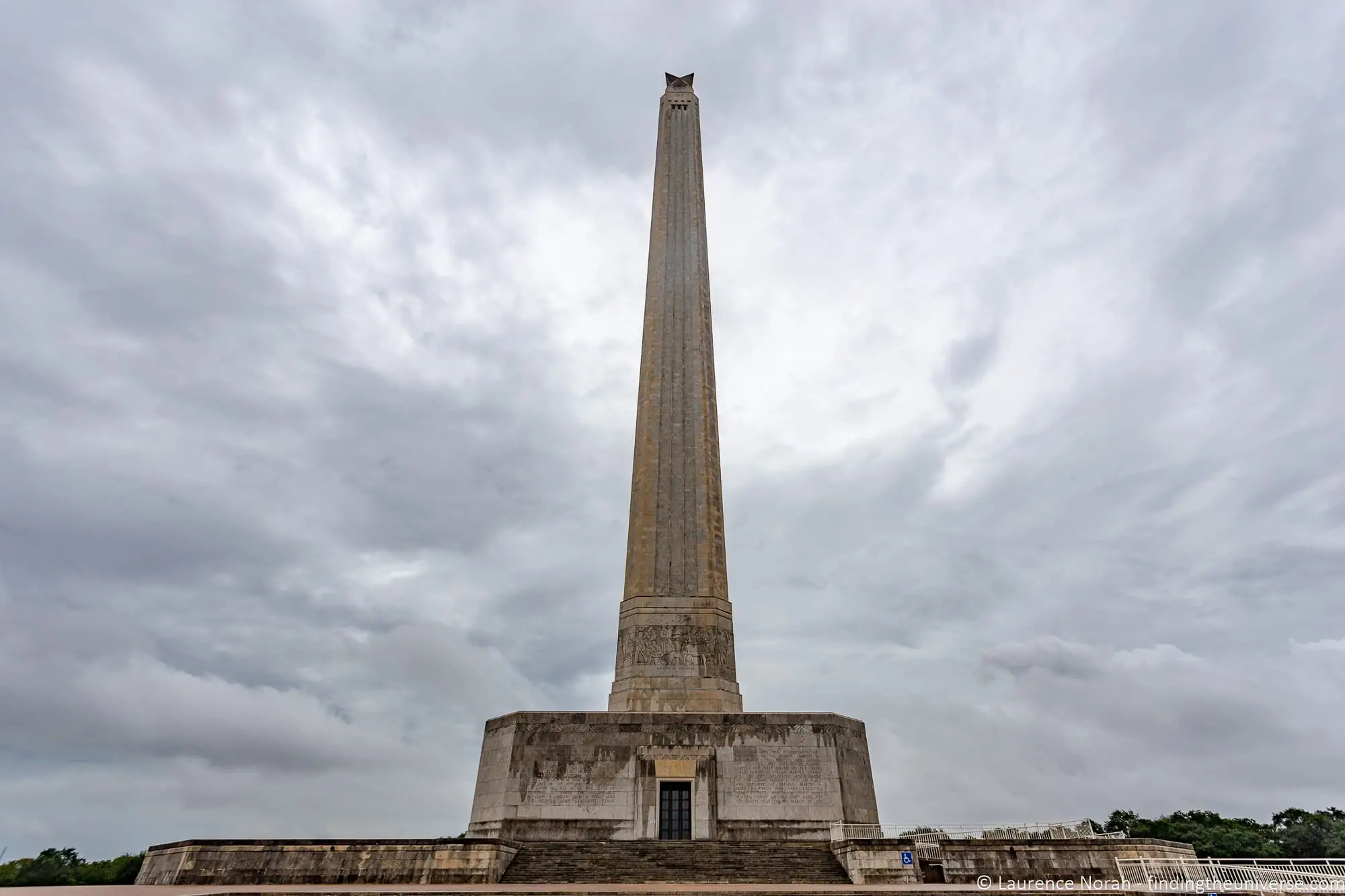
The focal point is the San Jacinto Monument, a 570-foot column topped with a 220-ton star (it’s the tallest masonry column in the world, slightly taller than the Washington Monument). Inside is the San Jacinto Museum of History, with an exhibition on the Texas Revolution and the San Jacinto battle, including artifacts from the campaign and a 35-minute film theatre.
You can take an elevator to the observation deck near the top of the column for a wide view over the battlefield, the surrounding wetlands, and the Ship Channel.
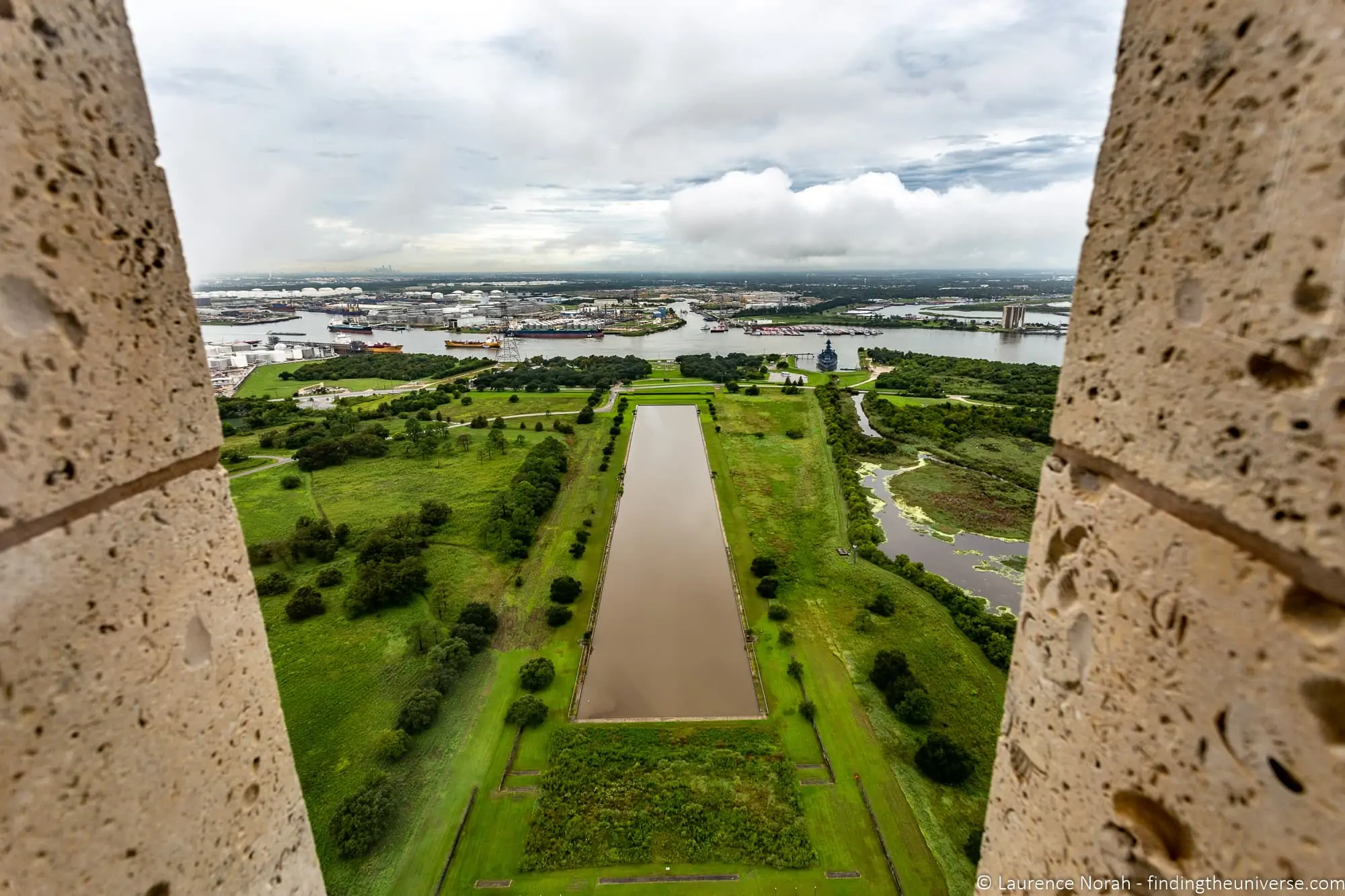
Access to the battlefield park grounds remains free with free on-site parking. Entry to the monument museum (which now combines the museum galleries, the observation deck, and special exhibits in one ticket) is around $14 for adults, $10 for seniors (65+) and veterans, $6 for children (4-11), and free for under-3s, active military, and members. The Texas State Historic Site is run jointly with the Texas Parks and Wildlife Department. The museum is open 7 days a week 9am to 6pm; the battlefield itself is accessible outside those hours but the monument and museum are not. Full pricing is here.
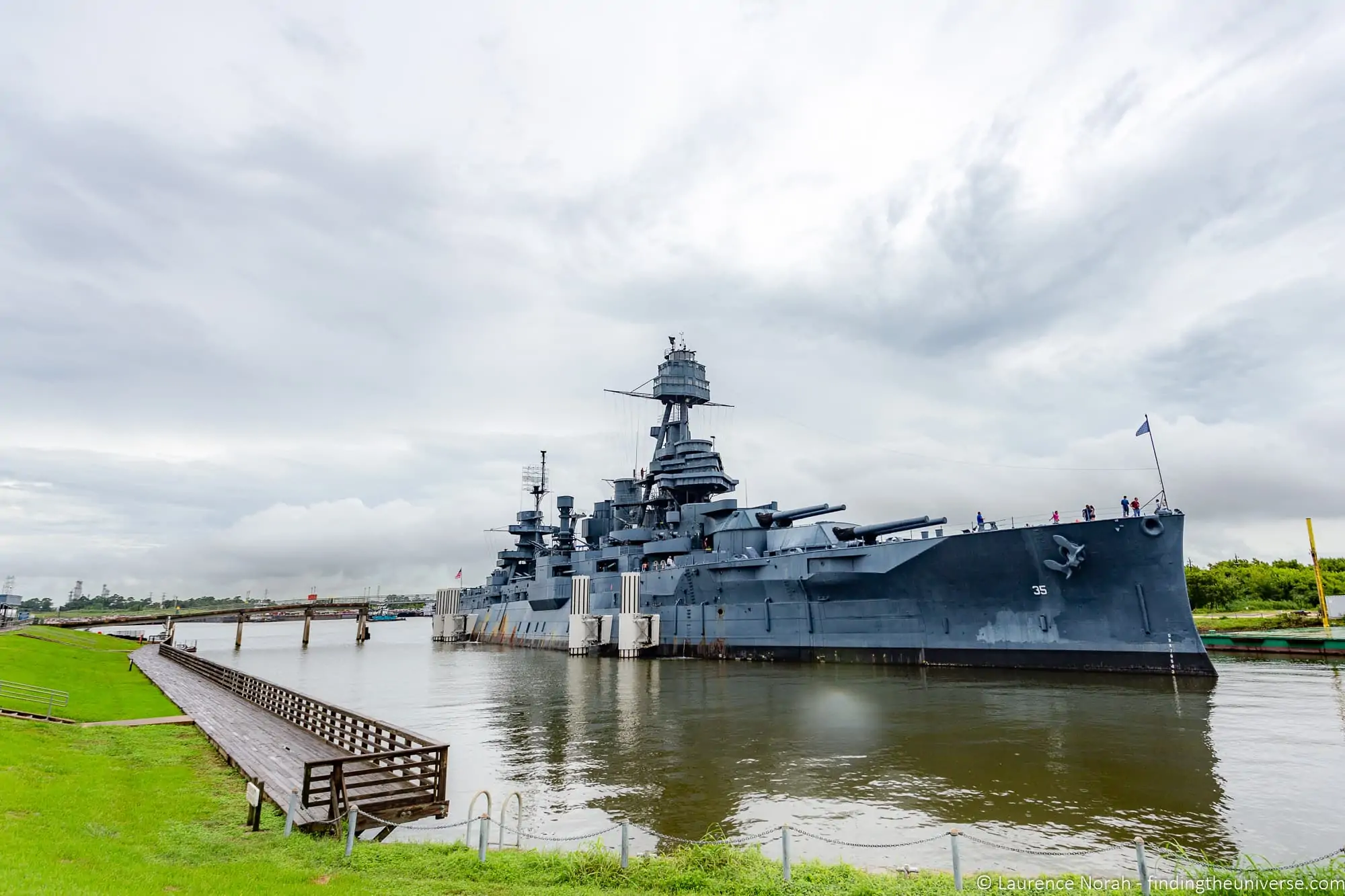
Battleship Texas note (closed for restoration): Until 2022, the USS Texas (a New York-class battleship commissioned in 1914, the last surviving World War I dreadnought and the only major ship that fought in both World Wars) was moored next to the San Jacinto Monument. We visited her there during our trip. As of 2026 she is closed to visitors. The ship was towed to a dry dock at Gulf Copper in Galveston in August 2022 for a full restoration, and the Battleship Texas Foundation announced in early 2025 that her permanent new home will be Pier 15 at Galveston, not San Jacinto. The current target for reopening to visitors is late 2026 or early 2027, pending final permit approvals. If you’d planned to combine a battleship visit with San Jacinto, that’s no longer possible. We’d still recommend the monument and battlefield on their own merits, and we’d check the ticket-page for reopening updates if a future Galveston trip is in your plans.
Smither Park (and the Orange Show)
For those of you on a budget or just looking for something quirkier, the East End of Houston has a small cluster of folk-art sites worth a wander. The lead pick is Smither Park, a community-built urban green space at 2441 Munger Street with over 300 mosaic sculptures, sculptural benches, and a Memory Wall, all created by local artists working with the Orange Show Center for Visionary Art.
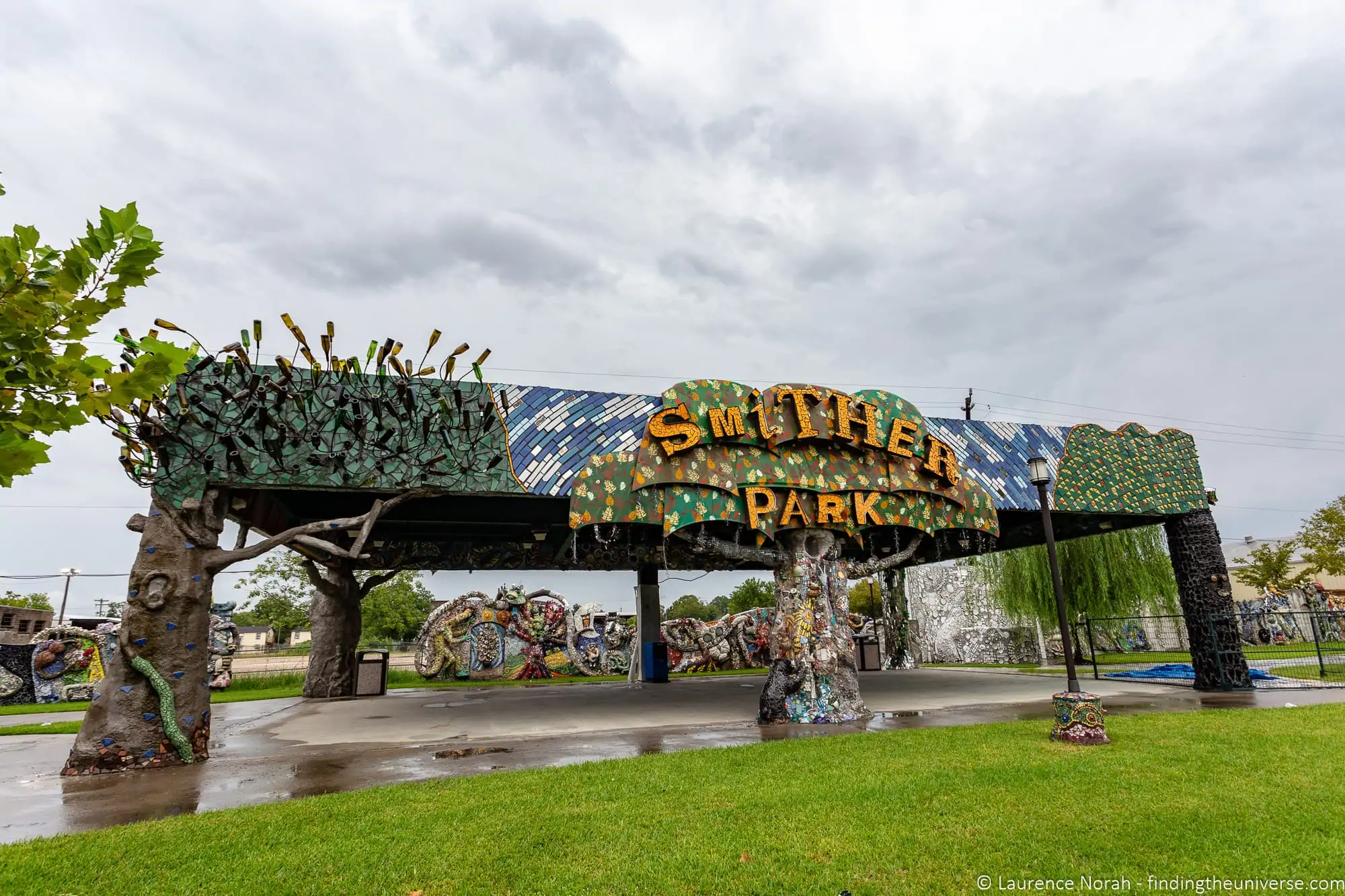
It’s a low-key spot to wander around and enjoy some really lovely public art for free, and it’s constantly evolving as new pieces are added. If you visit on a Saturday you’ll often see artists at work on new mosaic sections. Smither Park is open daily dawn to dusk, free.
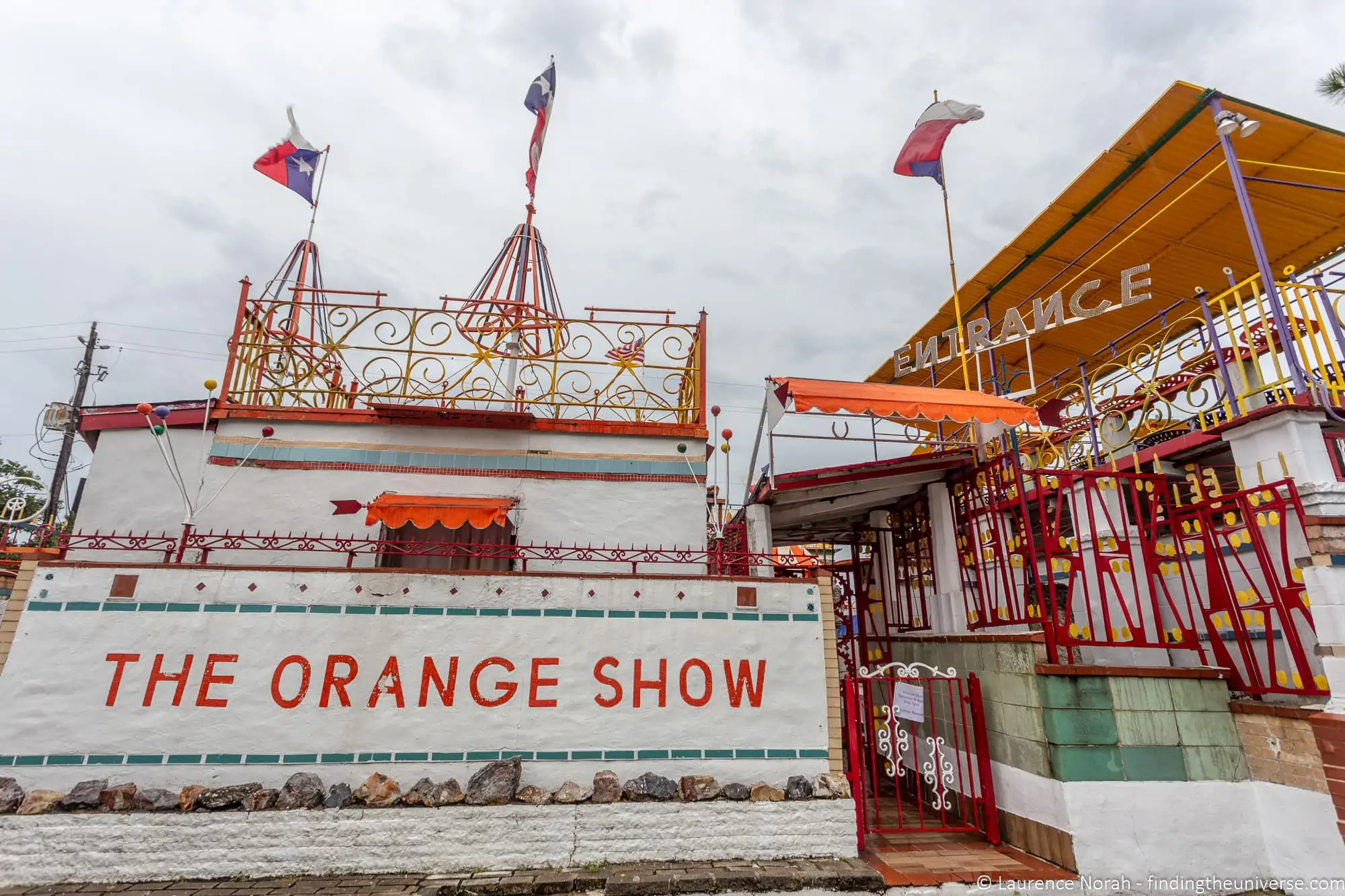
Just over the road from Smither Park is the Orange Show, the original folk-art environment built single-handedly by Houston postal worker Jefferson McKissack over 23 years (1956 to 1979) in honour of his favourite fruit. The monument is currently closed for ongoing preservation and restoration work, with no reopening date confirmed yet; you can still walk past the exterior, but the interior maze of walkways, paths and balconies isn’t accessible. The Orange Show Center publishes restoration updates on their site.
Beer Can House
Around four miles west of Smither Park, the Beer Can House is the other Orange Show Center for Visionary Art property worth a visit, and one of the more photographable folk-art sites in the country.
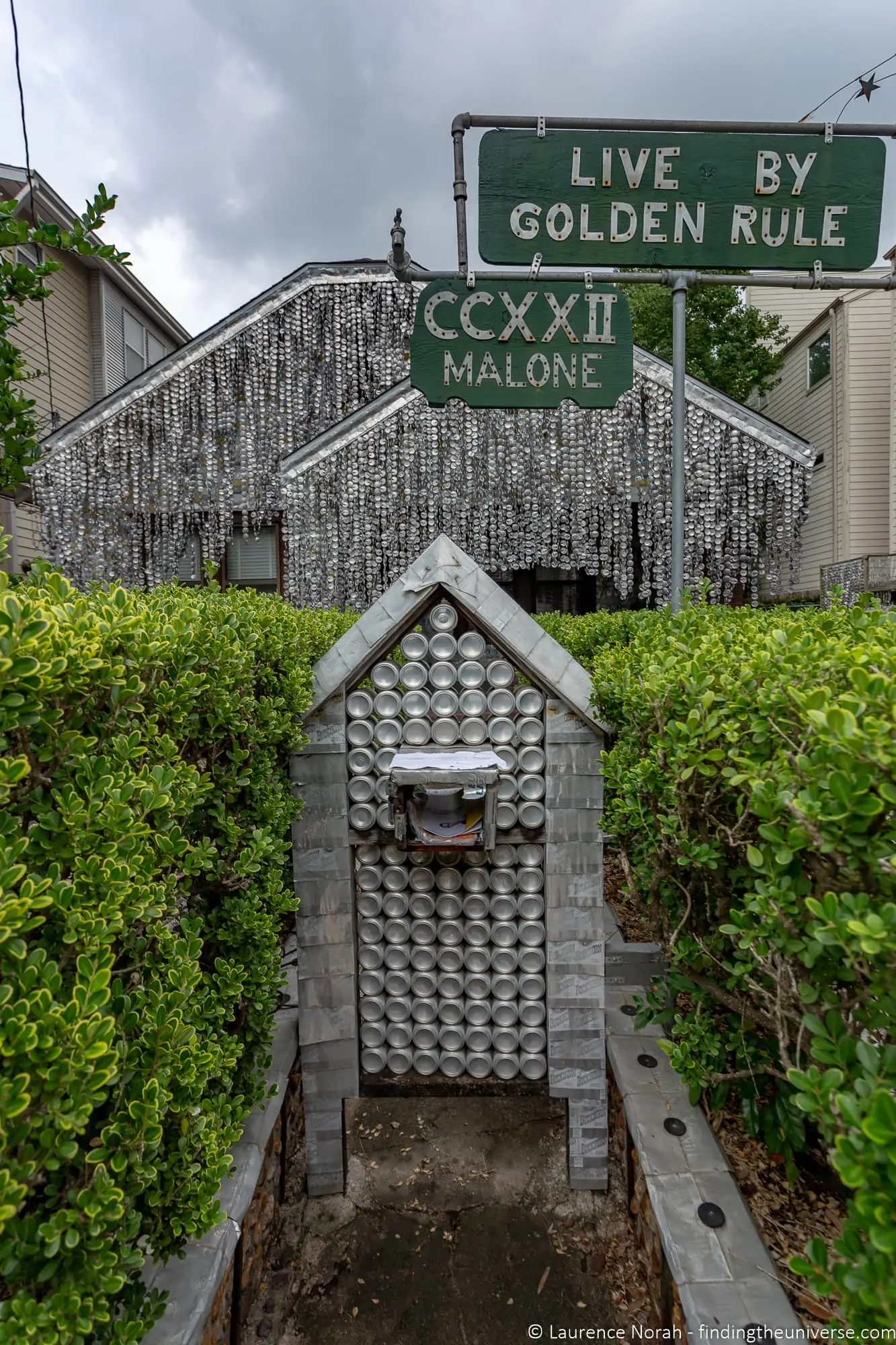
The house was the work of retired upholsterer John Milkovisch, who spent 18 years (1968 to 1986) covering his Memorial-area bungalow in aluminium siding made from over 50,000 flattened beer cans, then added garlands of cut beer-can tops and bottoms that catch the breeze and clink like a windchime when the breeze picks up. It’s still standing, still drinking-can-clad, and still occasionally chiming.
The house is open Wednesday through Sunday, midday to 5pm, with a small admission fee. Full visitor information is here.
Museum of Fine Arts, Houston
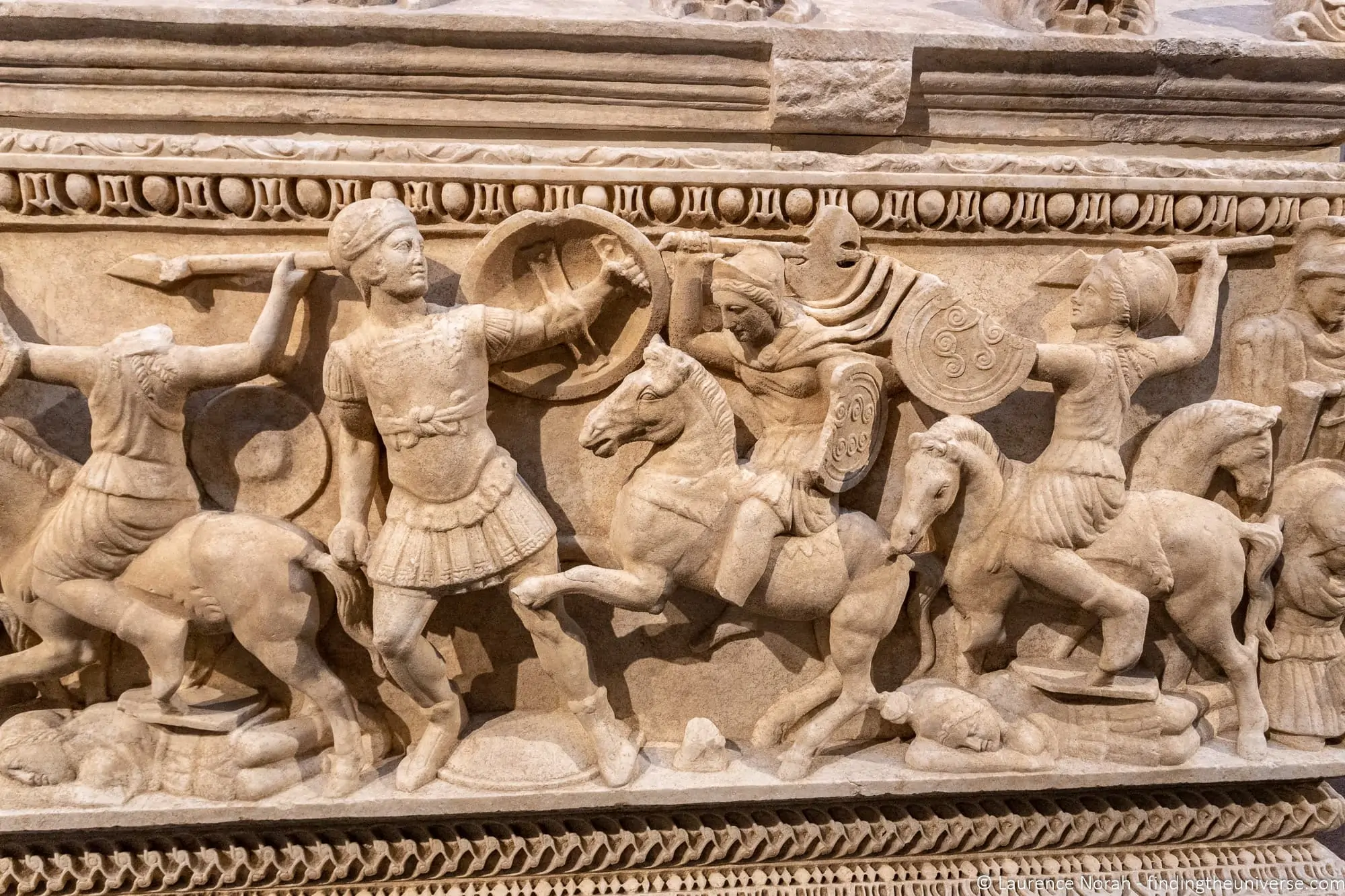
The Museum of Fine Arts, Houston (MFAH) is one of the largest art museums in the United States and the oldest art museum in Texas. With over 300,000 square feet of exhibition space across seven buildings, there’s a serious amount to see.
The two main buildings are the Caroline Wiess Law Building and the Audrey Jones Beck Building, next to each other in the Museum District. The Law Building houses Asian, African, Islamic, Native American, Oceanic, Pre-Columbian, and Modern and Contemporary art; the Beck Building has European, American (to mid-20th century), photography, prints, and drawings. The Italian Renaissance painting collection is particularly strong.
Tickets are around $24 for adults, $20 for seniors (65+) and youth (13-18), and free for under-12s. Active military and Texas Lone Star Card holders (plus up to six accompanying family members) enter free.
The big saver: admission to the permanent collections is free every Thursday, courtesy of Shell USA. Special exhibitions still carry a fee.
Opening hours: Wednesday 11am to 5pm, Thursday 11am to 9pm, Friday and Saturday 11am to 6pm, Sunday 12:30pm to 6pm. Closed Mondays and Tuesdays (except for selected holidays). Full information is here. MFAH is one of the choose-5-of-7 options on the Houston CityPASS.
Don’t miss the Cullen Sculpture Garden directly across the street, with works by Matisse, Picasso and Rodin. The garden is always free.
Menil Collection
The Menil Collection is a Montrose-neighbourhood museum housing the private collection of Dominique and John de Menil, a French-American couple who built one of the most idiosyncratic 20th-century art holdings in the United States. The main building (a Renzo Piano design) is a quiet, naturally-lit set of galleries that hold paintings, sculpture, photography, and rare books.
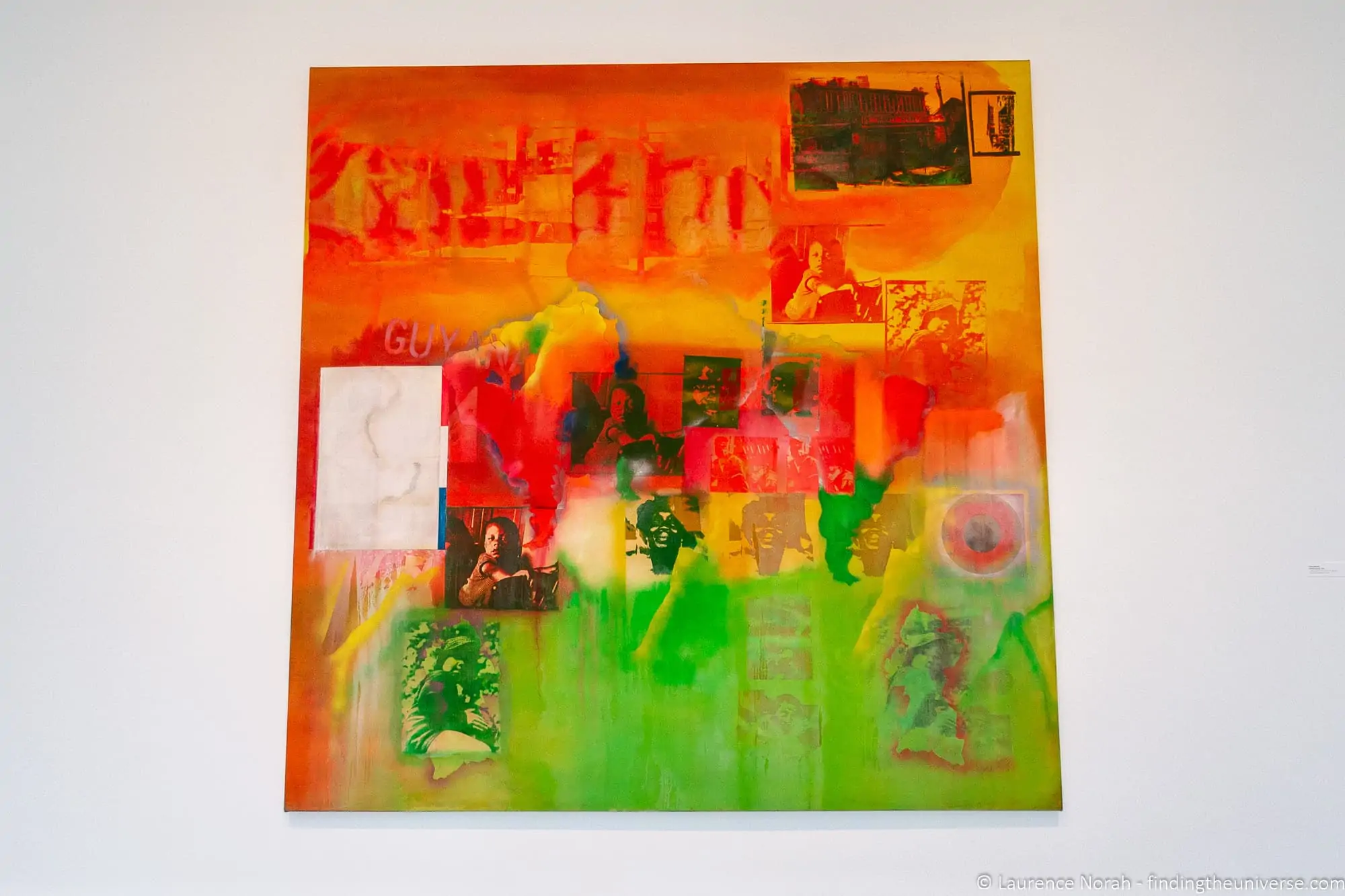
Over time the collection has grown to more than 17,000 items, with rotating displays from a Surrealism collection that includes major Magritte and Ernst works, an Antiquities gallery, Byzantine and Medieval art, and a strong African-art collection.
The Menil is open Wednesday through Sunday, 11am to 7pm, closed Monday and Tuesday. Admission is free for all. Full information is on the official website.
Rothko Chapel
If you’re a fan of abstract expressionism, you’ll know the work of Mark Rothko, the American abstract painter known for large rectangular canvases of dense colour blocks. Towards the end of his career and his life, Rothko painted fourteen canvases for permanent installation in the Rothko Chapel, a non-denominational chapel in the same Menil-aligned campus as the Menil Collection.
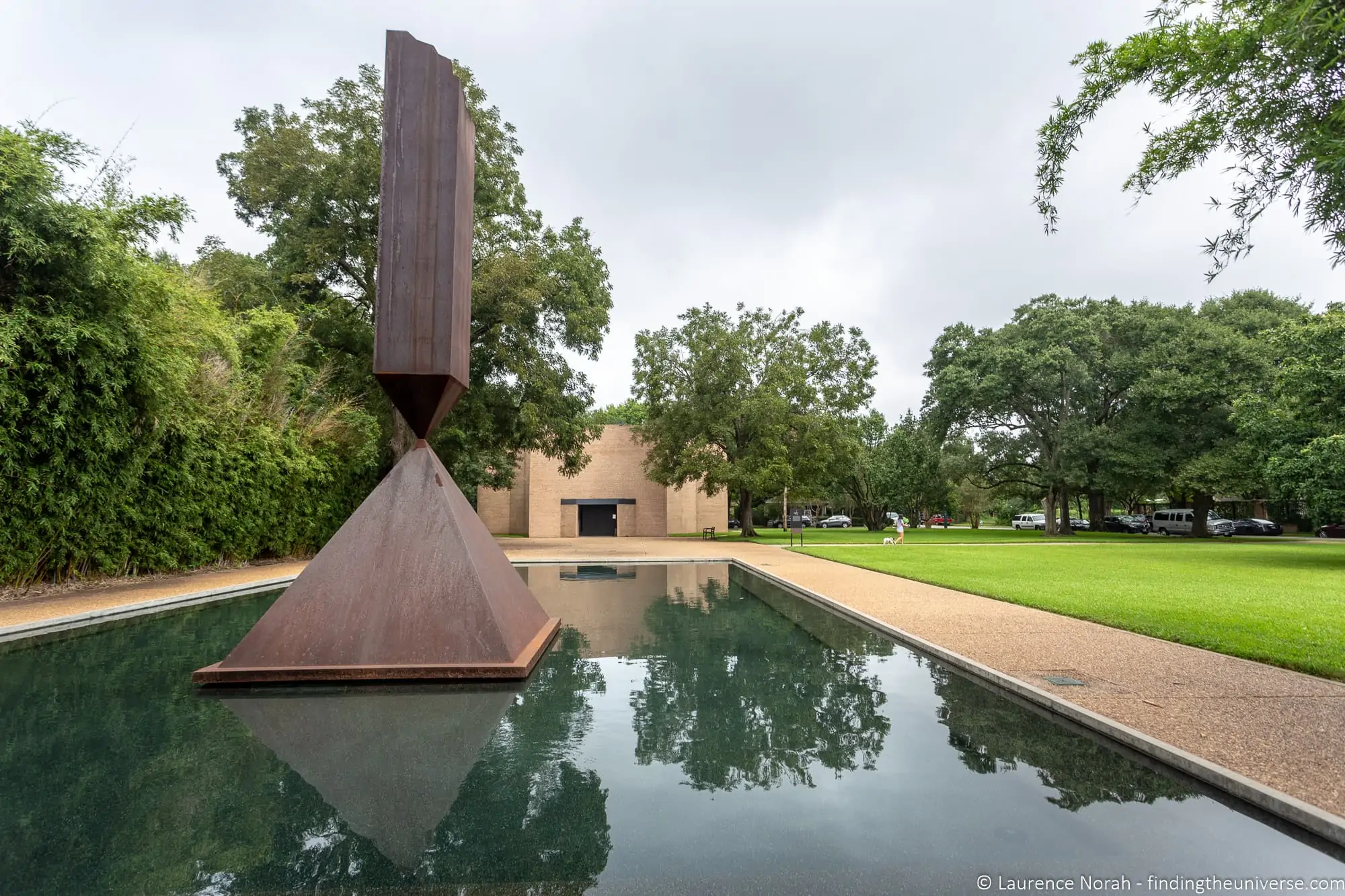
Rothko was deeply involved in the chapel’s design as well as the paintings, commissioning a meditative octagonal space to display the work. Outside, the reflecting pool, the Barnett Newman Broken Obelisk, and a small grove of greenery make for a quiet place to sit for a while. Tragically, Rothko didn’t live to see his work installed; following a battle with depression he took his own life in 1970, a year before the chapel opened.
Entry is free, with donations welcomed. This is an active chapel and place of worship, so visitors are expected to behave accordingly. There were people meditating and praying inside when we visited. Photography isn’t permitted inside.
Opening hours are unusual and worth flagging clearly: Tuesday, Wednesday, Friday, Saturday and Sunday 10am to 6pm, but Thursday is 4pm to 6pm only. Closed Mondays, and approximately twice-monthly for private events. The chapel grounds and reflecting pool are open dawn to dusk daily and free. Confirm hours on the official site before a Thursday visit in particular.
Houston Center for Photography
As a photographer I always make time for photography exhibits when I’m travelling, so I was glad to learn the Museum District is home to the Houston Center for Photography (American spelling: this is a US institution and uses “Center”, not “Centre”).
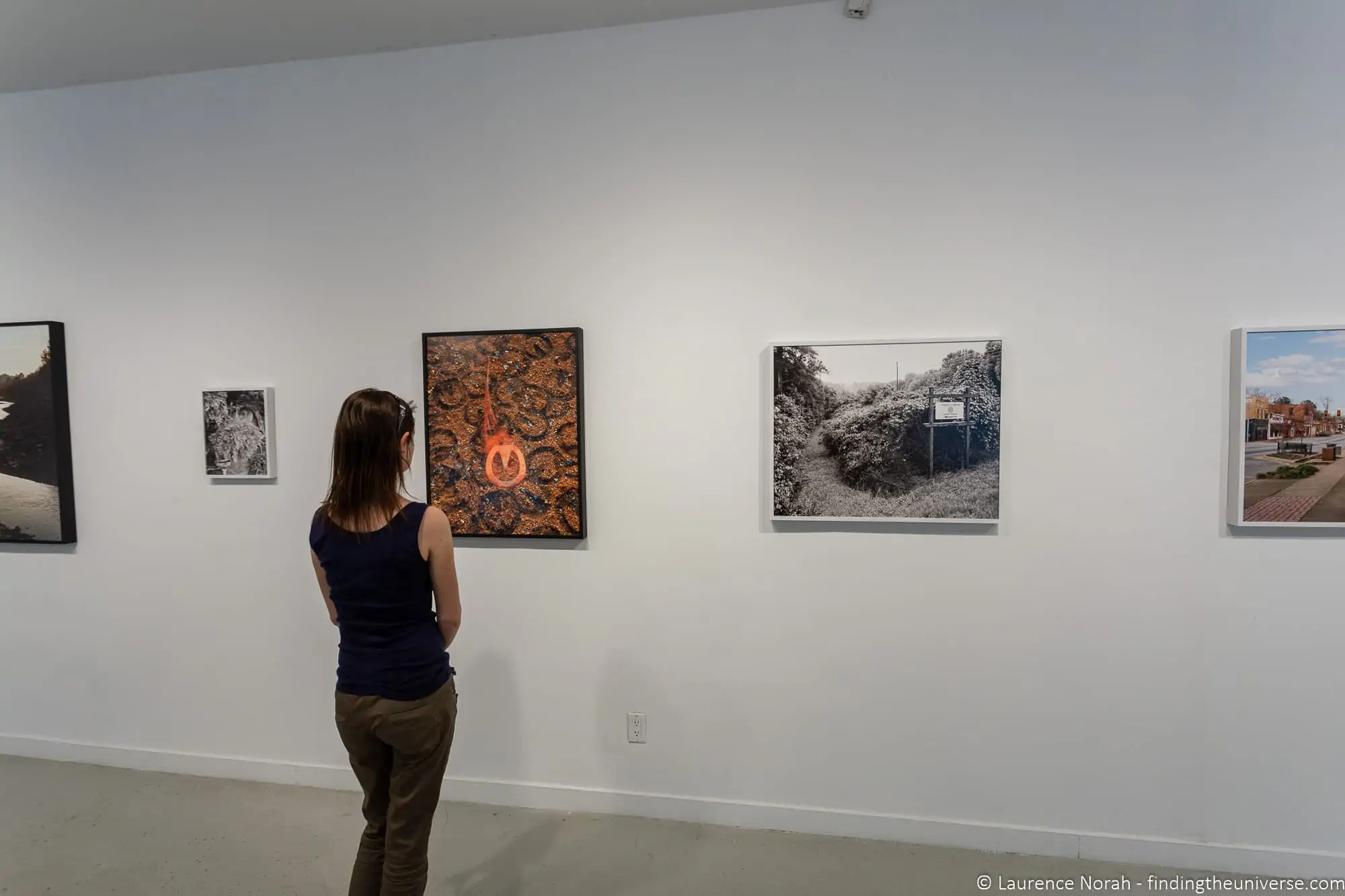
The Houston Center for Photography is a free gallery with a rotating series of contemporary photography exhibitions, plus regular events including portfolio reviews, lectures, and artist talks. They also run a learning programme with darkroom and lighting workshops, and a Fellowship competition that’s well-regarded in the photo community.
The gallery is open Wednesday and Thursday 11am to 9pm, Friday 11am to 5pm, and Saturday and Sunday 11am to 7pm. Closed Monday and Tuesday and major holidays (Independence Day, Thanksgiving, Christmas, New Year’s). Admission and street parking outside are free. Current exhibitions and visitor information are here.
Shopping at The Galleria
For a bit of retail therapy in Houston, the obvious pick is The Galleria in Uptown Houston, the largest shopping mall in Texas and one of the largest in the United States.
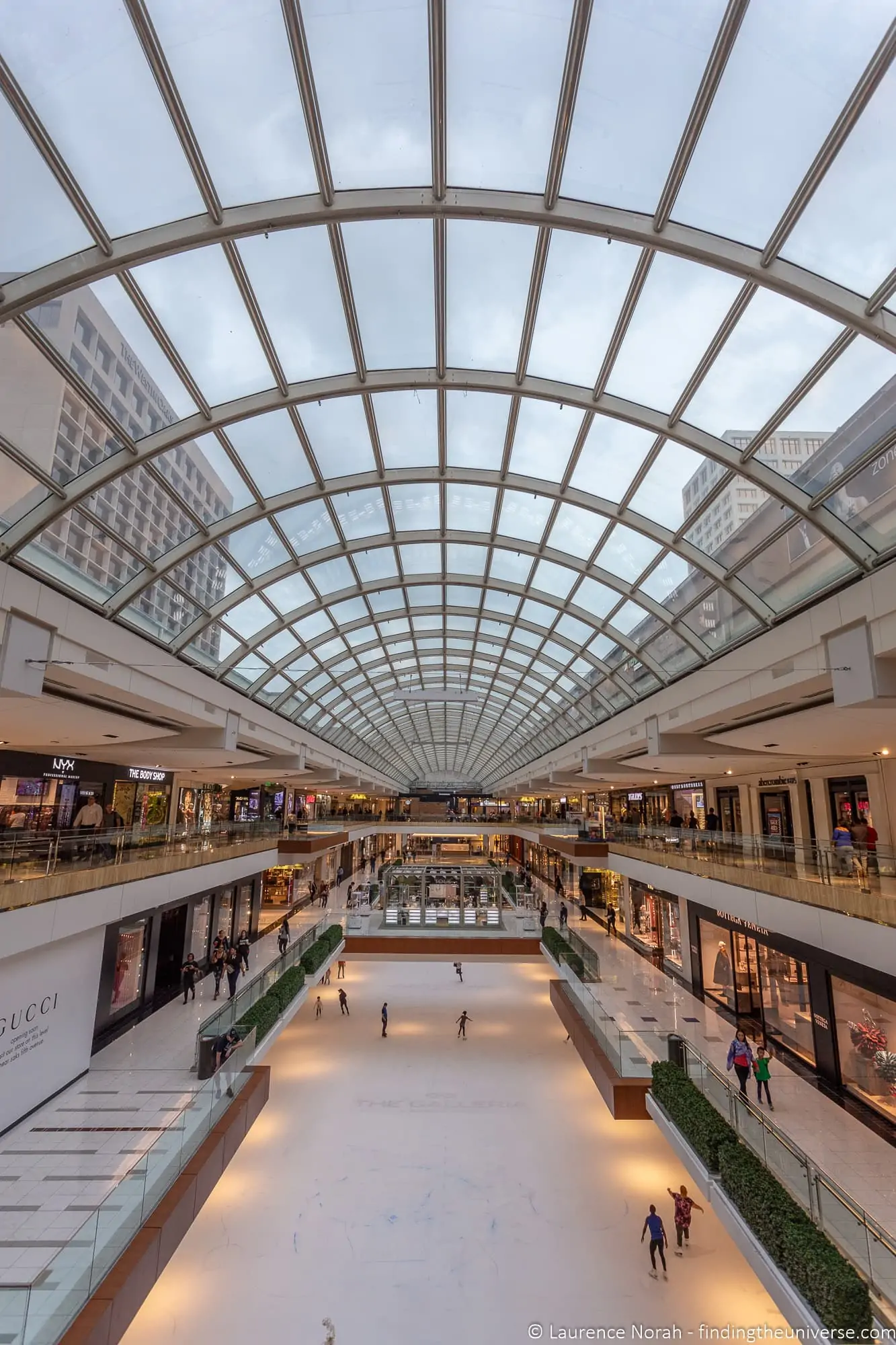
Inside you’ll find over 400 stores, two hotels, an ice rink (popular even in a Houston summer, given the heat outside), and a range of dining options. Even if you’re not into shopping, it’s worth a wander just for the architecture, in particular the barrel-vault ceiling that Forbes once flagged as one of the most striking mall interiors in the world.
There’s free on-site parking. Standard hours are roughly Monday through Thursday 10am to 8pm, Friday and Saturday 10am to 9pm, and Sunday noon to 7pm, with extended hours over the Black Friday and Christmas season. Confirm current hours here.
Tranquillity Park
Named for the Sea of Tranquility on the Moon (although the park itself uses the British “Tranquillity” spelling, with two L’s), this small downtown park is an oasis a short walk from the Downtown Aquarium. The design is unusual: a series of cylindrical fountains and elevated walkways meant to evoke the cratered surface of the Moon.
As well as a quick break from the pace of the city around it, Tranquillity Park has several space-related plaques, including quotes from Neil Armstrong, a replica of his lunar footprint, and memorials to the Challenger and Columbia space-shuttle crews. It pairs naturally with a Space Center Houston day for the space-keen.
Hines Waterwall Park
If you liked Tranquillity Park, you’ll love Hines Waterwall Park, a 2.77-acre pocket park next to The Galleria, anchored by the 64-foot Williams Tower Waterwall, an enormous semi-circular sculpted fountain pushing 11,000 gallons of water per minute through its surfaces. The 64-foot fountain is one of Houston’s most-photographed public landmarks.
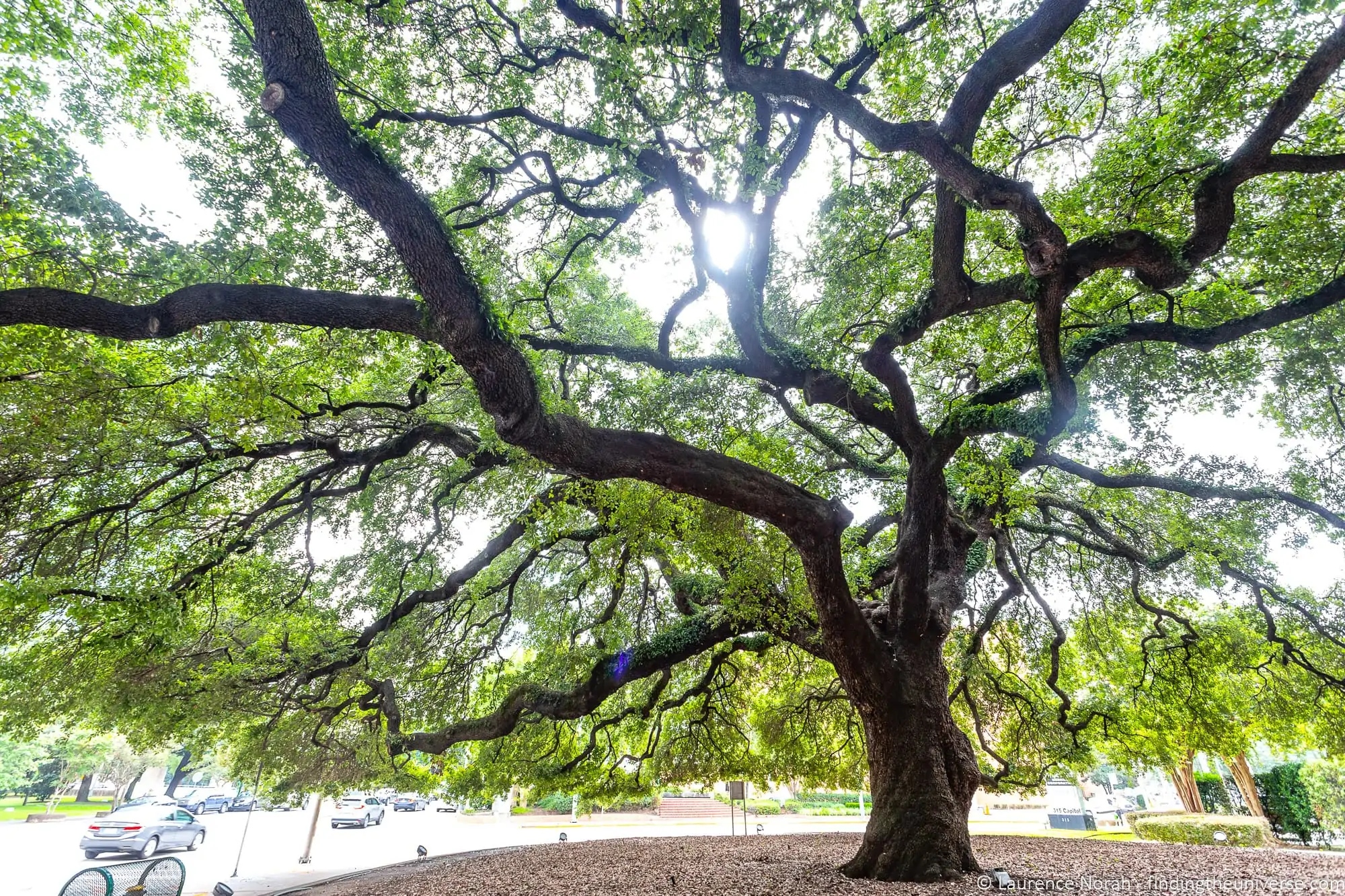
The water-wall basin is ringed by around 180 live-oak trees, which makes a surprisingly cool spot to sit even in summer. The park sits in the shadow of Williams Tower (formerly Transco Tower), the 64-storey post-modern skyscraper completed in 1983 that anchors Uptown Houston.
The park is open daily 9am to 8pm, free to enter. Climbing in the basin or wading in the fountain is prohibited.
Buffalo Bayou Park
If you have a second day in Houston, Buffalo Bayou Park is the easiest way to escape the downtown grid without leaving the city. It’s a 160-acre linear park stretching west from downtown along Buffalo Bayou, with cycling and walking paths, kayak launches, native plantings, and skyline views you won’t get from inside the loop. The Houston Parks Board runs guided history walks and pontoon-boat bayou cruises on some weekends; the Buffalo Bayou Partnership publishes a calendar of these on its site.
The most-talked-about asset in the park is the Buffalo Bayou Park Cistern, a 1926 underground drinking-water reservoir (decommissioned in 2007) with 221 columns and a 17-second acoustic echo. The cistern reopened to the public in 2016 as a guided-tour venue and frequently hosts site-specific contemporary art installations. Tours are timed-ticket and ticketed; booking ahead is recommended, especially for the longer art-installation tours. Tickets and current installation details are on the Buffalo Bayou Partnership site.
Both Buffalo Bayou Park (free, dawn to dusk) and the Cistern (ticketed, advance booking) are reachable on foot or bike from downtown. We’d flag them as a strong addition for any second day in Houston, particularly for visitors who want something more contemporary than the museum-district stops.
Houston Heights Historic District
North-west of downtown, Houston Heights (usually shortened to “The Heights”) is the city’s best independent-shopping and small-restaurant district, set in a leafy late-19th-century streetcar suburb with bungalow and Victorian housing stock. The heart of the district is 19th Street between Yale and Heights Boulevard, where you’ll find vintage shops, locally-owned boutiques, bookstores, and a clustered set of cafés and breweries.
The Heights has been one of Houston’s faster-changing neighbourhoods over the past decade, with the food and bar scene drawing increasing attention. Local guides and reviews consistently call out a handful of regulars: brunch at Aladdin Mediterranean Grill or Lola, coffee at Boomtown, the Saturday Heights Mercantile farmers market, and breweries including Saint Arnold (Houston’s oldest, four miles southeast of the Heights but firmly part of the same scene) and Eureka Heights. For visitors looking to escape the city’s car-dependent sprawl for a few hours, the Heights is one of the few parts of Houston where you can park once and walk.
We didn’t spend long in the Heights on our trip, so this is a primary-source pick rather than an experiential recommendation; we’d point you to the Visit Houston neighbourhood guide for current openings before you go.
Freedmen’s Town Historic District
A short drive west of downtown, Freedmen’s Town (also called the Fourth Ward) is Houston’s most significant African-American heritage district. Founded by formerly enslaved people in 1865 immediately after emancipation, it became one of the most important Black communities in the postwar South, with churches, schools, and businesses built largely by Freedmen-era residents.
The district is best known today for its hand-laid brick streets (paved by Freedmen residents in the early 20th century when the city refused to grade the dirt roads) and for landmarks including Antioch Missionary Baptist Church (congregation organised in 1866 and the current brick church completed in 1879; the oldest African-American Baptist congregation in Houston), the Rutherford B. H. Yates Museum, and the Gregory School Library and African American History Research Center. The neighbourhood was designated a Federal Historic District in 1985, although much of the original housing stock has been lost to development since then.
The Houston Freedmen’s Town Conservancy runs walking tours of the surviving brick streets and the principal historic sites. We didn’t take the tour on our visit; if you have any interest in 19th-century African-American history this is one of the most substantive heritage sites in Texas.
BAPS Shri Swaminarayan Mandir
Around 25 miles south-west of downtown Houston (close to the suburb of Stafford, along the US-59 corridor), the BAPS Shri Swaminarayan Mandir is the largest traditional Hindu mandir in Texas and one of the largest in North America, opened in 2004. The mandir was hand-carved from Turkish limestone and Italian Carrara marble in India by traditional craftsmen, then shipped piece-by-piece to Texas and reassembled.
The temple is open to visitors of all faiths daily. The main shrine (mandir proper) and the surrounding plaza are free to walk through, with a modest admission fee for the on-site cultural exhibition “Understanding Hinduism”. A traditional vegetarian Indian café is on site, and the temple grounds include reflecting pools and lawns.
A few practical notes for visitors: modest dress is required (shoulders and knees covered), photography isn’t permitted inside the main mandir, and you’ll be asked to remove your shoes before entering. Confirm current visiting hours and the cultural-exhibition schedule on the temple’s official site. This is a primary-source recommendation; we didn’t visit on our trip but it’s consistently flagged by Houston-resident writers as one of the city’s most visually distinctive cultural sites.
Dining
Houston is one of the more diverse dining cities in the United States. As you’d expect, Tex-Mex, Mexican, and Texas BBQ are the obvious cuisines to try, but the city’s significant Vietnamese, Indian, and Nigerian communities mean you’ll find first-rate versions of those food cultures as well.
We ate at a number of places on our trip, and would recommend Hugo’s (modern Mexican on Westheimer, run by chef Hugo Ortega; we’d book ahead for dinner), and Goode Company Barbeque (a Houston BBQ institution on Kirby Drive, with brisket and jalapeño-cheddar sausage that hold up against any in the state).
For craft beer, our pick (subject to current opening hours) is Saint Arnold Brewing Company, Houston’s oldest craft brewery, with a large indoor-outdoor beer garden and beer-hall on Lyons Avenue. The brewery’s restaurant kitchen does pizza, wings, and a respectable burger; tours run on selected days. We haven’t visited Saint Arnold ourselves, but it’s the consensus craft-beer pick from Houston-based food writers.
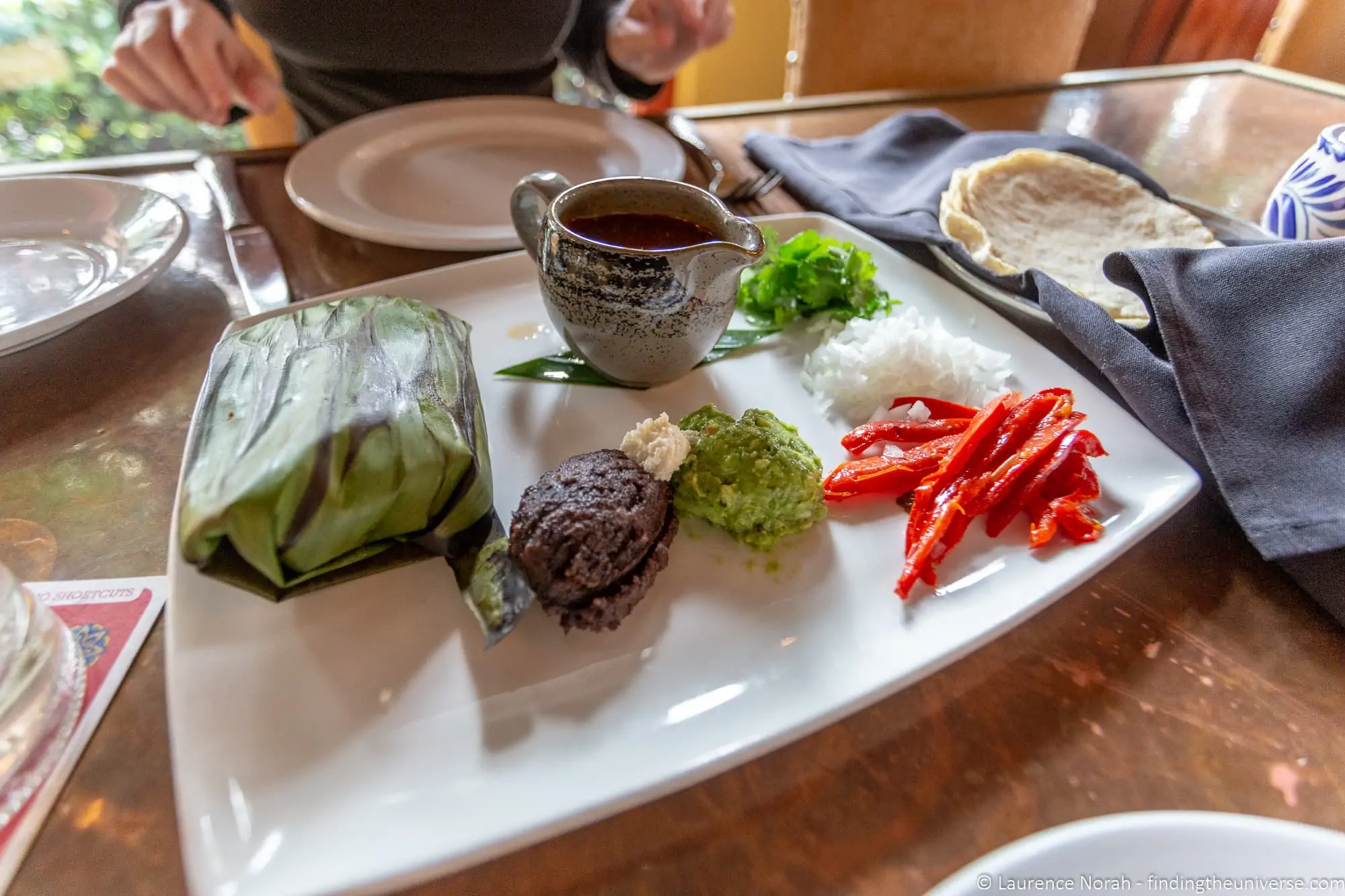
If you’re keen to take a food tour, this 3.5-hour downtown Houston food tour covers a useful slice of the city’s regional specialities and is a good first-day introduction.
Catch a Game at Daikin Park
Sports fans visiting Houston between late March and October should consider catching a Houston Astros home game at Daikin Park, the Astros’ home stadium downtown. Daikin Park was known as Minute Maid Park until January 1, 2025, when Daikin Comfort Technologies signed a 15-year naming-rights deal; you’ll still see the old name in a lot of online guides and on older signage around the city.
The stadium features a retractable roof and air conditioning, which means even in the stifling heat of a Houston summer you can still enjoy a game in comfort. The MLB season runs roughly March to October. You can see the full Astros schedule here and buy tickets in advance here.
If you’re not in town for a game (or just want to see the ballpark without watching baseball), guided tours of Daikin Park run Monday through Saturday year-round. Tour pricing starts at around $15 for adults, with different tour variants depending on how much access you want. Tour times, prices and tickets are here.
Day Trip to Galveston
Around 50 miles south of Houston on the Gulf Coast, Galveston Island makes a strong day trip if you have time for a fourth day in the area. The historic Strand District has 19th-century Victorian and Cast-Iron architecture that survived the catastrophic 1900 hurricane, alongside Pier 21 (home to the Texas Seaport Museum and the 1877 tall ship Elissa), the Bishop’s Palace, and the Moody Mansion. The seawall and beaches are basic American Gulf-Coast beach, busy in summer; we wouldn’t make the trip primarily for the swimming, but the Strand is a substantive city-history destination on its own.
We made the drive to Galveston during our Texas road trip and would do it again. From late 2026 or early 2027 (subject to construction-permit approvals), the restored USS Texas will reopen to visitors at Galveston’s Pier 15, joining the Strand and Pier 21 as the area’s third major heritage-attraction cluster. If you’re planning a Houston trip for that window and onwards, building Galveston in as a day-trip becomes much more compelling than it currently is.
For now, the easy half-day Galveston itinerary is: the Strand for shopping and lunch, Pier 21 with the Elissa and the Texas Seaport Museum, and either Moody Gardens (if you have kids) or Bishop’s Palace (if you don’t) as the afternoon anchor. Drive time from downtown Houston is around an hour without traffic, considerably longer on a summer Saturday.
Map of Things to do in Houston
To help plan your time, we’ve mapped all the attractions in this guide. The interactive Google Maps version is here.
Where to Stay in Houston
Houston is a big, spread-out city, and where you stay should be driven by what you’re prioritising. If you’re focused on the museums, zoo, sports, and dining inside the inner loop, base yourself in the Museum District, Montrose, or downtown. If Space Center Houston and Kemah Boardwalk are the priorities (or you’re flying into the smaller Hobby Airport rather than IAH), the Webster / Clear Lake area south-east of the city is a much better choice and saves you over an hour of driving each day.
To help you choose, we’ve picked some well-rated options in both areas across a range of budgets.
Where to Stay in Downtown Houston / Museum District
- Hilton Houston Plaza/Medical Center. A 3-star option just south of Houston Zoo and within walking distance of the Medical Center. Outdoor rooftop pool, on-site running track, in-room tea/coffee. Reliable mid-budget pick.
- Houston Towers. A well-rated B&B near the Children’s Museum and Houston Museum of Natural Science. Breakfast included and a range of individually-designed rooms in a historic property.
- Hotel ZaZa Museum District. A very well-rated four-star property in the Museum District, around 350 yards from the Museum of Natural Science. Rooms include fridges and mini-bars; mini-apartment style rooms with kitchenettes and laundry are also available. The pick for the upper end of the budget range.
For longer stays or larger groups, you may also want to check Vrbo for apartment rentals in Houston. Apartment inventory in central Houston is reasonable, with several listings around the Museum District and Montrose, and free parking is more common than in hotels.
Where to Stay near Space Center Houston
If you don’t mind being 30 to 45 minutes’ drive from downtown, there are some excellent-value accommodation options within minutes of Space Center Houston and Kemah Boardwalk.
- Super 8 by Wyndham. A well-rated 2-star, around a mile from Space Center Houston. Free parking, continental breakfast, in-room coffee makers. Good budget choice.
- Best Western Webster. A 2-star, ten minutes from the Space Center. Rooms include refrigerators, microwaves, and a work space. Free parking and breakfast included.
- SpringHill Suites Houston. A 3-star around ten minutes from the Space Center. All-suite layout with separate living areas, fridge and microwave. Breakfast and parking included; on-site gym and laundry.
- TownePlace Suites by Marriott. Two miles from the Space Center, with self-catering suites that include a microwave, oven, stovetop and fridge. Gym, pool and jacuzzi on site. Good pick for a longer stay or families wanting to cook.
- Courtyard by Marriott Houston Kemah. If Kemah Boardwalk is the priority, this 3-star option is within walking distance of the boardwalk. Rooms feature microwaves, fridges, and tea/coffee facilities; free parking; optional breakfast. Recently rebranded from Holiday Inn Kemah, same property and location.
How to Get Around Houston
The easiest way to get around Houston, especially if you plan to visit any of the out-of-town attractions like Space Center Houston, Kemah Boardwalk, or Galveston, is to drive. Houston is a city designed for drivers; the 16-lane freeways are a bit intimidating if you’re not used to them, but the city is grid-friendly once you’re on it, and parking at most major attractions is either free or low-cost. We’ve got a separate guide to driving in the USA which covers the practicalities for visitors from outside the US.
There’s also a public transit system. The METRORail light-rail line connects downtown to the Museum District, the zoo, and the Medical Center, and the METRO bus network covers the rest of the inner loop. A day pass at $3 covers both the rail and bus. The Museum District / Zoo / Hermann Park axis is pretty doable on transit, but Space Center Houston, Kemah, and most of the differentiated picks above need a car.
For shorter hops there are taxis, Uber, and Lyft. Houston shut down its B-Cycle bike-share system in mid-2024 and is currently the largest US city without a public bike-share, so plan for a car or rideshare for cross-town hops if you don’t fancy walking the inner-loop distances. Downtown also runs a hop-on hop-off bus service if you want a structured tour of the downtown sights without driving.
Tours in Houston
If you’d like to take a tour, we’ve picked a small set of well-reviewed options covering different interests.
- A 6-hour Houston city tour with Space Center Houston that includes transport to and from the Space Center as well as entry tickets. The best option if you don’t have a rental car.
- A 3.5-hour downtown Houston food tour covering regional specialities like Tex-Mex, BBQ, and Houston’s coffee and cocktail scene. A useful introduction on your first day.
- A Private craft-beer brewery tour that includes behind-the-scenes brewery access and tastings, suited to small groups.
- A 2.5-hour guided evening tour of historic downtown Houston with a pub-crawl format and ghost-story narration. Drinks aren’t included in the ticket price.
Save Money on Attractions in Houston
Many of Houston’s main attractions are paid, and if you’re hitting several over a few days, the cost adds up. The pass we’d recommend looking at is the Houston CityPASS, which restructured in 2024 to a pick-and-mix format: you select 5 of 7 included attractions, and the pass is valid for 9 consecutive days from first use.
The seven choices are:
- Space Center Houston
- Downtown Aquarium
- Houston Museum of Natural Science
- Houston Zoo
- Kemah Boardwalk (all-day ride pass)
- Children’s Museum Houston
- Museum of Fine Arts, Houston
Current prices are $82 for adults (12+) and $72 for children (3-11), with under-3s free. The pass is purchased once and works as a mobile-wallet ticket at each attraction.
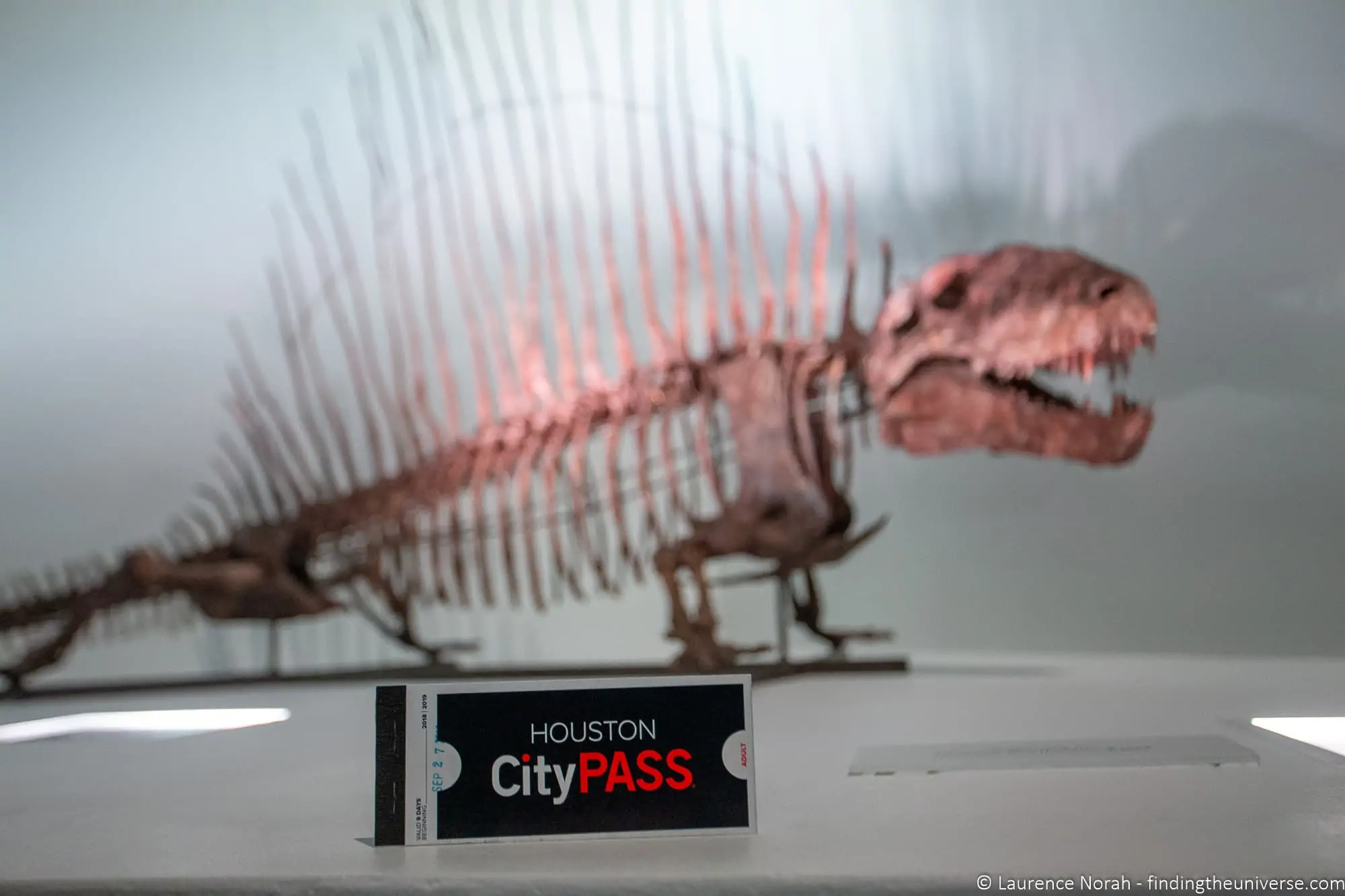
The pass is good value if you’re going to hit at least three of the seven attractions, and excellent value if you’ll do four or five. Below we’ve laid out a few reader scenarios with current ticket pricing so you can sense-check whether it’ll pay off for your specific trip.
Houston CityPASS Scenario Calculator
| Adult: $82 · Child (3-11): $72 | ||
| Scenario | Stops and gate prices (adult) | Outcome |
| Two-stop visitor: just Space Center plus Zoo | $30 + $30 = $60 at the gate | Skip the pass (loses ~$22) |
| Family weekend, kids in tow: Space Center, Zoo, Children’s Museum | $30 + $30 + $15 = $75 at the gate | Skip the pass (loses ~$7) |
| Solo museums-focused: Space Center, HMNS, MFAH | $30 + $25 + $24 = $79 | About break-even (saves ~$3 if you add a fourth) |
| Standard family 3-day trip: Space Center, Zoo, HMNS, Kemah, Aquarium | $30 + $30 + $25 + $25 + $25 ≈ $135 | Buy the pass (saves ~$53 per adult) |
| All five popular family stops, with kids: Space Center, Zoo, HMNS, Kemah, Children’s Museum | Adult $135 / child $120 at the gate | Buy the pass (saves ~$53 adult, ~$48 child) |
The break-even line lands at roughly three to four of the more expensive included attractions. If you’re focused on two stops or planning a single-day trip with a tight itinerary, gate tickets are the more flexible choice. If you’ll hit four or more, the pass is a no-brainer.
A few practical notes to flag: the pass is a mobile-wallet ticket so you don’t need to carry a printed booklet. Kemah Boardwalk now redeems as an all-day ride pass (not a single-attraction admission), which is the largest gate-value swing inside the pass. The Houston CityPASS lets you skip ticketing lines at most of the included attractions, useful in school holidays.
If the math works for your trip, you can buy your CityPASS in advance here.
What We’d Skip
A few calls based on our visit and on the research that went into this update.
We wouldn’t buy the CityPASS unless you’re hitting at least three of the seven included attractions. Even for “we’ll do the Space Center and the Zoo” trips, gate tickets win on price and flexibility (see the calculator above). The pass is good value for multi-stop trips, but the marketing pitch pretty clearly oversells the savings for short visits.
We wouldn’t drive to the San Jacinto Battleground purely for the USS Texas. The battleship has been towed for restoration since 2022 and is not accessible at San Jacinto. Until the ship reopens at Galveston’s Pier 15 (currently targeted for late 2026 or early 2027), the monument and battlefield are worth a half-day on their own merits but not the extra drive if you were primarily there to tour her decks.
We wouldn’t try to do Space Center Houston and the museum district in the same day. The downtown to Space Center drive is around 30 minutes each way without traffic, and Space Center alone is comfortably a half-day to full-day visit. Splitting your time means rushing the tram tour at Space Center, which is the part most worth lingering on.
If you only have a single day in Houston, we’d skip Galveston entirely. It’s an hour each way, plus a half-day on the ground; not worth it on a single-day visit, but quite compelling as a day trip if you have three or four days.
FAQ
How many days do you need in Houston?
Two full days covers Space Center Houston and the main Museum District stops with a comfortable pace. Three days lets you add Kemah Boardwalk, the San Jacinto Battleground, and one or two of the differentiated picks (Buffalo Bayou, the Heights). Four days gives you the room to fit in a Galveston day trip without rushing the rest.
If you only have a single day, prioritise either Space Center Houston OR the Museum District (HMNS, Zoo, MFAH), not both. The drive between them is enough to eat half a day on its own.
Is the Houston CityPASS worth it?
The CityPASS makes financial sense if you’ll hit three or more of its seven included attractions during a single trip. At $82 adult / $72 child for any 5 of 7, the break-even is roughly the three most expensive options (Space Center, Zoo, HMNS) at gate prices.
For two-stop or single-day visits, gate tickets are cheaper and more flexible. For four-or-more-stop family weekends, the pass typically saves around $50 per adult. The scenario calculator further up the page lays out the math for the most common Houston trips.
What’s the best time of year to visit Houston?
February to April and September to November are the most pleasant windows: temperatures sit in the comfortable 60s to 80s Fahrenheit range, humidity is manageable, and rainfall is moderate.
Summer (June through August) is hot, humid, and the wettest part of the year, with afternoon thunderstorms common. We visited in late June and had a fair bit of rain along with the heat. December and January can have surprisingly cold snaps (a hard freeze is rare but possible). If you have flexibility, late October through November is our pick.
How do you get around Houston without a car?
The inner-loop attractions (Museum District, Zoo, Downtown Aquarium, The Galleria, Daikin Park) are doable on the METRORail light-rail and METRO buses, with a $3 day pass covering both. Uber and Lyft are widely available and reasonable for short hops.
The out-of-town attractions (Space Center Houston, Kemah Boardwalk, San Jacinto, BAPS Mandir, Galveston) effectively require either a rental car or a guided tour with included transport. The 6-hour combined Houston and Space Center tour above is the best public-transport substitute for Space Center day visitors.
Is Houston safe for tourists?
The main tourist areas (Museum District, downtown, Uptown / Galleria, Space Center / Kemah, the Heights) are safe during the day and reasonably busy in the evening, with normal big-city precautions. Houston’s overall crime numbers are higher than some comparable US cities, but the violent-crime concentrations are away from where tourists typically travel.
Practical tips: don’t leave valuables visible in parked cars (car break-ins are the most common issue tourists hit); use Uber or Lyft late at night rather than walking long distances; and stick to the main downtown streets after dark.
Is Space Center Houston the same as NASA Johnson Space Center?
They’re connected but not the same. Space Center Houston is the official visitor centre and museum, open to the public daily and run by a non-profit foundation. NASA Johnson Space Center is the working NASA facility next door, where astronaut training, Mission Control, and research take place; it’s a closed federal site you can’t enter without an escort.
The Space Center Houston entry ticket includes the guided tram tour out into the NASA Johnson Space Center grounds, where you’ll see Mission Control, the Saturn V rocket, and astronaut-training buildings. That’s the closest a regular visitor gets to the working NASA site.
When to Visit Houston
Houston gets very hot and humid through the summer, which is also the wettest part of the year. We visited in late June, and as you can see from our pictures we had our share of rain, plus heat and humidity.
If you can pick your dates, February to April or September to November are more pleasant for sightseeing. Of course, vacation times aren’t always flexible. If you do visit in summer, be sure to bring a reusable water bottle and plenty of sunscreen. The shade at most outdoor stops (Smither Park, Hines Waterwall, San Jacinto) is limited.
Further Reading
We hope this guide gives you a useful starting point for things to do in Houston. To help with the rest of your trip planning, here are some other resources we think you’ll find useful:
- Our deep-dive guide to visiting Space Center Houston covers tram-tour strategy, peak-time tips, and which exhibits to prioritise.
- Our guides to other Texas cities: things to do in Austin, things to do in San Antonio, and things to do in Dallas.
- If you head to San Antonio, we have a guide to visiting the Alamo and the San Antonio River Walk.
- For a Texas-wide road trip, see our practical guides to how much it costs to travel in the USA and tips for driving in the USA.
- For US road-trip inspiration, see our itineraries for the USA Deep South road trip, California road trip, Route 66 road trip, and Pacific Coast Highway road trip.
- For other US-city guides we’ve put together: Huntsville, Savannah, Charleston, Albuquerque, New Orleans during Mardi Gras, Cambria, and Santa Fe.
- If you want a broad printed guide for the rest of a US trip, Lonely Planet USA is the broad-US reference we use, especially when there isn’t a city-specific Rick Steves or Frommer’s guide available.
And that’s our guide to things to do in Houston, Texas. As always, we’re happy to hear your feedback and questions in the comments below, and we’ll get back to you as soon as we can.

Leave a Reply