
I spent a very happy year living, working and road tripping around New Zealand. For part of that year I managed a campsite in Tongariro National Park, and for another part a hostel in Rotorua, which means I’ve had the “how should I plan my first New Zealand trip?” conversation hundreds of times, usually at a check-in desk with someone who was halfway through their trip and quietly wishing they’d planned it differently.
After enough of those conversations a pattern emerges: first timers don’t struggle to find things to do in New Zealand. The scenery does that job for you. What they struggle with are the decisions that come before that. Which island? How long? When? Should you drive? What will it cost?
Those are the questions this guide answers, with actual answers rather than “it depends on your travel style”. You’ll also find my pick of the highlights across both islands, the mistakes I watched visitors make over and over, and the practical bits (visas, money, driving, that ferocious southern sun) that make the difference between a smooth trip and an expensive learning experience.
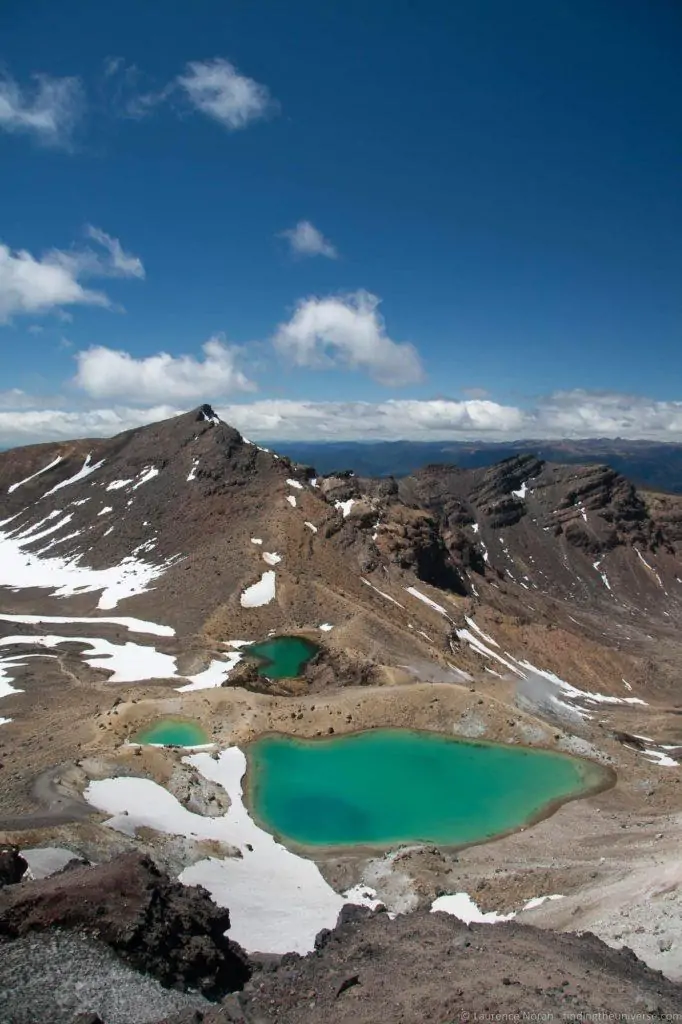
Table of Contents:
Quick Take: The Big Decisions
If you only read one section, read this one. The rest of the guide is the reasoning.
- If you have to pick one island, pick the South for scenery and the North for culture, beaches and geothermal. For a typical first trip, I’d say South, by a nose.
- Two weeks is the realistic minimum for both islands. Ten days or fewer means one island, and that’s really the better trip.
- Go in February or March if you can. You get summer weather without the December and January school holiday crowds.
- Rent a car or campervan and drive. Distances look short on the map and aren’t, but the driving is the trip.
- Budget roughly NZ$130 to NZ$240 a day per person as a backpacker, NZ$250 to NZ$350 mid-range, and NZ$450 plus if you like lodges and helicopters.
North Island or South Island?
This is the first question everyone asks. So let me answer it.
The South Island is the New Zealand of your imagination: Milford Sound, Aoraki / Mount Cook, glaciers, huge empty roads with mountains stacked up at the end of them. If your daydream involves scenery, hiking and photography, the South Island delivers it at a density that’s pretty hard to find anywhere else on the planet. I’ve written a full breakdown of the best things to do on the South Island if you want the complete list.
The North Island is where most New Zealanders actually live, and it’s the heart of Māori culture. It has the geothermal weirdness of Rotorua, the volcanoes of Tongariro, beaches you’d actually swim at, and both of the country’s most interesting cities in Auckland and Wellington.
| North Island | South Island | |
|---|---|---|
| Landscapes | Volcanoes, geothermal fields, beaches, rolling farmland | Mountains, fjords, glaciers, lakes, empty coastline |
| Culture | Māori heartland, Auckland, Wellington | Quieter; Christchurch and Dunedin are the main centres |
| Weather | Warmer, milder winters | Cooler, more dramatic, snow in winter |
| Driving | Shorter hops between stops | Longer, emptier, more scenic drives |
| Best for | Culture, beaches, geothermal, shorter trips | Scenery-first trips, hikers, photographers |
My call: with ten days or fewer and a scenery-first wishlist, go South. That’s where the postcard New Zealand lives, and it’s what most first timers are really coming for.
But I lived on the North Island, so let me argue briefly against my own advice. The North gets treated as a consolation prize by a lot of itineraries, and it shouldn’t be. The Tongariro Alpine Crossing is the best day hike I did in a year of doing day hikes, Rotorua smells like sulphur and is worth it anyway, and Wellington is the city I’d actually choose to live in.
If your interests lean culture, food and beaches over mountains, flip my answer.
And with two weeks or more, you do both and this stops being a decision at all.
How Many Days Do You Need?
More than you think, and the reason is the driving. New Zealand is small on a world map (if the map makers deign to include it at all) and enormous on the ground. Here’s how trip lengths translate into actual routes:
| Days | What actually works | The reality |
|---|---|---|
| 7 | One island, one region done well. North: Auckland to Rotorua, Tongariro and Wellington. South: Christchurch to Aoraki / Mount Cook, Queenstown and Milford Sound. | A lovely taster, but you’ll book the return trip on the flight home. |
| 10 | One island with breathing room. The full southern loop, or the North Island with time for the coast as well as the volcanic middle. | The comfortable length for a single-island trip. |
| 14 | Both islands: fly into Auckland, out of Christchurch or Queenstown. Geothermal heart of the North, mountains of the South, ferry in between. | The minimum for both islands without spending the trip repositioning. |
| 21+ | The proper road trip. Both islands plus the detours: the Catlins, the East Cape, Abel Tasman. This is the trip I wrote up as my perfect month in New Zealand. | If you can find the time, this is the trip. |
A rule of thumb that served the campsite guests well: plan one thing per day, and treat anything else you fit in as a bonus. The days here fill themselves.
When to Go
New Zealand’s seasons are upside down if you’re coming from the Northern Hemisphere: summer runs December to February, autumn March to May, winter June to August, and spring September to November.
Here’s how I’d rank the options for a first trip:
February and March are the winners. The weather is settled and warm, the sea is as warm as it gets, and the December and January school holidays are over, so the roads and holiday parks empty out noticeably. March was my favourite month in the whole year I lived there.
December and January are peak summer and peak everything else. The weather is lovely, but this is of course when New Zealand families are on the road, so campervans, ferries and holiday parks book out well ahead and cost more. It works, you just need to book ahead.
April is the underrated one: autumn colour around Queenstown and Central Otago, quiet roads, cool nights. Pack a warmer layer.
June to August is ski season around Queenstown, Wanaka and Mount Ruapehu, and a fine time for a snow trip. It’s the wrong season for a general first visit though. The campsite I managed sat below the Tongariro volcanoes, and in winter the famous crossing is a serious alpine undertaking that needs gear and ideally a guide, not the walk-up day hike it is in summer.
September to November is spring: lambs everywhere, waterfalls at full volume, and weather that can’t make its mind up. Cheaper and quieter, with a bit of a gamble built in.
Getting In: The NZeTA and the Visitor Levy
Most visitors don’t need a visa, but since 2019 you do need an NZeTA (New Zealand Electronic Travel Authority) before you board your flight. As of 2026 it costs NZ$17 if you apply through the official app, or NZ$23 on the website. It’s valid for two years and multiple visits. Allow at least 72 hours for processing, though it’s usually much faster.
The one that surprises people is the International Visitor Levy (IVL): NZ$100 per person, paid on top of the NZeTA fee at the same time. It tripled from NZ$35 in October 2024, so plenty of older articles (and a few current ones) still quote the wrong figure. It’s separate from and additional to the NZeTA, it funds conservation and tourism infrastructure, and it’s non-refundable. A couple should budget about NZ$240 total to get through the digital door.
With an NZeTA, US passport holders can stay up to three months per visit, and UK passport holders up to six months. Check your own nationality’s terms on the Immigration New Zealand site rather than a blog, mine included.
You’ll also complete a New Zealand Traveller Declaration before arrival. More on why that matters in the biosecurity section below, because it comes with a NZ$400 sting if you get it wrong.
Getting Around: Driving, Campervans and the Alternatives
New Zealand is a driving country, and I’d plan your first trip around a vehicle. The reasons become obvious about twenty minutes into any drive: the scenery between the destinations is frequently better than the destinations.
Some realism first, because this is where first timer plans fall apart:
- New Zealand drives on the left. If that’s new to you, you’ll adjust faster than you expect, but book an automatic so you don’t spend your time trying to open the door when you go to change gear
- Add about 20 percent to whatever Google Maps tells you. The roads are mostly two-lane, winding, and shared with campervans and the occasional sheep transporter. Auckland to Wellington is about 640 km and a solid 8 hour day, not the 6 you might assume.
- Queenstown to Milford Sound is about 290 km and roughly 4 hours of driving without stops. You will stop, because the road is one of the best in the world, and there’s no fuel past Te Anau. Treat it as a full day.
- Fuel stops get sparse in the good bits. Fill up when you’re at half a tank in the South Island.
On the car versus campervan question: I ran a campsite, so I watched both tribes up close for a season. The campervan gives you flexibility and that wake-up-by-a-lake feeling, and holiday parks are cheap and sociable.
But campervans are a bit slower on the hills, thirstier, and pricier than people expect in summer, and freedom camping is far more restricted than the marketing photos suggest, with instant fines for getting it wrong. A car plus motels and holiday park cabins usually costs about the same (or less) and covers ground faster.
My rule: campervan for trips of two weeks plus, car for anything shorter. Or just get a car and cheap tent and get the best of both worlds.
We use and recommend Discover Cars for comparing rental prices in New Zealand, they search the local firms as well as the international brands.
If you’d rather not drive at all, it’s doable: InterCity buses connect the main towns, and Air New Zealand’s regional network makes hopping between islands and regions pretty easy. You’ll trade away the spontaneity, which in New Zealand is a real cost. Between the islands, the Cook Strait ferry between Wellington and Picton takes about 3.5 hours and is either a scenic cruise or a character-building experience, depending on the day.
What It Costs
New Zealand is not a budget destination. Here’s what a day actually costs per person in 2026, in New Zealand dollars:
| Style | Per day | What that looks like |
|---|---|---|
| Backpacker | NZ$130 to NZ$240 | Hostel dorms (NZ$40 to NZ$60), self-catering, buses or a shared car, free hikes |
| Mid-range | NZ$250 to NZ$350 | Motels and holiday park cabins (NZ$120 to NZ$180 a double), rental car, a mix of cooking and eating out, a paid activity most days |
| Comfortable | NZ$450+ | Boutique hotels and lodges, nicer restaurants, and the big-ticket items: heli-hikes, scenic flights, Milford overnight cruises |
Self-catering is the great money saver, about NZ$55 a day covers groceries if you cook, and every holiday park and hostel in the country has a decent communal kitchen. The big-ticket activities are where budgets quietly die: scenic flights, glacier heli-hikes and skydives all run into the hundreds. Pick one or two you actually care about rather than grazing on all of them.
The good news: the best of New Zealand, the national parks, the day hikes, the viewpoints, the beaches, is almost entirely free.

What to Actually See: My 13 First-Trip Highlights
This is the shortlist I’d give a friend planning a first trip, drawn from a year of weekends off. You won’t do all thirteen. Somewhere between four and eight of them, matched to your route, is the correct number, and no, you’re not doing it wrong.
1. Milford Sound
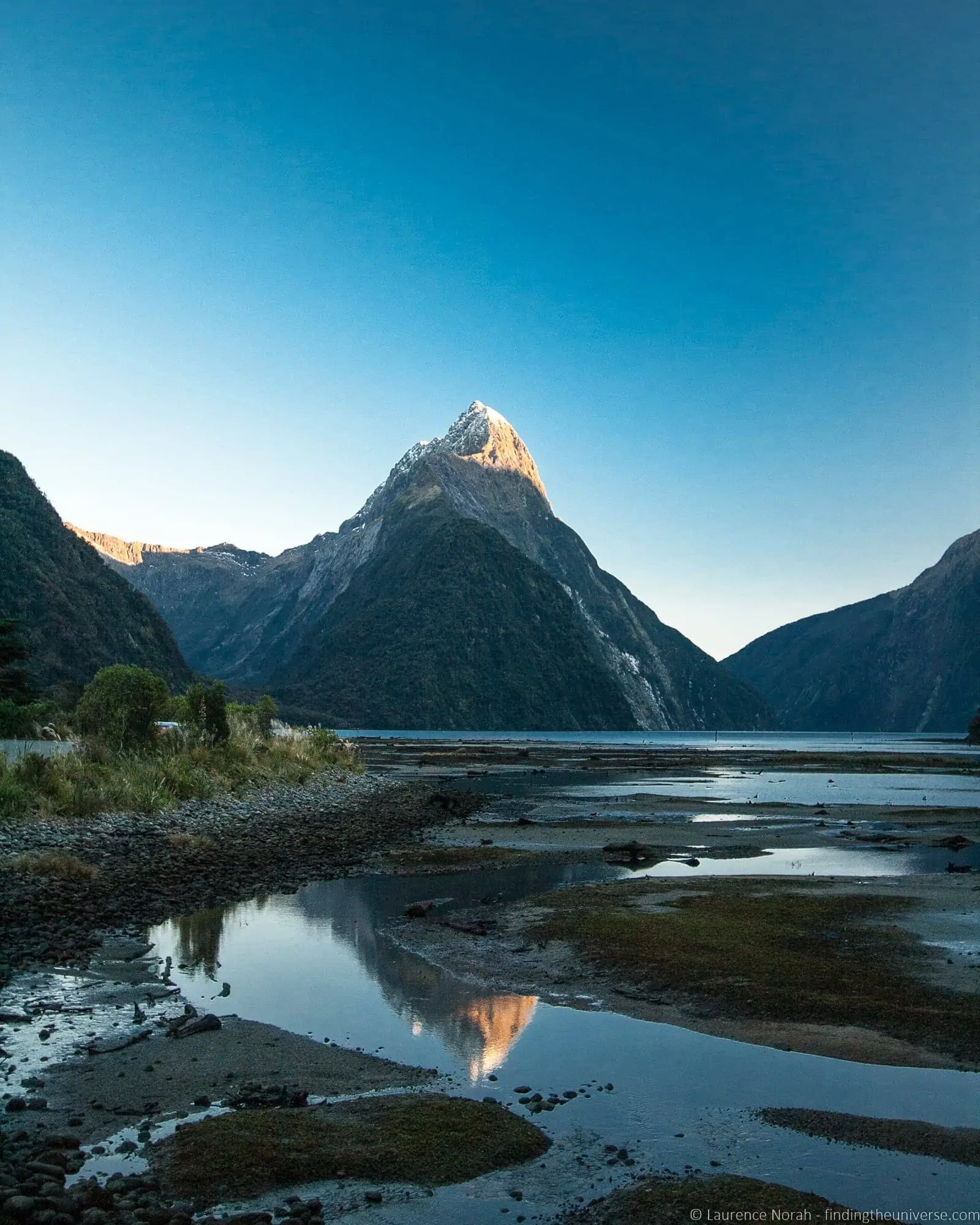
The famous one, and for once the fame is deserved. Sheer rock walls, waterfalls that turn on when it rains (it rains a lot, go anyway), and a boat cruise that makes you feel very small indeed. I’ve written a full guide to visiting Milford Sound.
2. Aoraki / Mount Cook
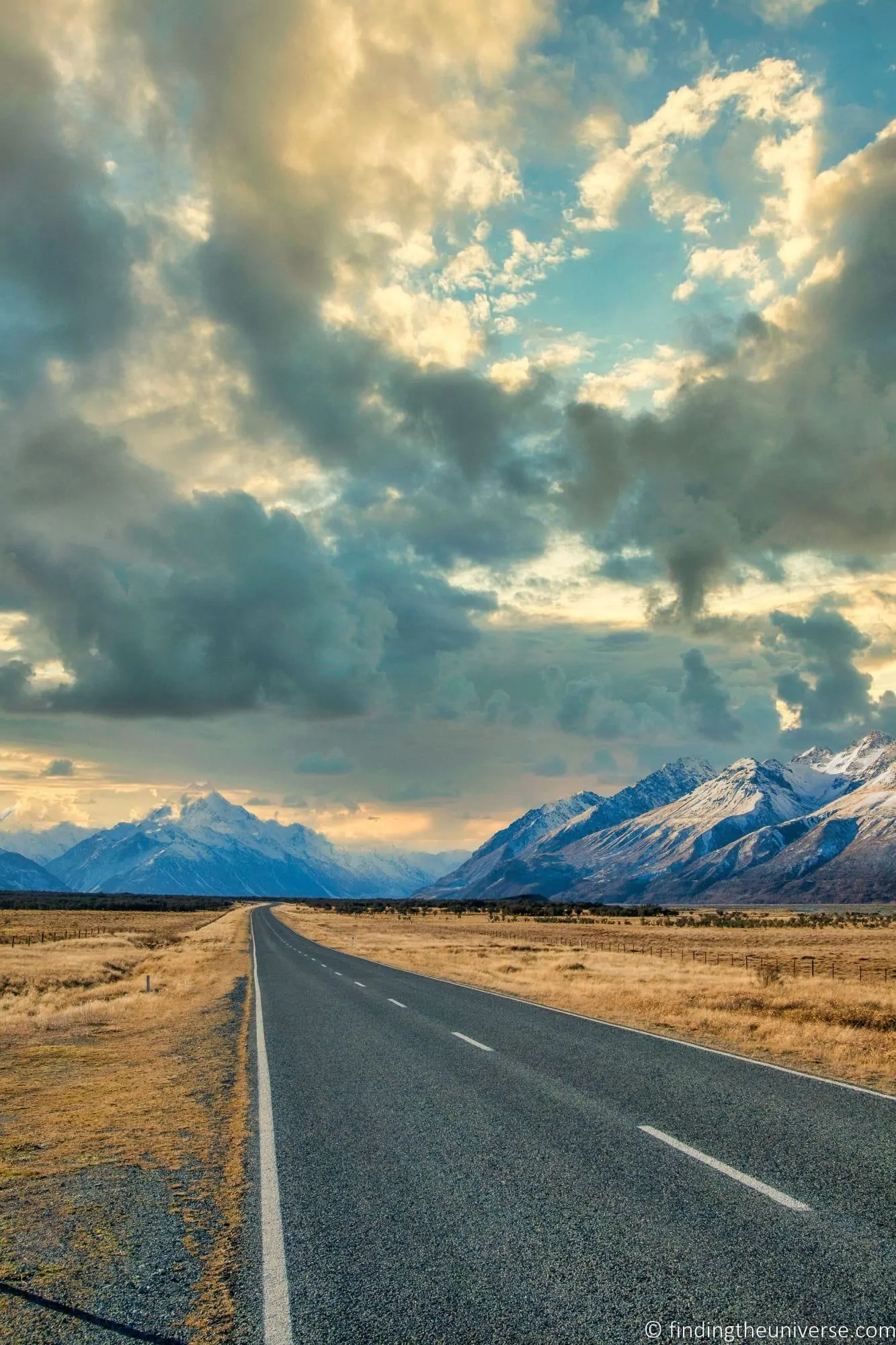
New Zealand’s highest mountain at 3,724 metres (it lost 30 metres of summit ice and rock in a 1991 landslide, a fact I find weirdly humbling), surrounded by walks that give enormous alpine views for very little effort. The Hooker Valley Track is the one everybody does, and everybody is right. The new swing bridge opened in July 2026, so the walk runs its full 10km to Hooker Lake again. At 189 metres it’s the longest swing bridge in the country. Check the current status on the Department of Conservation site before you go.
Here are my photos from Mount Cook to convince you.

3. The Tongariro Alpine Crossing
The best single day of walking in New Zealand: 19.4 km over live volcanic terrain, past the Emerald Lakes, beneath the cone that played Mount Doom in the films. I lived at the foot of these mountains for months and never got tired of looking at them. My account of climbing Mount Ngauruhoe has the details.
4. Rotorua
Boiling mud, steaming pavements, geysers, and the best place in the country to experience living Māori culture. Yes, the whole town smells of sulphur. You stop noticing on day two, I can vouch for this from months of running a hostel there. It’s also the adventure-silliness capital of the North Island, where I went zorbing, which is rolling down a hill inside a giant inflatable ball, and which I can confirm is exactly as ridiculous as it sounds.

5. Queenstown
The adventure capital, on one of the prettiest lakefronts anywhere. Commercial bungy jumping was invented here, and the town has been upping the ante ever since. Even if you’re not chasing adrenaline, it makes a superb base: Milford, Wanaka, Glenorchy and the Central Otago wineries are all in reach.
6. Kaikōura
A small town where the mountains fall straight into the sea, and the deep water offshore brings sperm whales, dolphins and seals close to the coast year-round. If you do one wildlife trip in New Zealand, do it here.
7. Abel Tasman National Park
Golden beaches, turquoise water and coastal forest at the top of the South Island, best explored by kayak or on the coastal track with water-taxi hops. It’s the gentlest of the famous parks, and the sunniest corner of the country.
8. The Bay of Islands
Subtropical Northland: 144 islands, sailing trips, dolphins, and Waitangi, where New Zealand’s founding treaty was signed in 1840 and where the excellent Treaty Grounds museum gives the historical grounding the rest of your trip will keep referring back to.
9. Wellington
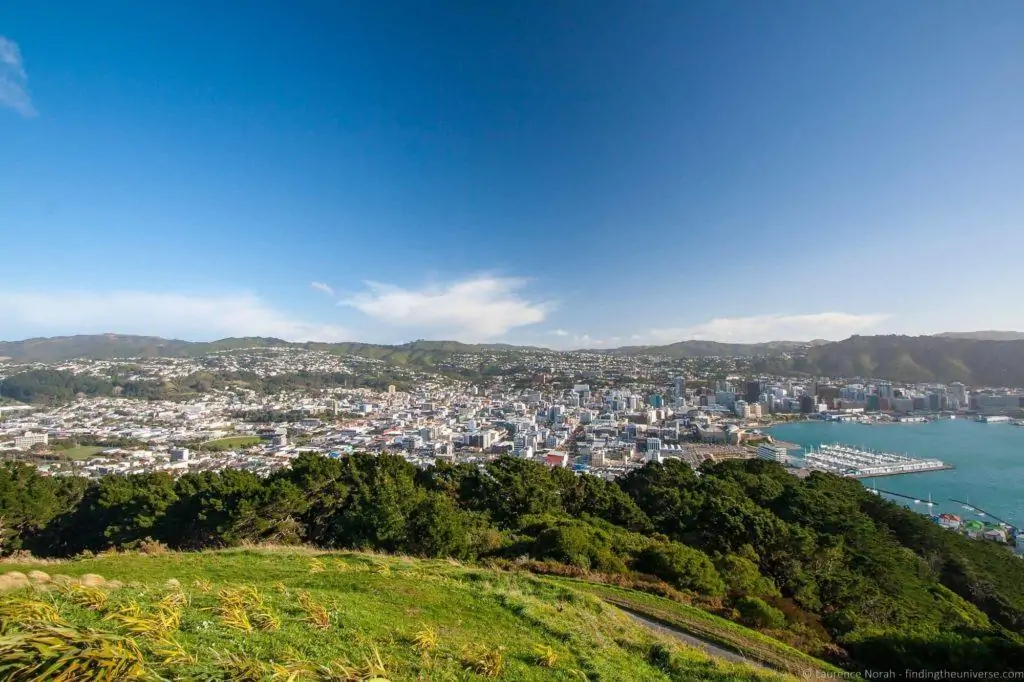
My favourite New Zealand city, compact, walkable, windy as anything, with the country’s best coffee culture and Te Papa, the superb national museum. General admission is free for New Zealand residents; overseas visitors aged 16 and over now pay NZ$35. A day here before or after the ferry is a day well spent.
10. Akaroa and Banks Peninsula
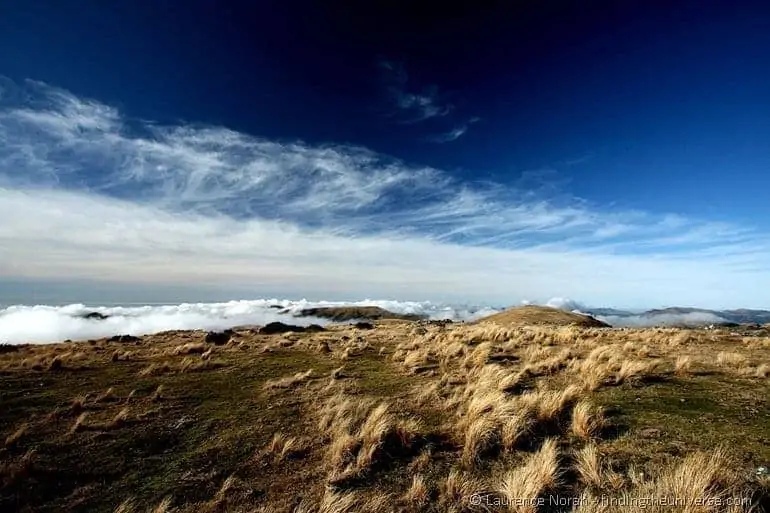
A volcanic peninsula of hidden bays an hour and a half from Christchurch, with a little town that was nearly French (the settlers arrived in 1840, days after the British claimed sovereignty) and still leans into it. Also home to the world’s smallest dolphin. I’ve written up visiting Akaroa in more detail.
11. The Catlins
The far southeastern corner almost nobody makes time for, which is precisely the appeal: waterfalls, a petrified forest, sea lions on empty beaches, and lighthouses at the end of gravel roads. My trip through the Catlins remains one of my favourite memories of the whole year.

12. Franz Josef and Fox Glaciers
Two glaciers that descend almost to rainforest level on the wild West Coast. They’ve retreated a long way in recent decades, so the walk-up viewpoints are more distant than old photos suggest; the heli-hike is the way to actually stand on the ice, if the budget allows.
13. The East Cape
My wildcard. The North Island’s remote eastern tip sees a fraction of the visitors of everywhere else on this list: empty surf beaches, tiny Māori communities, and one of the first places in the world to see the sunrise each day, at the East Cape lighthouse. I drove the East Cape road and would do it again tomorrow. Only for trips of three weeks plus, but if that’s you, go.
Want more walking-specific ideas? I’ve also collected the best day hikes in New Zealand in a separate guide.
What I’d Tell Every First Timer Before They Book
These are the conversations I kept having at that campsite check-in desk, distilled. Learn from other people’s holidays.

Don’t Try to Do Both Islands in Ten Days
The classic mistake. On paper it fits. In practice the ferry crossing, the repositioning drives and the pack-up mornings eat two full days, and you spend the trip watching New Zealand through a windscreen at the exact moments you should be out in it. Ten days on one island beats ten days split across two, every time. The country will still be here for trip two.
Google Maps Is an Optimist
I said it above and I’m saying it again because nobody believes it until they’re doing 65 km/h behind a campervan on a winding two-lane road at dusk. Add 20 percent to every estimate, don’t plan to arrive anywhere important after dark, and treat any drive over five hours as the day’s activity, not the thing between activities.
ACC Is Not Travel Insurance
New Zealand has a remarkable no-fault scheme called ACC that covers accident injuries for everyone in the country, visitors included. Break an ankle on a trail and your treatment and even the rescue helicopter are covered. What it doesn’t cover: illness, cancelled trips, lost gear, or getting you home. Buy travel insurance anyway. This one is not negotiable.
Pack for Four Seasons, Whatever the Month
Crowded House wrote “Four Seasons in One Day” about their home country, and it’s a weather forecast, not a metaphor. Alpine areas in particular can go from t-shirt to sleet in an hour, in January. Layers, a proper rain jacket and warm gear on every hike. The campsite’s lost property box was a museum of optimistic packing.
February Books Out. Plan for It.
If you’re travelling December to February, book accommodation, campervans, the Cook Strait ferry and Milford Sound trips well ahead. Great Walk huts open their booking window months in advance and sell out in hours. Outside peak season you can be far more spontaneous, which is the better way to experience New Zealand anyway.
Don’t Spend Your Trip in Auckland
Auckland is a perfectly nice city, and you should leave it almost immediately. A third of the country lives there, but almost nothing you came to New Zealand for is there. One day for jet lag recovery, then get on the road.
The Practical Stuff
Māori Culture
Māori culture is a living part of the country, and engaging with it respectfully makes every part of a trip richer. Learn a few words of te reo Māori (kia ora gets you a long way), make time for a cultural experience in Rotorua or at the Waitangi Treaty Grounds, and if you’re invited onto a marae, follow your hosts’ lead on protocol.
Place names are a good way in: Aoraki, Tongariro and Whakarewarewa all mean something, and locals appreciate visitors who have a go at saying them right.
The Sun Is Not Joking
Peak UV in New Zealand runs about 40 percent stronger than at comparable Northern Hemisphere latitudes, according to NIWA, the national atmospheric research body. That’s a combination of clearer air, a thinner ozone layer and the Earth being closer to the sun during southern summer. What it means for you: burning in 15 minutes on an overcast day. Sunscreen every day, reapplied, whatever the sky is doing.
Biosecurity at the Border
New Zealand’s economy and ecosystems run on keeping foreign pests out, and border control takes it seriously in a way that catches visitors off guard. Declare all food, plant and animal products, and any used outdoor gear (hiking boots and tents especially) on your Traveller Declaration. Declaring is always free of penalty, even if they take the item off you. Failing to declare is an instant NZ$400 fine, and they do check. Clean your boots before you fly.
Money and Tipping
The currency is the New Zealand dollar, cards are accepted essentially everywhere, and tipping isn’t expected or required anywhere, not in restaurants, not in taxis, not for guides. Hospitality staff are paid a living wage. Prices are what they say on the label. It’s very relaxing.
Staying Safe
New Zealand is one of the safer countries you can visit, and the real hazards are natural rather than human: changeable alpine weather, rivers, and stretches of coast with serious rips. The emergency number for police, fire and ambulance is 111, free from any phone. Tell someone your plans before remote hikes, and check conditions with the Department of Conservation.
Also, pack insect repellent for the West Coast and Fiordland, where the sandflies operate with an enthusiasm I’ve not seen anywhere else on my travels.
Phones and Signal
Coverage is good in towns and patchy to non-existent in the mountains and along remote stretches, sometimes for an hour or more of driving. Download offline maps before you set out each day, and don’t rely on booking that night’s accommodation from the road.
Recommended Guidebooks
I like having a physical guidebook in the glovebox on a road trip, cell signal being what it is out there. Two I’d recommend for New Zealand:
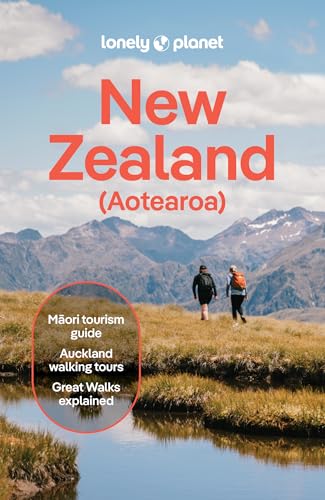
The Lonely Planet New Zealand guide is the comprehensive planning option, with detailed itineraries, maps and practical coverage of both islands. This is the one for building your route.

The DK Eyewitness New Zealand guide is the visual one, full of illustrations and photography. Better for deciding what you want from the trip than for logistics, and lovely to browse before you go.
Frequently Asked Questions
Which island should I visit on a first trip, North or South?
With ten days or fewer, pick one: the South Island if scenery, hiking and photography top your list, the North Island if you care more about Māori culture, beaches and geothermal areas. With two weeks or more, do both. If two weeks is what you have, this fourteen day route costs out both islands against a South Island loop in transit hours, so you can see what the ferry actually takes off your sightseeing. My full reasoning is at the top of this guide, but if you want the one-word answer for a scenery-first trip: South.
How many days do you need in New Zealand?
Ten days is the comfortable length for one island done well. Fourteen days is the realistic minimum for both islands. A week works if you keep it to one region, and three weeks or more gets you the full road trip with the out-of-the-way corners included.
Do I need a visa to visit New Zealand?
Most visitors from visa-waiver countries (including the US and UK) don’t need a visa, but you do need an NZeTA before you fly. It costs NZ$17 in the official app or NZ$23 online, and you’ll pay the NZ$100 International Visitor Levy at the same time. Apply at least 72 hours before travel through Immigration New Zealand.
When is the best time to visit New Zealand?
February and March. You get the settled summer weather without the December and January school holiday crowds and prices. April is a good quieter alternative, and June to August is the season for a ski trip rather than a general first visit.
Is New Zealand expensive?
It’s not cheap. Realistic 2026 numbers are NZ$130 to NZ$240 a day for backpackers, NZ$250 to NZ$350 for mid-range travel, and NZ$450 plus at the comfortable end, per person. Self-catering and free hiking pull costs down; scenic flights and heli-hikes push them up fast.
Can I drive in New Zealand on a UK or US licence?
Yes. You can drive for up to 18 months on a current overseas car licence if it’s in English (otherwise you need an approved translation or an International Driving Permit). New Zealand drives on the left, and rental firms will want you to be 21 or over for most vehicles.
Do you tip in New Zealand?
No. Tipping isn’t expected in restaurants, taxis or anywhere else, and staff are paid a living wage. Nobody will be offended if you leave something for exceptional service, but it’s never assumed.
Is New Zealand safe for tourists?
Very. Crime against visitors is rare, and the real risks are outdoors: fast-changing mountain weather, rivers and surf. The emergency number is 111. The ACC scheme covers accident injuries for visitors, but it’s not a substitute for travel insurance, which you should still buy.
Do I need a campervan, or is a car better?
Either works, and costs come out closer than people expect once you price summer campervan rates. I’d take a campervan for trips of two weeks or more, and a car with motels and holiday park cabins for shorter trips, you’ll cover ground faster and sleep better.
What should I book in advance?
In December to February: accommodation, your campervan or rental car, the Cook Strait ferry, Milford Sound cruises and any Great Walk huts, some of those sell out months ahead. In shoulder season you can wing far more of it, which is half the fun.
Further Reading
That’s the framework. Pick your island, be honest about your days, book the February stuff, and leave room for the detours, they’re where the trip happens.
If you’re building your route, these guides of mine go deeper:
- My perfect month in New Zealand – the full route, if you have the time
- The best day hikes in New Zealand
- My top five scenic drives of New Zealand
- Visiting Milford Sound
- Highlights of New Zealand’s North Island
And if you’ve got questions about planning your first New Zealand trip, pop them in the comments below, I’ve spent a lot of time answering exactly these questions and I’m always happy to keep doing it!

mindtpi says
New Zealand population is around 4.4 million, not 10 million
Anonymous says
Came across this when looking up where to go in NZ. I’m a local looking to see more of my Country. Overall really helpful for me 🙂
Did you know that there was an earthquake a month before this post in Christchurch that completely distroyed the city centre? None of these suggestions are possible for Christchurch city now because most of that stuff has been wiped out.
By the way, there’s no way that we have a population of 10million, we are much tinier than that, about half haha.
Laurence says
Glad you like writing it, it was great to read and I know it’s going to come in handy! Thanks again!
Craig Beaumont says
Needs more Beer 😉
Marmite is HORRIBLE, make sure you avoid!
Bronnie Marquardt says
Great post … there are so many places I’m yet to experience in NZ. It’s an awesome country with awesome people
Amanda Williams says
The post looks great! I’m so glad you asked me to write this; I had so much fun putting it together! Good luck in NZ. I can’t wait to read about your adventures (and be insanely jealous…)
Laurence says
Glad you like writing it, it was great to read and I know it’s going to come in handy! Thanks again!