
Milan is the second largest city in Italy after Rome and the capital of Lombardy. Most people know it as a fashion capital, but there’s a lot more going on here than high-end shopping. The city has spectacular art, including one of the most famous paintings in the world, Leonardo Da Vinci’s Last Supper. It also has a fantastic cathedral, loads of museums, great food, and a really good evening scene along its old canal district.
Milan also makes a great base for exploring the region, with popular destinations like Lake Como, Lake Garda, Verona, and Bologna all an hour or so away by train.
We’ve visited Milan a number of times (we have friends who live here), and in this guide we’re sharing our suggested itinerary for spending two days in the city. We’ll cover what to see each day, along with tips on getting around, where to stay, and how to save money.
Table of Contents:
2 Day Milan Itinerary
This two-day itinerary is designed for first-time visitors who want to see the highlights. We like to pack a lot in when we visit a city, especially on a first visit, but feel free to adjust the pace to suit you.
If you’re looking for more options beyond what’s in this itinerary, check out our guide to things to do in Milan. That article covers all the attractions here plus several others.
Milan Itinerary Day 1
Day one covers some of Milan’s most popular attractions, all within walking distance of each other. We’ve set this up as a walking itinerary, but do check out our guide to getting around later in the post. Milan has a great public transport system and taxis are easy to get.
Two things to keep in mind for today: bring photo ID (you’ll need it for Last Supper tickets), and make sure you’re dressed to meet church dress codes (shoulders and knees covered, for both men and women). This applies at the Duomo and at Santa Maria delle Grazie, which is an active convent.
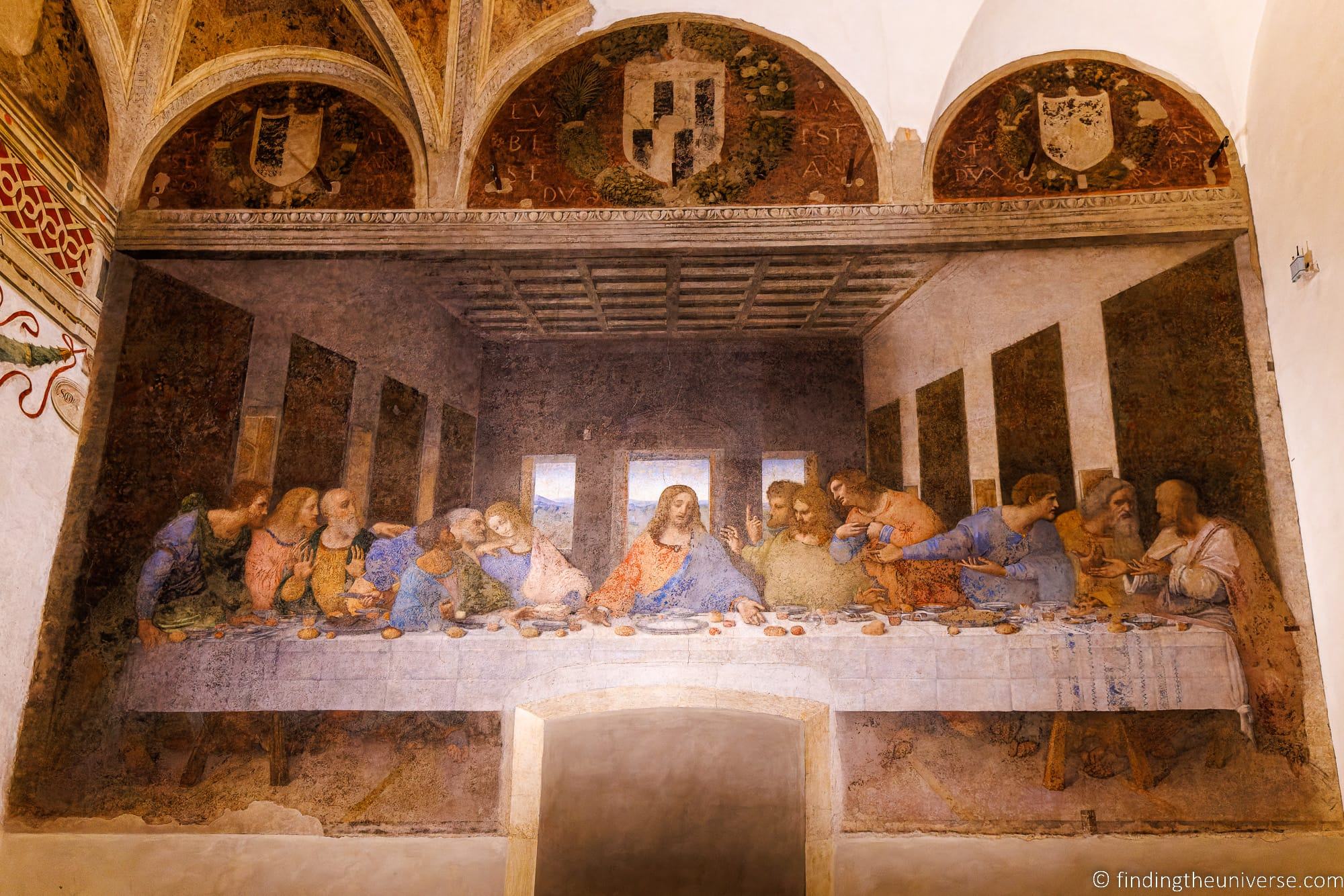
The Last Supper (Santa Maria delle Grazie)
Start your day early at Santa Maria delle Grazie, where Leonardo Da Vinci’s Last Supper is painted onto the wall of the convent’s former dining hall.
The mural depicts the moment Jesus announces that one of the twelve apostles will betray him. What strikes you first is the sense of perspective. Da Vinci designed the composition so the painting appears to extend the room, with all the leading lines converging on the central figure of Christ. The emotion on each apostle’s face is remarkably vivid.
Da Vinci created the work using experimental techniques, which meant it started deteriorating almost immediately after completion in 1498. What you see today is the result of a 21-year restoration project finished in 1999. Much of the original has been lost, but the work is still impressive.
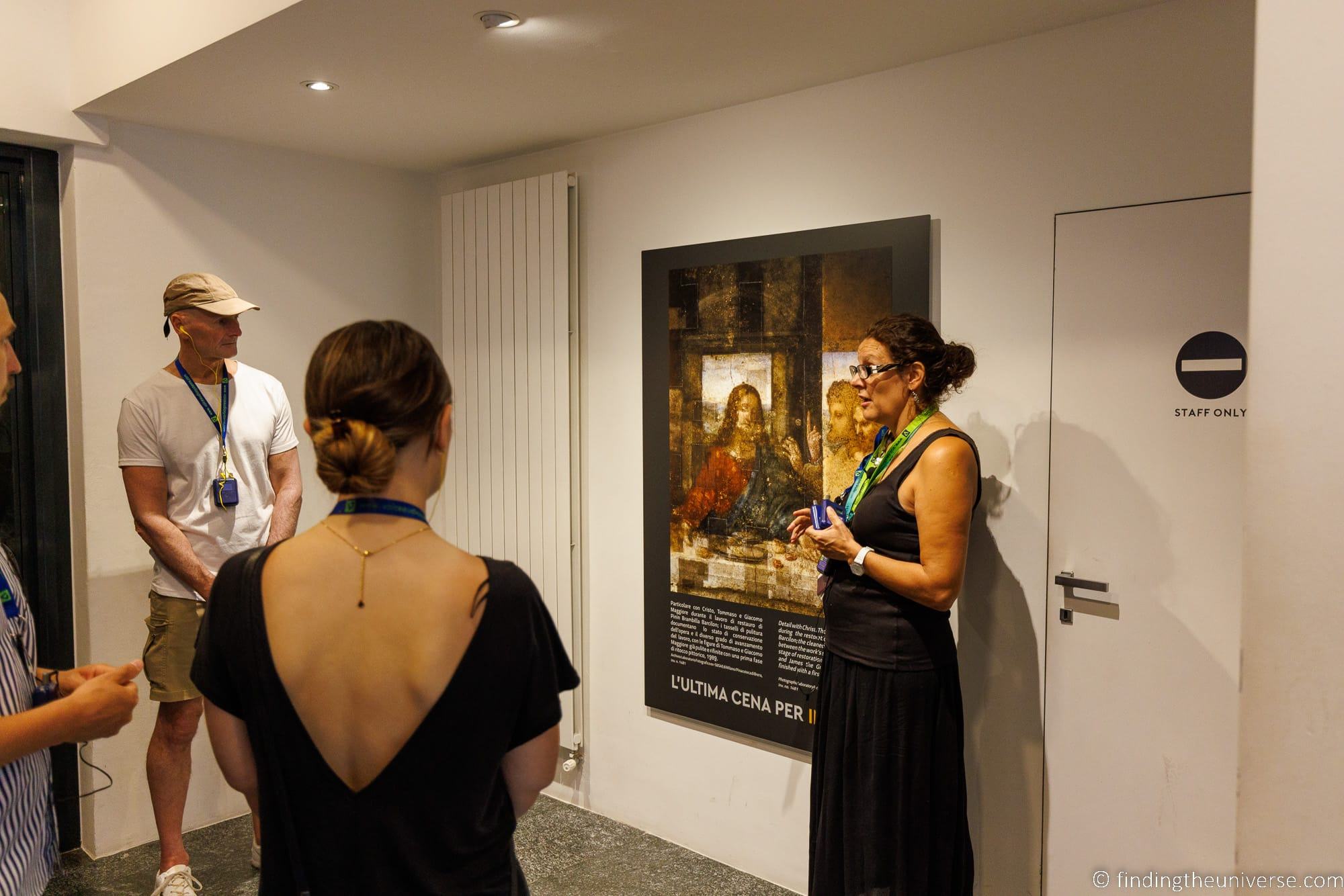
Visiting requires planning. Only 40 people are allowed in per 15-minute time slot, and tickets cost €15 per person (under 18 free). Individual tickets on the official site sell out months in advance. Ticket announcements for upcoming months are published here.
If individual tickets are sold out, your best option is to book a tour that includes Last Supper access. Tour groups have a separate ticket allocation, so they often have availability when individual tickets are gone. A tour also means you get an expert guide who can explain what you’re seeing, which is valuable since there’s almost no information inside the room itself.
We visited as part of this tour with TakeWalks, which also included a city walking tour and a visit to the Duomo. If they don’t have availability, check these options on GetYourGuide.
However you visit, turn up in advance to collect your ticket and store bags, food, and water in the free lockers. No food or drinks (including water bottles) or backpacks are allowed inside. When we visited, we needed photo ID matching the name on our booking to collect tickets.
After your visit, take some time to look at the small museum and gift shop, and visit the church of Santa Maria delle Grazie itself. It was completed in 1497, with the apse designed by the architect Bramante, and is free to enter.
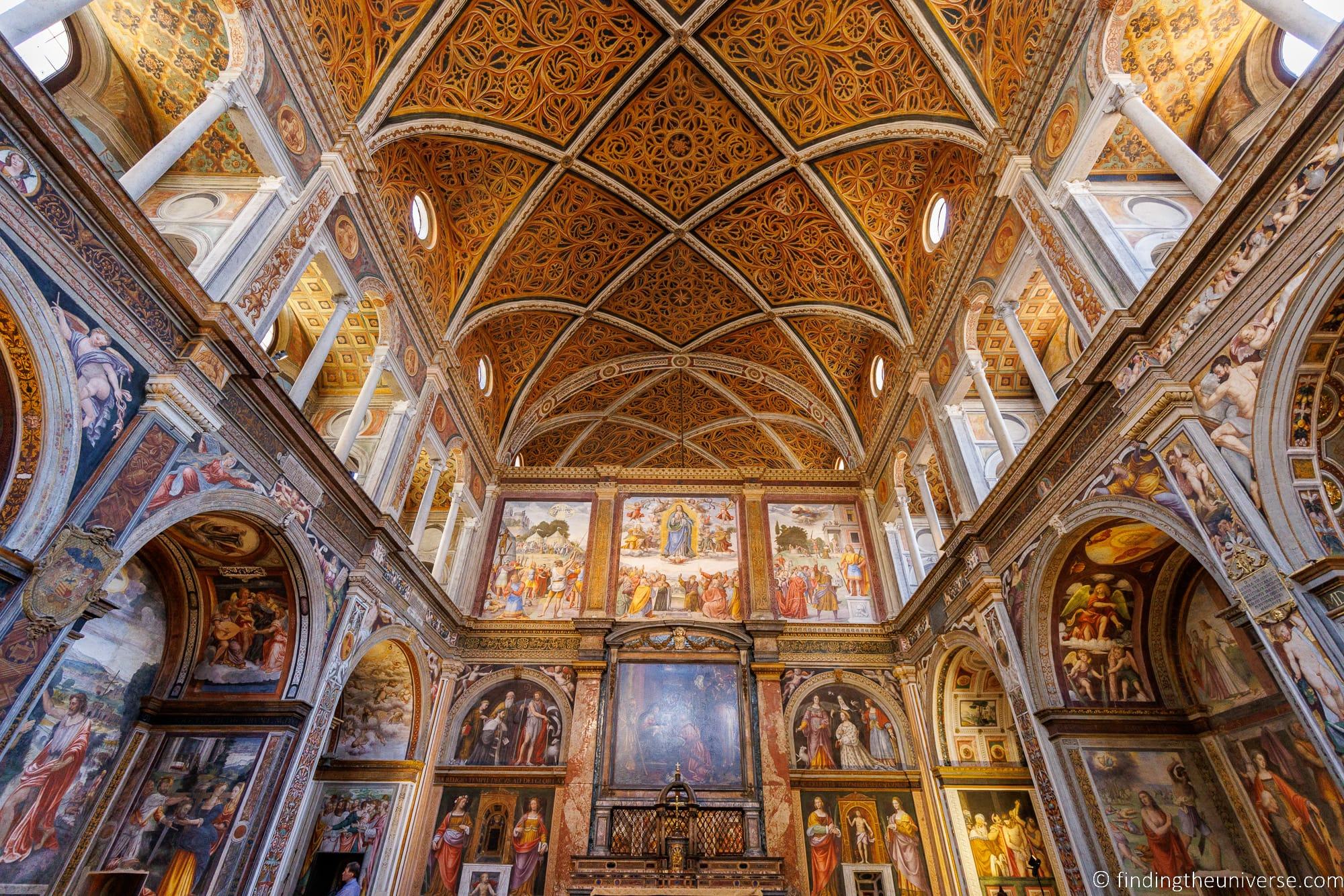
Chiesa di San Maurizio al Monastero Maggiore
If you have time between the Last Supper and the Duomo, stop at San Maurizio al Monastero Maggiore, about a five-minute walk from Santa Maria delle Grazie.
This early 16th century church was originally part of Milan’s largest Benedictine convent. The interior is divided into two halves: one for general worship and one for the nuns, who would observe mass through a grating. Until the late 18th century, the nuns weren’t permitted to cross into the public worship area.
The main reason to visit is the frescoes. They cover both sides of the church as well as the dividing wall, depicting scenes from the life of San Maurizio and various biblical stories. The quality and coverage are what earn this church the occasional comparison to the Sistine Chapel.
The church is free to visit, though donations are welcome. As it’s a religious building, the same dress code applies (shoulders and knees covered). You can see details about visiting on the website.
If you’re interested in archaeology, consider a visit to the adjoining Civic Archaeological Museum in the former convent. It covers the ancient to medieval periods, including Milan’s time as capital of the Western Roman Empire. There’s an entrance fee.
Starbucks Reserve Roastery
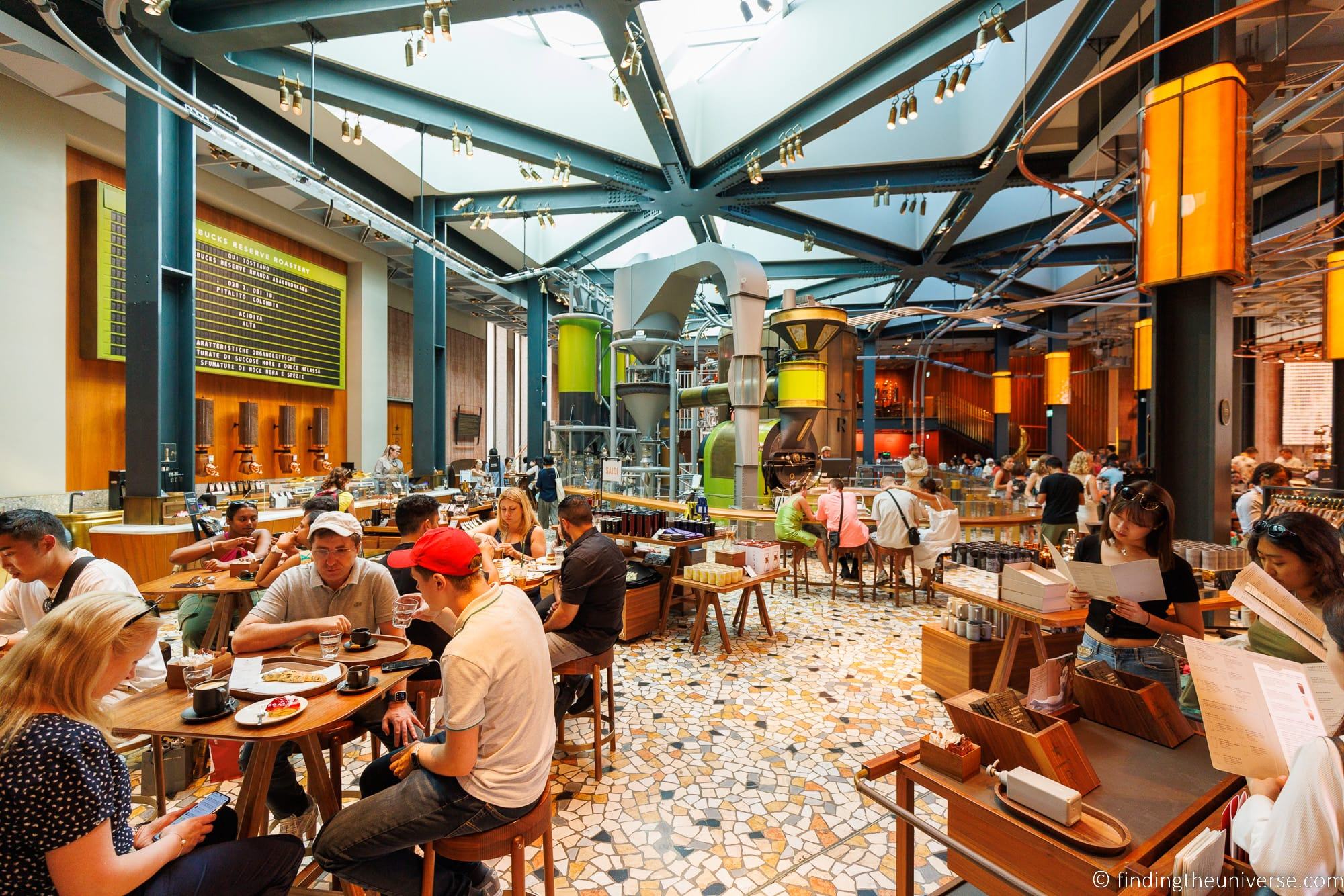
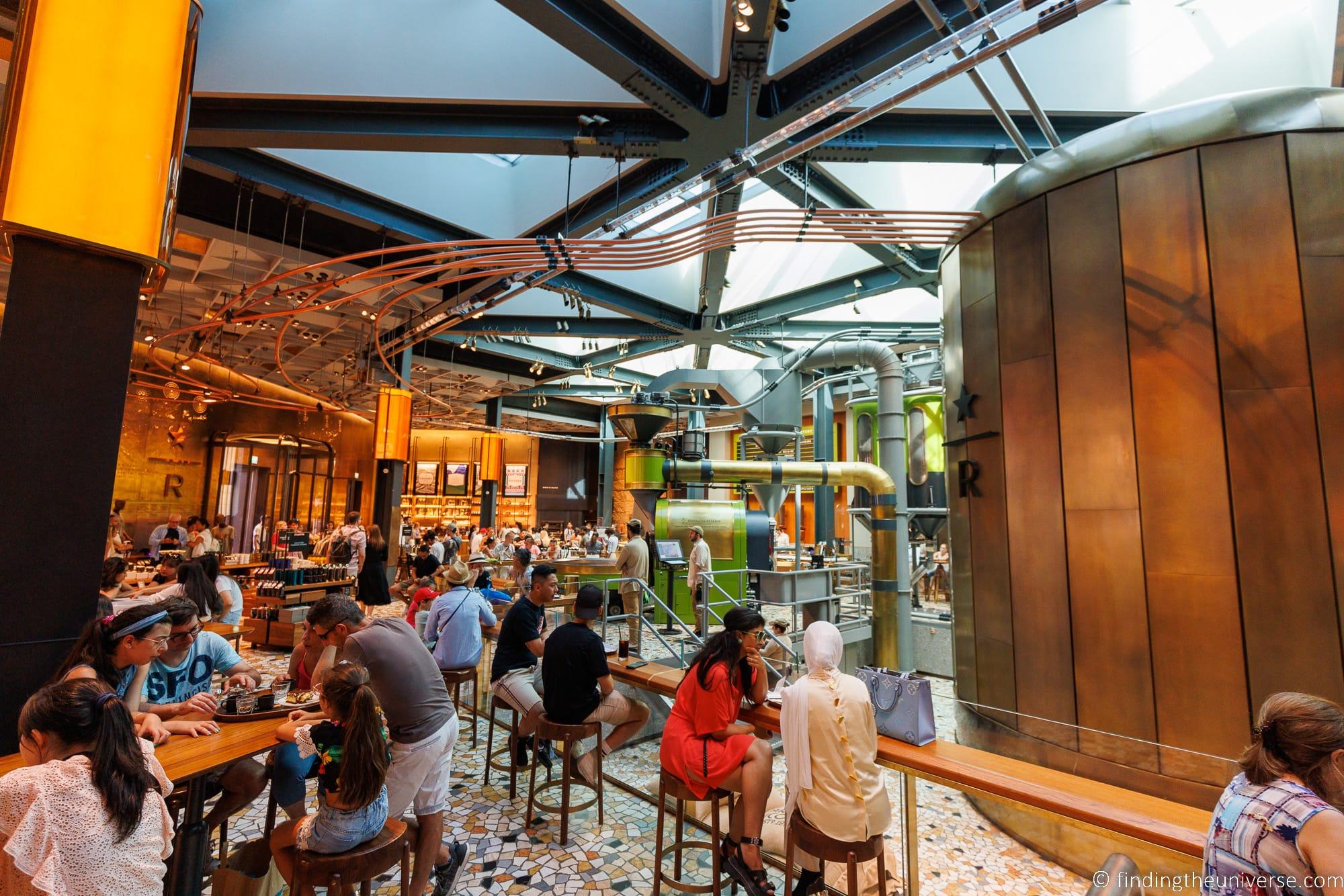
Next stop is the Starbucks Reserve Roastery, about a 10-minute walk from San Maurizio. This was Italy’s first Starbucks.
Opening a Starbucks in the country that invented espresso culture was always going to be a challenge, and the company clearly put thought into getting it right. The Roastery is housed in the former Milan Stock Exchange and Post Office, which is an impressive building in its own right. Inside, you can watch the entire coffee roasting process from start to finish and choose from a huge range of coffee-based drinks, from standard options through to pour-over flights and coffee-based cocktails.
Even if you’re not a Starbucks fan, the building is worth a quick look. It’s free to enter. You can find out more on the official website.
If you’d prefer something more traditionally Italian, Marchesi 1824 is on the same route, just a couple of minutes from the church. Founded in 1824, it’s one of Milan’s oldest cafes and pastry shops, with a lovely interior. A quick espresso and pastry here is the more Milanese option. Marchesi is now owned by Prada, and there’s a second location inside the Prada store at the Galleria Vittorio Emanuele II.
Duomo di Milano
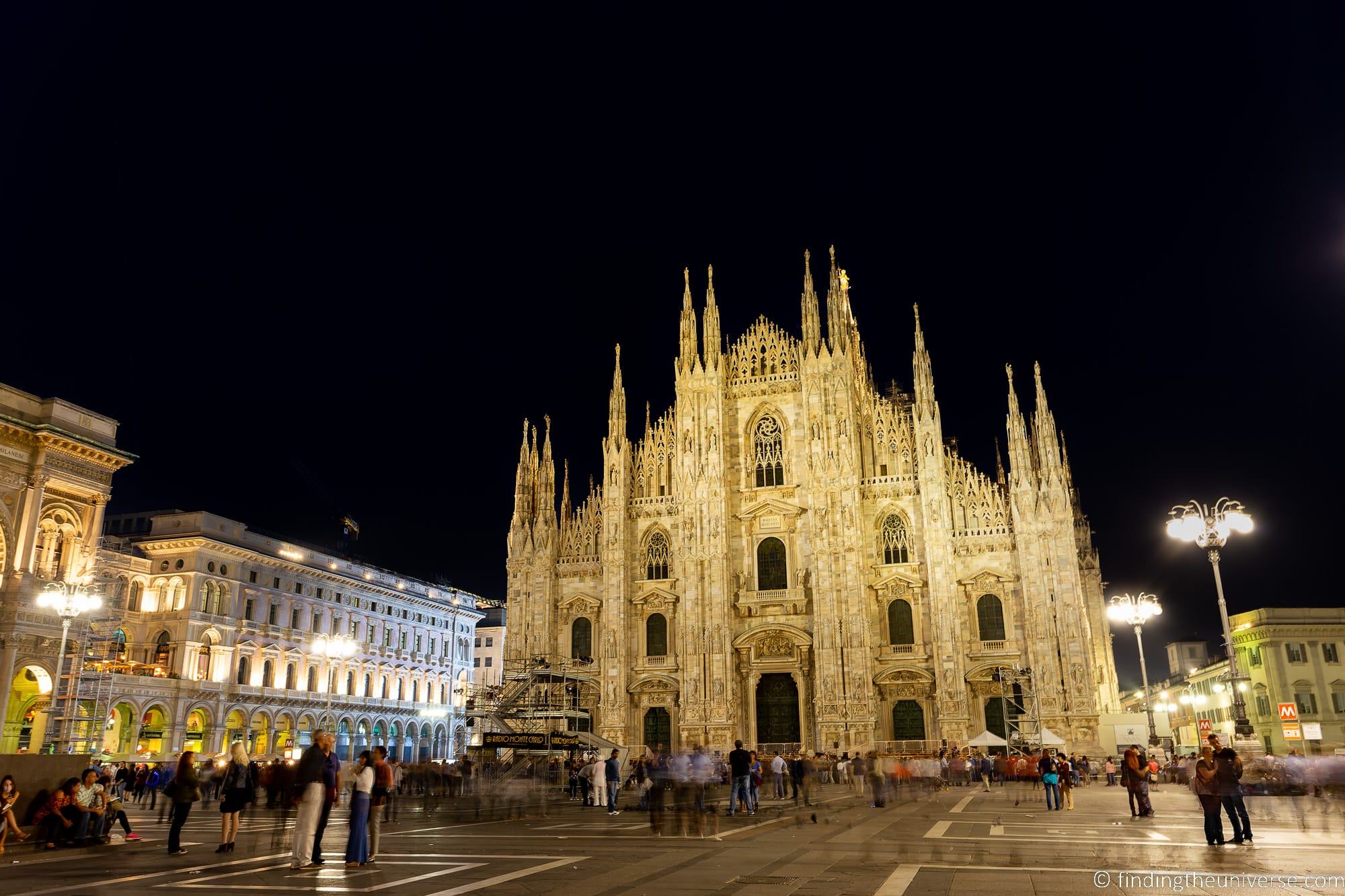
Fortified with coffee, it’s time for one of Milan’s most impressive buildings. The Duomo di Milano is about a 5-minute walk from the Starbucks Reserve Roastery.
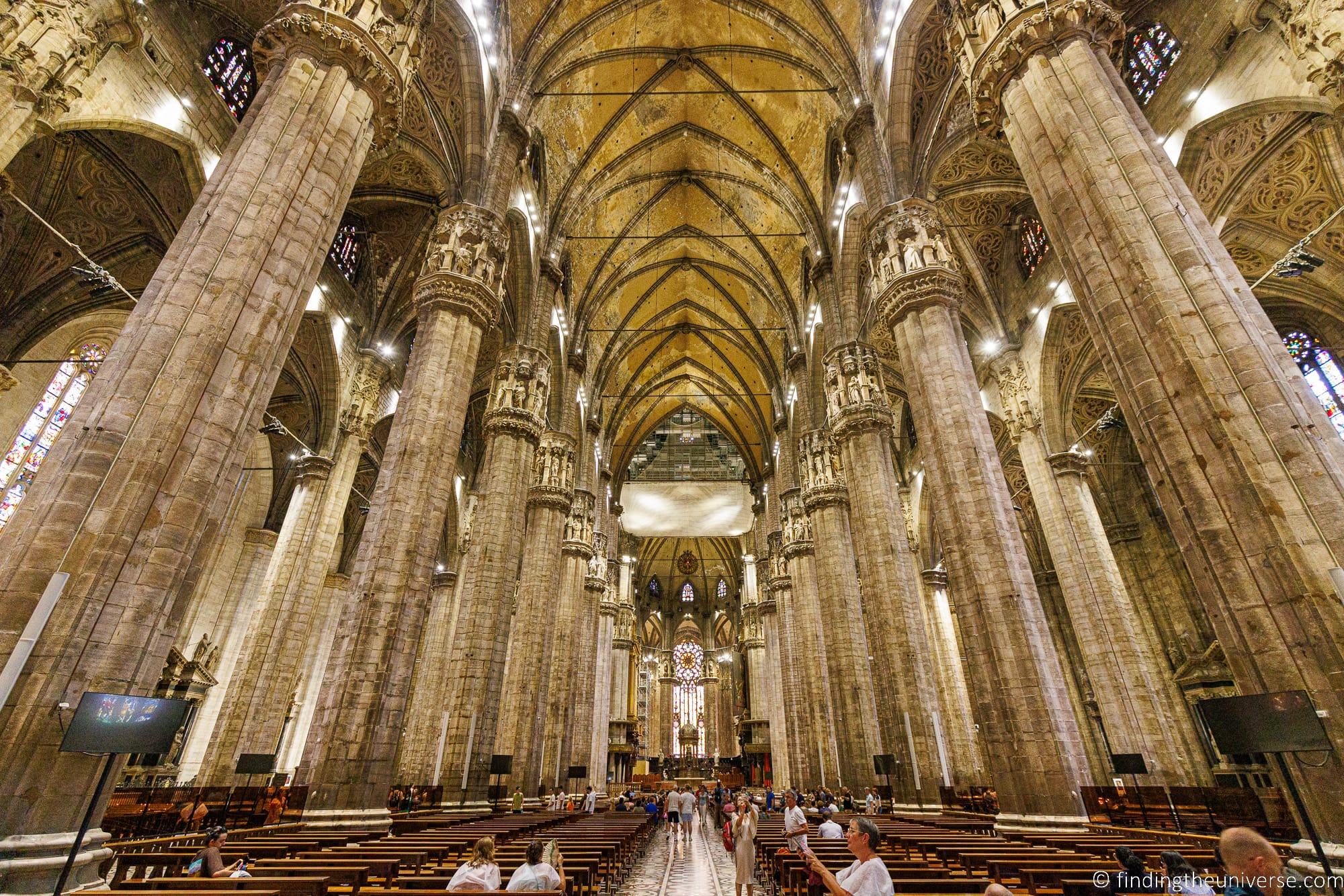
This massive marble cathedral is the largest church in Italy and one of the largest in the world. Construction started in 1386 and wasn’t officially completed until 1965, which means the building spans both the Gothic and Renaissance periods and draws on contrasting architectural styles that somehow work together.
Inside, you’ll find the world’s largest gothic vaults, beautiful stained-glass windows, statues, altars, and sarcophagi. There’s also an important relic believed to be one of the nails used in the crucifixion of Christ. Underneath the cathedral, accessed from inside, is the Archaeological Area with excavated remains of 4th century baptisteries.
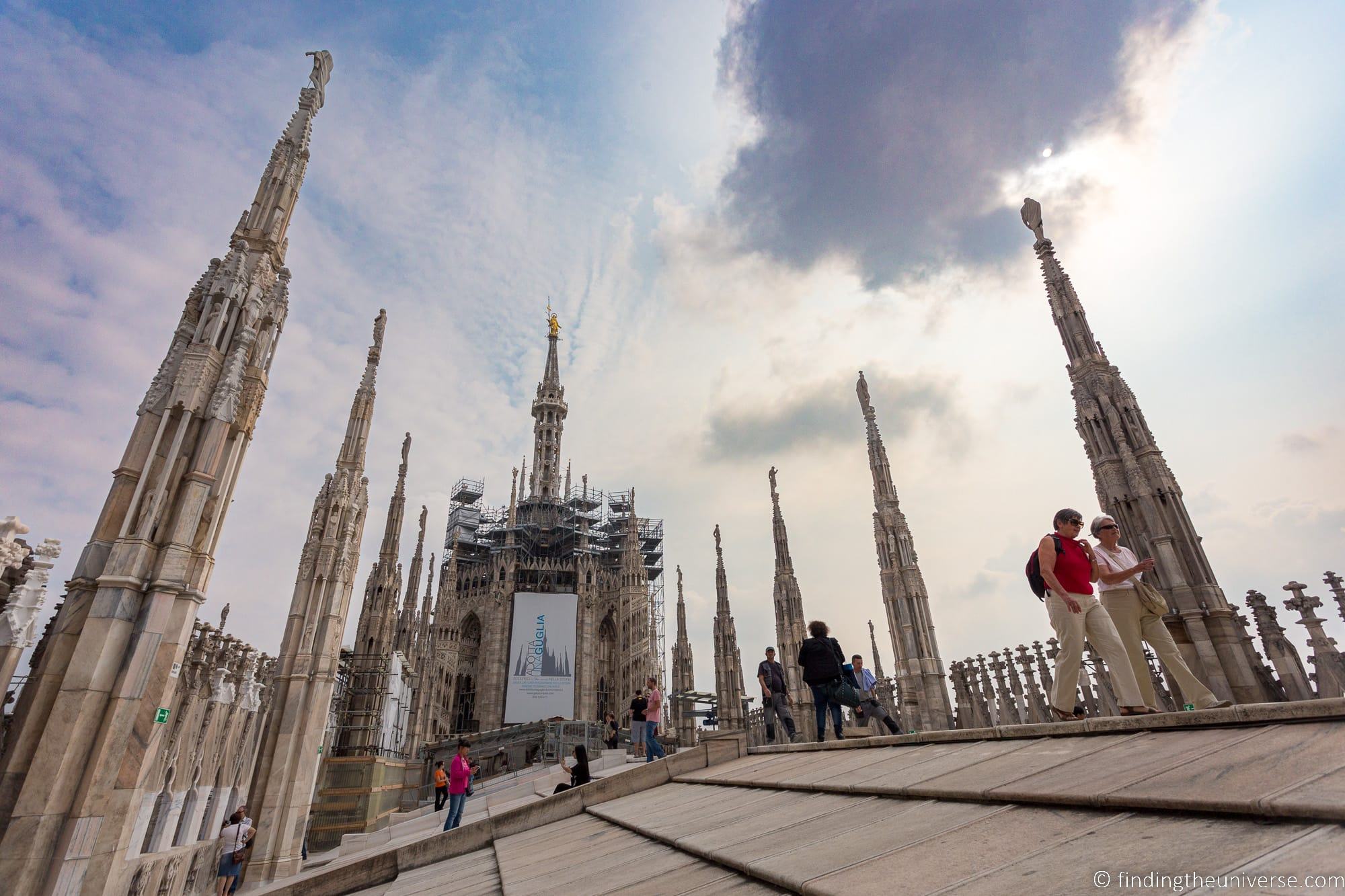
Our favourite part is the rooftop. The roof is a huge space filled with gothic spires, and the views across Milan are excellent. On a clear day you can see the Alps. You can go up by stairs (cheaper) or by lift.
Just across the Piazza is the Museum of the Duomo, with art and elements from the cathedral.
Different tickets are available depending on what you want to visit. Cathedral plus museum is €10. Add rooftop access and it’s €22 (stairs) or €26 (lift). Tickets can be bought here, or you can book a guided tour here.
If you’re planning to visit multiple attractions in Milan, a city pass can save you a fair bit of money. The Duomo rooftop is included on both the YesMilano City Pass and the Milan Pass. We compare both options later in this guide.
The dress code applies here too: shoulders and knees covered for everyone. We’ve seen people turned away for not following this, especially in summer.
If you’re on a tight budget, the Piazza del Duomo and the exterior of the cathedral are free to enjoy and well worth seeing even if you don’t go inside.
Galleria Vittorio Emanuele II
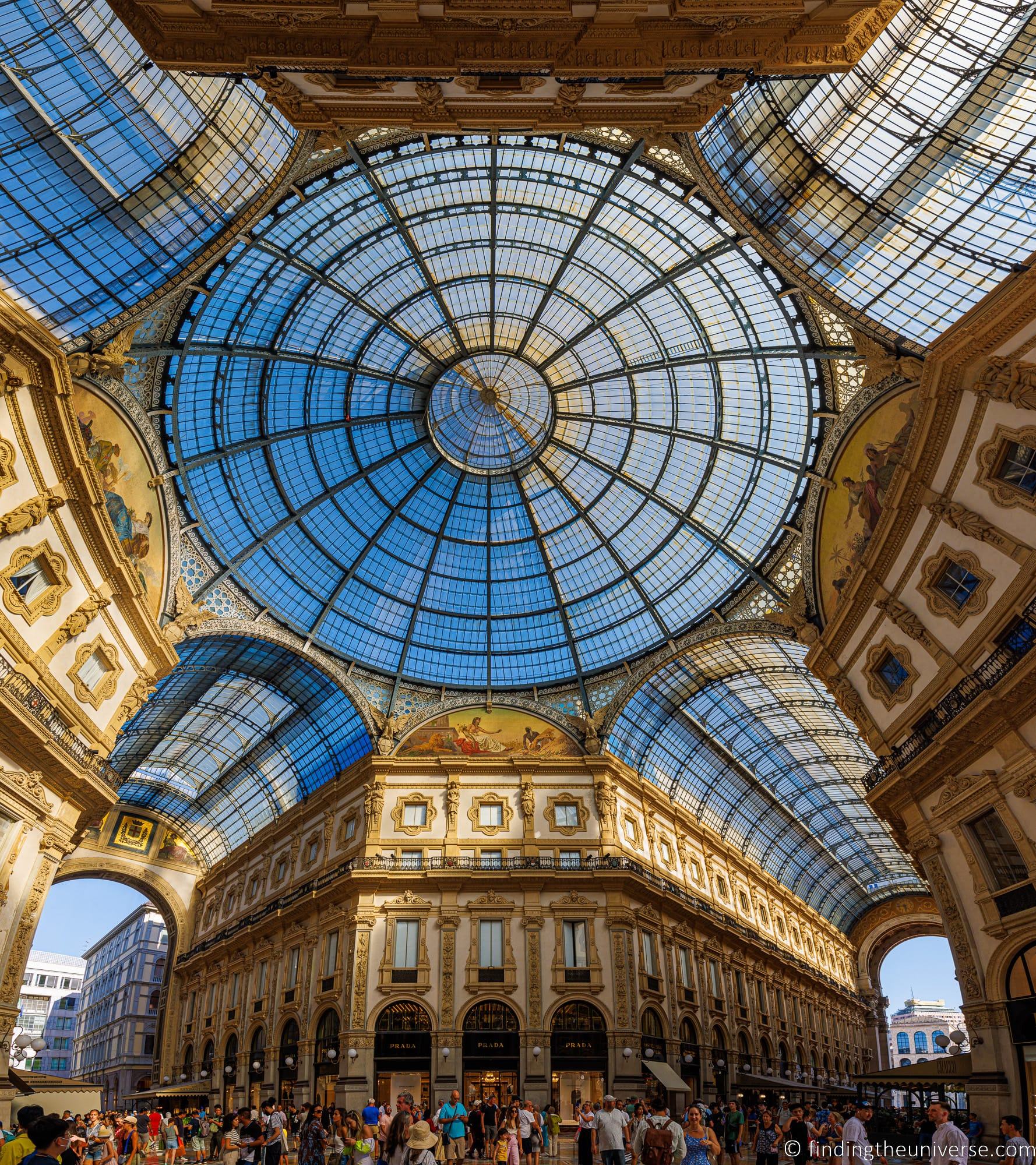
Right next to the Duomo, on the same Piazza, you’ll find the Galleria Vittorio Emanuele II. This huge glass and steel shopping mall opened in 1877, making it one of the world’s oldest.
The four-storey interior consists of a pair of intersecting glass-topped arcades with a massive glass and metalwork dome where they meet. On the ground beneath the dome is a beautiful mosaic floor.
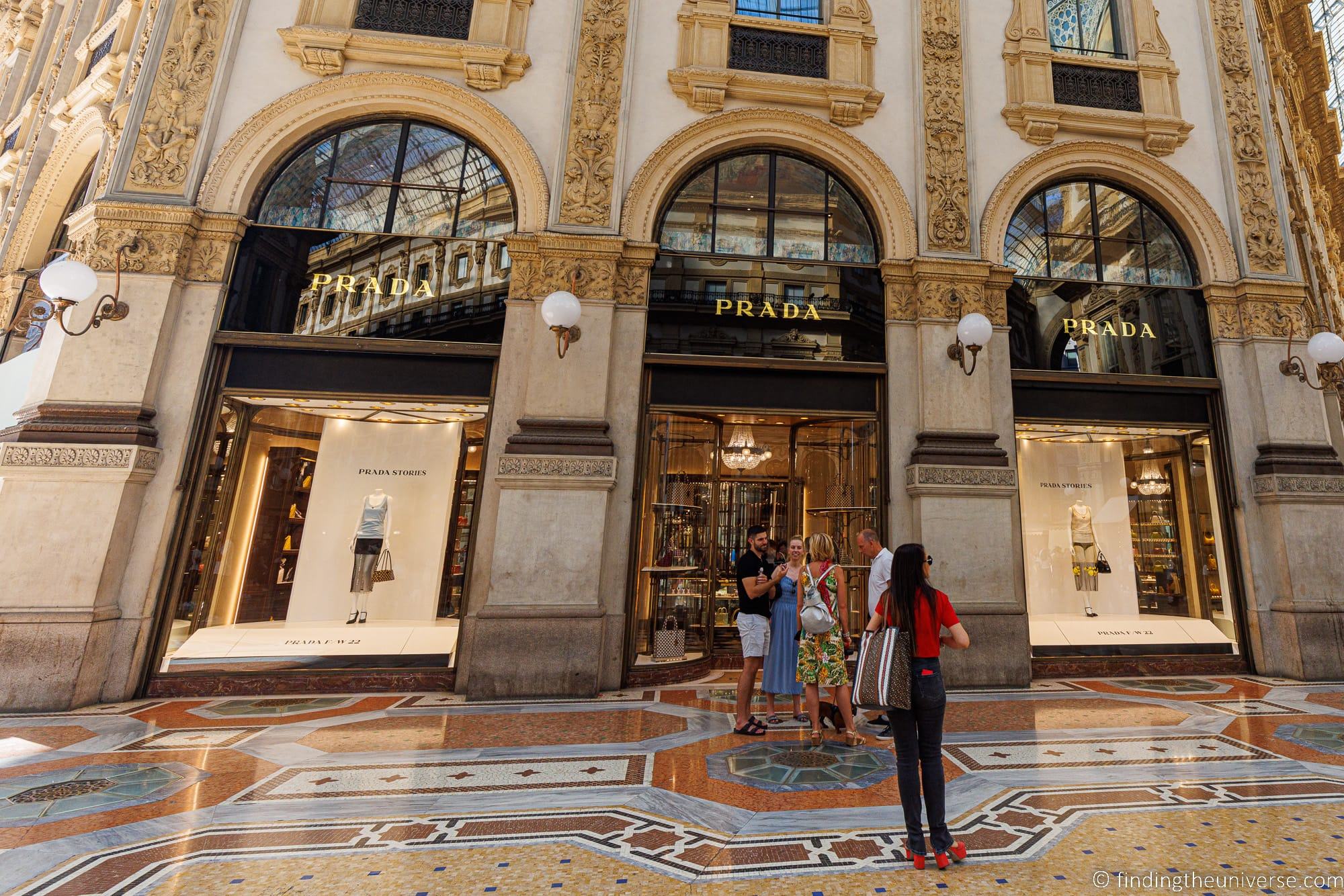
Designer stores including Gucci, Louis Vuitton, and Prada are all here, alongside bars, cafes, and restaurants. But even if you’re not shopping on a luxury budget, the Galleria is worth a visit for the architecture alone. It’s free to enter and right next to the Duomo, so there’s no reason to skip it.
La Scala Theatre
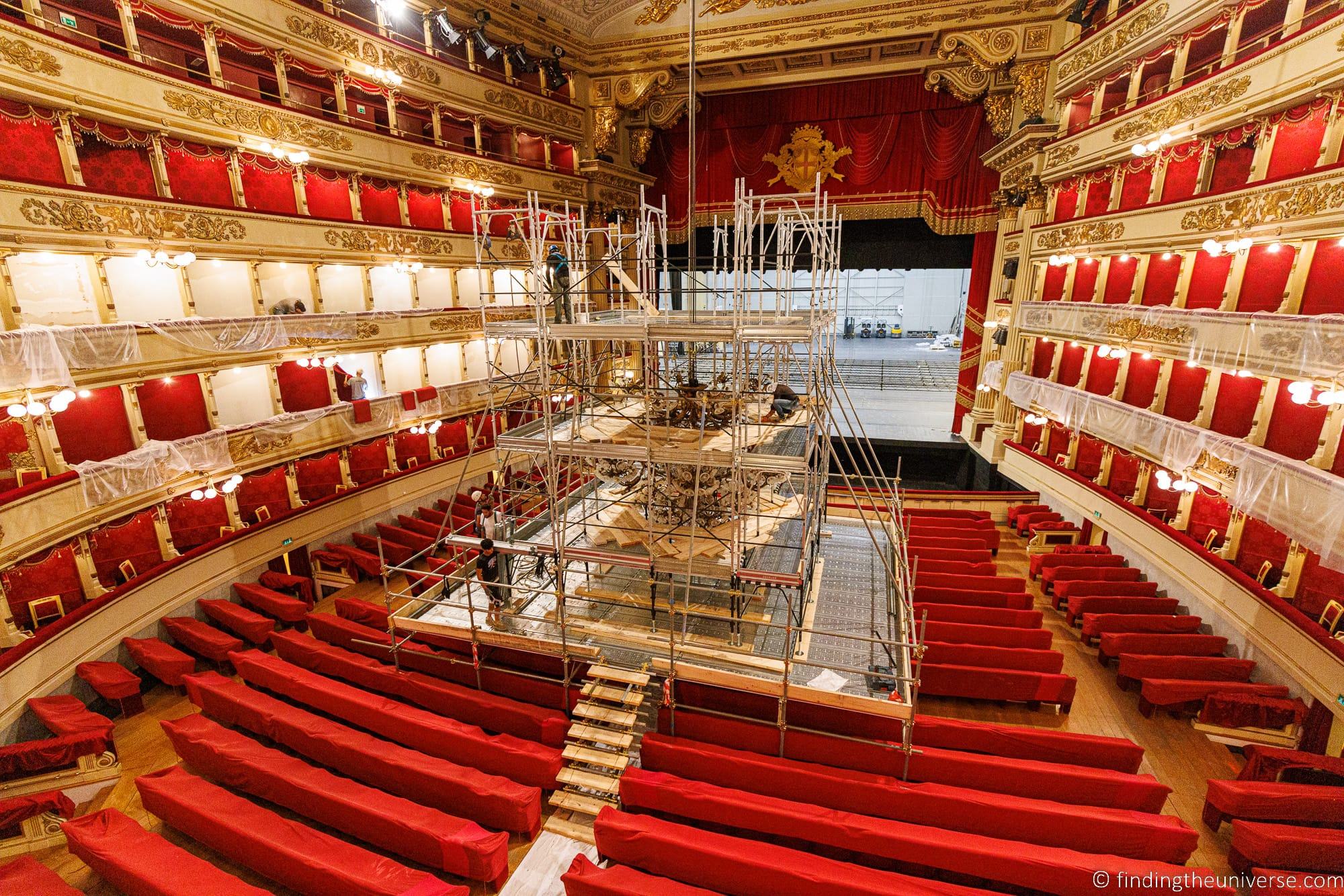
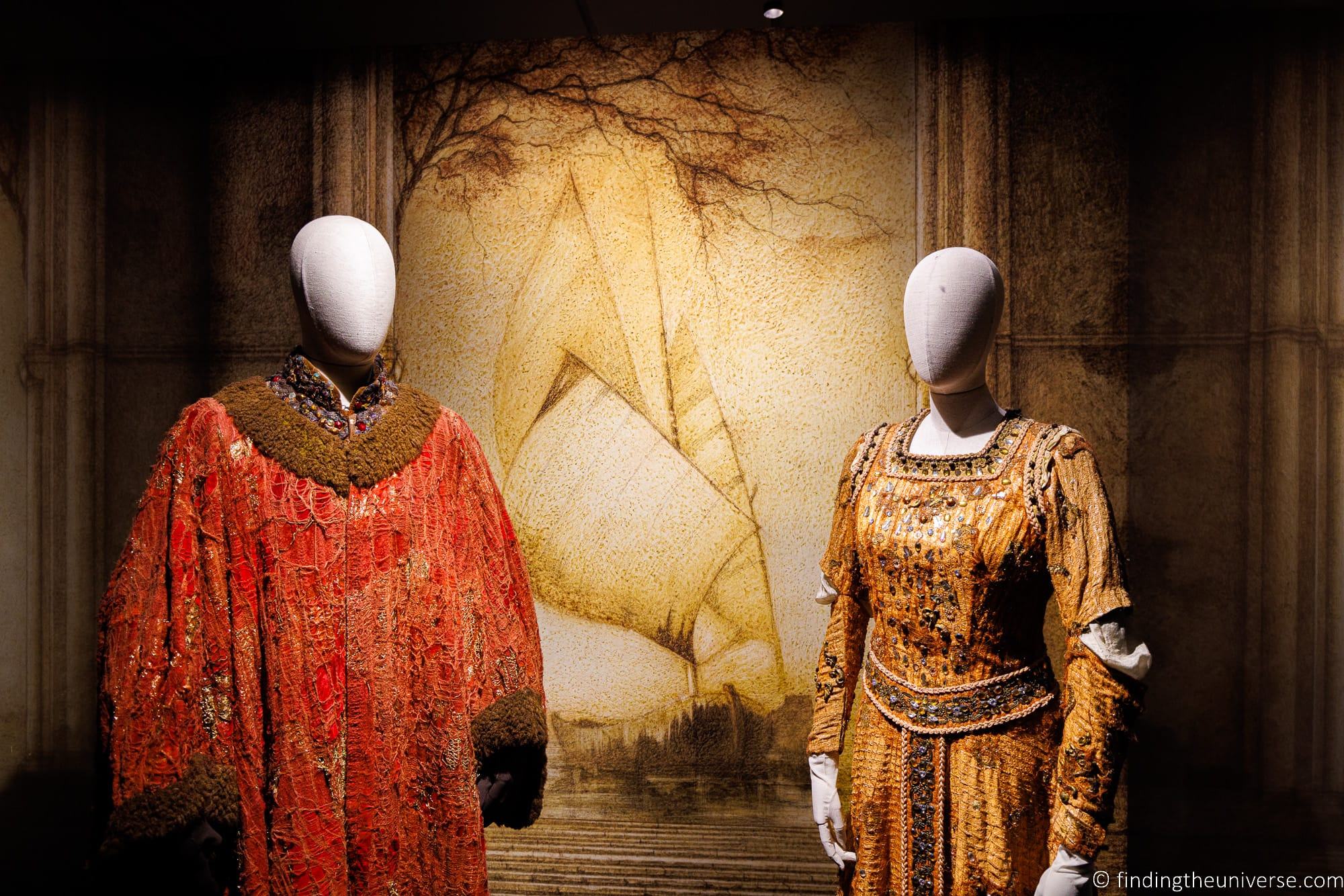
A minute’s walk from the Galleria brings you to the Teatro alla Scala, one of the world’s most famous opera houses. It dates from 1778 and has been expanded and modernised over the years.
You can attend a performance if you book in advance through the official website. If you’d rather just see inside, there’s a small museum on site, or you can take one of the guided behind-the-scenes tours.
Museum access gives you views of the theatre from some of the boxes, depending on the rehearsal schedule. The guided tours have limited availability and cost more, but they’re much more in-depth and include behind-the-scenes access. Book in advance if you want one.
You can see tour times, prices, and museum entry details on the museum website. Museum access is also included on the Milan Pass.
Evening Options
After a full day, you have a few options for the evening. In warmer months, there are plenty of bars and restaurants with outdoor tables where you can enjoy an aperitivo and watch the world go by. Check out our guide to things to do in Milan for Milanese food suggestions.
If you want a structured evening activity, you could take an aperitivo tour like this in the Navigli area. Or if you’d prefer to keep sightseeing, this evening walking tour takes you around the historic centre at night (though it does revisit some of the same locations from today).
You could also attend an evening performance of live music, opera, or ballet. You can see what’s on and book tickets here.
Milan Itinerary Day 2
For your second day, you have a few options. You could take a day trip out of the city (we have suggestions later in this post, and a trip to Lake Como is hard to beat). You could dedicate the day to shopping, including a trip to the Serravalle outlet village. Or you could explore more of Milan’s sights.
Here’s what we’d suggest for a second day in the city.
Castello Sforzesco
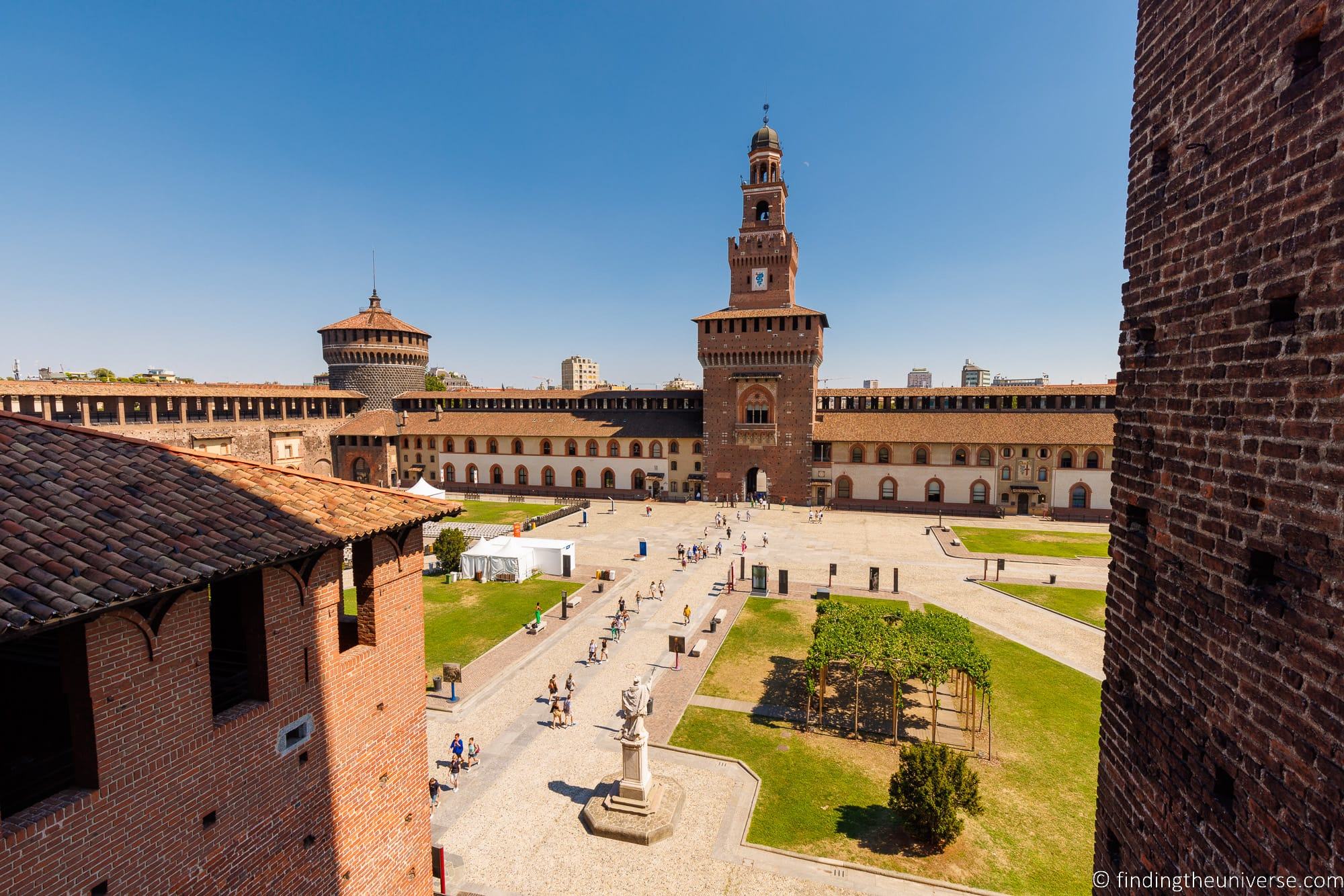
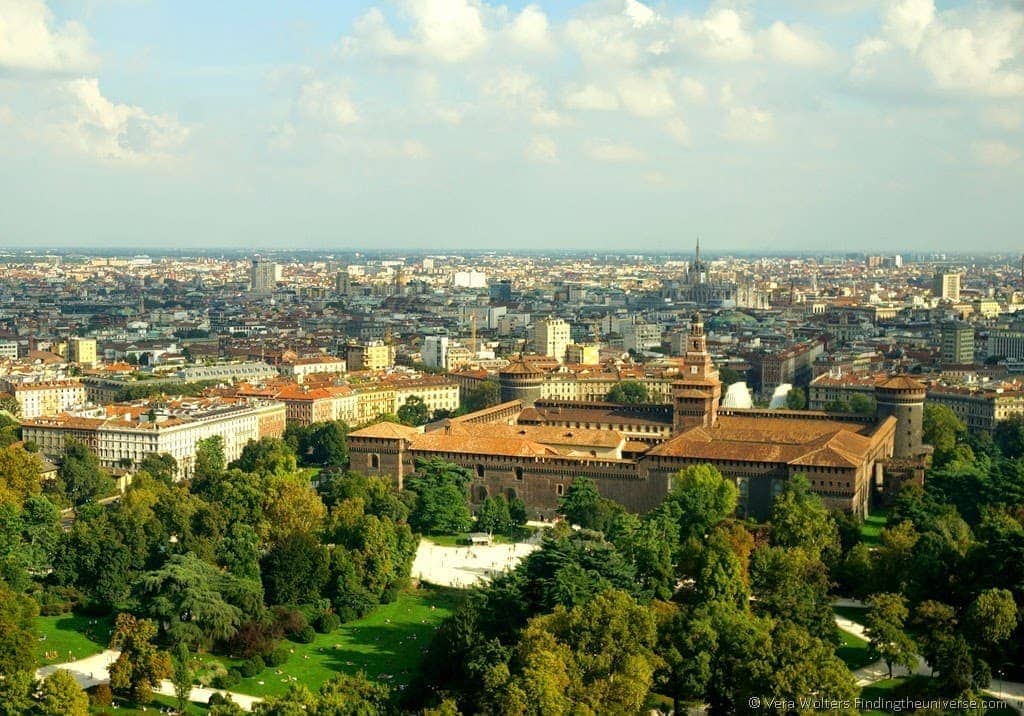
Start your second day at the imposing Castello Sforzesco.
The Sforza family ruled Milan from the mid-15th century, and they built this massive castle to be both a fortress and a residence. Italy at the time was divided and ruled by competing families, so the castle needed thick defensive walls and towers. But nobody wants to live in a fortress that’s purely functional, so the finest artisans of the day (including Leonardo Da Vinci and Bramante) were hired to make the interiors grand. When completed, it was one of the largest fortresses in Europe.
Today, the majority of the castle survives, with much of it used to house museums covering Renaissance art, archaeology, musical instruments, and ancient art. There’s also an unfinished marble sculpture by Michelangelo, his last known work.
The castle grounds are free to visit. Entry to all the Castle Museums is €5 (€3 reduced), and one ticket covers everything. We’d recommend allowing at least a couple of hours. Check opening times on the official website. It’s also included on the 3-day Tourist Museum Card.
Parco Sempione
Right next to Castello Sforzesco, Parco Sempione offers 95 acres of parkland. It was designed in 1888 specifically to give visitors a panoramic view of the castle, and it does this well.
After a couple of hours in the museums, the park is a welcome place to slow down. There are sculptures and ponds, shaded lawn to relax on, and you’ll often find ice-cream vendors and musicians here. If you’re hungry, grab some sandwiches or pizza and have a picnic.
If you want a good view of Milan, the park is also home to the 108-metre (354 ft) Branca Tower. An elevator takes you to the top for panoramic views across the city. You can buy tickets in advance here.
Pinacoteca di Brera
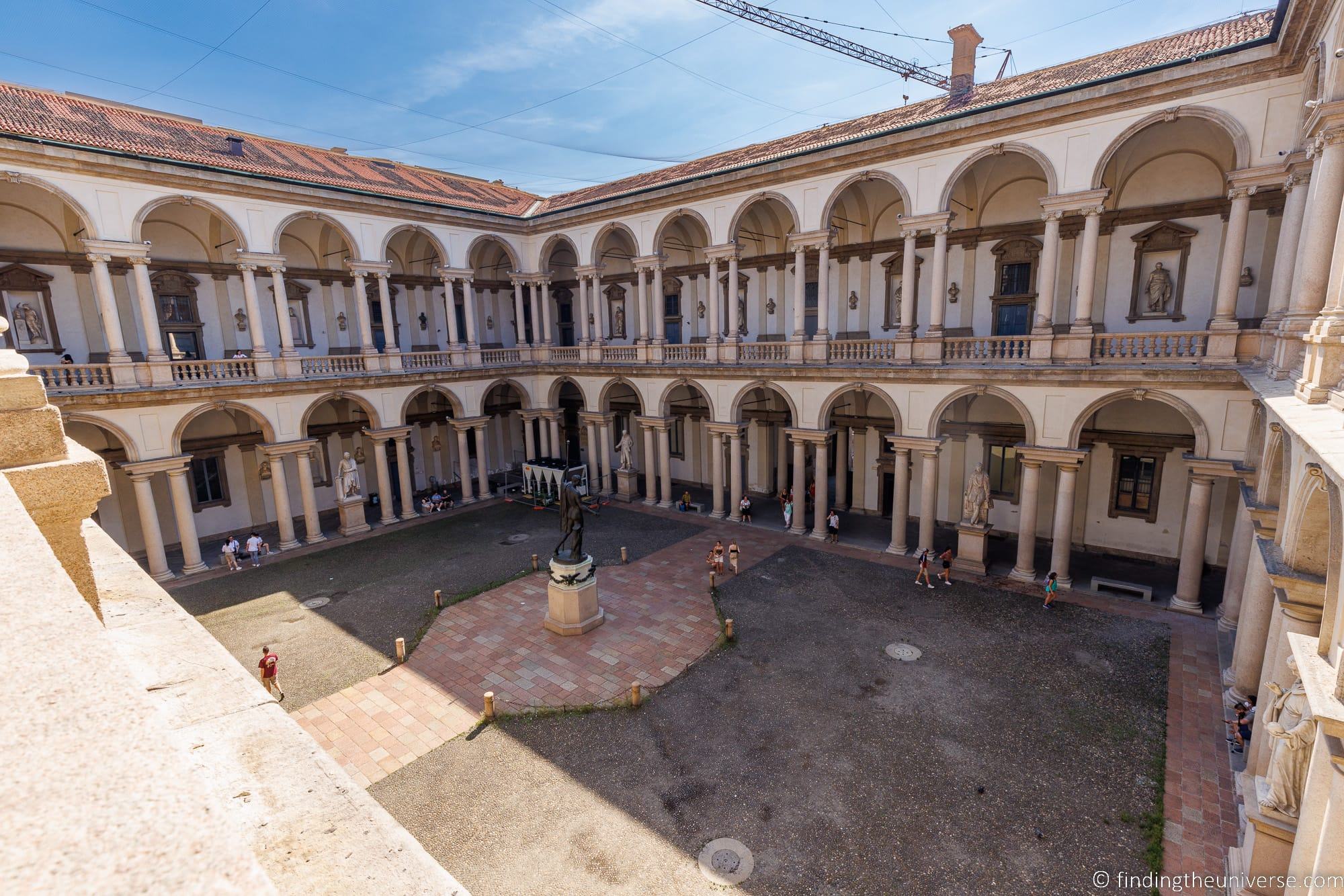
One of our favourite art museums in Milan is the Pinacoteca di Brera, just a 10-minute walk from Parco Sempione.
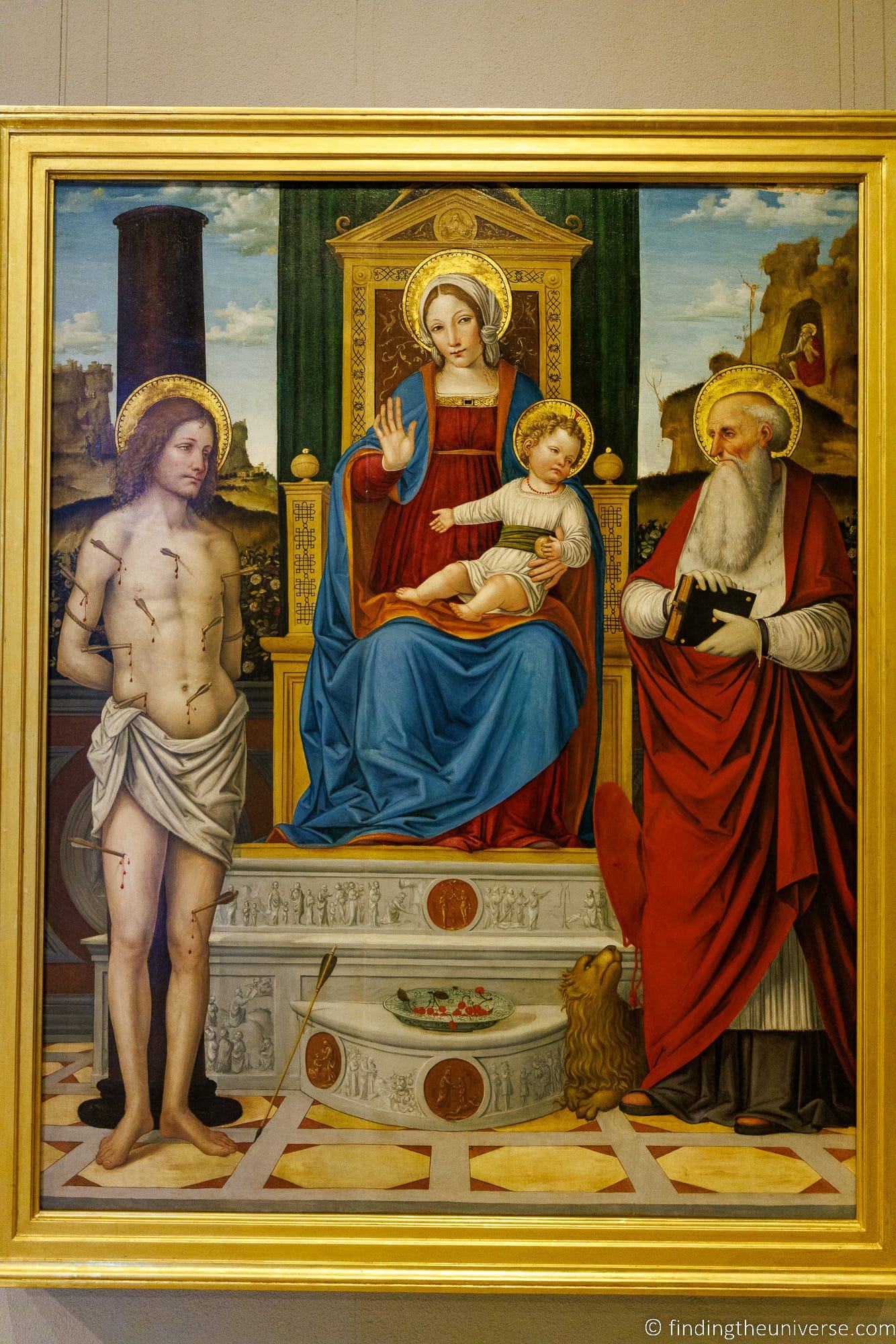
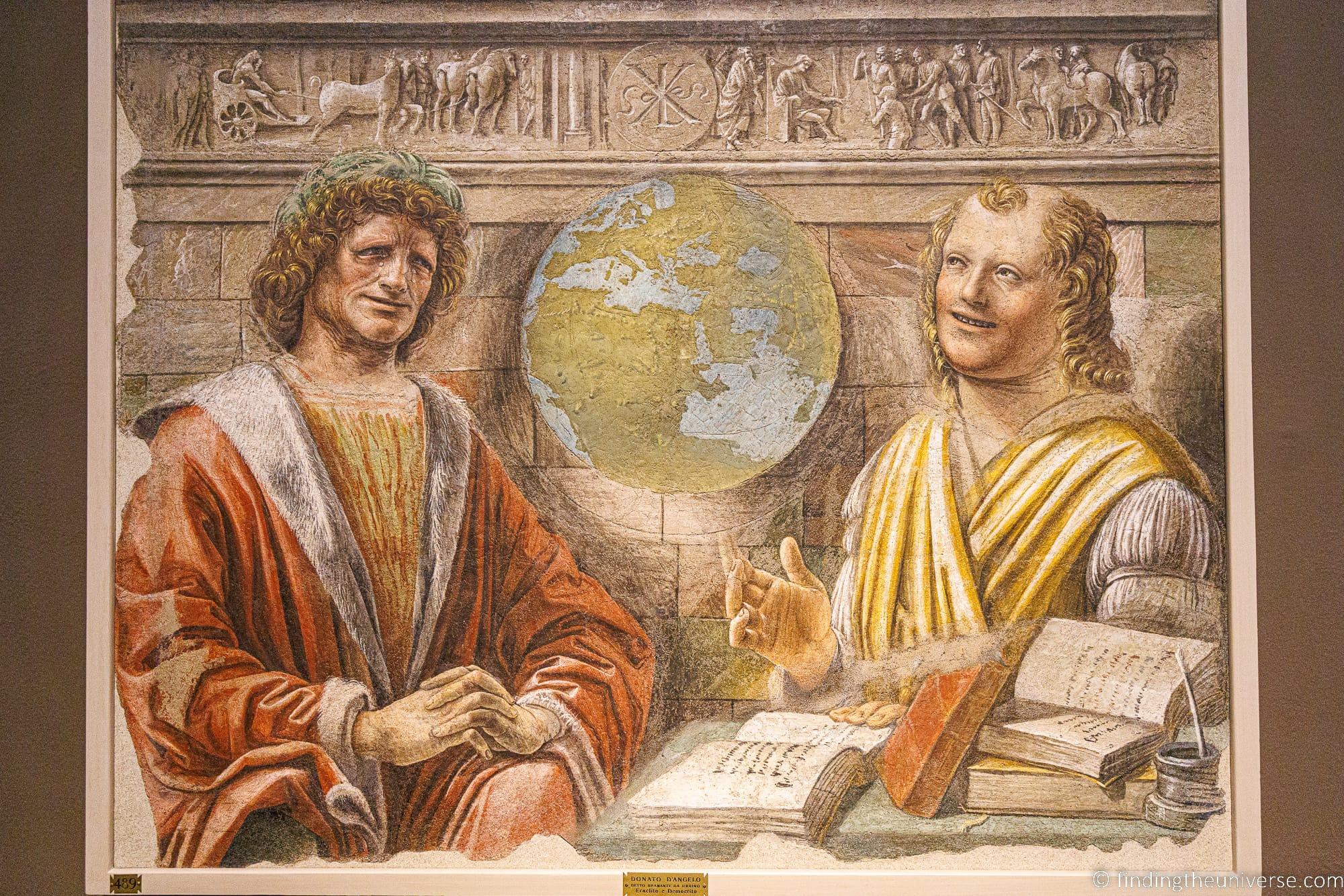
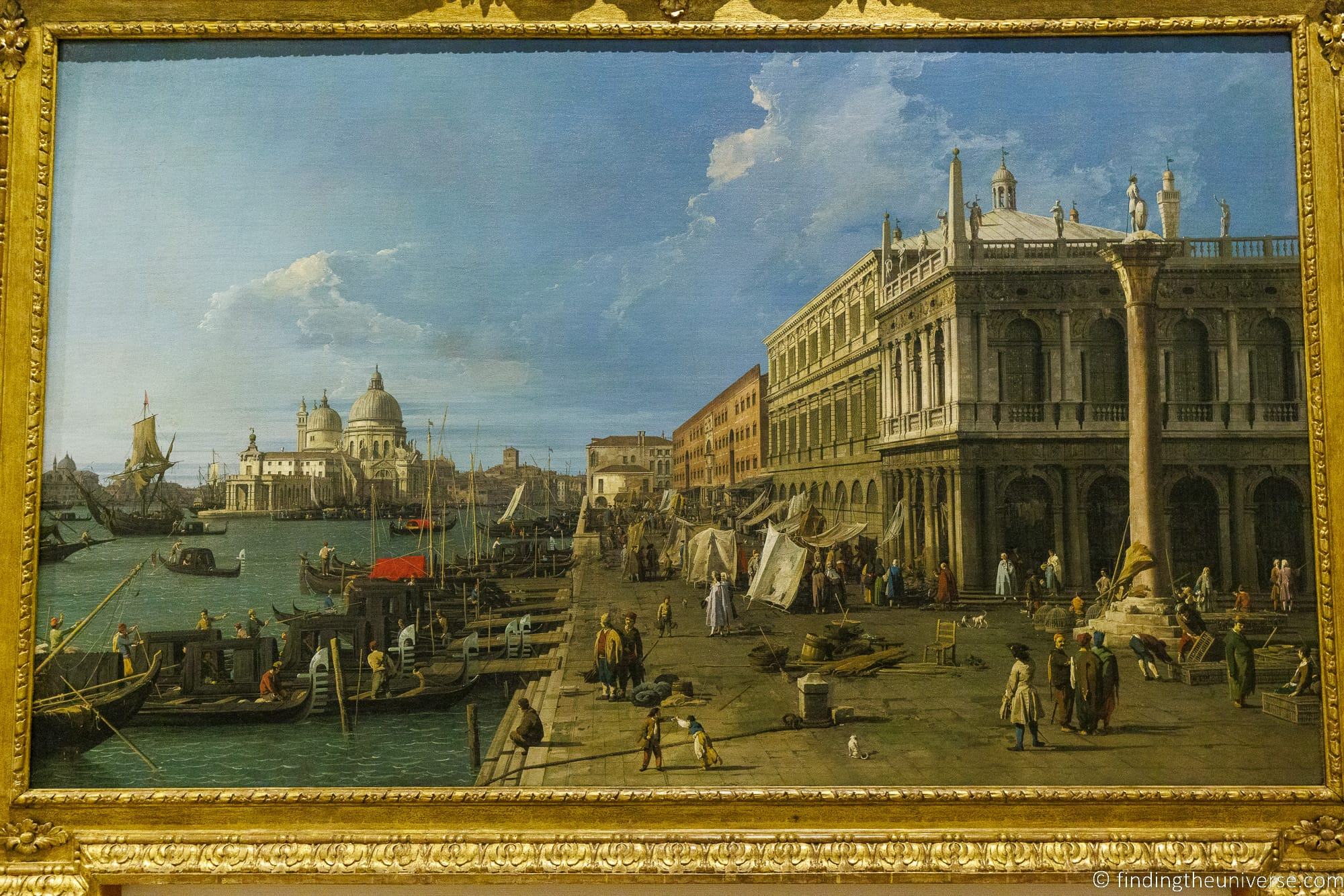
This gallery focuses on Italian art from the 13th through to the 20th century, with works by Raphael, Bramantino, Mantegna, and Canaletto among many others. There’s a fee to visit, and when we last went you needed to pre-book your ticket online. Check the official website for current details.
There are plenty of other museums in Milan if art isn’t your thing. The Museum of Science and Technology is Italy’s largest. The Museo del Novecento near the Duomo focuses on 20th century art. The Pinacoteca Ambrosiana has works by Da Vinci, Caravaggio, and Raphael. The Civic Archaeological Museum covers ancient to medieval periods. The Natural History Museum is great for families. The Bagatti Valsecchi Museum is a historic house museum with Renaissance art. The Triennale Design Museum is in Parco Sempione. And Gallerie d’Italia near La Scala has 19th and 20th century Italian art.
Shopping at the Quadrilatero della Moda
Milan is a global fashion capital, so your second day is a good time to do some shopping (or at least some window shopping).
For high-end designer wear, head to the Quadrilatero della Moda (also known as the Via Montenapoleone fashion district), about a 10-minute walk from the Pinacoteca di Brera. This is where you’ll find the highest concentration of Italian design houses and boutiques, though Milan has stores catering to all budgets and styles.
If you’re looking for bargains, the Serravalle Designer Outlet centre is about an hour from Milan, with over 200 stores including Versace, Gucci, Armani, Prada, and Nike. You can get there by train or book a round-trip shuttle here.
Shoah Memorial
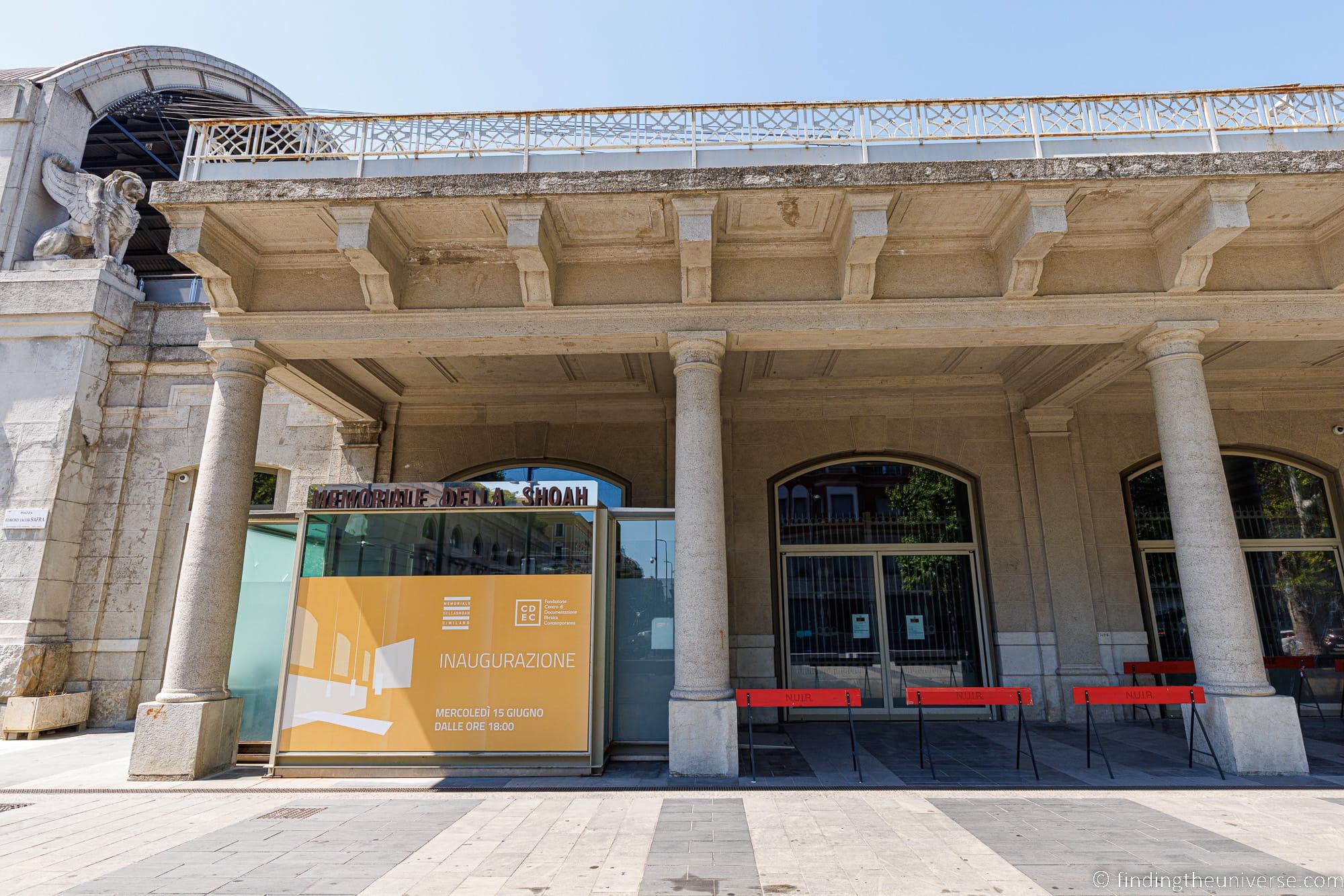
Our next stop is the Shoah Memorial, located next to Milan Central Station. The easiest way to get here is by metro from the fashion district (about 15 minutes). There’s also a hop on hop off bus stop at the station.
During the Second World War, Milan Central Station was the deportation point for the Jewish community of northern Italy. Platform 21, an underground area designed for freight, was used to load prisoners onto livestock freight cars in the early mornings, before raising the cars to track level and dispatching them to the concentration camps. The majority of those who passed through were killed.
For decades, the underground platform was largely forgotten. In 2013 it reopened as the Memoriale della Shoah di Milano. It is the only surviving deportation facility of its kind that can be visited anywhere in the world.
A visit starts with an introduction by a staff member. Inside you’ll see the deportation platform, a railway car used for deportations, a wall of names, testimonials, and places for reflection.
There’s a fee to visit. It’s normally closed on Fridays, and guided tours are usually available on weekends (book in advance). Check opening times and prices on the official website before planning your visit. There is also a library and bookshop.
Navigli District
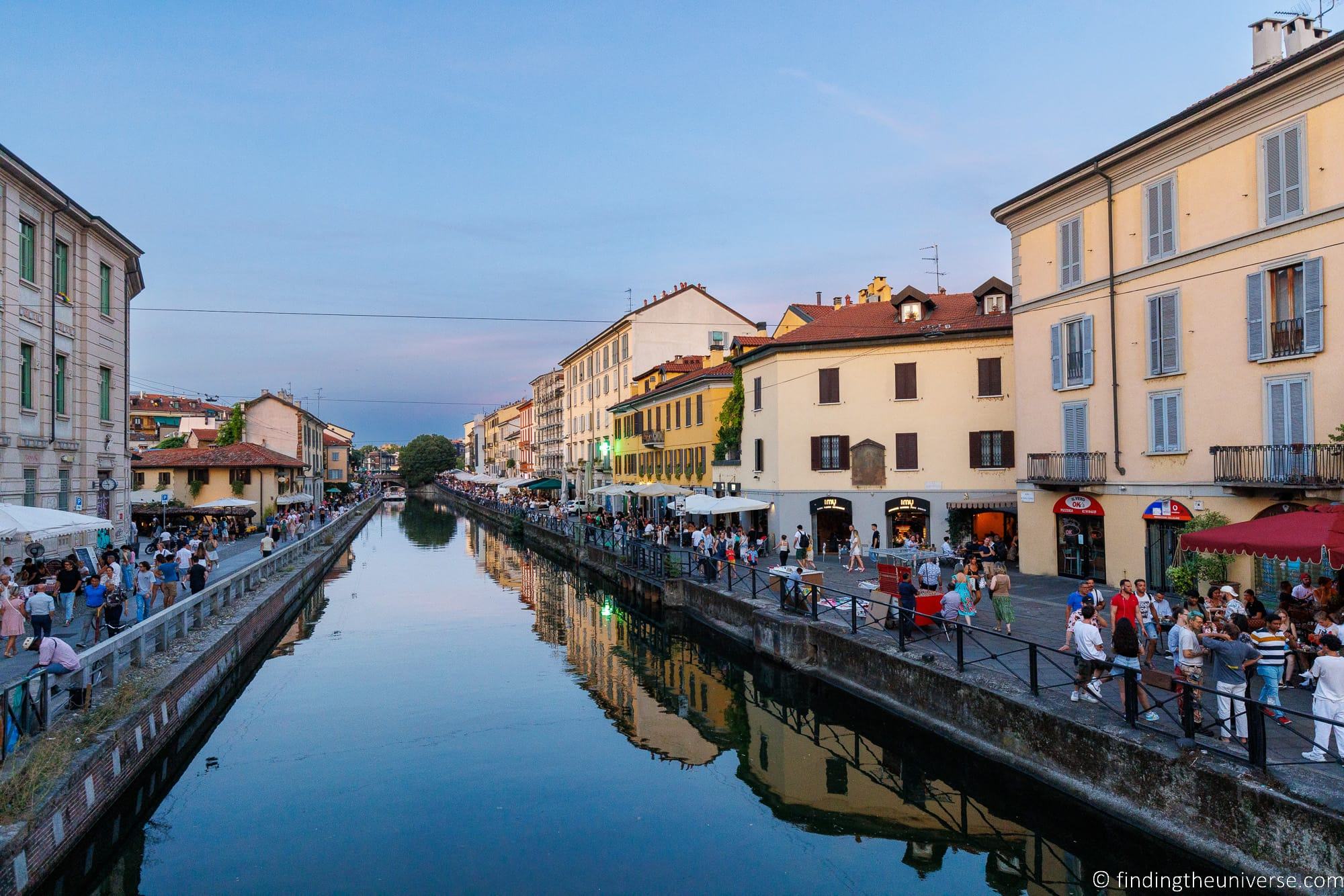
To finish your second day in Milan, head to the Navigli district in the south of the city. It’s easily reached by metro (nearest stop is Porta Genova FS), about a 25-minute journey from the Shoah Memorial or 20 minutes from the fashion district. There are also hop on hop off bus stops here.
This is where you’ll find what remains of Milan’s canal system. The city originally had five canals, used to transport goods including the marble for the Duomo. Today, two remain: the Naviglio Grande and the Naviglio Pavese. They form a triangle that’s now lined with restaurants, cafes, bars, art galleries, and bookshops.
This is a great spot for an evening aperitivo and meal. For traditional Milanese food, Osteria Conchetta does an excellent risotto alla Milanese and ossobuco. El Brellin, by an old washhouse on Vicolo dei Lavandai, is a good canal-side option for Lombard dishes.
Prices here are a bit higher than in other parts of the city, but the atmosphere is worth it. We always come here for a drink and a meal when we’re in Milan.
In the warmer months, you can also take a canal cruise, which you can book here (seasonal). A canal cruise is also included on the Milan Pass.
You can also visit Navigli on an aperitivo tour like this.
2 Day Milan Itinerary Summary
Here’s an overview of this two-day Milan itinerary.
Day 1: The Last Supper, Chiesa di San Maurizio al Monastero Maggiore, Starbucks Reserve Roastery, Duomo di Milano, Galleria Vittorio Emanuele II, La Scala Theatre.
Day 2: Castello Sforzesco, Parco Sempione, Pinacoteca di Brera, Shopping at the Quadrilatero della Moda, Shoah Memorial, Navigli District.
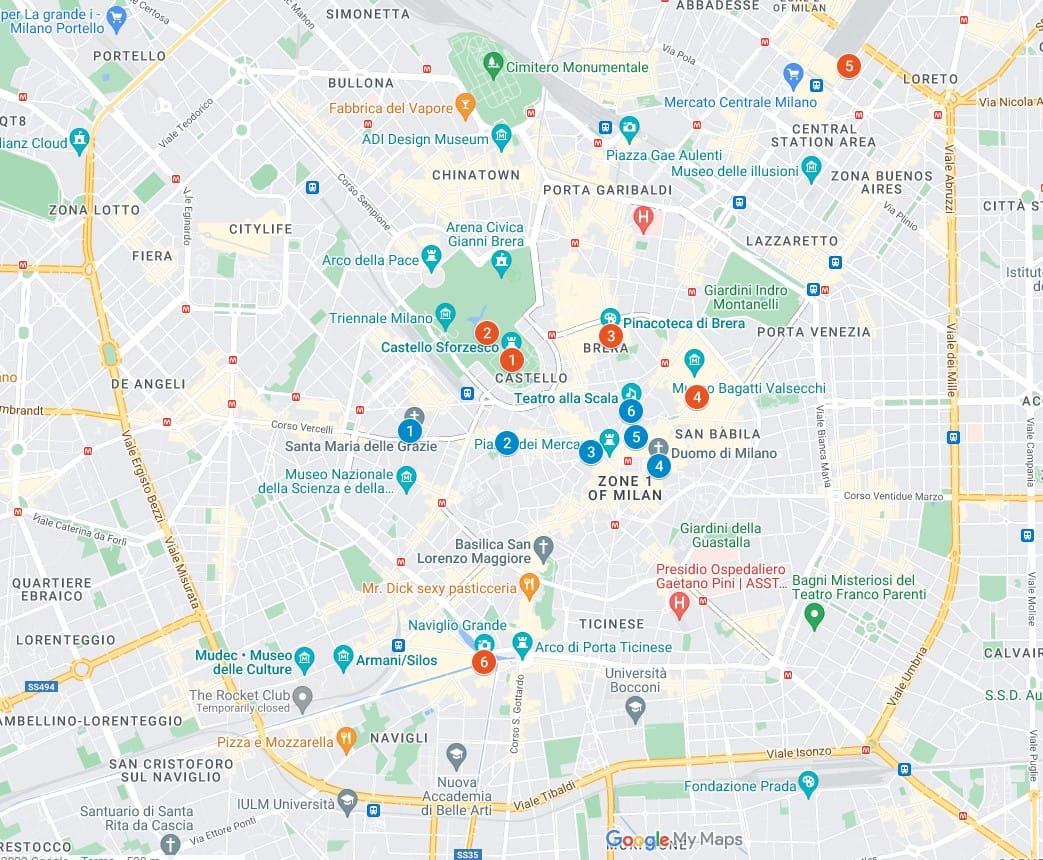
Map of Milan Things to Do
To help you visualise our Milan itinerary and plan your day, we’ve put together this map of the attractions on each day. You can also see this on Google Maps here.
Day Trips from Milan
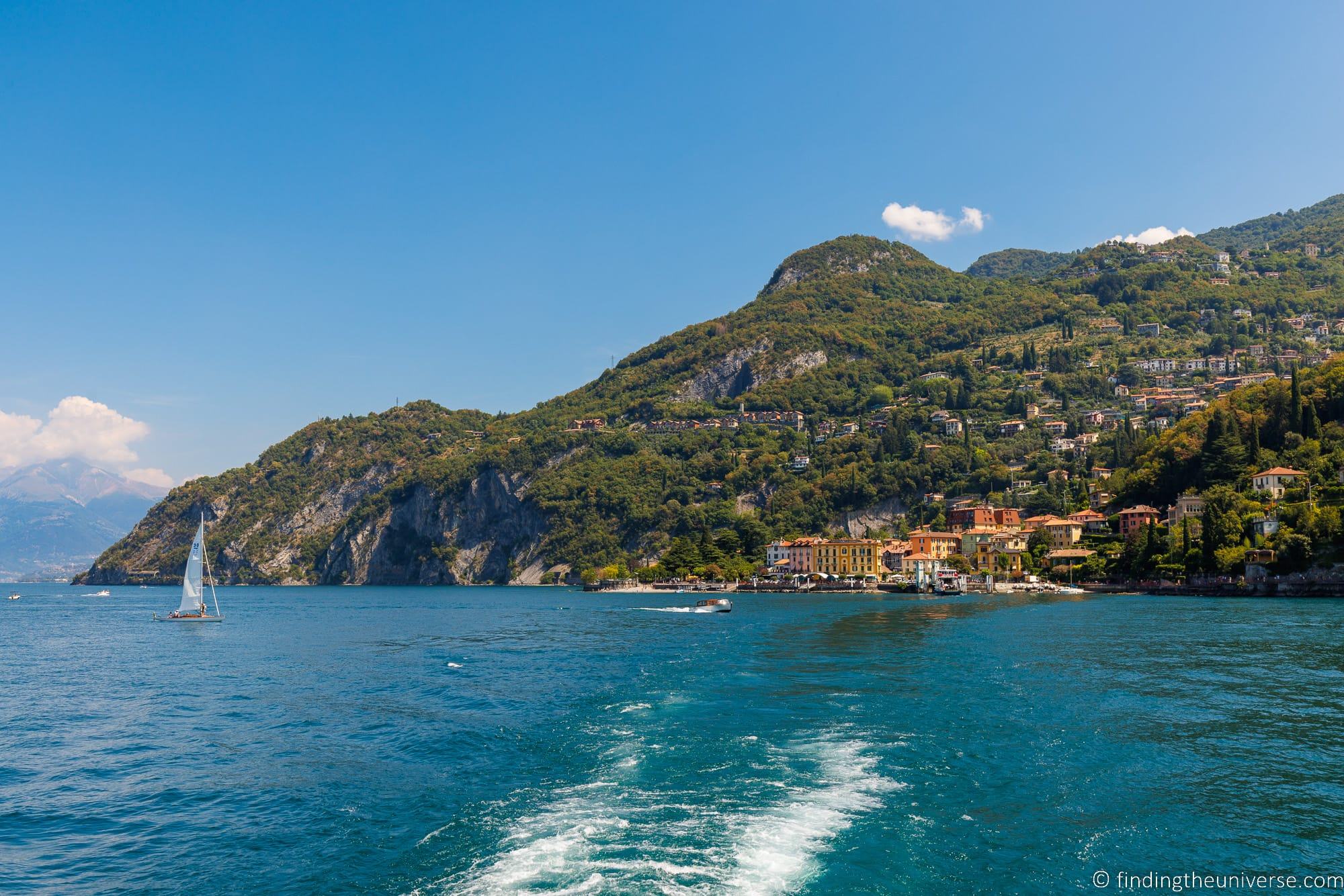
Milan’s rail connections make it a great base for day trips. Italy has an excellent high-speed network, so you can easily reach Verona, Bologna, Turin, or Modena by train in under 90 minutes. One of our favourite day trips is Lake Como, where you can hop between picturesque lakefront villages on the ferry services.
Here are some guided tour options from Milan, which include transport and a guide:
Lake Como, Bellagio, and Varenna with a cruise on the lake. The Bernina Express through the Swiss Alps to St. Moritz. Lake Como, Bellagio, and Lugano with a lake cruise. Cinque Terre from Milan. Verona and Lake Garda with a boat tour. And Genoa and Portofino with a sail boat ride.
Tips for Visiting Milan
The most important thing you can do when planning a trip to Milan is decide which attractions you really want to see and check whether you need advance tickets.
The Last Supper has the most limited availability of any attraction in the city. If it’s on your list, check the official site for when tickets go on sale and buy as far in advance as possible. If individual tickets are sold out, a walking tour like the one we took is a good fallback since tour groups have separate ticket allocations.
The guided tour of La Scala Theatre also has limited availability, so check the official website early. Other attractions tend to have better availability, but pre-booking is still a good idea for the Pinacoteca di Brera and Duomo rooftop access.
The other thing to keep in mind is that many of Milan’s sights are places of worship with enforced dress codes. You’ll need to have your shoulders and knees covered. In summer, consider travelling with a lightweight travel wrap so you can cover up when needed and pack it away when not.
Where to Stay in Milan
Milan has plenty of accommodation at every price point. Here are some options, ordered roughly from budget to high-end.
Ostello Bello is a centrally located hostel about 10 minutes’ walk from the Duomo, with private and dormitory rooms plus dinner and breakfast included. Babila Hostel & Bistrot is another good central option with both private rooms and dorms, breakfast included.
For mid-range, Rooms Milano Duomo is a well-reviewed 3-star property two minutes from the Duomo. Hotel Bristol is a solid choice right by Milan Central Station if you’re arriving by train.
Stepping up, Brunelleschi Hotel is a good-value 4-star just moments from the Duomo with breakfast included. Matilde Boutique Hotel is a very well-rated 4-star boutique near the Duomo with an on-site restaurant and bar. Room Mate Giulia is another highly rated central 4-star with modern rooms.
For a splurge, Galleria Vik Milano is a 5-star hotel inside the Galleria Vittorio Emanuele itself, with some rooms looking out over the gallery.
How to Get Around Milan
Most of the attractions in this itinerary are towards the centre of the city, within walking distance of each other. We’ve set the itinerary up to minimise travel time and maximise sightseeing on foot.
That said, you’ll probably want public transport for getting to and from your hotel and for reaching the Navigli district on Day 2.
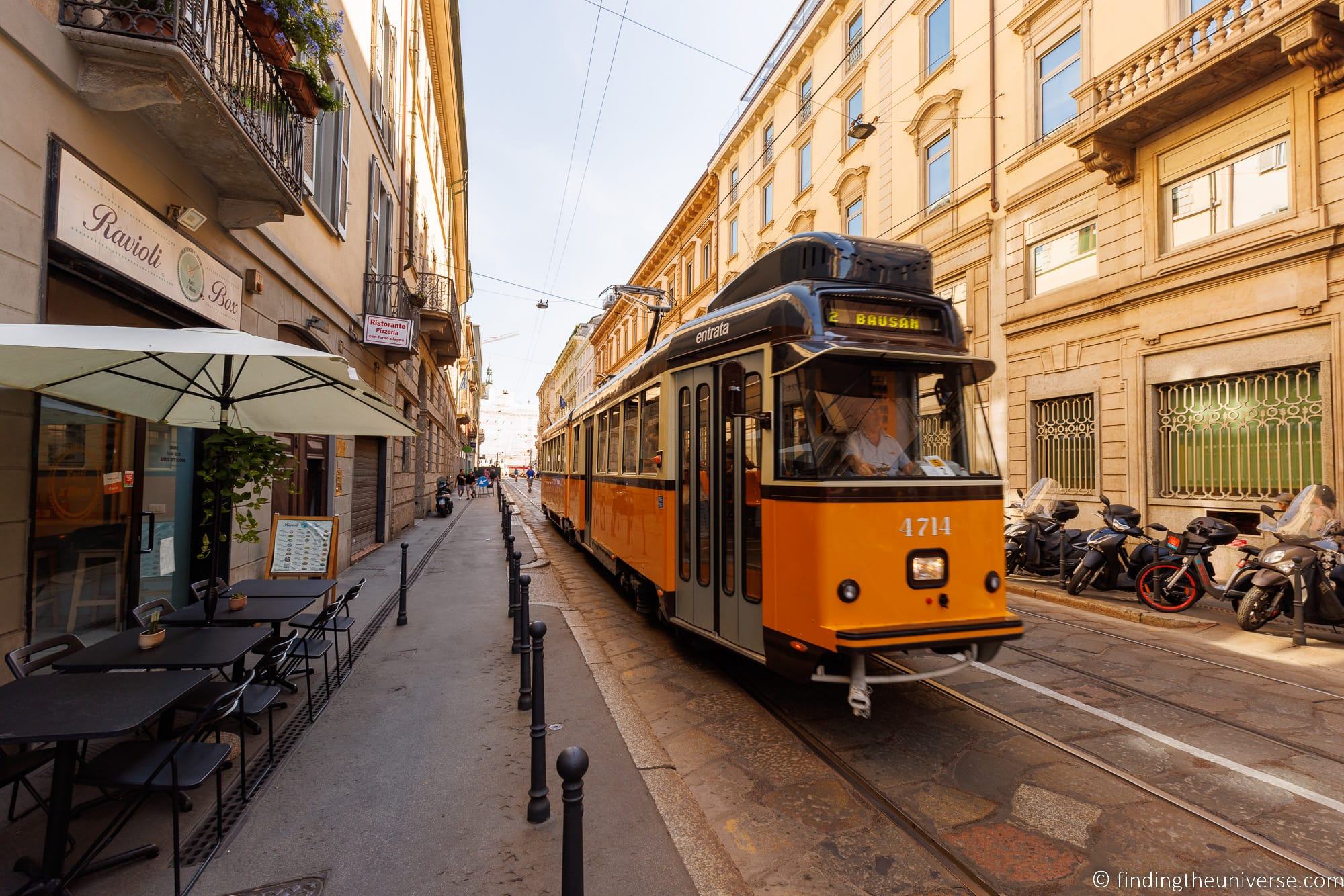
Milan has an excellent public transport system including five metro lines (M1 Red, M2 Green, M3 Yellow, M4 Blue, M5 Lilac), trams, trolleybuses, and buses. The M4 Blue line is the newest, completed in late 2024, and connects Linate Airport directly to the city centre.
A single ticket costs €2.20. Day passes are €7.60, or you can buy a 3-day ticket. You can purchase tickets at metro stations, newsstands, or via the ATM Milano app (which supports Apple Pay and contactless payment). You can also just use your contactless card or smart device, just tap it to pay when you board. It will automatically apply the cheapest fare, either the single fare, or the daily cap.
We normally use the metro as we find it fast and cost-effective.
There are also hop on hop off buses covering the main visitor attractions, plus e-scooters and bikes available through smartphone apps.
Walking Tours in Milan
One of our favourite ways to explore a new city is on a walking tour. Here are some we’d recommend in Milan.
The TakeWalks 3-hour walking tour is the one we took, covering the city highlights plus Last Supper tickets and Duomo access. If that’s fully booked, this GYG tour or this one are good alternatives.
For food, this gourmet food tour covers several tasting locations. This aperitivo tour focuses on drinks and street food in the Navigli area. This cemetery tour is a good way to see the highlights of Cimitero Monumentale. And this evening tour takes you around the historic centre at night.
Saving Money with Milan Attraction Passes
If you’re following this itinerary, a city pass can save you a decent amount. Here’s how the maths works out.
What this itinerary costs individually
Buying everything separately, you’d pay roughly: Last Supper (€15), Duomo with rooftop stairs (€22), La Scala Museum (~€12), Sforza Castle museums (€5), Pinacoteca di Brera (~€15), Shoah Memorial (~€10), plus two days of public transport (~€15). That’s around €94 before any extra museums.
YesMilano City Pass (Official)
The YesMilano City Pass Standard (€60, valid 3 days) covers the Duomo with rooftop stairs, Sforza Castle museums, and 3 days of unlimited public transport. That’s roughly €42 worth of this itinerary’s costs in a single €60 ticket.
On top of that, you get six civic museums included (Civic Aquarium, Modern Art Gallery, Archaeological Museum, Museo del Novecento, Natural History Museum) and one premium museum of your choice, which could be La Scala Museum. So for €60 you’re getting around €54 worth of attractions and transport from this itinerary, plus access to several extra museums.
You’d still need to buy Last Supper tickets (€15), Brera entry (~€15), and Shoah Memorial entry (~€10) separately. Total comes to around €100, but you’d have access to far more museums than buying individual tickets for the same money.
The All-Inclusive version (€90, 3 days) adds all premium museums and upgrades your Duomo rooftop to the lift. Worth it if you want to squeeze in the Science and Technology Museum or the Pinacoteca Ambrosiana as well.
The Flash pass (€39.90, 24 hours) covers one Duomo experience and one extra attraction with a day’s transport. A quick win for a shorter visit, but not enough for a full 2-day itinerary.
Milan Pass
The Milan Pass (from €89 for 48 hours, €99 with public transport) is built around the hop on hop off bus, with La Scala Museum, Duomo with rooftop, and a seasonal canal cruise included.
It doesn’t cover the Sforza Castle museums or the civic museum network, so for this itinerary it’s less good value. It makes more sense if you want the hop on hop off bus as your main way of getting between sights rather than walking and using the metro.
Neither pass includes Last Supper tickets, so budget for those separately.
Frequently Asked Questions
Is 2 days enough for Milan?
Two days is enough to see the main highlights, including the Last Supper, the Duomo and rooftop, the Galleria, Castello Sforzesco, and the Navigli district. If you want to add a day trip to Lake Como or spend more time in the museums, a third day would be useful.
What should I book in advance for Milan?
The Last Supper is the one thing you must book well ahead. Individual tickets sell out months in advance, and only 40 people are allowed in per 15-minute slot. The guided tour of La Scala Theatre also has limited availability. For the Duomo rooftop and museums like the Pinacoteca di Brera, advance booking is recommended to avoid queues but usually possible closer to the date.
What is the dress code for churches in Milan?
You need to have your shoulders and knees covered, and this applies to both men and women. The dress code is enforced at the Duomo, and it also applies at Santa Maria delle Grazie (where the Last Supper is), since it’s an active convent. In summer, a lightweight travel wrap or cardigan is a practical solution.
How do you get from the airport to Milan city centre?
From Linate Airport, the M4 Blue metro line now connects directly to the city centre, which is the easiest option. From Malpensa Airport, the Malpensa Express train runs to Milano Cadorna station every 30 minutes. From Bergamo Orio al Serio Airport, shuttle buses run to Milan Central Station.
Is it worth getting a Milan city pass?
It depends on what you plan to visit. If you’re doing the Duomo rooftop, one or two museums, and using public transport, a city pass will likely save you money compared to buying individual tickets. The YesMilano City Pass is the official option and includes Duomo access with rooftop plus unlimited public transport. The Milan Pass on GetYourGuide adds a hop on hop off bus and seasonal canal cruise.
Further Reading
We’ve visited Italy many times and have explored lots of the cities and regions the country has to offer. Here are some more posts to help you plan your trip.
We have a guide to all our favourite things to do in Milan if you’re looking for more options. If you’re visiting Rome, we have guides for 1 day in Rome, 2 days in Rome, and 3 days in Rome, as well as a guide to things to do in Rome.
We also have a guide to Florence and tips for a day in Venice. Our detailed 10-day Italy itinerary can help you plan a longer trip, and we also have a 2-week Europe itinerary if you’re looking to see more of the continent. If you’re visiting Milan in summer, read our tips for visiting a European city in summer.
And that’s it for our guide to spending 2 days in Milan! As always, if you have any questions or comments, just pop them in the comments section below and we’ll get back to you as soon as we can.
Brian says
Thanks Laurence for your super quick answer. this is very helpful and I think that will work for our first day in Milan.
We will definitely go see the La Scala opera building, but maybe we’ll skip the actual visit to the inside and spend more time in the other places that day. Will check the tour times and ask the wife what she thinks 😉 Thx again
Brian says
Very helpful, wish I would have come across this information a few weeks ago. I am travelling with my family to Milan in October and have a visit scheduled for the Last Supper at 3:00pm. I don’t think I can change the time as they are mostly sold out but really like how you have itinerary layout and am wondering how you would recommend I reorganize Day 1 to adjust for this? Thx
Laurence Norah says
Hi Brian,
Thanks very much! So honestly with the availability of the Last Supper being what it is, it is often a case of just getting what you can. It’s good news that you managed to get a ticket, regardless of the time.
My suggestion would probably be to do the day in reverse, starting at the Galleria Vittorio and going in reverse through Day 1. The only question is the visit to La Scala. If you are ok just visiting the museum, then you can just do that first. However, if wanted to do a tour I believe they only run those once a day in the afternoon in English, so if that was of interest you might have to do that on your second day, or after the Last Supper, depending on what time the tour is.
Other than that though the itinerary should still work for you. Enjoy Milan, and do let us know how you go!
Best
Laurence