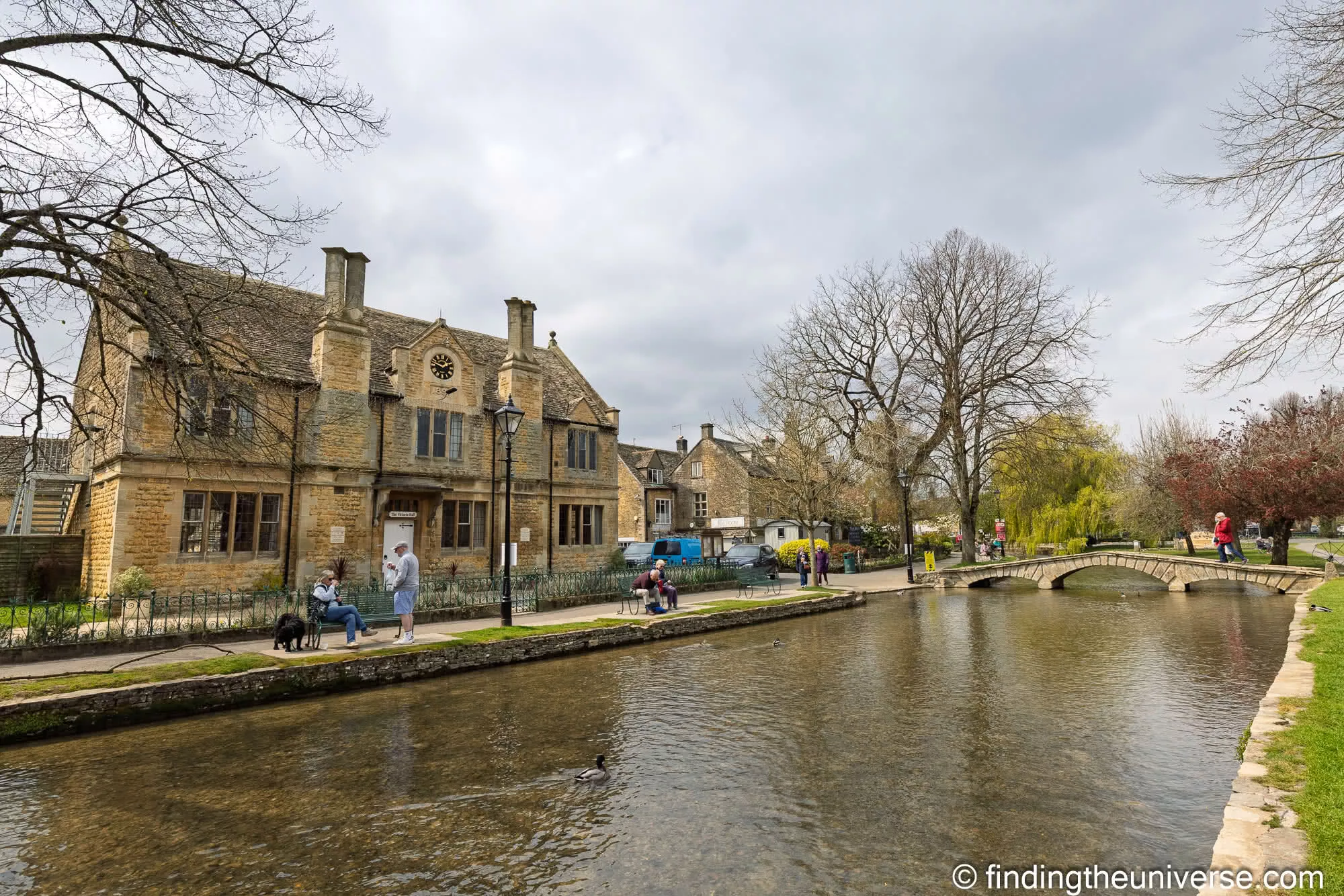
I spent four years living in Bath, on the southern edge of the Cotswolds, and the villages up the road were an easy day out for us. I’ve also done two coach tours through the region from London as a paying customer, so I know what the tour version of a carless visit looks like from the inside.
And the answer is yes, you can visit the Cotswolds without a car, and parts of it work really well by train and bus. But only parts. The difference between the villages that work and the villages that don’t is key to getting your trip right.
So this guide names names: which villages you can reach by public transport, on which days of the week, and when the last bus back leaves. Everything here is checked against the operators’ own timetables and fare pages as of July 2026, because bus advice that’s two years old is worse than no advice at all.
One thing this article doesn’t do is rank the villages. We’ve done that in our guide to the best Cotswold villages, with a verdict on each. This one answers a different question: of the villages worth your time, which ones can you get to without driving?
Table of Contents:
Can You Visit the Cotswolds Without a Car?
Yes, with two conditions attached. First, you need to pick your villages from the list that public transport serves, which is likely a much shorter list than the one on your mood board. Second, you need to respect Sundays, because most Cotswold bus routes don’t run at all on a Sunday, and the ones that do finish early.
The good news is that the shorter list is a strong one. Moreton-in-Marsh has a direct train from London Paddington in about 1 hour 35 minutes, and it’s connected by an hourly bus to Stow-on-the-Wold and Bourton-on-the-Water, two of the most famous villages in the region.
From Bourton you can walk to the Slaughters, which are arguably prettier than either. That cluster alone fills a weekend, and it’s the one part of the region that still works on a Sunday.
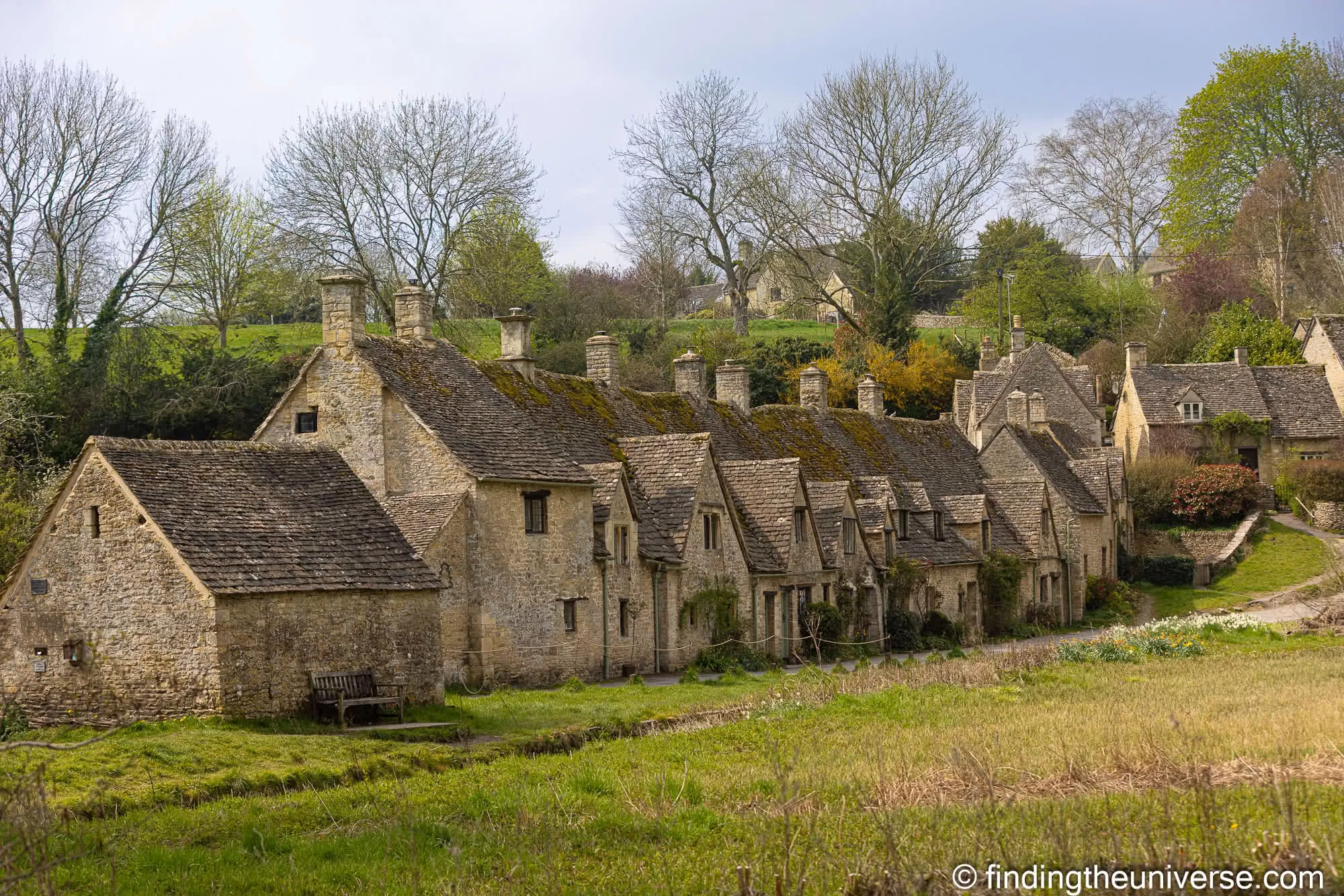
The bad news is Bibury, the poster village of the whole region, and the hardest place in it to reach by any means. And if you were picturing a carefree week hopping between villages by bus, I’d gently adjust that picture now: this is a trip you plan around timetables, not one you improvise. If that sounds like more admin than you want, a self-drive Cotswolds itinerary or a day tour might suit you better, and I’ve covered both options further down.
Which Villages Work Without a Car (and Which Don’t)

This table is the article in one place. It covers the villages a first-time visitor is most likely to want, what serves them, and the realistic day-of-week picture. Bus times drift, so treat the last-bus column as a planning guide and check the operator’s timetable before you rely on it.
| Village | Nearest station | Bus route | Mon to Sat | Sunday | Last bus back | Verdict without a car |
|---|---|---|---|---|---|---|
| Moreton-in-Marsh | Its own, direct from Paddington | Pulhams 801 stops here | Roughly hourly | Trains run; 801 roughly two-hourly | You’re already home | The base. Sleep here. |
| Stow-on-the-Wold | Moreton-in-Marsh | Pulhams 801 | Roughly hourly | Yes, roughly two-hourly | About 9pm Mon to Fri, before 7pm Sun | Works, even on a Sunday |
| Bourton-on-the-Water | Moreton-in-Marsh | Pulhams 801 | Roughly hourly | Yes, roughly two-hourly | About 9pm Mon to Fri, before 7pm Sun | Works, even on a Sunday |
| Lower and Upper Slaughter | Moreton-in-Marsh | None; walk from Bourton | On foot | On foot | Whenever you walk back | Works, as a lovely short walk |
| Burford | None useful | Pulhams X52 (Cheltenham to Oxford) | Up to every 2 hours | Yes, roughly two-hourly in summer | About 5pm; 3.36pm to Oxford on a Sunday | A day trip with an early finish |
| Northleach | None useful | Pulhams 855 and X52 | Roughly hourly on the 855 | X52 only, roughly two-hourly in summer | Late afternoon; check | Fine Mon to Sat, poor Sunday |
| Bibury | None useful | Pulhams 855 (Bourton to Cirencester) | Roughly hourly | None at all | 4.52pm from Bourton direction, 6pm from Cirencester | The hardest place in the region |
| Chipping Campden | None; station closed in 1966 | Stagecoach 1 and 2 from Stratford, Pulhams 606/608 | A couple of journeys per route | None on the 1 and 2 | Early; check carefully | Stay over, or plan very hard |
| Broadway | Evesham (Honeybourne is nearer but has no bus in) | Stagecoach 1 from Stratford, R4 from Evesham, Pulhams 608 | A couple of journeys | None on the 1 | Early; check carefully | Stay over, or plan very hard |
| Painswick | Stroud | Stagecoach West 66 | Roughly hourly | None | Check the timetable | Works Mon to Sat via Stroud |
| Castle Combe | None useful | Faresaver 95/95A | About four a day | None shown | Mid-afternoon; check | A tour or taxi job for most people |
| Lacock | None useful | Faresaver X34 from Chippenham | About 20 a day | Yes, a full service | Evening; check | The easiest carless village in the region |
Three things jump out of that table. The Moreton, Stow and Bourton cluster is the only group of famous villages that works on a Sunday. Lacock, down on the southern edge near Bath, is the easiest village of the lot, with a bus about 20 times a day, seven days a week. And Bibury has no Sunday bus, an early last bus even on Saturdays, and no realistic rail approach. Keep those three facts in hand; they decide most carless plans.
Getting There by Train

The Cotswolds has a pretty good rail approach from London, better than most people expect. The Cotswold Line runs direct from London Paddington through Hanborough, Charlbury, Kingham and Moreton-in-Marsh, roughly hourly, with no changes, on GWR trains. Typical journey times are about 1 hour 15 minutes to Charlbury, about 1 hour 25 to Kingham, and about 1 hour 35 to Moreton-in-Marsh.
I’d plan around “hourly-ish” rather than “hourly”, because the line still has occasional two-hour gaps left over from its single-track history, and testing an hourly claim at the wrong time of day is a miserable way to learn this.
The second line, the Golden Valley Line, serves the western edge: Kemble in about 1 hour 15 from Paddington, then Stroud and Stonehouse, also direct. Kemble is the station for Cirencester, four miles away on the Stagecoach 882, which calls at the station entrance and takes about 15 minutes. It doesn’t run on Sundays, so a Sunday arrival at Kemble means a taxi you’ve booked in advance. Stroud is the one you want for Painswick.
Cheltenham Spa is a bit of an odd one out. It’s the best-connected station in the region overall, but the London link is its weak side: only some services run through to Paddington, the average journey is about 2 hours, and you’ll often be changing at Swindon or Gloucester.
If you’re coming from London, Moreton-in-Marsh beats it by nearly half an hour. Cheltenham makes more sense if you’re arriving from the north, since CrossCountry trains from Birmingham run through it regularly.
Two traps to know about. Four of the smaller Cotswold Line stations, Ascott-under-Wychwood, Shipton, Combe and Finstock, are request stops with a minimal service, where the train only calls if someone has asked for it. Don’t build a plan around them. And neither Chipping Campden nor Broadway has a mainline station: Chipping Campden’s closed in 1966, and Broadway’s is a heritage railway, which I’ll come back to, because it catches people out.
Train fares in the UK reward booking ahead, so once your dates are fixed it’s worth checking times and prices on Trainline, which is what we use for UK rail bookings. If the Cotswolds is one leg of a longer carless trip around Britain, our 10 day UK itinerary by public transport covers how the pieces fit together.
Coming From Heathrow or Birmingham Airport
If you’re landing at Heathrow and heading straight here, you don’t need to go into central London at all. The RailAir RA1 coach runs from all Heathrow terminals to Reading station in 40 to 45 minutes, up to every 20 minutes, and from Reading you can connect to the Cotswold Line via Oxford. That routing saves you the crossing of London with luggage, which is of course worth avoiding on any budget.
From Birmingham Airport, a free two-minute monorail (the Air-Rail Link) takes you to Birmingham International station, and Cheltenham Spa is a change at Birmingham New Street away. As a rule of thumb, Birmingham is the better arrival airport for Cheltenham, and Heathrow is the better one for the Cotswold Line villages.
How the Buses Actually Work

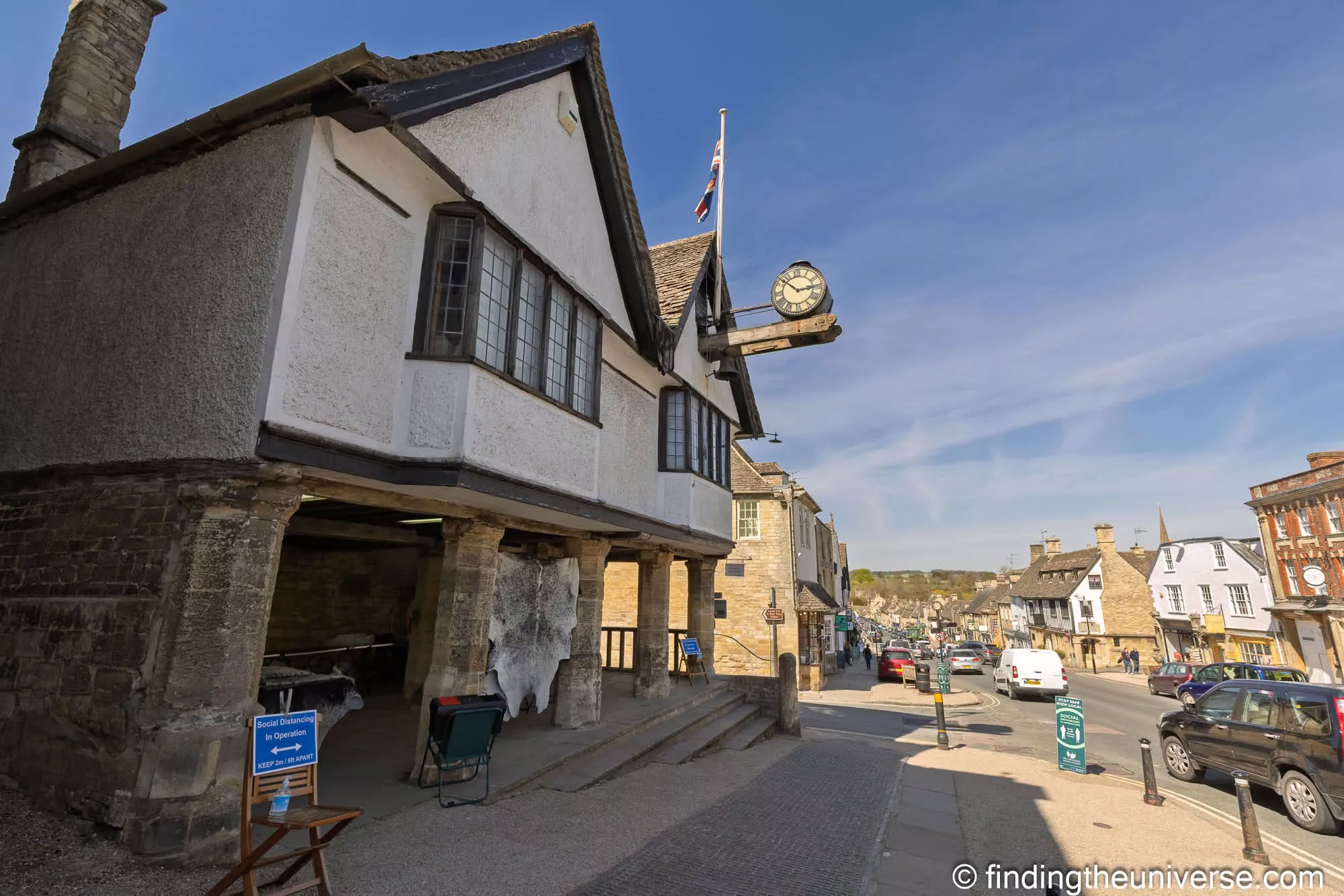

The bus network is where carless Cotswolds plans live or die. A handful of operators run the routes that matter for visitors, and much the most important is Pulhams, a local company whose 801 connects Cheltenham, Bourton-on-the-Water, Stow-on-the-Wold and Moreton-in-Marsh roughly hourly, Monday to Saturday. That one route links the railway to the two most famous villages in the north, and it’s the reason the Moreton cluster is the right answer for most carless visitors.
The 801 also runs on Sundays, all year, which almost no other route here does. But it runs less often than on weekdays, and, this is the part that catches people, the day ends much earlier. Here are the last departures from the current timetable, which took effect on 3 May 2026:
| Last 801 of the day | Mon to Fri | Saturday | Sunday |
|---|---|---|---|
| From Cheltenham (Royal Well) towards Bourton, Stow and Moreton | 8.30pm | 7.30pm | 6.30pm |
| From Moreton-in-Marsh station towards Stow, Bourton and Cheltenham | 9.40pm | 9.40pm | 6.45pm |
Read that Sunday column twice. The one cluster that works on a Sunday is also the one where the last bus leaves two to three hours earlier than in the week. A relaxed Sunday dinner in Bourton followed by the bus home is a weekday plan, not a Sunday one. Check the times on Pulhams’ own site or on bustimes.org before you commit an evening to them.
The other routes you’re likely to use:
- The Pulhams 855 runs from Bourton-on-the-Water through Northleach and Bibury to Cirencester, roughly hourly, Monday to Saturday only. The last bus of the day leaves Bourton at 4.52pm, and the last one back from Cirencester goes at 6pm. There is no early-evening return and no Sunday service, and this is the only bus that serves Bibury at all.
- The Pulhams X52 links Cheltenham with Oxford via Northleach and Burford. It replaced the old Stagecoach S2 on 29 March 2026, so an older timetable will send you to a bus that no longer runs. It runs seven days, and the summer Sunday service is roughly two-hourly, which by local standards is generous; expect thinner Sundays in winter. Either way the finish is early. The last departures in each direction go just after 5pm on weekdays, and on a Sunday the last bus out of Burford towards Oxford goes at 3.36pm, with 5.48pm the last one back towards Cheltenham. A Burford day ends in the afternoon whether you like it or not.
- The Stagecoach West 66 serves Painswick roughly hourly from Stroud, Monday to Saturday. No Sunday service.
- The Stagecoach 1 and 2 come down from Stratford-upon-Avon to Chipping Campden and Broadway, but only a couple of times a day per route and not on Sundays. Broadway also has the R4 from Evesham, which is the more useful mainline connection of the two, though it’s infrequent enough that you check it before you rely on it. Workable with planning; unforgiving without it.
- The Faresaver X34 runs from Chippenham through Lacock to Trowbridge and Frome about 20 times a day, seven days a week. By Cotswold standards that’s practically a metro. The National Trust even lists it on its Lacock page, and arriving by bus gets you a free hot drink at the village through the Good Journey scheme, which is a rare case of being rewarded for not bringing a car.
For journey planning across all of these, Traveline is the reader-facing planner that covers every operator, and the county councils publish network maps: Gloucestershire’s are here, with Oxfordshire and Wiltshire covering their edges of the region.
One more thing that isn’t transport but looks like it. The Gloucestershire Warwickshire Steam Railway runs steam trains between Broadway and Cheltenham Race Course, and it’s a good day out. It is also a heritage line with no connection to the national network at either end: you can’t arrive from London on it, and its Cheltenham terminus is the racecourse, which from Cheltenham Spa station means a Stagecoach D or E bus to the racecourse entrance and then a 15 minute walk through the grounds. Ride the GWSR for pleasure, never as a way to get somewhere.
Tickets, Passes and the Fare Cap
Start with the fare cap, because it does more for your budget than any pass: England currently caps single bus fares at £3 outside London, on almost every route in this guide, and from 1 January 2027 the cap drops to £2 for the year. It changes the pass arithmetic completely.
Take the Pulhams Cotswold Zone day ticket, which covers the 801, the 855 and the X52 area. It costs £8 on the Pulhams app, or £8.50 if you buy it on the bus (fares from February 2026).
With singles capped at £3, the day ticket only starts saving you money on your third bus of the day. Two rides, just pay the cap. Three or more, buy the day ticket, on the app, where it’s 50p cheaper. From January 2027, with £2 singles, you’d need a fifth ride before the day ticket wins, at today’s prices. This is arithmetic a bus driver doesn’t have time to do for you.
Paying is easy. Pulhams take contactless cards, app tickets and cash, with contactless the preferred option, so you don’t need to hoard exact change like it’s 1995. If you’re visiting from abroad, it’s worth having mobile data for the apps and live timetables, which is one of the reasons we recommend a travel eSIM for UK trips.
Now, the pass you’ll see recommended everywhere: the Cotswolds Discoverer, £15 a day for unlimited travel on trains within the Cotswolds area and on participating buses. It sounds like the obvious car-free answer. The problem sits in the small print: its bus validity is on Stagecoach West services only. Pulhams doesn’t participate. That means no 801, no 855, no X52: the Discoverer does not cover the buses to Bourton, Stow, Bibury or Burford, which are precisely the buses a first-time carless visitor wants.
Its rail area is good (Moreton, Kingham, Charlbury, Kemble, Cheltenham Spa, Stroud and more, though not Hanborough, Honeybourne or Evesham), and it’s not valid on trains before roughly 9am on weekdays.
So who should buy one? Someone doing a rail-heavy day, say Moreton to Kingham to Charlbury by train with walks between, or a Stroud valleys day using Stagecoach’s network, where the 66 to Painswick is covered. For the classic northern villages day, skip it: a return train to Moreton plus a £8 Cotswold Zone ticket covers everything the Discoverer can’t, usually for less money.
The remaining pass, Stagecoach’s Gold DayRider for Gloucestershire, runs around £8 a day. I’d only look at it for a Stagecoach-only day, and I’d check the current price in their app first.
Where to Base Yourself Without a Car
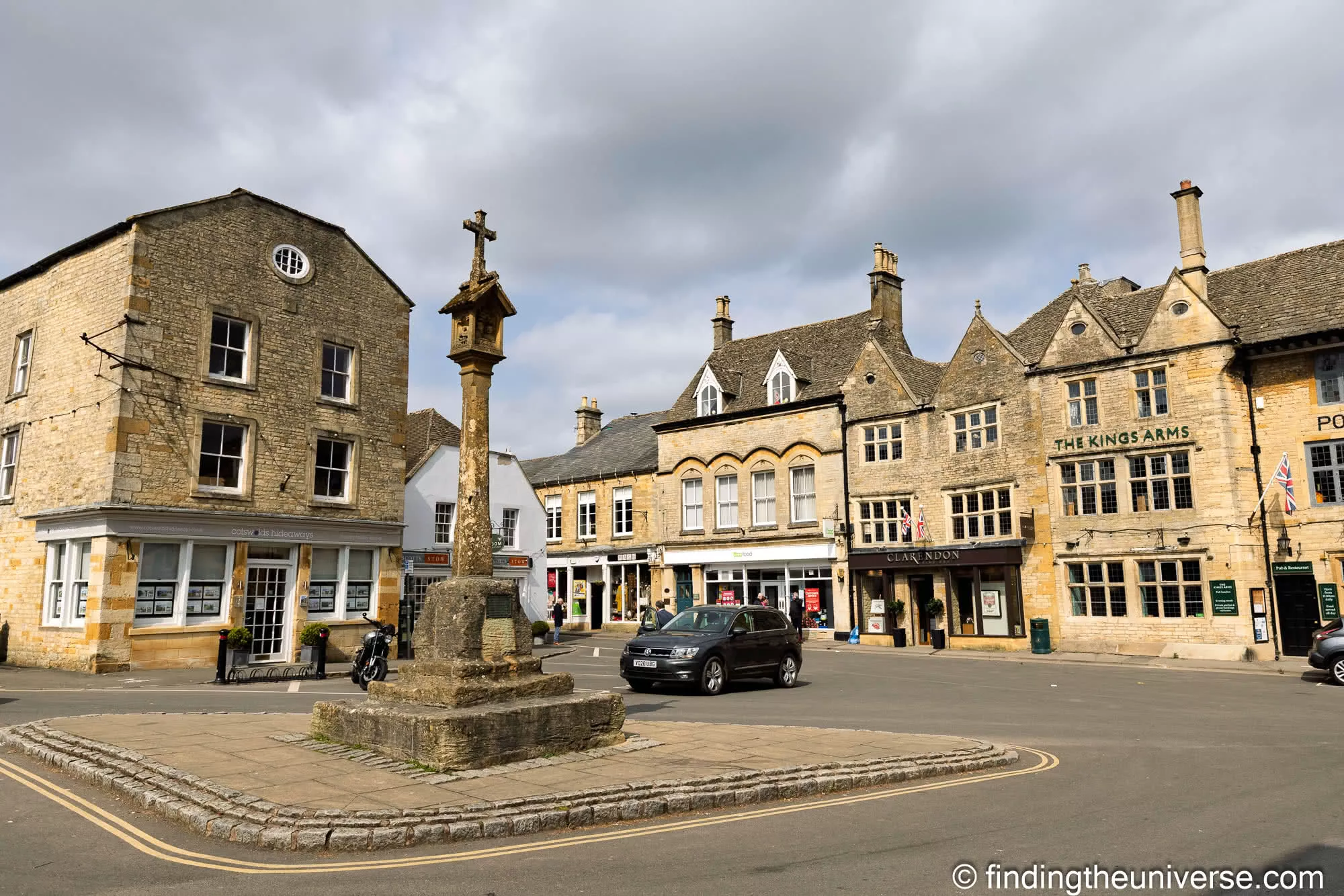
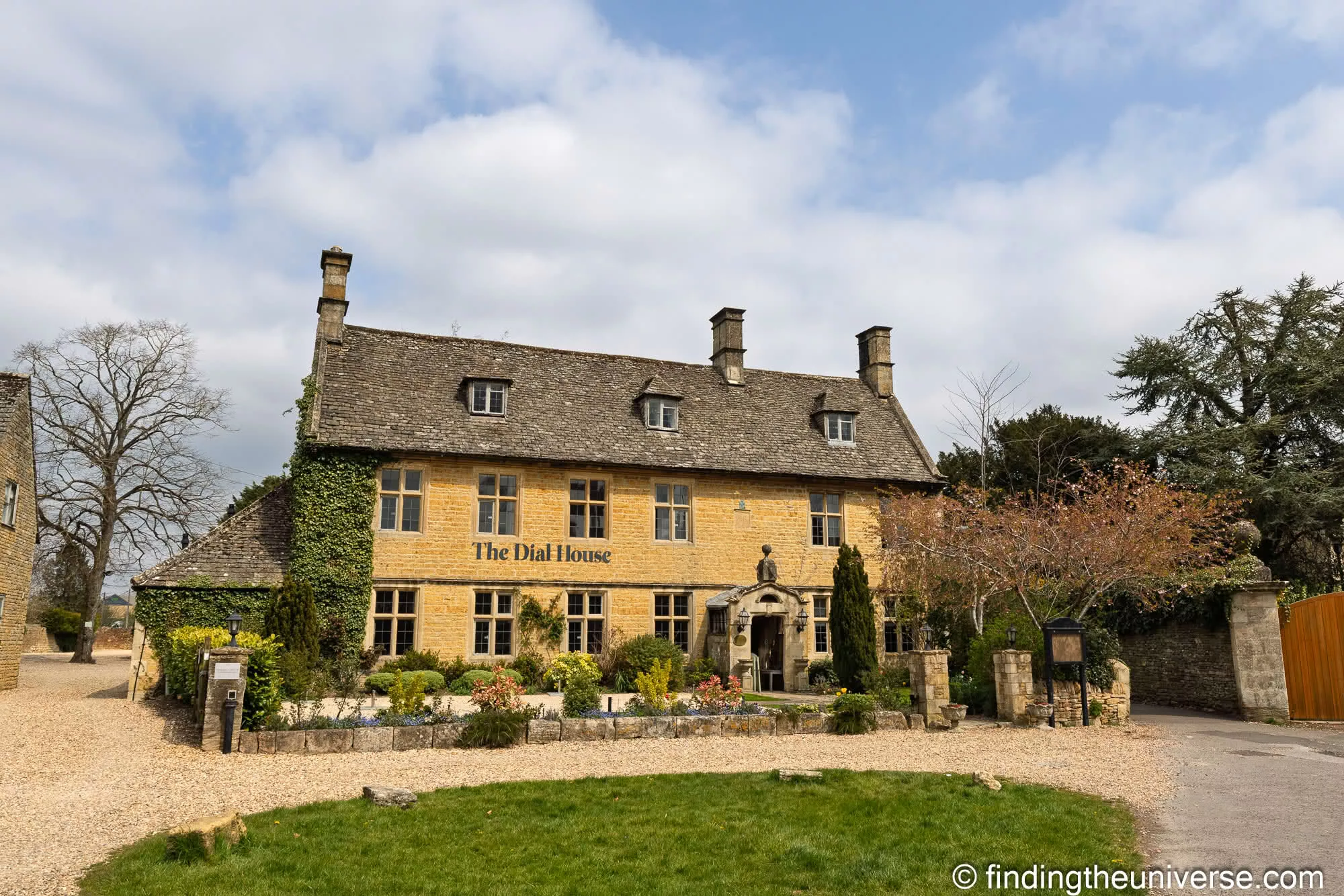


Base yourself in Moreton-in-Marsh. That’s the short answer, and it’s the consensus answer too, for one pretty specific reason. Moreton is where the direct London train meets the 801 bus, which makes it the only place in the region where you can arrive from Paddington and reach Stow, Bourton and the Slaughters without a car, seven days a week. Everything in this article gets easier if you sleep there. You can browse places to stay in Moreton-in-Marsh here.
For a postcard village instead of a railway town, base in Stow-on-the-Wold or Bourton-on-the-Water, both on the same 801 corridor, one short bus hop from the station. Staying in Bourton has a quiet bonus: the day-trip crowds, which are considerable, drain away in the late afternoon, and you get the village to yourself in the evening. In exchange, you’re relying on the 801 for every arrival and departure, and those last-bus times above become your curfew.
If you’d rather have a town than a village, base in Cheltenham. We’ve spent time there on our own trips, and it’s a proper town: restaurants that serve food after 8pm, real shops, an evening that exists.
It sits at the western end of the 801, so the same villages are reachable, and it’s the natural base if you’re arriving from Birmingham or the north. The trade-off is the weaker London rail link, and that it’s a Regency town beside the Cotswolds rather than a village in them. Cheltenham accommodation is here, and it’s noticeably cheaper than the villages.
A few alternatives for specific trips. Charlbury is a quieter village with its own station on the London line, a good fit for a low-key rail-based stay. Lacock works as an overnight on the southern edge, especially paired with Bath.
And if your heart is set on Broadway or Chipping Campden, staying overnight is exactly how to make their thin bus service stop mattering: arrive once, stay put, walk the Cotswold Way between them, leave once. We’ve stayed overnight in Painswick on the southern edge ourselves, and an overnight in a village you’d otherwise day-trip is a different experience altogether; it’s the move this region rewards most.
And the perennial question: is Bath in the Cotswolds? It’s just off the southern edge, it’s where I lived for four years, and it’s a base for Lacock and Castle Combe rather than for the northern villages; our 2 days in Bath itinerary covers it in full.
Walking Between the Villages
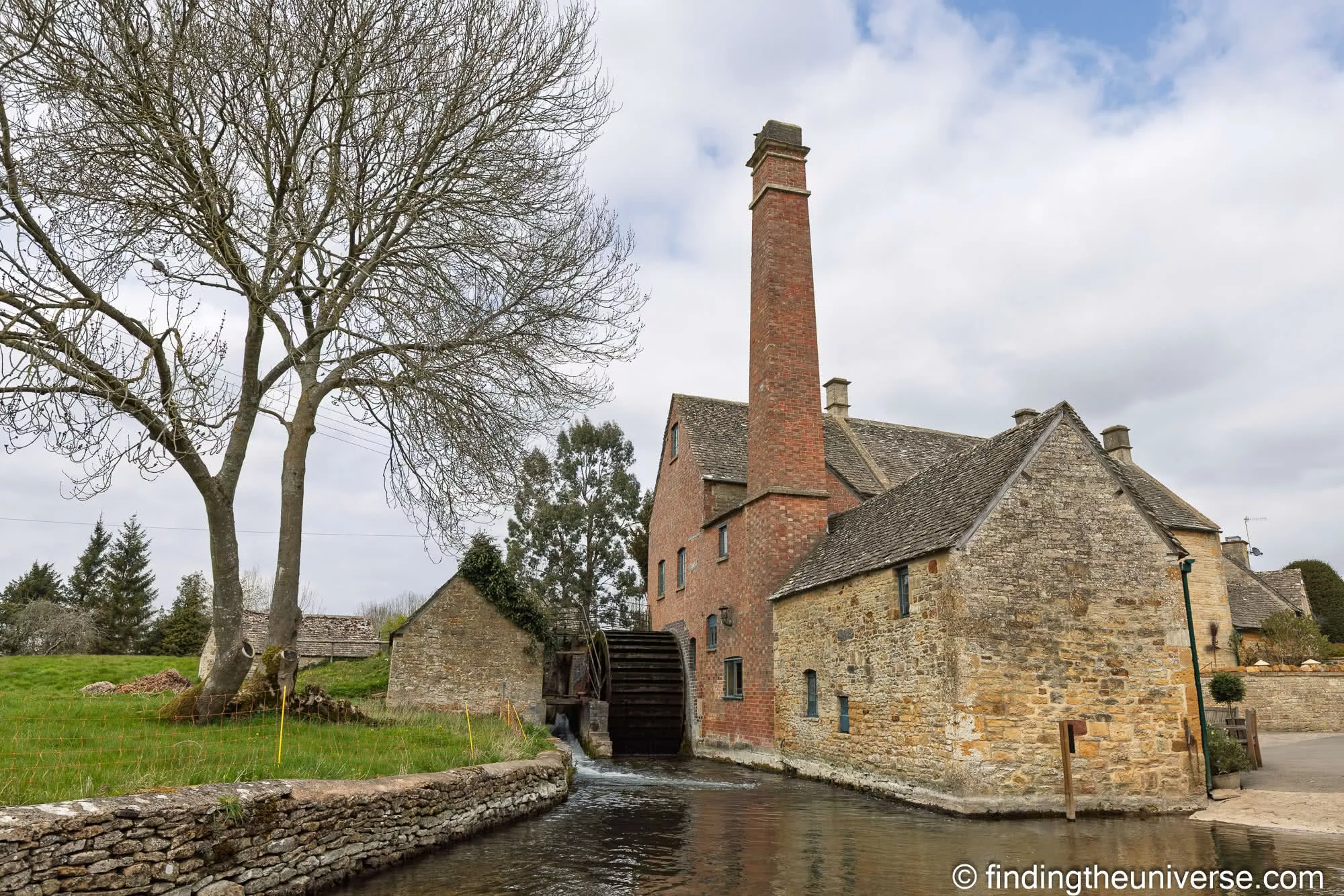
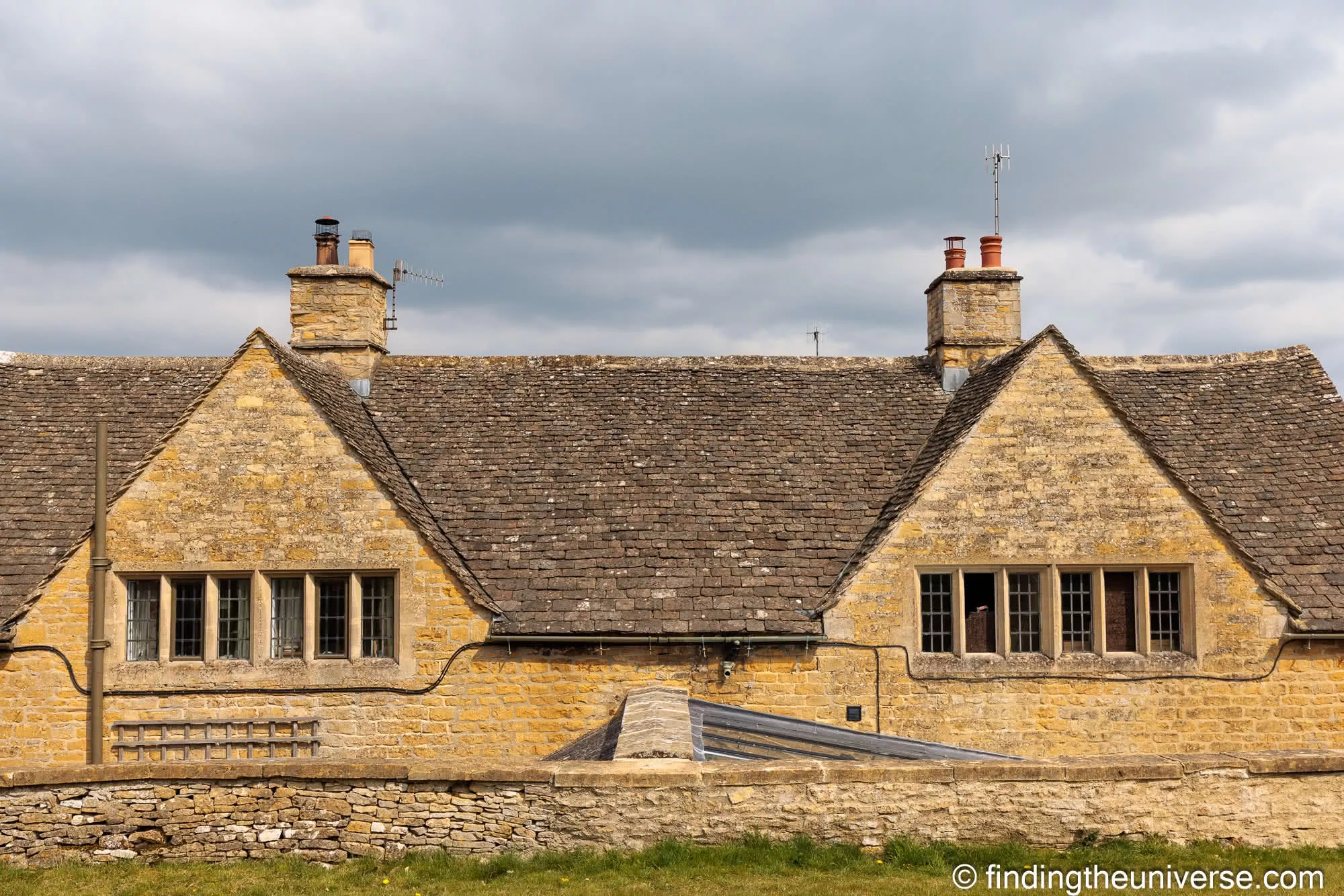
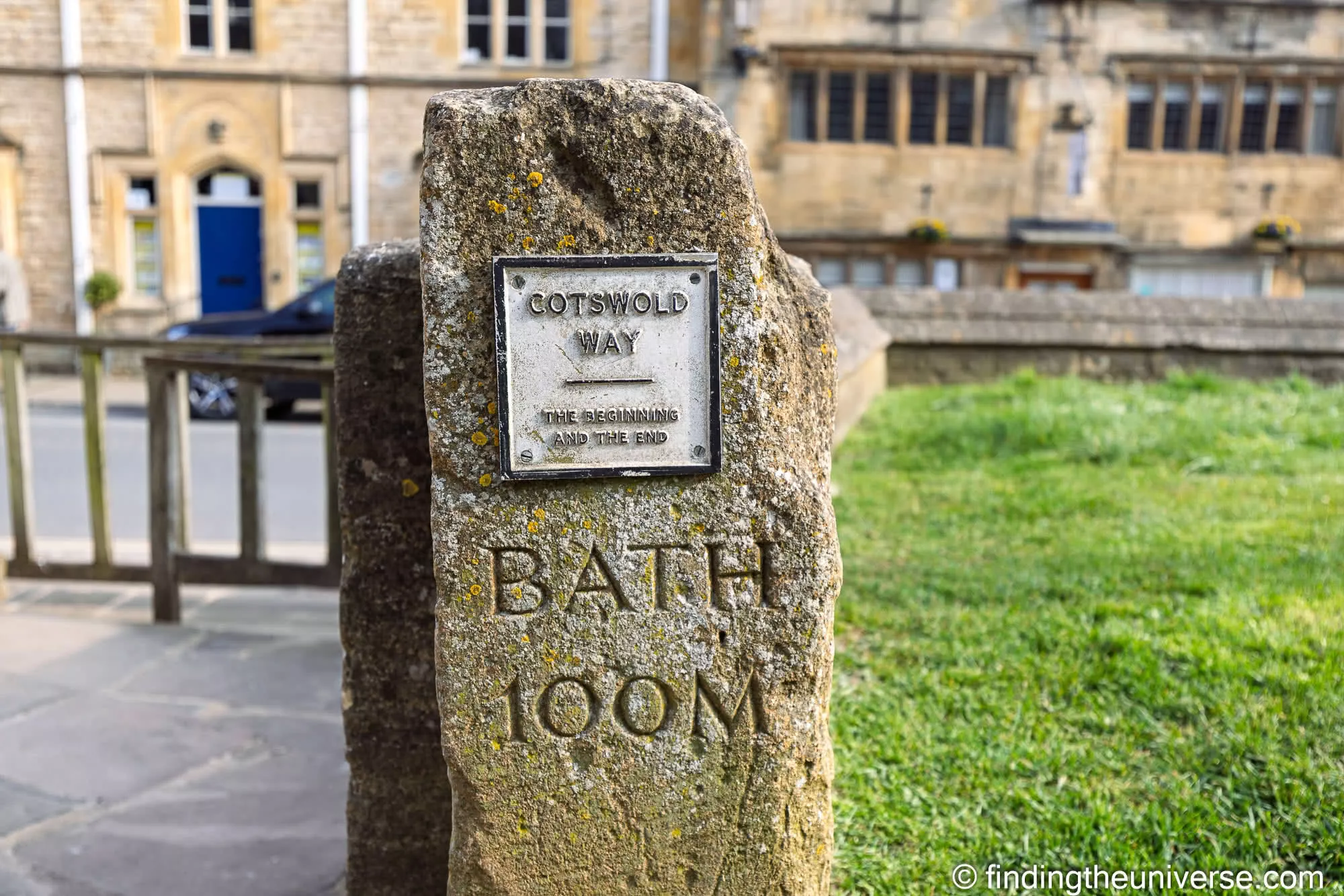
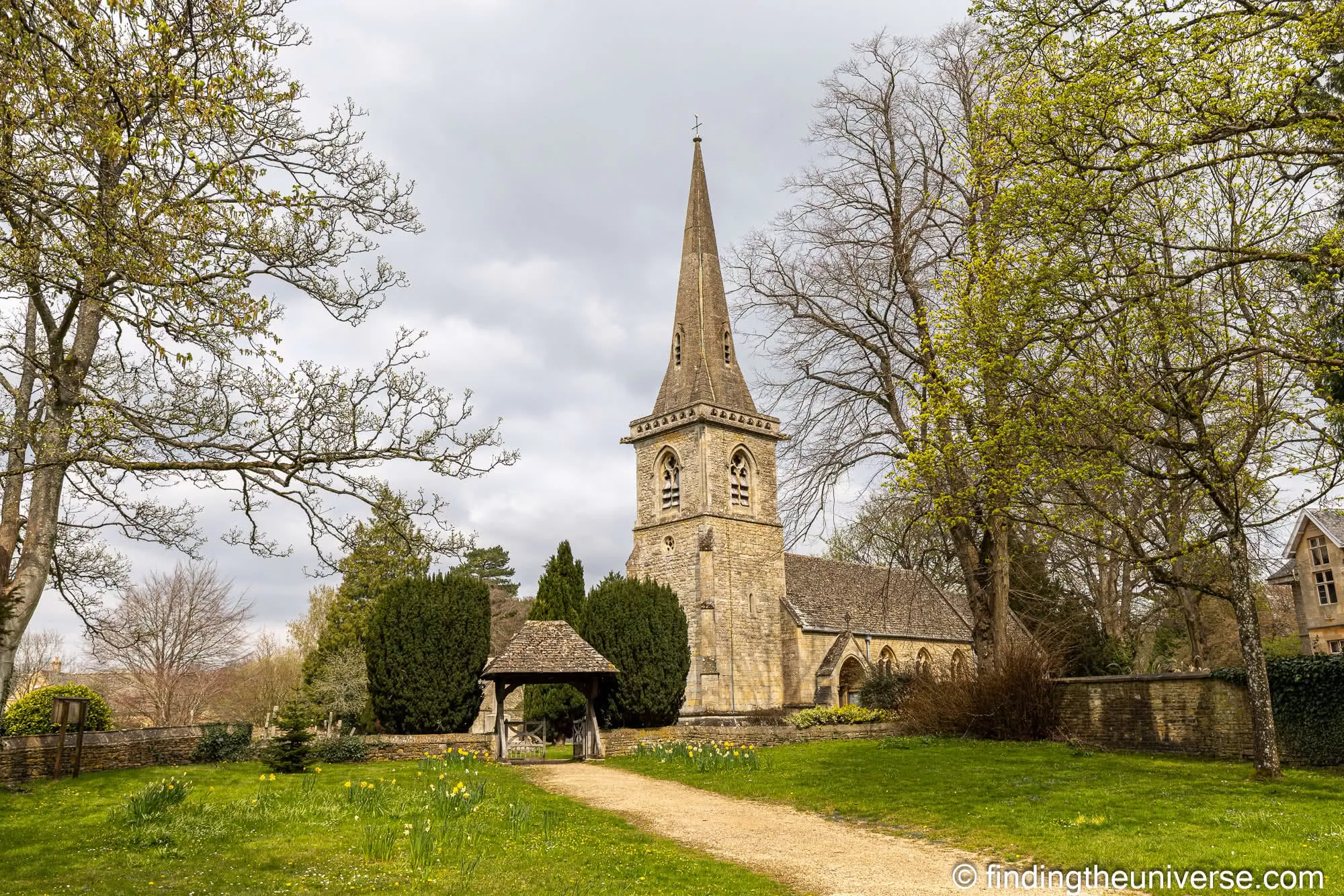
Walking is the carless visitor’s secret weapon, because the best short walk in the Cotswolds starts in a village the bus already serves. From Bourton-on-the-Water you can walk to Lower Slaughter in about a mile and a half on the Warden’s Way, and Upper Slaughter is about another mile beyond it. Neither Slaughter has a bus, which sounds like a problem and is actually the point: they stay quieter than Bourton, and the walk along the River Eye is the loveliest thing you’ll do all day. Flat, easy, and no timetable involved.
The other walk to build a day around is Chipping Campden to Broadway on the Cotswold Way, exactly 6 miles of the trail’s opening section, over the escarpment with Broadway Tower en route. The Cotswold Way itself runs 102 miles from Chipping Campden to Bath, and the National Trails site has the section maps. Given the thin buses up there, walking between those two villages and staying overnight at each end is the most reliable carless plan for the north-west corner.
Longer options exist for keen walkers: Bourton to Northleach on the Diamond Way is about 8.3 miles, a solid half-day. What I wouldn’t do is walk Moreton to Bourton: it’s a full day’s slog of roughly 10 miles on stitched-together paths with no single waymarked route, and the 801 does it in a fraction of the time. Take the bus, save your legs for the Slaughters.
On bikes: the long-standing cycle hire shop in Bourton, Hartwells, closed in December 2025 after 220 years of trading, though plenty of listings still show it as open. The live option is All Cotswolds, an e-bike outfit based in Moreton-in-Marsh that delivers bikes to Moreton, Stow, Bourton, Chipping Campden and Broadway; at the time of writing a full day is £59, and delivery is charged on top by distance band: £10 to Moreton, £20 to Stow, £30 to Bourton, Chipping Campden or Broadway. For the village-to-village gaps the buses don’t cover, an e-bike is a pretty good answer.
A Carless Weekend That Works
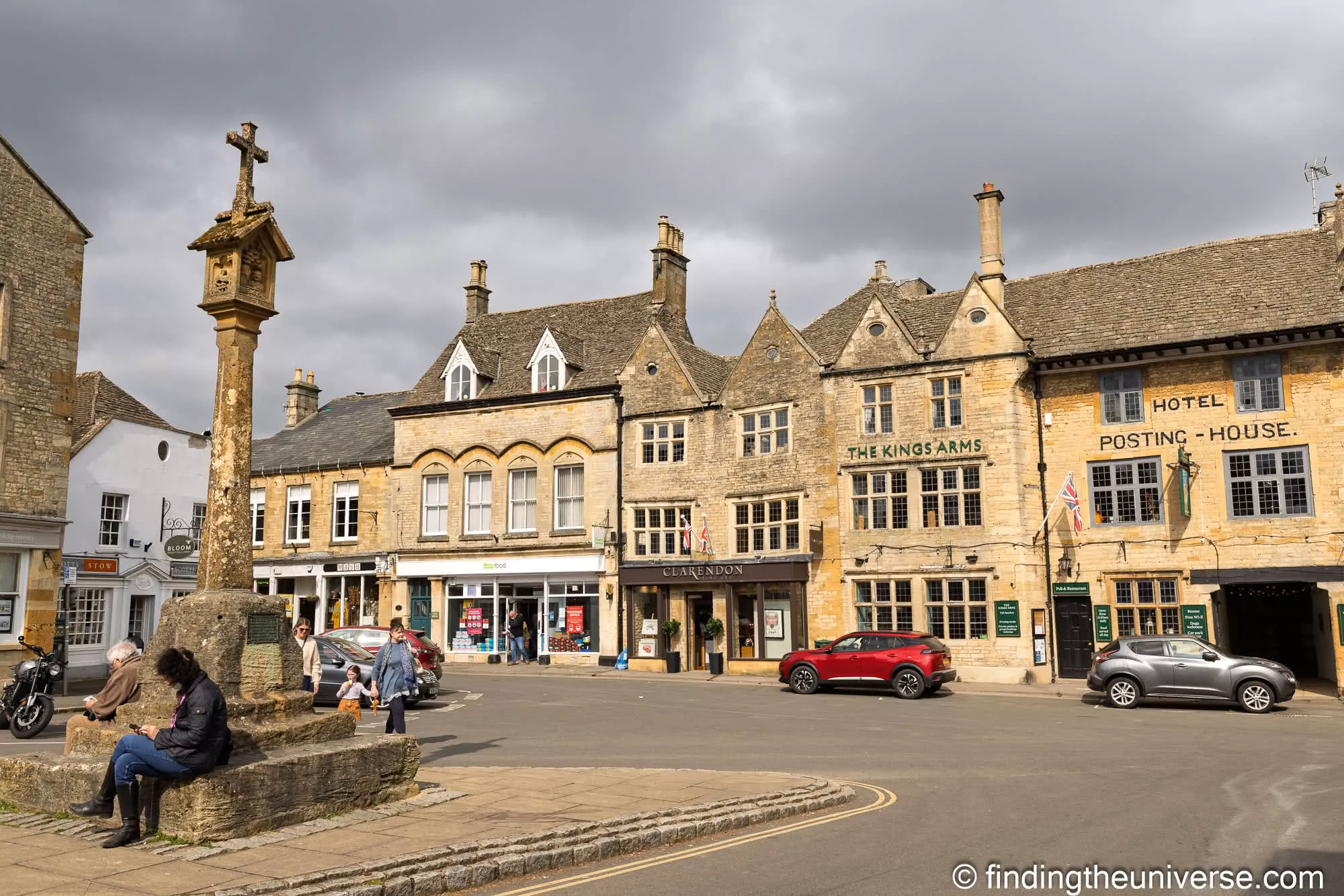
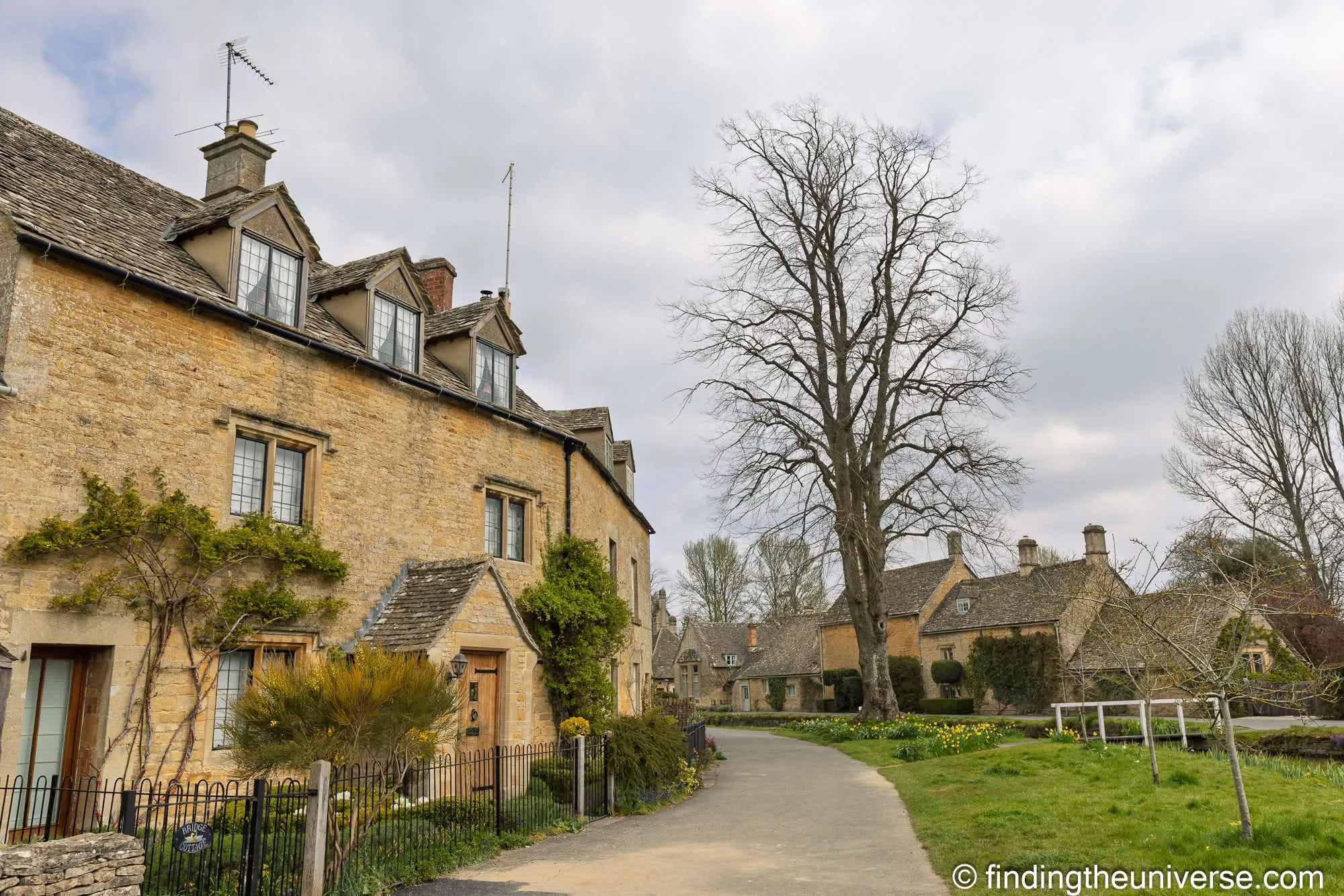
To make all of that concrete, here’s the two-day plan I’d give a friend arriving by train, no car, and it deliberately uses Sunday’s one reliable corridor.
Saturday: Morning train from Paddington to Moreton-in-Marsh, drop your bags at your accommodation, and take the 801 to Bourton-on-the-Water. See Bourton, then walk out to Lower and Upper Slaughter in the afternoon as the coach crowds peak behind you, and walk back for a late-afternoon bus onward to Stow-on-the-Wold. Evening in Stow, then the 801 back to Moreton. Nothing in that day depends on luck; every leg is on an hourly route or your own feet.
Sunday: This is the day the region tries to strand you, so spend it on the corridor that runs. A slower morning in Moreton, then the Sunday 801 back to whichever of Bourton or Stow you liked more, or on to Cheltenham for the town alternative. The only rule is the one worth repeating: the last Sunday bus back to Moreton leaves Cheltenham at 6.30pm, so plan an early dinner or eat back at base. Monday morning, the direct train returns you to Paddington.
With a third day you could, of course, add Burford via the X52 (out and back before its early finish) or a rail day down the line to Charlbury or Kingham with a village walk. And if you’d like someone else to do all of this thinking, that’s what the next section is for.
When a Tour or a Hire Car Is the Better Answer
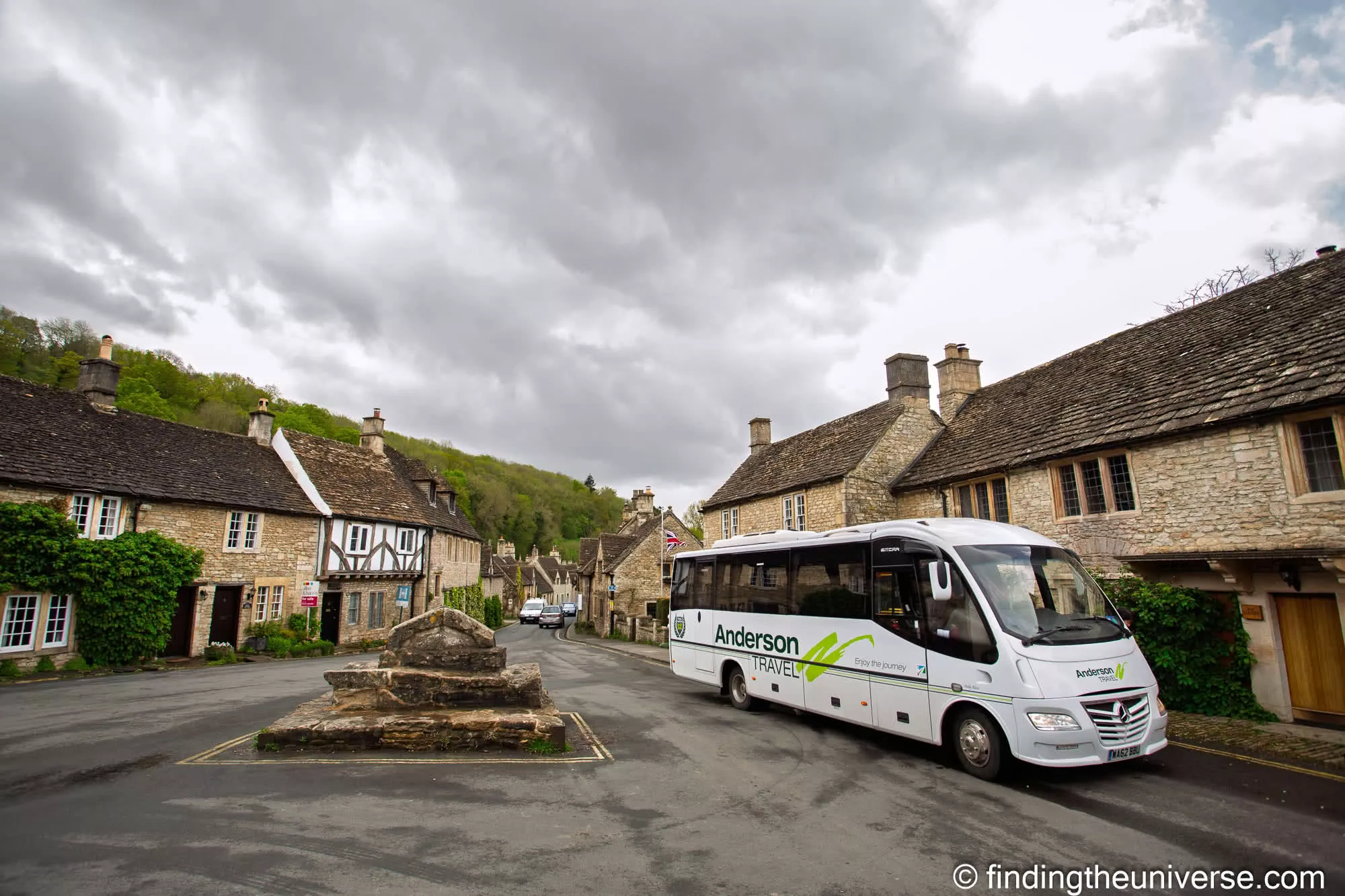
We’ve taken two coach tours through the Cotswolds from London as paying customers, so this recommendation comes from inside the coach rather than from a press release. One was a private tour, with our own Blue Badge guide and our own vehicle, a morning at Blenheim Palace and an afternoon in the villages. The other was a small-group tour, under 15 people rather than a full-size coach, covering Bath, Stonehenge and the Cotswolds in one very full day.
The private tour was the better experience, and it wasn’t close: the pacing was ours, we lingered where we wanted, and there was nobody else’s schedule to work around. That’s what you’re paying the premium for. The small-group tour was still good, and it fit three major stops into a single day, which no version of public transport could do. My verdict on that format: a good way to see a lot, and I’d only recommend it to people very short on time, because “a lot, briefly” is exactly what it delivers.
So it’s really a question of time. If the Cotswolds gets one day of your trip and you’re based in London, a tour beats wrestling with the buses; we’ve reviewed the main Stonehenge, Bath and Cotswolds day trip from London separately, and there are well-run alternatives like this Oxford and Cotswolds villages day tour, Rabbie’s small-coach version of the same day, or their 2 day Windsor, Bath and Oxford tour, which adds Stonehenge and Castle Combe, if one day feels too compressed. For tours starting within the region or from Bath, browse Rabbie’s Cotswolds tours, GetYourGuide’s Cotswolds page or the Bath departures.
A taxi for one awkward leg is the hybrid nobody thinks of. The gaps in this region are specific: Bibury on a Sunday, the Broadway to Chipping Campden corridor, Castle Combe from anywhere. A pre-booked local taxi across one of those gaps, with buses and trains doing the rest, costs far less than a hire car for the week and removes the worst timetable from your trip. Book it the day before; this is not a hail-one-in-the-street region.
And when is the hire car simply the right call? If your list is built around Bibury, Castle Combe and the smaller lanes villages, or you’re visiting mostly on a Sunday, the network can’t carry you. Discover Cars is our usual comparison site for UK hire, and if driving here is new to you, our guide to driving in the UK covers the narrow-lane etiquette you’ll meet within an hour of arriving. The 2 to 3 day self-drive itinerary is the version of this trip with the car.
What I’d Tell You Not to Try
A few plans that look reasonable on a map and fail in practice:
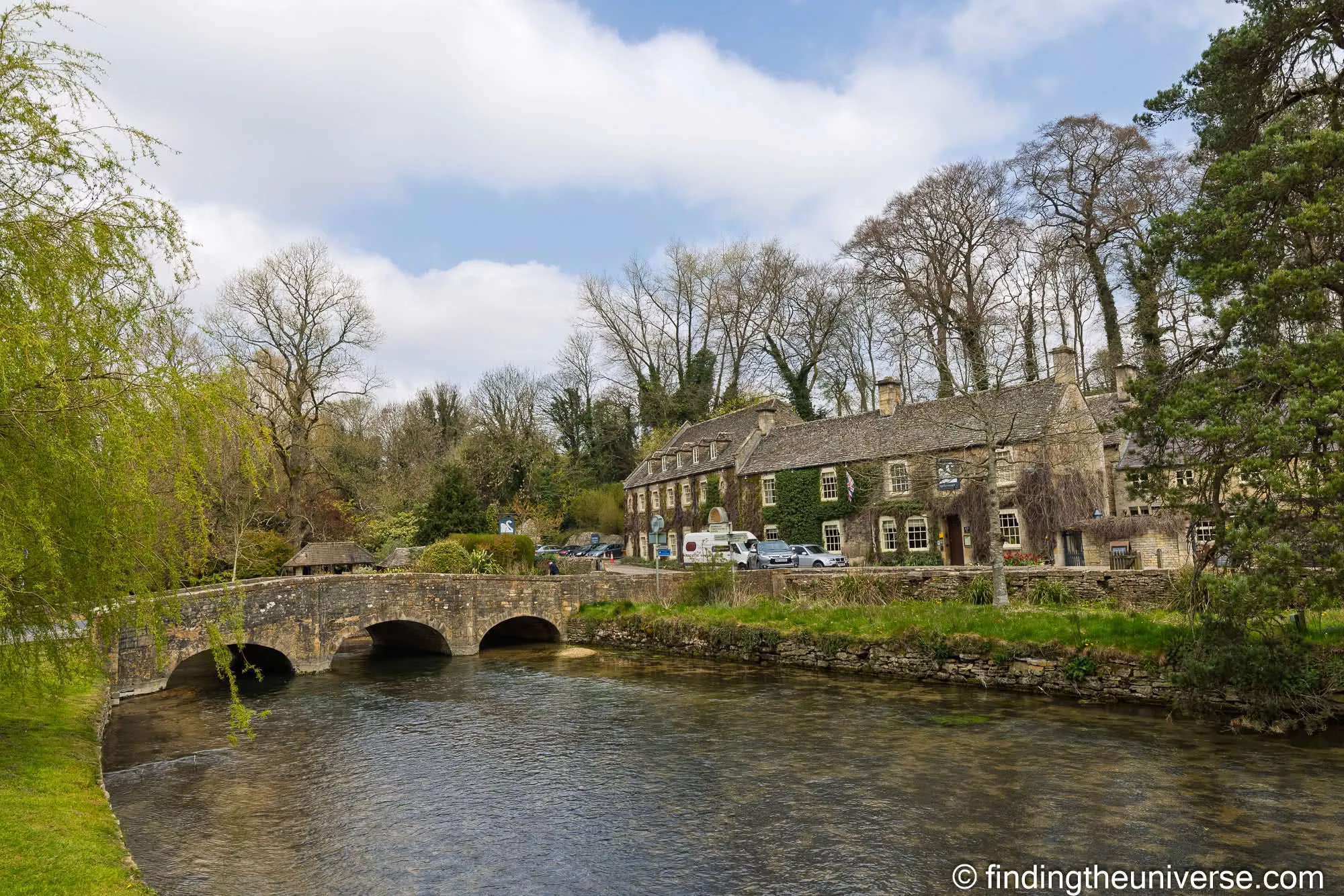
Bibury on a Sunday: There is no bus at all, of any kind. If Bibury matters to you, do it midweek on the 855 from Bourton and treat the 4.52pm last bus as sacred, or see it from a tour. Saturday works the same as midweek, with the same early cut-off.
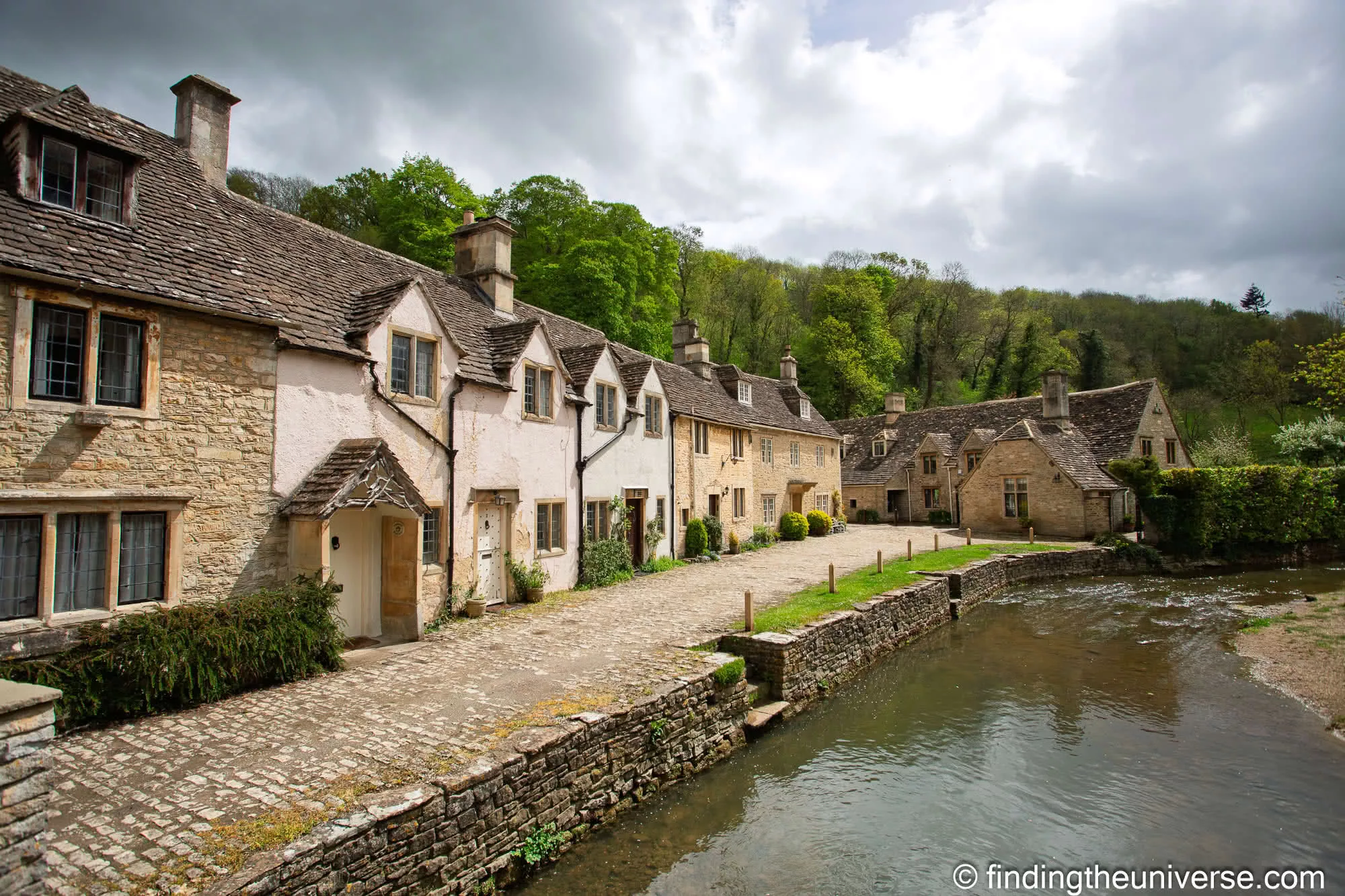
Castle Combe as a day trip from the northern villages: You’d be crossing the entire region against the grain of every timetable, for a village served by about four buses a day. Castle Combe belongs to the southern edge, done from a Bath or Lacock base with a taxi or a tour covering the last leg; from Moreton it’s a fantasy. From Oxford, similarly, respect the X52’s early finish and make Burford the target instead.
Arriving in Broadway by train: The steam railway is real and the station is handsome, but it connects to Cheltenham Race Course, not to the national network. People do plan around this incorrectly. Worse, the nearest mainline station, Honeybourne, is about six miles away and is a dead end: an unstaffed halt with no bus to Broadway and no taxi rank, so you can arrive there with no way to finish the journey. Evesham is the railhead that actually works, with the infrequent R4 bus or a 15 to 20 minute taxi. Otherwise it’s the thin Stagecoach 1 from Stratford, or an overnight stay.
Bampton for the Downton Abbey pilgrimage: Its buses are local services to Witney and Carterton, effectively useless for visitors. Treat Bampton as a tour or taxi job, and if Downton filming locations are the draw, Highclere Castle (the house itself) has its own visiting guide on our sister site.
Improvising: In most regions with trains and buses you can wing it and pay a small penalty. Here the penalty is your evening. Check the last bus for every leg, every day type, before you commit; five minutes on Traveline or bustimes.org per day of your trip is the whole cost of certainty.
Frequently Asked Questions
Can You Visit the Cotswolds Without a Car?
Yes. Take the direct train from London Paddington to Moreton-in-Marsh (about 1 hour 35 minutes), then the hourly Pulhams 801 bus to Stow-on-the-Wold and Bourton-on-the-Water, and walk to the Slaughters from Bourton. That cluster works seven days a week and fills a weekend well.
The limit is that many famous villages, including Bibury and Castle Combe, have thin or nonexistent bus service, and most routes don’t run on Sundays. Match your village list to the transport, not the other way round.
Can You Get to the Cotswolds by Train From London?
Yes, directly. The Cotswold Line runs from London Paddington to Hanborough, Charlbury, Kingham and Moreton-in-Marsh roughly hourly with no changes; Moreton takes about 1 hour 35 minutes. The Golden Valley Line serves Kemble (for Cirencester) and Stroud direct in similar times.
Cheltenham Spa is slower from London, about 2 hours, and only some services are direct, so for a London start the Cotswold Line stations are the better door.
What Is the Best Village to Stay in Without a Car?
Moreton-in-Marsh. It’s the only place where the direct London train meets the region’s most useful bus route, the 801, so Stow, Bourton and the Slaughters are all reachable from it without a car, every day of the week.
Stow-on-the-Wold or Bourton-on-the-Water suit you better if you want to wake up in a postcard village and accept the last-bus curfew; Cheltenham suits you better if you want a real town in the evenings.
Do Cotswolds Buses Run on Sundays?
Mostly, no. The Pulhams 801 (Cheltenham, Bourton, Stow, Moreton) runs on Sundays year-round, dropping from hourly to roughly two-hourly, and with a much earlier finish: the last buses leave around 6.30pm to 6.45pm on a Sunday against about 8.30pm to 9.40pm on weekdays. Lacock’s X34 runs a full Sunday service, and the X52 to Burford runs roughly every two hours through the summer, though the last bus out of Burford towards Oxford goes at 3.36pm.
Almost everything else, including the buses to Bibury, Painswick, Chipping Campden, Broadway and Castle Combe, doesn’t run on Sundays at all.
Is the Cotswolds Discoverer Pass Worth It?
Usually not for first-time visitors. The £15 Discoverer’s bus validity covers Stagecoach West services only. Pulhams doesn’t participate, so it’s not valid on the 801, 855 or X52, the buses to Bourton, Stow, Bibury and Burford.
It makes sense for a rail-heavy day between the area’s stations or a Stagecoach-based day around Stroud and Painswick. For the northern villages, a train ticket plus the £8 Pulhams Cotswold Zone day ticket covers what the Discoverer can’t.
How Much Do Buses Cost in the Cotswolds?
Single fares on almost all routes here are capped at £3 under England’s national fare cap until 31 December 2026, and the cap drops to £2 for 2027. A Pulhams Cotswold Zone day ticket costs £8 on their app (£8.50 on the bus) and pays for itself on your third ride of the day at current single fares.
Pulhams buses take cash, contactless cards and app tickets, with contactless preferred.
Can You Visit Bibury Without a Car?
Only on a weekday or Saturday, and only with discipline. The Pulhams 855 is the sole bus serving Bibury, running roughly hourly between Bourton-on-the-Water and Cirencester, Monday to Saturday. The last bus of the day passes through mid-to-late afternoon (it leaves Bourton at 4.52pm), and there is no Sunday service at all.
If your only free day is a Sunday, see Bibury on a tour or accept missing it; there is no improvised version of this trip.
Which Cotswold Villages Have Train Stations?
Moreton-in-Marsh, Kingham, Charlbury and Hanborough on the Cotswold Line, and Kemble and Stroud on the Golden Valley Line, all with direct London Paddington services. Cheltenham Spa serves the region’s western edge.
Chipping Campden’s station closed in 1966, and Broadway’s station belongs to a heritage steam railway with no mainline connection, so neither can be reached from London by rail.
Is Bath in the Cotswolds?
Bath sits just off the southern edge of the Cotswolds; the Cotswold Way footpath actually ends there. It’s a superb base for Lacock and Castle Combe on the region’s southern fringe, but it’s the wrong base for the famous northern villages, which are a long cross-country journey away.
How Do You Get to the Cotswolds From Heathrow?
Take the RailAir RA1 coach from your terminal to Reading station (40 to 45 minutes, up to every 20 minutes), then trains via Oxford to the Cotswold Line stations. This avoids central London entirely.
The alternative is the Heathrow Express or Elizabeth line into London Paddington, then the direct Cotswold Line train, which is easier if you’d struggle with a coach-to-train change but adds the crossing of London.
Can You Walk Between Cotswold Villages?
Some of them, and the best walks conveniently start from bus-served villages. Bourton-on-the-Water to Lower Slaughter is about a mile and a half on the Warden’s Way, with Upper Slaughter about a mile further. Chipping Campden to Broadway is 6 miles on the Cotswold Way. Both are the best way to reach places the buses skip.
Longer legs like Moreton to Bourton (roughly 10 miles on linked paths) are a full day’s walk rather than a stroll; take the 801 instead unless the walk itself is the point.
Do You Need Cash for Cotswold Buses?
No. Pulhams, the main operator for the northern villages, accepts contactless cards, cash and app payments, and prefers contactless. Buying day tickets through the operator’s app is slightly cheaper than buying on board, so mobile data is more useful than coins here.
Further Reading
That’s the carless version of the Cotswolds: a smaller map than the postcards suggest, and a very good trip inside it. These guides cover the rest of the picture:
- Our guide to the best Cotswold villages, with a verdict on each one, so you know which of the reachable villages deserve your time
- The 2 to 3 day Cotswolds itinerary, the self-drive version of this trip
- Our 10 day UK itinerary by public transport, if the Cotswolds is one leg of a bigger carless trip
- Our review of the Stonehenge, Bath and Cotswolds day trip from London, the one-day tour option done first-hand
- More day trips from London for the rest of your UK time
- City guides for the carless gateways: Bath, Oxford and Stratford-upon-Avon, all connected to the region by the routes in this guide
And if you like a paper guidebook on the train, the Rick Steves England guide covers the Cotswolds well and is the one we’d take.

Planning a carless Cotswolds trip and hit a route this guide doesn’t cover? Ask in the comments below, we read them all!

Leave a Reply