
I lived in central London for two and a half years, and Jess and I have stayed all over the city in the years since. We’ve taken everything from a 12-quid-a-night Soho hostel bunk to a riverside suite in the Shard, slept in airport hotels before 5am flights, and worked through Booking.com’s full filter set looking for the right balance of price, neighbourhood and tube access. Booking.com is only one of the sites worth checking though, and we’ve compared it against the rest in our guide to the hotel booking sites we rely on.
After all that, my view is that picking the right area matters more than picking the right hotel. This guide is the six neighbourhoods I’d actually recommend, the three I’d steer you away from, and the “what it’s not good for” notes I wish someone had given me on my first trip.

Table of Contents:
Quick Picks: Our Favourite Places to Stay in London
Before the area-by-area detail, here are the six properties we’ve personally stayed at and would book again. Each one earned its slot for a specific kind of trip.
- For best value in central London, we’d go with Hub by Premier Inn, Westminster Abbey. We stayed here with Jess’s parents on a Europe trip. The rooms are compact (book the Bigger Room category or you might not even get a window), but the bed is comfortable, the WiFi is fast, and the location is excellent. Optional breakfast you can add each morning. The Hub format is small-by-design. If you’ve not stayed in one before, set expectations accordingly. Note that there’s also a Hub by Premier Inn London Westminster, St James’s Park nearby; the Westminster Abbey property is the one we mean.
- For value near Tower Bridge, the Hub by Premier Inn, Tower Bridge is the sister property. Same Hub format as Westminster Abbey, walking distance to the Tower of London and the South Bank. Worth knowing if you’re combining Tower of London, HMS Belfast and Borough Market in your stay.
- For mid-range with a kitchenette, the Resident Victoria Hotel is our pick. The room we stayed in was compact, but it had a small kitchenette with a Nespresso machine. Better than a standard hotel room for a longer stay where you’d rather brew your own coffee than queue at Pret each morning. Victoria station is two minutes away.
- For drivers, we head to The Windmill on the Common. Our go-to when we drive in. Free parking (the rarest amenity in London), well-sized rooms, and 10 minutes walk to Clapham Common tube station. Ask for a room at the back overlooking the Common for the quietest stay, and the on-site restaurant is pretty good.
- For a budget room in central London, we’d book the Point A Hotel London Waterloo. We stayed here when it carried Point A’s old “Westminster” branding; the property is now branded “London Waterloo” (the booking page URL still uses the older slug). Rooms are small but clean. Air-conditioned, blackout curtains, fast WiFi. A 15-minute walk to Westminster Abbey, and about as cheap as central London gets for the location.
- Near Gatwick Airport, we’ve stayed at Bloc Hotel London Gatwick before early flights. Rooms are small but the king-size beds, soundproofing and air conditioning are all what you want for a 5am wake-up. Inside the south terminal itself, so you couldn’t be any closer. The view over the runway from our room turned out to be a small pleasure too.
With the picks out of the way, here’s how we’d think through the wider decision.
How to Choose Where to Stay in London
London is enormous. Over 8 million people live here, across 32 boroughs covering about 1,500 square kilometres. The city works as a set of joined-up villages, each with its own feel, and you can spend a week in Shoreditch and a week in Kensington and feel like you visited two different cities.
The good news for visitors: London’s public transport is excellent. The Underground (the “tube”) gets you almost anywhere, runs frequently from early morning until around midnight, and several lines have Night Tube services on weekends. So the practical question for a first-timer is less “which neighbourhood is best?” and more “which neighbourhood gives me good tube access at a price I can stomach?”
Stay Near a Tube Station
The most useful piece of advice in this whole guide: being within a few minutes’ walk of an Underground station matters more than which specific neighbourhood you pick. A hotel two minutes from a tube stop in a less-glamorous area is a better base than one fifteen minutes from the nearest station in a “prime” postcode.
A station served by multiple lines is even better. Westminster, Victoria, King’s Cross St Pancras, South Kensington, and Bank are all multi-line interchanges, which means you’re rarely more than one change away from wherever you’re going.
The Elizabeth Line
The Elizabeth Line opened in 2022 and changes the maths for anyone flying into Heathrow. It’s a modern, air-conditioned line that runs east-west across central London, with step-free access at every Elizabeth-line-served station from platform to street.
For a visitor, the line is mostly useful for two things: a 30-45 minute direct ride between Heathrow Terminals 2-5 and the central London Elizabeth-line stops (Paddington, Bond Street, Tottenham Court Road, Farringdon, Liverpool Street), continuing east to Whitechapel and Canary Wharf in around 50 minutes; and a comfortable east-west option that skips some of the older, hotter, smaller Central line carriages. Worth picking a hotel near an Elizabeth-line station if you can.
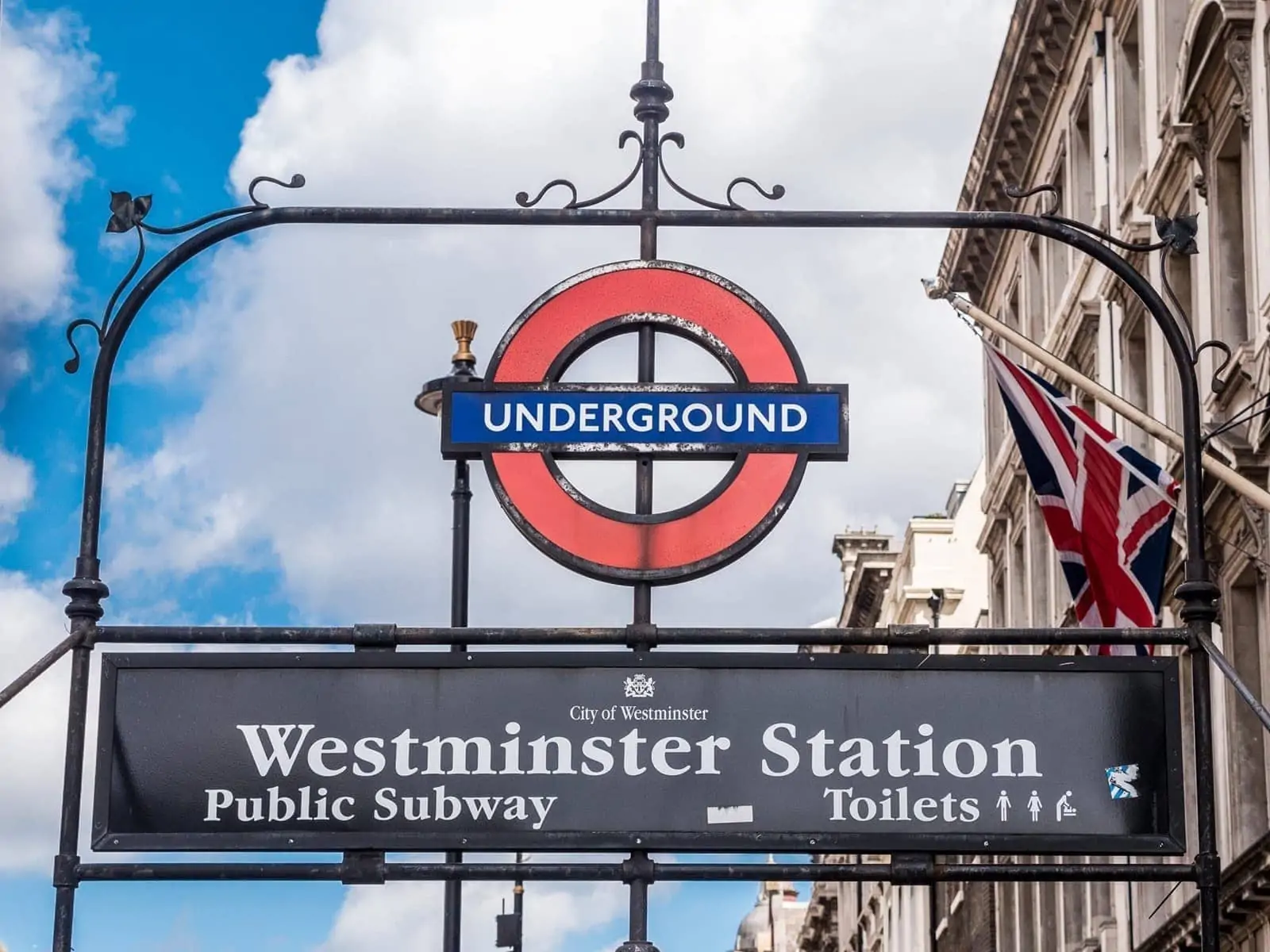
Contactless Beats Oyster for Most Visitors
You don’t need an Oyster card any more. Contactless bank cards and Apple Pay / Google Pay work on every TfL mode (Tube, bus, DLR, Overground, Elizabeth Line, tram, most National Rail in London) with the same daily and weekly fare caps as Oyster.
There are two reasons to skip Oyster:
- A new Visitor Oyster card costs £10, and that £10 is non-refundable. For anyone who already has a contactless card or a phone wallet, that’s £10 of pure overhead.
- The daily cap is identical between Oyster and contactless. The one nuance: contactless’s weekly cap is Monday-to-Sunday only, whereas Oyster’s 7-day Travelcard starts on whatever day you load it. For a typical 3-5 day visit you’ll hit the daily cap and never the weekly one, so the distinction is irrelevant. For a longer stay that spans a Monday, contactless wins; for a longer stay that starts on a different day, Oyster has a small edge.
For more on this, see our full Oyster vs contactless breakdown, our cross-site guide to using the Oyster card and our guide to getting around London.
Understanding London’s Zones
TfL fares are based on concentric zones, with Zone 1 covering central London and zones 2-9 spreading out from there. Most major attractions are in Zone 1, and most of the neighbourhoods we recommend below are in Zone 1 or Zone 2.
Hotel prices roughly track the zones, with central Zone 1 the most expensive and Zone 2 typically 20-40% cheaper for an equivalent property. Once you’re past Zone 2 you start paying back in travel time what you save on the room, so for a short trip we wouldn’t go further out than Zone 2.
The 30-Second Decision Table
Six areas worth a first-timer’s attention, with the trade-offs at a glance.
| Area | Best For | Vibe | Price Band | Nearest Tube Hubs |
|---|---|---|---|---|
| Central London (Westminster / Covent Garden / Soho) | First trip; walking distance to icons | Iconic, busy, theatre-and-tourists | ££ to ££££ | Westminster, Covent Garden, Charing Cross, Piccadilly Circus |
| Kensington and Chelsea | Museum-heavy trips; families; Hyde Park | Polished, leafy, quiet evenings | £££ to ££££ | South Kensington, High Street Kensington |
| South Bank and Bankside | Riverside walks, Tate Modern, theatre | Cultural, photogenic, weekend-busy | ££ to £££ | Waterloo, Southwark, London Bridge |
| Bloomsbury | British Museum; value for central | Bookish, Georgian squares, calmer evenings | £ to £££ | Russell Square, Holborn, Goodge Street |
| Shoreditch and East London | Nightlife, food, independent shopping | Creative, late-opening, weekend-loud | ££ to £££ | Old Street, Liverpool Street, Shoreditch High Street |
| Camden and North London | Markets, music, canal walks | Alternative, lively, weekend-tourist-busy | £ to £££ | Camden Town, Chalk Farm, Mornington Crescent |
Price-band rough guide: £ is £50-120/night budget; ££ is £120-200; £££ is £200-350 mid-range; ££££ is £350+. Off-season (January, February and November excluding the Christmas weeks) tends to be 20-30% below these bands; high-summer and Christmas-week rates push above them. Don’t anchor on these for any specific date. Pull a live Booking.com search for your travel window.
Central London: Westminster, Covent Garden and Soho
Central London is the obvious first-trip choice. Most of the icons you came to see (Buckingham Palace, Westminster Abbey, Big Ben, Trafalgar Square, the West End theatres, Covent Garden’s market) sit within a 20-minute walk of each other. If your trip is short and you want to step out of the hotel into “London”, this is where to stay.
It’s also expensive. A standard mid-range double in Covent Garden in May can clear £250 a night pretty easily, and the proper luxury options (the Savoy, the Ritz, the Clermont Charing Cross) sit at £600-1,200+. Compare that to Bloomsbury or South Bank, where similar quality runs noticeably less.

Why stay here: walkable to the most-visited sights, every tube line within easy reach, theatre on your doorstep, plenty of evening food at every price point.
What it’s not good for: quiet. Even side streets in Soho see late-night noise, and the Strand and Charing Cross Road don’t really sleep. Light sleepers should book a higher-floor room facing away from the street, or look at Bloomsbury or Kensington instead. It’s also not value-shaped. You’re paying a premium for the postcode every night.
Hotels we’d recommend in central London:
- The Savoy for the landmark luxury experience on the Strand. Afternoon tea worth the price, river-view rooms worth the upgrade.
- The Ritz for old-school British luxury overlooking Green Park, near Buckingham Palace.
- The Clermont Charing Cross for mid-luxury at a Trafalgar Square address, sitting directly above Charing Cross station.
- St. Martin’s Lane for a Schrager-design boutique near Covent Garden.
- Page 8 for a clean modern mid-range tucked behind St Martin-in-the-Fields, two minutes from Trafalgar Square.
- Astor Oxford Street for an actually-cheap bunk on a Soho side street (the Booking URL slug is the legacy YHA name; the property is now an Astor Hostel).


Kensington and Chelsea
Kensington is the polished side of central London, anchored on the museum quarter (the V&A, Natural History Museum and Science Museum cluster), Hyde Park and Kensington Gardens. It’s a 10-15 minute tube ride from the icons in Westminster, but you swap late-night Soho noise for tree-lined Georgian streets and proper evening quiet.
It’s where I’d put a family with young kids in a heartbeat: the three big museums are all free entry to the permanent collections, you’ve got Hyde Park’s playgrounds and the Diana Memorial fountain on the doorstep, and the streets around the South Kensington tube are walkable in a way that Soho isn’t.
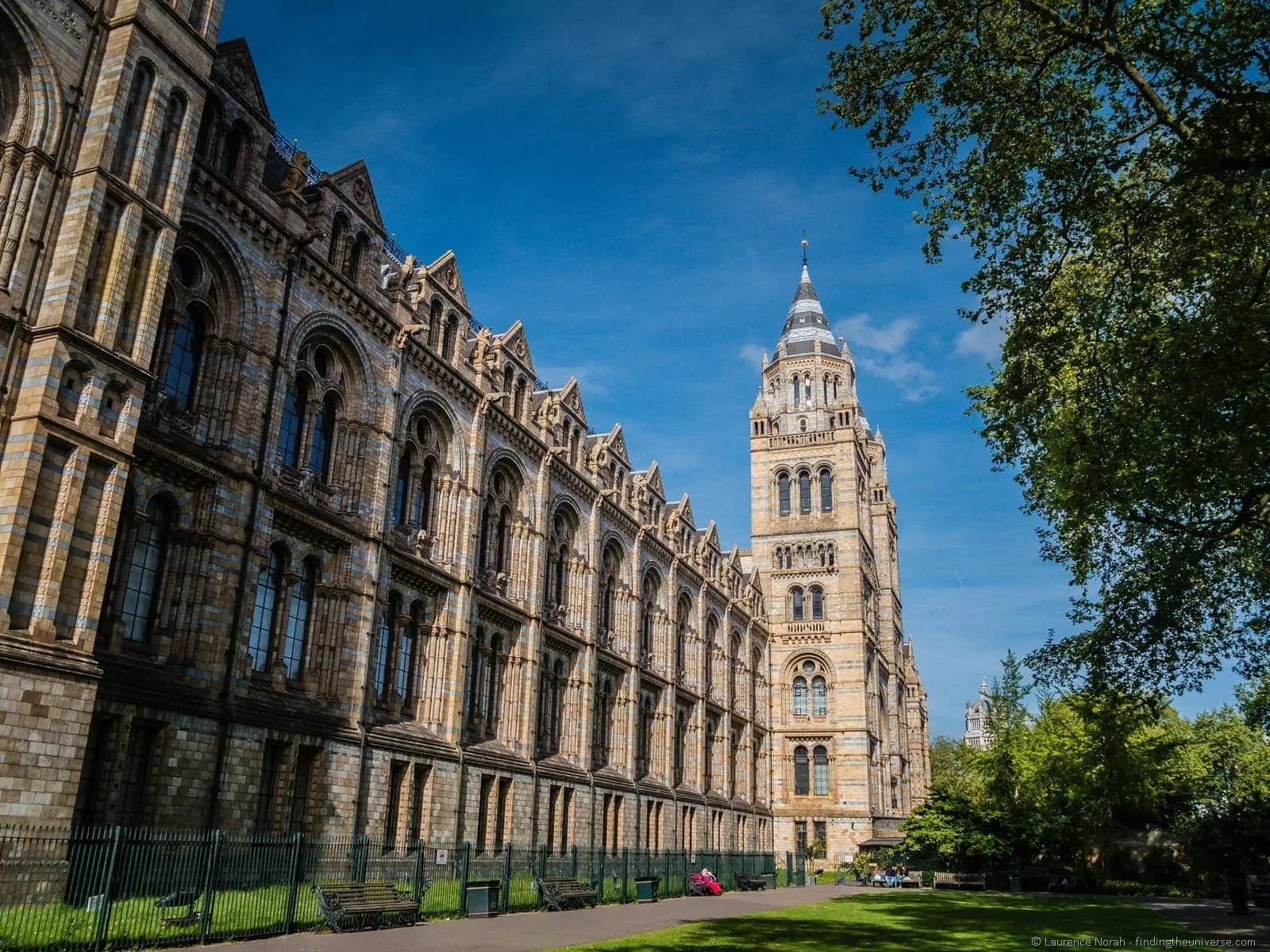
Why stay here: the museums; Hyde Park; quieter evenings than central; a 15-minute tube to the West End. Family-friendly hotel options are quite a bit stronger here than anywhere else on this list.
What it’s not good for: nightlife. The pubs around High Street Kensington close a bit earlier than Soho’s and the area’s evening character is more “polite glass of wine” than “late-night bar crawl”. It’s also a longer walk to the canonical postcard sights. You’ll be tube-hopping more than in central.
Hotels we’d recommend in Kensington:
- Mandarin Oriental Hyde Park for the high-end view over the park.
- The Ampersand for design-led mid-luxury opposite South Kensington station and the museum quarter.
- CG Kensington for a quieter mid-range townhouse off the High Street.
- Point A Kensington Olympia for a budget Point A room a couple of stops out by the Olympia exhibition centre.
- Astor Hyde Park for a hostel option close to the park.
For more on the area, see our guide to things to do in Kensington.
South Bank and Bankside
South Bank is the riverside stretch from the London Eye through to Tower Bridge, taking in the Royal Festival Hall, the National Theatre, Tate Modern, the Globe, Borough Market and the Shard. It’s the most consistently photogenic patch of the city and one of the best places to walk in the evening, with the Thames on one side and Victorian warehouses converted into bars and restaurants on the other.
It’s also a smart strategic pick for a first trip. From a Waterloo or Southwark base you can walk across to Westminster in fifteen minutes, you’ve got Borough Market on your doorstep, and your tube options (Waterloo, Southwark, London Bridge, Blackfriars) cover most of the city without faff.
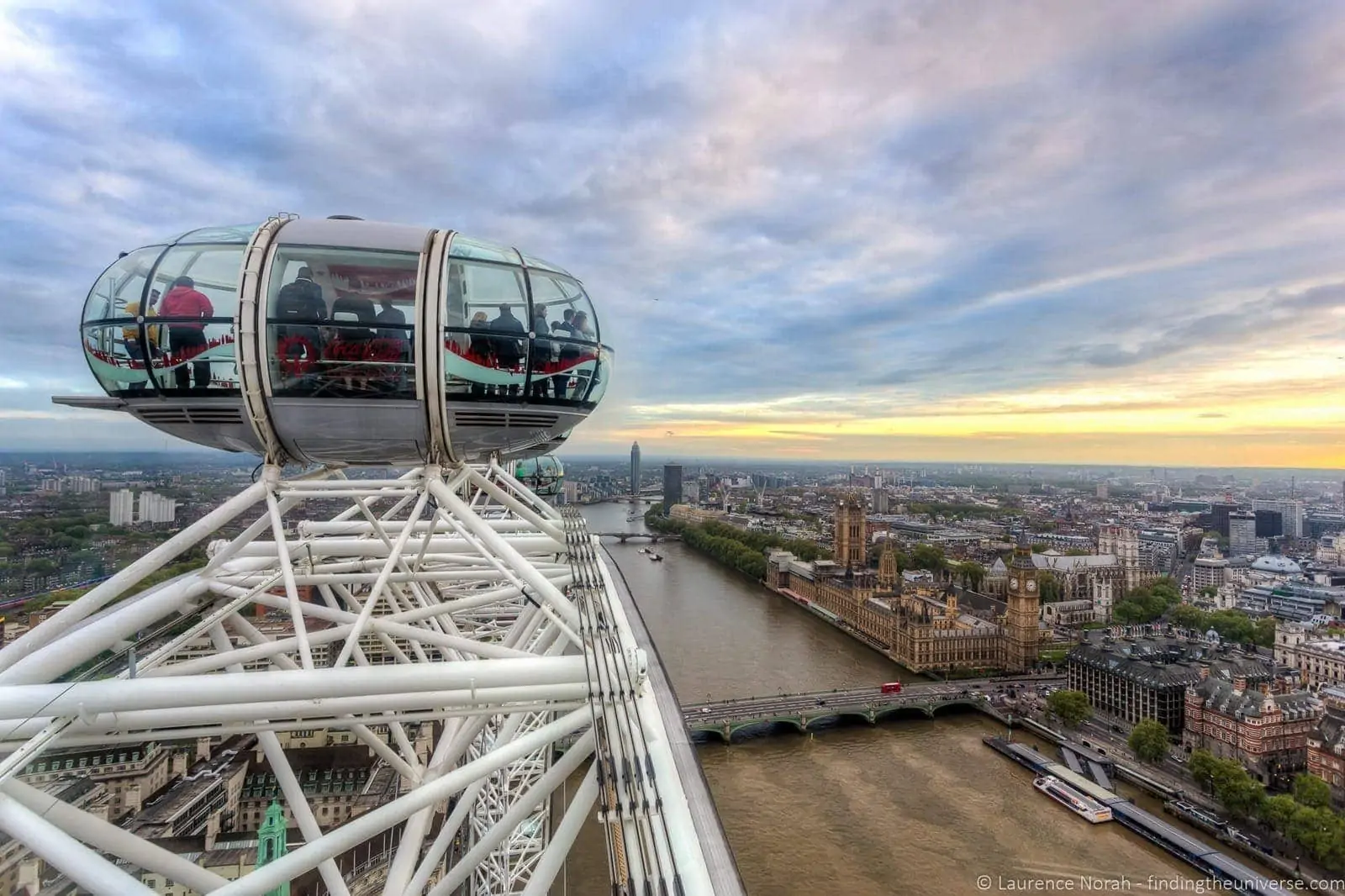
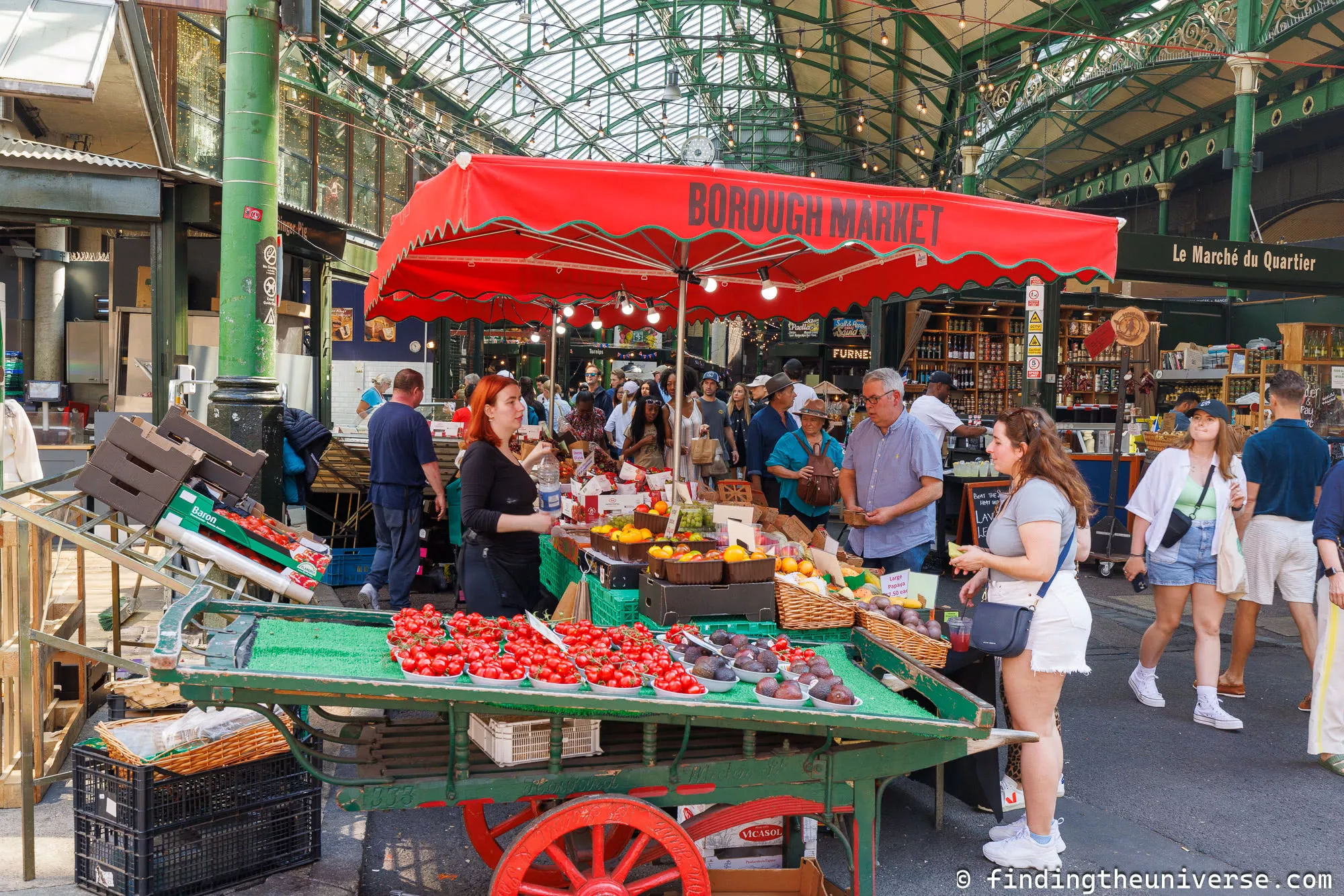
Why stay here: riverside walks; Borough Market; Tate Modern (free permanent collection); easy walk across the bridges to Westminster; lots of mid-range hotel inventory.
What it’s not good for: weekends are crowded along the river. If you’d rather avoid that, pick a hotel one street back from the Thames. The area is also less compact than central, so plan your walk routes rather than wandering.
Hotels we’d recommend on the South Bank:
- Shangri-La at the Shard for the once-in-a-trip room with a view (book a Thames-side room).
- H10 London Waterloo for a solid mid-range opposite Waterloo station.
- The Walrus Bar and Hostel for a budget bed minutes from Waterloo.
Bloomsbury
Bloomsbury is where I’d put a value-conscious first-timer who still wants to be properly central. Anchored on the British Museum (free entry to the permanent collection), the area has a calmer, Georgian-squares character that you don’t get in Soho a fifteen-minute walk south. Russell Square’s tube link puts you on the Piccadilly Line, so Covent Garden (two stops), Piccadilly Circus (four stops) and Knightsbridge (seven stops) are all a single direct ride away.
The reason it’s value-shaped is that the hotel inventory here skews mid-range rather than headline-luxury, with a lot of decent three- and four-star options on the streets around Russell Square. You’ll find rooms that would cost 25-35% more on the equivalent street in Covent Garden.
Why stay here: the British Museum; Georgian squares; calmer evenings than Soho; cheaper than central for similar tube access; the Piccadilly Line direct to Heathrow.
What it’s not good for: the late-night energy of Soho. Bloomsbury is quiet at night, which is great if you want to sleep and not great if you want a buzzy bar scene on your doorstep. You’ll be tube-hopping ten minutes to find that.
Hotels we’d recommend in Bloomsbury:
- St Pancras Renaissance Hotel for a landmark stay in the Gothic Revival station hotel (and a five-minute walk to the British Museum).
- Pullman London St Pancras for a modern four-star within walking distance of Euston and King’s Cross.
- Astor Museum Hostel for an actually-near-the-British-Museum budget option.
Shoreditch and East London
Shoreditch is where to stay if your trip is built around food, drink and independent shopping rather than ticking off the icons. The area was the original London hipster relocation in the early 2010s and is now a more mature version of itself: still a dense concentration of independent restaurants, late bars and a strong street-art scene around Brick Lane, but with the rougher edges smoothed off and a fair amount of corporate creep around the Truman Brewery side.
For a first London trip we’d put it third or fourth on the list (the icons are a tube ride away rather than at the end of the street), but for a second or third trip, especially one with a couple of nights in Borough Market territory and a couple of nights here, it’s a really great pick.
Why stay here: the best food scene in any of these six areas; late-opening bars and clubs; Brick Lane and Spitalfields Market on the doorstep; quick Elizabeth-line trip to Heathrow from Liverpool Street.
What it’s not good for: first-trip-fits-everything practicality. You’re 15-20 minutes from Westminster on the tube and the area’s centre of gravity is bars and restaurants rather than walkable sights. Weekend nights are loud, so book a higher floor or a room set back from the street.
Hotels we’d recommend in Shoreditch:
- Hart Shoreditch Hotel for a design-led mid-luxury near Old Street.
- The Z Hotel Shoreditch for a small-but-clean budget option in the middle of the action.
- New Road Hotel for a converted-textile-factory boutique on the Whitechapel side.
Camden and North London
Camden’s draw is Camden Market, the music venues around Camden Town and Chalk Farm, the canal walk to King’s Cross, and the slightly grungier, alternative feel that the rest of central London has slowly traded away. The market is the headline: three connected market sites (Camden Lock, Stables, Hawley Wharf) drawing around a quarter of a million visitors a week, with food stalls, vintage shops and a fair amount of tat to wade through.

Why stay here: the market; live music; the canal walk down to Granary Square and King’s Cross; cheaper than central for the same Northern-line access; a different vibe to the icons-and-theatre core.
What it’s not good for: peace and quiet at weekends. Camden High Street on a Saturday is shoulder-to-shoulder. The area is also further out: Camden Town to Westminster is about 15 minutes by tube (Northern Line to Embankment, then one stop on the Jubilee or Circle/District line), so you’ll lose more time in transit than from a central base.
Hotels we’d recommend in Camden:
- Camden Enterprise Hotel for a value-priced base above a classic Camden pub.
- The Hurdwick for a quieter mid-range townhouse off the High Street.
Where Not to Stay in London
Three areas show up regularly in “best of London” hotel lists that I’d quietly steer a first-timer away from. None of these are unsafe, none of them are bad places to visit during the day; they’re just less rewarding as bases than the six above.
King’s Cross
This one I’d flag with a qualification rather than a blanket “avoid”. The Granary Square and Coal Drops Yard side of King’s Cross is a redevelopment that landed properly. Coal Drops Yard opened in 2018, and the food-and-shopping scene around it has matured into one of the city’s better evening districts. The restaurants (Dishoom, Caravan, Granary Square Brasserie, Barrafina), the shops at Coal Drops Yard, the fountains: it’s a destination for an afternoon and an evening. We go there ourselves.
The streets immediately around the stations themselves are a different story. King’s Cross and St Pancras are big interchanges, so the area carries a lot of late-train traffic at night, and the side streets south and west of the stations (Argyle Street, Birkenhead Street, parts of Caledonian Road) still feel a bit scrappy. As a base, you’re paying for the transport convenience more than for the neighbourhood atmosphere. If you’re going to be on the Eurostar or need an early train out, the convenience may be worth it. For a first-time London trip where the priority is “step out of the hotel into London”, we’d point you at Bloomsbury one stop south instead.
Paddington
Paddington works hard as a Heathrow Express landing pad, and the Paddington Basin regeneration has added some character along the canal. Connaught Village is a proper neighbourhood pocket, Little Venice is a 10-minute walk away, and the Edgware Road dining strip is right there. So this isn’t the “Paddington has no character” anti-rec it sometimes gets.
It’s still more practical than atmospheric, though. If your priority is being a 15-minute tube from everywhere you actually want to be, Paddington delivers (and the Elizabeth Line stop is excellent). If your priority is stepping out of the hotel into the kind of London street you came to see, you’ll find more in Marylebone, Soho, the South Bank or Bloomsbury for similar money.
Leicester Square and Piccadilly Circus
The squares themselves are noisy, packed, and lean heavily on chain restaurants and tourist-trap pricing. Piccadilly Circus is a place to pass through for a photo, not a place to spend an evening.
A useful nuance: a lot of hotels marketed as “Leicester Square” or “Piccadilly” actually sit on the quieter side streets a couple of blocks into Soho or St James’s. Those are perfectly pleasant bases. It’s the squares themselves we’d steer you away from, not the postcode. If you’re booking somewhere with “Leicester Square” in the name, check the actual street address on a map before judging.
What We’ve Learnt Staying Across London
After more London hotel nights than I care to count, here are the lessons I’d want to hand to a first-timer.
Walking distance to a tube matters more than the headline address. Five minutes from Russell Square will beat fifteen minutes from Westminster on every metric (time to attractions, time at the end of a long day, walks home in the rain). We’ve over-paid for postcodes that didn’t repay the difference in tube proximity.
Older central London hotels often don’t have air conditioning. Most of central London’s pre-1970s hotel stock runs on opening windows, which is fine in October and a problem in July. If you’re visiting in summer, filter for air conditioning on Booking.com or ask before you book. We’ve turned up in August and learnt this the hard way.
The Hub-format compact-room hotels are great value, but check expectations. Hub by Premier Inn, Point A, Yotel and Z Hotels are all small-by-design, efficient rather than spacious. If you’ve not stayed in one before, book the larger room category and read the floorplan in the listing. They’re the right choice for sleep-and-leave; the wrong choice if you want to spend a rainy afternoon hanging out in the room.
Booking direct rarely beats Booking.com on these chains. We’ve checked. For the Premier Inn properties, Booking.com prices match the direct-booking site within a pound or two on the dates we’ve tried. For independents, sometimes a direct enquiry will get you a better rate or a room upgrade, especially for longer stays.
Don’t book a London-airport hotel unless your flight earns it. An airport hotel is worth it for a 5am departure or a midnight arrival. For anything between those, you’ll have a better evening (and a similar journey home) from a central base.
If you do need one, we’ve picked the best hotel to book at each of London’s six airports.

Map of Recommended Hotels in London
We’ve put together a map of the hotels we recommend in central London. You can also see this on Google Maps here.

Frequently Asked Questions
What is the best area to stay in London for first-time visitors?
For a first visit, stay in central London (Westminster, Covent Garden or Soho), within a few minutes’ walk of an Underground station. This puts the icons (Buckingham Palace, Westminster Abbey, the West End, Trafalgar Square) within walking distance.
If central is outside your budget, Bloomsbury and the South Bank are the strongest value alternatives. Both are well connected by tube and within a 15-minute walk of central across the river or down Tottenham Court Road.
How much does a hotel cost in London per night?
Budget accommodation (hostels with private rooms, budget hotel chains like Premier Inn, Point A, Z, Yotel) typically runs £50 to £120 per night for two people. Mid-range hotels run £120 to £350 per night, and luxury hotels start from around £350 and go up from there.
Prices vary a lot with season, day of week, and what’s happening in the city (a Wimbledon weekend or a Christmas-week stay will push every band higher). Booking early and being flexible with dates can help bring costs down. January, February and November (excluding the Christmas-week run-up) are reliably the cheapest months.
Is it better to stay in central London or outside the centre?
That’s really about how long you’re staying. For a short trip of two to three days, we’d stay central. The time you save on transport is worth more than the saving on the room.
For a longer stay of five days or more, the South Bank, Bloomsbury or Kensington can offer better value while still being well connected. We wouldn’t go further out than Zone 2 for a short trip. Past that, you start spending the room-saving back in tube fares and travel time.
Should I stay in a hotel, hostel, B&B or apartment in London?
For most short trips, a hotel is the simplest answer. London has hotel inventory at every price point and Booking.com filters reliably for the things that matter (air conditioning, lift access, family rooms, location).
Hostels with private rooms are a strong budget option, especially the bigger chains (Astor, YHA, Wombat’s) that have invested in private en-suite rooms alongside dorms. For stays of a week or more we’d consider an apartment with a small kitchen (the saving on eating out, especially breakfast, adds up), but for a 3-4 night first trip the daily-cleaning convenience of a hotel usually wins.
Do I need an Oyster card for London?
Not any more. Contactless bank cards and Apple Pay / Google Pay work on every London transport mode (Tube, bus, DLR, Overground, Elizabeth Line, tram, most National Rail in London) with the same daily and weekly caps as Oyster.
A new Visitor Oyster card costs £10 (non-refundable), so for anyone who already has a contactless card or phone wallet, contactless is cheaper. The one corner case is a longer stay starting on a day other than Monday, where Oyster’s 7-day pass can give you a slightly better weekly cap; for typical 3-5 day visits it doesn’t matter.
Is it worth staying outside Zone 1 to save money?
For a short trip of 2-4 nights, mostly no. The room saving is usually 20-40%, which is real, but you spend more on tube fares and lose 30-45 minutes a day to extra transit. For a longer stay where you’ll come back to the room mid-afternoon to break the day up, Zone 2 (especially the South Bank, Bloomsbury’s edges, and the inner parts of Kensington) starts to pay off.
We wouldn’t stay further out than Zone 2 for a leisure trip. Past that, you’re paying back the saving in commute time.
Do I need to book accommodation in advance for London?
For mid-range and luxury hotels in central London, especially during May-September, the Christmas weeks, and any major event window (Wimbledon, Pride, London Marathon weekend), book early. Three months ahead is sensible and six months is better for the popular dates.
For budget chains (Premier Inn, Travelodge, Point A, Z Hotels), book as early as you can. These chains use dynamic pricing and the headline £50-80 rates tend to disappear first; the same room at four weeks out will often be 50% more.
Is London safe for tourists?
London is generally a safe city for visitors. Like any big city, take normal precautions: keep valuables secure on public transport and in crowded tourist areas, be aware of your surroundings, and stick to well-lit areas at night. All of the neighbourhoods we recommend above are safe for tourists.
The most common risk for visitors is petty theft (phones snatched on a moped is the one to be aware of), not violent crime. Keep your phone in a zipped pocket on busy streets, and don’t leave a phone or wallet face-up on a restaurant table next to an open window or door.
What’s the cheapest time of year to visit London for accommodation?
January and February are reliably the cheapest months of the year, with most central hotels 20-30% below their May-September rates. November (excluding the Christmas run-up from about 15 December onwards) is also good value. Mid-week stays are reliably cheaper than weekends across the year, and the difference between a Tuesday-Wednesday and a Friday-Saturday in the same hotel can be 30-50%.
Further Reading
We’ve got plenty of other London and UK resources to help you plan your trip.
- Our guide to getting around London covers Tube, bus, Elizabeth Line, taxis, contactless.
- 3 days in London itinerary on our sister site.
- 2 days in London if your visit is shorter.
- 1 day in London for the whistle-stop tour.
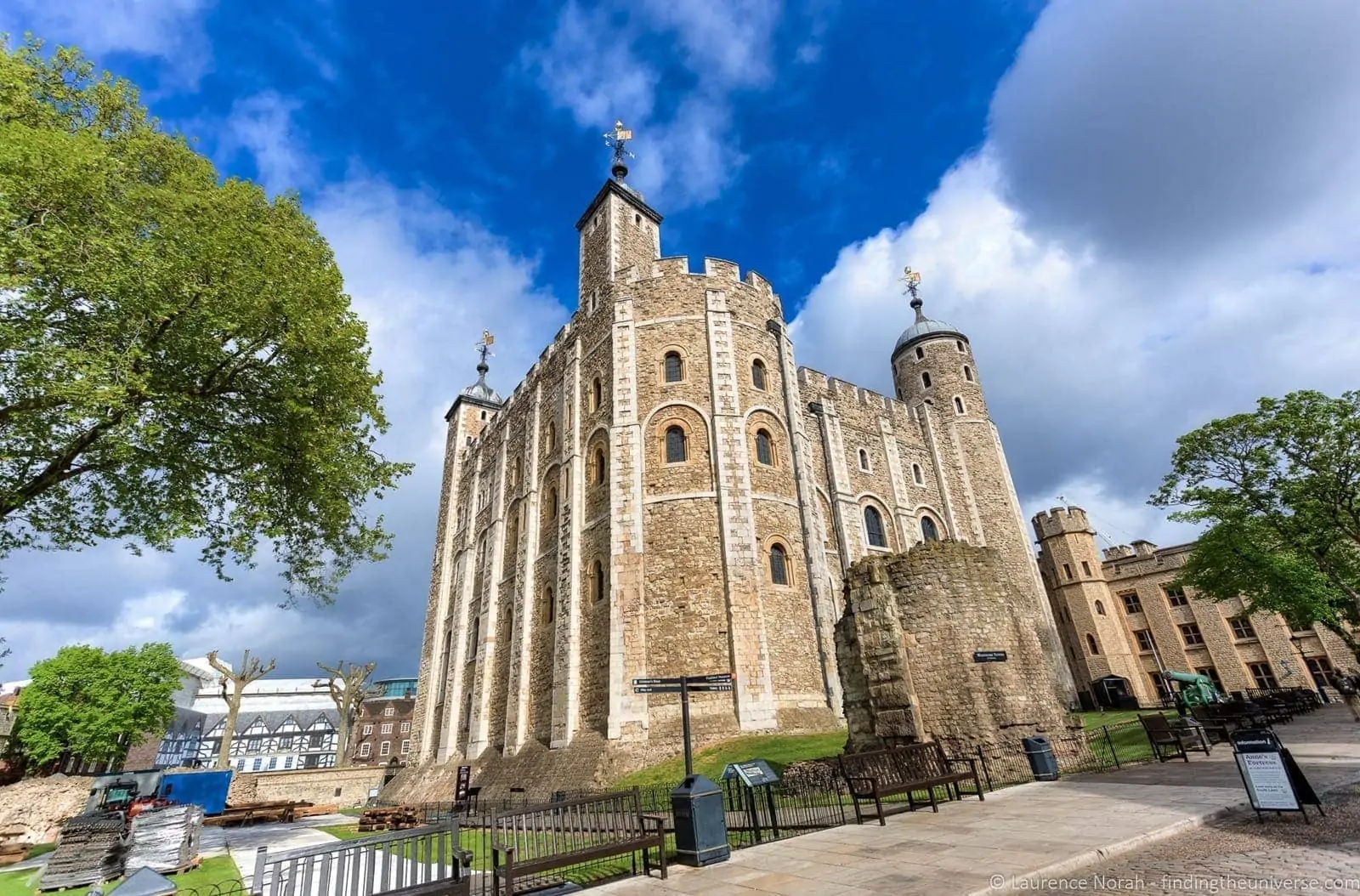
- Tower of London guide and our London Eye guide for two of the icons.
- Is the London Pass worth it? for our cross-site review.
- Best food tours in London.
- Best photography locations in London.
- What to pack for London.
- Stonehenge, Bath and the Cotswolds day trip from London.
- Oxford day trip from London.
- Getting from London to Paris by train.
- For the UK beyond London: two weeks in the UK, Edinburgh in 2 days, the North Coast 500, and things to do in Cambridge.
- Guidebooks we use: DK Eyewitness London for the picture-heavy reference, and Rick Steves’ London for the walking-tours-and-opinions take.
And that’s our take on where to stay in London. We hope it helps you pick the right base for your trip. If you’ve got questions, comments, or your own London base recommendations, drop them in the comments below, we read everything.

Margaret says
Helloo, what a helpful guide to London neighborhoods and where to stay in London. I could use a little advice for a trip I am helping to coordinate for my family, which will be for 8 people with age range of 10 to 72! We are coming to London in April for 3 full days and need to stay somewhere for 3 nights.
I am torn between staying near Kings Cross station as we are using train to get to and from London from Scotland. or to stay closer to central London in say the Westminster or City of London areas which are closer to more of the main attractions. We plan to see the typical places like Westminster Abbey, Buckingham Palace, Parliament, Tower of London, London Bridge, Borough Market, London Eye, Covent Garden, British Museum, etc. Some of us have been to London before, some have not. We will probably each have a London Pass and some of us already have an Oyster Card so ok with taking Underground as needed but don’t want to spend a lot of time commuting back and forth, especially with kids.
Need a comfortable mid-range hotel that is family friendly, not too expensive but nice. Understand that London is pricey for central locations but a solid 3-star sort of place is fine. Breakfast option there is a plus so we don’t have to worry about that each morning. We will prob need a total of 3 rooms.
So would you advise central London or north London based on all that or pros and cons for us? And do you have any specific hotel recommendations based on that?
Oh, how do we see the Harry Potter station platform at Kings Cross? Kids want to see that…and I’ve never seen it before.
Thanks so much for your advice, hard job trying to decide on things for 8 people with lots of differing options from all!
Laurence Norah says
Hi Margaret!
It’s great to hear from you and I’m glad to hear you found our guide useful. So essentially, wherever you stay in London it’s inevitable that you are going to want to take public transport at some point, either to get to a mainline train station, or just for some of the sights that are a bit further away. That said, my preference if possible is to stay close to some of the more major attractions. We did a family trip last year to London, and we ended up staying at the Hub by Premier Inn property just next to Westminster. It was literally 2 minutes walk from Westminster Abbey, and within minutes on foot of many of the central London attractions like Buckingham Palace, Houses of Parliament, London Eye etc.
Now, the rooms are definitely on the small side, but we found them very comfortable and with everything we needed. We actually stayed for six nights. If you go down this route, I can definitely recommend opting for the “bigger” room. The Hub at Westminster has a good cooked breakfast (we had it every day) as an option for a good price, and free coffee / tea all day. So that would probably be my pick of a clean, modern, convenient option that won’t break the bank. If that doesn’t sound good let me know and I’ll provide some more options! The challenge is balancing affordability with location which is very hard in central London.
One other option you might consider is an apartment rental, with eight of you you should be able to find a nice property that has a reasonable per person price per night. I’d suggest checking out the options on Plum Guide or VRBO to see what’s available.
The Kings Cross platform is easy to see, it’s at Kings Cross train station. Any member of staff will be able to direct you. Just be aware that this is a really popular spot and there is normally a line to take photos, which can take a bit of time.
Have a great trip to London and let me know if you have any more problems!
Laurence
Nick says
Great guide! We’re starting to plan for a trip to Europe next summer and this will be useful. Hopefully travel will be closer to normal by then.
Laurence Norah says
Thanks. We hope so too 🙂 Have a great trip!