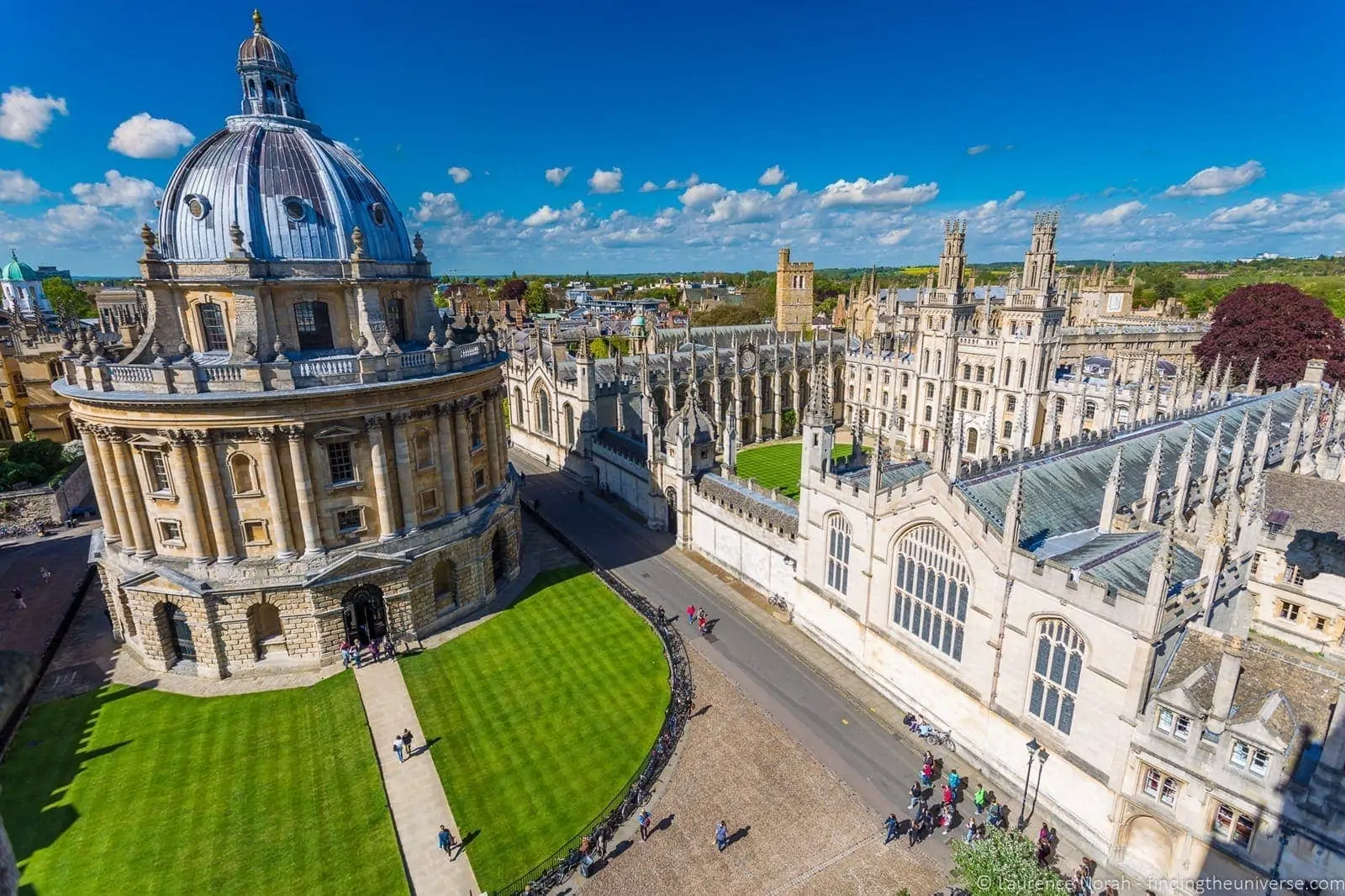
I lived in and around Oxford for a number of years, and I generally felt like a tourist most of that time too. You can’t really help it. You’re walking to the shops and suddenly the Radcliffe Camera appears around a corner, and you stop and stare at it like you’ve never seen it before. That’s the effect Oxford has on people.
Jess and I have been back many times since, and we always find something new to discover. Oxford rewards repeat visits, but it’s also brilliant if you only have a day. The city is compact enough that you can see the highlights on foot, and there’s a good mix of history, architecture, food and just plain wandering to fill your time.
Below I’ve shared our favourite things to do on an Oxford day trip, based on years of exploring the city. There’s a sequenced one-day itinerary you can follow as written, then the deeper detail on each stop, current pricing, a winter alternative, and answers to the questions people ask most about visiting.

Table of Contents:
Is One Day Enough for Oxford?
One day is plenty to see the highlights. Oxford’s city centre is very walkable, and the major attractions (the colleges, the Bodleian Library, the Radcliffe Camera, the covered market, the pubs) are all within about ten minutes of each other.
That said, you could easily spend three or four days here and not run out of things to do. There are 39 colleges and societies to explore, world-class museums that are free to visit, and the surrounding countryside (including the Cotswolds and Blenheim Palace) is beautiful. If you have the time, I’d recommend staying at least one night, because Oxford has a lovely atmosphere in the evening once the day-trippers head home.
But if one day is what you have, don’t worry. You’ll still have a wonderful time, and you’ll almost definitely want to come back.
Your One Day in Oxford
Oxford works as a day trip because the city centre is compact, with most of the named highlights sitting inside a fifteen-minute walking circle. The day below maps to a typical 09:30 arrival from Paddington and a return train between 19:00 and 21:00. It’s built around the stops we keep coming back to and away from the ones we’ve learned aren’t worth a tight day-trip slot (sorry Christ Church on an event day, you know what you did).
The full day uses an official walking tour as its keystone for the morning, on the basis that two hours with a Blue Badge guide builds you a mental map of the city that would otherwise take a full day of self-navigation. If you’d rather skip the tour and self-guide, there’s a note further down on how to rebalance the morning.
Morning: Coffee, the Centre, and a Walking Tour
The 08:33 fast train from Paddington gets you into Oxford station for around 09:30. It’s a ten-minute walk into the centre via Hythe Bridge Street, and you want to be settled with a coffee by about 09:45.
For coffee, our pick is the Grand Café on the High, which sits on the site of what was the oldest coffee house in England (the original opened here in 1650). It’s a few minutes from Carfax and well-placed for the rest of the morning. If you’ve come on an even earlier train, the Bodleian Café inside the Weston Library on Broad Street opens at 08:30 and is just as central.
(For years, the obvious pick for an early Oxford coffee was Vaults & Garden Cafe in the crypt of the University Church on Radcliffe Square. It closed in November 2025 after a long legal dispute with the Parochial Church Council. The site will reopen as a social-enterprise cafe in the next eighteen months or so, but it isn’t there for now, so don’t plan around it.)
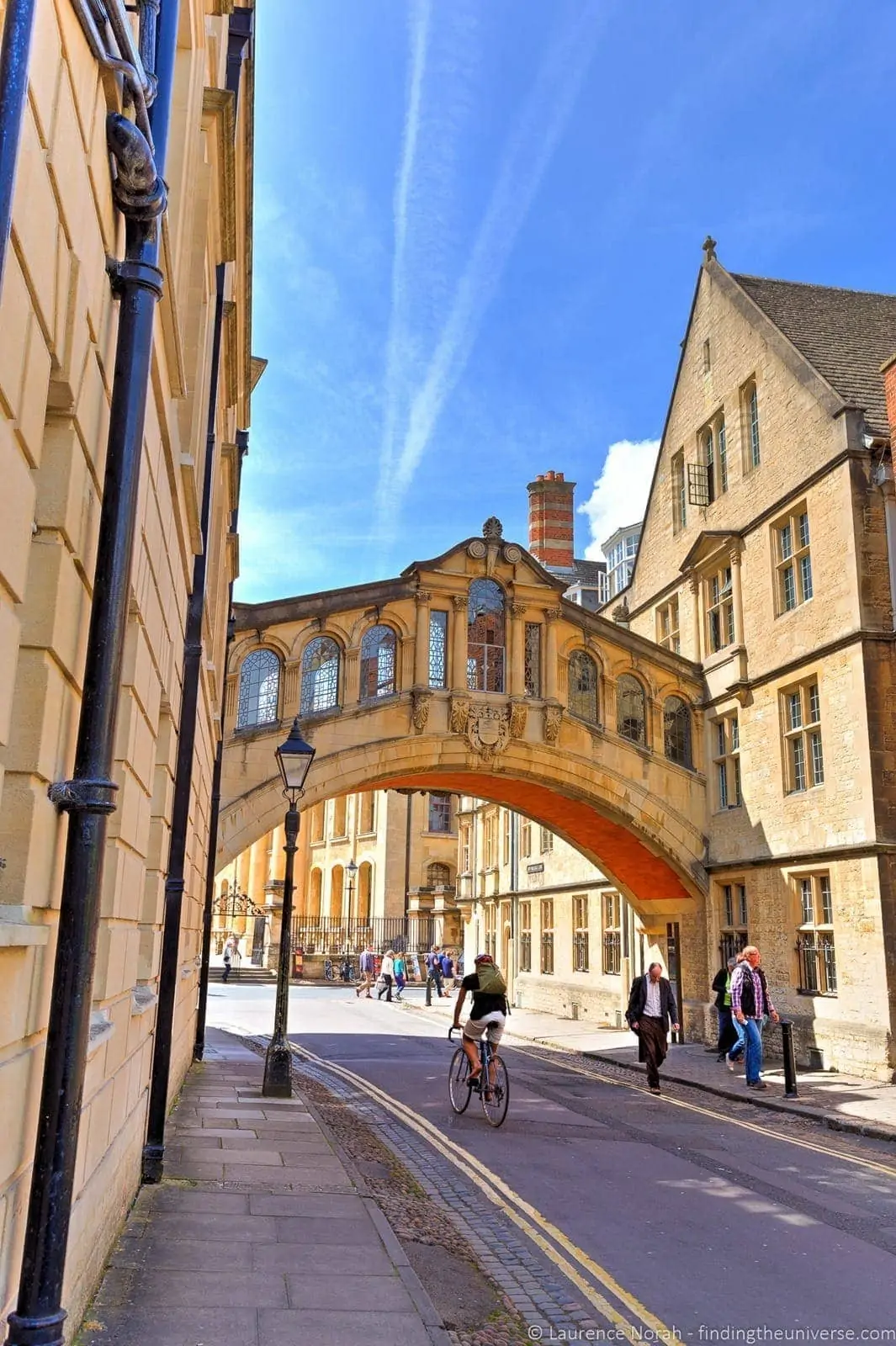
While you’re caffeinated, walk a quick loop: the Radcliffe Camera (the round library you’ve seen in every Oxford photo, in the middle of Radcliffe Square), the Bridge of Sighs on New College Lane (a quirky covered bridge between the two halves of Hertford College), and the entrance to the Bodleian Library quadrangle for a peek inside. This loop takes about thirty minutes and puts you at the visitor centre by 11:00 for the walking tour.
Late Morning: The Walking Tour (11:00 to 13:00)
Take the Official University and City Tour led by a Blue Badge guide. It’s two hours, it starts at the visitor centre, and it covers the covered market, the high street, the Bodleian Library, the Radcliffe Camera, the Divinity School (which doubled as the Hogwarts hospital wing in the Harry Potter films), and a couple of the university colleges your guide will pick depending on what’s open that day.
We took this exact tour on our last visit and it was easily the best money we spent on the day. Blue Badge guides are licensed and tested, they know their stuff, and they’ll point out details and stories you’d walk straight past on your own. There’s also an excellent student-led tour as an alternative if you’d rather hear about Oxford from someone currently studying there.
If you’d prefer to skip the tour entirely and self-guide: pick three colleges from the decision tree in section 2 below, walk between them at your own pace using the porter’s-lodge approach, and stop for coffee or a pint somewhere in between. You’ll see less than the tour covers, but you’ll see it on your own clock.
Lunch in the Covered Market (13:00 to 14:00)
The Covered Market has been trading since 1774 and is exactly where you want to be on a day trip. It’s not a sit-down restaurant in the traditional sense. It’s a cluster of independent food stalls, cafés, butchers, florists and a lot of cake. Pick up a sandwich from Ben’s Cookies (they do savouries as well as the famous biscuits), a pie from Pieminister, or a proper cooked lunch at Brown’s Café, which has been running here since 1920 and does a solid plate of British comfort food.
If pubs are more your speed for lunch, the Lamb and Flag on St Giles’ opens at noon and does proper pub food. The Turf Tavern, which is our pick for evening pints, also serves food at lunch.
Afternoon: Colleges, Punting, and the Tower (14:00 to 17:00)
After lunch, head off the walking tour with a clear plan, because half the fun of an independent college visit is choosing the right one for that day. Use the decision tree in section 2 below to pick. The short version: Christ Church if it’s open and you’ve managed to grab a ticket (from £16.95 off-peak, more typically £20-23 for popular slots), Magdalen for the deer park, Exeter for the chapel (one of our personal favourites and free to visit), Trinity for the gardens, or the porter’s-lodge dance to find one of the others that’s open.
After about an hour in a college, walk north to the Cherwell Boathouse (fifteen minutes from the centre, signposted from the high street) for a punt. Punting is harder than it looks but that’s half the fun. Jess and I had a slightly confusing start the first time we tried it on our own (I confused the front and back of the punt, which is a more consequential mistake than it sounds), but we settled into a vaguely efficient rhythm. It’s £25 an hour on weekdays and £27 at weekends as of 2026, and a punt fits up to six people if you’ve got a group. Aim for an hour upstream and back. (The Cherwell Boathouse runs from mid-March to mid-October. Outside that window, swap punting for tea at the Grand Café and an extra college, or use the time for a Bodleian Library tour if you didn’t get to it earlier.)
Back from the punt, head straight to the University Church of St Mary the Virgin for the tower climb. It’s £6, and you climb 127 steps up a medieval spiral staircase, but the view is the best one in the city centre. The Radcliffe Camera looks particularly good from up here in the late-afternoon light, when the stone catches a warm wash. The tower closes at 17:00, so this is the cutoff for the afternoon block.
Evening: Castle, a Pub, and the Train Home (17:00 to 20:00)
If you’ve still got the legs for it, swing south-west from the centre to Oxford Castle Prison for the late-afternoon guided tour. Tours run roughly until 16:00 to 16:30 depending on the day, so check before you bank on this one. If you’re tight on the schedule it might already be too late. The tour takes you through St George’s Tower (a bit more climbing, 101 steps this time), the candlelit crypt, and the prison cells. On our visit it was led by a character actor playing King Stephen, which sounds a bit theme-park but actually worked, and finishes on the tower roof with city views.
If the castle’s already past its last tour, the Ashmolean Museum is open free until 17:00 most days. It’s not a small museum (you could spend an entire afternoon there easily), but a focused forty-five minutes on the antiquities or the Renaissance galleries is a perfectly reasonable late-afternoon stop. Same goes for the Pitt Rivers Museum, which closes at 17:00 most days and is one of the most distinctive small museums in the country (more on it below).
By 18:00, you want to be at the Turf Tavern. It’s down a tiny alley off Holywell Street, next to the Bridge of Sighs. Easy to miss, so ask a local if you can’t find it. One of the oldest pubs in Oxford with a proper outdoor beer garden (good for an early-evening pint while it’s still light), a wide beer selection and pub food. Famous mostly for student folklore: local lore links the pub to former Australian PM Bob Hawke’s yard-of-ale moment (though historians actually place the record at his college, University College, just up the road), and the rumour that Bill Clinton “did not inhale” here. Our Turf moments have been less famous and arguably more enjoyable.
Train back to Paddington from Oxford station: about ten minutes’ walk from the centre, with the last fast trains around 22:00 on weekdays. The 19:48 or 20:48 fast services both put you back at Paddington in time for the tube home. Avoid the slow trains that stop at every station between Oxford and London, as they turn the journey into nearly two hours.
If You’re Visiting Oxford in Winter
The summer flow above doesn’t hold in December or January, when daylight is gone by 16:30 and punting on a cold river loses its appeal fast. Here’s the rebalance for a winter day.
Trade the punt for an indoor stop, either the Pitt Rivers Museum (a Victorian glass-and-iron building stuffed with anthropological treasures, free entry) or the Ashmolean (also free, more polished and more comprehensive). Either can swallow a couple of hours easily and both are warm buildings, which counts in January.
Bring the University Church tower climb forward to 14:00 to 15:00 to catch the daylight before it fades. Then end at a pub by 17:00 to 18:00. The Turf Tavern is the obvious pick, but the Lamb and Flag on St Giles’ is also excellent and has slightly easier access if it’s bucketing down. Cold-weather Oxford is actually beautiful (the colleges with frost on the lawns, Christ Church Meadow at sunset, empty quads on a Sunday afternoon), but the day is about indoor depth and one good outdoor highlight rather than the summer itinerary’s outdoor-heavy flow.
One important winter caveat that applies year-round: Christ Church and several other colleges close to visitors entirely during the late May to mid-June exam period. The decision tree below covers what to do when your first-choice college is shut.
Things to Do in Oxford on a Day Trip
Here’s a list of all our favourite things to do in Oxford which you should be able to do in a day trip from London, or other nearby location. The itinerary above weaves them into a sequenced one-day plan; the deeper detail on each is below.
1. Take a walking tour
One thing Jess and I did this time round that was different to my previous visits was to take an official walking tour. This was an excellent way to get oriented (I always get lost in Oxford, the place is a maze!), learn about some of the history of the city, and see some of the university colleges, of which there are many.
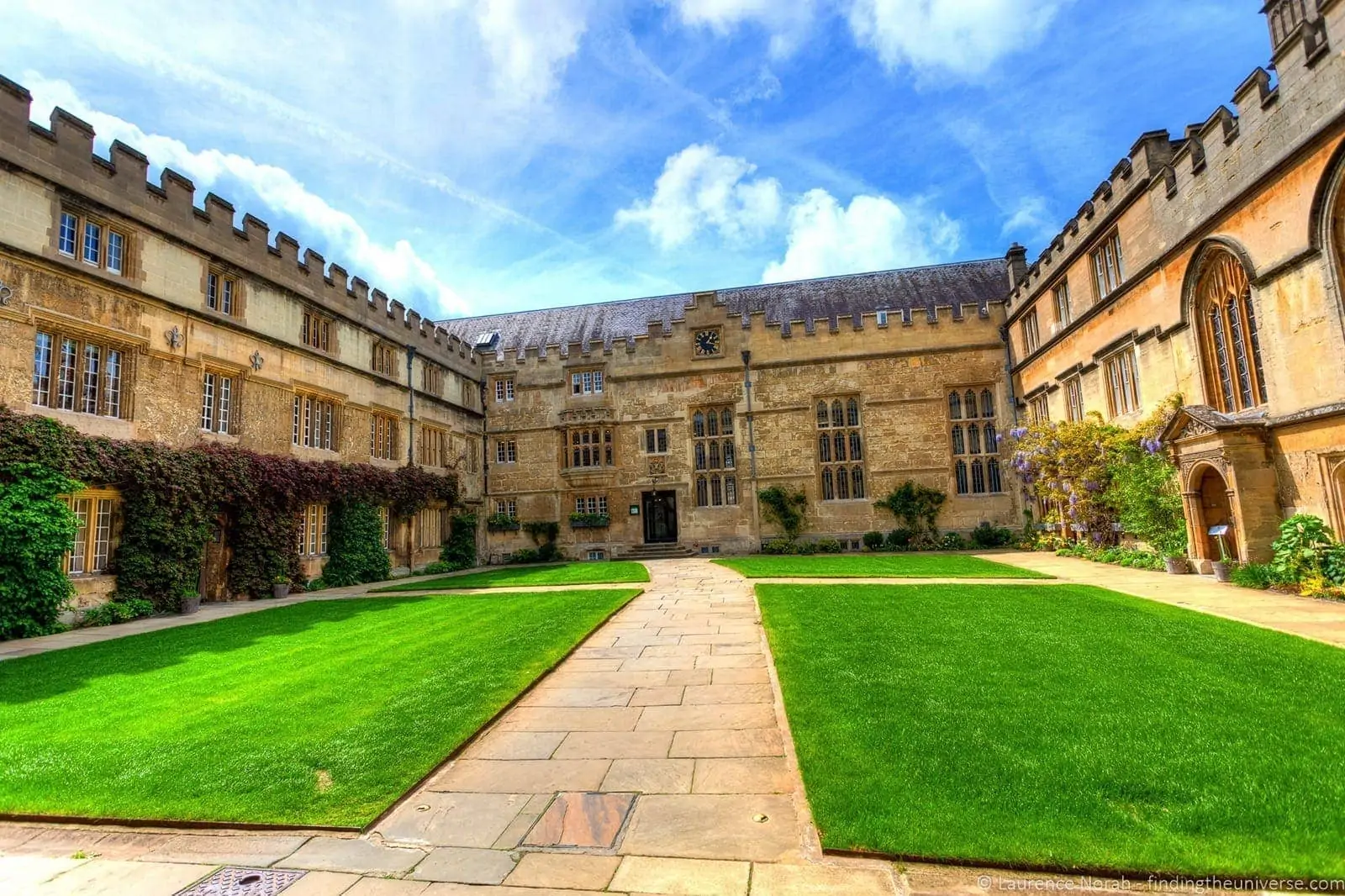
We took the Official University and City Tour, which started at the visitor centre and is run by the official Oxford Tourism Board. Tours run a number of times a day, and are led by licensed Blue Badge guides, which means they really know their stuff.
The tour lasted a couple of hours, with our guide taking us to some of the highlights of Oxford, including the covered market, the high street, the Radcliffe Camera, the Bodleian Library and a number of the university colleges.
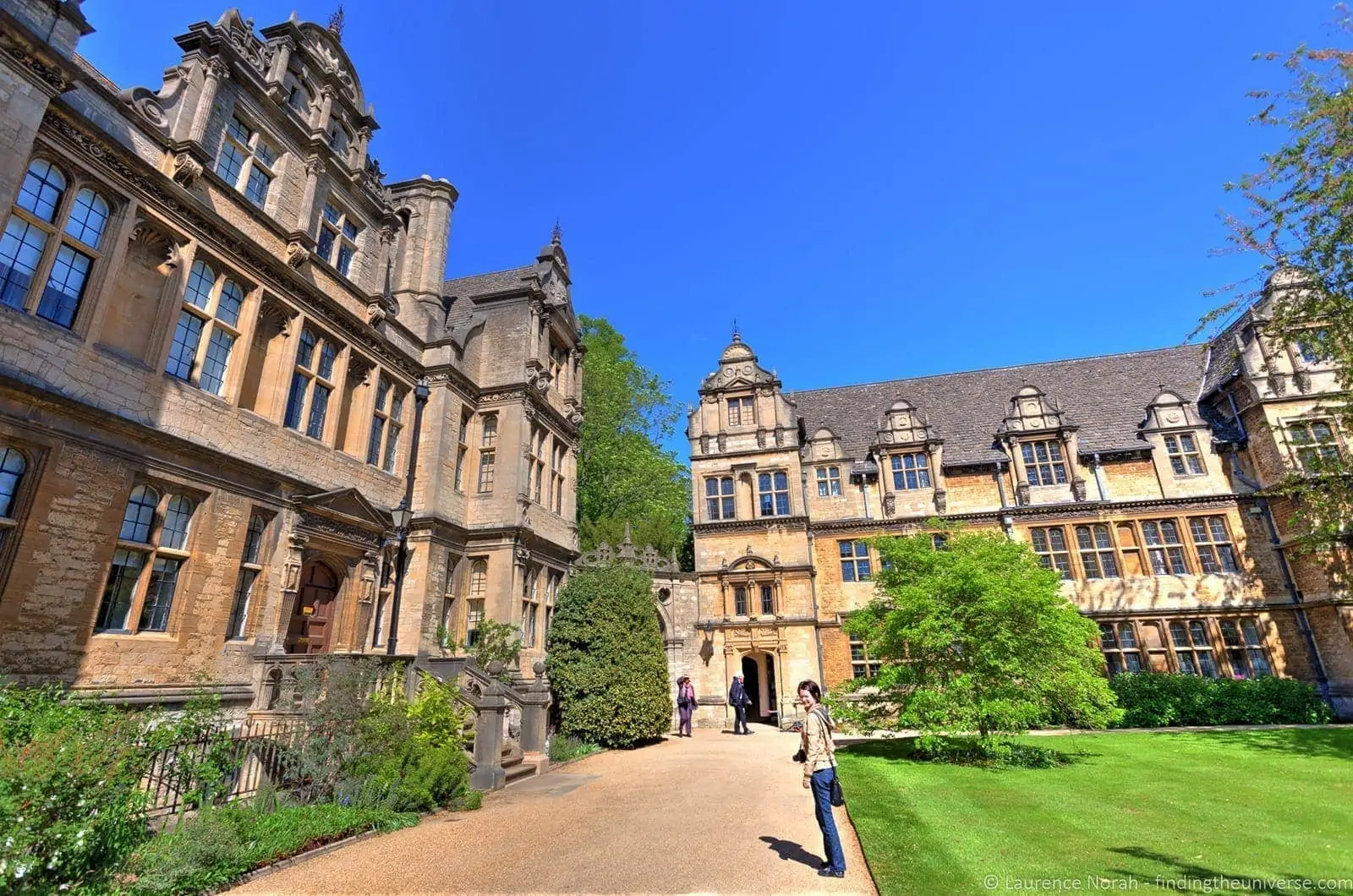
It was excellent value for money, and a wonderful way to quickly get a handle on the layout of Oxford, the history of the town, and the university colleges. We also went into a number of the colleges, and the guide pointed out which ones we should come back to and visit independently.
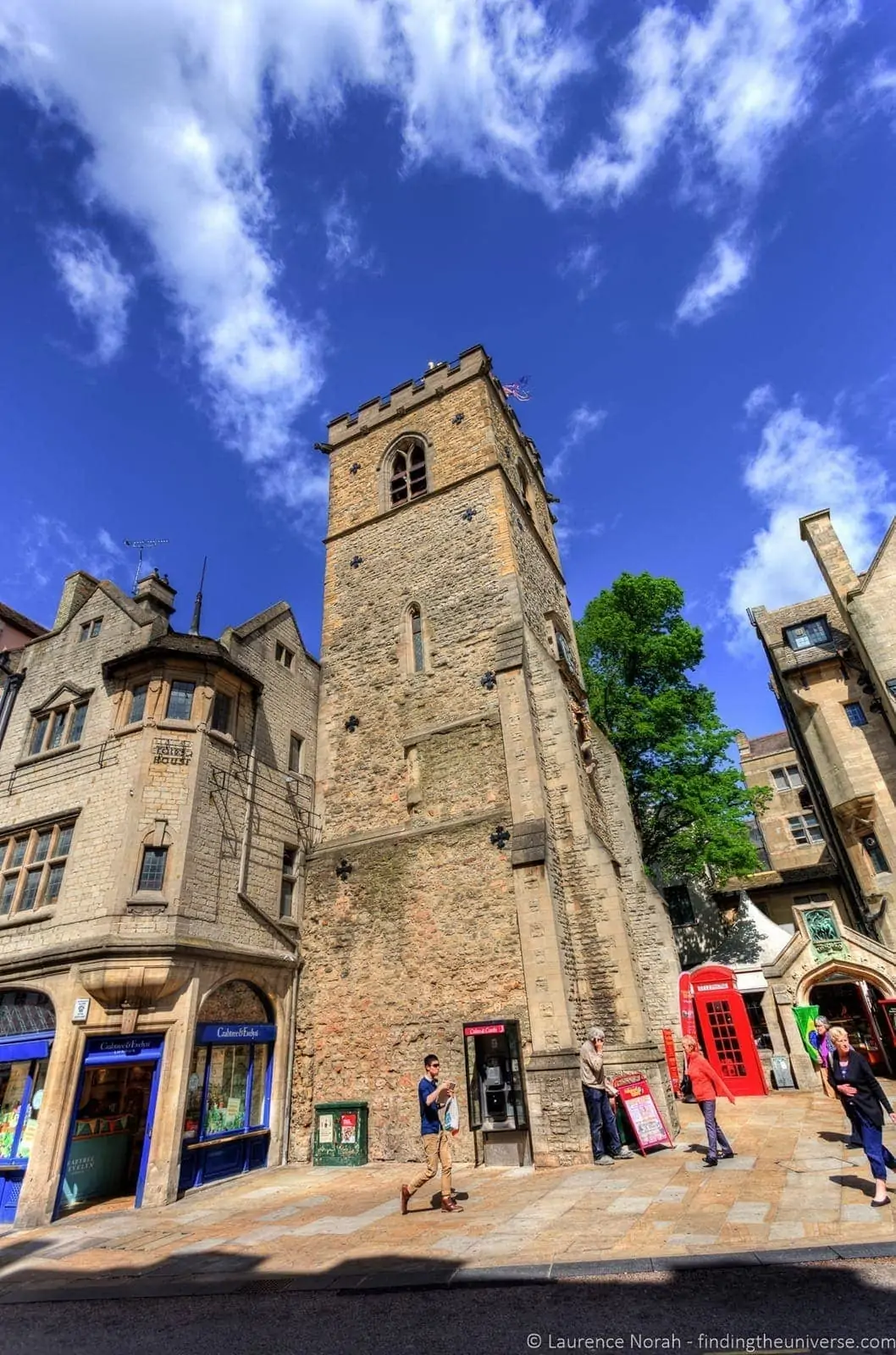
Finally, our last port of call was the optional Divinity School, a beautiful building which doubled up as the location for the Hogwarts hospital wing in the Harry Potter films.
Film buffs will know that Oxford was featured in many of the Harry Potter films. See our guide to Harry Potter filming locations for more of these. You can also take a specific Harry Potter walking tour if that’s what you are interested in.
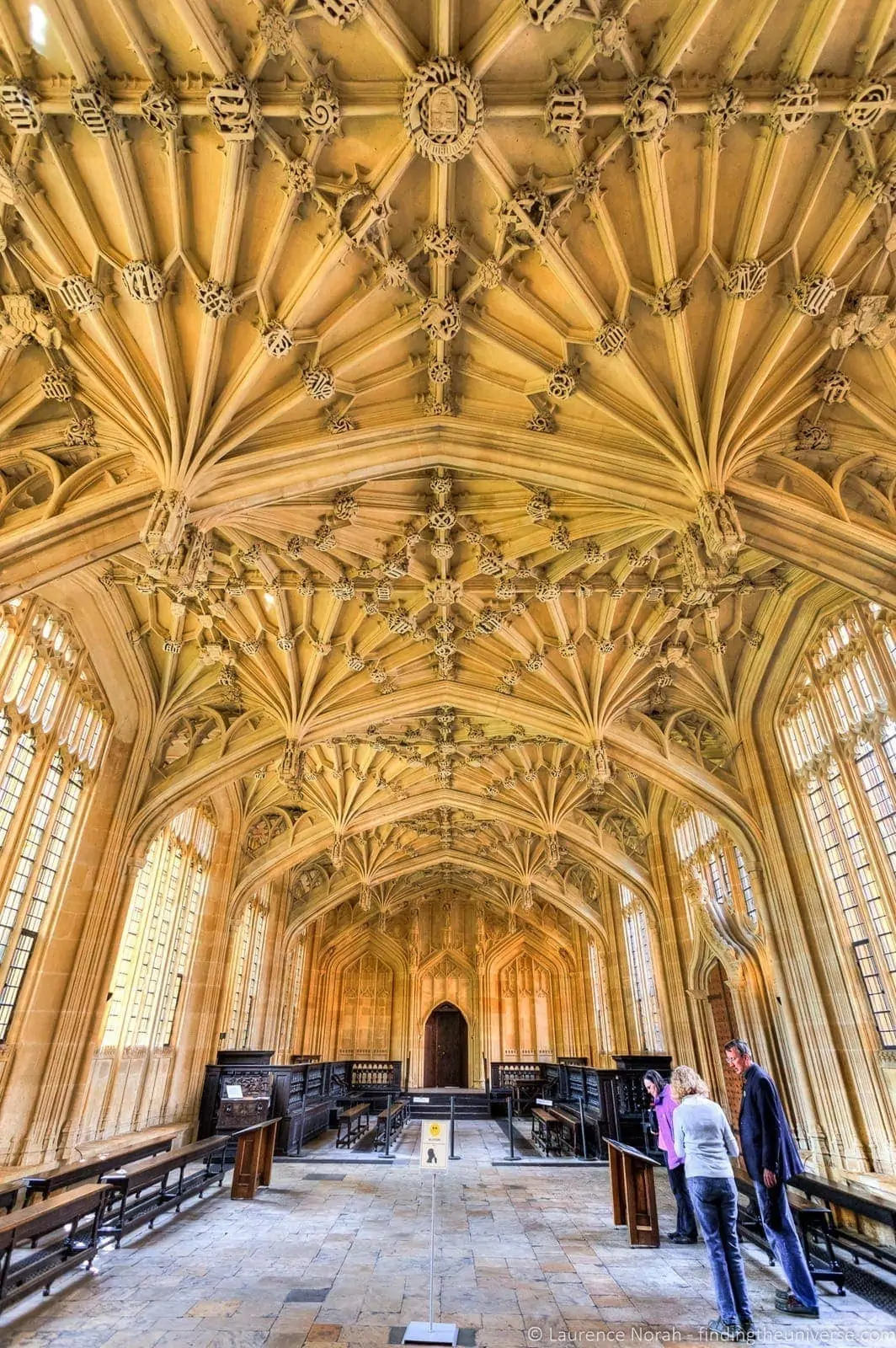
All in all, a very worthwhile couple of hours. If you’re interested in doing a walking tour of Oxford, this is a link to the tour we took so you can book in advance now.
Alternatively, you can also take a tour of Oxford led by an Oxford student, which is a fun way to get more of an insight into student life here. These tours cover similar ground and last around the same amount of time. You can see the reviews and book online here.
2. Visit the University Colleges
We visited a number of the colleges on our walking tour, and they are quite something. Our guide had given us some ideas as to which we could visit by ourselves, including some of his personal favourites, and I’d very much recommend setting aside a bit of time to explore the colleges independently.
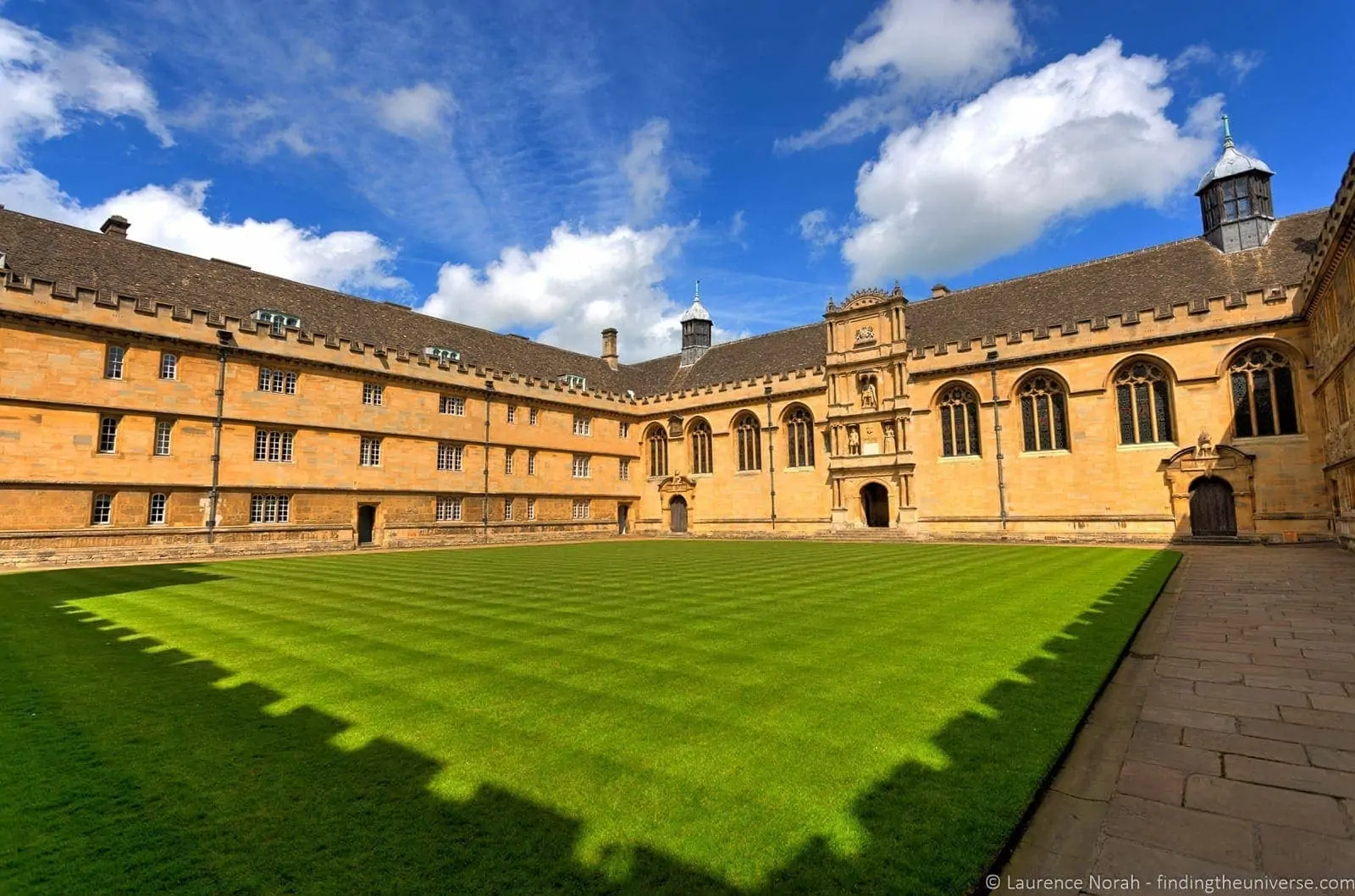
A little bit about Oxford University. One of the oldest universities in the world, Oxford University is made up of around 40 colleges and societies, each of which is independently governed. There’s no campus, with all the colleges, halls, faculties and departments set throughout the city centre.
Visiting the colleges is a bit hit and miss depending on the time of year. Some of the colleges (notably Christ Church) charge an entry fee, while others are free. Several close to visitors entirely during exam season (roughly late May to mid-June), and individual colleges sometimes shut for events, weddings, or graduation days. Your best bet is to draw up a shortlist of colleges you’d like to visit, and pop into the porter’s lodge for each one to see if it’s open. The porter’s lodge is pretty much always at the entrance, and we’ve found the porters welcoming whenever we’ve asked.
Here’s a quick decision aid to help you pick which to try, with rough fee tiers as of 2026.
| College | Fee tier | Why go |
|---|---|---|
| Christ Church | From £16.95 (typically £20-23 for popular slots; guided tours £23.50-£26.50) | The big one. Tom Quad, the Hall (Harry Potter dining-hall inspiration), and the Cathedral. Dynamic pricing, so most weekend slots run higher than the headline figure. Tickets release 10am UK time each Friday for the following week and the best slots go fast, so book ahead if you’re set on this one. |
| Magdalen | £10 adult / £9 concession | Has its own deer park inside the college grounds, plus beautiful river-side gardens. One of the most atmospheric colleges to wander. |
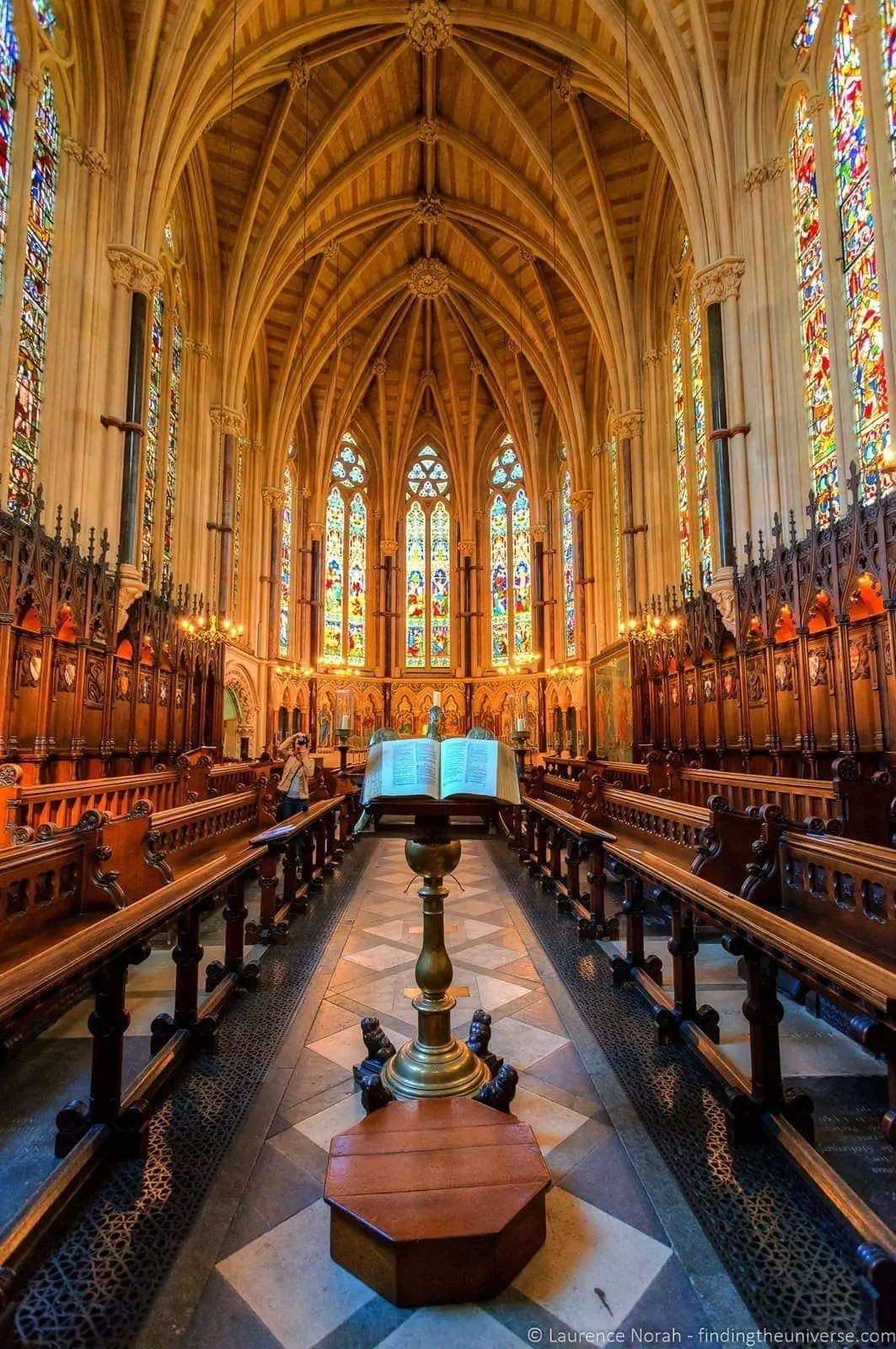
| Exeter | £4 adult / under 12s free | Beautiful chapel that’s arguably the prettiest of all the college chapels. One of our personal favourites and easy to drop into. |
| Trinity | £7 adult / £5 student or concession | Gardens are gorgeous to walk in, and it’s usually less crowded than Christ Church or Magdalen. |
| New College | £12 adult / £11 concession (card only, no cash) | Cloisters were used as a Harry Potter filming location. The chapel is also worth seeing. |
| Wadham | Free | Less touristy and often quieter. Front Quad, Chapel and Fellows’ Garden are open to individual visitors. Good fallback if your first choice is closed. |
We visited a number of the colleges on the day, including Exeter College and Trinity College. I particularly liked the chapel at Exeter College, and the gardens at Trinity College were also gorgeous to walk in.
Christ Church, the grandest and most famous of the colleges, was unfortunately closed on the day we visited, but if it’s open when you’re in town, I’d highly recommend popping by. The porter’s lodge approach is really the key to a good college day in Oxford, because at least one of your shortlist will likely be unavailable, and another that wasn’t on the list might be a pleasant surprise.
3. Go Punting
Punting is a classic pastime in Oxford, and one that’s best enjoyed over a leisurely period of time, where you can learn how to actually do it, and maybe even reach a pub somewhere on your journey.
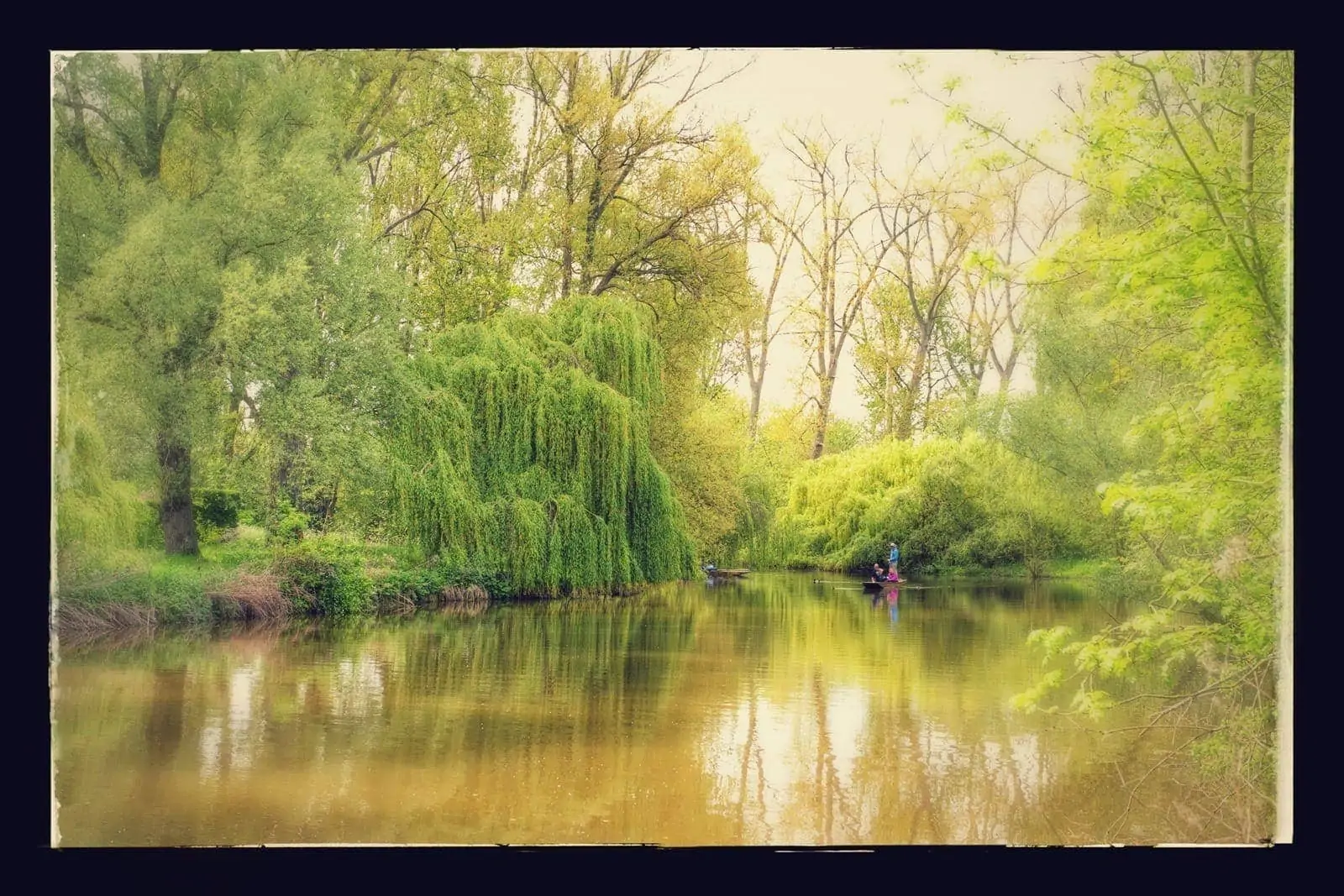
I’ve punted a few times before, but usually in the company of a competent punting friend. On this visit, it was just Jess and me, so I was given the task of figuring out how to make the boat move along the river in the direction I wanted it to go.
After a slightly confusing start where I confused the front and back of the punt, and following some helpful advice from the punt house on technique, we set off upstream, with the theory being that this would make for an easier return journey. I settled into a vaguely efficient rhythm, managed to avoid both the riverbanks and other punters, and we had a lovely time, even if we didn’t get quite far enough to find a pub.
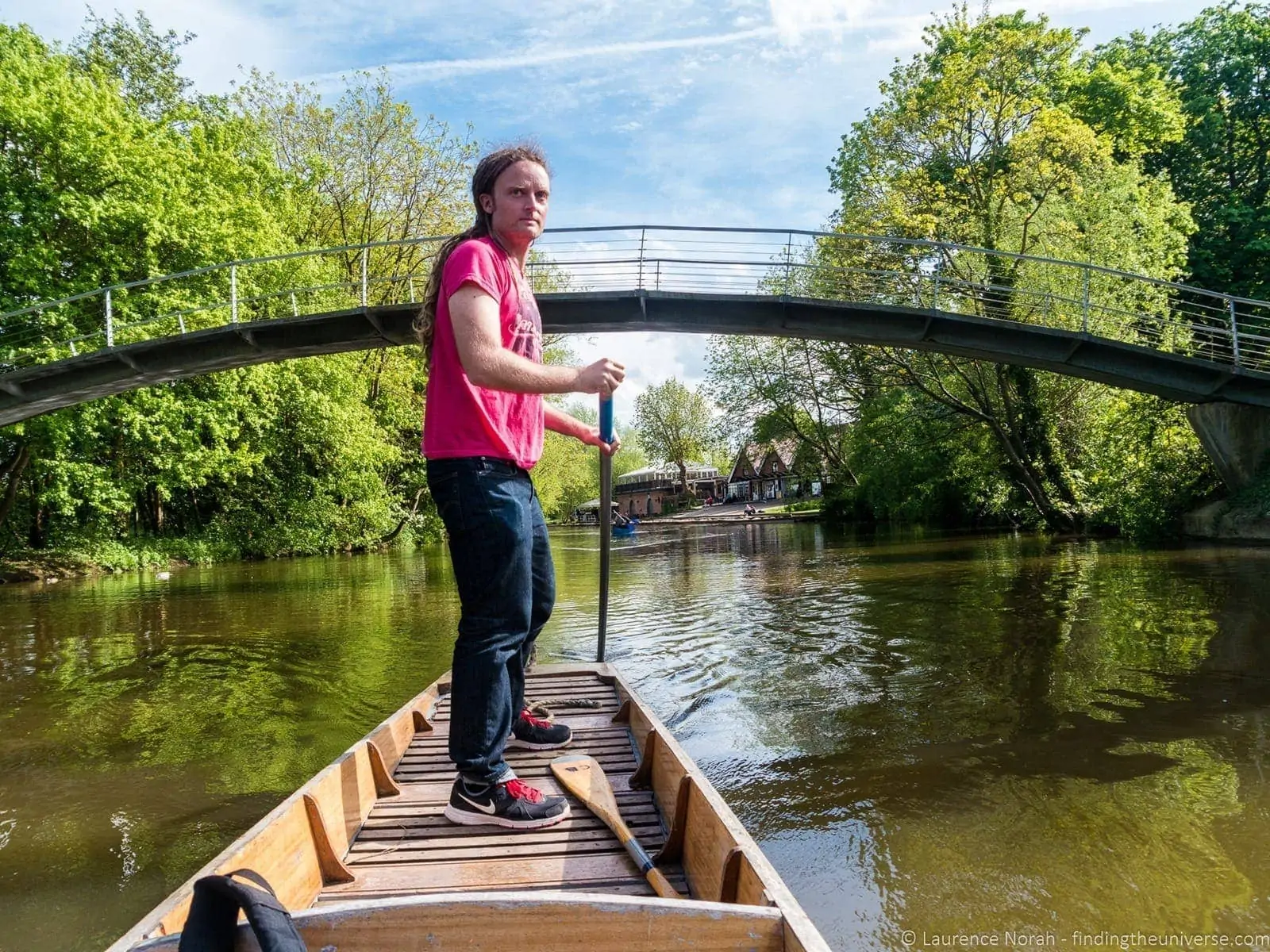
For punting, I’ve always gone with the Cherwell Boathouse. It’s a great location, there are pubs in both directions along the river, and they have a lovely bar and restaurant on-site if you don’t quite make it the half hour upstream that’s required to find a pub. We’ve been again on our return visits, and were thankful for the friendly service and helpful punting advice. Punts are hired by the hour or for the day, with current prices at £25 an hour on weekdays and £27 at weekends. They run from mid-March through to mid-October.
4. Imbibe a Beverage
If you struggle to punt your way to a pub, don’t worry. Oxford has plenty of good pubs, with some personal favourites being the Lamb and Flag, the White Horse, the King’s Arms, and (the topper) the Turf Tavern.
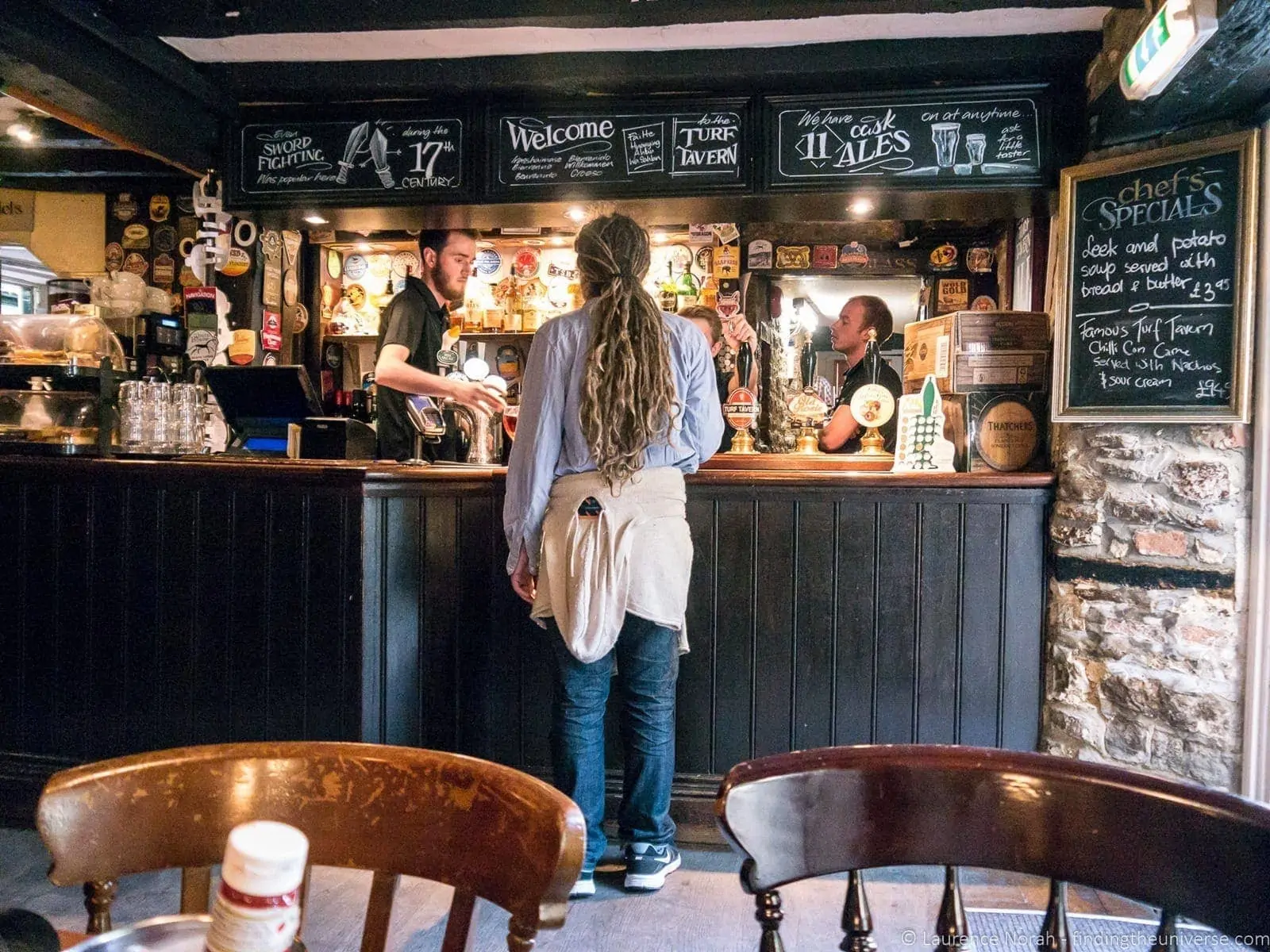
At the top of my list is the Turf Tavern. A little tricky to find, being as it is down a tiny alley just next to the Bridge of Sighs, if you’re struggling just find a local to give you directions. This is one of the oldest pubs in Oxford, and has a lovely outdoor beer garden as well as plentiful indoor seating and a wide selection of beers as well as food.
It’s popular with university students, and has its share of folklore. Local lore links it to former Australian PM Bob Hawke’s famous yard-of-ale record (a Guinness World Record, no less, set in eleven seconds), though historians actually trace that record to Hawke’s own college, University College, just up the road. The Turf leans into the association regardless and has an Australian-student commemorative plaque inside. Other famous visitors include Bill Clinton, and legend has it that it was at the Turf Tavern that he “did not inhale”. Whatever you think of either story, you’re bound to love this venue.
The Lamb and Flag on St Giles’ is also worth knowing about. After closing during the pandemic in 2021, it was rescued by a community-interest company called the Inklings Group and reopened in October 2022 (yes, the company is named after the literary group that included Tolkien and C.S. Lewis, who used to drink at the Eagle and Child across the street, and sometimes also at the Lamb and Flag itself). It’s a Grade II listed pub with a proper old-Oxford feel, twelve keg lines and changing real ales, and bar snacks all day.
5. Visit Oxford Castle
If you are travelling with children, they’ll likely love a visit to Oxford Castle. Originally built in the 11th century by the Normans, the castle served first as the main defensive centre of the town, back when castles were actually useful for that, before being used as a prison from around the 14th century.
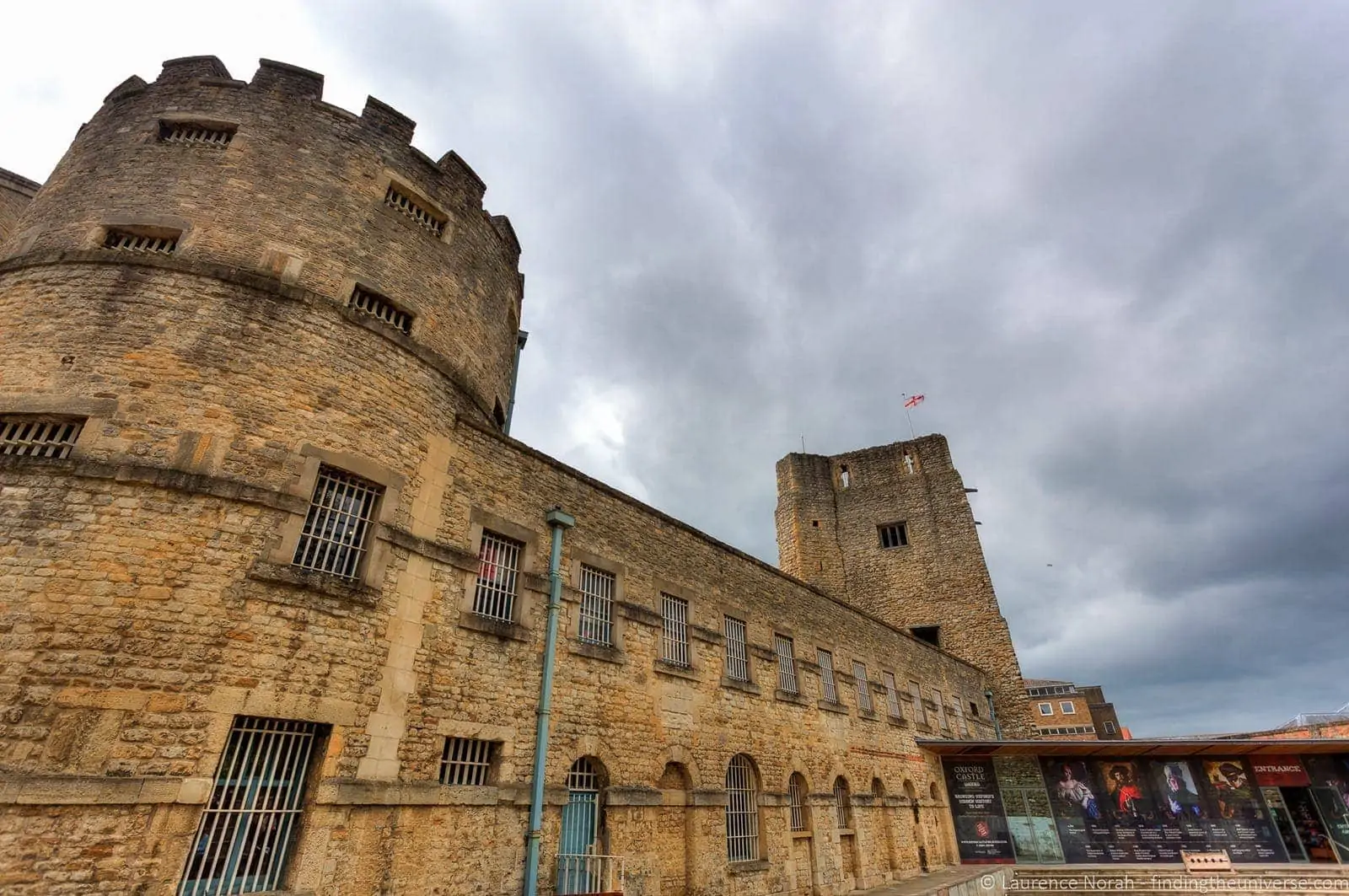
Whilst much of the original castle was destroyed in the English Civil War, the parts that survived were incorporated into Oxford’s official prison, and stayed that way until 1996, when it was concluded that it probably wasn’t the most modern of prison constructions and was decommissioned.
Now, the surviving castle complex serves a number of functions, with part of it being a hotel. As a visitor wanting to learn more about the history, you’ll want to take the Oxford Castle and Prison Guided Tour, which gives you access to the Motte (a big earth mound), St George’s Tower, the crypt and parts of the prison. There is a saver discount if you book online in advance.
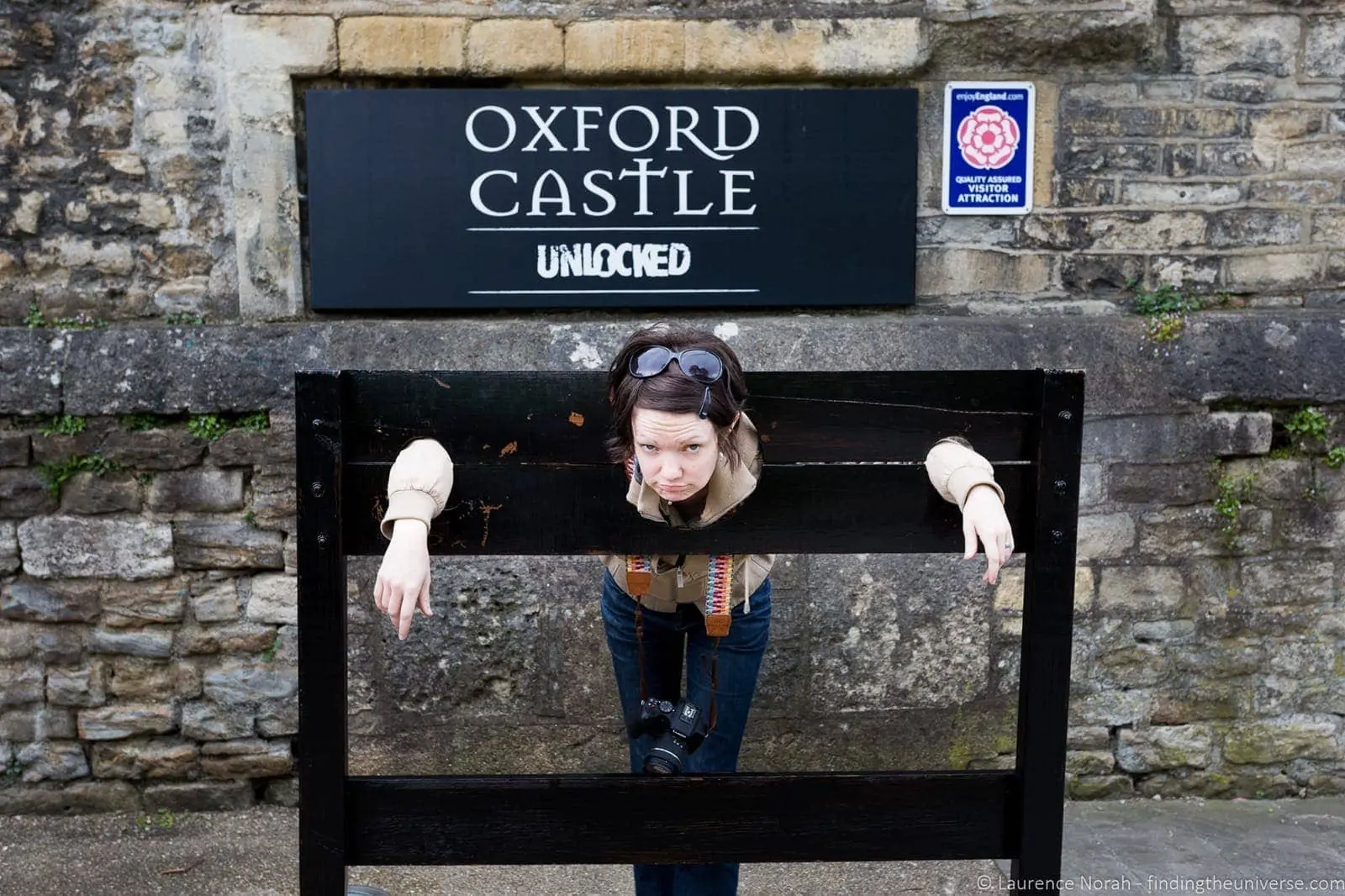
The tour, which runs for around an hour, largely takes in St George’s Tower (101 steps to the top), the candlelit crypt, and the prison. On our visit it was performed by a character actor who assumed the role of King Stephen. From him, we learnt all about the history of the tower and its various uses, as well as some notable characters who had been held here.
We also got to go up on the roof of the tower itself, which had great views over the city. After the tour was complete, we were able to explore the prison, where we got an insight into prison life over the years, which looked pretty miserable. You can buy tickets online here.
6. Climb the University Church
Regular readers will know that one of my favourite ways to see a city is from above, usually by finding a nice tower and climbing to the top of it. It turns out that even in all my years living around Oxford I had never found a suitable tower, which was a bit of a failing as it turns out there’s an excellent view to be had from the top of the University Church of St Mary the Virgin, which sits right next to the Radcliffe Camera.
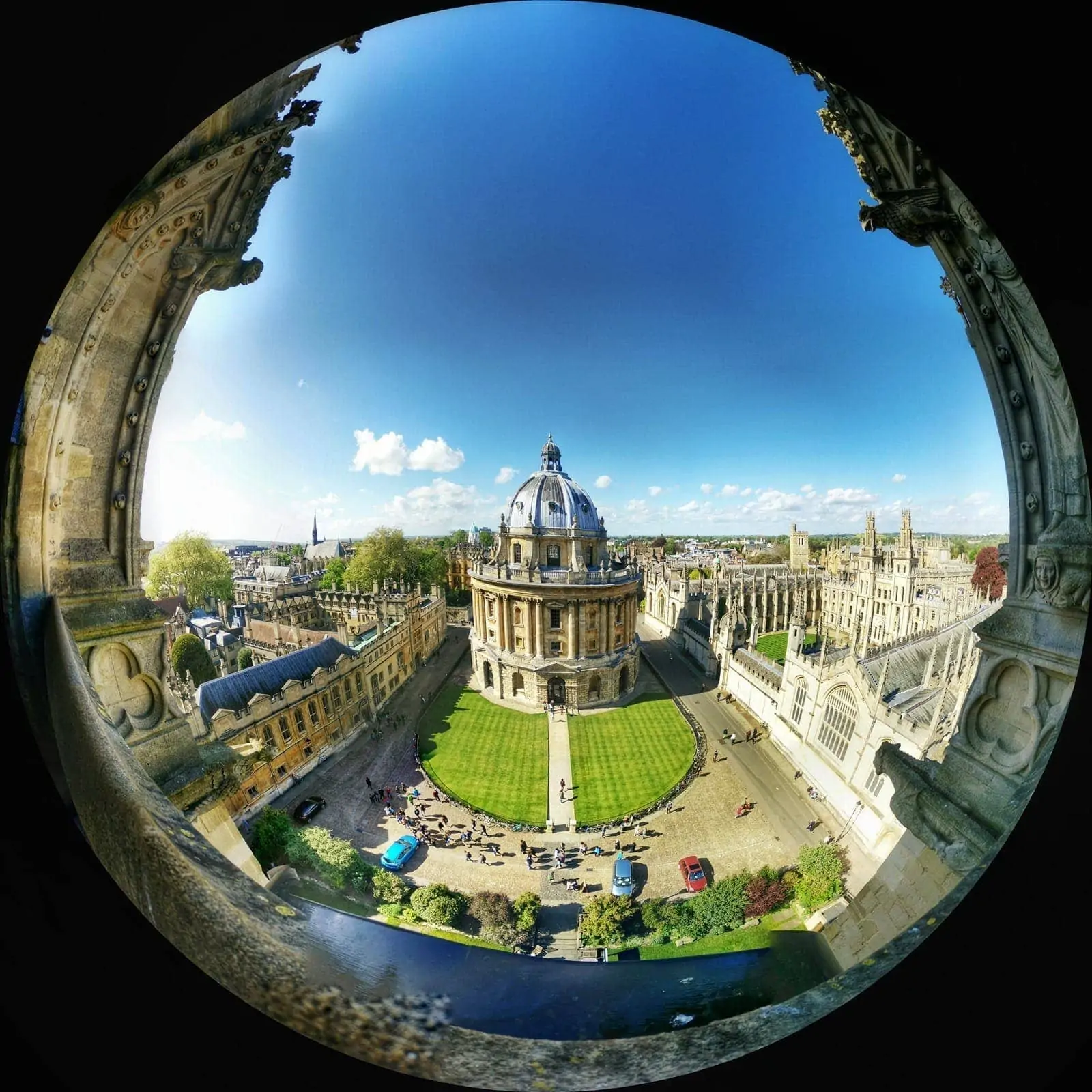
It’s a bit of a climb to the top (127 steps up a medieval spiral staircase), and there’s an entry fee of £6 (you pay at the shop in the Radcliffe Square entrance, cash or card), but the view is more than worth both the effort and the expense. The church itself is free to visit, and the tower is open Monday to Saturday from 09:30 to 17:00 and Sundays from 12:00 to 17:00.
Best Photo Spots in Oxford
Oxford photographs better than almost any city its size in England, and a few of the spots are worth knowing about specifically.
The Radcliffe Camera is the obvious one, but the angle matters. From down at ground level on Radcliffe Square you get the classic full-building shot. From the top of the University Church tower (described above) you get the bird’s-eye view that puts the dome in context against the surrounding rooflines, which is the more interesting frame in late-afternoon light. From Brasenose Lane you can shoot through an arched gateway for a framed shot. The fisheye view through the gates of the Bodleian Library quad is also a classic.
The Bridge of Sighs on New College Lane is a tight space and most people just shoot it head-on, which works fine. The better shot is angled along the lane with the curve of the buildings leading the eye, ideally in early morning before the lane fills up.
For a wider perspective shot of the city, Christ Church Meadow in the late afternoon gives you the Christ Church towers backlit by the setting sun. It’s a fifteen-minute walk south from Carfax and worth the detour if you’re in the city in summer.
If you’re interested in the photography side of travel, you might also like our guide to the best photography locations in London, which covers some good spots in our home country’s biggest city.
More Things to Do in Oxford
If you still have time after the highlights above (or if punting isn’t your thing and you need an alternative), Oxford has plenty more to offer. The museums in particular are a strength of the city and most of them are free.
The Ashmolean Museum
The Ashmolean on Beaumont Street is one of the best museums in the country, and it’s free to enter. It was founded in 1683, which makes it the oldest public museum in the UK and one of the oldest in the world. The collection covers everything from ancient Egyptian artefacts to Renaissance paintings to samurai armour to a substantial set of Chinese ceramics. You could lose an entire afternoon in there easily; for a day-trip stop, pick a wing and commit. The galleries are well-lit, the layout is intuitive, and the café in the central atrium is good for a reset.
The Pitt Rivers Museum
The Pitt Rivers Museum is one of the most distinctive small museums in the country and is also free. It’s tucked behind the Oxford University Museum of Natural History on Parks Road, and rather than organising its half a million objects by region or chronology (the way most anthropological museums do), it groups them by type. So all the masks are together, all the musical instruments together, all the weapons together, regardless of which part of the world they come from. It’s a Victorian glass-and-iron hall packed floor to ceiling, with most cases lit individually so you can pick out details, there’s nowhere else quite like it.
The Oxford University Museum of Natural History
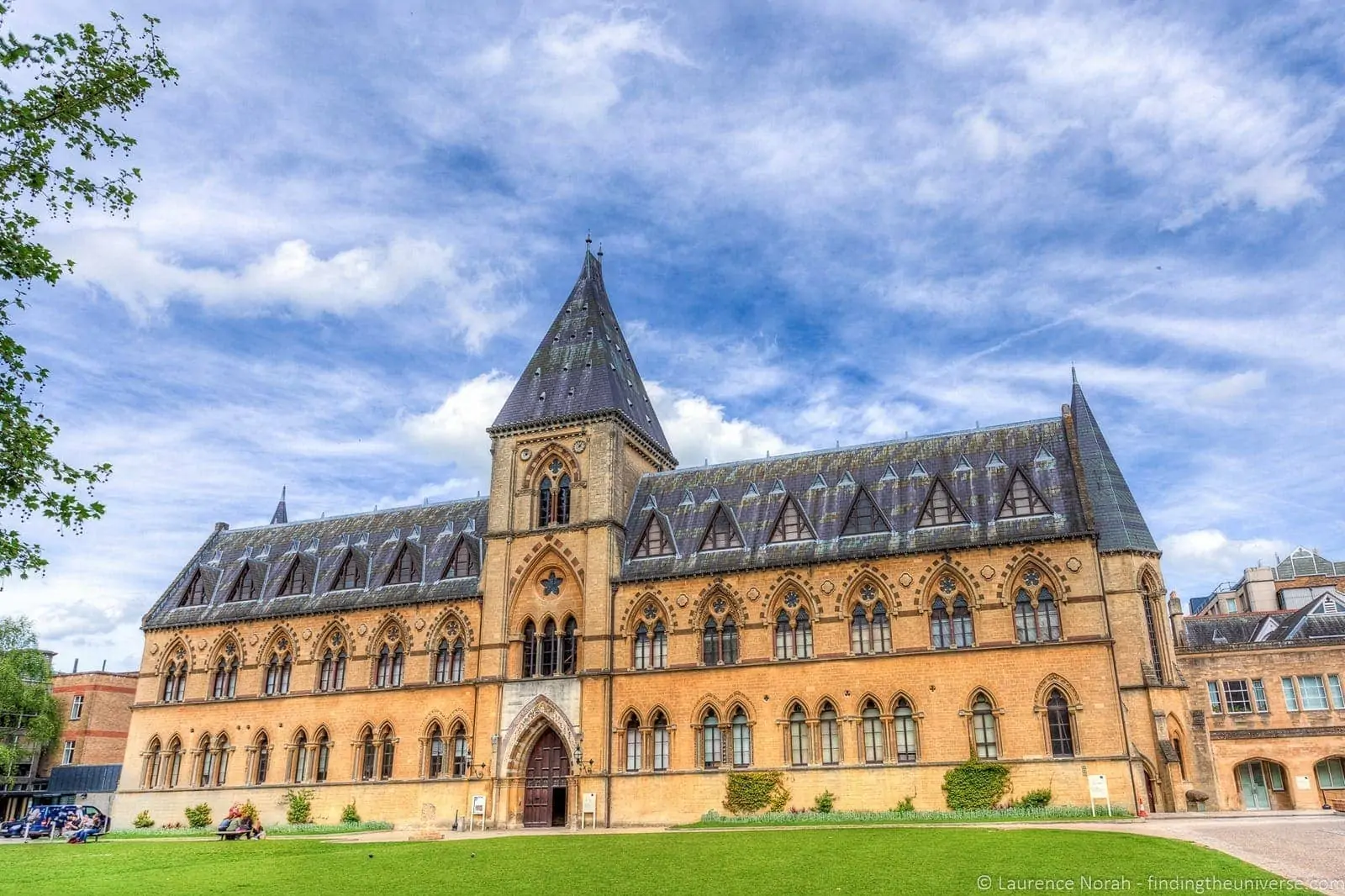
The Natural History Museum sits in front of the Pitt Rivers (you walk through it to reach the Pitt Rivers, in fact) and is also free. It’s housed in a beautiful Victorian Gothic glass-roofed hall and the collection covers dinosaur fossils, geological specimens, and a famous dodo display (the dodo here is one of only a handful of partial soft-tissue specimens in existence). If you’ve got children with you, this is a winner.
The Story Museum
The Story Museum on Pembroke Street is a family-friendly spot dedicated to the art of storytelling. It’s interactive rather than collection-based, with imaginatively designed rooms that bring children’s-literature themes to life. Worth a stop if you’re travelling with kids.
The Covered Market
The Covered Market has been trading since 1774 and is a lovely place to wander even outside of meal times. You’ll find independent food stalls, cafés, cheese shops, butchers, florists, and some excellent cake. It’s right in the centre of town, near Carfax Tower, and works well for both a quick lunch and a browse-and-buy stop.
Christ Church Meadow
For a bit of green space, Christ Church Meadow is a beautiful place for a walk, particularly in spring and summer. You can access it from the south end of St Aldate’s, and it runs down to the river. Free to enter and open year-round (except 25 December).
Literary Oxford and the Eagle and Child
For literary types, the famous Eagle and Child pub on St Giles’ is where J.R.R. Tolkien, C.S. Lewis, Charles Williams and others used to meet as the Inklings, the writers’ group that produced The Hobbit, the Narnia books, and a lot of other beloved twentieth-century writing. The pub closed during the pandemic in March 2020 and was sold in 2023 to the Ellison Institute of Technology (the research outfit founded by Larry Ellison of Oracle).
Planning permission for the restoration was granted in October 2025, with Foster + Partners on the architecture and Donald Insall Associates on conservation. The plan is to restore the front rooms to their 1863 state and convert the neighbouring building into a bakery, with a target reopening in 2027 (heritage timelines being what they are, take that with a pinch of salt).
The good news for now is the famous “Bird and Baby” sign is still hanging on St Giles’ if you want to walk past for a photo, and the spiritual successor for an Inklings-tinged pint is the Lamb and Flag across the street, now run by an Inklings-named community group.
Practicalities for Visiting Oxford
Where to Stay in Oxford
If you want to stay in Oxford for longer than a day, there are plenty of options to suit most budgets.
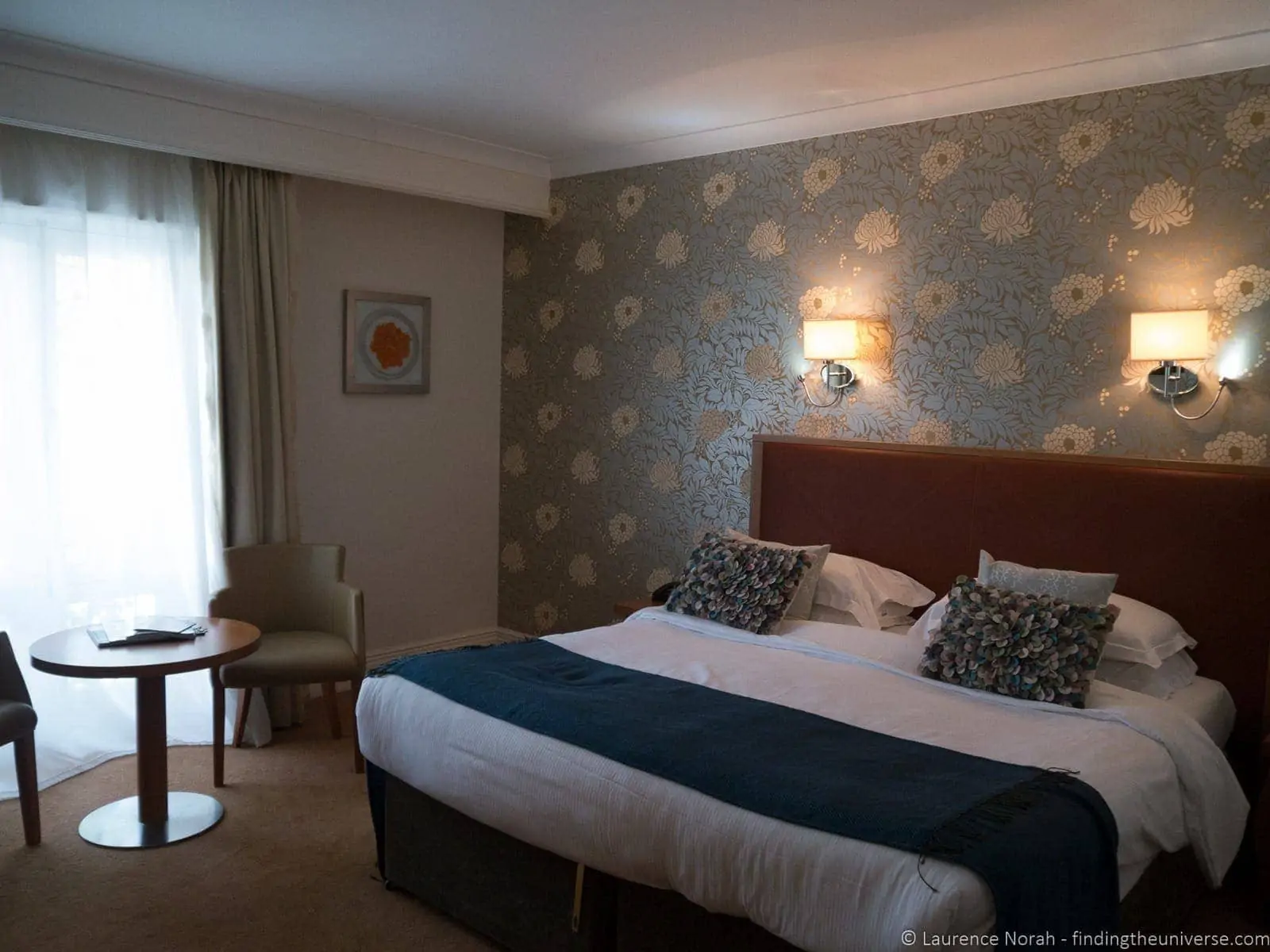
We stayed a little way outside of the city centre at the peaceful Hawkwell House Hotel, found in Iffley Village. This is just a short taxi ride from Oxford city centre, or a ten minute bus ride. It’s also walkable via a lovely riverside footpath.
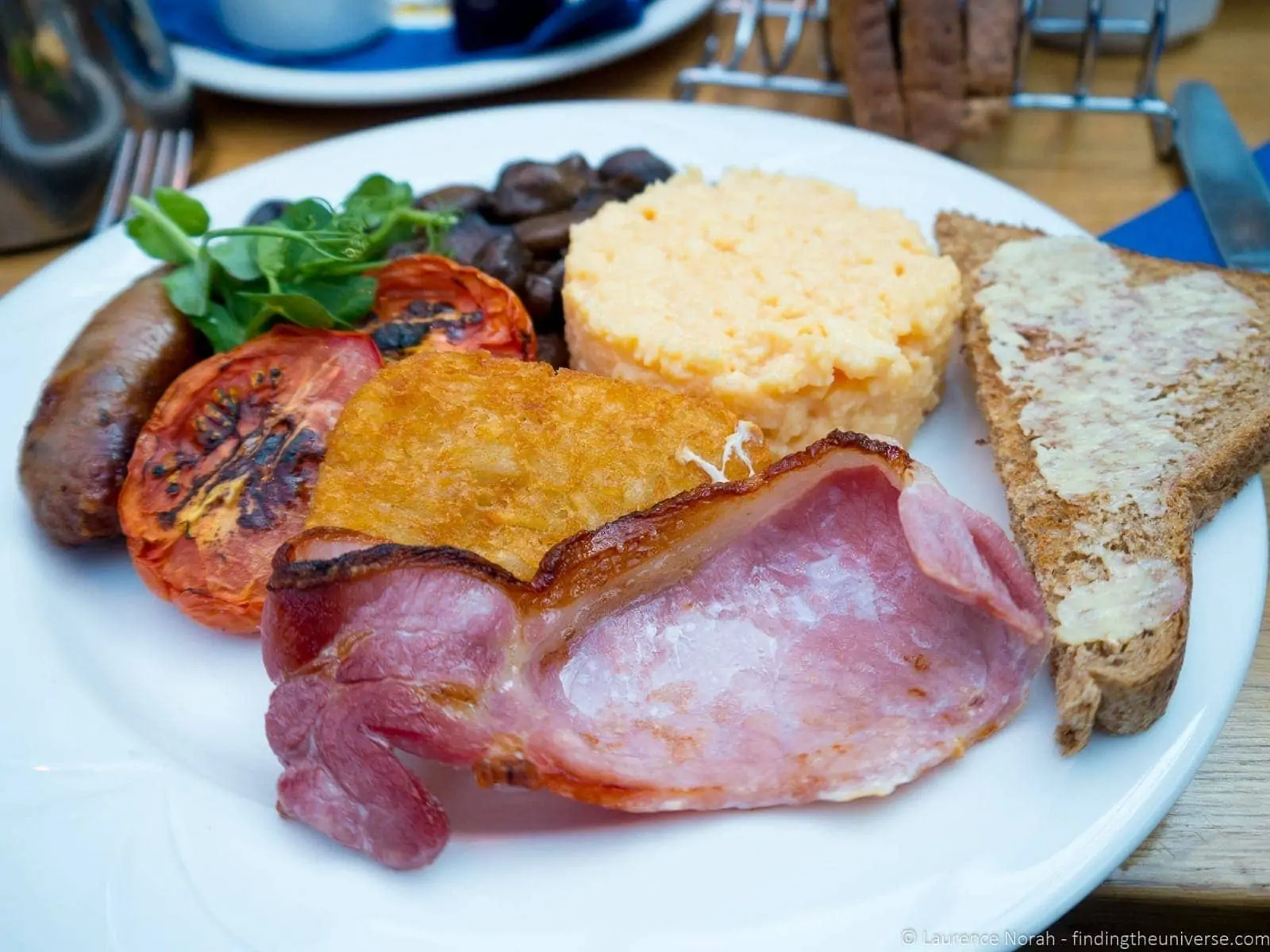
Our room was very comfortable, and the included English breakfast was much appreciated. Other details like free wi-fi and luggage storage rounded out a solid offering.
If you’d prefer to be more central, there are lots of options for city-centre accommodation in Oxford. Have a look at the booking.com listings for Oxford here to get yourself started.

How to Get To Oxford from London
Oxford is very easy to get to, being served by trains and buses, and of course by car. There are direct trains from London Paddington to Oxford multiple times an hour, and if you get one of the fast trains the journey time is around an hour.
Avoid the local trains which stop at more than four stations on the route, as this can make the journey nearly two hours. We recommend the Trainline website for advance booking, as we’ve tried most of the train booking sites in the UK and the Trainline is our favourite for ease of use.
Always book train tickets in advance of your travel for the best prices in the UK, and opt to either have them delivered to your mobile device or pick them up from the station, to save on postage fees.
There are also buses to Oxford from the centre of London, Heathrow Airport, Gatwick Airport and Stansted Airport, as well as many other destinations around the UK.
Buses (also known as coaches) in the UK are usually a bit cheaper than the train, although they do take longer. We recommend National Express for bus travel; see their prices and book in advance for the best deals here. The Oxford Tube is the other main coach option, running 24 hours a day from London Victoria.
If you’d prefer to drive yourself, Oxford is between 60 and 90 minutes drive from London. If you’re visiting Oxford as part of my detailed two-week UK itinerary, then you’ll know that a hire car is my preferred method of getting around the country, giving you more flexibility and control. We recommend searching for your car rental on Discover Cars here. They compare a range of providers so you can find the best deal for your trip. (Worth knowing: parking in central Oxford is limited and expensive. Use one of the Park and Ride sites on the edge of the city instead, which are well-signed and inexpensive.)
Finally, if you want to just visit Oxford as part of a tour and let someone else handle the logistics, there are a number of tours from London. Here are a few options to choose from:
- A tour of Oxford, the Cotswolds and Stratford. This is a full day out, and means you’ll see a number of popular English attractions.
- A tour of Oxford, Stonehenge & Windsor, another full day of some of the most popular attractions you can visit from London.
- A tour of Oxford and the Harry Potter Studios, two popular destinations that you can visit in a day from London.
- A tour of Oxford and some of the stone villages of the Cotswolds.
As you can see, there are lots of options for visiting Oxford as a day trip from London, including trips that take in some other popular destinations alongside.
Oxford Prices and Opening Hours at a Glance
A quick reference for the main paid attractions and the spots in the itinerary, current as of 2026. Prices and opening times do change, so check the operator’s site before banking on a tight schedule.
| Attraction | Cost | Notes |
|---|---|---|
| Christ Church College | From £16.95 (multimedia tour, off-peak); typically £20-23 for popular slots. 40-min guided £23.50, 60-min guided £26.50. | Dynamic pricing. Tickets released 10am UK time each Friday for the following week. Popular and frequently closed for events; book a timed slot well in advance. |
| Cherwell Boathouse punting | £25 weekday / £27 weekend per hour | Up to 6 people per punt. Mid-March to mid-October. |
| University Church tower | £6 | 127 steps. Mon to Sat 09:30 to 17:00, Sun 12:00 to 17:00. |
| Oxford Castle Prison | See website for current prices | One-hour guided tour. Includes St George’s Tower, crypt, prison cells. |
| Ashmolean Museum | Free | Closes 17:00 most days. Donations welcome. |
| Pitt Rivers Museum | Free | Closes 17:00 most days. |
| Natural History Museum | Free | You walk through it to reach the Pitt Rivers. |
| Christ Church Meadow | Free | Open year-round except 25 December. |
Frequently Asked Questions
Is Oxford worth visiting for a day trip?
Oxford is one of the best day trips you can do from London, and I say that as someone who lived there for years and still gets excited going back. The city centre is compact enough that you can see all the major highlights on foot in a single day, including the university colleges, the Bodleian Library, the Radcliffe Camera, and some excellent pubs.
If you have the time, I’d recommend staying a night, because Oxford has a lovely atmosphere in the evenings. But even a day trip will give you a real feel for the city. If you want to make a weekend of it, our 2 days in Oxford guide covers where to stay centrally, a second day at Blenheim Palace, and the early-morning empty streets that only overnight visitors get to see.
What is the best one-day Oxford itinerary?
Our recommended day starts with coffee at the Grand Café on the High at around 09:45, a quick orientation loop around Radcliffe Square and the Bridge of Sighs, then the official Blue Badge walking tour from the visitor centre at 11:00 to 13:00. Lunch in the Covered Market, an independent college visit and a punt on the Cherwell in the afternoon, the University Church tower for late-afternoon views, then either Oxford Castle or the Ashmolean before a pub dinner at the Turf Tavern from 18:00. Last fast trains back to Paddington run around 22:00. The full sequenced version with timings and alternatives is in the itinerary section above.
How do I get to Oxford from London?
The fastest option is the train from London Paddington, which takes about an hour on the express services. Trains run multiple times an hour. Book in advance through the Trainline for the best prices.
You can also take a coach from London Victoria, which is cheaper but takes around 90 minutes to two hours depending on traffic. National Express and the Oxford Tube both run frequent services, with the Oxford Tube running 24 hours a day.
If you’re driving, Oxford is about 60 to 90 minutes from London. Parking in the city centre is limited and expensive, so I’d recommend using one of the Park and Ride sites on the edge of the city.
What are the best things to do in Oxford in one day?
My top recommendations for a day in Oxford would be: take a walking tour to get oriented (the official Blue Badge tours are excellent), visit a couple of the university colleges (Christ Church and Exeter are favourites), go punting on the River Cherwell, climb the tower at the University Church of St Mary the Virgin for the best view in the city, and end up at the Turf Tavern for a pint.
If you have time, the Ashmolean Museum and Pitt Rivers Museum are both free and brilliant, and the Covered Market is worth a wander for lunch.
Which Oxford colleges can you visit?
Most of Oxford’s roughly 40 colleges and societies are open to visitors at some point during the year, though opening times vary depending on the academic calendar. Some charge an entry fee (Christ Church is the most expensive, with multimedia tour tickets starting at £16.95 off-peak but typically £20-23 for popular slots, and 40-60 minute guided tours running £23.50-£26.50), while others are free. Christ Church tickets release each Friday at 10am UK time for the following week and the best slots disappear quickly, so book ahead if it’s a top priority. For everywhere else, your best bet is to check with the porter’s lodge at the entrance of whichever college you want to visit. They’re always happy to let you know if it’s open.
During exam periods (late May to mid-June), many colleges close to visitors entirely. The decision tree in section 2 above gives you a starting shortlist with rough fee tiers.
Is punting in Oxford difficult?
It’s harder than it looks, but that’s half the fun. I’ve done it several times now and still can’t claim to punt in a particularly straight line. The Cherwell Boathouse is my preferred spot, and the staff there will give you a quick briefing before you set off.
Expect to pay £25 an hour on a weekday and £27 at the weekend for a punt that fits up to six people. If you’d rather not do the work yourself, you can hire a chauffeured punt instead.
Can you visit Oxford for free?
Quite a lot of Oxford is free to enjoy. Walking around the city centre costs nothing, and simply looking at the architecture and the colleges from the outside is one of the best things about the place. The Ashmolean Museum, the Pitt Rivers Museum and the Natural History Museum are all free. Several colleges are free to enter (Exeter and Wadham among them), and the ones that do charge are mostly only a few pounds.
You’ll need to pay for punting, the University Church tower (£6), and some specific attractions like Oxford Castle, but it’s entirely possible to have a brilliant day in Oxford without spending very much at all.
Further reading
We’ve got lots of resources to help you plan your trip to the UK, from posts we’ve written ourselves to third-party content we’re happy to recommend. Here it is:
- If you’re planning a trip around the UK, I have both a one-week itinerary of the UK and a two-week UK itinerary for you to check out.
- For budget planning, see our guide to how much it costs to travel in the UK.
- For journeys beyond Oxford, we have guides to many of the cities and sights in the UK for you to bookmark, including:
- Our guide to things to do in Cambridge, another popular day trip from London.
- A two-day Edinburgh itinerary and 21 highlights in Edinburgh.
- A 2-day Glasgow itinerary.
- Looking for an epic Scottish road trip? Take a look at our guide to the North Coast 500.
- A guide to 10 of the best stately homes in England, to give you some ideas as you plan your itinerary.
- Essential sight-seeing in London.
- The best photography locations in London.
- Tips on buying and using the London Pass.
- Eight things to do in Kensington.
- Visiting Blenheim Palace and the Cotswolds as a day trip from London.
- 20 things to do in Dublin.
- A guide to touring the Scottish Borders.
- If you want a physical (or digital!) book to accompany your travels, then we suggest the Rick Steves England guidebook.
SITI MAHINA BINTI ABDUL MANAP says
Tq for the post.Really helpful.Will fly over to London mid December 2023.Any tips on how it’s like in winter?
Laurence Norah says
Hi Siti,
My pleasure. So in December the UK in general is relatively cold, although this will depend on where you are coming from. Expect temperature to be between freezing and around 10C, with rain likely. The days will also be quite short at this time of year, sunrise in mid-December is around 8am, and sunset is just before 4pm.
As long as you dress appropriately though, with warm layers and a waterproof coat or umbrella, you will be fine. Most cities and towns will have nice Christmas lights and other festivities going on at this time of year, like CHristmas markets, so it can be a lovely time to visit.
I’d suggest reading our UK packing list guide for some tips on what to bring 🙂
Have a great trip!
Laurence
Isabelle Martinez says
Very interesting post. Exactly what I need to plan a day trip to Oxford on my next stay in London.
Laurence Norah says
Thanks very much – have a great trip!
Tania Fonseca says
Thank you for such a helpful guide full of great ideas! Can’t wait to visit Oxford next month and follow your tips. Wish you all the best!
Laurence Norah says
Our pleasure Tania! Have a great trip – let us know if you have any questions!
Linda says
I am planning my first trip to the UK (not London- done that). Came upon your blog and really enjoy the frankness and especially the beautiful photos.
Laurence Norah says
Thanks Linda 🙂 Have a great trip and do let us know if you have any questions!
Marie says
Thankyou for a lovely reminder of my home city of Oxford. I have not been home for 23 years ( it’s still home to all of my family, I’m the only one who moved more than 3 miles away) I miss my home city , even though I love my adopted country (USA) it doesn’t have the grandeur and rich history of England.
Laurence Norah says
Our pleasure Marie! We hope you get to make it “home” at some point soon 😀
Alice says
I tried punting in Oxford and it’s so much harder than it looks >< You need to have a good core and strong arms for that! Well done for finding the front and back of the punt Laurence!
Laurence Norah says
Thanks Alice! It is definitely a lot harder than it looks, and I have to say we didn’t go in an exactly straight line for most of our voyage 😉
Divya Nelson says
Thank you for such a lovely, picturesque guide to Oxford . I loved it thoroughly.
Laurence Norah says
My pleasure Divya – thanks for your kind comment!
curtis lau says
Thanks for the introduction of the Oxford. Good insight.