
We have taken multiple food tours in Rome over the years, and they have consistently been one of the best things we’ve done in the city. Our guide Fernanda once took us on a four-hour walk through Testaccio that ended with me eating tripe at a market stall and actually enjoying it. A good food tour gets you past your assumptions and into the food Romans actually eat.
Rome has more food tours and cooking classes than you could fit into a month of visits, and the quality varies enormously. Some are excellent, some are tourist traps that take you to the same overpriced restaurants near the Colosseum. So we wanted to put together a guide based on tours we have personally taken, with specific details about what to expect, where you’ll go, and what you’ll eat.
We recommend reading this guide alongside our other Rome content when planning your trip. We have guides to spending 1 day in Rome, 2 days in Rome, and 3 days in Rome, plus our guide to the best gelato in Rome and Jess’s guide to the best coffee in Rome.
Table of Contents:
Why Take a Food Tour in Rome?
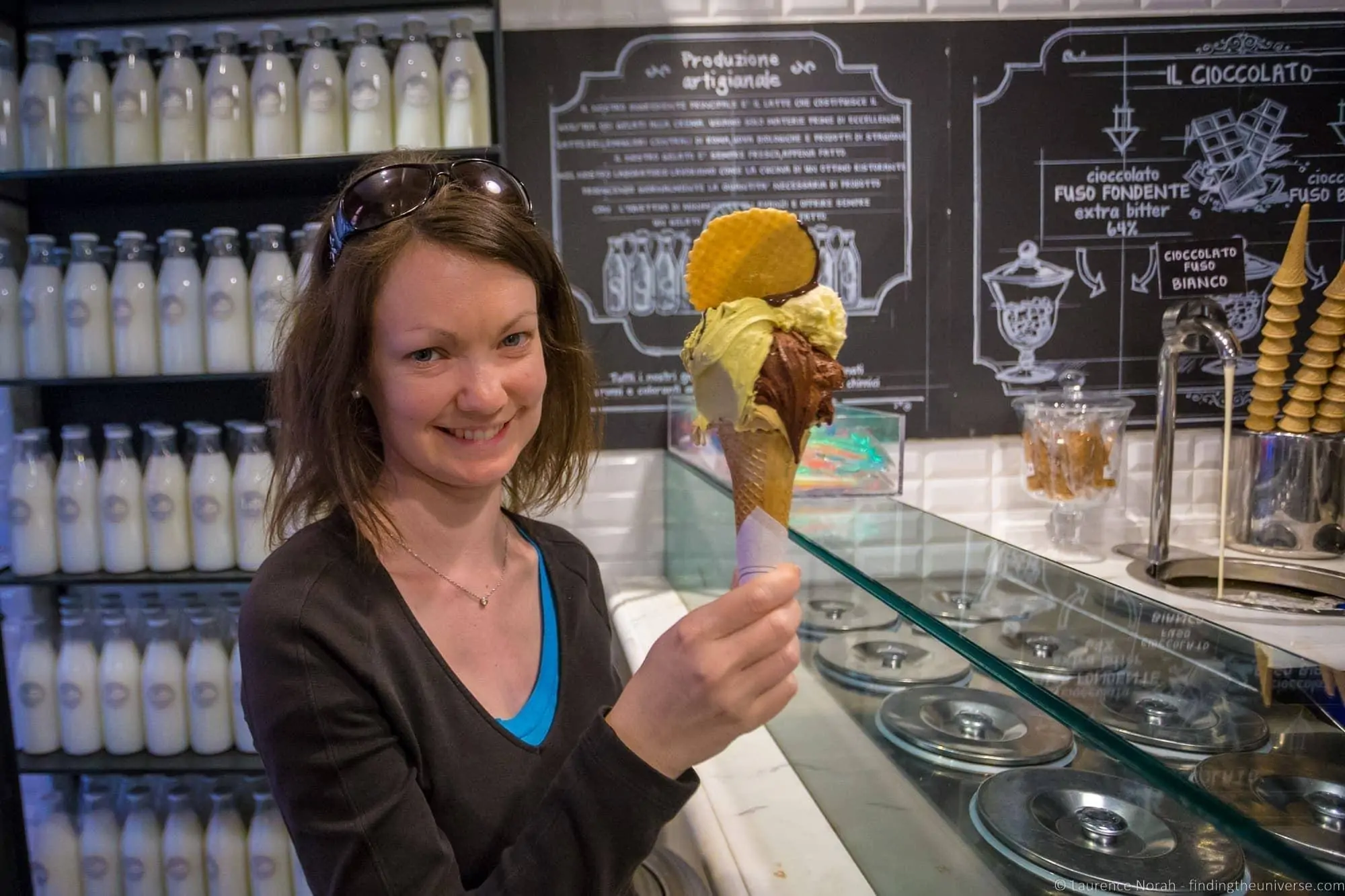
The short answer is that it’s very easy to eat badly in Rome if you don’t know where to go. The city has thousands of restaurants, and the ones with the biggest signs and the most prominent locations near tourist sites tend to be the worst. A quick rule of thumb: if a restaurant has photos of the food on the menu, a person standing outside trying to wave you in, or gelato piled up in enormous colourful mounds (a sign it’s made from powdered mix, not fresh ingredients), walk past it. A good food tour takes you to the places Romans eat, not the places that target tourists.
We also find that food tours are a brilliant way to start a trip. The guide will almost always have personal recommendations for other restaurants, so you leave with a list of places to try for the rest of your visit. Some of our best meals in Rome have come from recommendations our food tour guides gave us, including Da Armando al Pantheon (a Michelin-recommended family-run trattoria near the Pantheon) and Gelateria del Teatro on Via dei Coronari.
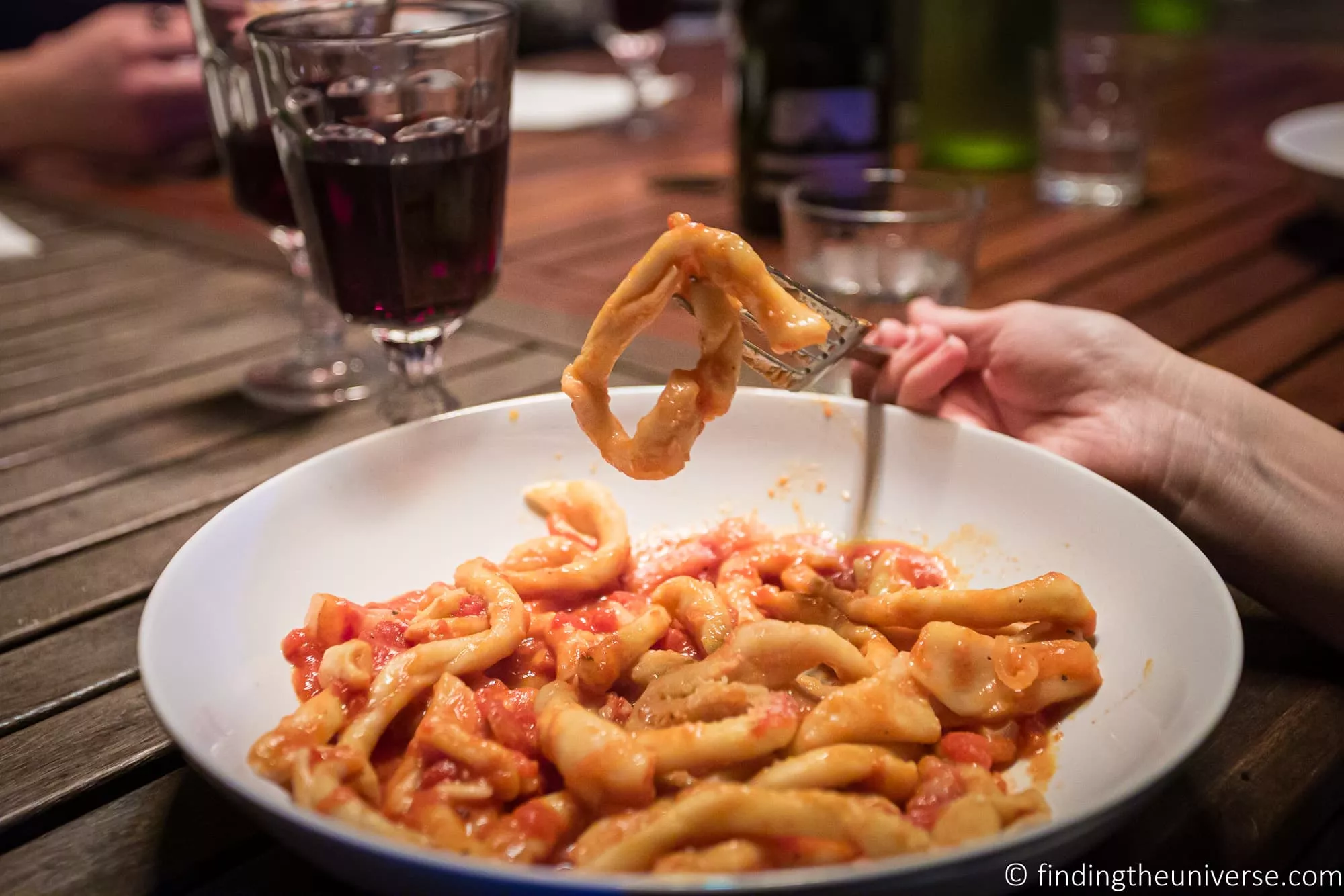
The other reason is that Roman food is quite specific. It’s not generic Italian food. Rome has its own pasta dishes (cacio e pepe, carbonara, amatriciana, gricia), its own street foods (supplì, porchetta), and its own approach to eating. A food tour explains the why behind the food as well as the what.
Our Recommended Rome Food Tours
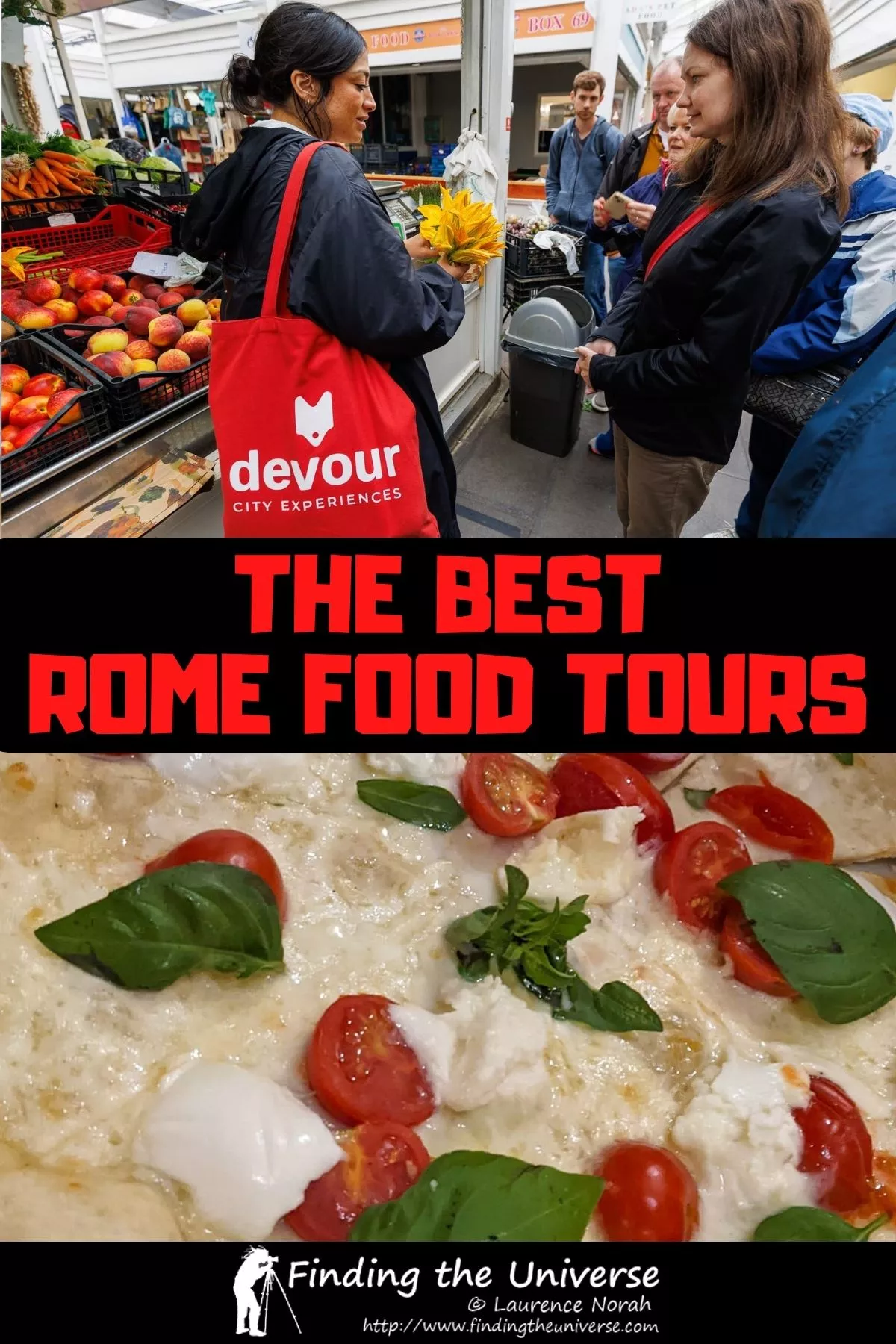
We have personally taken food tours with Devour Tours (which also operates under the WalksDevour brand) in Rome, and they have been our favourite food tour company in the city. They run small groups, use knowledgeable local guides, and take you to restaurants that are worth visiting on your own afterwards.
Below are the tours we recommend, organised by neighbourhood, plus some well-reviewed alternatives if our top picks don’t fit your schedule.
Trastevere Food and Wine Tour (Our Top Pick)
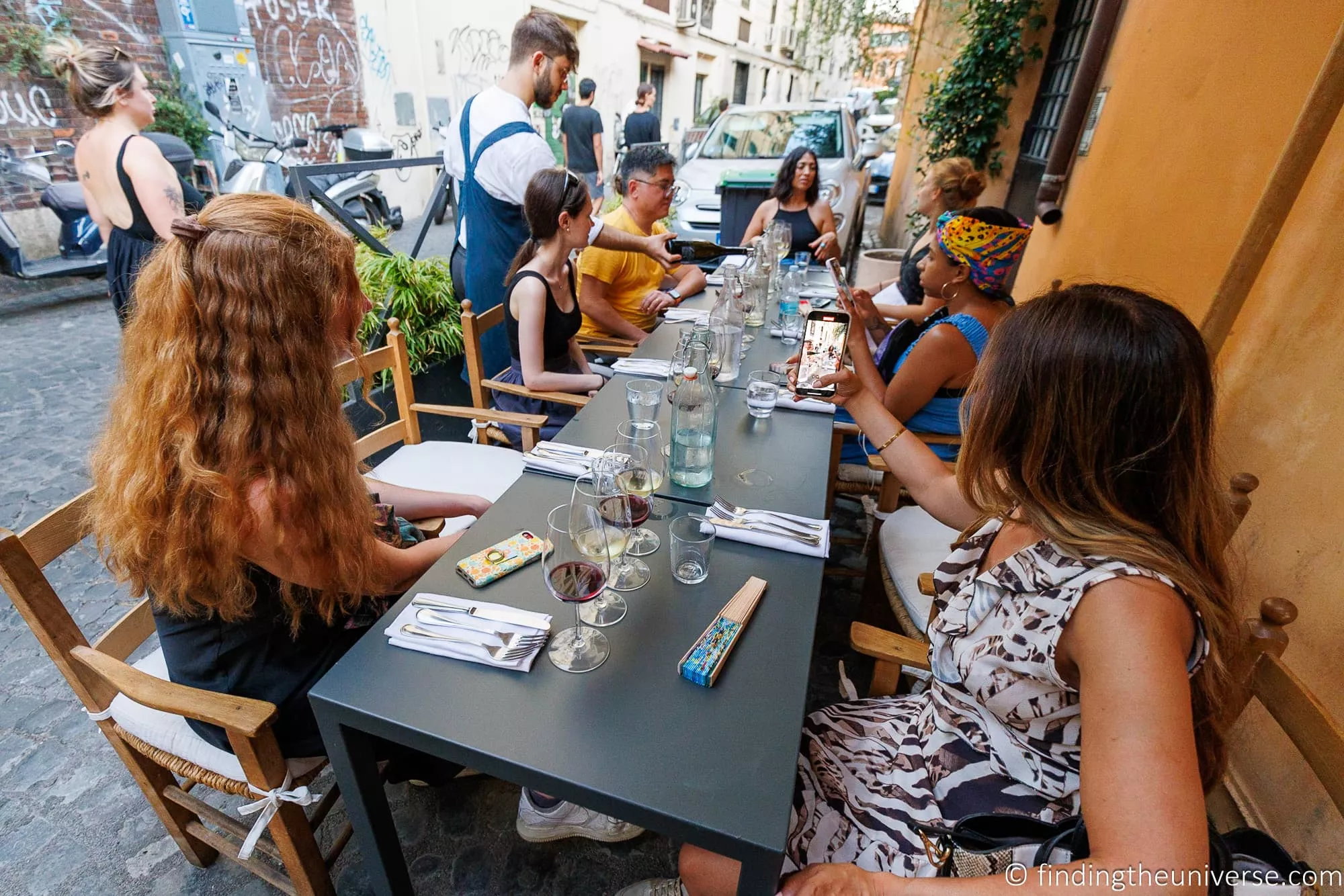
If you only do one food tour in Rome, make it this Trastevere sunset food and wine tour with Devour Tours. This is a 3.5-hour evening tour (from around €90 per person when we last checked) with a maximum of 12 people that takes you through the Trastevere neighbourhood, which sits west of the Tiber river and is one of the best areas in Rome for food.
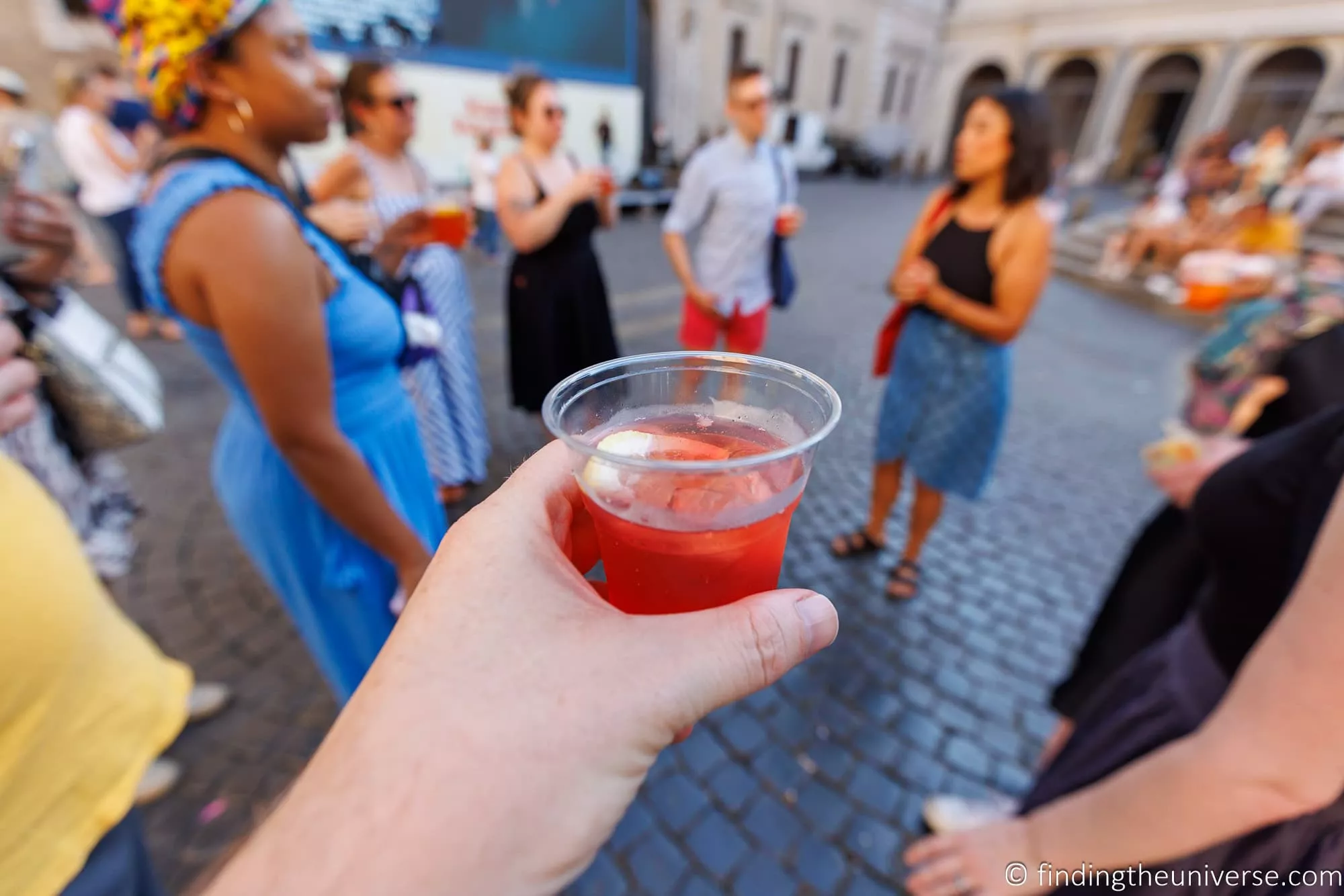
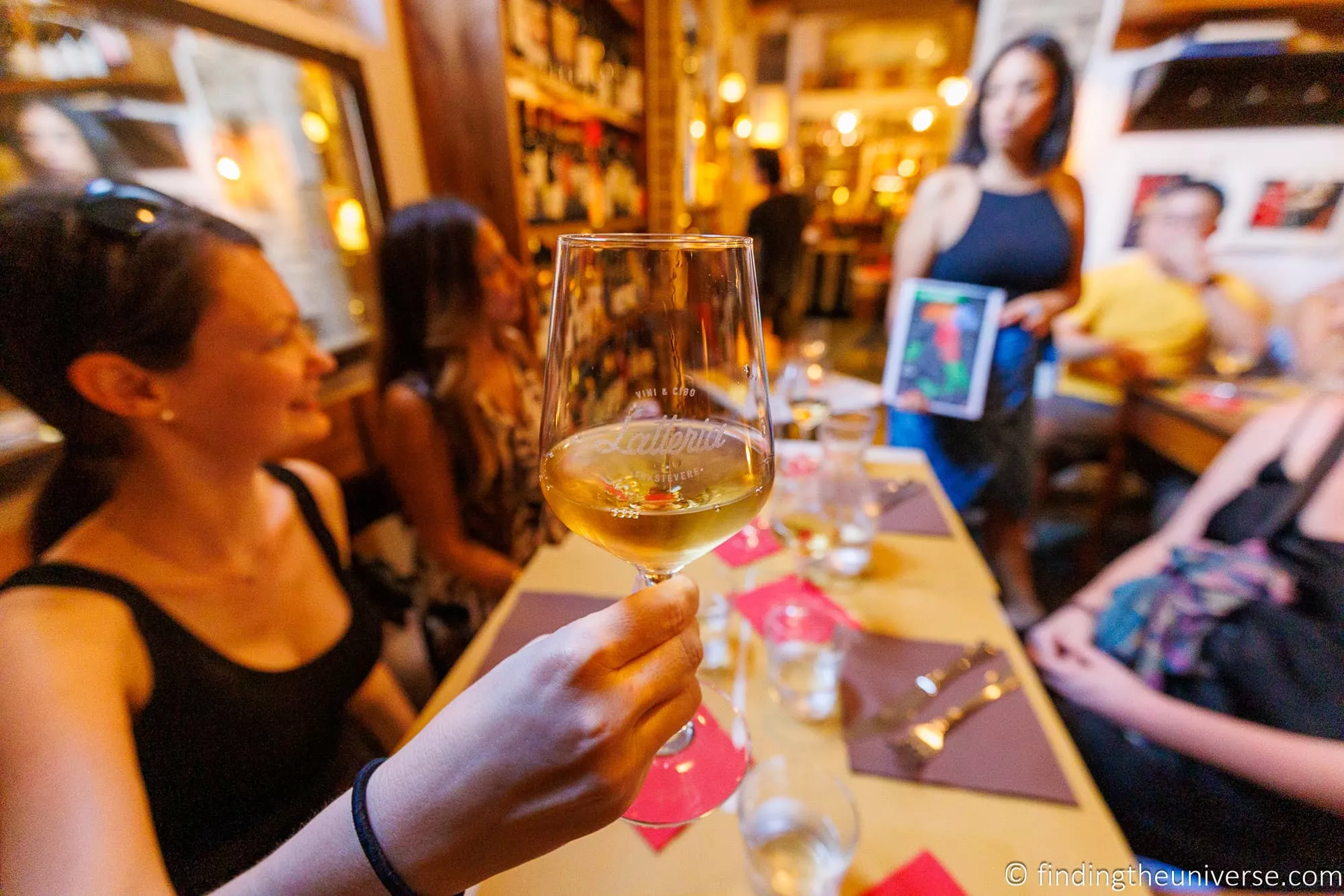
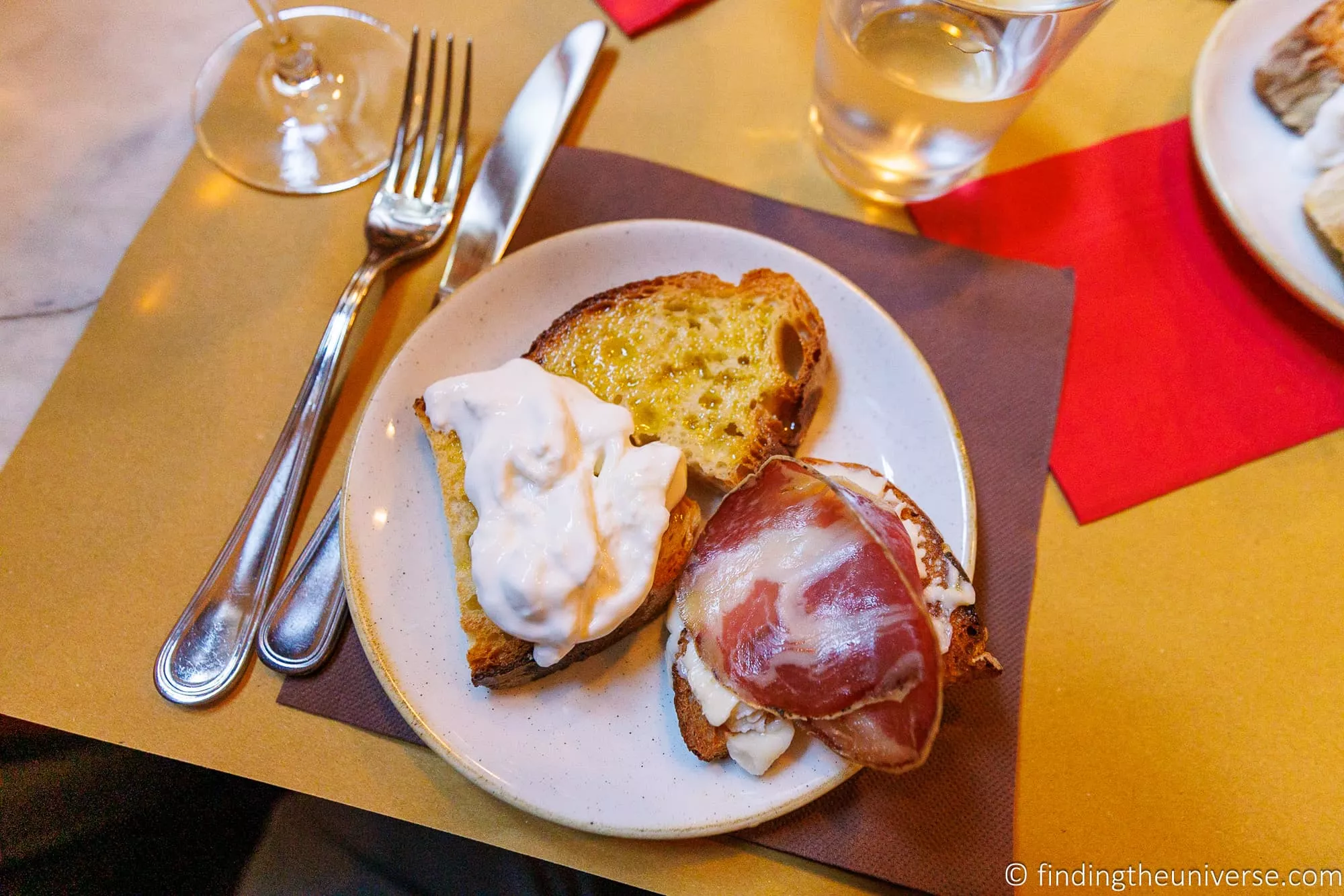
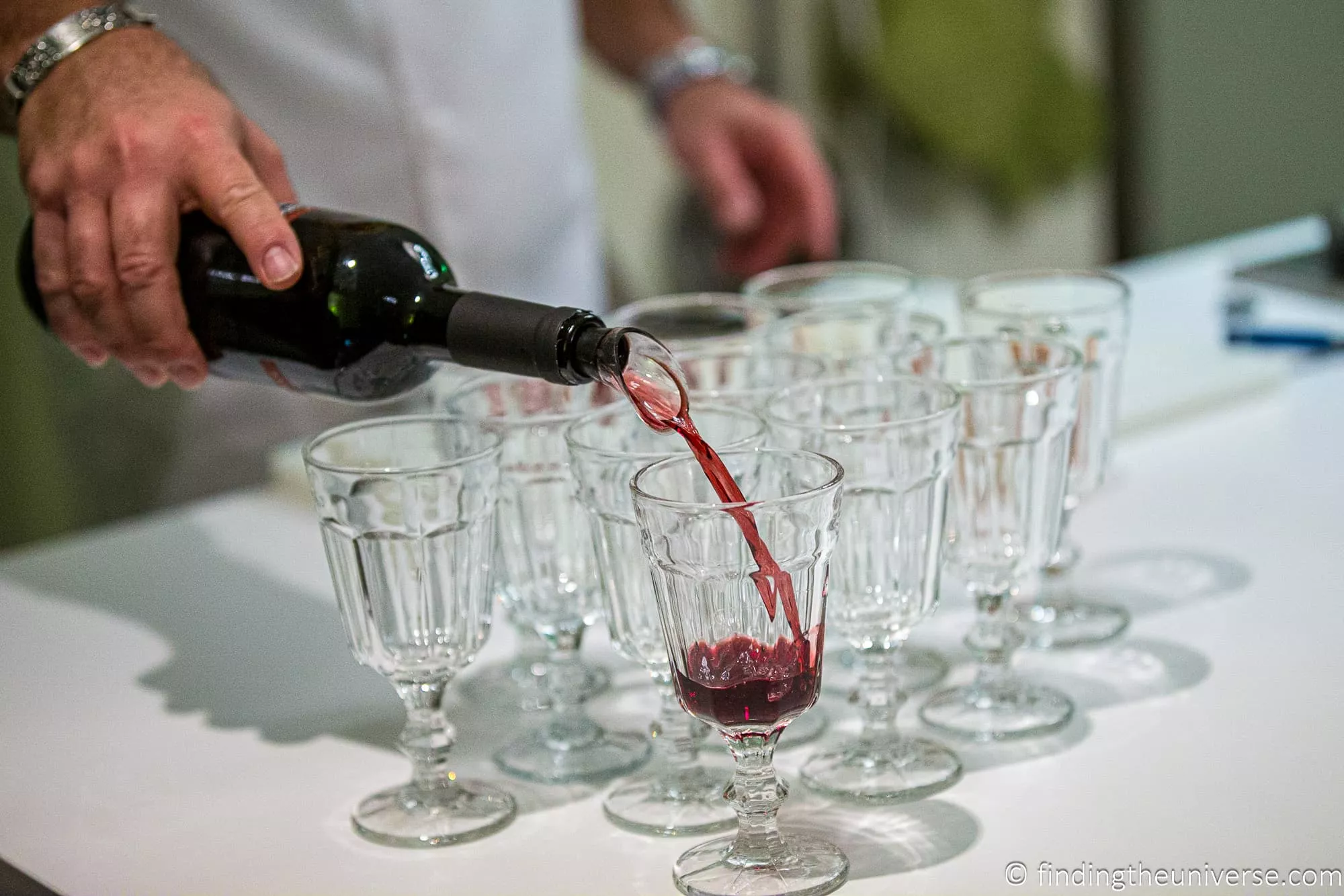
When we took this tour, we started with aperitivo at La Latteria, a tiny bar where we had a classic Roman spritz alongside some local charcuterie and cheese. From there, we walked through the cobbled streets to a wine bar for some natural wines, including a stop at Enoteca l’Antidoto where our guide talked us through the Italian wine regions while we tasted our way through a generous selection.
The food on this tour is substantial. Expect charcuterie, bruschetta, supplì (the Roman fried rice balls with mozzarella inside), a full plate of pasta at a local trattoria, and gelato to finish. When we did the tour, the wine pours were generous, and by the end of the evening we had tried five different Italian wines across the stops.
Our guide also recommended several restaurants in the neighbourhood for us to try on our own, including Da Lucia for traditional Roman cooking and Osteria der Belli for seafood. This is exactly the kind of local knowledge that makes food tours worth the money.
Trastevere is within easy walking distance of the Pantheon, the Vatican area, and the Colosseum, so it fits well into most Rome itineraries. We think this tour works best in the evening after a day of sightseeing, and it includes enough food to count as dinner.
The main thing to be aware of is that there is quite a lot of wine included. Soft drinks are available as alternatives, but if you’re not a drinker (or can’t drink alcohol), you might prefer one of the other tours on this list.
If this particular tour doesn’t have availability for your dates, Devour Tours runs several other Trastevere options, or you can see other Trastevere food tours here.
Testaccio Food and Market Tour
When we visited Rome with Jess’s family, we chose this Testaccio food and market tour with Devour Tours because we wanted a tour that focused more on the food than the drink. Testaccio is in the south-east of Rome, and it was traditionally the centre of trade during Roman times. In the 19th century it became a major industrial area, and it’s well known today as the place to find some of Rome’s most traditional foods.
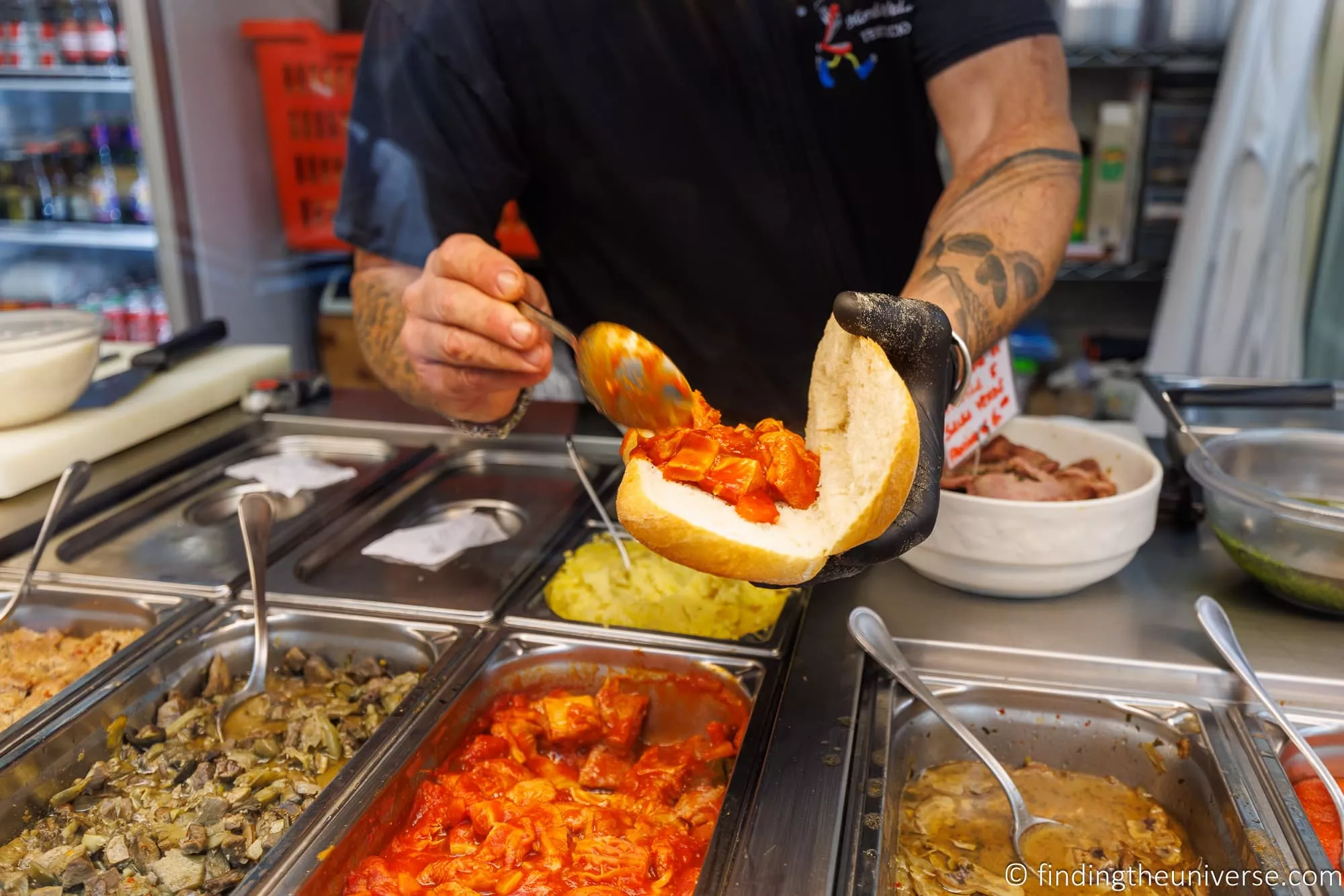
This is a 4-hour morning tour (from around €90 per person) that includes both breakfast and lunch, so come hungry. When we did it, we started with coffee and a traditional pastry at a local cafe, then headed to the Testaccio market. The market is brilliant. Our guide Fernanda took us to several stalls run by people she clearly knew personally, and we tried everything from cured meats and fresh seasonal produce to cheeses and (for the adventurous) tripe. I tried the tripe and thought it was quite good, which surprised me as much as anyone.
The tour finished with a full sit-down pasta lunch at a local restaurant, accompanied by wine. Then gelato to finish, obviously. Fernanda also pointed us towards some of the neighbourhood’s other food highlights, including Checchino, which has been open since 1880 and is known for traditional Roman offal cooking, and Da Felice a Testaccio, which is famous for its cacio e pepe.
This tour focuses more on the food than the drink compared to the Trastevere evening tour, which makes it a better option if you prefer not to drink much alcohol or are travelling with family. Jess’s parents thought it was a highlight of our time in Rome, and Testaccio is Jess’s personal favourite area for food in the city.
The Testaccio area is also interesting for its history. You’ll pass historical sites dating from Roman times through to what was, at one point, Europe’s largest slaughterhouse in the 20th century. It’s not the prettiest neighbourhood, but it’s one of the most interesting.
If this tour doesn’t fit your itinerary, you can see other Testaccio food tour options here.

Campo de’ Fiori and Jewish Ghetto Street Food Tour
If you’re looking for a shorter food tour without drinks included, this 2.5-hour street food tour of the Campo de’ Fiori and Jewish Ghetto is a well-reviewed option. We haven’t taken this particular tour ourselves, but it consistently gets excellent reviews and covers two of Rome’s most interesting food neighbourhoods.
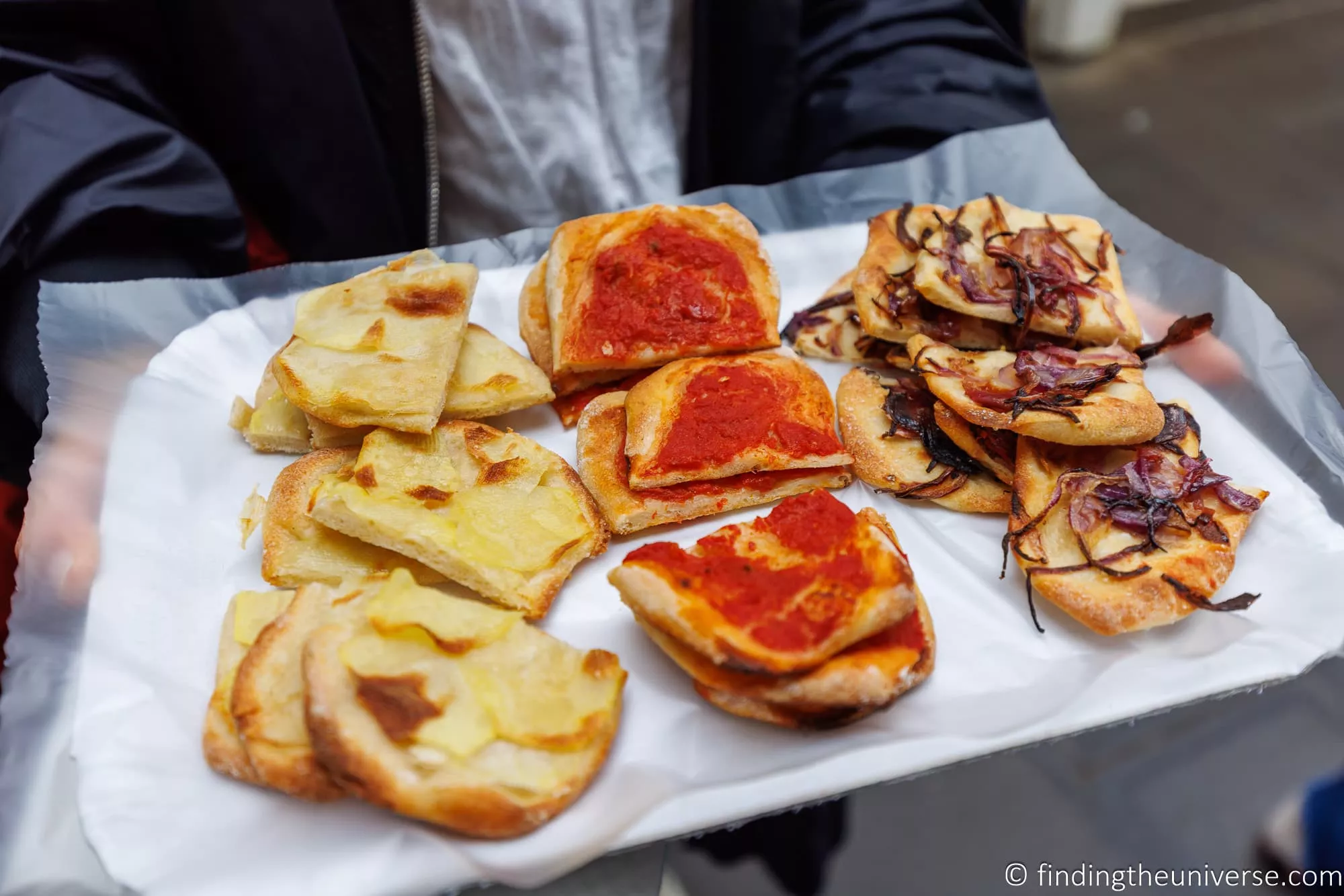
The Campo de’ Fiori is right in the old centre of Rome, just south of Piazza Navona. The tour includes at least five different food tastings, usually including porchetta, supplì, pizza, carciofi alla giudia (fried artichokes, a classic Jewish-Roman dish), and gelato.
Being a walking tour, you also get to see some of the highlights of the old city centre, including the spot where Julius Caesar was killed and the Pantheon. At around €40-50 per person, it’s also one of the more affordable food tour options in Rome.
This is a good option if you want a food tour that fits into a busy sightseeing day without taking up the whole evening.
Private Rome Food Tours
If you’d prefer a private food tour, that’s an option too. This tour can be booked as a private experience for up to 10 people, and you choose between Trastevere or the Jewish Quarter. It includes at least five street food tastings and two alcoholic drinks per person.
It can also be booked as a small group tour (limited to 14 people) if you’d rather join a group and save some money. Just check when booking that you’re selecting the right option.
For more private options, you can compare a range of private Rome food tours here. Read the inclusions and reviews carefully before booking, as quality varies.
Private tours are also the best option if you have dietary restrictions that a group tour can’t easily accommodate (more on that below).
Cooking Classes in Rome
If you’d rather learn to cook than watch someone else do it, Rome has some excellent cooking classes. These are obviously different from a walking food tour, as most of the experience takes place in a single kitchen. But the result is a souvenir you can actually use: the ability to make proper Italian food at home.
We have taken both pasta and pizza making classes in Rome and enjoyed both.
Pasta-Making Class
Our recommended pasta class is this 3-hour pasta making class with Devour Tours (from around €90 per person) at their purpose-built kitchen in Trastevere.
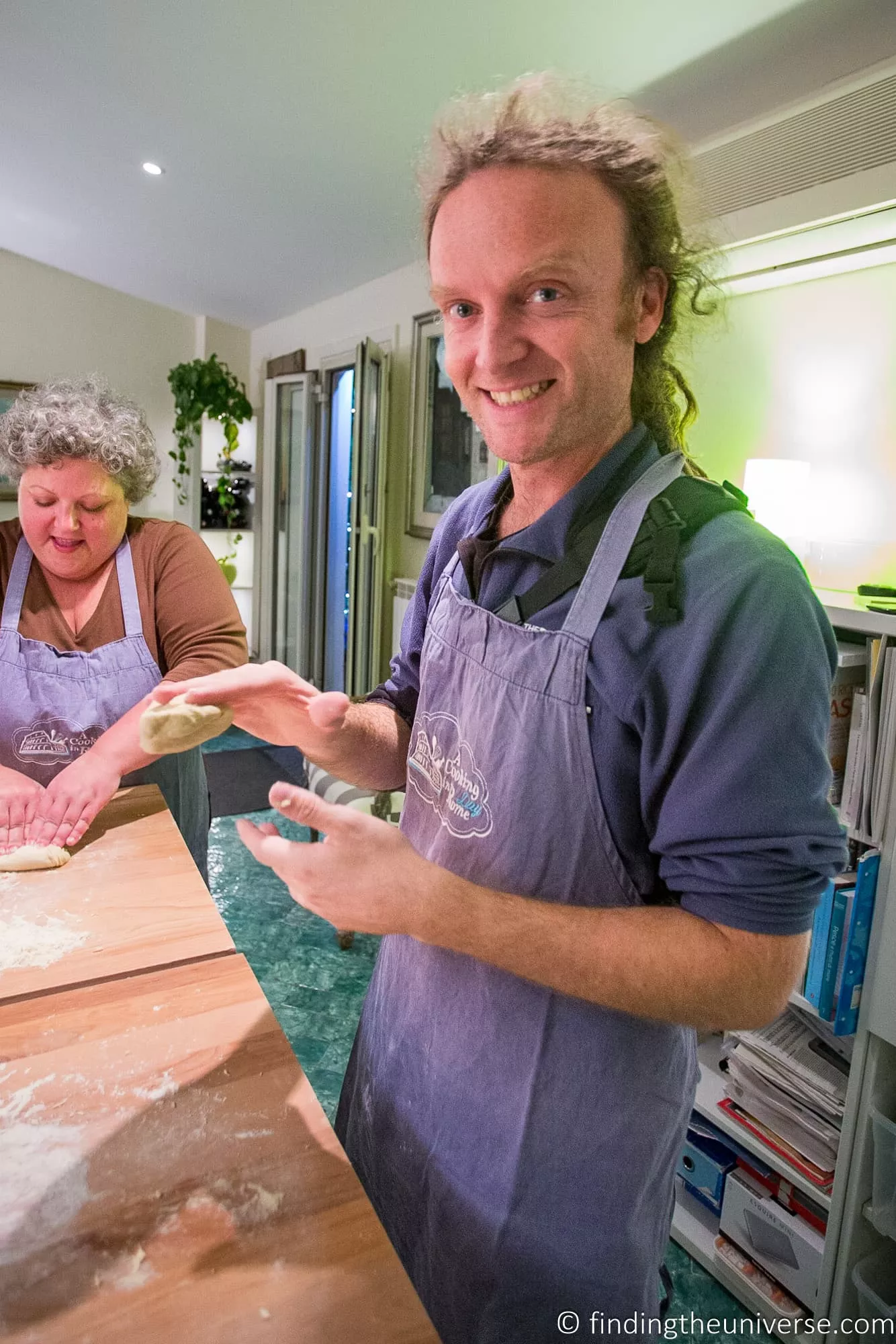
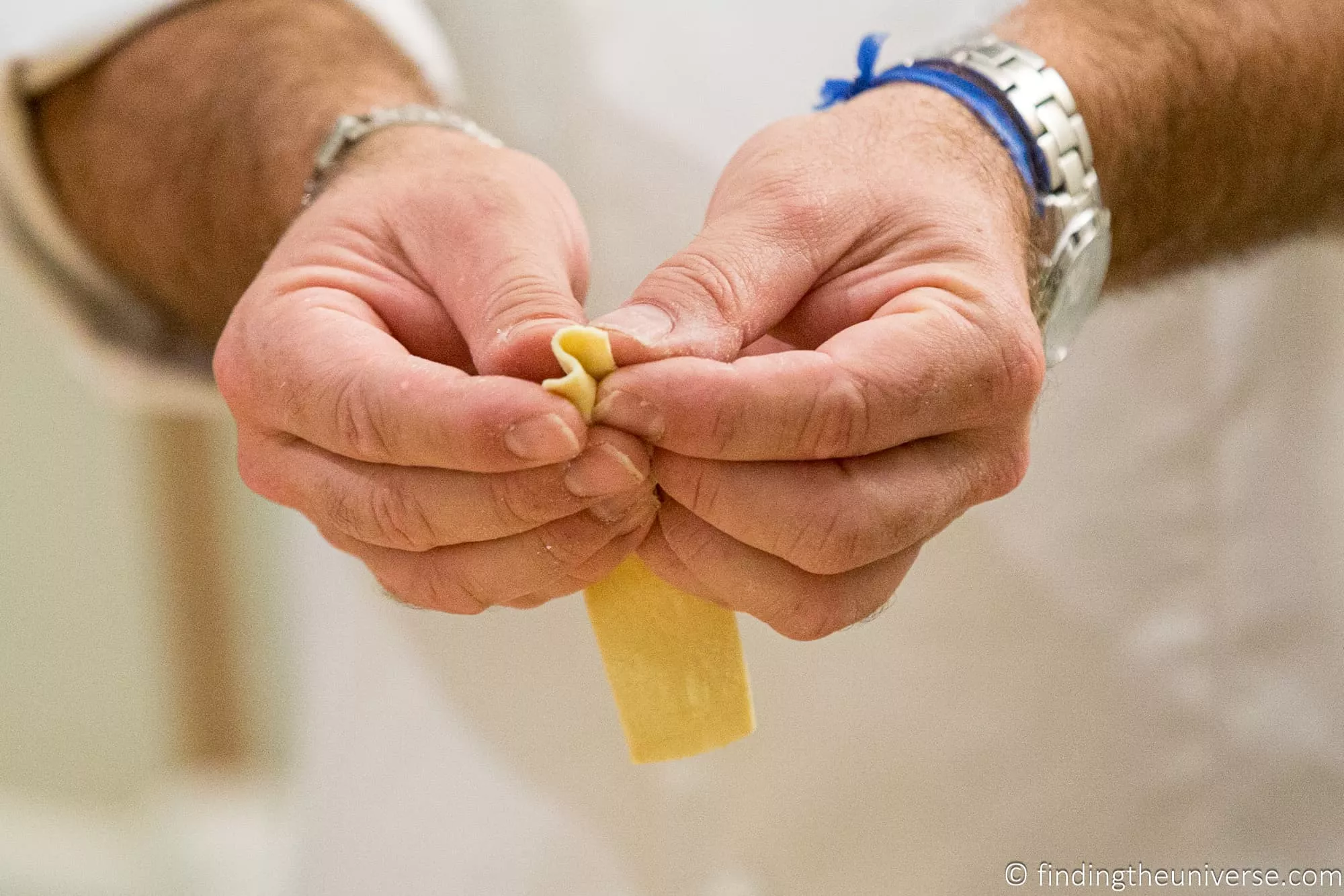
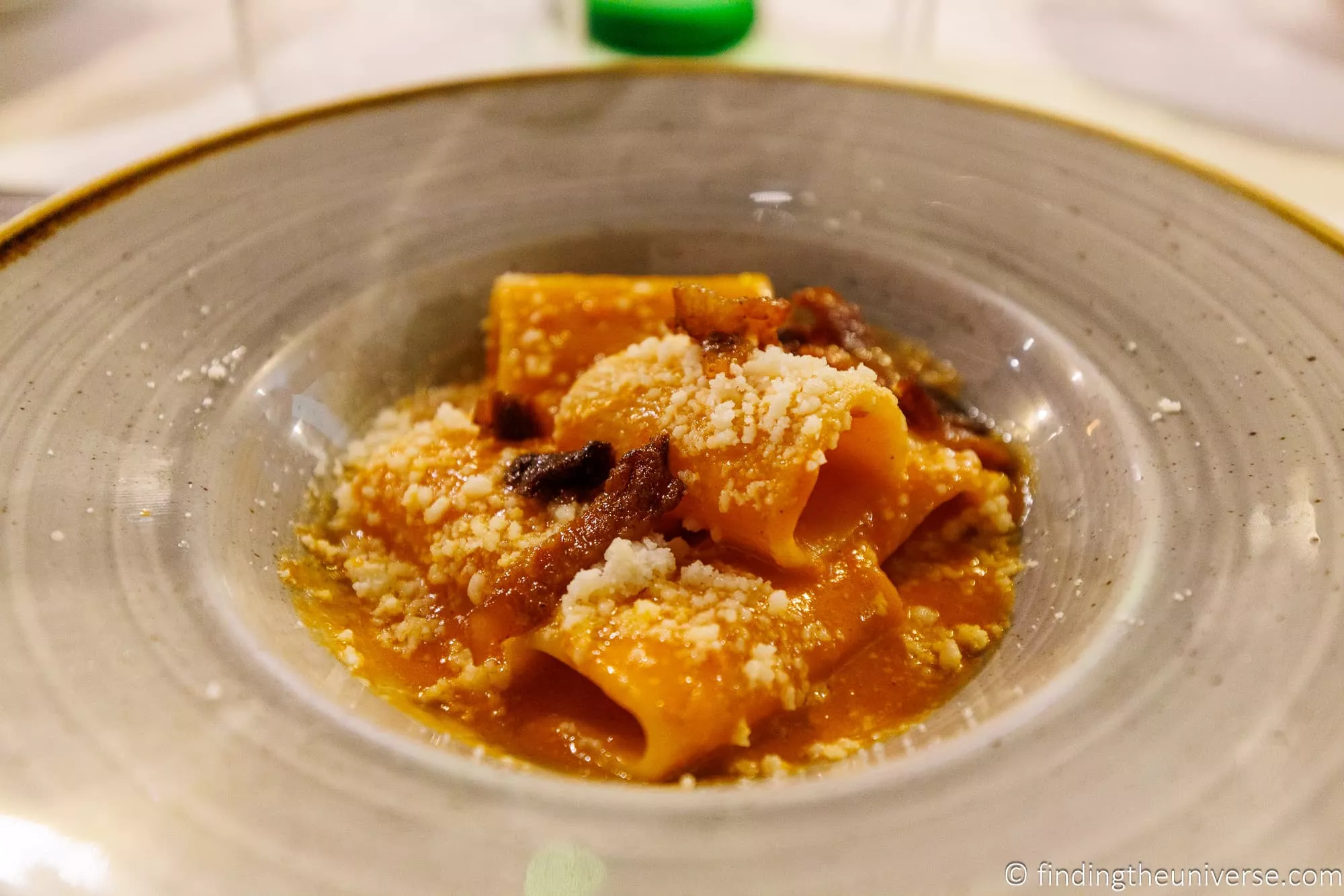
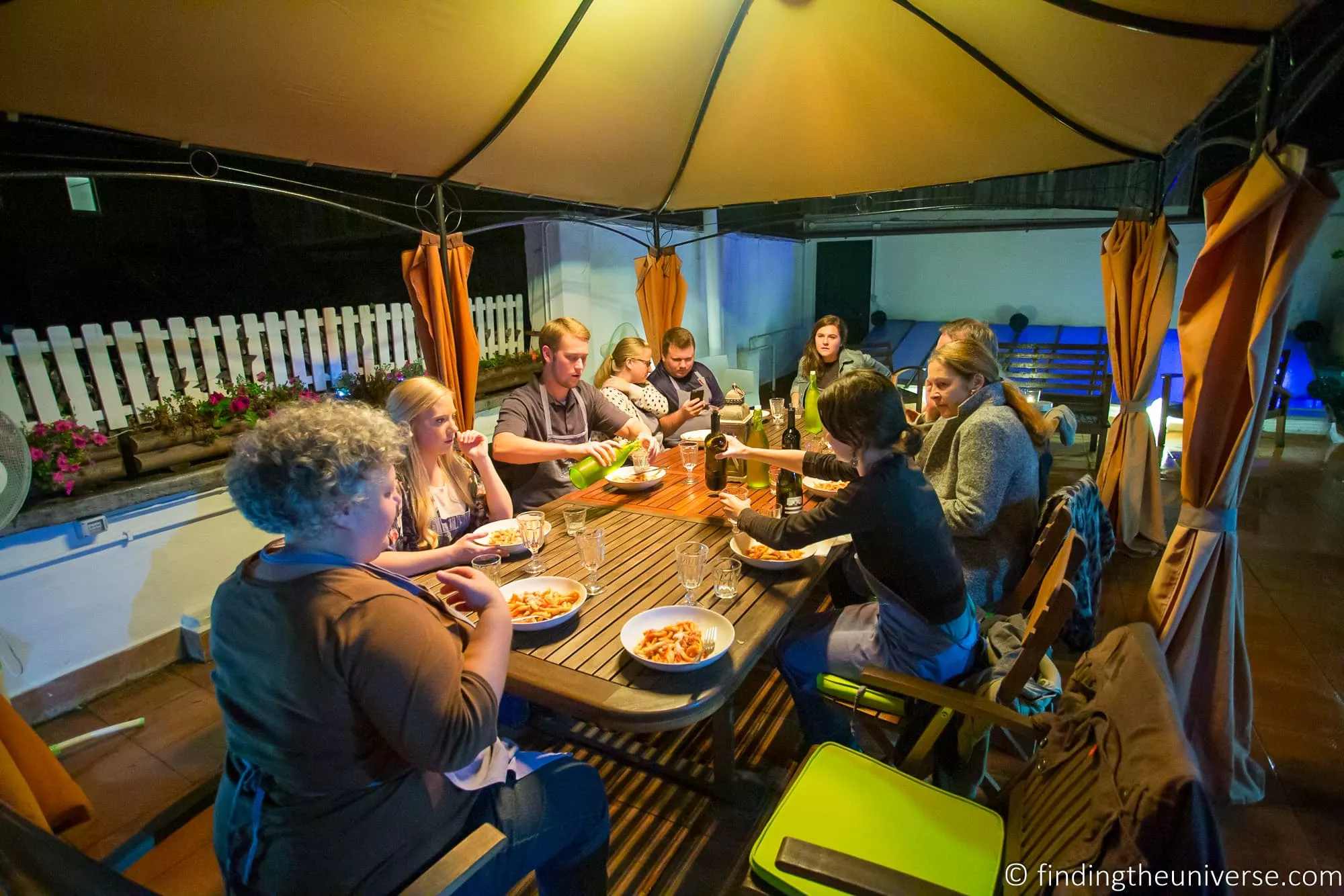
The class starts with Prosecco and an aperitivo of cured meats and cheese. Then your chef teaches you to make two different pastas and two different sauces from scratch. You will get flour on your hands (and probably everywhere else). Once everything is made, you sit down with a glass of wine and eat what you’ve cooked, followed by a gelato-making demonstration and tasting.
We did a version of this class before it moved to its current location and had a great time, so we’re happy to recommend it in its new space. Groups are limited to 14 people, and you get recipes to take home.
If this class doesn’t have availability, there are plenty of other pasta classes in Rome. You can see more options here.
Pizza-Making Class
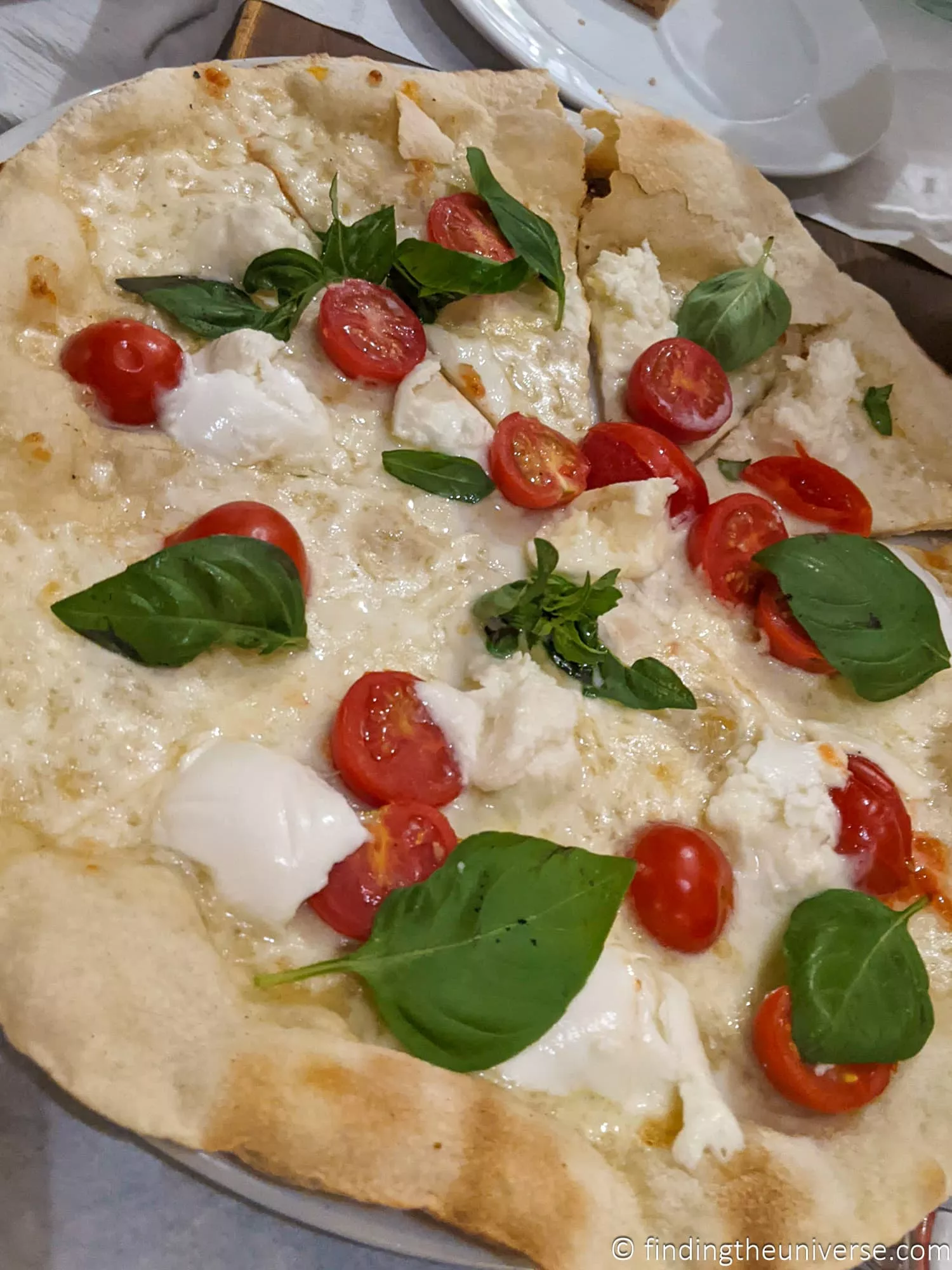
If pizza is more your thing, this 2.5-hour pizza making class (from around €80 per person) is also run by Devour Tours at their Trastevere kitchen.
This is an evening workshop where you create a pizza from start to finish: making the dough, adding the toppings, cooking it, and eating it. The experience also includes aperitivo to nibble on, unlimited beer and wine throughout the evening (soft drinks also available), and gelato made on-site by the instructor.
This is one of the most family-friendly options on the list. The instructors are good at keeping kids involved and entertained, and everyone gets to eat what they make.
There are lots of other pizza classes if this one is booked up. See more options here.
Fettuccine and Tiramisu Class
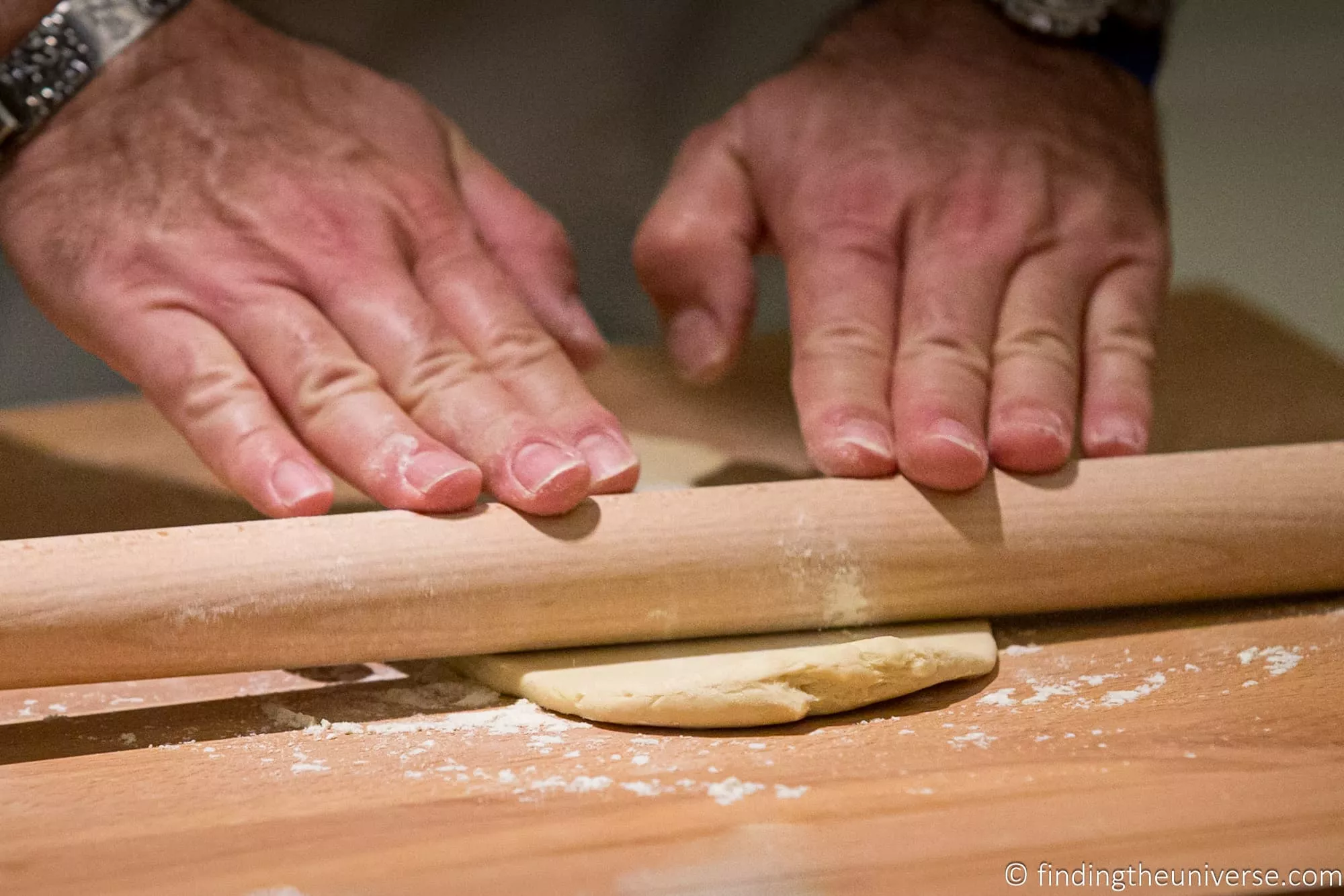
If you want to learn a classic Italian dessert as well as pasta, this 2.5-hour class teaches you to make both fettuccine and tiramisu from scratch. We haven’t taken this particular class ourselves, but it gets consistently good reviews.
The class takes place at a restaurant near Castel Sant’Angelo. You make the pasta from flour and eggs, shape it into fettuccine, then layer a tiramisu. Once you’re done cooking, you sit down and eat everything you’ve made, with a sauce of your choice on the pasta, followed by your tiramisu, a glass of wine (or soft drink), and coffee or limoncello.
Private Cooking Classes
For a more intimate experience, you can book a private cooking class for 2-10 people. These typically last three hours and cover a full meal: starter, main, and dessert. A traditional session might include ravioli, fettuccine with cacio e pepe sauce, and tiramisu, all accompanied by Prosecco, wine, and espresso.
Private classes work well for families, groups of friends, or anyone with dietary restrictions that can’t easily be handled in a group setting.
How to Choose the Right Food Tour in Rome
There are a few things worth thinking about before you book.
Dietary Requirements
If you have food allergies or dietary restrictions, check with the tour operator before booking. Most group tours can accommodate common allergies, vegetarians, and non-drinkers with advance notice.
Roman food is heavy on bread, pasta, meat, and wine, so group tours may be difficult if you’re vegan, need a completely gluten-free experience, or have multiple food allergies. In those cases, a private tour where the guide can tailor the experience to you is probably the better option.
Many of the evening food tours include several glasses of wine. Soft drinks are usually available as alternatives, but the tours with more alcohol tend to cost more, so if you don’t drink you might get better value from a tour without drink inclusions.
Timing and How It Fits Your Itinerary
Most food tours last 2-4 hours and include enough food to replace a meal. We usually skip the meal before a food tour and come hungry.
Evening tours with wine pairings can be a good way to finish a day of sightseeing. Morning tours that visit markets tend to offer fresher produce and a look at a part of Roman life you won’t see if you only go out at night.
In summer, an evening tour (or early morning) also helps you avoid being outside during the hottest part of the day, which in Rome can be brutal.
Tours run rain or shine, so dress for the weather and bring a rain jacket if needed.
Families and Children
Some food tours are fine for kids, others aren’t. Many of the evening wine-focused tours are adults-only (18+). Check age restrictions before booking.
We’ve found that cooking classes, especially the pizza-making ones, tend to be the most family-friendly options. Kids get to make their own food and eat it, which works well across all ages. The pizza making class and the fettuccine and tiramisu class both get good reviews from families.
Most walking tours in Rome don’t accommodate pushchairs, because the streets are narrow and many of the restaurants have steps.
Accessibility
Most food walking tours in Rome are unfortunately not accessible for wheelchair users or people with mobility scooters. Many older buildings don’t have step-free access, and the pace of a group walking tour may be too fast for people with limited mobility.
Cooking classes are often a better option, as most of the workshop venues can accommodate wheelchair users. Private tours are another good option, as the guide can plan a route that works for you.
GetYourGuide has a filter for tours marked as wheelchair accessible, and you can see that list here. I’d still read the description carefully to be sure it’s a good fit. Sage Traveling, which specialises in accessible travel, also offers custom food tour experiences in Rome.
Budget
Food tours in Rome generally start from around €50 per person and go up from there. Longer tours with more food and drink cost more, as you’d expect. Private tours cost more per person than group tours.
Don’t forget to budget for a tip for your guide if you enjoy the tour. Most tours don’t include gratuity.
Most tours also allow you to cancel up to 24 hours in advance for a full refund, but check the specific policy before booking.
Frequently Asked Questions
What’s the best food tour in Rome?
Our favourite is the Trastevere sunset food and wine tour with Devour Tours. We’ve taken it ourselves and it’s a brilliant combination of wine, food, history, and local recommendations. If you prefer less alcohol and more focus on the food itself, the Testaccio market tour is an excellent alternative.
Are food tours in Rome worth the money?
Yes, if you choose a good one. A decent food tour includes enough food to replace a full meal, introduces you to restaurants and dishes you’d never find on your own, and gives you local recommendations for the rest of your trip. The knowledge and recommendations are often more valuable than the food itself.
What classic Roman foods should I try?
The four classic Roman pastas are cacio e pepe (cheese and pepper), carbonara (egg, guanciale, cheese, pepper), amatriciana (tomato, guanciale, cheese), and gricia (guanciale and cheese without egg or tomato). Beyond pasta, try supplì (fried rice balls), porchetta (slow-roasted pork), carciofi alla giudia (Jewish-style fried artichokes), and Roman-style pizza al taglio (pizza by the slice, sold by weight).
Which neighbourhood is best for a food tour in Rome?
Trastevere and Testaccio are the two most popular neighbourhoods for food tours, and both are excellent. Trastevere has a livelier evening atmosphere with plenty of wine bars and trattorias. Testaccio is more traditional and local, with a brilliant food market. The Jewish Ghetto area near Campo de’ Fiori is another good option, especially for shorter lunchtime tours. If you’re staying near the Vatican, look for tours in the Prati neighbourhood, which is more residential and less touristy than Trastevere.
Can food tours accommodate vegetarians or food allergies?
Most group tours can accommodate vegetarians and common allergies with advance notice. Vegan and gluten-free diets are more difficult on group tours because of the nature of Roman food, which is heavy on pasta, bread, and meat. If you have multiple dietary restrictions, a private tour is your best option. Always contact the operator before booking to discuss your needs.
Should I take a food tour or a cooking class in Rome?
They’re different experiences. A food tour gets you out walking through neighbourhoods, trying food at several different places, and learning about the local food culture. A cooking class teaches you to make specific dishes that you can recreate at home. If you have time, we’d recommend both. If you can only do one, a food tour is probably the better choice for a first visit to Rome, as it covers more ground and gives you a broader introduction to Roman food.
More Rome and Italy Guides
We’ve visited Rome many times and have put together a number of guides to help you plan your trip.
- Our guides to spending 1 day in Rome, 2 days in Rome, and 3 days in Rome will help you plan your time. We also have a general guide to things to do in Rome.
- Our guide to the best gelato in Rome covers our favourite gelato shops across the city, based on personal visits.
- See some of the best cafes to drink coffee in Rome over on Independent Travel Cats.
- We have detailed guides to visiting the Colosseum, visiting the Vatican, and a review of the Vatican VIP Key Master’s tour.
- Jess has a guide to visiting the Borghese Gallery, one of our favourite art museums in Rome.
- Beyond Rome, we have guides to Florence, Milan, Venice, and Pompeii, plus a 10-day Italy itinerary.
- If you’re visiting Rome in summer, our tips for visiting a European city in summer will help you stay comfortable.
- For a physical guidebook, we recommend the latest edition of the Rick Steves Rome guide.
And that’s our guide to the best food tours and cooking classes in Rome! If you have taken a food tour in Rome (or elsewhere in Italy), we’d love to hear about your experience. As always, if you have any questions or feedback, let us know in the comments below.
Jennifer & Todd says
Your post makes my mouth water (so jealous of all the great tours you have done)! So we are heading to Rome (first time in Italy!) after the holidays if all goes as planned as part of a work trip – we can’t wait to try real Italian food and my husband wants to do a food tour and I want to do a pasta making class. Our budget and limited time means we have to choose one or the other so haven’t booked one yet.
Any thoughts on doing a walking tour versus a cooking class in Rome if only got to choose one? thanks!!
Jenn
Laurence Norah says
Hi Jenn!
Thanks for stopping by 🙂 You are definitely going to find lots of awesome food to try in Italy, and I am sure you will have a great time.
To answer your question, there is obviously quite a bit of a difference between a food tour and a pasta making class. A food tour will generally involve more samplings of various products, and will also have some walking and likely a bit of local history and information.
A pasta making class generally doesn’t feature any walking (although some tours do include a trip to a local market or something like that), and the focus is going to be on the pasta. Most of these tours do include some other food as well, like appetizers and a dessert (usually gelato), but there won’t be quite the breadth of foods to try.
So if you want to try a range of lots of different foods, do some walking and learn some history as well, then a food tour would make more sense.
If you want to focus more on pasta and learning how to make it, and try a bit of other food as well, then the pasta workshop would make more sense.
In terms of quantity, in our experience we’ve been pretty full from both food tours and workshops, so that’s quite comparable. From a social aspect, both types of tour are pretty good for meeting new people.
One thing to note is that when you take a tour or a class, the folks running them will usually be local and able to give you recommendations for places to go to try different foods. So if you booked a cooking workshop, you should be able to get recommendations for some dishes to try when in Rome and where to try them. So you could create your own mini food tour from those recommendations. The same is true if you do a food tour, but you might struggle to learn how to make pasta on your own if that makes sense!
I hope this helps a bit. It’s hard to give a definitive answer as both experiences are worth doing and I wouldn’t say one was better than the other. You will enjoy both I am sure.
Have an awesome time in Rome and do let me know if you have any more questions!
Laurence