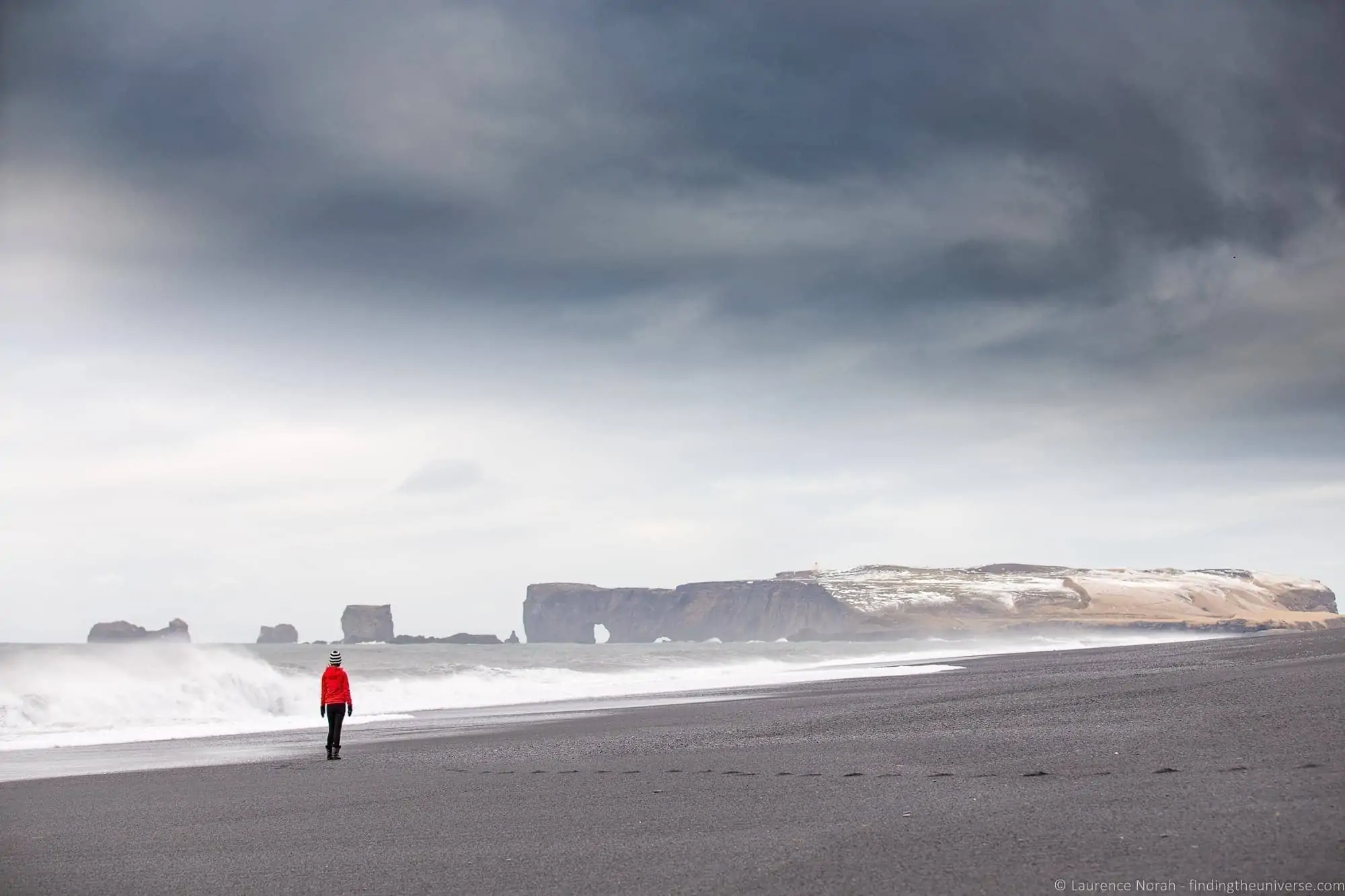
I forgot my towel the first time I went to Iceland in winter. Not exactly a crisis, but the kind of thing that has you wandering around looking for a shop (thanks Ikea!) when you’d rather be doing literally anything else.
Jess and I have visited Iceland in winter multiple times now, and every trip has refined what we pack and what we leave at home. Winter in Iceland is genuinely unforgiving when it comes to clothing choices. Get your layers wrong and you’ll be cold, wet, and miserable within an hour of stepping outside. Get them right and you can spend a full day chasing waterfalls and hot springs in total comfort, even when it’s blowing sideways rain at 2°C.
This packing list is everything we actually bring, tested across multiple winter trips to Iceland. I’ve included specific product recommendations where I genuinely use and like something, and I’ll be honest about where you can save money versus where it’s worth spending more.
A quick note before we start: Iceland in winter is not as brutally cold as most people expect. Thanks to the Gulf Stream, temperatures along the south coast typically hover around 0 to 5°C (32 to 41°F), even in the depths of January. The real enemy is wind and wet, not extreme cold. That changes everything about how you should pack.
The layering system is your best friend here. Rather than one massive parka, you want multiple layers you can add or remove as conditions shift, because in Iceland, they shift fast. You can go from calm sunshine to horizontal rain in twenty minutes.
I’d also strongly recommend buying everything you need before you arrive. Outdoor clothing in Iceland is expensive, and the selection in Reykjavik shops, while decent, comes at a significant markup compared to ordering from home.
For ideas on what to do once you’re there, check out our guide to planning a trip to Iceland and our seven day winter Iceland itinerary.
Right, let’s get into it.
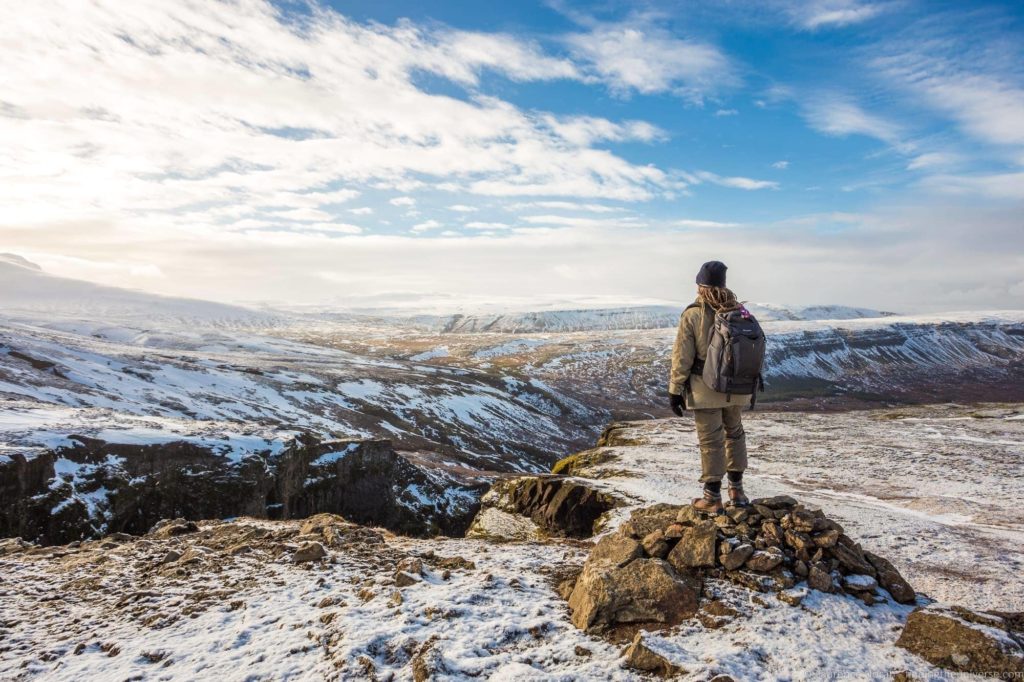
How Cold Does Iceland Actually Get in Winter?
This is the question everyone asks, and the answer surprises most people. Iceland’s south coast, where most visitors spend their time, is significantly milder than places like Minnesota, Moscow, or even parts of Scotland.
Here’s a rough guide to what you can expect:
November: Temperatures range from -1 to 5°C (30 to 41°F). Days are getting short, around 6 to 7 hours of daylight by month’s end. This is when winter weather starts in earnest, with regular wind and rain. Snow is possible but not guaranteed at sea level. Northern Lights season is well underway.
December: Temperatures hover around -1 to 3°C (30 to 37°F). The shortest day falls on December 21st, with only about 4 hours of usable daylight in Reykjavik. Expect snow at higher elevations and frequent storms. Holiday period means some attractions have limited hours.
January: Typically the coldest month, with temperatures between -3 and 2°C (27 to 36°F). Days start getting longer again after the solstice, but you still only have about 5 to 6 hours of daylight. Some roads in the north and interior may be closed.
February: Temperatures are similar to January but days are noticeably longer, around 8 to 10 hours of daylight by month’s end. Many travelers consider February the sweet spot for winter visits: still cold enough for ice caves and Northern Lights, but with enough daylight for longer driving days.
The key takeaway? You’re packing for wet, windy, and cold, but not for extreme arctic conditions. A good layering system, windproof outer shell, and waterproof boots will see you through.
Iceland Packing List for Winter
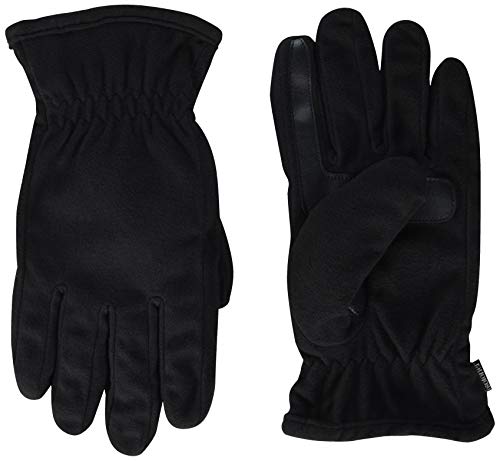
1. Windproof Gloves
You’ll notice a theme with the first few items on this list. The wind in Iceland can be vicious, and even when temperatures look manageable on paper, the windchill can make it feel well below freezing. A good pair of windproof gloves is not optional.
Water resistance is also nice to have, but not essential unless you are planning to do snow-based activities in Iceland (e.g., skiing, snowboarding, sledding, snowman building) or planning longer hikes where you might have prolonged exposure to rain, sleet, or snow.
I have a few pairs of gloves. To start with, I have a pair of Isotoner windproof gloves which do the job just fine, plus they let me operate my smartphone without taking my gloves off. They have style options for both men and women.
I also have a dedicated pair of gloves for photography in winter. These are a bit more expensive, but if you are looking for a good pair of gloves that will let you operate your camera equipment, they are the best I’ve found. I use their Markhof gloves, but they have a wide range available.
One thing I’d add: touchscreen compatibility matters more than it used to. You’ll be using your phone for navigation, weather checks, and probably the odd Northern Lights alert app, and pulling your gloves off every time gets old fast, especially when it’s blowing a gale. Most decent winter gloves now come with touchscreen-compatible fingertips, but check before you buy.
2. Windproof Hat
We think you are definitely going to want a hat for your winter adventure in Iceland. Ideally this will be windproof and warm, and will protect cover your head and ears from the cold weather.
We have a collection of hats depending on our moods, and there are plenty of warm hat options out there to keep your head toasty warm – in all kinds of styles!
Here is one I personally like in a style that keeps my head and ears warm. If you’d prefer one that doesn’t have a trapper style, try this one.
Jess likes this one, although there are plenty of great options including this one.
Whichever hat you go for, just make sure it fits snugly, and isn’t liable to blow off your head in a gust!

3. Scarf
You may also want a scarf to keep your neck warm, we both like to use a nice warm scarf to keep the drafts out, something like this for me and something like this for Jess. We prefer wool if possible as it stays warm even when wet, unlike cotton. Polyester is also an option.
If you’d like something nicer, we have and love these cashmere scarves (also available for men here).
A scarf is easy to pack, and definitely helps to keep the heat in. We have a guide to travel scarves here if you need some more inspiration!

4. Wind and Waterproof Jacket
Continuing the theme of staying wrapped up warm against the weather, a windproof and waterproof jacket is going to be your best friend in Iceland in winter.
You have a few options – you can invest in a lighter “shell” jacket that keeps out the wind and water, and then layer up underneath that with warm fleece layers that don’t trap moisture.
Or you can buy a heavier jacket that provides warmth as well as wind and waterproofing.
Alternatively, you could also invest in a jacket like one of these that does everything by coming in multiple layers, so you can pick and choose. It’s really up to you!
We’ve found that a good waterproof shell (like this one or this one) plus fleece layers is more versatile than one heavy jacket. Iceland’s weather shifts so rapidly that being able to strip a layer in a warm café and then pile everything back on when you step outside is genuinely useful. A jacket that’s a bit loose in the body gives you room for those layers underneath.
Note that down jackets are usually not waterproof despite being very warm. If you do choose a down jacket, we’d urge you to purchase one from a company that adheres to the Responsible Down code.
Jess and I have gone for the first route for our waterproof clothing, with a shell outer jacket and warmer inner layers. As a budget option we have worn and enjoyed jackets from Trespass. These are reasonably priced and well made, plus we like how colourful they are.
If you choose this option, make sure you buy a jacket that is a little loose, so you have plenty of room to add layers underneath.
5. Waterproof Shoes or Boots
Even if you’re not planning on doing much hiking in Iceland, I’m going to suggest you have a good pair of hiking boots or walking shoes that are waterproof – especially for winter travel in Iceland.
You will often find yourself walking across snow or slushy ice, and the spray from waterfalls tends to blow everywhere! The worst thing is getting wet feet when it’s cold, so investing in a decent pair of waterproof boots, be they hiking boots or snow boots is definitely a wise idea.
Personally, I have this pair of Scarpa boots which I love. My original pair lasted me fifteen years and thousands of miles of walks, and I’ve recently invested in a newer model which seem just as awesome so far. They are definitely a premium option but if you are outdoors a lot I think a good pair of hiking boots is an excellent investment.
For a long time Jess had a pair of Merrell hiking boots which she liked very much, however she too switched to a Scarpa pair and has found them to be very sturdy and reliable. You might also consider a pair of snow boots.
When it comes to buying boots, it’s definitely worth trying them out before settling on a pair. If you do decide to order online, make sure you do so through a company that lets you return or exchange them. Here’s a full list of boots to get you started.
We also have a guide to the best travel shoes for men and the best travel shoes for women for tips on picking a great pair.
One more thing: consider packing a pair of clip-on ice grips (sometimes called crampons or ice cleats) for your boots. Pavements and paths in Iceland can turn into ice rinks after a freeze, and the areas around waterfalls are especially slippery in winter. They’re small, light, and could save you a nasty fall.

6. Thermal Baselayers
Now, onto your base layers, which are the layers you wear closest to your skin under your regular clothes.
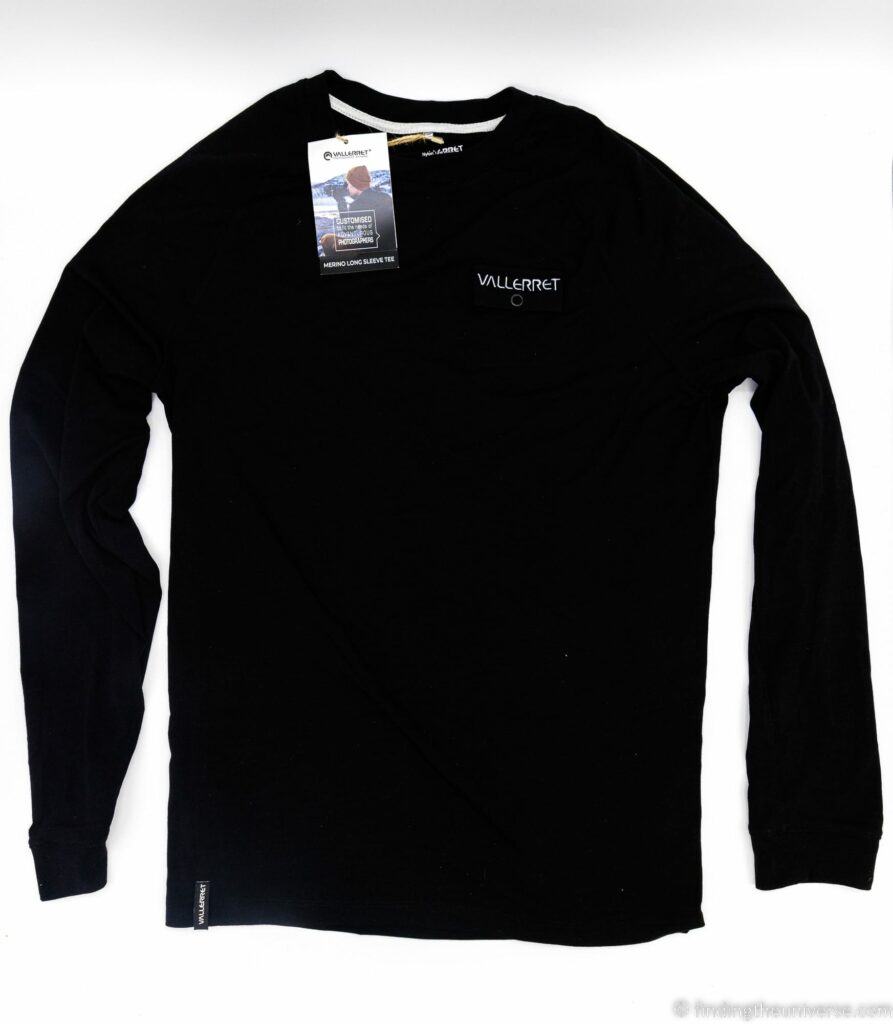
You’ll want a long-sleeved top and a set of bottoms. You are going to want thermal baselayers that are breathable and will wick the moisture away from your skin. So you definitely don’t want cotton.
We like merino wool baselayers as they stay warm even when damp, don’t hold odor the way synthetics can, and feel comfortable against the skin. For merino options, I’d suggest looking at brands like MERIWOOL, LAPASA, or Merino.tech, all of which make solid baselayer sets at reasonable prices.
If merino wool feels itchy to you (Jess has this problem), synthetic thermal sets work well too. Something like the Thermajane or Thermajohn long johns are popular for good reason: they’re affordable, warm, and dry quickly.
For a budget option that still performs well, the PISIQI thermal underwear sets are surprisingly good for the price and come in multiple weight options.
If you’re going to be in Iceland for more than a few days, pack at least two sets of baselayers so you can wash and rotate. Merino dries slower than synthetic, so if you’re planning to wash in hotel sinks, synthetic might be the more practical choice. We have a guide to doing laundry while travelling with tips on making that work.
7. Mid-layers
In between your base layer and your coat, you’re going to want mid-layers. Our recommendations would be some fleece sweaters that you can layer up. Usually, you would wear a thermal baselayer, a fleece midlayer and a wind and waterproof outer jacket.
If you have a thick outer jacket, then you won’t want too thick a fleece midlayer. On the other hand, if you are only investing in a thinner shell outer layer, you will probably want thicker midlayers, or even to wear two – one thinner, one thicker.
For your lower half, a good pair of hiking pants will do. You want something comfortable, fast-drying, and ideally with a bit of stretch for walking. Check out brands like BALEAF and CQR for solid options that won’t break the bank.
If you really feel the cold, fleece-lined hiking pants are a game changer. They look like normal trousers but feel like you’re wearing pyjamas, in the best possible way. Check out this option for men and this option for women.
Of course, jeans are an option if that’s how you roll, but we find that they dry really slowly, and can be very uncomfortable if wet. You can always pack an extra pair of pants in your day bag or car though that you can change into as well.

8. Towel
We don’t often travel with a towel anymore, as most guest houses and AirBnB’s have them available. But you are probably going to want to bring a towel to Iceland.
There are so many fantastic hot-spring fed thermal baths and public swimming pools, and having your own towel will save you having to hire one each time.
Some thermal baths include towel rental in their fees, like the Blue Lagoon or Sky Lagoon. But many do not, including the much cheaper Reykjavik city baths, and some locations don’t even have the option to rent.
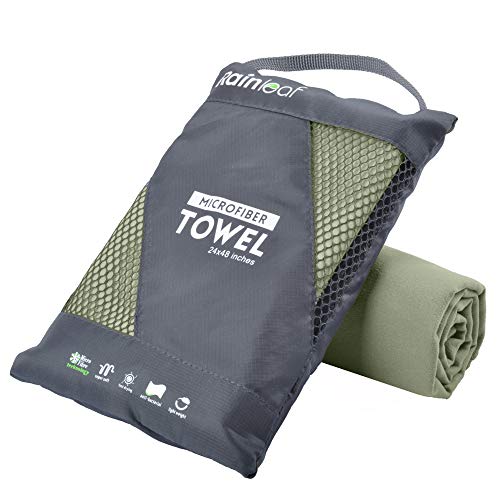
We forgot our towel, and bought one in Ikea in Iceland when we realized we didn’t have one. You can benefit from our mistake, and just pack one in advance. Ideally a nice big fluffy one, but if you’re economising on packing space, a travel towel will do.
9. Swimming Clothes
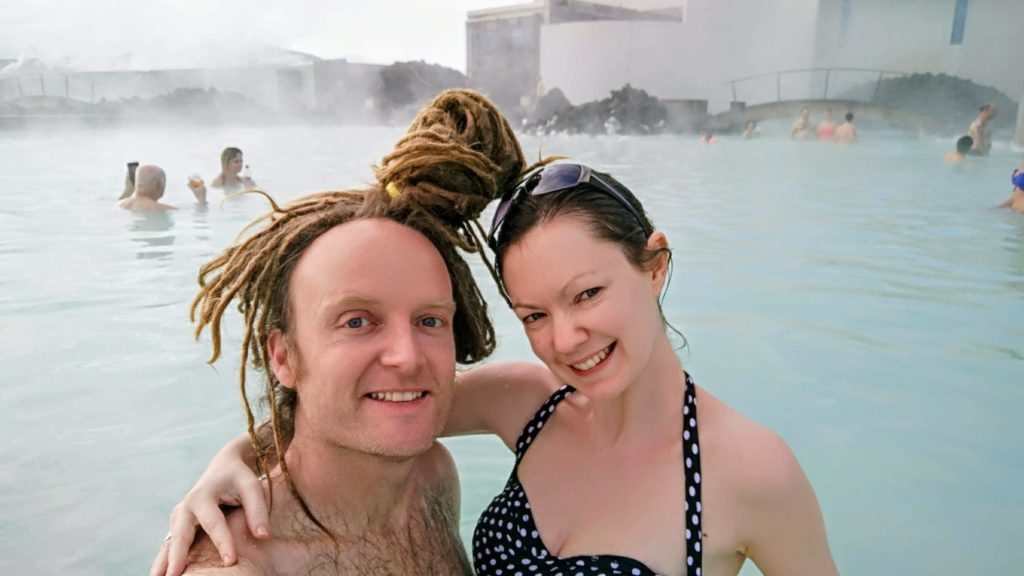
Along with a towel, you’re absolutely going to want to bring your swimming outfit to Iceland, even in the dead of winter. The naturally heated geothermal pools like the Blue Lagoon are open year-round and wonderfully warm, and taking a dip in one of these is a must for any Iceland trip. There are even snorkeling and diving opportunities year-round.
Your choice of swimwear is of course entirely up to you, there’s no shortage of choice out there!
10. Hand / toe warmers
If you think you’ll be outside for longer time periods, or you are particularly susceptible to the cold, you might consider getting yourself some hand warmers and some toe warmers.
These are inexpensive items that actually generate heat, last for a number of hours, and will keep your extremities warm. So, if you want to avoid cold toes or fingers, these are definitely a good idea.
We go through a ridiculous number of these on winter photography trips. If you’re planning to spend any time outdoors chasing the Northern Lights or photographing waterfalls, buy a multipack. They’re cheap, light, and can be the difference between enjoying yourself and being utterly miserable.

11. Electronic Gear
That’s the majority of the clothing covered. Now let’s take a look at some electronic items you might want to take with you.
Smartphone
Obviously, you’re going to want your smartphone when you go to Iceland. We use a travel eSIM now, which is far simpler than hunting down a physical SIM card at the airport. If your phone supports eSIM (most phones made since 2020 do), check out our review of Airalo which includes some free credit to get you started. Iceland has solid 4G coverage along the main ring road and in towns, though you’ll lose signal in the remote interior highlands (which are largely inaccessible in winter anyway).
If you prefer a physical SIM, you can pick one up at the airport or in Reykjavik. See our guide to getting online when travelling for more options.
If you’re thinking of upgrading your phone, I have a guide to the best smartphones for photography in this post.
External powerpack
Iceland can be cold in winter, and cold weather means that your smartphone battery isn’t going to last as long as it would usually last. We recommend you invest in an external powerpack that you can use to recharge your smartphone on the go. We use ours all the time when we travel as we use up our smartphone battery pretty quickly what with all the photo taking and navigation we use it for!
You can also prolong your smartphone battery life by keeping it in a warm place, like an inside pocket close to your body, and not leaving it in the cold for prolonged periods of time.
Travel adaptor plugs
Iceland has European style two pin plugs, so if you’re travelling from the UK, the USA, or anywhere else with a different power socket, you’ll need a travel adaptor like this.
Note that Europe uses a 220-240v system rather than the US 110v system, and travel adaptor plugs don’t convert voltage. You will need to check your electronics to be sure they support the 220v system. In our experience, most laptops, camera chargers and USB chargers support everything from 110 – 240v, but items like hair dryers and hair straighteners might not. The adaptor for the device will usually have the supported voltage clearly labelled.
See more on travel adapters and how to choose one for your trip in our guide to the best travel adapters.
Then if you’re like us and have a lot of electronic gear, we suggest you travel with a power strip like this, which you can plug into your adaptor. Many places we stay never seem to have enough sockets for all our chargers, so a power strip is usually invaluable.
Headphones
Sometimes you just want to chill out and listen to some music or watch a movie, and for that you’ll need a pair of headphones. Laurence currently has a pair of these, which offer a great balance of price, noise cancelling and performance.
12. Photography Gear
Camera
You’re going to want to take a lot of pictures when you’re in Iceland, so some sort of camera is going to be a must. Going into what camera you should take to Iceland would pretty much be a whole post in itself though!
If you are looking for a new camera, I’ve already written a detailed guide to picking a travel camera, which should help you decide, with options on everything from smartphones through to DSLR’s.
If you plan on doing any snorkelling or hiking, consider an action camera like this Akaso Brave 7 LE, which is designed for more extreme environments.
Tripod
When you’re visiting Iceland in winter, there’s a good chance that you’ll experience the beauty that is the Northern Lights.
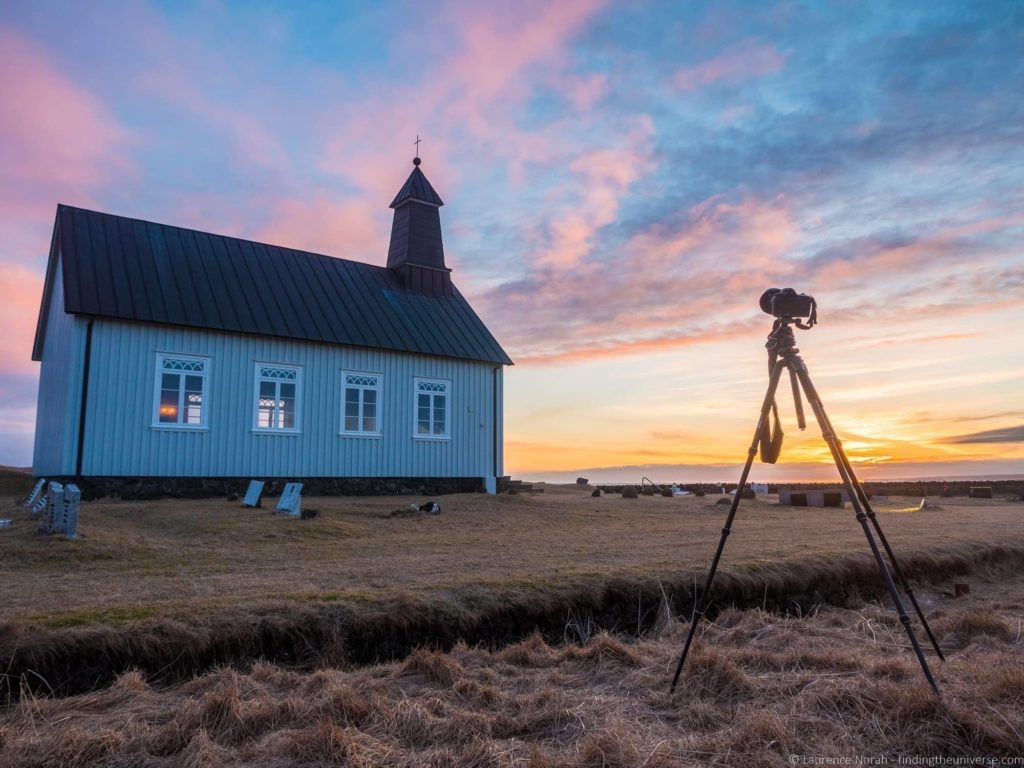
To get photos of the Northern Lights, you’re absolutely going to want a tripod, as night time photography usually requires exposures that are too long for hand holding. See our full guide to northern lights photography for more information on getting great shots of the lights.
We also have a full post on why you might need a travel tripod and how to pick one here, which should give you some good options. You will likely find a tripod with spiked feet, as suggested by a reader in the comments, will be more stable in some situations.
Memory cards
You’re going to take more pictures than you think, so we suggest stocking up on memory cards for your camera before you go. Memory cards are pretty cheap these days, so there’s no reason not to.
Spare batteries
As previously mentioned, batteries don’t like the cold, so you might find your camera battery doesn’t last as long as normal. We’d advise picking up a spare battery for your camera before you go – there’s nothing worse than being halfway through a day of gorgeous landscapes and having your camera battery die on you!
Other Camera accessories
You will likely want a lens cleaning cloth to keep your lens clean and to remove moisture that will likely gather when you photograph waterfalls. If you’re more serious with your photography, a set of neutral density filters will likely come in handy – read why you might want a neutral density filter here.
13. Luggage & Backpacks
There are so many incredible bag options out there. Jess and I use a number of bag brands. For my camera / electronic gear, I use a Vanguard Alta Sky 49, which works well as both a carry-on and day pack.
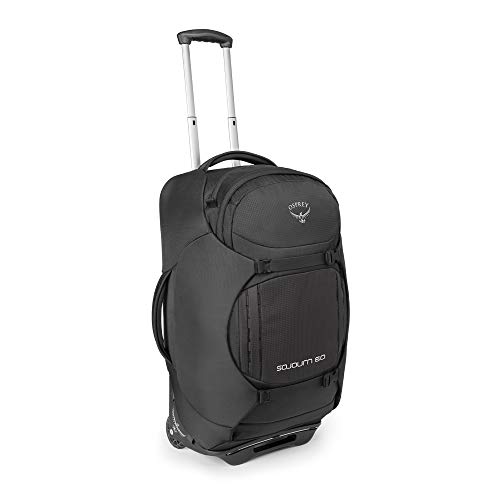
Jess loves her Eagle Creek bags, and has both a carry-on sized backpack and a larger wheeled backpack that we check-in. I have an Osprey Sojourn 60, which has been travelling with me since 2013 through multiple countries, and is yet to let me down.
We’re happy to recommend all of those brands if you’re in the market for a new bag.
14. Reusable Water Bottle
We highly recommend bringing a reusable bottle for water with you so you can fill it in sinks and water fountains and not need to pay for drinks or purchase bottled water. Tap water across Iceland is safe to drink, so there’s no need to spend money on water.
If you need to get a water bottle for your trip, we personally like the Klean Kanteen bottles like these.
We have a few different sizes, both insulated and regular, and find the anti-leak lids and easy washability make them perfect for travel. You’ll be saving money and creating less plastic waste, which is always a good thing!

15. Guide Books
Whilst we hope to have provided you with a wealth of Iceland content to aid in your trip planning, we appreciate that having a guidebook can be really helpful when you’re on the road.
With this in mind, we can recommend two guidebooks to consider, the Rick Steves Iceland guidebook, and the Insight Guides Iceland.

16. Miscellaneous
Well, of course you’re going to want a few other things.
Good wool socks make a bigger difference than most people realise. We like Smartwool and Danish Endurance merino socks. Pack at least three pairs, because wet socks in Iceland are a fast track to misery.
We’d also recommend some sort of face moisturiser, Chapstick and sunscreen, as the cold winter air in Iceland can be quite harsh.
For serious hikers and climbers, we’d also pack waterproof pants, a travel first aid kit, and waterproof covers for your packs and gear – we find large Ziploc freezer bags work really well for keeping electronics dry.
If you’re visiting any of the thermal springs or pools, you’ll also likely want a pair of sandals or shower shoes, and a waterproof case or bag for your phone and/or valuables.
If you are planning to do a specific activity (e.g., skiing, diving, hiking), then you may want to bring along some additional things like prescription goggles or a waterproof hiking pack.
If you would like to keep track of your adventures, we also recommend bringing along a travel journal. We always journal our travels so we can remember what we have seen and done. See our guide to the best travel journals for some ideas.
Finally, if you are staying in hostels or other shared accommodation, especially if this is your first time doing so, you might want to bring items like Pajamas, ear plugs, and an eye mask so you can get a good night’s sleep. I have used a Manta Sleep eye mask for years and it has been amazing at blocking out the light.
What NOT to Pack for Iceland in Winter
Just as important as what to bring is what to leave at home. Here are a few things that either waste space or won’t serve you well:
Cotton baselayers. Cotton absorbs moisture and takes ages to dry. When it’s wet, it makes you colder instead of warmer. Stick to merino wool or synthetic baselayers.
An umbrella. I know this sounds counterintuitive for a place that rains a lot, but Icelandic wind will destroy a standard umbrella within minutes. Seriously. Trust your waterproof jacket and hood instead.
Your fanciest clothes. Iceland is one of the most casual countries I’ve visited. Nobody really dresses up for dinner, even at nice restaurants in Reykjavik. Pack practical layers and save the evening wear for somewhere else.
Too many “just in case” items. Your bag weight matters, especially if you’re flying on a budget airline with strict luggage limits. Every unnecessary item takes up space that could be used for a second pair of dry socks.
Heavy books. Download them to a Kindle or tablet. A thick paperback takes up space you’ll want for that extra fleece.
What to Pack for Iceland – A Checklist
To help you out, here’s all the above in list form, plus we’ve included all the regular stuff you’ll want to pack like underwear and toothpaste! We’ve also got a downloadable Iceland Winter Packing Checklist here for you to print out and keep.
You can also see the majority of the products we recommend in a complete list on Amazon here for reference.
- Outer Layers of Clothing
- Wind and waterproof jacket
- Warm winter coat
- Mid Layers
- Fleeces, sweaters, hoodies
- Pants
- Base Layers
- Tops
- Bottoms
- Waterproof Shoes or Boots
- Reusable water bottle
- Other Clothing & Winter gear
- Wool socks
- Underwear
- Windproof warm gloves
- Windproof warm hat
- Scarf
- Swimming Gear
- Swimwear
- Towel
- Sandals/Shower shoes
- Waterproof bag
- Electronic Gear
- Smartphone
- External powerpack
- Travel adaptor plugs
- Headphones
- Chargers
- Cables
- Tablet/laptop/e-Reader
- Other ______________
- Photography Gear
- Camera
- Tripod
- Memory cards
- Spare batteries
- Camera Accessories (lenses, case, strap, chargers, etc.)
- Luggage & Backpacks
- Suitcase(s)
- Day bag
- Toiletries
- Moisturizer
- Chapstick
- Sun protection
- Deodorant/Fragrance
- Toothpaste/Toothbrush
- Cosmetics / Haircare
- Hygiene Products
- Medications
- Other ______________
- Other items
- Guide books
- Jewelery / Watch
- Travel Journal
- Reading materials
- Cards/games
- Eye-mark / ear-plugs
- Other ______________
- Hikers
- Day pack
- Snacks
- Waterproof cover for bag
- Medical first aid kit
- Safety gear
- Skiiers/Winter Activities
- Waterproof pants
- Waterproof gloves
- Ski goggles
- Ski boots
- SCUBA divers
- Goggles
- Waterproof camera
If you’re driving, you should also check out our guide to driving in Iceland in Winter which has a few other essentials you might want to consider packing for your Iceland trip.
Frequently Asked Questions About Packing for Iceland in Winter
What should I pack for Iceland in January?
January is typically Iceland’s coldest month, with temperatures between -3 and 2°C (27 to 36°F) and limited daylight of around 5 to 6 hours. Pack your warmest baselayers (merino wool is ideal), a good windproof and waterproof outer jacket, insulated waterproof boots, and plenty of hand and toe warmers.
A headlamp or torch is useful for the long dark evenings, especially if you’re venturing outside Reykjavik. Northern Lights viewing is excellent in January, so bring a tripod and spare camera batteries.
What should I pack for Iceland in February?
February is similar to January in temperature but with noticeably longer days, around 8 to 10 hours of daylight by month’s end. The packing list is essentially the same as January: thermal baselayers, fleece midlayers, windproof and waterproof outer layers, and sturdy waterproof boots.
February is prime ice cave season, so if you have booked an ice cave tour, make sure your boots have good ankle support and pack a warm hat that fits under a helmet.
What should I pack for Iceland in December?
December brings temperatures around -1 to 3°C (30 to 37°F) and very short days, with only about 4 hours of daylight around the winter solstice. Pack the full winter layering system: thermal baselayers, fleece midlayers, and a waterproof windproof shell.
Bring a headlamp for early mornings and late afternoons. If you’re visiting over the holiday period, some shops and attractions have reduced hours, so pack any essentials (medications, snacks, chargers) rather than planning to buy them on arrival.
What should I pack for Iceland in November?
November marks the start of winter in Iceland, with temperatures between -1 and 5°C (30 to 41°F). It’s often more wet than snowy at sea level, so waterproofing is especially important. Pack a good rain jacket, waterproof boots, and quick-drying layers.
November is the start of Northern Lights season and days are getting shorter rapidly, so bring your camera gear and tripod. Wind can be severe in November, so pack a windproof hat and gloves that you won’t lose to a gust.
Do I need to pack snow boots for Iceland in winter?
Dedicated snow boots are not essential for most winter visitors to Iceland, especially if you already own waterproof hiking boots with good grip. If your trip involves a lot of walking on icy paths or you’re visiting glaciers, hiking boots with clip-on ice grips will handle most conditions.
However, if you’re primarily sightseeing from a car and walking short distances, a pair of insulated waterproof snow boots can be more comfortable and easier to get on and off than hiking boots.
Is it worth buying winter clothing in Iceland instead of packing it?
I’d recommend buying everything you need before you arrive. Iceland is expensive, and winter clothing in Reykjavik shops carries a significant markup compared to ordering online at home.
The exception would be an authentic Icelandic wool (lopapeysa) sweater, which makes a wonderful souvenir and is often better value when bought directly from local makers in Iceland. For everything else, order in advance and save yourself the markup.
Further Reading for your Iceland Trip
Well, that brings us to the end of our guide to what to pack for Iceland in winter. Before you head on though, here’s a summary of some of our best Iceland content to help plan the perfect trip to Iceland!
- Our guide to planning a trip to Iceland
- We’ve put together a list of some of our favourite photography locations in Iceland to give you some ideas of where to aim to get the best photos
- Game of Thrones fans will want to read our guide to all the Game of Thrones filming locations in Iceland
- If you’re planning on driving in Iceland, you’ll want to check out our guide to driving in Iceland in Winter
- We have itineraries for self-drive trips in Iceland, including a three day Iceland itinerary, a seven day winter Iceland itinerary, a guide to spending 5 days in Iceland, and an Iceland ring road itinerary.
- Our guide to finding the Iceland Plane crash, which is a fun photography location (if a bit of a walk to get to!)
- On a budget? Here’s a guide to visiting Iceland on a budget to help you make the most of your trip
- If you’re planning on visiting Iceland’s most famous thermal bath, you’ll want to read our guide to visiting the Blue Lagoon
- One of Iceland’s most popular driving routes is the Golden Circle, and we have a full guide to the Golden Circle to get the most out of it
- We have a guide to the best waterfalls in Iceland, to help you choose which ones to visit on your trip
- If you’re visiting Iceland in Winter, check out our guide to the best winter activities in Iceland
- We’ve got a guide to the best day trips from Reykjavik should you wish to base yourself in the capital
- We’ve also got a guide to some of the best multi-day guided tours of Iceland to give you an idea of what’s available for everything from 2 days two weeks, across a variety of price points
- The weather in Iceland can be fickle – the best website for real-time cloud cover is this one from the Icelandic Met Office.
- Whilst Iceland is a safe country to travel in when it comes to things like crime, the country itself is home to extreme conditions and all sorts of seismic activity. So to stay safe as you go, check out the safetravel Iceland page
- As you’re visiting in winter, you’ll want to read through my tips for cold weather photography to help you get the best photos from your trip
And that’s it! We hope you found our guide to packing for Iceland in winter useful. As always, we’re open to comments and feedback in the comment section below!
Jodie R says
Thanks for an awesome load of information. I always check your websites when planning our holidays!
We are going to Iceland in July.
Do you have a packing list and any summer specific information please?
Thanks again.
Jodie
Western Australia
Laurence Norah says
Hey Jodie!
This is a great question. So we don’t have a specific list for what to pack for Iceland in summer. That said, the weather in Iceland can definitely be unpredictable, and it can be cool at any time of year. We visited for four weeks in summer and got a lot of rain one year, so my main advice is to pack a variety of layers, and some warm clothes / rain proof clothes. Of course, it might be sunny and warm the whole time you are there, but it’s best to be prepared!
The other thing you might want to consider is an eye mask or similar – in summer the days are very long and many of the hotels in our experience don’t have much in the way of dark curtains, so if you prefer to sleep in a dark room then an eye mask can make a big difference. I’ve used a Manta Sleep mask for years, it’s the only one I’ve found that is comfortable for me to sleep in, but there are lots of options out there of course.
Other than that, many of the recommendations for summer will be similar to winter – good hiking boots, suncream, a hat, a good daypack etc. You just won’t need to worry too much about the cold weather gear.
I hope this helps – have an amazing time in Iceland and do let me know if we can offer any more advice!
Laurence
Jodie R says
Thank you so much. Safe travels on 2026.
Aliz says
Hi Jessica & Laurence,
Thank you for the tip!
Planning on my first ever solo trip this winter…Iceland came to my mind…Whoops! I hope I get to enjoy a beautiful place.
XO
Aliz “/
Laurence Norah says
We hope so too Aliz! Have a great time 🙂
Olivia Nascimento says
Really pleased I found your site – well written, informative and very useful. Just one minor thing: some of the links to the products recommended are out of date, as the products can’t be found. However, generally speaking, most products are there when the link is clicked. Keep up the good work, folks!
Laurence Norah says
Hi Olivia!
Thanks so much for your comment and e-mail 🙂 I’ve gone through all the links to check they are working, thanks for letting us know. One thing is that we generally link to Amazon US, but Amazon does try to be clever, so if you are visiting from say the UK, it will try to redirect you to a similar product on Amazon UK. Usually this works out, but sometimes it doesn’t work out so well 🙁
Thanks again for stopping by, and have a wonderful trip to Iceland!
Laurence
Olivia Nascimento says
Hi Laurence,
Thanks for your super fast reply! I’m in the UK so can see what happened now! Cheeky Amazon!
Cheers,
Olívia
Laurence Norah says
My pleasure! It’s wonderful that you let me know – it’s tricky to stay on top of every link, and it’s only with helpful folks like you that we’re able to do it 😀
Lauren says
Thank you SO MUCH! This was incredibly helpful 🙂
Laurence Norah says
My pleasure – thanks Lauren!
Jason Pohl says
Hi, we are trying to take a spur of the moment trip to Iceland in a couple of weeks. We are going to rent a van that we sleep in, do we need a 4×4 van, I am used to driving in snow and icy conditions.
Laurence Norah says
Hey Jason,
You shouldn’t need a 4×4 as most of the roads are paved and kept clear of snow and ice. Just a heads up that you do need to camp at a campground though, Iceland made it illegal to freedom camp a few years ago 🙁
Have a great trip!
Laurence
Marilynsmith says
Thanks for the list of Iceland Packing for winter. The windproof gloves, hat, jacket, boot etc… are awesome.
Laurence Norah says
Thanks Marilyn!
Margie Carl says
Hi Laurence, I’m so glad I found your blog. It has so much helpful information. We are traveling to Iceland in February 2019, staying 2 nights in Vik and 2 nights in Laugaras.
We are in the process of buying all the necessary clothing we need for the trip and your list of what to bring was valuable. I am trying to decide what type of waterproof pants to buy… insulated, thicker ski pants OR thinner waterproof wind proof pants. I will probably wear long underwear and leggings underneath. I get cold easily, but don’t want to be overdressed.
I also like your section of buying a camera for Iceland. I would like to do just that! I am going to sign up for your 10 part photography course. Is this for beginners?
Much thanks for your blog and for answering my questions.
Best wishes,
Margie
Laurence Norah says
Hi Margie!
Delighted you found our post helpful 🙂 For your pants, my suggestion would be the thinner pants, as it’s always easier to layer if you get warm, especially if you have a good baselayer option to go under them.
For the photography course – I have a shorter free option by e-mail at the end of the post, and then a paid version that is far more comprehensive. Both are aimed at the novice looking to improve, whatever their camera 🙂
Margie Carl says
Thanks for answering my question so quickly. I will take your advice on the waterproof pants and check into your photography courses. 🙂
Laurence Norah says
My pleasure Margie – let me know if you have any questions!
Margie Carl says
Hi again Laurence,
If you don’t mind, I have one more question for you regarding the purchase of a camera for Iceland… and beyond (to last me forever).. After reading your blog and checking out the cameras at the store, I’ve narrowed it down to two very different cameras: The Nikon D3500 18-55 mm and the Canon EOS M50 Mirrorless Camers with EF-M 15-45 mm. I feel like they both have advantages and disadvantages. I am concerned about the lack of viewfinder in the Mirrorless camera and not being able to see the screen in bright sunlight, plus the short battery life. (Taking video is not a priority for me) I am a 59 year old beginner photographer and am looking for something I will be able to grow into for a long time to come.
Laurence Norah says
Hi Margie!
No worries, and my pleasure. So those are both great camera choices, and you have pretty much outlined the key differences pretty well!
One thing I would say is that the mirrorless M50 does have an electronic viewfinder, so in bright sunlight you can just look through the viewfinder – there’s a screen inside there which will be very usable in bright sunlight.
In terms of size, they are both fairly similar. The battery life is definitely a problem with the mirrorless camera, but that’s going to be the same for all mirrorless cameras – those screens just use up more batteries!
As a beginner though, my advice is generally to go with a mirrorless. The reason for this is that it’s a lot easier to learn on them, because what you see on the screen / through the viewfinder is exactly what the picture will look like, because it’s pulling that information directly from the sensor. With a DSLR, if you use the optical viewfinder, you can only see what the image looks like after you’ve taken it and it displays on the screen. This means that you can miss a shot.
That said, you can always use the liveview on the back of the Nikon if you prefer! As you’ve mentioned that you have seen them both in store, I would also advise you to try how they feel in your hand with the lenses on, to check one or the other isn’t more comfortable. That can also make a difference 🙂
I know this isn’t a definitive answer as you may be hoping for! As you say, both are great cameras and both will serve you well for a while to come, and I don’t think you’d be unhappy with either of them 🙂 If it was me, I’d go with the mirrorless and carry some spare batteries.
Hope this helps!
Laurence
Rebecca says
Thanks for a super-helpful post!
Just wondering if you think it’s crucial to have a backpack for Iceland in winter, or if a wheeled suitcase will be okay? Not doing anything wildly off the beaten track, just wondering if the wheeled suitcase will be at all practical… what do you think?
Thanks again – your site is always my go-to before any trip.
xR
Laurence Norah says
Hi Rebecca!
Our pleasure, delighted to be able to help. We’d say that unless you are planning a multi-day hike or something similar, then you won’t need a backpack. We’ve always travelled in Iceland with rolled luggage, although we do have a day pack that we use when going on day hikes. So that would be our recommendation. The majority of attractions are very close to the road, so you won’t need a backpack for most situations, and in our experiences our suitcases wheeled just fine 🙂 Hope this helps – have a great trip!
Laurence
Andrei Jiro says
Hi, first of all, congratulations!!! Your Iceland Tips is one of the best I have found so far!
I and my wife will be in Iceland next November (from 16 to 25 ) , and thanks for your infos I have already booked the most part of our tours …….. and helped us with the logistic , hotels , etc…
We gonna stay 2 days in Reykjavik , 3 days in Hella , and last 2 days in Reykjavik , we gonna do several tours from Reykjavik ,
but I still have one question: Drive or not between Reykjavik and Hella ?
I mean , we live in a tropical country , we have never yet driven on snow or similar conditions…..,it is only 1oo km, but is our main doubt.
We gonna stay in a hotel in Hella and a hired car will save a lot of money ( comparing to the cost of the transfer from Reykjavik to Hella and its return ), and a hired car will allow us to visit a lot of sites around the South Coast .
Thanks in advance for your time and suggestion!
Laurence Norah says
Hi Andrei!
Thanks very much. So the road between Reyjkavik and Hella is one of the major roads in Iceland so will likely be kept very clear. The car you would hire would have winter tires and likely even studs. So I don’t think you would have any problems as long as you drive sensibly. We have a guide to driving in Iceland in Winter which you might find helpful 🙂
A hire car will definitely be easier for getting around!
andrei says
Hi Laurence!
thanks for your guidelines!
I have already booked a car and your tips are saving us time and Money.
Laurence Norah says
Thanks Andrei – have a great trip!
Marta Kulesza says
Good list but I would certainly recommend some camera extras. A lens clothes is a must, Iceland has lots of waterfalls and because of the wind, there’s always lots of moisture in the air. I would also recommend spike feet for your tripod if you plan on taking pictures on any of the black sand or diamond beaches.
Laurence Norah says
Hey Marta! Good tips 😀 I will update the post to reflect your ideas.