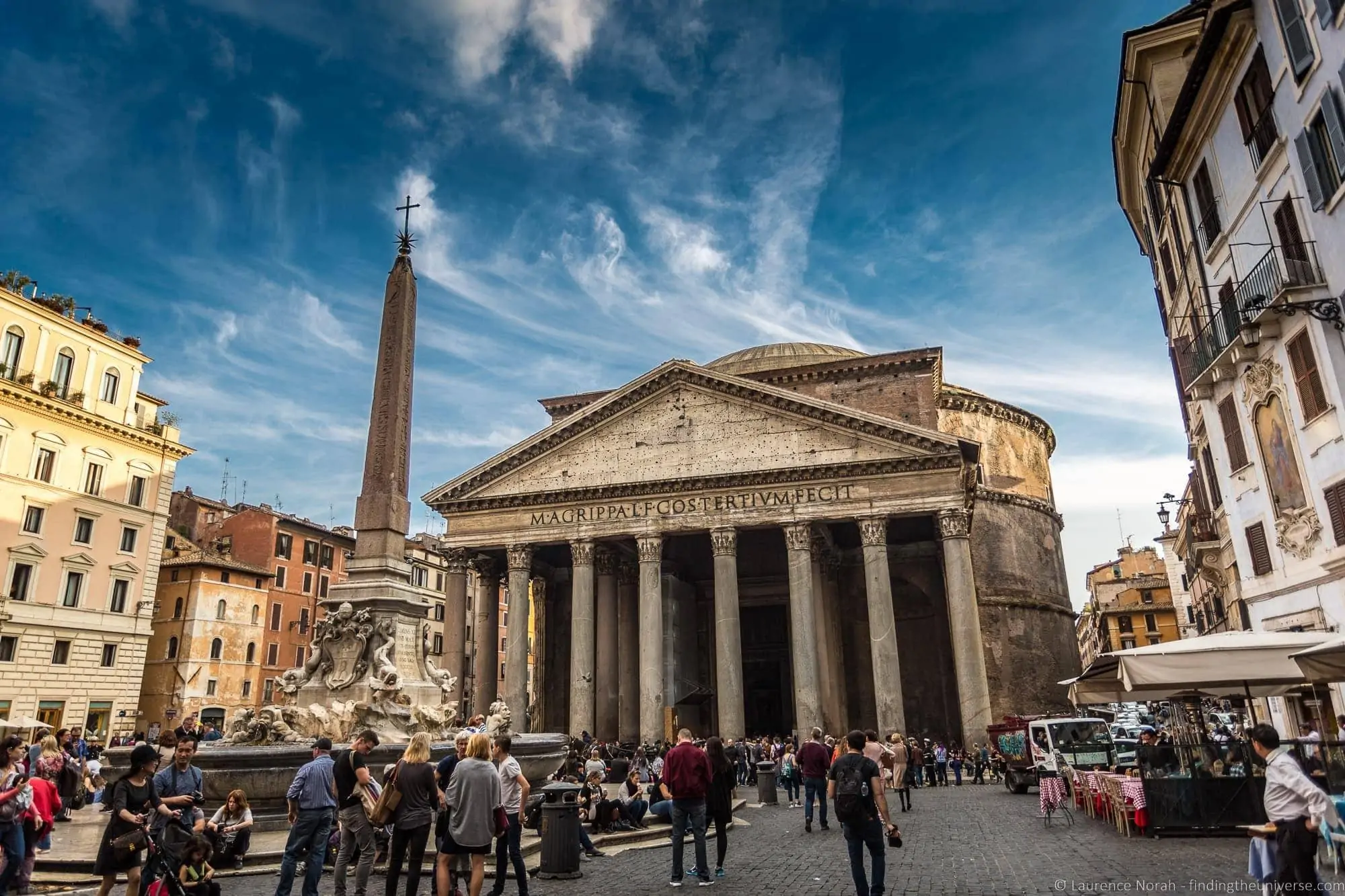
Italy is one of our favourite countries to travel in. We’ve visited dozens of times over the years, and I actually held my wedding ceremony in Venice (more on that later). So when people ask us for a suggested Italy itinerary, we have a lot of opinions.
This 10 day Italy itinerary is designed for first-time visitors who want to see the highlights without burning out. It covers four cities connected by high-speed trains: Rome, Florence, Bologna, and Venice. No flights, no car rental, no stressful logistics. You buy a train ticket, sit down, and two hours later you’re in a different world.
We’ve tested this route ourselves across multiple trips and refined it over the years. Every recommendation below comes from personal experience, from the restaurants to the tours to the hotels. Where we haven’t been somewhere personally, we’ll tell you.
As well as the detailed day-by-day itinerary, you’ll find practical information on getting around Italy, tips on saving money, and practical planning advice for your trip.
Table of Contents:
Planning Your 10-Day Italy Trip
Is 10 Days Enough for Italy?
No, not really. Italy is enormous and varied, and you could spend a month in Tuscany alone without getting bored. But 10 days is enough to have a brilliant first trip, see some of the country’s most famous cities, eat extremely well, and come home with a list of places you want to return to.
The key is accepting what you can’t fit in. You won’t see the Amalfi Coast, Cinque Terre, Sicily, the Dolomites AND the main cities in 10 days. Trying to cram it all in means you spend half your trip on trains and the other half speed-walking through museums. We’ve made that mistake, and it’s no fun.
Why These Four Cities?
For a first visit to Italy, we think Rome, Florence, and Venice are non-negotiable. Rome has 2,000 years of history you can walk through. Florence is where the Renaissance happened, and the art collections prove it. Venice is unlike anywhere else on Earth.
The fourth city is where people disagree. Many itineraries add Milan, but we think Bologna is the better choice. It’s Italy’s food capital (this is where Bolognese sauce, Parmigiano Reggiano, balsamic vinegar, and Parma ham all come from), it breaks up the Florence-to-Venice journey perfectly, and it’s wonderfully free of the tourist crowds you’ll encounter in the other three cities.
If you’d prefer Milan for the fashion and the Duomo, you can swap it in for Bologna easily. The train connections work just as well. We just think you’ll eat better in Bologna.
What If I Want a Different Route?
This itinerary works well as written, but you should feel free to suit your interests. Some alternatives to consider:
If you want beaches and southern Italy, swap Bologna for Naples and use a day trip to visit the Amalfi Coast or Pompeii. If you love the outdoors, swap Bologna for a couple of days in Cinque Terre. If you want to go deeper rather than wider, drop a city entirely and spend 4-5 days in Rome and 5-6 days in Florence with Tuscany day trips.
The only thing we’d say is: three days in Rome is the minimum. You can flex everything else, but don’t shortchange Rome. There’s too much to see.
Best Time to Visit Italy
Our favourite times to visit are April to May and September to October. The weather is warm enough for comfortable sightseeing without the fierce heat of summer, and the queues at major attractions are shorter.
July and August are peak season. It gets very hot (easily 35°C+ in Rome), everything is crowded, and prices are at their highest. If you’re visiting in summer, you really do need to book skip-the-line tickets well in advance for the Colosseum, Vatican, and Uffizi, and plan your sightseeing for mornings and evenings rather than the middle of the day.
Winter (November to February) is quieter and cheaper. It can be chilly, but cities like Rome and Florence are perfectly pleasant for sightseeing in a jacket. Venice can be magical in winter fog, though you may encounter acqua alta (high water) flooding in the low-lying areas.
Getting Between Cities
For this itinerary, we recommend taking the train between all four cities. Italy’s high-speed rail network is excellent, and the trains are comfortable, reliable, and reasonably priced if you book in advance. We’ve taken the train in Italy many times and it’s always been a good experience.
Here are the approximate journey times on high-speed trains:
- Rome to Florence: 90 minutes
- Florence to Bologna: 40 minutes
- Bologna to Venice: 90 minutes
You can check train times and book tickets in advance online here. Booking in advance usually saves money and guarantees you a seat on the train you want.
You don’t need a car for this itinerary. Parking in Italian cities is expensive and difficult, many historic centres are pedestrian-only, and the trains are faster anyway.
The only reason to rent a car on this itinerary is if you want to take some time to explore the country side, such as on a day trip around Tuscany. If you do want to rent a car for part of your trip (perhaps for a Tuscany day trip), you can compare prices on Discover Cars here.
10 Day Italy Itinerary
Itinerary Summary
- Rome: 3 days
- Florence and Tuscany: 3 days
- Bologna: 2 days
- Venice: 2 days
This is a guide, not a rigid schedule. If you fall in love with Rome and want an extra day there, take it from Bologna. If Florence doesn’t grab you as much, head to Venice a day early. The train connections between all four cities run frequently, so adjusting on the fly is easy.
Now, let’s get into the details.
Days 1-3: Rome
Rome is the obvious starting point. It has excellent international flight connections, it’s the hub of Italy’s rail network, and there is simply more to see here than in any other city on this itinerary. We’ve visited Rome many times and have never run out of things to do.
Three days gives you enough time to cover the main highlights, eat well, and still have some breathing room. Here’s how we’d structure your time.
Day 1: The Colosseum, Roman Forum, and the Historic Centre
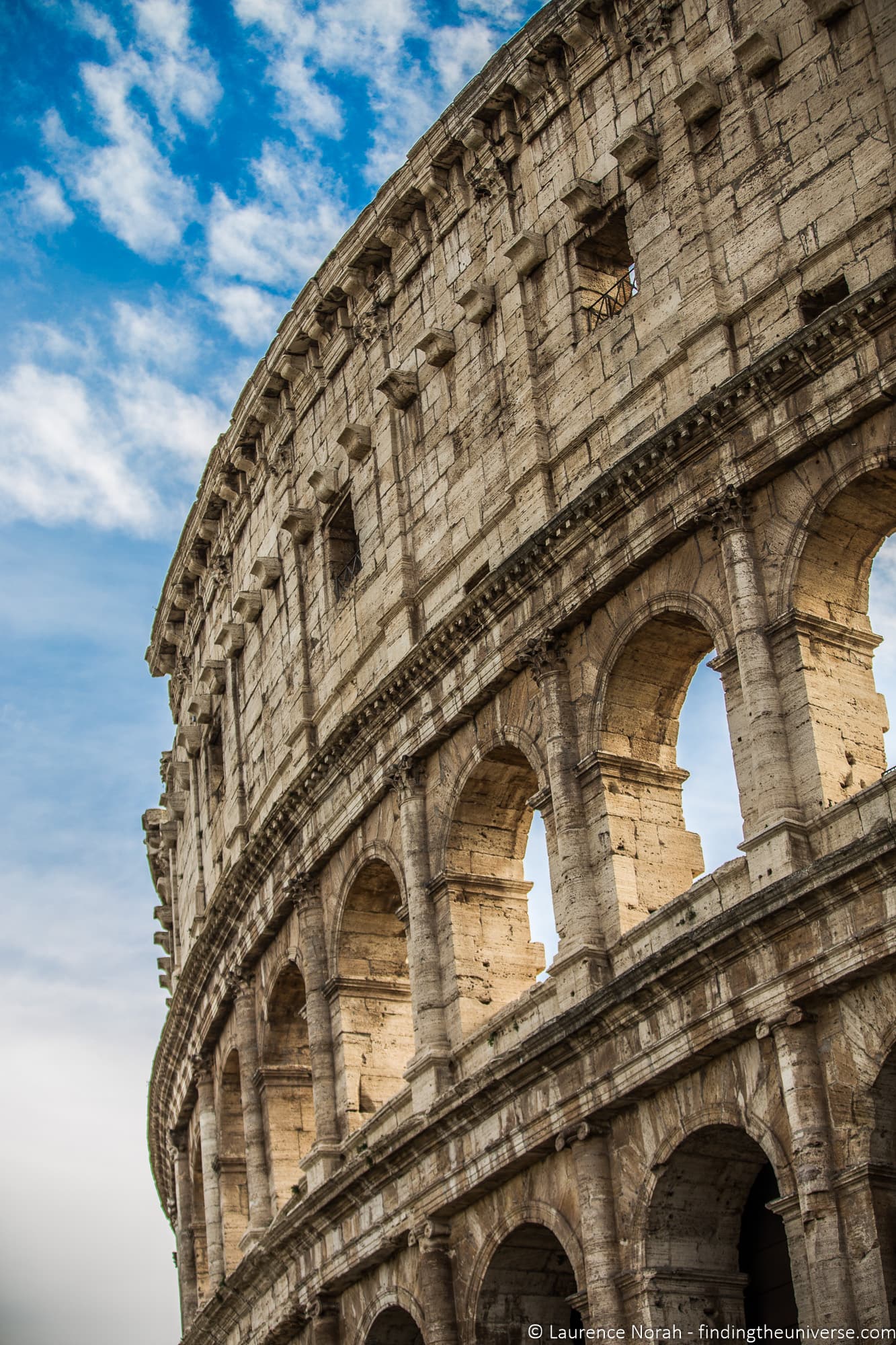
Start your first morning at the Colosseum. Built almost 2,000 years ago when the Roman Empire was at its height, this is one of those places that lives up to the hype. Standing inside and looking up at the tiers where 50,000 spectators once sat is something you feel in your bones.
The Colosseum is one of the most visited attractions in Italy (nearly 15 million visitors in 2024), so you’ll want to plan ahead. Book your timed entry ticket in advance on the official website here. Individual ticket holders enter through the Speron Valadier entrance. The standard ticket now includes access to the Imperial Fora and is valid for 24 hours from your Colosseum time slot.
If your budget allows, we’d recommend taking a guided tour rather than visiting independently. The Colosseum is a complex site with a lot of history, and a good guide brings it to life in a way an audio guide can’t quite match. We recommend this Colosseum tour or this one which includes underground access. Both include the Roman Forum.
Read more in our detailed guide to visiting the Colosseum.
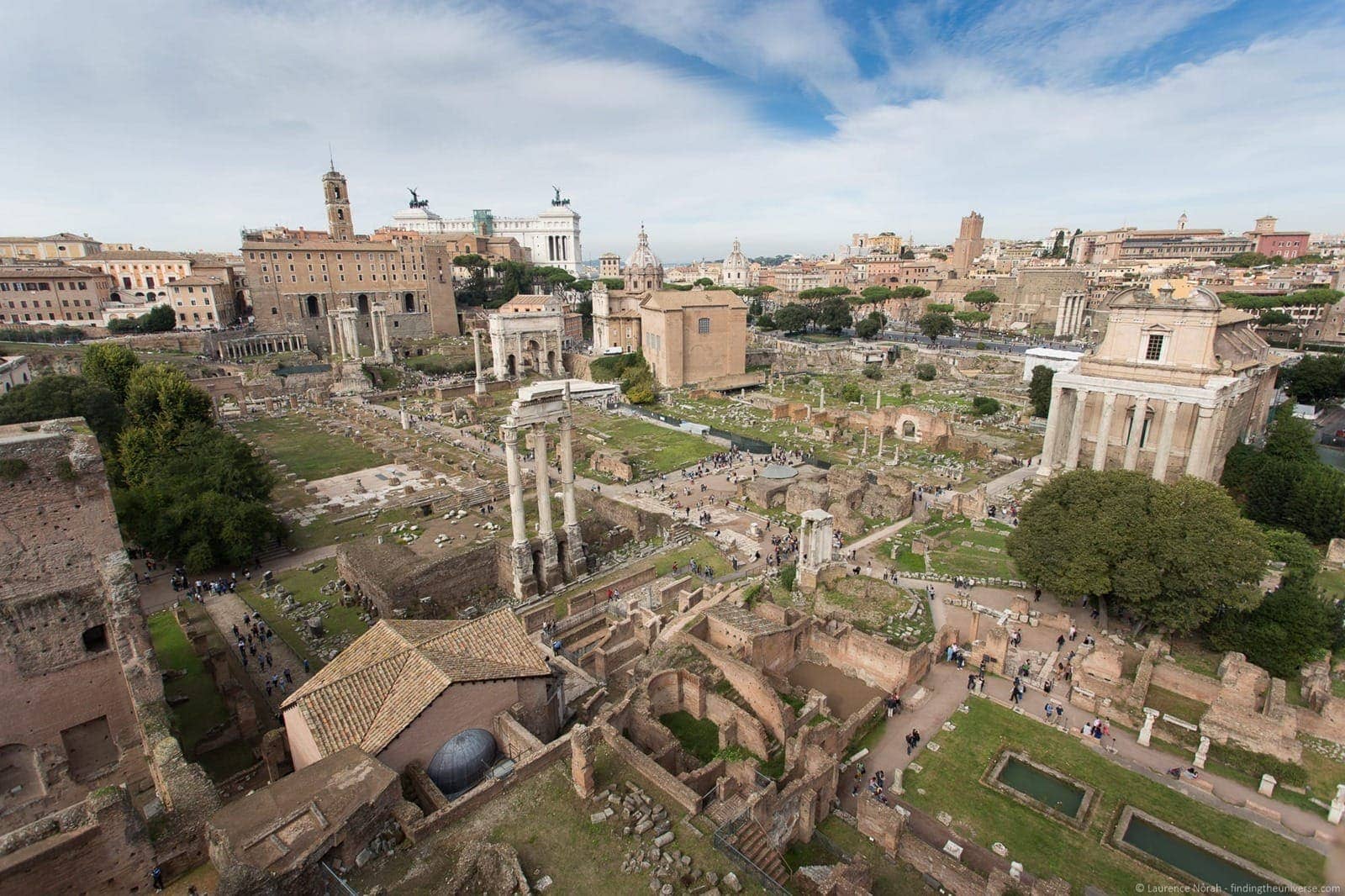
From the Colosseum, the Roman Forum is right next door. This was the political and commercial centre of the Roman Empire, and walking through the ruined temples, arches, and senate buildings is like stepping back in time. Entry is included with your Colosseum ticket. Allow 3-4 hours total for both sites.
For lunch, we can recommend Da Armando al Pantheon, a family-run trattoria that’s been going since 1961. It’s near the Pantheon and in the 2026 Michelin Guide, but still reasonably priced and unpretentious. Book ahead if you can.
For your afternoon, head into the historic centre. It’s a 10-15 minute walk from the Forum, and this is where you’ll find some of Rome’s most famous landmarks packed into a walkable area.
The Pantheon is a must. This 2,000-year-old temple has the largest unreinforced concrete dome in the world, and the light streaming through the oculus at the top is spectacular. You’ll need to book a timed entry ticket in advance here.
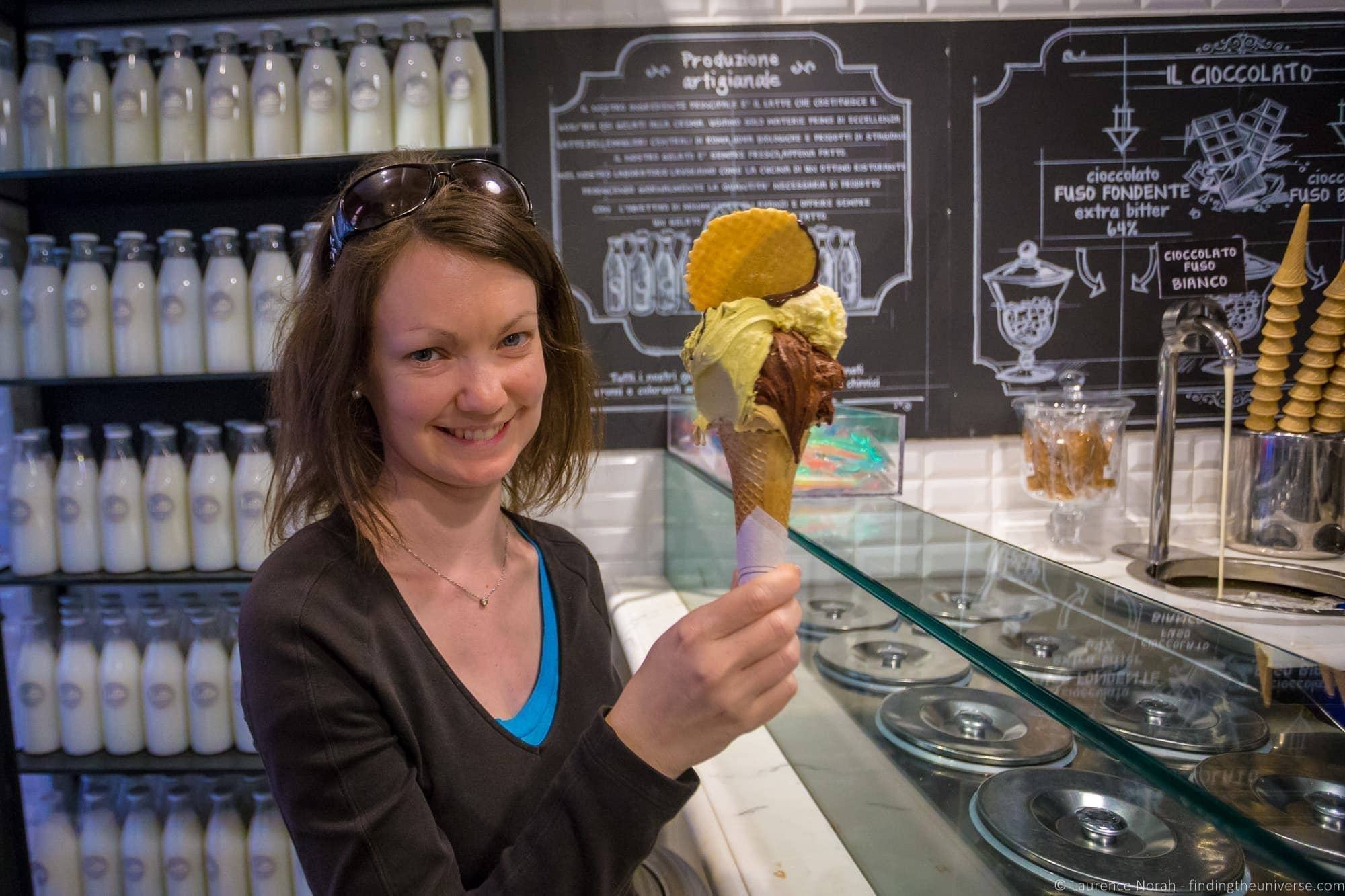
From there, wander to the Trevi Fountain (there’s now a €2 entry fee to access the basin area, payable by card only), the Spanish Steps, and Piazza Navona. You don’t need a plan for this part of the day. Just walk, get lost in the narrow streets, and stop for a coffee or gelato when the mood strikes. See our guide to the best gelato in Rome and the best cafes in Rome for plenty of options.
If you want a more structured afternoon, consider a food tour of Trastevere. This is one of Rome’s most characterful neighbourhoods, and eating your way through it with a local guide is a great way to spend an evening. See our guide to the best food tours in Rome for more options.
Day 2: Vatican City
Your second day should be dedicated to Vatican City. Technically a separate country (though you won’t need your passport), this tiny city-state packs in some of the most impressive art collections in the world.
Start with the Vatican Museums and the Sistine Chapel. The museums house thousands of artworks spanning centuries, but the highlight for most visitors is Michelangelo’s ceiling in the Sistine Chapel. Expect to spend 2-3 hours just to see the major highlights.
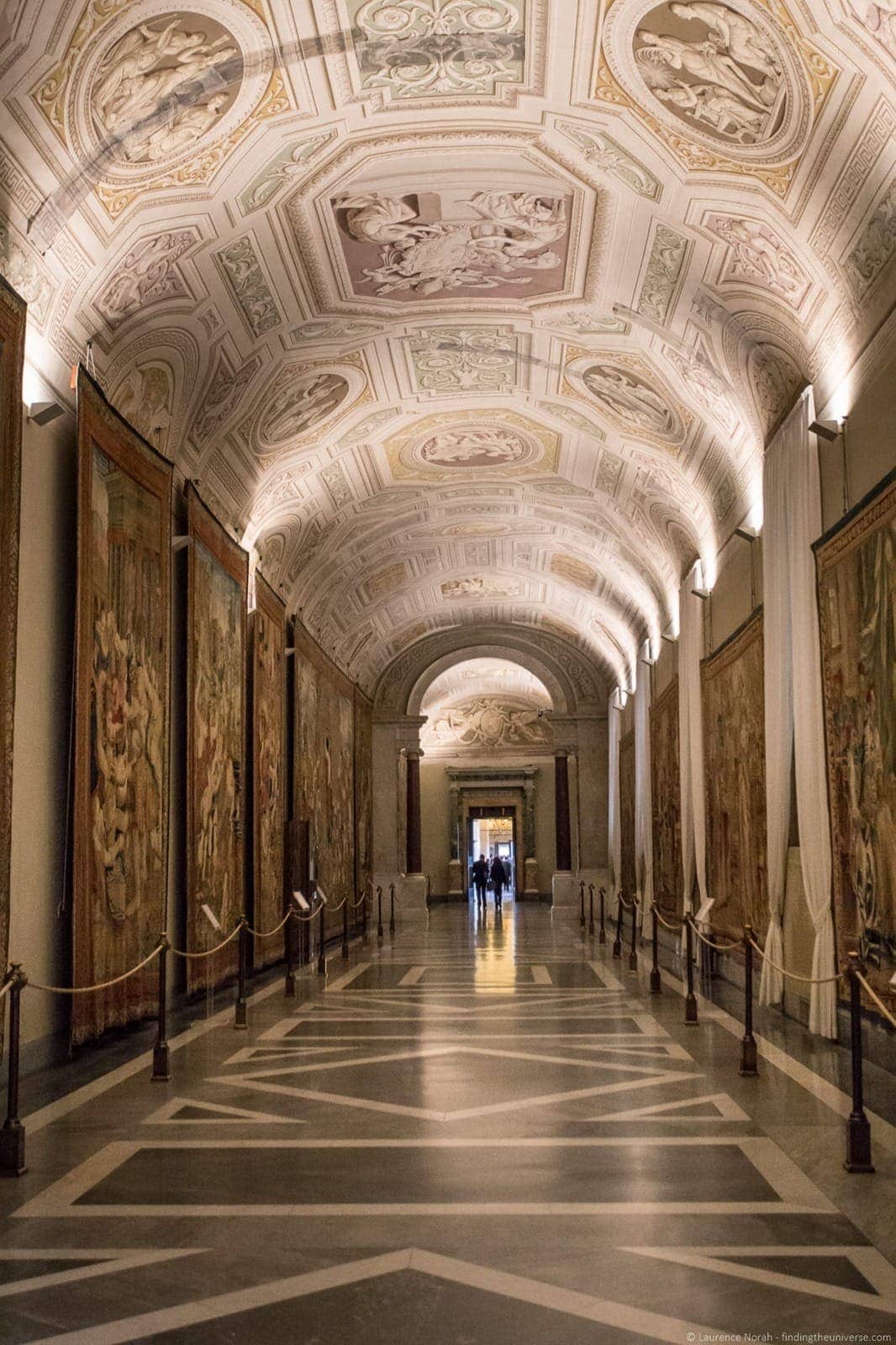
A few important things to know: Vatican Museum tickets are now personalised, so you’ll need to provide your full name and a government-issued ID when booking, and bring that ID with you. The best place to get tickets is the official Vatican website, which has the best prices.
If the official site is sold out (which happens in peak season), Tiqets often has availability from a different ticket pool, though at a slightly higher price.
We’d also recommend considering a guided tour. We took the Pristine Sistine tour, which gets you into the Sistine Chapel before the general public. It’s a premium experience but it was one of the highlights of all our trips to Rome. You can see all available Vatican tours from TakeWalks here.
From the Vatican Museums, walk around to St. Peter’s Basilica. This is the largest Catholic church in the world (technically it’s in Vatican City, not Italy, which means the Milan Duomo gets to claim the Italian record). It’s free to enter, though the queue for security can be long.
If you want to skip the queue, the Basilica now offers official paid fast-track security entry through their website. Free entry is still available, you’ll just need to be patient with the line.
I’d strongly recommend climbing to the dome. The views across Rome from the top are incredible. There are two options: take the lift partway and walk the rest (537 steps total), or walk the entire way (551 steps). On-site tickets are €8 (stairs only) or €10 (with lift). Online tickets are €17/€22 respectively and include audio guides.
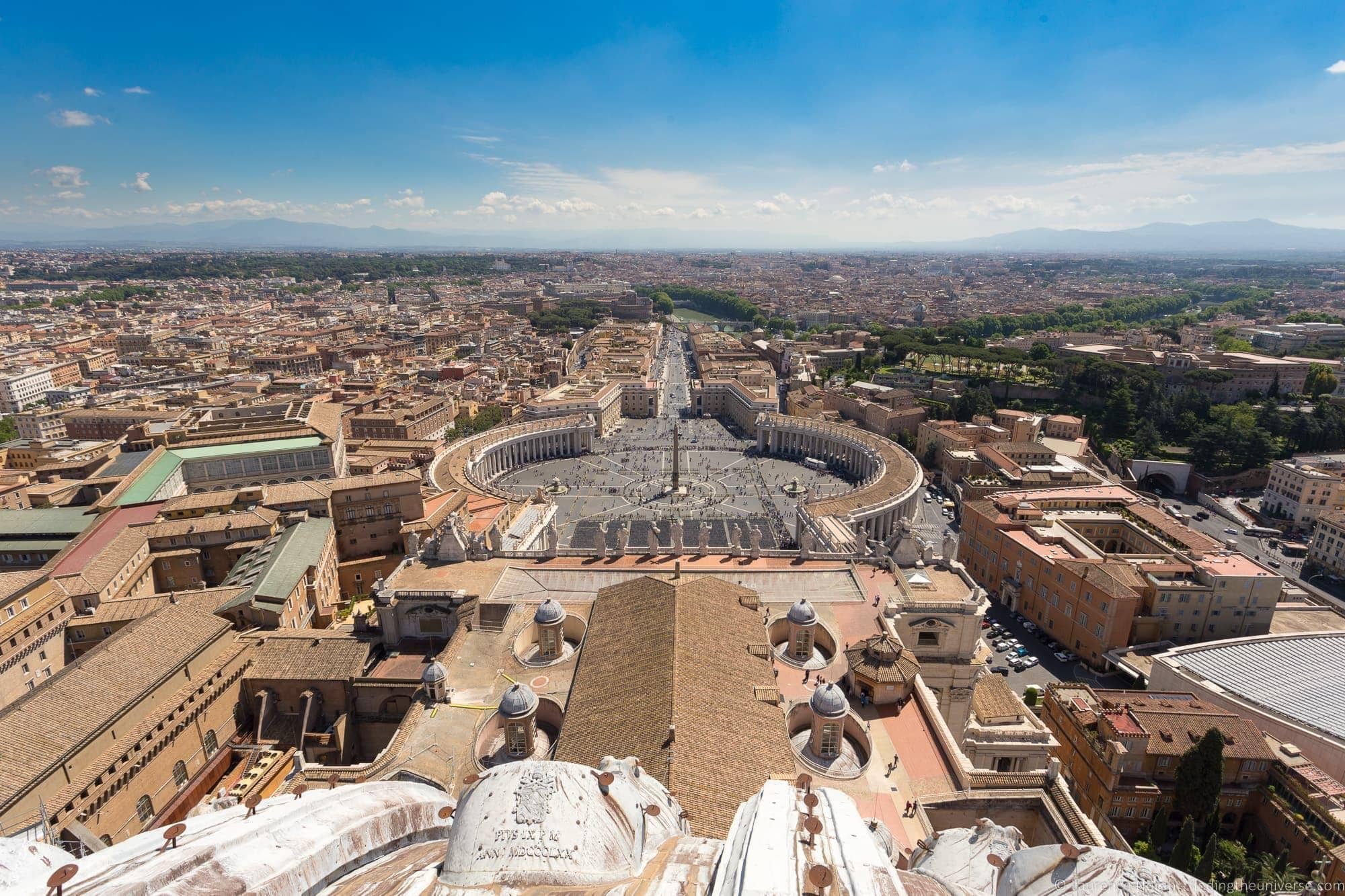
For our complete guide to visiting Vatican City, including all the highlights, ticket options, and tips, see our guide to the Vatican.
After the Vatican, the 2,000-year-old Castel Sant’Angelo is a short walk along the Tiber. Originally built as a mausoleum for Emperor Hadrian, it’s been a fortress, a prison, and a papal residence over the centuries. The views from the top are excellent, and it’s a nice contrast to the Vatican’s indoor galleries. You can buy tickets in advance here.
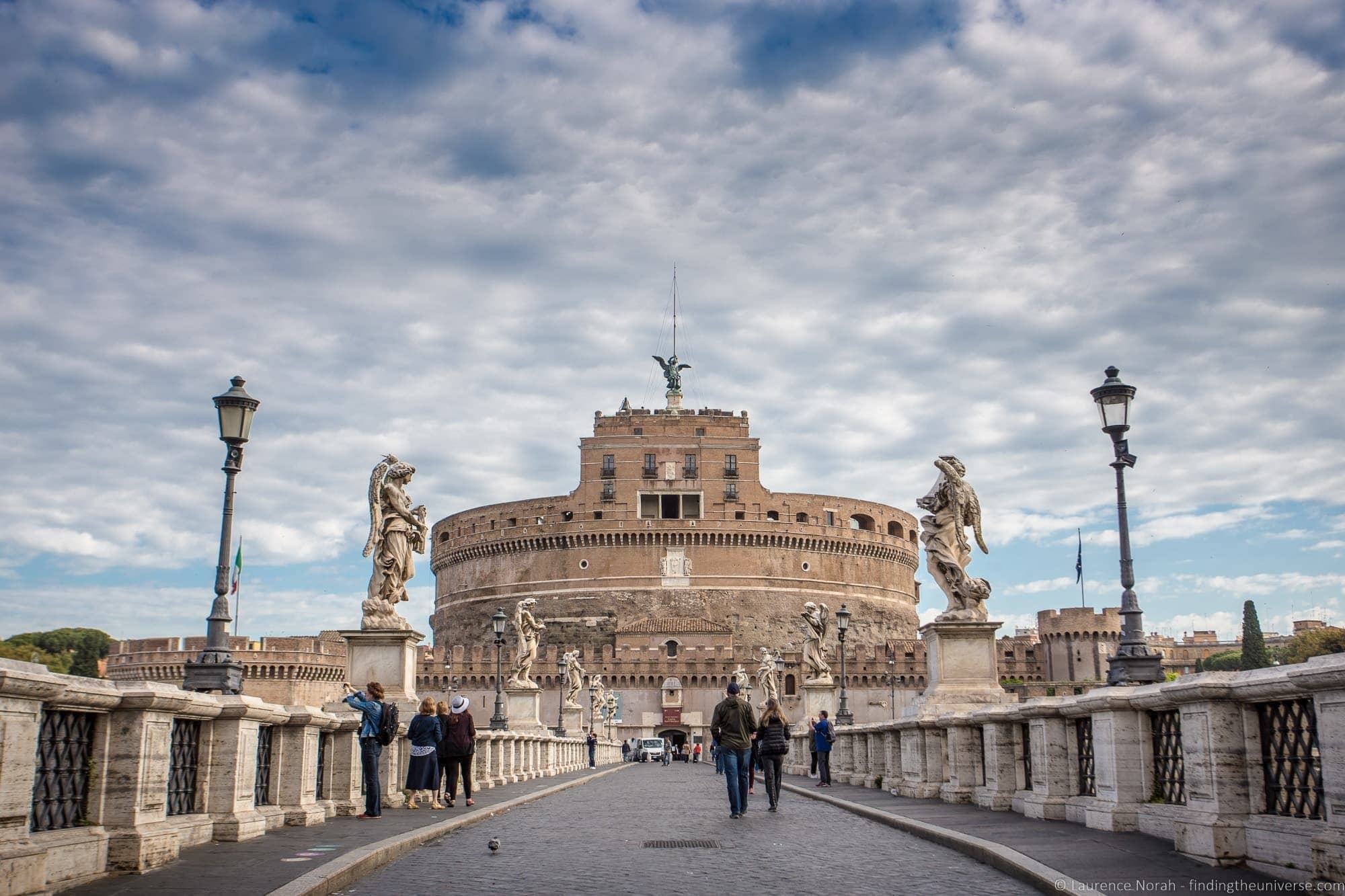
For the rest of your afternoon, explore whatever catches your eye. The Trastevere neighbourhood across the river is great for wandering, with narrow streets, good restaurants, and a less touristy feel than the historic centre. Or visit the Borghese Gallery if you’ve booked tickets in advance (it sells out quickly).
Day 3: Flexible Day
Your third day in Rome is deliberately left flexible. By this point you’ll have covered the major landmarks, so this is your day to explore at a more relaxed pace, revisit something you loved, or take a day trip.
Some options for your third day:
Explore more of the city. Rome has dozens of beautiful churches (many free to enter), neighbourhood markets, and quiet piazzas away from the tourist trail. The Aventine Hill has a famous keyhole view of St. Peter’s dome, and the Testaccio neighbourhood is brilliant for food. The Capitoline Museums (official site) are well worth a visit if you enjoy art and archaeology.
Take a day trip. Pompeii is about 2.5 hours from Rome by train, or you can take a guided day trip which handles the transport. The ancient Roman ruins preserved under volcanic ash are extraordinary.
Take a food tour or cooking class. Rome’s food scene goes well beyond pasta and pizza. A food tour through Trastevere or the Jewish Quarter is a great way to discover local specialities like supplì (fried rice balls) and carciofi alla giudia (Jewish-style artichokes).
For more ideas, see our detailed itineraries for a day in Rome, 2 days in Rome, and 3 days in Rome.
City Passes for Rome
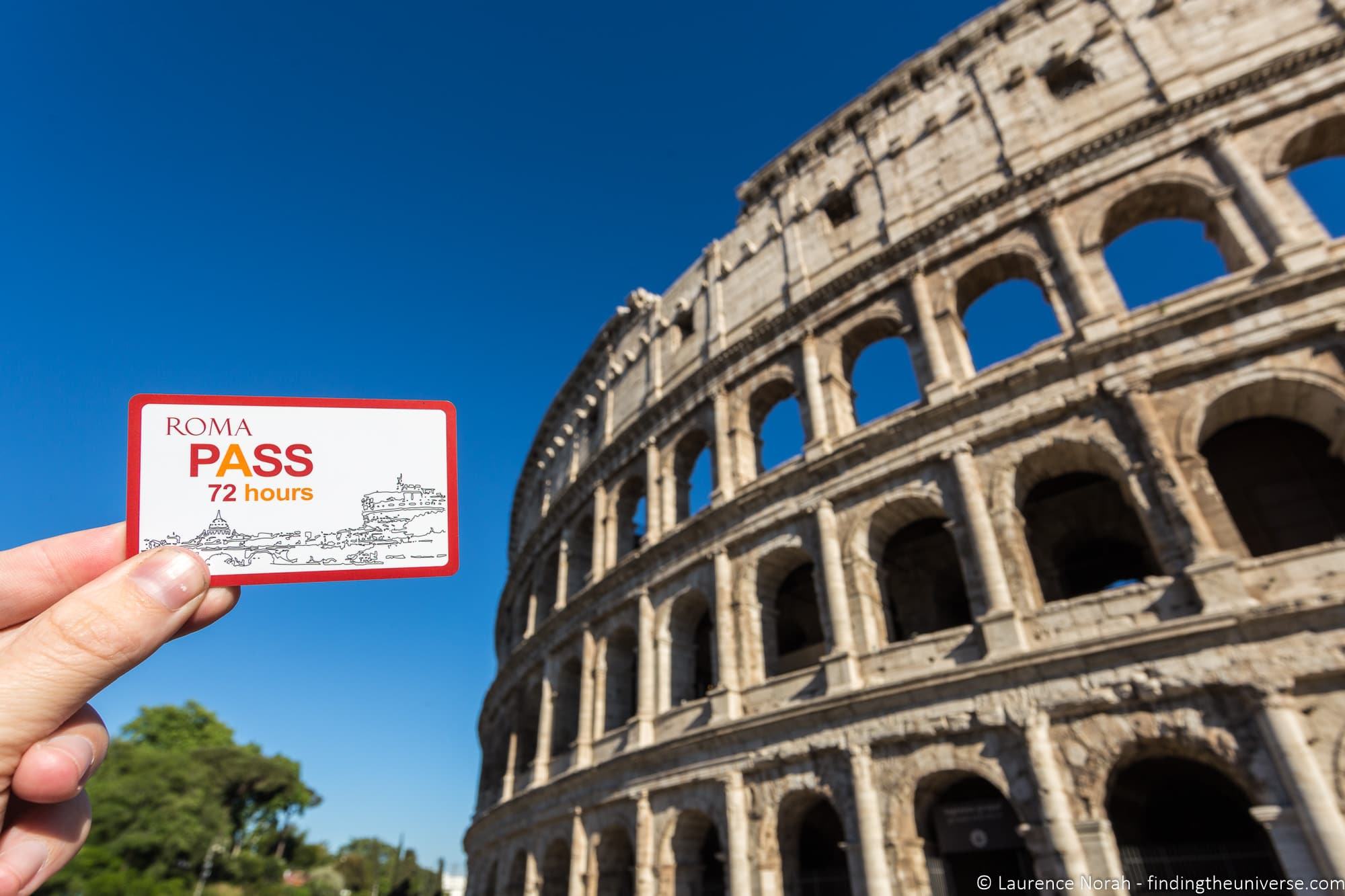
Rome has several city attraction passes which bundle entry tickets together. For 3 days, we recommend the Rome Tourist Card, which includes the Vatican Museums, Colosseum, and a tour of St. Peter’s Basilica.
Another option is the Omnia Rome and Vatican Pass, which includes public transport as well as attraction entry. This is a 3-day pass, so it lines up well with this itinerary.
Whether a pass is worth it depends on what you plan to see. If you’re taking guided tours (which often include entry), a pass may duplicate what you’ve already paid for. Do the maths for your specific plans before buying.
Getting Around Rome
Rome’s historic centre is very walkable. Most of the attractions on Days 1 and 2 are within walking distance of each other. For longer distances, Rome has a metro system (Lines A, B, and the new Line C, which opened a stop at the Colosseum in December 2025), buses, and trams.
A single ticket costs €1.50 and is valid for 100 minutes. If you’re planning to use public transport frequently, a multi-day pass may save money. See the ATAC website for current prices and route maps.
How to Get from Rome to Florence
The high-speed train from Rome to Florence takes about 90 minutes and runs frequently throughout the day. Trains depart from Roma Termini and arrive at Firenze Santa Maria Novella, both of which are central stations.
We recommend booking in advance for the best prices. You can check times and book online here. The high-speed services are operated by Trenitalia (their fast trains are called “Le Frecce”) and Italo. Both are comfortable and include reclining seats, free WiFi, and power sockets.
If you’re on a tight budget, long-distance coaches are cheaper but take around four hours. You can compare coach options here or check directly with FlixBus.
Again, we’d advise against renting a car for getting between the cities in this itinerary. Once you factor in picking up and dropping off the car, fuel, motorway tolls, and parking (which can be both expensive and difficult), the train is faster, cheaper, and less stressful.
Renting a car only makes sense if you’re planning on heading out into the countryside on a day trip, in which case renting a car for that specific day or two is going to be your best option.
Days 4-6: Florence and Tuscany
Florence was the birthplace of the Renaissance, and the city wears that history well. The Duomo, the Ponte Vecchio, the Uffizi, Michelangelo’s David: the concentration of world-class art and architecture in this relatively small city is staggering.
We’ve allocated three days here, with one of those days dedicated to a trip into the Tuscan countryside. If Florence grabs you and you’d rather skip the Tuscany day trip, you can easily spend three full days in the city without running out of things to do.
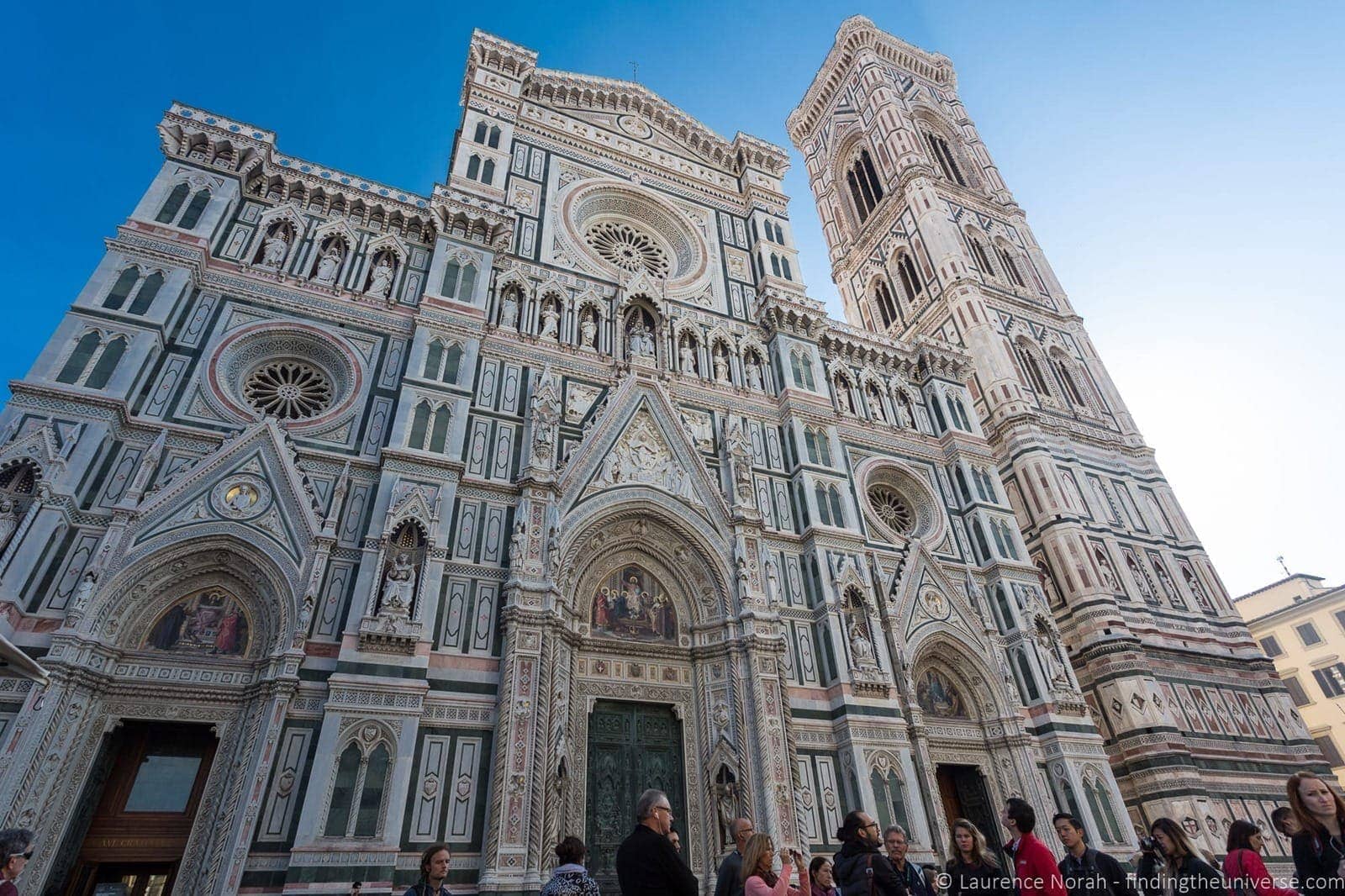
Day 4: Florence City
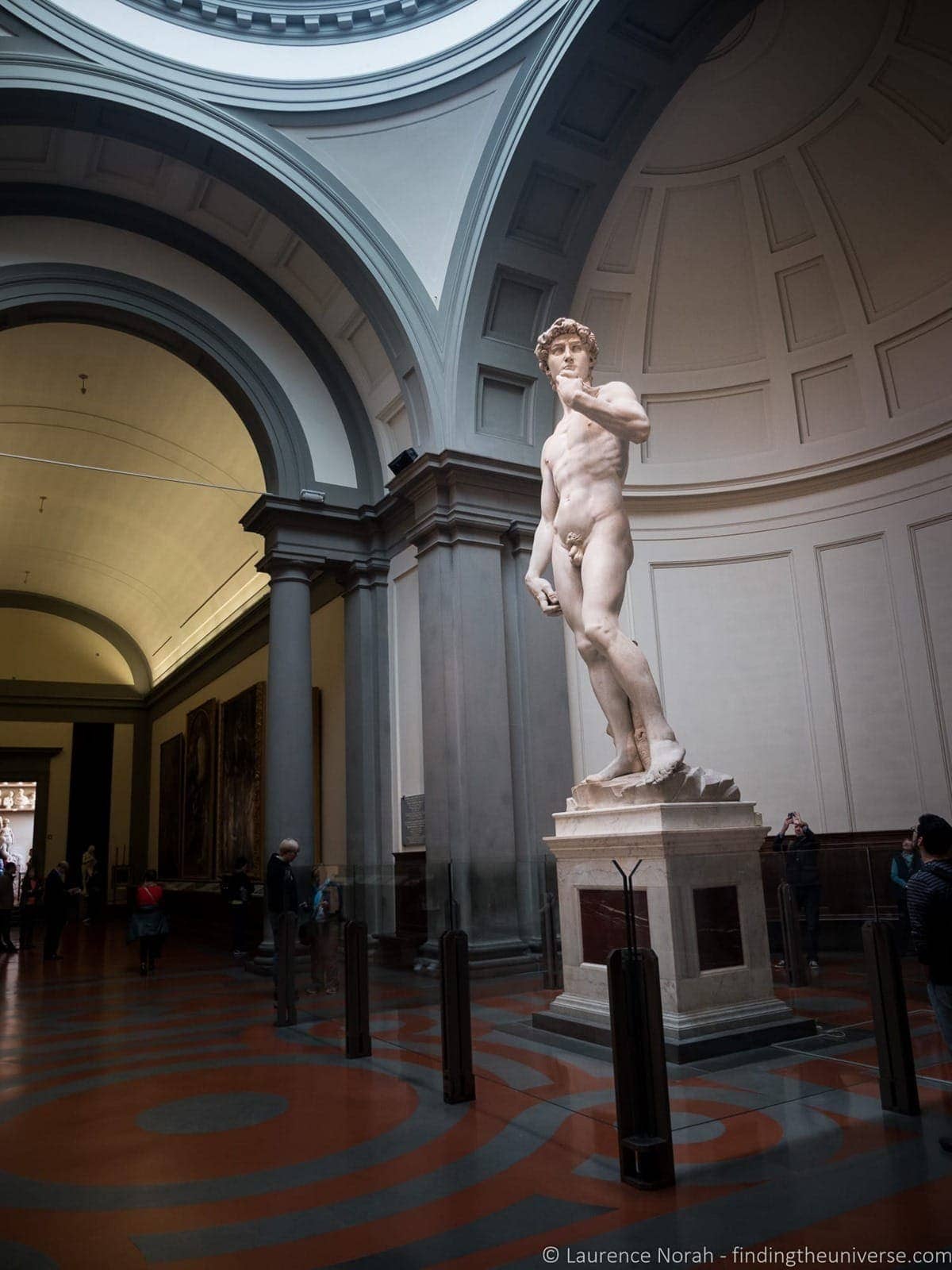
Start your day at the Accademia Gallery to see Michelangelo’s David. This is one of the most popular attractions in Florence, so book your timed entry ticket in advance on the official website. Don’t try to just turn up.
From the Accademia, walk over to the Duomo. The 13th-century cathedral is free to enter (expect a queue in peak season), and the marble facade is extraordinary. If you’re up for it, I’d recommend climbing to the top of Brunelleschi’s dome for views across the city. There’s a fee, and it’s a lot of steps, but the perspective from the top is unlike anything else in Florence.
Spend the middle of the day wandering the streets around the Duomo. Make sure to visit the Ponte Vecchio, the famous covered bridge lined with jewellery shops. It’s also worth knowing that the bridge houses the entrance to the Vasari Corridor, a mile-long private walkway built for the Medici family so they could travel between their palaces without having to mix with ordinary citizens. Because obviously building a private elevated corridor across the entire city is easier than walking among the people you rule.
For lunch, grab a schiacciata sandwich from All’Antico Vinaio near the Uffizi. There’s usually a queue but it moves fast, and the sandwiches are excellent and cheap. If you want to sit down somewhere, Trattoria Mario near the San Lorenzo market is a good budget option with communal tables and fast turnover.
For something more refined, Trattoria Sostanza in the Oltrarno is famous for its butter chicken and Florentine steak (book ahead). As with all restaurant recommendations in Florence, we’d suggest checking recent reviews before visiting.
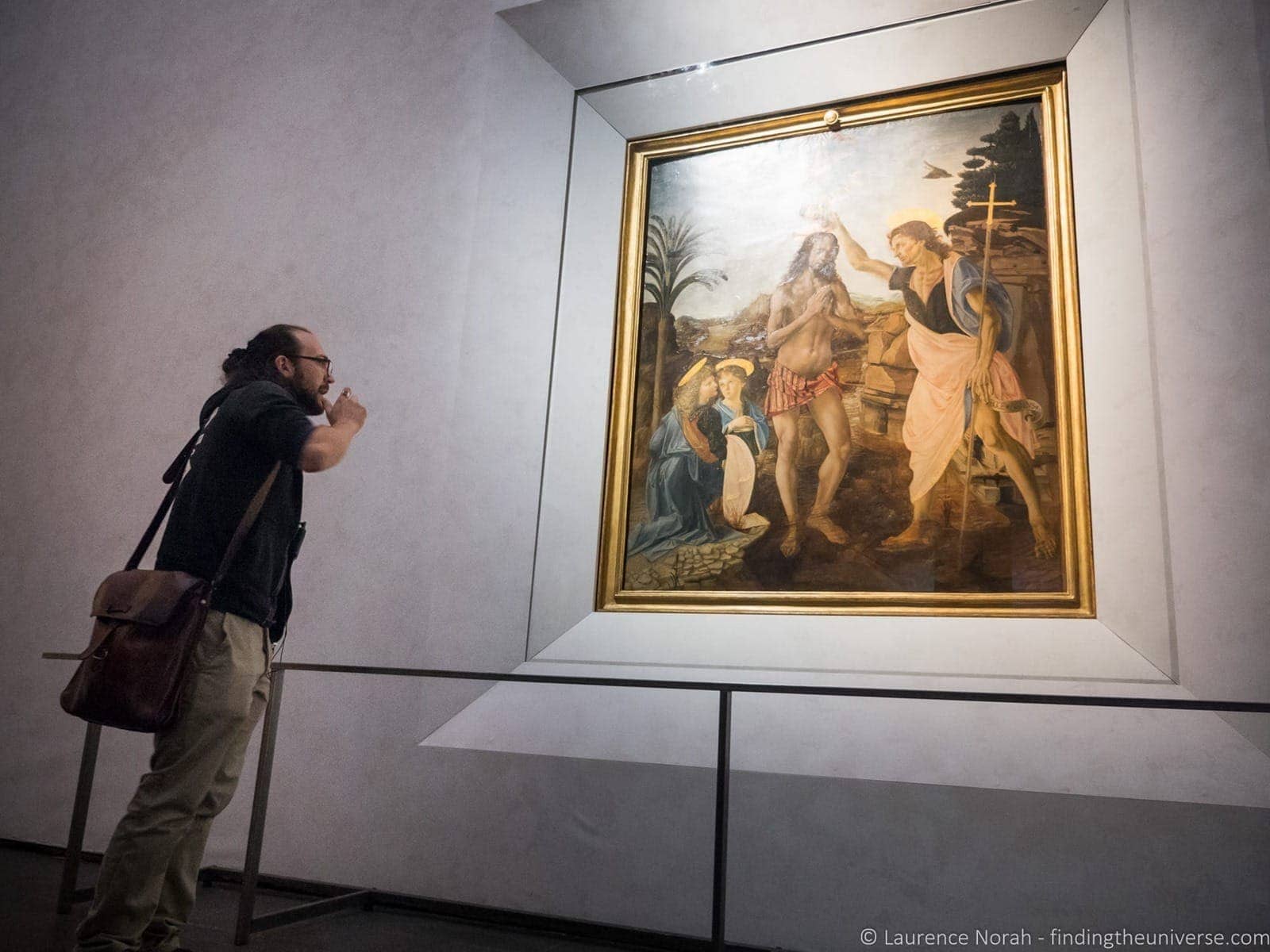
For the afternoon, head to the Uffizi Gallery. I know two art museums in one day sounds like a lot, but the Uffizi is special. You can literally watch art evolve from flat, two-dimensional medieval paintings through to the full complexity of the Renaissance. It’s the kind of place that changes how you see art. Buy timed tickets on the official site in advance.
If you’d prefer a guided experience, we took this full-day Florence tour with TakeWalks which covered the Accademia, Duomo, and Uffizi with skip-the-line access. A good guide really brings the art to life. You can see all their Florence tours here.
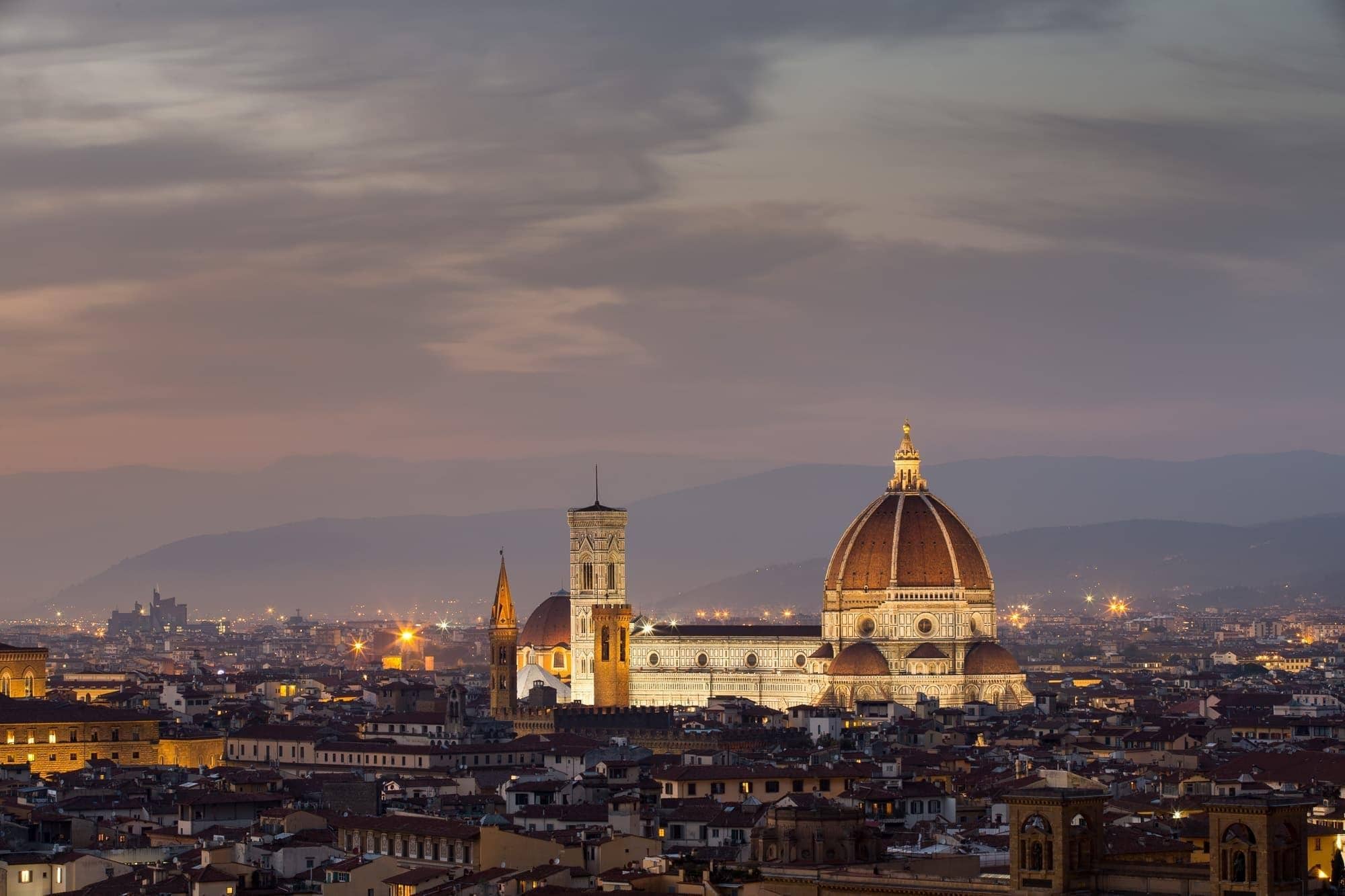
End your day at Piazzale Michelangelo. It’s about a 20-30 minute walk uphill from the city centre, and the sunset view over Florence with the Duomo dominating the skyline is one of those views that stays with you. If you still have energy after that, the Oltrarno neighbourhood below the piazzale is great for an evening wine at La Volpe e L’Uva, a small wine bar near the Ponte Vecchio that’s popular with locals.
Day 5: Tuscany Day Trip
For your second day in Florence, we’d suggest heading out into the Tuscan countryside. Rolling hills, medieval hilltop towns, Chianti vineyards: it’s the Italy of postcards, and it’s right on Florence’s doorstep.
You have a few options. Pisa is easy to reach by train (about an hour) if you want to see the Leaning Tower. Siena is a beautiful medieval city with an impressive cathedral. The Chianti wine region is perfect if you’re interested in wine tasting and vineyard lunches.
On one of our trips, we did a full-day Tuscany tour from Florence with TakeWalks which included wine tasting, time in Siena and San Gimignano, and lunch at a Chianti vineyard. The vineyard lunch was excellent, and we thought the tour was good value. We’d recommend it.
Some other tours worth considering:
- A day trip to the Cinque Terre from Florence
- A day trip combining Pisa, Siena, and San Gimignano with lunch
- A half-day Chianti wine tour with food and wine tasting
For more on Florence, see our detailed guide to visiting Florence and Tuscany in two days.
Day 6: Morning in Florence, Afternoon Travel to Bologna
Use your morning to pick up anything you missed on Day 4. If you didn’t make it to the Pitti Palace across the river, this is a good time. Alternatively, just explore the Oltrarno neighbourhood with its artisan workshops and quieter streets.
After lunch, catch the train to Bologna. It’s only 40 minutes on the high-speed service. You can check times and book online here.
Days 7-8: Bologna
Most 10-day Italy itineraries skip Bologna entirely, and we think that’s a mistake. This is Italy’s food capital. Bolognese ragù, tortellini in brodo, mortadella, Parmigiano Reggiano, balsamic vinegar, Parma ham: these all come from the Emilia-Romagna region, and Bologna is its capital.
The city also has a lot going for it beyond food. Medieval towers (it once had over 200), beautiful colonnaded streets, a lively student atmosphere from Europe’s oldest university, and far fewer tourists than Rome, Florence, or Venice.
Day 7: Exploring Bologna
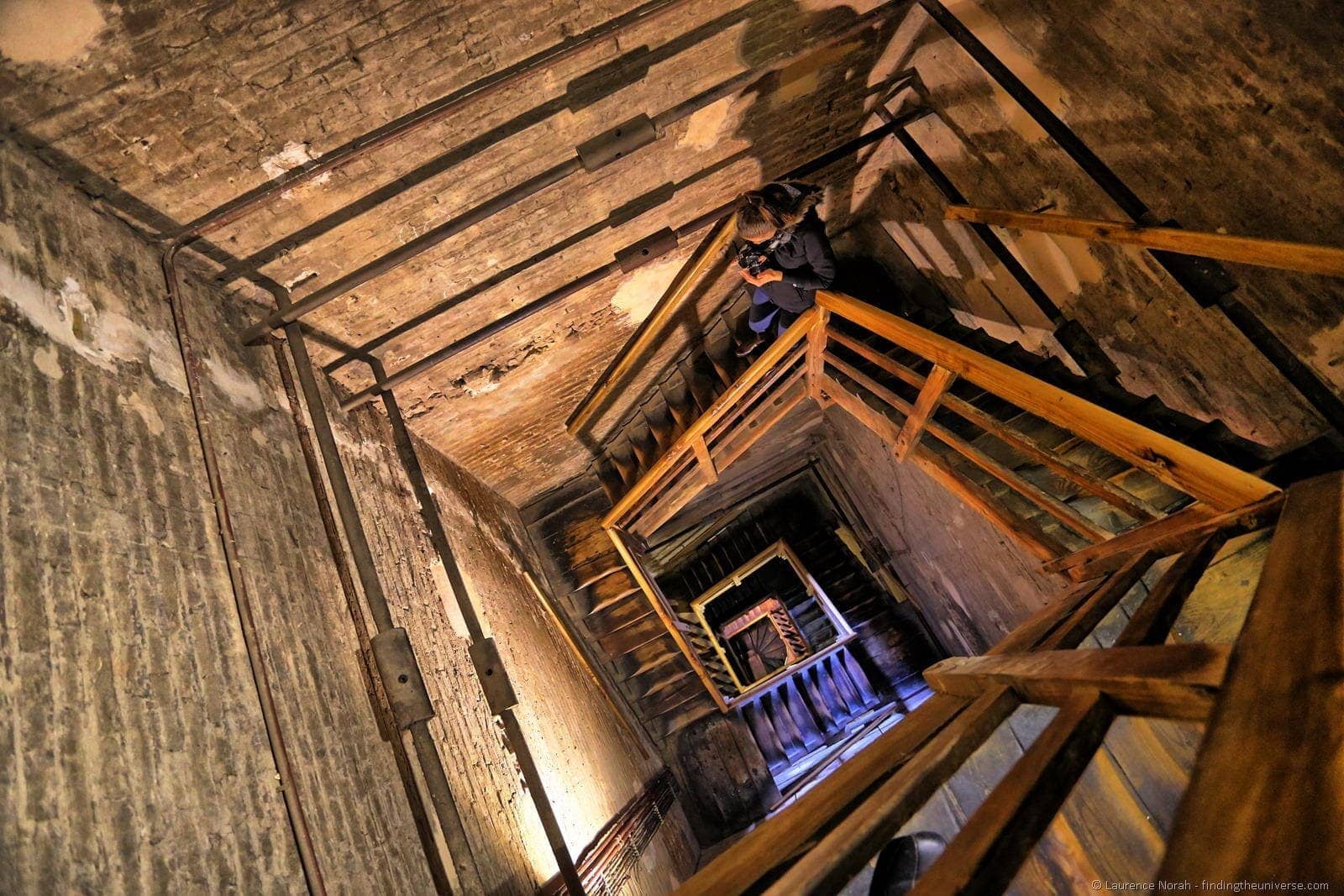
Start at the Two Towers, Bologna’s most recognisable landmark. The Asinelli Tower is the tallest leaning medieval tower in the world at 97 metres, and when it’s open the 498-step climb to the top gives you an incredible view of the city. However, the tower has been closed to the public since October 2023 due to stabilisation work on the adjacent Garisenda Tower, and no reopening date has been announced. Check the official site for current status before your visit.
If the Asinelli is still closed when you visit, the Clock Tower on Piazza Maggiore is a good alternative for a panoramic view. You can buy tickets through Bologna Welcome. Either way, the towers are still worth seeing from ground level.
The tower is right next to Piazza Maggiore, the city’s main square. This is a beautiful space surrounded by medieval and Renaissance buildings, with a grand fountain and colonnaded walkways on all sides. Speaking of those colonnades: Bologna has over 30 miles of arcaded walkways. They keep you dry when it rains and shaded when it’s hot. They’re also a UNESCO World Heritage Site.
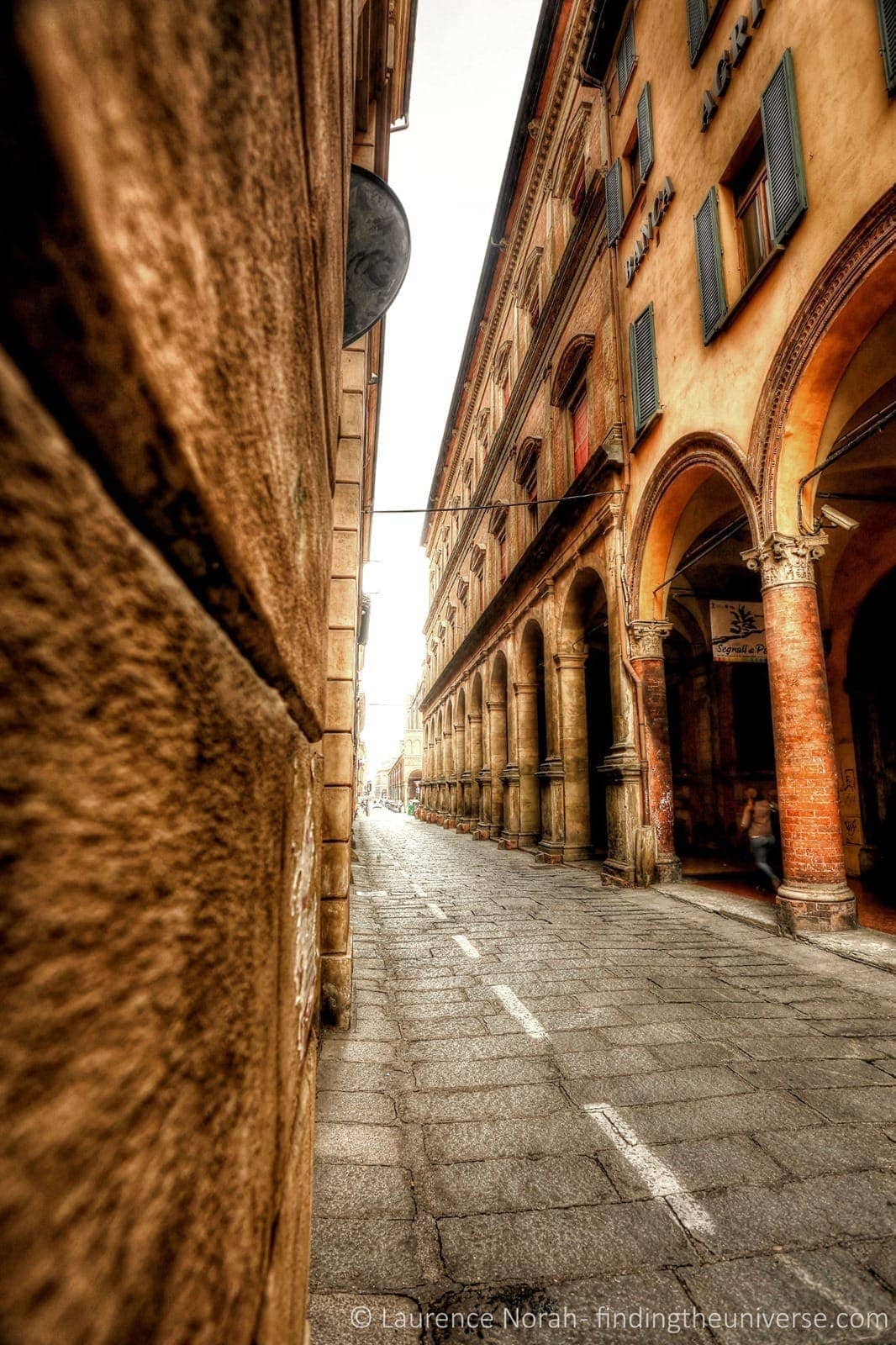
Around Piazza Maggiore, the Archiginnasio of Bologna is worth a visit. This was the original home of Bologna’s university (the first in Western Europe, founded in 1088), and the library’s arcades are covered with the coats of arms of former students. It’s free to enter.
In the afternoon, take a passeggiata (an evening stroll, a traditional Italian pastime) along Via dell’Indipendenza, which runs north from Piazza Maggiore under some of the city’s most impressive colonnades. It leads to Montagnola Park, a pleasant green space with the remains of a 14th-century castle.
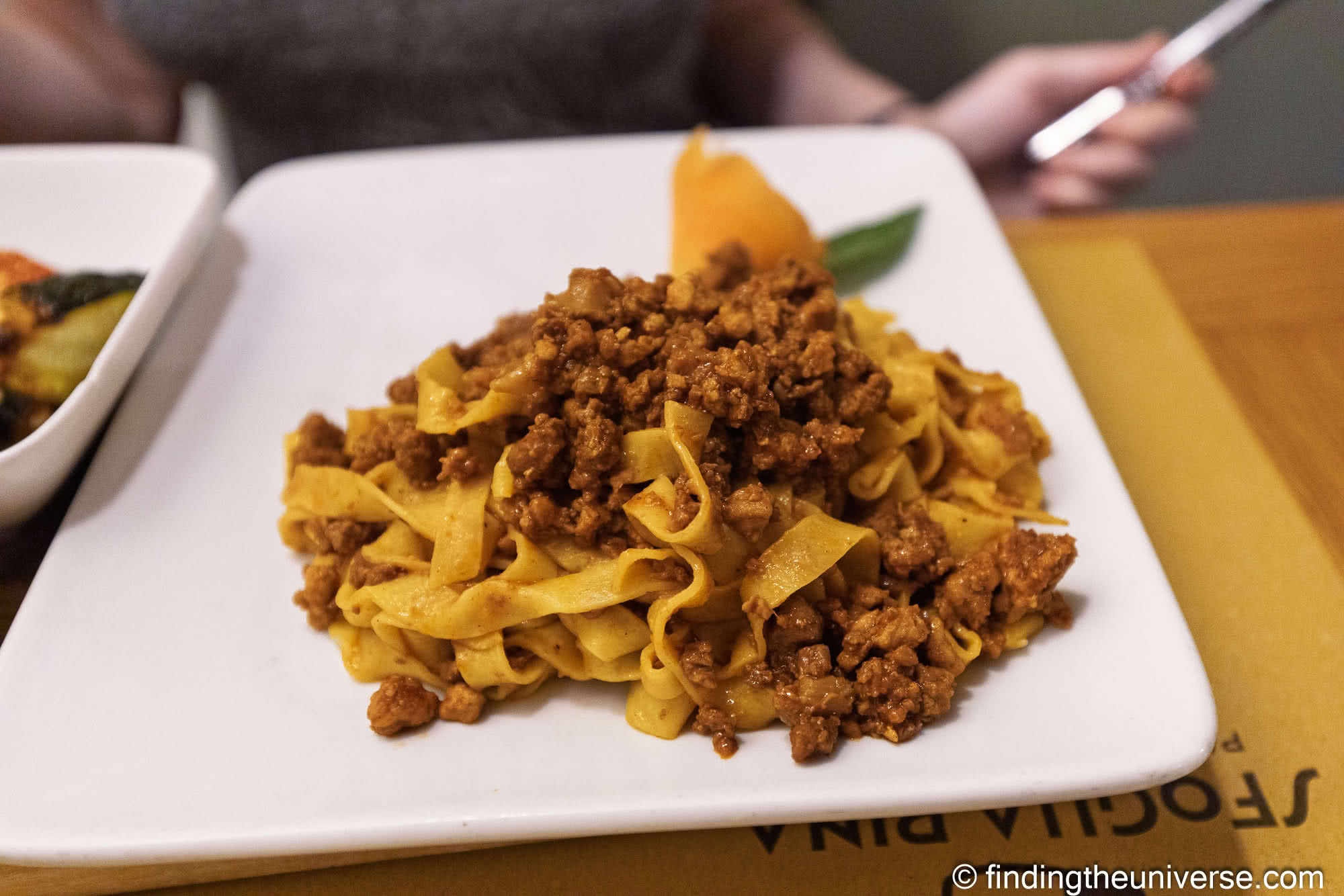
For food, our favourite spot in Bologna was Sfoglia Rina, near Piazza Maggiore. They make fresh pasta by hand right in front of you, and you can eat in or take away. It’s quick, casual, and the pasta is excellent. For a sit-down meal, Osteria dell’Orsa is popular with locals and students and does a great tagliatelle al ragù (check recent reviews before going). Mercato delle Erbe, a covered market just west of the centre, is also worth exploring for food stalls and a casual meal with a glass of Lambrusco.
One food note: while ragù (Bolognese sauce) is served with spaghetti everywhere else in the world, in Bologna the traditional way is with tagliatelle. Order tagliatelle al ragù and you’ll understand why.
Day 8: Day Trip from Bologna
Your second day in Bologna is best spent on a day trip, and the right one depends on what interests you most.
If you love food (and if you’re in Bologna, you probably do), head to Parma. It’s about an hour by train, and you can visit a Parmigiano Reggiano dairy and a Parma ham producer, followed by lunch in the city. Modena is another option if you’re interested in balsamic vinegar. You can visit a traditional acetaia (balsamic vinegar producer) where the vinegar ages for years in wooden barrels. We’ve done both of these trips and they’re fascinating even if you’re not a die-hard foodie.
If cars are your thing, the Ferrari Museum in Maranello is an easy day trip. Emilia-Romagna is the home of Ferrari, Lamborghini, Maserati, and Ducati, so there’s no shortage of motor heritage in the region. You can take a guided day tour to the Ferrari Museum from Bologna.
For food-focused day trips, consider this food specialities tour or this wine tasting tour of the Romagna region.
How to Get from Bologna to Venice
The high-speed train from Bologna to Venice takes about 90 minutes, and services run frequently. Make sure to get a train to Venezia Santa Lucia, which is the station on the island in the lagoon, rather than Venezia Mestre on the mainland. You can check times and book online here.
The bus is cheaper but takes about three hours. Compare options here or check directly with FlixBus.
One important thing to know about Venice: the historical centre is mostly pedestrian. Cars and buses can only get as far as Piazzale Roma. From there (or from the Santa Lucia train station, which is right on the Grand Canal), you’ll either walk or take a water bus (vaporetto) to your hotel. Plan for this when booking accommodation and check how to reach your hotel from the station.
Days 9-10: Venice
Venice. I’ve been visiting this city since I was 15, when I came with my parents and got caught in a thunderstorm in St. Mark’s Square. Years later, Jess and I came back and held our wedding ceremony in that same square, this time in glorious sunshine, dressed in the full attire and with friends and family around us. It wasn’t a legal wedding (we did that part elsewhere), but it was perfect.
Venice divides opinion. Some people think it’s an overcrowded tourist trap. We think it’s extraordinary, and the key is getting off the main tourist drag. The standard route from the train station to St. Mark’s Square follows the same path everyone else walks. Step off that route and into the maze of alleyways, and you’ll discover a different city. You’re surrounded by water, so you can’t get lost for long.
Venice Access Fee
Venice now charges a fee for day visitors on busy dates (60 days between April and July 2026). The fee is €5 if you register at least 4 days in advance, or €10 for late registration. If you’re staying overnight in a hotel, B&B, or apartment in Venice, you’re exempt because you already pay a tourist tax through your accommodation. You will, however, still need to register for a free exemption QR code.
Check the specific dates and register on the official Venice access fee website.
Day 9: St. Mark’s Square and the Grand Canal
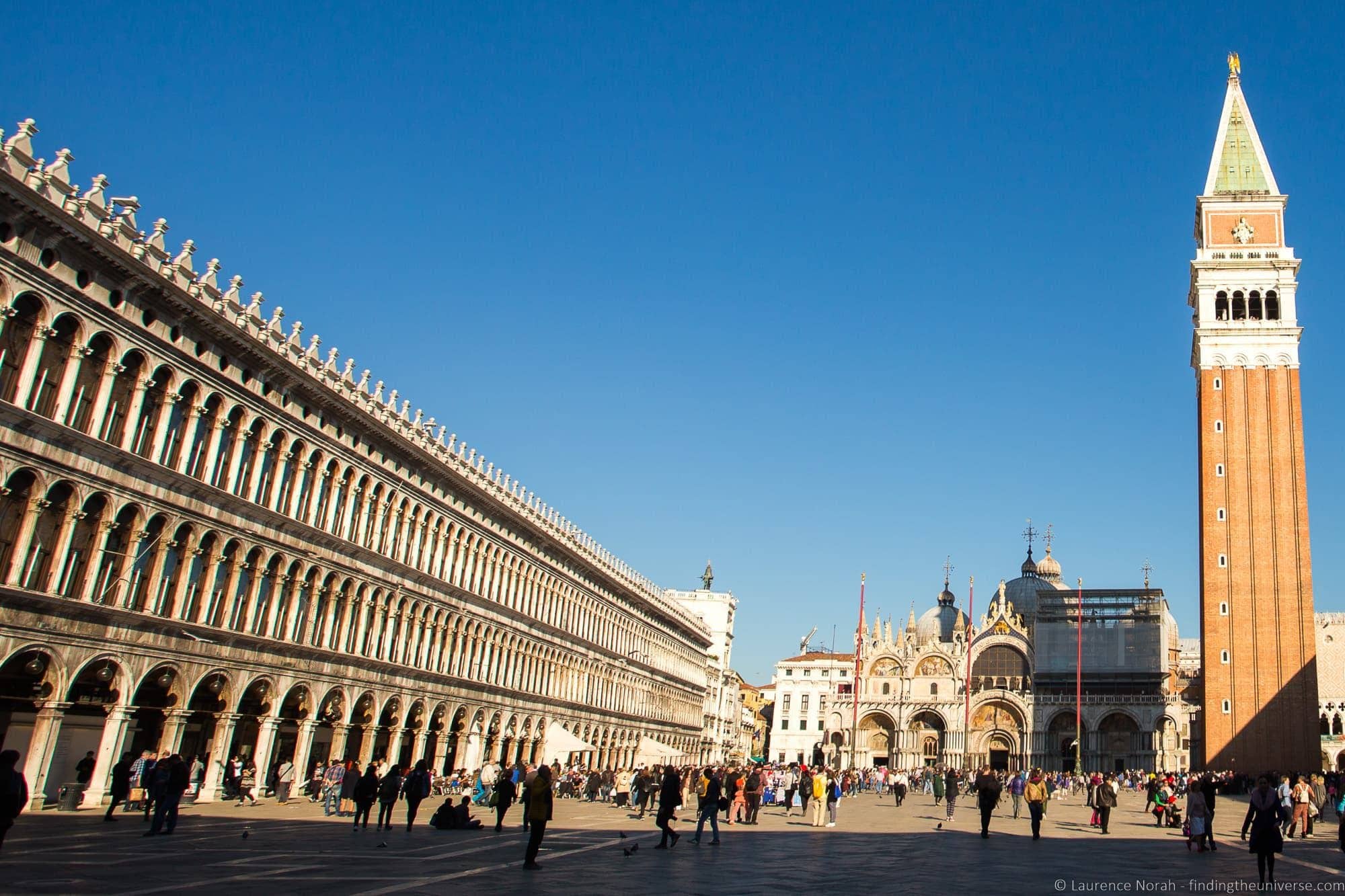
Start at Piazza San Marco. This is the heart of Venice, surrounded by the Basilica di San Marco, the Doge’s Palace, and the Campanile bell tower.
The Basilica is free to enter, though there’s usually a queue in summer. You can skip it by paying €3 on the official website for a skip-the-line ticket. The golden mosaics inside are worth the wait either way.
I’d recommend going up the Campanile. It’s the tallest building in Venice and the view across the city and lagoon from the top is fantastic.
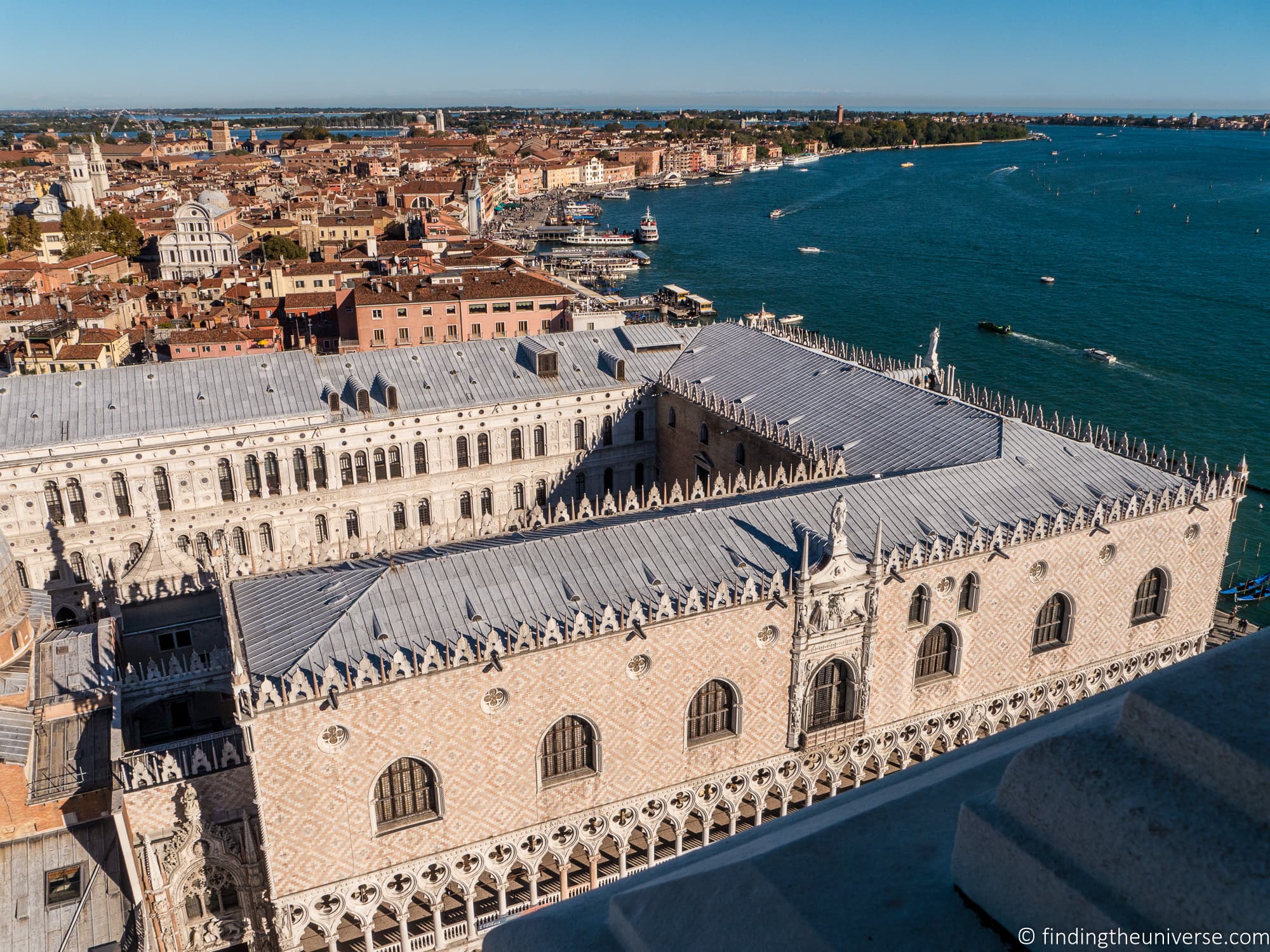
The Doge’s Palace is where Venice’s rulers governed for centuries, and it’s now an excellent museum. If you plan to visit, consider the Venice Pass which includes the Doge’s Palace, an audio guide, and a shared gondola ride. Don’t miss the Bridge of Sighs as you come out.
For more on visiting these attractions, see our guide to visiting St. Mark’s Basilica and the Doge’s Palace.
In the afternoon, wander. Head to the Ponte dell’Accademia for a wonderful view of the Grand Canal, then over to the Rialto Bridge. Walk the back streets. Find a quiet canal-side spot for an aperitivo. Venice rewards aimlessness more than any city we’ve visited.
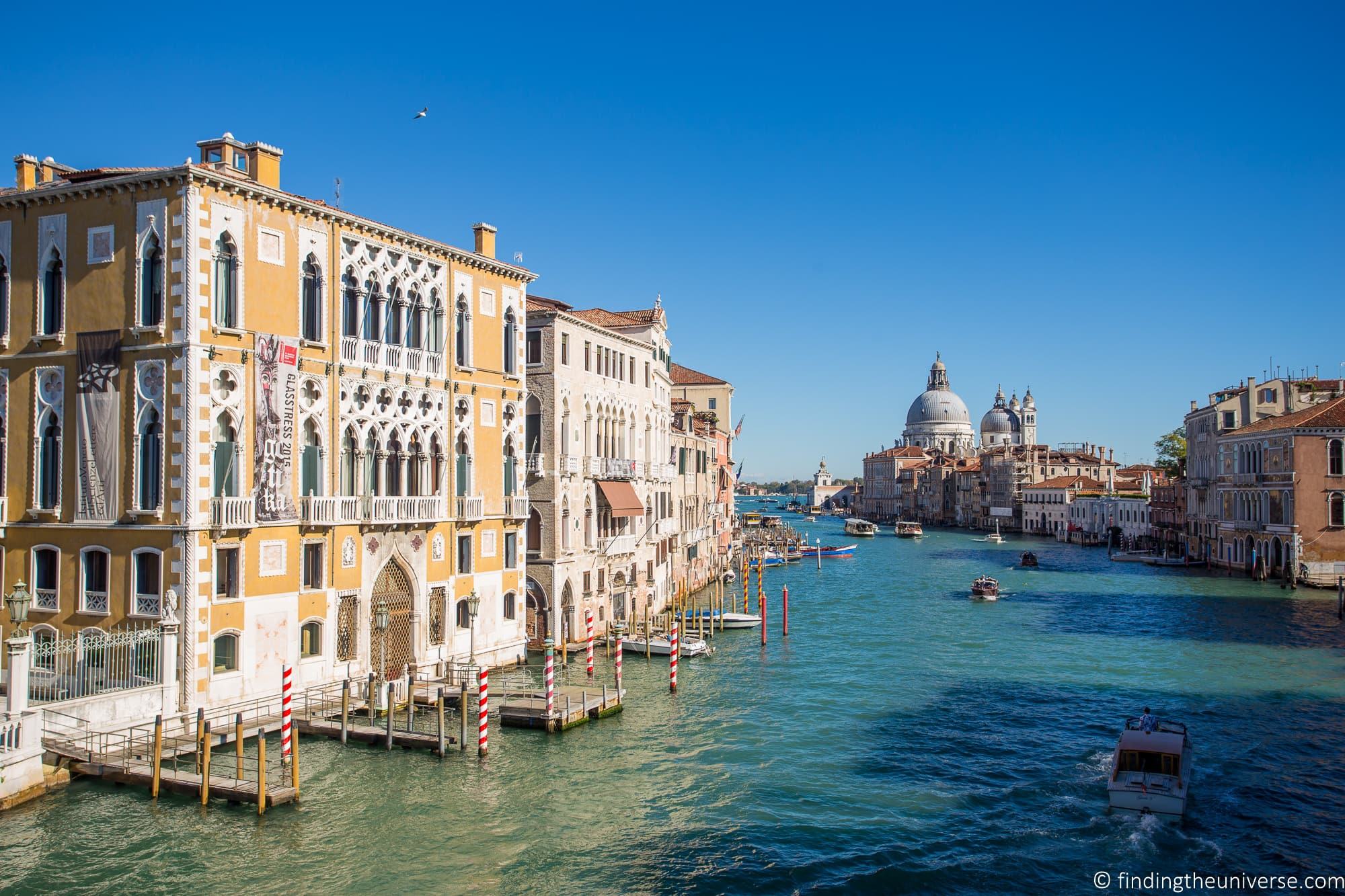
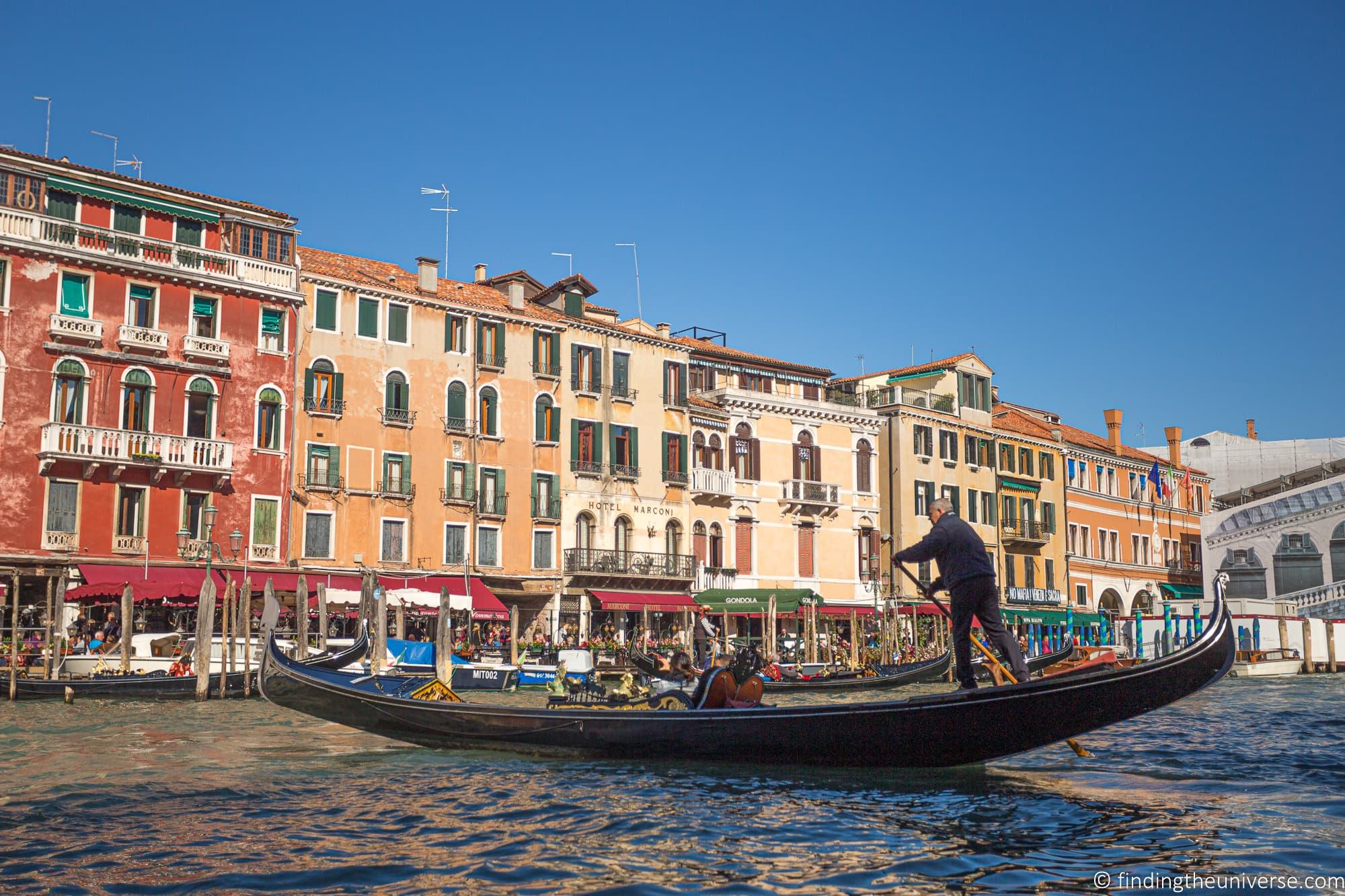
At some point during your time in Venice, you’ll want to go on the water. A private gondola ride is the classic option. Last time we checked, it was €80 for a 25-30 minute private ride during the day and €120 in the evening. These prices are set by the city and aren’t negotiable, so don’t try to haggle.
If you’d prefer something cheaper, you can book a shared gondola ride, or just take a water bus (vaporetto) along the Grand Canal. The Line 1 vaporetto does the full length of the Grand Canal for the price of a single ticket.
Day 10: Murano and Burano
For your second day, we’d recommend taking a boat out to the islands of Murano and Burano. This is what we do when we take friends to Venice for multiple days, and it’s always a highlight.
Murano is famous for its glass-making. Watching the glassmakers sculpt molten glass into intricate shapes is mesmerising, and you can pick up small souvenirs at reasonable prices.
Burano is known for its colourful houses and lace-making tradition. The painted houses reflected in the canals are absurdly photogenic, and the pace is much slower and quieter than Venice itself. It’s a lovely contrast to the busy main island.
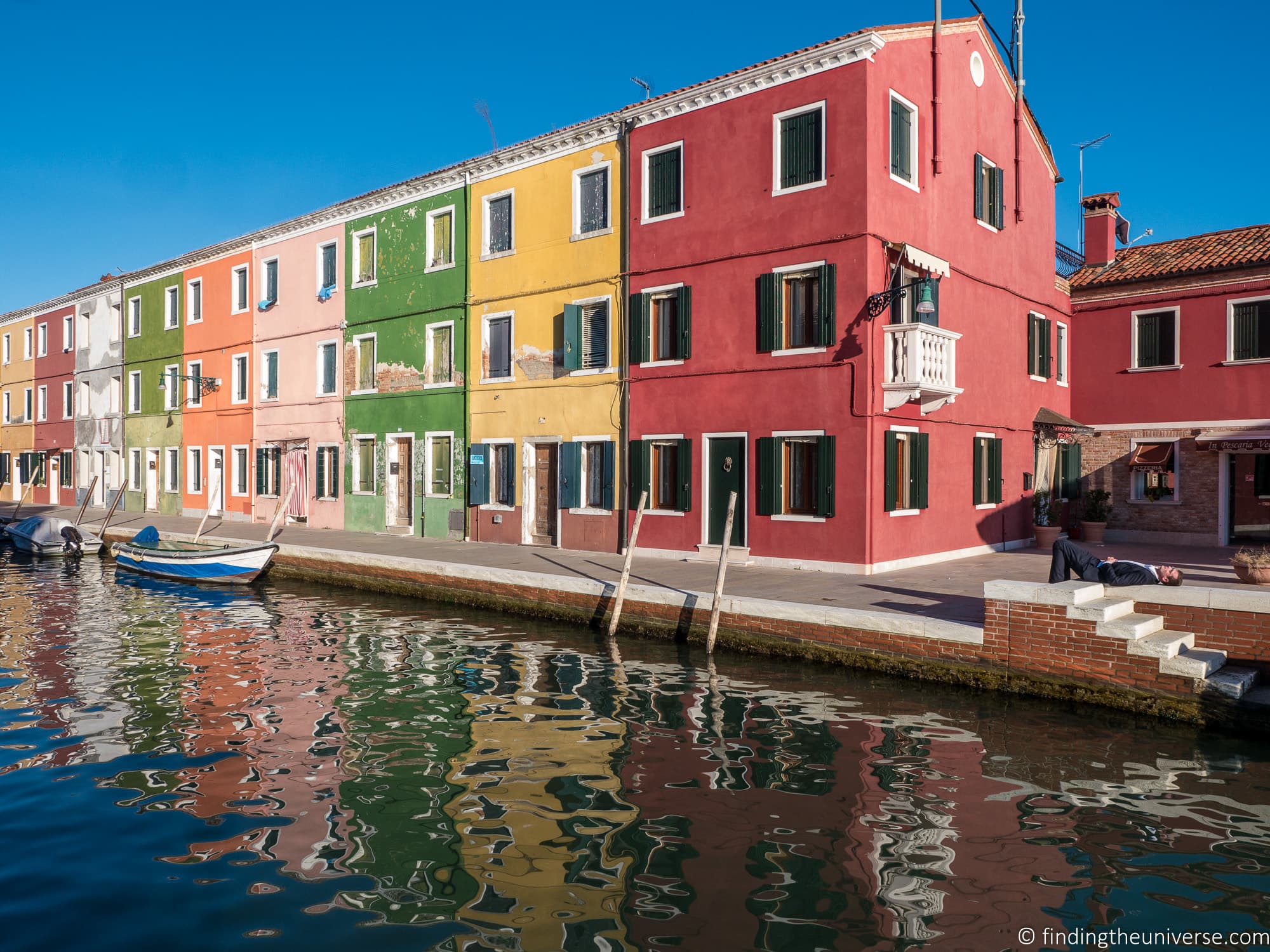
You can visit both islands independently using the public water buses (vaporetti), which run regularly from Venice. Or if you’d prefer a guided experience, this boat tour from TakeWalks visits both islands and includes wine tasting.
For more ideas on Venice, see our detailed guide to spending a day in Venice.
And that’s it. Your 10 days in Italy are done. We hope this itinerary has been useful. Now let’s go through some practical planning information and accommodation suggestions.
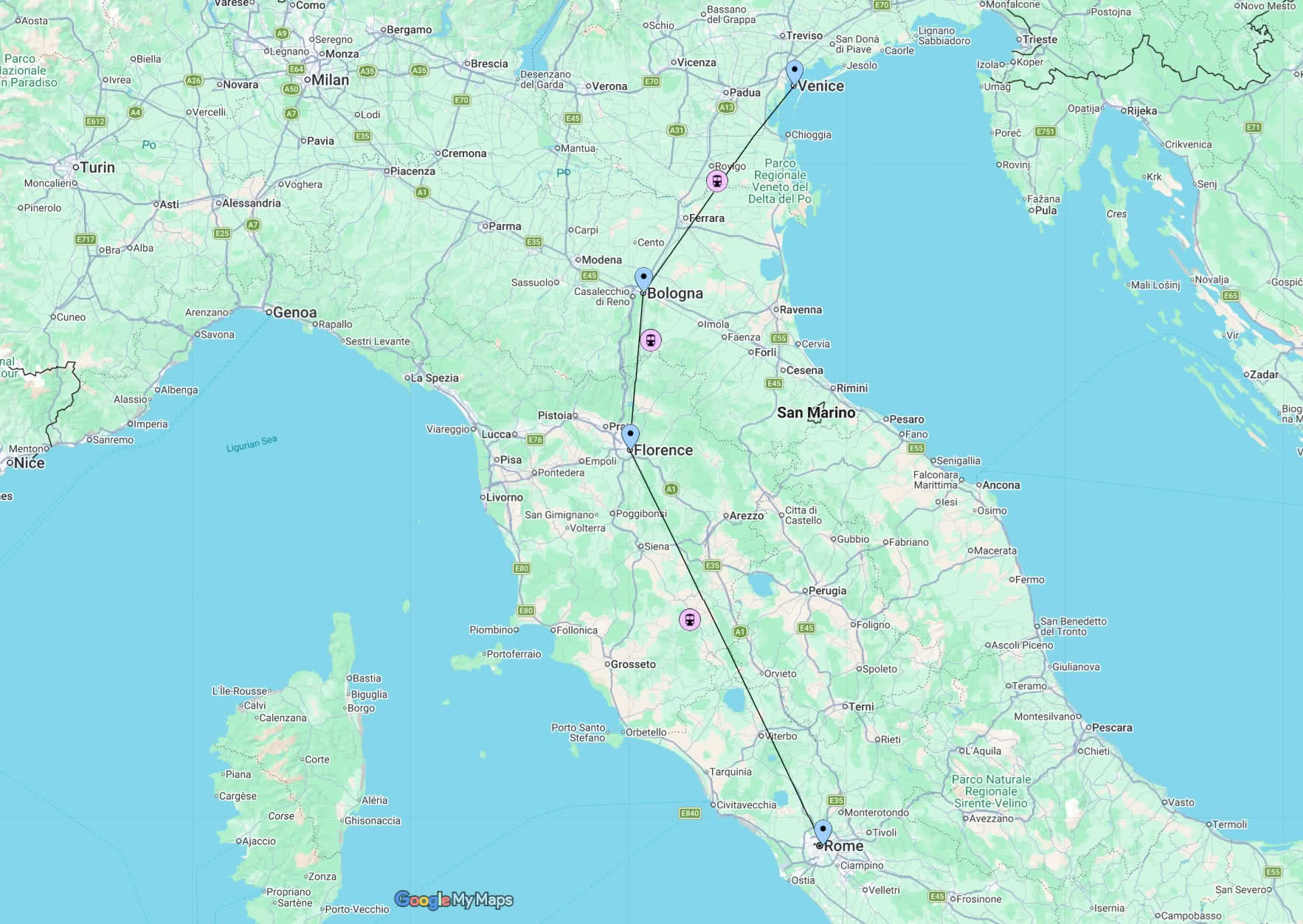
10 Day Italy Itinerary Map
To help you visualise this itinerary, here’s a map of the route. You can also see it on Google Maps here.
Where to Stay in Italy
Rather than listing dozens of hotels, here are four suggestions per city across a range of budgets. All are centrally located and well reviewed. We’d recommend staying close to the train station in each city for convenience, though any central location will work well.
Rome
- The RomeHello. A well-reviewed hostel just moments from Termini Station, with dormitory and private room options. Great value.
- Hotel Valentino Palace. A good mid-range 3-star hotel, about 150 yards from Termini Station. Comfortable rooms and helpful staff.
- Gioberti Art Hotel. An excellent-value 4-star hotel right next to Termini Station. Well rated and consistently good.
- NH Collection Palazzo Cinquecento. A 5-star hotel a few steps from the train station. A treat if your budget allows.
See all accommodation in Rome on Booking.com.
Florence
- Hostel Archi Rossi. A popular hostel near the train station with private and shared rooms, free breakfast, and good reviews.
- Room Mate Luca. A well-reviewed 4-star hotel in a 19th-century building, 10 minutes walk from the Duomo. Good value for a 4-star.
- Solo Experience Hotel. Overlooking the Basilica of San Lorenzo with excellent reviews and breakfast included.
- Hotel Lungarno. A 5-star hotel 100 yards from Ponte Vecchio on the banks of the Arno. A splurge, but what a location.
See all accommodation in Florence on Booking.com.
Bologna
- B&B Gran Suite Piazza Maggiore. Right in the centre of the city, great reviews, budget-friendly with breakfast included.
- Hotel Roma. A centrally located 3-star hotel moments from Piazza Maggiore. En-suite rooms, good reviews, breakfast included.
- Art Hotel Orologio. A 4-star hotel overlooking Piazza Maggiore with free bike rental and breakfast. A great base.
- Hotel Corona d’Oro. A beautifully restored historic property in the pedestrian centre with classic styling, a stylish bar, and free hotel bikes. 4-star.
See all accommodation in Bologna on Booking.com.
Venice
- B&B Bloom Settimo Cielo. A highly rated B&B with individually designed rooms, en-suite facilities, and a rooftop terrace. 10 minutes from St. Mark’s Square.
- Leon Bianco on the Grand Canal. This is where we stayed for our wedding ceremony in Venice. The Grand Canal views are wonderful, and it’s great value for the location.
- Ruzzini Palace Hotel. A well-reviewed 4-star hotel in a central location, 10 minutes walk from the Rialto Bridge.
- Hotel Saturnia & International. A 4-star hotel just moments from St. Mark’s Square in a turn-of-the-century building. En-suite rooms, terrace, and an on-site restaurant.
See all accommodation in Venice on Booking.com.
Other Itinerary Options
This itinerary works well, but it’s far from the only way to spend 10 days in Italy. Here are some alternatives depending on your interests and how much time you have.
If you only have 7 days, focus on Rome (3 days), Florence (2 days), and Venice (2 days). Drop Bologna and the Tuscany day trip.
If you want southern Italy, swap Bologna for Naples and use your day trip time to visit the Amalfi Coast or Pompeii. Be aware that Naples to Venice is a long train journey (5+ hours), so you may need to adjust the route.
If you want Milan, swap it for Bologna. The train from Florence to Milan takes about 2 hours, and from Milan to Venice is about 2.5 hours. Milan has the Duomo, the Last Supper, the Galleria Vittorio Emanuele, and world-class shopping. See our guides to things to do in Milan and our 2-day Milan itinerary.
If you have 2 weeks, you can do this entire itinerary more comfortably (add an extra day to Rome and Florence), or add a fifth city like Milan, Naples, or Verona. See our 2-week Europe itinerary for a wider route that includes Italy as part of a bigger European trip.
Tips for Visiting Italy
Opening Times and Advance Booking
Many of Italy’s most popular attractions operate timed entry systems. The Colosseum, Vatican Museums, Uffizi, and Accademia Gallery all require (or very strongly recommend) advance booking. Check opening days carefully too: the Vatican is closed most Sundays, and many museums close on Mondays.
Safety
In our many visits to Italy we’ve never had any safety problems. Just be aware that pickpocketing can be an issue in crowded tourist areas, particularly around major attractions and on public transport. Keep valuables concealed, don’t carry large amounts of cash, and use official taxis.
Power
Italy uses 220v electricity with 2-pin European-style plugs. Travellers from the UK and US will need a travel adapter. US visitors should also check that their devices support 220v (most modern chargers and laptops do, but older appliances like hair dryers may not).
Currency
Italy uses the Euro. Credit and debit cards are widely accepted, but we’d suggest having some cash on you for smaller shops and market stalls. ATMs are widely available.
Internet and Staying Connected
WiFi is widely available in hotels, cafes, and on trains. If you want mobile data while you’re out and about, we’d recommend getting an eSIM before you travel. We use Airalo, which lets you buy a data plan for Italy (or all of Europe) and activate it on your phone without needing to swap physical SIM cards. It’s much easier than buying a local SIM at the airport.
Drinking Water
Tap water in Italy is safe to drink unless posted otherwise. You can also drink from the public fountains you’ll see in many cities (particularly Rome, which has hundreds of them). Carry a reusable water bottle and refill it as you go.
What to Wear
Many of Italy’s attractions are churches and holy sites with dress codes. You’ll need clothing that covers your knees and shoulders to enter St. Peter’s Basilica, the Vatican Museums, the Duomo in Florence, and most other churches. This can be tricky in summer when you want to wear shorts and tank tops, so keep a lightweight scarf or cardigan in your bag. See Jess’s guides to the best travel wraps and travel scarves for ideas.
Further Reading
We’ve visited Italy many times and have written extensively about the country. Here are some posts that should help you plan your trip:
- Rome: 1 day in Rome | 2 days in Rome | 3 days in Rome | Colosseum guide | Vatican guide | Best gelato in Rome | Best food tours in Rome | Best cafes in Rome | Borghese Gallery
- Florence: 2 days in Florence and Tuscany | Pitti Palace | Vasari Corridor
- Venice: A day in Venice | St. Mark’s and the Doge’s Palace
- Milan: Things to do in Milan | 2 days in Milan
- Southern Italy: Visiting Pompeii
- Europe: 2-week Europe itinerary | Tips for visiting European cities in summer
- Guidebooks: We recommend the Rick Steves Italy guide for practical planning information.
Frequently Asked Questions
Is 10 days enough for Italy?
10 days is enough for a great first trip, but not enough to see everything. You’ll have time to visit 3-4 major cities and take a couple of day trips. The key is accepting what you can’t fit in rather than trying to rush through too many destinations. We’d suggest focusing on Rome, Florence, and Venice as a minimum, and adding a fourth city like Bologna or Milan if your schedule allows.
Do I need a car for 10 days in Italy?
No, not for this itinerary. Italy’s high-speed train network connects all four cities on this route, and the journeys are fast (the longest is 90 minutes). Within each city, you can get around on foot and by public transport. A car would be more of a hassle than a help, given the expense of tolls and city parking and the restrictions in pedestrian-only historic centres.
How much does 10 days in Italy cost?
Costs vary a lot depending on your travel style. As a rough guide, budget travellers staying in hostels and eating cheaply could manage on €80-100 per person per day. Mid-range travellers in 3-star hotels eating at trattorias are looking at €150-250 per person per day. Add train tickets between cities (roughly €30-60 per leg if booked in advance), attraction entry fees, and tours on top of that. Italy isn’t a cheap destination, but good food is available at every price point.
What is the best time of year to visit Italy?
April to May and September to October are our favourite times. The weather is warm and pleasant, the crowds are smaller than summer, and prices are more reasonable. July and August are hot and crowded, especially in Rome and Florence. Winter is quieter and cheaper, but some attractions have reduced hours.
Should I book train tickets in advance in Italy?
Yes, for the high-speed trains between cities. Booking in advance is usually cheaper and guarantees you a seat on the specific train you want. You can book up to several months ahead. Regional trains (for shorter day trips) are generally fine to buy on the day.
Is the Venice entry fee required for overnight visitors?
No. If you’re staying overnight in a hotel, B&B, or apartment in Venice, you’re exempt from the access fee because you already pay a tourist tax through your accommodation. You do still need to register on the official website and obtain a free exemption QR code. The fee only applies to day visitors on specific dates between April and July. Check the official site for the exact dates and to register.
Jamie says
Your travel guides are so helpful! I’m currently planning a trip to Milan, Venice, and the Italian Lakes for early May. The information you provide is well-organized, clear, and concise and will make planning the trip much easier for me. I am thinking of taking one or two of the Walks tours while my husband is attending a conference in Venice–they look like a lot of fun!
Laurence Norah says
Hey Jamie,
Thanks so much for your kind comment, it is much appreciated! It sounds like you have a fantastic trip coming up 🙂 We have taken a lot of tours with Walks all around the world and they have always been great. I should also mention that they’ve recently partnered up with a company called Devour Tours who do primarily food based tours. They have tours in Venice as well. We haven’t personally done any of their tours yet so we haven’t included them in our content yet, but I would imagine that they are also very good given how great the Walks tours are. Anyway, just wanted to let you know if you also enjoy food based tours 🙂
Have a great time in Italy!
Laurence
Kristen says
Wow nice post and so helpful info. Really enjoyed your blog as I learned more about 10-day tour in Italy. Thanks for sharing!
Laurence Norah says
Thanks very much Kristen!
Ankit Acharya says
Italy is Indeed a good place to visit in the world. Being a travel enthusiast I learn that Italy is a place where every city is beautiful as well as historical. Thanks for sharing this post with us.
Laurence Norah says
My pleasure, thanks for popping by Ankit