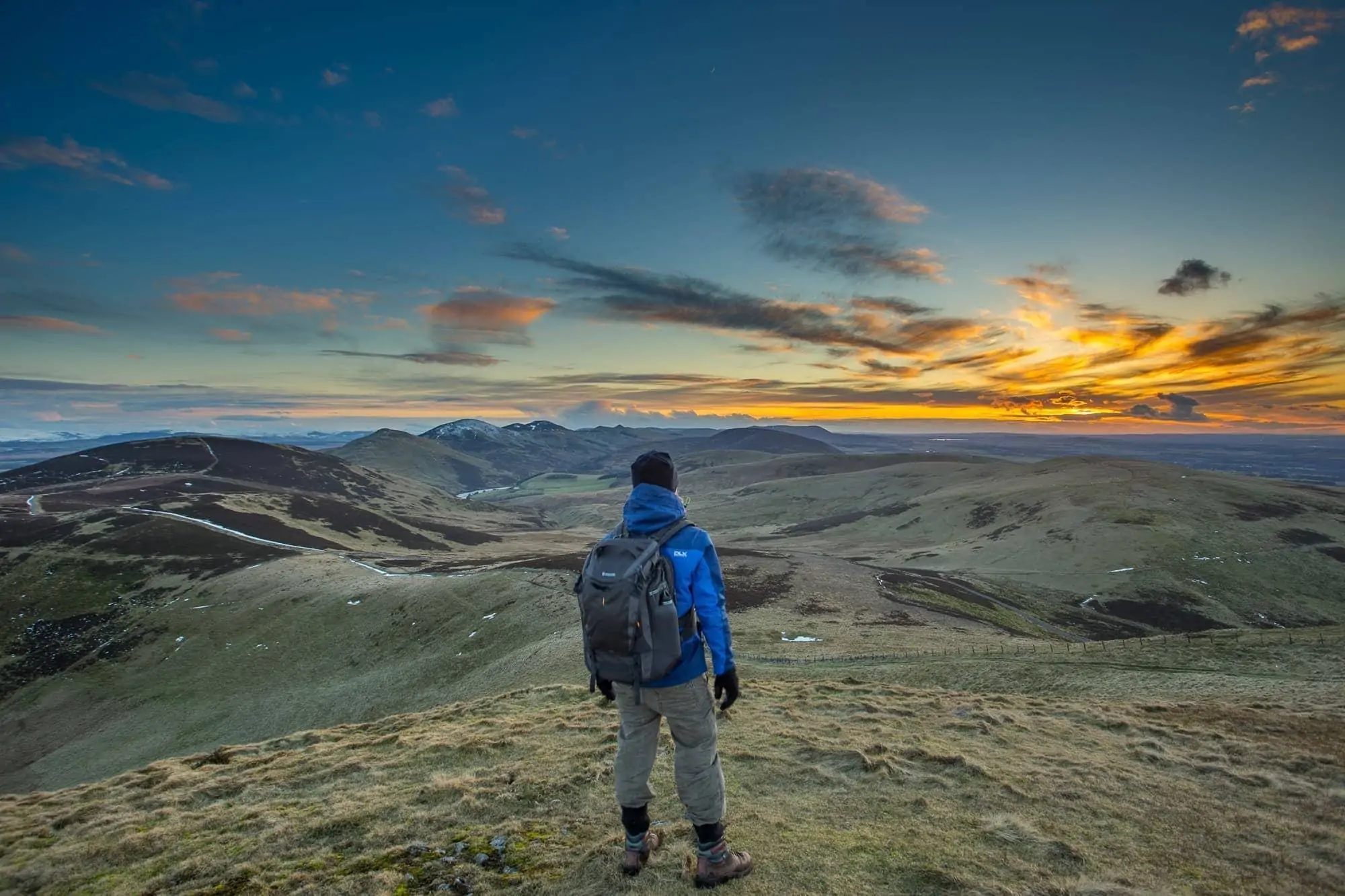
I slipped on ice at Kirkjufell once, scrambling for a sunset shot, and the only reason my camera survived the fall was the bag I happened to be carrying. The dignity, of course, did not survive. Over fifteen years of professional travel photography I’ve put a lot of bags through a lot worse than that.
Some bags have held up brilliantly. Others have given me backache, let rain in, or made getting to my camera so slow that the shot was long gone by the time I had it in my hands. The bag is the thing that’s supposed to stop everything else from falling apart, so it’s worth thinking about properly.
What follows is what I actually use, what Jess uses (her main complaint being that most camera bags are designed by men, for men, and it shows), and what I recommend to the photography students on our online photography course. The aim is to get you to the right bag for your kit, your budget and the way you actually travel, whether that’s city breaks, long hikes, or living out of a carry-on.
If you’re still building out your kit, my guide to the best travel cameras is a good companion to this one.
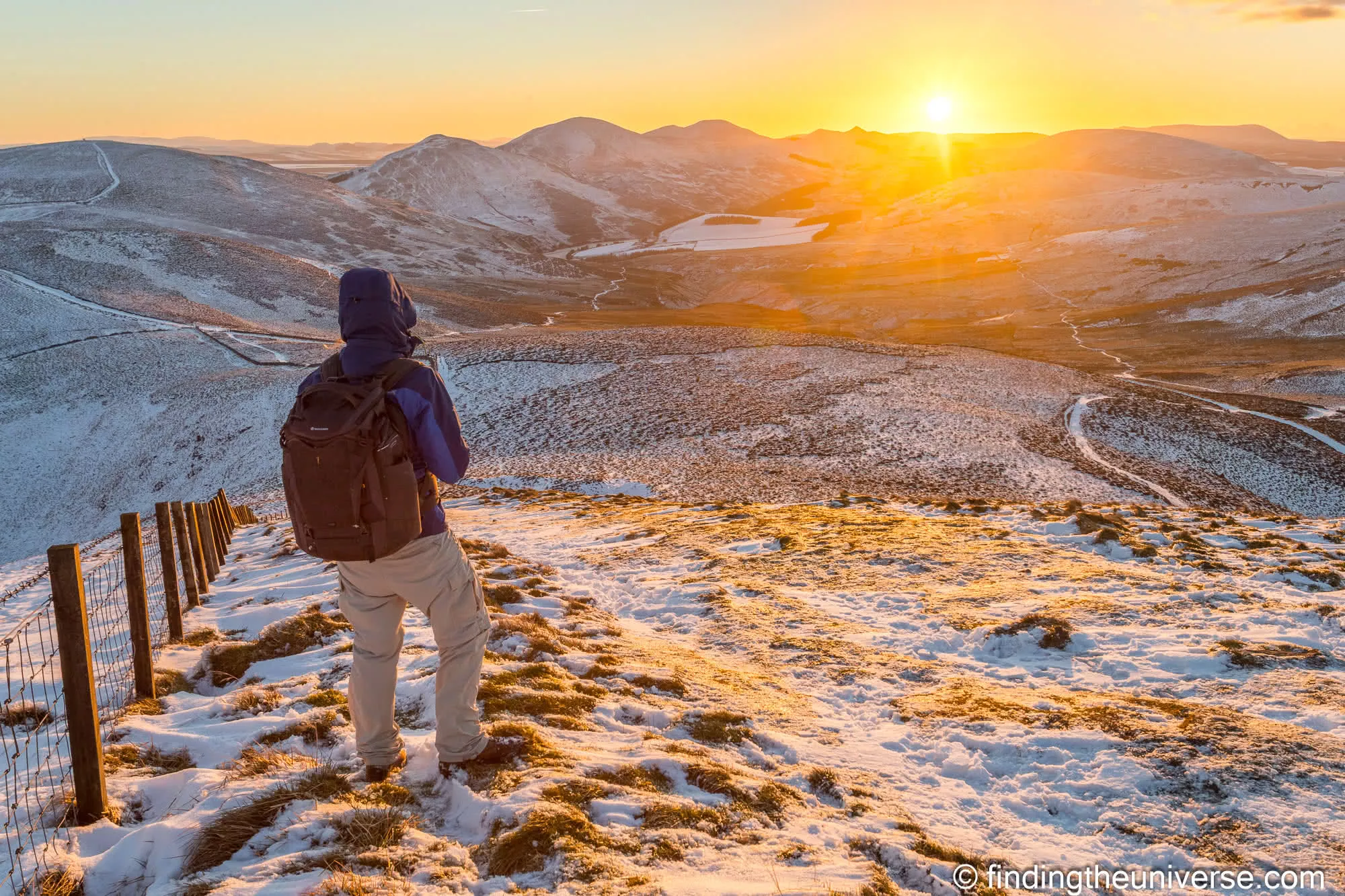
Table of Contents:
Quick Answer: The Best Travel Camera Bags
Years of travel photography, plus a lot of time talking bags with other photographers at The Photography Show, have taught me that hardly anyone ends up with a single bag. No bag does everything well, so for most people the real answer is two. Sometimes more!
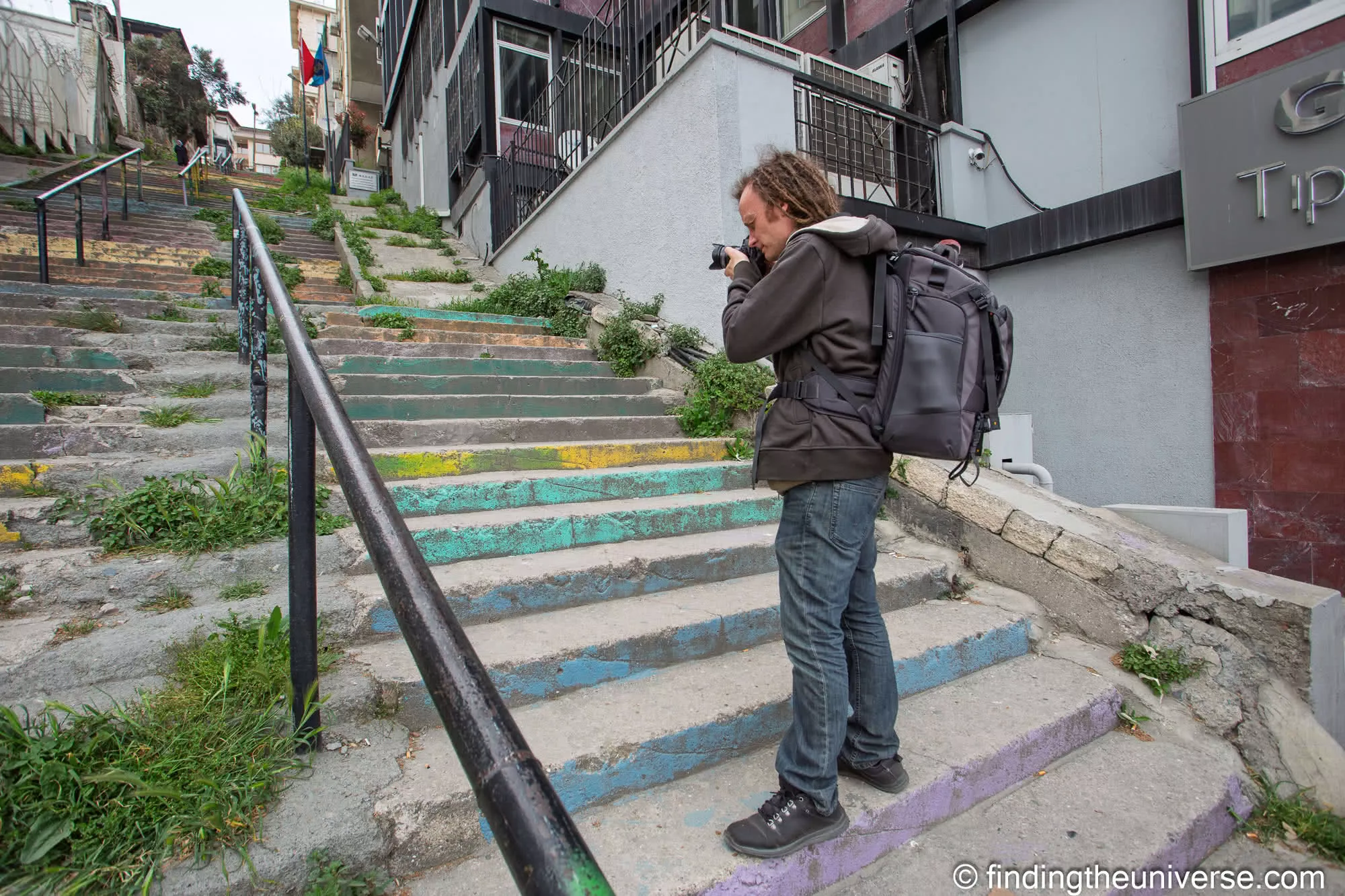
My overall pick is the Peak Design Travel Backpack 45L, because it works as a proper travel bag as well as a camera bag. It’s the versatile one I’ll take on almost any trip. As a pure photography bag, though, especially for the outdoor and hiking photography I do most, I reach for my Vanguard Alta Sky. I have the 49D (now discontinued), so instead I recommend the very similar 51D. It’s noticeably more comfortable to carry over a full day than the Peak Design bag, and it’s been with me on safari, Scottish road trips and landscape expeditions for years.
Beyond those two, the best bag comes down to how you travel: city days where you want to keep a low profile, hiking and adventure, light and fast carry on one shoulder, or an insert that turns a bag you already own into a camera bag. The hiking side of that has its own guide, where I compare camera packs on hip belts, torso fit and trail access rather than on the travel features that matter here. Not all of the answers are bags I own, either. Hikers should start with the Shimoda Explore V2 30L, working photographers who need fast access with the Lowepro ProTactic BP 450, and content creators with the WANDRD PRVKE V4. Here’s how the ones I recommend compare. Tap any bag to check the current price and availability on Amazon.
| Bag | Type | Capacity | Best for | Price |
|---|---|---|---|---|
| Peak Design Travel Backpack 45L | Backpack | 35-45L | One bag for travel + photography (overall pick) | Check price on Amazon |
| Vanguard Alta Sky 51D | Backpack | 32L | Heavy gear, outdoors, all-day comfort | Check price on Amazon |
| Vanguard VEO City B46 | Backpack | 21L (+1.8L) | City and travel days, low profile | Check price on Amazon |
| Shimoda Explore V2 30L | Backpack | 30L | Hiking and adventure, carry-on friendly | Check price on Amazon |
| Lowepro ProTactic BP 450 AW III | Backpack | 28L | Pro workhorse, four access points | Check price on Amazon |
| WANDRD PRVKE V4 | Backpack | 21-25L (roll-top) | Content creators, mirrorless kits | Check price on Amazon |
| Tenba Axis V2 24L | Backpack | 24L | Understated, well-priced all-rounder | Check price on Amazon |
| Vanguard Alta Fly 55T G2 | Roller | 2 bodies, 14″ laptop | Airport transit; rolls or converts to a backpack | Check price on Amazon |
| Peak Design Everyday Sling 6L | Sling | 6L | Light, fast, single-shoulder carry | Check price on Amazon |
| Peak Design Camera Cube (Medium) | Insert | Body + 2-3 lenses | Turn a bag you already own into a camera bag | Check price on Amazon |
| Vanguard VEO BIB F27 | Insert | Body + 2-3 lenses | Budget insert approach | Check price on Amazon |
| Peak Design Everyday Backpack 20L | Backpack | 20L | Smaller frames, everyday carry | Check price on Amazon |
| Vanguard VEO Metro B20L | Backpack | 20L | Everyday carry, weather-resistant, AirTag pocket | Check price on Amazon |
What to Look for in a Camera Bag for Travel
The priorities for a travel bag are different from a studio bag or a local shooting bag, because travel adds challenges that don’t come up when you’re working close to home. A few things to think about before you start narrowing down options.
Weight and Comfort
This is the single biggest factor for travel. A bag that feels fine for a two-hour city walk becomes miserable on an eight-hour travel day. Look for padded shoulder straps, a hip belt (essential for heavier loads), and a ventilated back panel. I’ve carried my Vanguard Alta Sky on multi-day road trips across the Scottish Highlands with a full Canon setup and multiple lenses inside, and the hip belt is the difference between comfort and agony. Without it, by mid-afternoon your shoulders are begging for mercy.
Access Speed
How quickly can you get your camera out? Top-loading bags are secure but slow. Side-access bags let you swing the pack to one side and pull the camera out without putting the bag down. Back-panel access is the most secure (thieves can’t open it while you’re wearing it) but means you need to take the bag off entirely. Think about what you actually shoot. Street photography and wildlife need fast access. Landscape photography, where you’re setting up a tripod anyway, doesn’t.
Airline Carry-On Compliance
If you fly regularly with your gear, this matters a lot. US domestic airlines tend to be generous with carry-on sizes, but European budget airlines like Ryanair and easyJet enforce much stricter limits. A bag that passes as carry-on with British Airways might get you charged extra with Wizz Air, so check the specific dimensions before buying if you fly in Europe a lot. I always carry my camera gear on the plane rather than checking it, so this is non-negotiable for me.
Weather Protection
I’ve photographed in Icelandic rain, Scottish drizzle that seems to come from every direction at once, and tropical downpours in Thailand. A rain cover (included with most good bags) is essential, but look at the base material too. Bags with a water-resistant outer shell buy you time before the rain cover becomes necessary. Waterproof zippers are a nice bonus but add cost.
Dual-Purpose Versatility
On most travel days, you don’t actually want to look like you’re carrying thousands of dollars’ worth of camera gear. A bag that doubles as a regular travel backpack, with removable camera dividers, gives you flexibility. You can use it as a camera bag on shooting days and a normal daypack on travel days. This is one of the reasons I’ll sometimes go for the camera-insert approach instead, which I’ll cover below.
Laptop and Tablet Storage
If you edit on the road, you need a padded laptop compartment. I edit in Lightroom Classic and need my laptop for photo editing with me on longer trips. Make sure the compartment is padded and separated from the camera gear.
The Best Camera Backpacks for Travel Photography
Camera backpacks are the workhorse choice for travel photographers. They distribute weight across both shoulders, carry the most gear, and protect everything well. The trade-off is access speed, and the fact that you generally need to take them off to get at your camera. A good bag is also a strong bet if you’re gift shopping and already know their camera system, with picks by budget for photographers in our wider gift guide. Some of the bags below I own and carry constantly. Others I recommend on reputation, and I’ll tell you which is which.
Vanguard Alta Sky 51D
I’ve used the Vanguard Alta Sky range for years, and I should disclose that I’ve been a Vanguard ambassador for a number of years too. That’s part of why the brand shows up so often here, but everything I say about these bags comes from actually carrying them. My own bag is the Alta Sky 49D (since discontinued), and the 51D is the current equivalent I’d point you to. This is the bag I reach for when a long lens is coming with me. I shoot a Canon EOS R5 with the 100-400mm more than any other combination, mostly for wildlife and landscapes, and a big telephoto is what dictates the bag: it needs depth, serious padding, and a compartment that holds it still.
The Alta Sky swallows that lens without complaint, alongside a second body and a spread of shorter glass. It’s been with me on safari in East Africa, on multi-week road trips around Scotland, and on landscape expeditions where the long lens was the whole reason for the trip. The Alta Sky is built for photographers carrying a serious amount of gear, and heavy glass in particular, who want it protected properly.
The 51D’s standout feature is its 1/3-2/3 compartment division. The larger top section holds your main camera setup (up to a pro body with a 70-200mm f/2.8 attached, plus three or four additional lenses), while the smaller bottom section can hold a second body, a compact mirrorless, or personal items. You access each section independently, which is brilliant for organisation. The bottom front opens separately from the top rear panel, so you can grab your second body without disturbing your main kit.
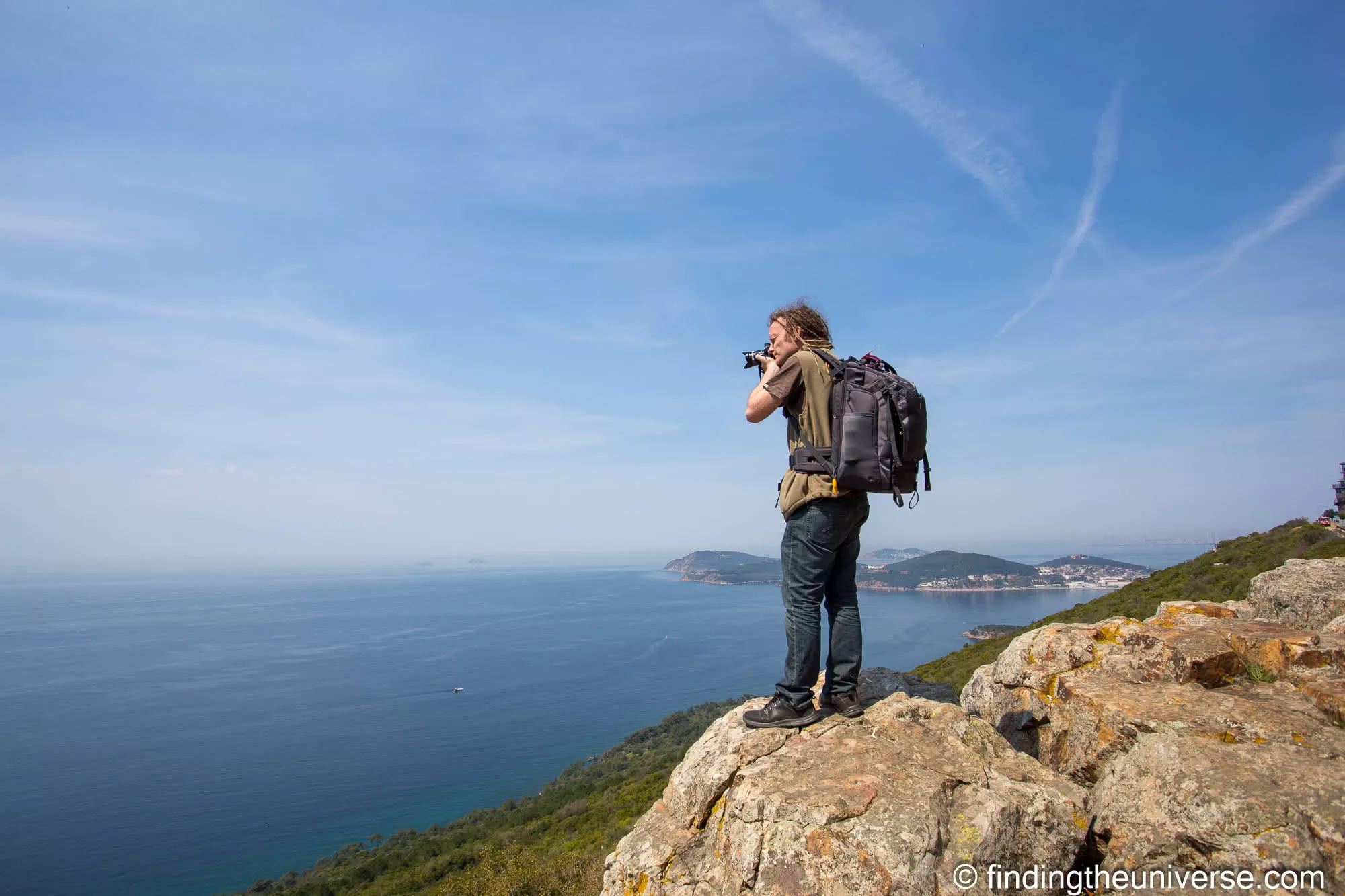
The carrying system is where Vanguard really earns its reputation. Padded back panel with the Air System ventilation, contoured shoulder straps, substantial waist belt: combined, they make the bag comfortable even fully loaded with heavy glass. I’ve carried mine on full-day shoots and multi-day road trips without the back pain I’ve had from cheaper bags. I’ve also done long hikes with it when I’ve wanted my tripod and a longer lens on hand, and the hip belt distributes the weight well enough that it doesn’t feel like a punishment.
I’ll say up front that it’s a chunky bag. It’s not winning any style awards, and if you care about looking sleek in a cafe in Paris, it won’t be your friend. This is the Land Rover of camera bags, a professional tool that prioritises capacity and protection over aesthetics. Not pretty, but it’ll get you and your gear anywhere. If you want the Vanguard build quality in a more stylish package, the VEO City B46 below is the answer.
The range comes in multiple sizes (45D, 51D, 53, 66, 68) so you can match capacity to your gear. The 45D works if you carry a smaller mirrorless setup; the 51D suits a full-frame body with a selection of lenses.
Best for photographers carrying serious gear loads, a long lens especially, who care more about protection and comfort than how the bag looks slung over their shoulder. Road trips, safari, landscape expeditions, long hikes with heavy glass. The 51D is 32L, fits one or two pro bodies plus three to four lenses (including a big telephoto like a 100-400mm), a flash, and a 15″ laptop. Check price on Amazon

Check the Alta Sky 51D on Amazon, or buy it direct from Vanguard and use code FindingTheUniverse for 20% off.
Peak Design Travel Backpack 45L
This is one of my two main bags, and the one I reach for when I need to carry camera gear alongside everything else for a trip. I’ve used Peak Design gear since 2015, when I bought one of their straps and never went back to anything else, so their kit turns up a lot in what I recommend. The 45L capacity is generous enough for a camera body, three or four lenses, a 15-inch laptop, and still have room for a change of clothes and travel essentials on top. The clamshell opening means you can pack it like a suitcase, which makes a surprising difference when you’re living out of a backpack.
What makes it particularly good for travel photography is the compatibility with Peak Design’s Camera Cubes. You clip in a Small or Medium cube (I have both), and that section of the bag becomes a proper padded camera compartment. Take the cube out and it’s just a travel backpack again. That flexibility is exactly what you want when you’re not shooting every single day of a trip. That’s a different tool from a packing cube for clothes, though, and most of us are trying to fit both into the same bag.
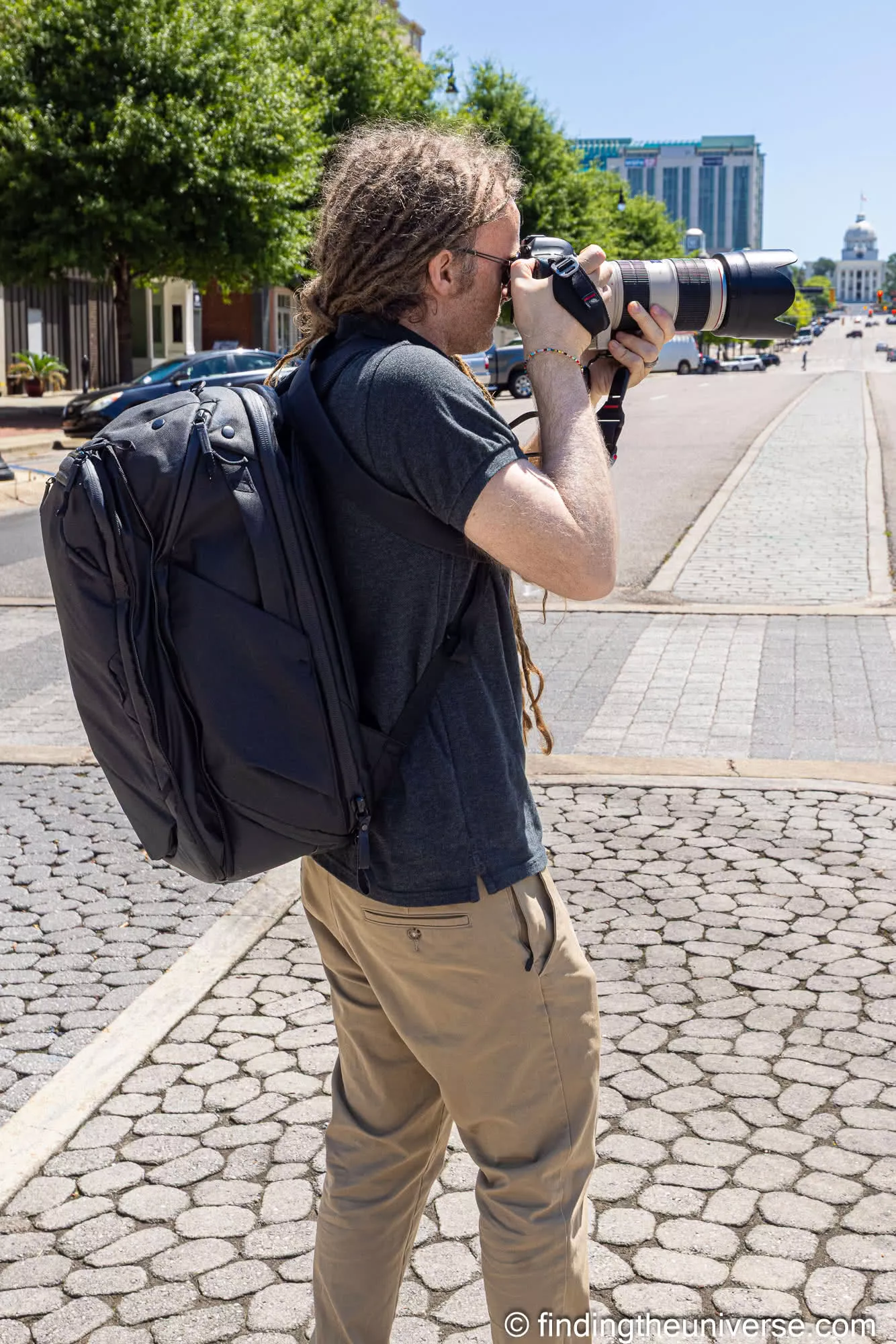
The materials are excellent. The outer shell is weatherproof, the zips are smooth and durable, and the whole thing has a clean, professional look that doesn’t scream “expensive camera gear inside.” It meets carry-on requirements for most airlines, though if you pack it to the gills you’ll want to check European budget carriers.
The downsides? It’s expensive. And fully loaded with camera gear plus travel items it gets heavy, because the bag itself isn’t the lightest starting point. For a dedicated camera-only bag, there are lighter options. But for a travel bag that also carries camera gear brilliantly, it’s hard to beat.
Best for photographers who travel frequently and need one bag for both camera gear and personal items. 45L expandable, fits a camera body, three or four lenses, 15″ laptop, plus clothing and travel essentials. Check price on Amazon

Check the Travel Backpack 45L on Amazon, or see it on Peak Design’s site.
Vanguard VEO City B46
This is Vanguard’s answer to photographers who want proper gear protection without looking like they’re about to summit a mountain. The VEO City B46 is a 21-litre backpack that holds a pro DSLR or mirrorless body with up to four lenses (including a 70-200mm f/2.8), a 16-inch laptop, and a tripod. It also comes with a detachable accessories pouch that adds another 1.8 litres of organised storage.
The build quality is classic Vanguard. The outer shell is 1050D nylon with two layers of water-resistant polyurethane and waterproof zips, plus an included rain cover for the worst weather. Inside, the slimline dividers maximise usable space while still protecting your gear. There’s rear access for security (no one’s getting into the camera compartment while it’s on your back) with the option to set up top access for faster shooting.
The design details are what set it apart from the Alta Sky. There’s an RFID-protected pocket in the front flap, USB power passthrough for charging a phone from an internal power bank, a trolley sleeve for airports, and expanding side pockets for a water bottle or tripod. The accessories pouch can be carried separately on its own shoulder strap, so you essentially get two bags in one.
This is the bag I’d recommend for city photography trips, destination weddings, and travel where you want to look like a normal person rather than a walking camera shop.
Best for city and travel photographers who want style without compromising on gear protection. European city trips, urban photography, destination events. 21L (plus 1.8L pouch), fits a pro body, four lenses, 16″ laptop, tripod. Check price on Amazon
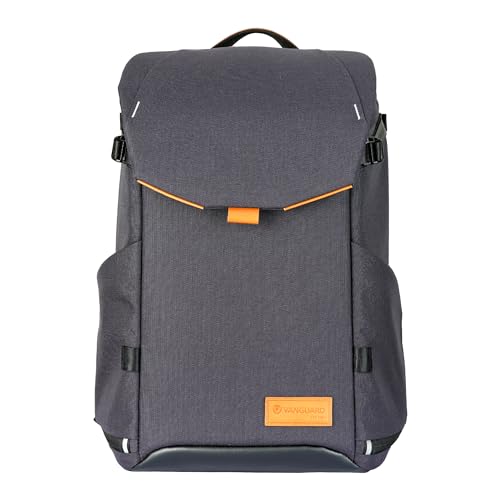
Check the VEO City B46 on Amazon, or buy it direct from Vanguard and use code FindingTheUniverse for 20% off.
Shimoda Explore V2 30L
If your photography involves serious hiking, this is the bag I’d look at before either of the two I own. I haven’t put my own gear in one, so this is a reputation pick rather than a field-tested one, but enough trusted photography friends carry Shimoda that it’s earned its spot here. The brand has built its name specifically on adventure and travel photography bags, and it shows in the design choices.
The Explore V2 uses a modular core system with removable camera compartments, so you can size the protection to the kit you’re carrying that day. The back panel adjusts across three torso-height positions to fit your frame, which keeps a loaded pack comfortable over long distances. My Alta Sky is a camera bag that can handle a hike; the Shimoda comes at it from the other direction, a hiking pack designed from the start around camera gear.
The series comes in 25L, 30L and 35L sizes. The 30L is the one I’d pick for travel, as it’s sized for European carry-on restrictions, a thoughtful detail if you fly budget airlines with your gear. If you fly a drone as well, the larger 35L will take it alongside your camera kit.
Best for hiking and adventure photographers who cover real distance on foot and want their gear weight managed like a hiking pack. The 30L is the carry-on-friendly travel size. Check price on Amazon

Check the Shimoda Explore V2 30L on Amazon.
Lowepro ProTactic BP 450 AW III
The ProTactic is the working photographer’s bag on this list, and the one to look at if access speed matters most to you. I wrote above about the trade-off between security and access speed, and the ProTactic largely gets around it with four access points: top, both sides, and the back panel. Whether the bag is on your back, over one shoulder, or on the ground, there’s a quick route to your camera without unpacking half of it. If you shoot events, street, or anything else where the shot won’t wait, that’s exactly what you want.
I haven’t carried one myself, so as with the Shimoda this is a reputation pick, but Lowepro has been making camera bags longer than most of us have been taking photos. The build on the ProTactic line is robust, and the SlipLock system lets you clip extra pouches to the exterior as your kit grows, rather than forcing you into a bigger bag.
Best for working photographers and anyone who prioritises fast access to their camera. Four access points and an expandable exterior. Check price on Amazon

Check the ProTactic BP 450 AW III on Amazon.
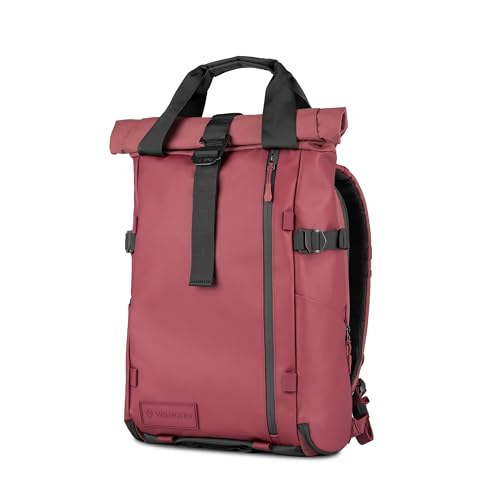
WANDRD PRVKE V4
The WANDRD PRVKE V4 is the pick for content creators, and for anyone who wants a camera bag that doesn’t look like one. WANDRD has built a following among creators and travel photographers by making bags that look good and function well, a combination that’s still pretty rare in camera bags. The distinctive roll-top expands from 21 litres to 25, so the same bag covers a light city day and a fuller travel day.
The V4 is the current version, with a robust tarpaulin outer shell for weather resistance, and it recently picked up Zip and Pocket variants for photographers who want different access patterns. The main caveat is that it’s better suited to mirrorless systems than large DSLRs, so if you’re hauling a big body and long glass, the Shimoda or my Alta Sky will serve you better. Like the two picks above, this one is here on reputation rather than hands-on use.
Best for content creators and mirrorless shooters who want one good-looking bag for shooting days and everything in between. 21-25L expandable roll-top. Check price on Amazon
Best Camera Sling Bag for Travel
Peak Design Everyday Sling (3L / 6L / 10L)
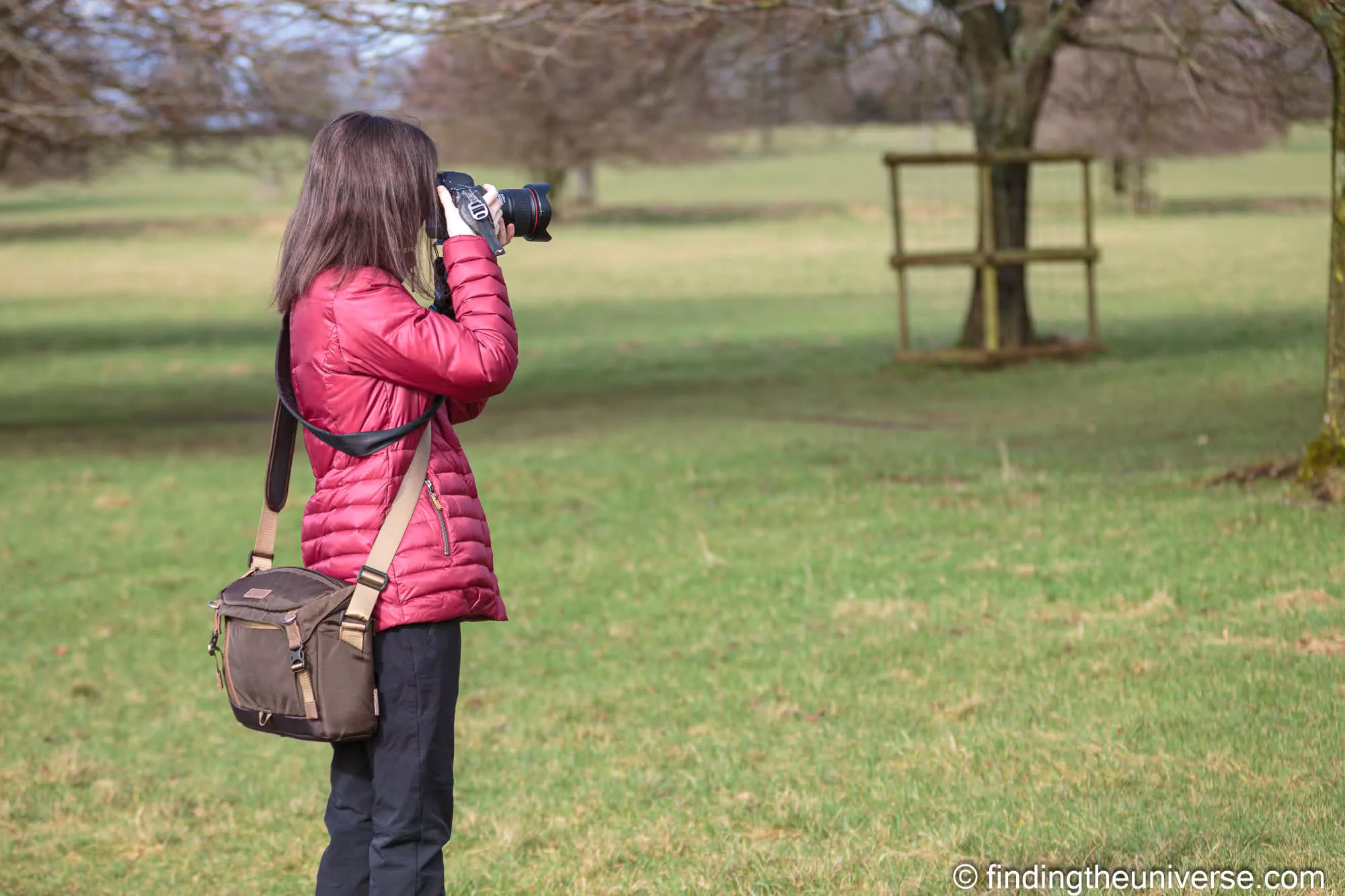
Sling bags deserve their own mention because they solve a problem backpacks can’t: fast access without taking the bag off. You swing the sling round to your front, unzip, grab the camera, and you’re shooting. For street photography, travel days where you want a camera but not a full kit, or situations where a backpack feels like overkill, a sling is brilliant. We’ve tried a few (here’s Jess testing out a Vanguard Sling bag).
Our favourite though is the Peak Design Everyday Sling, which comes in three sizes. The 3L is tiny and carries a mirrorless body with a single small lens (essentially a padded camera case you wear). The 6L is the size I’d point most travel photographers at, holding a body with two or three lenses plus a few accessories. The 10L is pushing into small-backpack territory and can hold a body, three or four lenses, and a tablet.
The build quality matches the rest of Peak Design’s range: recycled nylon canvas, weatherproof zips, FlexFold dividers that reconfigure in seconds. The strap adjusts quickly between crossbody and hip-pack carry, and the quick-release adjuster lets you loosen the sling for access and tighten it for walking without fumbling with buckles. It’s the same kind of thoughtful engineering that makes their camera straps so good.
Slings have one obvious limitation: they put all the weight on one shoulder. Fine for a mirrorless body and a couple of primes, but if you’re carrying a full-frame body with a 70-200mm you’ll feel it after an hour. For heavy gear, stick with a backpack. For light, fast, urban shooting, though, I haven’t found anything better.
Best for street photography, light travel shooting, casual days where you want a camera but not a full kit. Also excellent as a secondary bag alongside a larger backpack. Check price on Amazon The 3L sits a little below that and the 10L a little above.
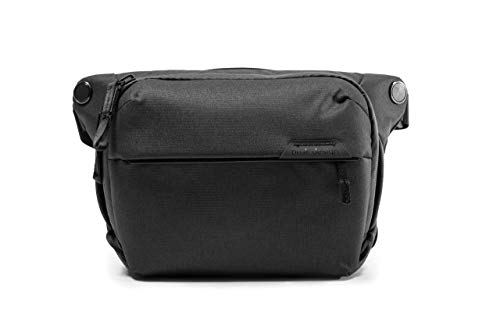
Check the Everyday Sling 6L on Amazon, or see it on Peak Design’s site.
The Roller Option: A Camera Bag on Wheels
Not everyone wants their gear on their back. If you spend more time crossing airport terminals and hotel lobbies than hiking away from the car, a roller takes the weight off your shoulders entirely, and the better ones convert to a backpack for the moments when wheels won’t do.
Vanguard Alta Fly 55T G2
I owned an Alta Fly 55T for a while and used it across a run of trips before I gave it away ahead of our move to the US. The reason is simple: a roller is happiest on smooth ground, and most of my photography involves walking away from the car, often over rough terrain. The Alta Fly does convert to a backpack, as most of the range does, but a convertible roller worn on your back isn’t built for a long day on the trail the way a dedicated hiking pack is, and for the kind of walking I do with heavy glass, a bag like my Alta Sky wins every time.
That’s about my style, though, not the bag. For the right photographer the Alta Fly is an excellent bag, and I have a wedding-photographer friend who’s put years of hard use into one. If your work keeps you on smooth floors and moving between venues (weddings, events, studio days, trade shows), a roller like this makes a great deal of sense. You get to wheel a heavy kit through an airport without wrecking your back, and lift it only when you have to.
The current model is the G2, and Vanguard have made the sensible change to detachable wheels. You can pop them off to stow the bag in a tight space, and swap one out if it ever wears, which is exactly the failure that used to kill an otherwise-good roller. Inside, it takes two bodies with several lenses, a flash and a tablet, with a padded 14-inch laptop pocket in the lid, and it’s sized to meet most airline carry-on limits. A padded harness tucks away on the back for the moments you’d rather carry it than roll it, over a kerb or up a flight of stairs.
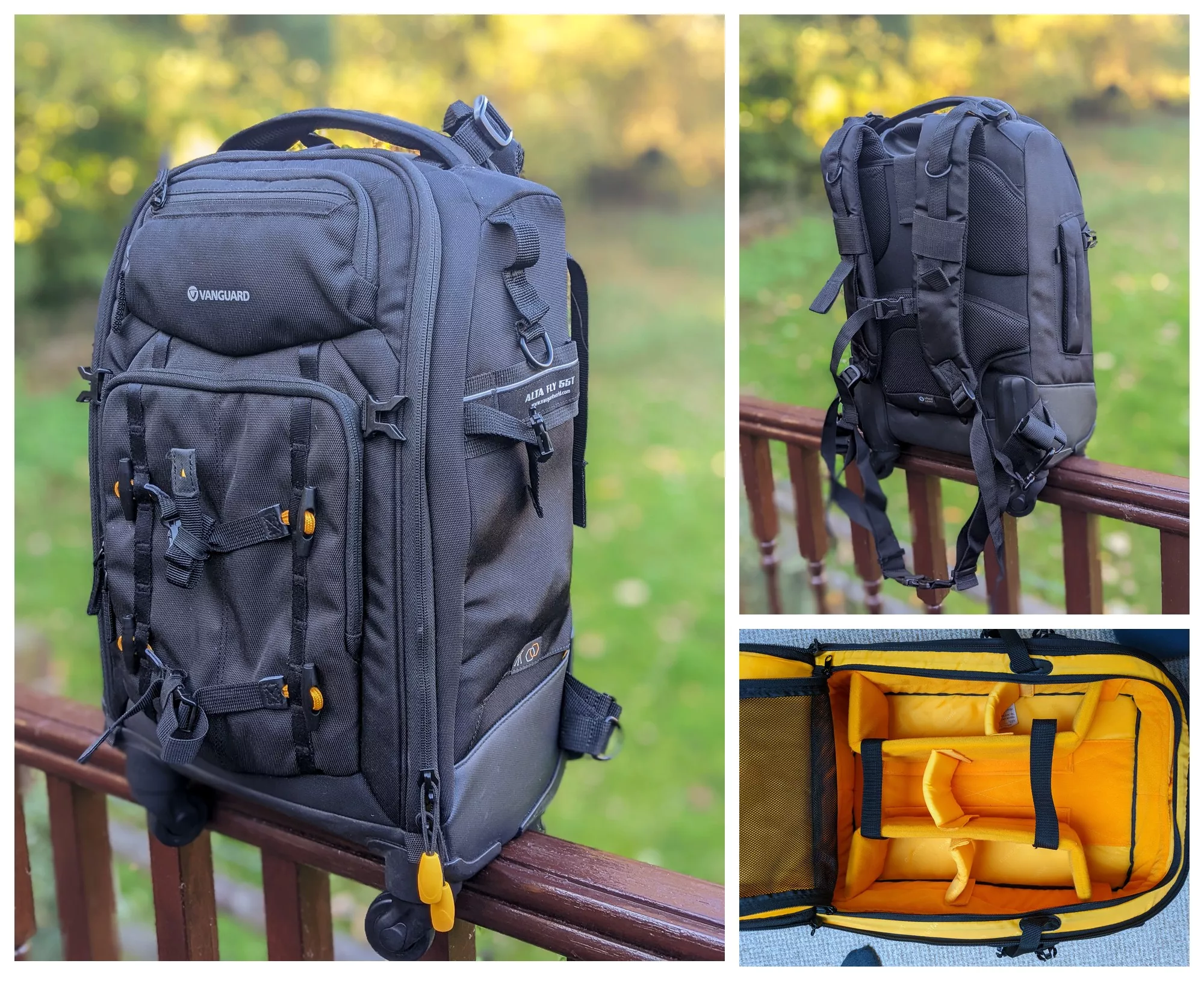
Best for photographers who move between venues on wheels rather than hiking into the landscape: weddings, events, studio and trade-show days, and anyone who’d rather roll a heavy kit through an airport than carry it. Two bodies, several lenses, a 14″ laptop, and a backpack harness for the moments you need to carry it. Check price on Amazon

Check the Alta Fly 55T G2 on Amazon, or buy it direct from Vanguard and use code FindingTheUniverse for 20% off.
Other Camera Bags Worth Considering
I haven’t put my own gear in all of the following, but they appear consistently in professional roundups and have strong reputations. Where I’m going on reputation rather than hands-on experience, I’ll say so.
The f-stop Tilopa deserves a look if you’re a serious landscape or adventure photographer who covers long distances on foot. This is a hiking backpack first and a camera bag second, with an internal frame, hiking-grade suspension, and a bottom-access camera compartment that keeps your gear separate from everything else. Not ideal for city photography or air travel, but for multi-day treks with camera gear, it’s among the best.
The Tenba Axis V2 doesn’t get as much buzz as Peak Design or WANDRD, but Tenba quietly makes excellent bags. The Axis V2 series offers backpacks and slings with clean designs, solid weather protection, and sensible pricing. Check price on Amazon
The Vanguard VEO Select range (35 / 45 / 55) is the middle ground between the chunky Alta Sky and the urban VEO City. These are convertible bags that can be carried as a backpack or shoulder bag, or rolled behind you on the larger sizes (the wheels are removable). I actually use the VEO Select 45BFM as one of my city day bags. More on that in the packing section.
Also from Vanguard, and newer, is the VEO Metro B20L, the one I’d point you to if you want an everyday bag that happens to carry a camera rather than a camera bag you put up with the rest of the time. It’s a 20-litre backpack with a removable upper daypack, so on days you leave the camera at the hotel it works as an ordinary bag.
It takes a full-frame body with three lenses (up to a 70-200mm) and a 14-inch laptop, the fabric and zips are weather-resistant, and there’s a rain cover tucked away for the heaviest downpours.
Two touches I like: a hidden pocket behind the trolley strap for a passport and cash, and a dedicated slot for an AirTag or Tile so you can track the bag down if an airline sends it somewhere you aren’t.
I haven’t carried one myself, but it’s a lot of well-considered everyday bag for the money, and it’s the compact Vanguard I’d look at first. Check price on Amazon You can also buy it direct from Vanguard and take 20% off with code FindingTheUniverse.

The Camera Insert Approach: Using a Regular Bag with Camera Protection
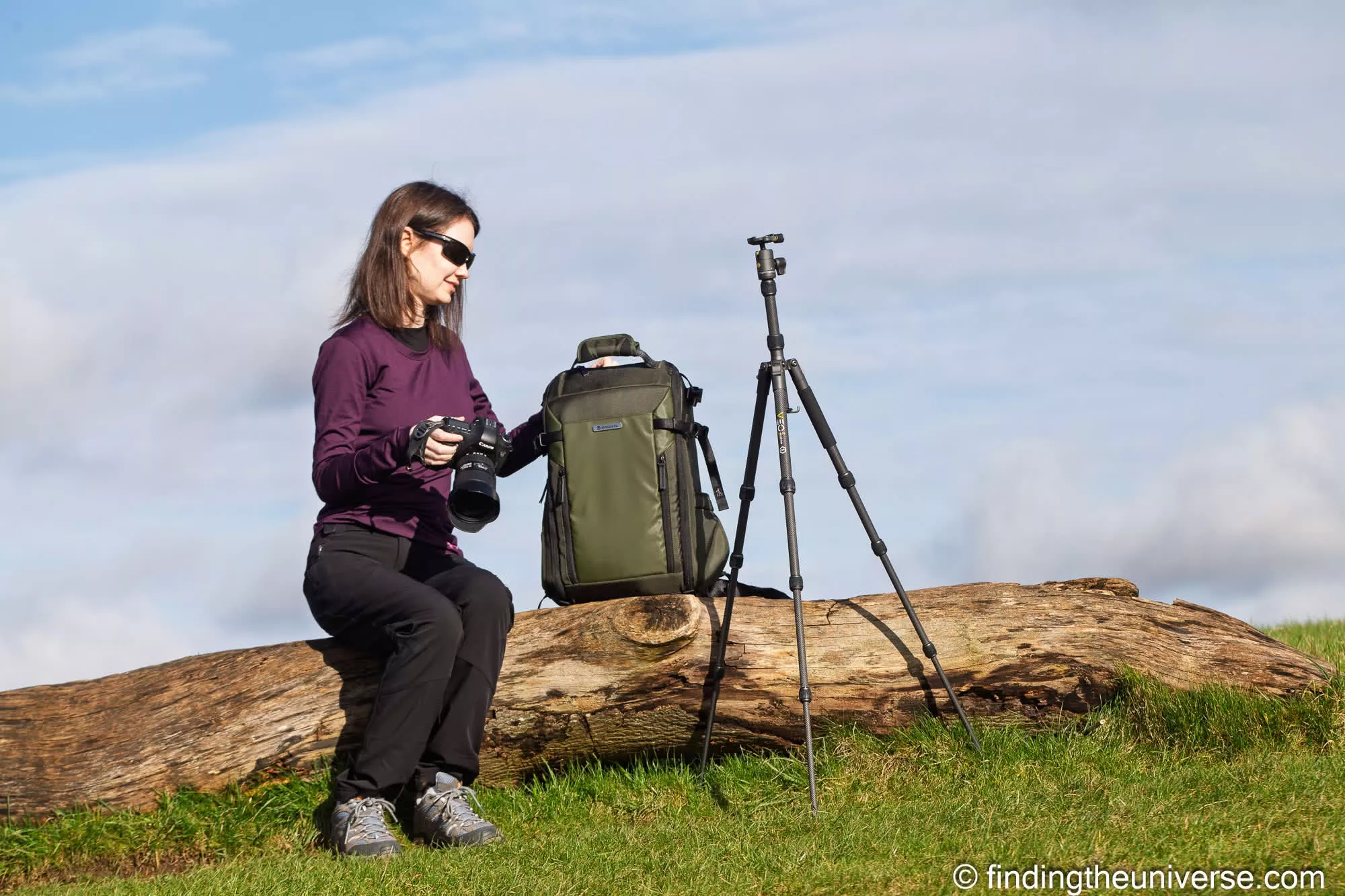
Here’s something I think more travel photographers should consider: rather than buying a dedicated camera backpack, you can use camera inserts (sometimes called camera cubes) inside any bag you already own. This approach gives you maximum flexibility.
On shooting days, drop the insert into your favourite travel backpack and you have a camera bag. On non-shooting days, leave the insert at the hotel and use the same backpack for general travel.
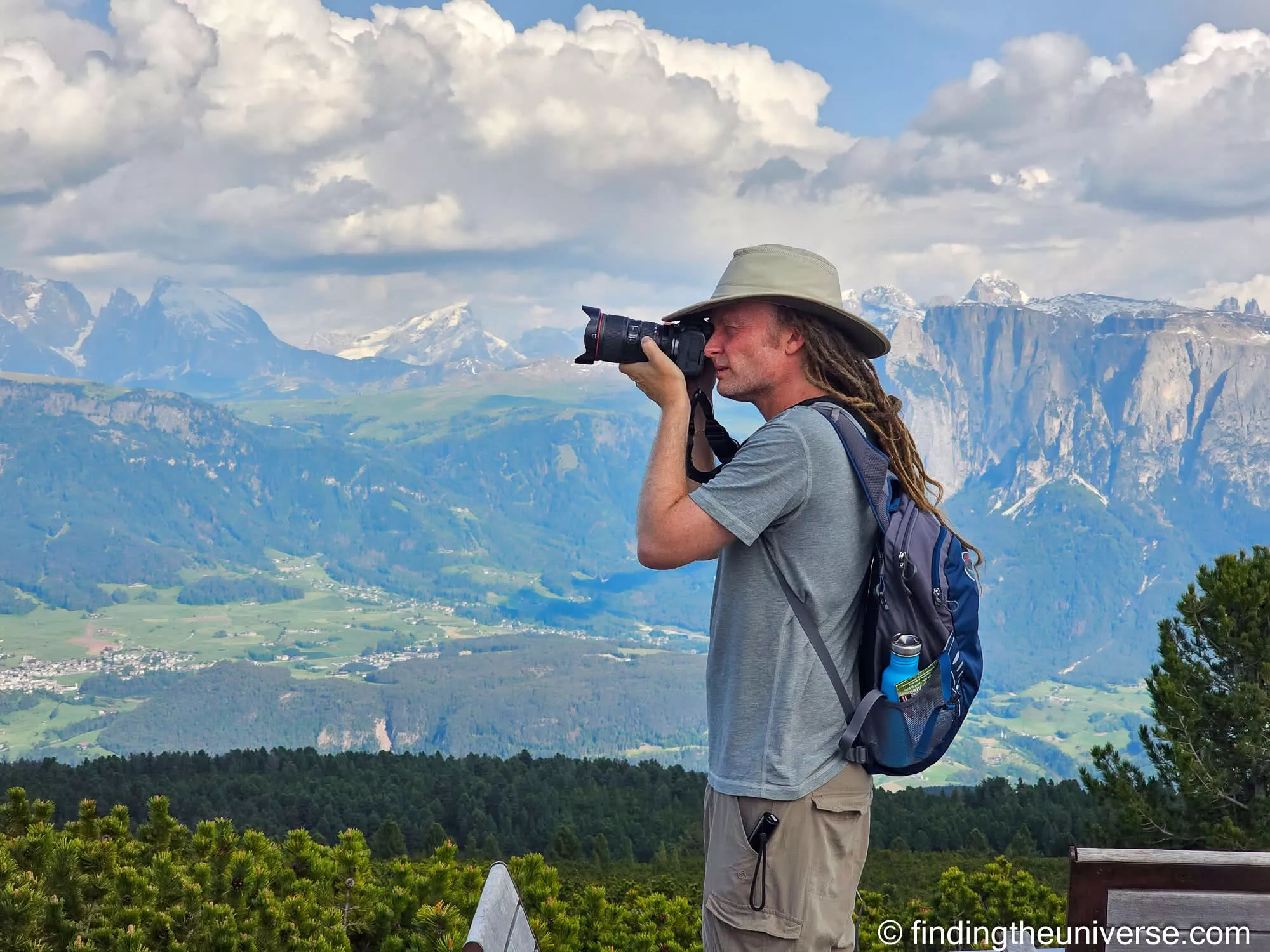
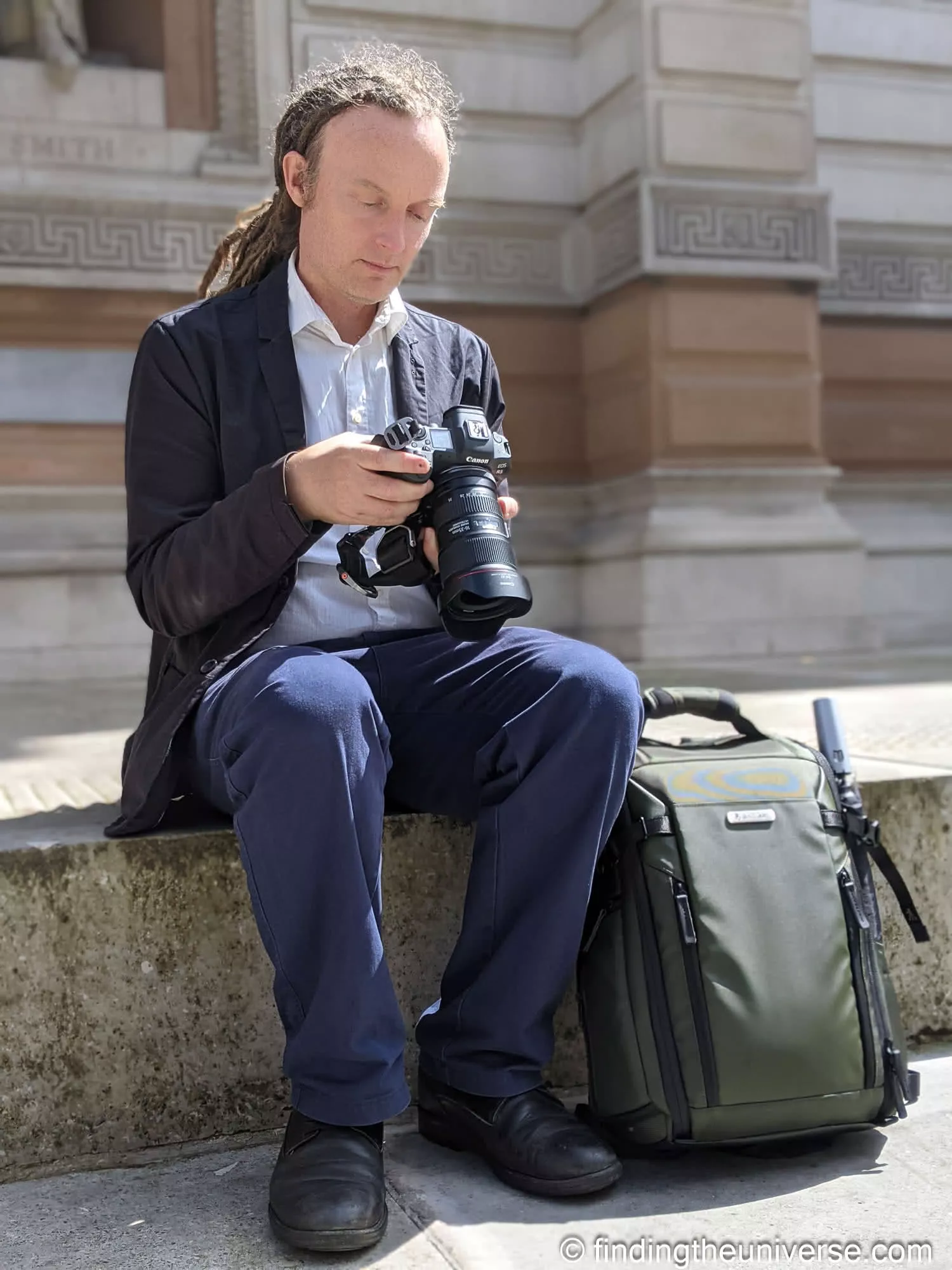
I use this approach regularly, and it’s my preferred method for trips where photography isn’t the sole purpose. I use Peak Design Camera Cubes (Small and Medium) inside the Peak Design Travel Backpack 45L, but they’ll also fit inside many other backpacks, such as my Osprey daypack in the shot below.
Peak Design Camera Cubes
These are the inserts I actually use. The current V2 range runs from extra-small up to XL, with Peak Design’s FlexFold dividers inside (which are brilliantly configurable), and the cubes clip securely into Peak Design bags. They also work perfectly well in non-Peak Design bags as standalone padded cases.
The Small fits a mirrorless body with a short lens attached, plus one or two extra lenses. The Medium fits a body with a longer lens (like a 70-200mm), plus two or three additional lenses. They’re well padded, have a carrying handle on top, and the dividers don’t shift around in transit like cheaper alternatives. Check price on Amazon Sizes run from extra-small up to XL, priced accordingly.
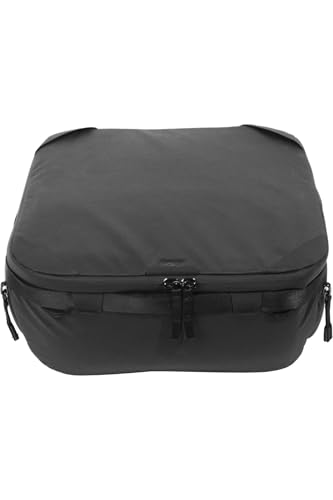
Check the Camera Cube V2 on Amazon, or see the full size range on Peak Design’s site.
Vanguard VEO BIB System
Vanguard’s take on the camera insert concept is the VEO BIB (Bag-in-Bag) system. These come in two styles: the T-series (top-opening, designed for shoulder bags and suitcases) and the F-series (front-opening, designed for backpacks). Both come with Vanguard’s slimline smart dividers and an included shoulder strap, so they can be used as standalone bags when needed.
I particularly like the F-series for travel. The F27 (the smallest) fits a mirrorless body with a 70-200mm and a couple of extra lenses. The F36 (the largest) is essentially a full camera bag in itself, holding a pro body with up to seven lenses. The dual-opening design (top zip for quick access, full front opening for organising) is practical and well thought out.
What makes the BIB system clever is the dual-purpose nature. Pack it into your suitcase for the flight, pull it out at your destination, clip on the shoulder strap, and you have a camera bag. When you get home, store it with your gear still inside and it’s ready for the next trip. At a fraction of the cost of a dedicated camera backpack, they’re hard to argue with as a budget-conscious starting point.

Check the VEO BIB range on Amazon.
A Note on Camera Bags for Women: Jess’s Take
Most camera bags are designed by men, for men. The shoulder straps are too wide, the back panels are too long, the hip belts sit in the wrong place, and the aesthetic choices tend toward “tactical” rather than anything you’d want to carry through a museum in Florence. This isn’t just a style issue. A bag that doesn’t fit your frame properly distributes weight badly, and that means discomfort and fatigue on long shooting days.
Jess has been through the same search most women photographers face, and her main frustration is that camera bags simply don’t take women’s body shapes into account. She wants a bag that protects gear properly but doesn’t look like a camera bag, that sits comfortably on a smaller frame, and that works as a day bag on non-shooting days without needing to leave it at the hotel. She hasn’t yet found the perfect bag (and frankly, neither have most women photographers we’ve spoken to), but she’s narrowed it down to a couple of options that work better than most.
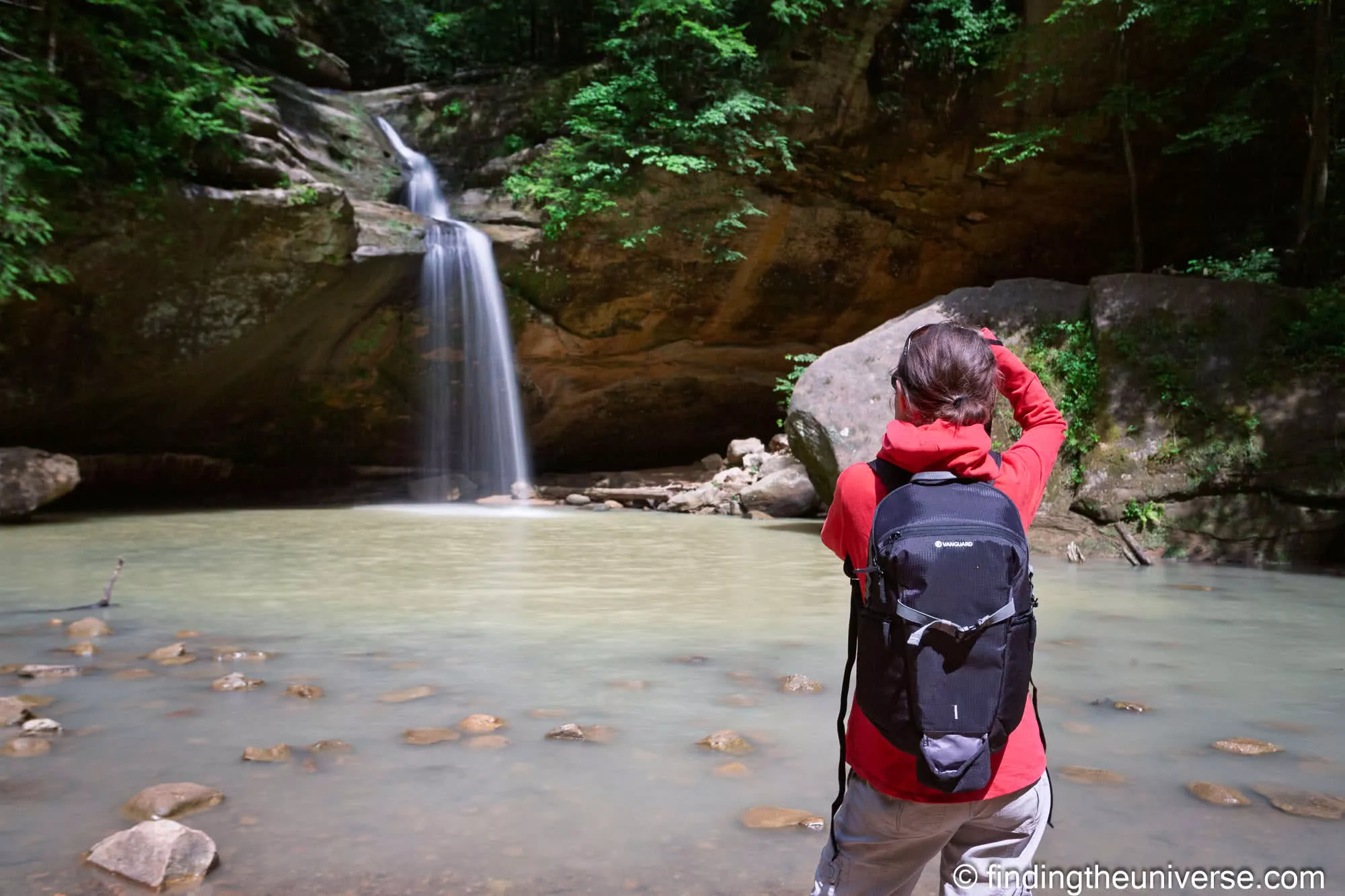
For backpacks, the Peak Design Everyday Backpack 20L (the smaller version, not the 30L) is one of the better fits she’s found for a smaller frame. Most camera backpacks are designed around a male torso, and the difference in how the 20L sits compared to larger bags is noticeable. The FlexFold dividers mean the interior adapts to whatever she’s carrying, and the clean design means it doesn’t attract attention. If you’re choosing between the 20L and 30L, try both on if you can, because the fit difference on a smaller frame is significant.
For days when she wants something lighter, the Peak Design Everyday Sling 6L is the other option. It carries a mirrorless body with a couple of lenses and sits comfortably as a crossbody. It converts to a hip pack too, which is useful when you want to keep your hands free but still have the camera accessible.
The camera bag market for women has improved in recent years, but there’s still a real gap. Most “camera bags for women” turn out to be handbags with a padded insert, which works for a compact mirrorless and a single lens but falls apart if you carry anything more substantial.
The better approach, in our experience, is to look for well-designed bags in the smaller sizes (20-25L for backpacks, 6L for slings) rather than settling for a “women’s” bag that compromises on gear protection. The VEO City B46 also works well here, since its 21L capacity and slimmer profile sit better on a range of body types than the bulkier Alta Sky.
If you’re a woman looking for a camera bag and the options feel frustrating, you’re not wrong. The industry is slowly catching up, but in the meantime, the inserts approach is worth considering: use a travel backpack that actually fits you properly, and add a Camera Cube or VEO BIB inside it. That way you get the comfort and style you want from the bag itself, with the gear protection handled by the insert.

Check the Everyday Backpack 20L on Amazon, or see it on Peak Design’s site.
What I Actually Pack for Different Types of Trip
One thing I’ve learned after fifteen years is that there’s no single bag solution. What I carry depends entirely on the trip. Here’s how I approach it.
City Photography Day Trip
For a day shooting in a city like London, Paris, or Barcelona, I want something relatively compact that doesn’t scream “camera gear.” My go-to for city days is the Vanguard VEO Select 45BFM. It’s not quite big enough for a full kit, but it’s a lot sleeker than the Alta Sky, and if I’m just packing the wide-angle it does the job well. The other option is a regular daypack (I have a nice Osprey) with a Peak Design Camera Cube inside. That way it looks like any other daypack. If you’re choosing that daypack from scratch, we compare eleven of them in our travel daypack guide.
For a typical city day I’ll carry my Canon EOS R5 with my 16-35mm f/4 (my most-used lens for travel), and maybe a fast prime for low light. The rest of the bag carries my laptop, a water bottle, and a light jacket. Comfortable for a full day of walking, and doesn’t draw attention.
Multi-Day Road Trip
For something like driving the UK or Iceland’s Ring Road, I bring more gear because the car does the heavy lifting. The Vanguard Alta Sky holds my full kit: two bodies, my 16-35mm f/4, my 70-200mm f/2.8, the tripod, and various filters. Then I’ll grab what I need depending on what I’m doing that day.
On days with longer walks, especially landscape photography, I’ll likely take the majority of my gear in the Alta Sky. If there’s a chance of wildlife, I might swap the 70-200 for a 100-400. If I’m more likely to be shooting wide, I’ll transfer a smaller selection to the Osprey daypack with a Camera Cube, or to the VEO Select.
When I know I’ll want my tripod and a longer lens on hand for a proper hike, I’ll take the Alta Sky itself, because the hip belt handles the weight well enough to make it comfortable over distance, plus there’s room for snacks, a water bottle, and other useful hiking accessories.
On the North Coast 500 in Scotland, where we’ve spent between one and three weeks driving the route on various trips, this flexible approach has been perfect. Some days that’s a single body and wide-angle for landscapes at Sandwood Bay. Other days it’s the full telephoto setup for wildlife near Lochinver. Of course Jess has her own opinion about what we’re stopping for and when, which is usually the right one.
Safari
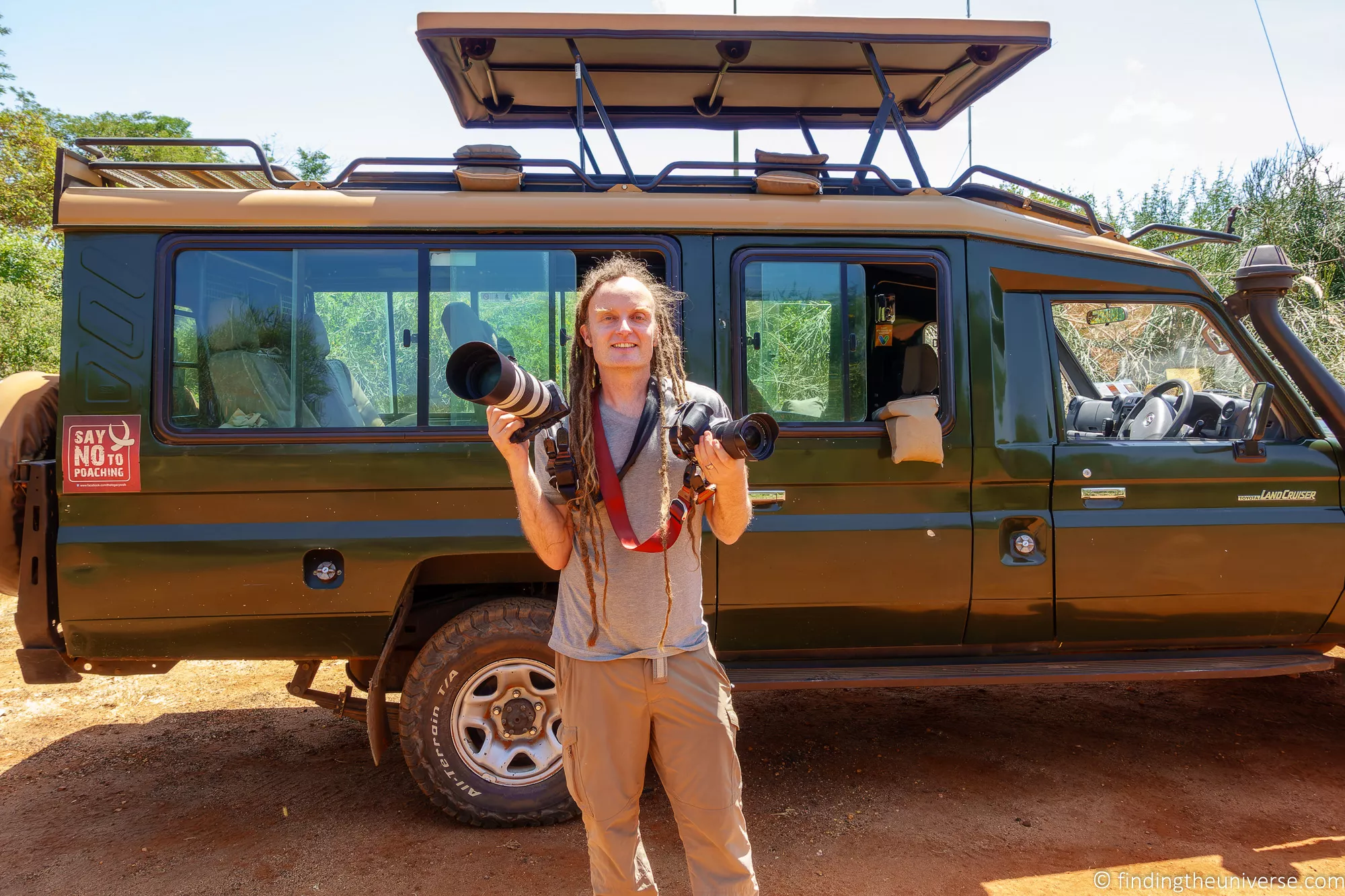
Safari is where you really need capacity and protection. The Alta Sky comes out for this. I’ll use the Canon EOS R5 with my 100-400mm f/4.5-5.6 for wildlife, and my backup Canon EOS 6D with the 16-35 f/4 for wide-angle shots (sometimes the wildlife gets closer than you expect!). Switching lenses on safari is both time-consuming, which means missed shots, and a fast track to dust on the sensor, so I avoid it. Hence the second body.
I’ve written separately about the best camera for safari and photography bean bags for safari, both of which are essential alongside the bag itself. The dust in Africa gets into everything. Fine red dust found its way into bag pockets I didn’t even know I had, so good zips and a rain cover (which doubles as a dust cover) are critical.
Photographing in the Rain
I’m originally from the UK, which means I’ve had a lot of practice photographing in the rain. The bag matters less than you’d think, because the rain cover does the heavy lifting. What matters more is how quickly you can get the cover on when the weather turns, and how accessible your camera remains with the cover in place. The Alta Sky’s rain cover goes on quickly and easily. The Peak Design bags are inherently more weather-resistant, so I often don’t bother with the cover in light rain.
I also pack a camera cover for rainy days. My cameras are technically weather-sealed, but I prefer to keep them as dry as possible, and a camera cover is also handy for shooting things like waterfalls. In Iceland in particular, the waterfall spray got everywhere, so a waterproof bag cover and a waterproof camera cover like this were essential.
Carrying a Drone Alongside Camera Gear
If you fly a drone as well as shoot with a camera, bag selection gets more complicated. I have a DJI Mavic Pro, and fitting it alongside a full camera kit in one bag is a puzzle. Most camera bags don’t have dedicated drone space, but some of the larger options accommodate both.
The Vanguard Alta Sky 51D’s front V-flap is specifically designed to hold a drone, and the dual-colour dividers in the main compartment can be configured for a drone setup. The Shimoda Explore V2 35L also handles a drone alongside camera gear, though you’ll sacrifice some lens capacity. For smaller drones like the DJI Mini series, you can often tuck them into the top compartment of a standard camera backpack. For larger drones, you’re looking at either a 40L+ bag or carrying the drone in its own case separately.
Flying with Camera Gear
I never check camera gear. Ever. That means whatever I carry needs to qualify as carry-on or personal item. For flights, I typically use the Peak Design Travel Backpack 45L as my carry-on, with camera gear in a Camera Cube and everything else packed around it. If I need to bring the full Vanguard kit, it goes under the seat as a personal item (tight, but it fits on most full-service carriers) while a smaller bag goes in the overhead.
A couple of practical tips. Take your camera strap off and store it in the bag rather than letting it dangle, because it catches on everything. And if you’re asked at the gate whether your bag is too big, confidently say it’s your laptop bag. Camera bags are surprisingly compressible when you push the air out.
Camera Bag Accessories Worth Adding
A few extras that make a real difference.
Rain covers. Most good bags include one, but they’re cheap to replace if yours goes missing. I keep a spare in my suitcase, along with a waterproof camera cover for when the weather turns properly nasty.
A good camera strap. I’ve written a detailed review of Peak Design camera straps; the Slide is the one on my cameras. I’ve had mine since 2015 and taken them from far-below-zero temperatures photographing the northern lights to the hot and humid jungles of Uganda on gorilla trekking trips. The right strap makes a bigger difference than most people expect, and it works in tandem with your bag. Mine has also been chewed through by a fox, which I still can’t explain but count as a stress test of sorts.
Memory card wallets. Sounds basic, but losing a memory card with a day’s shooting on it is devastating. A small wallet like the Pelican 0915, living in a consistent pocket, means you always know where your cards are.
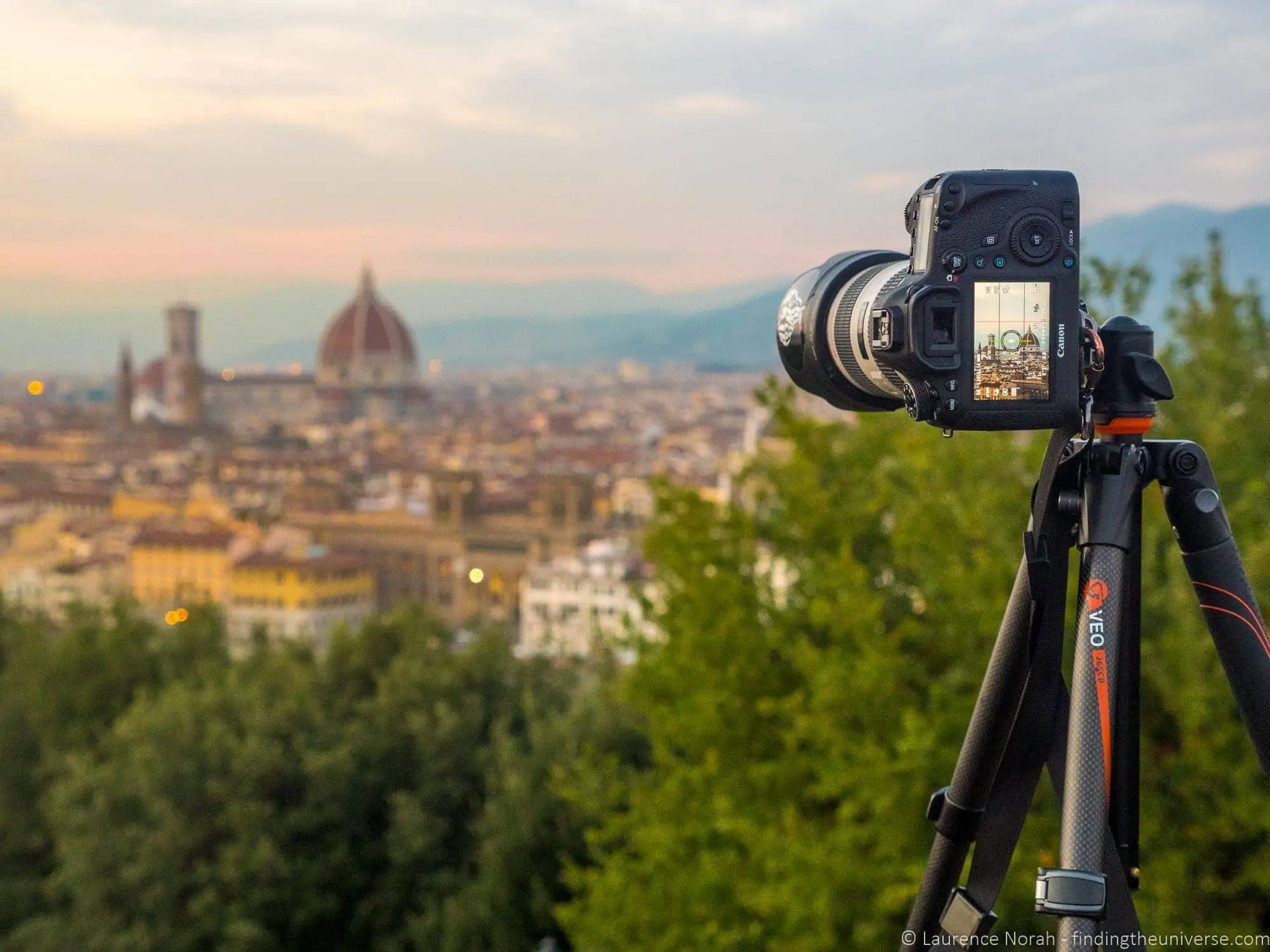
A travel tripod. Most of the bags I’ve recommended have external tripod attachment points. I use and recommend the Vanguard VEO range and the Peak Design Travel Tripod (also on Amazon). A compact travel tripod that straps to the outside of your bag adds capability without taking up interior space.
A padlock. For hostel travel or situations where you need to leave your bag, a small TSA-approved cable lock through the zip pulls adds a layer of deterrence. It won’t stop a determined thief, but it stops opportunists.
The Bottom Line: Which Bag Should You Buy?
To pull it all together, here’s how I’d choose. My overall pick for travel photography is the Peak Design Travel Backpack 45L, which is one of the two bags I actually carry. For heavy gear loads where capacity matters more than looks, the Vanguard Alta Sky 51D is what I take.
For city photography where you want something stylish, the Vanguard VEO City B46. For light, fast carry on a single shoulder, the Peak Design Everyday Sling 6L. Of course you can also take the camera-insert route with Peak Design Camera Cubes or Vanguard VEO BIB inserts dropped into a bag you already own.
For smaller frames, the Peak Design Everyday Backpack 20L. For serious adventure or hiking, the Shimoda Explore V2 30L. For working photographers who need the fastest access to their camera, the Lowepro ProTactic BP 450. For content creators who want a bag that looks as good as it works, the WANDRD PRVKE V4. For versatile carry styles, the Vanguard VEO Select. And if your budget is really tight, a Vanguard VEO BIB T-series insert paired with whatever bag you already own gets you started for very little money.
How to Choose the Right Camera Bag for Your Travel Style
If you’ve read this far and still aren’t sure, here’s the simplified version.
If you travel often and photography is one of many activities, go with the camera-insert approach. Peak Design Camera Cubes or Vanguard VEO BIB inserts paired with your existing travel backpack is the most flexible and cost-effective option, and probably what I’d suggest to most people starting out. This was the exact approach I used for years before switching to a dedicated camera backpack.
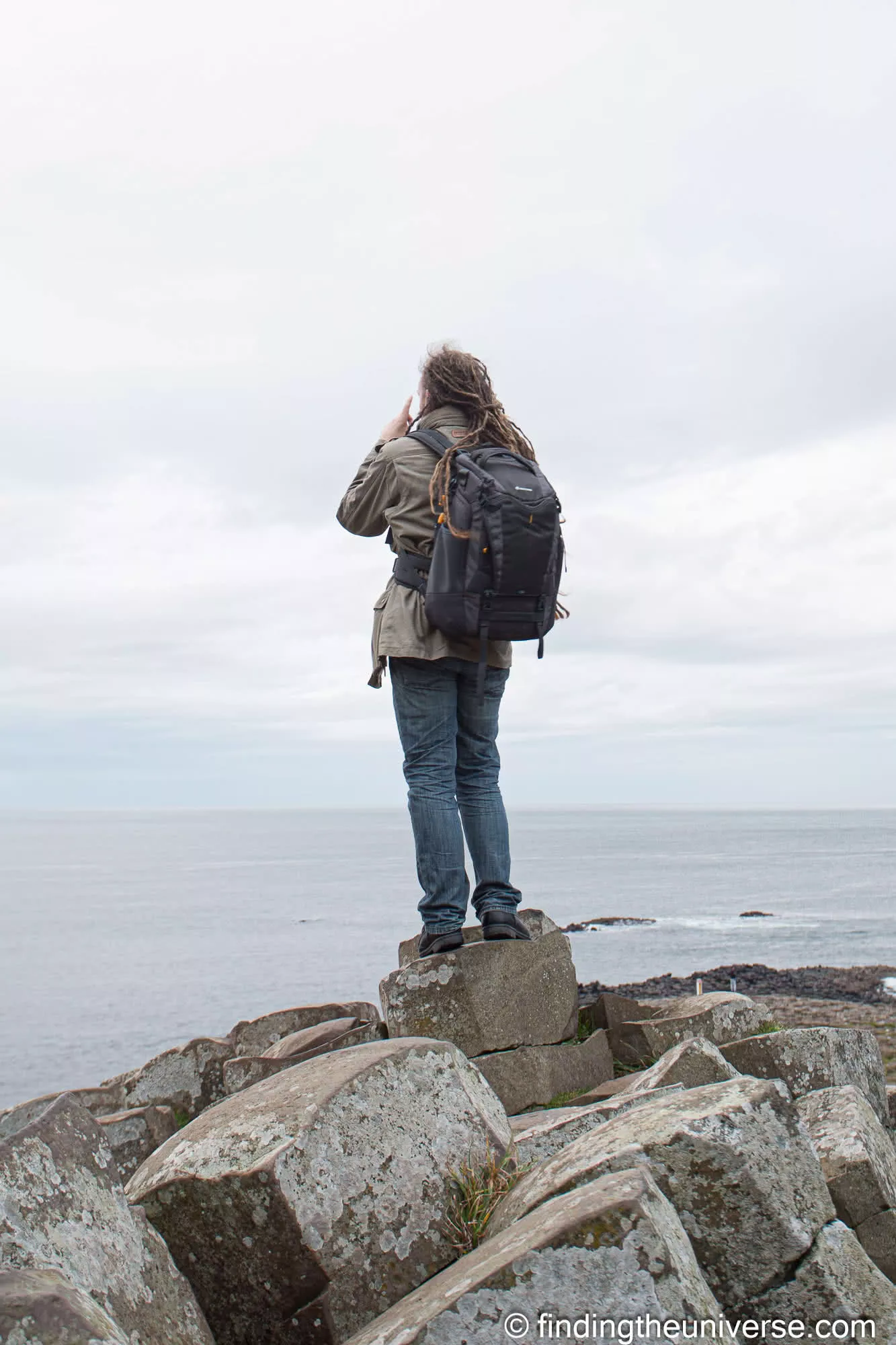
If you want one dedicated camera backpack for everything, the Peak Design Travel Backpack 45L is the answer if you also need it as a travel bag, or the Vanguard Alta Sky 51D if you want maximum gear capacity and don’t mind the utilitarian look. These are the two I rotate between.
If you mainly shoot in cities and want something stylish, the Vanguard VEO City B46 gives you proper gear protection in a bag you’d happily carry into a restaurant. If you do serious outdoor or adventure photography, the Shimoda Explore V2 range is built specifically for this in ways that general travel bags aren’t.
If you shoot events, weddings, or anything where the shot won’t wait, the Lowepro ProTactic BP 450 gets you to your camera fastest with its four access points. And if you’re a content creator who wants one good-looking bag for shooting days and everything in between, the WANDRD PRVKE V4.
If you want something for a smaller frame, the Peak Design Everyday Backpack 20L or Everyday Sling 6L, or use the camera-insert approach with a travel backpack that fits you properly. And if budget is the priority, start with a Vanguard VEO BIB T-series insert and your existing backpack. You can always upgrade later, once you know which features actually matter to you.
New Camera Bags for 2026: What’s Coming
Peak Design launched four new bags in their Travel Line in March 2026, including the Travel Backpack 2-in-1 ($399.95). This is a modular system: a 34L main backpack zips together with a 16L daypack to create a single carry-on bag, or they separate into two independent bags at your destination. The main pack is compatible with Peak Design’s Camera Cubes.
The 2-in-1 hit full retail in June 2026, so you no longer need to back a Kickstarter to get one. If the concept delivers on its promise, it could be an excellent solution for photographers who want a big pack for travel days and a smaller one for shooting.
Vanguard continues to expand its VEO ranges, with new everyday and city options arriving through the year.
I’ll update this article as I get hands-on time with new bags throughout the year.
Frequently Asked Questions
What size camera bag do I need for travel?
It depends on your gear. For a mirrorless body with two or three lenses, a 15-25 litre bag is plenty. For a full-frame body with four or more lenses and a laptop, you’ll want 30-45 litres.
If you’re unsure, start smaller. A compact, well-organised bag really does beat a half-empty large one. If it is the kit rather than the bag you are rethinking, our roundup of the best compact travel cameras looks at bodies that need very little bag at all.
Can I take a camera bag as carry-on luggage?
Yes, and you should. I never check camera gear.
Most camera backpacks under 45L fit within carry-on dimensions for full-service airlines. The Peak Design Travel Backpack 45L meets most US airline carry-on limits, and smaller bags like the VEO City B46 qualify as hand luggage on most airlines worldwide.
For European budget airlines (Ryanair, easyJet, Wizz Air), check their specific size limits as they’re much stricter than full-service carriers.
Is a dedicated camera bag better than a camera insert in a regular backpack?
A dedicated bag offers more protection and better organisation for your gear. An insert offers more flexibility, since you can use the same backpack for photography one day and general travel the next.
I use both approaches depending on the trip. For photography-focused trips, I take a dedicated bag. For trips where photography is secondary, I use inserts.
What is the best camera bag for a mirrorless camera?
Mirrorless cameras and lenses are generally smaller and lighter than DSLR equivalents, which means you can get away with smaller bags. A sling bag or a compact backpack like the Vanguard VEO City B46 (21L) is usually more than enough.
If you want the insert approach, a Peak Design Camera Cube Small will hold a mirrorless body with two or three lenses comfortably.
How do I protect my camera gear when travelling?
Use a properly padded bag with adjustable dividers to prevent gear from shifting, and always carry camera gear as hand luggage on flights.
Use the included rain cover in wet weather (or a ziplock bag in a pinch). Take camera straps off when packing to prevent them catching on things, and consider a small padlock for the zip pulls if you’re leaving the bag unattended.
For more general travel safety, don’t leave a camera bag visible in a parked car.
Do I need a waterproof camera bag?
Fully waterproof bags exist, but they’re heavy, expensive, and generally overkill for travel photography. A water-resistant bag with a rain cover handles the vast majority of situations.
I’ve photographed in heavy rain across Iceland, Scotland, and Southeast Asia with bags that are water-resistant (not waterproof) and never had gear damage, because I use the rain cover when it gets serious and keep the bag under shelter when possible.
What camera bag do professional photographers use?
It varies enormously by specialism. As a travel photographer, I use a Vanguard Alta Sky for heavy gear loads and a Peak Design Travel Backpack 45L for mixed travel and photography trips.
Wildlife and adventure photographers often favour Shimoda. Street photographers tend toward sling bags or messenger bags. There’s no single “professional” choice because the requirements differ so much.
Are camera bags for women different from men’s camera bags?
Most camera bags are designed as unisex but are really built around a male frame. The main differences women tend to need are shorter back panel lengths, narrower shoulder straps, and hip belts that sit at the right height.
Rather than buying a bag marketed specifically “for women” (which often means a handbag with minimal padding), look for well-designed bags in smaller sizes. The Peak Design Everyday Backpack 20L and Everyday Sling 6L both work well on smaller frames, and the camera-insert approach lets you use any backpack that fits you properly.
Leave a Reply