
I’ve been a full-time professional photographer since 2010, and in that time I’ve made money from photography in more ways than I can count. I’ve sold prints, licensed images to tourism boards, taught over 2,500 students through my online course, done paid ambassador work for camera brands, shot events, contributed to stock sites, and run workshops and photowalks.
Some of these income streams have worked well for me. Others have been interesting experiments that taught me what I don’t enjoy. And that’s actually the most useful thing I can share with you: what’s possible, what’s realistic, what takes more work than you’d expect, and what might suit you depending on your interests and situation.
This guide is aimed at amateur and hobbyist photographers who want to start earning some money from their photography. You could scale any of these ideas into a full-time business, but I’d suggest starting small and seeing what works for you first.
Table of Contents:
How to Make Money from Photography
I’m going to walk through the main ways you can earn money from your photography, roughly ordered by how accessible they are for someone just starting out. For each one, I’ll share what I know from personal experience where I have it, and be upfront about the ones I haven’t pursued myself.
Teach Photography
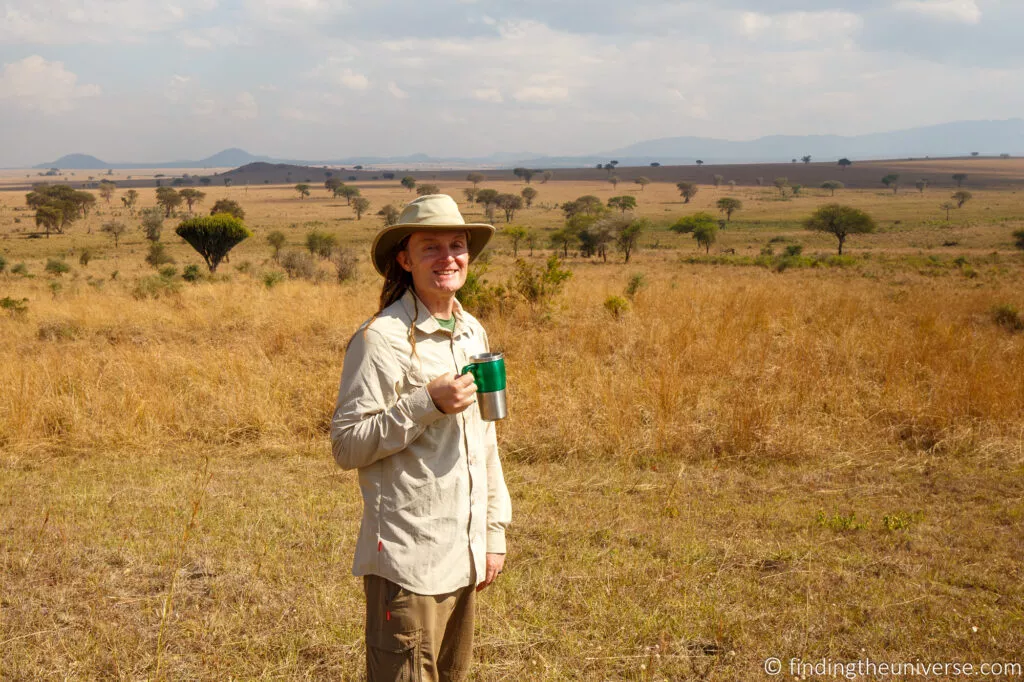
This is probably the income stream that has worked best for me, and it’s one that many photographers overlook. If you’ve spent time learning photography and can explain concepts clearly, there are people who will pay you to teach them.
I launched my own online travel photography course in 2016, and it has since had over 2,500 students. At $129 per enrolment, you can do the maths on what that adds up to over time. I’ve also run paid in-person workshops, online workshops, talks, and photowalks. Most of these have been paid.
You don’t need to start with a full course though. You could begin by offering one-on-one tutoring sessions locally, running a beginner’s workshop through a community centre, or even doing paid photowalks in your area where you take a small group out and teach them while you shoot.
The key is that you don’t need to be the best photographer in the world. You just need to know more than the person you’re teaching, and be able to explain things in a way that makes sense. If friends and family are always asking you to help them with their camera settings, that’s a sign you might be good at this.
Online courses take more upfront work to create, but once they exist, they generate income without you needing to be present for every sale. In-person teaching pays per session but doesn’t scale the same way. Both are worth considering.
Sell Photos Directly Online
If you have a collection of strong images, you can sell prints and digital downloads through your own website or gallery. This is something I do through SmugMug, which handles everything from payment processing to printing and shipping. You upload your images, set your prices, and SmugMug takes care of the rest.
My SmugMug store isn’t a major income stream for me, mainly because I haven’t promoted it very actively. That is worth keeping in perspective. Selling is one option among several, and I have written about the whole post-trip process, from culling and backing up through to printing and sharing. And that’s the lesson here. Having a beautiful gallery of images online is only half the equation. You also need to drive people to it, whether that’s through social media, a blog, local marketing, or word of mouth. The photographers who do well with print sales are typically the ones who are good at promotion.
Other platforms worth considering include Darkroom, which is free to set up and handles printing and fulfilment, and Etsy, which has a large built-in marketplace. You can also set up your own website and handle everything yourself, but for most people a third-party platform is much simpler.
For more detail, I have a full guide to selling photos online here, including a detailed SmugMug review.

Sell Photos on Products
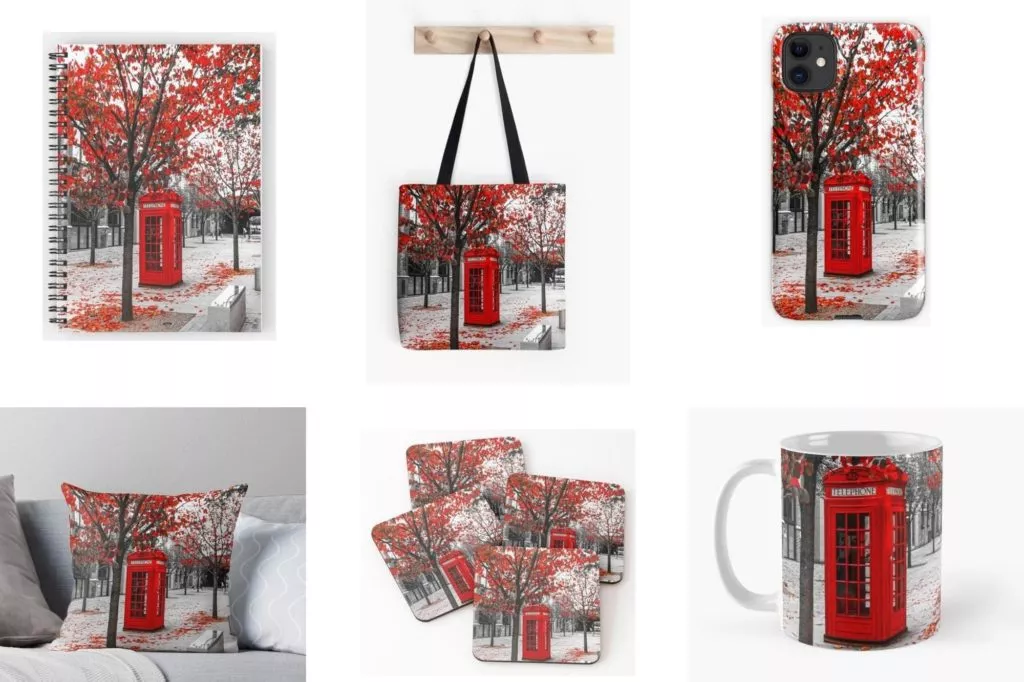
You’re not limited to selling framed prints. These days you can put your photos on mugs, t-shirts, phone cases, blankets, puzzles, and just about anything else you can think of.
The easiest way to do this is through a print-on-demand service like Redbubble. You upload your images, choose which products you want them available on, and Redbubble handles the listing, printing, and shipping. You earn a commission on each sale without having to manage any stock or logistics.
You can also create your own products and sell them on Etsy or locally. We’ve seen people use their photos on everything from clothing to lampshades to Christmas tree ornaments. If you’re the crafty type, there’s a lot you can do with printed fabric and some sewing skills.
The income per item tends to be small, so this works best as a volume game or as a way to supplement other income streams.
Sell Photos and Photo Products Locally
When we travel, we love buying locally produced art as souvenirs. And we’re not alone in that. Photos of local landmarks, landscapes, and scenes can sell well to both visitors and locals, especially if they’re displayed in the right places.
If you enjoy photographing your local area, this could be a good fit. You could try setting up a stall at a local craft market, or reach out to galleries, gift shops, and cafes to see if they’d display your work on commission. They get nice art on the walls, you get exposure and a share of any sales.
Local selling works particularly well for images that have a strong connection to the area. A beautiful sunset over your town’s skyline, a well-known local landmark, or seasonal scenes can all be appealing to buyers who want something with personal meaning rather than generic wall art.

Stock Photography
Selling your photos through stock photography sites is often the first thing people think of when they think about making money from photography. The idea is appealing: upload your photos, and earn money every time someone licenses one.
I’ve tried this myself, and I’ll be upfront. It didn’t work particularly well for me, because I tend not to shoot “stock-style” photos. Stock sites need images like “woman holding coffee cup looking at laptop” or “diverse group of colleagues in a meeting room.” My photos tend to be travel landscapes and street scenes, which are a much more competitive and lower-earning category on stock sites.
If you do enjoy shooting the kinds of images that stock buyers need, it can be a viable income stream over time. The key word is “over time.” Successful stock photographers typically have thousands of images uploaded, each earning small amounts. A single image might earn a few pence per download. The income comes from volume, not from individual sales.
You also need to invest time in properly keywording and describing each image, which adds up quickly across a large library.
Sites to consider include Getty Images, Adobe Stock, 500px, Tandem, and Arcangel. Each has different requirements and commission structures, so it’s worth researching which suits your style of photography before committing.
Licensing Your Photos Directly
This is different from stock photography, and it’s something that has worked reasonably well for me. Licensing means selling the rights to use a specific image for a specific purpose, typically directly to a client rather than through a stock marketplace.
I’ve done licensing deals with tourism boards, travel companies, and publications. These tend to pay significantly better per image than stock sites because you’re selling directly and the images are often specific to what the client needs.
The catch is that you need images the client wants, and you need them to know you exist. Building relationships with tourism boards, PR agencies, and publications takes time. Having a strong online presence through a website or social media helps, as does being proactive about reaching out to potential clients.
This is more of a mid-to-advanced income stream. It’s harder to get started with than stock photography, but the per-image returns are much better when it does happen.
Specialise in In-Demand Photography
There are a lot of things that need to be photographed well, and many of them aren’t glamorous. Real estate, hotel rooms, rental properties, cars, food, products for online shops. The images might not be the most exciting to shoot, but there’s steady demand for this kind of work, and it pays.
I’ve done hotel and property photography as part of larger projects, and I have a student on my photography course who ended up specialising in real estate photography and has built a good business from it. The advantage of this kind of work is that there’s always new inventory that needs photographing, so repeat business is common.
If this interests you, start by practising on your own home, car, or a friend’s property. Build a small portfolio of the kind of work you want to be hired for, and then reach out to local estate agents, car dealers, or property managers. Many are using phone photos for their listings, so even a modest step up in quality can win you work.

Event and Wedding Photography
Event photography can be a good earner, covering anything from weddings and celebrations to conferences, festivals, and sporting events. Companies and conference organisers regularly need photographers to document their events for future promotion.
I should be transparent here: I’ve done event photography on an unpaid basis for friends, and it was enough to convince me that I wouldn’t enjoy doing it as a paid profession. The pressure, the inflexibility of the schedule, and the amount of post-processing involved just weren’t for me. But I know plenty of photographers who love it and do very well from it.
If you’re interested, the best way to get started is as a second or backup shooter for an established photographer. The primary photographer can’t be everywhere at once, so you’ll be tasked with capturing candid moments, reactions, and angles they can’t get. This is valuable on-the-job experience, and if you do good work, they may hire you again.
As a second shooter, you often don’t need to worry about finding clients, handling communication, or editing. The primary photographer handles all of that. You just focus on shooting, which is a nice way to test whether you enjoy this kind of work before committing to it fully.
Portrait and Headshot Photography
There’s steady demand for professional headshots and portraits. Actors need them for casting, professionals need them for LinkedIn and company websites, and families want them for milestones and holidays.
I’ve done a lot of portrait photography over the years, though not as a paid service. It’s just not an area I’ve been motivated to pursue commercially. But if you enjoy working with people and have good portrait skills, it can be a reliable income stream, especially locally.
You don’t need an expensive studio to get started. Natural light portraits shot outdoors or in the client’s home work well, and they keep your costs low. Build a small portfolio by offering discounted sessions to friends and family, and then start marketing yourself locally.
Brand Ambassadorships and Partnerships
As your photography profile grows, you may attract interest from brands who want to work with you. This could be anything from a formal ambassador programme (I’ve done paid work for Vanguard and Sony, for example) to one-off collaborations with travel companies or tourism boards.
These opportunities tend to come to you rather than the other way around, and they typically require an established online presence and a following of some kind. They’re not something you can rely on as a primary income stream when starting out, but they’re a nice bonus as your profile grows.
The key is to only work with brands whose products you actually use and believe in. Your audience will notice if you’re promoting something you don’t use yourself, and it damages your credibility.
Sell Lightroom Presets
Selling Lightroom presets has become a popular income stream for photographers, especially on social media. Presets are essentially saved editing settings that can be applied to photos with a single click, giving them a particular look or style.
I’ll be upfront: I don’t sell presets myself, and I have mixed feelings about them as a product. My view is that learning to edit your own photos to your own style is a better long-term investment than relying on someone else’s settings. There are also plenty of good free presets available, including sets from Adobe themselves.
That said, there’s clearly demand for them. If you have a distinctive editing style and an audience that admires it, presets can work as a low-effort digital product. Once you’ve created them, the delivery is automated, and there’s no printing or shipping involved.
Enter Competitions and Contests
Photography competitions can be a way to earn some money, and winning one was actually a factor in my decision to pursue photography full-time. I won a prize in a national newspaper photography competition early on, and the validation that gave me was worth more than the prize itself.
There’s a huge range of competitions out there, from local camera club contests to international prizes with significant cash awards. I’d suggest looking for ones that focus on your particular area of interest, whether that’s landscapes, wildlife, street photography, or something else.
A few things to watch out for. Some competitions charge entry fees, and if you’re entering lots of them, those costs add up quickly. Always read the terms and conditions carefully, too. You want to know what rights you’re giving away when you submit. Obviously the organisers will want to display your work, but make sure you’re not signing away commercial rights to your images.
Photo Editing as a Service
If you’re skilled at editing but less interested in shooting, or if you want to earn money from photography without needing to be behind the camera, offering editing services to other photographers is an option.
Wedding photographers in particular often outsource their editing because the volume of images from a single event can be overwhelming. If you’re fast and consistent with Lightroom or Photoshop, this could be a niche worth exploring.
I haven’t done this myself. Editing my own photos is more than enough work! But I know photographers who outsource their editing, so there’s clearly a market for it.
Photojournalism and Editorial Work
If you enjoy photography that tells a story, pitching images and photo essays to magazines, newspapers, and online publications is another avenue. Travel magazines, local newspapers, and niche publications all need images, and many accept freelance submissions.
The pay varies enormously. Major publications pay well; smaller ones may pay very little or only offer exposure. But having your work published builds credibility, and it can lead to further opportunities, including licensing deals and commissions.
If this interests you, start by researching the submission guidelines for publications you’d like to work with. A well-targeted pitch with strong images that fit the publication’s style is far more likely to succeed than a scattershot approach.
Tips for Getting Started
Whatever route you choose, here are a few practical suggestions from my own experience.
Start with one thing. It’s tempting to try everything at once, but you’ll spread yourself too thin. Pick the income stream that appeals to you most and give it a proper go before moving on to the next one.
Don’t undervalue your work. It can be tempting to charge very little when you’re starting out, but this sets a precedent that’s hard to change later. Research what others charge in your area for similar work and price yourself fairly.
Be realistic about timelines. Almost none of these income streams will generate significant money immediately. Stock photography takes months or years to build volume. Print sales need promotion. Teaching takes time to build an audience. Give things time to work before deciding they haven’t.
Invest in learning, not gear. A better camera won’t make your photos sell more. Better composition, editing skills, and an understanding of what buyers want will. If you’re interested in my recommendations, I have a travel photography course that covers all of this.
Keep your day job (for now). This guide is about building a side income, not quitting your job tomorrow. Treat photography income as a bonus until it’s consistent enough to rely on.
Frequently Asked Questions
Can you make money as an amateur photographer?
Yes, and you don’t need expensive gear to do it. The most accessible options for beginners are teaching (even informal tutoring or photowalks), selling prints through platforms like SmugMug or Darkroom, and putting your images on products through print-on-demand sites like Redbubble.
The amount you earn depends on how much time and effort you put in, and which income streams suit your skills and interests. Don’t expect to replace a full-time salary immediately, but a meaningful side income is realistic.
What is the easiest way to start making money from photography?
Teaching and selling prints are the two lowest-barrier options. If people already ask you for photography advice, you could run a beginners’ workshop or offer one-on-one tutoring. If you have images people compliment, try listing them for sale on a print-on-demand platform where you don’t need to manage stock or shipping.
Stock photography is often suggested as easy, but the reality is that it takes a long time to build enough volume to earn meaningful income, and the per-image returns are very small.
How much can you earn from photography?
This varies wildly. Stock photography might earn you a few pounds a month unless you have thousands of images uploaded. Print sales depend entirely on how well you promote them. Teaching can be lucrative if you build an audience. Event photography pays per job, often a few hundred pounds for a day’s work plus editing time.
As a rough guide, a realistic first-year target for a side income might be a few hundred to a couple of thousand pounds, depending on which route you take and how much time you invest. It grows from there.
Do I need expensive camera gear to make money from photography?
No. Many of the income streams in this guide don’t require anything beyond a decent camera and lens. A modern mid-range camera or even a good smartphone is enough for stock photography, print-on-demand products, and social media content. Event and portrait photography benefits from better gear, but you don’t need the top of the range to get started.
What matters more than gear is knowing how to use what you have. Invest in learning composition, lighting, and editing before you invest in a more expensive camera body.
Should I sell my photos as stock or as prints?
It depends on the type of photos you take. Stock photography rewards generic, commercially useful images (think “person using laptop in coffee shop”). If that’s what you shoot, stock could work. If you shoot more artistic or location-specific images, prints and direct sales are usually a better fit.
You can of course do both, but I’d suggest picking one to focus on first rather than splitting your attention.
Further Reading
That’s it for my guide to making money from photography. If you found this useful, here are some other photography guides I’ve put together.
- I have a guide to how to display your photos
- I have a guide to how to sell your photos online, as well as a detailed SmugMug review
- I have a guide to my favourite photo editing applications, as well as the best alternatives to Lightroom
- If you’re wondering how to sort your photos, see my guide to how to organise and find your digital photos
- I have a guide to setting up your home photography office
- I have a guide to the best noise reduction software for some ideas on how to get the best out of your photos even when they might be a bit noisy
- We have a guide to how to use a compact camera, how to use a DSLR camera, and how to use a mirrorless camera. We also have a guide to how a DSLR works
- Knowing how to compose a great photo is a key photography skill. See our guide to composition in photography for lots of tips on this subject
- We have a guide to what depth of field is and when you would want to use it.
- We are big fans of getting the most out of your digital photo files, and to do that you will need to shoot in RAW. See our guide to RAW in photography to understand what RAW is, and why you should switch to RAW as soon as you can if your camera supports it.
- You’re going to need something to run your photo editing software on. See our guide to the best laptops for photo editing for some tips on what to look for.
- If you’re looking for more advice on specific tips for different scenarios, we also have you covered. See our guide to Northern Lights photography, long exposure photography, fireworks photography, tips for taking photos of stars, and cold weather photography.
- Colour accuracy is important for photography, so see our guide to monitor calibration to ensure your screen is set up correctly.
- If you’re looking for a great gift for a photography loving friend or family member (or yourself!), take a look at our photography gift guide
- If you’re in the market for a new camera, we have a detailed guide to the best travel cameras, as well as specific guides for the best cameras for hiking and backpacking, the best compact camera, best bridge camera, best mirrorless camera and best DSLR camera. We also have a guide to the best camera lenses.
- If you want a camera or lens, but the prices are a bit high, see our guide to where to buy used cameras and camera gear for some budget savings options.
- We have a guide to why you need a tripod, a guide to choosing a travel tripod, a round-up of our favourite travel tripods and a review of the Peak Design Travel tripod.
Looking to Improve Your Photography?
If you found this post helpful, and you want to improve your photography overall, you might want to check out my online travel photography course.
Since launching the course in 2016, I’ve already helped over 2,500 students learn how to take better photos. The course covers pretty much everything you need to know, from the basics of how a camera works, through to composition, light, and photo editing.
It also covers more advanced topics, including astrophotography, long exposure photography, flash photography, and HDR photography.
You get feedback from me as you progress, access to webinars, interviews and videos, as well as exclusive membership of a Facebook group where you can get feedback on your work and take part in regular challenges.
It’s available for an amazing one-off price for lifetime access, and I think you should check it out. Which you can do by clicking here.
And that’s it! I’d love to hear about your thoughts on making money with your photos, and am happy to answer any questions you have. Just pop them in the comments below and I’ll get back to you as soon as I can.

doug stevens says
Hi Laurence
Some great ideas here on helping us amateur photogs make some extra cash!
One thing I would add is to connect more with other local photographers (pros, amateurs, newbies, hobbyists, whatever!) – this has been a great help to me in some many ways – friendship, learning new skills, having buddies to share photos and go shooting with, and all that. But it also has led to my making a little money on the side in helping out with one of said friends who works full time as a studio-based photographer when he becomes swamped with work. So not a direct path but in my expereince if others see that you are a good photographer, they’ll ask if there is extra work and they think you might be interested. As someone who recently retired, it is a nice to do from time to time.
People who are a bit more adventurous might want to look into working on cruise ships – I know a woman in our photo club who did that in her younger days. Not sure how much experience you need these days as a cruise photographer, but at the time she said she was not a pro and had almost no experience when she went aboard. She said it was crazy schedules and fairly low pay, but they got to travel, meet lots of people and get paid to take photos!
Keep on snapping!
Doug
Laurence Norah says
Hey Doug,
Thanks very much! That is a really good point about meeting up with other photographers and seeing if you can help them out. I love hanging out with other photographers, not just because I can talk shop, but also because I always find myself being inspired and looking at things in a new way. Your idea of extending that to help out and look for opportunities to earn a bit is a great one.
Cruise photography is also a good idea for sure. I’ve never done it, but I have taken cruises, and the photographers don’t need much knowledge, I think they teach you pretty much everything you need to know and most of it is step and repeat stuff. We actually got married on a cruise and the photographer was very excited because he got to photograph something a bit different than two thousand people meeting the Captain one after another!
Anyway, thanks again for sharing and happy photographing!
Laurence
James says
Hi Laurence what is your best advice for increasing a business.
Laurence Norah says
Hi James
I’d be happy to offer some advice, specifically what type of photography business are you looking at increasing?
Laurence